Kitchen Knife Block Sets
Upgrade your culinary skills with our wide selection of kitchen knife block sets. Whether you're a professional chef or a passionate home cook, having the right tools is essential for achieving precision and efficiency in the kitchen. Our collection features a variety of high-quality knife block sets that are designed to meet the diverse needs of every kitchen. From stainless steel blades to ergonomic handles, each set offers a combination of durability, comfort, and style. Explore our range of kitchen knife block sets and elevate your cooking experience today.
Sort
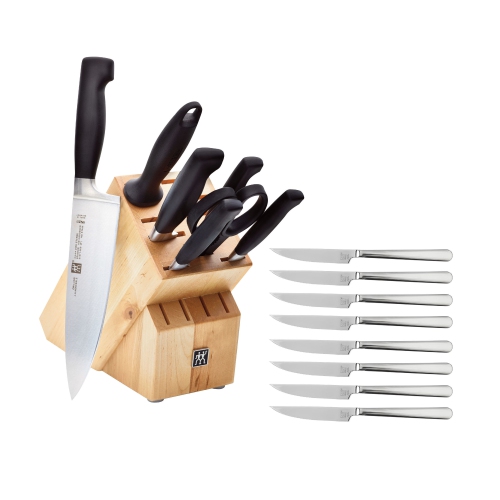
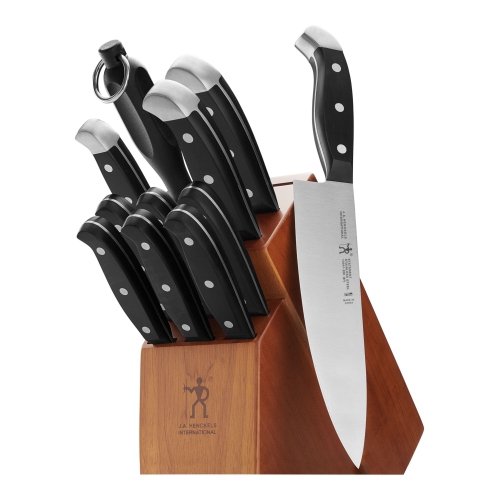
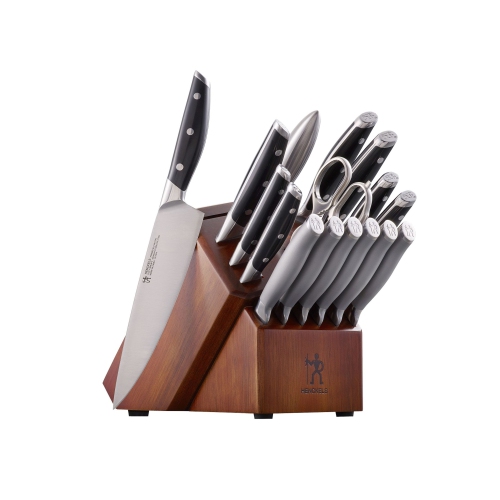
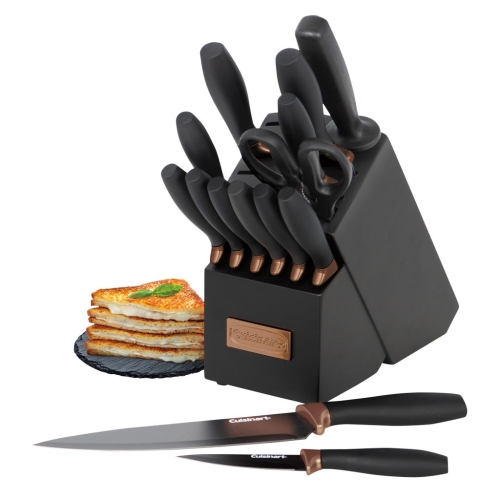
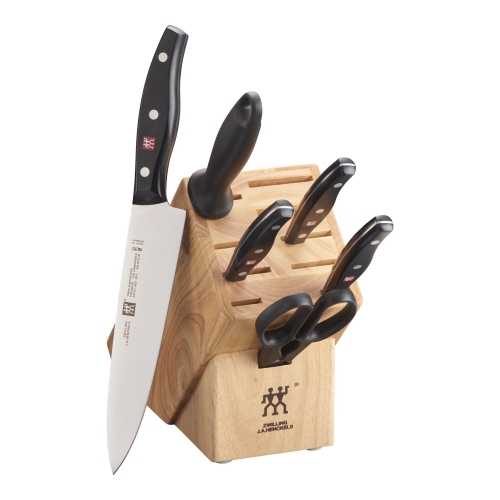
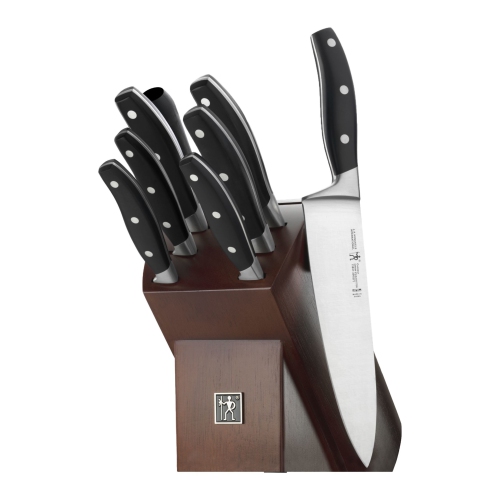
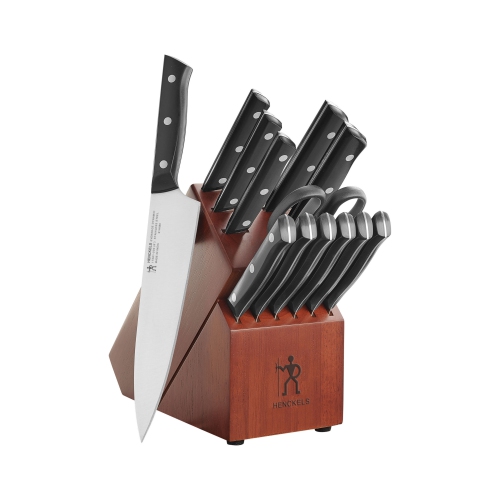
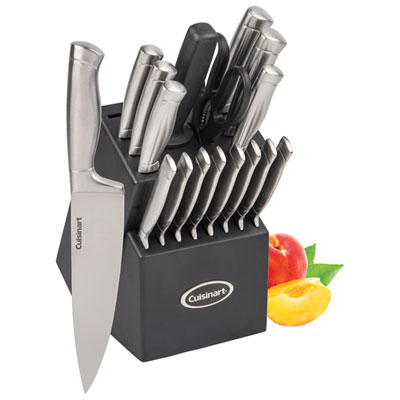


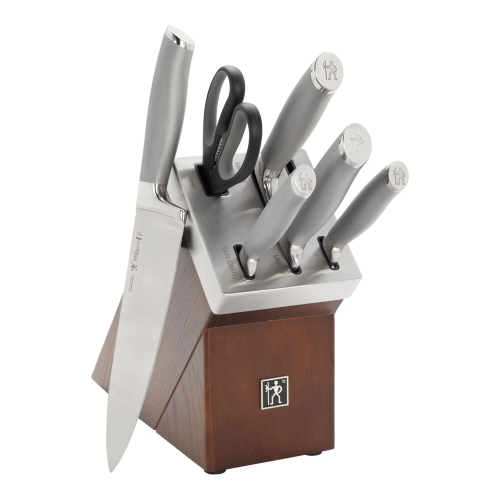

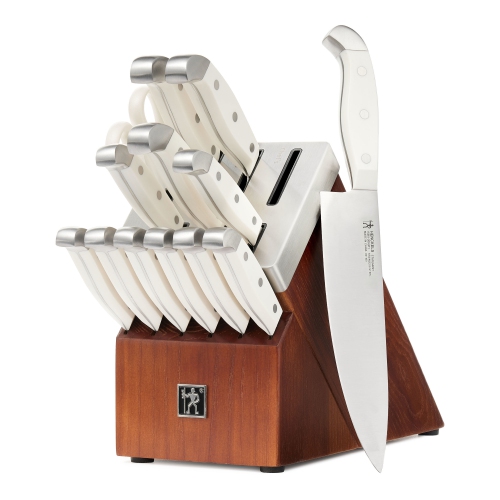
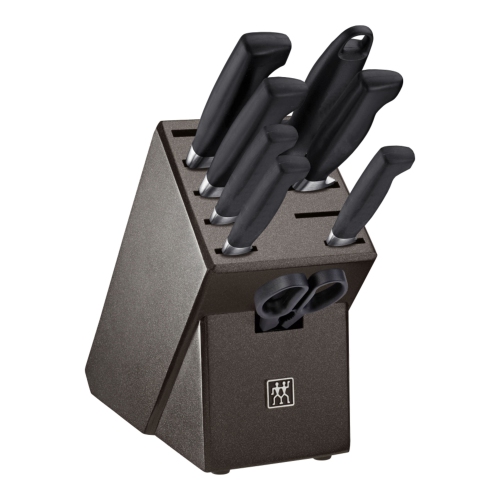
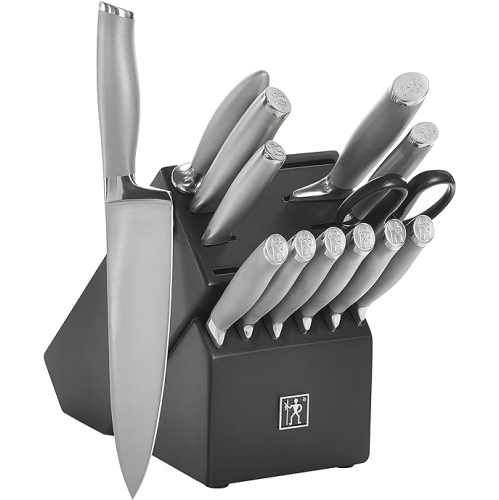





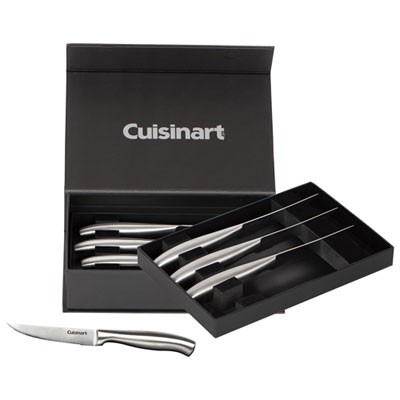
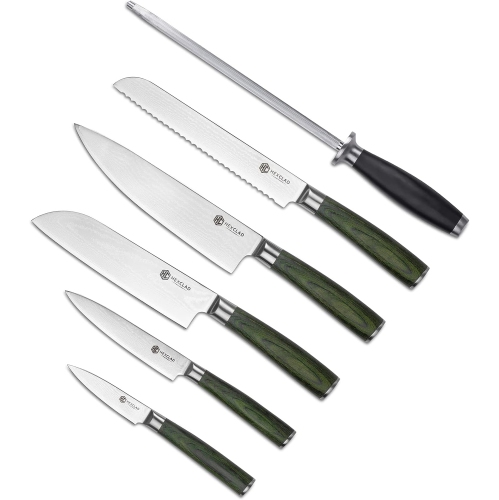
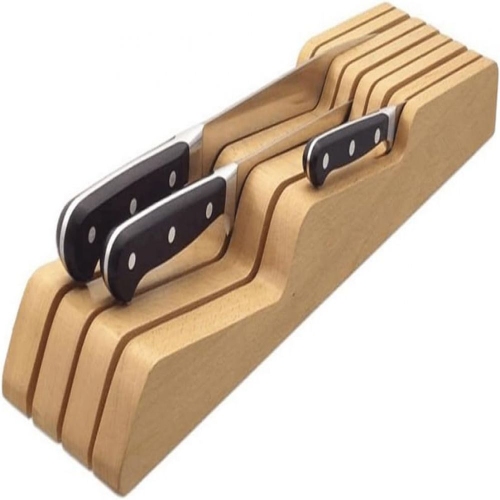
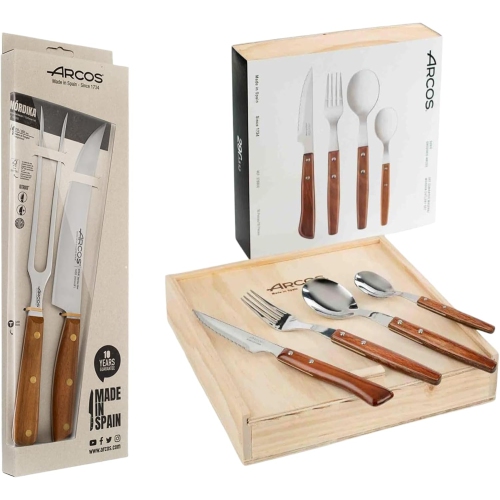
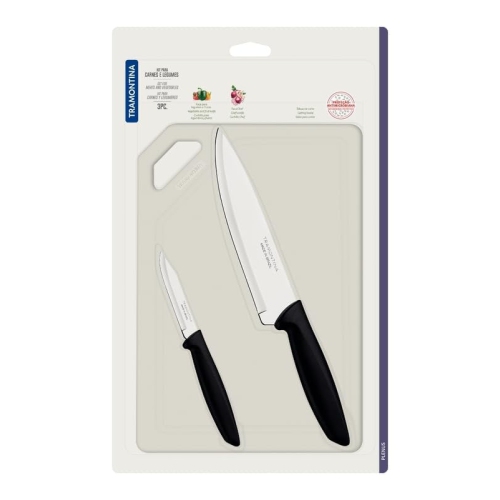
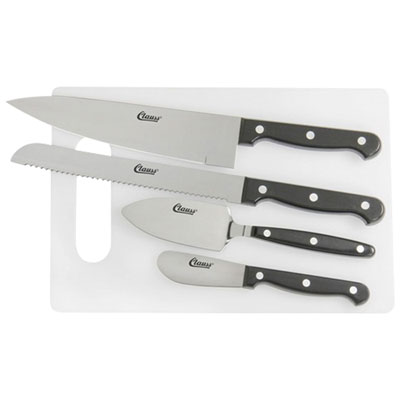
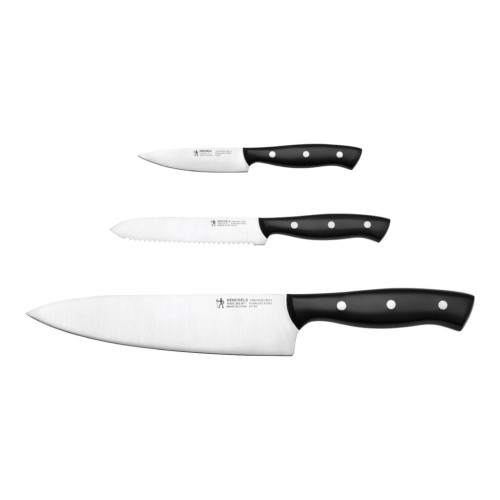
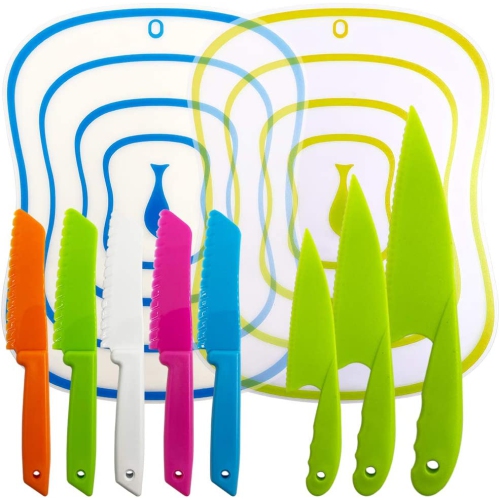

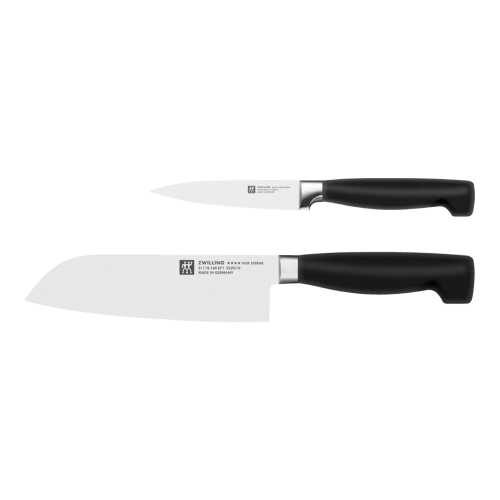
How the right blades simplify everyday meal preparation
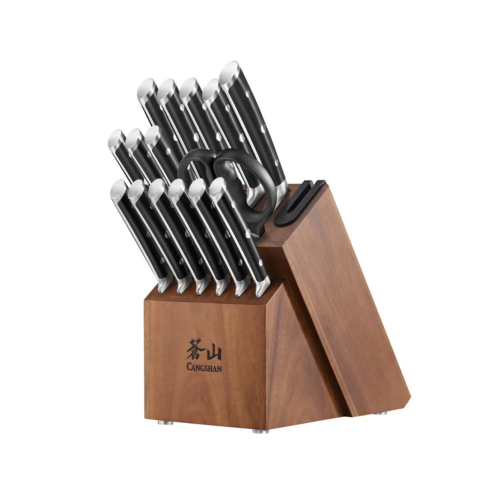
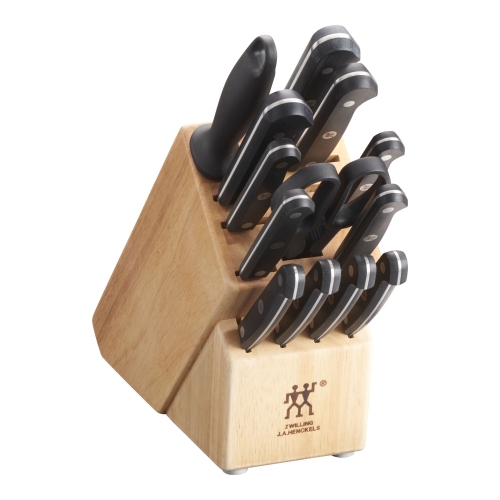
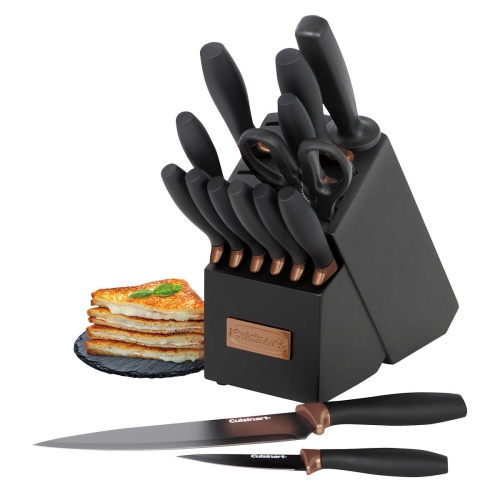
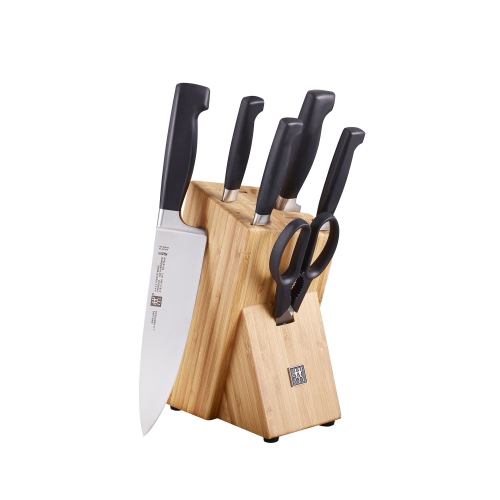
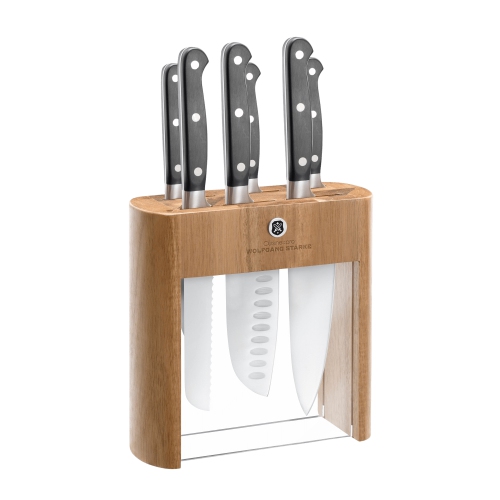
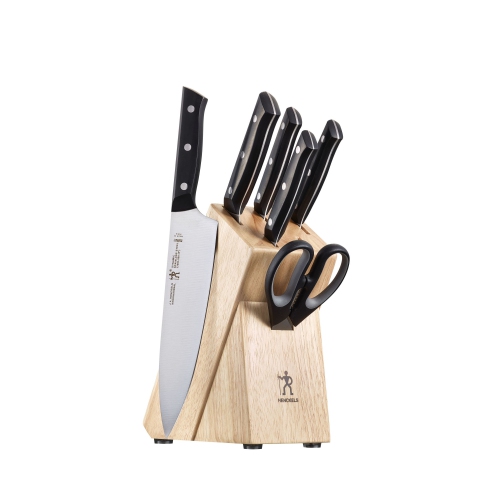
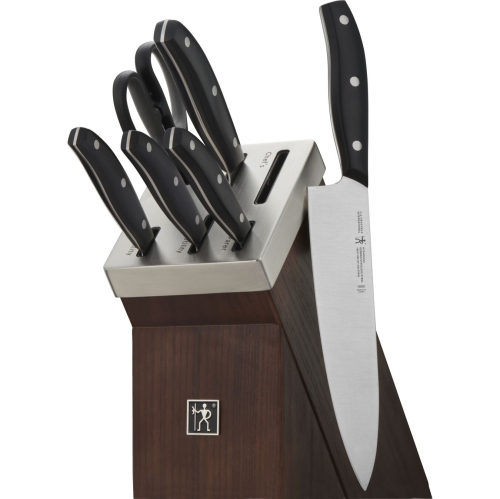
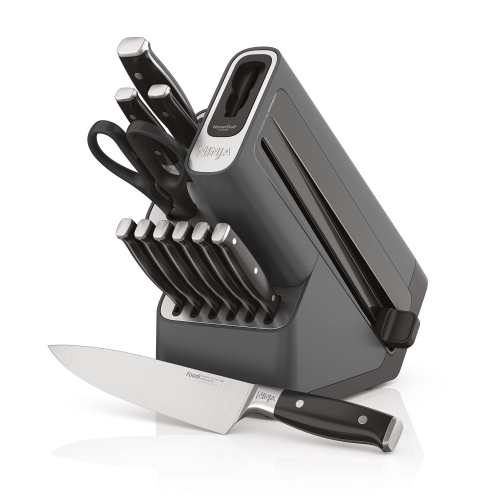
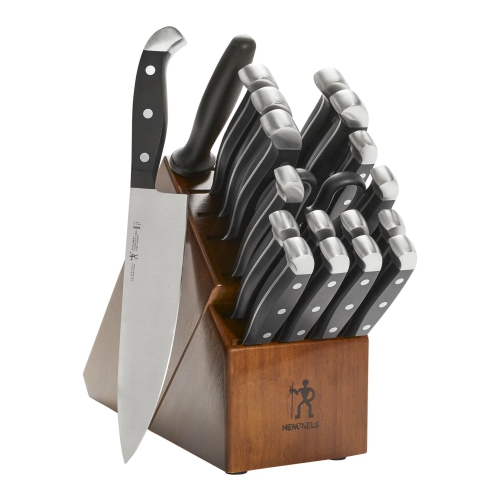
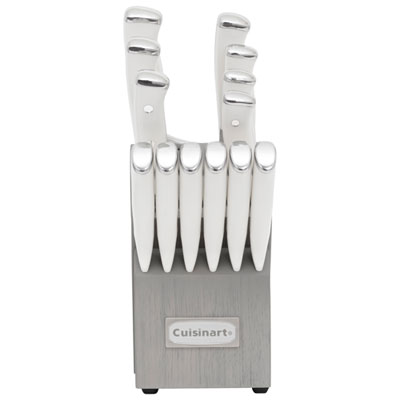
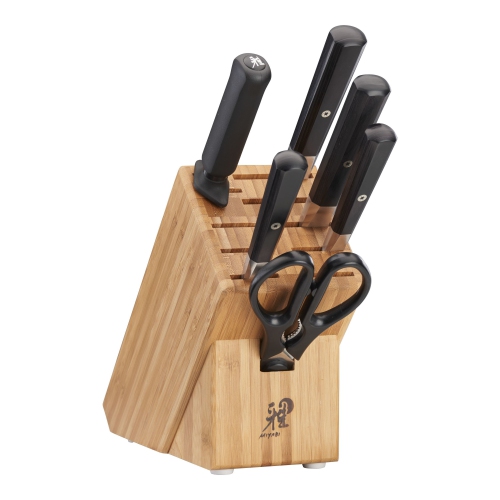
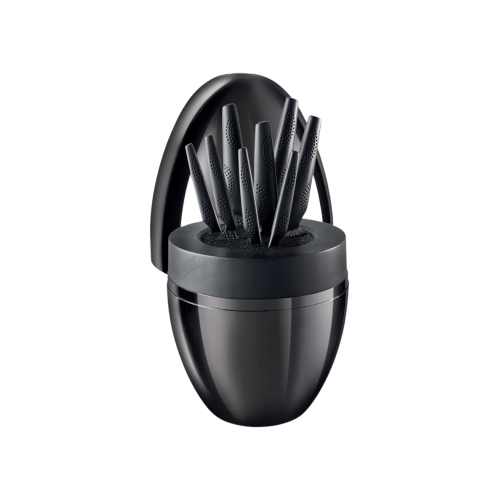
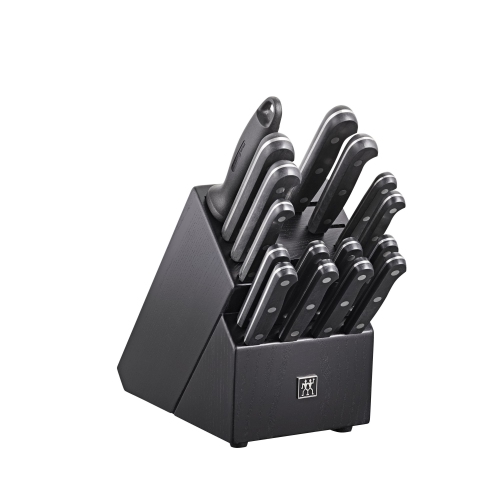
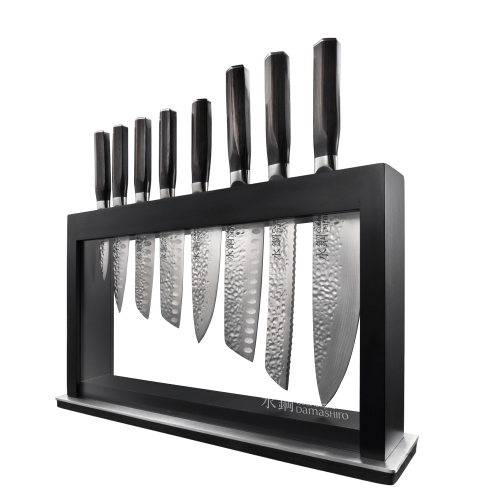
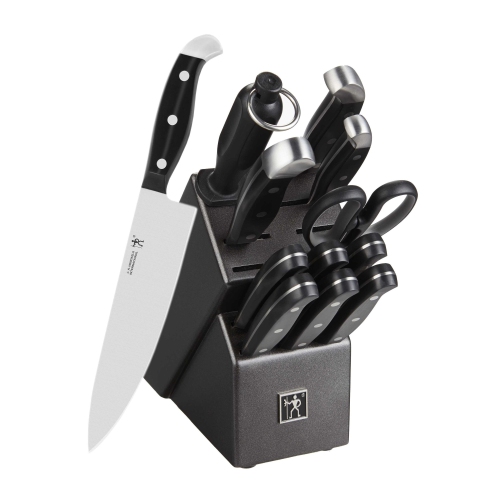
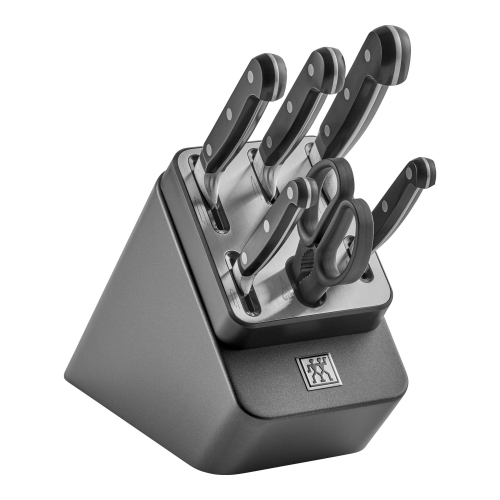
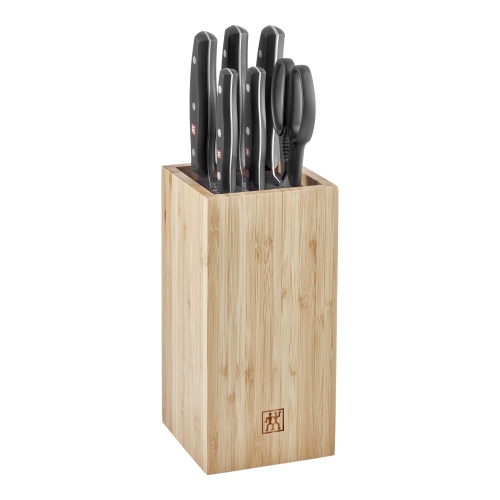
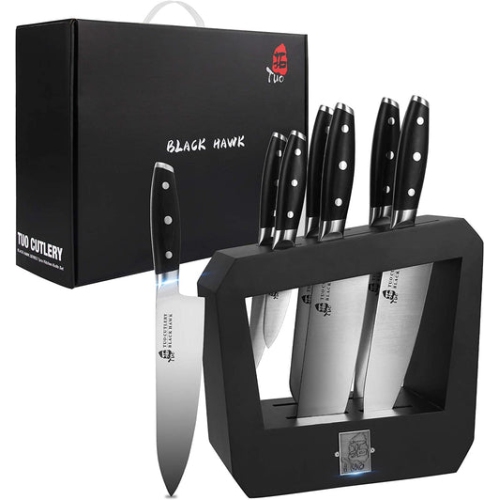
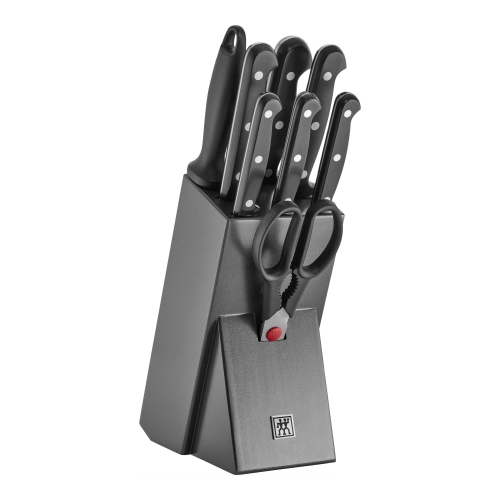
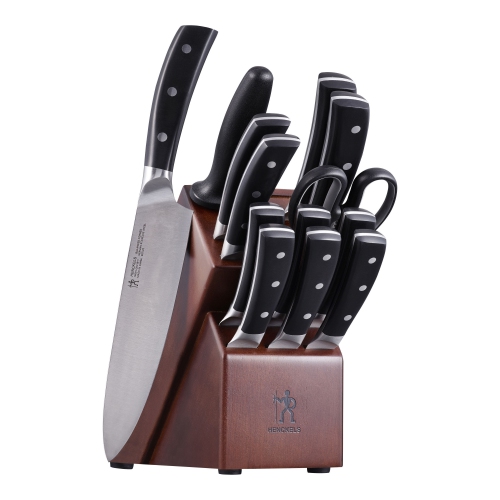
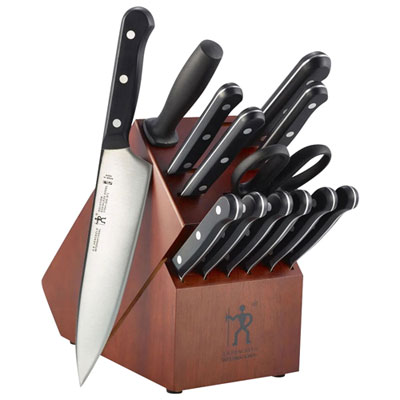
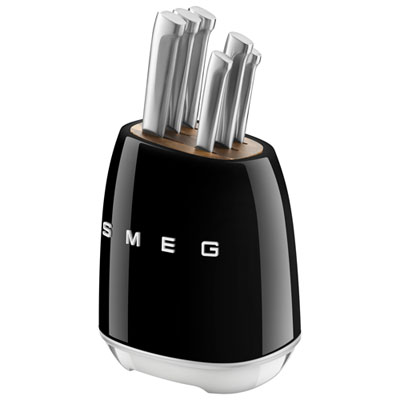
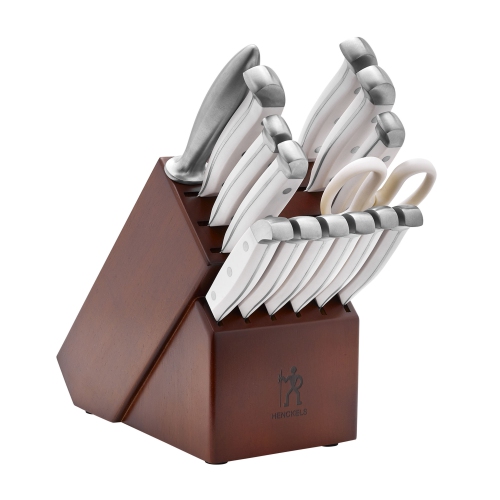
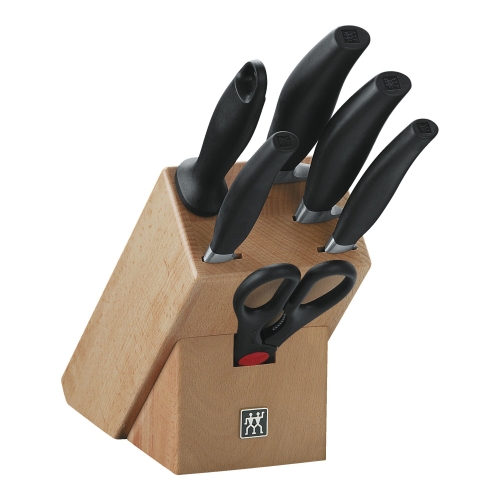
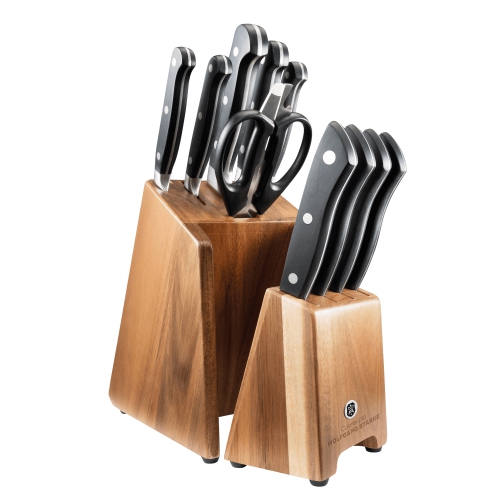
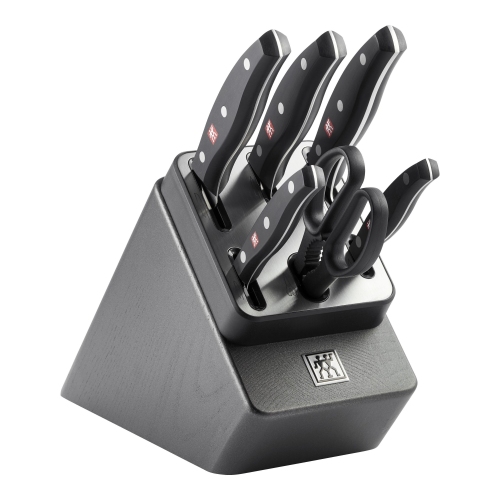
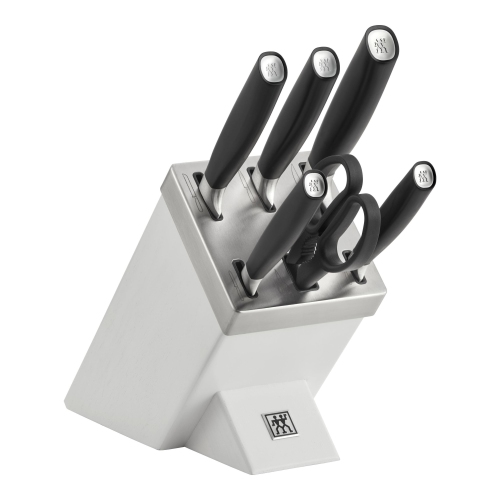
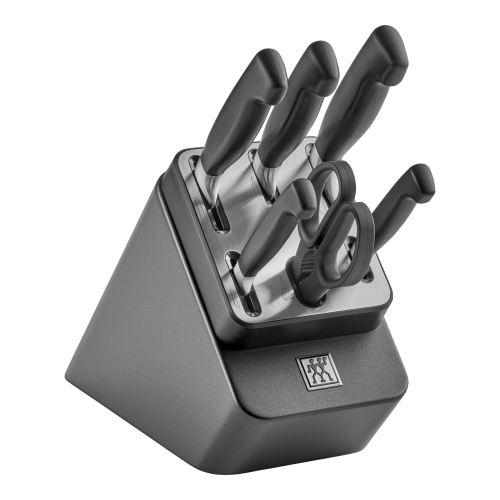
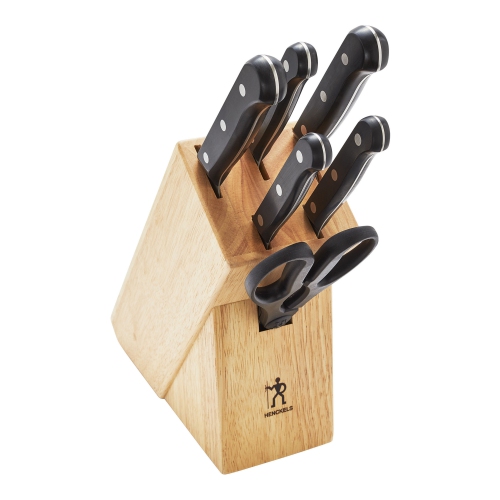
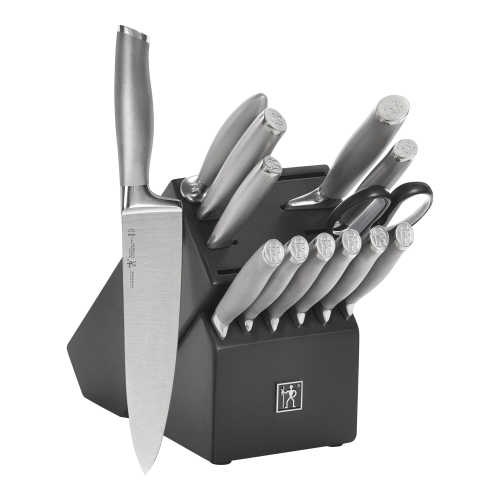
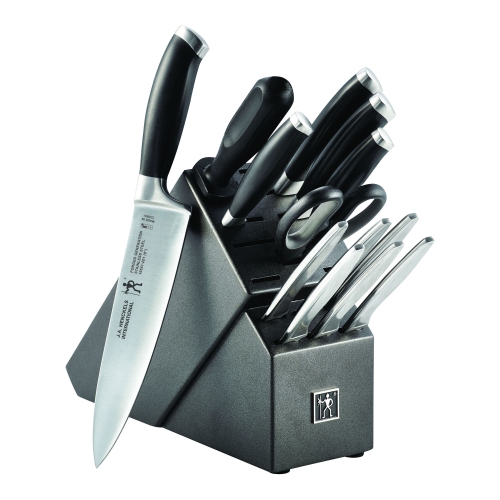
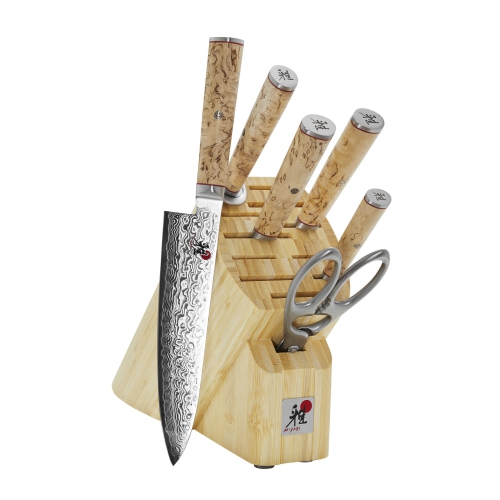
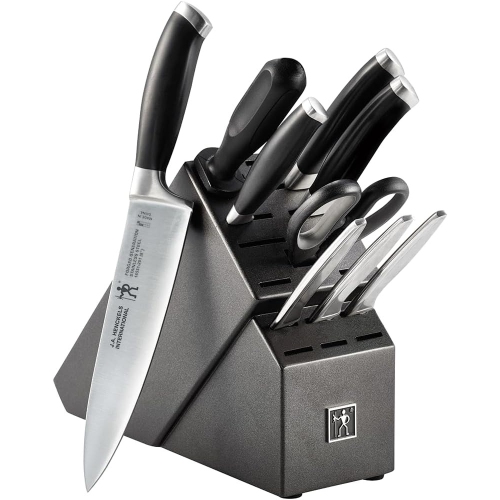
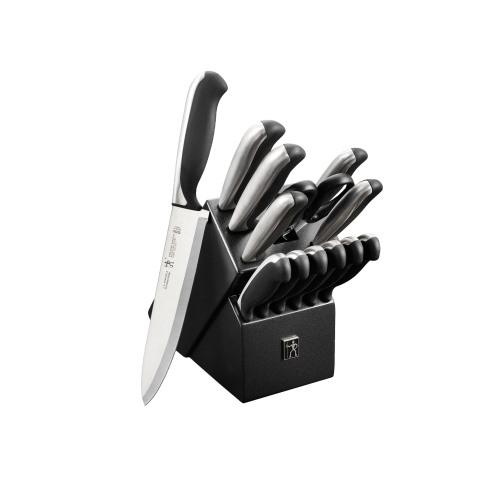
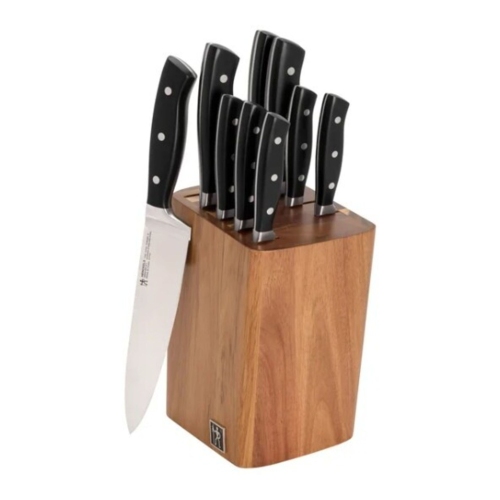
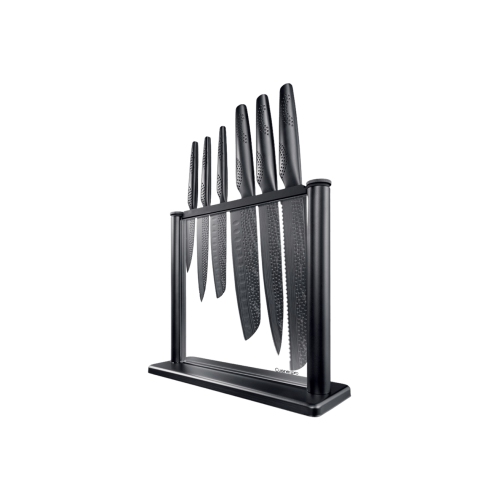
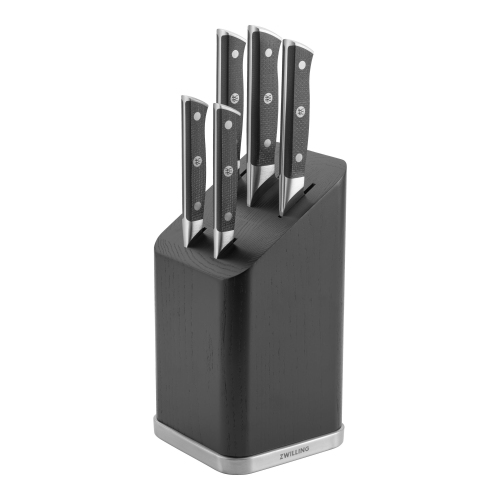
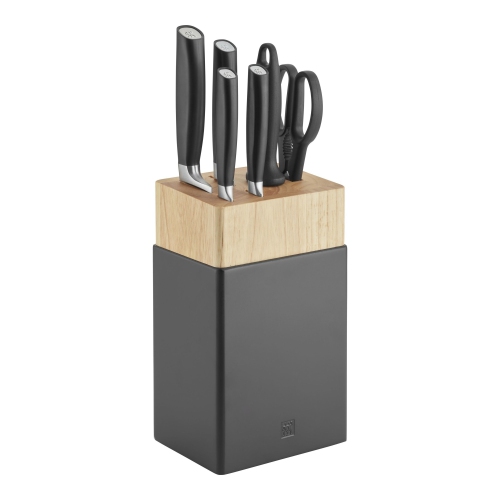
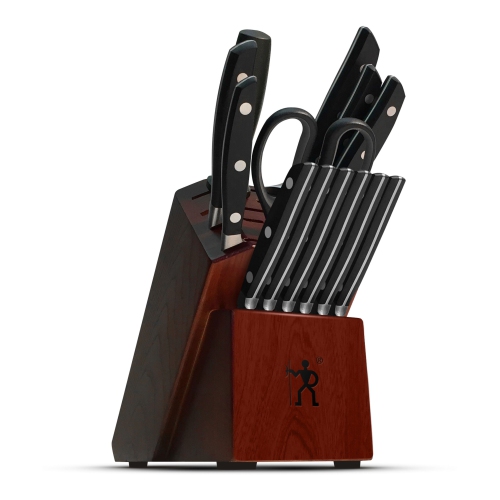
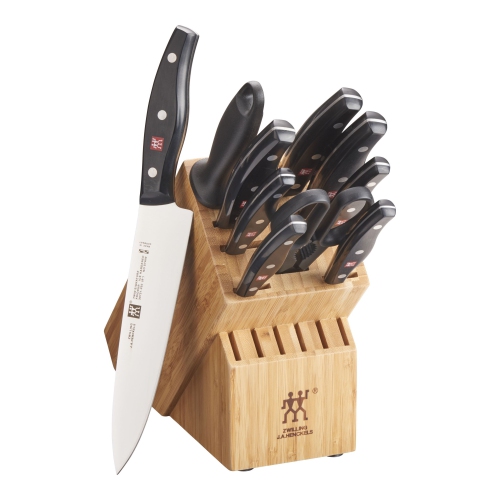
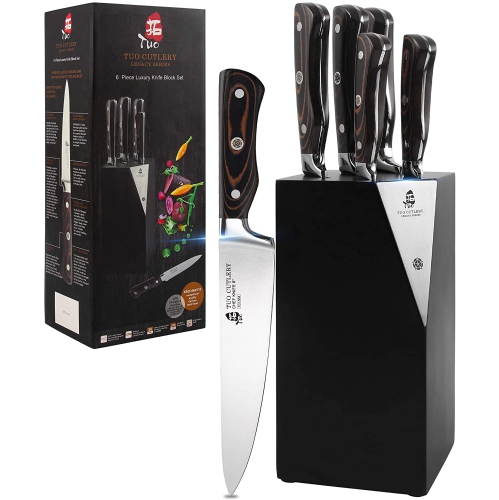
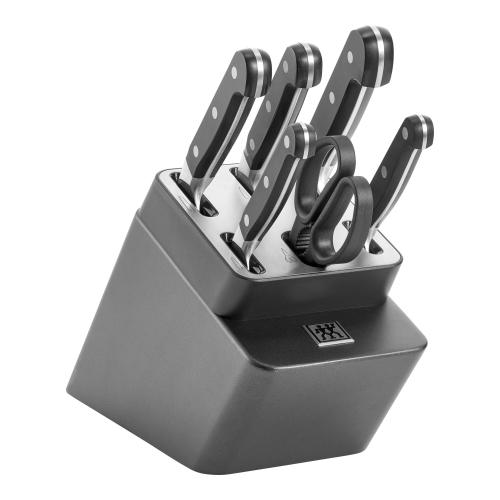
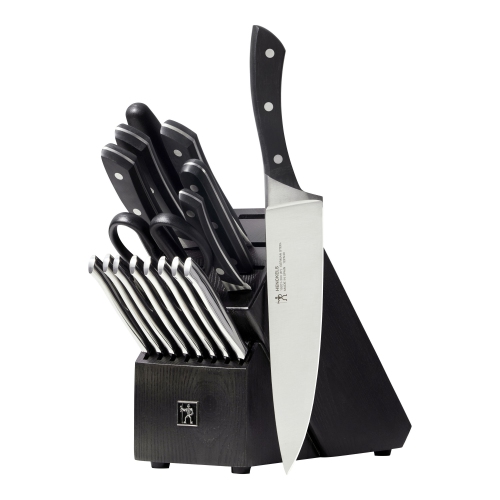
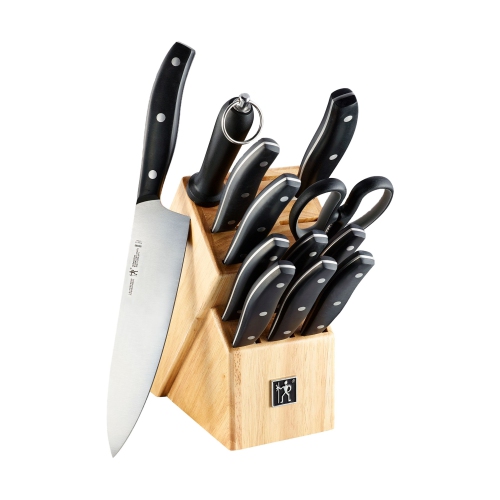
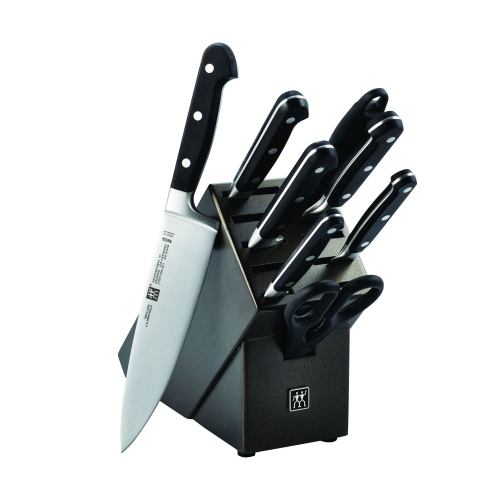
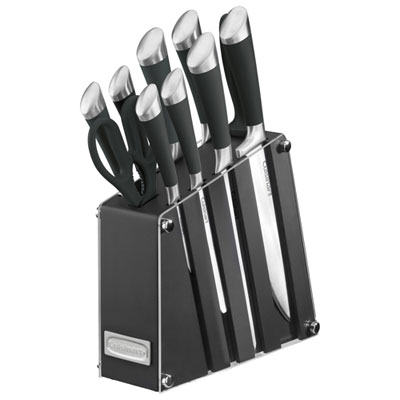
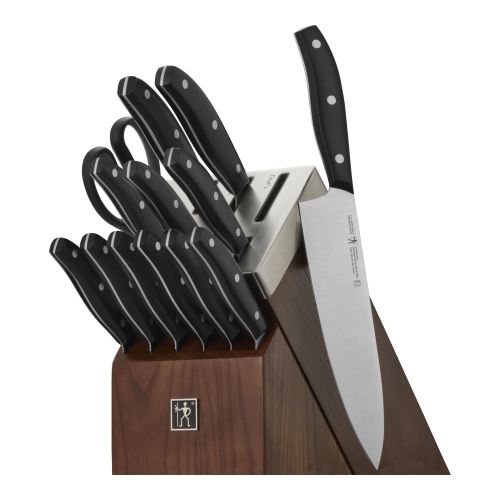
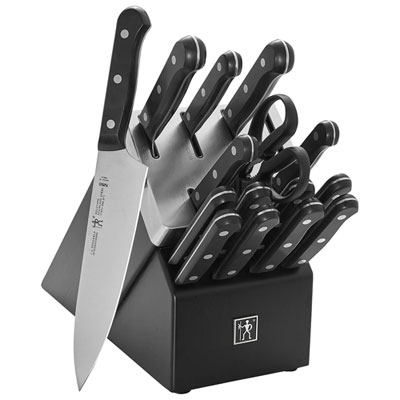
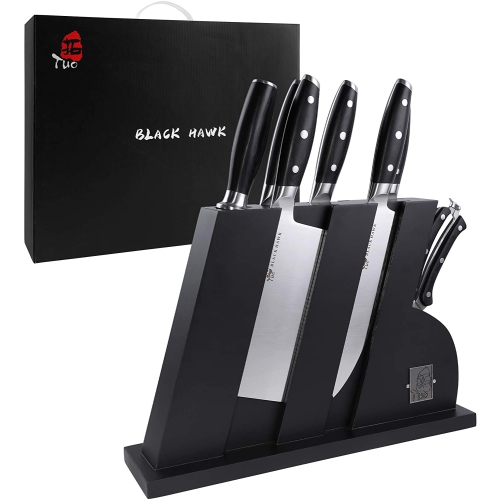
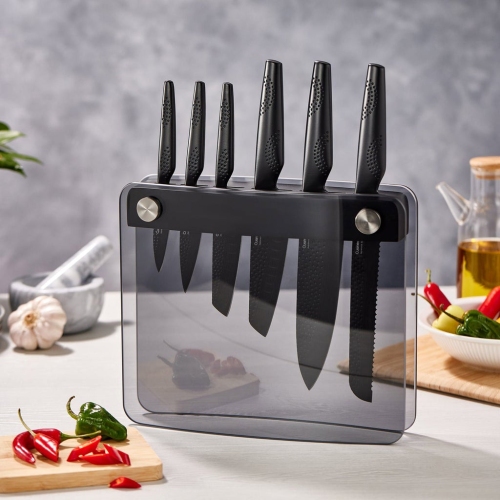
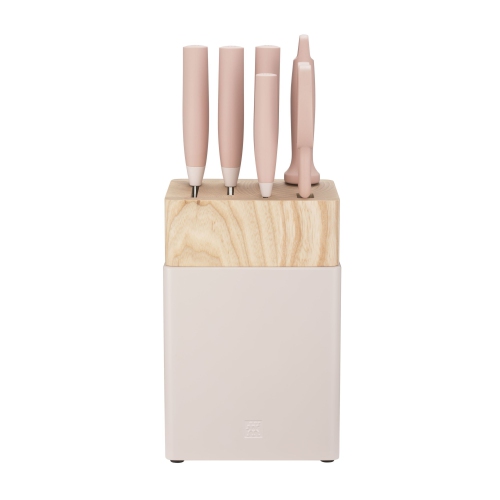
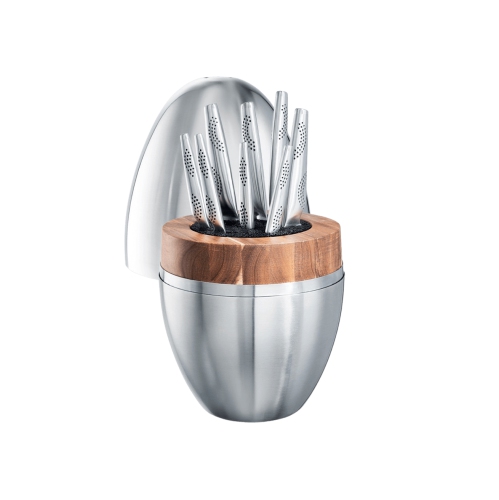
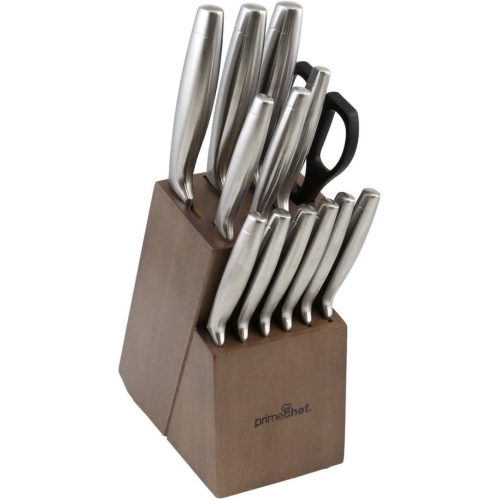
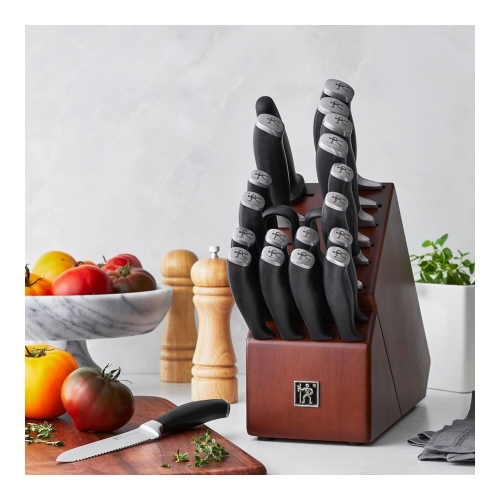
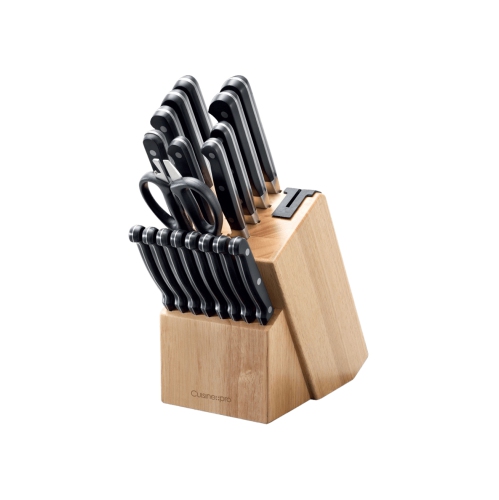
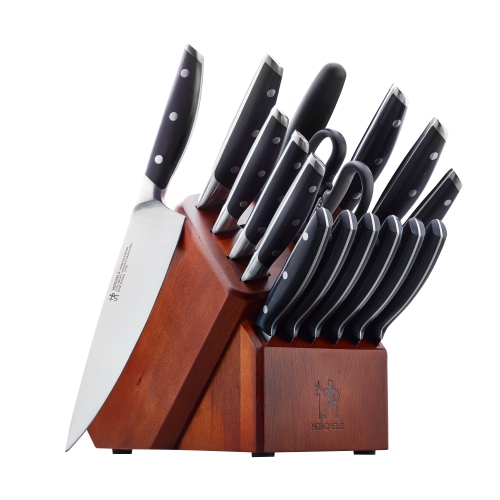
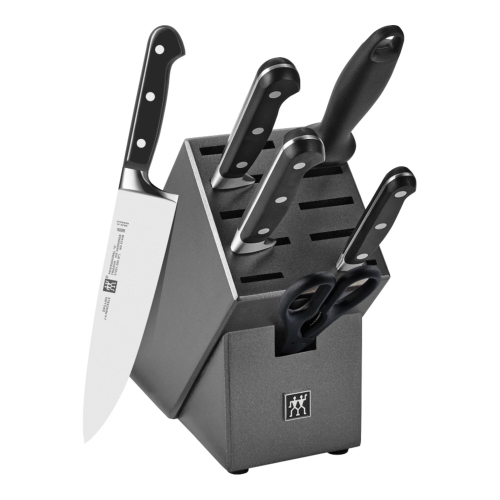
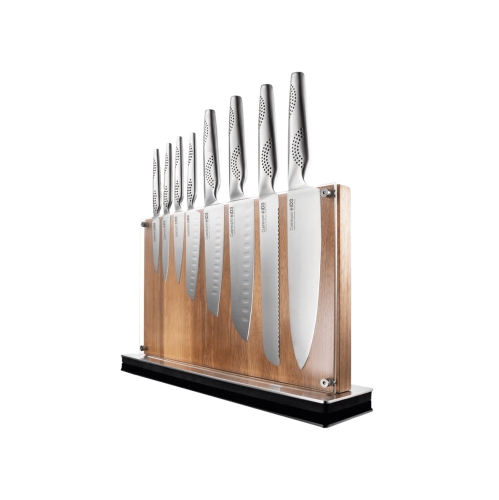
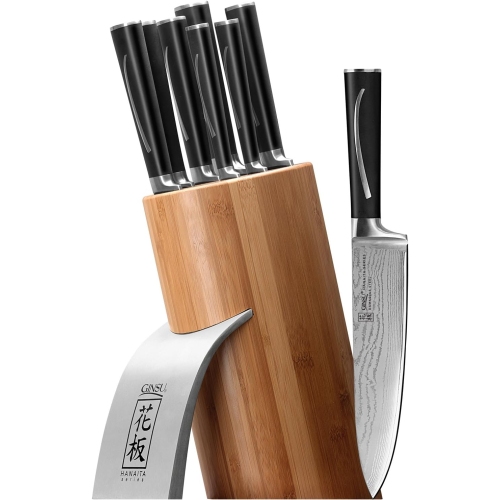
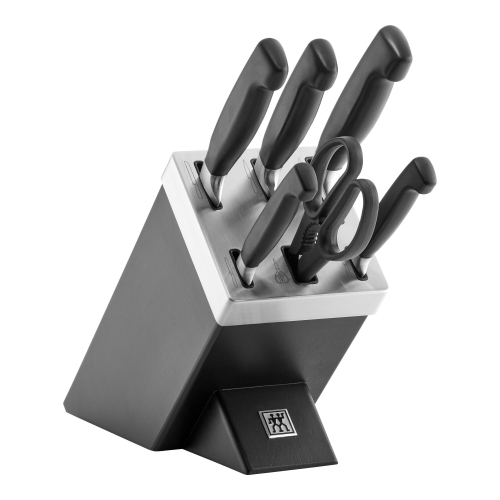
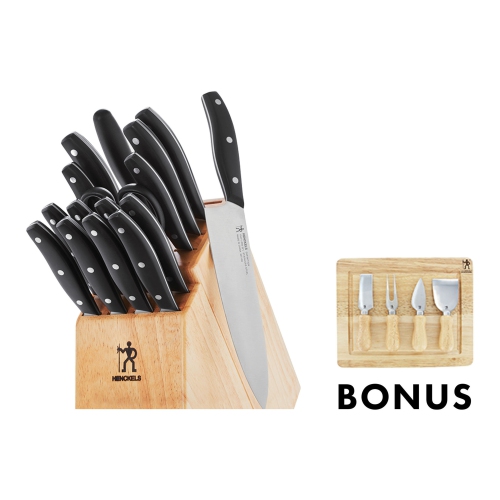
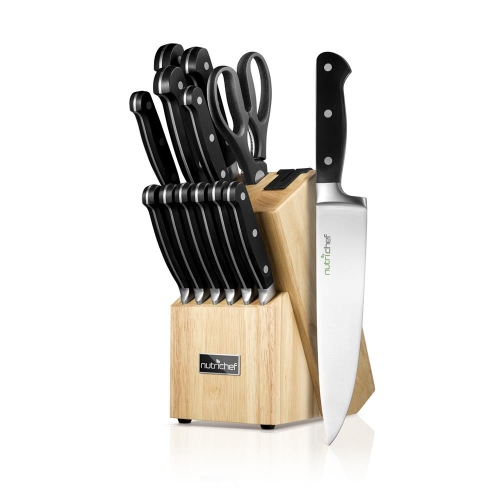
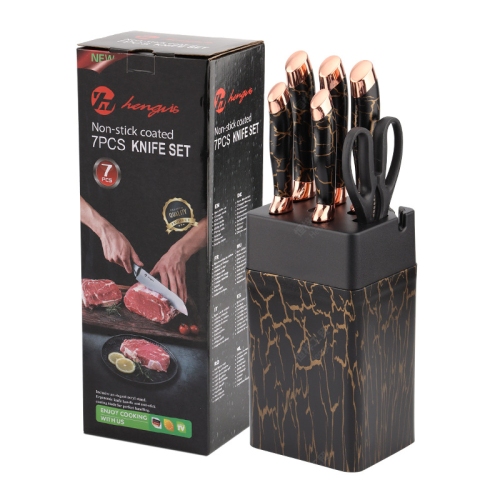
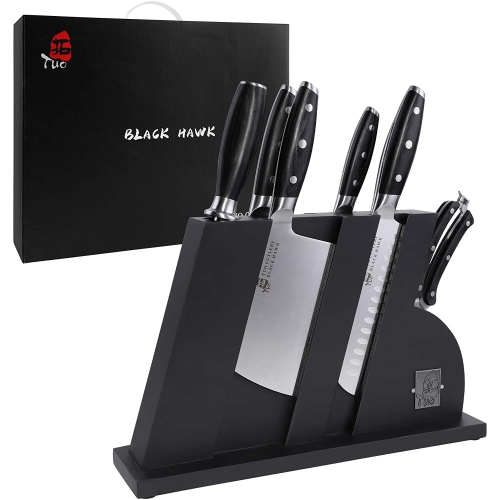
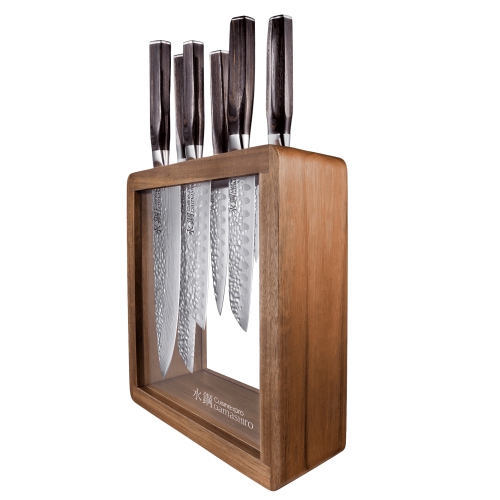
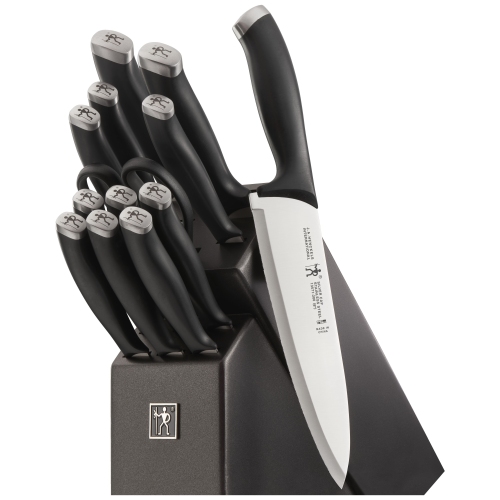
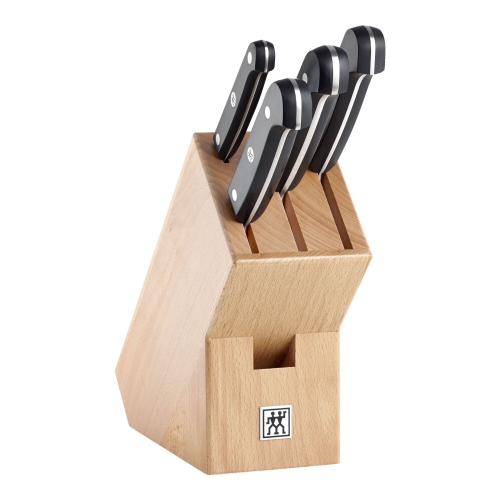
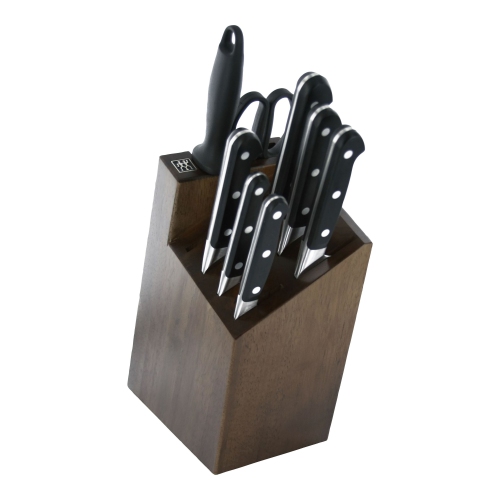
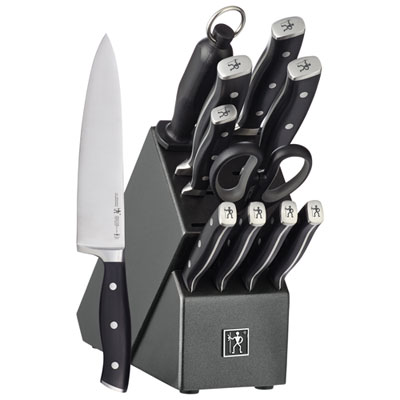
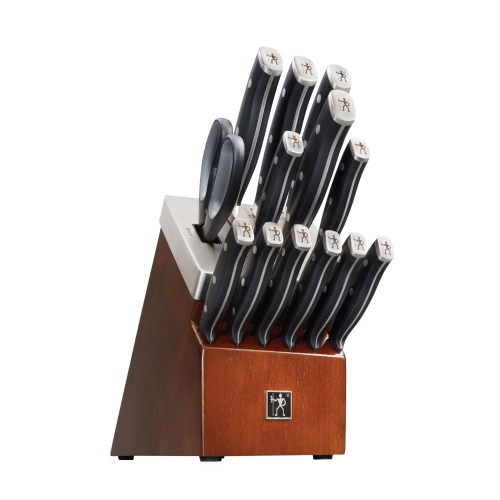
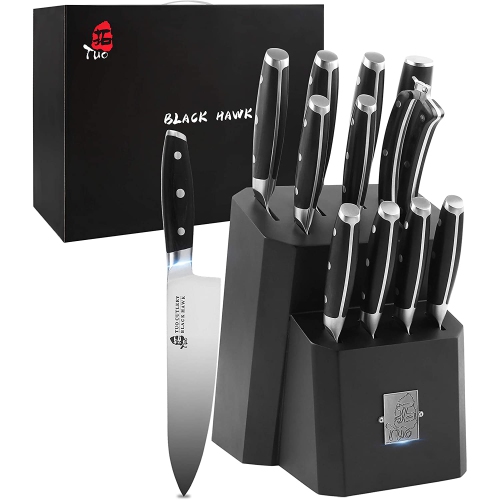
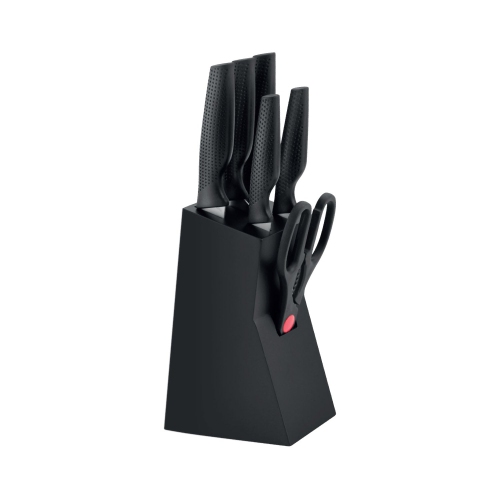
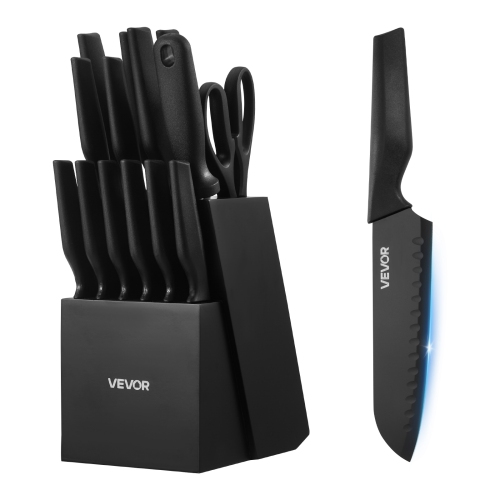
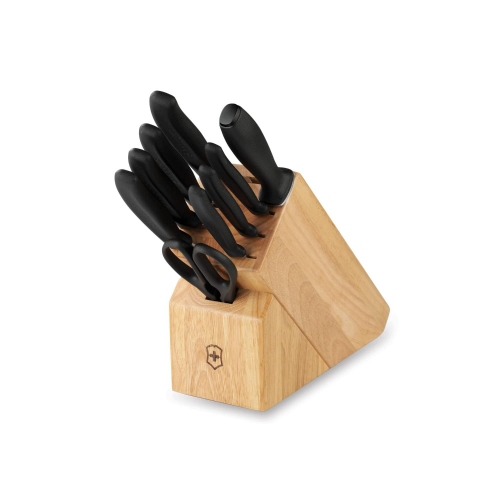
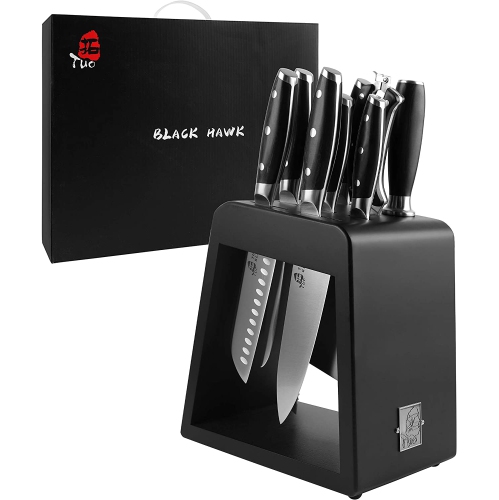
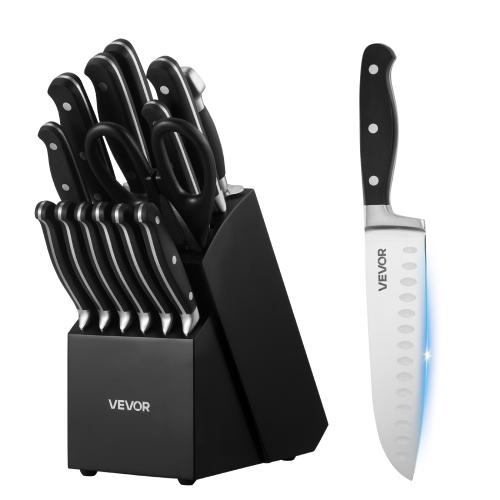
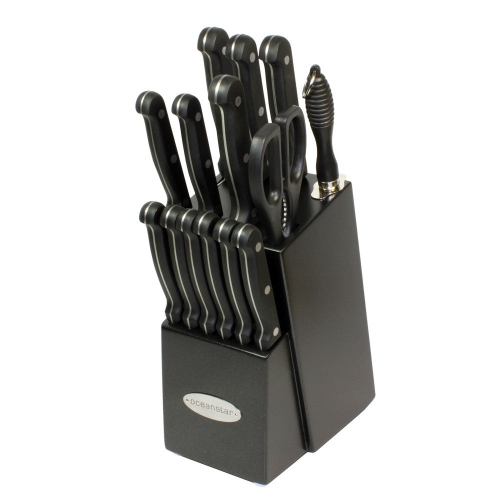
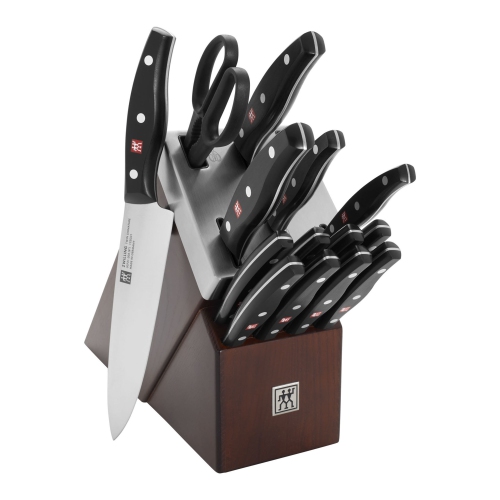
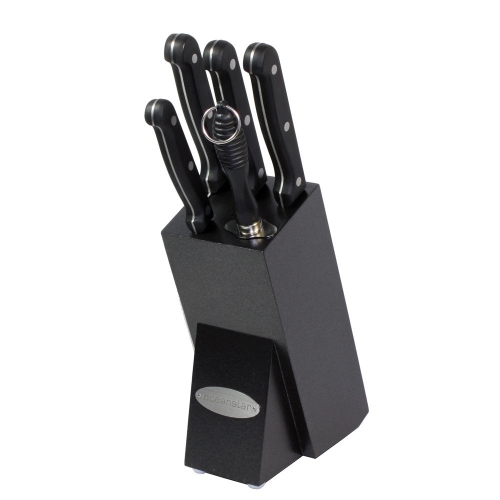
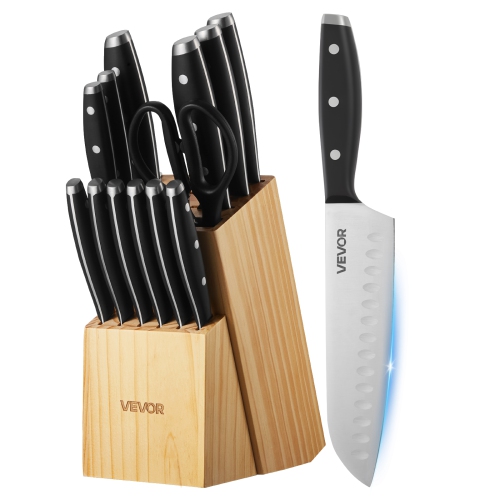
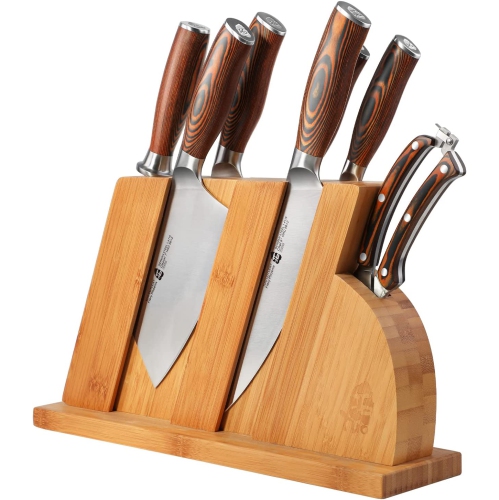
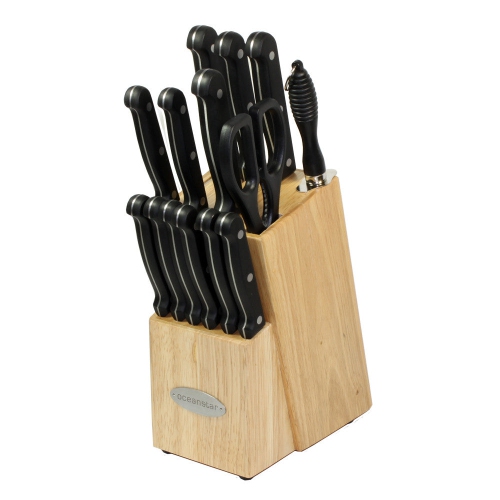
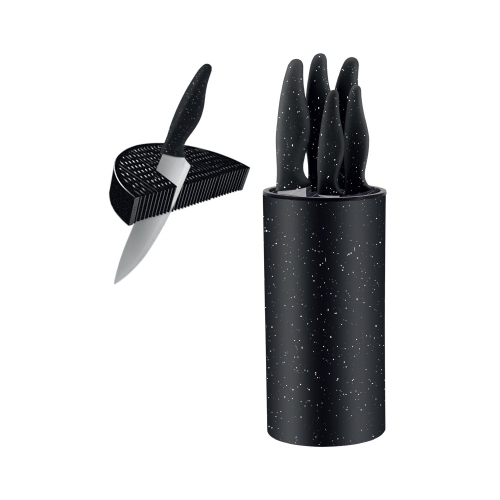
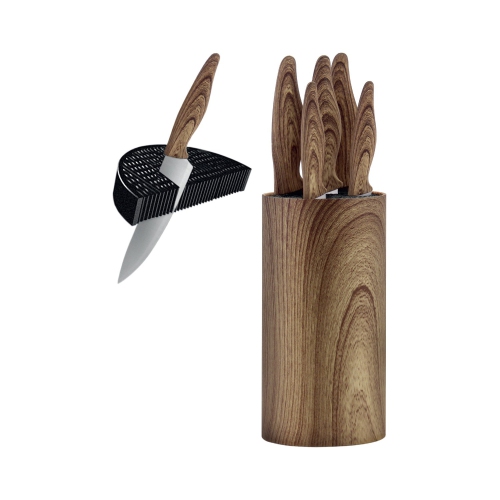
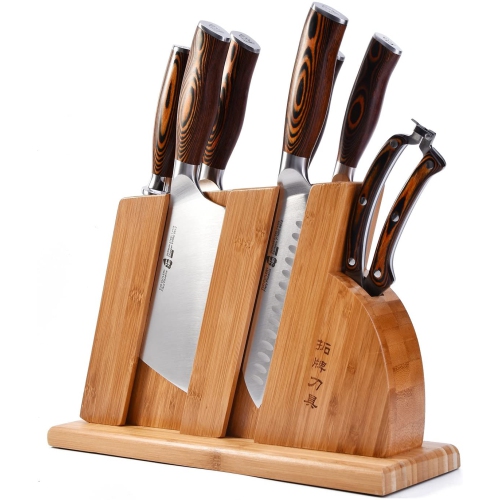
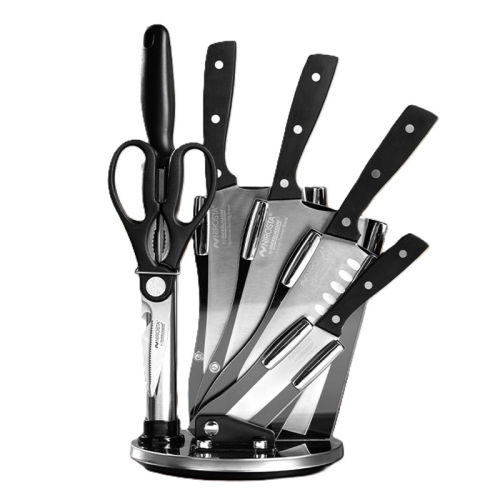
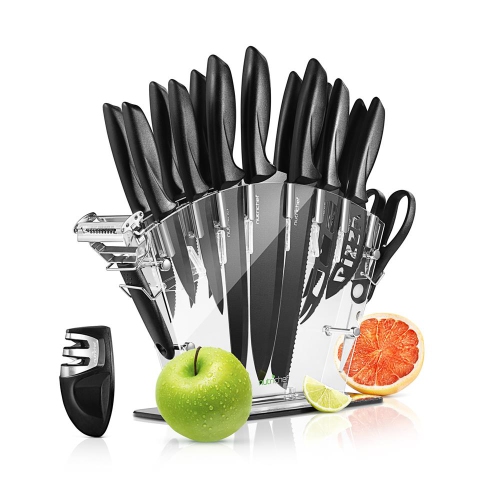
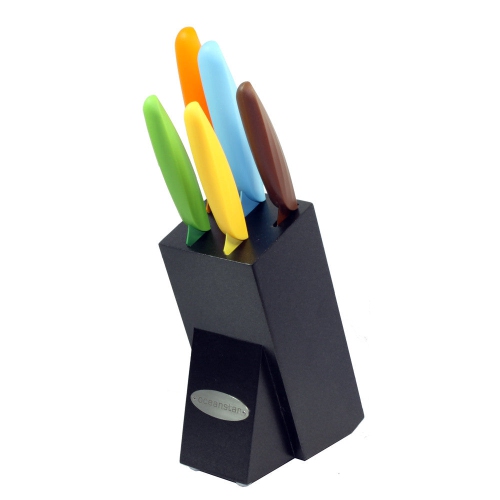
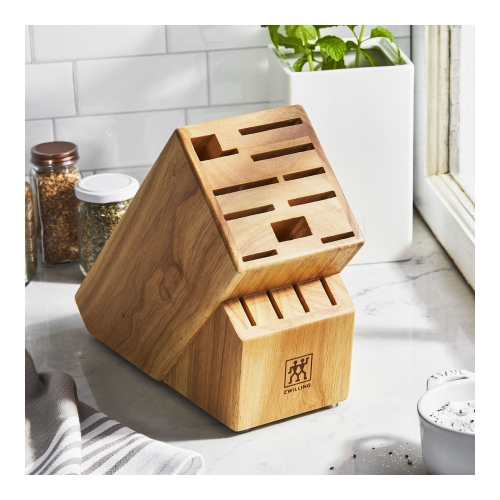
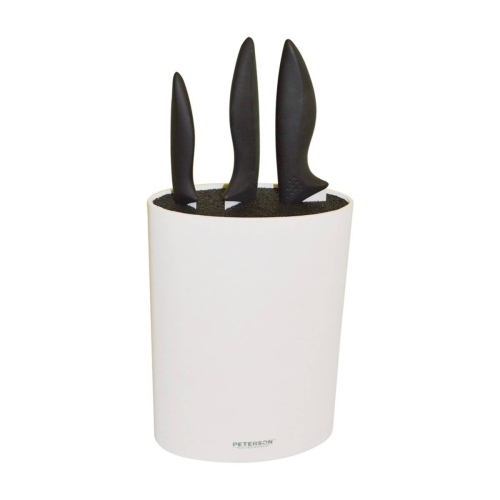
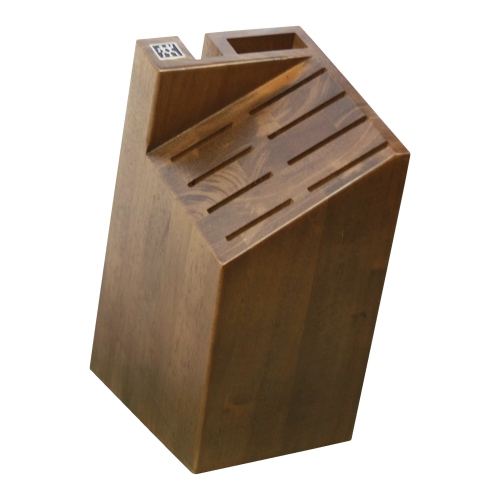
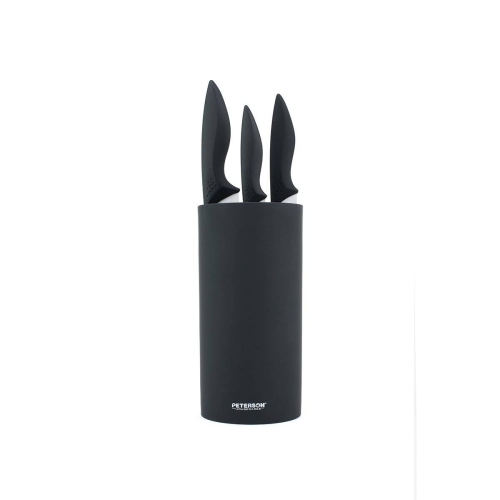
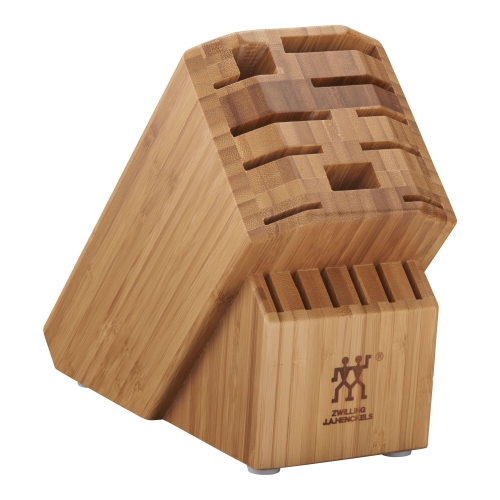
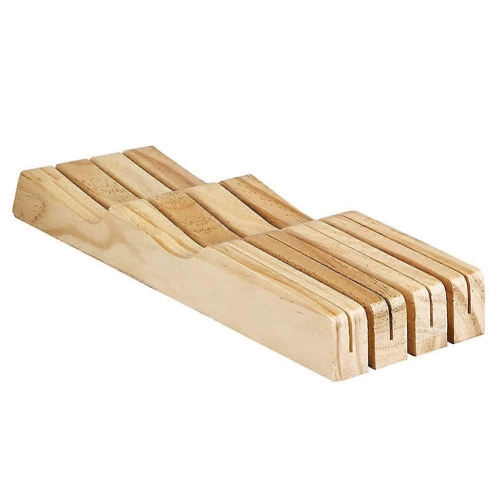
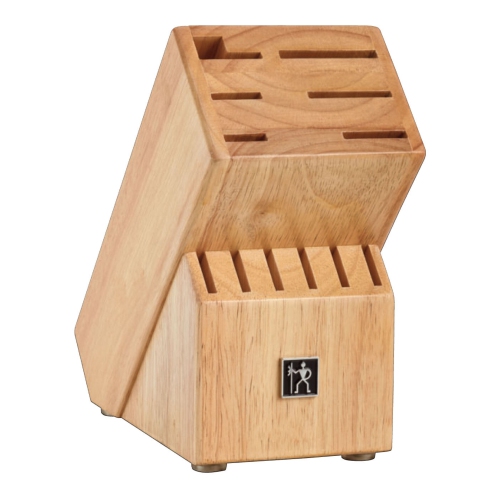
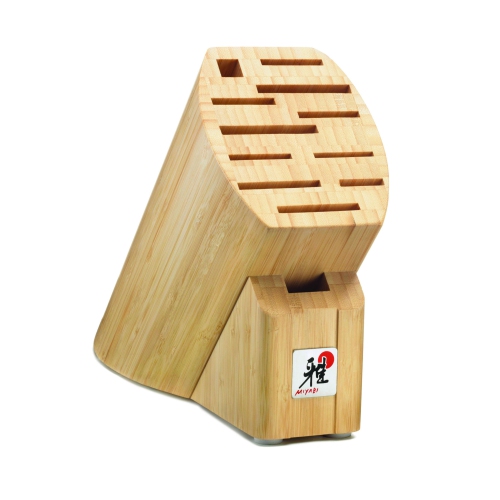
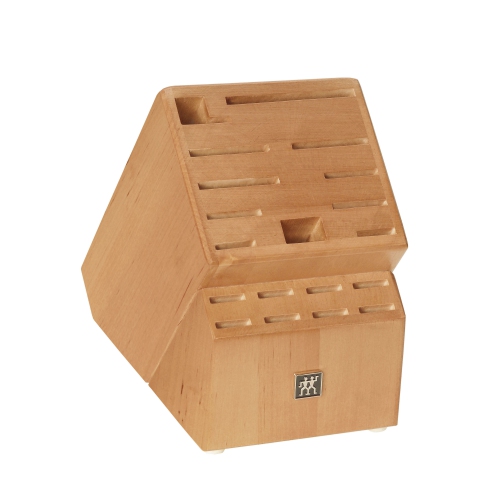
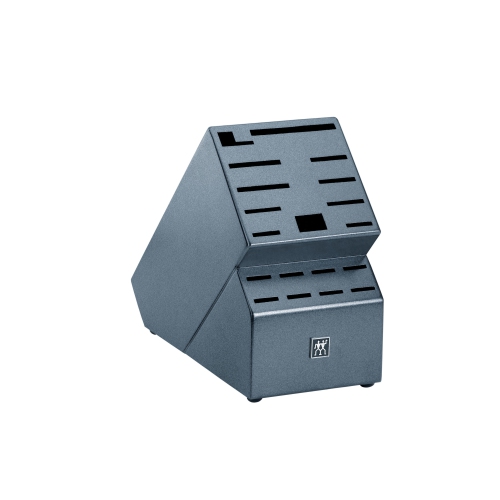
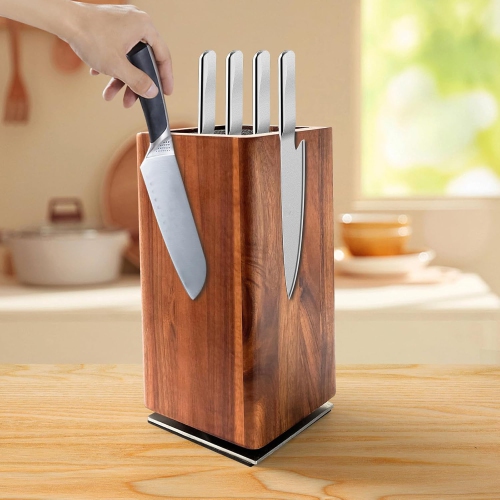
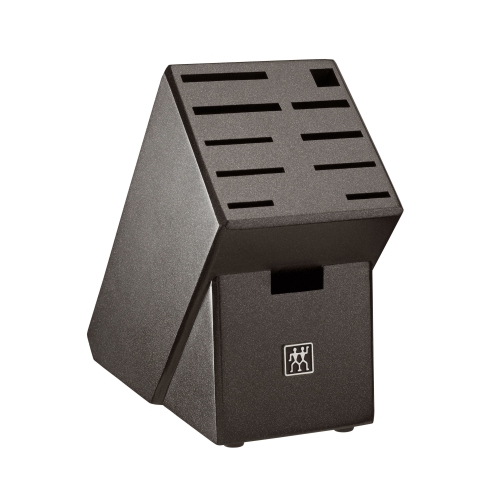
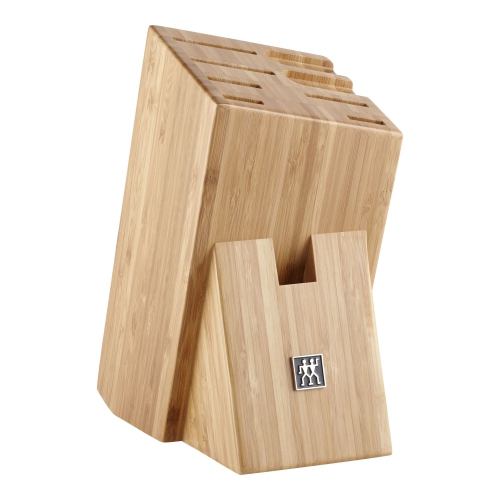
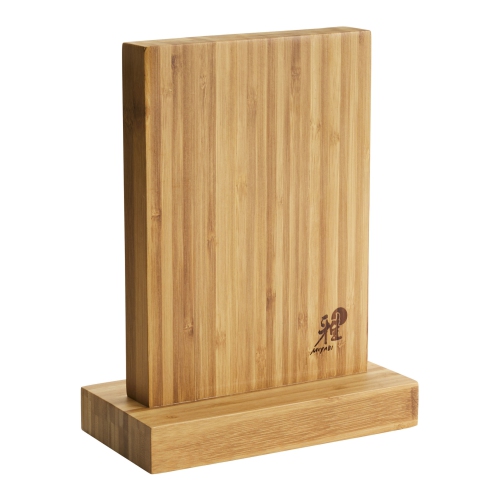
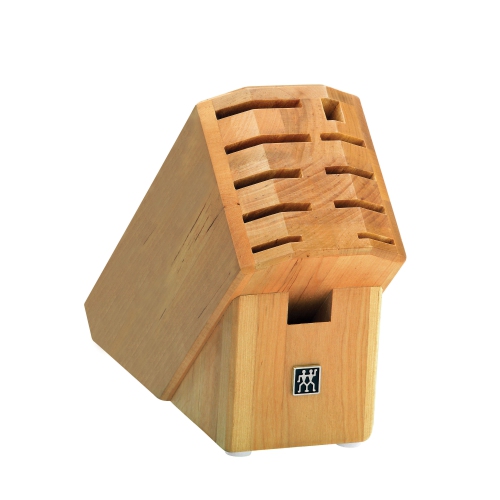
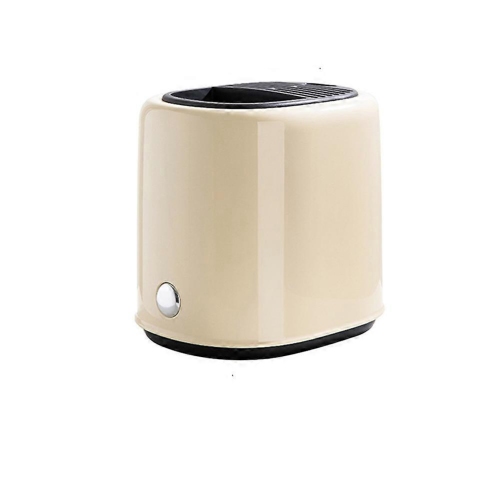
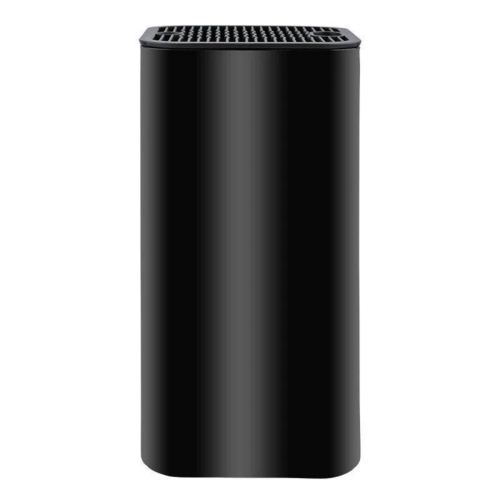
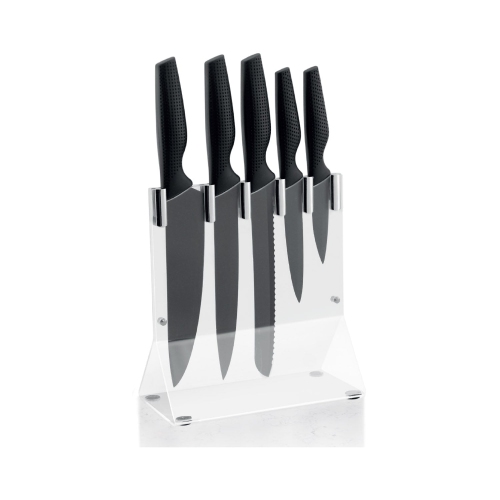
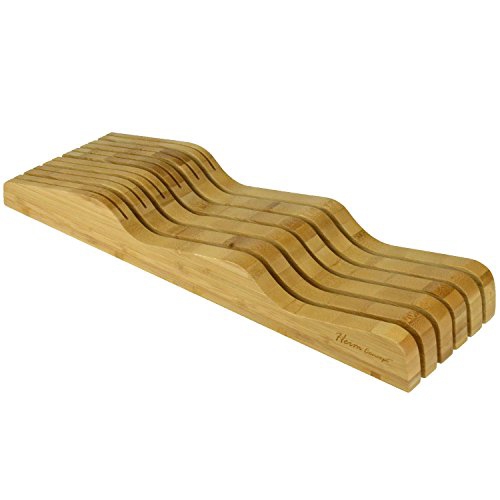
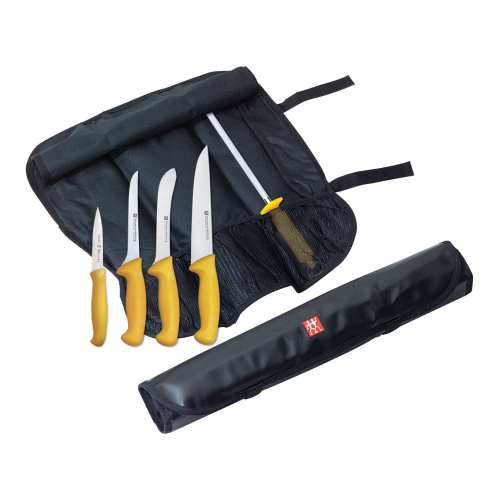
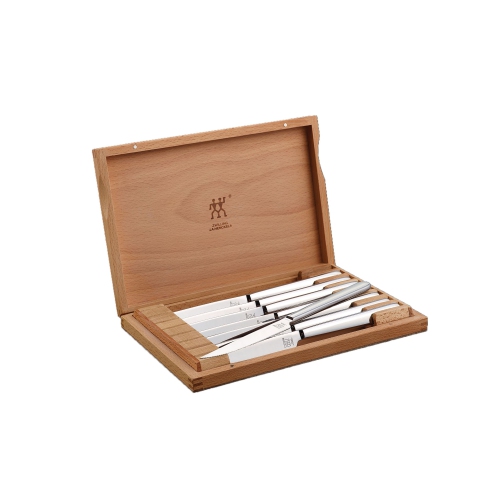
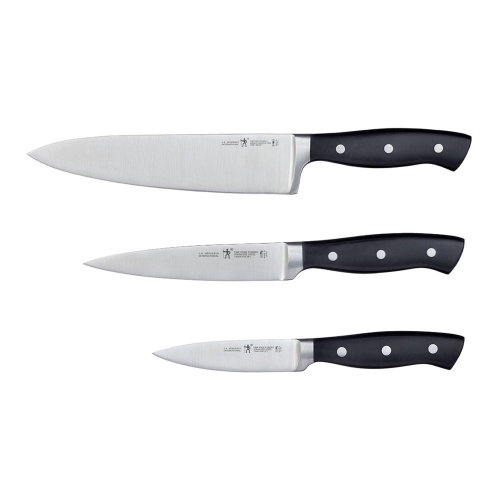
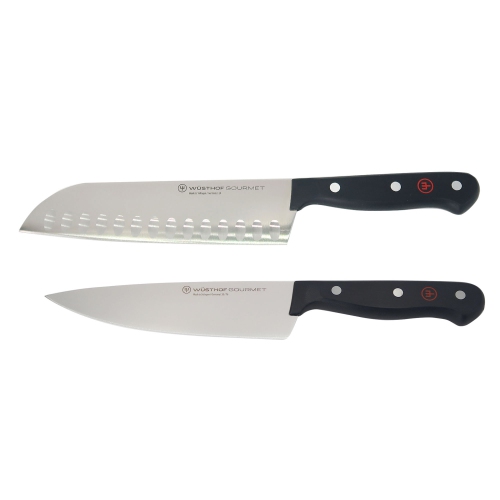
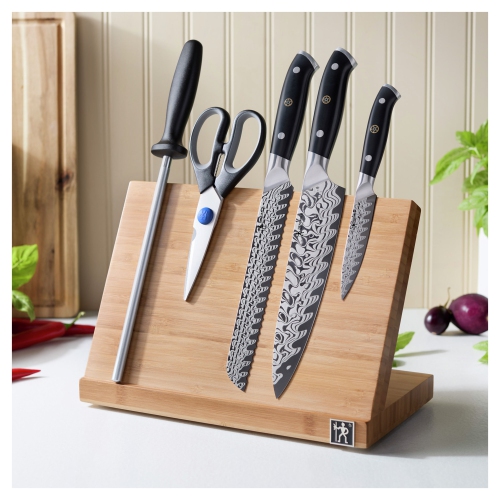
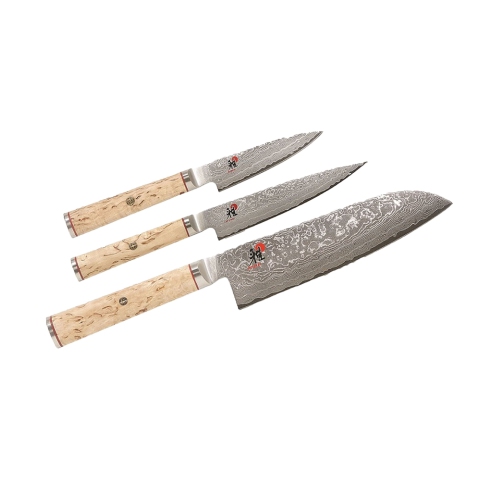
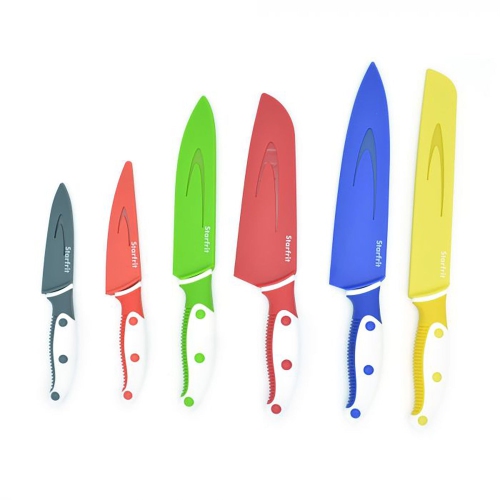
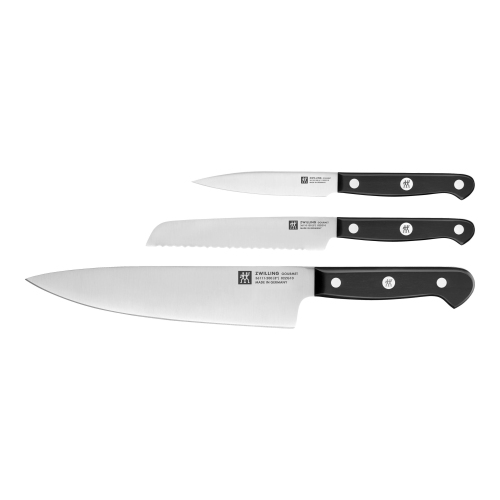
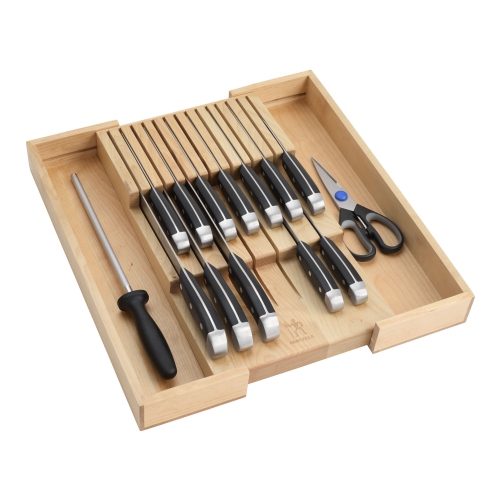
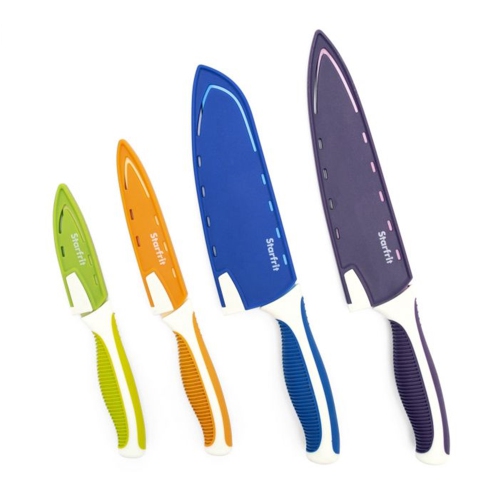
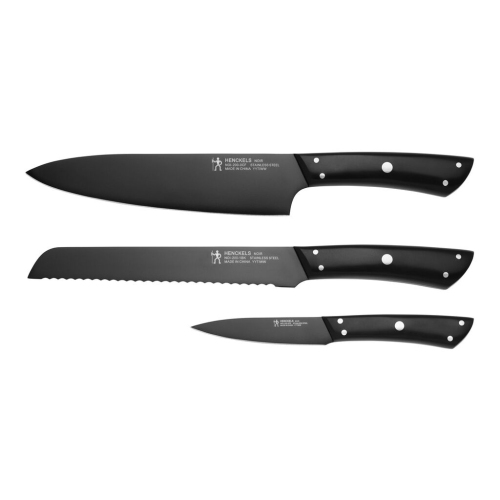
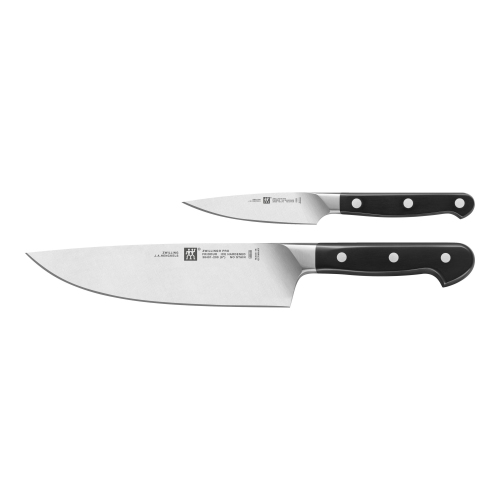
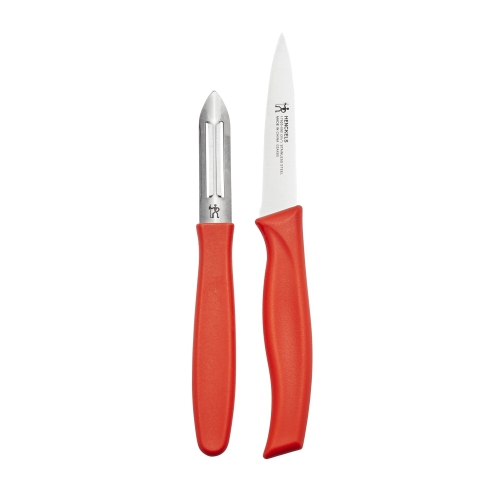
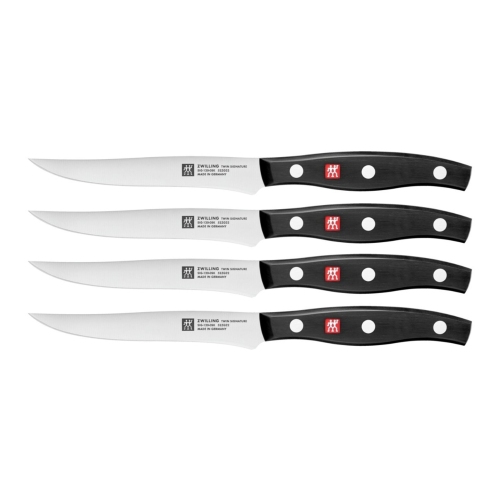
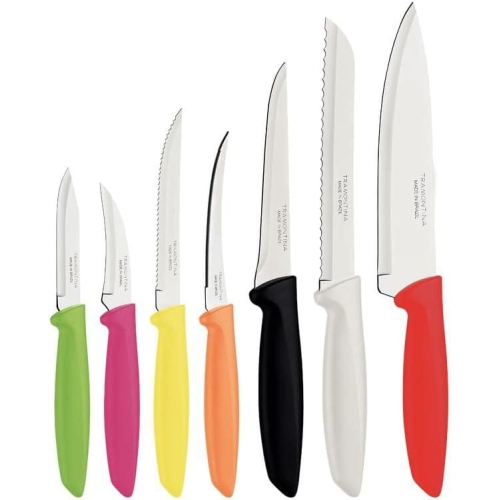
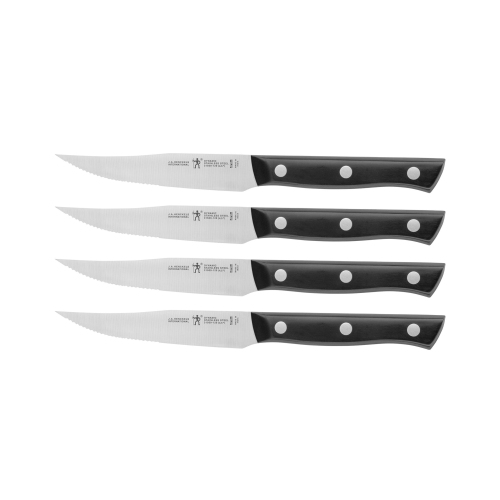
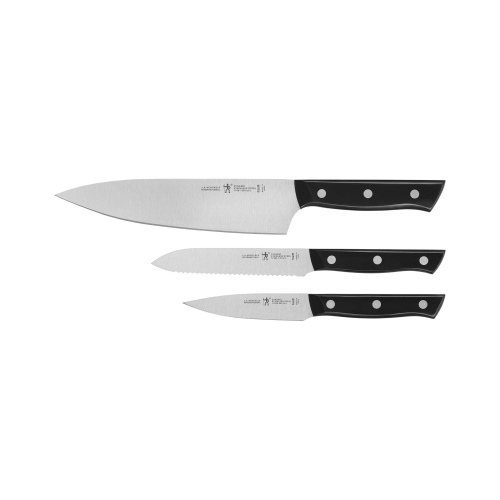
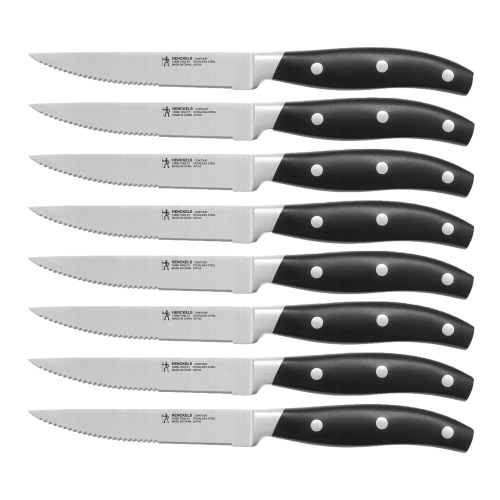
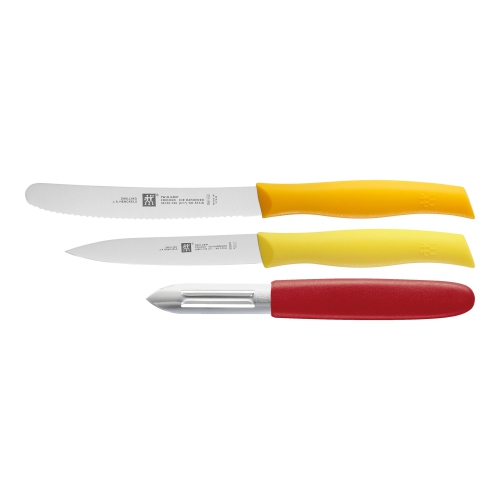
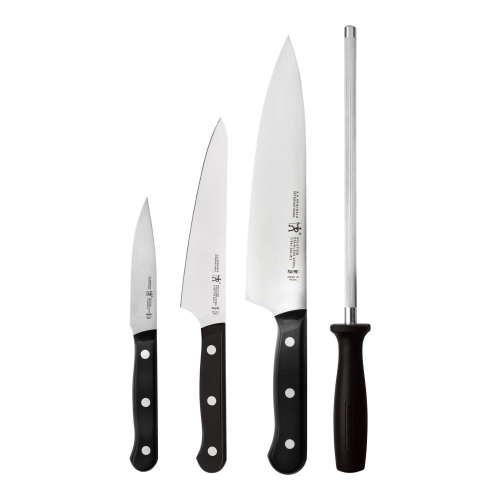
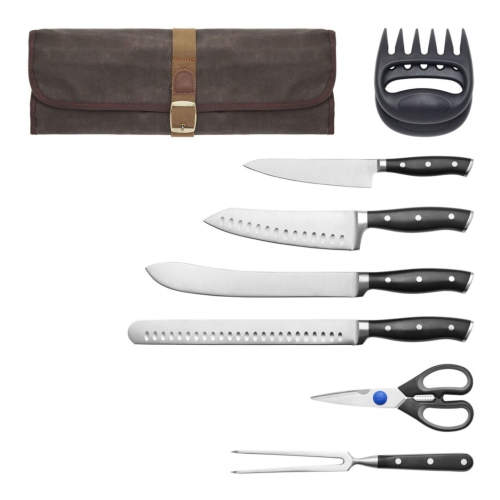
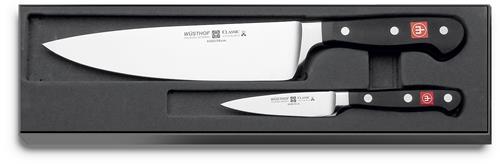
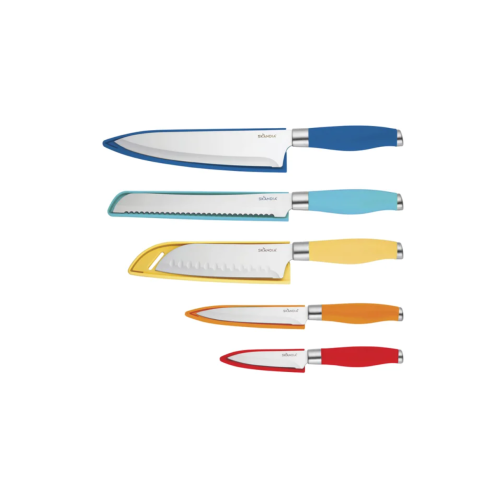
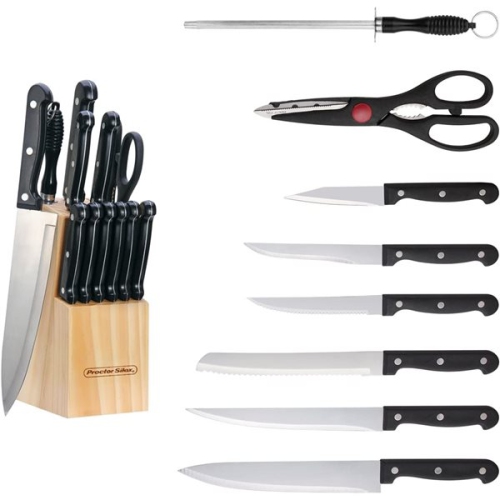
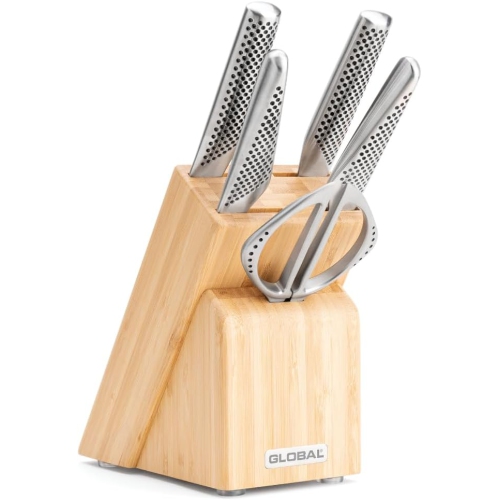
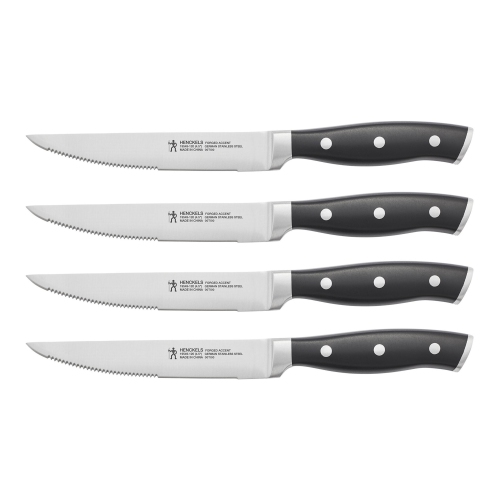
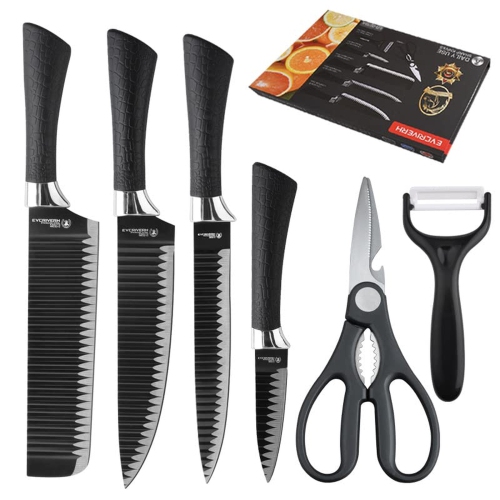
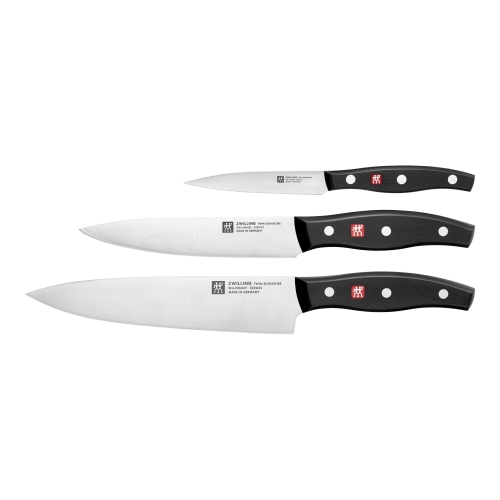
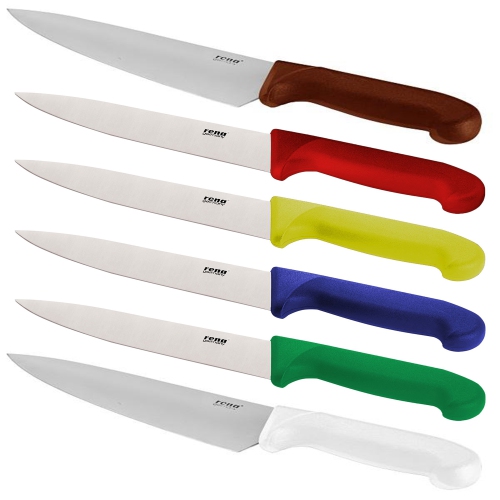
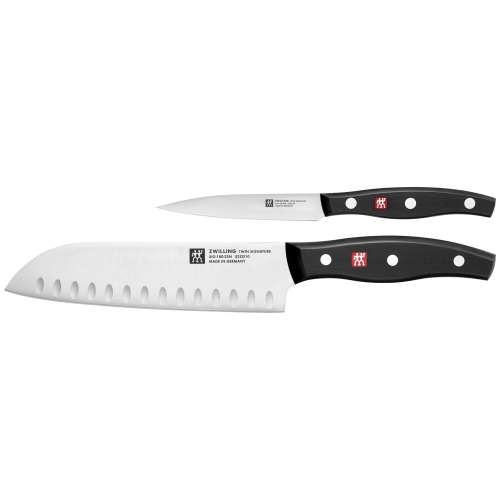
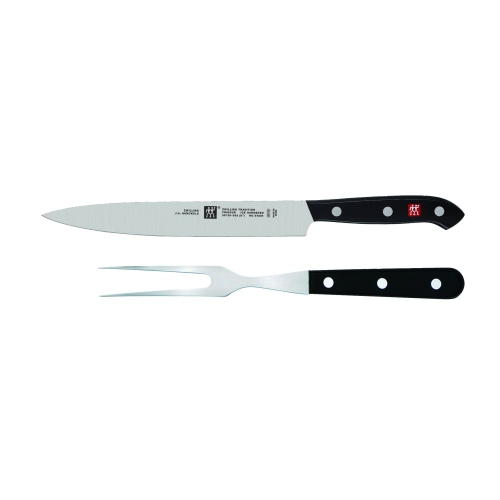
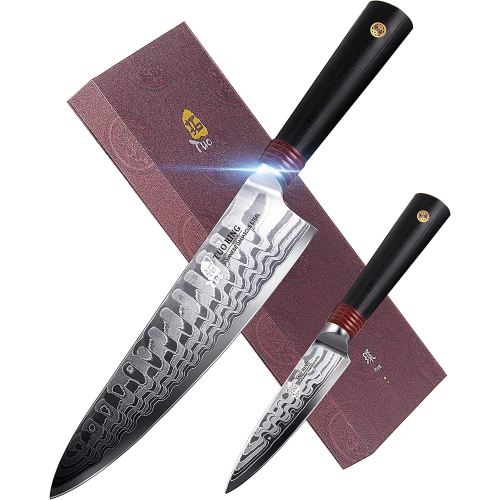
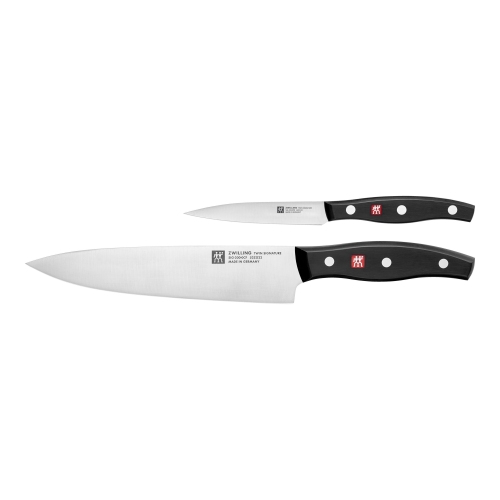
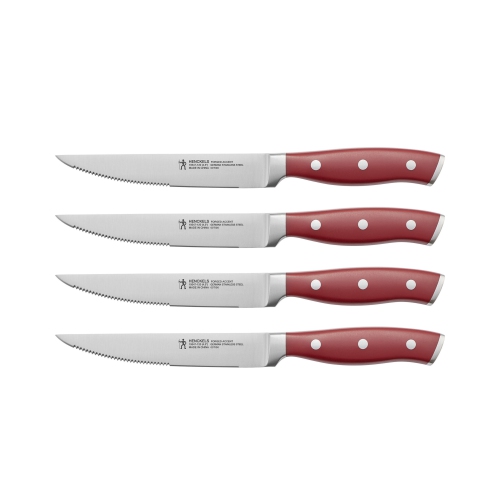
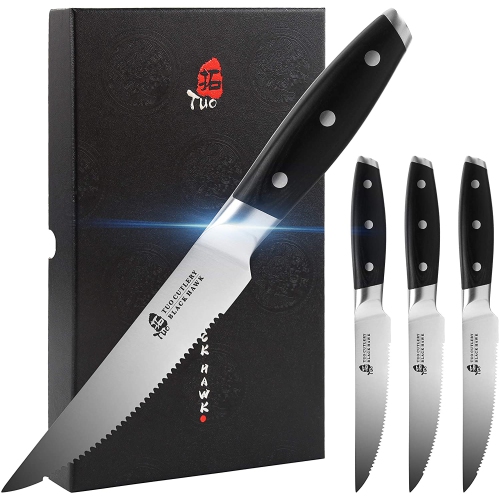
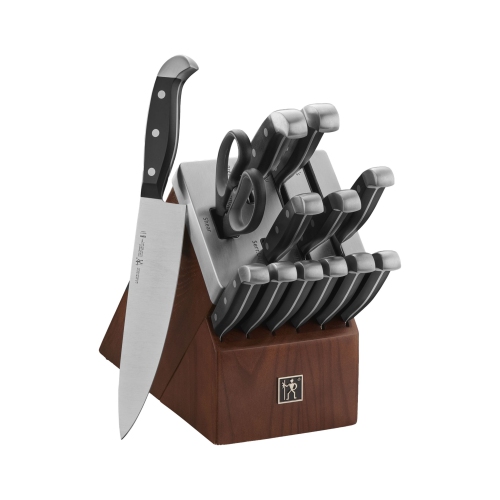
Kitchen knife block sets bring the most frequently used cutting tools together in one organized arrangement, making it easier to prepare everything from a quick breakfast to a full family dinner. A well-chosen set commonly includes a chef’s knife, paring knife, utility knife, bread knife, steak knives, kitchen shears, and a sharpening or honing tool, although the exact number of pieces can vary. The chef’s knife is usually the main workhorse, with a broad blade that handles chopping onions, slicing meat, mincing herbs, and cutting larger vegetables. A santoku knife offers another versatile option, often with a slightly shorter blade and shallow dimples that can help food release more easily while slicing. Paring knives are useful for peeling apples, trimming strawberries, removing seeds, and handling other small, precise tasks. A serrated bread knife is designed to move through crusty loaves, soft rolls, and delicate pastries without pressing them flat, while steak knives bring a clean cutting edge to the table for cooked meats and other hearty foods. Kitchen shears can be handy for snipping herbs, opening food packaging, trimming poultry, or cutting parchment. Keeping these tools in a block helps give each piece a designated place, reducing clutter in drawers and making the right knife easier to reach when ingredients are spread across the counter. Shoppers comparing Knife Sets With Block can consider how they cook, how much counter space they have, and which knife shapes feel most natural in hand. Someone who regularly prepares vegetables, roasts, sandwiches, and homemade bread may appreciate a broader assortment, while a smaller household or casual cook may prefer a compact collection with the essential blades and fewer accessories.
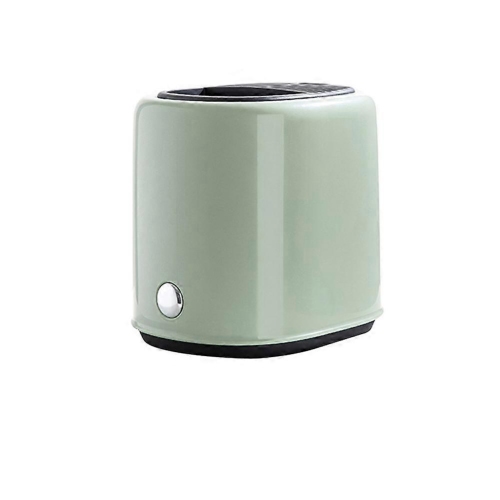
Construction and comfort are important considerations because knives should feel steady and controlled through repeated use. Look for blades made from durable stainless steel or other materials suited to everyday kitchen work, along with handles that provide a secure grip without feeling bulky. A full-tang design, in which the metal extends through the handle, can offer a balanced feel and added strength, particularly when chopping firm ingredients or working through larger cuts. Riveted handles may provide a dependable connection between the blade and grip, while moulded handles can offer a smooth, comfortable surface that is easy to hold. Balance is personal: some cooks prefer a heavier blade that does much of the work, while others like a lighter knife that moves quickly through herbs and produce. The block itself deserves attention as well. A compact block can suit a narrow counter or apartment kitchen, whereas a larger block may accommodate more blades and keep specialty pieces together. Slots should hold knives securely without making them difficult to remove, and the overall shape should fit naturally beside other countertop appliances. Self-sharpening blocks can help maintain an edge whenever a knife is returned to its slot, while standard blocks may include a separate honing steel for occasional maintenance. Knife sets can also make thoughtful gifts for newlyweds, first-home buyers, students setting up a kitchen, or anyone who enjoys preparing meals from scratch. They can mark a practical milestone without requiring a gift-giver to choose every individual blade separately. For a host who likes to cook when the weather warms and for a home chef preparing soups, casseroles, roasted vegetables, and comfort foods during the cooler months, a coordinated set can become a dependable part of the daily routine. A block filled with neatly arranged knives also adds a sense of order to the kitchen, whether it sits in a busy family space or a quiet weekend cooking area.
Proper care helps kitchen knives stay useful and comfortable to use over time. Hand washing with warm water and mild dish soap is generally preferred, followed by immediate drying with a clean towel. This routine helps protect the blade and handle from prolonged moisture, and it prevents knives from knocking against other utensils in a dishwasher or crowded sink. Place each knife back in its assigned slot only after it is dry, and avoid leaving sharp blades loose on the counter or submerged in washing water. A honing steel can help realign the edge between more intensive sharpenings; use it with controlled, gentle passes rather than pressing hard against the blade. When a knife no longer responds well to honing, professional sharpening or a suitable home sharpener may restore its cutting performance. Cutting on wood, bamboo, or other knife-friendly surfaces can also help preserve the edge, while glass, stone, and ceramic boards may cause a blade to dull more quickly. Use each knife for its intended purpose: a bread knife is made for sawing through crusts, a paring knife is better suited to small produce, and a chef’s knife is designed for general chopping and slicing. Avoid using kitchen knives to pry open packages, cut bones, or twist through frozen food, since these actions can damage the edge or compromise control. With the right combination of blade styles, a stable block, comfortable handles, and simple care habits, a kitchen knife block set can support everyday meal preparation from the first slice of the morning to the final garnish at dinner.
Construction and comfort are important considerations because knives should feel steady and controlled through repeated use. Look for blades made from durable stainless steel or other materials suited to everyday kitchen work, along with handles that provide a secure grip without feeling bulky. A full-tang design, in which the metal extends through the handle, can offer a balanced feel and added strength, particularly when chopping firm ingredients or working through larger cuts. Riveted handles may provide a dependable connection between the blade and grip, while moulded handles can offer a smooth, comfortable surface that is easy to hold. Balance is personal: some cooks prefer a heavier blade that does much of the work, while others like a lighter knife that moves quickly through herbs and produce. The block itself deserves attention as well. A compact block can suit a narrow counter or apartment kitchen, whereas a larger block may accommodate more blades and keep specialty pieces together. Slots should hold knives securely without making them difficult to remove, and the overall shape should fit naturally beside other countertop appliances. Self-sharpening blocks can help maintain an edge whenever a knife is returned to its slot, while standard blocks may include a separate honing steel for occasional maintenance. Knife sets can also make thoughtful gifts for newlyweds, first-home buyers, students setting up a kitchen, or anyone who enjoys preparing meals from scratch. They can mark a practical milestone without requiring a gift-giver to choose every individual blade separately. For a host who likes to cook when the weather warms and for a home chef preparing soups, casseroles, roasted vegetables, and comfort foods during the cooler months, a coordinated set can become a dependable part of the daily routine. A block filled with neatly arranged knives also adds a sense of order to the kitchen, whether it sits in a busy family space or a quiet weekend cooking area.
Proper care helps kitchen knives stay useful and comfortable to use over time. Hand washing with warm water and mild dish soap is generally preferred, followed by immediate drying with a clean towel. This routine helps protect the blade and handle from prolonged moisture, and it prevents knives from knocking against other utensils in a dishwasher or crowded sink. Place each knife back in its assigned slot only after it is dry, and avoid leaving sharp blades loose on the counter or submerged in washing water. A honing steel can help realign the edge between more intensive sharpenings; use it with controlled, gentle passes rather than pressing hard against the blade. When a knife no longer responds well to honing, professional sharpening or a suitable home sharpener may restore its cutting performance. Cutting on wood, bamboo, or other knife-friendly surfaces can also help preserve the edge, while glass, stone, and ceramic boards may cause a blade to dull more quickly. Use each knife for its intended purpose: a bread knife is made for sawing through crusts, a paring knife is better suited to small produce, and a chef’s knife is designed for general chopping and slicing. Avoid using kitchen knives to pry open packages, cut bones, or twist through frozen food, since these actions can damage the edge or compromise control. With the right combination of blade styles, a stable block, comfortable handles, and simple care habits, a kitchen knife block set can support everyday meal preparation from the first slice of the morning to the final garnish at dinner.
Top selling and popular products
-
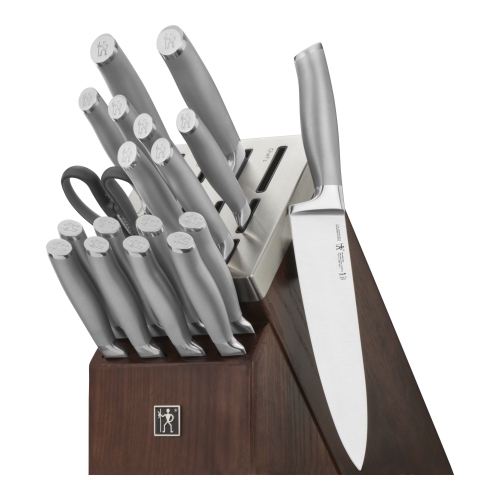 Your price for this item is $489.99
 -
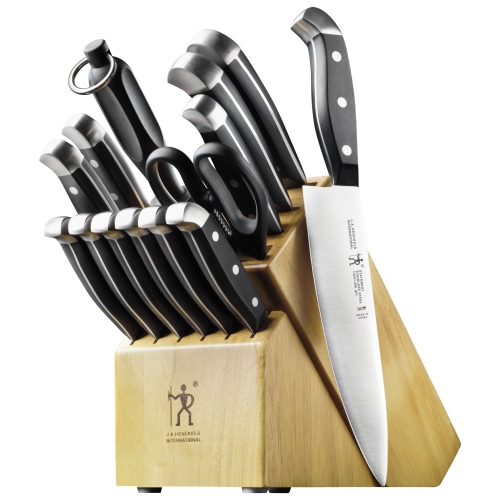 Your price for this item is $179.99
 -
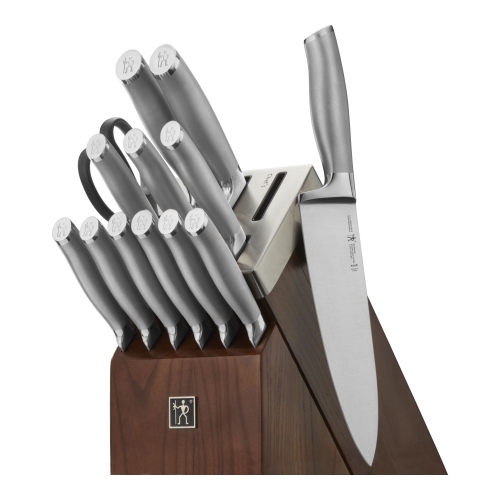 Your price for this item is $299.99
 -
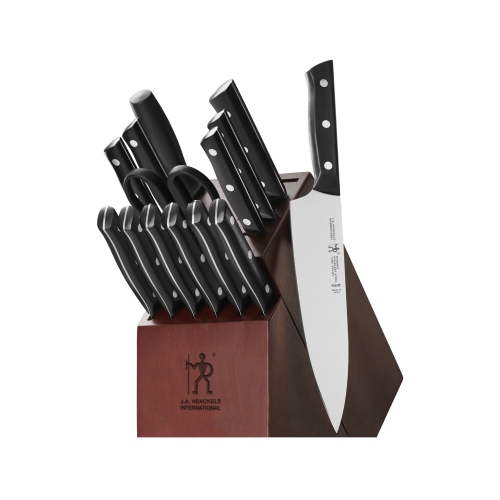 Your price for this item is $214.99
 -
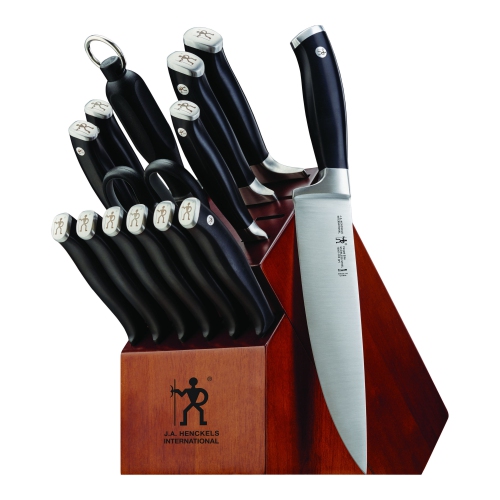 Your price for this item is $219.99
 -
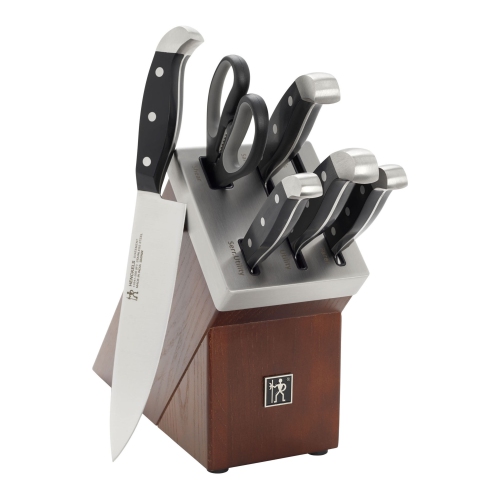 Your price for this item is $179.99
 -
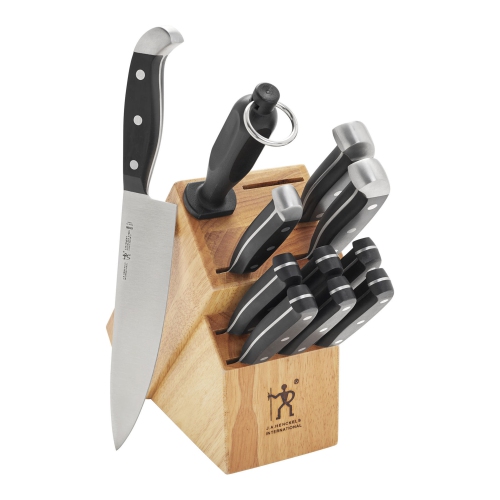 Your price for this item is $179.99
 -
 Your price for this item is $279.99
Discover more categories related to Kitchen Knife Block Sets
Top Collections:
Pokemon Centers, Kindle Devices, Best Budget Office Chairs, Canon G7X Cameras, Apple iPhones 16, Samsung Galaxy Phones, Refurbished Apple Laptops, Laptops for Students, iPhone 15 Apple, Budget Smartphones
Some products may be subject to Environmental Handling Fees
(EHF) depending on your province.
Learn more about EHFs.