L Shaped Desks With Drawers And Shelves
Enhance your workspace with the perfect blend of style and functionality with our selection of L-shaped desks with drawers and shelves. Whether you're setting up a home office or upgrading your current workspace, these versatile desks offer ample storage space to keep your essentials organized and within reach. Explore our selection of desks to find the perfect one for your needs.
Sort
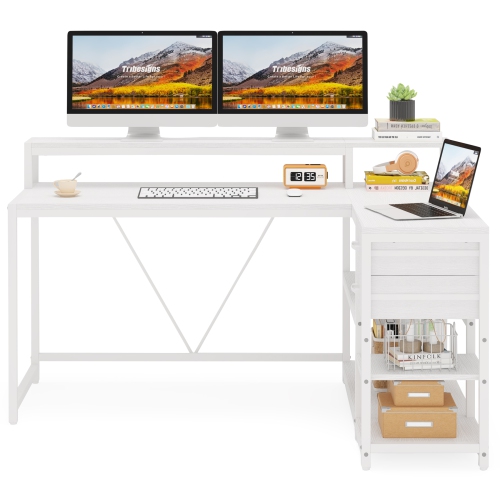
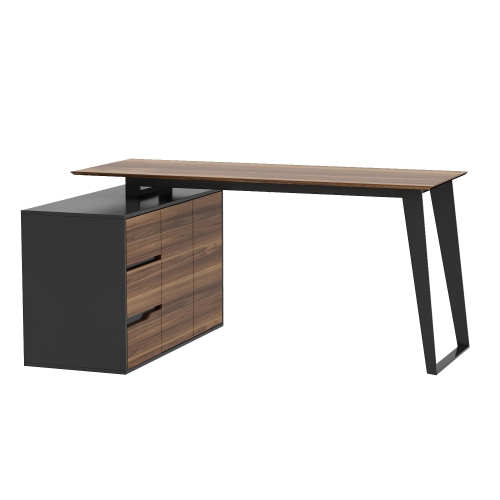
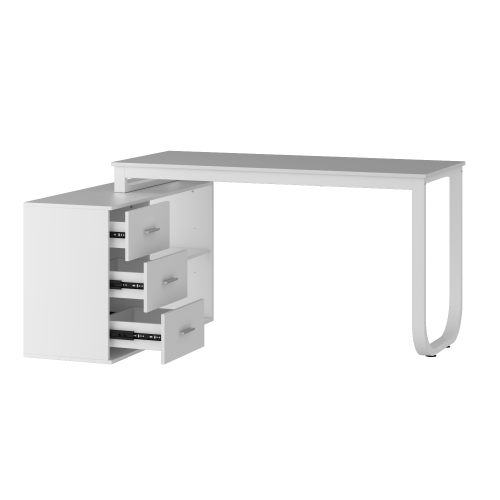
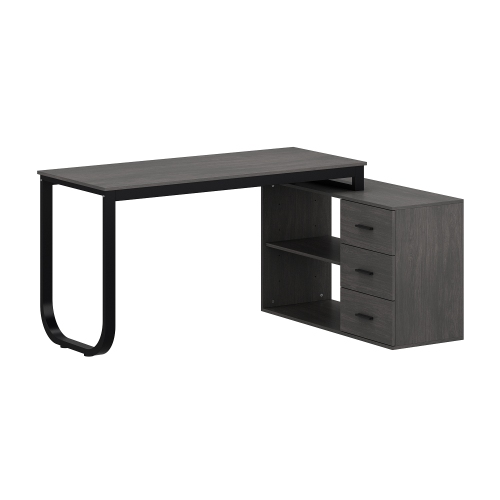
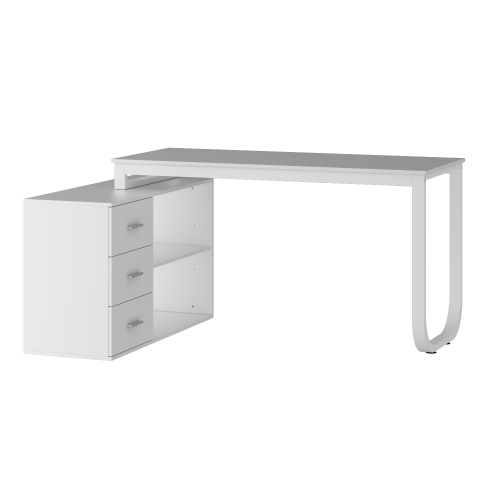
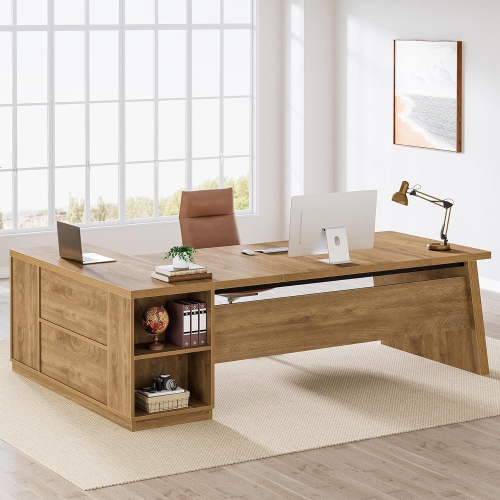
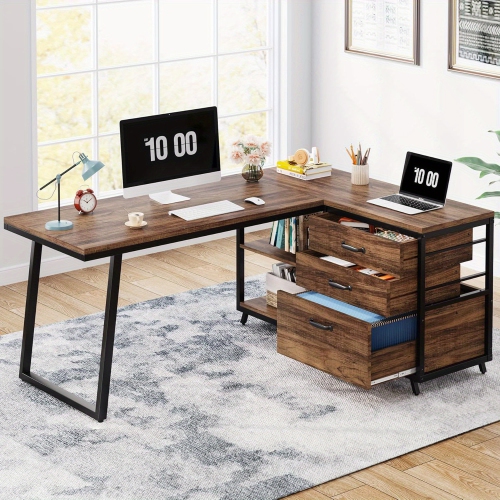
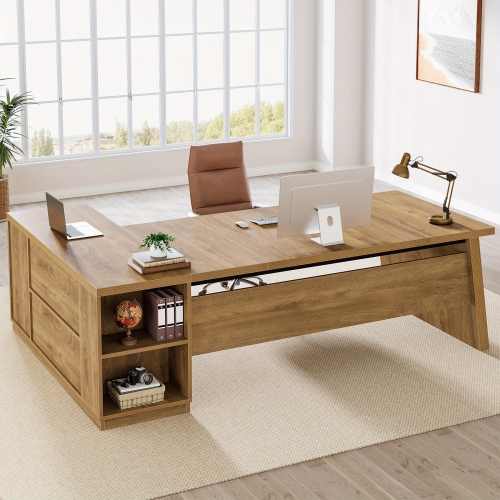
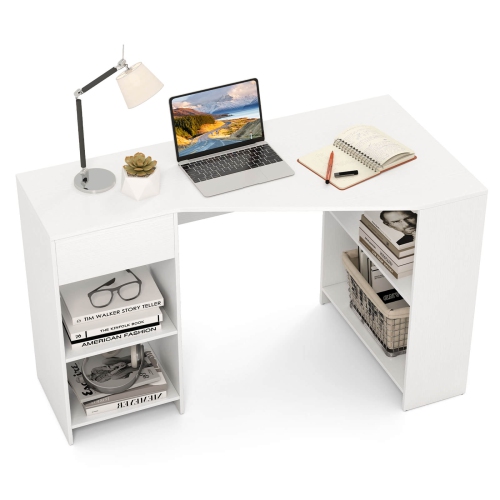
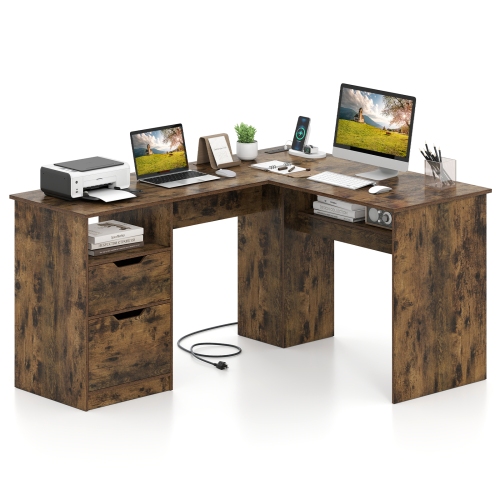
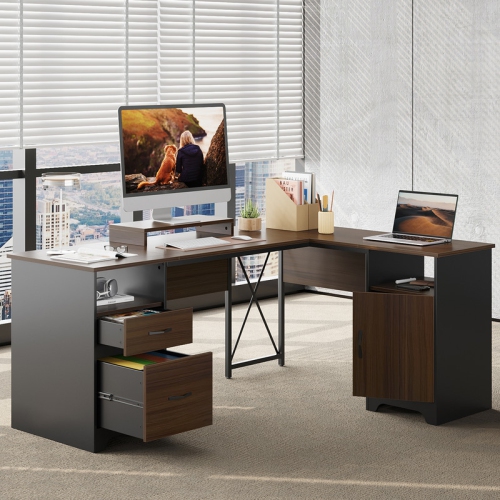
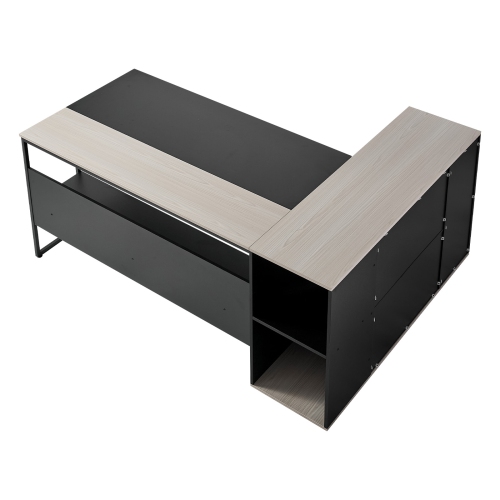
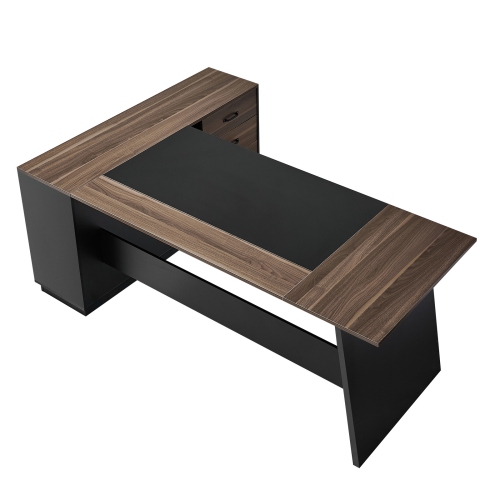
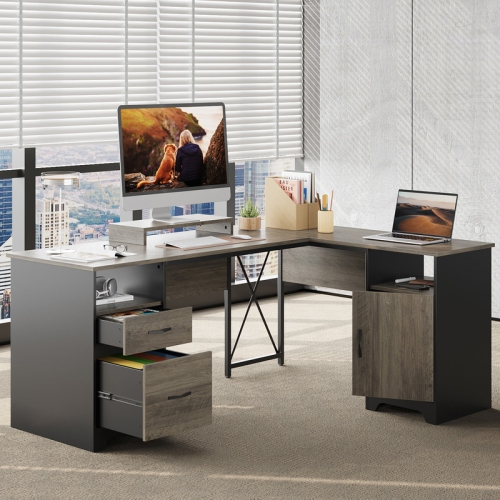
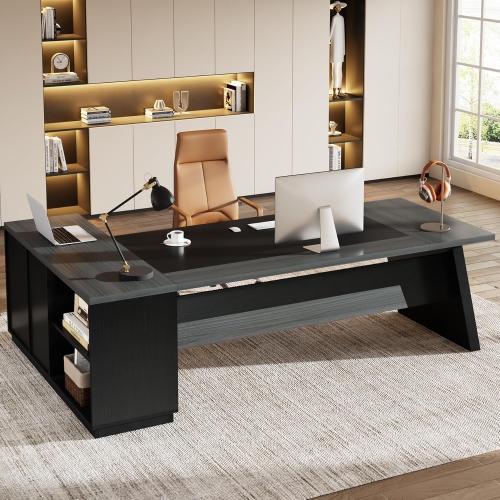
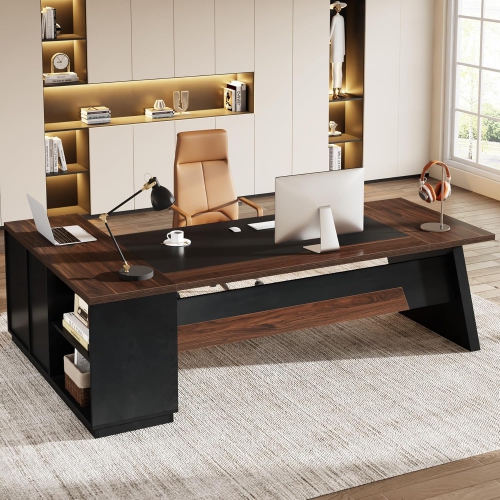
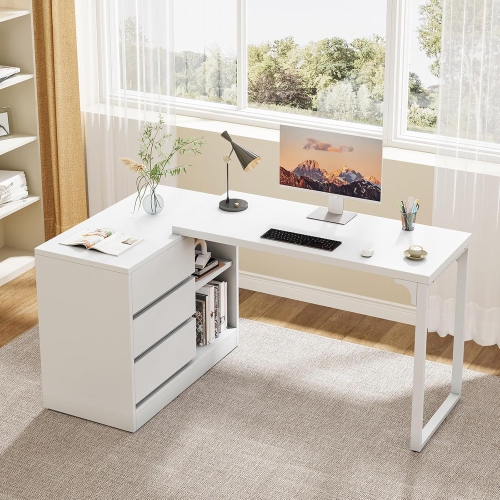
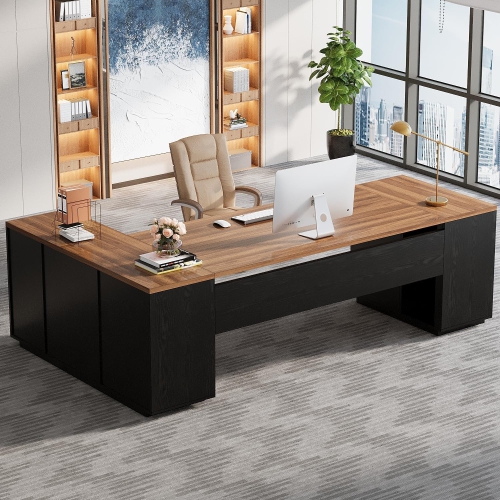
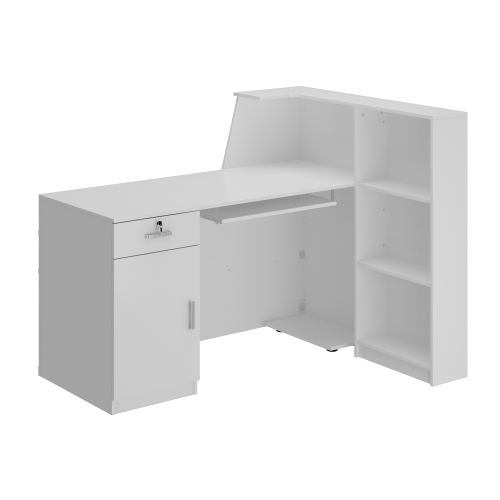
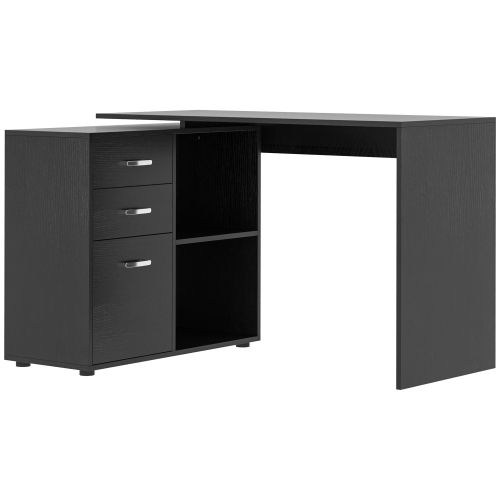
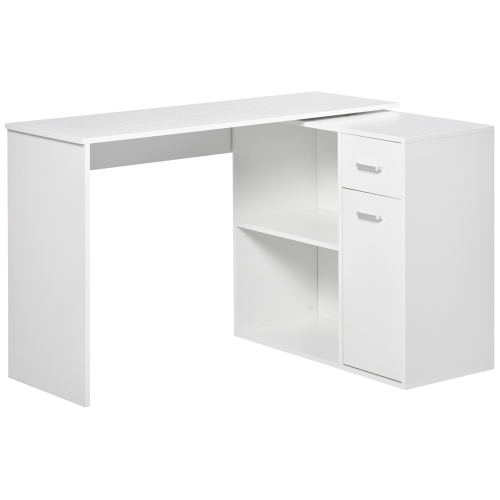
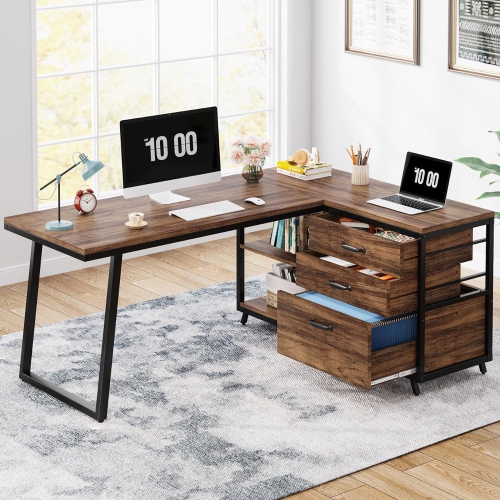
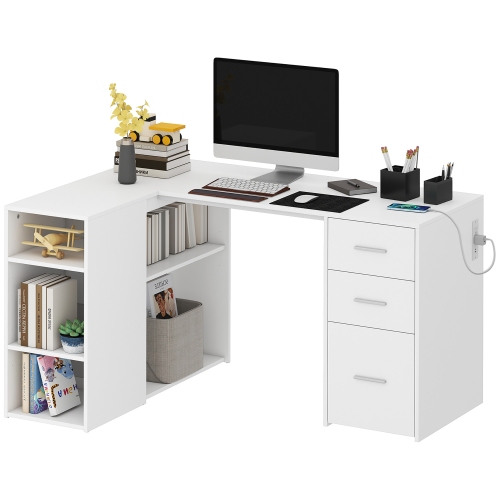
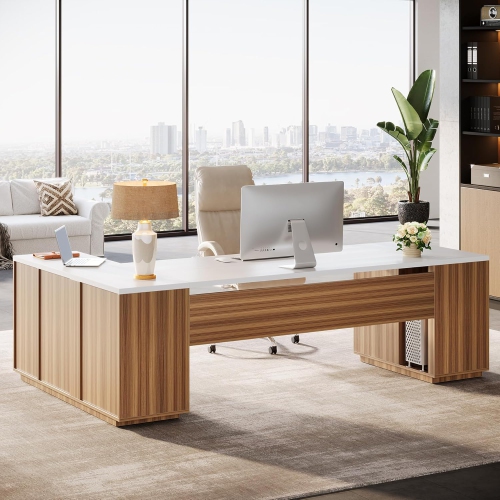
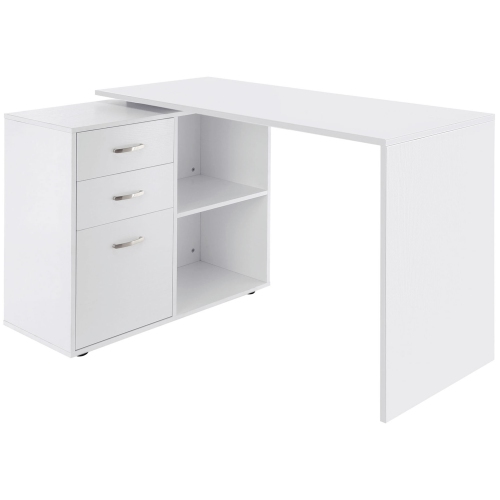
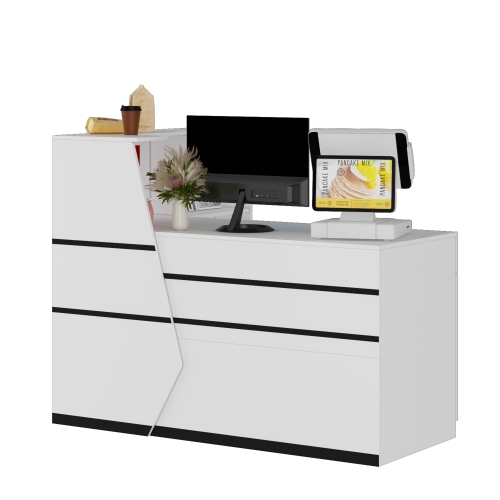
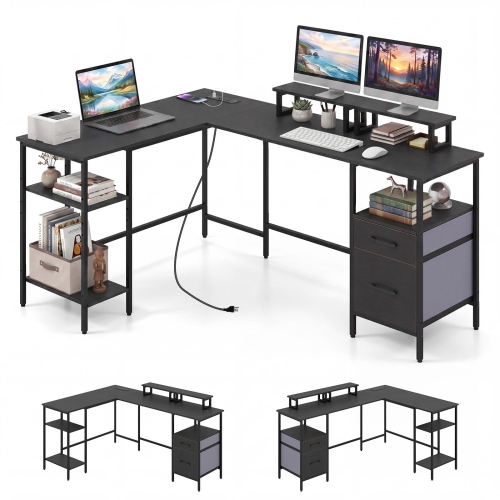
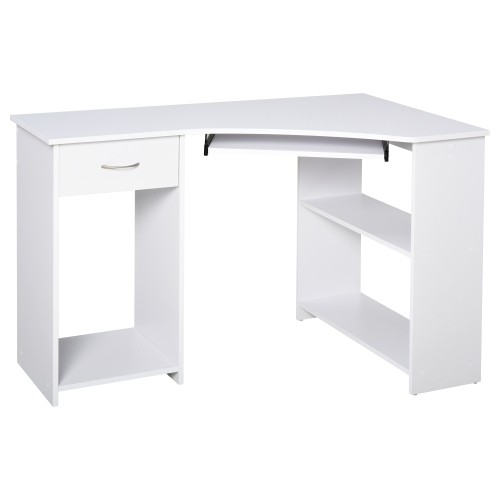
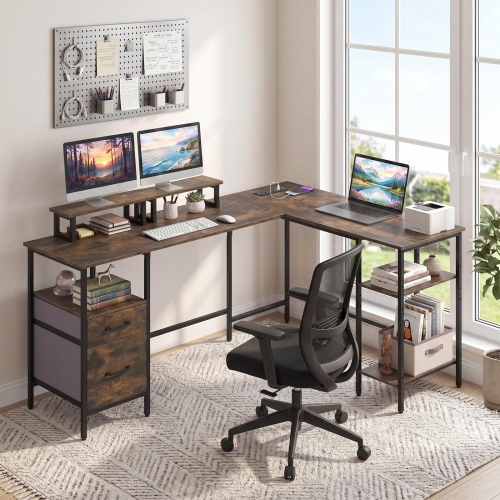
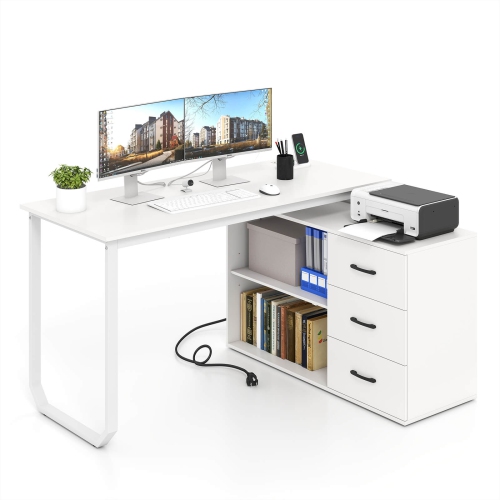
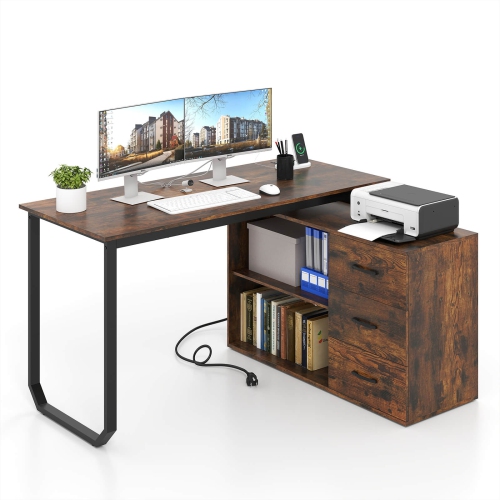
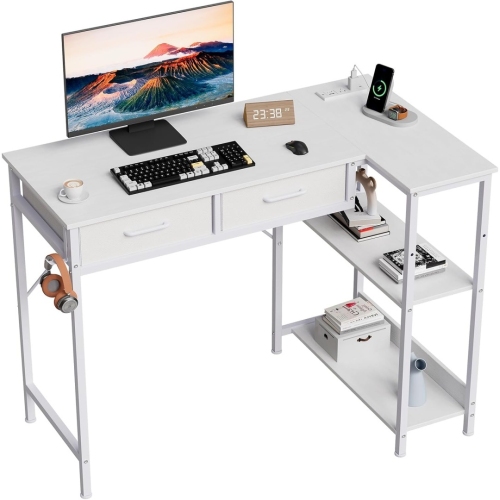
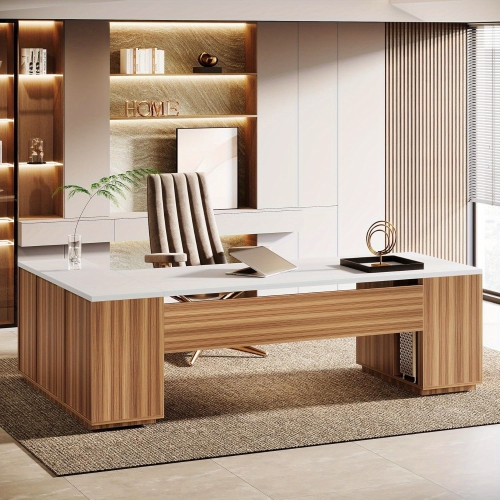
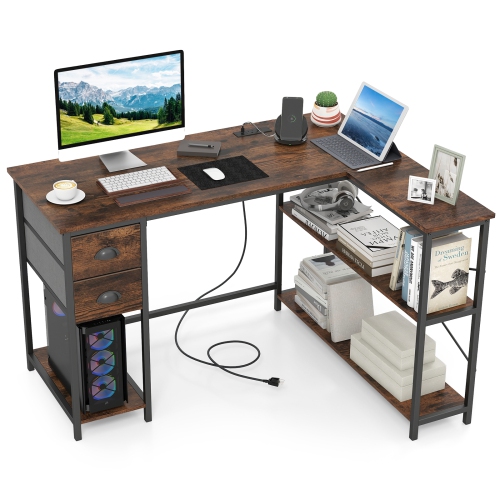
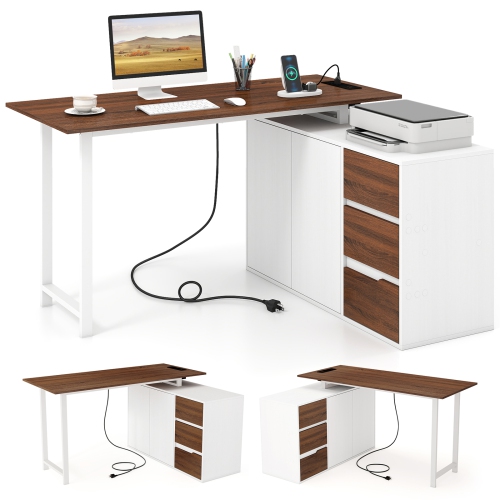
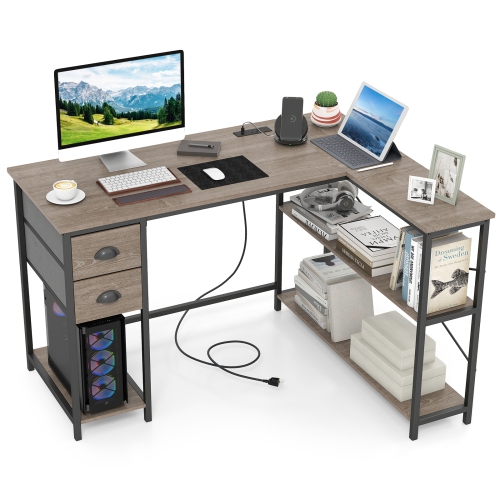
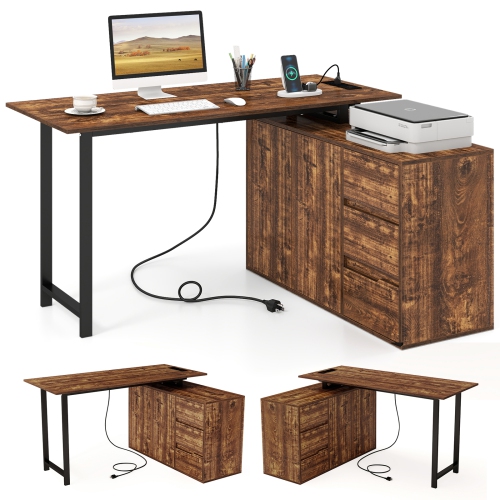
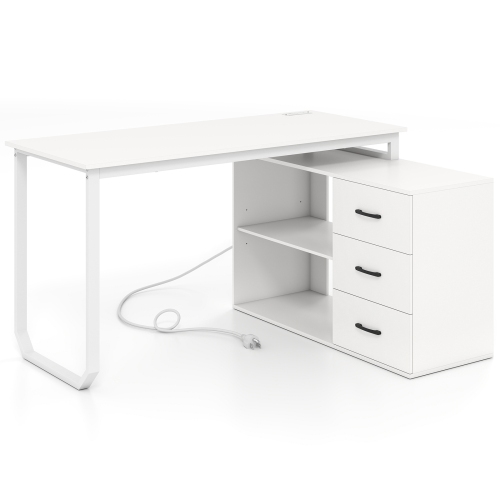
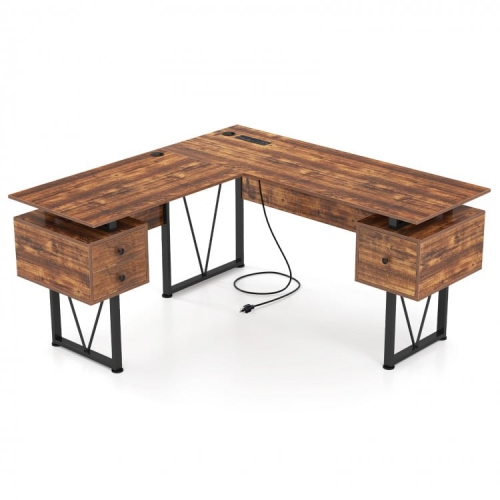
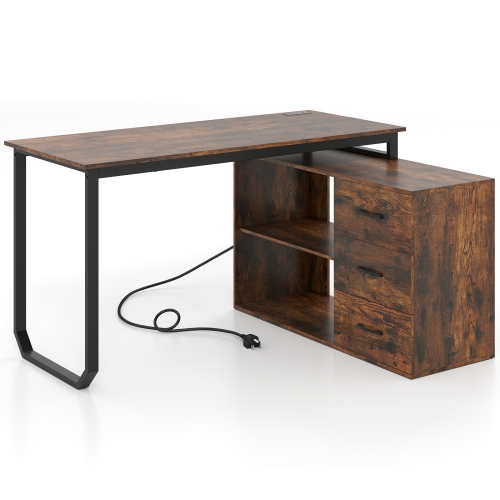
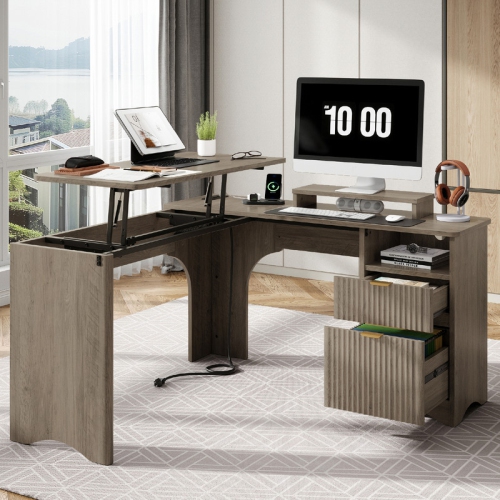
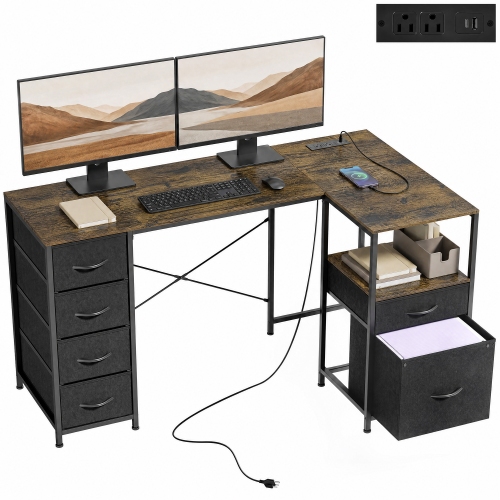
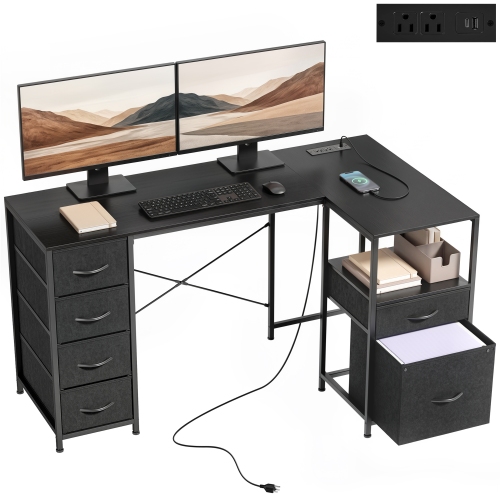
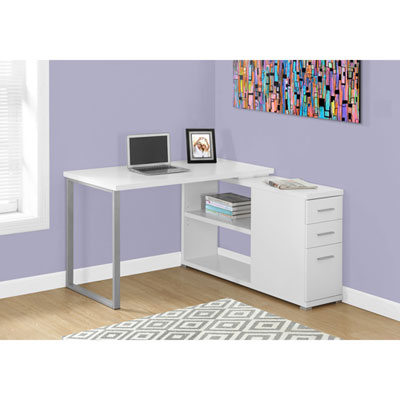
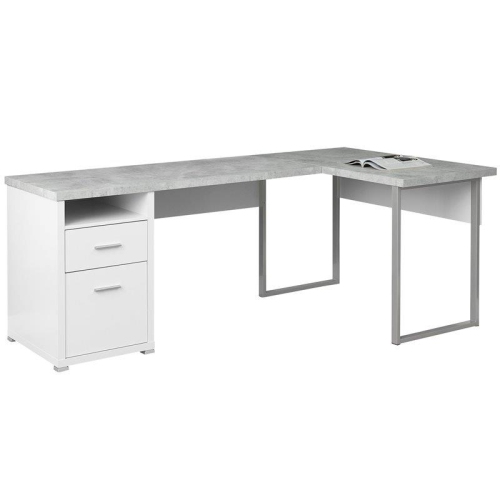
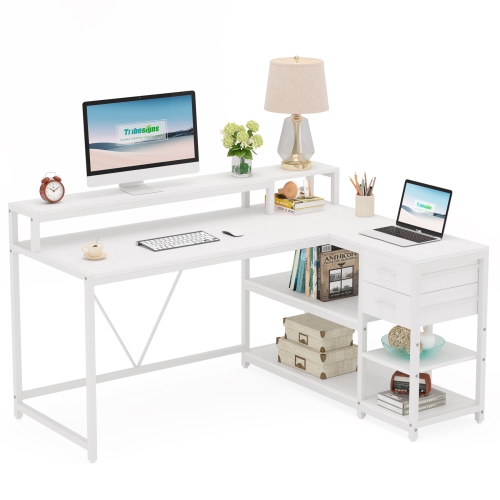

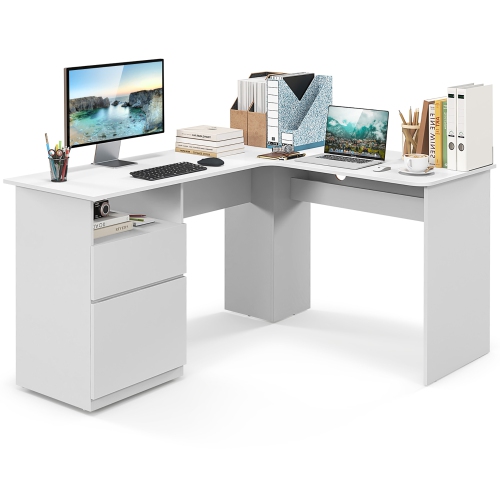
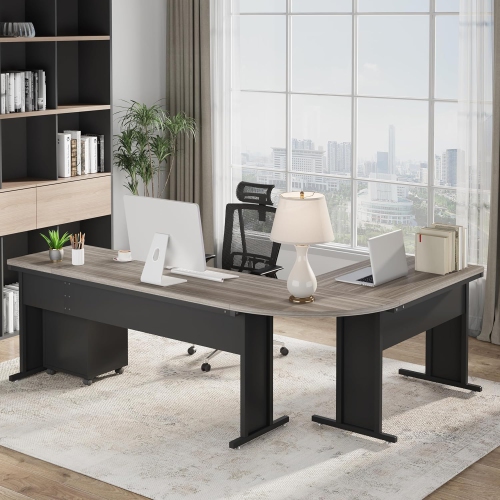
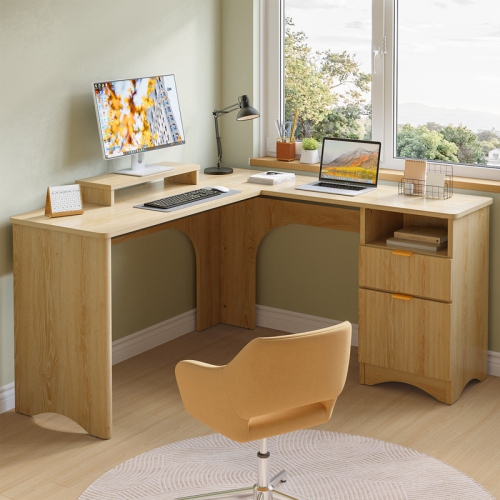
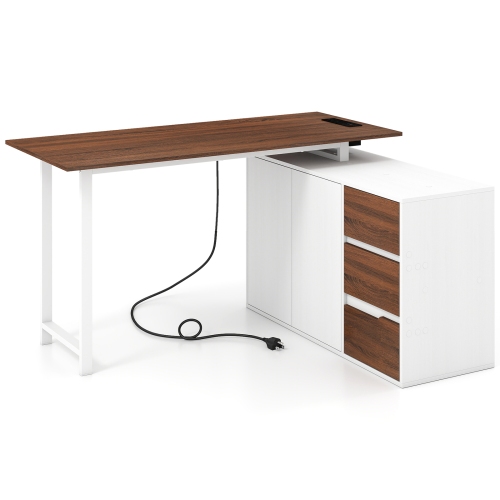
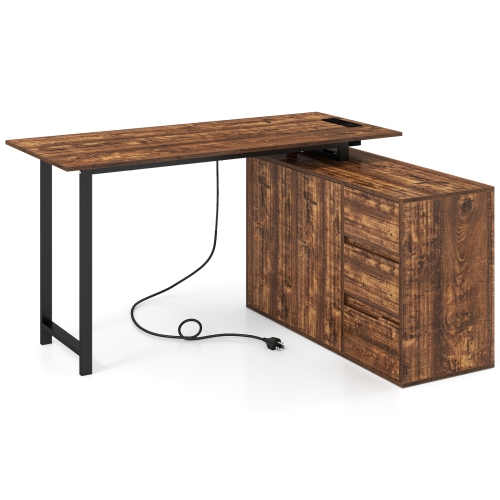
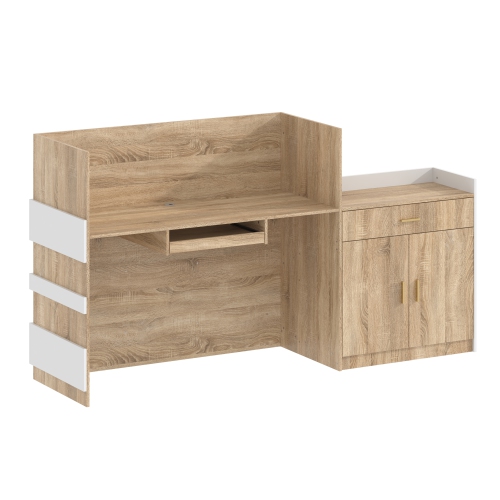
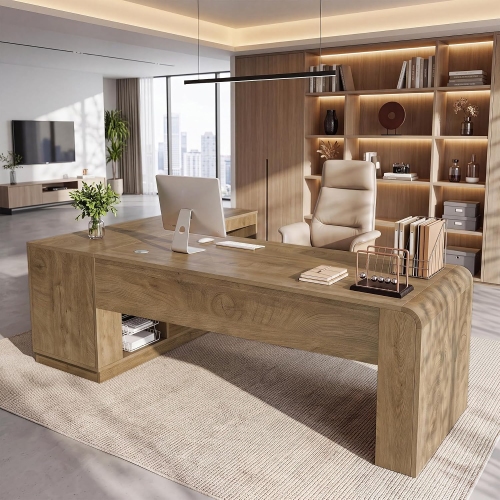
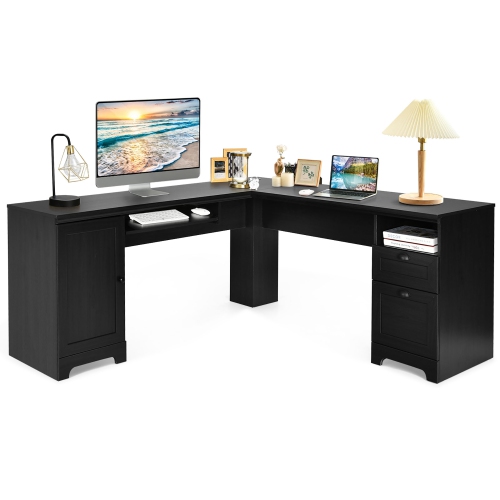
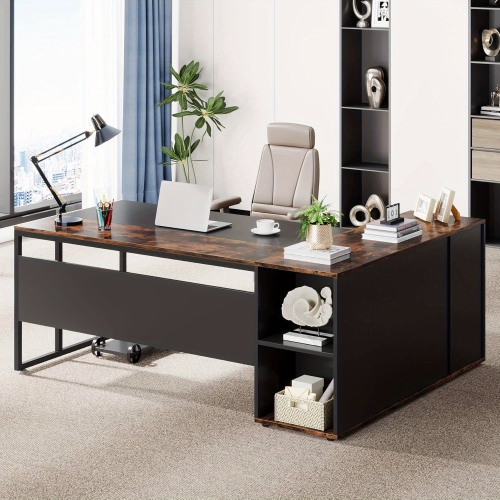
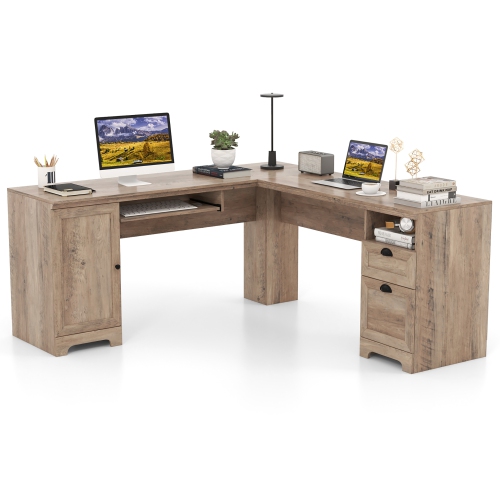
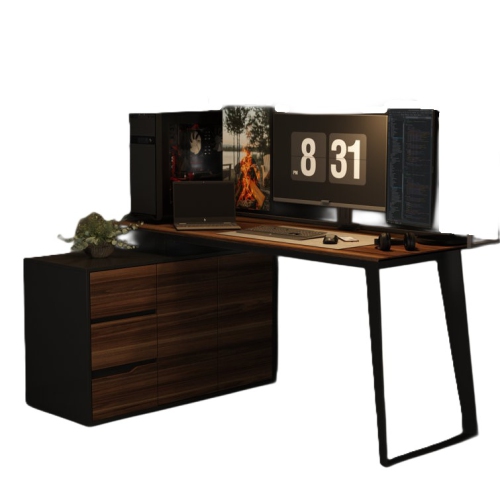
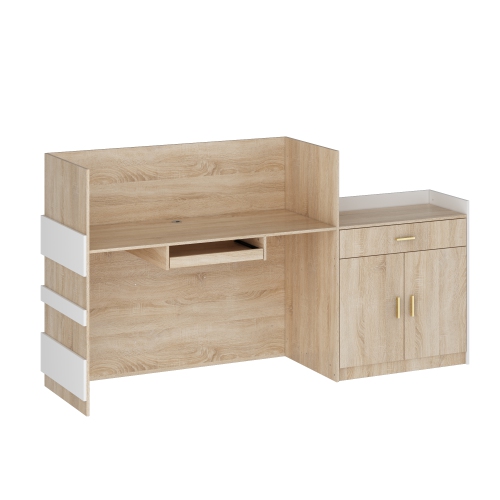
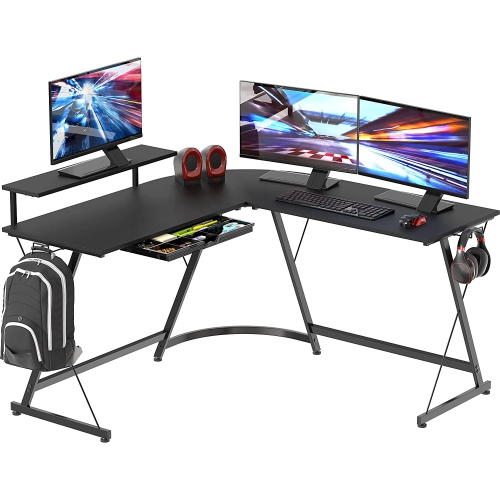
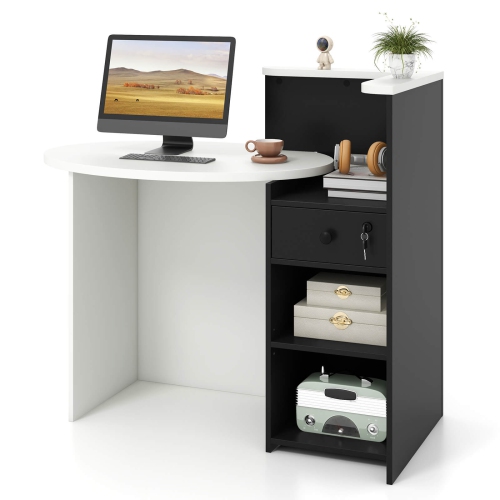
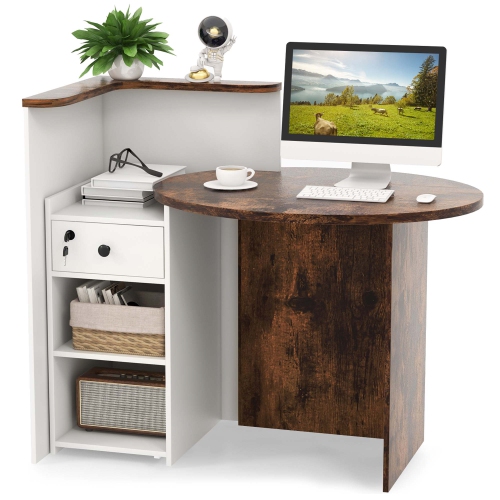
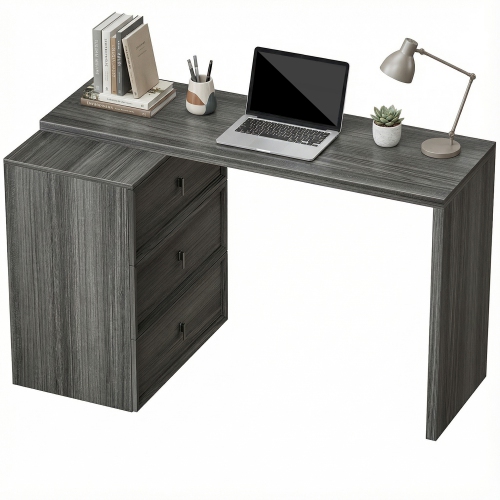
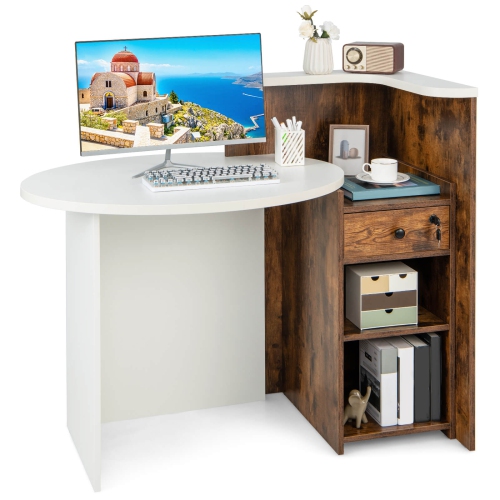
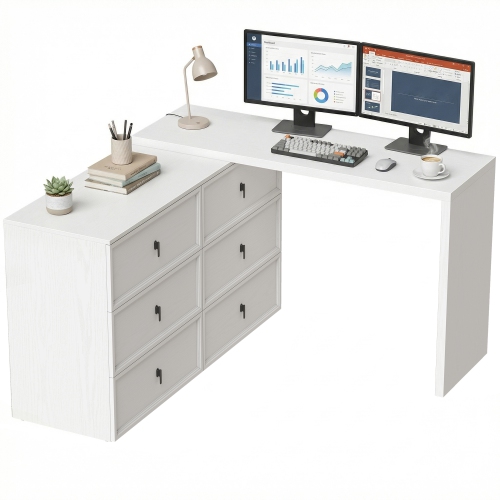
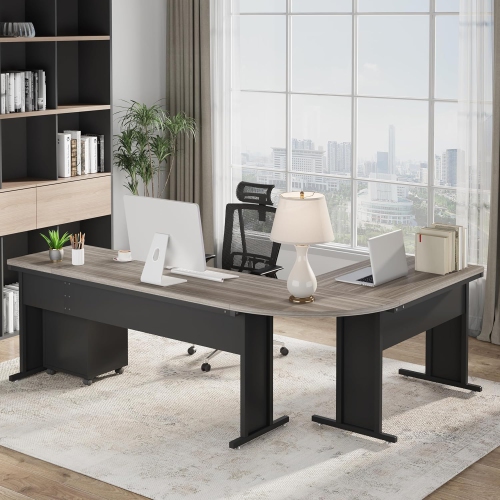
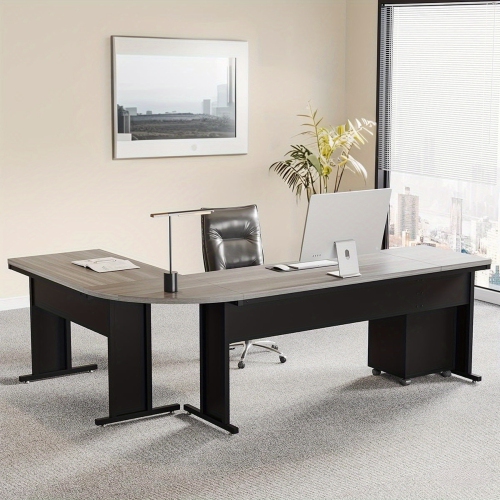

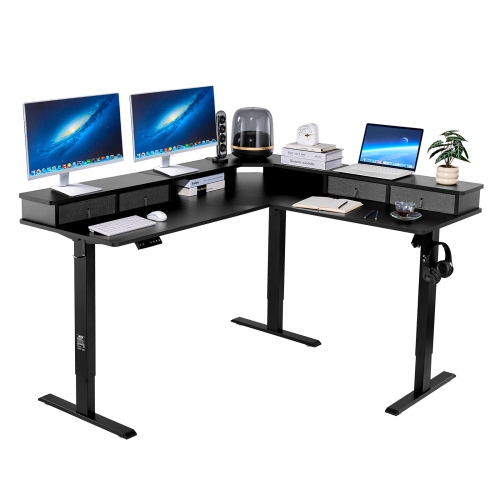
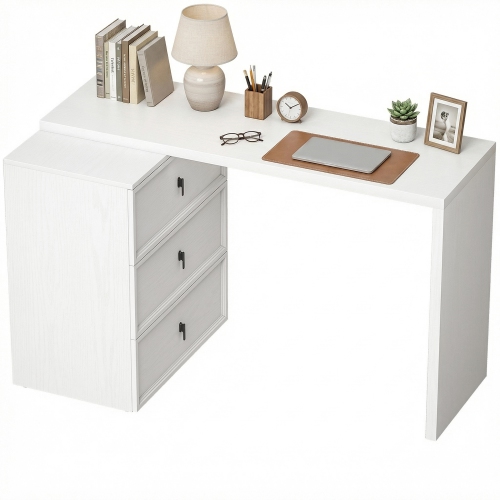
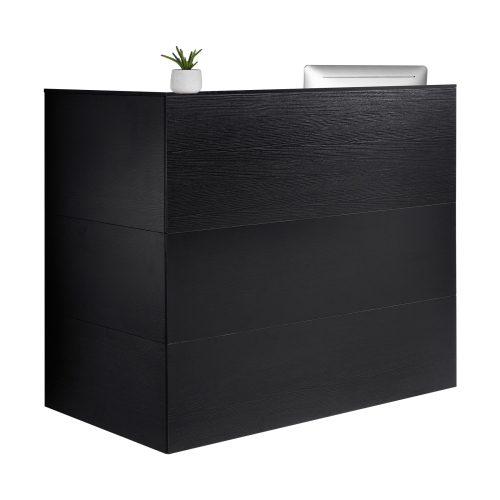
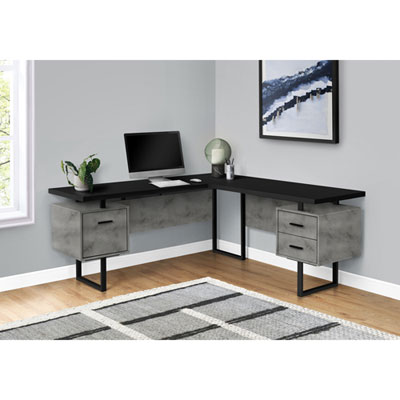
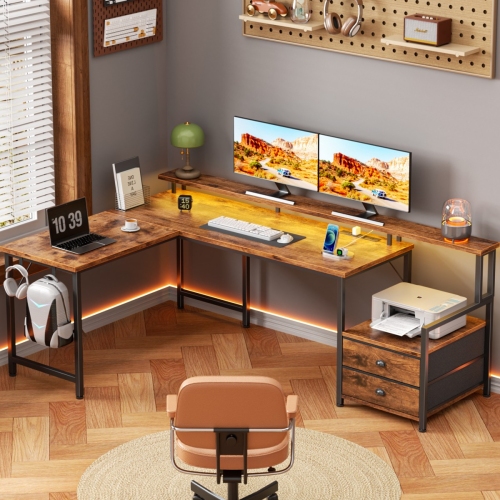
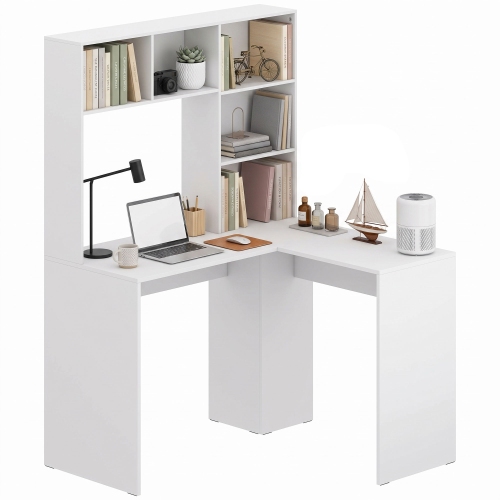
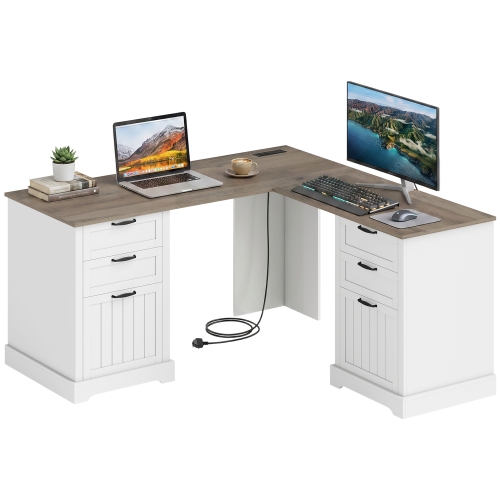
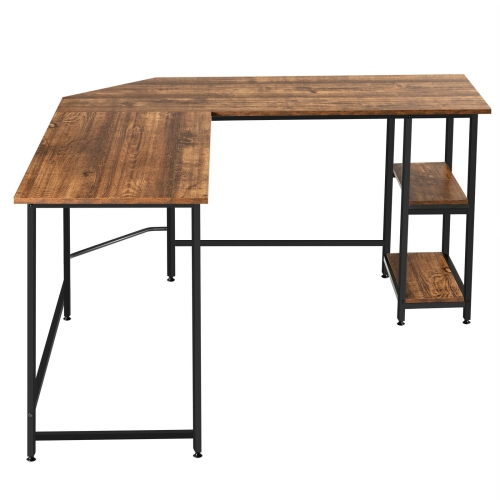
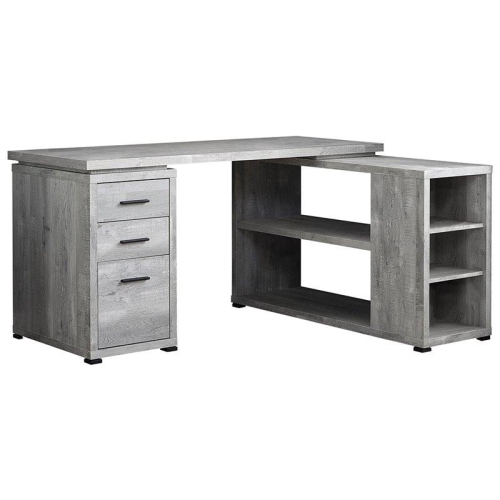
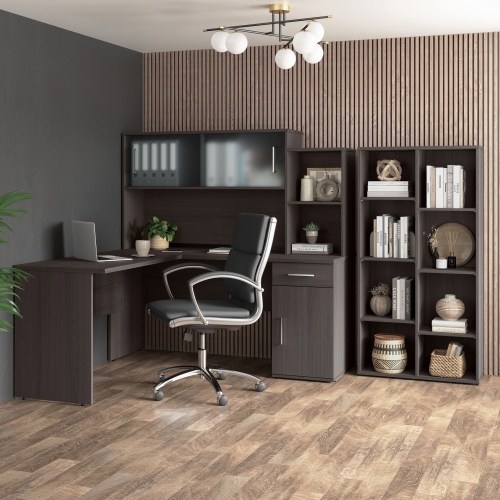
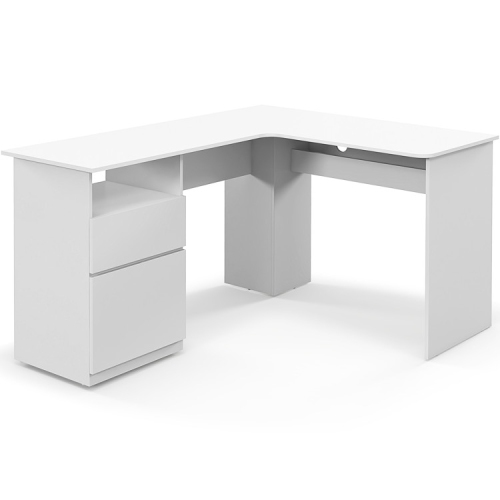
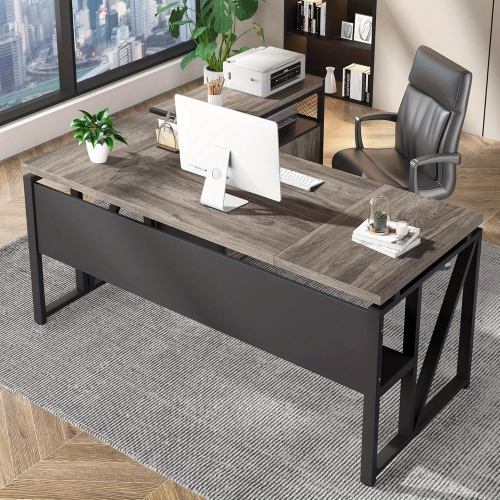
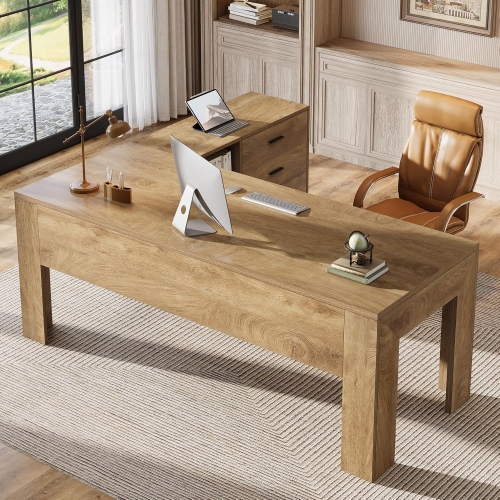

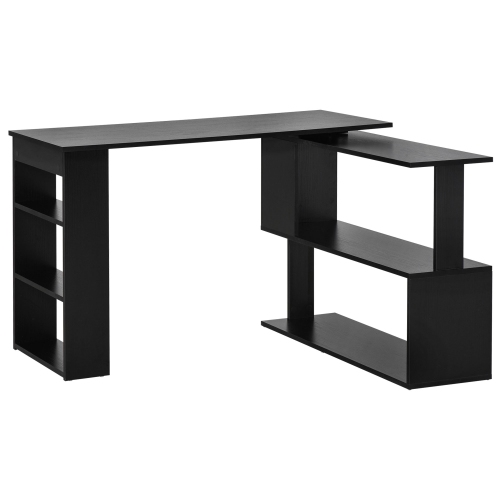
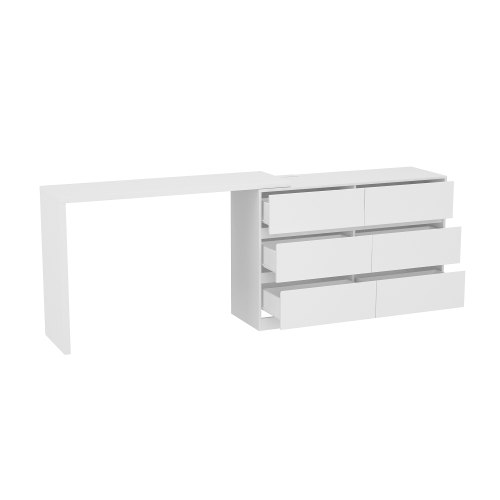
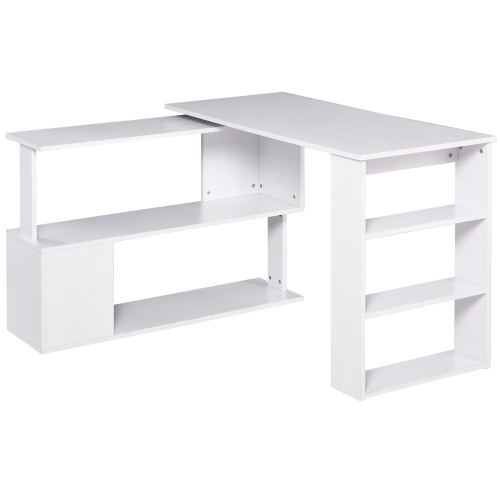
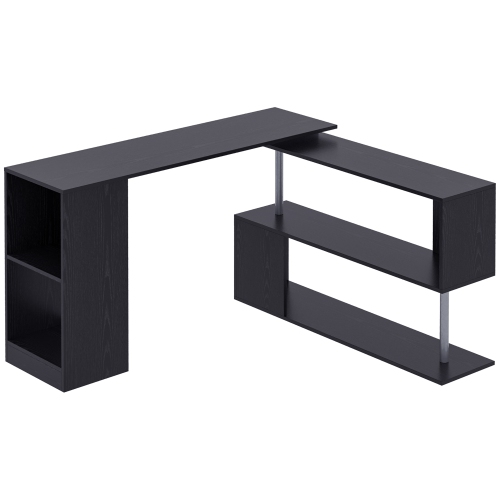
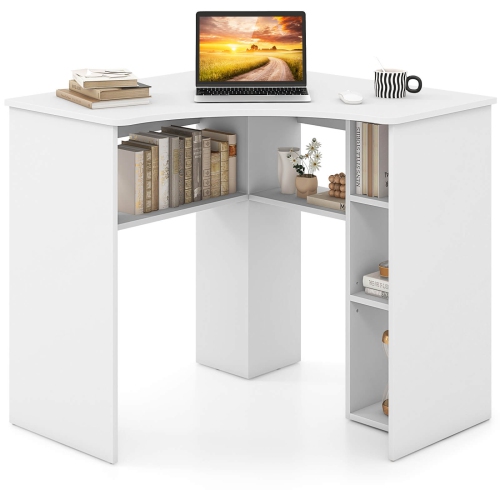
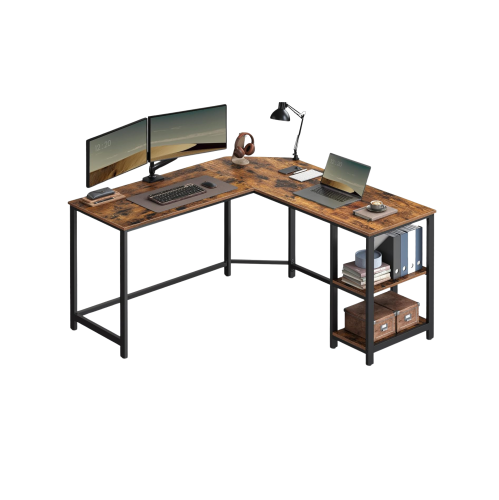
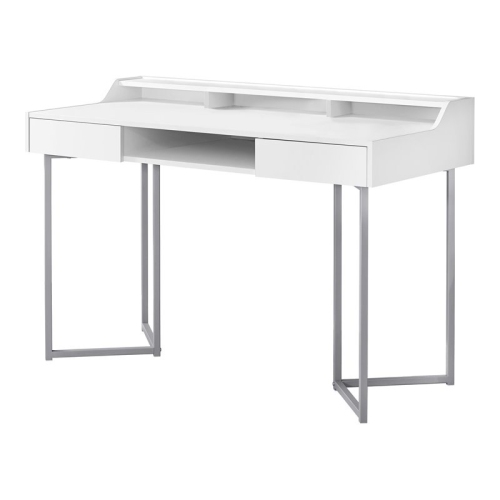
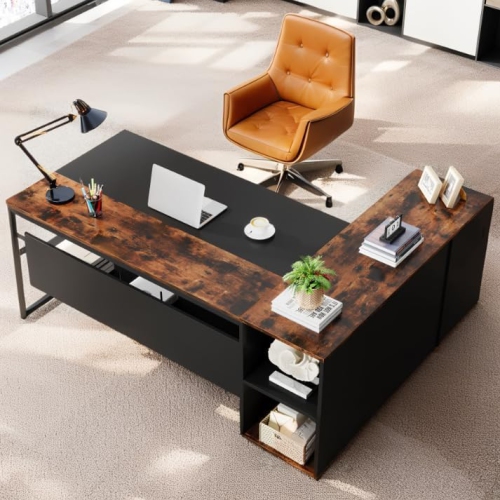
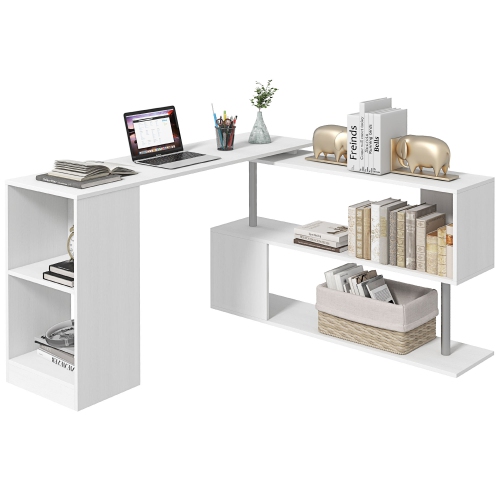
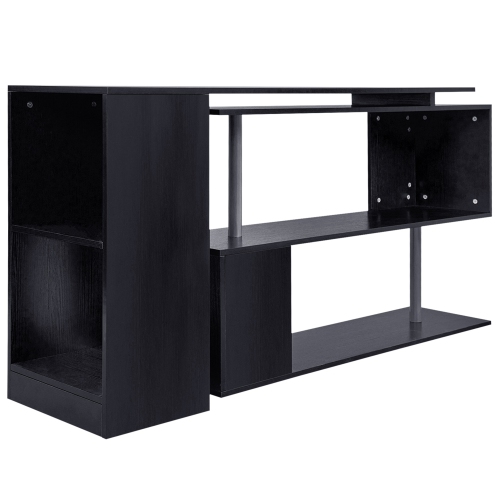
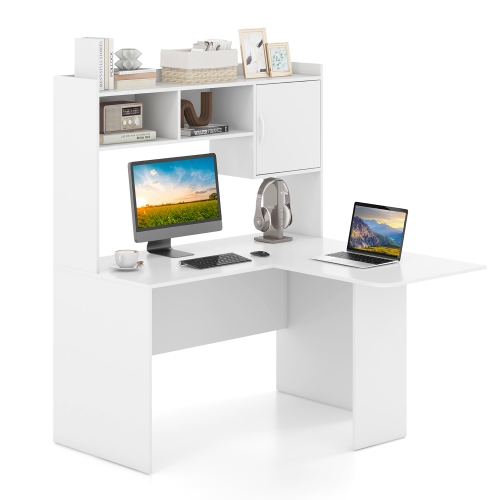
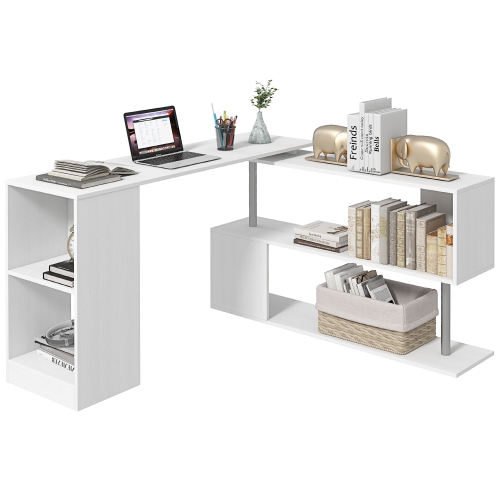
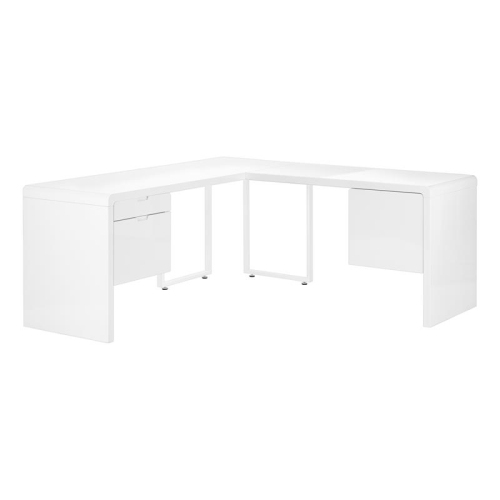
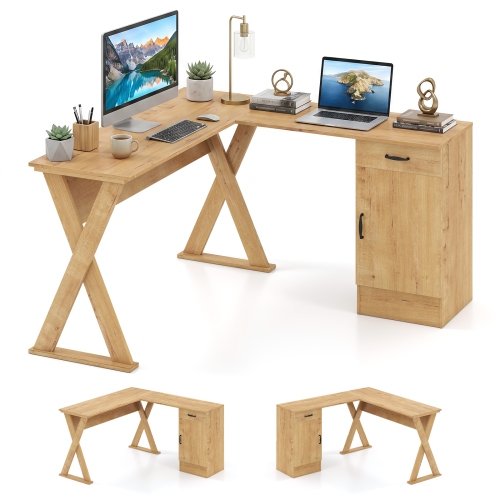
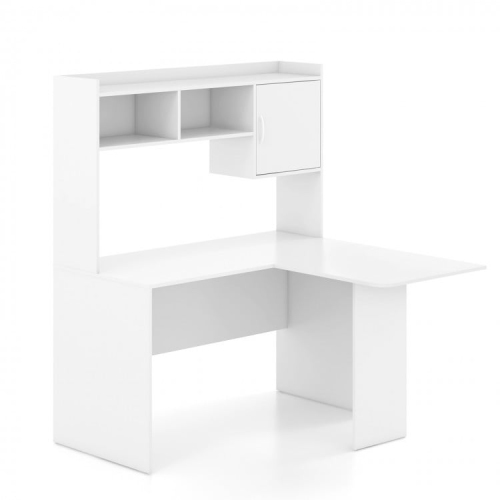
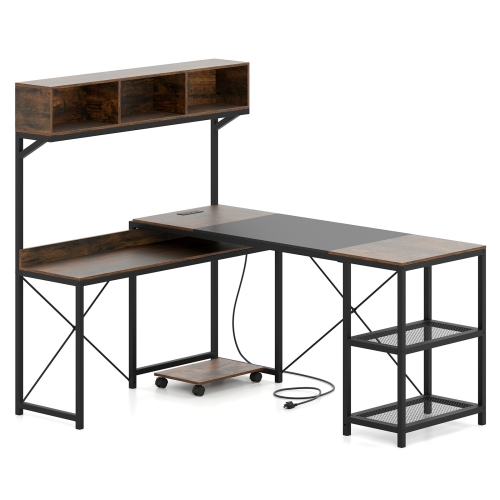
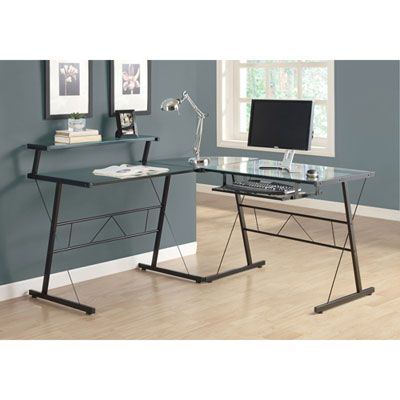
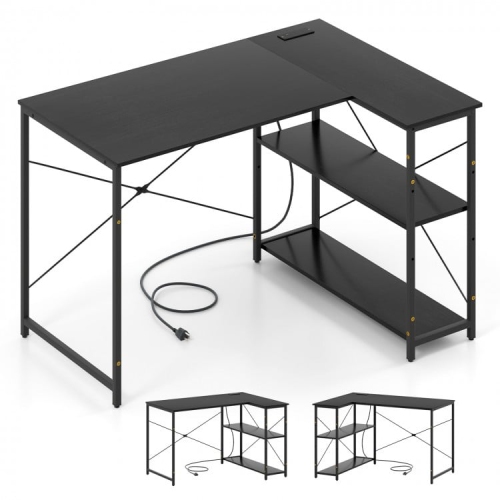
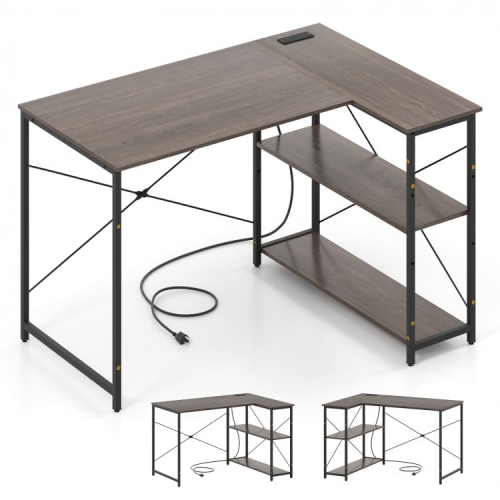
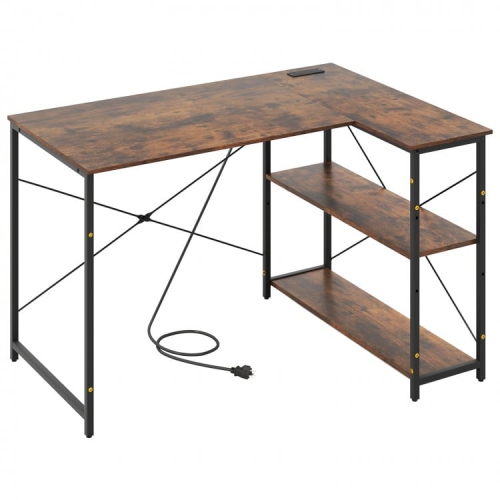
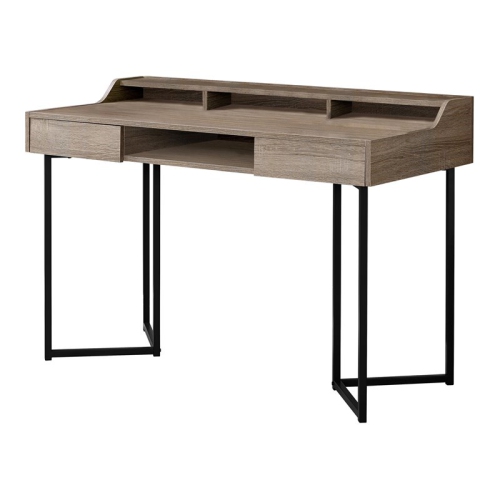
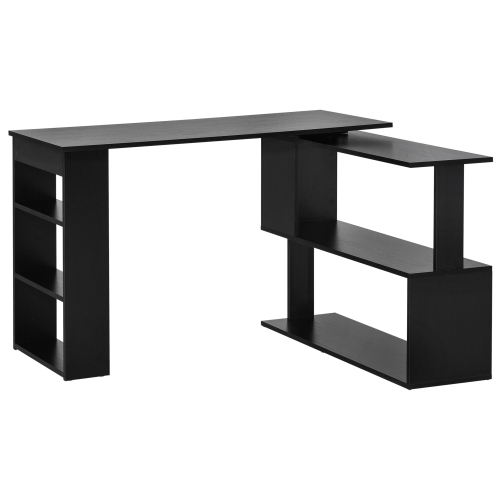
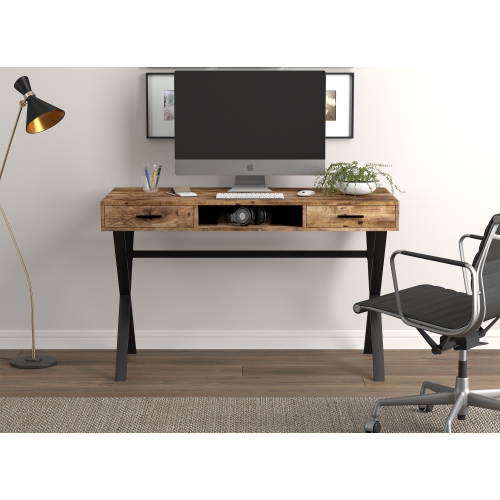
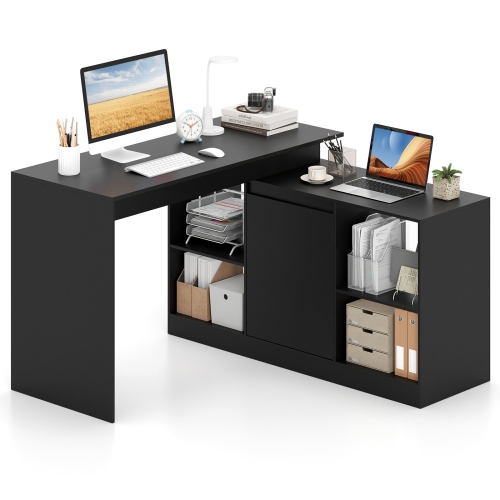
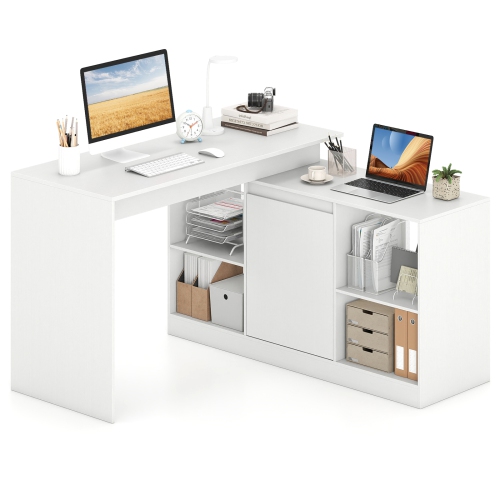
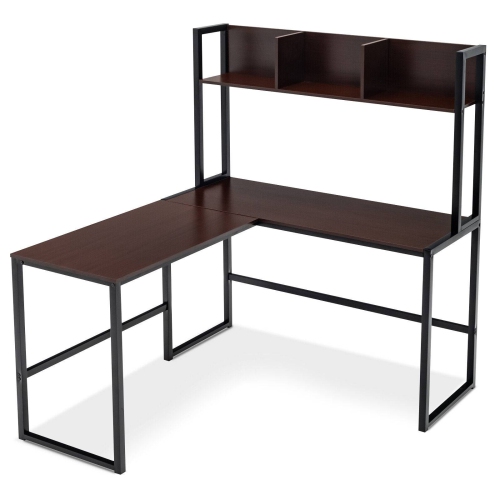
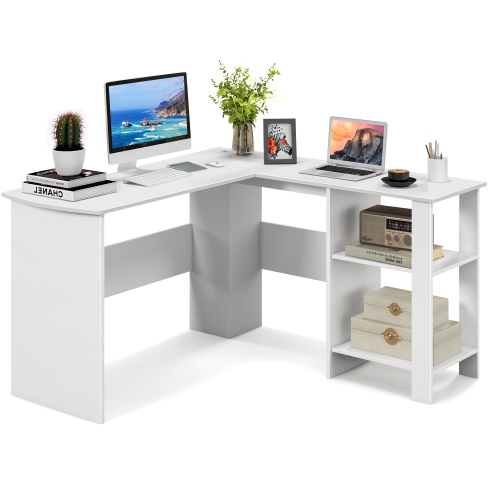
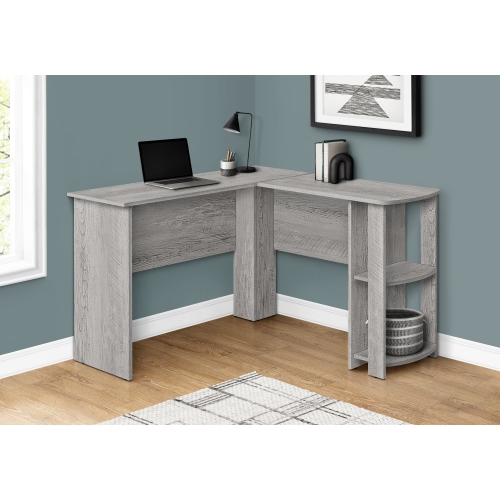
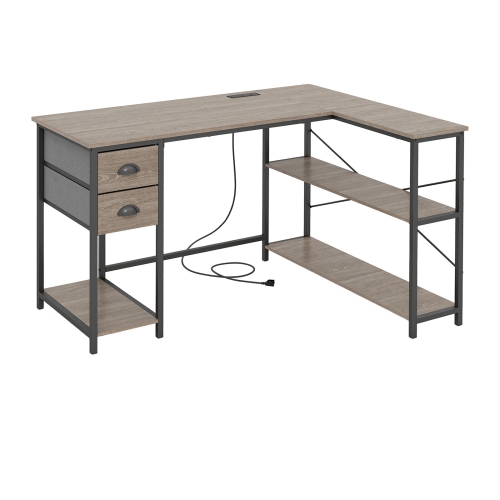
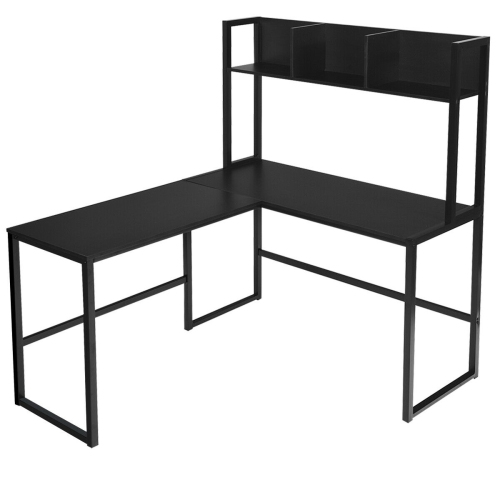
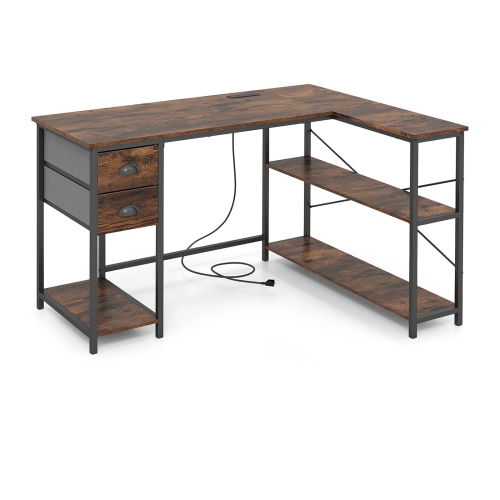
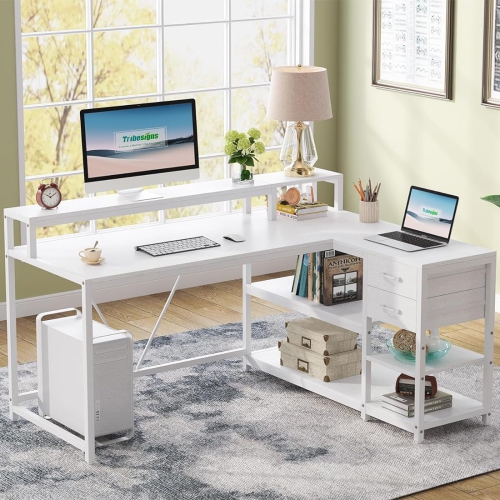
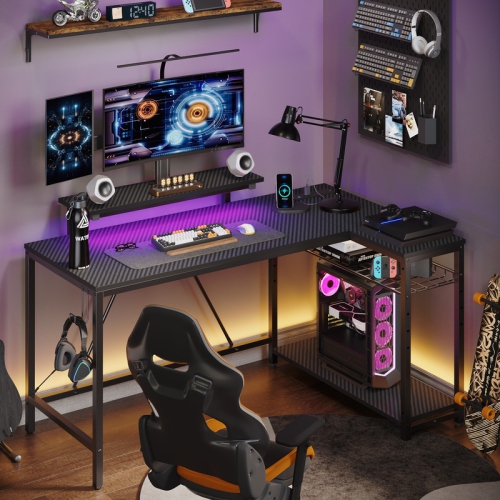
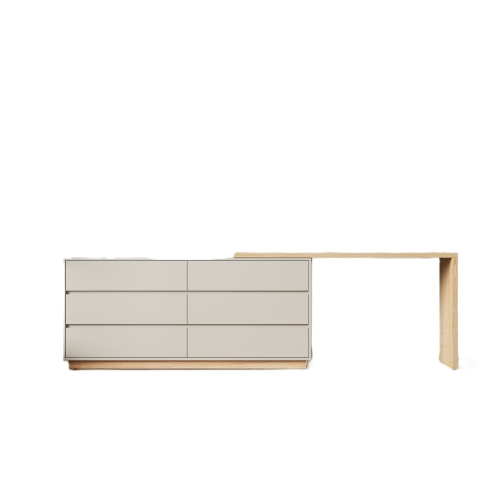
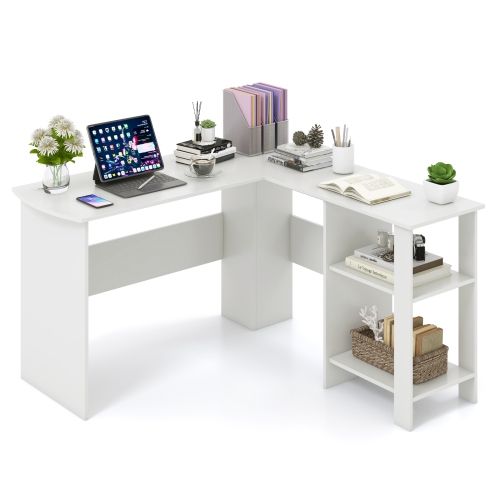
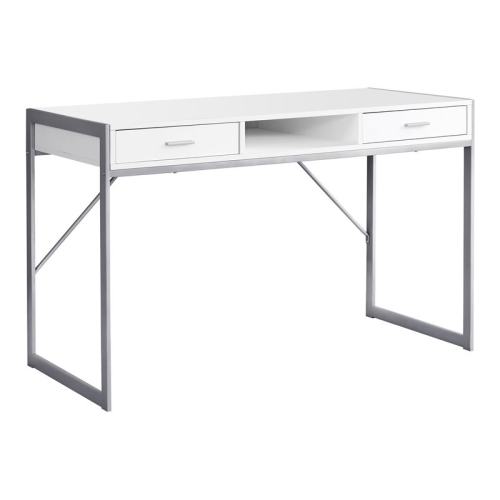
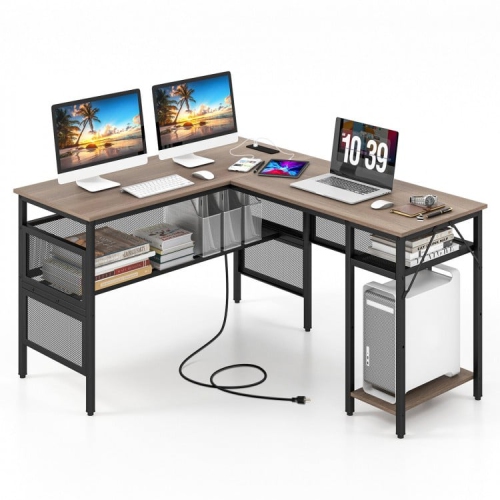
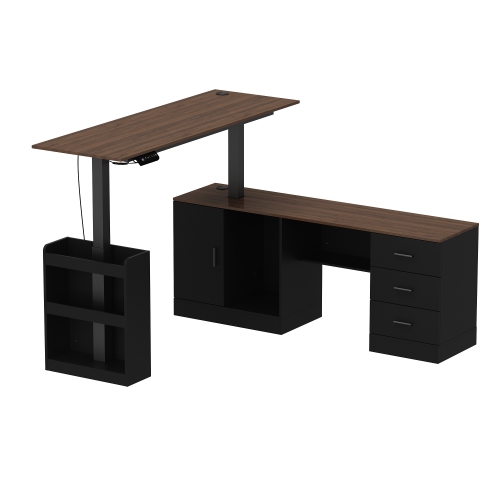
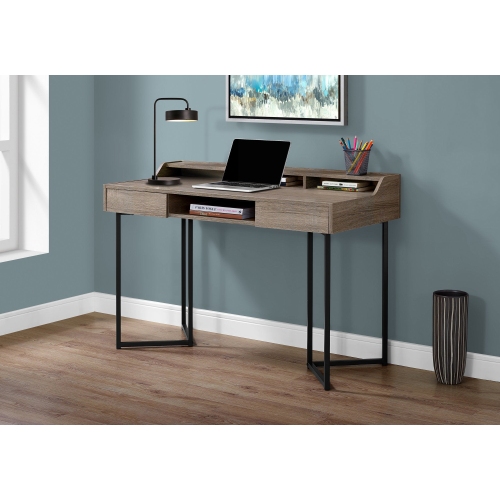
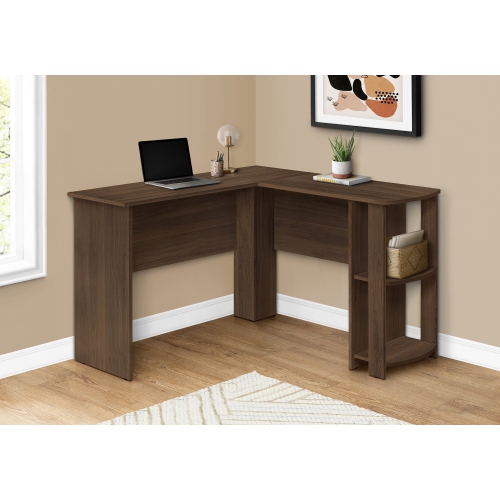
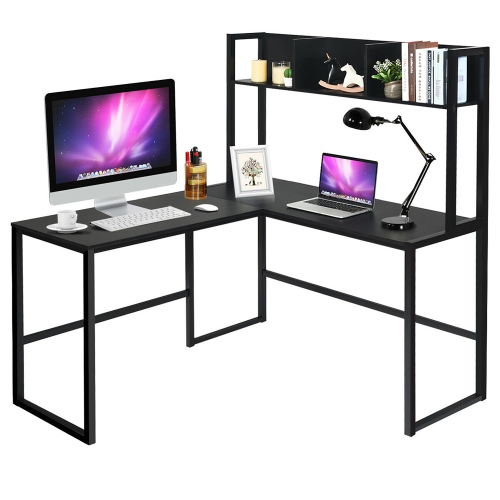
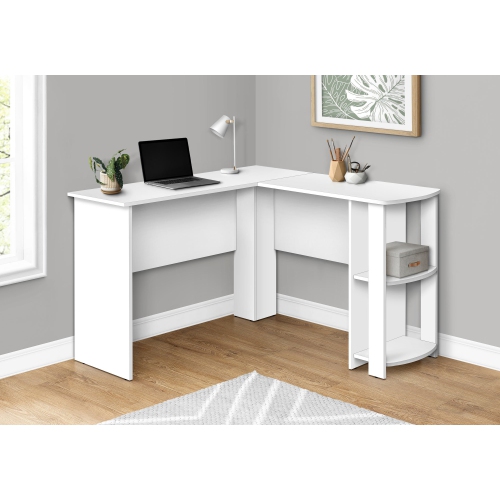
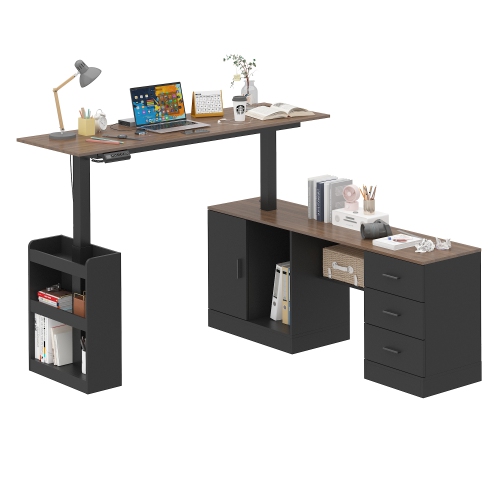
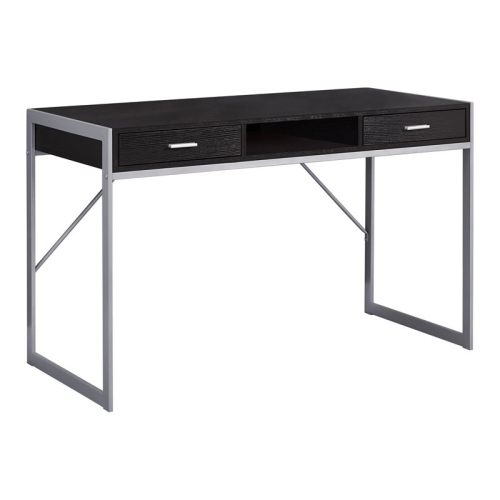
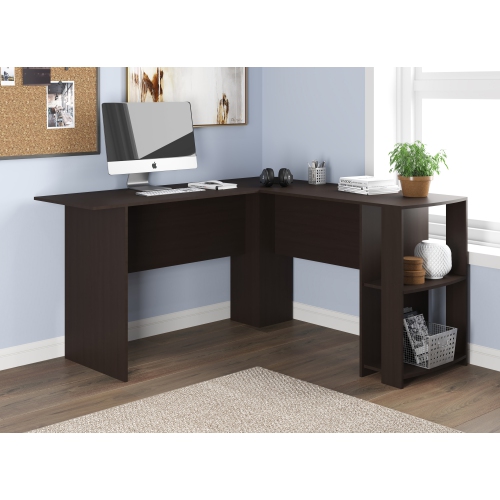
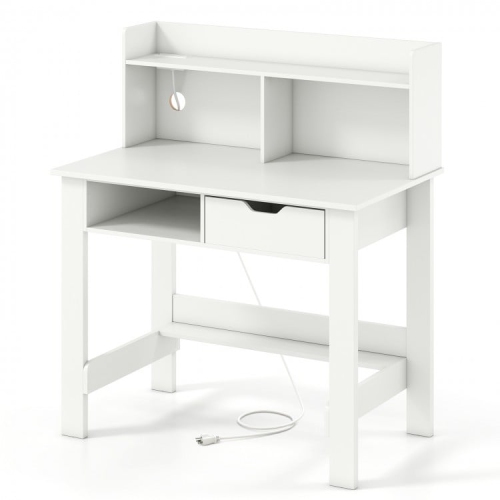
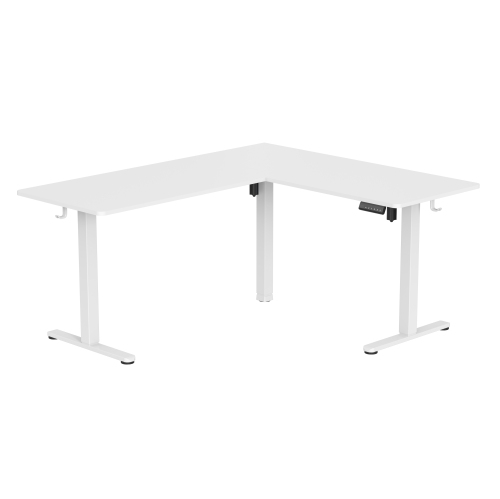
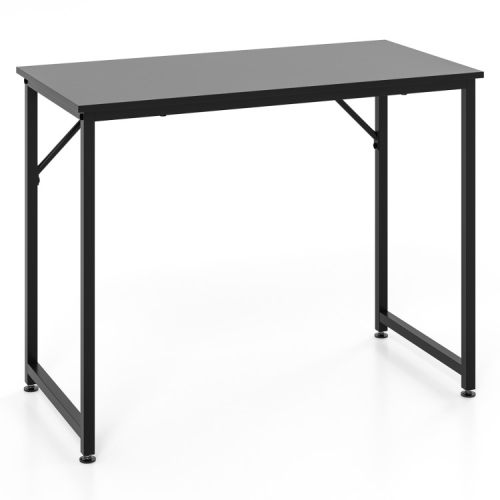
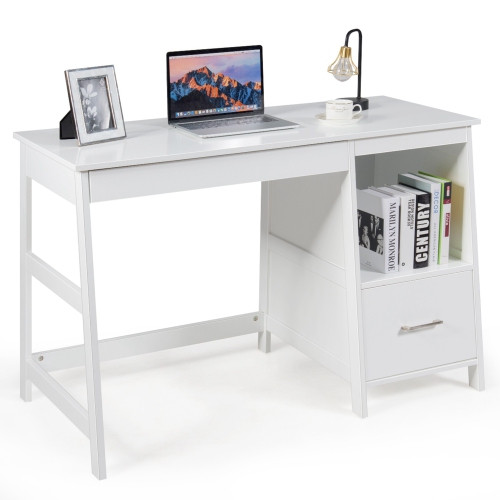

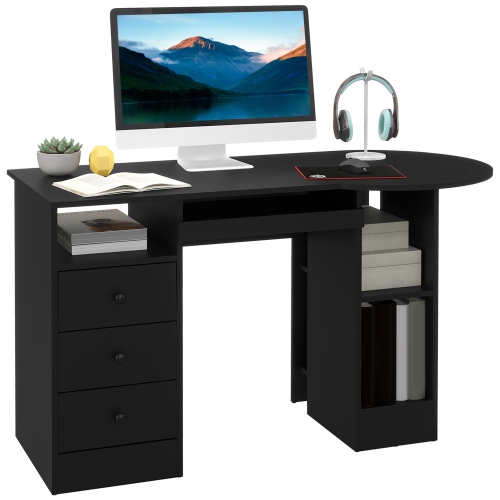
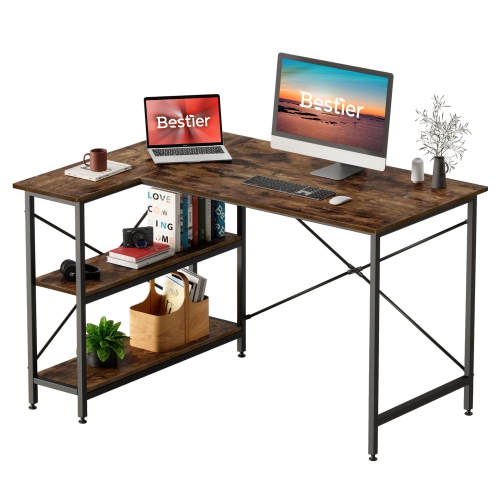
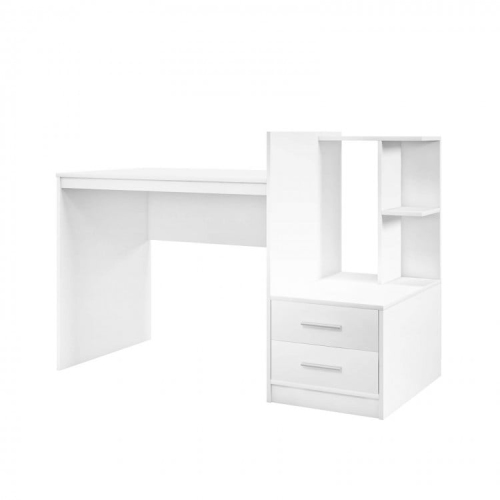
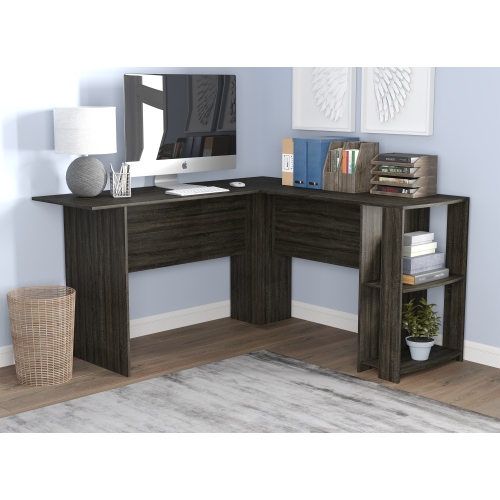
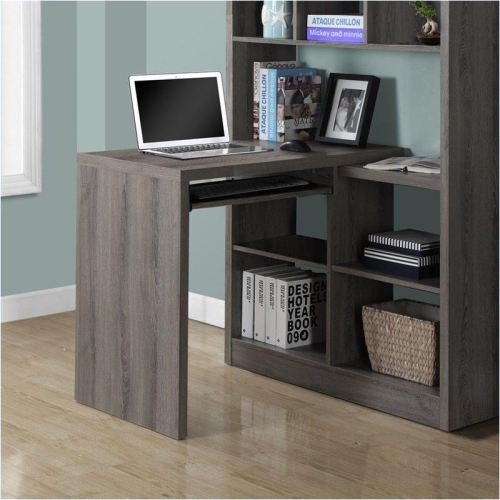
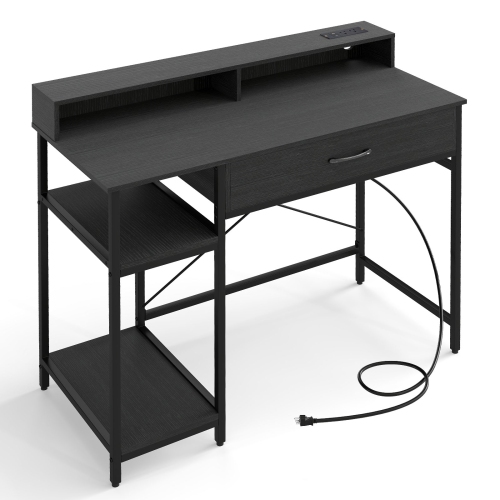
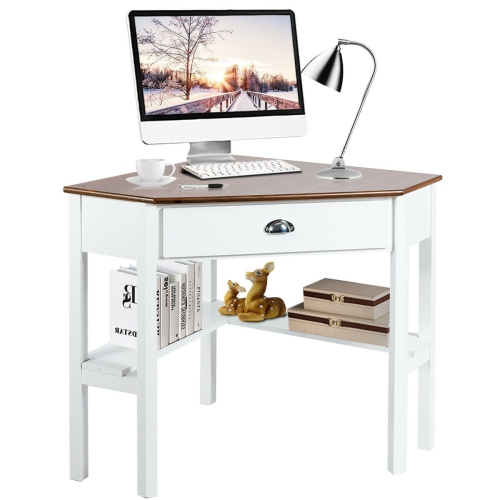
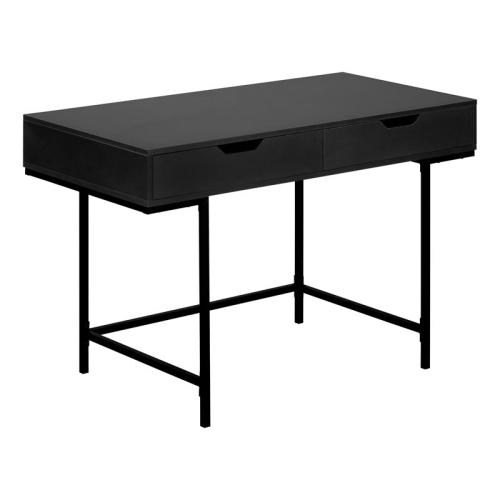
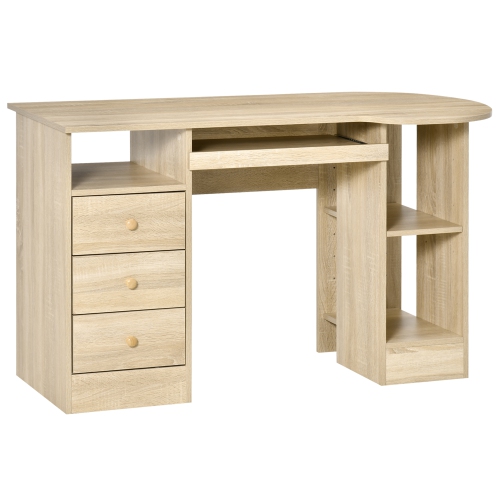
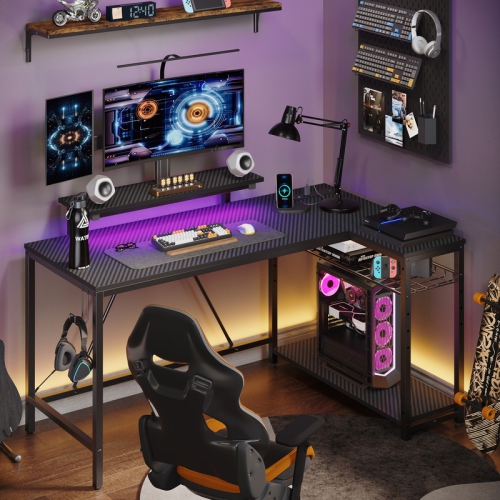

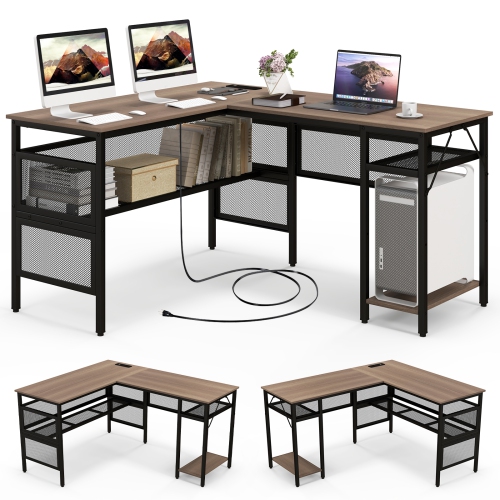
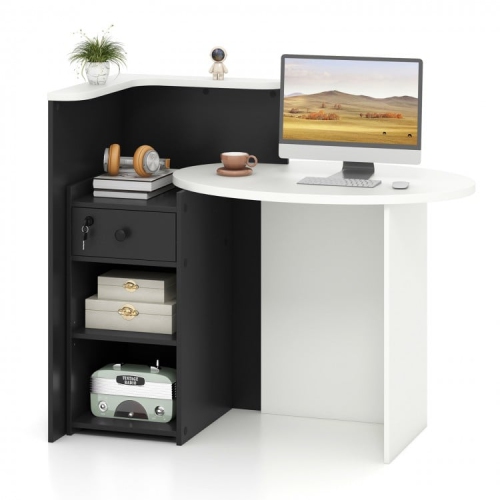
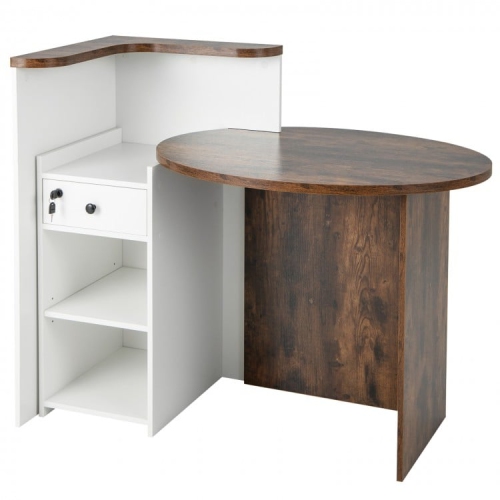
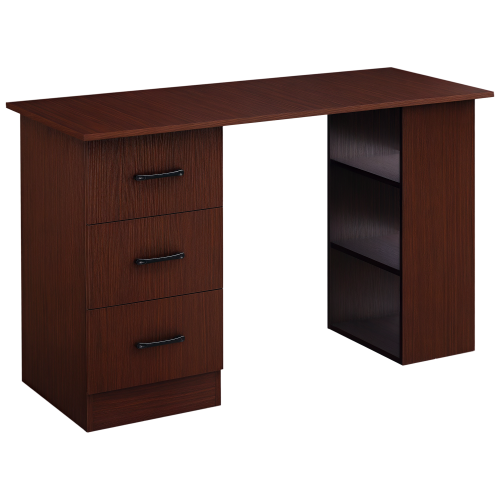
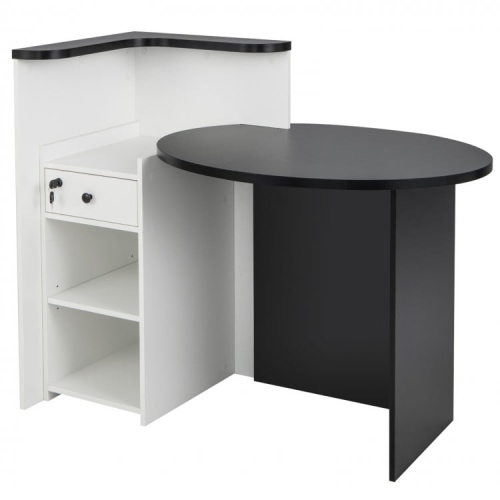
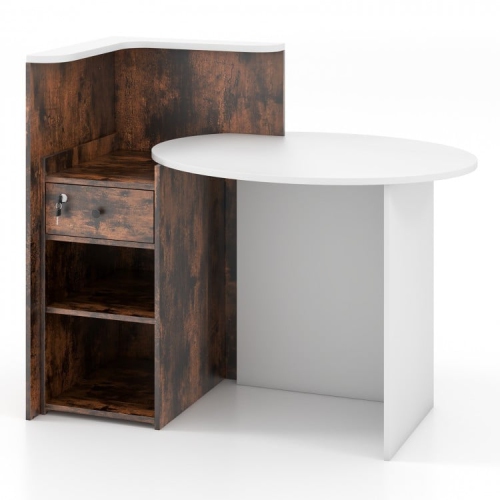
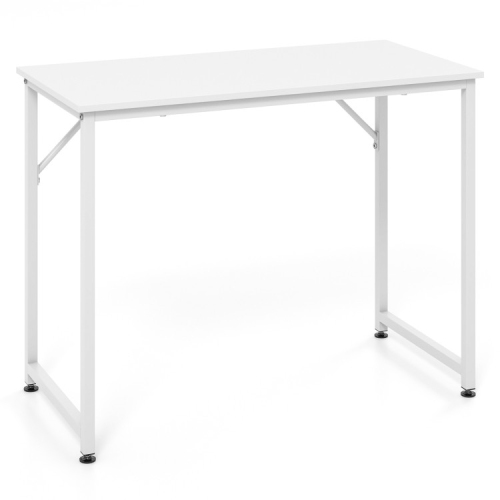
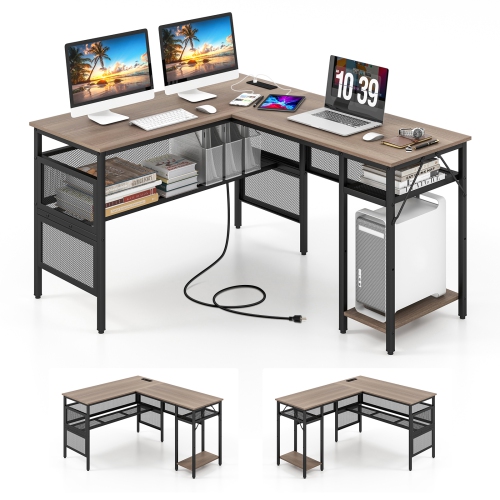
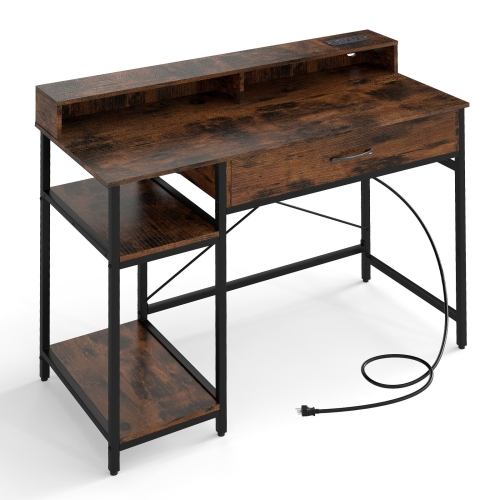
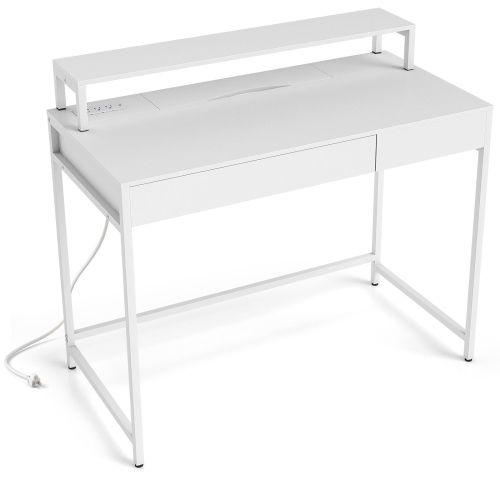
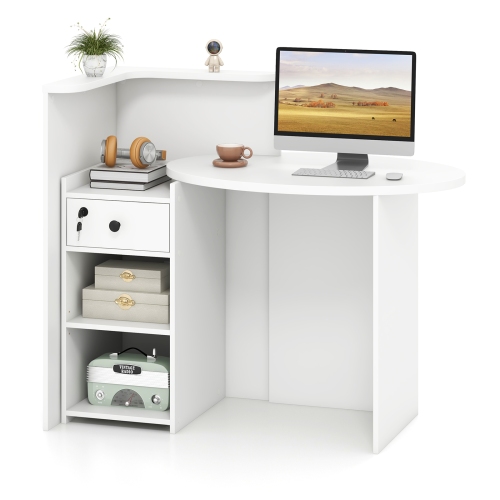
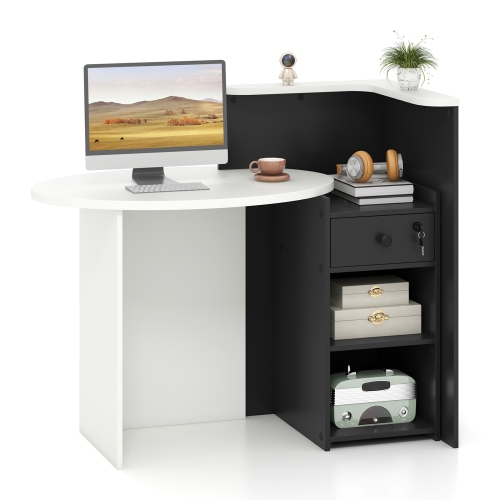
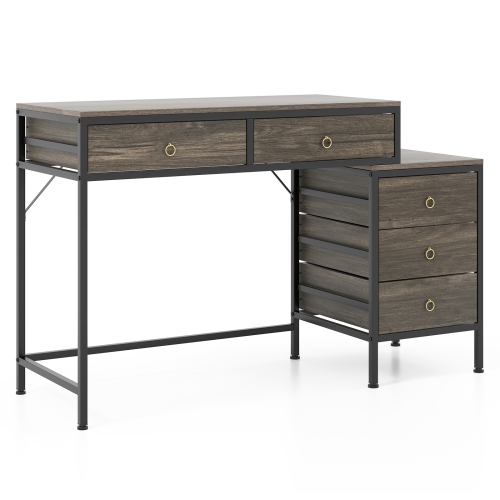

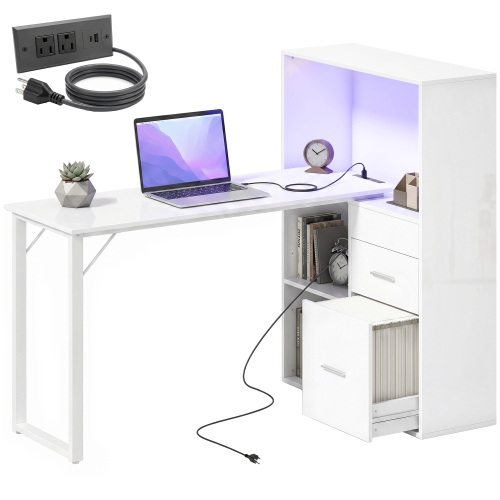
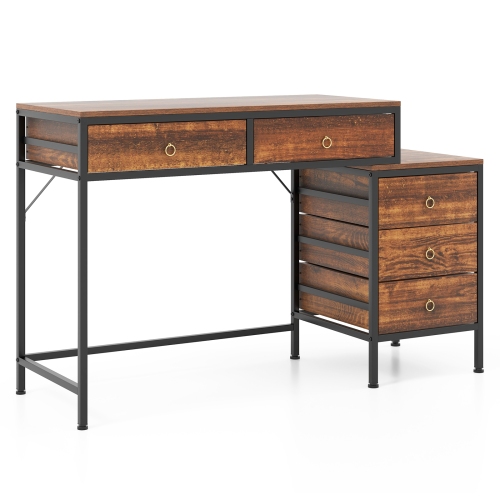
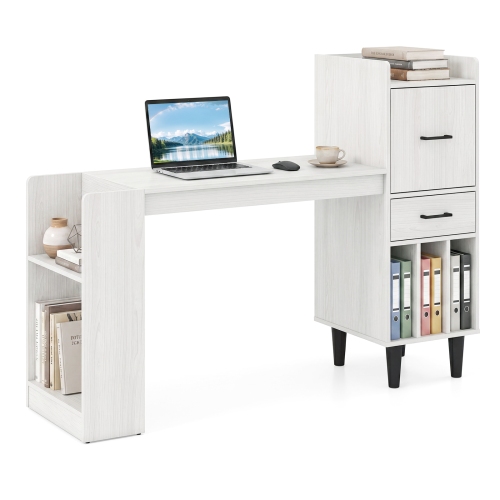
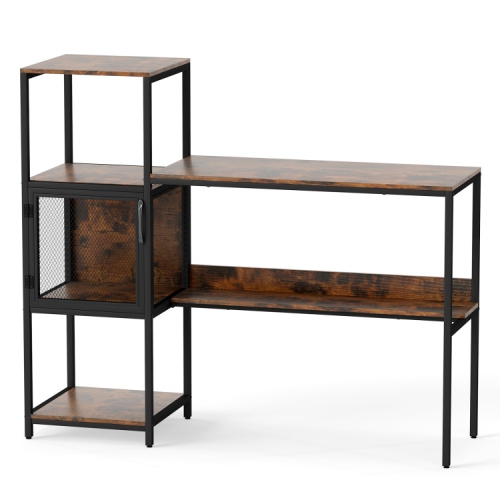
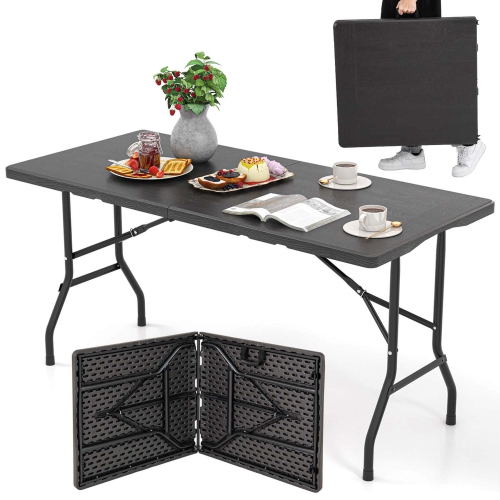
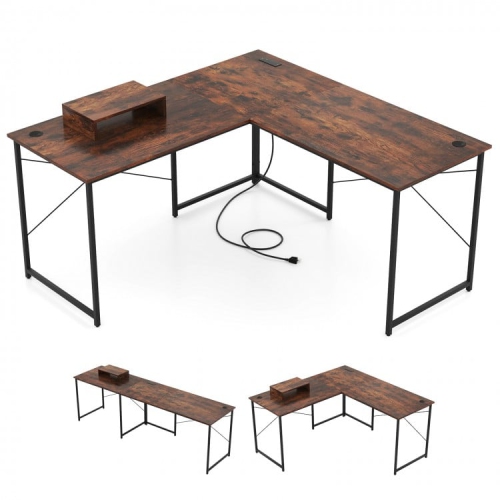
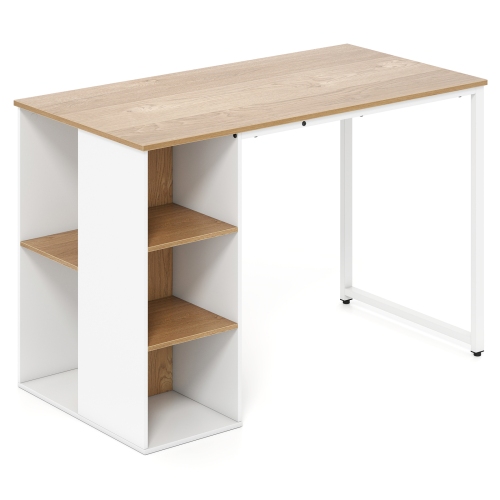
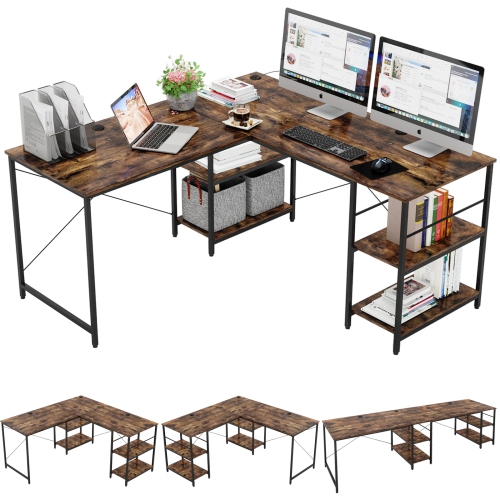
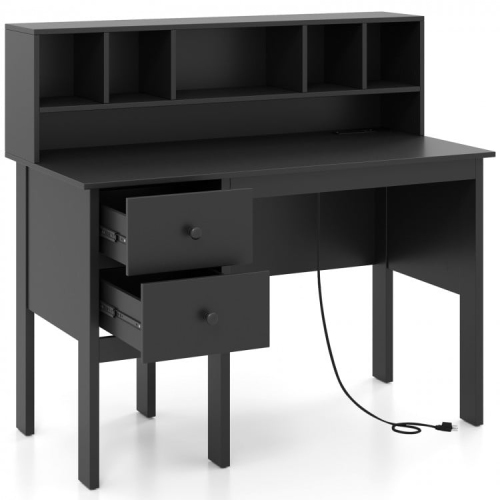
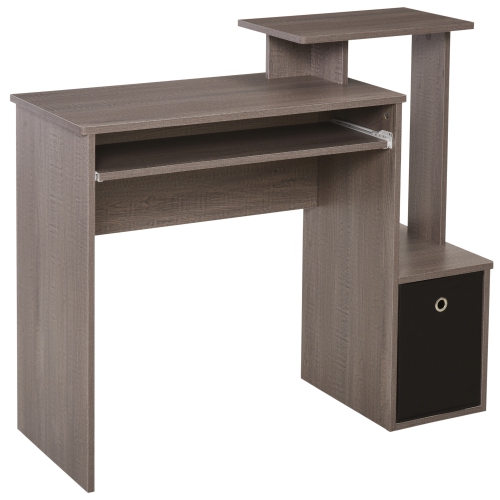
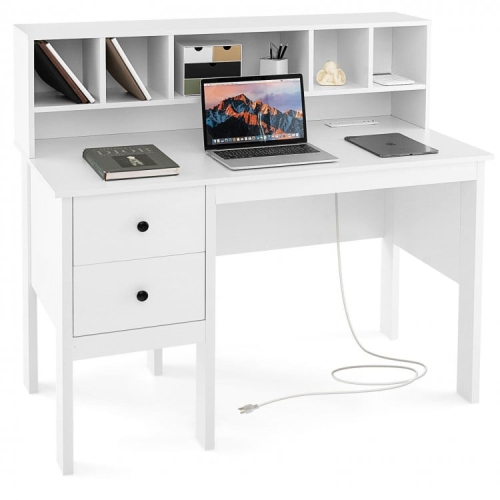
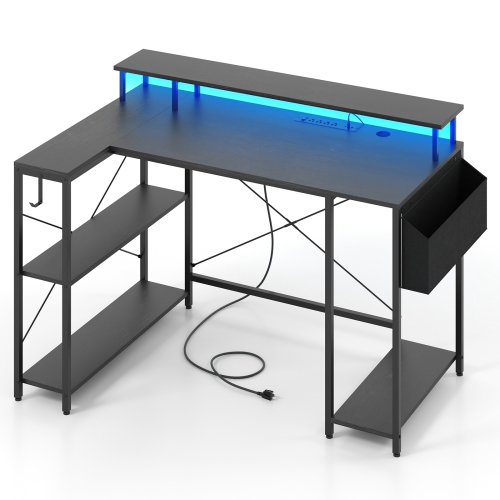
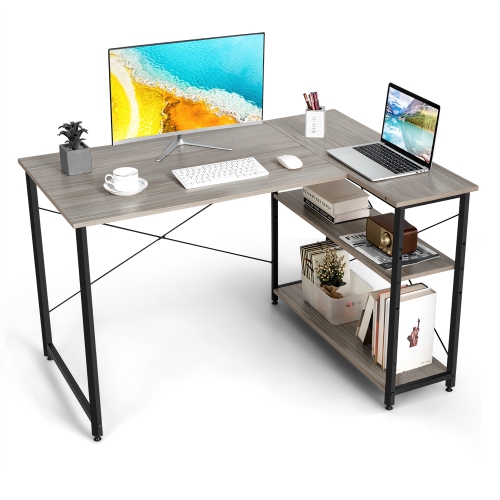
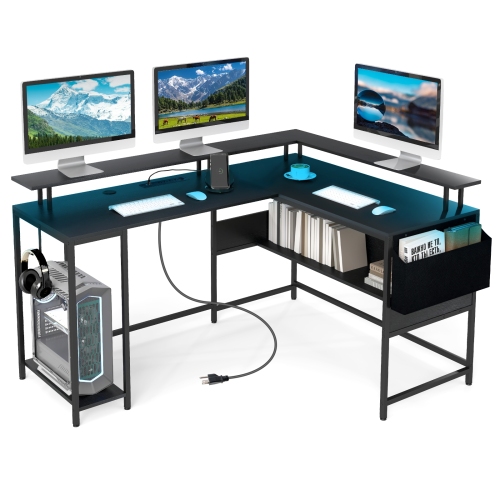
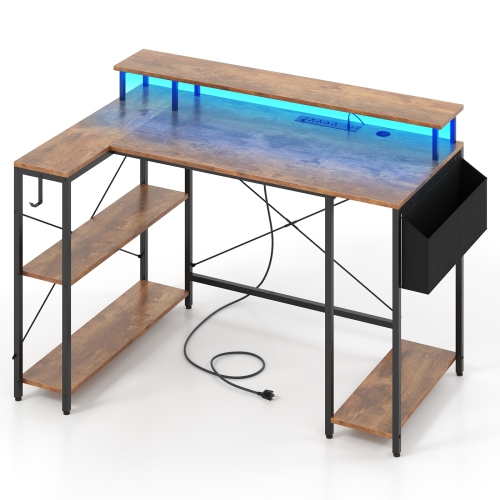
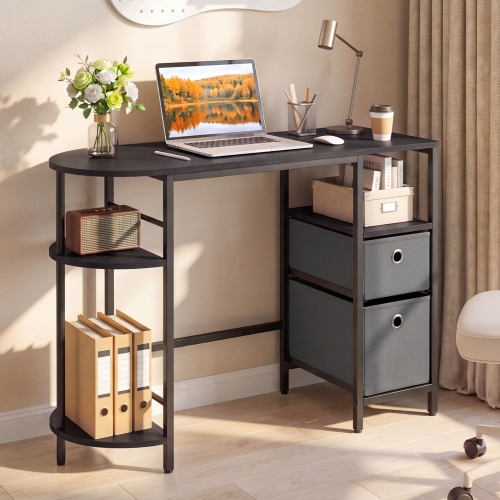

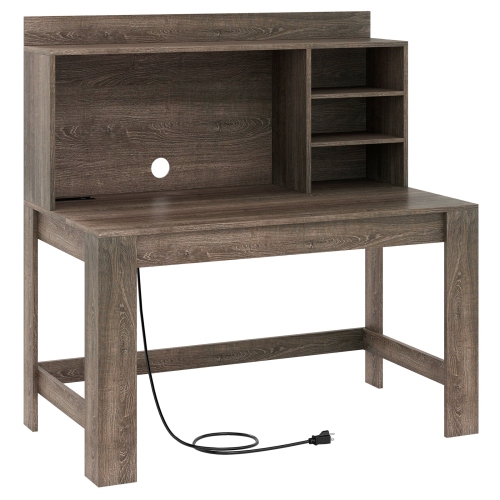
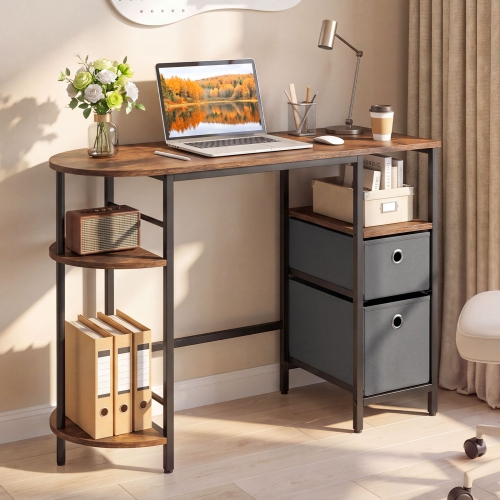
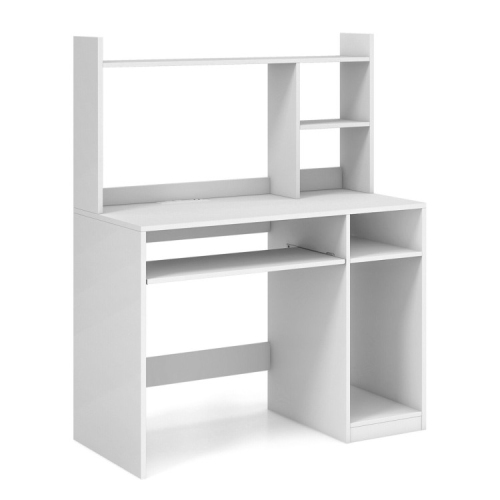
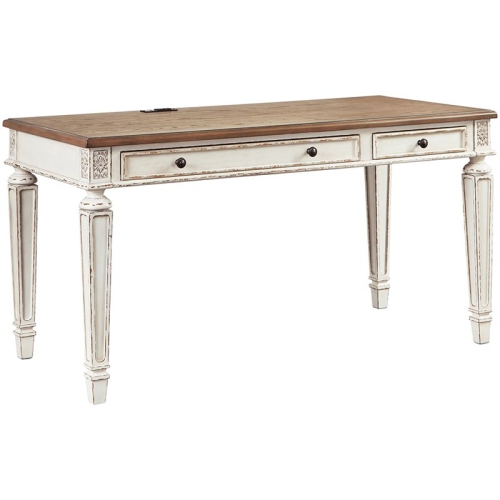
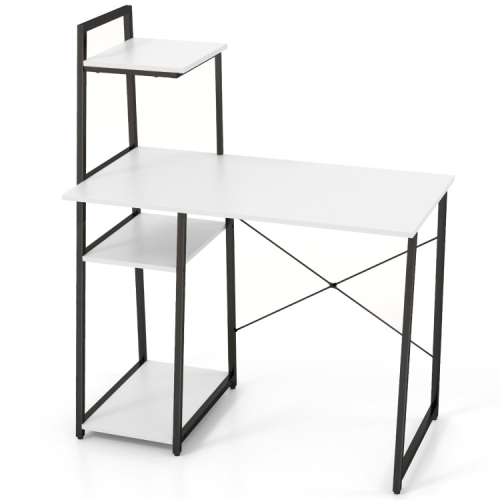
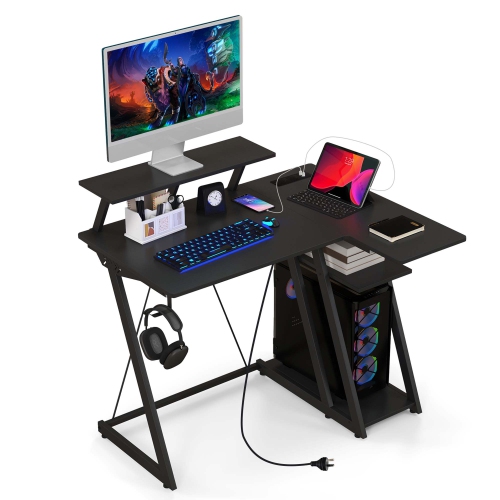
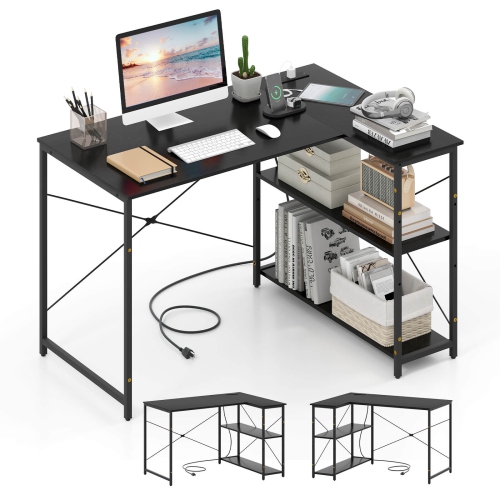
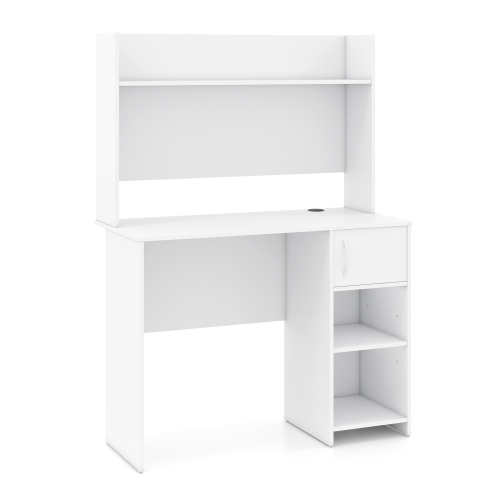

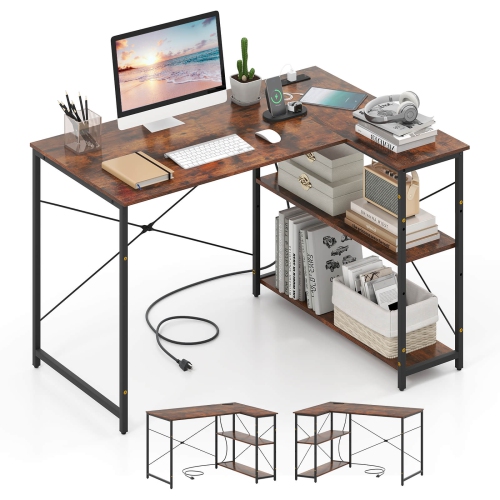
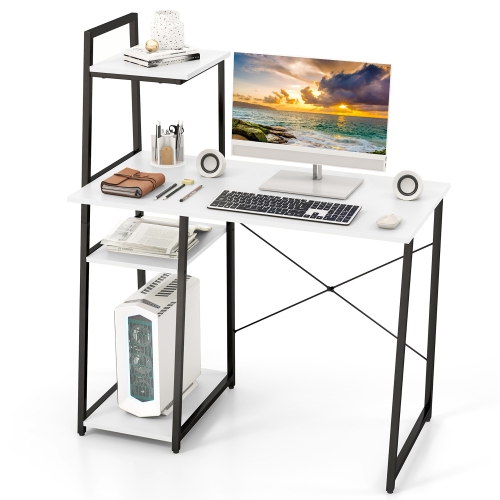
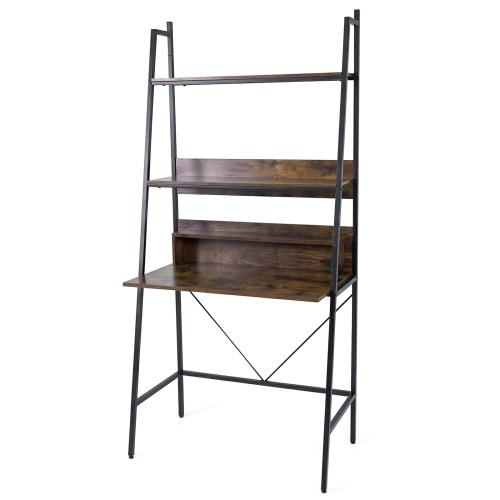
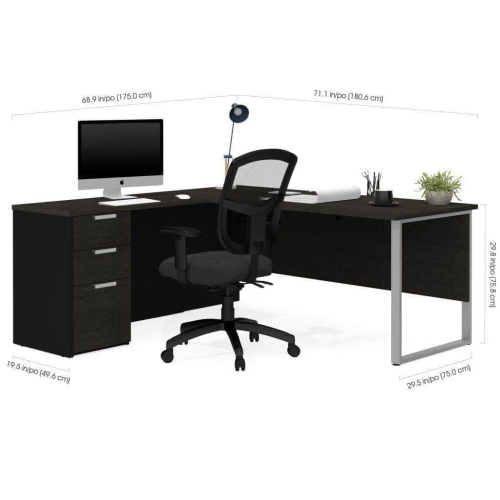
Two work surfaces with everyday essentials close at hand
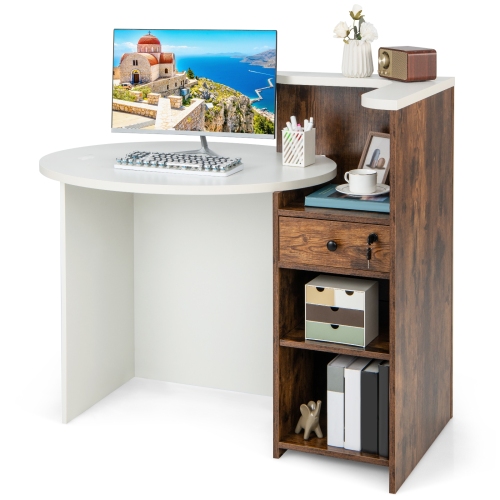
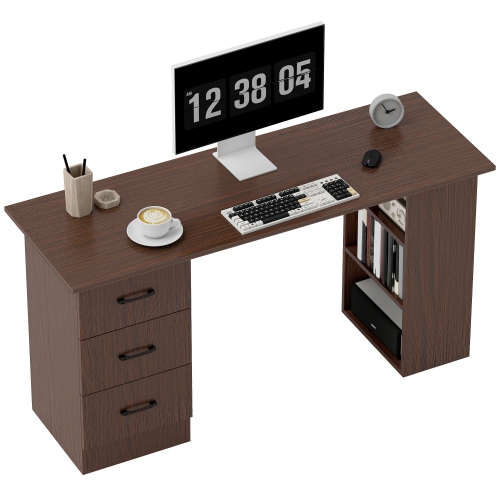
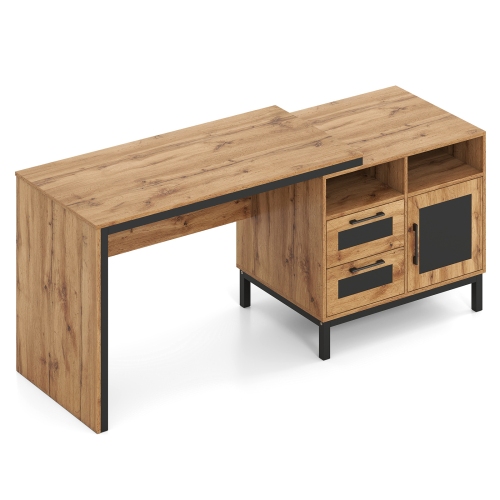
L-shaped desks with drawers and shelves combine two adjoining work surfaces with enclosed and open storage, creating a place for computer work, paperwork, and everyday supplies within one footprint. The longer section can hold a monitor, keyboard, and mouse, while the shorter section, often called the return, provides space for a notebook, reference materials, or a printer. Drawers keep small essentials out of sight, and shelves make frequently used books, baskets, and equipment easier to reach. This combination suits home offices, study areas, and multipurpose rooms where a separate filing cabinet or bookcase might take up too much floor space. For someone balancing video calls with handwritten notes, the extra surface can keep an open planner beside the computer without crowding the keyboard. Students can separate a laptop area from textbooks and assignments, while hobbyists may appreciate a dedicated surface for sorting materials. The shape works well in a corner, but it can also help define a workspace within a larger room when the back of the desk is finished for open placement. Fit depends on more than the overall width: the depth of each surface, the length of the return, and the position of the storage all affect how comfortably the desk works in a room. Measuring both walls and checking nearby doors, baseboards, vents, and electrical outlets helps establish a realistic footprint. Leave enough room behind the chair to sit down, roll back, and stand without bumping into another piece of furniture, and allow additional clearance wherever drawers open into a walkway. A reversible L-shaped desk may let the return or storage section sit on either side, but the exact assembly options vary by design. A fixed left-hand or right-hand return needs particular attention, especially in a small bedroom or a shared office where the doorway limits possible layouts. Marking the outline on the floor with removable tape can make the proportions easier to picture before committing space to the desk.
The most useful storage layout depends on what needs to stay close at hand. Shallow drawers work well for pens, charging cables, sticky notes, and other small supplies that would otherwise spread across the desktop. Deeper drawers can hold bulkier accessories, while a dedicated file drawer may accommodate hanging folders. Letter, legal, and A4 compatibility should be confirmed in the specifications rather than assumed from the drawer’s appearance. Smooth drawer slides, sturdy handles, and a base suited to the intended load all contribute to everyday usability. Fabric drawers offer lightweight storage for smaller belongings, whereas rigid drawer boxes generally provide more structure for heavier contents; the stated weight limits remain the best reference for either type. Open shelves are useful for keeping reference books visible or placing a printer away from the main work surface, provided the shelf has suitable dimensions and load capacity. Adjustable shelving adds flexibility for taller binders, and removable shelves can make room for equipment that needs more vertical clearance. If a computer tower will sit below the desk, its ventilation openings and cable connections need unobstructed space. Storage should also leave sufficient knee and leg room, particularly around the inside corner where drawer units or supports can restrict movement. A wide desktop is not automatically a comfortable one if a shelf prevents the chair from moving close enough to the keyboard. For daily computer use, position the main screen directly ahead and keep frequently used controls within easy reach so the return becomes an extension of the workspace rather than a reason to twist repeatedly. A monitor riser can free up some surface space, although its height needs to suit the screen and seating position. Cable openings, routing channels, and accessible power connections can help keep cords away from feet and drawer slides. Desks with integrated outlets or USB ports offer another way to manage charging, but port types, electrical ratings, and cord length need to match the intended setup.
Materials and construction influence both the appearance of an L-shaped desk and how it stands up to regular use. Solid wood brings visible grain and natural variation, while wood veneer provides a real wood surface over a supporting core. Engineered wood with a laminate or melamine finish can offer a consistent appearance and a surface that is straightforward to wipe clean. These materials are not interchangeable, so descriptions of the desktop, drawer fronts, and supporting structure are worth considering separately. For a closer focus on wood-based styles, L Shaped Wood Desks With Drawers offers a related category to explore. Metal frames can create a more open look beneath the work surface, while panel-sided designs give the desk a more substantial visual presence. Stability depends on the whole construction, including bracing, joints, fasteners, and how securely the two desktop sections connect. Adjustable feet can help a desk sit level on a slightly uneven floor, but they do not replace a properly assembled frame. Anyone planning to use a monitor arm should check the desktop’s thickness, edge clearance, material, and compatibility with the clamp; a raised back panel or shelf may interfere with mounting. Finish also affects how the desk feels within the room. Lighter wood tones and pale surfaces can blend with neutral furniture, while darker finishes create a stronger outline and may show dust or fingerprints more readily. Routine care is usually simple: remove dust with a soft cloth, wipe spills promptly, and follow the manufacturer’s cleaning instructions rather than using abrasive pads or harsh cleaners. Coasters and desk mats can help protect frequently used areas, especially beneath drinks and equipment that gets moved often. During assembly, keeping hardware organized and leaving access around both sections makes it easier to align the return and storage units correctly. The best fit brings these details together: enough surface for the work, storage sized for the belongings, and a layout that leaves the room comfortable to move through.
Top selling and popular products
-
 Your price for this item is $97.99
-
 Your price for this item is $89.99
-
 Your price for this item is $84.99
-
 Your price for this item is $97.99
-
 Your price for this item is $649
-
 Your price for this item is $749
-
 Your price for this item is $649
-
 Your price for this item is $649
Discover more categories related to L Shaped Desks With Drawers And Shelves
Top Collections:
Best Black Friday Deals This Year, Best Black Friday Deals On Electronics, Kindle Devices, Pokemon Centers, Best Black Friday Deals On Apple Products, Best Cameras for Sports Photography, Dyson Airwrap, Pokémon 30th Celebration Cards, Apple iPhone 17 Pro, Canon G7X Cameras
Some products may be subject to Environmental Handling Fees
(EHF) depending on your province.
Learn more about EHFs.