L Shaped Office Desks With Hutch
Transform your workspace into an efficient and stylish haven with an L-shaped office desk with hutch. Perfect for maximizing both space and productivity, these versatile desks provide ample surface area for multitasking while keeping your essentials organized and within reach. Whether you're working from home or setting up a professional office, the combination of an L-shaped design with a hutch offers a blend of functionality and aesthetic appeal. Explore our selection to find the ideal match for your workspace needs, ensuring you have the perfect setup to enhance your workflow and boost your productivity.
Sort
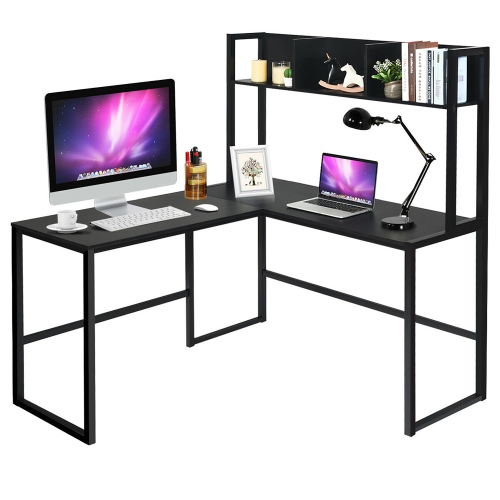
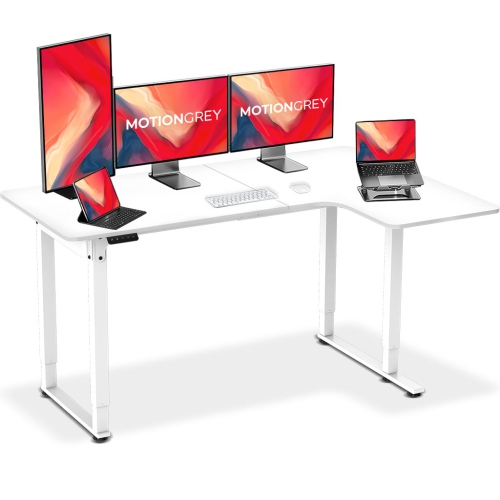
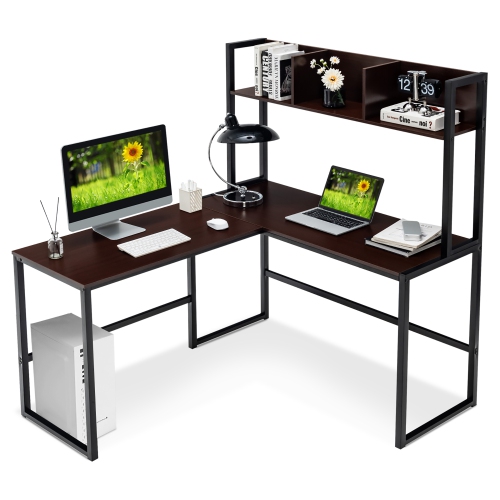
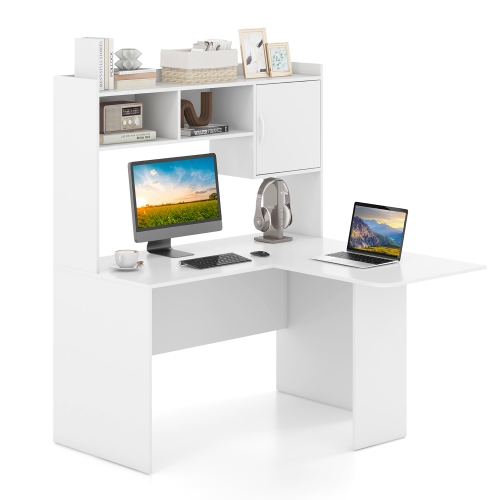
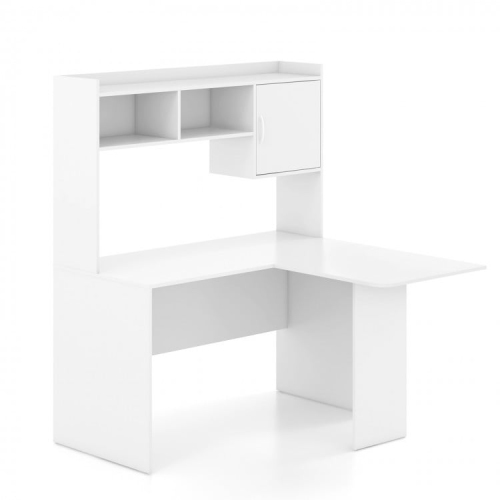
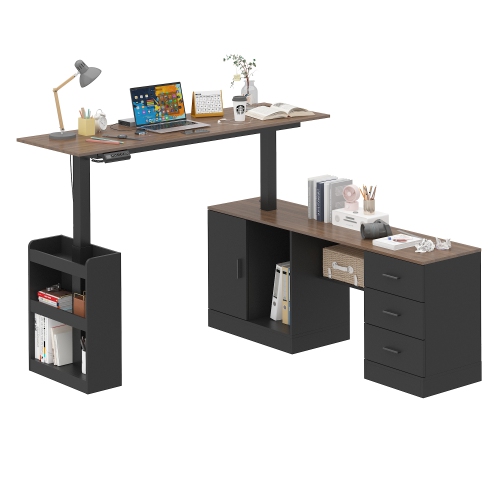
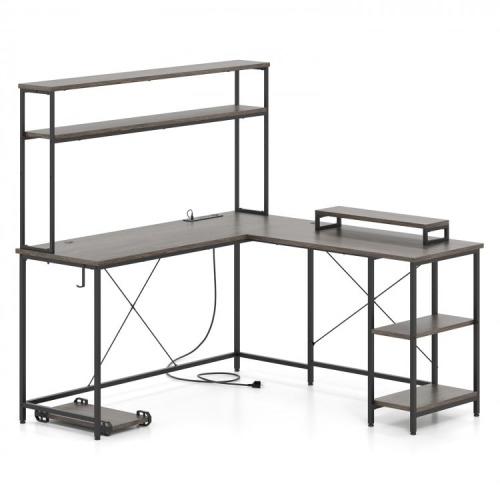
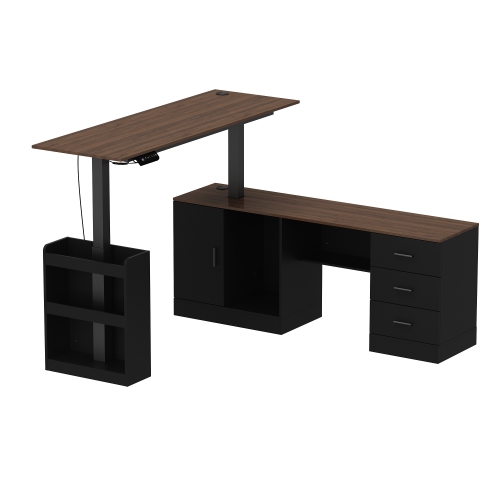
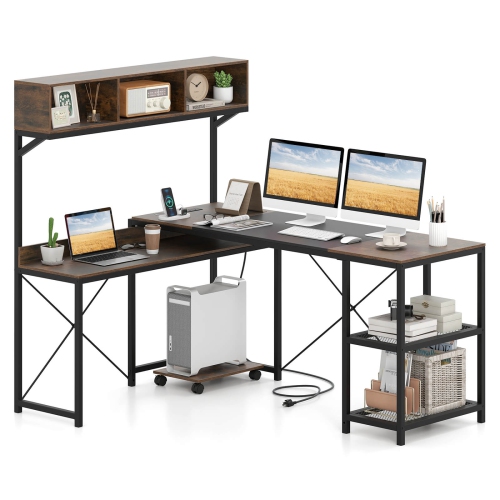
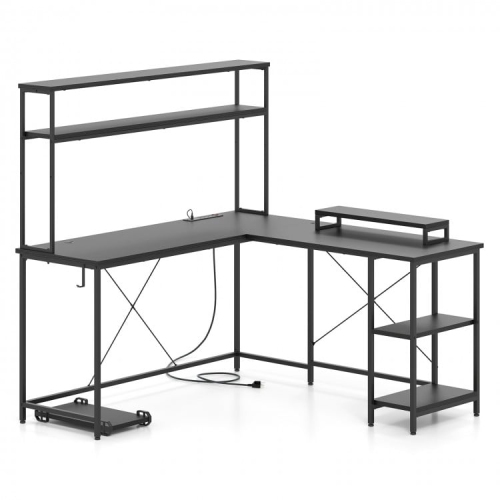
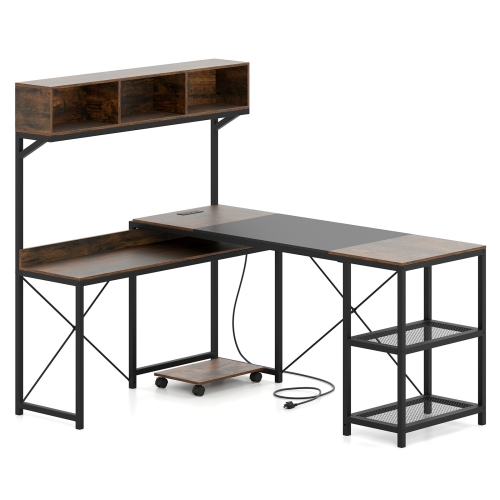
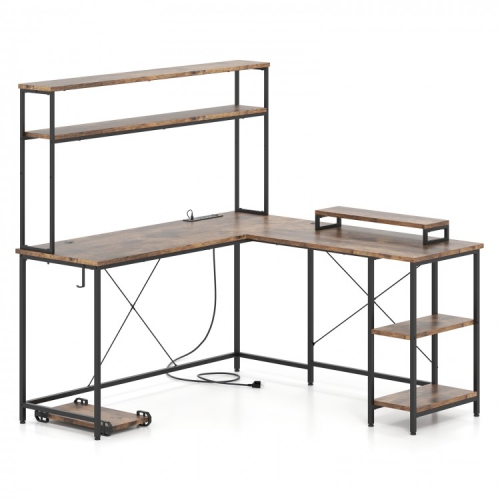
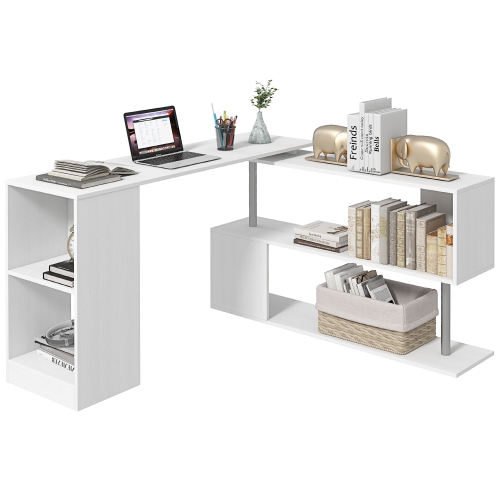
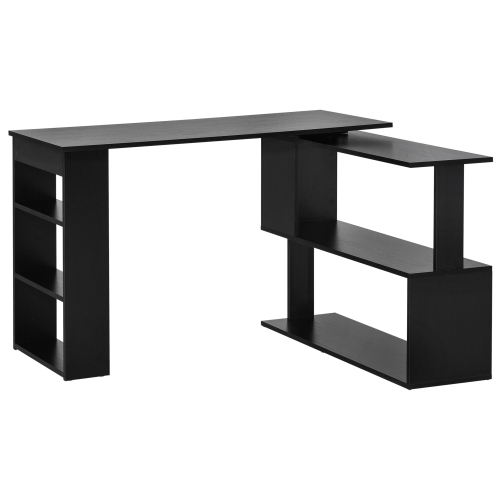
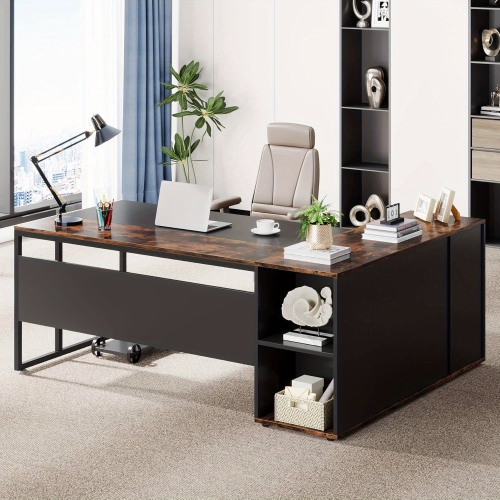

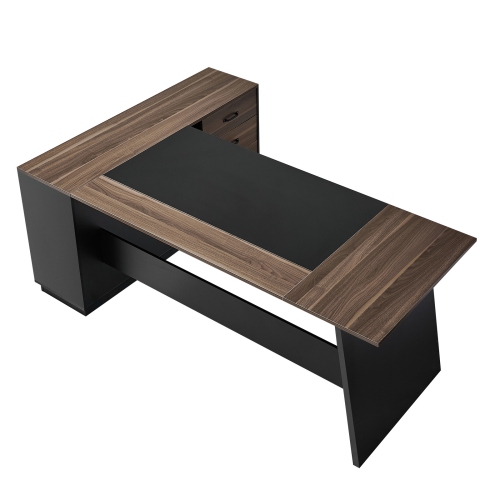
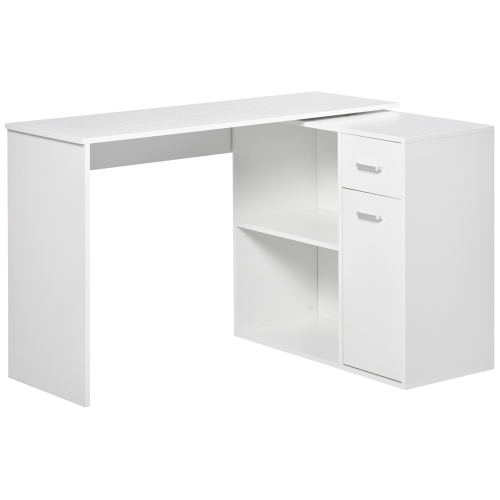

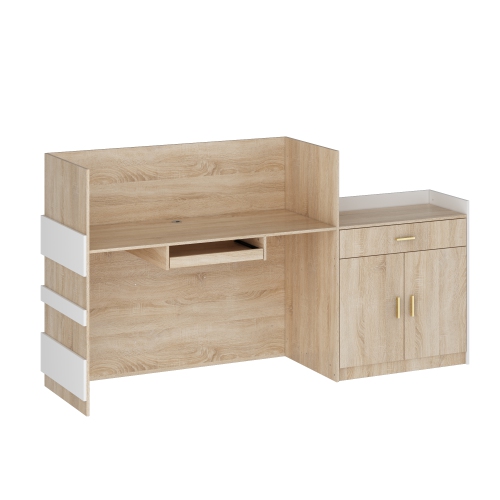
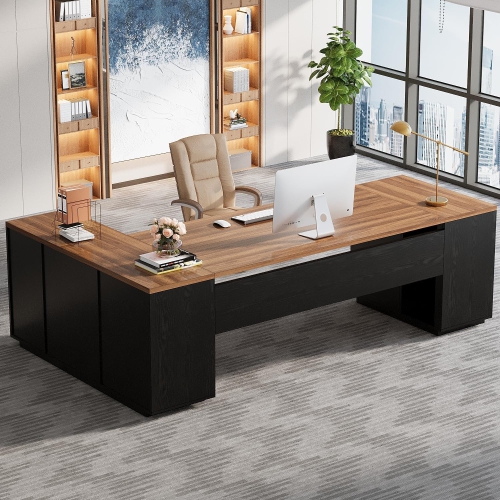
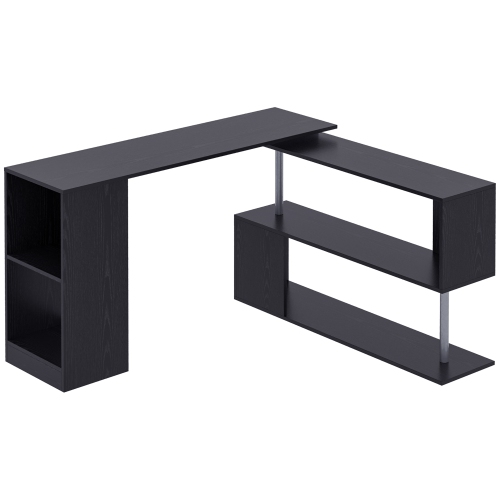


Two work surfaces below, room for storage above
L-shaped office desks with hutches combine two adjoining work surfaces with raised storage, creating a workspace that makes use of both floor space and the wall above it. The longer desktop typically holds a computer and everyday essentials, while the shorter section, often called the return, provides room for paperwork, reference books, or a separate writing area. A hutch adds shelves, cupboards, or a combination of open and enclosed compartments above part of the desk, keeping supplies accessible without covering the entire work surface. This arrangement suits home offices, study rooms, and multipurpose spaces where work materials need a defined place. A remote worker might keep a monitor and keyboard on one side and spread out meeting notes on the other; a student could leave a laptop open while working through a textbook beside it. For someone balancing household administration with creative projects, the extra surface offers a place to sort documents without clearing away an unfinished task. Within the broader category of L Desks With Hutch, layouts vary in how much space they devote to computer use, writing, and storage. Some place the hutch over the main desktop, while others position it along the return. That difference affects sightlines, monitor placement, and how easily shelves can be reached from a seated position. Open shelving keeps frequently used folders visible, while doors can conceal loose supplies and create a calmer backdrop for video calls. Compartments sized for upright binders serve a different purpose from shallow shelves intended for smaller accessories, so the internal dimensions matter as much as the overall storage count. An L-shaped layout can also separate focused computer work from hands-on tasks, making it easier to move between activities throughout the day. The most useful arrangement is one that supports familiar routines, whether that means keeping a notebook beside the keyboard or leaving a clear stretch of desktop for reviewing printed pages.
Room fit involves more than finding a corner wide enough for the desk. Overall width, depth, and height establish the footprint, but the return direction determines how the workspace interacts with doors, windows, and nearby furniture. A reversible return can provide flexibility when a room changes, although left- or right-hand installation depends on the individual design. A fixed return needs to suit the intended position from the outset. There should be enough room to pull out the chair, turn between work surfaces, and open drawers or cupboard doors without blocking a walkway. Baseboards, floor vents, wall outlets, and window trim can all affect how closely a desk sits against the wall. Hutch height deserves particular attention beneath sloped ceilings or beside windows, where a tall storage unit may interfere with light or access. The space beneath the lowest shelf also needs to accommodate the monitor at a comfortable viewing height. A large screen or dual-monitor setup may require a wider opening than a laptop, and a monitor arm needs a suitable attachment point, adequate clearance, and a desktop that can support the mounting method. Desktop depth matters here: a generous-looking surface may still feel cramped once a monitor stand, keyboard, and wrist support are in place. Under the desk, drawer pedestals and storage cabinets can reduce legroom, especially at the inside corner where the two surfaces meet. Someone who regularly turns from typing to writing will benefit from an unobstructed path for knees and chair arms. Cable openings and routing channels, where included, help keep power cords away from the work area and chair wheels. Built-in outlets or USB ports can make device connections more convenient, but their placement and specifications vary. A nearby wall outlet remains important, as does leaving ventilation space around computer equipment. For shared rooms, a layout that keeps cables contained and the return out of the main walking route helps the workspace sit comfortably alongside everyday household activity.
Materials and construction influence both the appearance of an L-shaped office desk with a hutch and how it holds up to regular use. Solid wood can bring visible grain and a substantial feel, while wood veneer provides a real-wood surface over a supporting core. Engineered wood with a laminate or melamine finish often offers a consistent appearance and a surface suited to routine office tasks. Metal framing can provide structural support and a more open look, though stability depends on the complete design, connections, and assembly rather than material alone. A light finish may help a tall hutch feel less imposing in a compact room, while deeper wood tones can give a dedicated office a more traditional character. Smooth fronts and simple hardware suit understated spaces; framed doors and more pronounced grain add visual detail. Beyond appearance, firmly attached edging, properly aligned drawers, and secure shelf supports contribute to everyday usability. Adjustable shelves can accommodate changing storage needs, and file drawers should match the paper sizes being stored, such as letter or legal documents. Weight limits apply separately to desktops, shelves, and other components, so a hutch should not be treated as unlimited storage for heavy books or equipment. Frequently handled supplies belong within comfortable reach, with heavier contents stored lower where the design allows. Assembly quality is especially important for a wide desk with overhead storage: level surfaces, tightened fittings, and manufacturer-specified wall restraints help the furniture function as intended. Care is usually straightforward when it follows the finish requirements. A soft cloth removes dust from broad surfaces and shelf corners, while prompt attention to spills helps protect seams and edges. Coasters and desk mats can limit moisture marks and wear in busy areas, and cleaners should be compatible with the surface rather than chosen solely for convenience. Moving a loaded desk can strain joints, so emptying storage and following the stated moving instructions helps protect the structure. With a layout suited to the room and storage matched to daily needs, this style of desk can support long stretches of computer work, evening study, and the small administrative tasks that accumulate at home, while keeping the main work surface ready for use.
Top selling and popular products
-
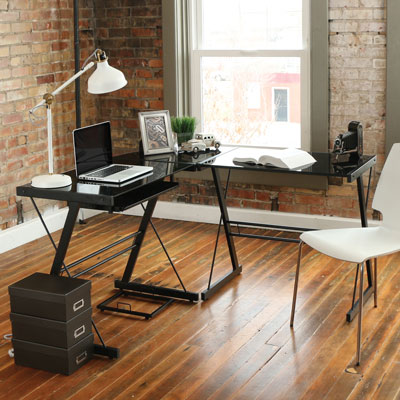 Your price for this item is $304.99
-
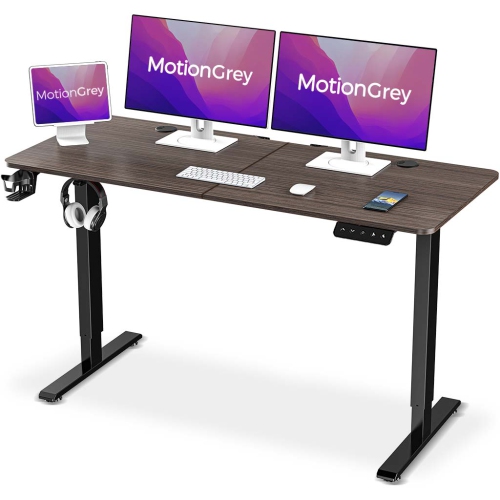 Your price for this item is $142.94
-
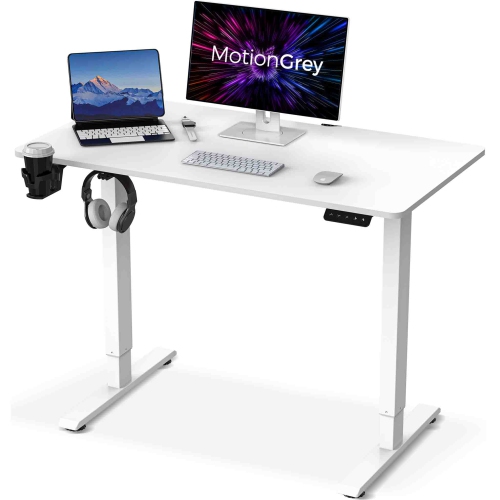 Your price for this item is $133.91
-
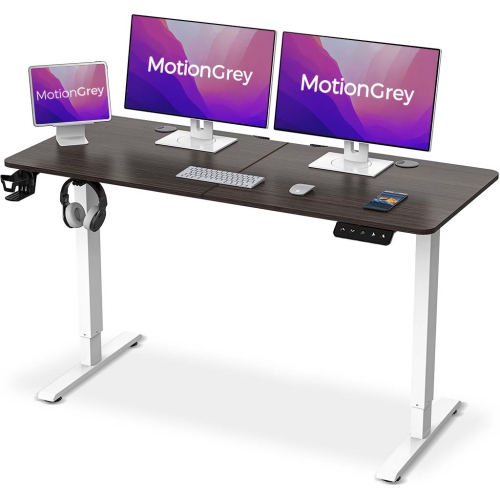 Your price for this item is $158.99
-
 Your price for this item is $142.94
-
 Your price for this item is $119.99
-
 Your price for this item is $133.91
-
 Your price for this item is $142.94
Discover more categories related to L Shaped Office Desks With Hutch

Top Collections:
Pokemon Centers, Kindle Devices, Best Cameras for Sports Photography, Pokémon 30th Celebration Cards, Apple iPhones 16, Canon G7X Cameras, iPhone 15 Apple, Flip Phones, Samsung Galaxy Phones, Alarm Clock
Some products may be subject to Environmental Handling Fees
(EHF) depending on your province.
Learn more about EHFs.