Large Armchairs
A large armchair is a great way to add a touch of elegance and comfort to your living room. Whether you are looking for a chair that can accommodate guests or one that you can use to relax after a long day at work, there are plenty of options available. Here are some great options for large armchairs.
Sort


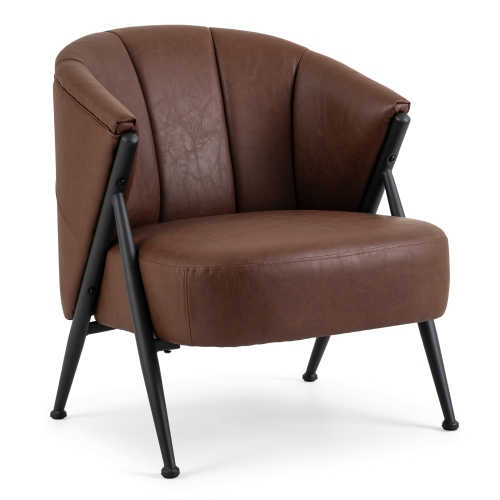
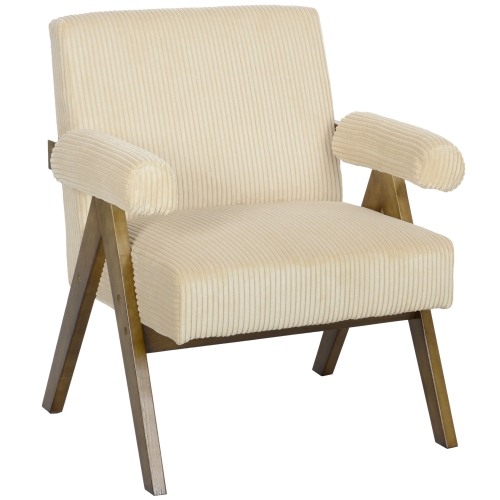


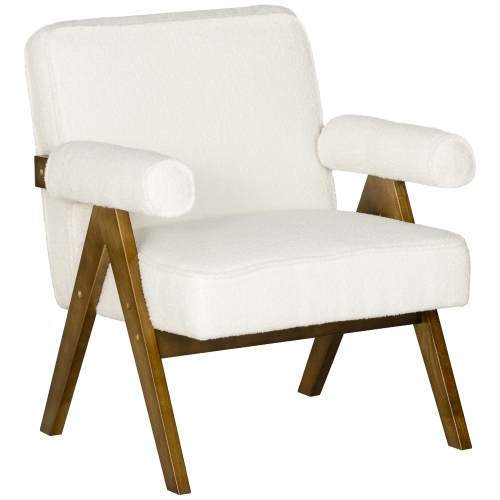

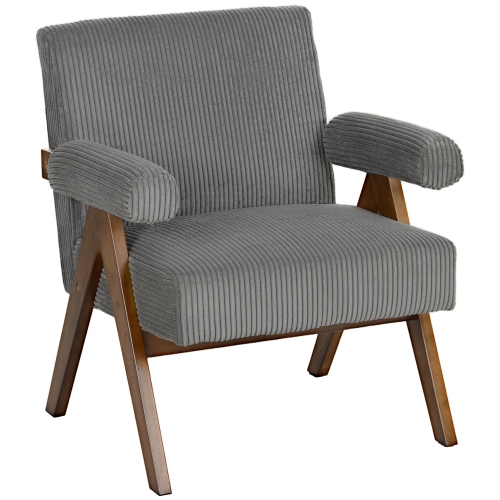


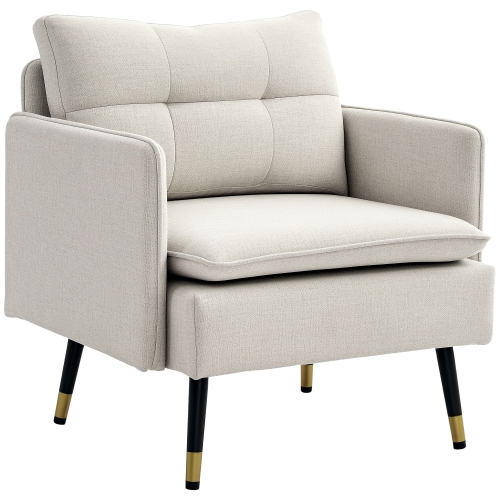


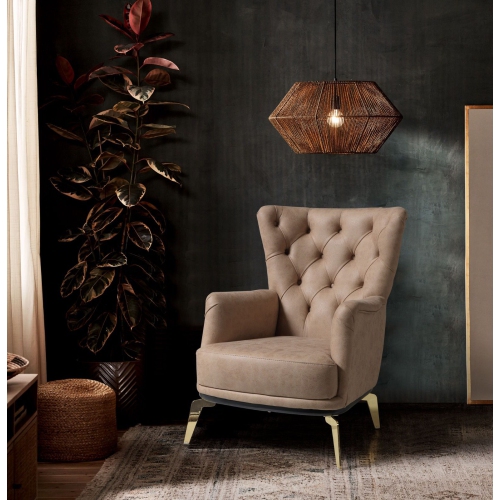


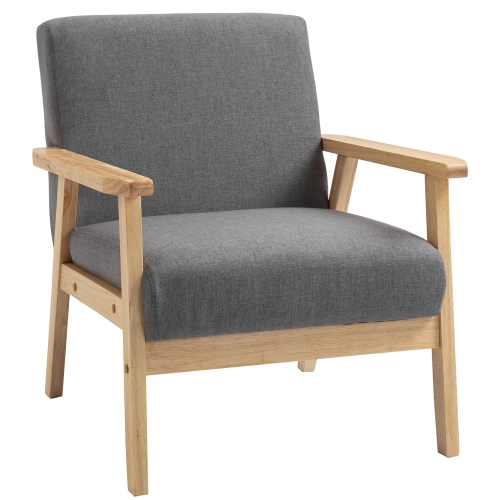


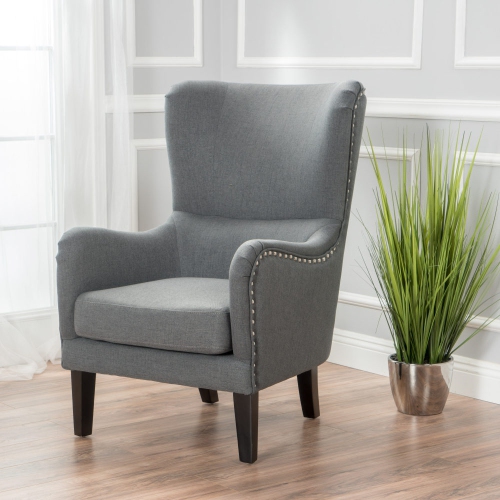
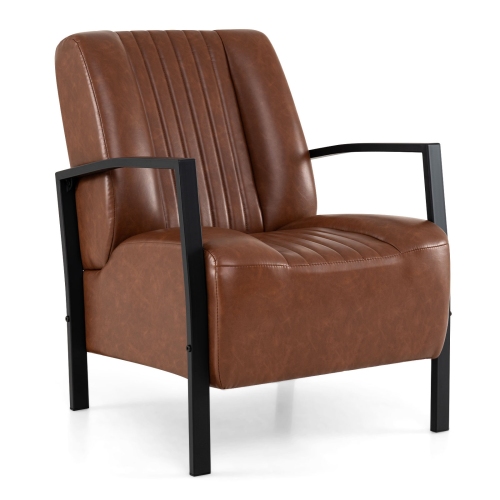


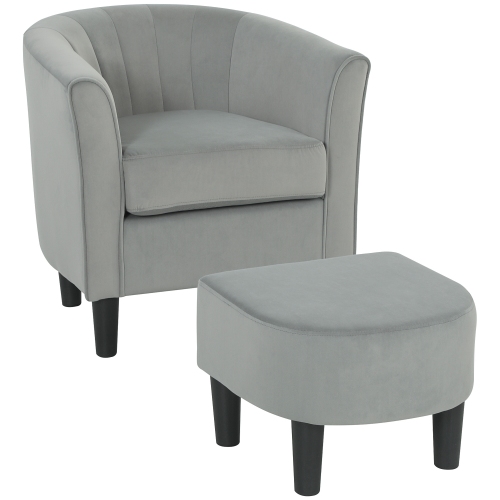

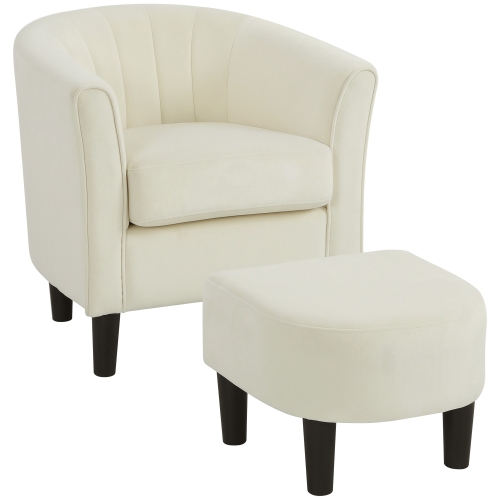


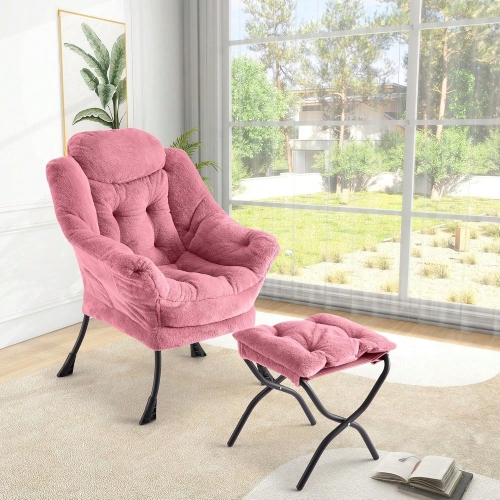

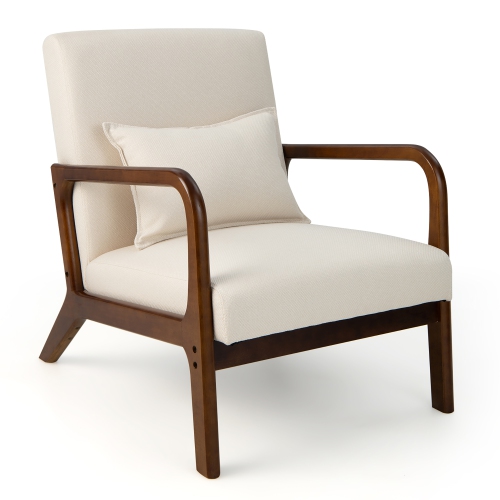


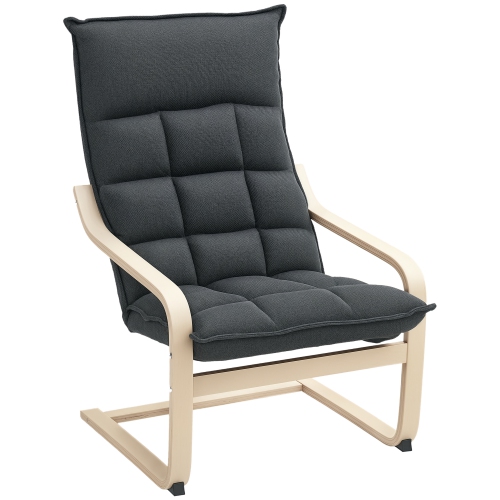


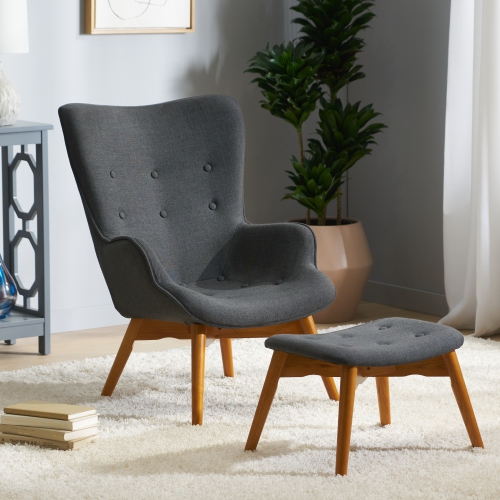
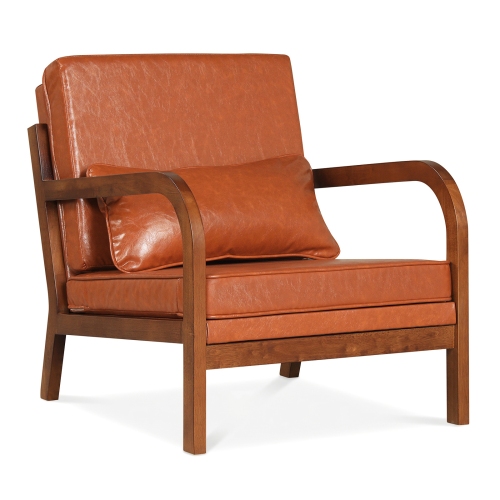


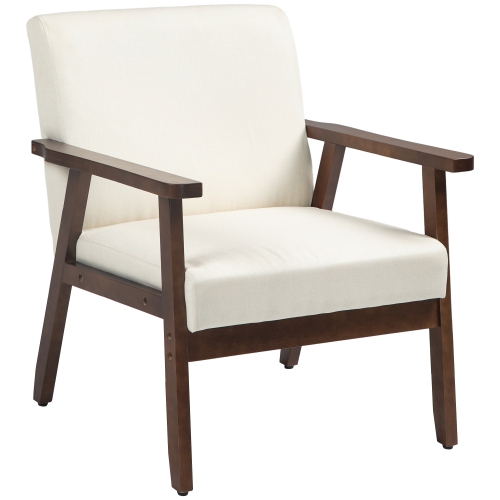
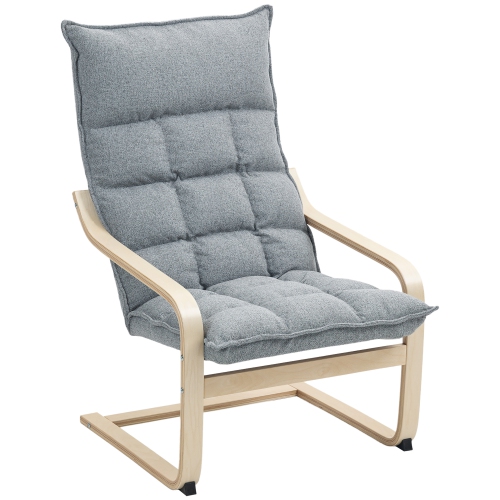


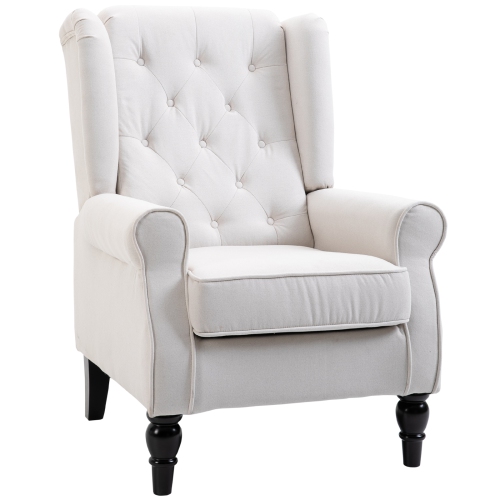
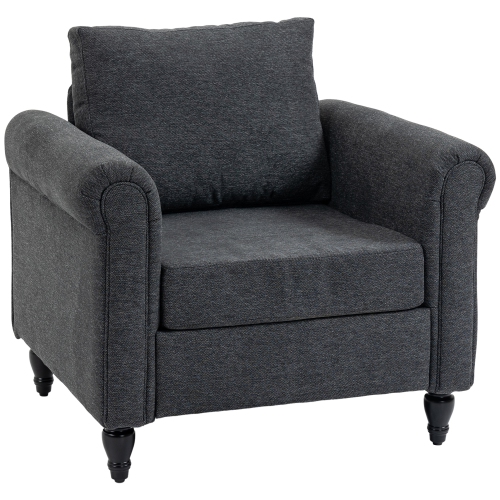
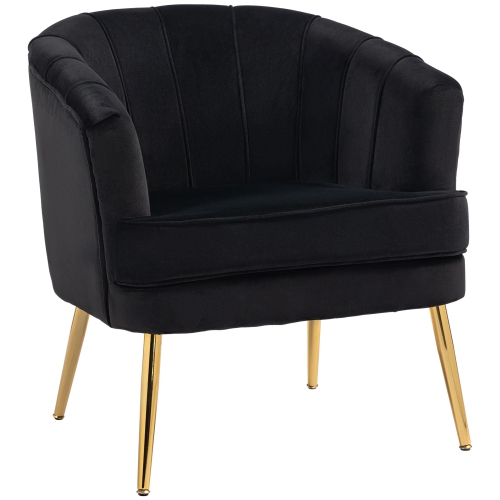
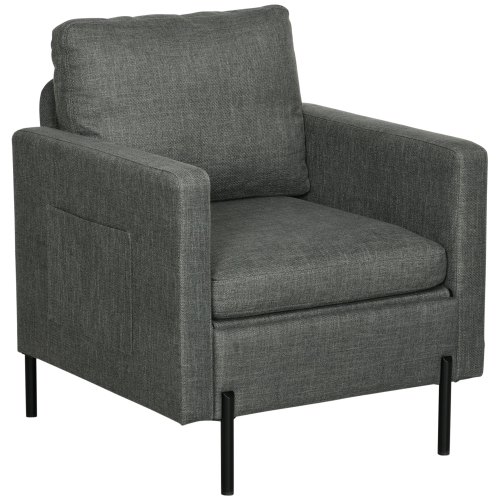
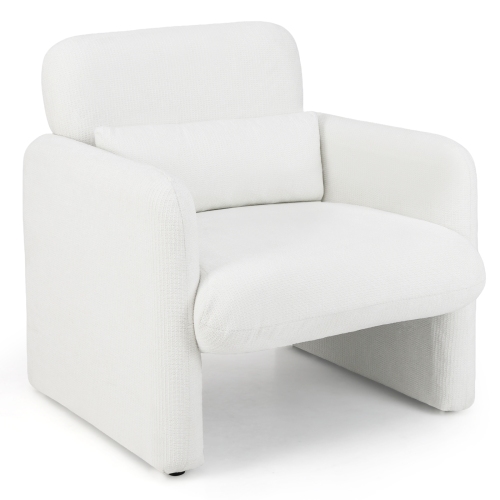


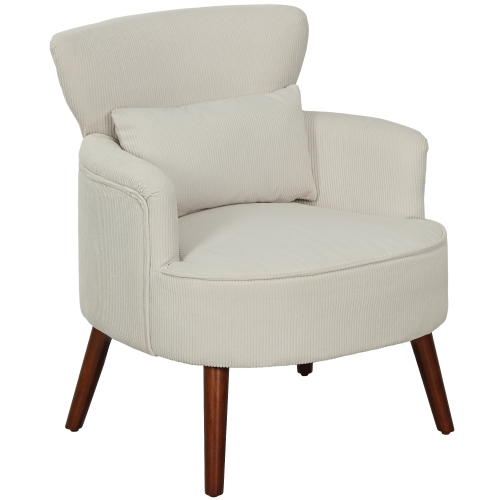


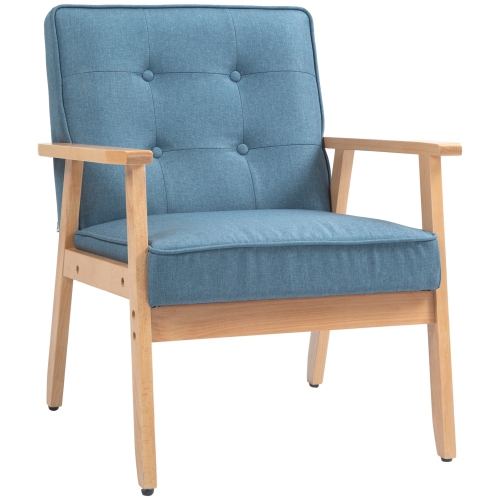

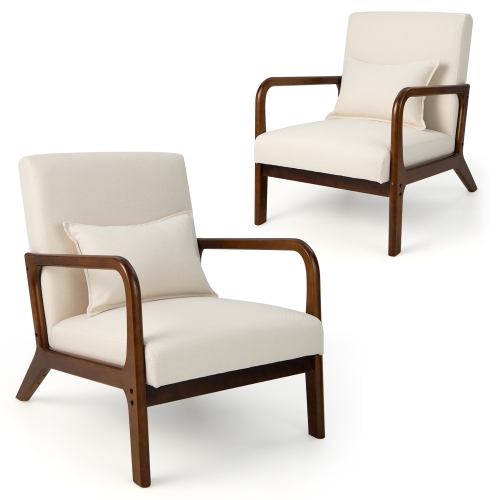
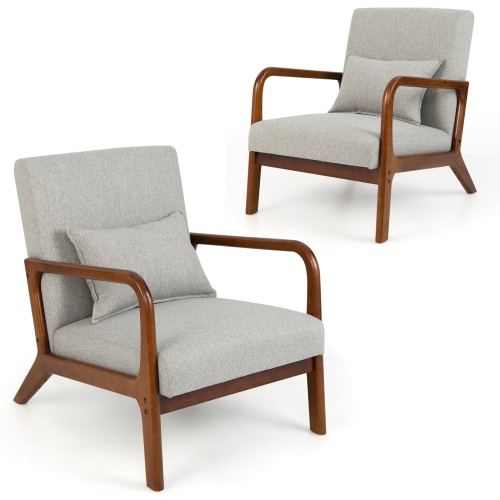

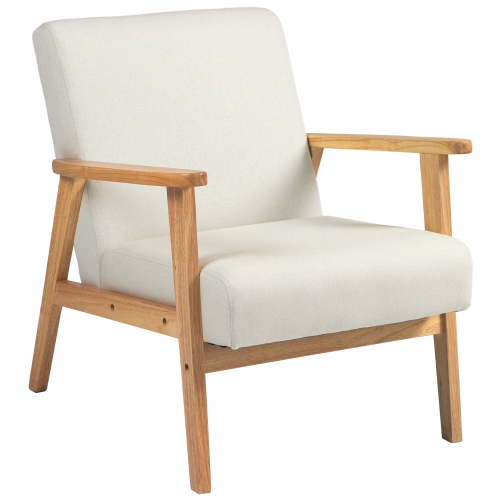

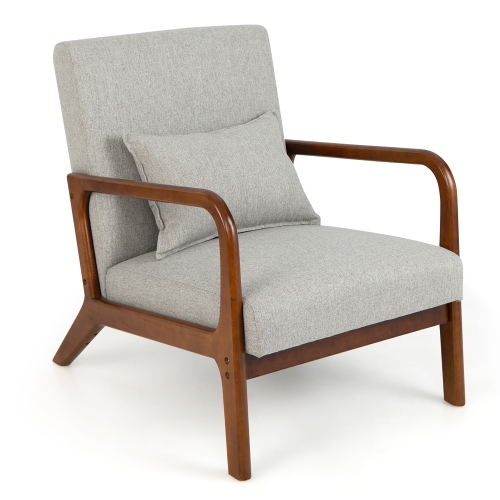


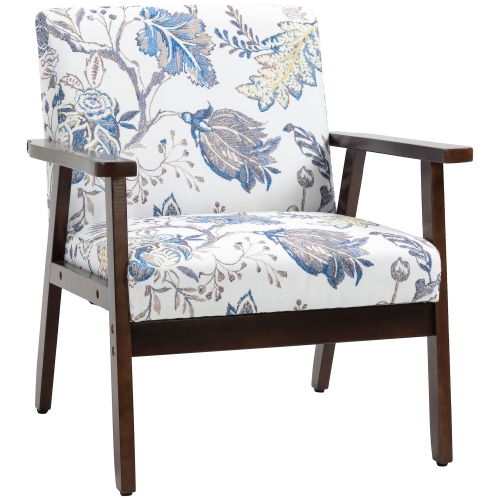


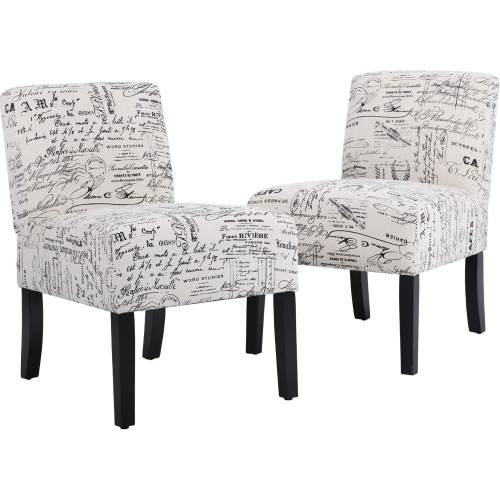
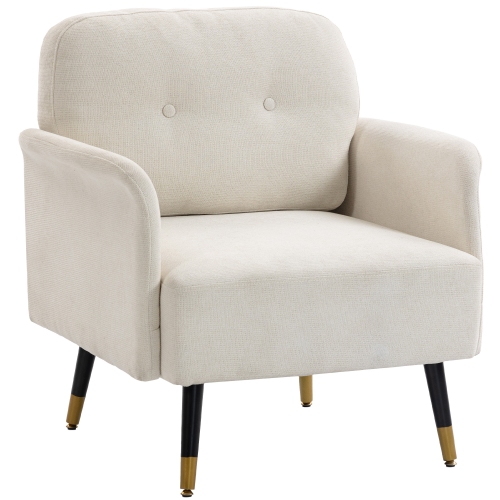


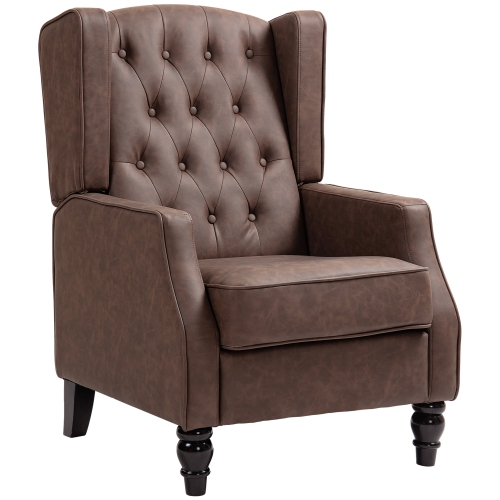


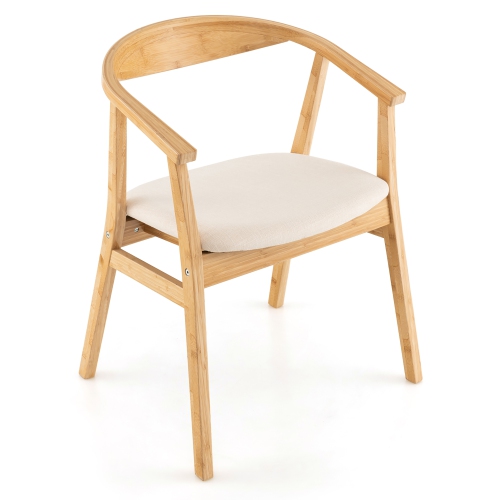


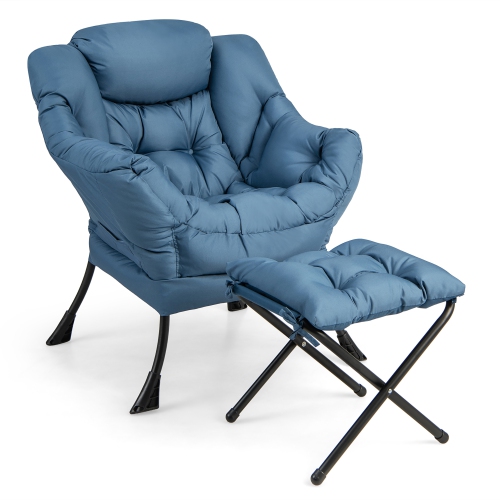
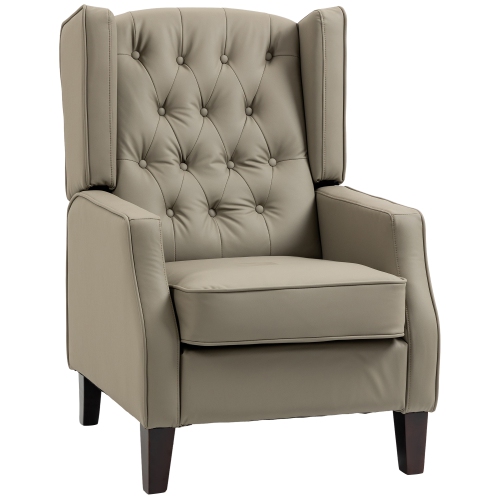
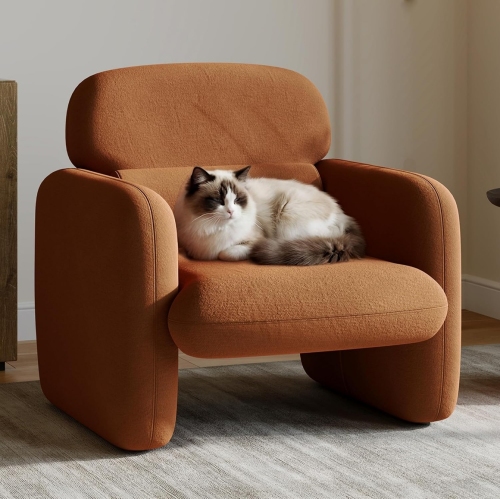


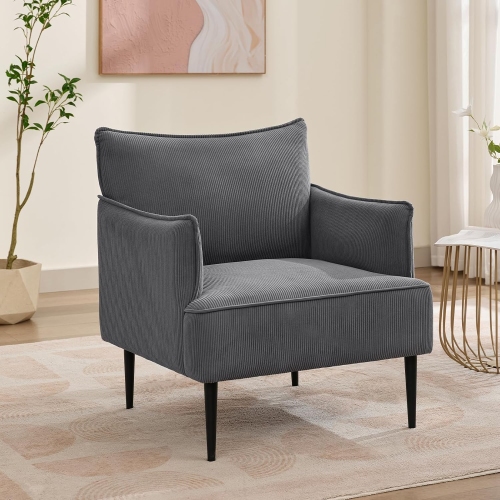


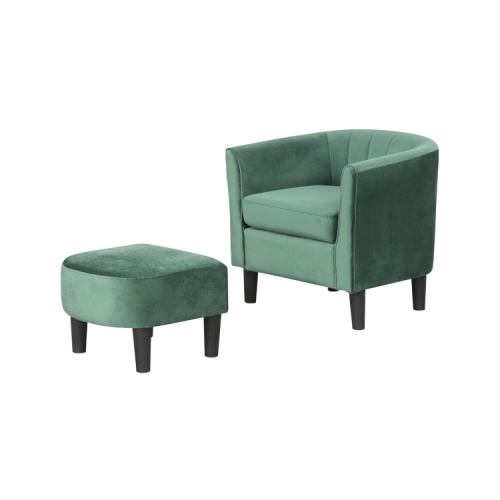


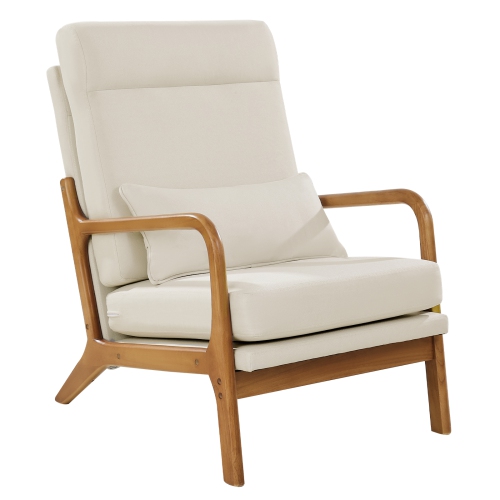

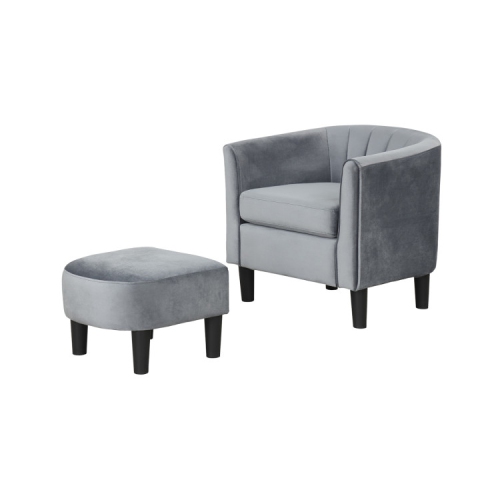


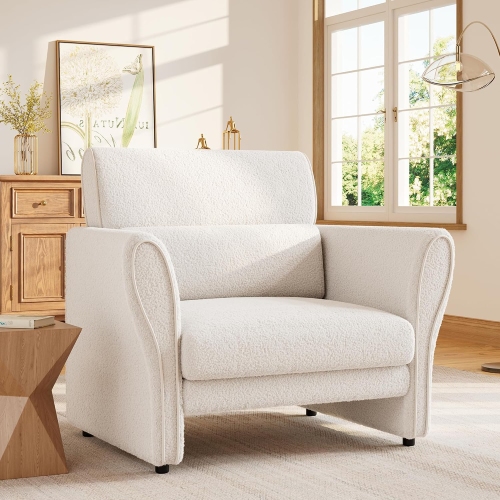
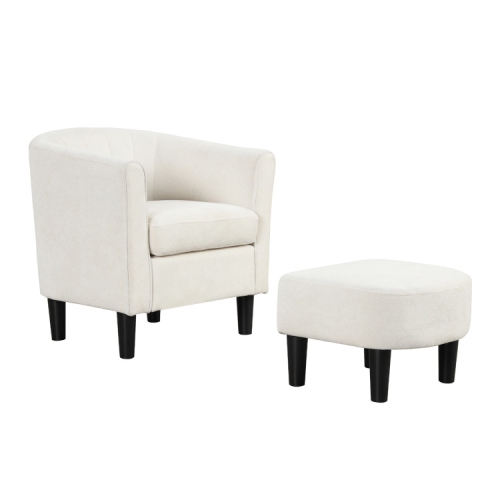


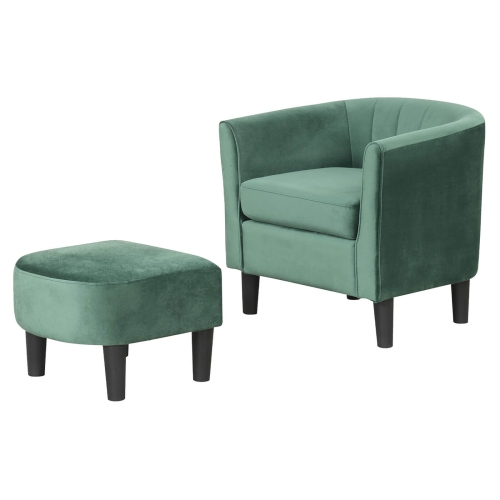
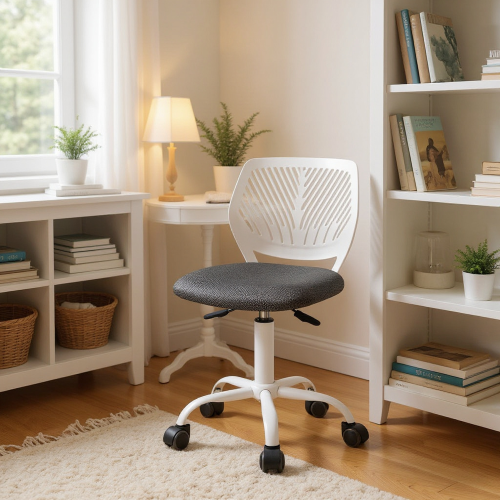

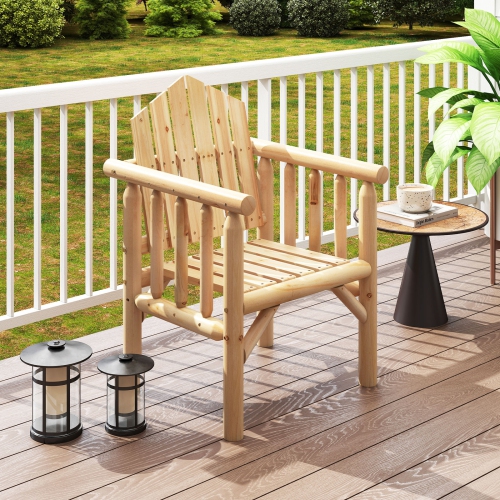
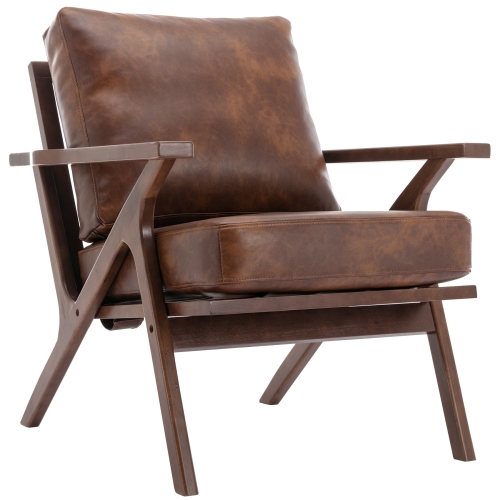


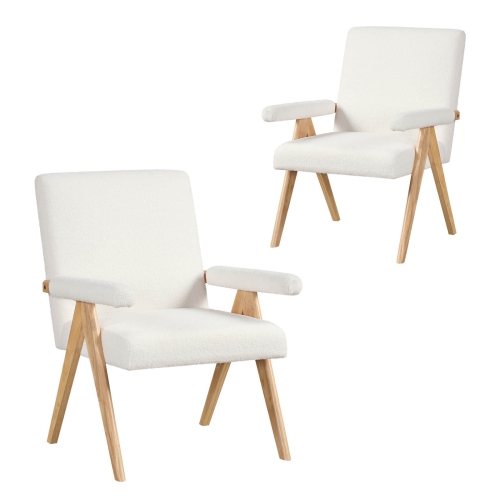
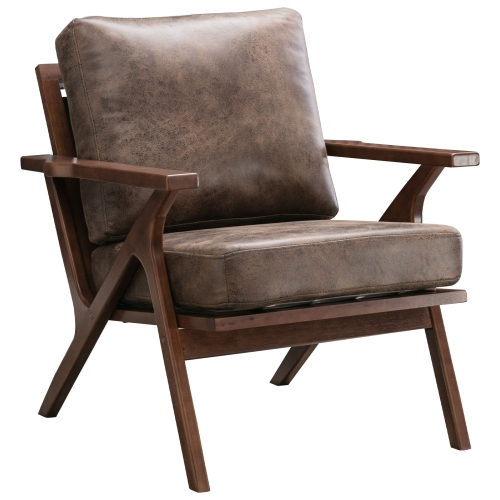
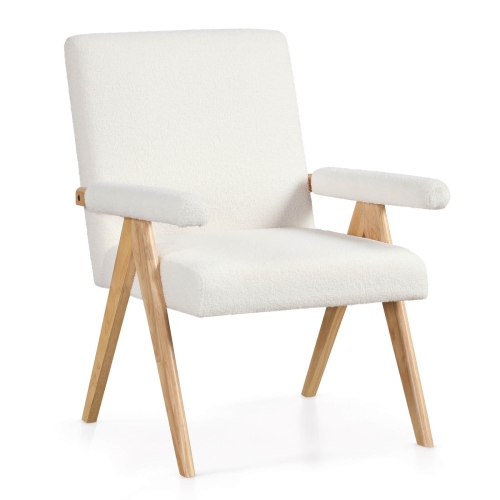


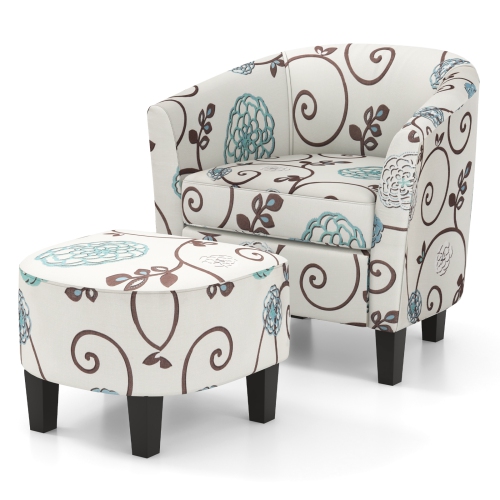


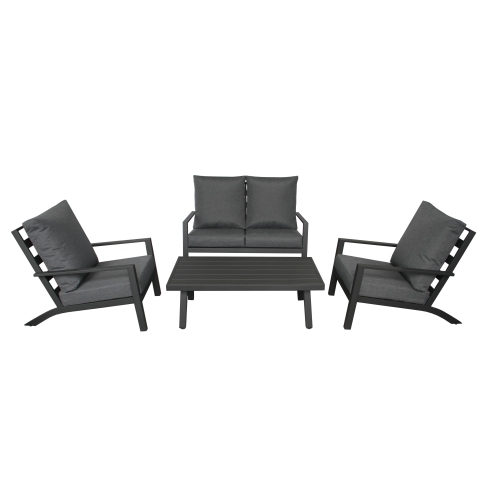
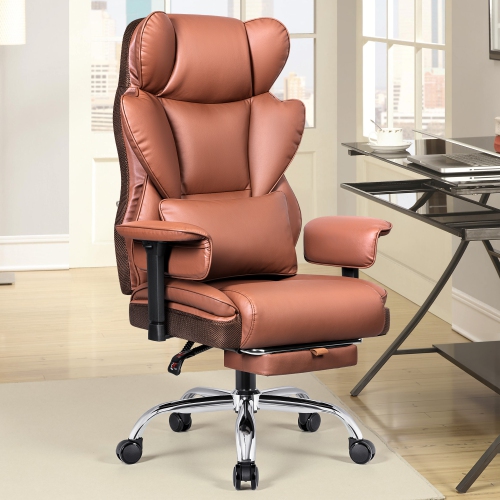

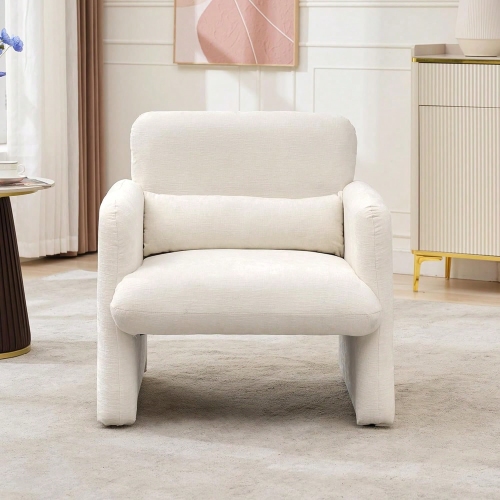
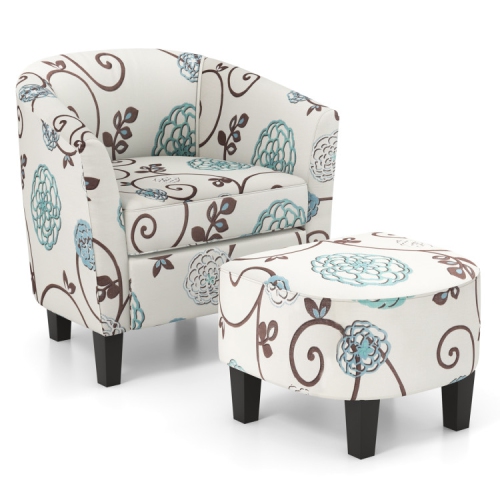
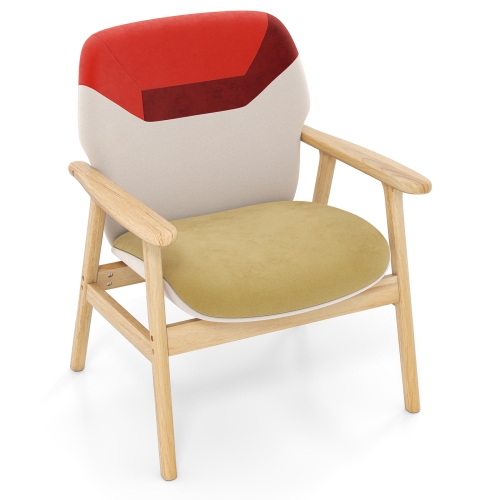

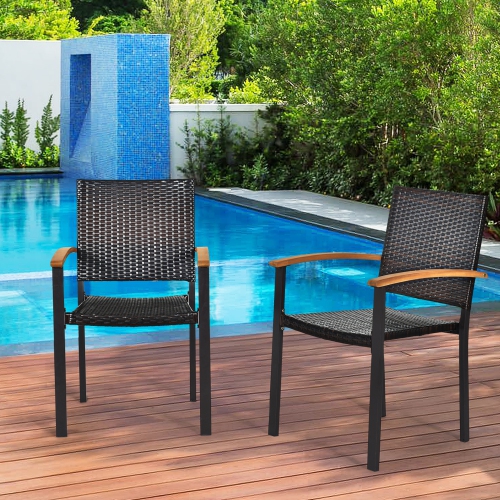


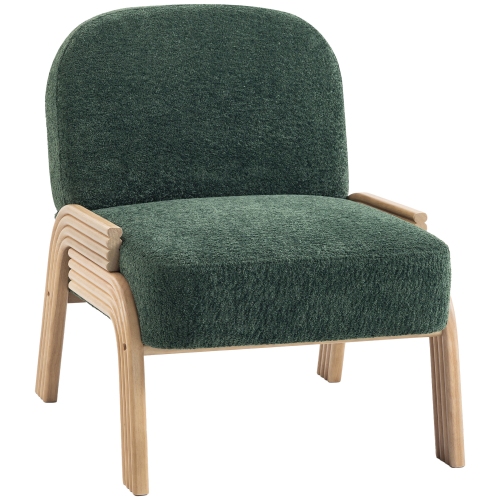
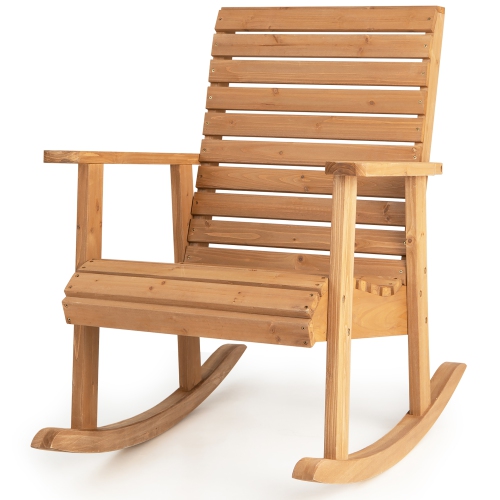
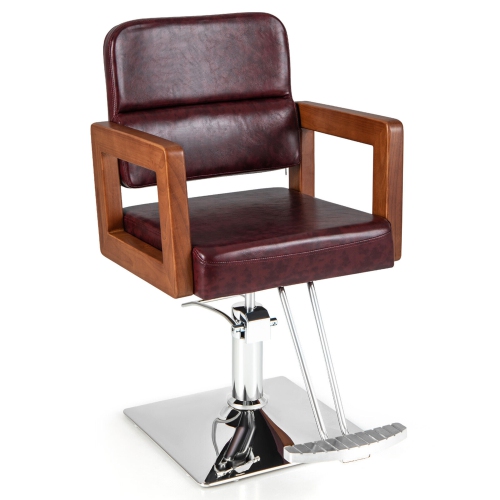

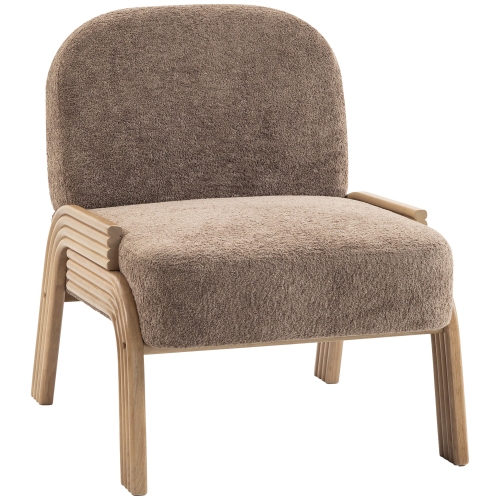
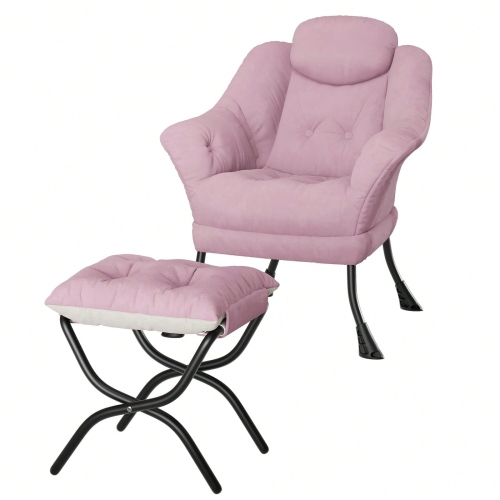
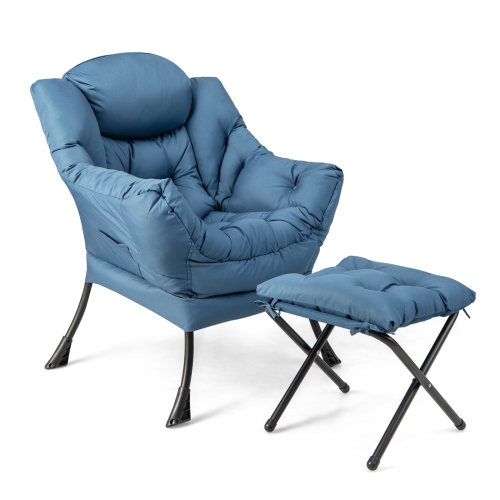


Room to curl up depends on more than size
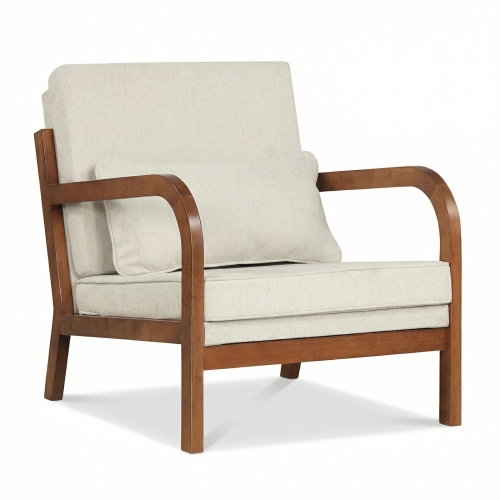
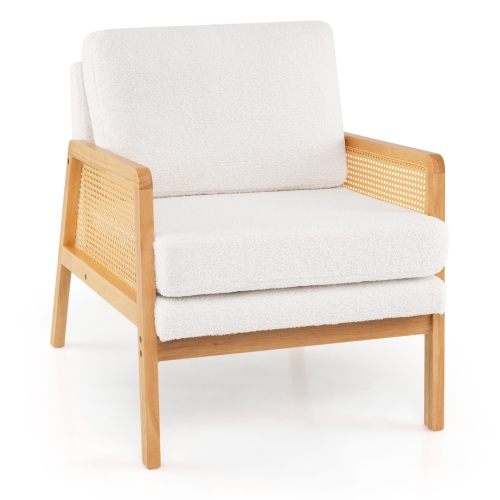
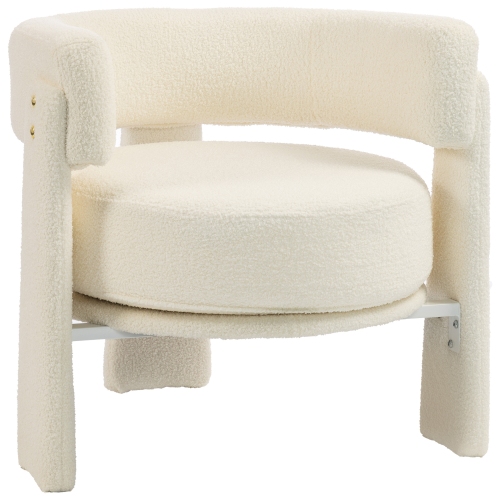
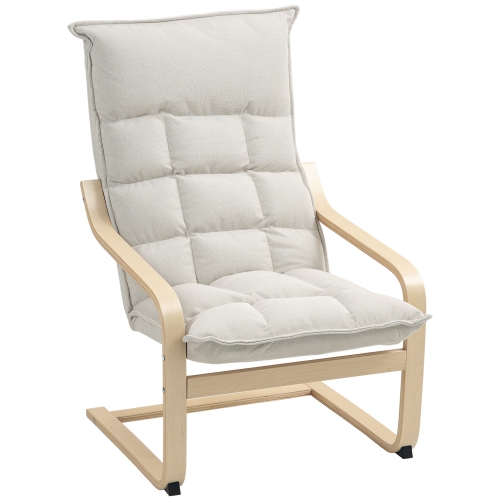
Large armchairs are generously proportioned single-seat chairs with wider seats, deeper cushions, or more substantial arms than standard accent chairs. The category includes oversized lounge chairs and chair-and-a-half designs, although overall width does not always indicate how much sitting space a chair provides. Broad rolled arms can create a substantial silhouette around a moderately sized seat, while slim arms can leave more usable room within a similar footprint. That distinction matters for someone who likes to sit cross-legged, tuck their feet beside them, or settle in with a book resting against an armrest. A chair-and-a-half offers an especially spacious seat for one person, but the name does not necessarily mean it is designed or rated for two adults. Large armchairs work well as a living room’s main reading seat, a quiet corner in a bedroom, or a welcoming place for guests alongside a sofa. Their visual presence can also give an open-plan room a clearer sense of purpose, particularly when the chair faces into a seating group rather than sitting flat against a distant wall. Rounded backs and curved arms create a softer outline, while square frames and exposed legs give a more tailored appearance. A low, broad chair tends to feel relaxed; a higher back can make the same corner feel more enclosed and private. Upholstery colour changes the effect as well. A neutral fabric can sit comfortably beside patterned cushions and rugs, while a rich solid colour can make the chair a focal point without adding another pattern. The most useful proportions depend on both the person and the room: a deep seat that feels inviting to a taller adult may leave a shorter person’s feet unsupported. Overall dimensions, usable seat width, seat depth, seat height, and backrest height each describe a different part of that fit.
Comfort in a large armchair comes from the relationship between its frame, suspension, cushions, and upholstery rather than size alone. A resilient foam cushion generally offers a more defined sitting surface, while fibre-filled or feather-blend cushions can feel softer and may need regular plumping to maintain their shape. Layered cushions can combine a supportive core with a gentler surface, though the feel still varies with foam density, cushion thickness, and construction. A firm seat is not automatically more durable, and a soft seat is not automatically less supportive. For reading or conversation, a relatively upright back and arms positioned near elbow height can make it easier to settle into a natural posture. A deeper, more reclined shape suits lounging, especially when paired with an ottoman that supports the legs without forcing the knees upward. Comfort depends on more than generous proportions, a distinction that also matters when browsing Comfortable Armchairs. Upholstery adds another layer of character and practicality. Tightly woven fabrics have a relatively smooth surface, while chenille, bouclé, and velvet introduce more noticeable texture. Looped fabrics can catch on claws or sharp fasteners, making the weave worth considering in homes with pets. Velvet may show changes in the direction of its pile, so lighter and darker patches are not necessarily stains. Leather develops creases and changes in appearance with use; its care requirements differ from those of coated or imitation leather. Removable cushion covers are convenient only when their care labels permit the intended cleaning method, since a zippered cover is not necessarily machine washable. For a chair used every day, documented upholstery testing, clear care information, and details about the frame and seat suspension provide more meaningful context than appearance alone. Solid wood components, engineered wood, metal, webbing, and springs can all play useful roles in construction; their quality and how they are assembled matter more than a single material description.
A large armchair needs enough space to be used comfortably, not simply enough floor area to contain its outline. The room feels more practical when there is clear passage around the chair, easy access to a nearby table, and room for feet or an ottoman in front. A swivel base needs clearance through its turning path, while a reclining design may need additional space behind the backrest and beyond the footrest. Doorways, stair turns, lifts, and narrow hallways also affect whether an oversized chair can reach its intended location. Delivery dimensions can differ from assembled dimensions, and removable legs or backs may make access easier where the design allows. Once placed, a rug can help connect the chair to a sofa or side table, while suitable floor protectors beneath the legs help limit marks on hard flooring. Everyday care is usually straightforward when it follows the upholstery label: gentle vacuuming removes grit from seams and cushion gaps, and prompt blotting helps keep a spill from spreading deeper into the fabric. Rubbing can work a stain further into the fibres or alter the surface texture. Cleaning products should suit the upholstery and be tested in an inconspicuous area before broader use. Direct sunlight can fade some coverings, and placement close to a heat source may affect certain materials, so the room’s layout matters beyond appearance. Rotating or turning cushions, where the construction permits, can help distribute wear rather than concentrating it in a favourite sitting position. For households where the chair becomes a daily reading spot, a shared gathering place, or a quiet seat away from the television, these practical details support lasting usefulness. The appeal of a large armchair is ultimately personal: enough room to settle in, a shape that suits familiar habits, and materials that fit the way the home is actually lived in.
Top selling and popular products
-
 Your price for this item is $13.3
-
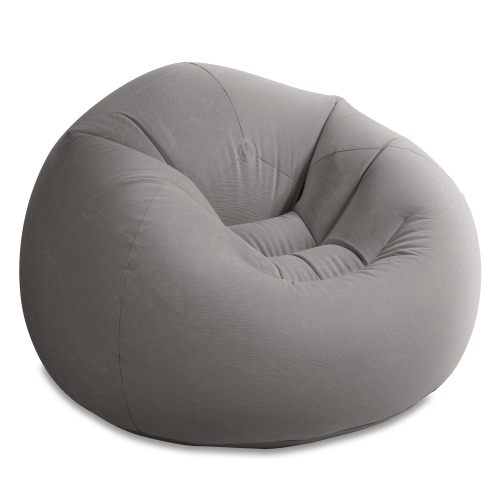 Your price for this item is $102.99
-
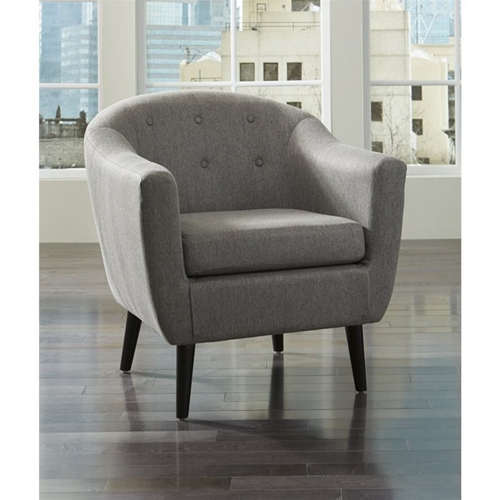 Your price for this item is $544.85
-
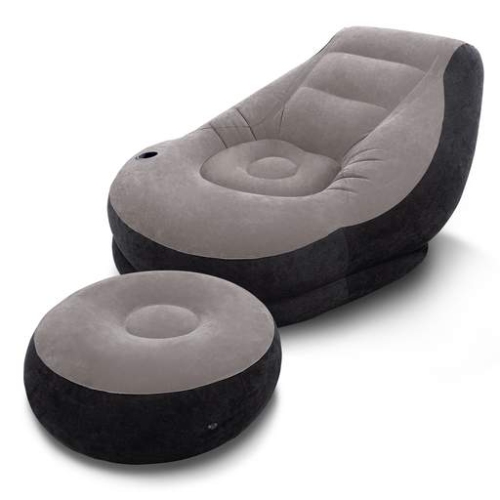 Your price for this item is $274.99
-
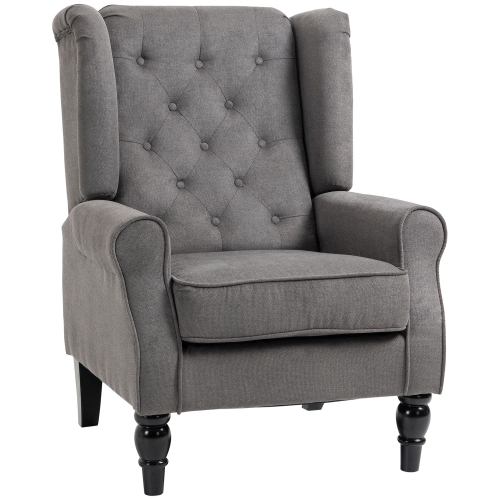 Your price for this item is $234.99
-
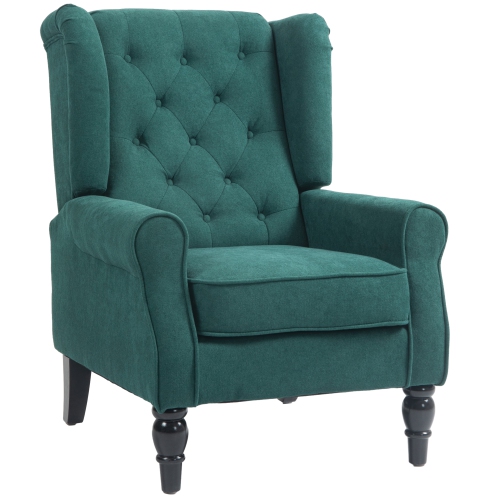 Your price for this item is $247.19
-
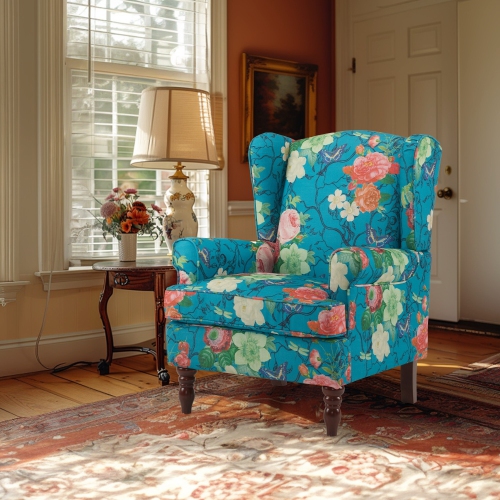 Your price for this item is $289.99
-
 Your price for this item is $167.99
Discover more categories related to Large Armchairs

Top Collections:
Pokemon Centers, Best Cameras for Sports Photography, Kindle Devices, Samsung Galaxy Phones, Canon G7X Cameras, Pokémon 30th Celebration Cards, Refurbished Apple Laptops, iPhone 15 Apple, Laptops for Students, Budget Smartphones
Some products may be subject to Environmental Handling Fees
(EHF) depending on your province.
Learn more about EHFs.