Large Cantilever Patio Umbrellas
Large Cantilever Patio Umbrellas provide a stylish and practical way to enjoy outdoor spaces with added comfort and shade. Designed to cover expansive areas, these umbrellas create an inviting atmosphere for relaxing, entertaining, or dining outside. Their unique structure allows for flexible placement and easy adjustment, making them a popular choice for patios, decks, and poolside settings. Explore a variety of Large Cantilever Patio Umbrellas to find the perfect addition to your outdoor living area.
Sort
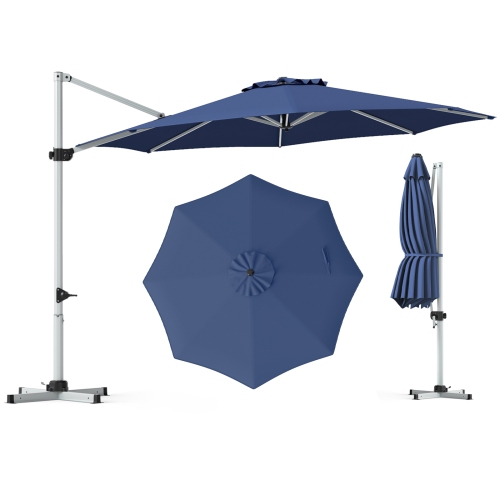
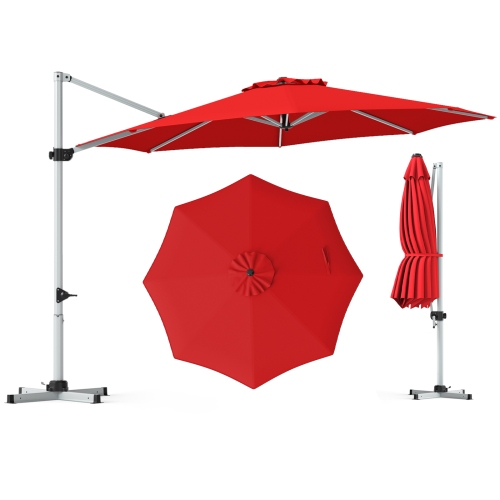
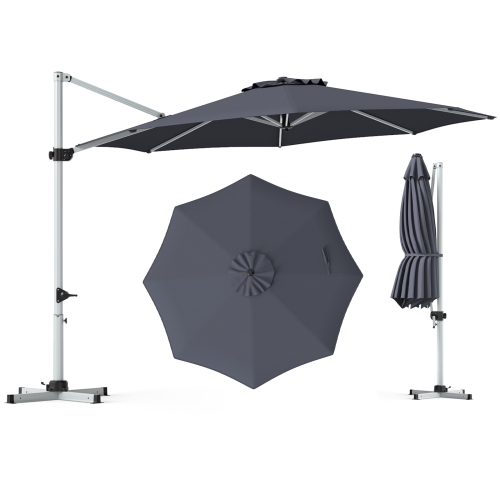
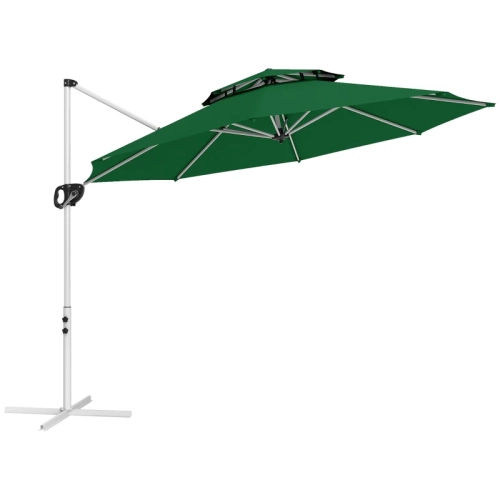
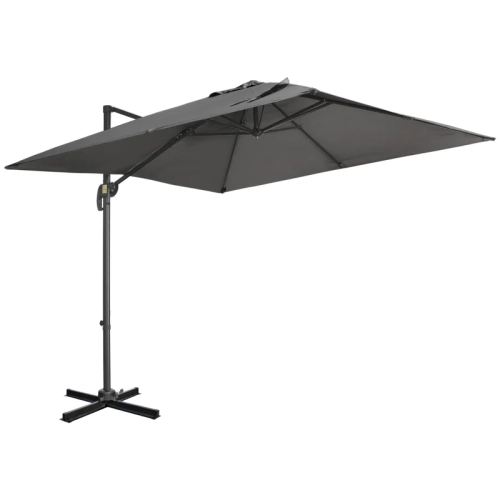
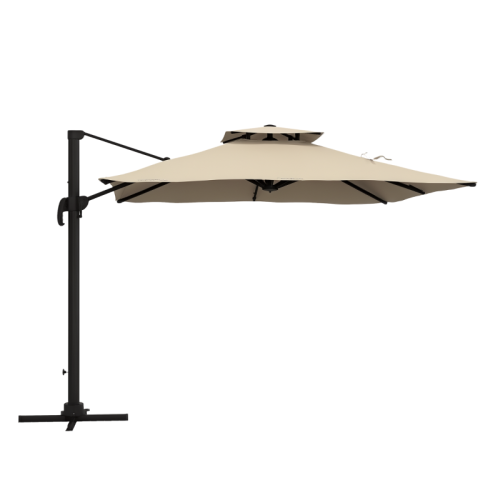
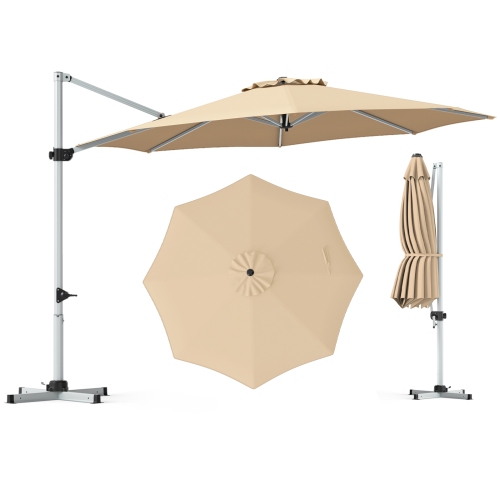
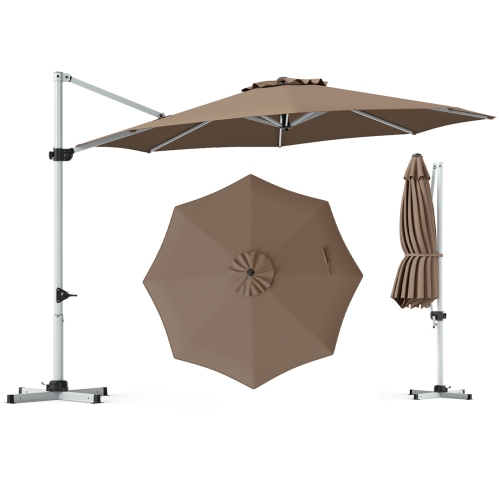
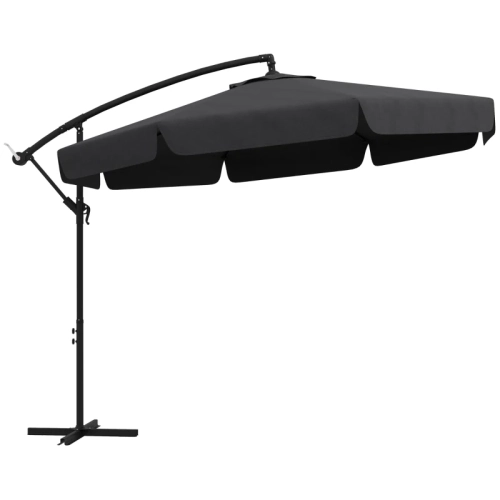
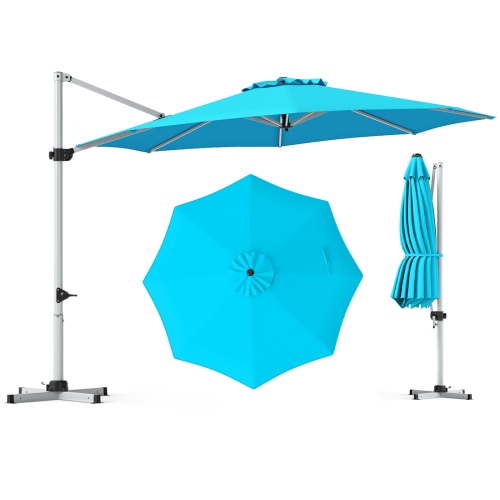
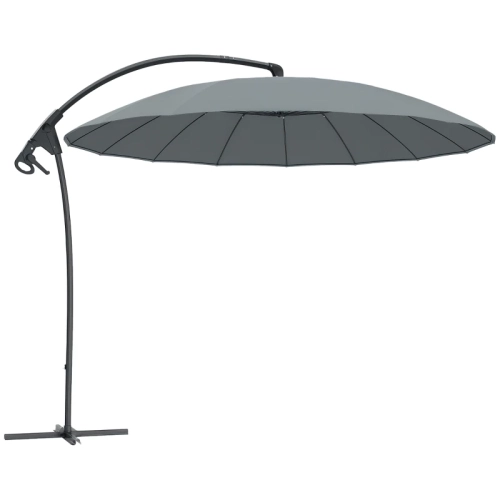
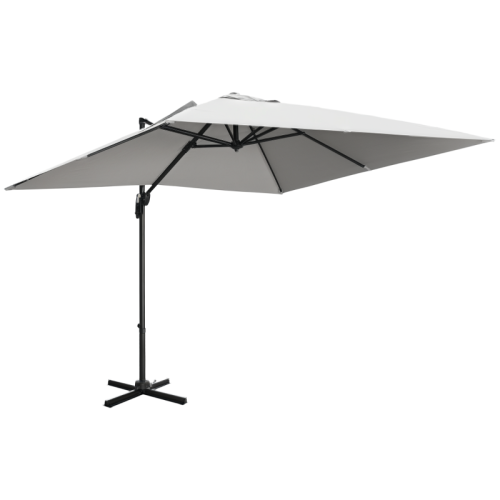
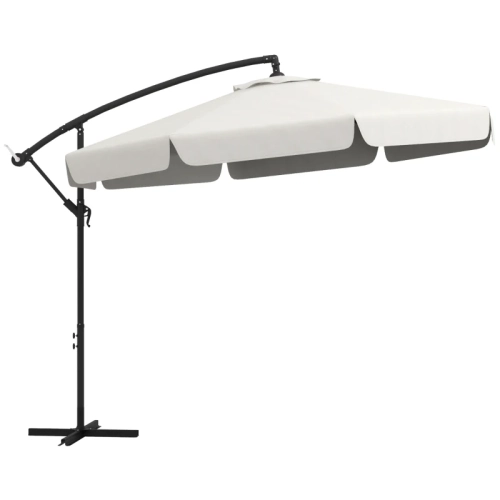
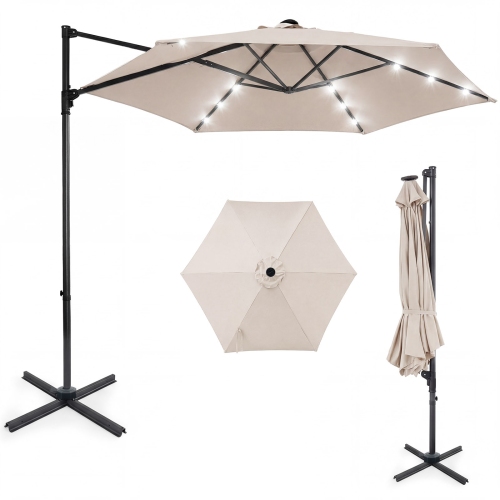
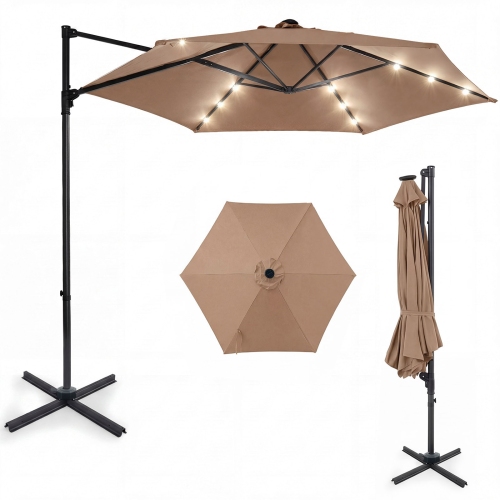
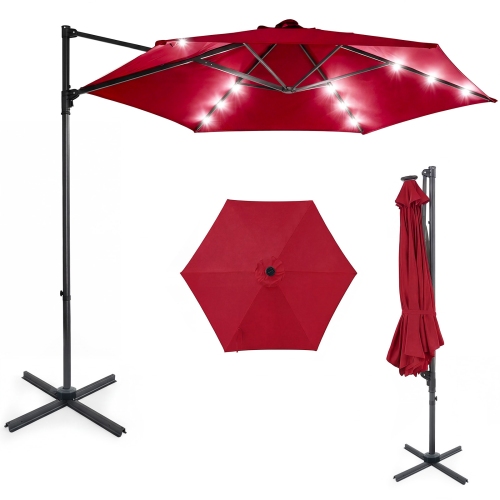
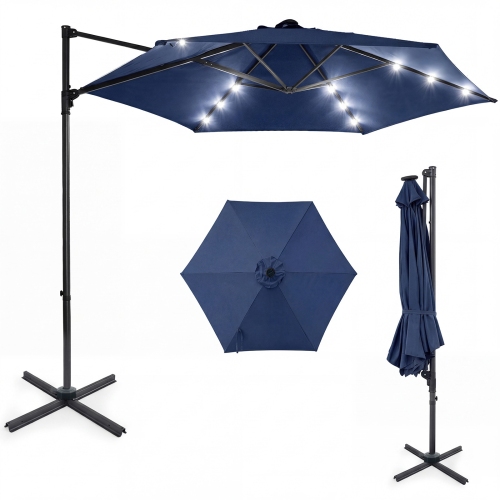
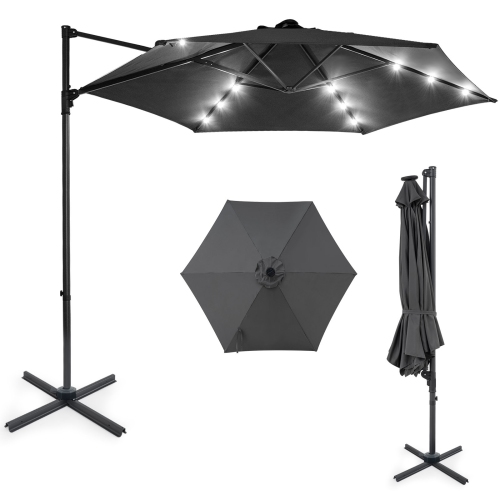
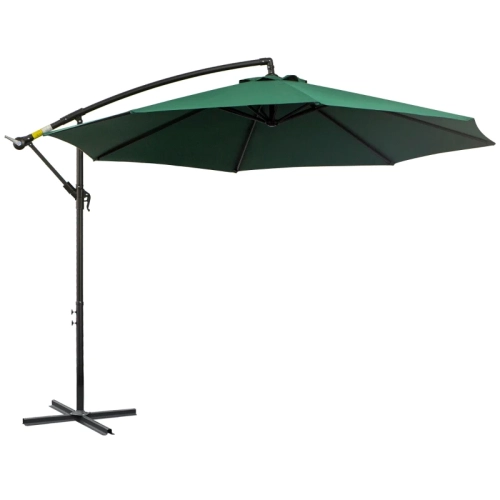
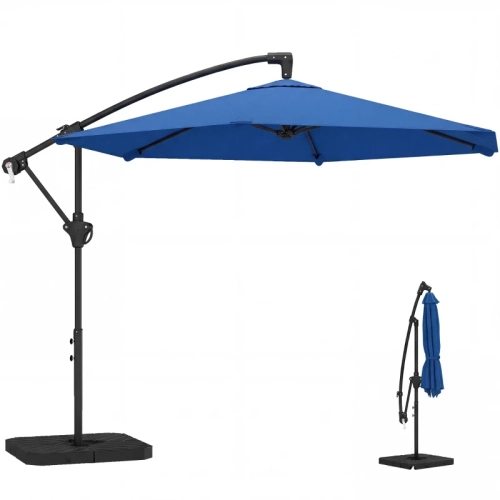
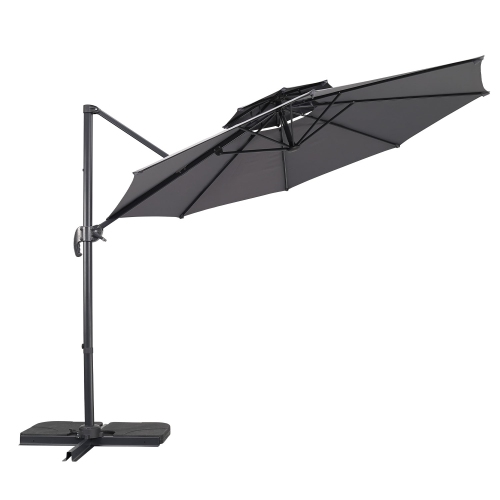

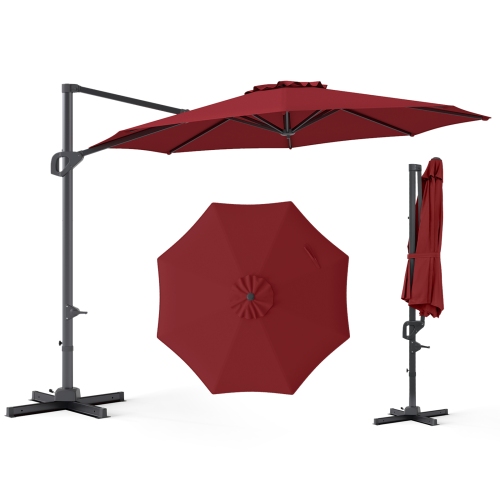
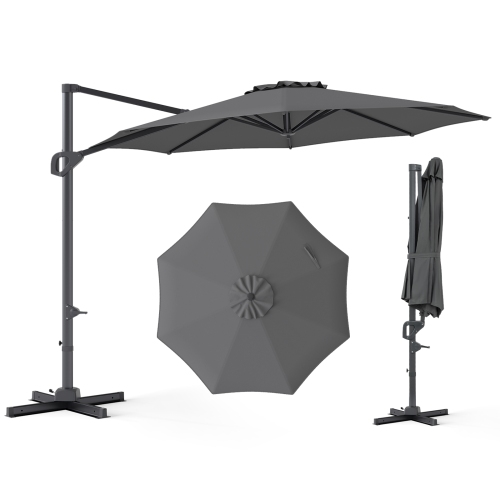
Broad patio shade with more room to gather
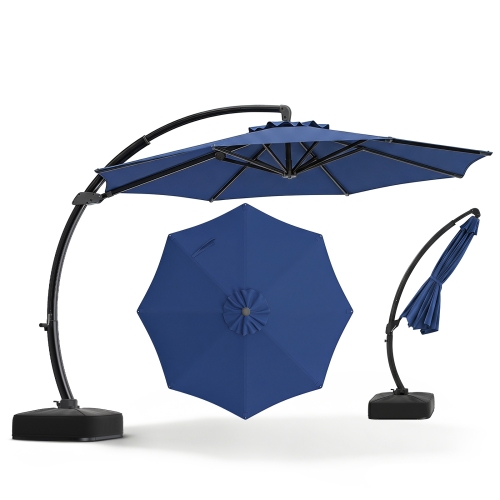
Large cantilever patio umbrellas provide broad overhead shade from a canopy suspended beside a supporting pole, rather than centred around it. This offset design leaves more usable space beneath the fabric, making it well suited to outdoor dining tables, conversation sets, poolside loungers, and spacious decks. Without a pole running through the middle of the seating area, chairs can move more freely and tables do not need an umbrella hole. The result is a shaded gathering space that feels open, whether it holds a family lunch, a few friends sharing snacks, or a quiet reading spot beside a sectional. Large canopies can cover several seating positions, although their actual shaded footprint depends on their shape, height, placement, and the angle of the sun. Square and rectangular canopies often complement straight-edged dining tables and modular seating, while round or octagonal shapes suit circular tables and more loosely arranged chairs. Canopy dimensions describe the umbrella itself, not a fixed patch of shade throughout the day. A generous fabric span may still leave one end of a long table exposed when sunlight comes from the side. Tilt adjustment and rotation, where included, allow the canopy to follow the sun without moving the entire base. These functions are especially useful when the same patio serves different purposes, such as breakfast at a dining table followed by an afternoon on nearby lounge chairs. The side-mounted structure also creates a distinct visual outline, so canopy colour and frame finish become part of the overall patio arrangement. Neutral fabrics can sit quietly alongside wood, wicker, and metal furniture, while deeper colours create a stronger focal point. Light-coloured fabric may show airborne dirt more readily, while darker shades can show fading differently over time. For households that regularly use a large outdoor seating area, a cantilever umbrella offers shade without requiring a permanent overhead structure, provided the space can accommodate its frame and substantial support.
The fit of a large offset umbrella depends on more than canopy width. Its base, mast, arm, and opening path all occupy space, and the canopy needs clearance from walls, roof edges, railings, branches, and nearby structures. A base positioned behind a sofa can keep the main seating area clear, but there still needs to be room to reach the crank and adjustment controls. On a dining patio, the supporting pole should not interfere with pulling out chairs or walking between the table and a doorway. The base footprint also matters on narrower decks, where a broad support can become an obstacle even if the canopy fits overhead. Cantilever construction places considerable leverage on the support, making the manufacturer’s specified base type and ballast essential. A cross-shaped stand alone may not provide the required anchoring; some designs require compatible weights, a fillable base, or an approved fixed mounting system. Required ballast varies by umbrella, and it should never be estimated from canopy size alone. Deck or balcony installations also depend on structural capacity, suitable mounting conditions, and any applicable building or condominium rules. Frame strength and secure support are central considerations for Heavy Duty Cantilever Umbrellas, but a substantial frame does not make an open canopy safe in strong winds. Large umbrellas catch moving air, so closing and securing them when conditions become unsuitable, and whenever they are left unattended, remains important. Aluminium frames offer relatively low weight and resistance to rust, while steel frames generally have more heft and rely on intact protective finishes to resist corrosion. Rib construction, reinforced joints, and the quality of adjustment hardware all contribute to how an umbrella handles routine opening and closing. Smooth crank operation and accessible locking points can make a meaningful difference for someone using the umbrella frequently. Vents may help air move through the canopy, but they are not a substitute for following the stated wind limitations. Proper installation and operation matter as much as the apparent sturdiness of the frame.
Canopy fabric affects appearance, shade quality, and upkeep over the life of a large patio umbrella. Polyester and acrylic fabrics are common choices, with performance depending on the weave, colouring process, coatings, and construction rather than the fibre name alone. Solution-dyed fabrics carry colour through the fibre, which can help maintain their appearance with repeated sun exposure. Fade resistance, water repellency, and ultraviolet protection are separate characteristics, so one should not be assumed from another. A water-repellent canopy can shed light moisture, but a patio umbrella is not necessarily waterproof or intended to remain open through prolonged rain. Shade also moves as the sun changes position and does not replace other sun-protection measures. Routine care usually involves removing loose debris before it settles into folds and cleaning the fabric according to its care instructions. Bird droppings, fallen leaves, and food splashes are easier to address before they become embedded. Where permitted, mild soap and water can lift ordinary dirt without the abrasion of vigorous scrubbing. The canopy should dry fully before it is secured inside a cover, since trapped moisture can encourage mildew. Frame joints and adjustment mechanisms benefit from periodic inspection, while loose hardware or damaged ribs need attention before further use. A protective cover helps limit dust and debris when the umbrella is closed, but it should fit without straining the fabric or interfering with secure fastening. Extended storage calls for a clean, dry canopy and a sheltered location consistent with the manufacturer’s directions; snow and ice should not be allowed to accumulate on the structure. These practical details help make large cantilever umbrellas a useful addition for people who entertain outdoors, share meals on the deck, or want shade over a spacious lounge arrangement. They can also be a thoughtful household gift when the recipient’s patio dimensions, mounting requirements, and preferred style are already known.
Top selling and popular products
-
 Your price for this item is $160.99
-
 Your price for this item is $111.99
-
 Your price for this item is $146.95
-
 Your price for this item is $146.95
-
 Your price for this item is $146.95
-
 Your price for this item is $146.95
-
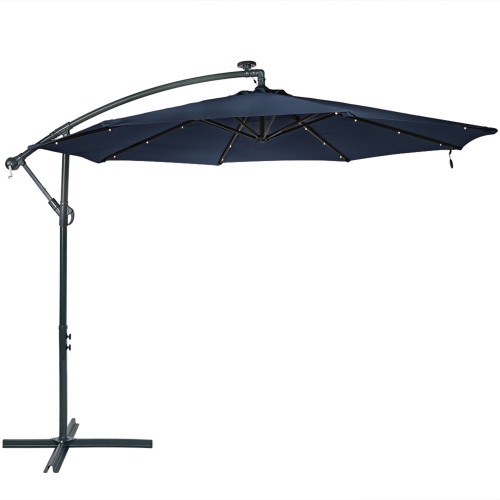 Your price for this item is $248.55
-
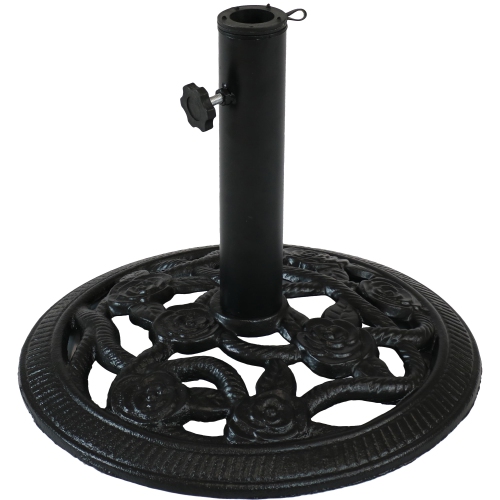 Your price for this item is $152.35
Discover more categories related to Large Cantilever Patio Umbrellas
Top Collections:
Best Black Friday Deals This Year, Best Black Friday Deals On Electronics, Kindle Devices, Best Black Friday Deals On Apple Products, Best Budget Office Chairs, Best Cameras for Sports Photography, Dyson Airwrap, Canon G7X Cameras, Best Laptops for Writers, Samsung Galaxy Phones
Some products may be subject to Environmental Handling Fees
(EHF) depending on your province.
Learn more about EHFs.