Large Capacity Hedge Trimmers
Large Capacity Hedge Trimmers are designed to help you tackle bigger trimming tasks with ease and efficiency. Perfect for maintaining expansive hedges and overgrown shrubs, these powerful tools make yard work more manageable for both homeowners and landscaping professionals. With options suited for various yard sizes and needs, finding the right Large Capacity Hedge Trimmer can transform your outdoor maintenance routine and keep your property looking its best all season long.
Sort

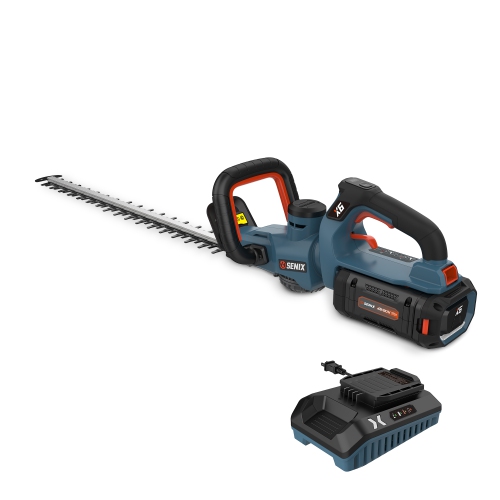
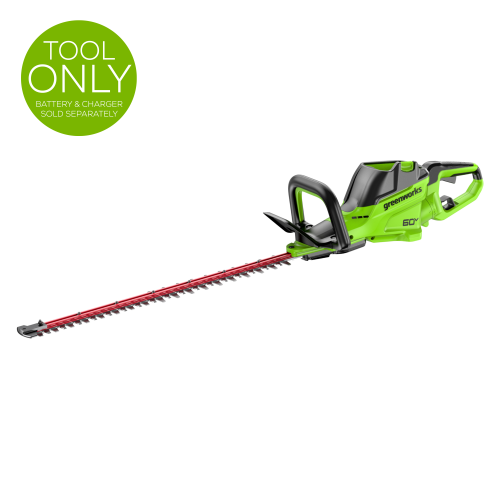
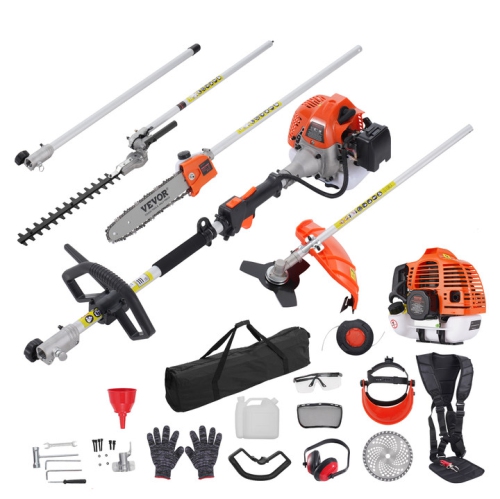
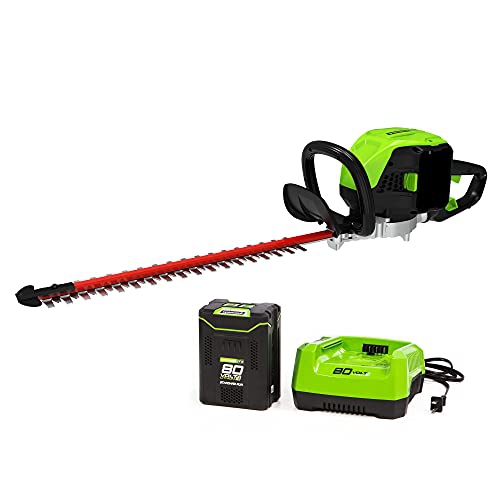









Why cutting capacity means more than blade length
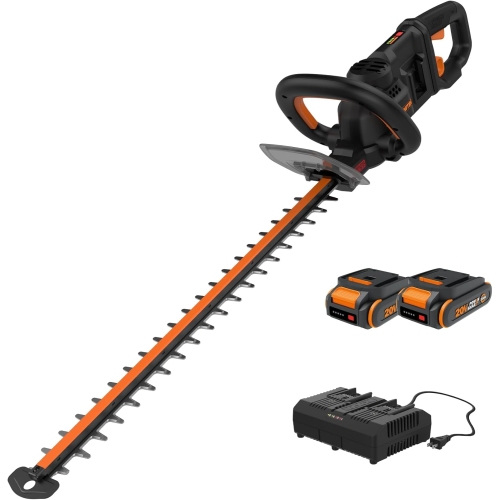
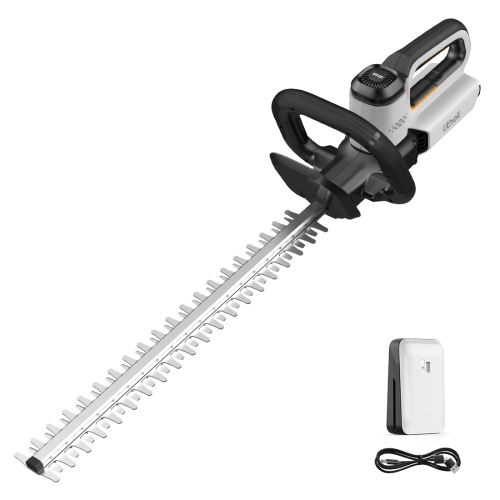
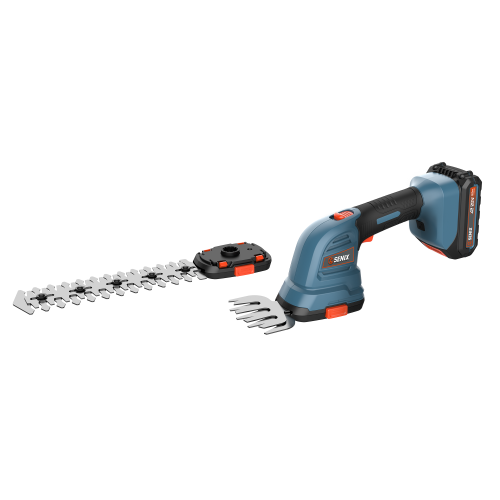
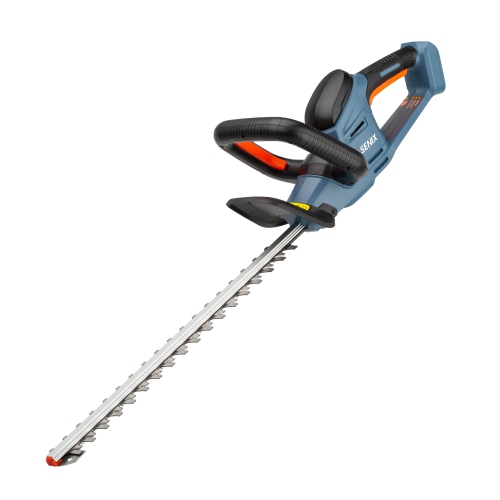
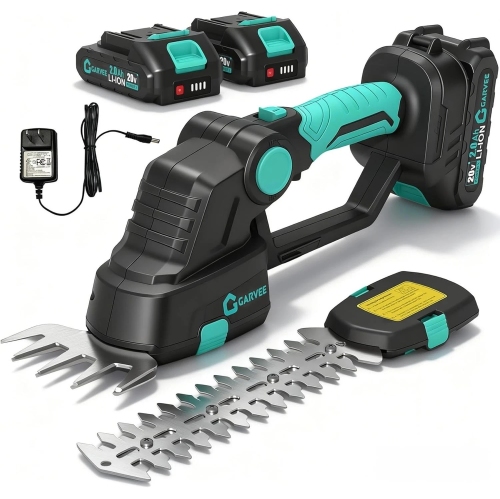
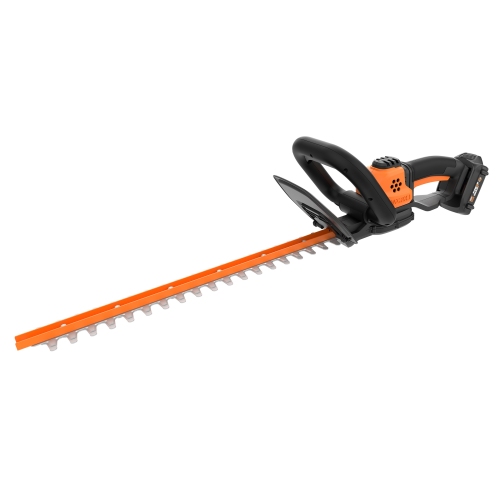
Large capacity hedge trimmers are designed for substantial hedge maintenance, where a longer cutting blade, greater branch-cutting capability, or extended working time can make a noticeable difference. The term “large capacity” does not describe one universal specification: it can refer to cutting diameter, blade reach, battery capacity, or a combination of features. For a long property boundary, blade length helps determine how much foliage can be covered in each pass. For a mature hedge with dense growth, the manufacturer’s rated cutting diameter is more relevant than blade length alone. Tooth spacing indicates the opening between the blade teeth, but it should not be treated as permission to cut every branch that fits between them. Wood hardness, branch condition, and the tool’s design all affect cutting performance. A hedge trimmer is primarily intended to shape foliage and trim smaller woody growth; thicker limbs generally call for a separate pruning tool suited to their diameter. That distinction matters when a hedge has been left to grow and contains both soft outer shoots and a heavier framework underneath. Longer blades can create an even finish across broad hedge faces, while a shorter, more manageable blade may offer better control around corners, gates, and decorative shapes. Large cutting capacity therefore works best when matched to the hedge’s structure rather than judged by size alone. Blade construction also deserves attention. Hardened steel cutting edges, accurate blade alignment, and a rigid cutting assembly contribute to consistent results, although no blade stays sharp indefinitely. Features such as tip protection can help limit accidental blade contact with nearby surfaces, but they do not replace careful clearance around fences, masonry, or wire. For homeowners with extensive planting, property caretakers, and landscaping crews, the most useful combination is enough cutting capability for routine growth without unnecessary weight or bulk. A substantial trimmer should still feel controllable through the full movement of a trimming pass.
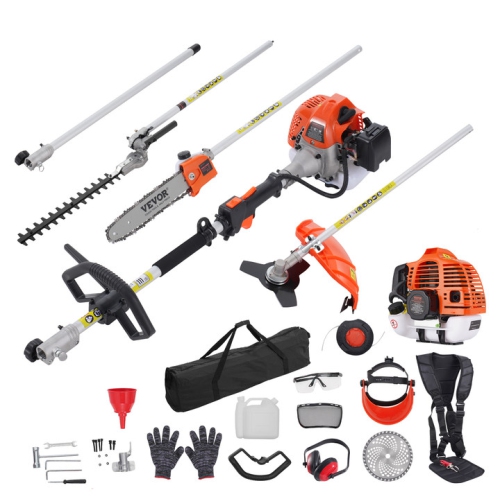
Power source shapes how a large capacity hedge trimmer fits into a property’s layout and the length of a typical job. Corded electric models provide continuous operation while connected to a suitable electrical supply, making cord routing and outlet access important considerations. An outdoor-rated extension cord must meet the tool manufacturer’s requirements, and its path needs to stay clear of the cutting blades throughout use. Battery-powered trimmers remove the trailing cord and can be convenient along distant boundaries or around several separate planting areas. Their working time depends on more than the battery’s stated capacity: dense growth, cutting load, blade condition, and operating habits all influence how long a charge lasts. A larger battery may extend working time, but it can also increase the weight carried in the hands. Battery voltage alone does not establish cutting performance, and batteries are only interchangeable where the manufacturer explicitly confirms compatibility. The range of Electric Hedge Trimmers includes power arrangements that suit different approaches to hedge maintenance, from work near the house to movement across a larger property. Gas-powered designs offer another option for demanding work away from an electrical connection, with additional fuel handling, engine maintenance, noise, and exhaust considerations. Across power types, balance can be as important as total weight. A tool that feels comfortable at waist height may become tiring when held farther from the body to reach a broad hedge face. Handle spacing, grip shape, vibration, and access to the controls all affect that experience. Some designs include a rotating rear handle to support different cutting positions, while long-reach designs place the cutting head farther from the operator. Those features serve different purposes: a long blade covers a wider cutting area, whereas a long shaft adds reach. Neither makes overreaching safe. Stable footing, two-handed control, suitable eye and hearing protection, and clearance from people, pets, and electrical lines remain essential. Elevated work needs an appropriate approach rather than balancing on a ladder with a running trimmer.
Durability depends on both construction and the conditions in which a hedge trimmer is used. Dense clippings and sticky plant residue can collect between the blades, increasing friction and making subsequent cuts less clean. Cleaning and lubricating the cutting assembly according to the manufacturer’s directions helps keep the blades moving freely and makes damage easier to spot. Before cleaning, clearing a blockage, or inspecting the blade, the tool needs to be switched off, fully stopped, and isolated from its power source as directed in its manual. Gloves can help protect hands when handling stationary blades, but the cutting edges still require care. Chipped teeth, loose fasteners, unusual vibration, or a blade that repeatedly catches are reasons to stop and assess the tool rather than force it through another section. Sharpening and repairs should follow the manufacturer’s procedures, with professional servicing where appropriate. Storage matters as well: a clean, dry tool with its blade cover fitted is easier to protect from accidental contact and damage. Batteries, chargers, and fuel require their own storage arrangements, so space for the complete setup is worth considering alongside the trimmer itself. On the hedge, controlled passes usually produce a more even surface than trying to remove a thick layer of growth at once. A broad hedge beside a driveway may need a consistent flat face, while shrubs near a walkway may need careful shaping to preserve access without cutting too deeply into older wood. Many formal hedges benefit from a profile that is slightly narrower at the top, allowing light to reach lower foliage, although pruning tolerance varies by plant species. The intended result should suit the planting rather than simply follow the blade’s maximum capacity. For a household maintaining several established hedges, comfort and straightforward upkeep can matter more than the largest specification. For frequent, extended work, serviceability and manageable working time become especially valuable. A well-matched large capacity hedge trimmer combines suitable cutting capability, practical reach, and comfortable handling for the work the property actually requires.
Top selling and popular products
-
 Your price for this item is $569.99
-
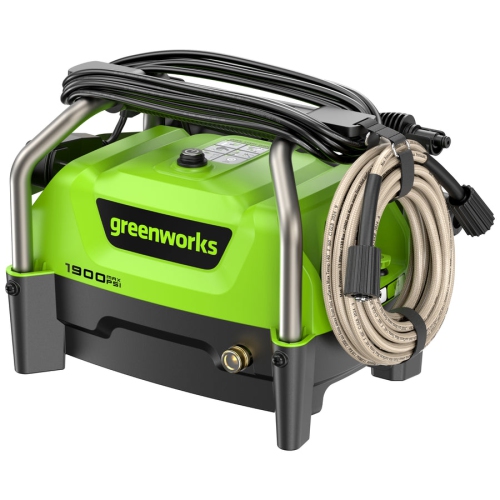 Your price for this item is $199.99
-
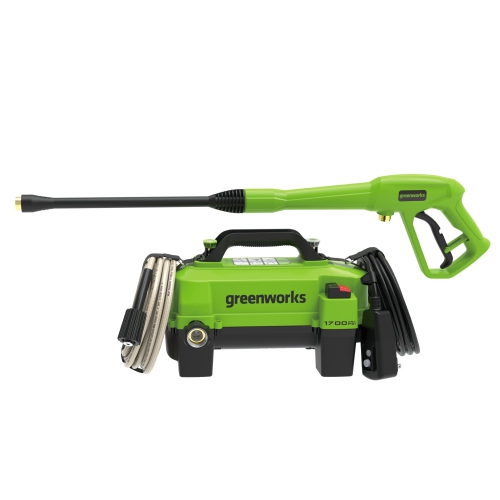 Your price for this item is $179.99
-
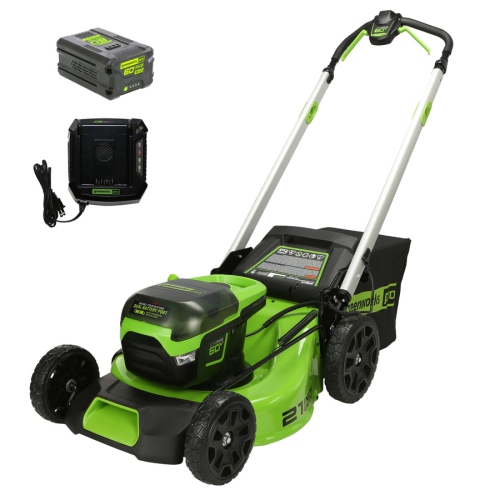 Your price for this item is $839.99
-
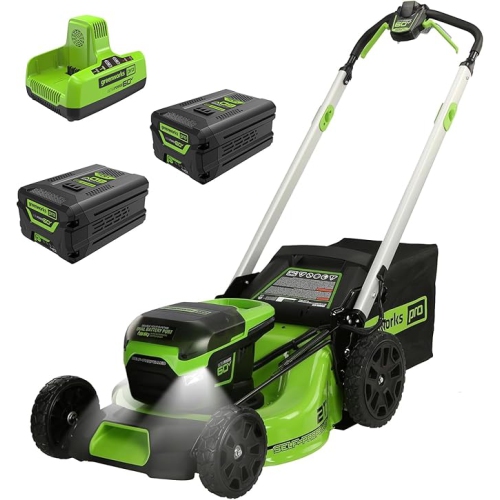 Your price for this item is $939.99
-
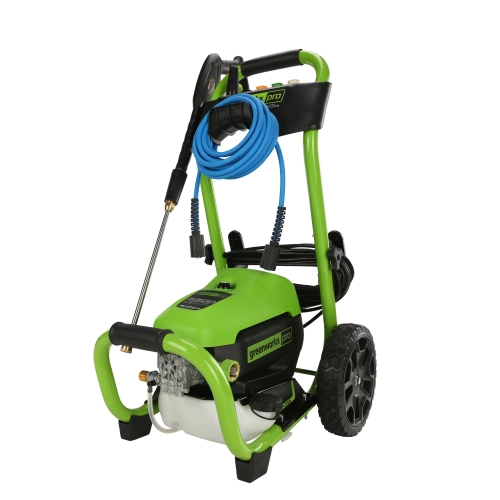 Your price for this item is $459.99
-
 Your price for this item is $569.99
-
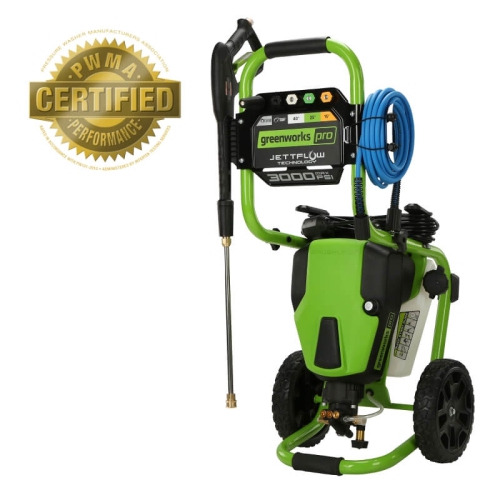 Your price for this item is $539.99
Discover more categories related to Large Capacity Hedge Trimmers
Top Collections:
Best Black Friday Deals This Year, Best Black Friday Deals On Electronics, Kindle Devices, Pokemon Centers, Best Black Friday Deals On Apple Products, Best Cameras for Sports Photography, Dyson Airwrap, Pokémon 30th Celebration Cards, Apple iPhone 17 Pro, Canon G7X Cameras
Some products may be subject to Environmental Handling Fees
(EHF) depending on your province.
Learn more about EHFs.