Large Folding Chairs
A folding chair is a great way to save space when you're on the go. It can be packed away in a closet or bag when you're not using it, and then pulled out and set up when you need it. These chairs are perfect for outdoor events, picnics, or just around the house for extra seating. Here are some great options for large folding chairs.
Sort
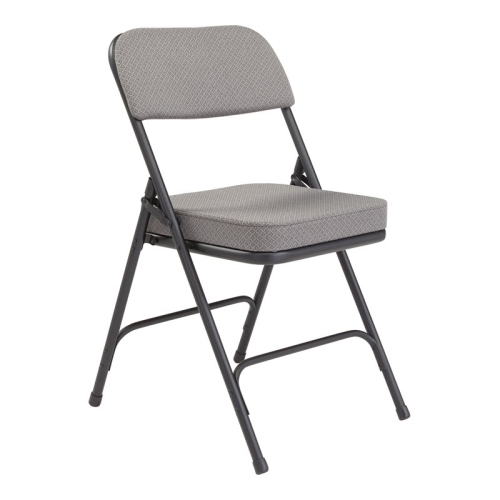
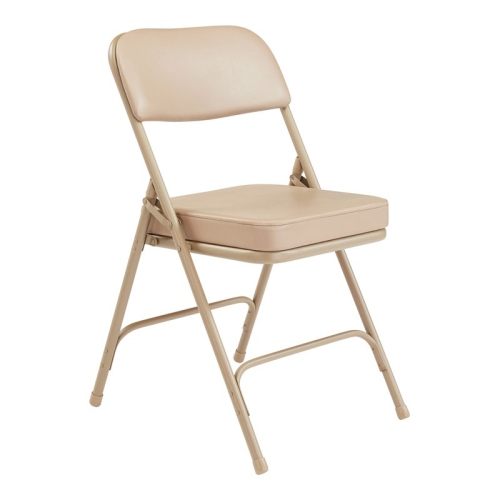
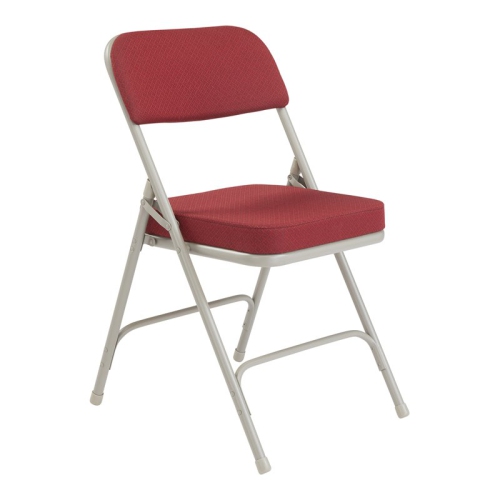
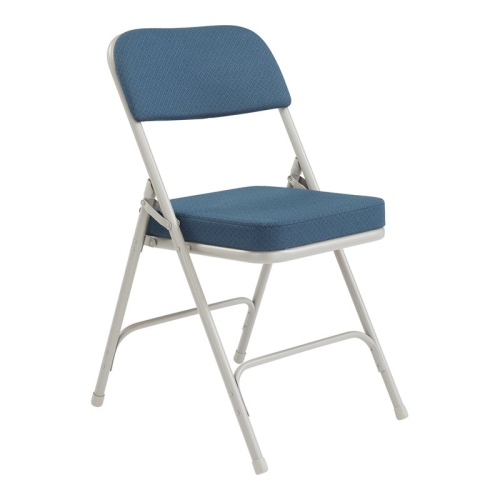
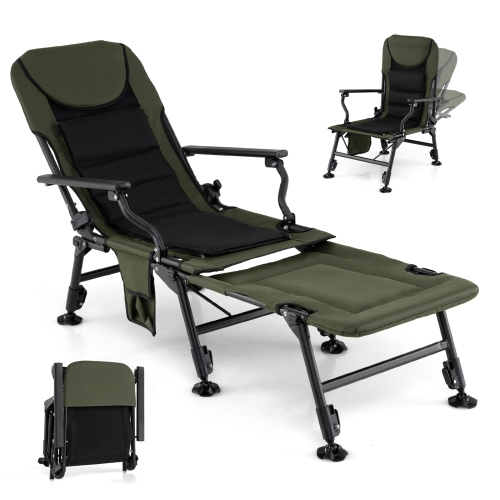
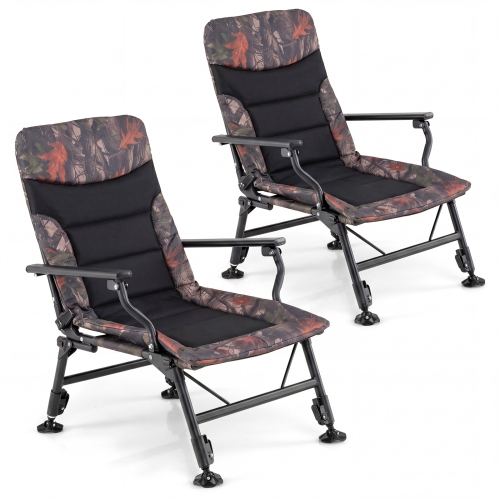
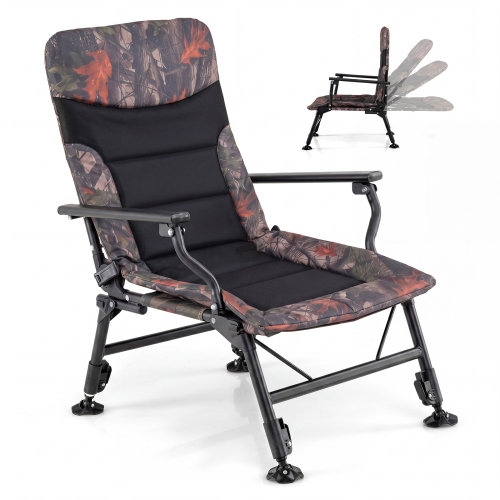
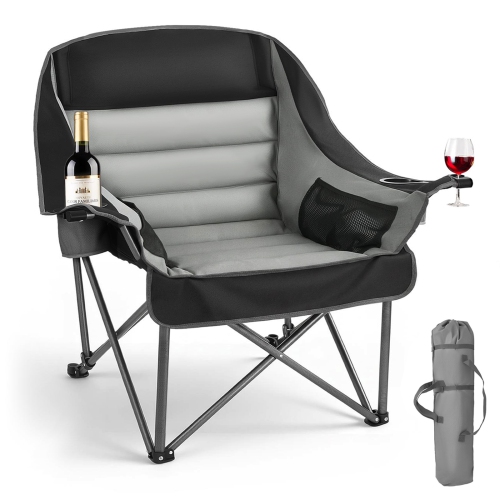

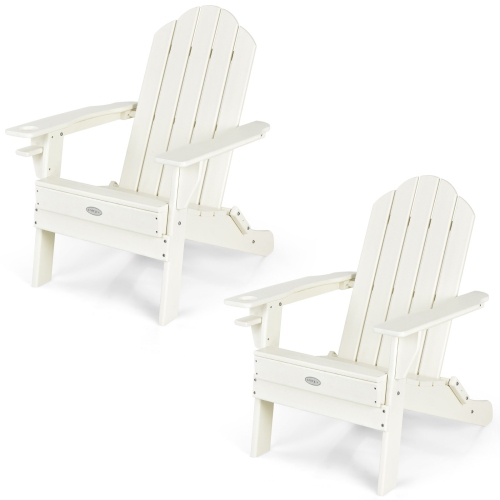
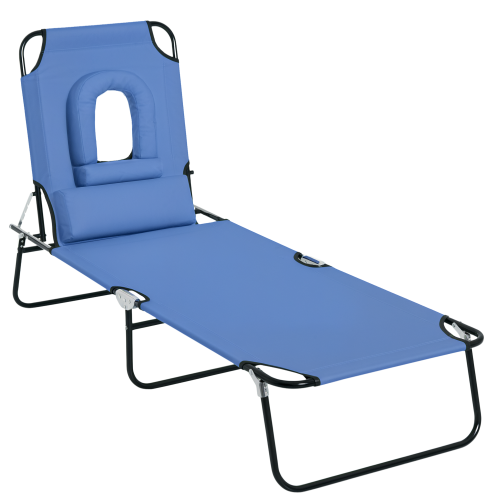
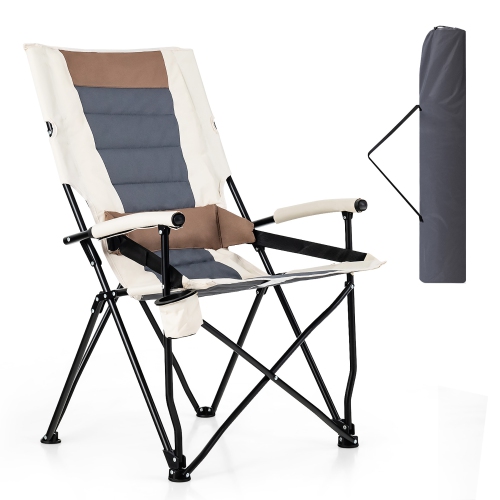
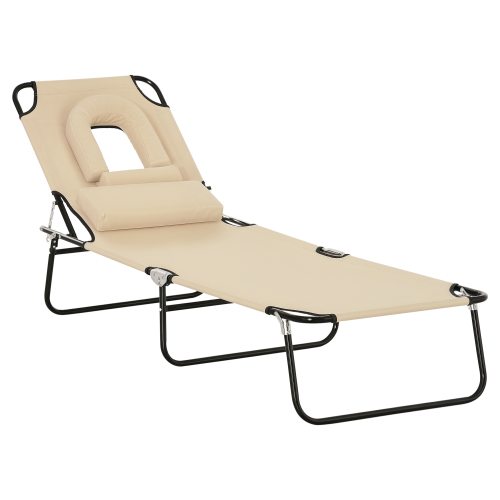
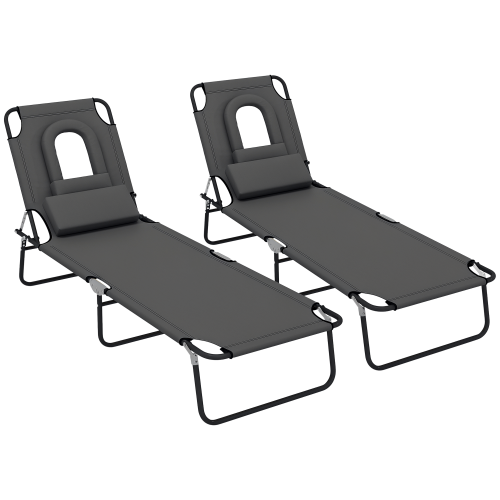
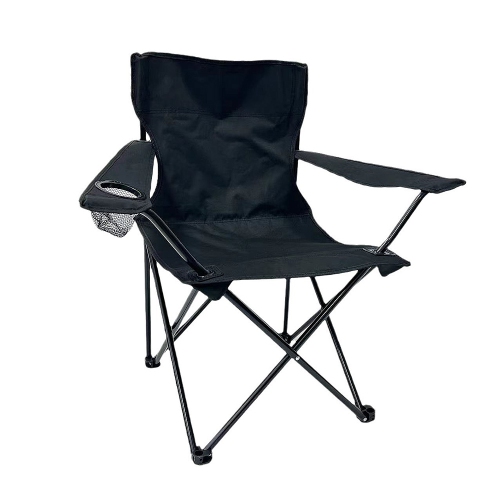
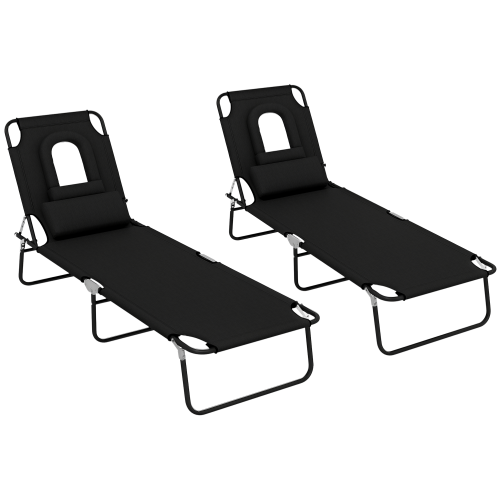
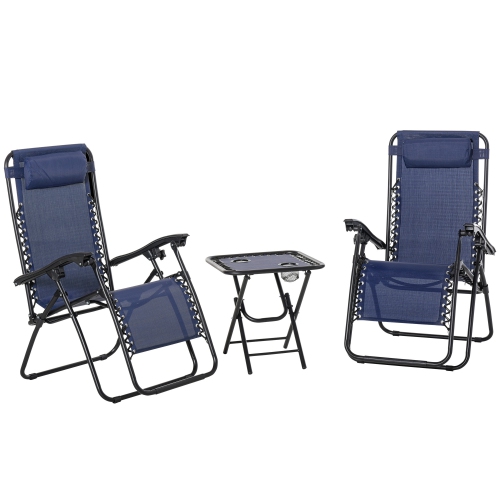
Why a wider seat is only part of comfort
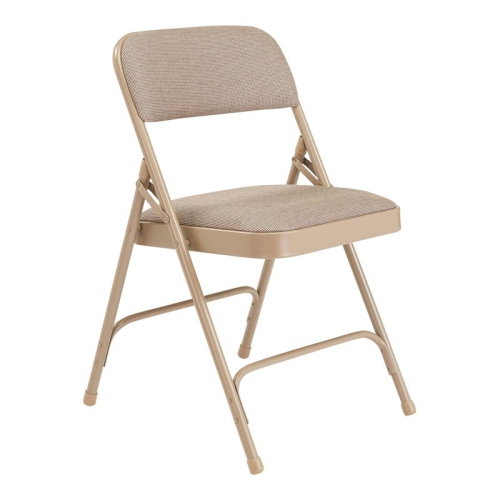
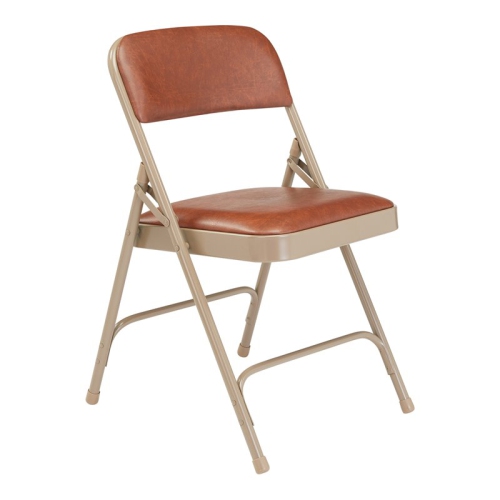
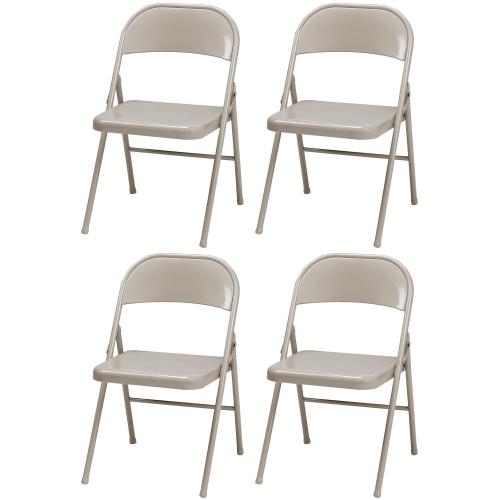
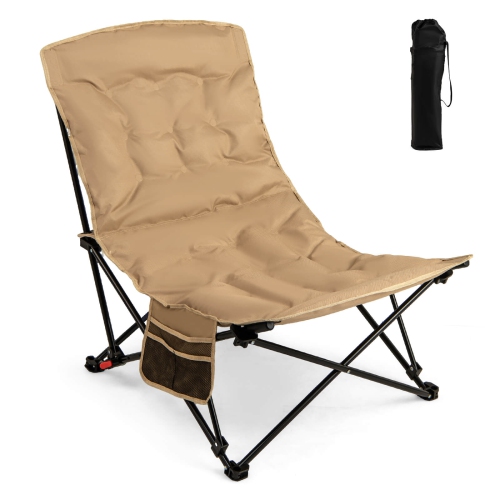
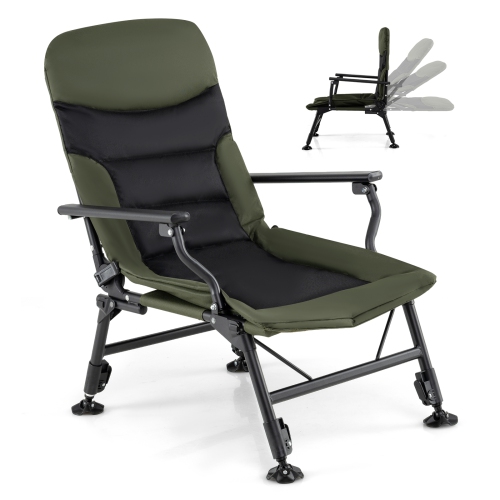
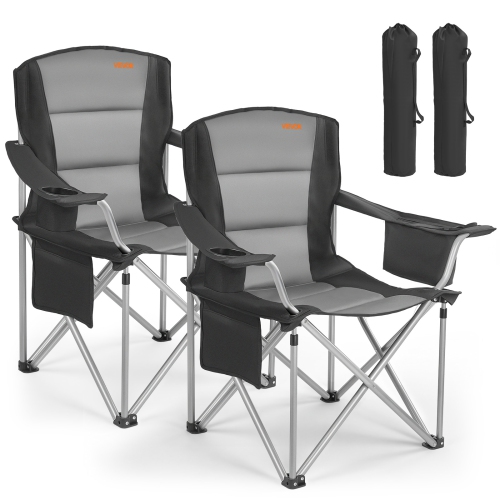
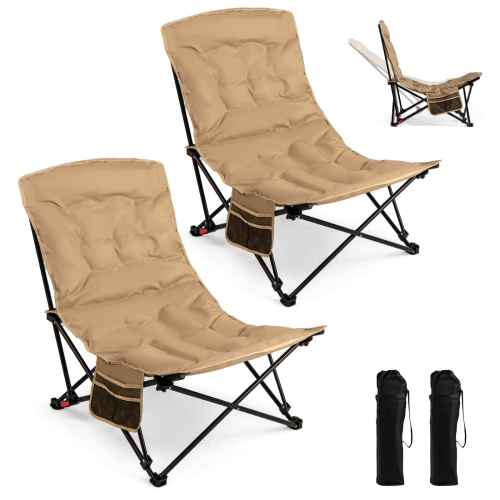
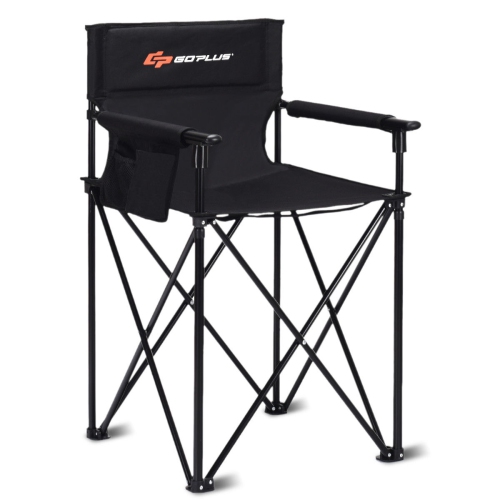
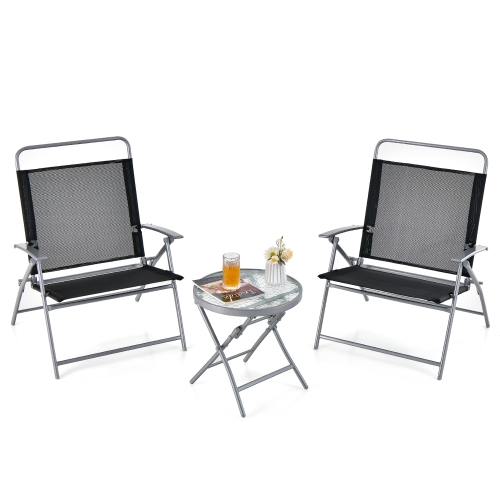
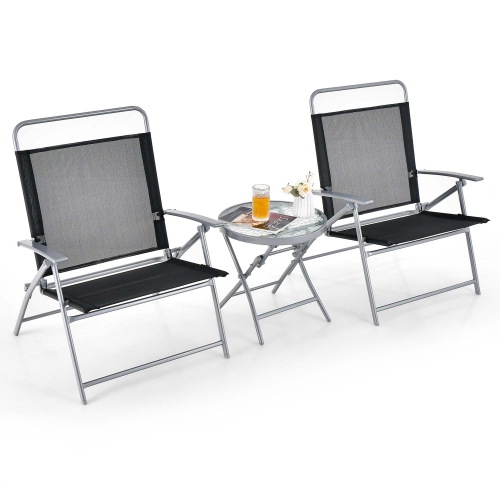
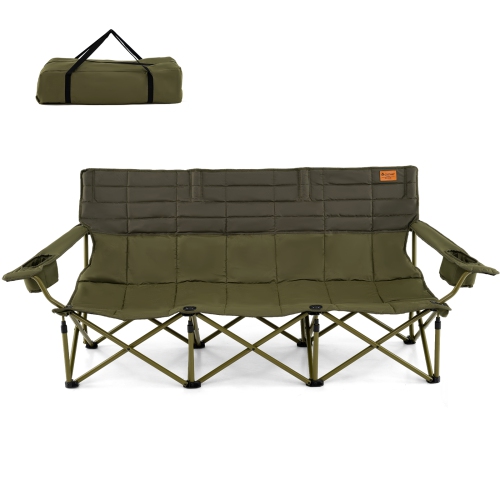
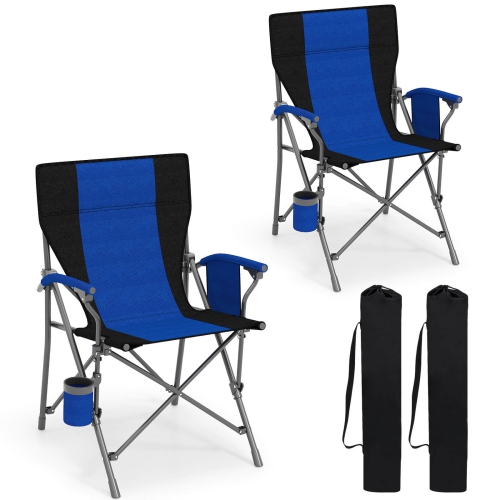
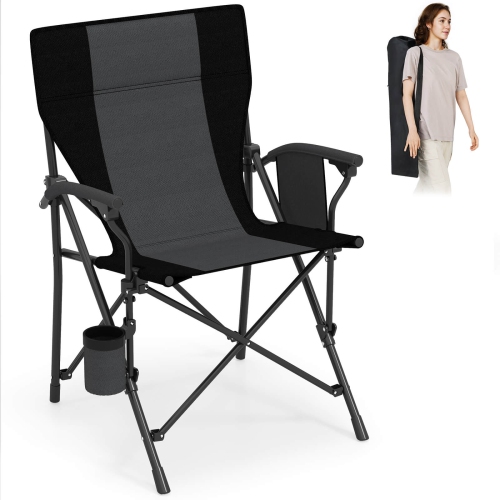
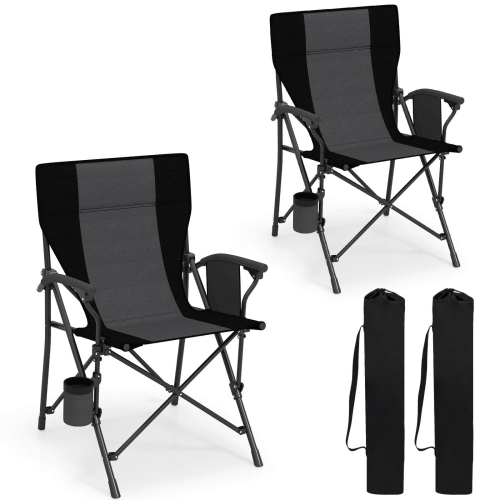
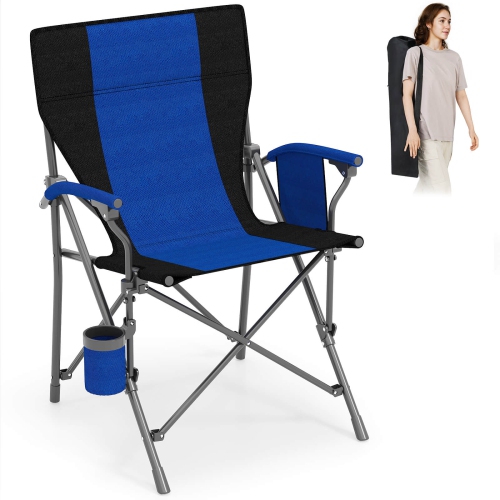
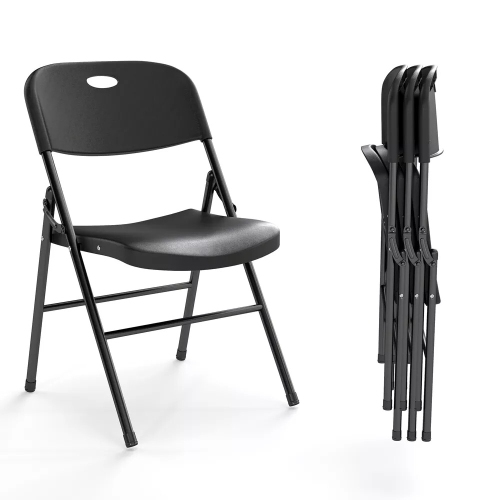
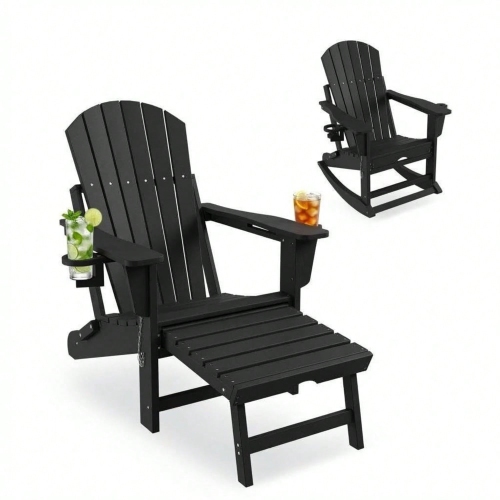
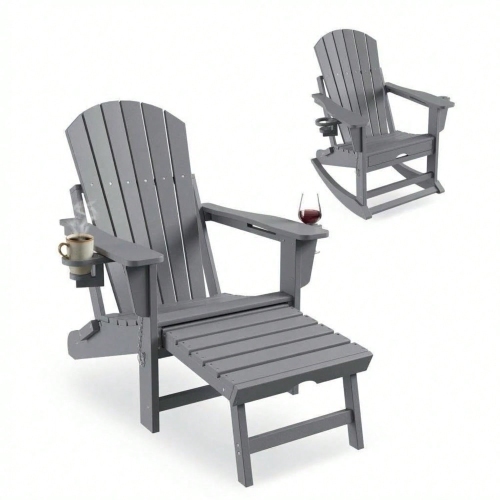
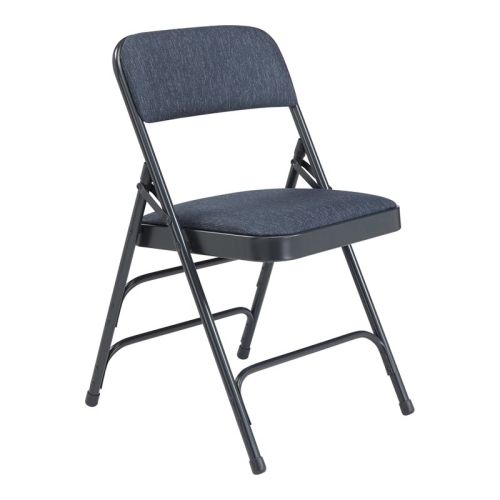
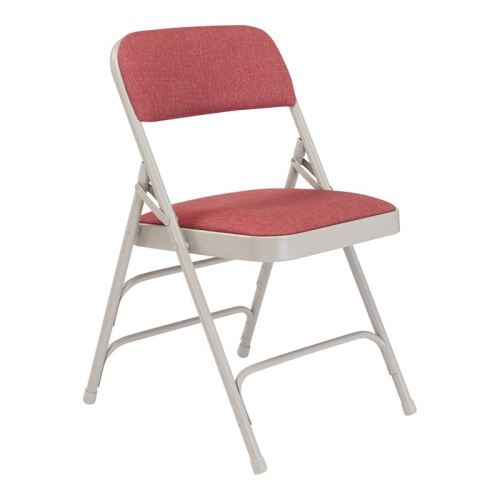
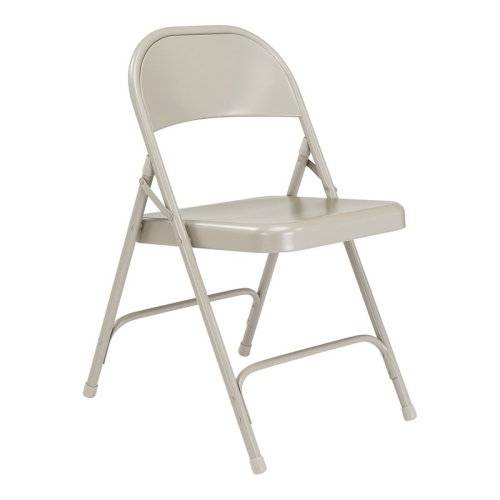
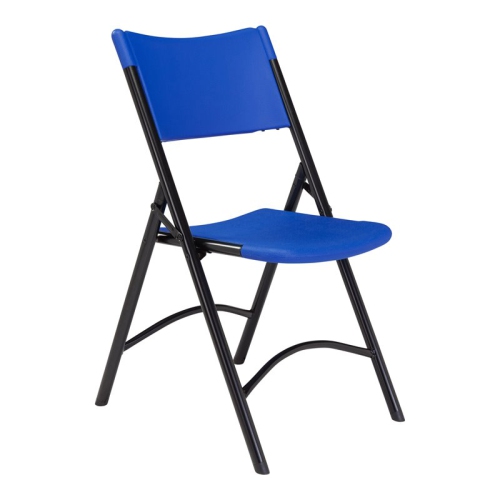
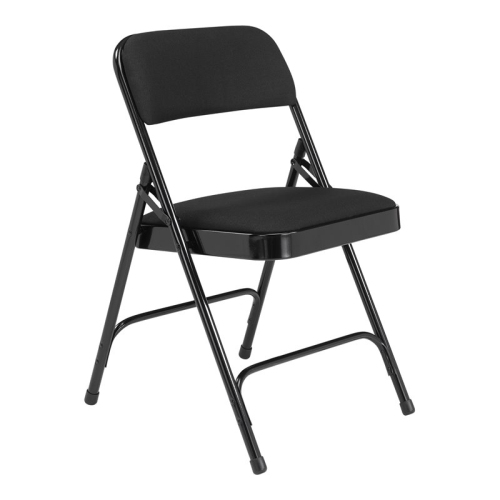
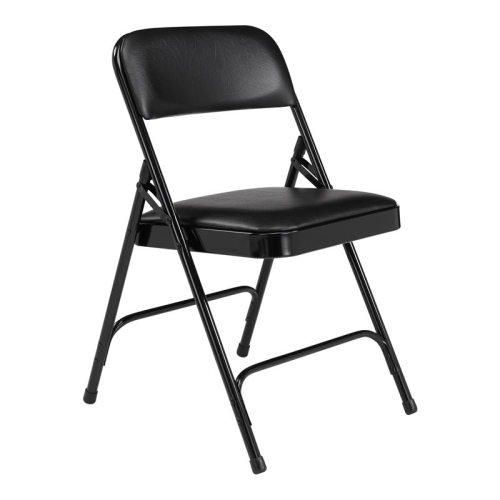
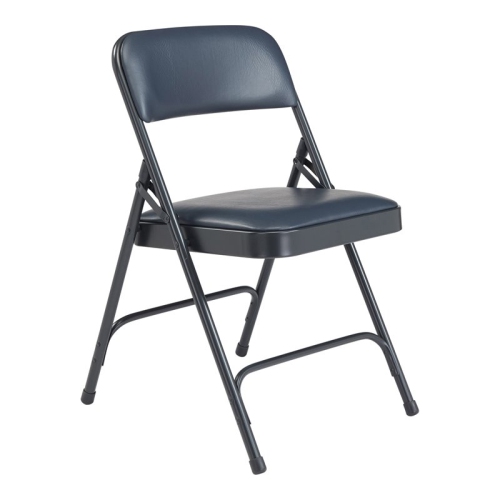
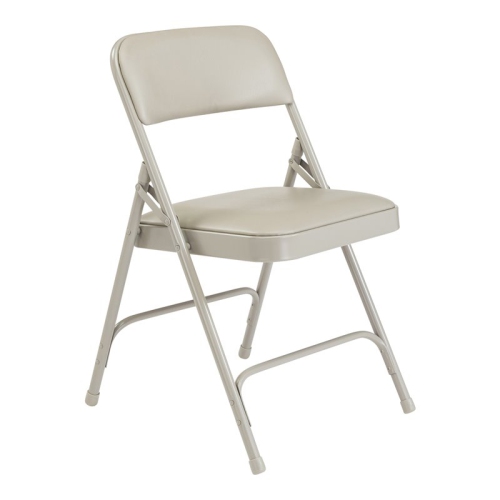
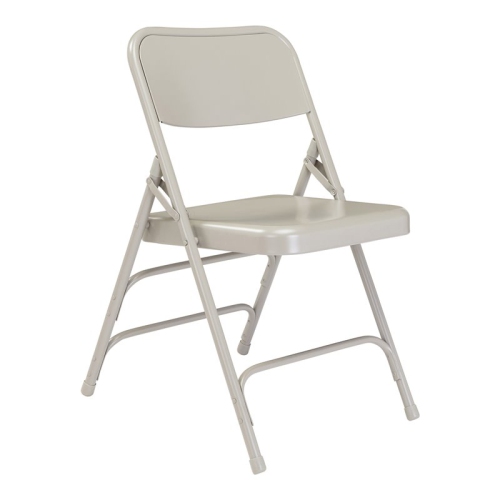
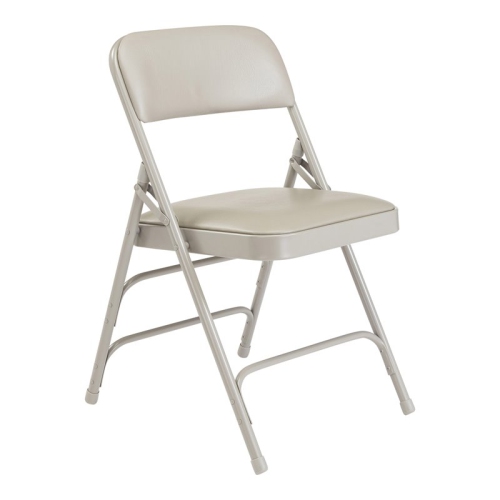
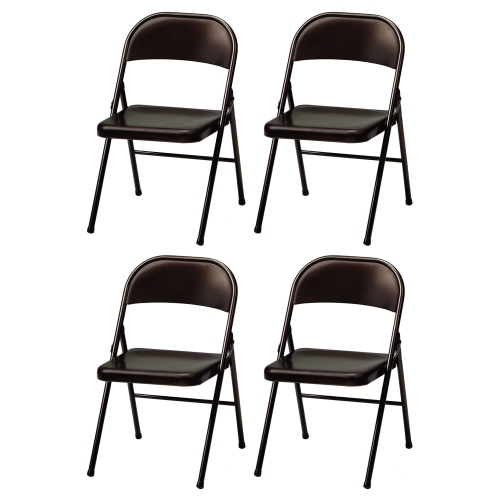
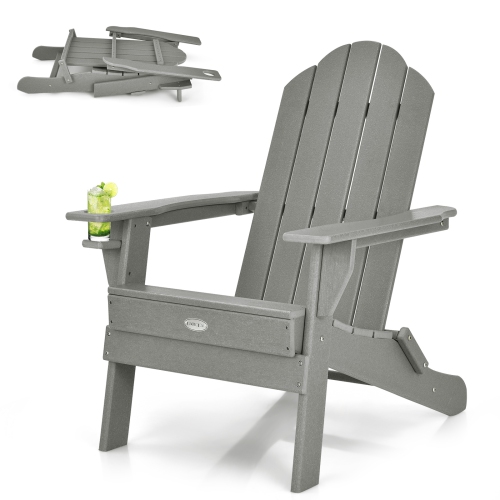
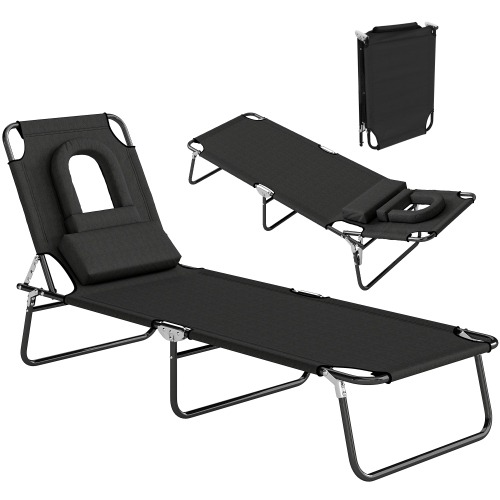
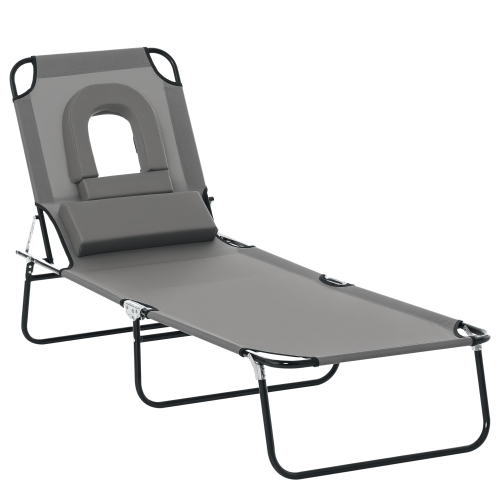
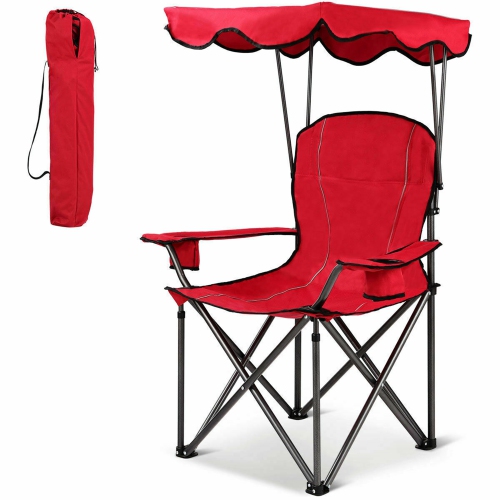
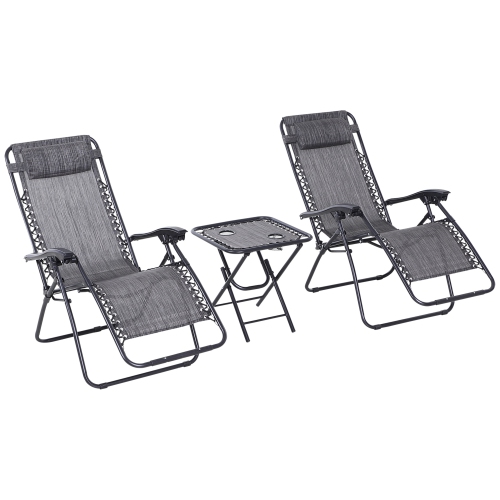
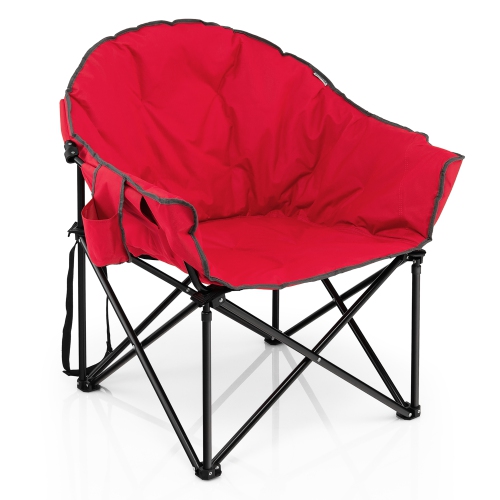
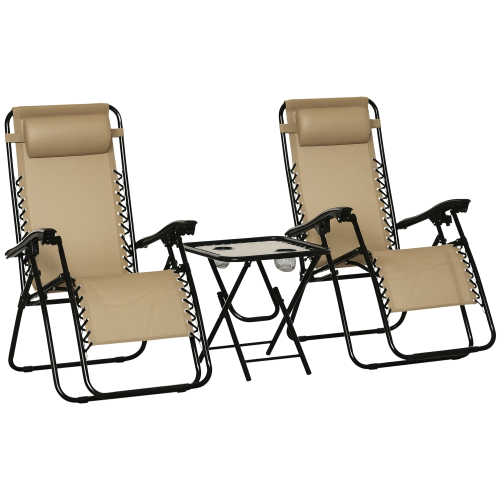
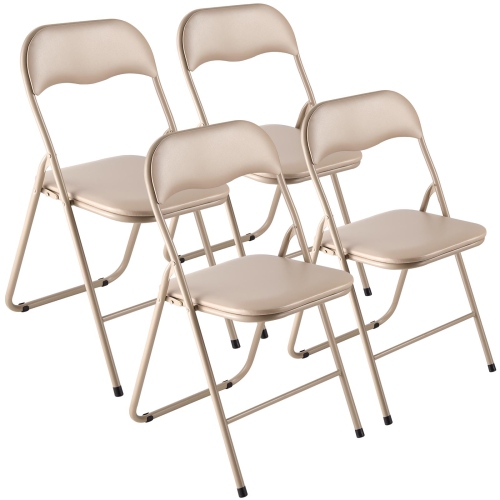
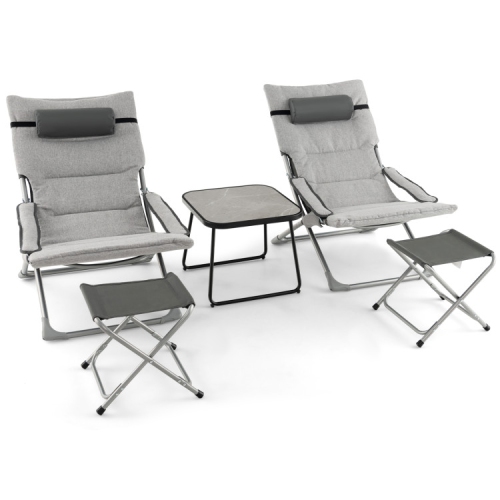
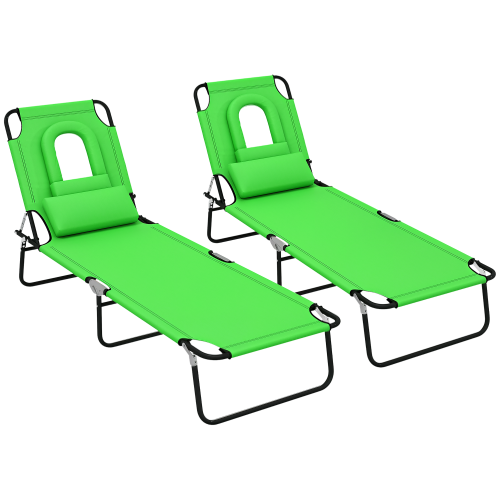
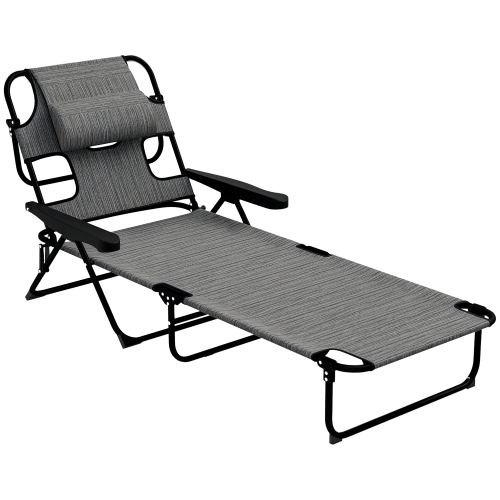
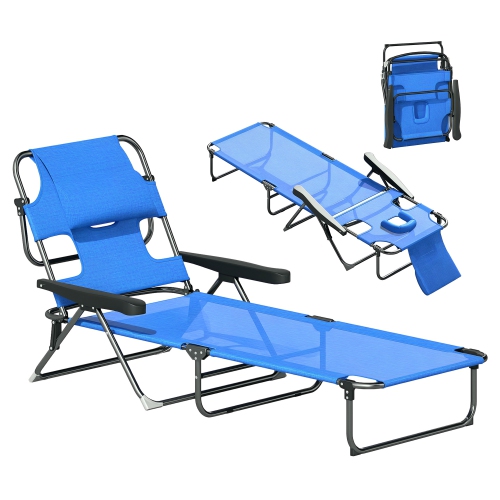
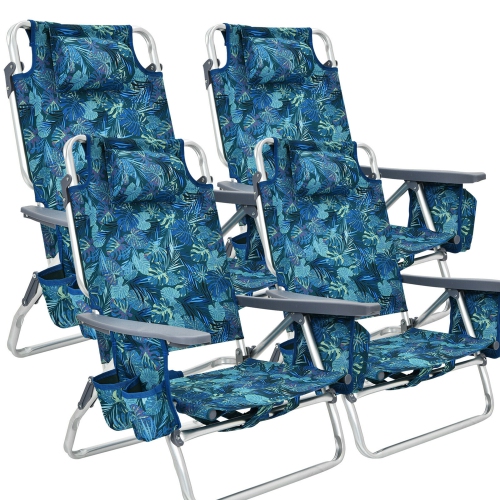
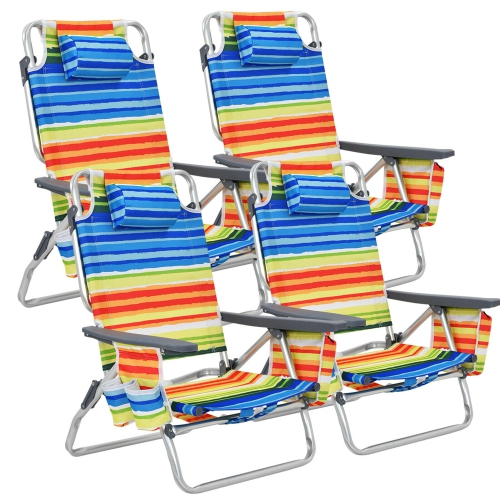
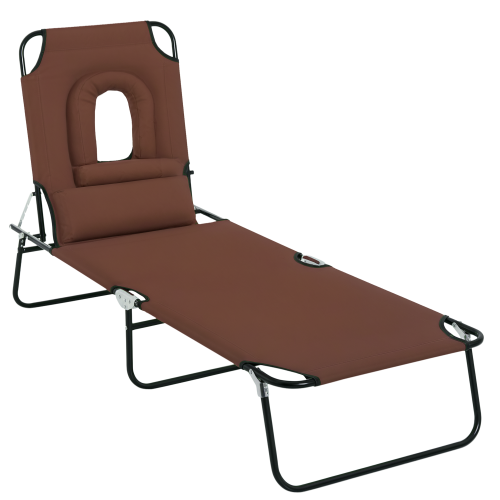
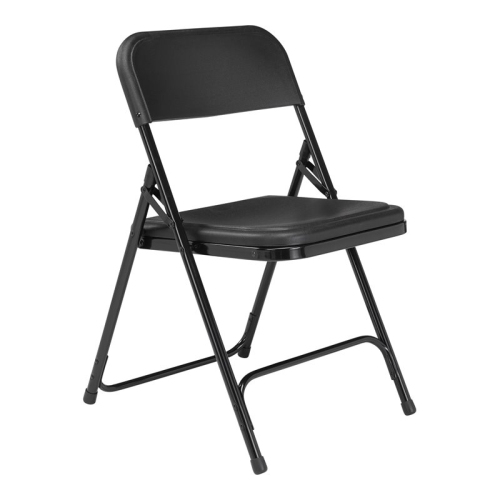
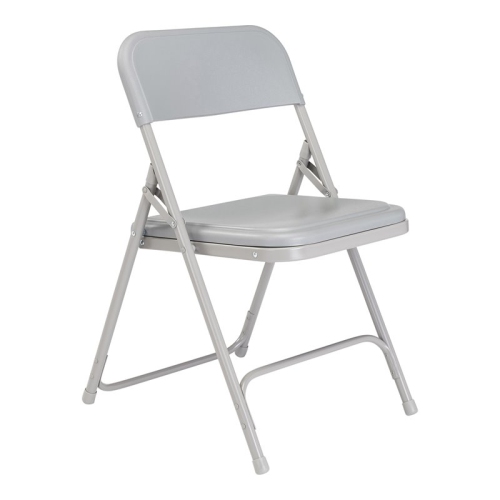
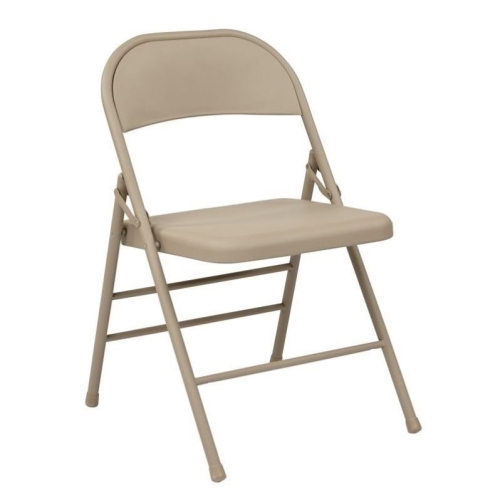
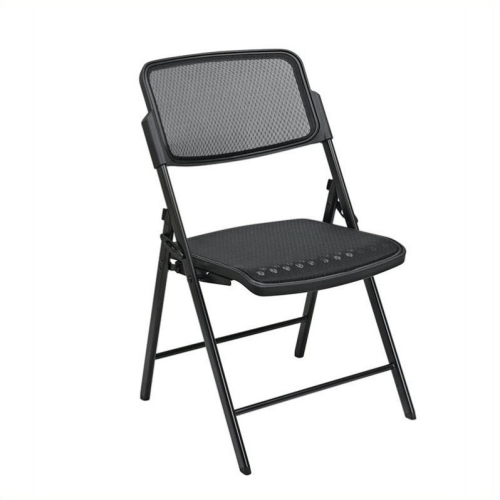
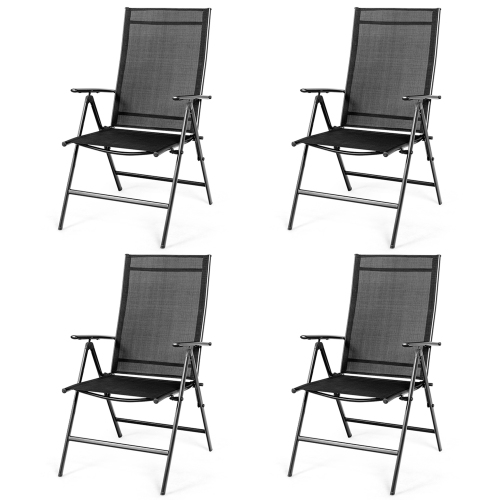
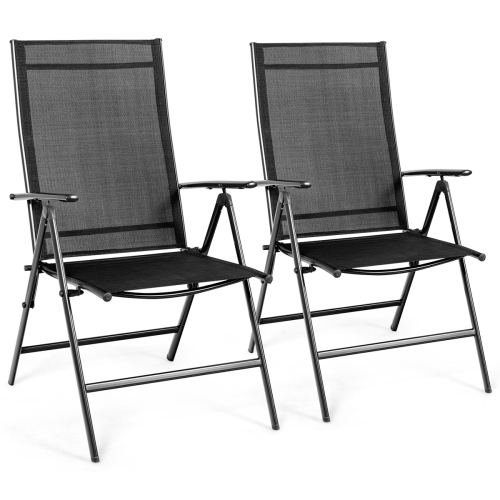
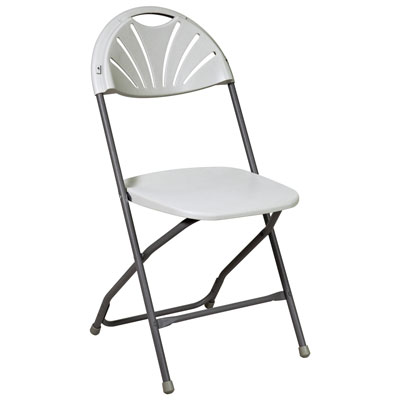
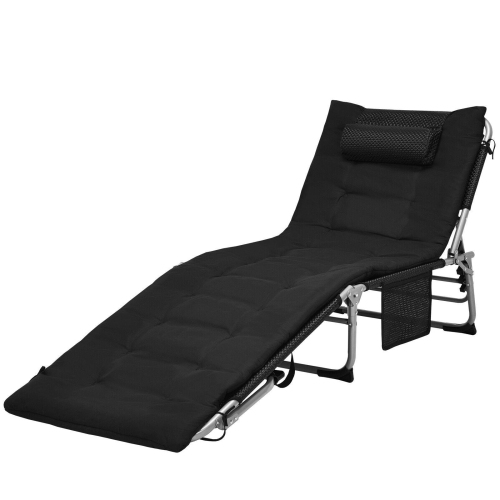
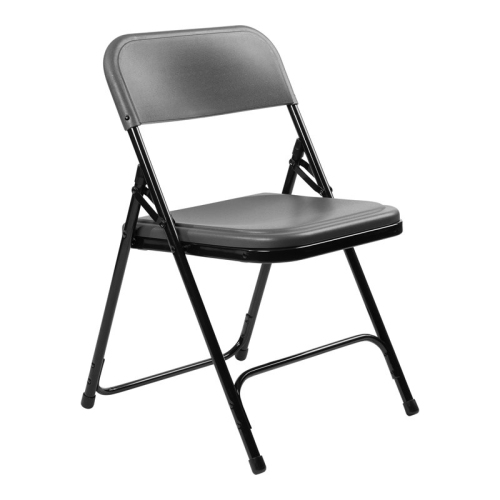
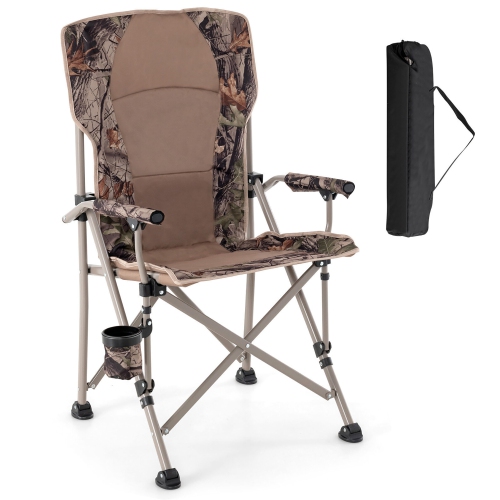
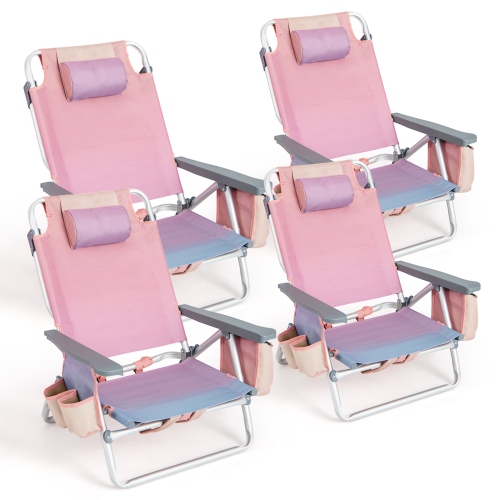
Large folding chairs provide roomy seating that folds away between uses, combining a wider sitting area with the convenience of a portable or space-saving frame. The category includes oversized camping chairs, padded outdoor seats, and wider folding chairs for dining, gatherings, and multipurpose rooms. Their appeal is straightforward: extra room across the seat and between the armrests can make a long conversation, an afternoon beside a playing field, or a family meal more comfortable. A large folding chair is not automatically a heavy-duty chair, though. Seat dimensions describe the space available to sit, while the manufacturer’s weight capacity describes the supported load; both matter, and neither replaces the other. The usable width between armrests can be more helpful than the overall width, particularly when thick padding or side attachments take up space. Seat depth also affects fit. A deeper seat gives longer legs more support, but someone with shorter legs may find that its front edge presses behind the knees or makes it difficult to sit against the backrest with both feet on the ground. Seat height changes how the chair feels when sitting down and standing up, especially for taller adults or people who find low, sling-style seating awkward. A firm, relatively upright seat suits meals and card games, while a more relaxed fabric seat is often better suited to lounging. Backrest shape matters just as much as size: some chairs support the lower and middle back, while others extend towards the shoulders. For shoppers comparing roomier seats with taller backrests, High Back Folding Chairs offer a related seating style, although back height alone does not establish seat width or weight capacity. These differences help explain why two chairs described as large can feel quite different in use. The most comfortable fit leaves room to shift position without making the armrests difficult to reach or forcing the sitter into an overly reclined posture.
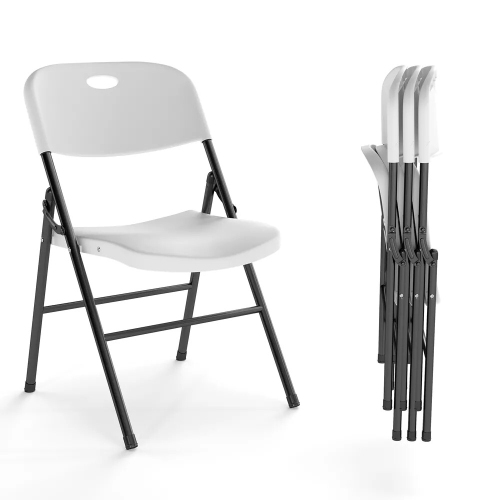
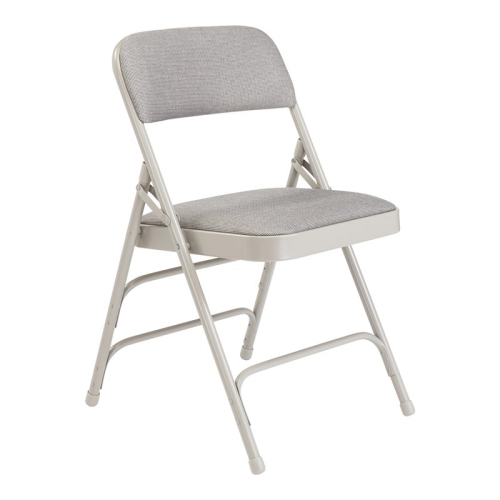
Materials and construction determine how large folding chairs handle everyday use, from being carried across a campsite to being opened repeatedly for extra dinner guests. Steel frames often provide a substantial feel, although their carrying weight varies with the frame design and tubing. Aluminium frames can be easier to carry, but the material alone does not establish strength; joints, bracing, fabric attachment points, and the stated load rating all contribute to the finished chair’s performance. Cross-braced legs and secure folding mechanisms help support the structure when it is fully opened, while broad feet can be useful on firm outdoor ground. No foot design makes a chair suitable for every surface, and uneven ground, soft soil, or ice can compromise stability. Woven polyester and similar outdoor fabrics are common on camping-style seats because they fold easily and are generally practical to clean. Mesh panels allow airflow, while padding adds cushioning across the seat or back. During cooler outings, a padded surface can feel more inviting than an open mesh panel, though thicker upholstery may take longer to dry after exposure to moisture. Water-resistant fabric should not be treated as waterproof, and suitability for outdoor use does not necessarily mean a chair can remain outside through prolonged rain or snow. For indoor gatherings, moulded seats and backs offer a firmer surface that can be wiped down, while upholstered folding chairs bring a softer feel to longer meals. Reinforced seams, neatly secured fabric edges, and sound connections between the seat and frame are useful construction details to consider alongside the load rating. Armrests vary, too: fabric arms may offer a relaxed resting place, whereas rigid arms provide a more defined boundary around the seat. Neither should be assumed to bear a person’s full weight unless the manufacturer specifies that use. Cup holders, side pockets, and small attached tables can keep a drink, book, or gloves within reach, but they also affect overall width and the clearance needed beside neighbouring chairs. Around a dining table, armrest height and seat height deserve particular attention so the chair can sit close enough for comfortable eating.
The practical value of an oversized folding chair often shows up between occasions, when it needs to fit into a vehicle, pass through a doorway, or tuck into storage. Some designs collapse into a long bundle with a carrying bag; others fold into a flatter shape that slides beside a shelving unit or stands in a designated storage area. Folded measurements and carrying weight are therefore as important as open dimensions for anyone transporting several chairs or lifting them into a car boot. A shoulder strap can make the walk from the car to the sidelines easier, but a bulky chair may still be awkward when carried alongside bags and blankets. At home, larger folding seats can provide extra places for visiting relatives, board-game evenings, craft tables, and gatherings where permanent seating would crowd the room. Outdoors, suitably rated designs can serve campers, anglers, and spectators who want more sitting space without carrying a fixed-frame chair. They can also make thoughtful gifts for someone who regularly hosts guests or spends long stretches watching outdoor sports, provided the chair’s fit, load rating, and packed size suit that person’s needs. Care is usually simple but should follow the material-specific instructions. Loose dirt can often be brushed away before fabric is spot-cleaned with a mild cleaning solution, while hard surfaces may need only a soft cloth and an appropriate cleaner. Removable covers should only be machine washed when the care label permits it. Fabric and padding need to dry fully before folding and storing, especially after damp grass, spilled drinks, or a wet journey home. Storage in a dry, sheltered space helps protect metal joints and keeps upholstery ready for the next gathering. Occasional checks for loose fasteners, split seams, cracked components, and worn feet are worthwhile, particularly on chairs that travel frequently. Each chair should be opened completely, with any locks or braces engaged as directed, before someone sits down. Keeping fingers clear of folding joints and using the seat without rocking back on its legs helps make everyday setup and use more straightforward.
Materials and construction determine how large folding chairs handle everyday use, from being carried across a campsite to being opened repeatedly for extra dinner guests. Steel frames often provide a substantial feel, although their carrying weight varies with the frame design and tubing. Aluminium frames can be easier to carry, but the material alone does not establish strength; joints, bracing, fabric attachment points, and the stated load rating all contribute to the finished chair’s performance. Cross-braced legs and secure folding mechanisms help support the structure when it is fully opened, while broad feet can be useful on firm outdoor ground. No foot design makes a chair suitable for every surface, and uneven ground, soft soil, or ice can compromise stability. Woven polyester and similar outdoor fabrics are common on camping-style seats because they fold easily and are generally practical to clean. Mesh panels allow airflow, while padding adds cushioning across the seat or back. During cooler outings, a padded surface can feel more inviting than an open mesh panel, though thicker upholstery may take longer to dry after exposure to moisture. Water-resistant fabric should not be treated as waterproof, and suitability for outdoor use does not necessarily mean a chair can remain outside through prolonged rain or snow. For indoor gatherings, moulded seats and backs offer a firmer surface that can be wiped down, while upholstered folding chairs bring a softer feel to longer meals. Reinforced seams, neatly secured fabric edges, and sound connections between the seat and frame are useful construction details to consider alongside the load rating. Armrests vary, too: fabric arms may offer a relaxed resting place, whereas rigid arms provide a more defined boundary around the seat. Neither should be assumed to bear a person’s full weight unless the manufacturer specifies that use. Cup holders, side pockets, and small attached tables can keep a drink, book, or gloves within reach, but they also affect overall width and the clearance needed beside neighbouring chairs. Around a dining table, armrest height and seat height deserve particular attention so the chair can sit close enough for comfortable eating.
The practical value of an oversized folding chair often shows up between occasions, when it needs to fit into a vehicle, pass through a doorway, or tuck into storage. Some designs collapse into a long bundle with a carrying bag; others fold into a flatter shape that slides beside a shelving unit or stands in a designated storage area. Folded measurements and carrying weight are therefore as important as open dimensions for anyone transporting several chairs or lifting them into a car boot. A shoulder strap can make the walk from the car to the sidelines easier, but a bulky chair may still be awkward when carried alongside bags and blankets. At home, larger folding seats can provide extra places for visiting relatives, board-game evenings, craft tables, and gatherings where permanent seating would crowd the room. Outdoors, suitably rated designs can serve campers, anglers, and spectators who want more sitting space without carrying a fixed-frame chair. They can also make thoughtful gifts for someone who regularly hosts guests or spends long stretches watching outdoor sports, provided the chair’s fit, load rating, and packed size suit that person’s needs. Care is usually simple but should follow the material-specific instructions. Loose dirt can often be brushed away before fabric is spot-cleaned with a mild cleaning solution, while hard surfaces may need only a soft cloth and an appropriate cleaner. Removable covers should only be machine washed when the care label permits it. Fabric and padding need to dry fully before folding and storing, especially after damp grass, spilled drinks, or a wet journey home. Storage in a dry, sheltered space helps protect metal joints and keeps upholstery ready for the next gathering. Occasional checks for loose fasteners, split seams, cracked components, and worn feet are worthwhile, particularly on chairs that travel frequently. Each chair should be opened completely, with any locks or braces engaged as directed, before someone sits down. Keeping fingers clear of folding joints and using the seat without rocking back on its legs helps make everyday setup and use more straightforward.
Top selling and popular products
-
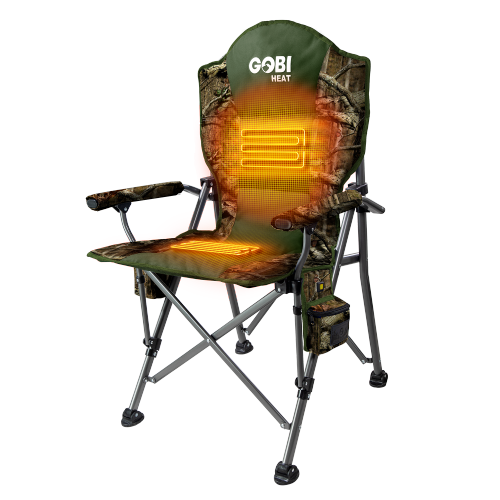 Your price for this item is $250
 -
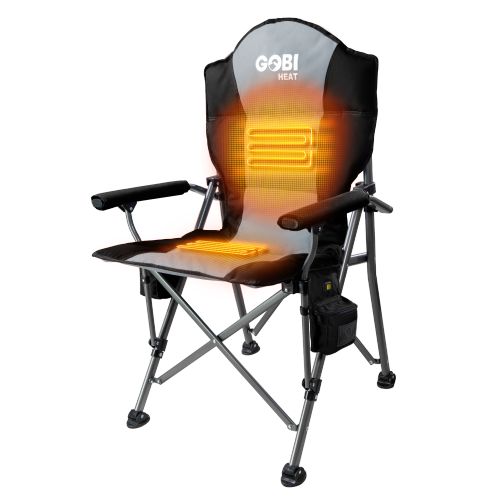 Your price for this item is $250
 -
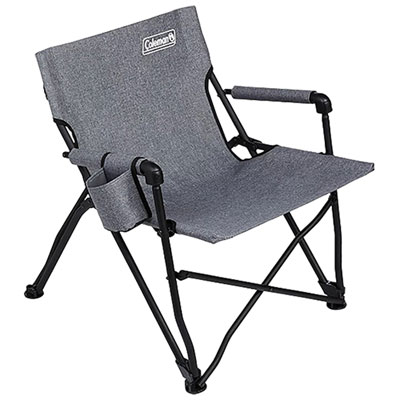 Your price for this item is $78.98
 -
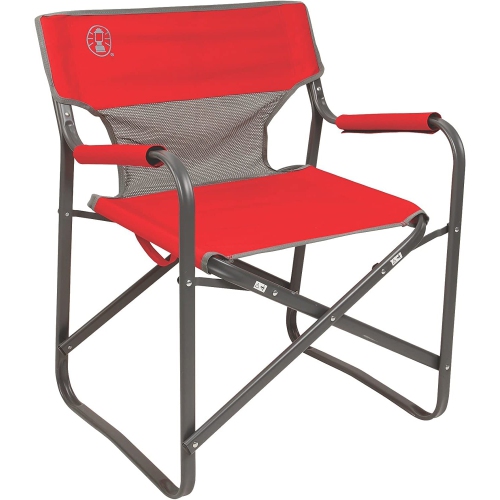 Your price for this item is $79.99
 -
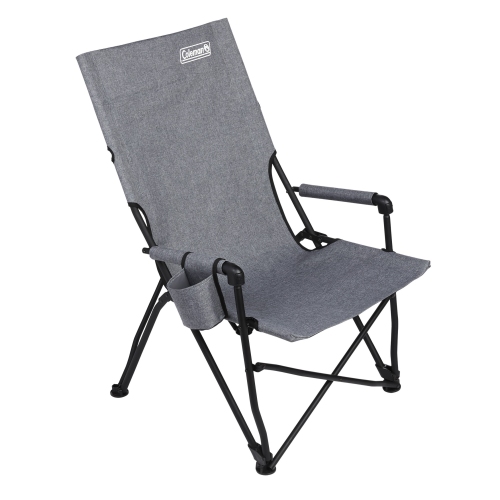 Your price for this item is $133.99
 -
 Your price for this item is $211.08
 -
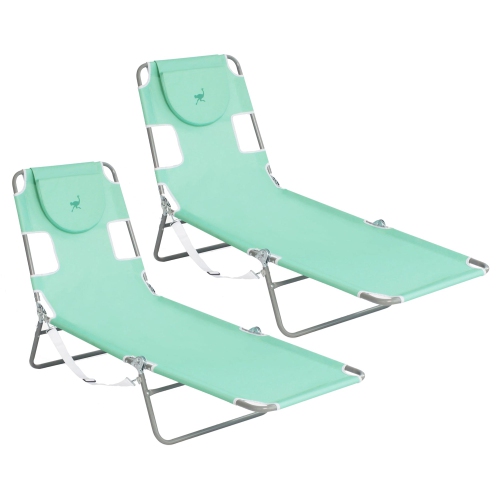 Your price for this item is $311.99
 -
 Your price for this item is $49.99
Discover more categories related to Large Folding Chairs
Top Collections:
Pokemon Centers, Kindle Devices, Best Budget Office Chairs, Apple iPhones 16, Best Laptops for Writers, iPhone 15 Apple, Canon G7X Cameras, Refurbished Apple Laptops, Alarm Clock, Motorola Razr Phones
Some products may be subject to Environmental Handling Fees
(EHF) depending on your province.
Learn more about EHFs.