Large Gray Ottomans With Storage
A large gray ottoman with storage is a great way to add extra seating and storage to your living room. It can also serve as a catch-all for magazines, remote controls, and other items that tend to get lost in the couch cushions. Here are some of the best large gray ottomans with storage available today.
Sort
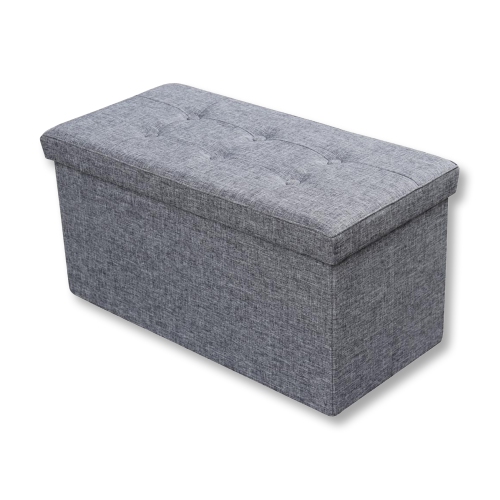
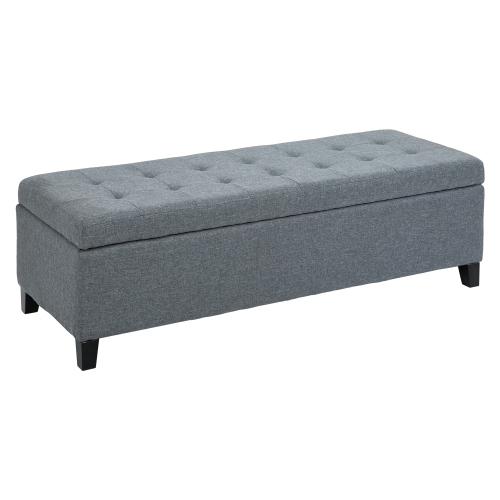
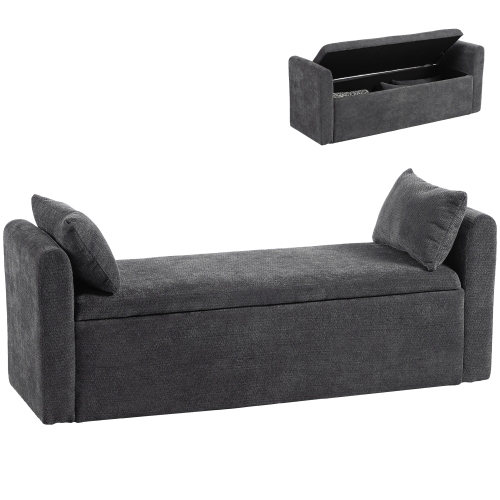
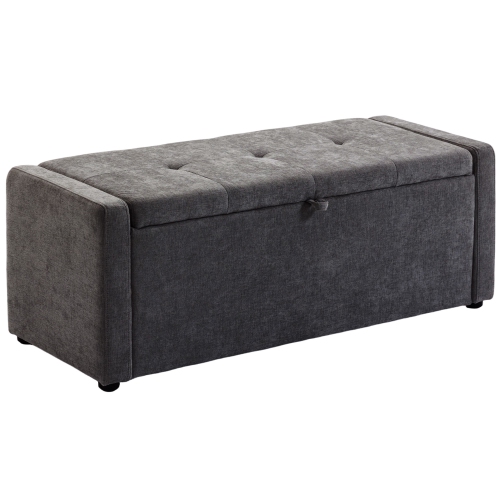
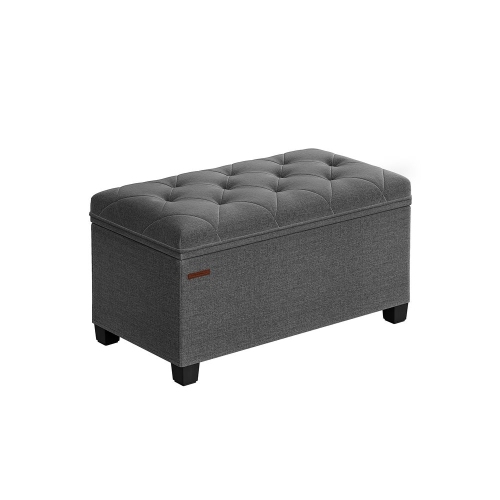
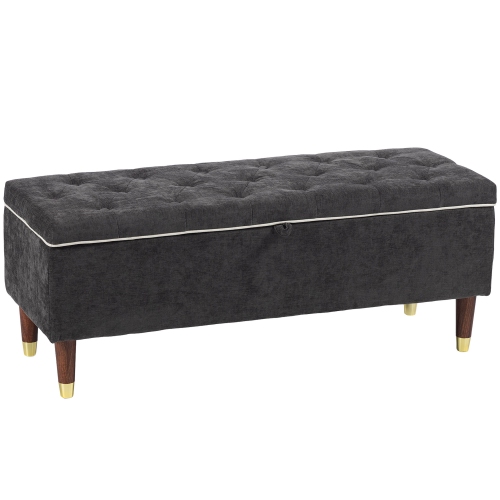
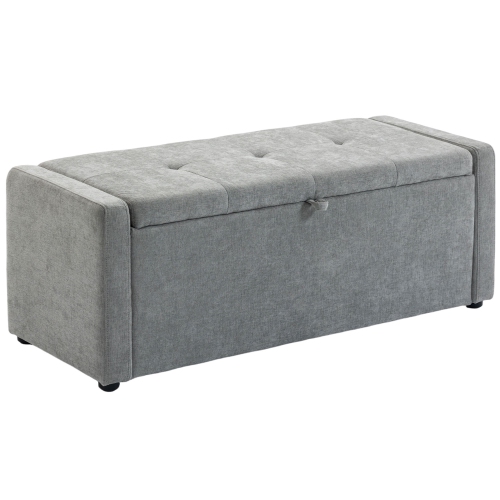

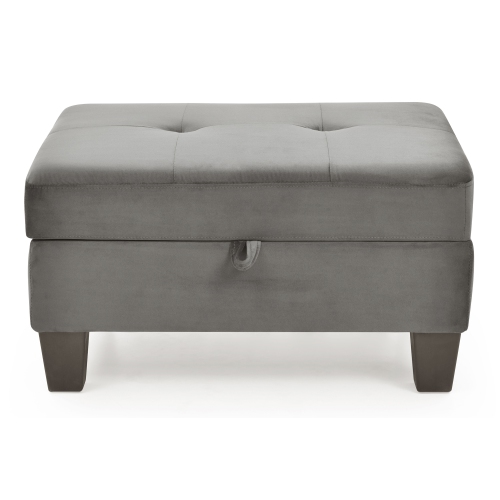

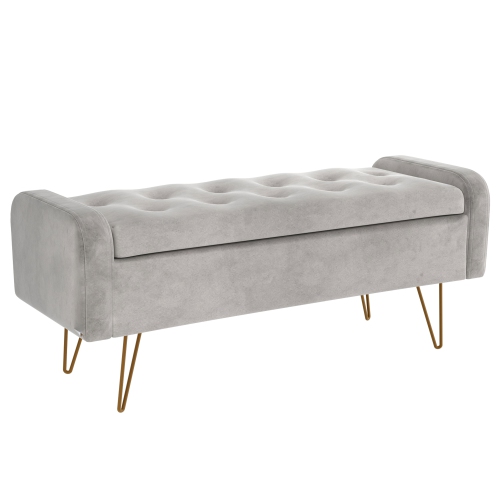
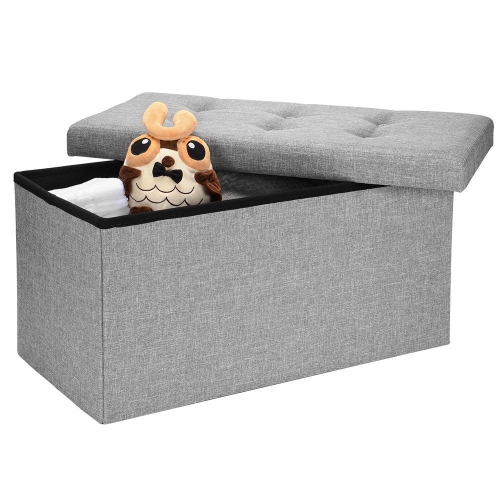
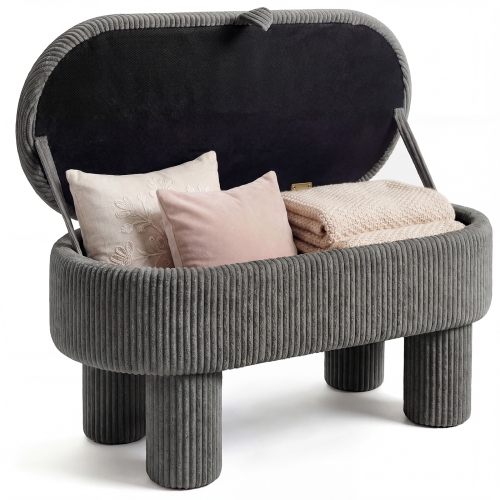
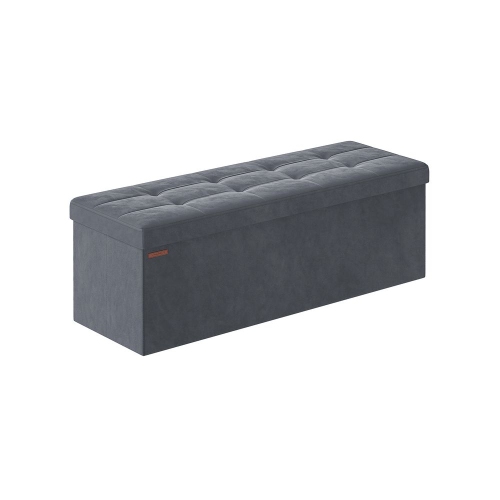
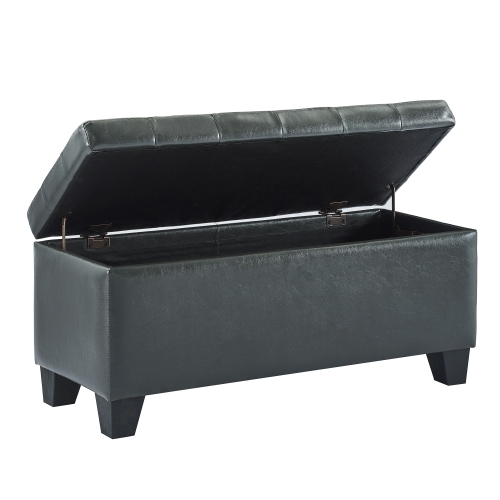
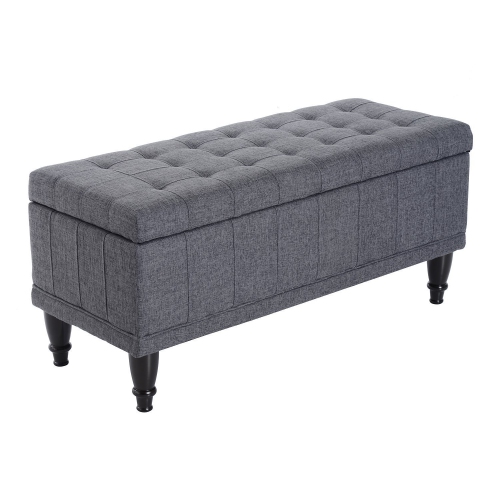
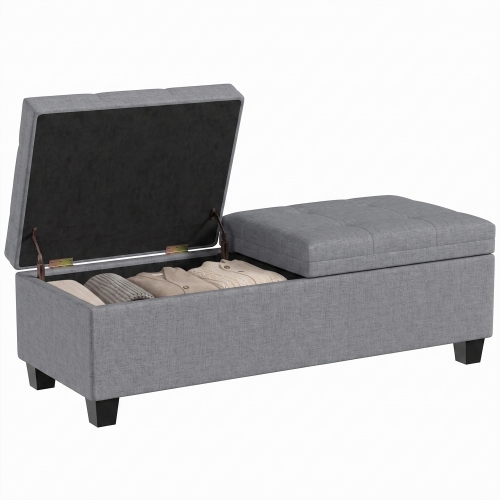

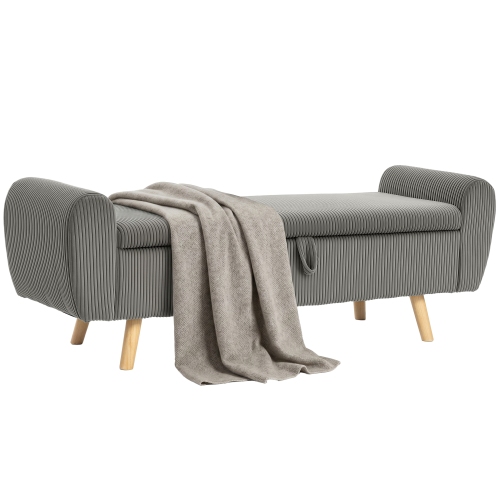
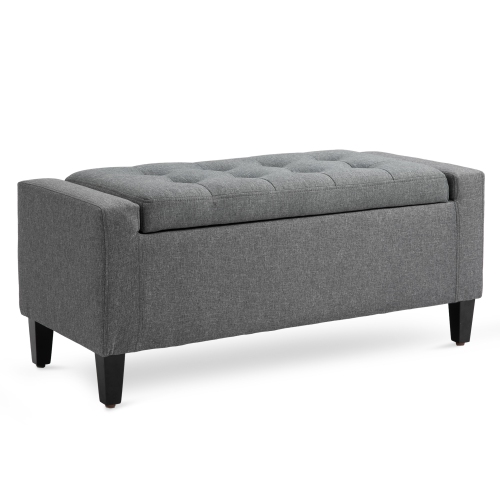
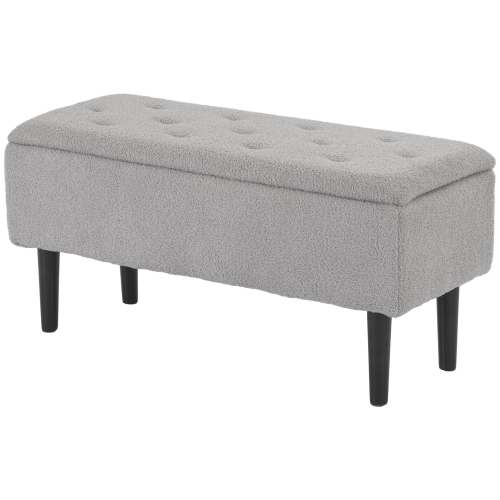
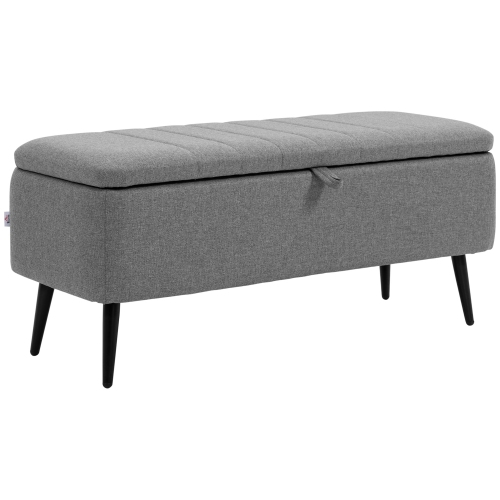
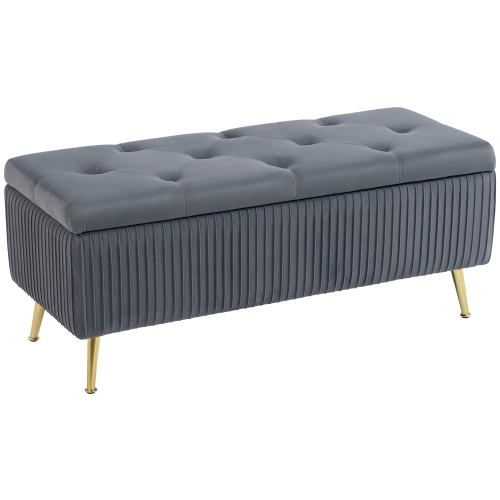
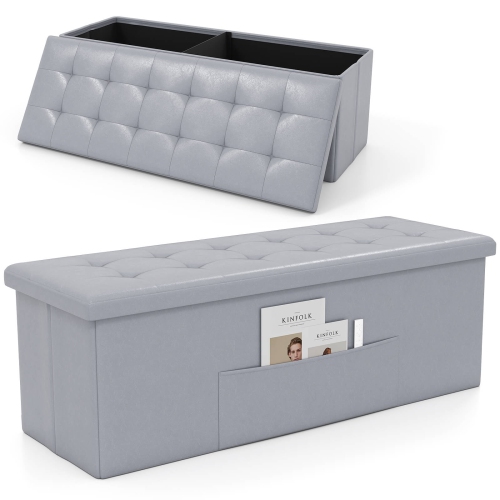
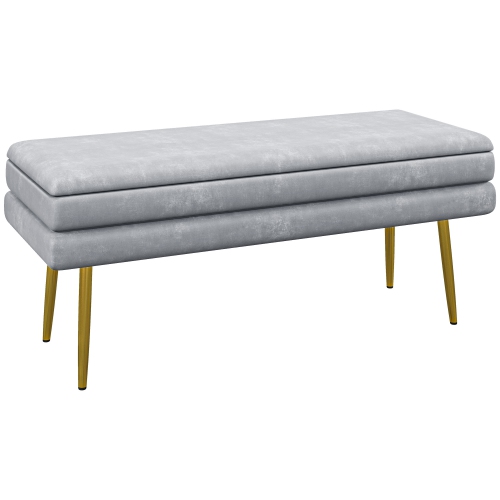
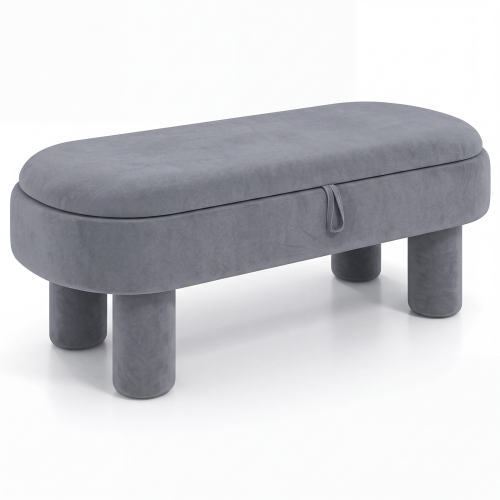

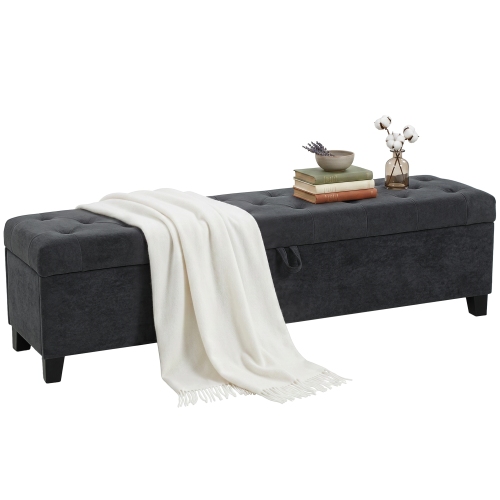
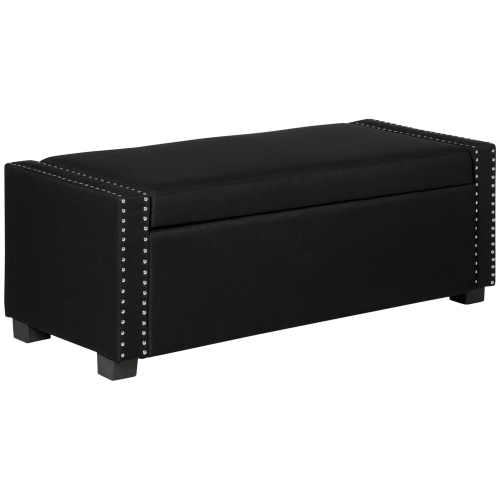
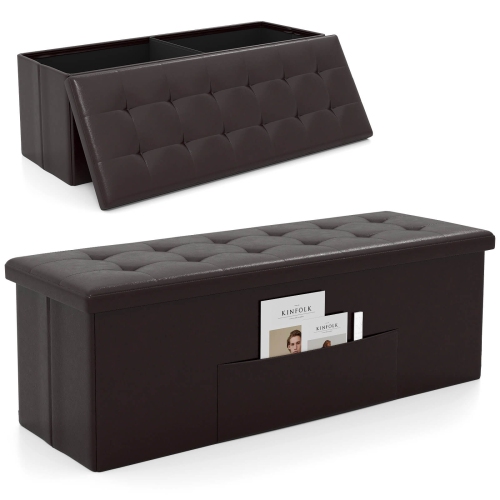
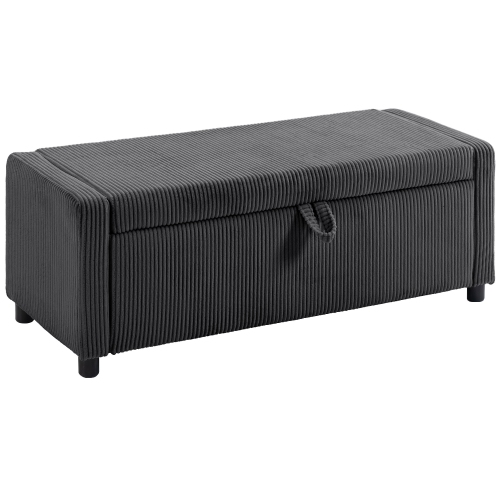
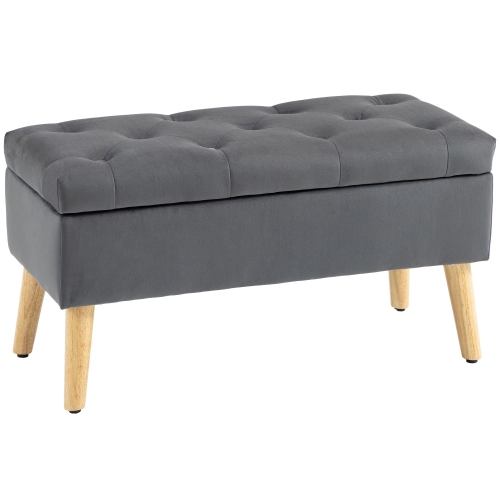
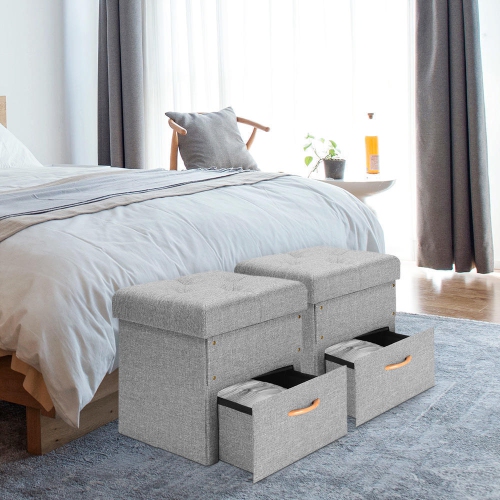
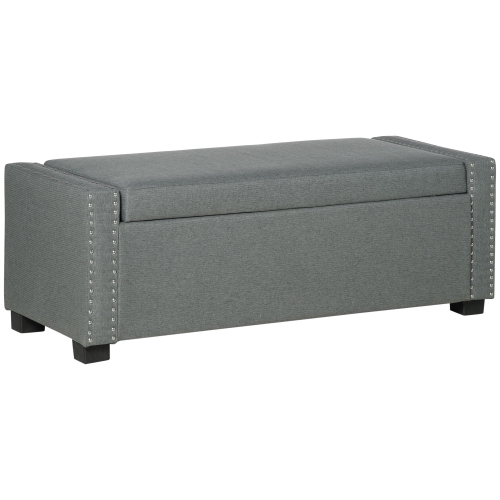
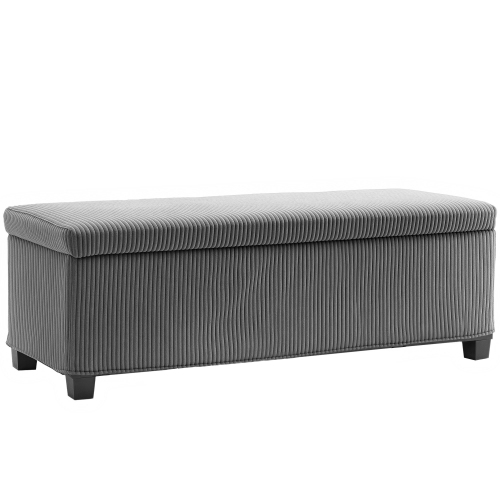
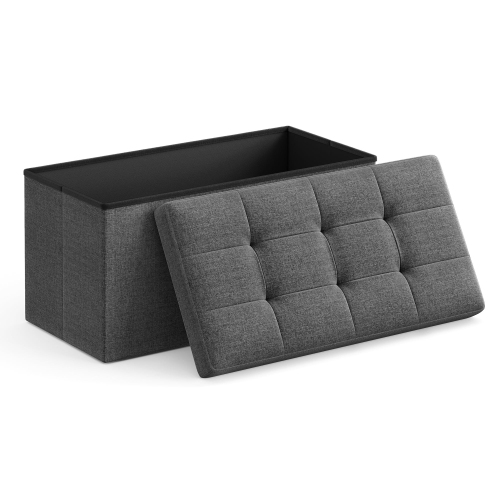

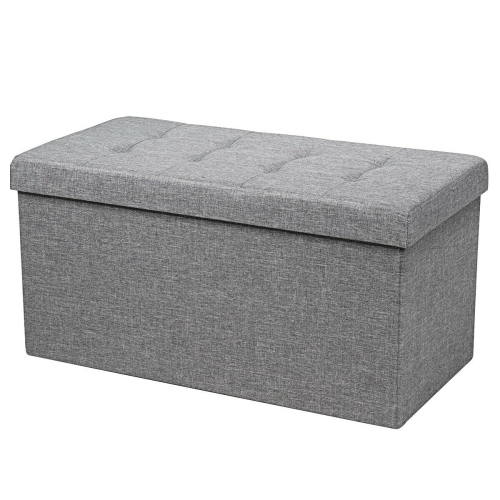
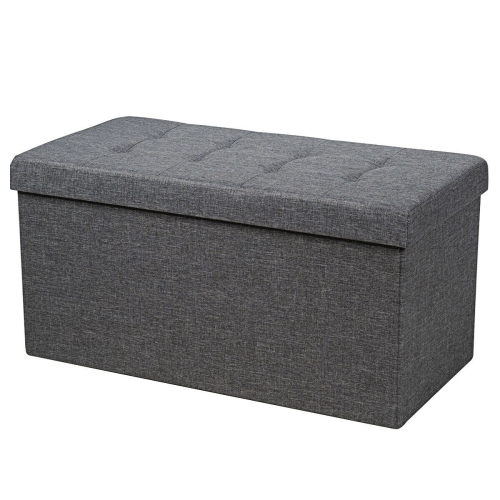
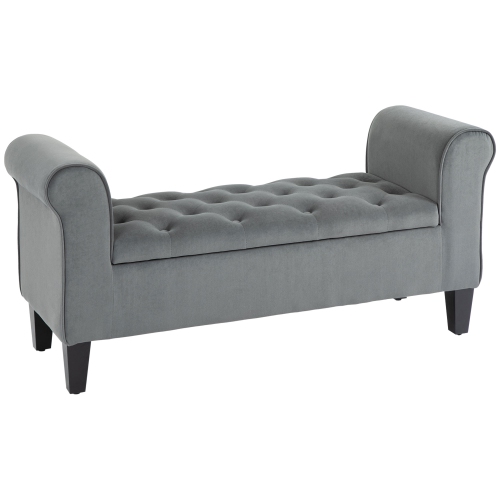
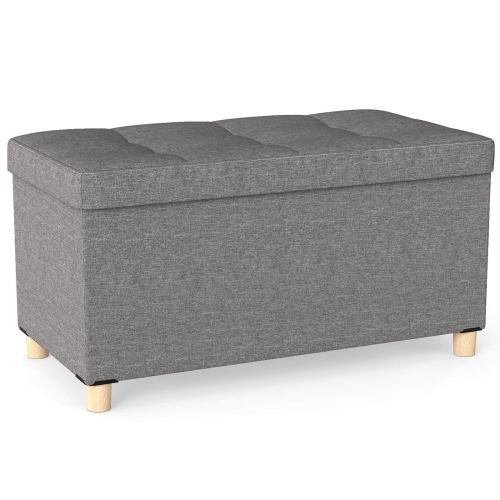
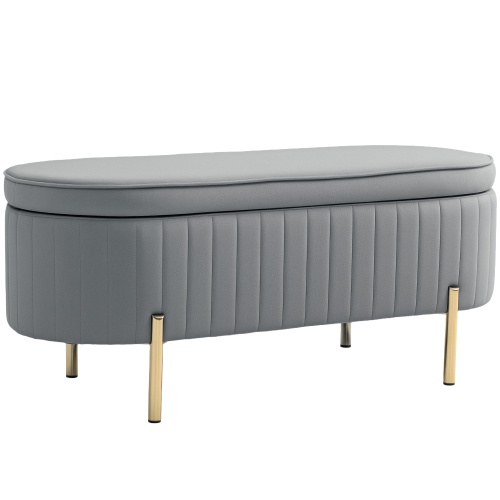
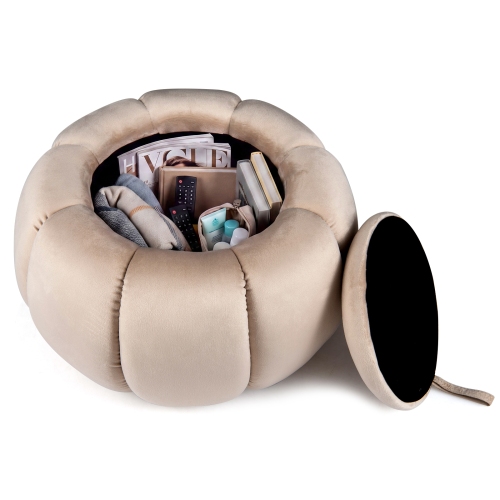
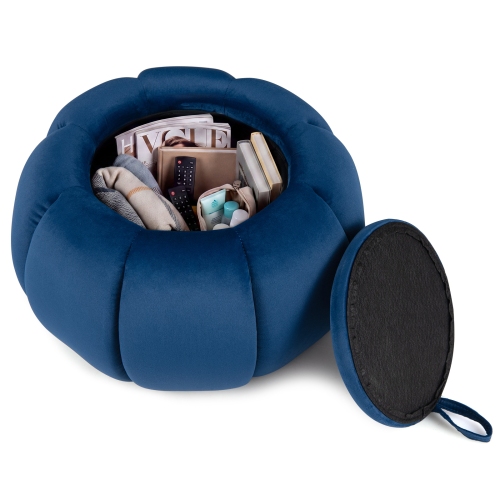

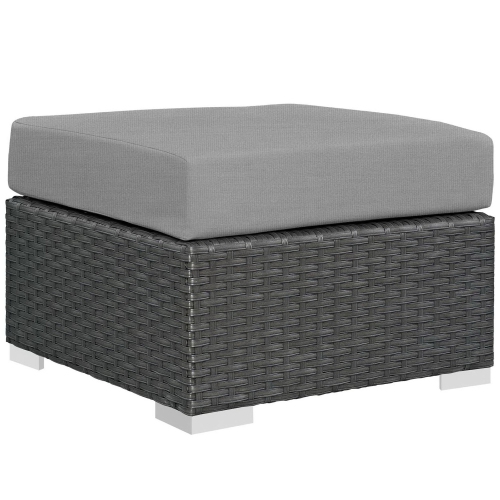
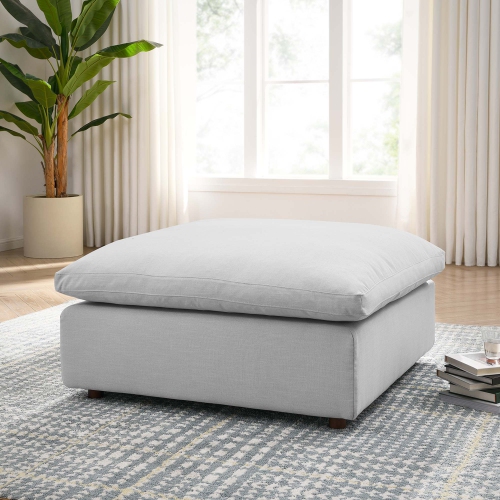
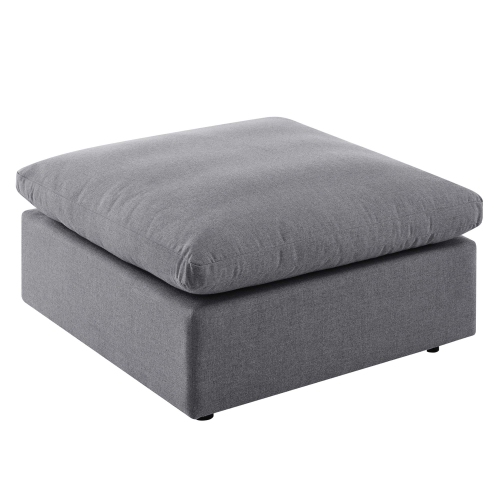
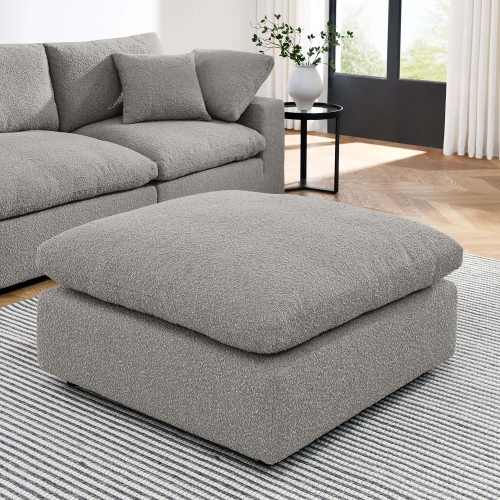
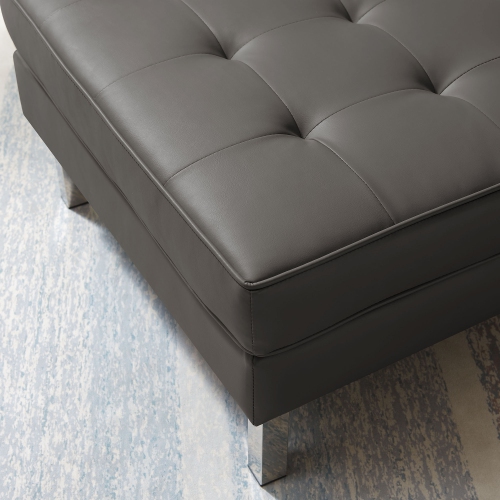

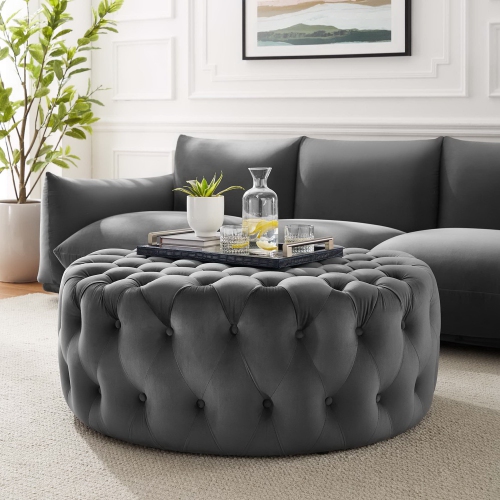
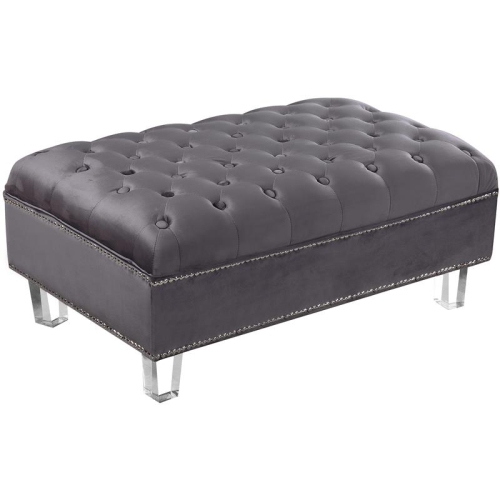
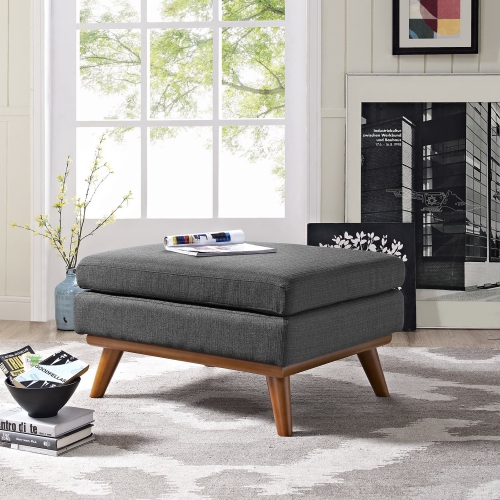
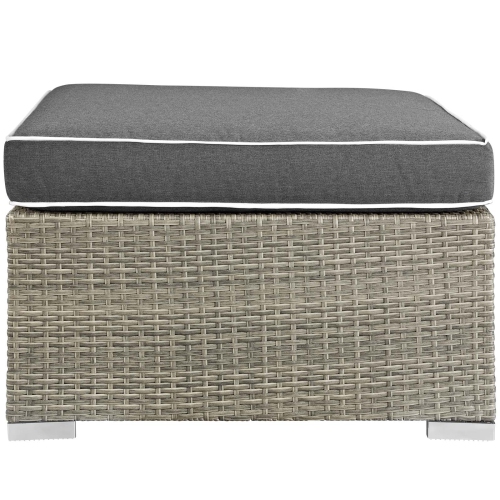
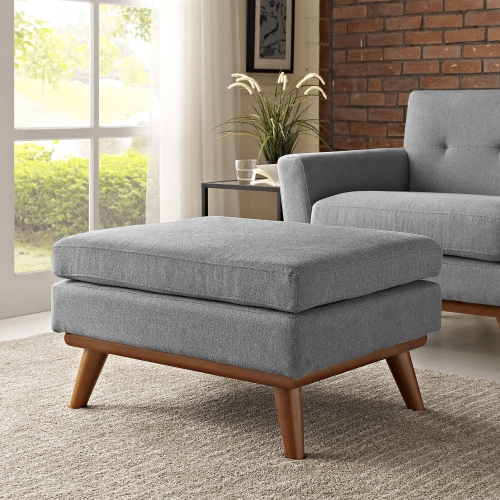
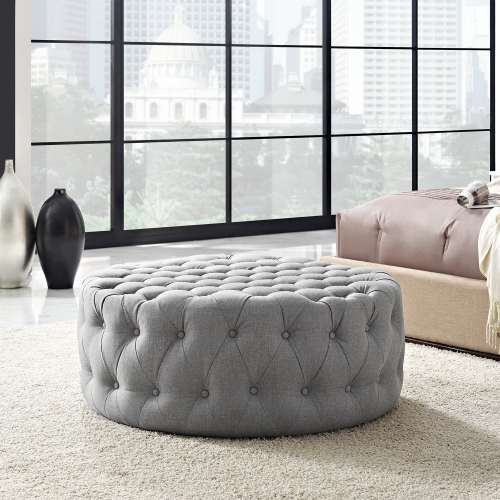
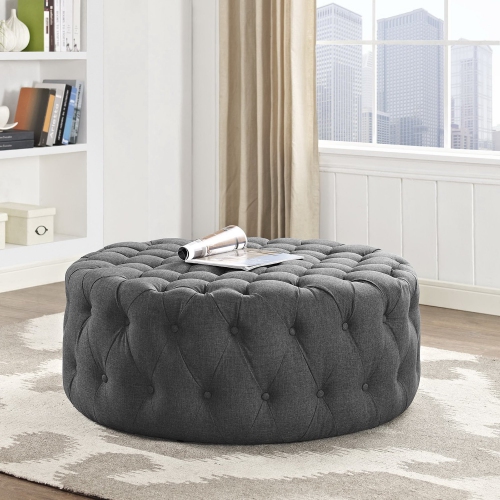
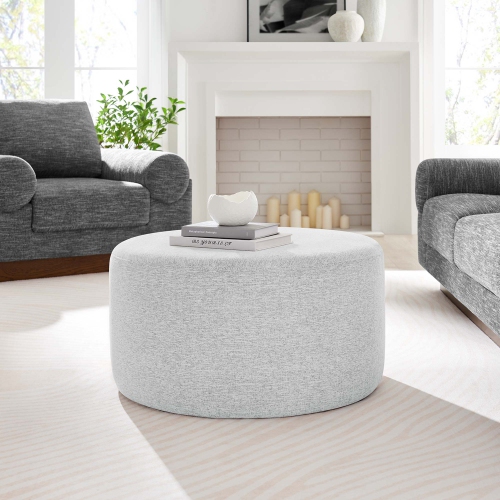
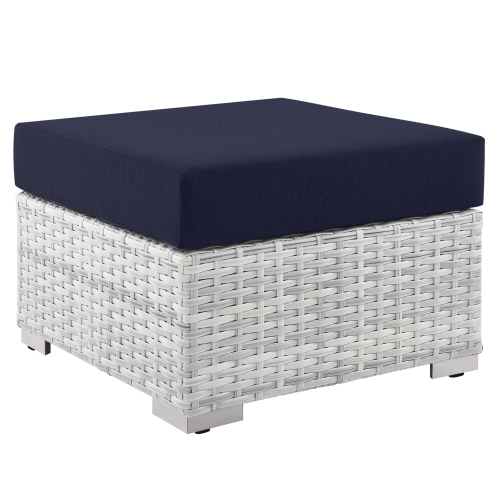
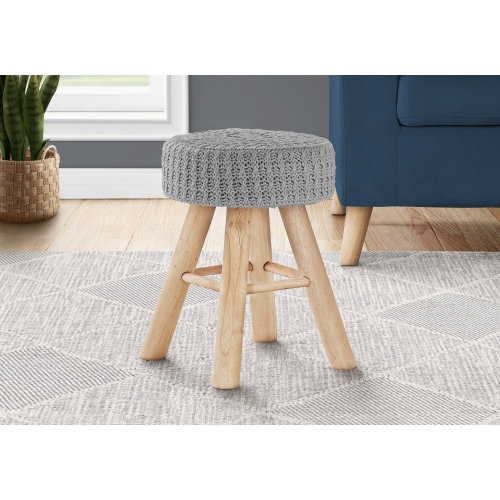
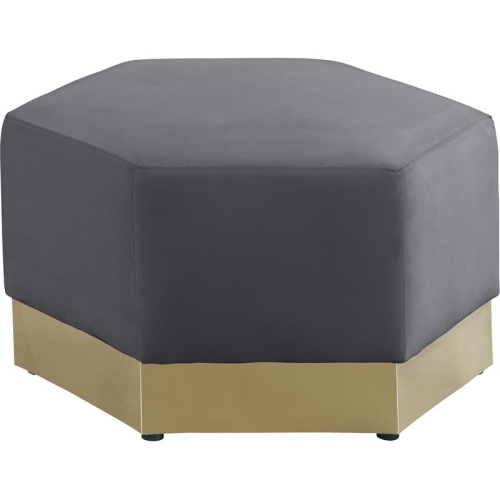
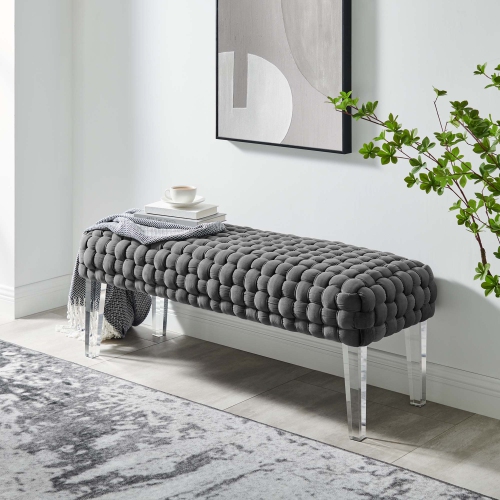
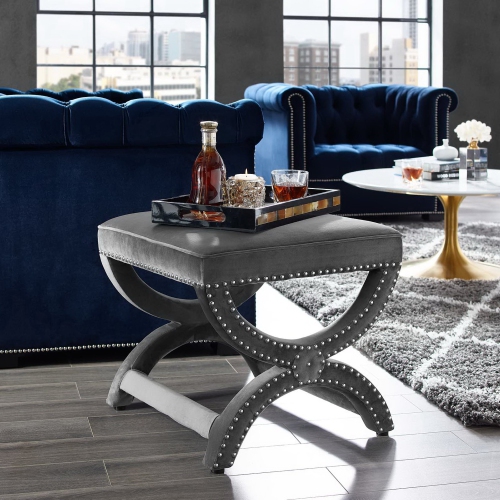
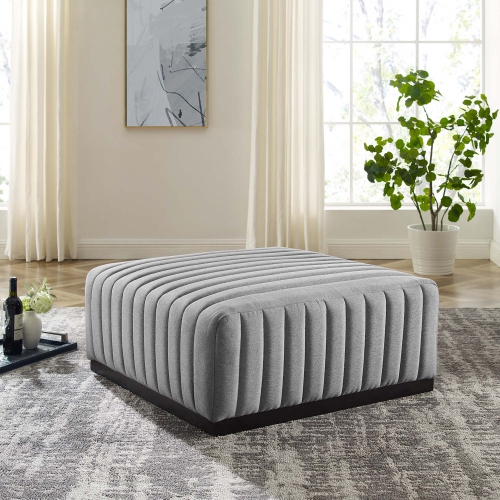
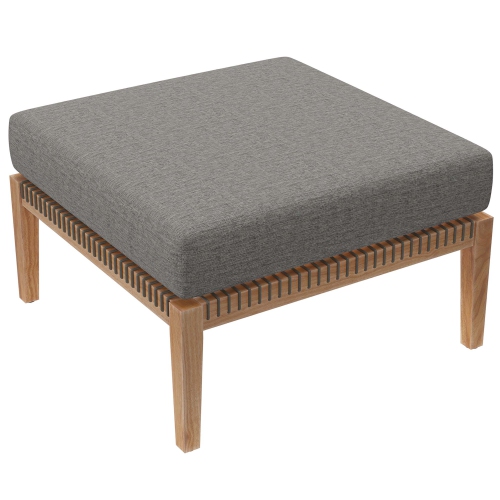
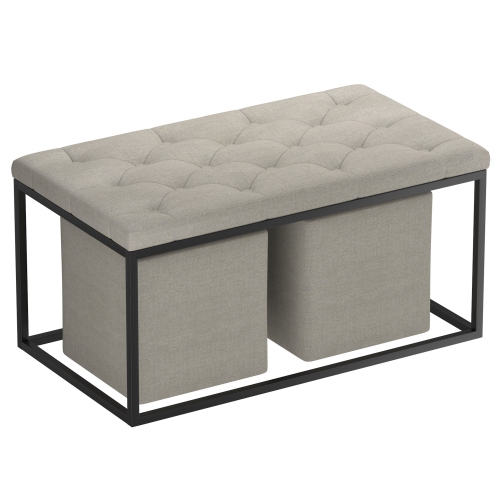
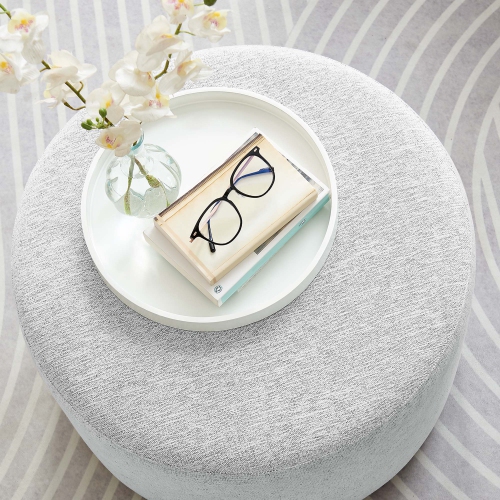
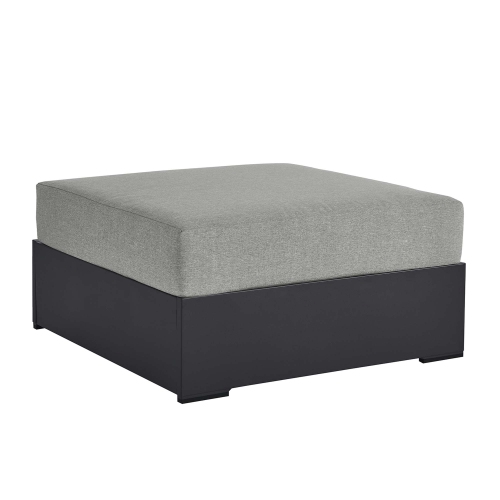
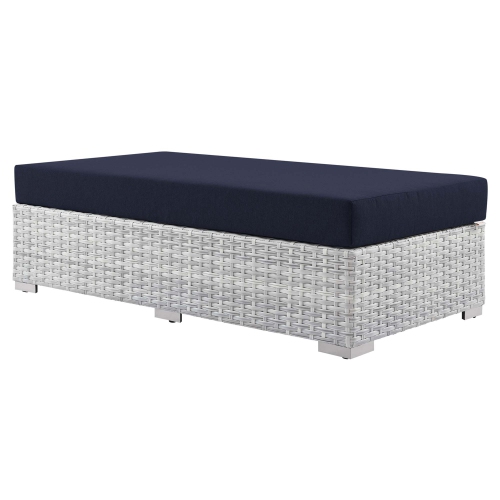
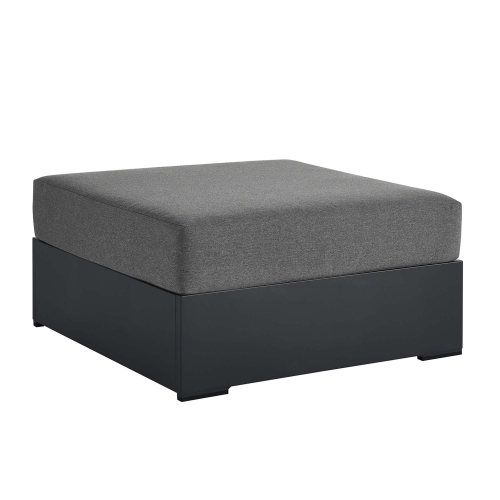
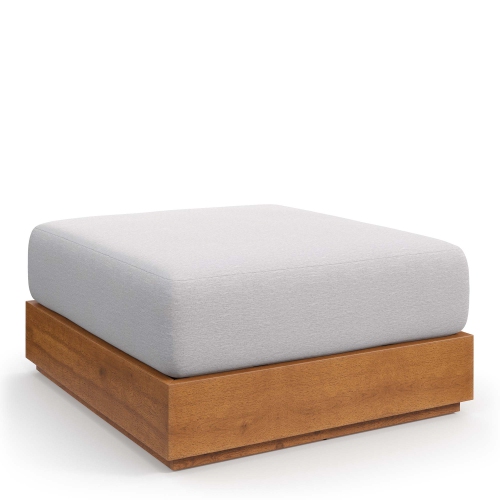
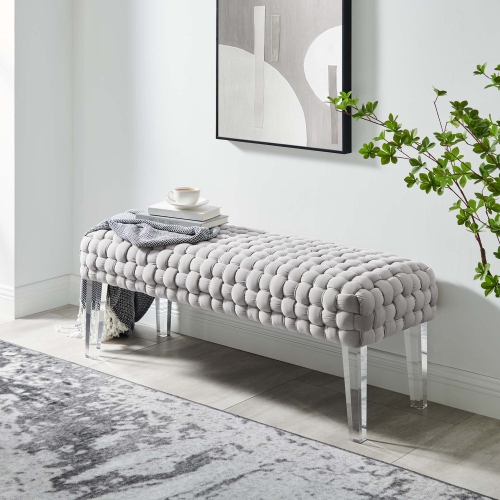
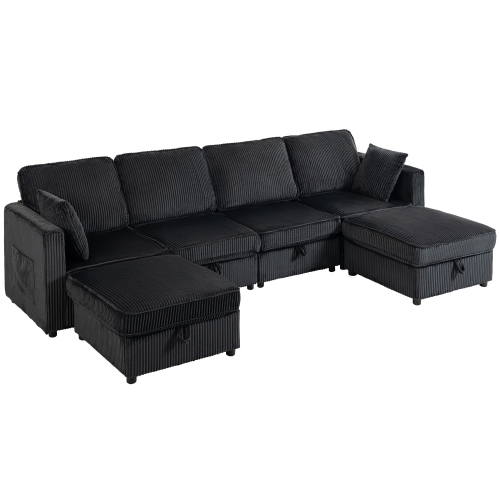
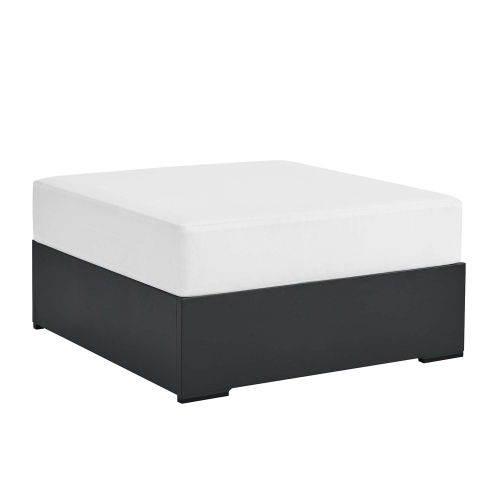
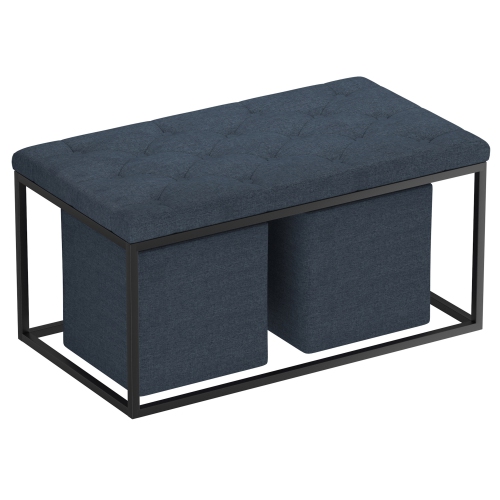
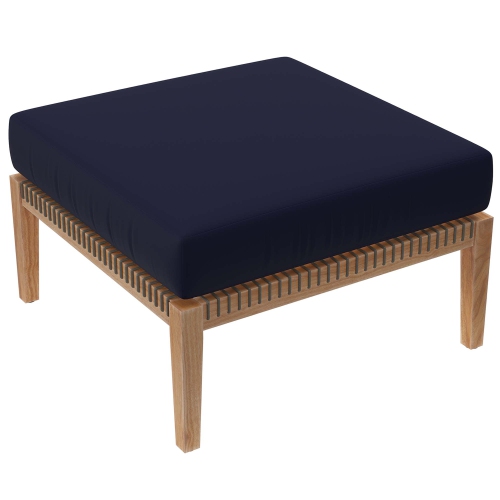
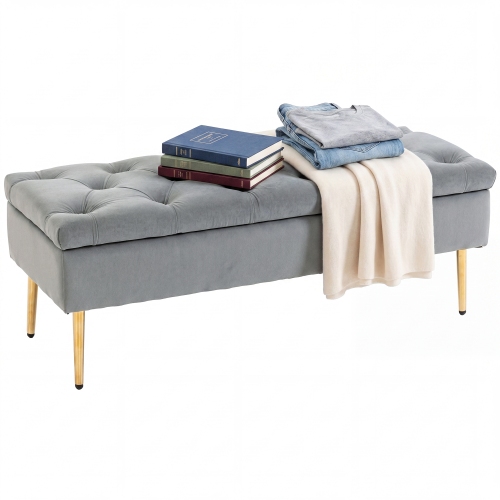
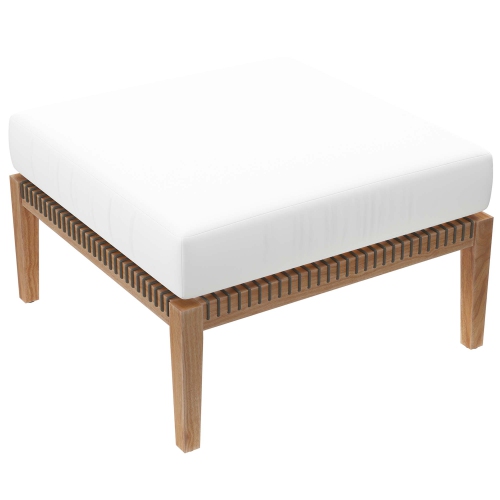

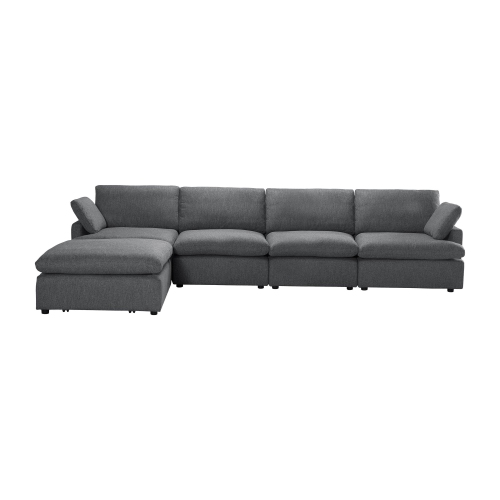
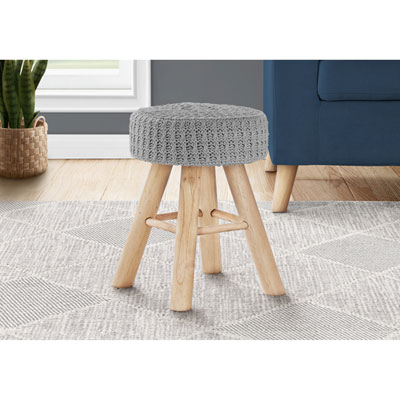
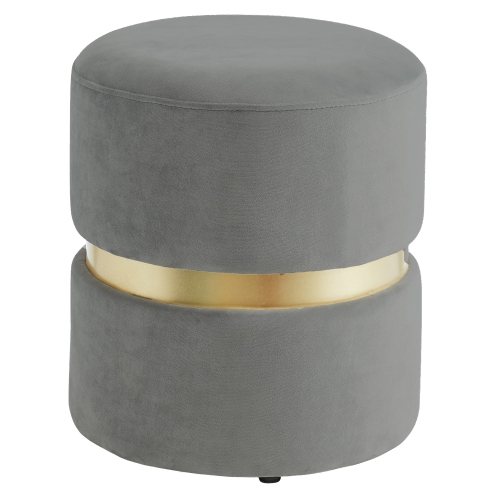
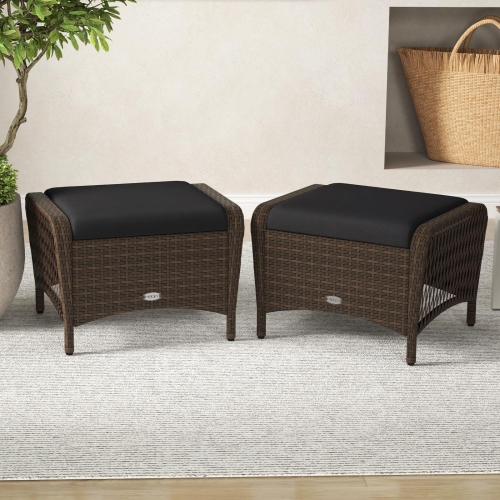
Room for spare blankets beneath a cushioned footrest
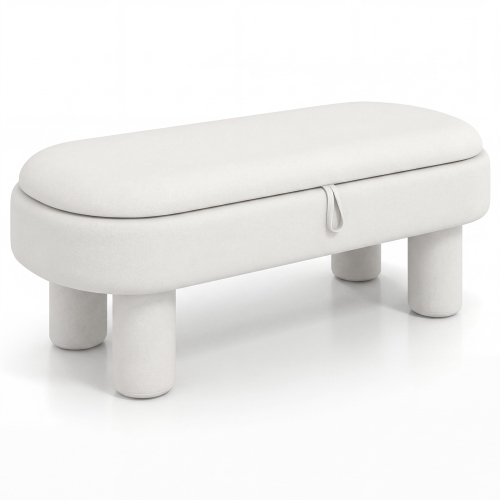
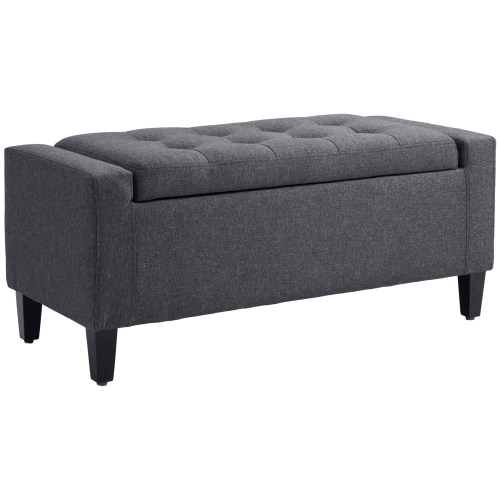
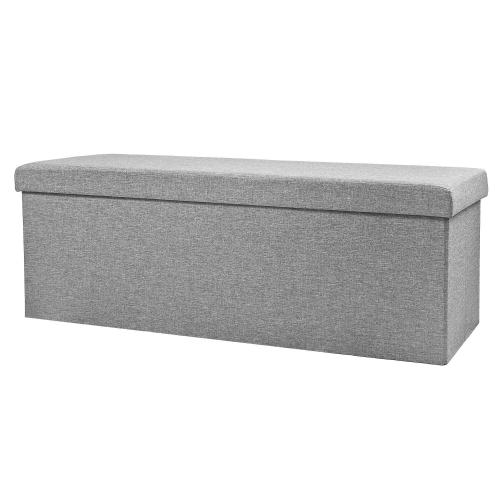
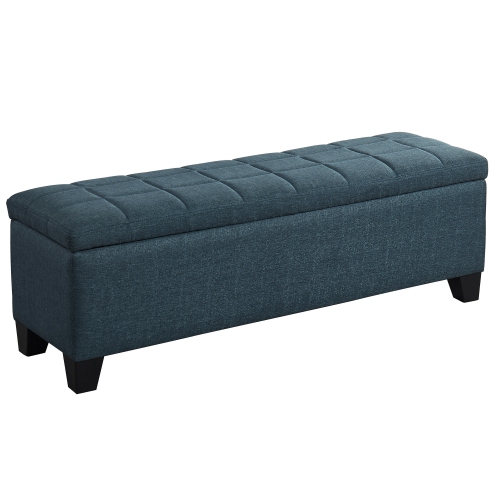
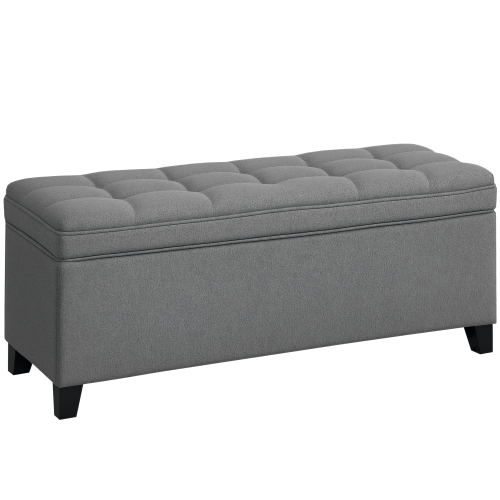
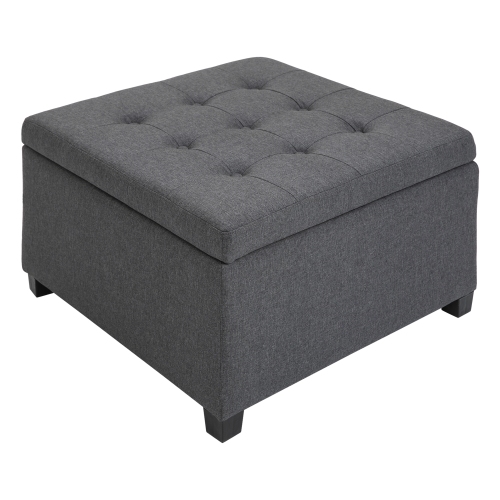
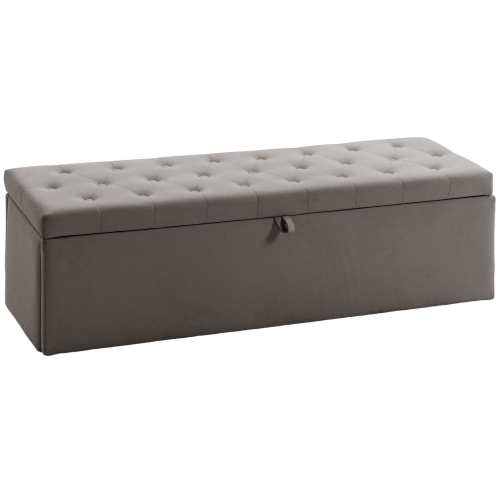
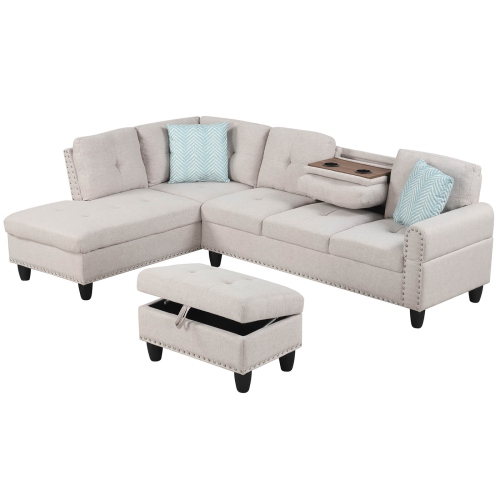
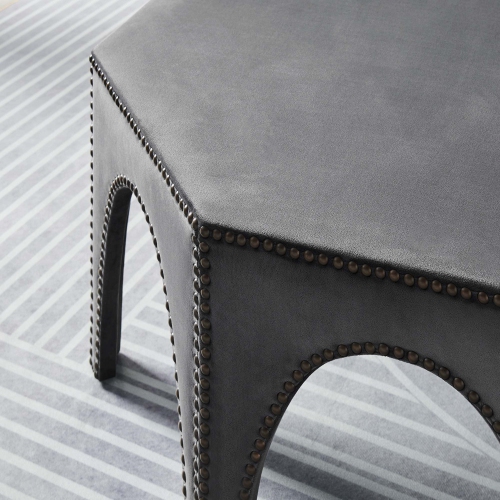
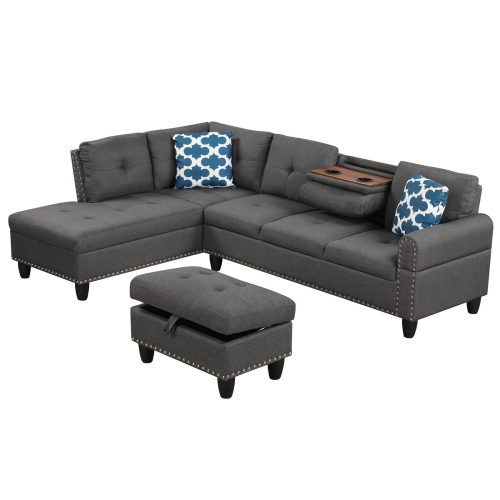
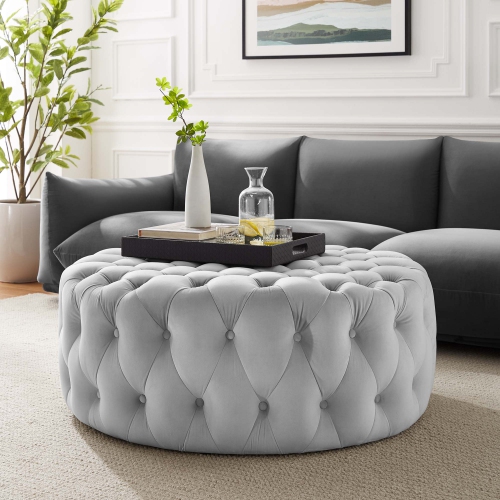
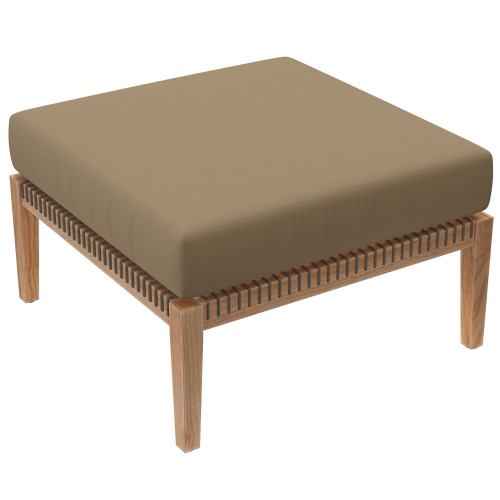
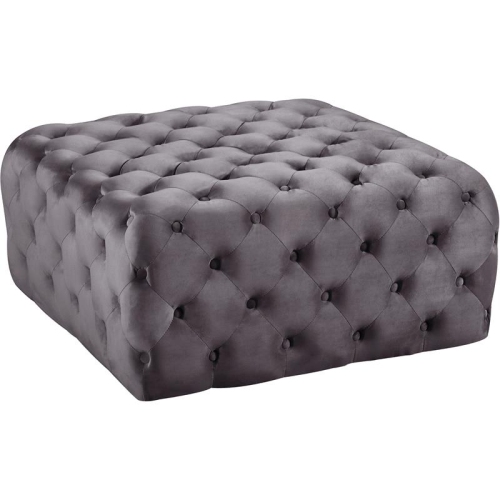
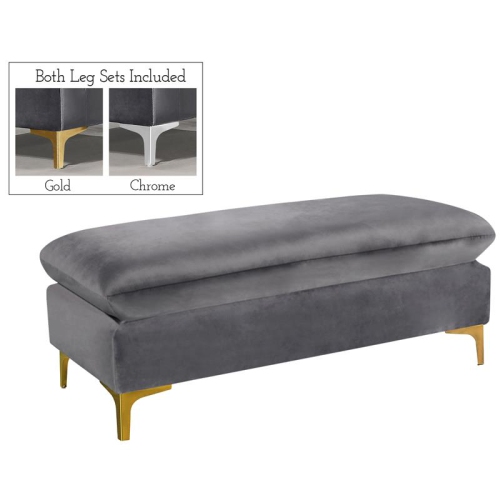
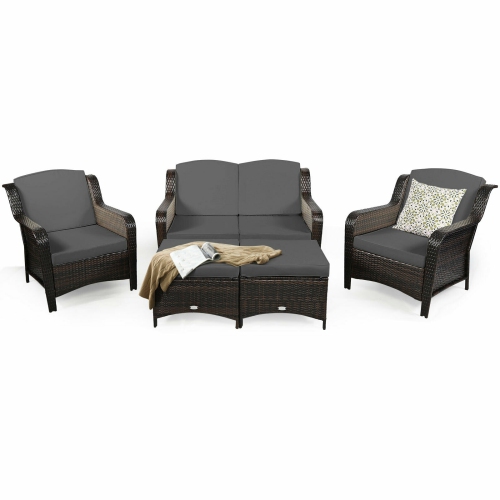
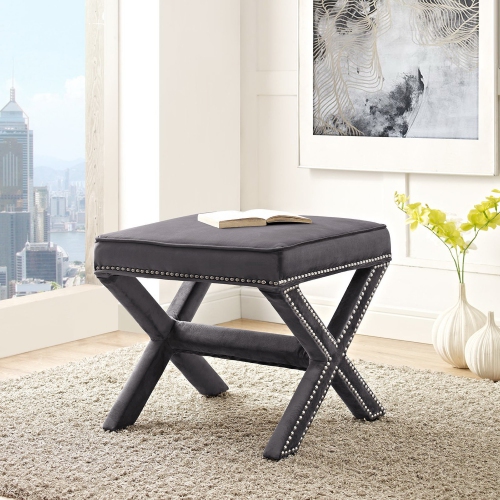
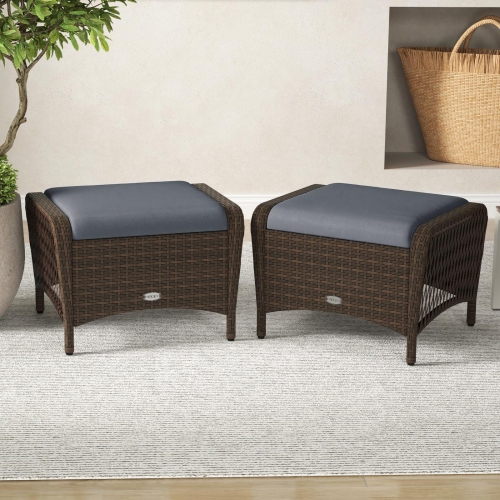
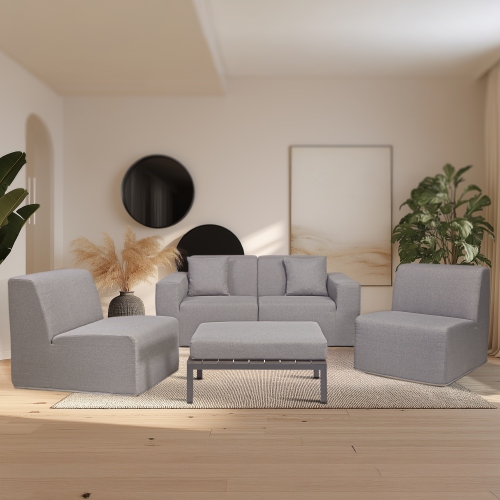
Large grey ottomans with storage bring together a cushioned surface and a concealed compartment, giving living rooms, bedrooms, and entryways a practical place to keep everyday belongings. Their generous proportions can accommodate throws, spare cushions, board games, or bed linens while helping a room feel less crowded with smaller storage pieces. A rectangular storage ottoman often suits the foot of a bed or the space opposite a sofa, while a broad square shape can work well within an L-shaped seating arrangement. Round designs soften the lines of angular furniture, although their curved interiors may be less convenient for stacking rectangular boxes. The most useful shape depends on how the room is used: a long upholstered bench offers a place to pause while getting dressed, whereas a wide ottoman near the sofa keeps blankets close during a film. Grey upholstery is particularly versatile because its undertones can connect with several finishes without demanding an exact match. A warm grey can sit comfortably beside oak furniture and cream textiles; a cooler slate shade can complement black metal, pale walls, and blue accents. Charcoal creates a stronger visual anchor, while light grey gives a large piece a softer presence. Texture makes just as much difference as colour. A woven surface adds subtle variation, velvet offers a more pronounced change in tone as the pile catches the light, and smooth upholstery creates a tailored appearance. Button tufting, stitched panels, piping, and exposed legs further influence whether an ottoman feels relaxed or formal. A flat, firmly padded top may also support a serving tray, provided it sits steadily, but upholstery alone is not a secure surface for drinks. For households that want fewer loose objects in view, the appeal is straightforward: one substantial piece can provide a footrest and hidden storage, with occasional seating as an additional function only when the design and stated weight capacity allow it.
Size deserves close attention because “large” describes an overall impression rather than a standard set of dimensions. Exterior measurements show how much floor space an ottoman occupies, but interior dimensions reveal what it can actually hold. Thick padding, substantial sidewalls, divided compartments, and lid hardware can all reduce usable storage. A folded duvet needs a different kind of space than a stack of puzzles, so measuring the belongings intended for the compartment can be as helpful as measuring the room. Marking the footprint on the floor with removable tape makes it easier to judge whether a wide square ottoman will leave comfortable walking routes around a sectional. Include space for knees when someone is seated nearby, and check that doors, drawers, and reclining footrests can still open fully. Height matters, too. For use as a footrest, a top close to or slightly below the sofa cushion height is often comfortable, though the best fit depends on the seating and the person using it. At the foot of a bed, the ottoman should leave enough room to walk past without turning sideways. Entryways need particular care because a generous bench can become an obstacle beside a swinging door. If the available footprint is tighter, Small Gray Storage Ottomans offer a more compact alternative for keeping essentials tucked away. Access to the storage compartment also affects everyday convenience. A hinged lid keeps the top attached, but it needs clearance to lift without striking nearby furniture. A removable lid requires somewhere to set it down, particularly when the top is broad or heavy. Split lids can provide access to one section without clearing the entire surface. Where fitted, lid-support hardware may help hold a lid open, but its operation and any safety features should be checked in the product specifications. Children should not climb inside a storage compartment, and fingers need to stay clear of hinges and closing edges.
Materials and construction determine how a large storage ottoman handles repeated use, from supporting tired feet to opening and closing several times a day. Solid wood, engineered wood, and metal may be used in different parts of the frame, and material names alone do not establish strength. Secure joints, a well-supported base, suitable hardware, and clearly stated load limits are more useful indicators of whether a design fits its intended role. A seating weight limit is separate from the amount the storage base can safely carry; a compartment suited to blankets should not automatically be treated as storage for a heavy book collection. Folding designs can be convenient when furniture needs to move or be put away, while fixed frames may better suit a permanent position in the room. Upholstery should match the household’s routines as well as its style. Linen-look fabric gives a woven appearance but does not necessarily contain linen, so the fibre composition and care instructions are worth checking. Velvet may show pressure marks or changes in pile direction, and looped or loosely woven textures can catch on pet claws. Smooth leather and faux leather have different care requirements, even when they look similar. Regular gentle vacuuming with an appropriate upholstery attachment helps remove dust from seams and tufting; spills are best blotted promptly rather than rubbed, followed by cleaning according to the manufacturer’s directions. Test any permitted cleaner in a hidden area first, and avoid soaking fabric or leaving moisture inside the compartment. Keeping linens clean and dry before storing them helps protect both the contents and the lining. For shared households, lightweight fabric organizers can separate gaming accessories from spare throws without turning the compartment into a jumble. An ottoman used mainly for relaxation benefits from comfortable padding, while one opened frequently benefits from an easy-to-handle lid and unobstructed access. As a housewarming gift, a large storage ottoman is most successful when its dimensions, colour, and placement have been agreed on beforehand. The right fit feels like part of the room’s daily rhythm: a place to rest, tuck things away, and keep useful belongings within reach.
Top selling and popular products
-
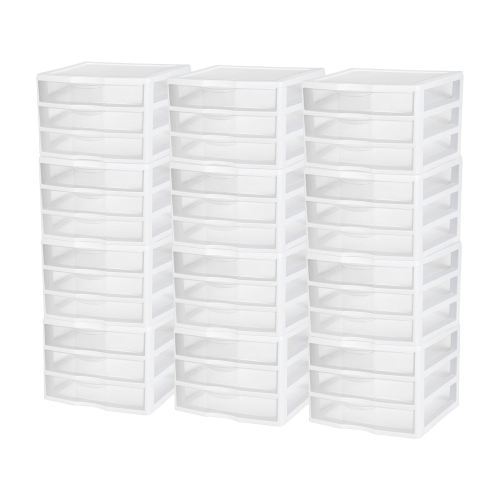 Your price for this item is $517.99
-
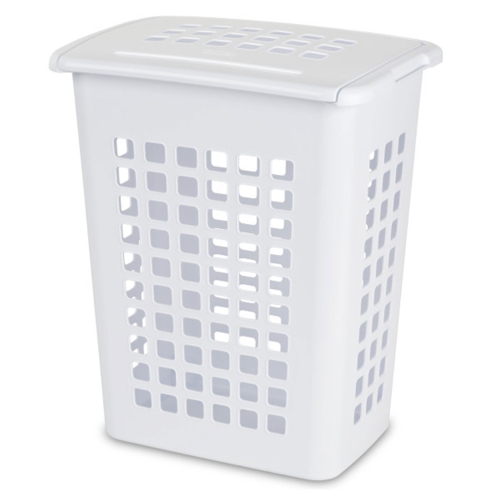 Your price for this item is $786.99
-
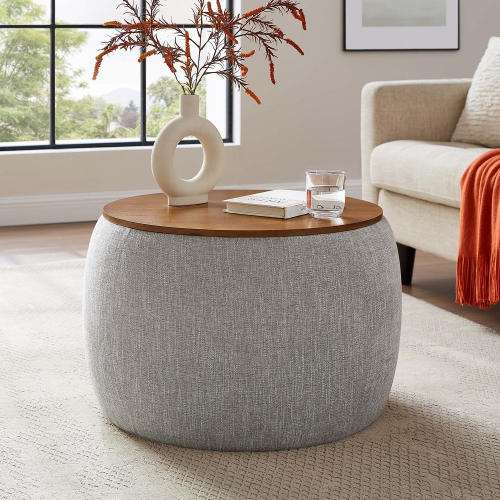 Your price for this item is $286.83
-
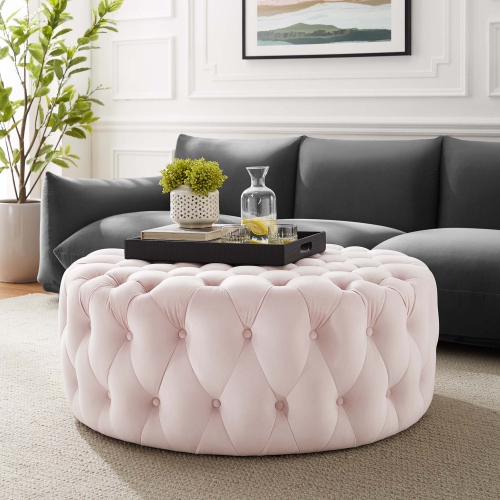 Your price for this item is $765.09
-
 Your price for this item is $124.99
-
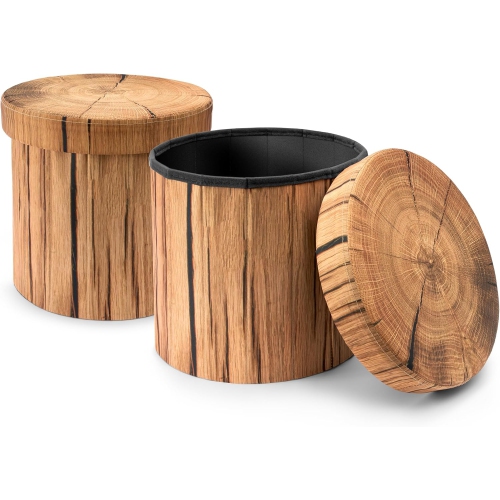 Your price for this item is $113.99
-
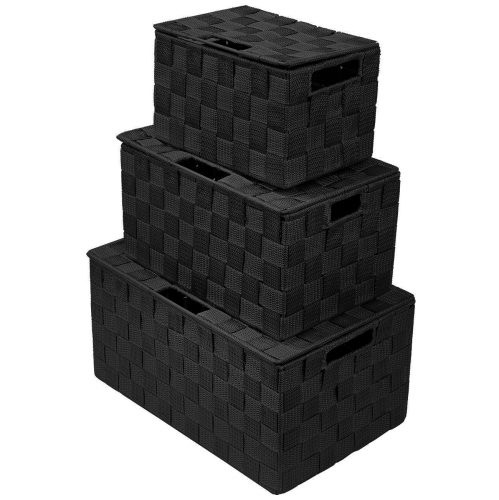 Your price for this item is $75.99
-
 Your price for this item is $129.99
Discover more categories related to Large Gray Ottomans With Storage
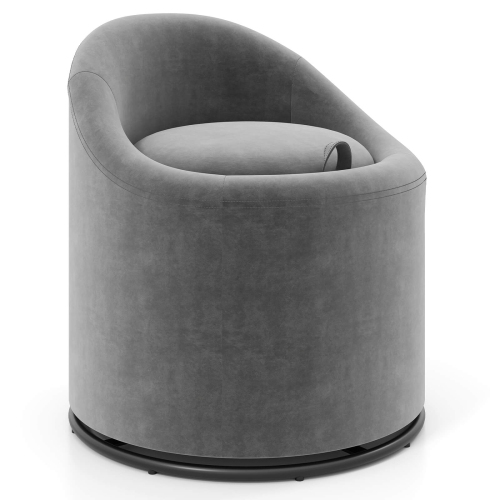
Top Collections:
Best Black Friday Deals This Year, Best Black Friday Deals On Electronics, Kindle Devices, Best Black Friday Deals On Apple Products, Best Budget Office Chairs, Best Cameras for Sports Photography, Dyson Airwrap, Canon G7X Cameras, Best Laptops for Writers, Samsung Galaxy Phones
Some products may be subject to Environmental Handling Fees
(EHF) depending on your province.
Learn more about EHFs.