Large Nightstands With Drawers
A large nightstand with drawers is a classic piece of furniture that can be used in almost any bedroom. It has a classic design that will match almost any decor, and it offers plenty of storage space for all of your belongings. Here are some great options for nightstands with large drawers.
Sort
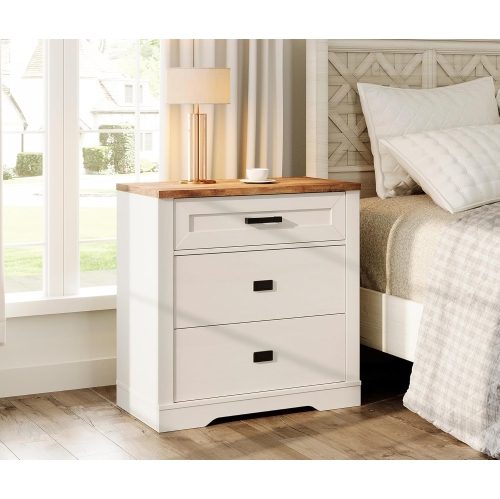
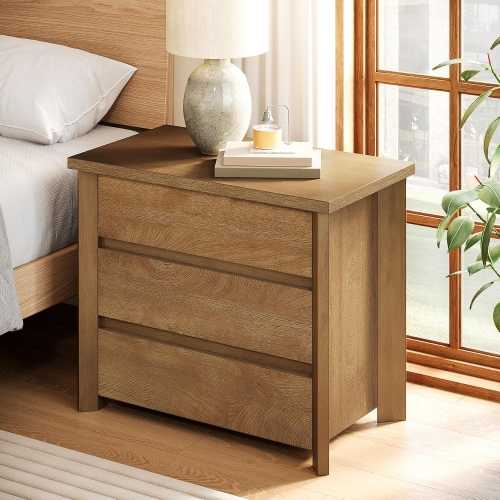

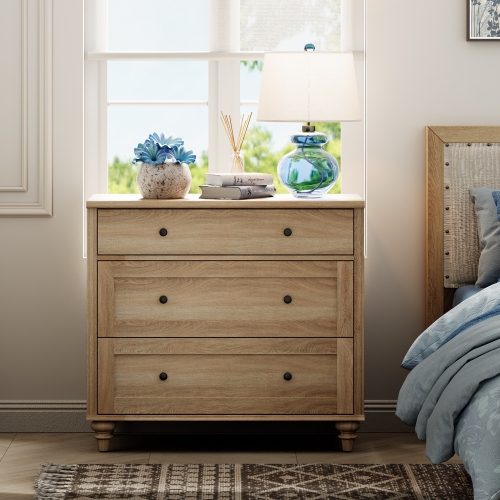
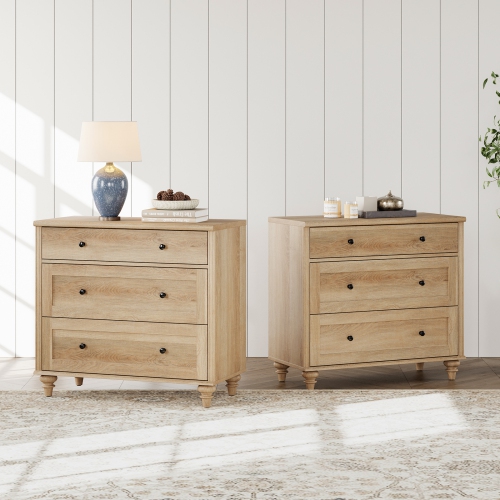
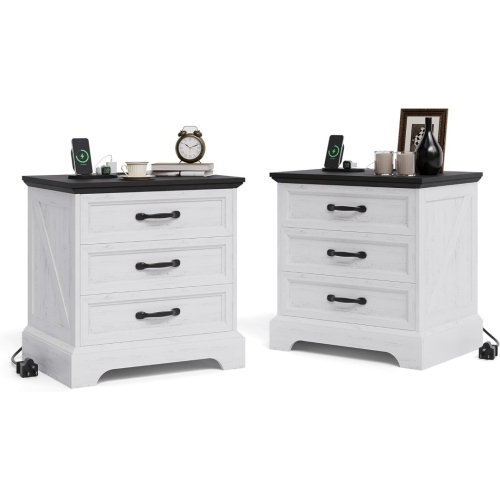
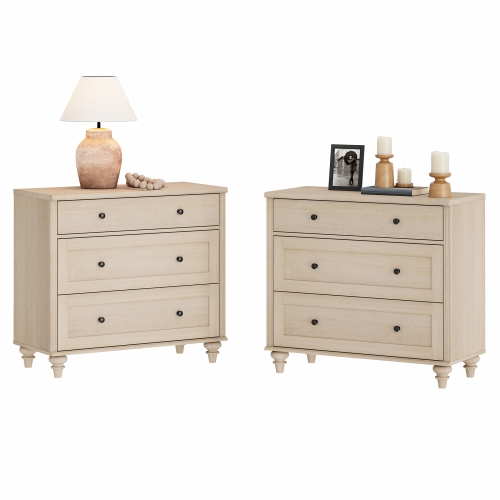
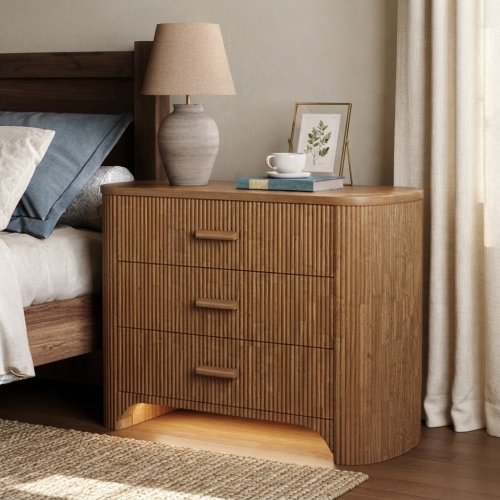
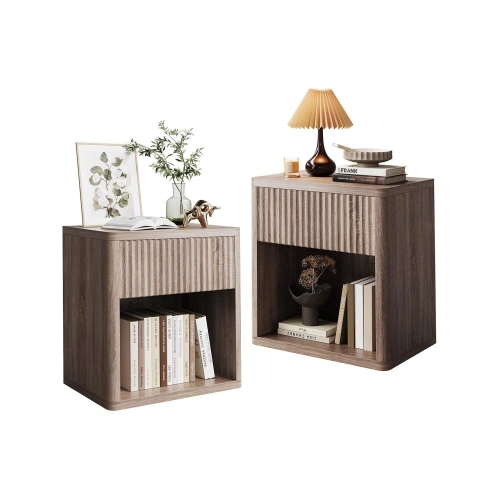
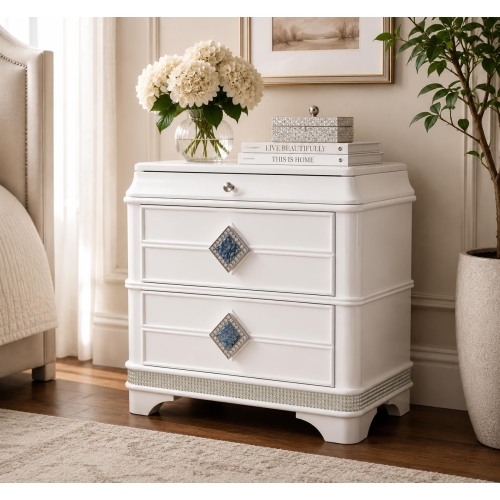
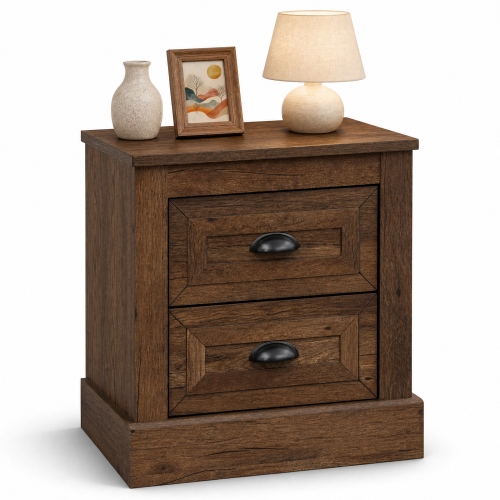

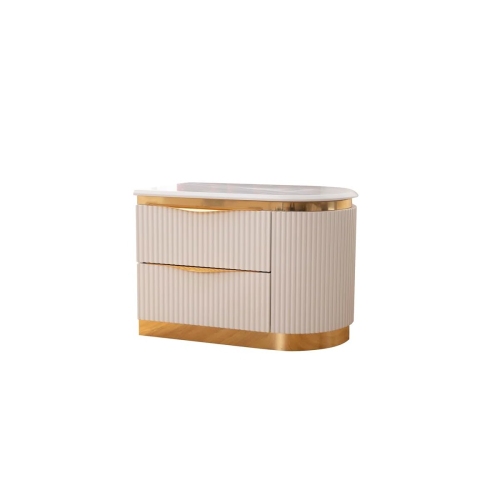
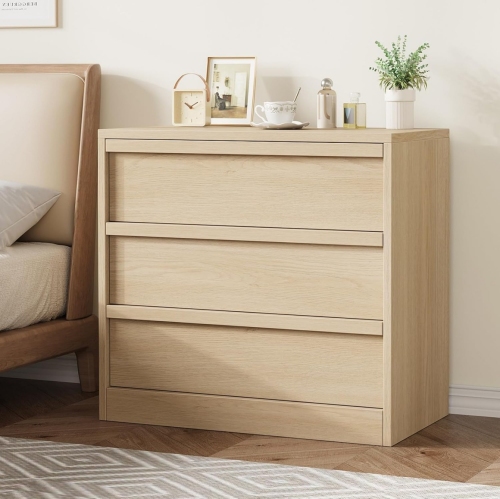
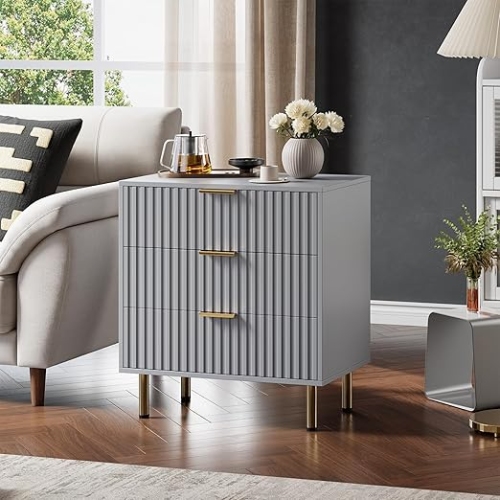
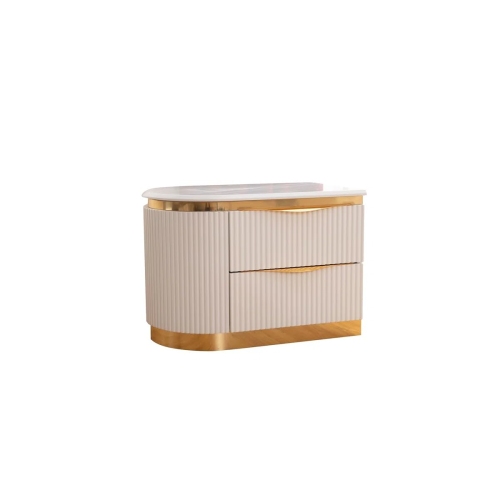
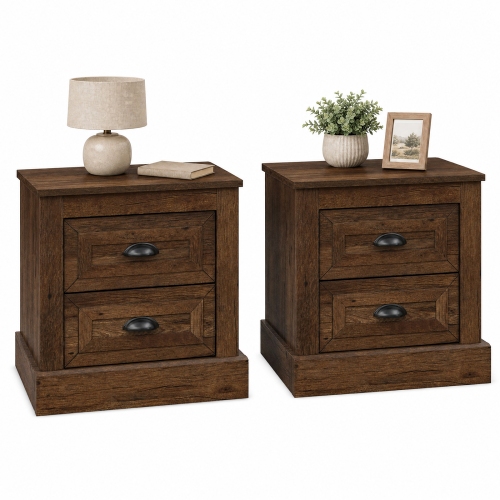
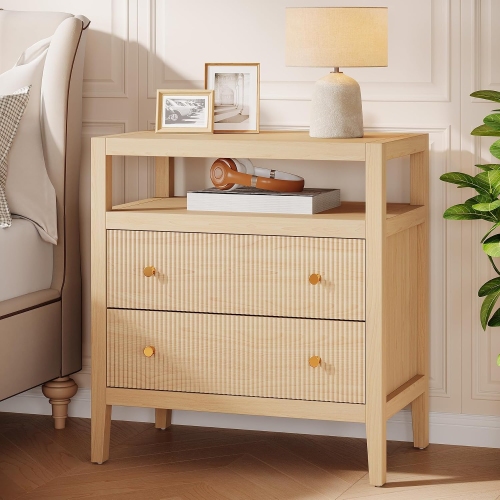
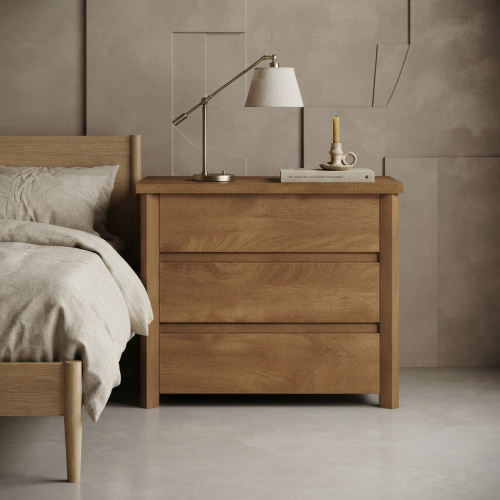
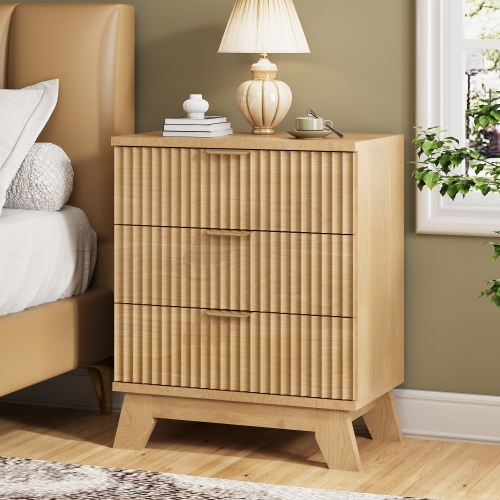
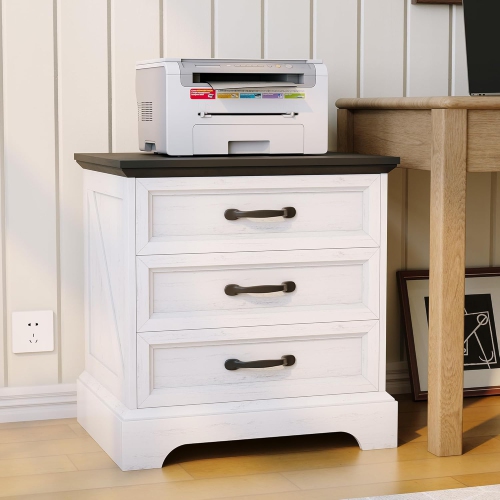
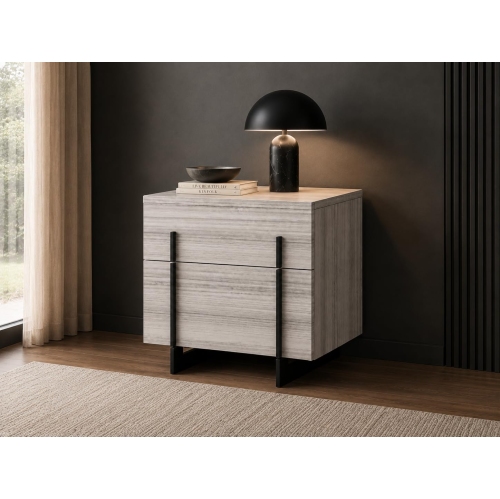
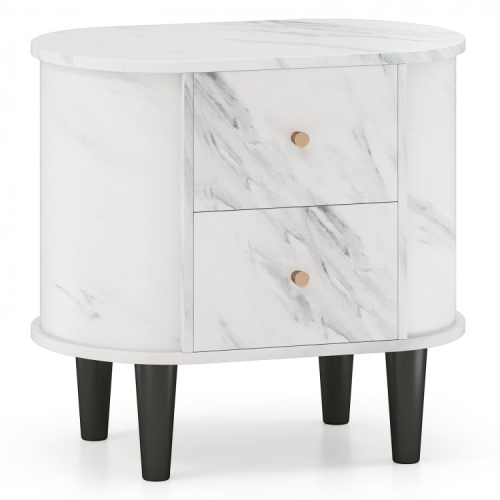
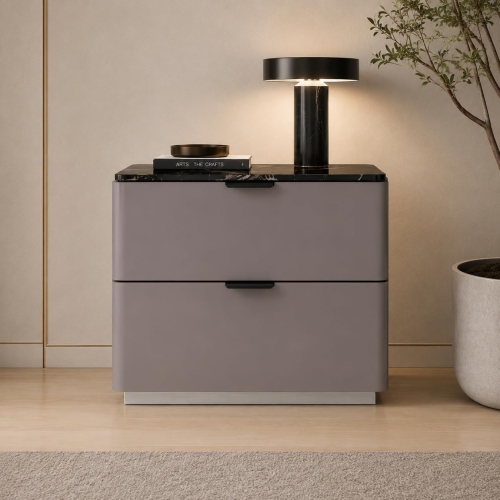
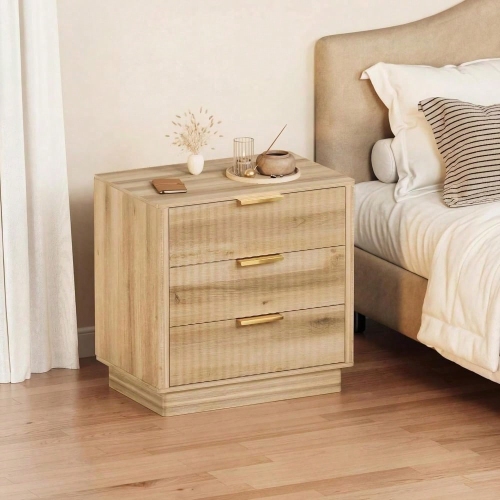
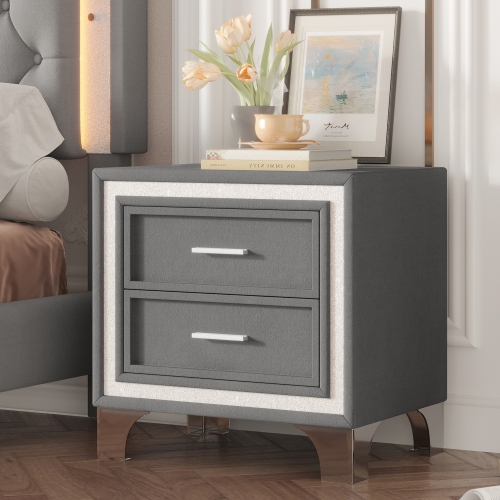
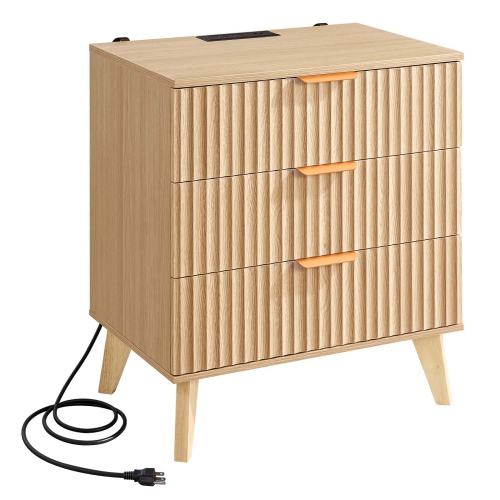
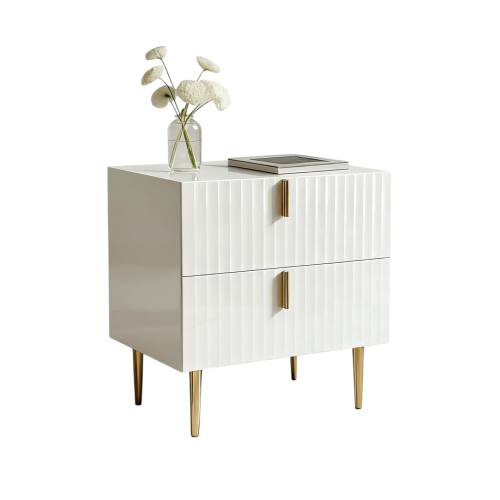
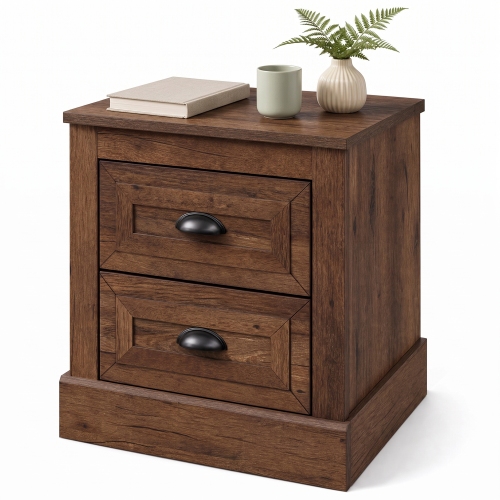
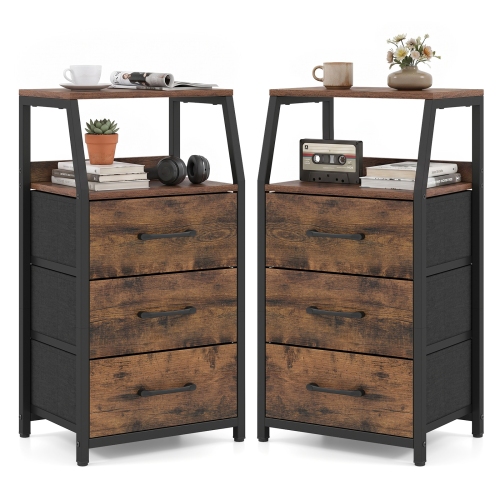
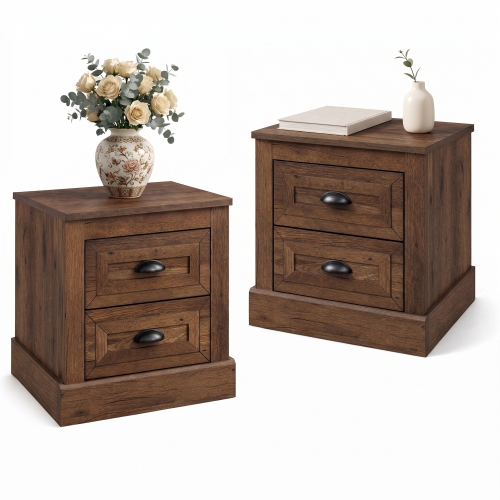
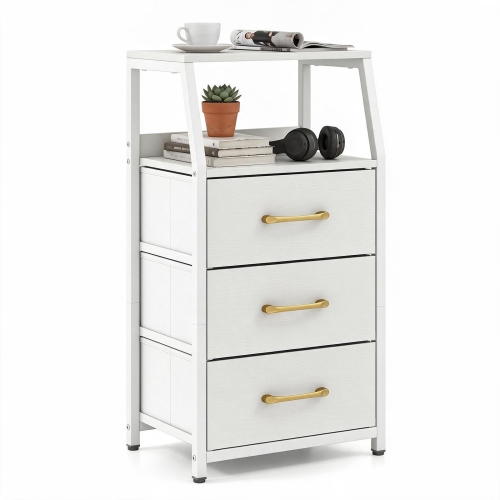
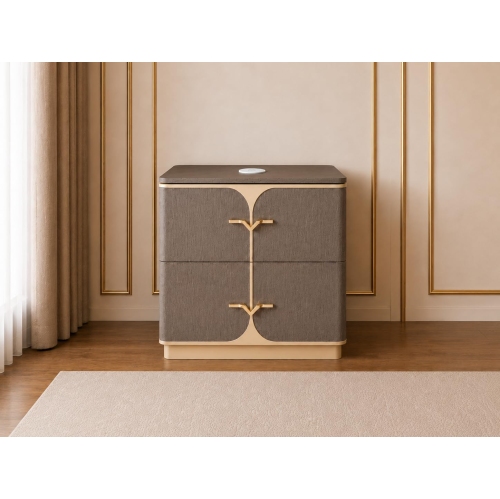
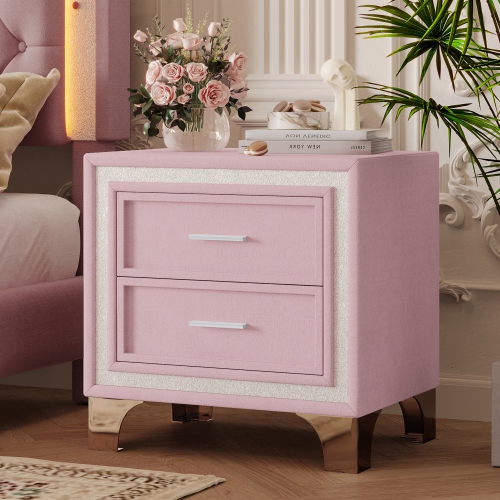
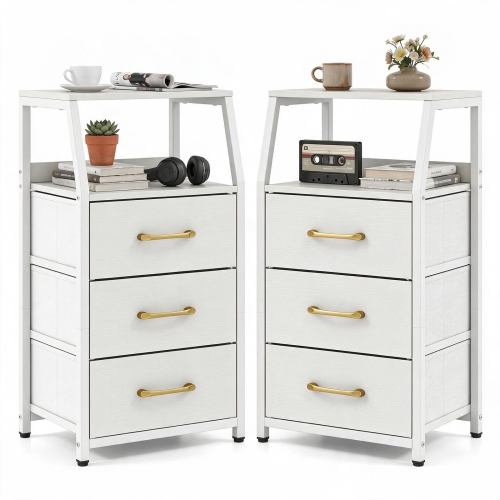
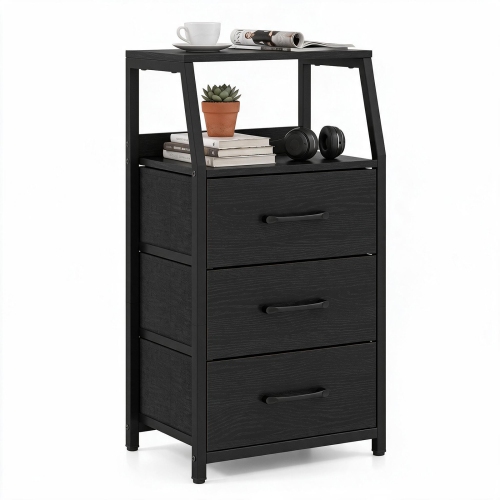

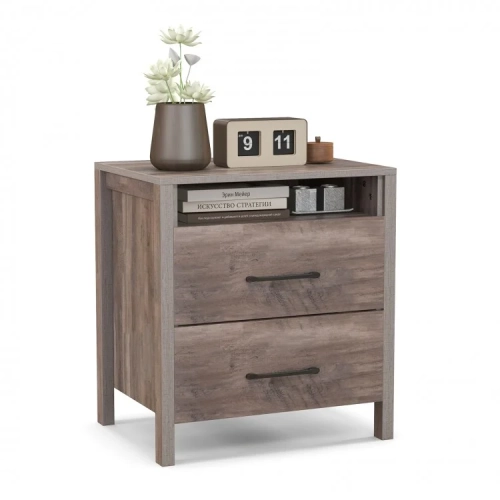
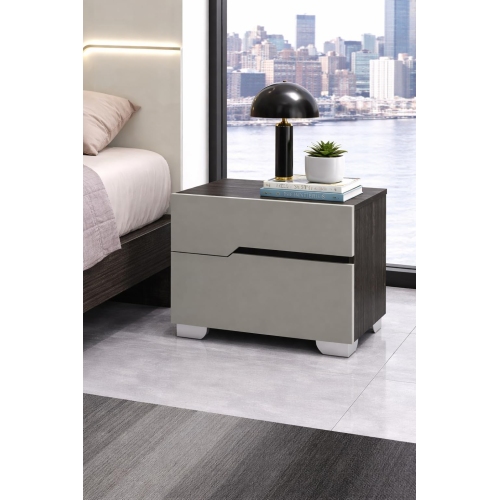
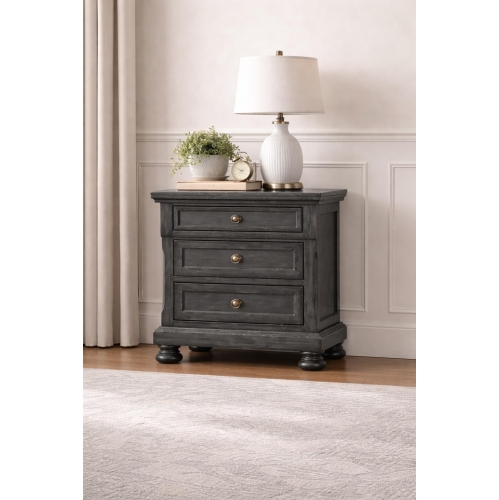
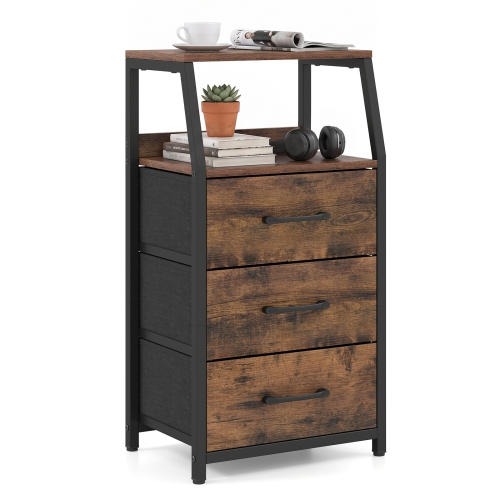

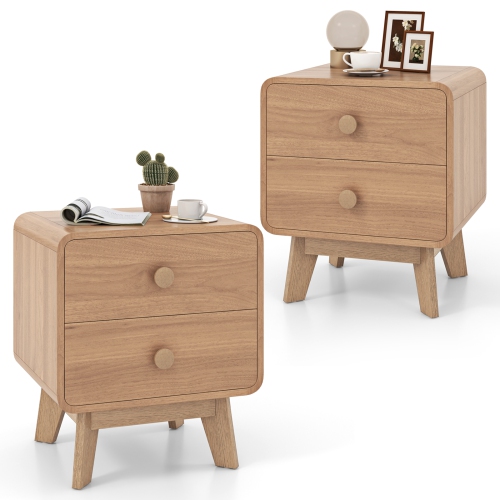
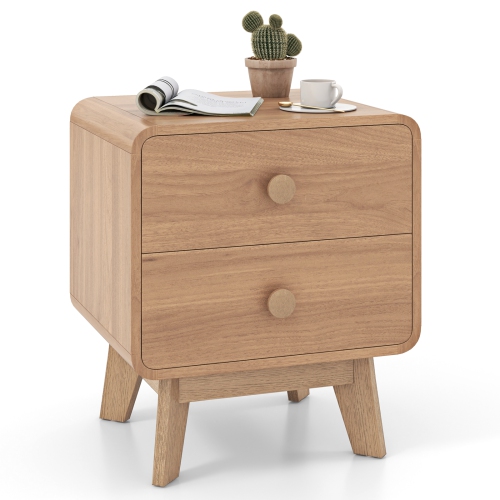
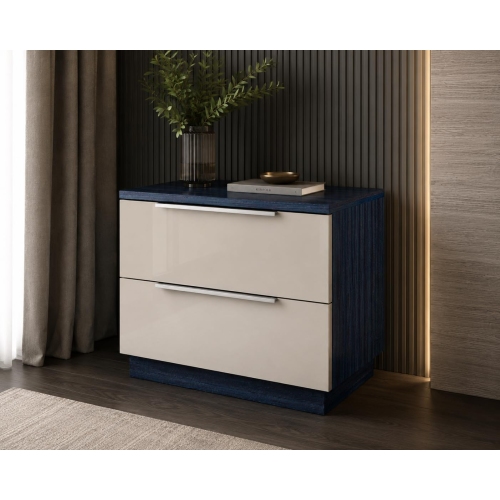
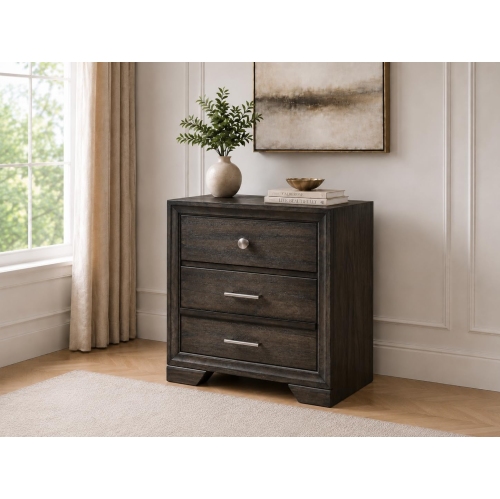
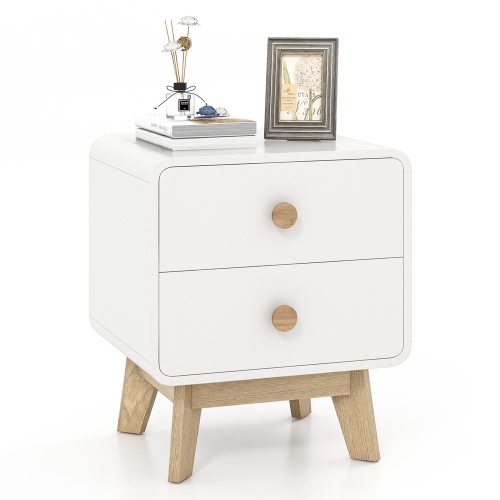
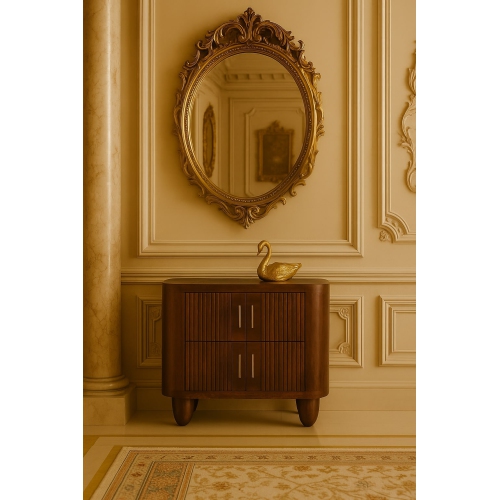
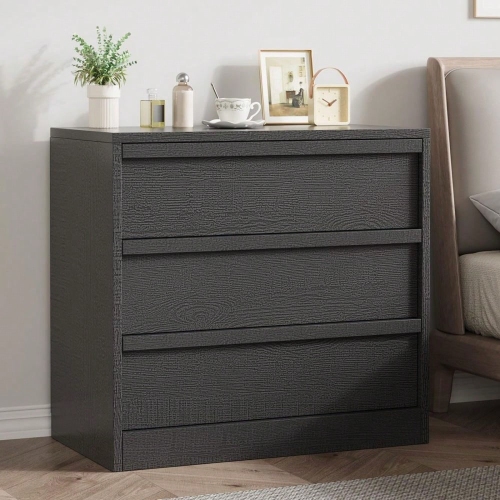
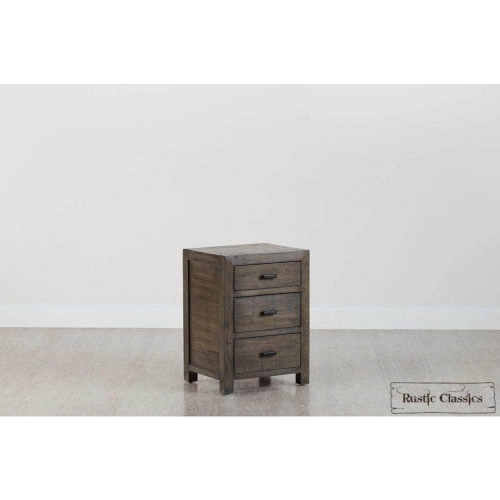
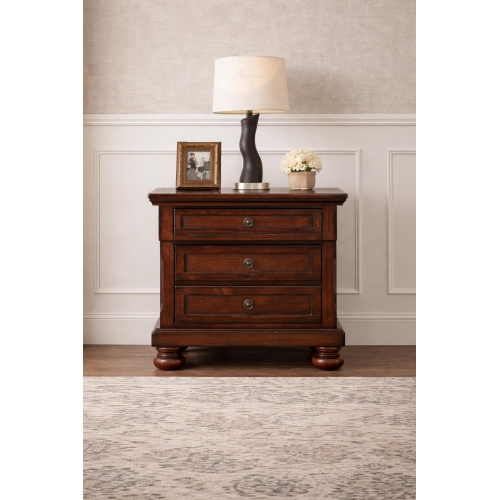

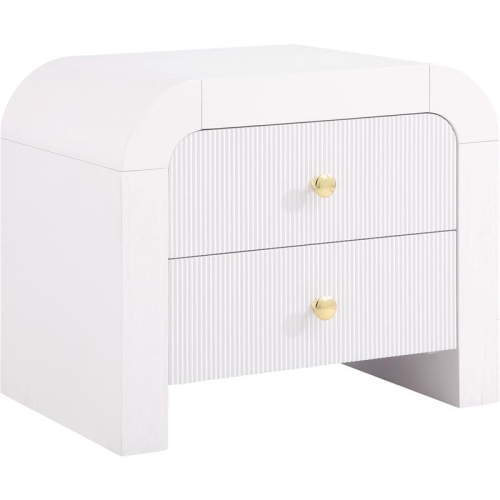
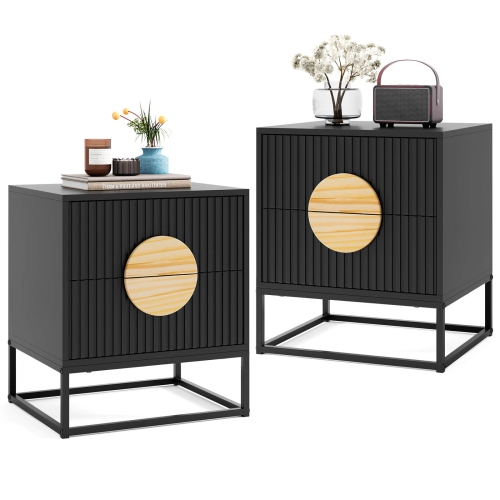
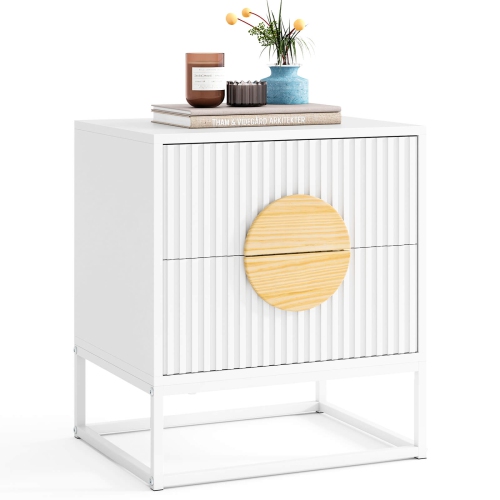
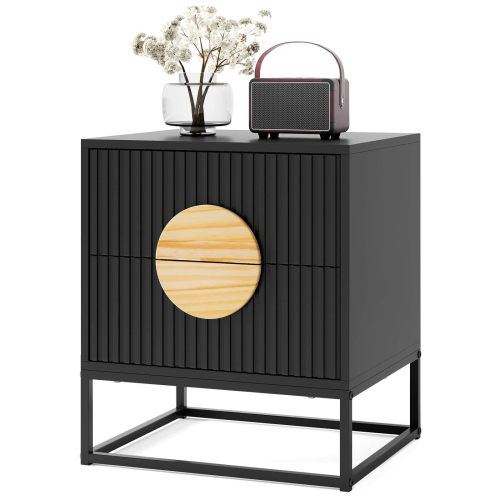
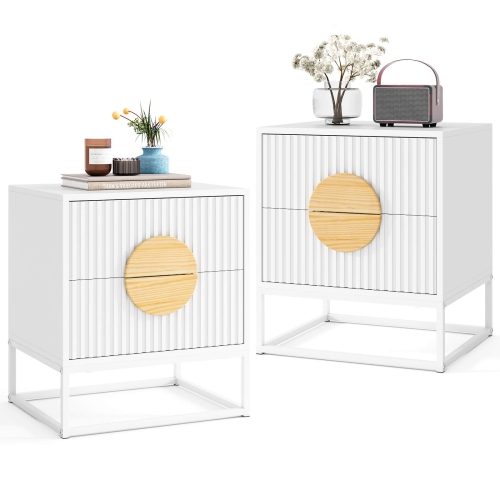

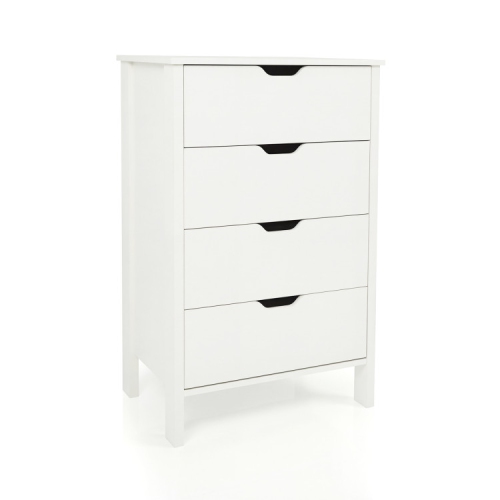
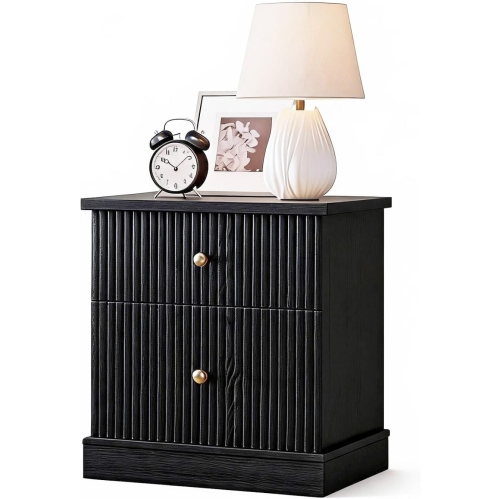
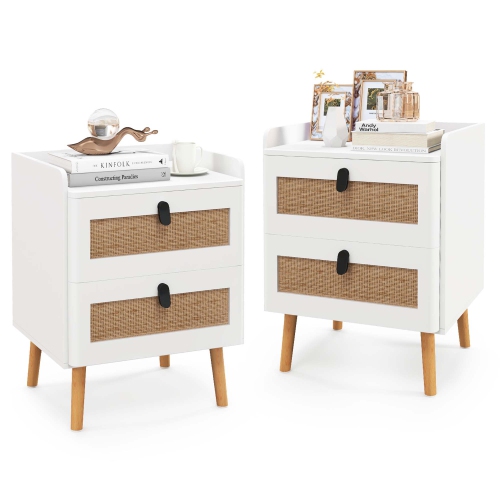
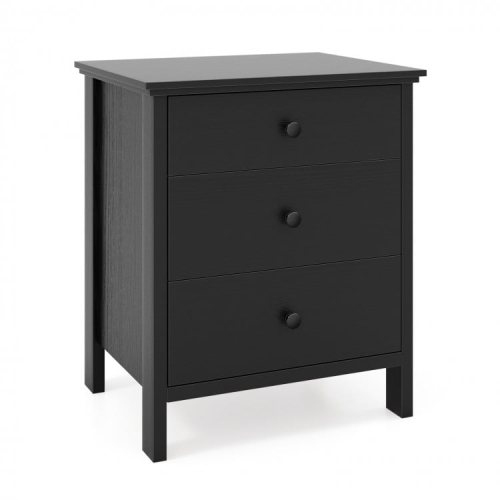
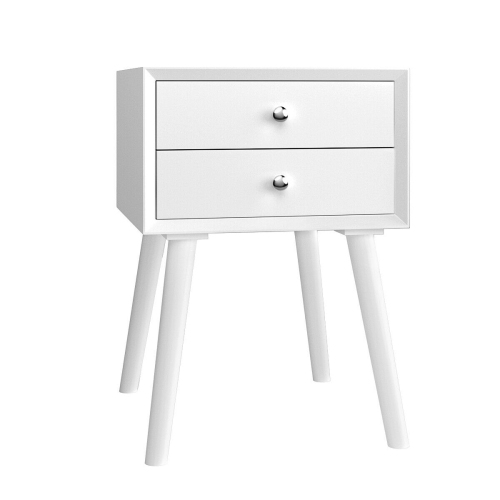
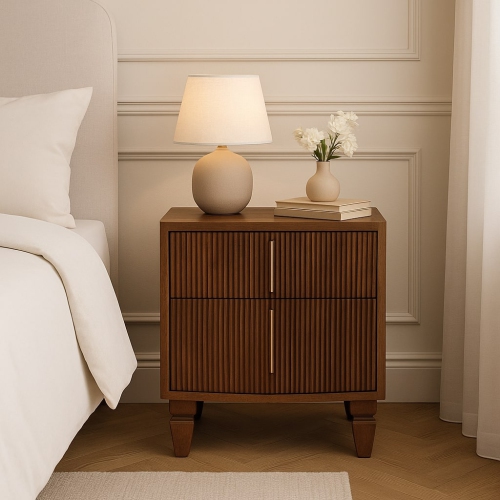
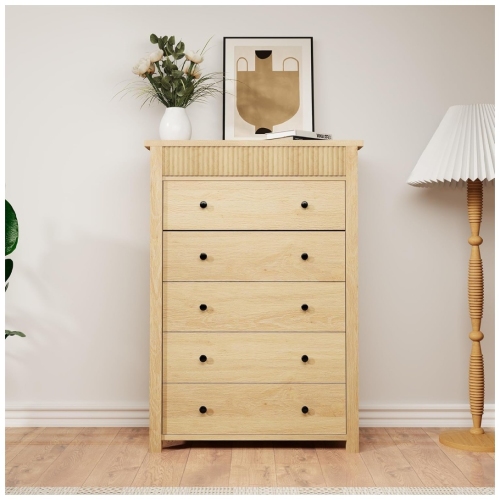

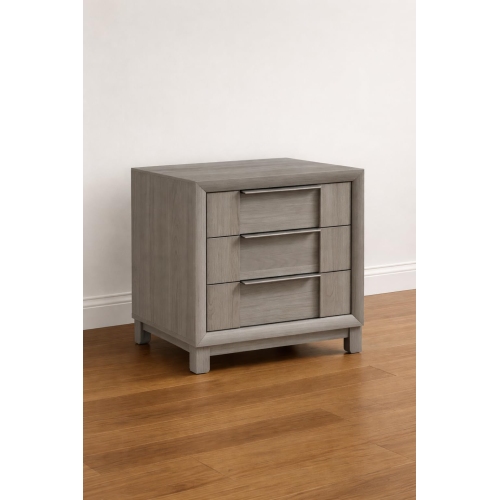
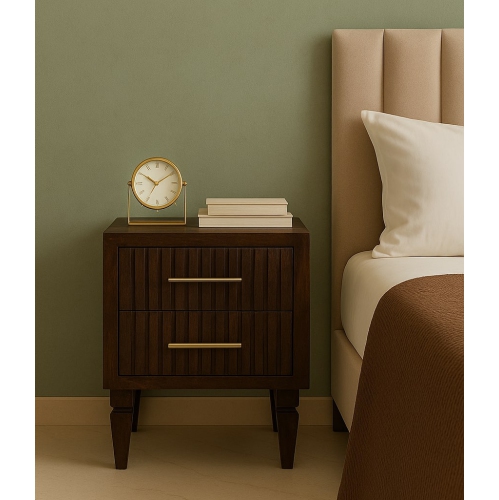
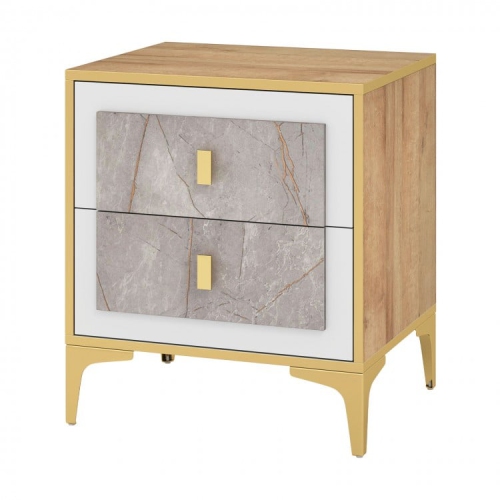
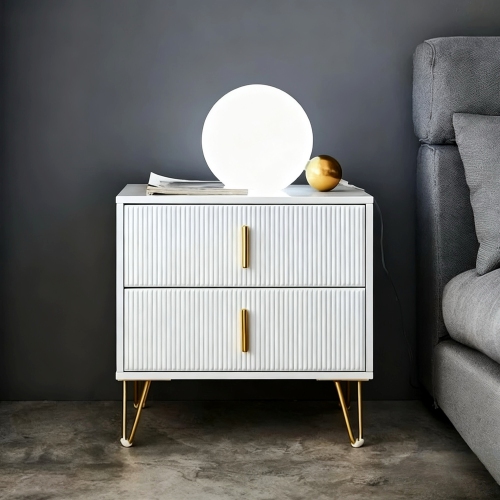
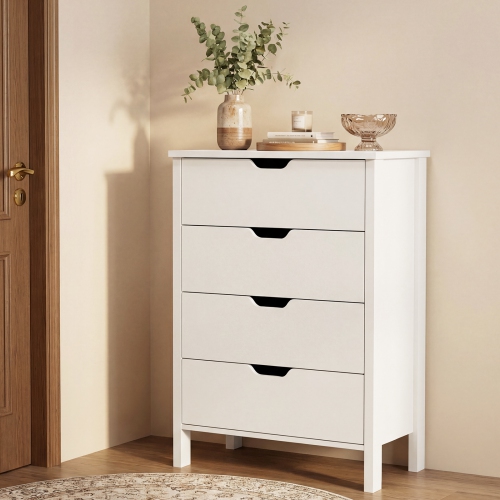

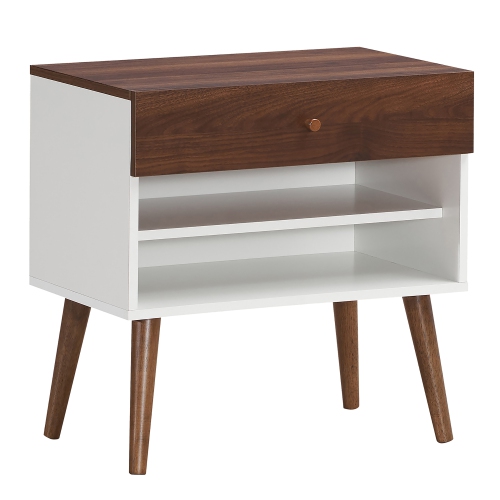
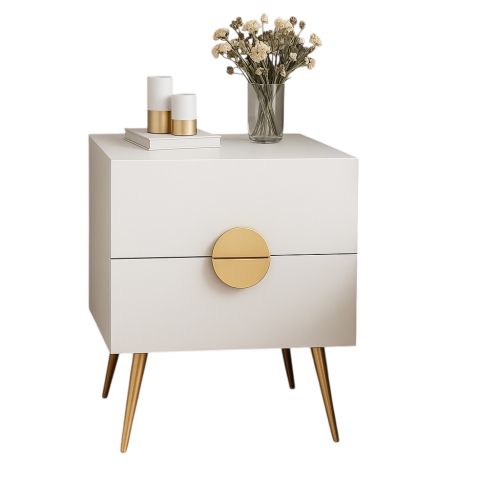

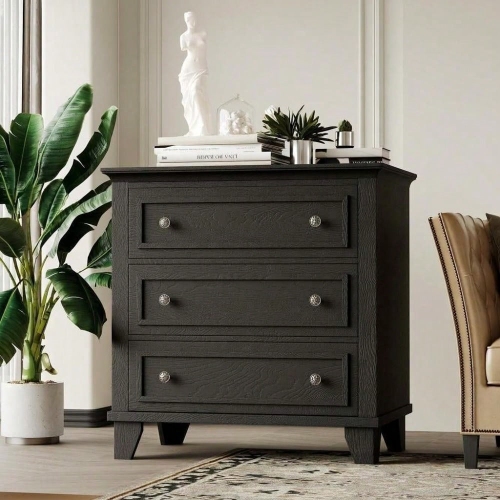
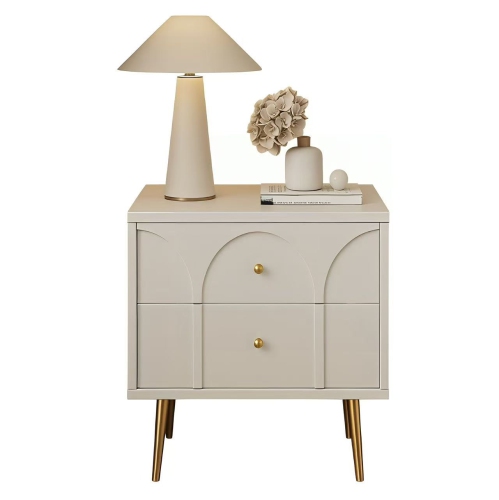
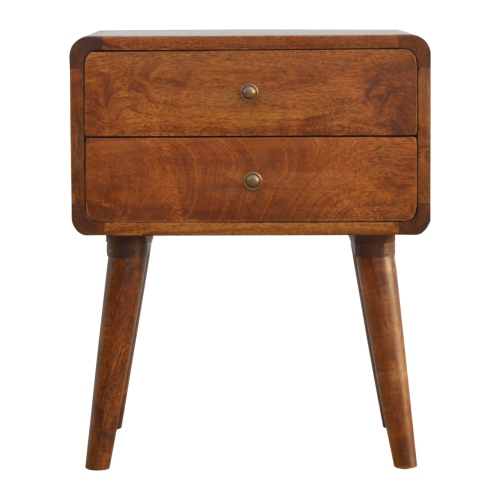
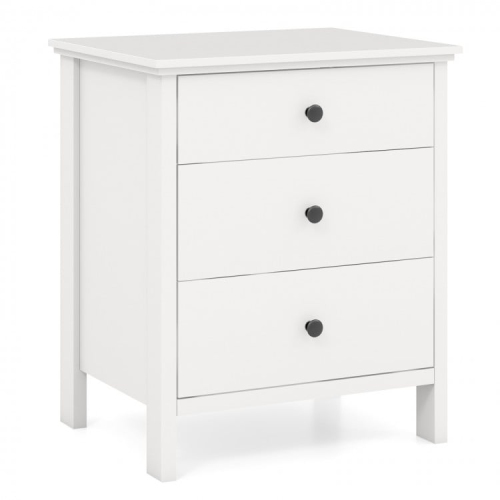
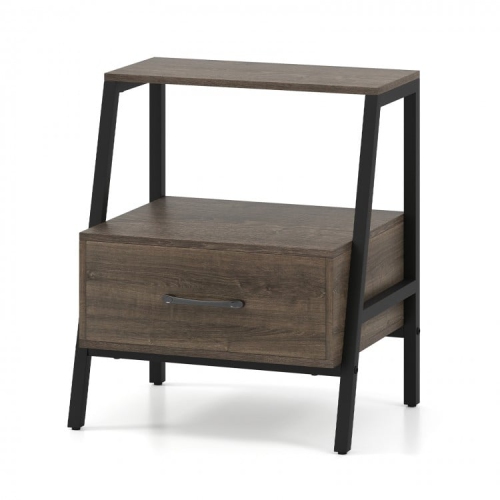
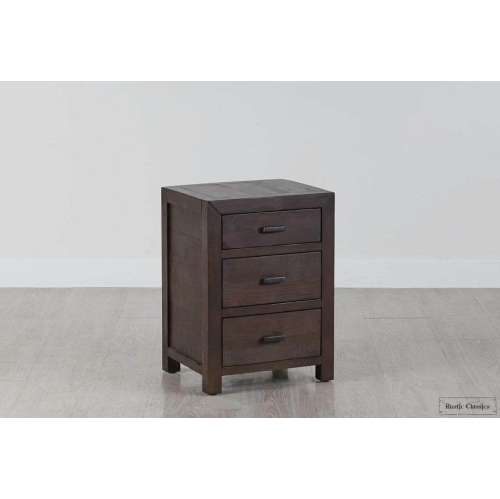
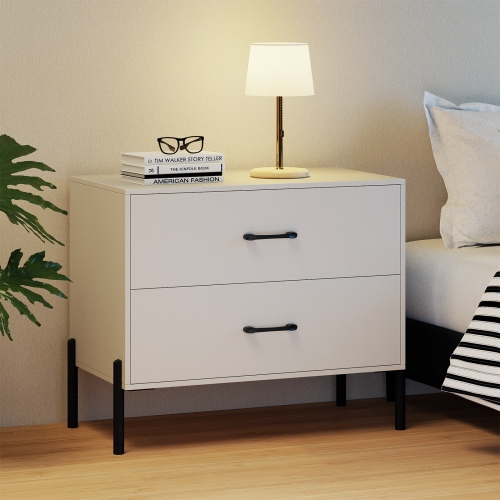
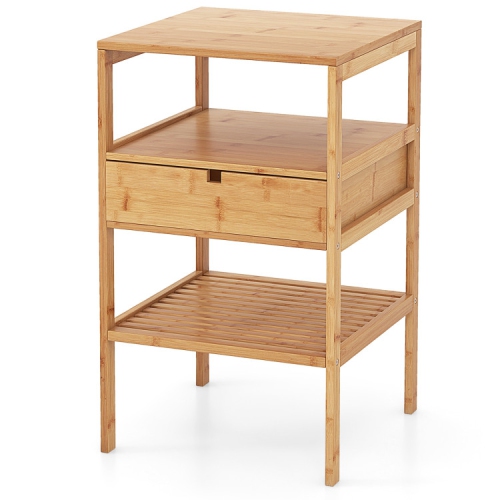
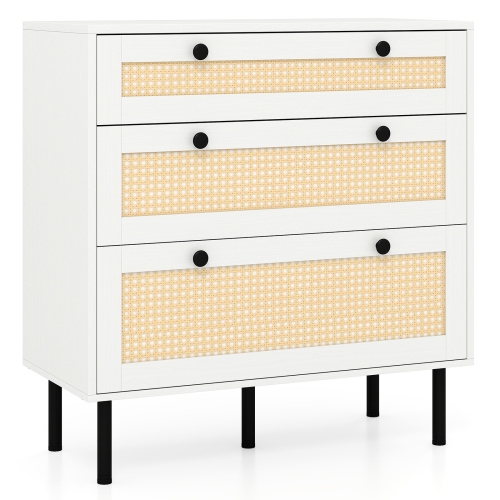
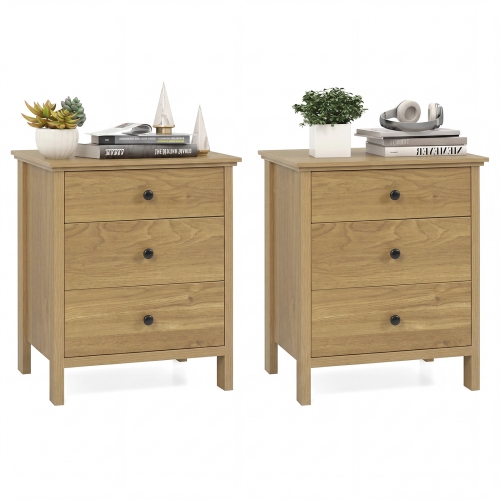
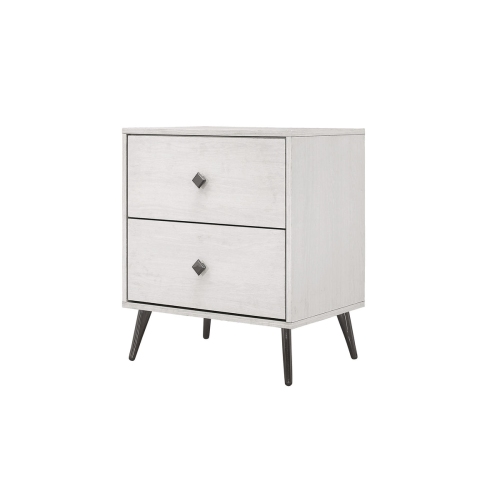
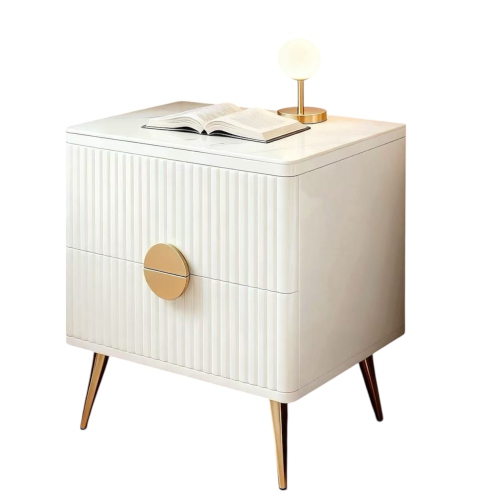
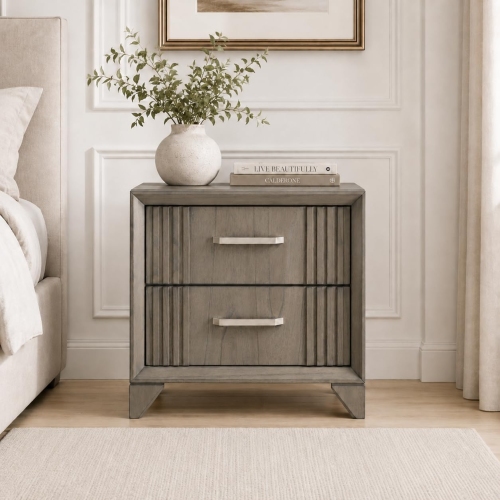
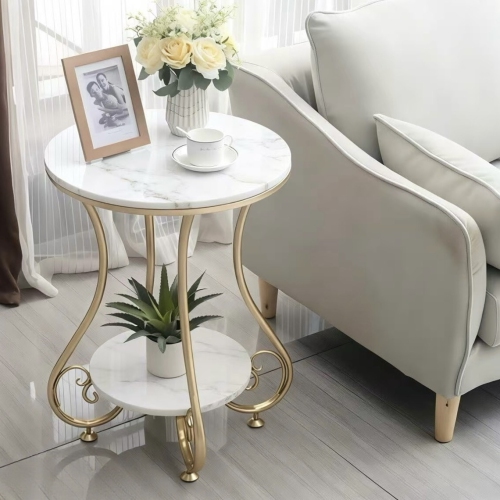
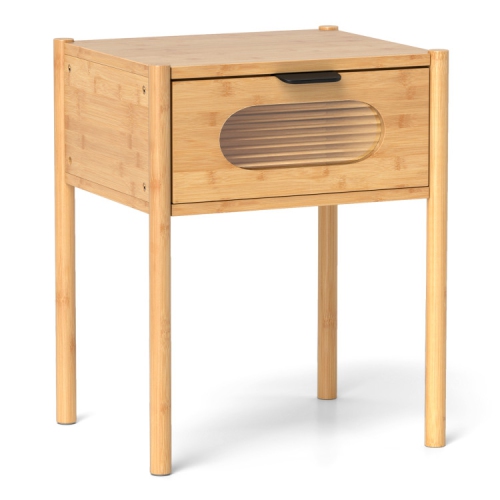


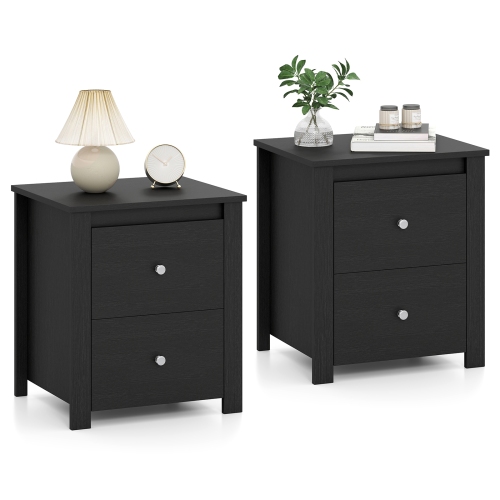
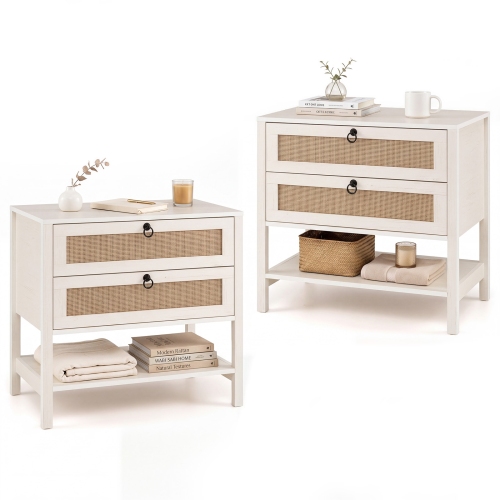
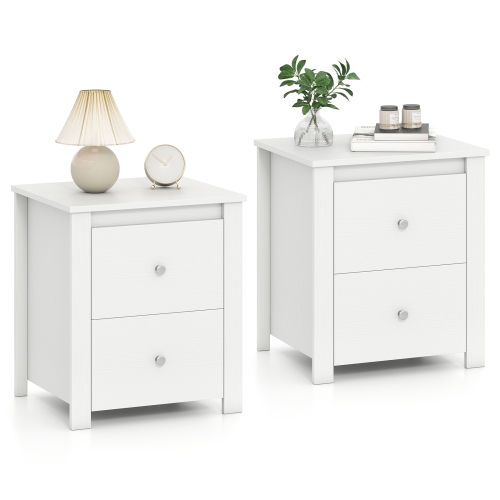
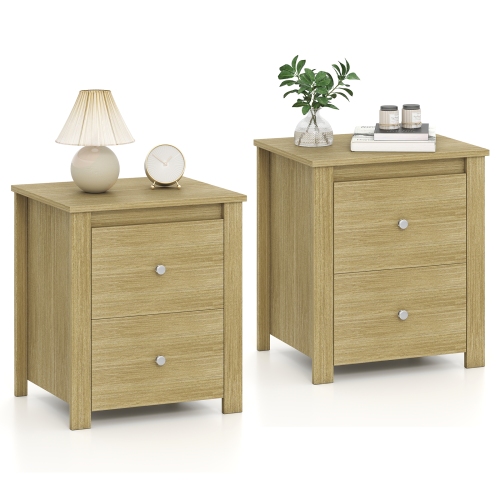
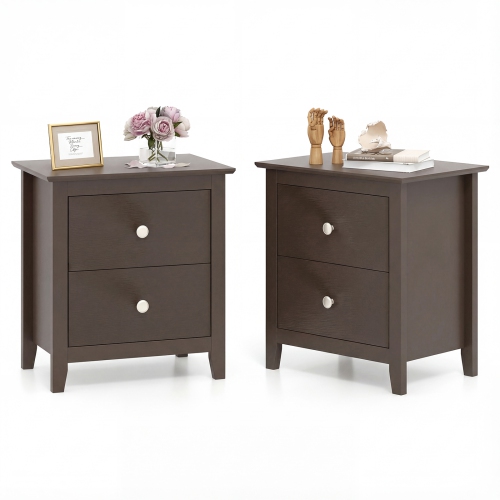
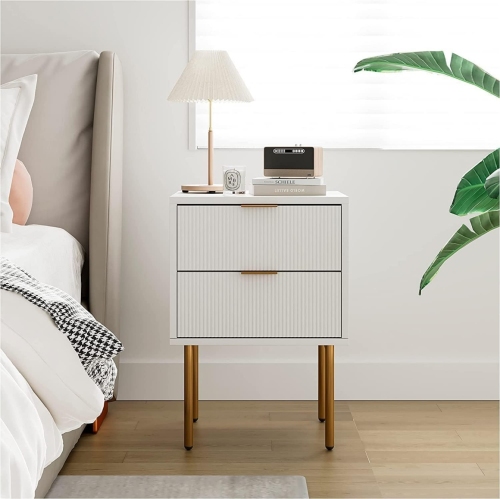

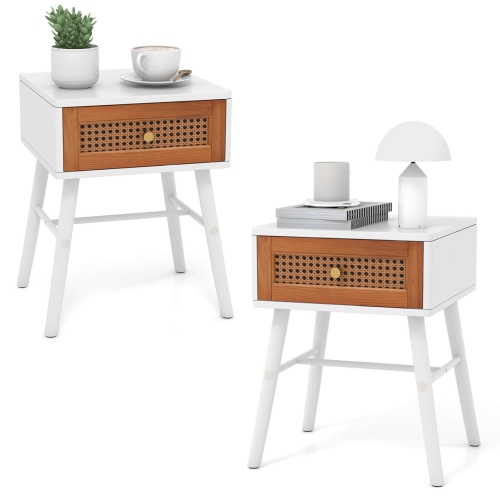
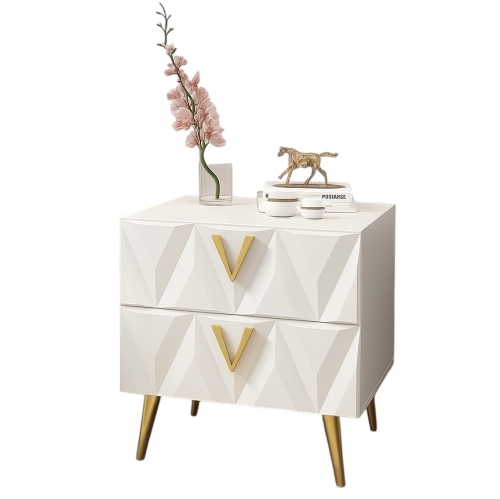
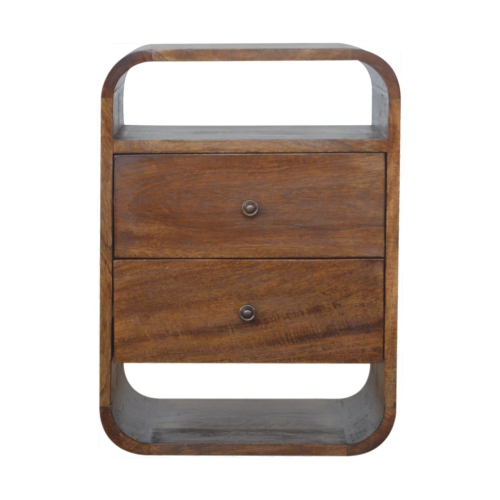

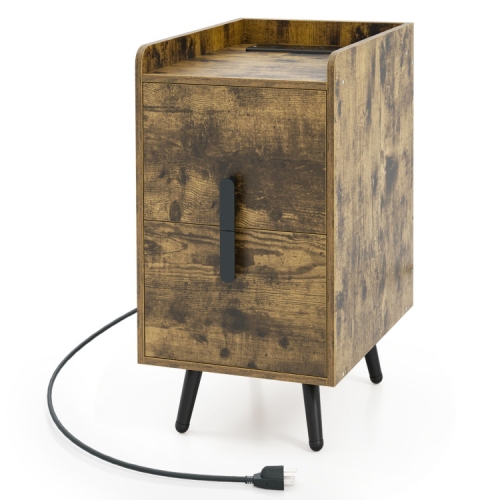
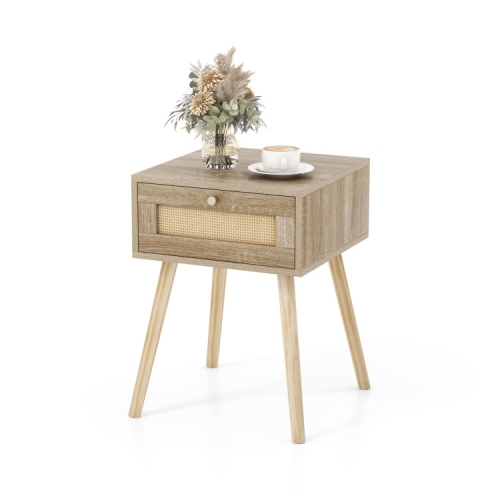
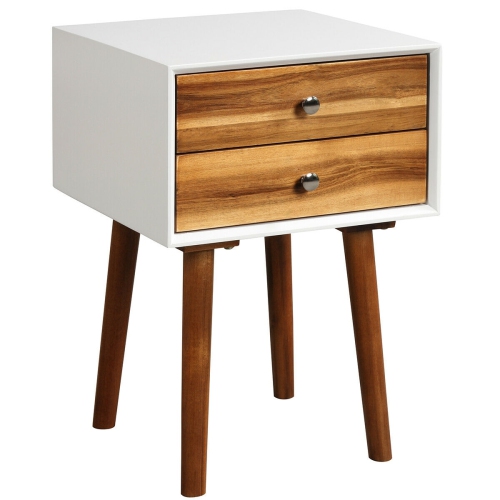
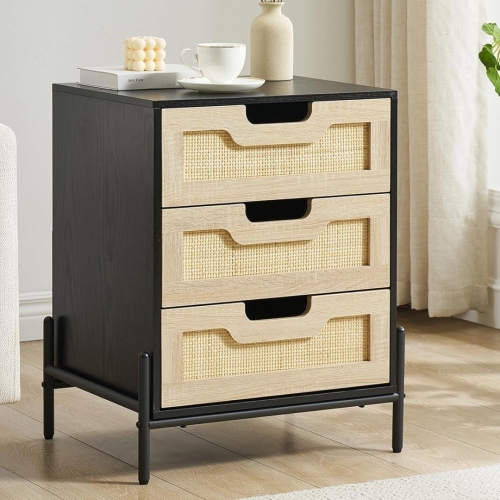
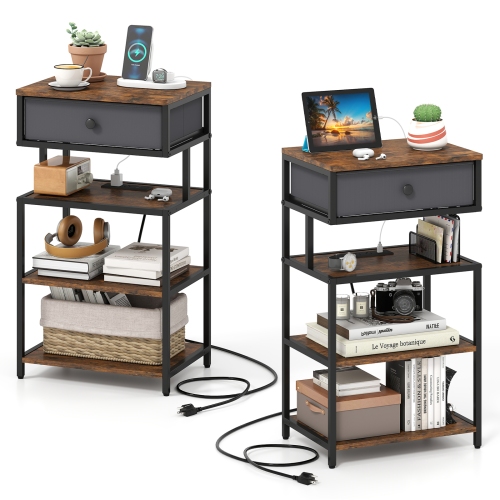
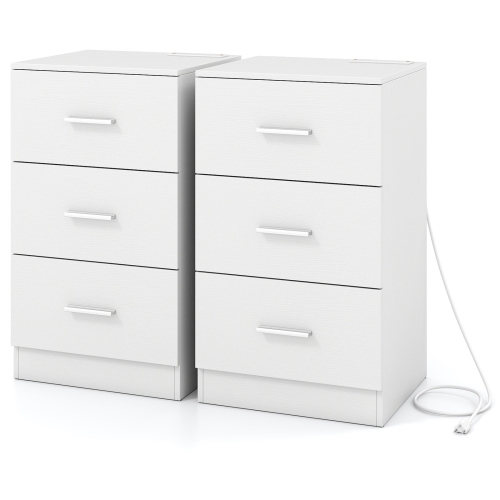
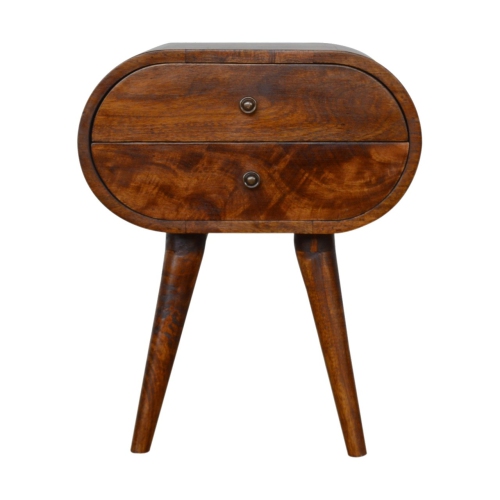
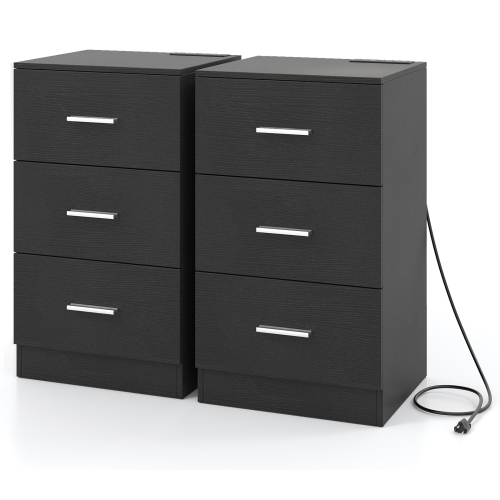
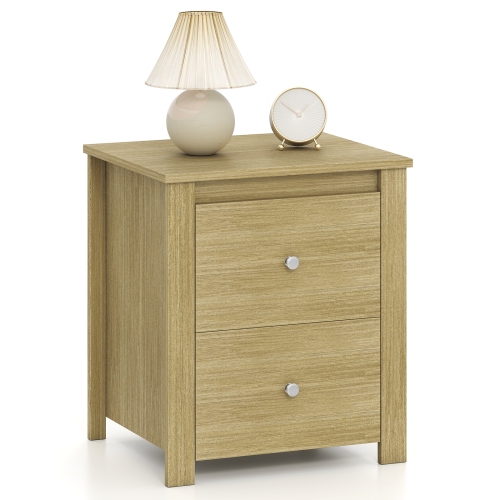
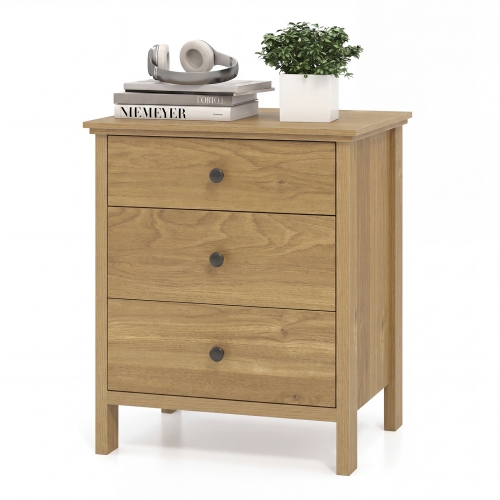
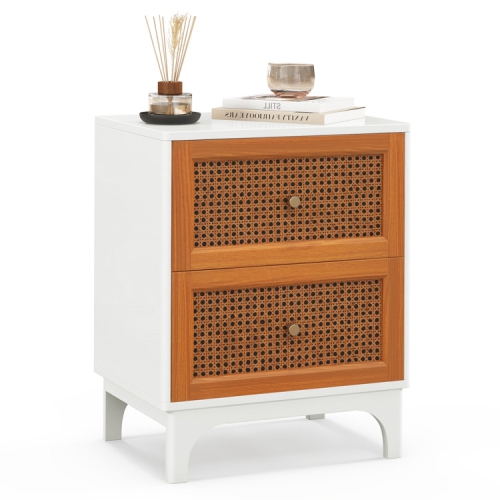
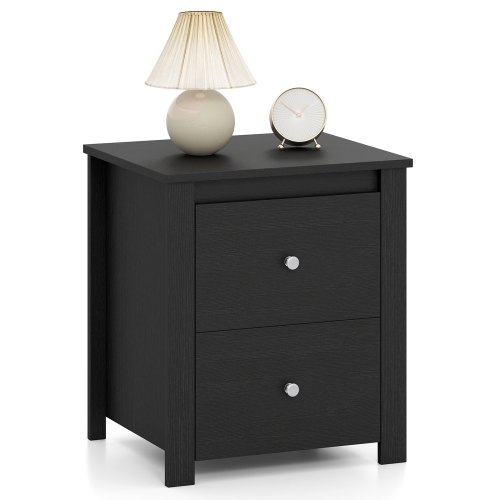
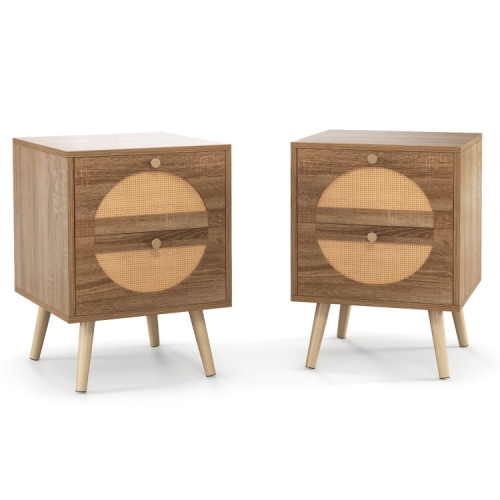
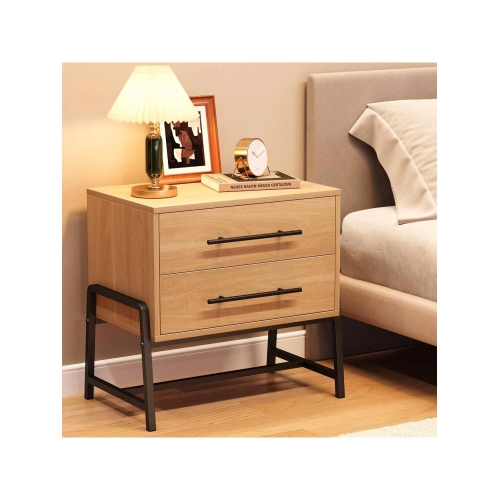
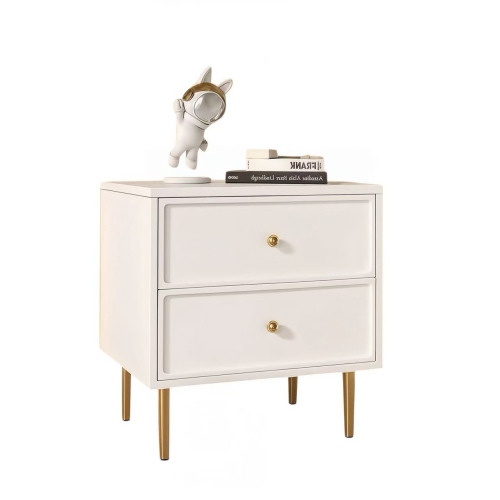
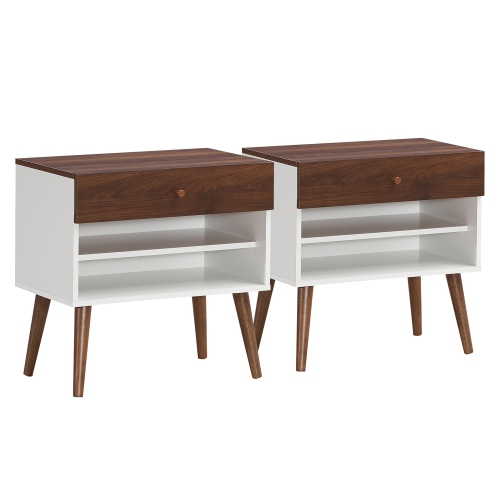
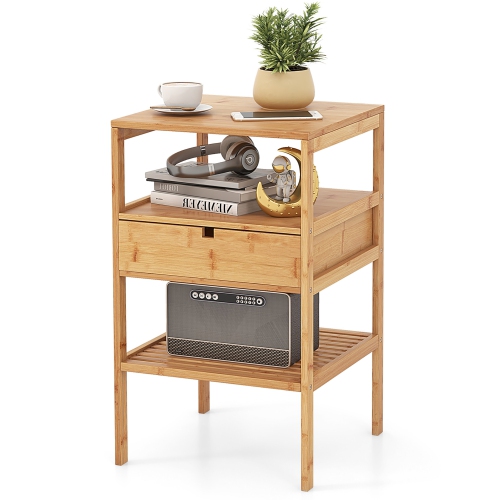
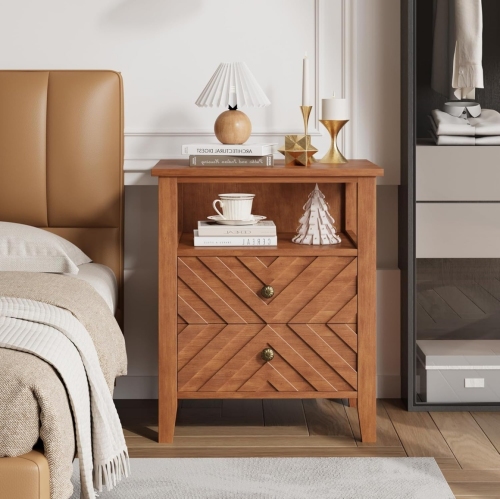
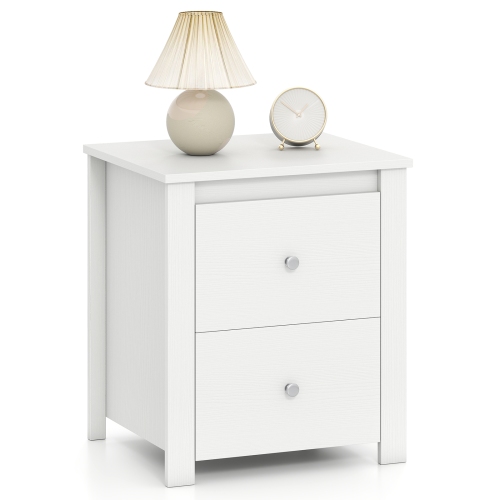
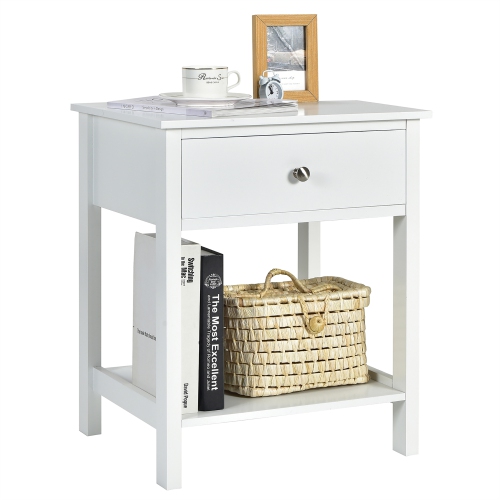
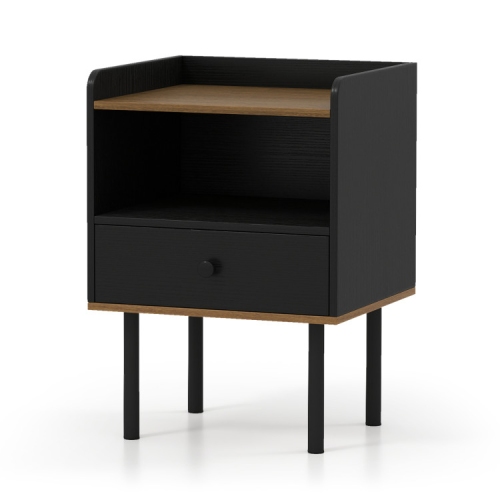

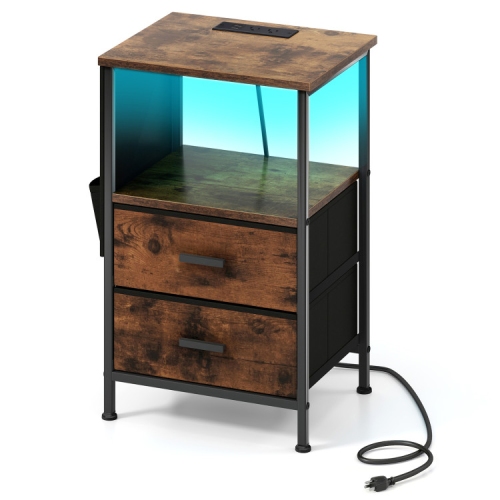
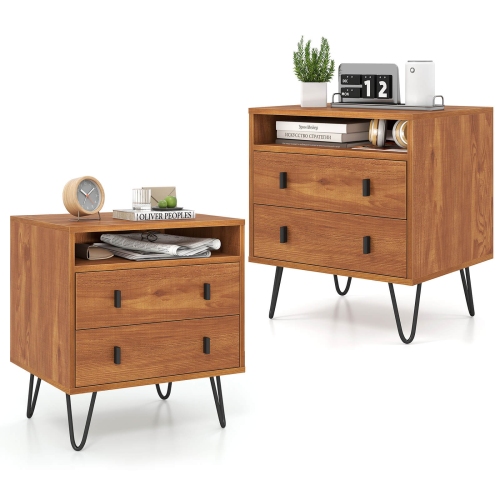

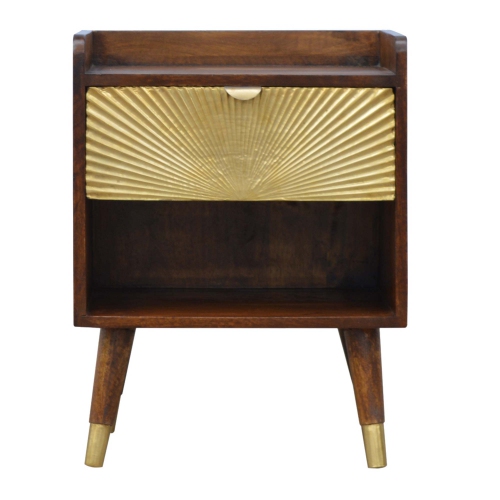
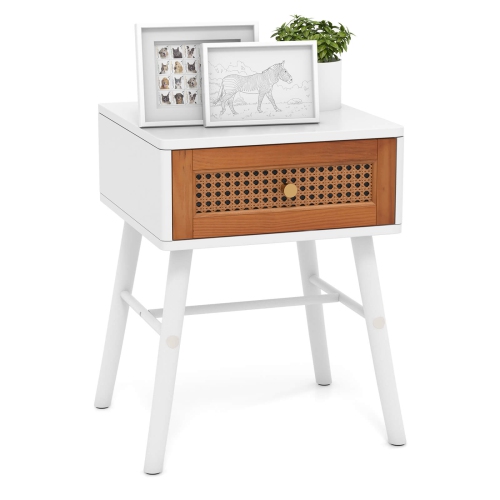

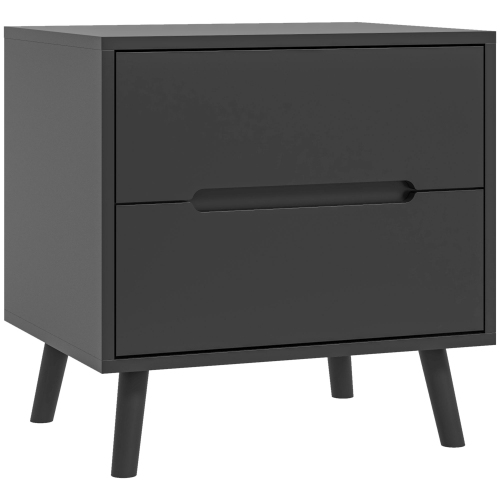
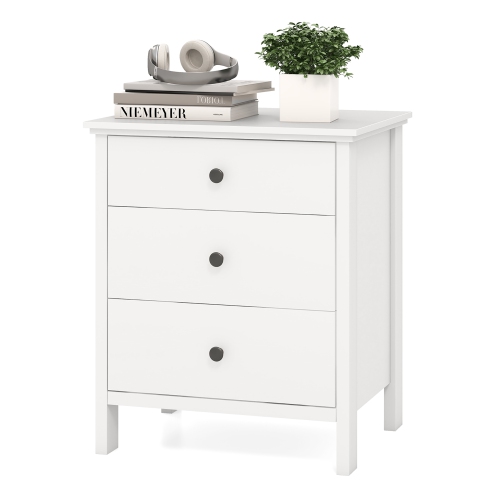
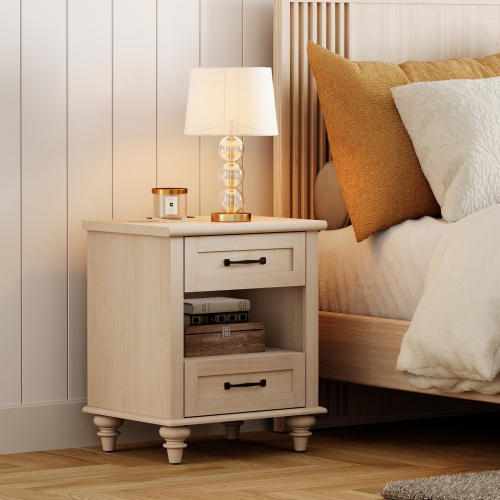
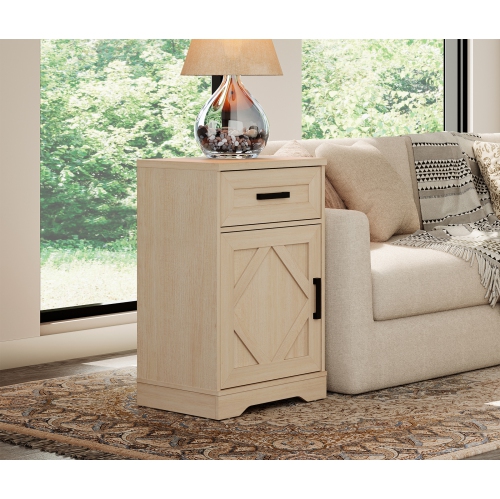
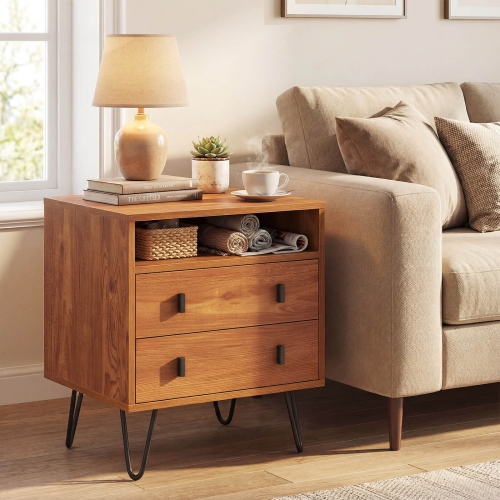
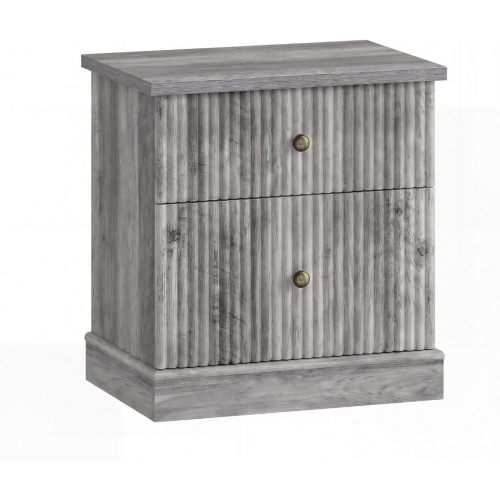
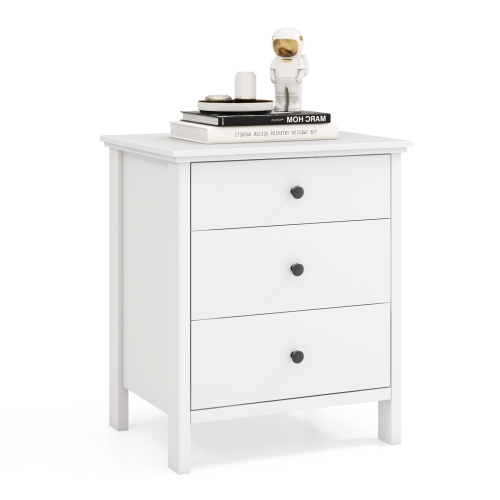
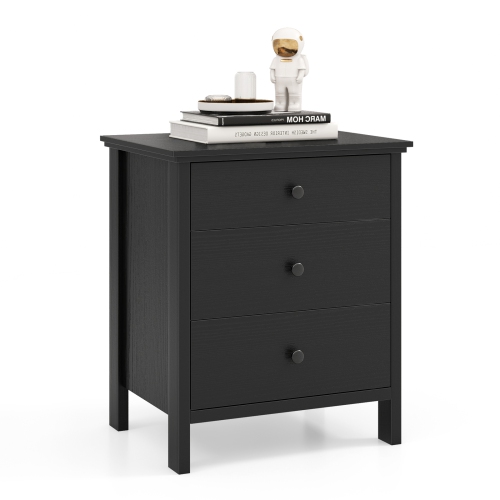
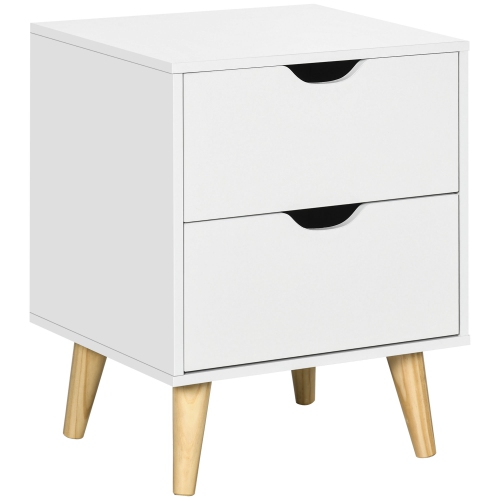
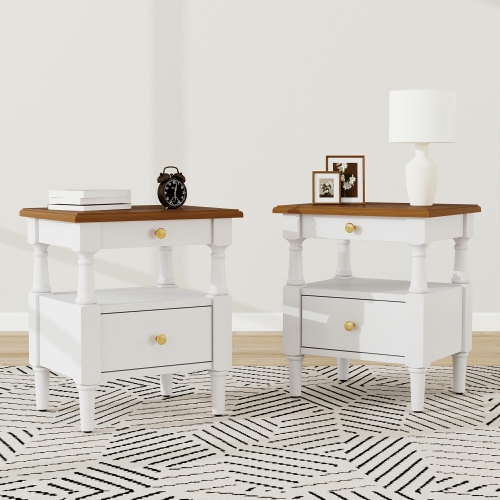
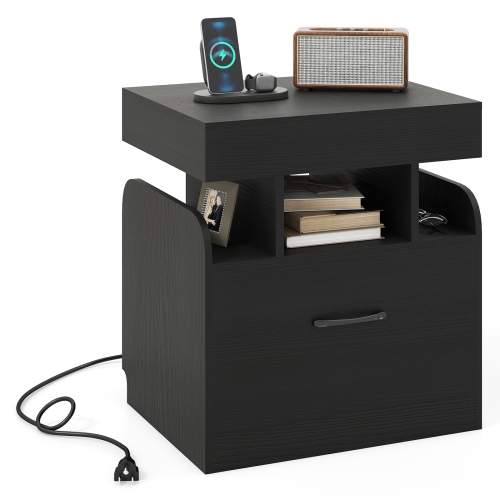

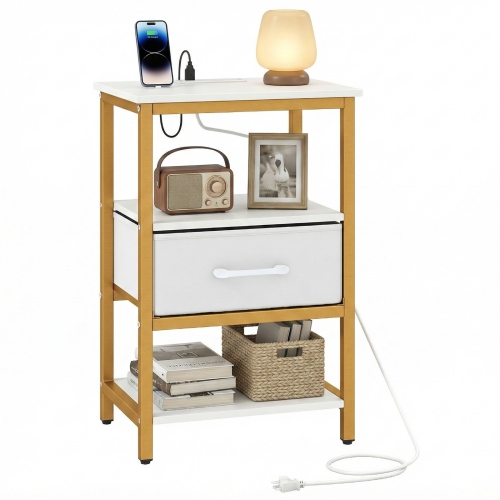
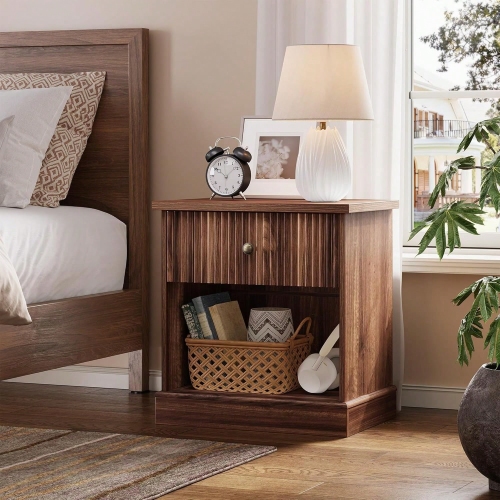
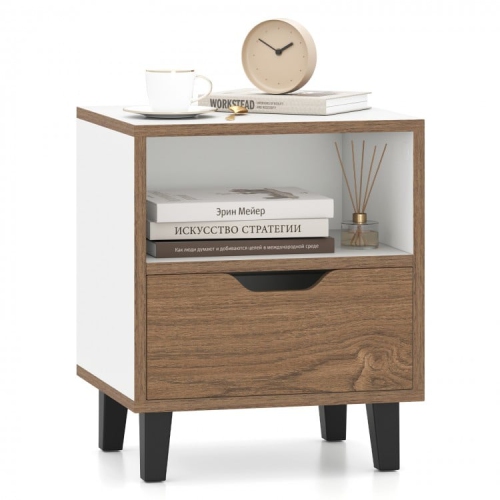
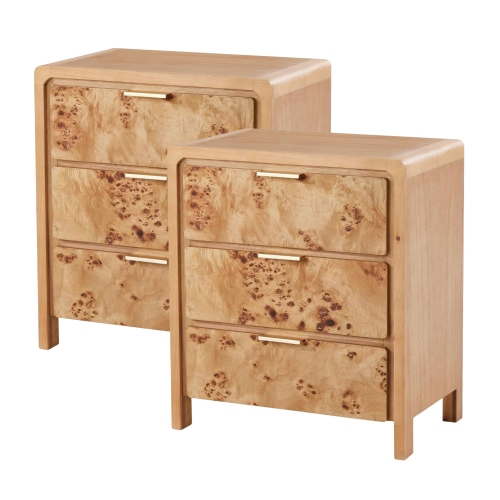
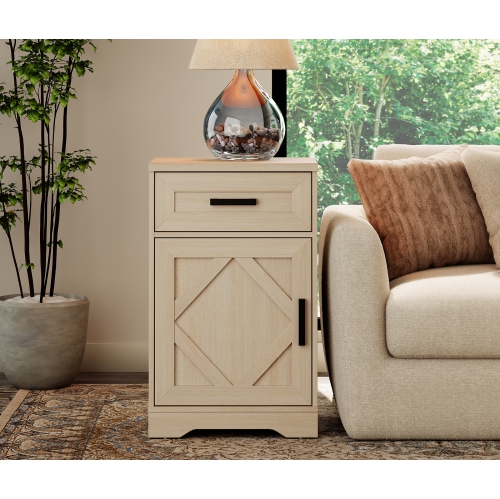
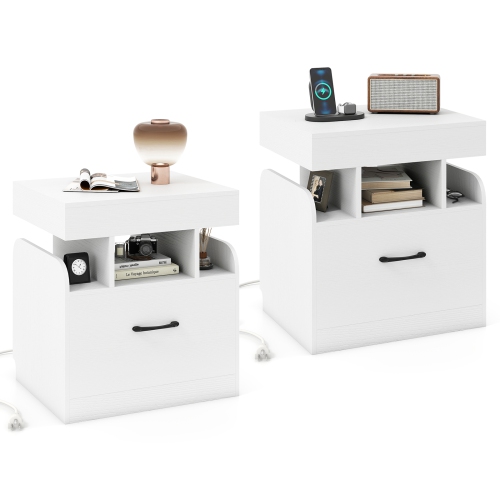
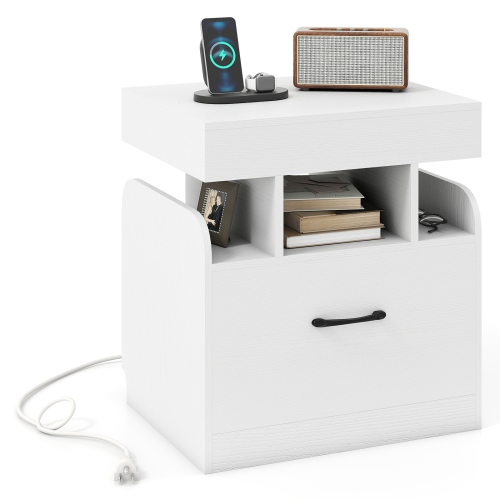
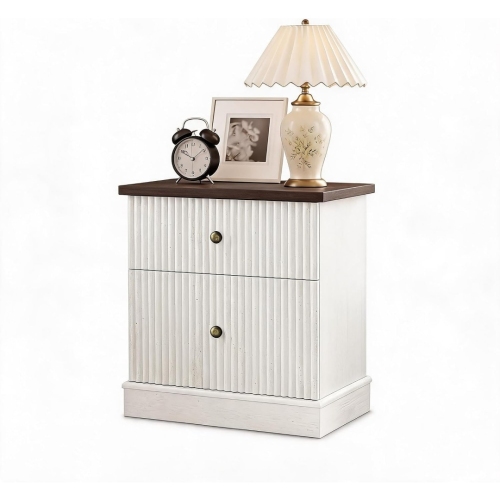
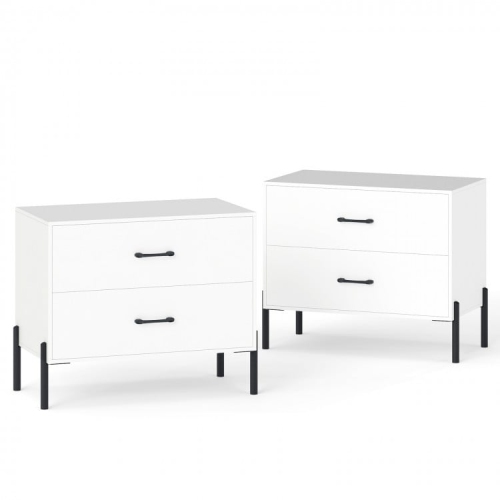
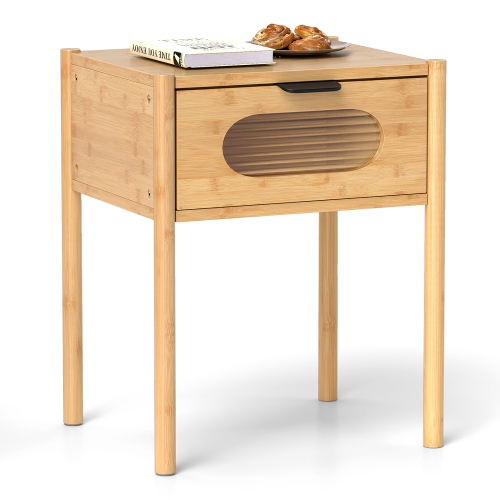
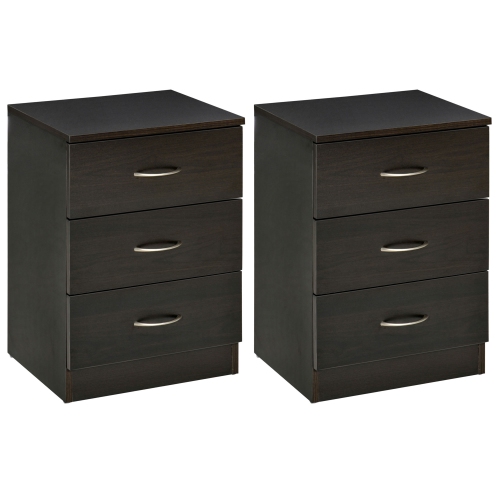
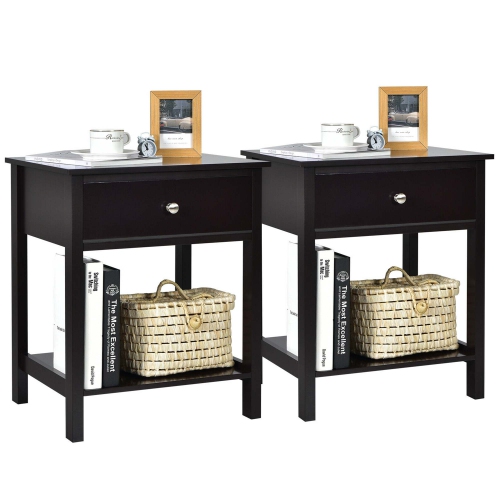
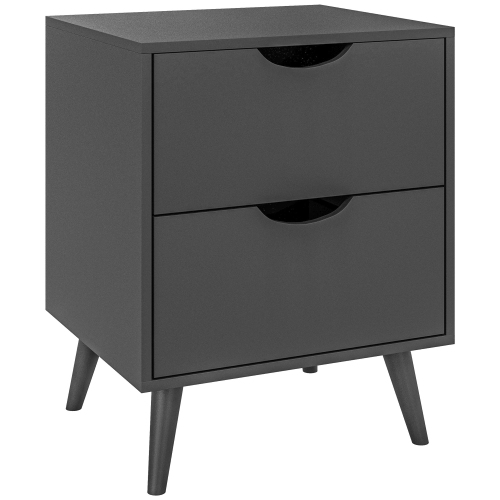

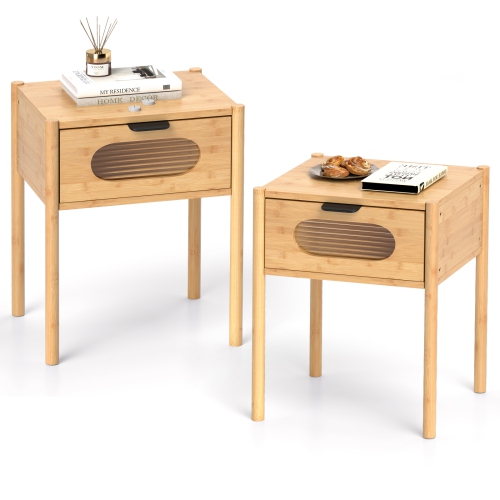

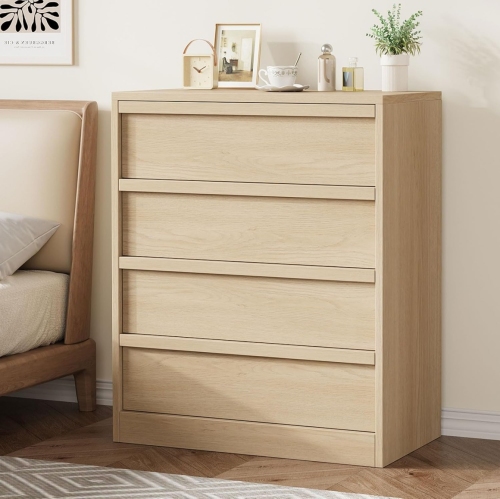

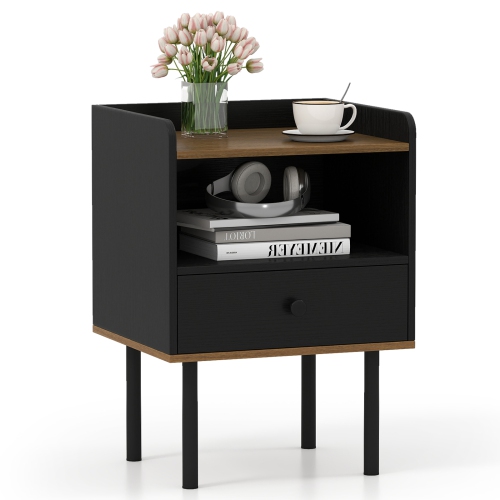
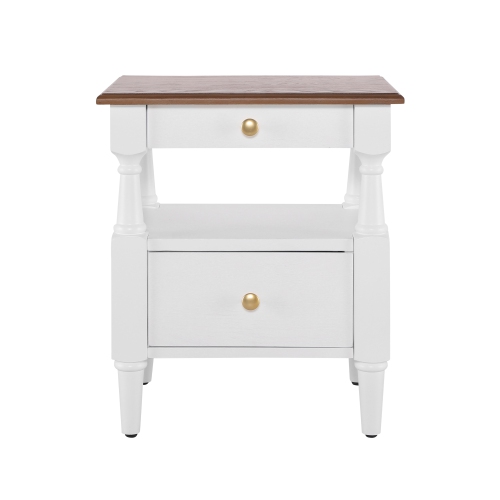

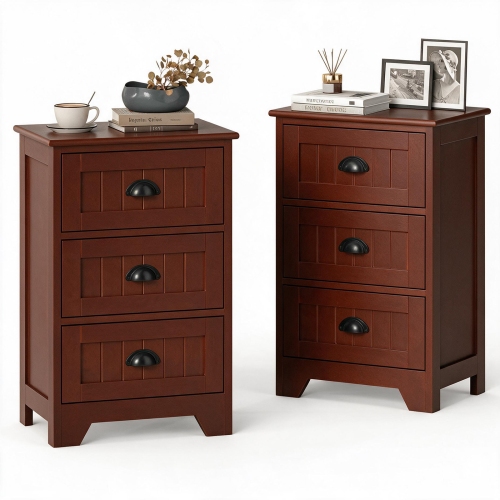
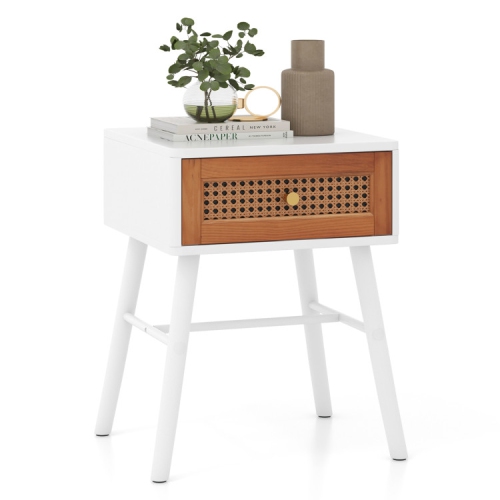
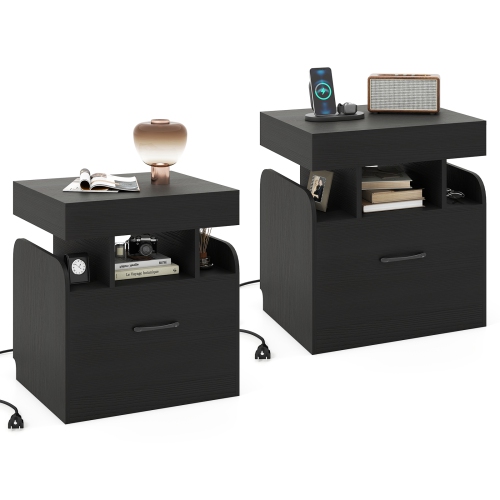
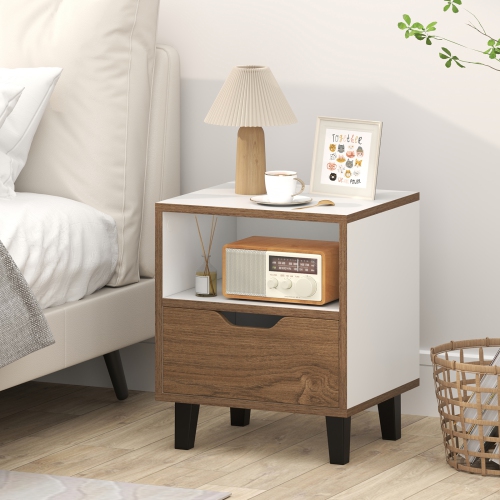
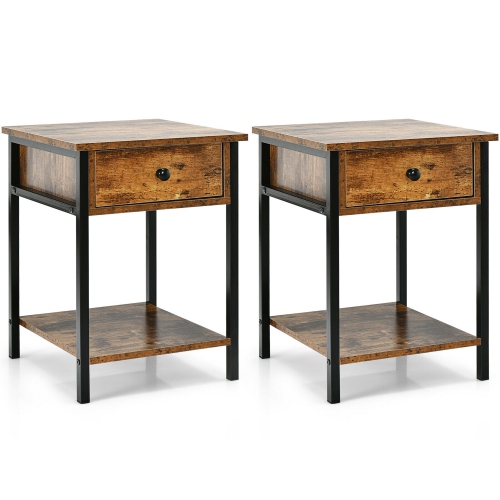
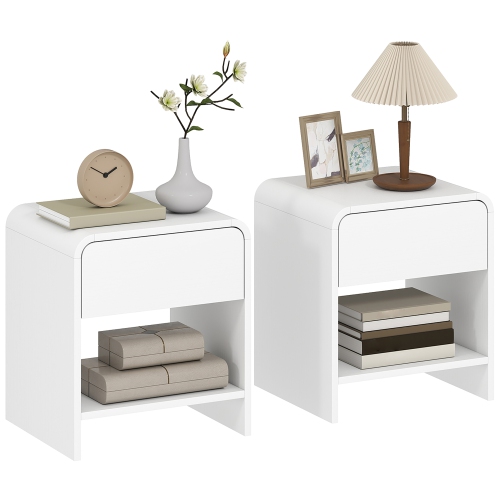
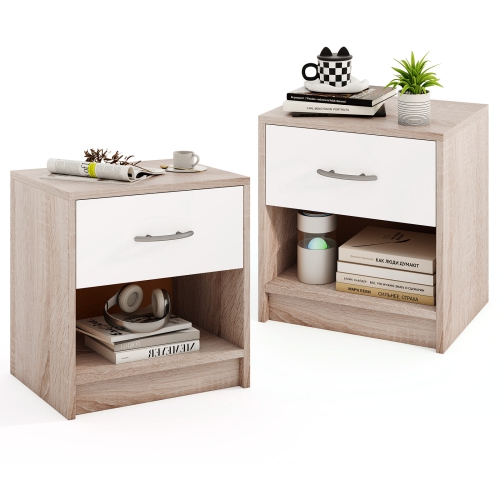
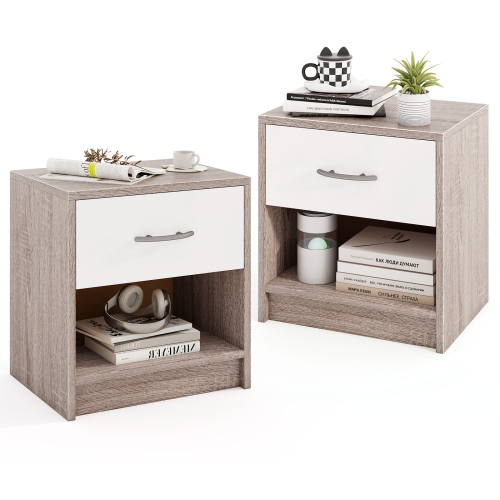
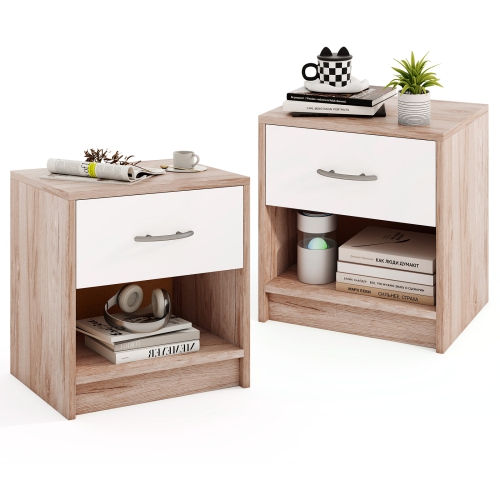
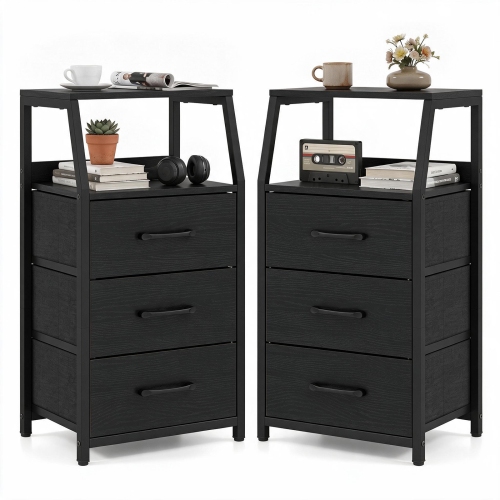


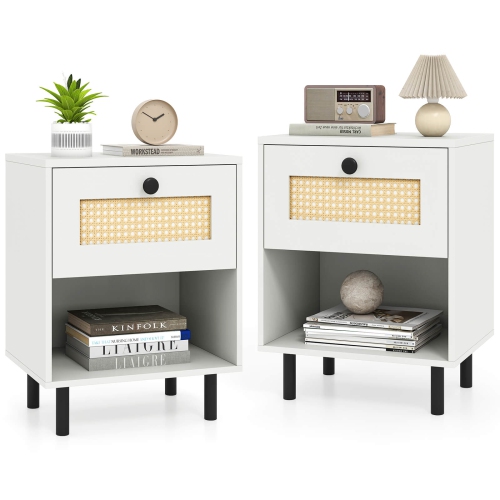
Generous bedside storage starts with the right fit
Large nightstands with drawers bring generous storage and a useful surface to the space beside a bed. Their wider proportions can give a bedroom a more balanced appearance, especially alongside a king-size bed, a substantial headboard, or other large furniture. A roomy top leaves space for a reading lamp, a glass of water, and a book without everything competing for the same small corner. Drawers keep more personal belongings tucked away, from reading glasses and charging cables to journals and spare pillowcases. For someone who reads in bed, follows a detailed evening routine, or likes to keep everyday essentials close at hand, that combination of open surface space and enclosed storage can make a noticeable difference. The right fit depends on more than width alone. Height affects how comfortably someone can reach a lamp switch or set down a phone, so the relationship between the tabletop and the top of the mattress matters. A tall bed with a thick mattress has different proportions from a low platform bed, even when both occupy the same floor area. Depth also changes how a nightstand sits within the room: a deeper cabinet offers substantial storage but may extend farther into a walking path. Drawer clearance deserves just as much attention as the footprint, particularly where a bed frame, nearby dresser, or bedroom door could interrupt the opening space. In a shared bedroom, two large nightstands can give each person a defined place for their belongings, provided there is enough room to move comfortably on both sides of the bed. Where one side is narrower, small nightstands with drawers offer another way to work within the layout. Matching every dimension is not essential; comfortable access and a clear route around the bed are often more useful than perfect symmetry. Baseboards, wall outlets, and the position of a headboard can also affect how closely a cabinet rests against the wall.
Materials and construction influence both the appearance of a large nightstand and how it handles daily use. Solid wood can show natural variations in grain and colour, giving a bedroom warmth and texture, while wood veneer offers a real wood surface over a supporting core. Engineered wood with a laminate or other applied finish can provide a consistent appearance, including smooth, painted-looking surfaces or woodgrain patterns. Metal components may appear in frames, legs, handles, or drawer hardware, adding contrast and contributing to the overall structure. No single material tells the whole story: the quality of the finish, the strength of the joints, and the way the drawers are supported all affect everyday performance. A drawer that holds a few lightweight accessories places different demands on its hardware than one filled with books. Interior dimensions are therefore as important as the number of drawers. Several shallow drawers can separate small belongings, while deeper compartments suit bulkier bedside storage. Drawer glides influence how smoothly each compartment moves, and extension varies between designs, affecting access to belongings at the back. Soft-close hardware, where included, can reduce abrupt closing, a welcome detail when another person is already asleep. Handles should offer a comfortable grip, while recessed pulls can create a cleaner profile beside the bed. Care requirements vary by surface and finish, but a soft cloth, prompt attention to spills, and protection beneath drinks help limit everyday marks. Wood and veneer generally benefit from avoiding prolonged moisture, while textured finishes may need a little extra attention around grooves and handles. Cleaning directions supplied with the furniture take priority over general advice, particularly for specialty coatings. Durability also depends on use: respecting drawer and tabletop weight limits, keeping hardware secure, and avoiding overfilled compartments help preserve smooth operation. A wide cabinet still needs to sit level, and any supplied wall-restraint hardware remains an important part of installation, especially in homes with children.
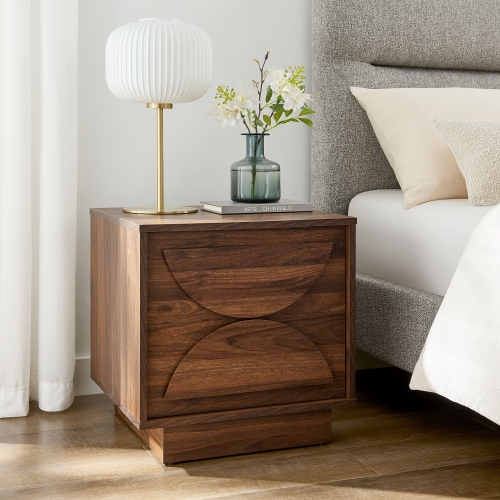
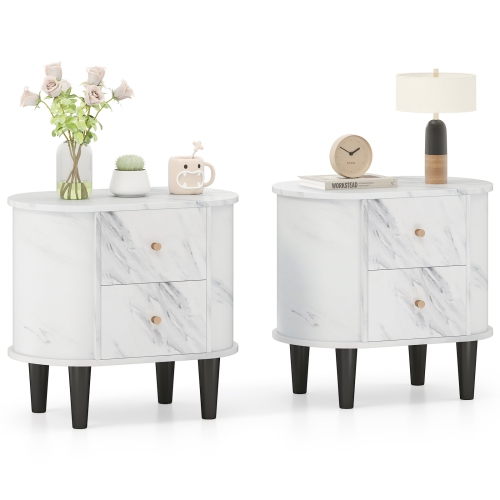
The visual weight of a large nightstand can help shape the entire bedside area. A cabinet with a solid base and broad drawer fronts tends to feel substantial, while raised legs leave more floor visible and can make the same general footprint appear lighter. Pale finishes can sit quietly against light walls; darker wood tones or deep painted finishes create stronger contrast with bedding and upholstery. Natural-looking grain adds variation, whereas a smooth, uniform finish gives lamps, framed photographs, and other bedside accents a more neutral backdrop. Coordination does not require an identical bedroom set. Similar wood undertones, repeated handle finishes, or a shared furniture shape can connect nightstands with a bed and dresser without making every piece look the same. Practical details contribute to that finished appearance, too. A lamp needs a stable position with enough room around its base, and charging cables are easier to manage when they do not cross the main walking route. Some designs incorporate charging connections or cable openings; those features are worth considering alongside outlet access and the space needed for plugs behind the cabinet. Inside, simple drawer organizers can keep small accessories from spreading across a wide compartment, leaving deeper storage for less frequently used belongings. In a guest bedroom, an uncluttered surface and an empty drawer provide visitors with somewhere to settle a phone, a book, and personal essentials. In a main bedroom, separate drawers can keep shared storage orderly without leaving everything on display. Large nightstands can also suit people furnishing a first home or refreshing a bedroom where the existing bedside storage no longer meets everyday needs. Their usefulness comes from the relationship between proportions, accessible storage, and the way the room is lived in. With a suitable height, comfortable drawer access, and a finish that works with surrounding furniture, a generous bedside cabinet can feel like a natural part of the room rather than an extra piece squeezed into it.
Top selling and popular products
-
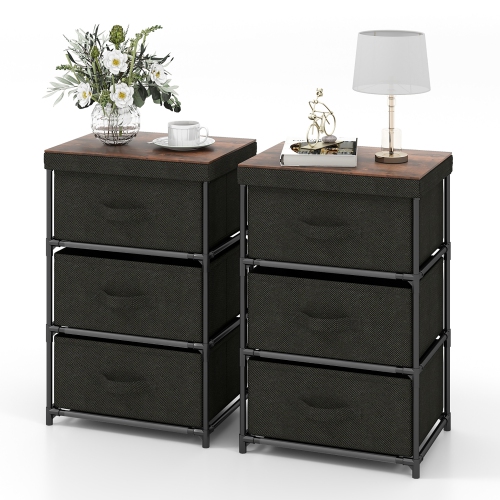 Your price for this item is $99.99
-
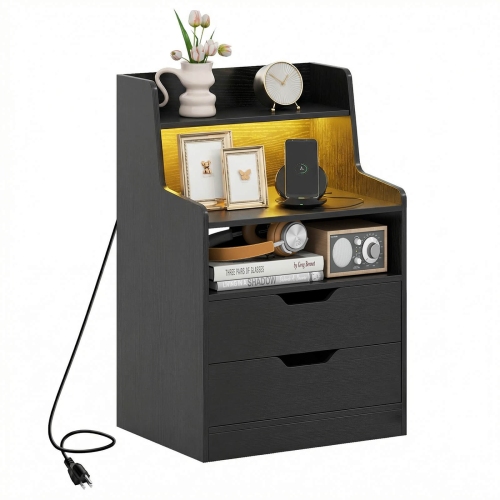 Your price for this item is $107.99
-
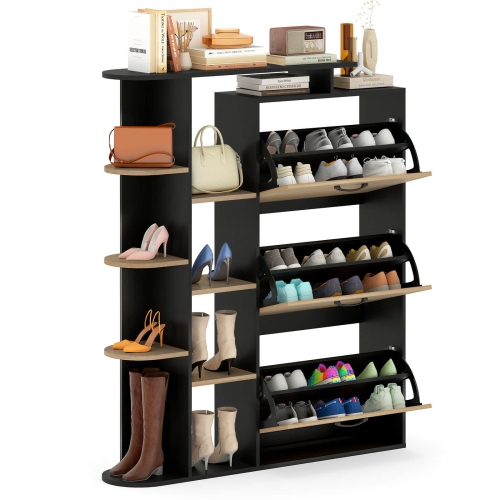 Your price for this item is $188.99
-
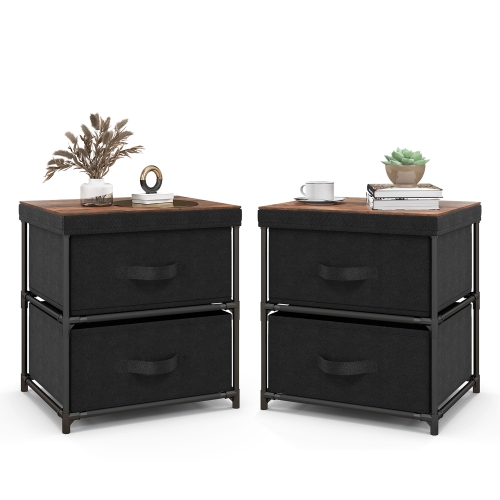 Your price for this item is $79.99
-
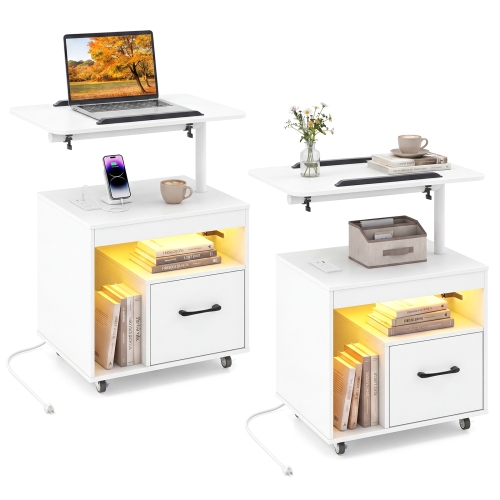 Your price for this item is $218.49
-
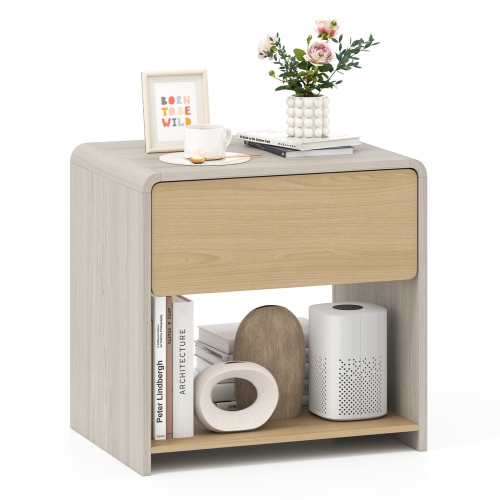 Your price for this item is $119.99
-
 Your price for this item is $260.94
-
 Your price for this item is $169.99
Discover more categories related to Large Nightstands With Drawers

Top Collections:
Best Black Friday Deals This Year, Best Black Friday Deals On Electronics, Kindle Devices, Dyson Airwrap, Best Cameras for Sports Photography, Best Budget Office Chairs, Canon G7X Cameras, PS5 Pro Consoles, Best Black Friday Deals On Apple Products, XBOX One S Consoles
Some products may be subject to Environmental Handling Fees
(EHF) depending on your province.
Learn more about EHFs.