Large Planters for Indoor Trees
Large Planters for Indoor Trees create a striking focal point in any room, offering the perfect solution for showcasing your favorite indoor greenery. Whether you’re aiming to elevate your living space or add a touch of natural beauty to your office, these spacious planters are designed to accommodate a variety of tree sizes and styles. Discover options that complement both modern and classic interiors, making it easy to find the ideal match for your décor. Explore the selection of Large Planters for Indoor Trees to transform your indoor environment with lush, vibrant displays.
Sort
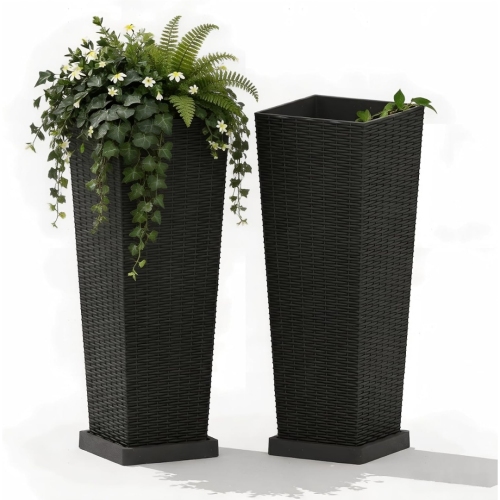
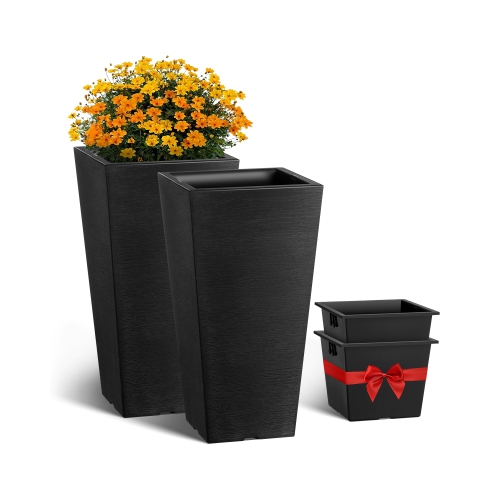
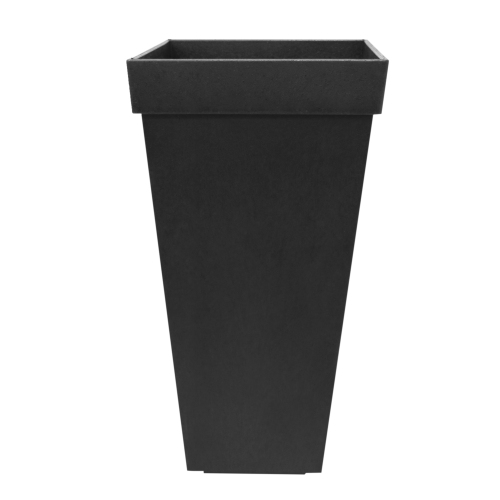
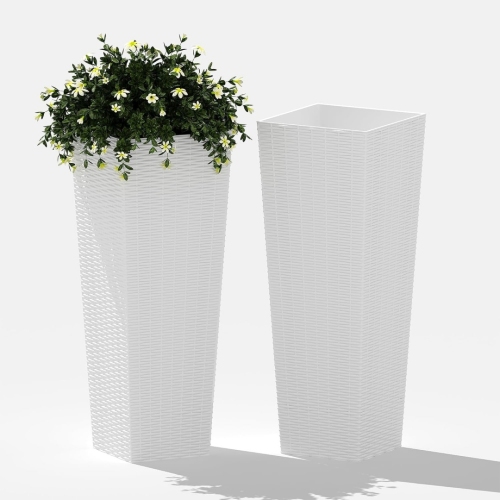
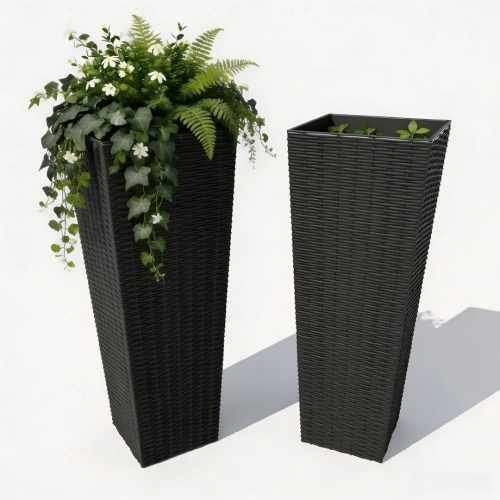
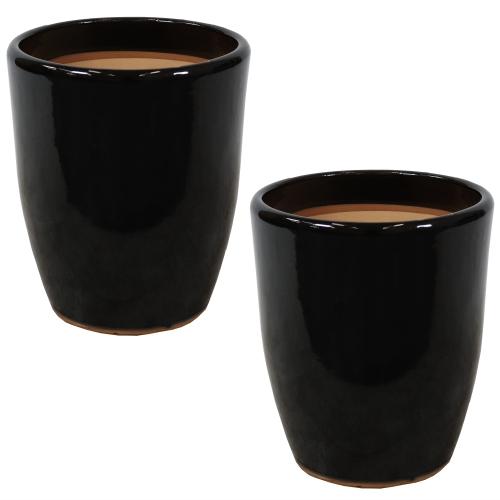
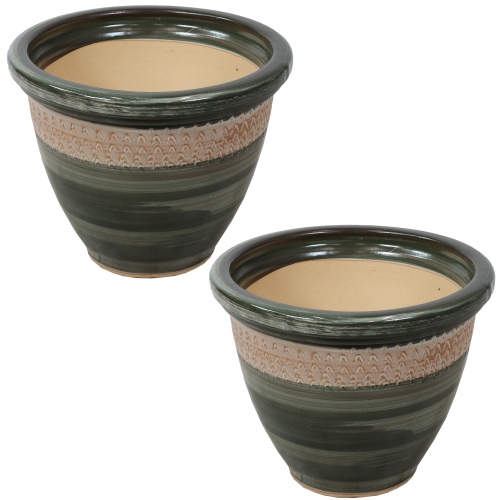
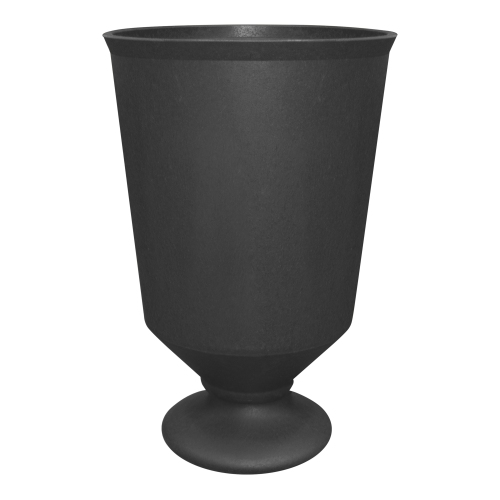
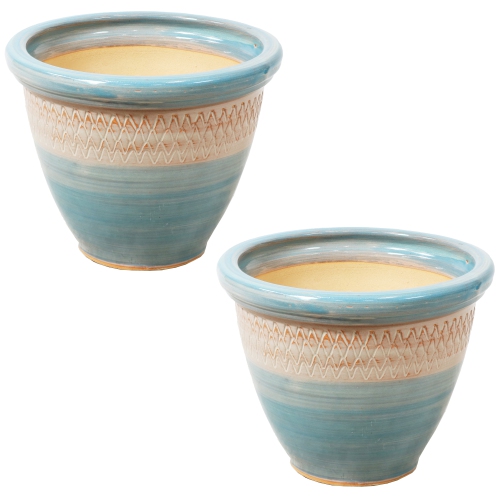

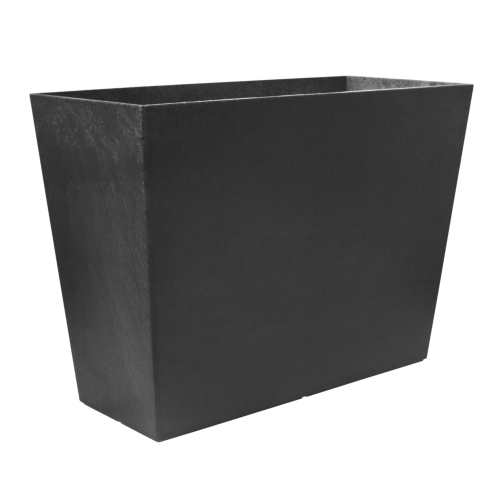
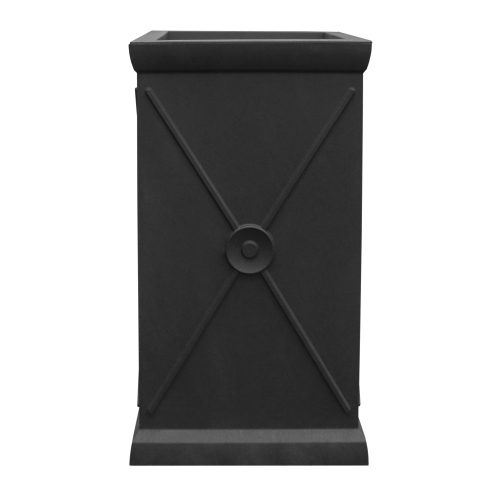
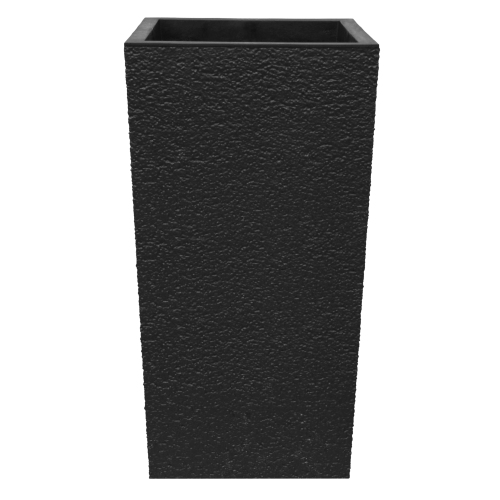
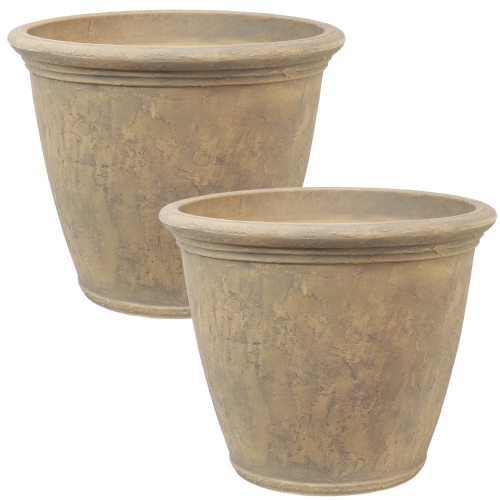
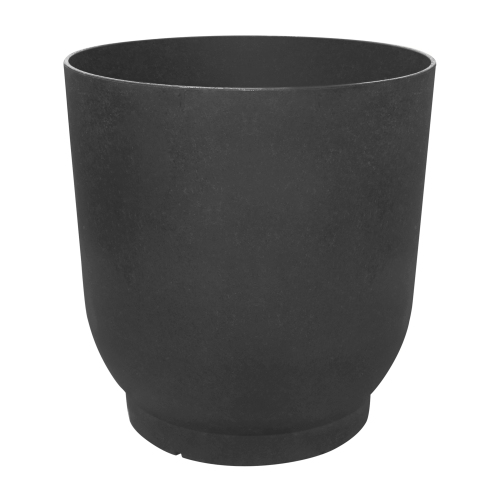

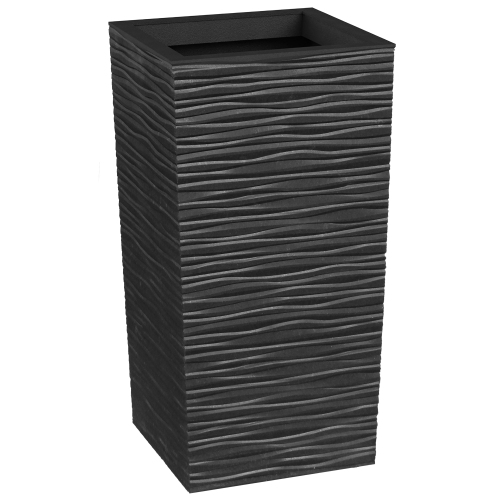
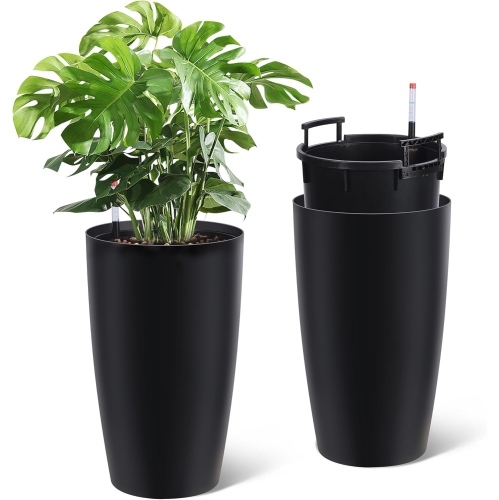
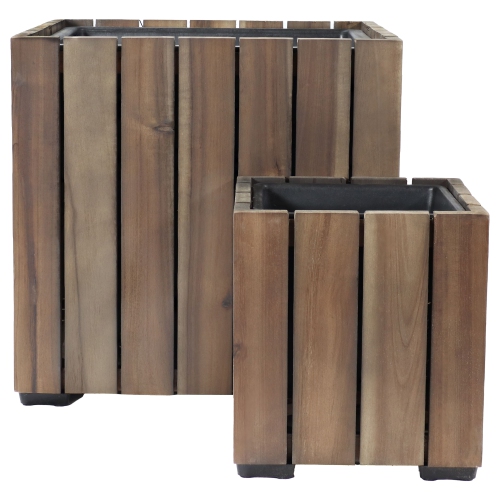
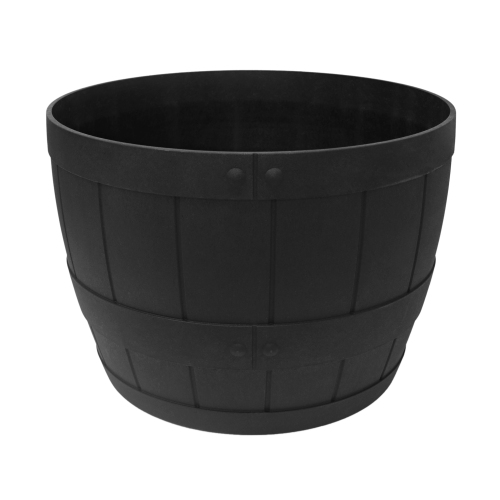
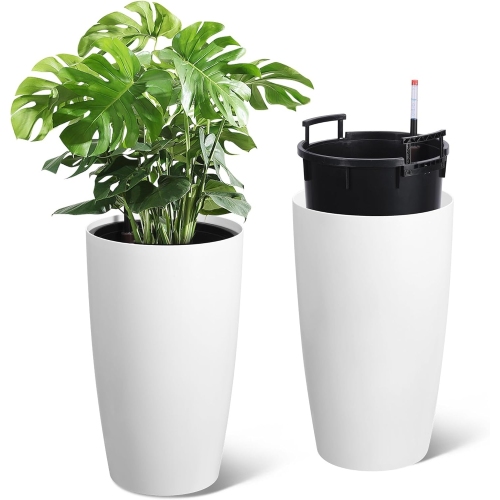
The right planter fits more than the roots
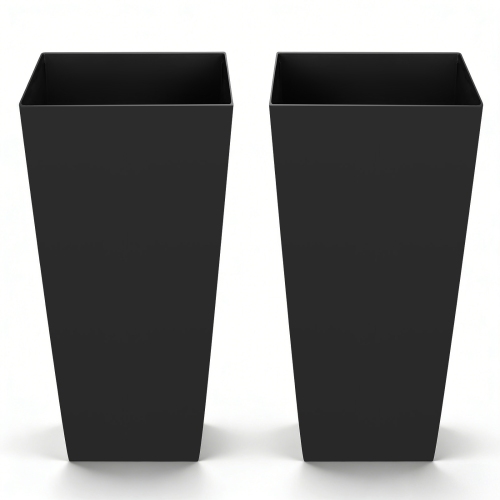
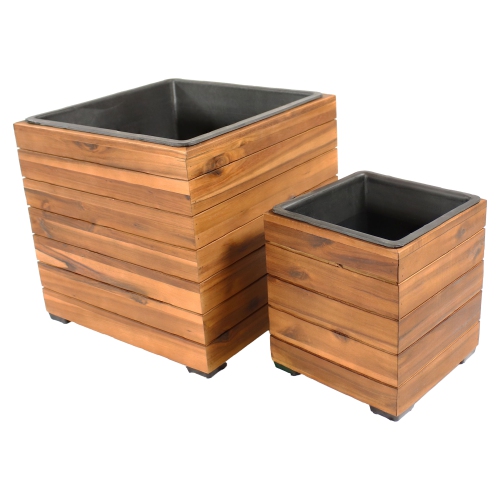
Large planters for indoor trees give substantial greenery a home that feels proportionate to its height, shape, and place in the room. A broad rubber tree beside a sofa, a fiddle-leaf fig near a bright window, or a slender indoor palm in an open dining area each calls for a slightly different balance of depth, width, and stability. The planter helps define that arrangement: a rounded silhouette softens angular furniture, a straight-sided cylinder keeps the look simple, and a tapered shape can make a generous container feel less imposing. Neutral colours let textured leaves and branching stems stand out, while darker finishes create a stronger visual anchor against pale walls. Beyond appearance, a good fit starts with the tree’s existing root ball or nursery pot. Exterior dimensions describe how much space a planter occupies, but the interior opening, usable depth, and width at the base determine whether the plant will actually fit. A narrow opening or sharply tapered interior may not accommodate a nursery pot even when the outside measurements seem generous. For trees planted directly into a container, a modest increase in growing space is generally more suitable than a dramatic jump in size, since excess potting mix can remain wet longer than the roots need. For trees kept in their nursery pots, the outer planter needs enough clearance for easy removal without leaving an awkwardly wide gap around the rim. Height matters visually, too: a tall vessel raises the foliage and draws attention upward, while a lower, wider container can suit a spreading canopy. In living rooms, bedrooms, and home offices, the full arrangement also needs room for leaves to extend without brushing a walkway, blocking a door, or crowding nearby seating. The result should feel settled into the room rather than squeezed into an unused corner, with suitable light for the tree taking priority over an otherwise attractive placement.
Materials influence how a large indoor planter looks, how easily it moves, and how it handles everyday watering. Glazed ceramic offers a substantial feel and a wide range of colours and surface textures, from smooth gloss to softly mottled finishes. Its weight can help anchor a leafy tree, although larger vessels may be difficult to lift once filled, and ceramic can chip or crack if knocked against a hard edge. Unglazed terracotta has a warm, earthy appearance and a porous surface that allows moisture to move through the pot wall, so plants may need a different watering routine than they would in a less porous container. It also needs particular care around wood flooring and furniture, since moisture can pass through the material. Concrete brings a solid, architectural presence that suits larger rooms, but its weight makes the intended location worth considering before planting. Resin and fibreglass can provide a substantial-looking shape with less weight, making them practical where occasional repositioning is important; wall thickness, base construction, and finish quality still affect how sturdy they feel. For a crisp outline or a metallic accent, Metal Planters for Indoor Plants offer another direction, with liners, protective coatings, and seam construction worth considering wherever moisture may collect. Wood adds visible grain and warmth, though indoor use generally calls for a suitable liner to keep damp potting mix away from the structure. Whatever the material, drainage arrangements need to match the way the planter will be used. A container with drainage holes needs a properly sized, watertight saucer or tray, while a closed outer planter is often best paired with a removable nursery pot. A layer of stones at the bottom does not replace drainage holes. When the tree stays in an inner pot, being able to lift it out for watering and let excess water drain before returning it helps keep standing water away from the roots and the outer container.
Living with a large indoor tree is easier when its planter suits both the space and the household’s routine. Filled weight includes the vessel, tree, potting mix, and retained water, which can turn even a relatively light container into something difficult to move. A load-rated plant caddy may be useful for cleaning behind a tree or turning its canopy towards the light, provided its platform fully supports the base and its wheels can be secured where needed. Raised stands need similar attention to fit and weight capacity, especially with a tall tree whose foliage extends well beyond the pot. In homes with children or pets, a broad, stable base and a position away from busy routes help reduce the chance of a bump becoming a tipped container; the tree itself also needs to be appropriate for the household. Floor protection deserves equal attention. A watertight tray can catch drainage, but any trapped moisture beneath it should still be checked, and protective pads should suit the flooring rather than simply hide contact points. Day-to-day care is usually straightforward: dust and water marks can be wiped away with a soft cloth and a cleaner appropriate to the finish, while abrasive scrubbers may damage coatings or polished surfaces. Textured exteriors bring depth to a room, although grooves and raised patterns can take more effort to clean than a smooth wall. Access to the soil surface is another practical detail, particularly when checking moisture or removing fallen leaves. A rim that sits too high above the nursery pot can make those small tasks unnecessarily awkward. Large planters can also make thoughtful housewarming gifts for someone who already enjoys indoor trees, especially when the dimensions suit a plant they own and the finish works with their furniture. Whether used as a quiet backdrop for lush foliage or as a sculptural feature beside a favourite chair, a well-proportioned planter brings together the tree’s growing needs, the room’s layout, and the practical details that make a substantial indoor planting comfortable to maintain.
Top selling and popular products
-
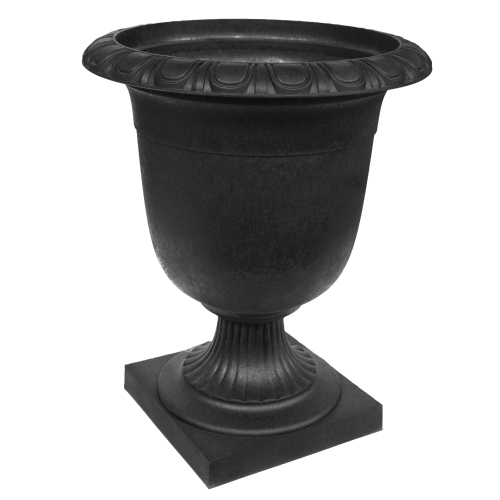 Your price for this item is $204.99
-
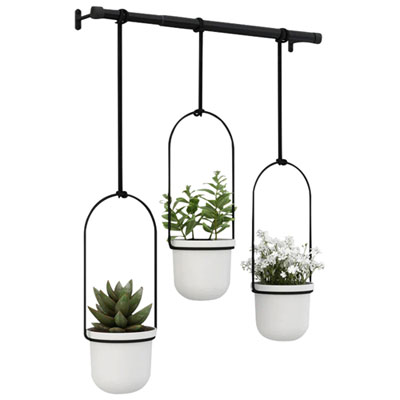 Your price for this item is $65.98
-
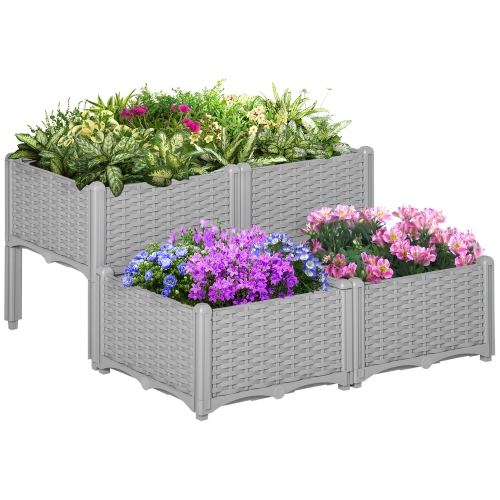 Your price for this item is $94.99
-
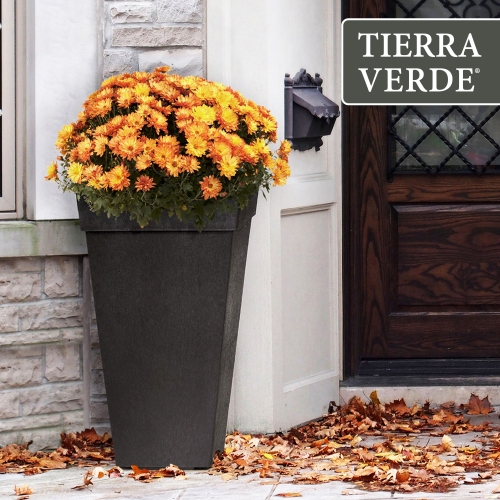 Your price for this item is $187.99
-
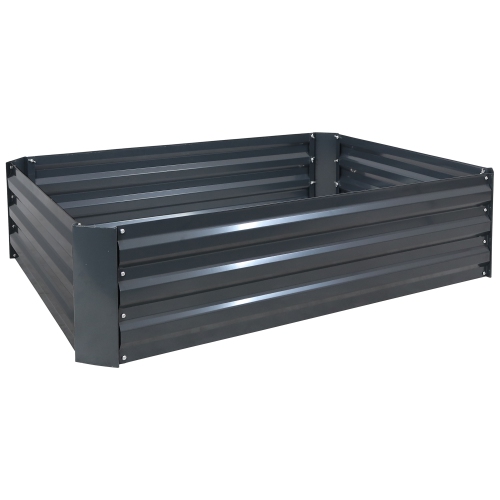 Your price for this item is $117.75
-
 Your price for this item is $117.75
-
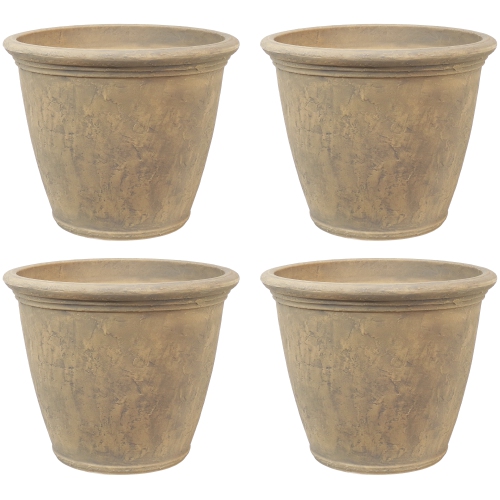 Your price for this item is $415.35
-
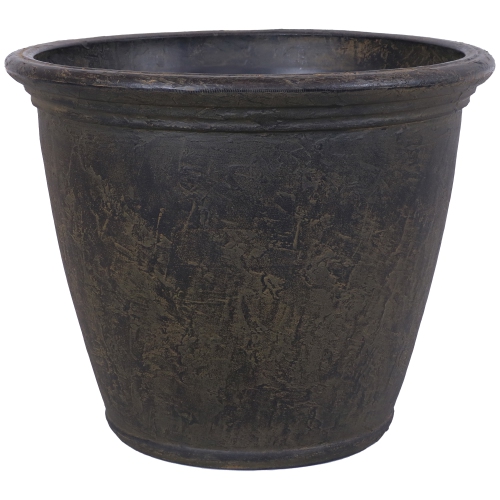 Your price for this item is $173.65
Discover more categories related to Large Planters for Indoor Trees
Top Collections:
Best Black Friday Deals This Year, Best Black Friday Deals On Electronics, Kindle Devices, Pokemon Centers, Best Black Friday Deals On Apple Products, Best Cameras for Sports Photography, Dyson Airwrap, Pokémon 30th Celebration Cards, Apple iPhone 17 Pro, Canon G7X Cameras
Some products may be subject to Environmental Handling Fees
(EHF) depending on your province.
Learn more about EHFs.