Large Serving Bowls
Elevate your dining experience with our selection of large serving bowls, perfect for any meal or occasion. Versatile and stylish, these bowls are ideal for serving everything from hearty salads and pasta to fresh fruit and snacks. Crafted from high-quality materials, they offer durability and elegance that seamlessly blend with any table setting. Whether hosting a dinner party or enjoying a casual family meal, our range of large serving bowls ensures you serve in style while keeping functionality at the forefront. Explore various designs, sizes, and finishes to find the perfect addition to your kitchenware collection.
Sort
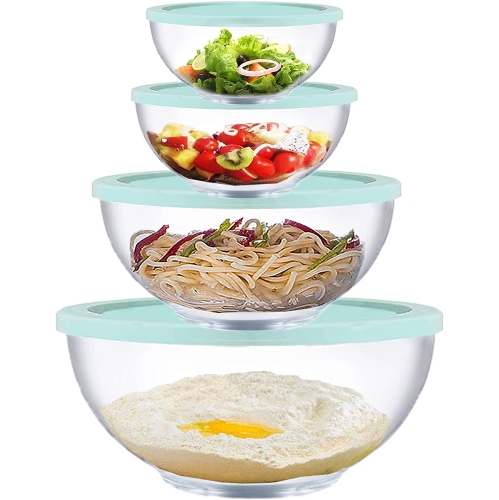
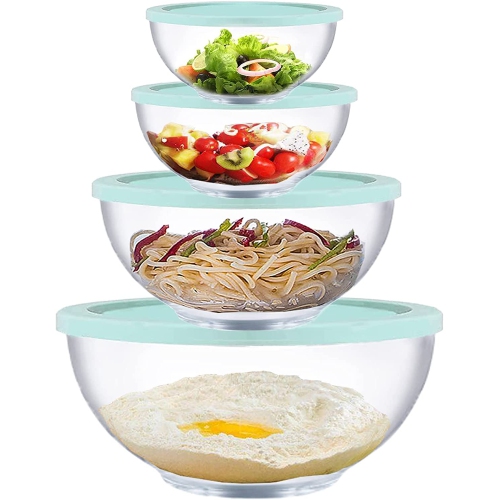
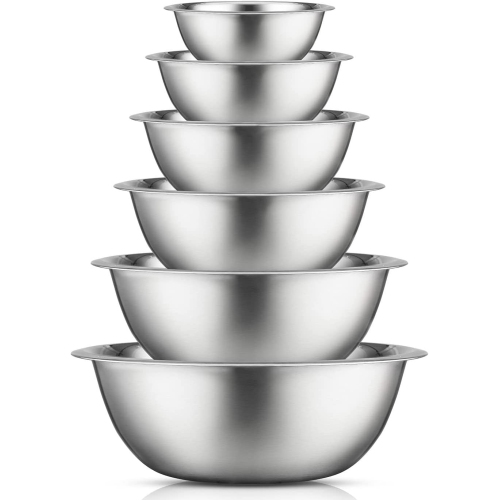
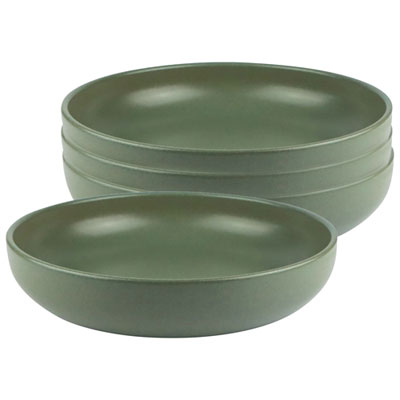
Why bowl depth matters as much as diameter
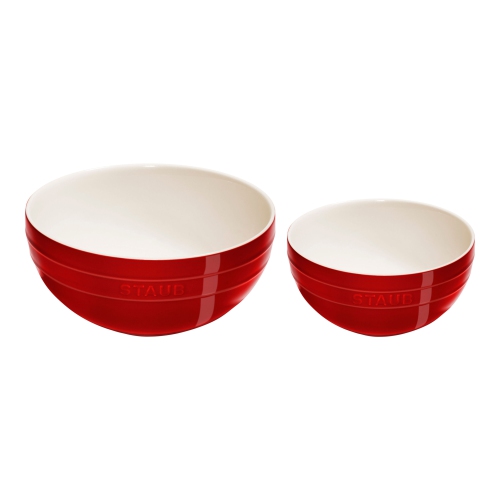
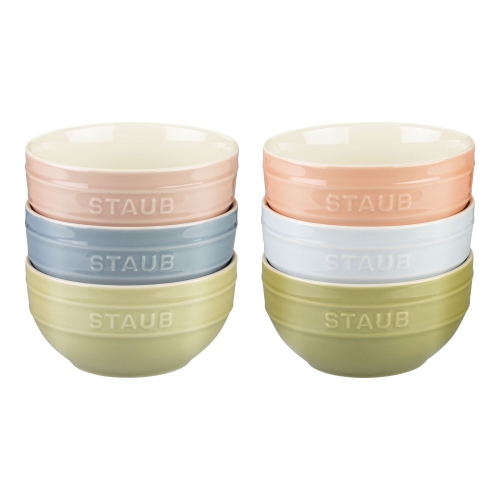
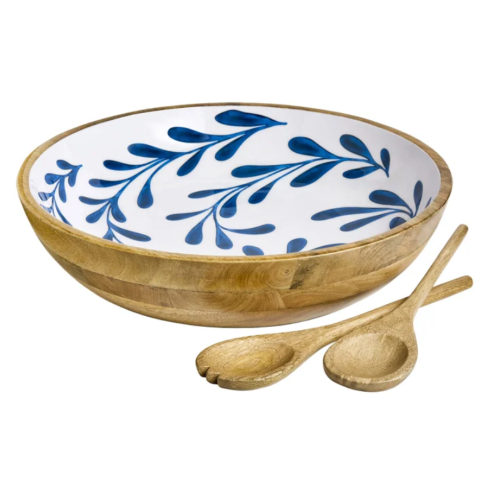
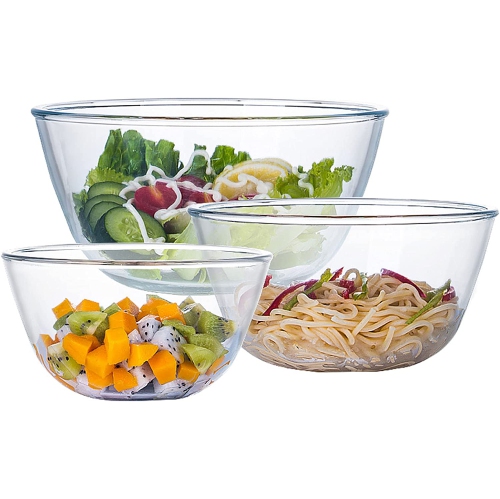
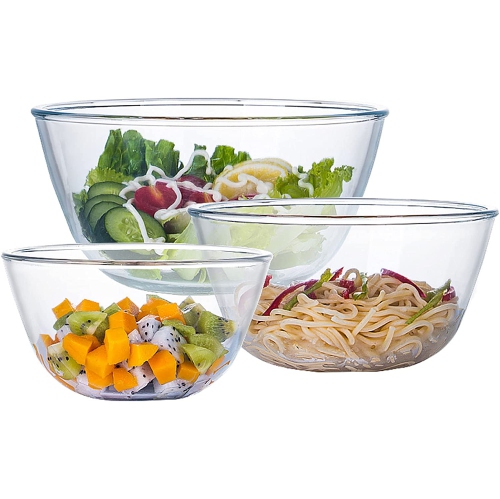
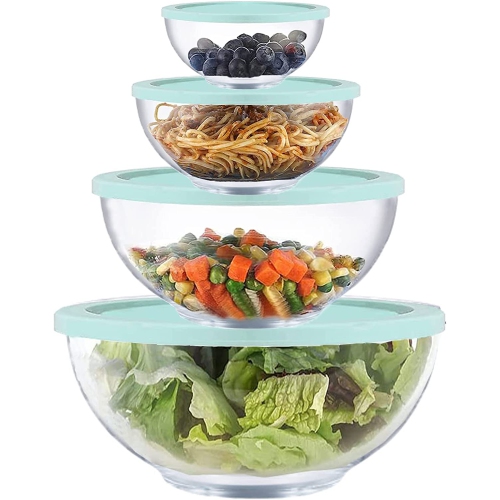
Large serving bowls bring shared dishes to the centre of the table, giving salads, pasta, vegetables, grains, and fruit enough room to look inviting and serve comfortably. Many large serving bowls measure roughly 12 to 15 inches across, although depth and capacity matter just as much as diameter. A wide, shallow bowl spreads food out, making it easy to reach roasted vegetables or lift a portion of pasta without digging underneath other ingredients. A deeper bowl contains leafy greens, rice dishes, or generous portions of potato salad while leaving space for a serving spoon. As a general starting point, a 12- to 14-inch bowl can suit a shared side dish for four to six people, while a bowl measuring 15 inches or more may accommodate portions for six to eight or more. These are approximate serving ranges rather than fixed rules: a main-course salad takes up more space per person than a rich side dish, and loosely piled greens need more room than cooked grains. Capacity in litres helps clarify how much a bowl holds, but usable serving space is usually less than its full capacity. Leaving room below the rim makes tossing, passing, and scooping easier, particularly when a dressing or sauce is involved. For meals built around fresh greens, Salad Bowls offer a more focused way to explore shapes suited to tossing and presenting salad. Beyond capacity, the proportions should work with the table itself. An oversized bowl may be a comfortable fit on a buffet but crowd a smaller dining table once plates, glasses, and other dishes are in place. A broad rim gives hands somewhere to grip, while an open interior offers more space for food within the same overall diameter. On a narrow table, an oval serving bowl can hold a generous dish while leaving more room along either side. For family-style meals, the most useful size is one that holds enough food without becoming awkward to lift or pass when filled.
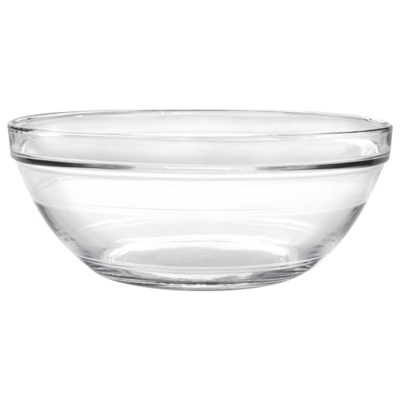
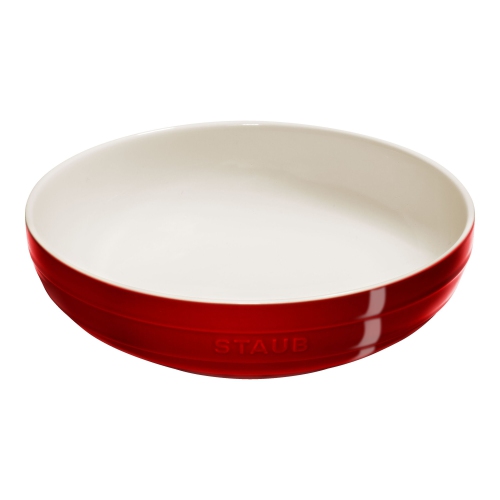
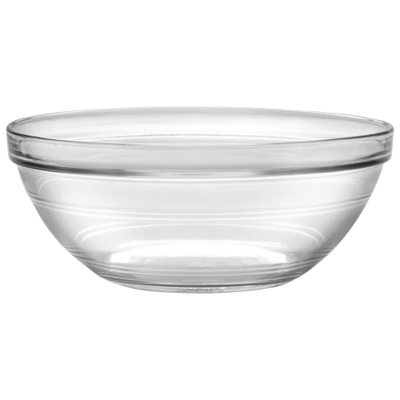
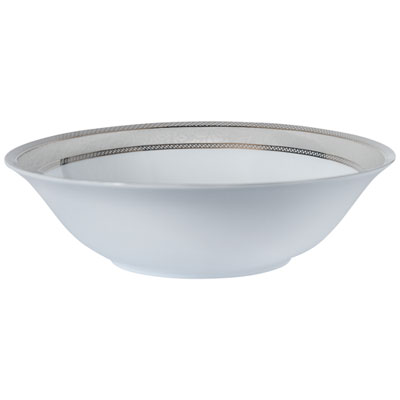
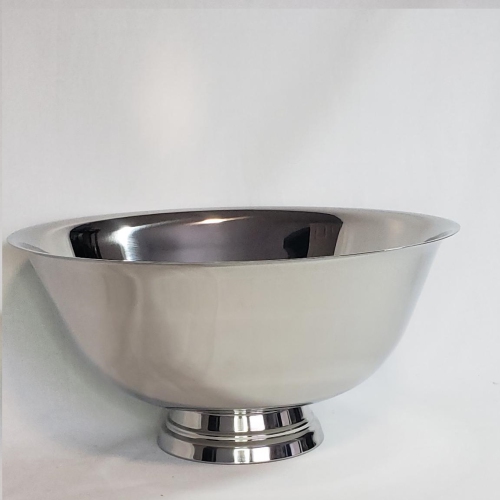
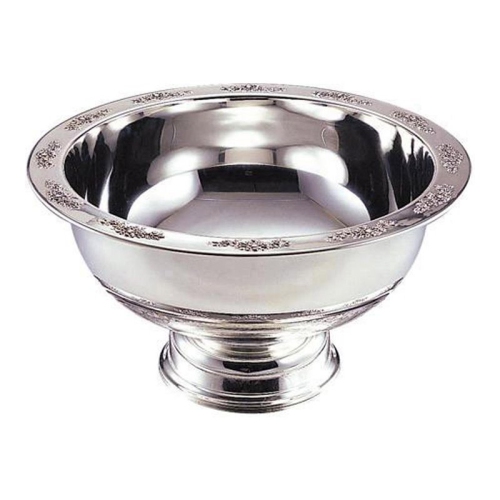
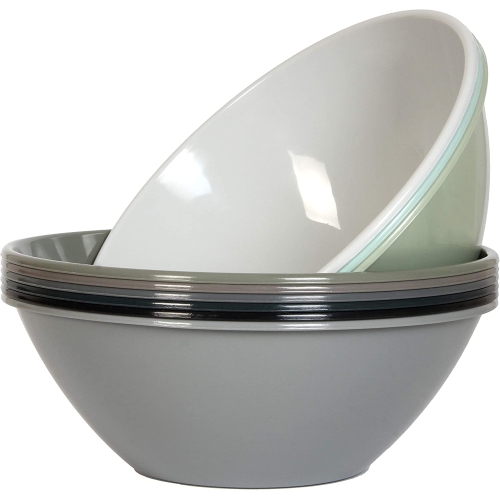
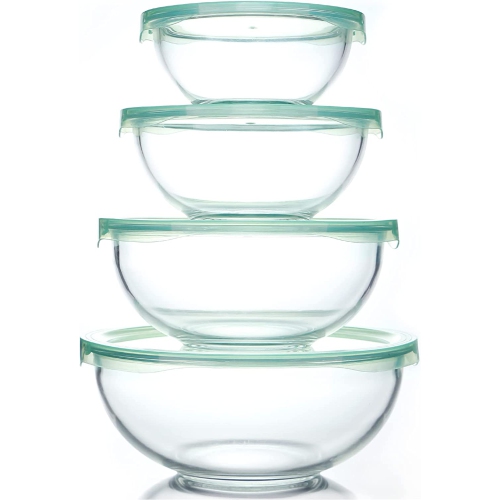
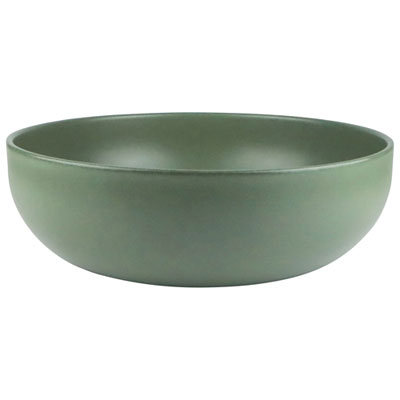
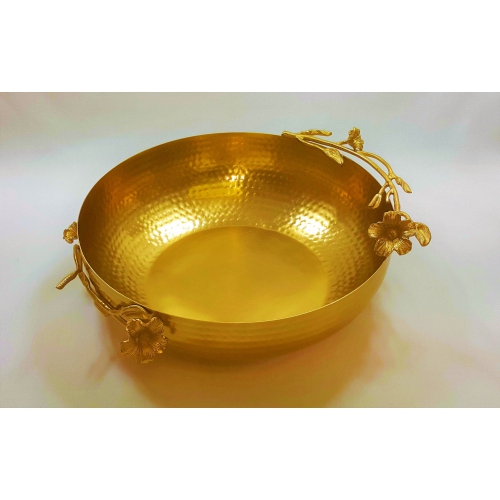
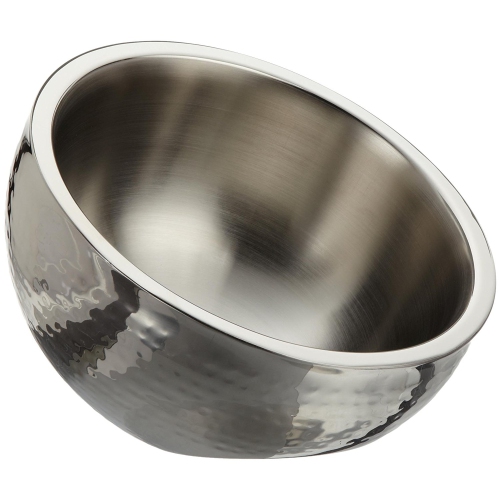
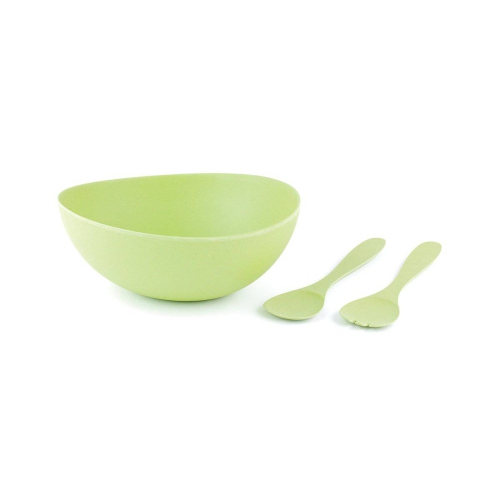
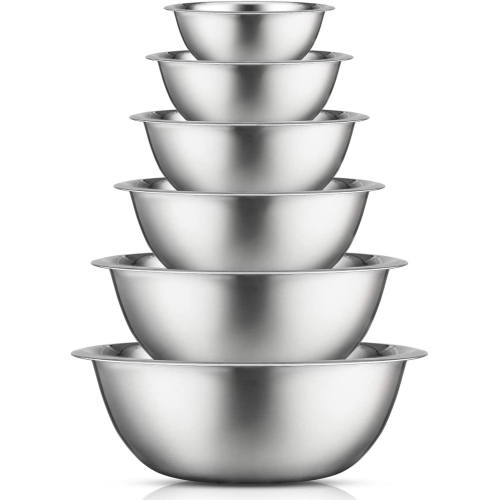
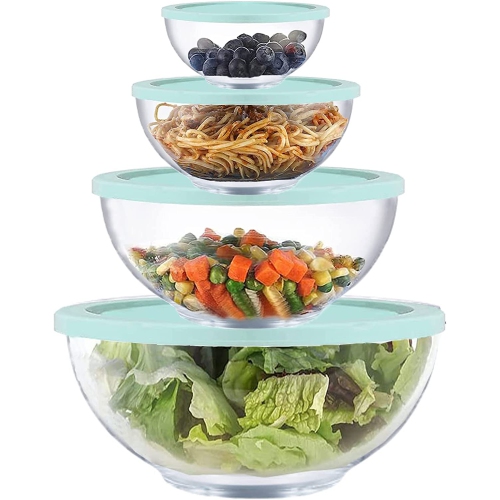
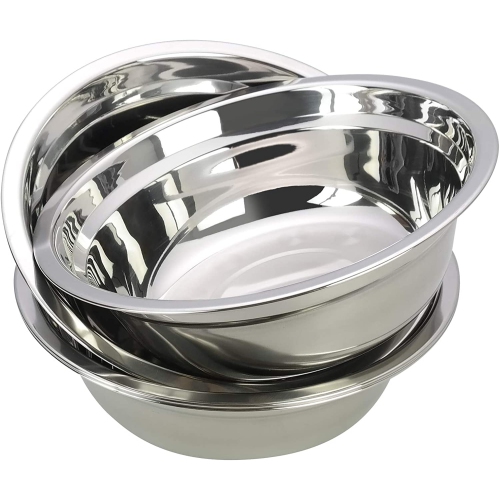
Material influences a large serving bowl’s appearance, weight, durability, and care requirements. Ceramic and stoneware bowls bring substantial weight and a tactile finish to the table, whether the surface is smooth and glossy or softly textured. Their heft can help them stay put during serving, though that same weight becomes more noticeable when carrying a full bowl from the kitchen. Porcelain often has a refined profile that works for both everyday dinners and more formal table settings; its resistance to chips and scratches still depends on construction, finish, and handling. Glass keeps the contents visible, making colourful layers of vegetables, fruit, or grain salad part of the presentation. A thick glass bowl can be heavy, and not all glass is suitable for sudden temperature changes, oven use, or the microwave. Stainless steel is generally lighter than comparably sized ceramic or glass and resists breakage, making it practical for frequent use and moving dishes between a prep area and the table. Its surface can show fingerprints and scratches, and it should not go in the microwave. Wood adds visible grain and a softer contrast beside metal cutlery and glazed dinnerware. Wooden serving bowls usually need hand washing, prompt drying, and occasional conditioning when specified by the manufacturer; prolonged soaking can damage the material. Melamine and other reusable plastic bowls can be easier to carry and less vulnerable to shattering, but heat limits, dishwasher placement, and suitability for particular foods vary. No material alone guarantees that a bowl is dishwasher-, microwave-, or oven-safe, so the care information for the individual bowl remains important. Smooth interiors are generally easier to wipe clean than deeply textured surfaces, especially after serving thick dressings or sauces. For lasting good looks, gentle utensils and non-abrasive cleaning tools help protect finishes. Chips, cracks, peeling coatings, or rough damaged areas deserve attention because they can affect safe handling and make thorough cleaning more difficult.
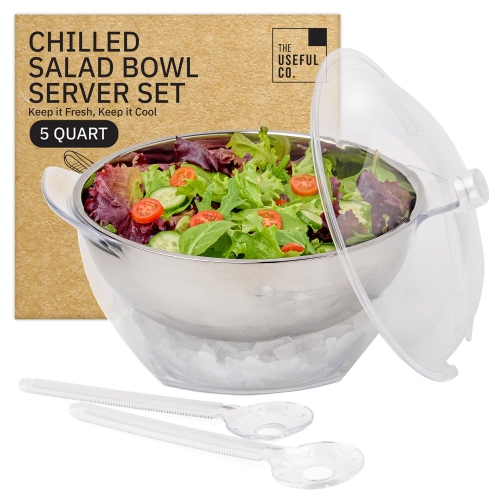
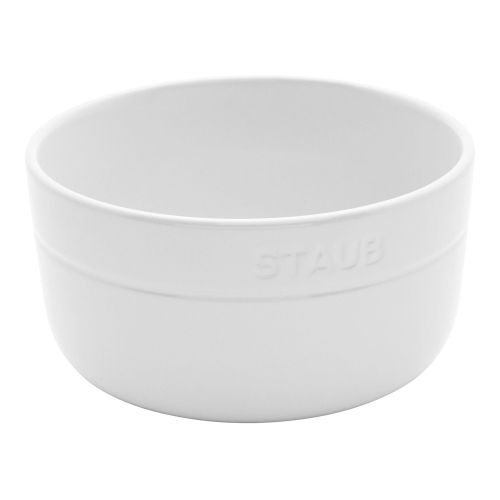
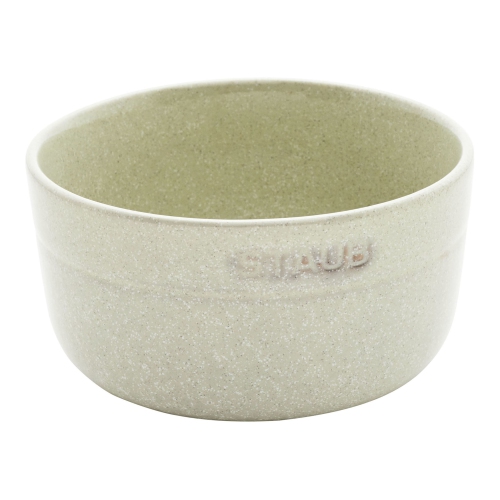
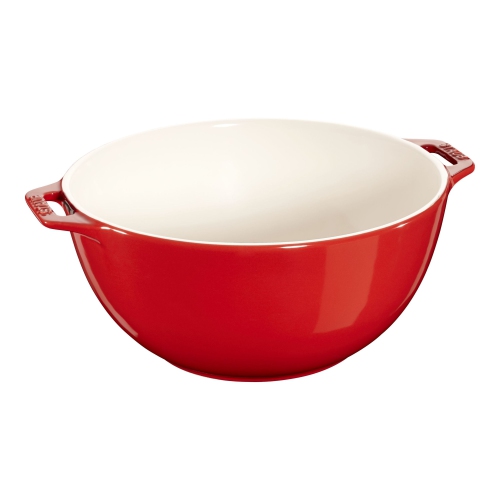
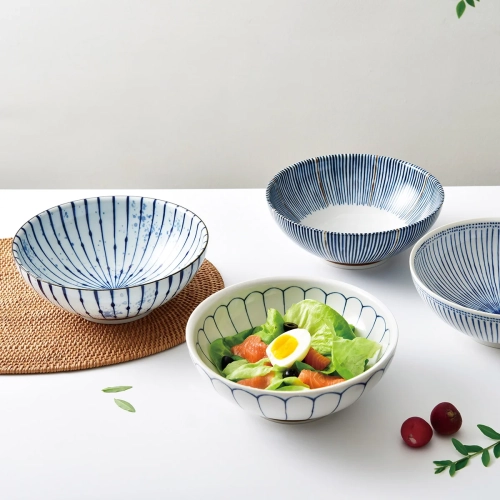
The right shape and finish depend on how a serving bowl will earn its place in the kitchen. A broad pasta serving bowl gives long noodles room to settle without forming a deep mound, while gently sloped sides help a serving spoon slide beneath ravioli or roasted vegetables. A deeper salad serving bowl is useful when tossing leaves with dressing, provided there is enough spare space to lift and turn the ingredients. For fruit on a kitchen island, a wide opening keeps the contents visible and accessible; for shared snacks, a stable base helps prevent tipping as people reach across the table. Those small details become especially noticeable at a busy meal. A flat, steady foot, a comfortable rim, and enough clearance for serving utensils often matter more than an elaborate finish. Handles can improve control, although they also increase the space needed in a cupboard or dishwasher. Storage deserves consideration with any oversized serving dish: measure shelf depth and height, and remember that bowls with flared rims or raised bases may not nest neatly. When stacking ceramic or glass, a soft separator can help prevent contact marks and chips. Colour and pattern offer another way to make a large bowl feel at home. White or softly neutral finishes let the food stand out and combine easily with mixed dinnerware, while a richly coloured glaze can anchor a table setting without requiring a matching set. Clear glass gives a lighter visual effect, and wood introduces variation through its grain. Large serving bowls can be useful gifts for people setting up a home, couples building a collection of tableware, or hosts who regularly serve meals to a group. A versatile shape and manageable weight are often more useful than sheer size, particularly for someone with limited storage or difficulty lifting heavy dishes. Whether holding a generous pasta dish for a family dinner or several portions of a side for guests, a well-proportioned serving bowl makes it easier to present food neatly, reach each portion, and keep the meal centred on sharing.
Material influences a large serving bowl’s appearance, weight, durability, and care requirements. Ceramic and stoneware bowls bring substantial weight and a tactile finish to the table, whether the surface is smooth and glossy or softly textured. Their heft can help them stay put during serving, though that same weight becomes more noticeable when carrying a full bowl from the kitchen. Porcelain often has a refined profile that works for both everyday dinners and more formal table settings; its resistance to chips and scratches still depends on construction, finish, and handling. Glass keeps the contents visible, making colourful layers of vegetables, fruit, or grain salad part of the presentation. A thick glass bowl can be heavy, and not all glass is suitable for sudden temperature changes, oven use, or the microwave. Stainless steel is generally lighter than comparably sized ceramic or glass and resists breakage, making it practical for frequent use and moving dishes between a prep area and the table. Its surface can show fingerprints and scratches, and it should not go in the microwave. Wood adds visible grain and a softer contrast beside metal cutlery and glazed dinnerware. Wooden serving bowls usually need hand washing, prompt drying, and occasional conditioning when specified by the manufacturer; prolonged soaking can damage the material. Melamine and other reusable plastic bowls can be easier to carry and less vulnerable to shattering, but heat limits, dishwasher placement, and suitability for particular foods vary. No material alone guarantees that a bowl is dishwasher-, microwave-, or oven-safe, so the care information for the individual bowl remains important. Smooth interiors are generally easier to wipe clean than deeply textured surfaces, especially after serving thick dressings or sauces. For lasting good looks, gentle utensils and non-abrasive cleaning tools help protect finishes. Chips, cracks, peeling coatings, or rough damaged areas deserve attention because they can affect safe handling and make thorough cleaning more difficult.
The right shape and finish depend on how a serving bowl will earn its place in the kitchen. A broad pasta serving bowl gives long noodles room to settle without forming a deep mound, while gently sloped sides help a serving spoon slide beneath ravioli or roasted vegetables. A deeper salad serving bowl is useful when tossing leaves with dressing, provided there is enough spare space to lift and turn the ingredients. For fruit on a kitchen island, a wide opening keeps the contents visible and accessible; for shared snacks, a stable base helps prevent tipping as people reach across the table. Those small details become especially noticeable at a busy meal. A flat, steady foot, a comfortable rim, and enough clearance for serving utensils often matter more than an elaborate finish. Handles can improve control, although they also increase the space needed in a cupboard or dishwasher. Storage deserves consideration with any oversized serving dish: measure shelf depth and height, and remember that bowls with flared rims or raised bases may not nest neatly. When stacking ceramic or glass, a soft separator can help prevent contact marks and chips. Colour and pattern offer another way to make a large bowl feel at home. White or softly neutral finishes let the food stand out and combine easily with mixed dinnerware, while a richly coloured glaze can anchor a table setting without requiring a matching set. Clear glass gives a lighter visual effect, and wood introduces variation through its grain. Large serving bowls can be useful gifts for people setting up a home, couples building a collection of tableware, or hosts who regularly serve meals to a group. A versatile shape and manageable weight are often more useful than sheer size, particularly for someone with limited storage or difficulty lifting heavy dishes. Whether holding a generous pasta dish for a family dinner or several portions of a side for guests, a well-proportioned serving bowl makes it easier to present food neatly, reach each portion, and keep the meal centred on sharing.
Top selling and popular products
-
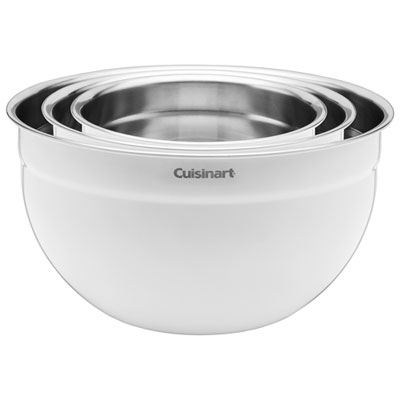 Your price for this item is $69.99
 -
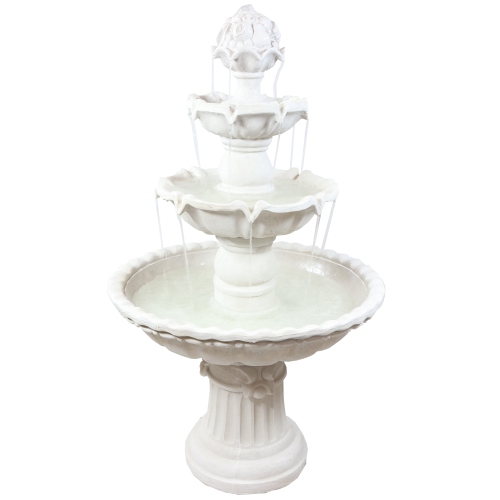 Your price for this item is $970.85
 -
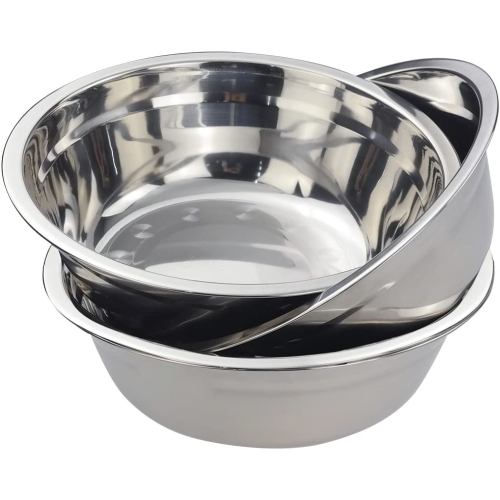 Your price for this item is $20.99
 -
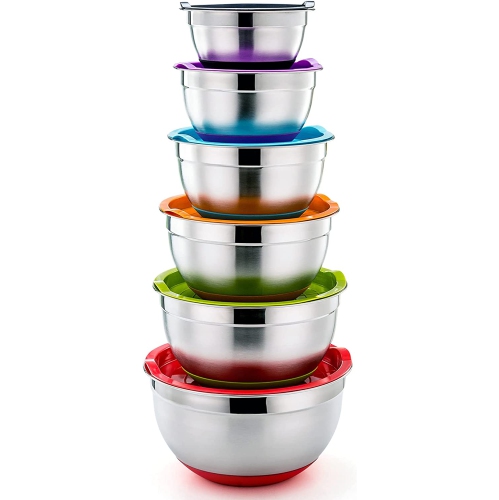 Your price for this item is $45.83
 -
 Your price for this item is $51.44
 -
 Your price for this item is $20.99
 -
 Your price for this item is $46.55
 -
 Your price for this item is $69.99
Discover more categories related to Large Serving Bowls
Top Collections:
Pokemon Centers, Kindle Devices, Budget 4K TVs, Canon G7X Cameras, Apple iPhones 16, iPhone 15 Apple, Refurbished Apple Laptops, Motorola Razr Phones, Flip Phones, Needoh Sale
Some products may be subject to Environmental Handling Fees
(EHF) depending on your province.
Learn more about EHFs.