Large Waterproof Storage Bags
Large Waterproof Storage Bags offer a practical solution for keeping your belongings protected and organized in a variety of situations. Ideal for travel, home storage, or outdoor activities, these bags help make packing and organizing simple and efficient. With spacious designs and reliable construction, Large Waterproof Storage Bags are perfect for storing clothing, bedding, gear, and more. Explore options that make it easy to manage your essentials with confidence wherever life takes you.
Sort
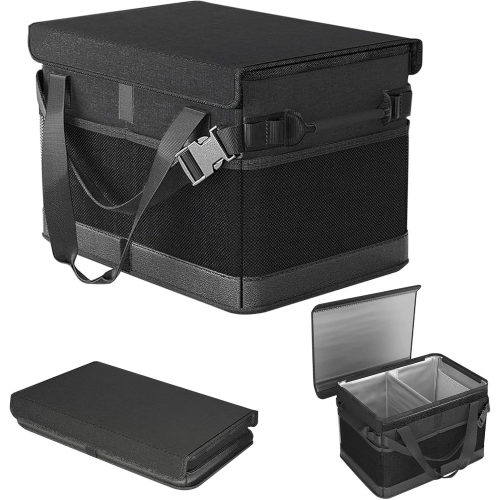
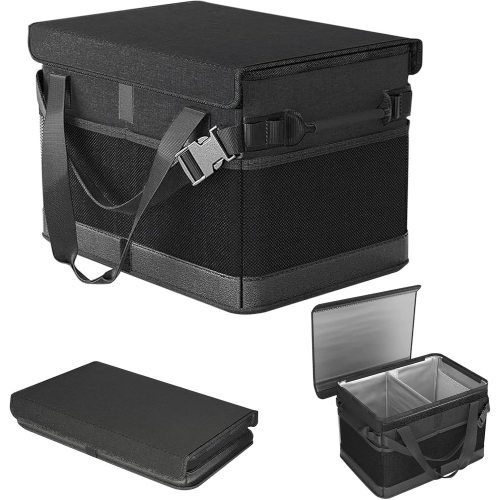

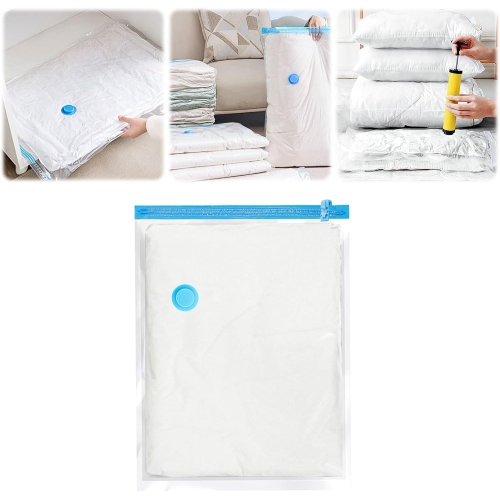
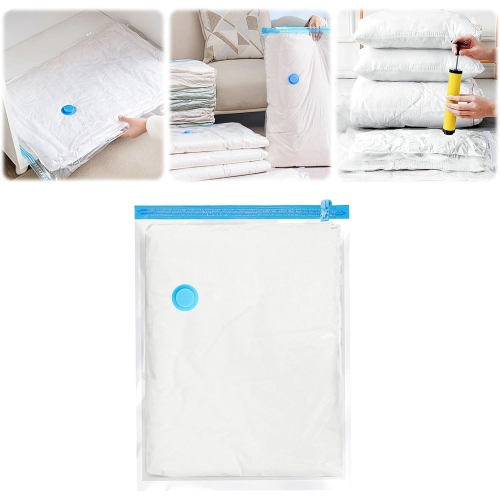
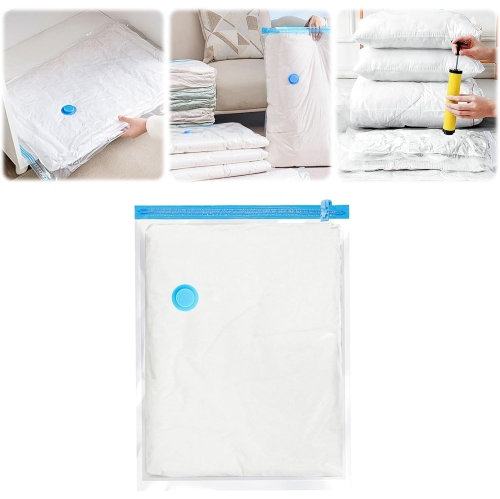
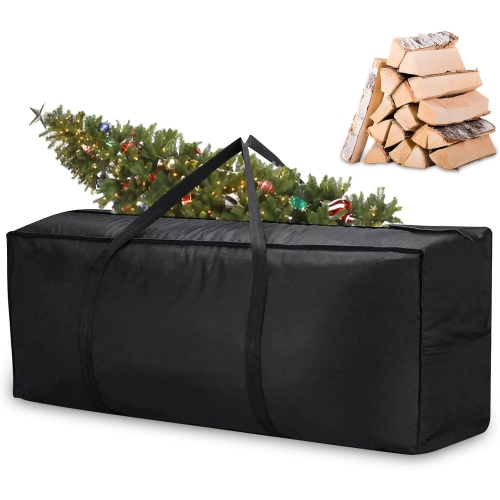
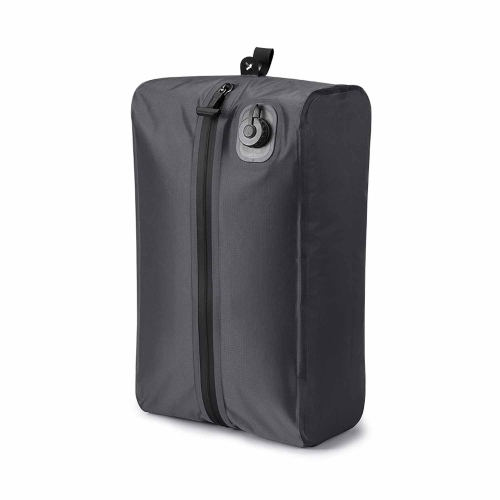
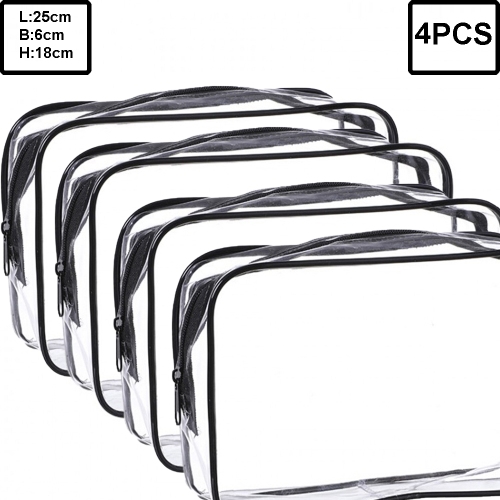
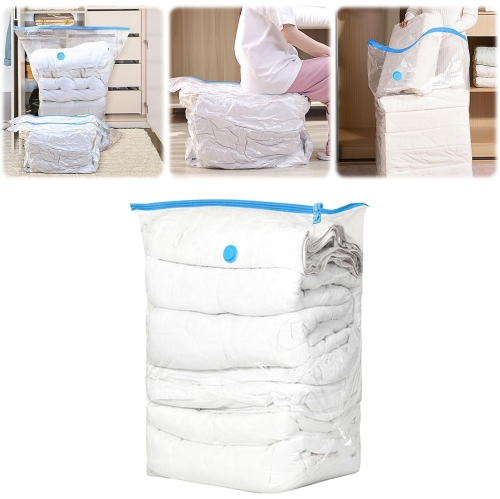
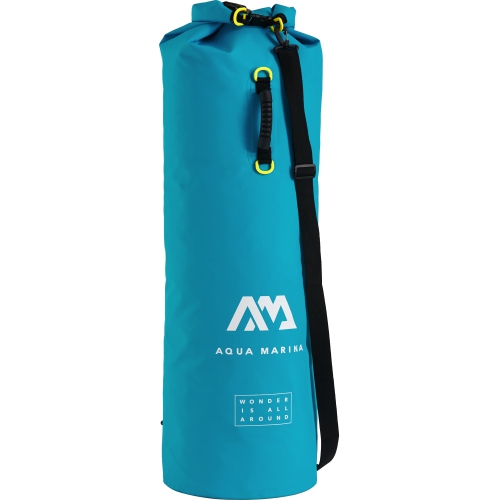
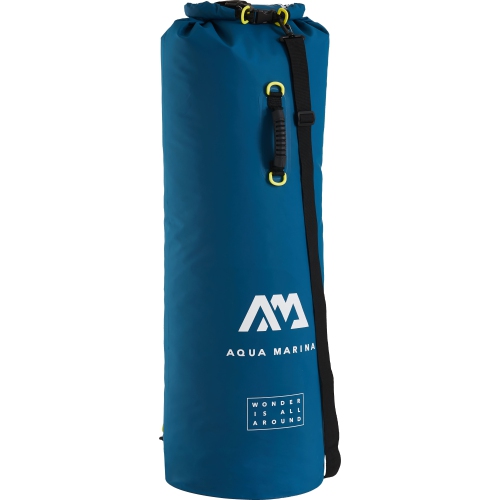
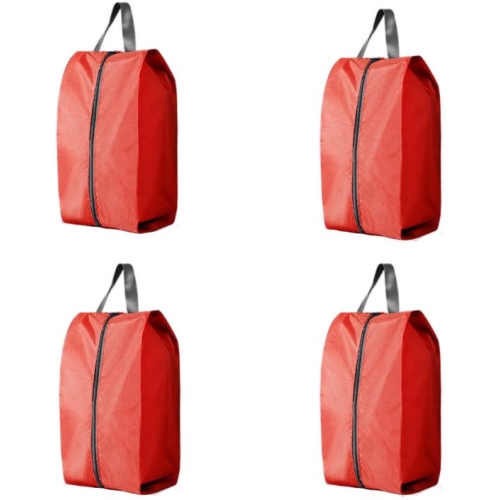
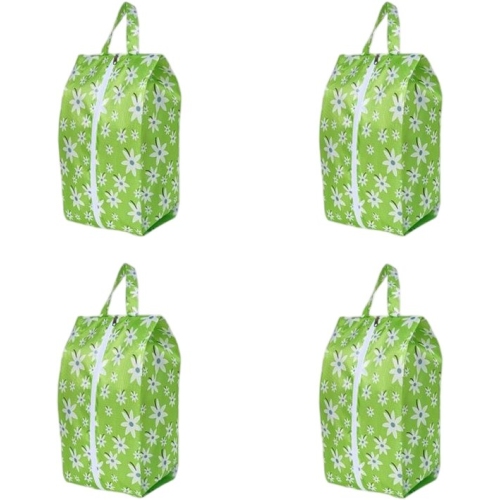
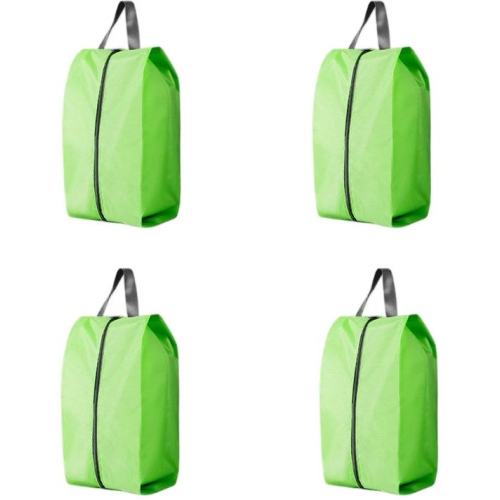
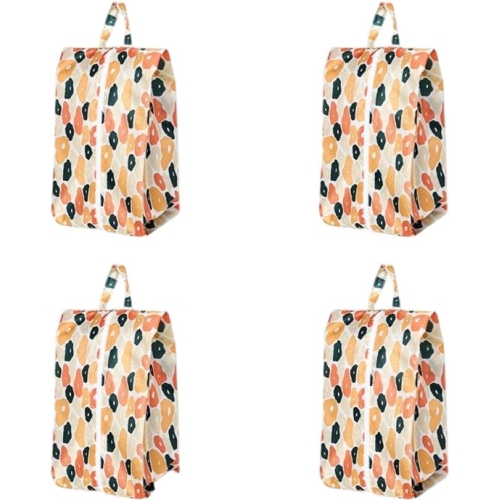
Water protection depends on more than waterproof fabric
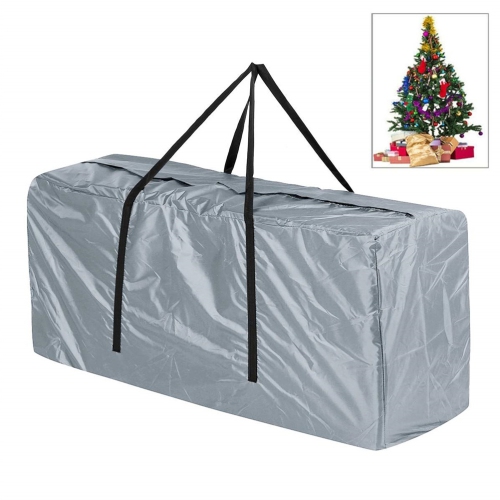
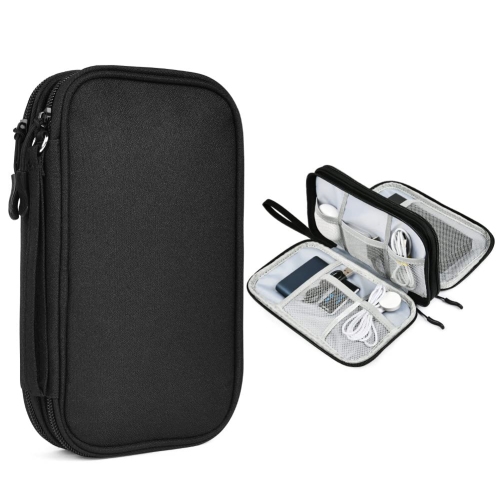
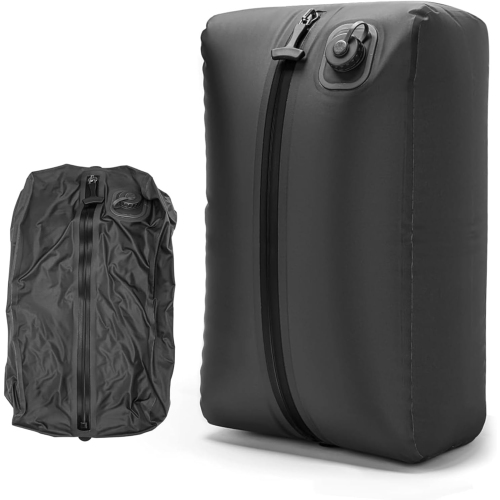
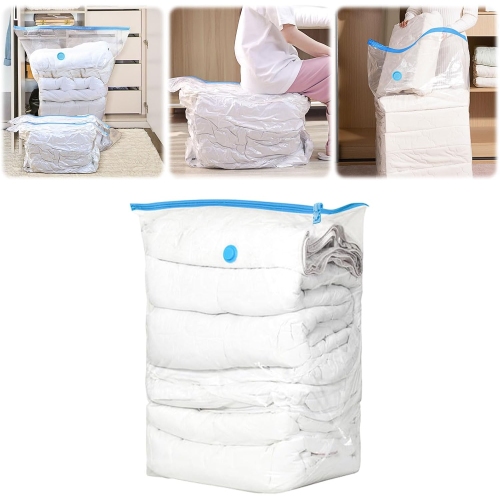
Large waterproof storage bags provide roomy, flexible storage for belongings that need protection from water during transport or while packed away. Depending on their construction, they can hold bulky bedding, clothing, outdoor cushions, camping equipment or sports gear without the fixed shape of a rigid storage bin. Their usefulness comes down to more than capacity: the fabric, seams and opening all need to suit the level of water exposure involved. A bag intended to protect folded blankets from occasional splashes has a different job from a dry bag carried in a canoe. Waterproof and water-resistant descriptions are not interchangeable, and a waterproof fabric does not necessarily make the entire bag watertight. Closure details and stated protection limits matter, especially when the contents include anything easily damaged by moisture. Large rectangular storage bags can make good use of space beneath shelving or inside a cupboard, while cylindrical dry bags suit loosely packed clothing and soft equipment. Duffle-style designs offer a broad opening that makes it easier to reach a sleeping bag or find a change of clothes without emptying everything onto the floor. For cushions, folded mattress toppers or thick duvets, the opening and internal dimensions can be more useful than the litre capacity alone. A long cushion may not fit through a narrow mouth even when the bag has enough total volume. Measuring the contents in their packed shape helps leave enough room to close the bag without forcing the zipper or stretching the seams. Roll-top bags also need unused space at the opening so the closure can be folded as directed. Soft belongings usually make better use of a flexible bag than awkward, sharp-edged equipment, which may need protective wrapping or a separate container. Keeping frequently needed belongings near the opening makes a large bag easier to use, particularly when it holds several people’s clothing or a mix of bedding and equipment.
Materials and construction determine how a large waterproof storage bag handles repeated packing, lifting and contact with rough surfaces. Coated polyester and nylon are common choices, while PVC-coated fabrics and tarpaulin-style materials can provide a substantial barrier against water. Fabric weight and denier can offer clues about the construction, but neither is a stand-alone measure of waterproof performance or durability. The coating, seam design and reinforcement around stress points are just as important. Welded seams join compatible coated materials without the needle holes created by stitching; stitched seams may rely on sealing or taping to limit water entry. These details are especially relevant around the base, corners and handle attachments, where a full bag puts the material under strain. Closures deserve equally close attention. A conventional zipper may allow water through even when the surrounding fabric is waterproof, and a protective flap should not be mistaken for a seal that can withstand immersion. Roll-top closures depend on correct folding and fastening, while waterproof zippers require the care and complete closure specified by the manufacturer. Unless a bag is explicitly rated for submersion, it should not be treated as an underwater container. For carrying, reinforced handles, wraparound webbing and comfortable grips can make a bulky load more manageable. A shoulder strap may help over a short distance, but bedding and clothing can become surprisingly heavy when packed into one large space. Volume capacity describes how much a bag holds, not how much weight its straps or seams can safely support. Keeping dense belongings in smaller loads reduces strain on both the bag and the person carrying it. A wide, stable base is helpful when packing on a floor, and a smooth interior makes it easier to slide folded fabrics into place. Exterior pockets can keep small accessories accessible, although their water protection may differ from that of the main compartment. Bright colours or clear label sleeves can also make similar-looking bags easier to distinguish.
Careful packing and storage help preserve both the bag and its contents. Clothing, cushions and bedding should be clean and thoroughly dry before they are enclosed, because a waterproof outer layer cannot remove moisture already trapped inside. Damp towels or swim gear are better kept separate from dry belongings and unpacked promptly after transport; a sealed storage bag is not a substitute for drying them. For longer storage, a clean indoor location away from direct sunlight, sharp edges and heavy objects is generally preferable unless the bag is specifically intended for another setting. Waterproof construction alone does not establish resistance to prolonged sunlight, pests or abrasion, and placing a bag directly on a rough floor can wear its base over time. Leaving space around stored bags makes it easier to inspect them and retrieve one without dragging it out from beneath a heavy stack. Dust and grit should be brushed or rinsed away before they work into folds, fasteners or zipper teeth. Cleaning methods vary by coating and fabric, so the care label should determine whether wiping, handwashing or another method is suitable. Harsh cleaners, machine washing and tumble drying can damage some waterproof finishes or seam treatments. After cleaning, opening the bag fully and allowing the interior, seams and closure to dry helps prevent trapped odours and mould. Checking for worn corners, lifting seam tape or damaged fasteners before the next use can reveal problems before belongings are packed. These practical details make large waterproof storage bags useful for households organizing bulky textiles, people moving between homes, and travellers or paddlers keeping suitable gear together. They can also be thoughtful gifts when the recipient’s usual load and carrying needs are known; a manageable bag that fits a familiar activity is often more useful than the largest possible size. For belongings that do not require the same level of water protection, Large Storage Bags provide a broader category to consider. The best fit balances usable space, dependable construction and straightforward handling, with protection matched to the way the bag will actually be used.
Top selling and popular products
-
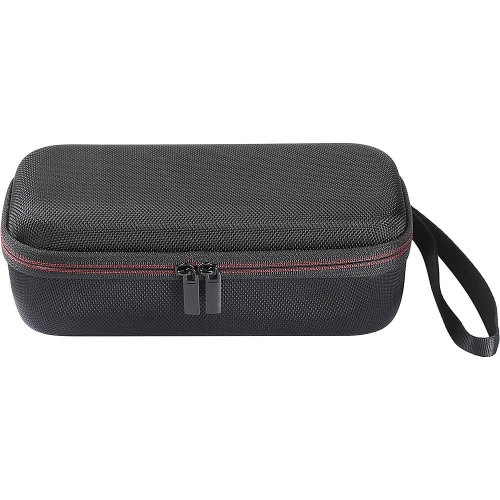 Your price for this item is $59
-
 Your price for this item is $34.95
-
 Your price for this item is $29.99
-
 Your price for this item is $79.99
-
 Your price for this item is $39.99
-
 Your price for this item is $49.99
-
 Your price for this item is $59.99
-
 Your price for this item is $34.99
Discover more categories related to Large Waterproof Storage Bags
Top Collections:
Best Black Friday Deals This Year, Best Black Friday Deals On Electronics, Kindle Devices, Pokemon Centers, Best Black Friday Deals On Apple Products, Best Cameras for Sports Photography, Dyson Airwrap, Pokémon 30th Celebration Cards, Apple iPhone 17 Pro, Canon G7X Cameras
Some products may be subject to Environmental Handling Fees
(EHF) depending on your province.
Learn more about EHFs.