Laundry Storage
Organizing your laundry room can make a world of difference in your daily routine. With the right laundry storage solutions, you can keep your detergents, fabric softeners, and other essentials neatly arranged and easily accessible. From laundry baskets and hampers to shelving units and cabinets, creating an efficient storage system can help streamline your laundry process and keep your space clutter-free. Explore our selection of laundry storage options to find the perfect solutions for your home.
Sort
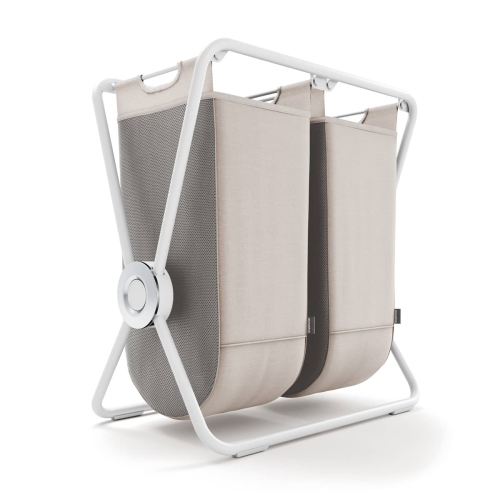
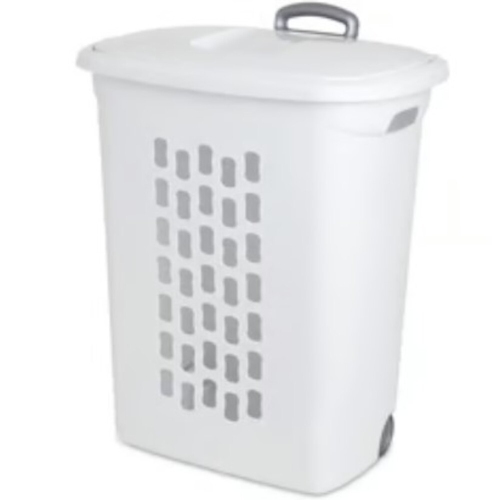

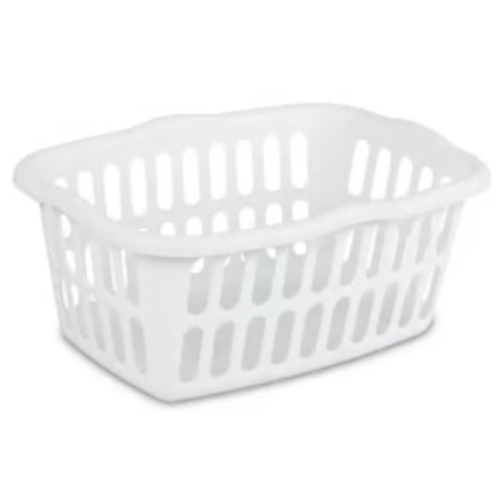
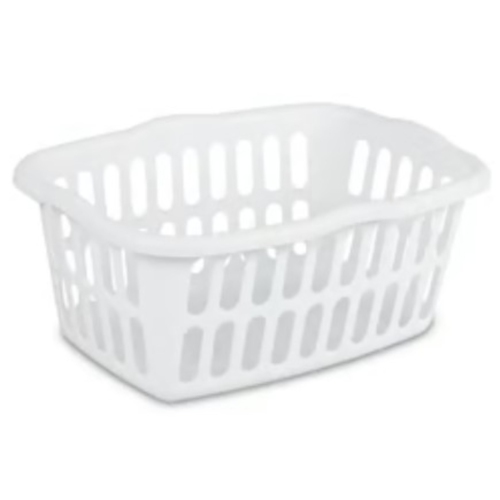

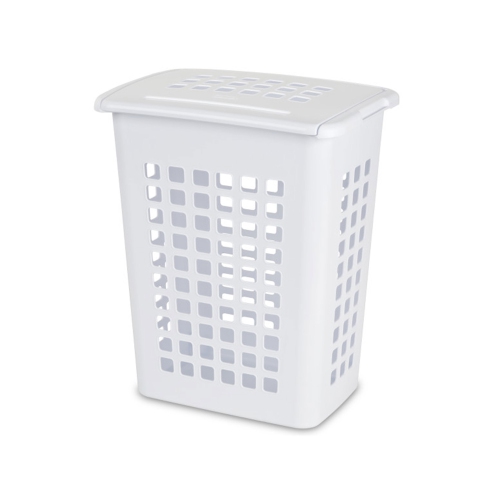
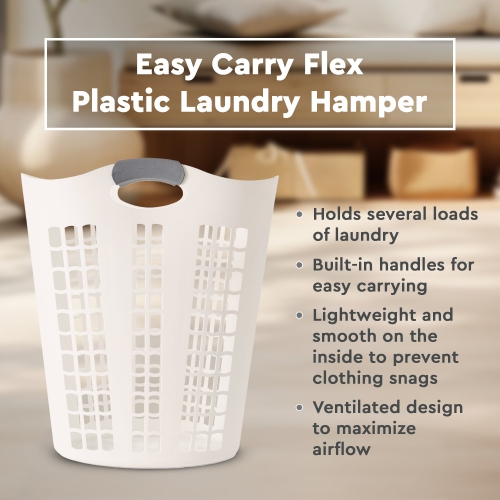
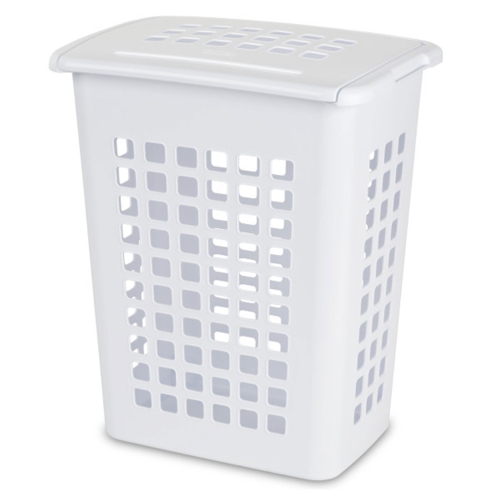
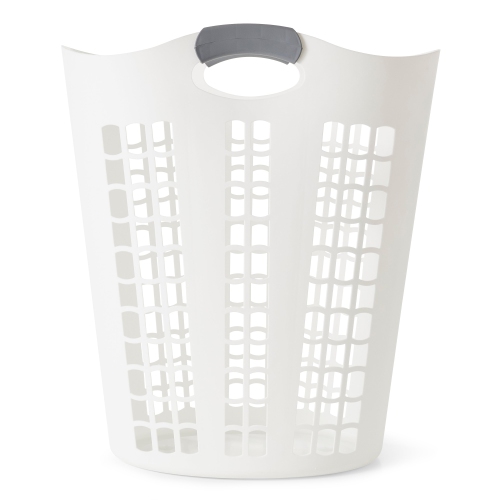
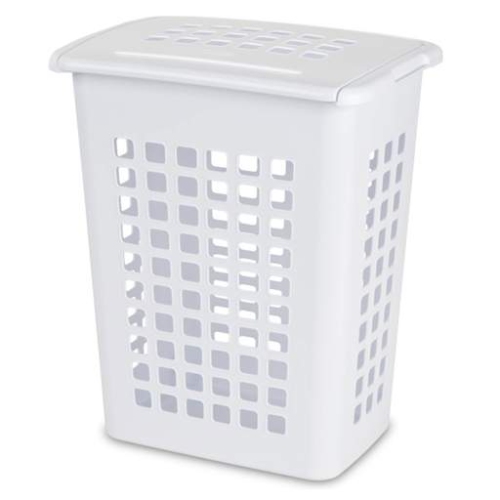
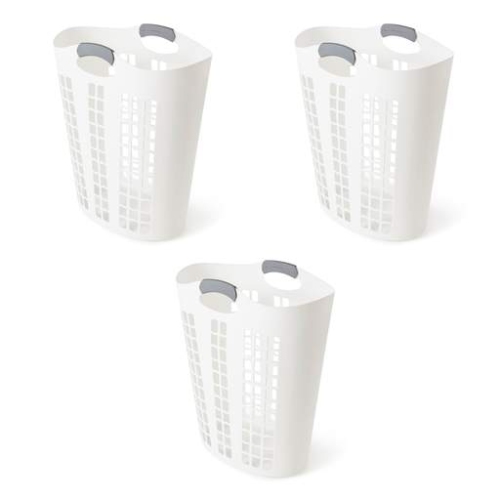


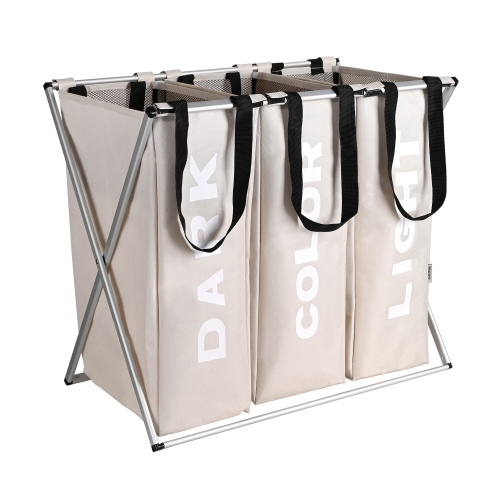
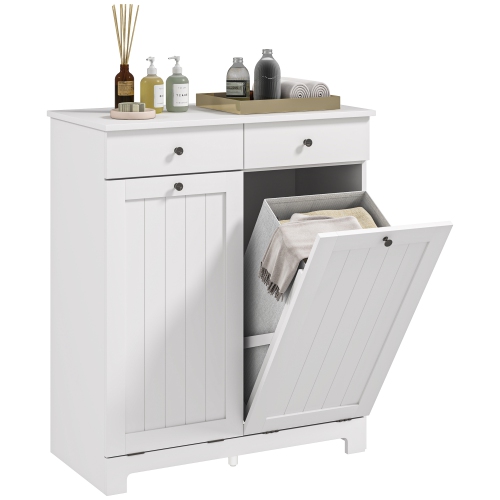
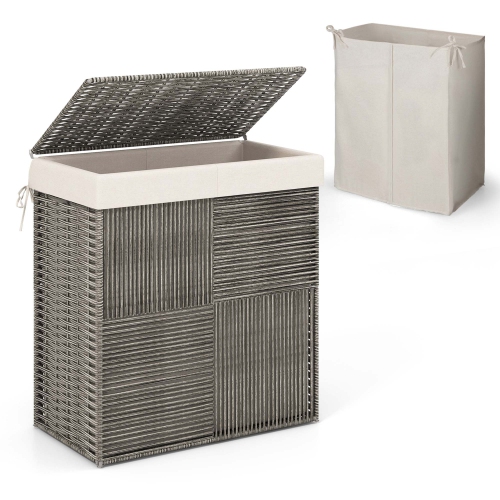
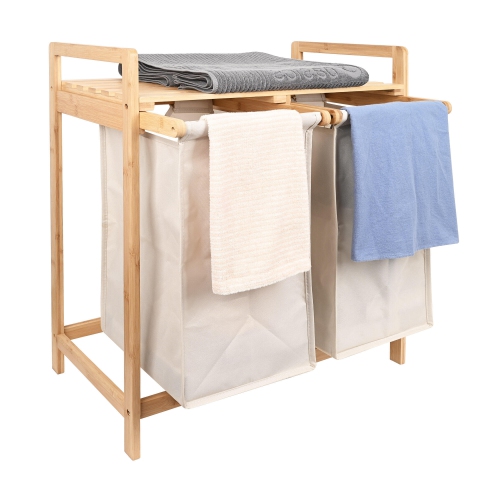
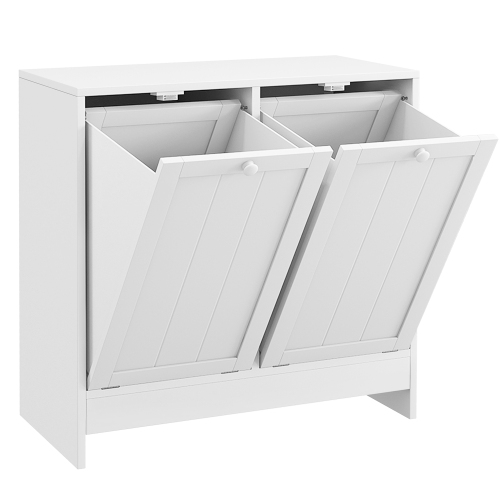
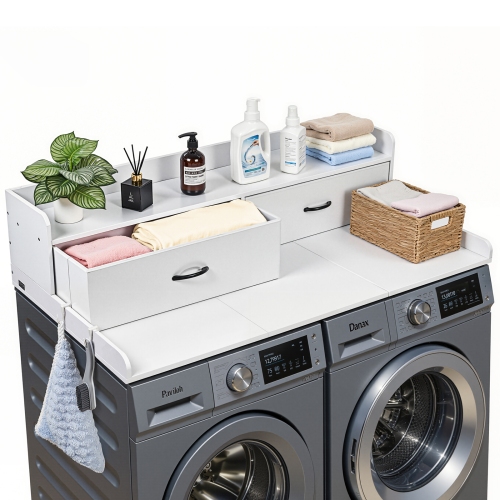
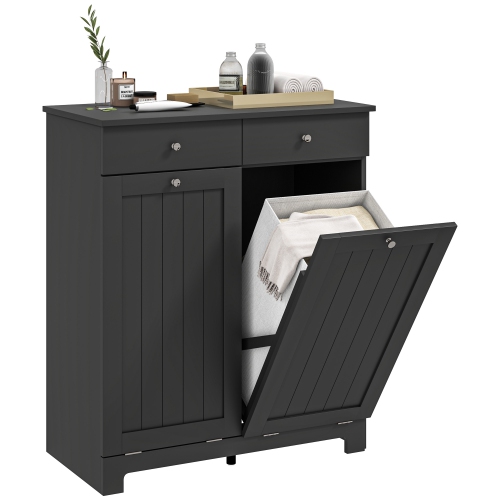
Storage that leaves room to sort and fold
Laundry storage brings together shelving, hampers, cabinets, sorters, and carts to keep clothing and washing supplies organized without crowding the space needed to work. Vertical shelving makes use of wall height, multi-compartment sorters separate loads, and pull-out hampers keep worn clothing tucked away while leaving it easy to reach. The right combination depends on where laundry happens: a dedicated room may have space for a folding surface and tall cabinet, while a hallway closet might need narrow shelving and a compact hamper beside stacked appliances. In a shared household, divided compartments can help separate towels from everyday clothing or give each person a place for items awaiting a wash. Removable bags and comfortable carrying handles are useful when the washing machine is on another floor or in a shared laundry area. For smaller spaces, Laundry Shelves can provide room for frequently used supplies above otherwise unused floor space, provided the shelving fits around appliance connections and required clearances. Open shelves make contents easy to see, while closed storage keeps packaging and spare linens out of sight. A shallow cabinet can be more practical than a deep one when the room also serves as a passageway, since bottles and baskets remain within reach without blocking movement. Fit involves more than measuring an empty stretch of wall. Baseboards, plumbing, electrical outlets, dryer vents, and the swing of appliance doors all affect usable space. A hamper needs enough clearance for its lid to open, a pull-out basket needs room to extend, and a rolling cart must be able to travel past nearby doorframes. Leaving a clear route between the hamper, washer, dryer, and folding area helps prevent a full basket from becoming another obstacle. This matters especially in compact homes, where laundry storage often shares space with household cleaning supplies or a utility sink.
Materials and construction influence how laundry storage feels in daily use and how much attention it needs over time. Coated metal shelving offers an open structure that is easy to see through, with finishes that can help resist corrosion when kept intact and cared for as directed. Solid shelves give small containers a level resting place, while wire shelves allow air to circulate around stored belongings; a suitable shelf liner may help keep narrow containers upright where the shelving manufacturer permits one. Wood and wood-based cabinets bring a furniture-like appearance to a laundry area, with painted, laminated, or sealed surfaces offering different care requirements. Spills should be wiped up promptly, particularly around joints and exposed edges where moisture may cause damage. Plastic baskets and bins are generally light to carry and easy to wipe clean, although their capacity and resistance to bending vary with their construction. Fabric hampers can soften the look of a bedroom or bathroom, and removable liners make it easier to carry clothing separately from the frame. Care labels matter here: some liners can be machine washed, while others need spot cleaning. Woven materials add texture but may need more careful dusting and are better suited to holding dry clothing than wet towels. Durability also comes from details that are less noticeable at first glance, including reinforced handles, secure shelf supports, smooth drawer runners, and stable feet. Adjustable shelves help accommodate containers of different heights without wasting the space above them. Wheels can make a loaded sorter easier to move, while locking castors help keep it in position when parked. The stated load capacity should suit the intended contents, with heavier supplies placed low where appropriate. Tall units need any wall anchoring required by their manufacturer, and storage positioned near appliances should never interfere with ventilation, hoses, servicing access, or safe operation.
An effective arrangement follows the household’s actual laundry habits rather than filling every available corner. Someone washing frequent small loads may prefer a compact sorter close to the washing machine, while a larger household may benefit from separate compartments for clothing, towels, and bedding. A hamper in a bedroom or bathroom can collect clothing where it is taken off, with baskets used to carry sorted loads to the laundry area. Breathable construction helps air circulate around clothing, but damp towels and wet garments should not remain bundled in a closed hamper; they need an appropriate place to air or be washed promptly. A drying rack or hanging rail serves a different purpose from general shelving, giving suitable garments room to dry according to their care instructions without draping them over cabinet doors. Fold-away designs can free up floor space between uses, provided they are mounted or positioned as directed. Near the folding area, a few clearly separated baskets can hold clean clothing by person or destination, making it easier to move a finished load into drawers and closets. Clean linens belong in dry storage, away from splashes and used laundry. Frequently handled supplies are most convenient at a comfortable height, while less-used accessories can sit farther back or higher up without making everyday tasks awkward. Detergents and other laundry chemicals should remain in their original labelled containers and be stored securely out of reach of children and pets; attractive open shelving is not a substitute for secure storage. Handles that are easy to grip, baskets that can be lifted comfortably, and unobstructed paths can make the space more manageable for people with different mobility needs. Colour and finish help storage sit comfortably alongside nearby cabinetry, but useful dimensions and easy care matter more than a perfectly matched set. A coordinated arrangement leaves room to sort, move, fold, and put clothing away, with each storage piece serving a clear purpose rather than simply occupying space.
Top selling and popular products
-
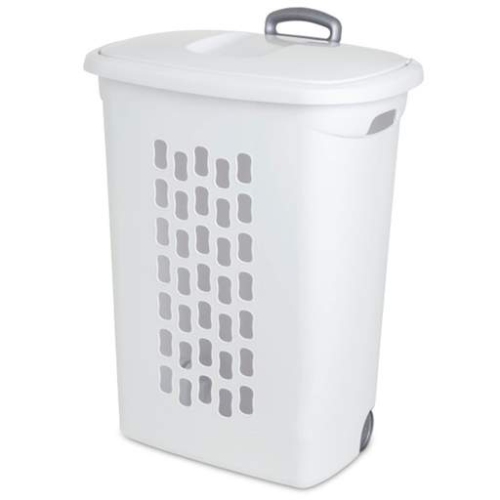 Your price for this item is $698.99
-
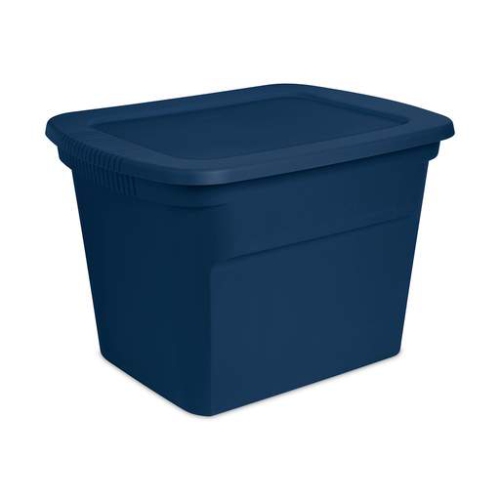 Your price for this item is $859.99
-
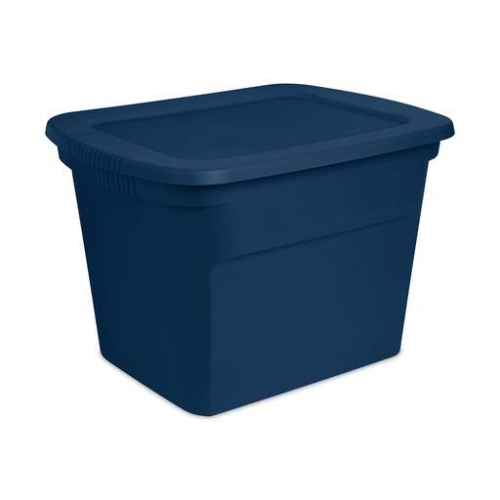 Your price for this item is $1197.99
-
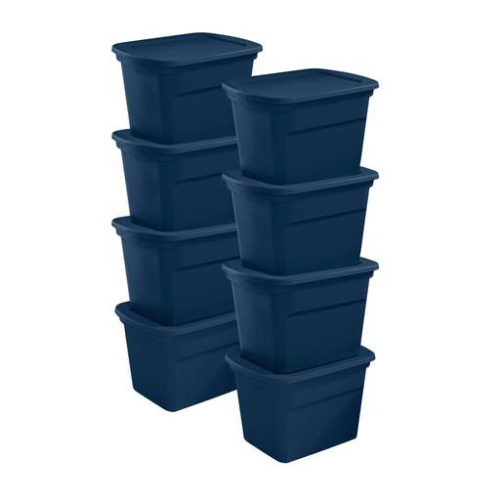 Your price for this item is $299.99
-
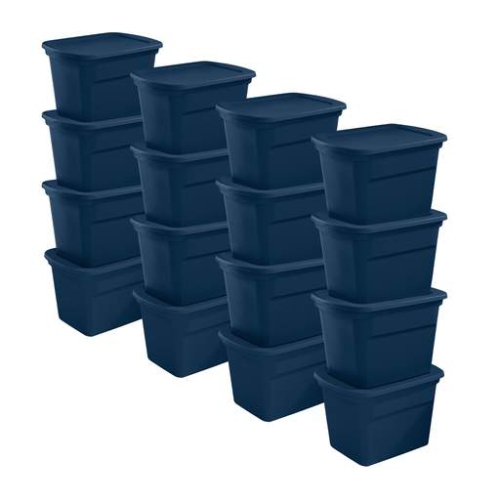 Your price for this item is $573.99
-
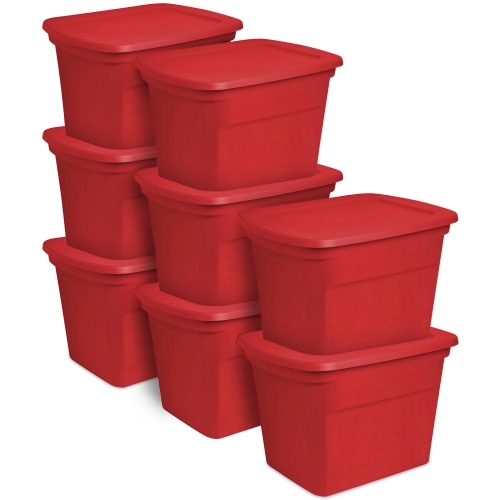 Your price for this item is $253.99
-
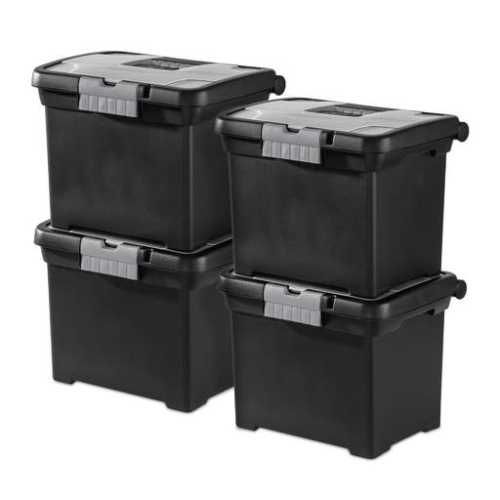 Your price for this item is $178.99
-
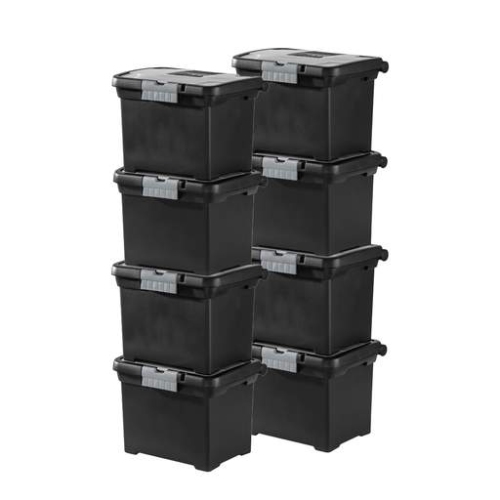 Your price for this item is $348.99
Discover more categories related to Laundry Storage
Top Collections:
Best Black Friday Deals This Year, Best Black Friday Deals On Electronics, Kindle Devices, Dyson Airwrap, Best Cameras for Sports Photography, Best Budget Office Chairs, Canon G7X Cameras, PS5 Pro Consoles, Best Black Friday Deals On Apple Products, XBOX One S Consoles
Some products may be subject to Environmental Handling Fees
(EHF) depending on your province.
Learn more about EHFs.