Lawn Aerating Tools
Achieve a lush and healthy lawn with this selection of lawn aerating tools. Proper aeration is essential for maintaining vibrant grass by allowing air, water, and nutrients to penetrate the soil effectively. Whether you're tackling a small backyard or a sprawling garden, these tools are designed to make the aeration process efficient and hassle-free. From manual aerators to powered options, find the perfect tool to keep your lawn looking its best year-round.
Sort


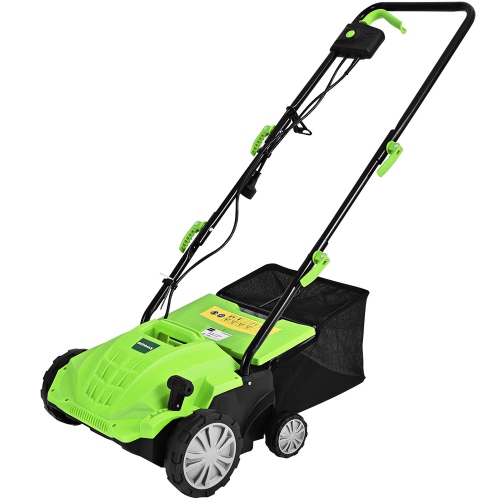
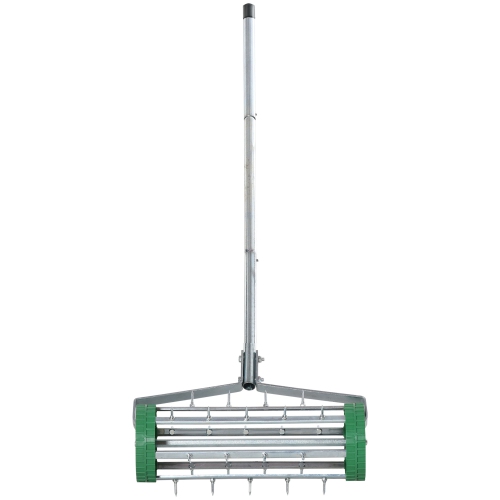

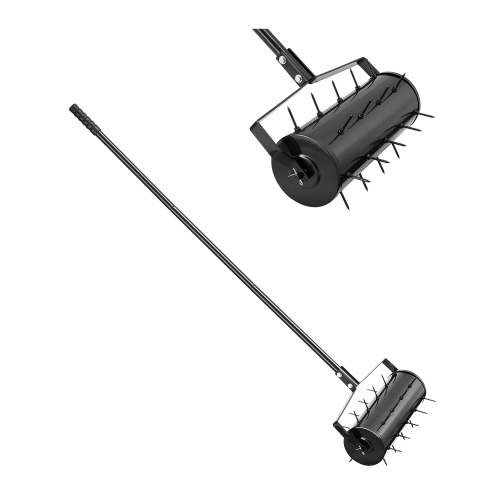
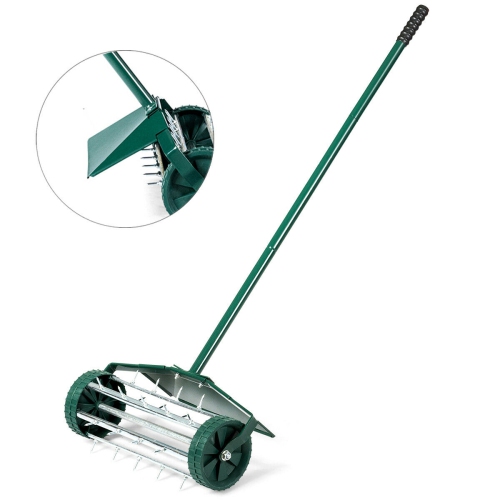
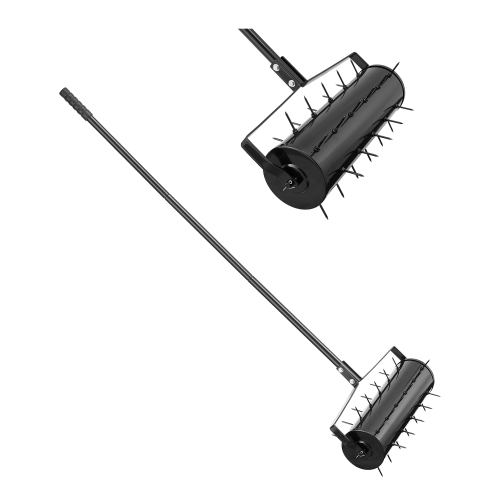
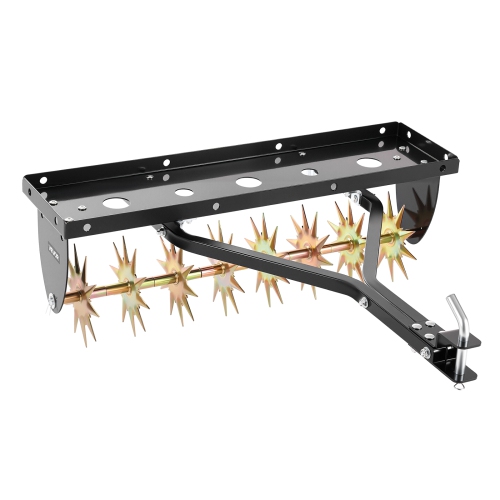
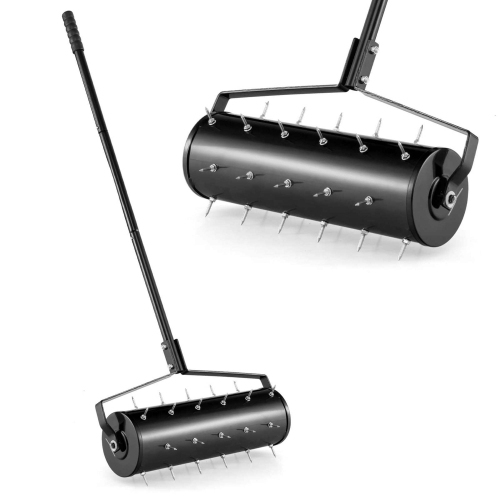
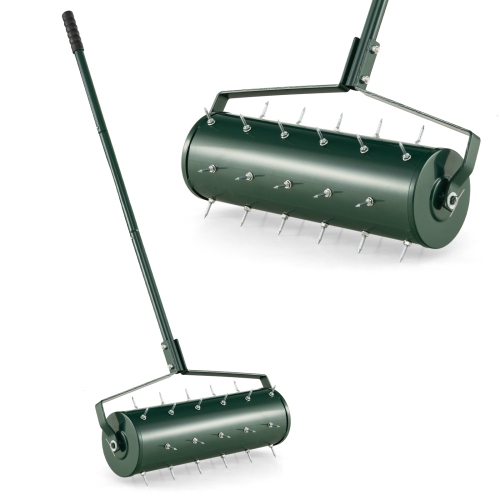


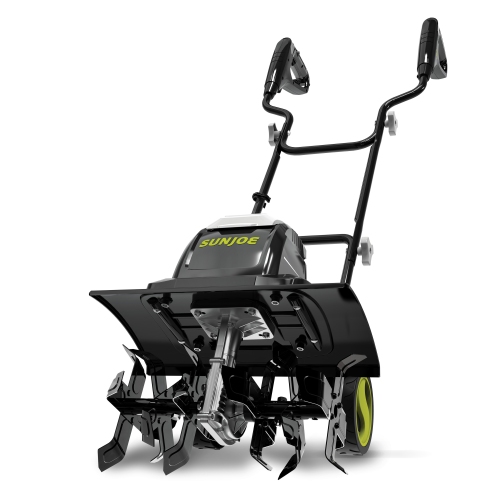
Relieve compaction and support healthier grass roots
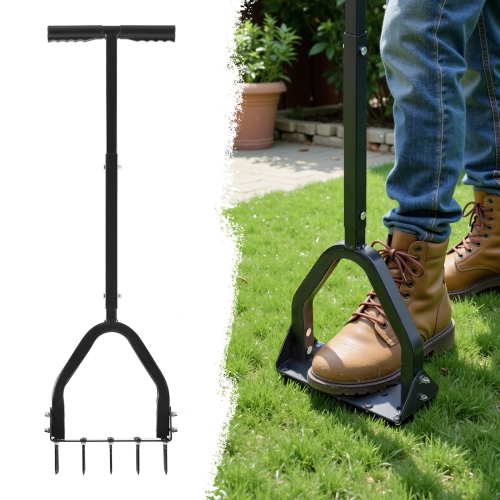
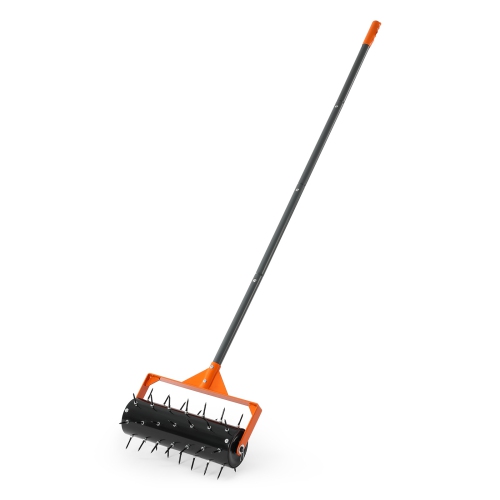
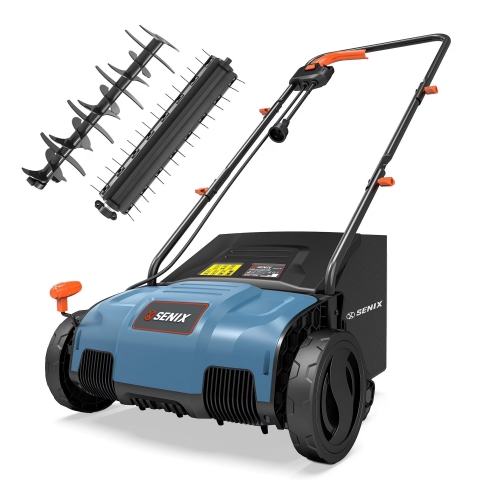
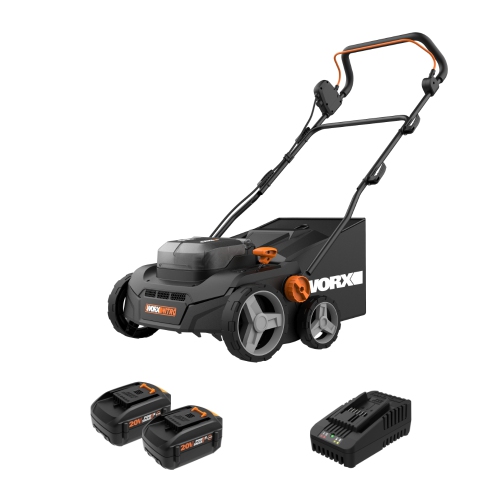
Lawn aerating tools help relieve compacted soil by creating openings in the turf, allowing air, water and nutrients to reach grass roots more effectively. Over time, regular foot traffic, children’s play, pets, mowing and heavy rain can press soil particles tightly together, leaving the lawn feeling firm underfoot and making it harder for roots to grow. Compaction may show up as thin or patchy grass, puddles that linger after rain, brown areas during dry spells or soil that is difficult to penetrate with a garden trowel. Aeration can help restore a healthier balance beneath the surface by making room for roots to spread and by improving the movement of moisture through the root zone. The right lawn aerating tools depend largely on the size of the property, the condition of the soil and the amount of effort you want to put into the job. Manual aerators are well suited to smaller lawns, narrow side yards and specific problem areas, and they are easy to control around gardens, trees and other obstacles. Rolling spike models can cover more ground with each pass, while step-on tools let you focus pressure directly where the lawn needs attention. For larger properties, tow-behind aerators can be attached to compatible riding mowers or other outdoor equipment, helping you cover broad expanses more efficiently. These options are useful for homeowners with spacious yards, rural properties, shared green spaces or established lawns that receive frequent use.
There are two main aeration approaches to consider: spike aeration and core, or plug, aeration. Spike aerators use solid tines, pointed teeth or star-shaped wheels to puncture the surface and make channels in the soil. They are practical for light maintenance and may be a convenient choice for sandy or naturally loose soil, where deep compaction is less of a concern. Core aerators use hollow tines to remove small plugs of earth from the lawn. By taking soil out rather than simply pressing it aside, they can provide more substantial relief for heavy clay, densely packed ground and areas that have developed deep compaction. The plugs left on the surface usually break down naturally as they dry, returning fine soil and organic matter to the turf. Before using either type, check that the soil is moderately moist. Watering the lawn a day beforehand can make penetration easier, while working on ground that is saturated may create a muddy surface and working on very dry soil can make the task unnecessarily difficult. For more even coverage, make one pass in a single direction and a second pass across it at a right angle, especially in areas that receive heavy traffic. Avoid aerating newly seeded grass or very stressed turf unless the grass-care plan specifically calls for it, and remove stones, toys, hoses and other obstacles before beginning. It can also help to mark irrigation lines, shallow lighting cables and other items that may be hidden below the lawn. Once the work is complete, overseeding, watering and applying appropriate lawn nutrients can help the grass take advantage of the improved access to air and moisture.
Lawn aerating tools are useful for homeowners who enjoy maintaining their own outdoor spaces, as well as for anyone preparing a yard for stronger growth during changing weather conditions. They can be a thoughtful gift for a new homeowner, a gardening enthusiast, a parent who takes pride in a family lawn or someone setting up a larger property with basic grounds-care equipment. When choosing a tool, consider the total lawn area rather than the size of the entire lot, since patios, driveways, gardens and play spaces do not need aeration. Look at the working width, tine depth, handle comfort, weight, wheel design and storage requirements. A compact hand tool may be ideal for occasional spot treatment, while a wider rolling unit can reduce the number of passes across a medium-sized lawn. If the property is extensive, a tow-behind model may save time, provided the mower or vehicle has the appropriate attachment point and enough power for the terrain. Durable construction is especially helpful when working through firm soil, but a manageable weight is equally important for manual tools because repeated lifting and pushing can become tiring. During the cooler months, lawn care often shifts toward preparation, cleanup and protecting equipment from damp conditions. Clean soil from tines after use, allow metal parts to dry thoroughly and store the tool in a sheltered location so it is ready when the weather warms. Aeration is often paired with other lawn-maintenance tasks, including levelling uneven areas and improving surface contact with Lawn Rollers, but each tool serves a different purpose and should be selected according to the condition of the turf. With the right match for your soil and yard size, aeration can turn a hard, tired-looking lawn into a more open growing environment that is easier to water, feed and maintain throughout the seasons.
There are two main aeration approaches to consider: spike aeration and core, or plug, aeration. Spike aerators use solid tines, pointed teeth or star-shaped wheels to puncture the surface and make channels in the soil. They are practical for light maintenance and may be a convenient choice for sandy or naturally loose soil, where deep compaction is less of a concern. Core aerators use hollow tines to remove small plugs of earth from the lawn. By taking soil out rather than simply pressing it aside, they can provide more substantial relief for heavy clay, densely packed ground and areas that have developed deep compaction. The plugs left on the surface usually break down naturally as they dry, returning fine soil and organic matter to the turf. Before using either type, check that the soil is moderately moist. Watering the lawn a day beforehand can make penetration easier, while working on ground that is saturated may create a muddy surface and working on very dry soil can make the task unnecessarily difficult. For more even coverage, make one pass in a single direction and a second pass across it at a right angle, especially in areas that receive heavy traffic. Avoid aerating newly seeded grass or very stressed turf unless the grass-care plan specifically calls for it, and remove stones, toys, hoses and other obstacles before beginning. It can also help to mark irrigation lines, shallow lighting cables and other items that may be hidden below the lawn. Once the work is complete, overseeding, watering and applying appropriate lawn nutrients can help the grass take advantage of the improved access to air and moisture.
Lawn aerating tools are useful for homeowners who enjoy maintaining their own outdoor spaces, as well as for anyone preparing a yard for stronger growth during changing weather conditions. They can be a thoughtful gift for a new homeowner, a gardening enthusiast, a parent who takes pride in a family lawn or someone setting up a larger property with basic grounds-care equipment. When choosing a tool, consider the total lawn area rather than the size of the entire lot, since patios, driveways, gardens and play spaces do not need aeration. Look at the working width, tine depth, handle comfort, weight, wheel design and storage requirements. A compact hand tool may be ideal for occasional spot treatment, while a wider rolling unit can reduce the number of passes across a medium-sized lawn. If the property is extensive, a tow-behind model may save time, provided the mower or vehicle has the appropriate attachment point and enough power for the terrain. Durable construction is especially helpful when working through firm soil, but a manageable weight is equally important for manual tools because repeated lifting and pushing can become tiring. During the cooler months, lawn care often shifts toward preparation, cleanup and protecting equipment from damp conditions. Clean soil from tines after use, allow metal parts to dry thoroughly and store the tool in a sheltered location so it is ready when the weather warms. Aeration is often paired with other lawn-maintenance tasks, including levelling uneven areas and improving surface contact with Lawn Rollers, but each tool serves a different purpose and should be selected according to the condition of the turf. With the right match for your soil and yard size, aeration can turn a hard, tired-looking lawn into a more open growing environment that is easier to water, feed and maintain throughout the seasons.
Top selling and popular products
-
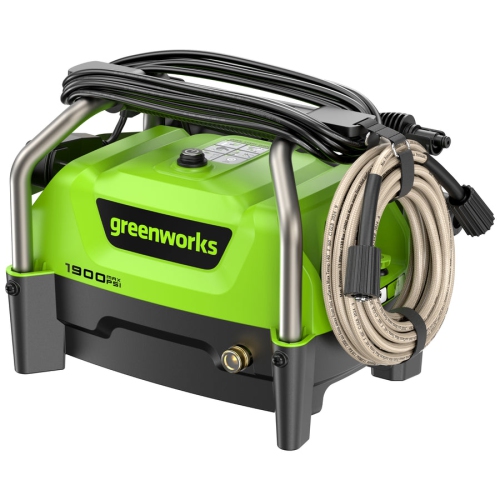 Your price for this item is $169.99
 -
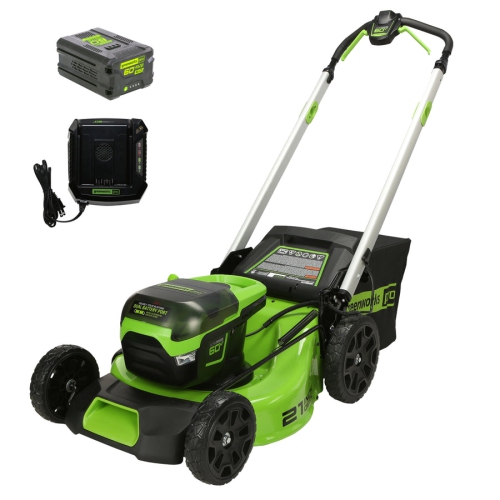 Your price for this item is $554.39
 -
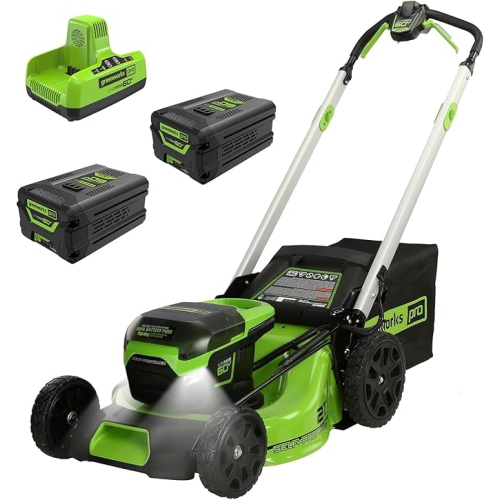 Your price for this item is $879.99
 -
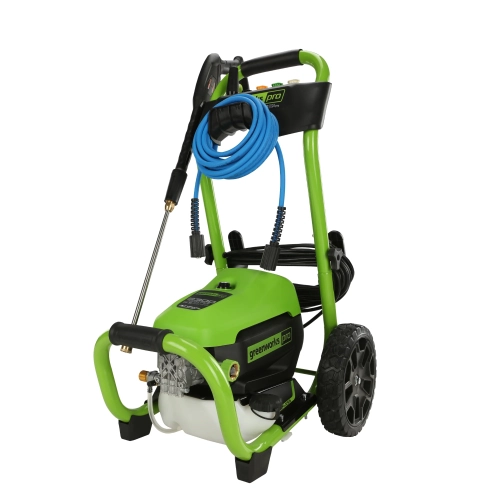 Your price for this item is $439.99
 -
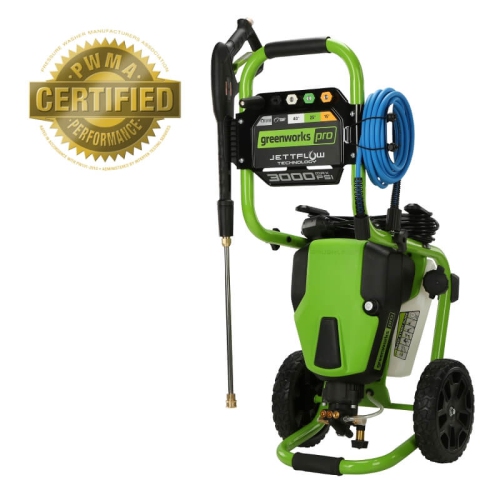 Your price for this item is $499
 -
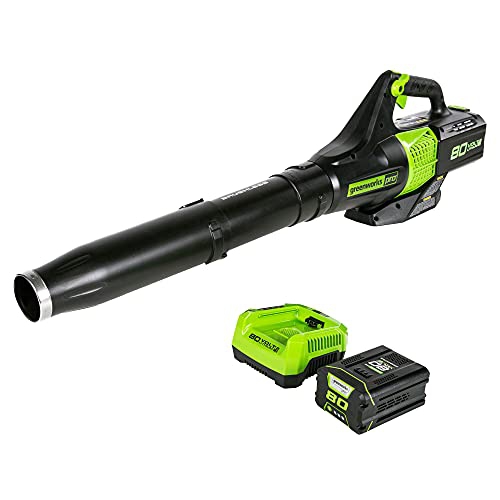 Your price for this item is $255
 -
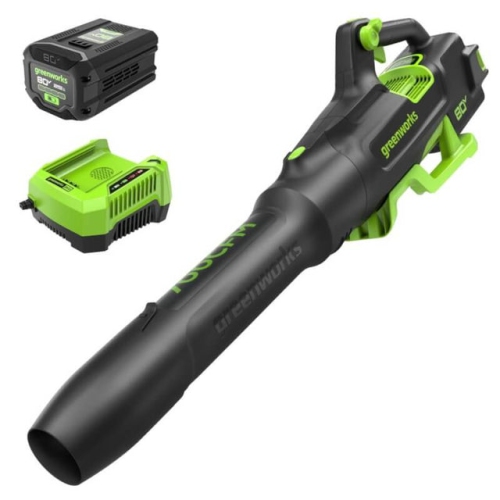 Your price for this item is $272
 -
 Your price for this item is $329.99
Discover more categories related to Lawn Aerating Tools

Top Collections:
Pokemon Centers, Kindle Devices, Best Budget Office Chairs, Apple iPhones 16, Best Laptops for Writers, iPhone 15 Apple, Canon G7X Cameras, Refurbished Apple Laptops, Alarm Clock, Motorola Razr Phones
Some products may be subject to Environmental Handling Fees
(EHF) depending on your province.
Learn more about EHFs.