Lawn Rollers
Whether you're dealing with uneven terrain, freshly sown grass, or simply want to improve the overall appearance of your outdoor space, our selection of lawn rollers has got you covered. With a variety of sizes and features available, finding the perfect lawn roller for your needs has never been easier. So, get ready to roll your way to a picture-perfect lawn with our top-notch selection of lawn rollers.
Sort
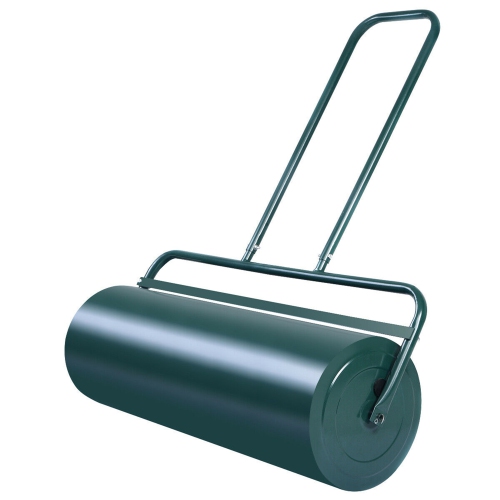
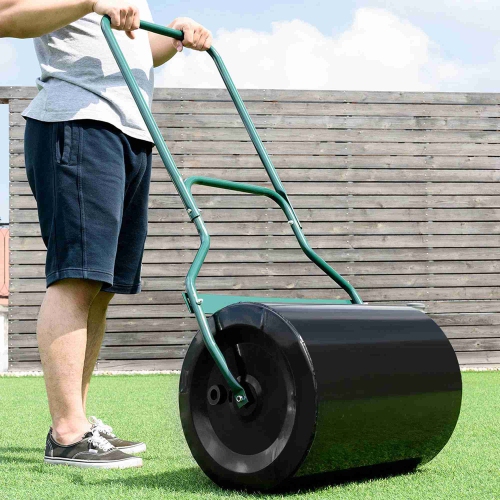
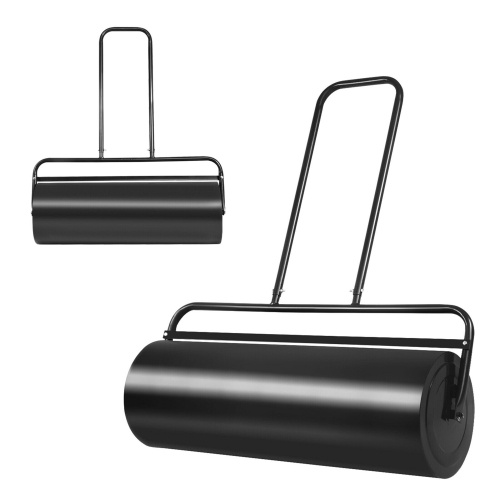
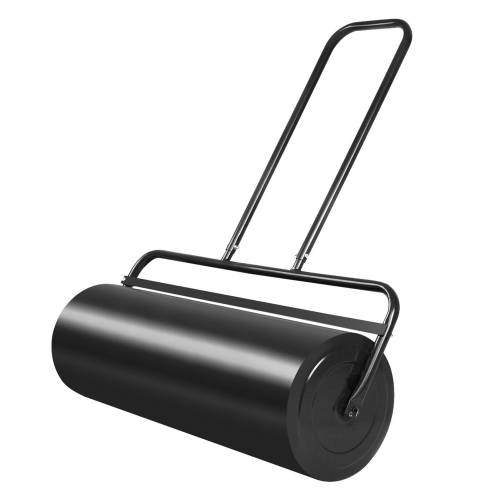
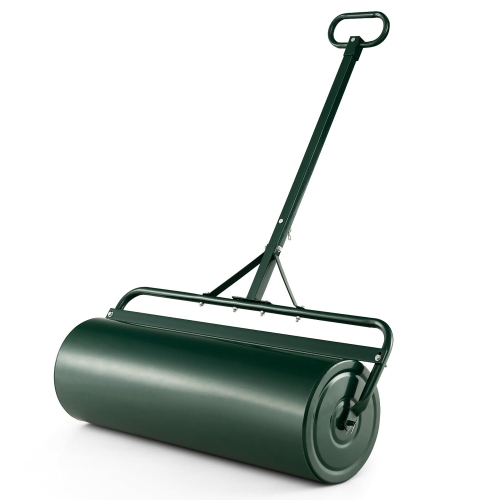
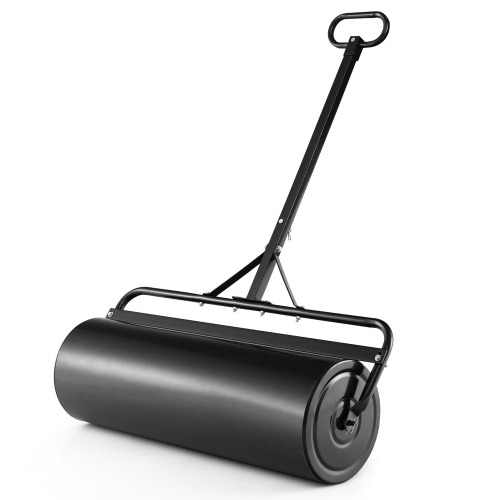

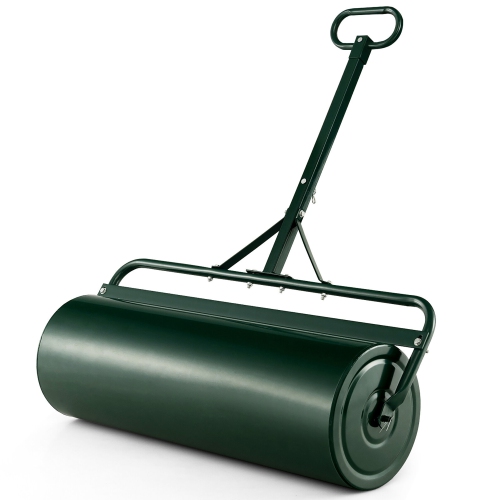
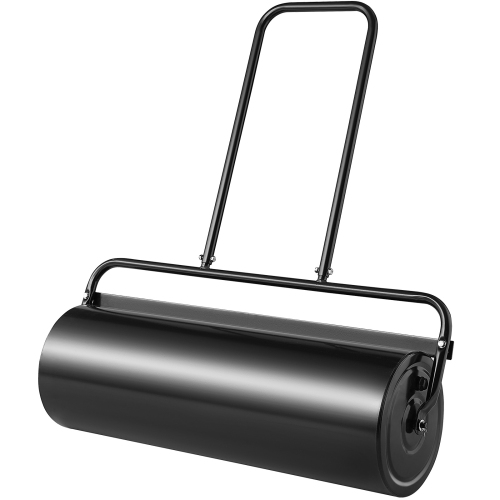
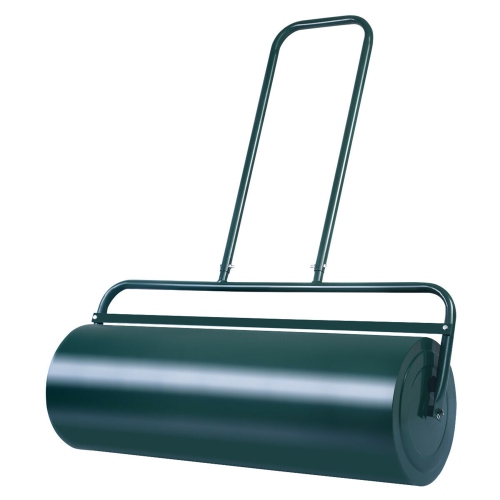

When gentle rolling helps new grass take hold
Lawn rollers are weighted garden tools used to press the surface of a lawn, improve contact between newly laid sod and the soil beneath it, and gently firm a prepared seedbed. Their broad cylindrical drums spread weight across a continuous strip of ground as they move, making them useful for certain finishing tasks rather than major changes to a yard’s shape. Many designs have a hollow drum that can be filled with water or sand, allowing the working weight to be adjusted for the job and reduced for transport or storage. A newly sodded patch beside a patio, for example, may benefit from light rolling to settle the grass against the prepared soil and reduce small air pockets. On a seeded area, a light pass may help hold seed against the surface without burying it too deeply, depending on the grass seed’s planting requirements. Some minor surface lifting caused by freezing and thawing may also respond to careful rolling once the ground has thawed and reached a suitable moisture level. However, a roller does not fill hollows, correct drainage problems, or remove the cause of persistent bumps. A dip that collects water or a ridge formed by a tree root needs a different approach; pressing the surrounding lawn harder can leave the underlying problem unchanged. This distinction makes lawn rollers particularly relevant to homeowners establishing grass, gardeners completing small turf repairs, and property maintenance crews finishing sod installations. They are not a routine substitute for mowing, aeration, or soil improvement. On an established lawn, unnecessary rolling can compress soil and make it harder for air and water to reach the roots. The most useful roller is therefore one that suits a defined task, with enough control to apply gentle, even pressure where it is needed. For a compact backyard, that may mean a manageable hand-pushed design; for a broad, open lawn, a compatible tow-behind design can reduce the physical effort of covering a larger area.
The main differences among lawn rollers involve drum material, working width, fill capacity, and whether the tool is pushed by hand or pulled by suitable equipment. Steel drums offer a rigid rolling surface and can withstand demanding use, although scratches in protective finishes can leave the metal vulnerable to rust. Polyethylene drums resist rust and are often lighter when empty, making them easier to reposition between jobs. Their long-term condition still depends on material quality, storage, and protection from sharp stones or rough handling. A sturdy frame, secure handle attachments, and smoothly turning drum supports matter just as much as the drum itself, particularly when the roller must pass over slightly uneven ground. Rounded drum edges can help limit scuffing during gentle turns, while a scraper bar, where fitted, helps prevent damp soil and grass clippings from building up on the surface. Working width affects both coverage and access: a wide drum covers an open lawn in fewer passes, but a narrower one is easier to move through a side gate or around raised beds. Clearance through garden entrances, along shed doors, and between permanent fixtures matters before the roller ever reaches the grass. Filled weight also deserves attention because a drum that is easy to move while empty can be difficult to start, stop, or turn once loaded. Water is convenient for adjusting ballast and draining after use, while sand can provide more weight for the same internal volume but is harder to remove. Only fill materials approved for the design should be used. For tow-behind lawn rollers, hitch compatibility, permitted towing load, and the towing equipment’s operating limits all affect suitability. A riding mower’s ability to pull a load does not necessarily mean it can control that load safely on a slope. For hand-pushed designs, handle height, grip comfort, and the effort needed to turn are practical considerations, especially in a yard with tight corners or narrow strips of grass.
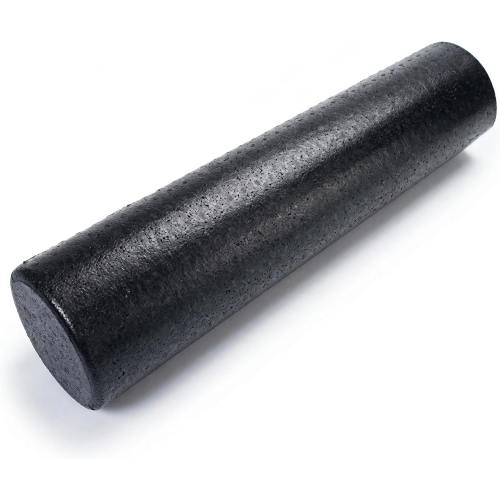
Good results depend as much on ground conditions as on the roller’s construction. Soil should generally be slightly moist and workable, rather than powder-dry, frozen, or saturated. Ground that squelches underfoot or takes a deep footprint is too wet for rolling; the weight can leave ruts and compact the soil instead of producing a smoother finish. Heavy clay is particularly vulnerable to compaction, so extra ballast is not automatically an advantage. The aim is modest surface contact with the lightest effective load, not a hard, tightly packed lawn. On fresh sod, rolling is a finishing step after sound preparation, not a way to compensate for an uneven base or poorly fitted seams. On established grass, low spots may need suitable topdressing or a more substantial repair, while ongoing animal activity needs attention beyond flattening the visible disturbance. Broad, gentle turns help protect turf, and repeated passes over the same strip can apply more pressure than the grass needs. A filled roller also carries considerable momentum, so clear routes, secure footing, and keeping children and pets away from the work area are important. Care after use is straightforward but has a direct effect on durability. Soil and clippings should be removed from the drum and frame, with particular attention to the fill opening, scraper, and moving connections. The fill plug should seal properly, and loose fasteners or signs of wear should be addressed according to the manufacturer’s care directions. During the cooler months, water-filled drums should be completely drained before freezing temperatures arrive, since trapped water can expand and damage the drum or fittings. Dry, sheltered storage helps protect metal components, while securing the empty roller prevents it from moving unexpectedly. Planning for an accessible storage space also makes occasional lawn projects easier to manage without leaving a heavy tool in a walkway. Although they share a name with Fitness Rollers used for exercise and muscle massage, lawn rollers serve a distinctly outdoor purpose: applying controlled pressure to soil and turf during specific lawn-care tasks.
The main differences among lawn rollers involve drum material, working width, fill capacity, and whether the tool is pushed by hand or pulled by suitable equipment. Steel drums offer a rigid rolling surface and can withstand demanding use, although scratches in protective finishes can leave the metal vulnerable to rust. Polyethylene drums resist rust and are often lighter when empty, making them easier to reposition between jobs. Their long-term condition still depends on material quality, storage, and protection from sharp stones or rough handling. A sturdy frame, secure handle attachments, and smoothly turning drum supports matter just as much as the drum itself, particularly when the roller must pass over slightly uneven ground. Rounded drum edges can help limit scuffing during gentle turns, while a scraper bar, where fitted, helps prevent damp soil and grass clippings from building up on the surface. Working width affects both coverage and access: a wide drum covers an open lawn in fewer passes, but a narrower one is easier to move through a side gate or around raised beds. Clearance through garden entrances, along shed doors, and between permanent fixtures matters before the roller ever reaches the grass. Filled weight also deserves attention because a drum that is easy to move while empty can be difficult to start, stop, or turn once loaded. Water is convenient for adjusting ballast and draining after use, while sand can provide more weight for the same internal volume but is harder to remove. Only fill materials approved for the design should be used. For tow-behind lawn rollers, hitch compatibility, permitted towing load, and the towing equipment’s operating limits all affect suitability. A riding mower’s ability to pull a load does not necessarily mean it can control that load safely on a slope. For hand-pushed designs, handle height, grip comfort, and the effort needed to turn are practical considerations, especially in a yard with tight corners or narrow strips of grass.
Good results depend as much on ground conditions as on the roller’s construction. Soil should generally be slightly moist and workable, rather than powder-dry, frozen, or saturated. Ground that squelches underfoot or takes a deep footprint is too wet for rolling; the weight can leave ruts and compact the soil instead of producing a smoother finish. Heavy clay is particularly vulnerable to compaction, so extra ballast is not automatically an advantage. The aim is modest surface contact with the lightest effective load, not a hard, tightly packed lawn. On fresh sod, rolling is a finishing step after sound preparation, not a way to compensate for an uneven base or poorly fitted seams. On established grass, low spots may need suitable topdressing or a more substantial repair, while ongoing animal activity needs attention beyond flattening the visible disturbance. Broad, gentle turns help protect turf, and repeated passes over the same strip can apply more pressure than the grass needs. A filled roller also carries considerable momentum, so clear routes, secure footing, and keeping children and pets away from the work area are important. Care after use is straightforward but has a direct effect on durability. Soil and clippings should be removed from the drum and frame, with particular attention to the fill opening, scraper, and moving connections. The fill plug should seal properly, and loose fasteners or signs of wear should be addressed according to the manufacturer’s care directions. During the cooler months, water-filled drums should be completely drained before freezing temperatures arrive, since trapped water can expand and damage the drum or fittings. Dry, sheltered storage helps protect metal components, while securing the empty roller prevents it from moving unexpectedly. Planning for an accessible storage space also makes occasional lawn projects easier to manage without leaving a heavy tool in a walkway. Although they share a name with Fitness Rollers used for exercise and muscle massage, lawn rollers serve a distinctly outdoor purpose: applying controlled pressure to soil and turf during specific lawn-care tasks.
Top selling and popular products
-
 Your price for this item is $169.99
 -
 Your price for this item is $554.39
 -
 Your price for this item is $879.99
 -
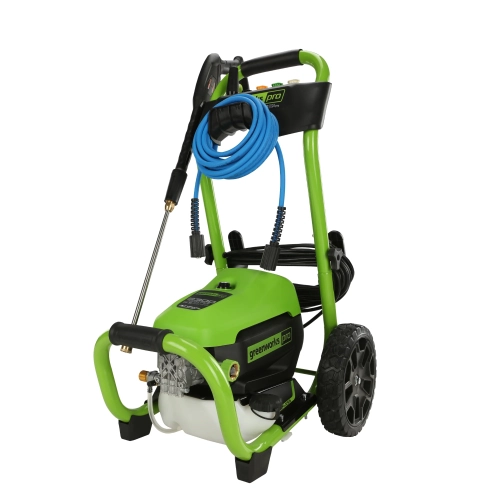 Your price for this item is $439.99
 -
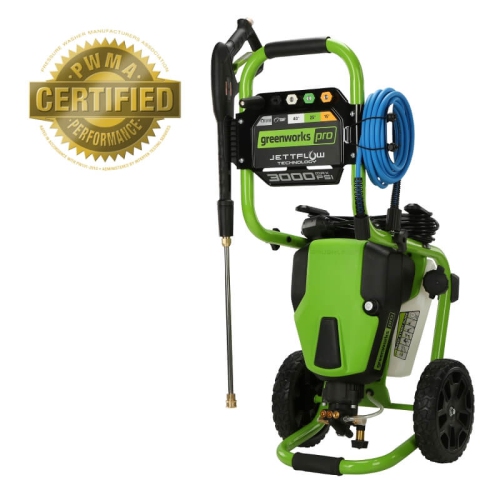 Your price for this item is $499
 -
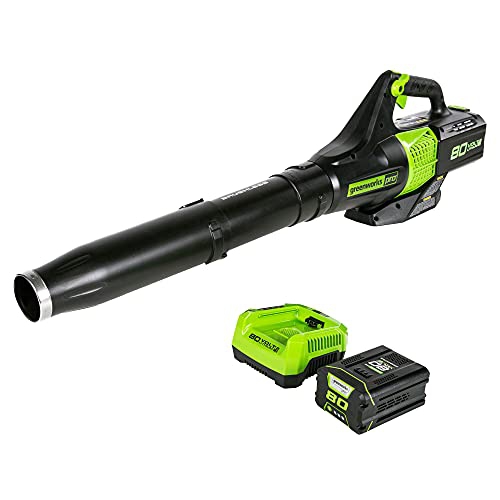 Your price for this item is $255
 -
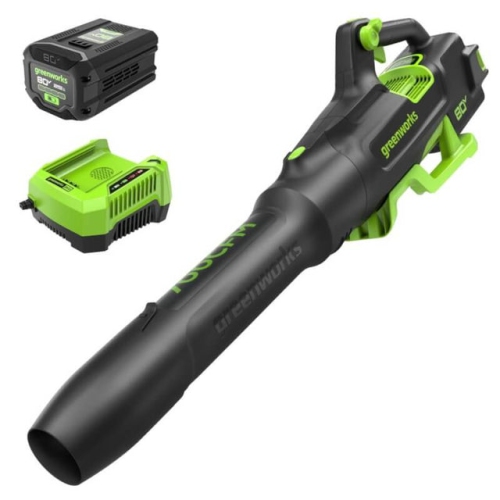 Your price for this item is $272
 -
 Your price for this item is $329.99
Discover more categories related to Lawn Rollers


Top Collections:
Pokemon Centers, Kindle Devices, Best Budget Office Chairs, Apple iPhones 16, Best Laptops for Writers, iPhone 15 Apple, Canon G7X Cameras, Refurbished Apple Laptops, Alarm Clock, Motorola Razr Phones
Some products may be subject to Environmental Handling Fees
(EHF) depending on your province.
Learn more about EHFs.