Lawn Equipment
Maintain your lawn with ease and precision using our selection of top-quality lawn equipment. From powerful lawnmowers to efficient trimmers and edgers, we offer a range of tools to keep your outdoor space looking pristine. Whether you're a seasoned gardener or just starting your lawn maintenance journey, our diverse collection of lawn equipment is designed to cater to all your landscaping needs. Find the perfect tools to achieve a well-manicured yard that will be the envy of your neighborhood.
Sort
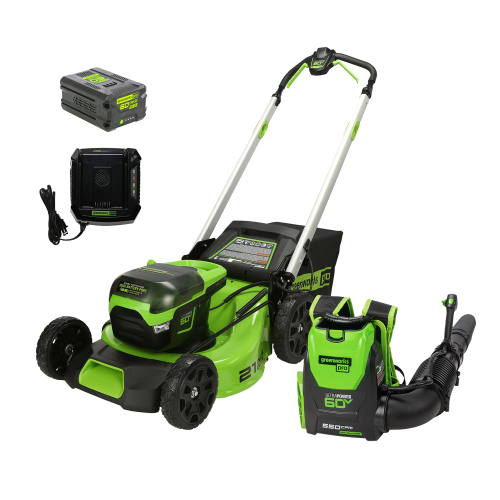
![GREENWORKS 48V (24V X 2) Cordless Push Lawn Mower, (2) 4Ah USB Batteries And Dual Port Charger Included [200+ Compatible Tools] I love it, it's the best investment](https://multimedia.bbycastatic.ca/multimedia/products/500x500/160/16033/16033248.webp)
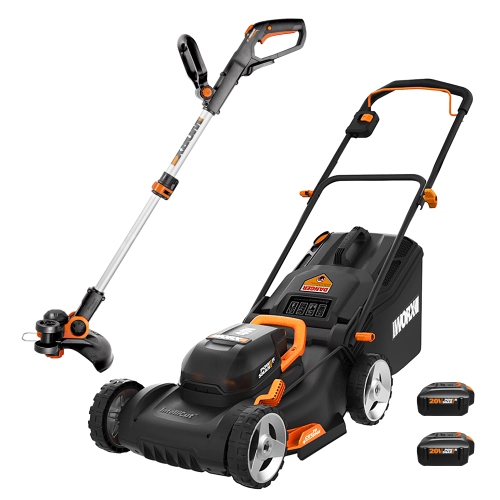
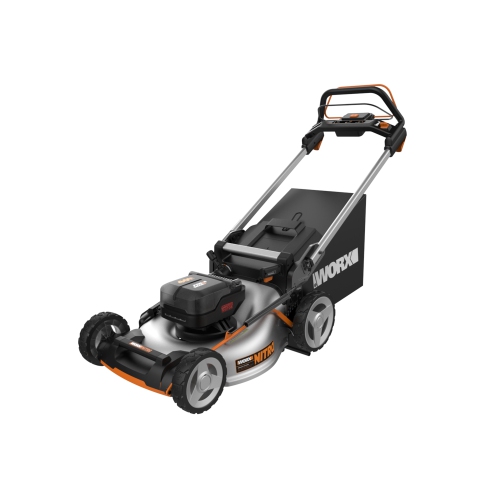

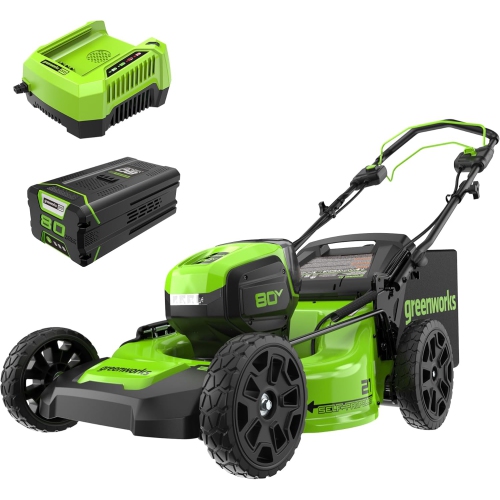
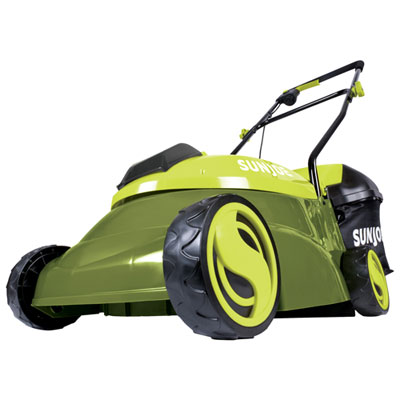
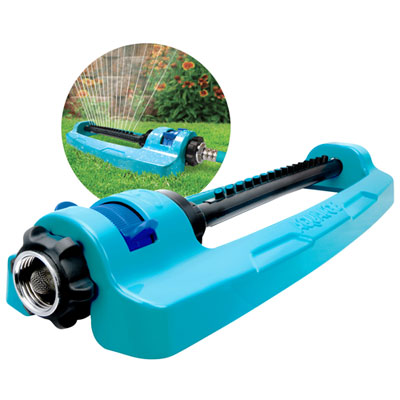
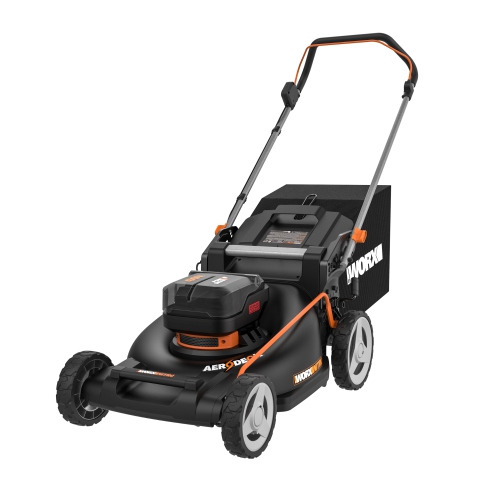
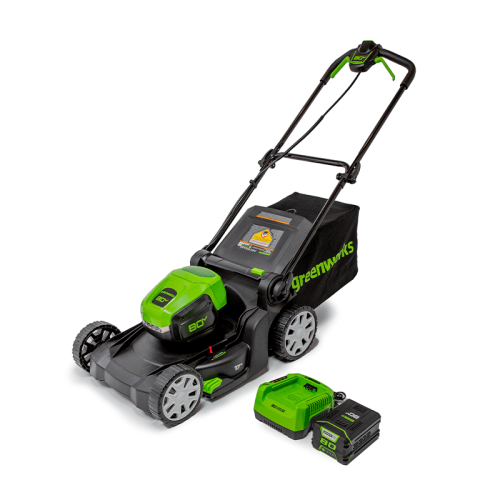
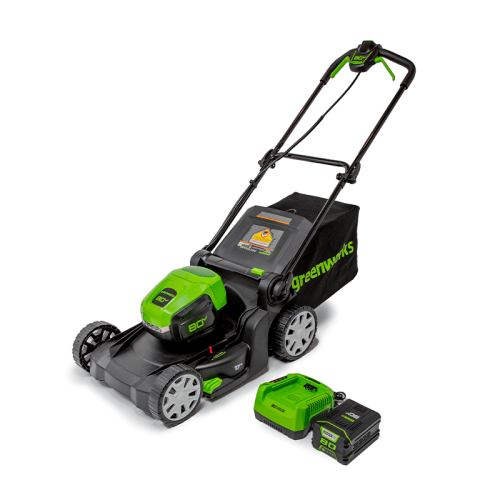
![GREENWORKS 80V 21" Brushless Cordless Self-Propelled Lawn Mower, 4.0Ah Battery And Charger Included [75+ Compatible Tools] Love this mower! It is quiet and very easy to use](https://multimedia.bbycastatic.ca/multimedia/products/500x500/171/17113/17113245.png)
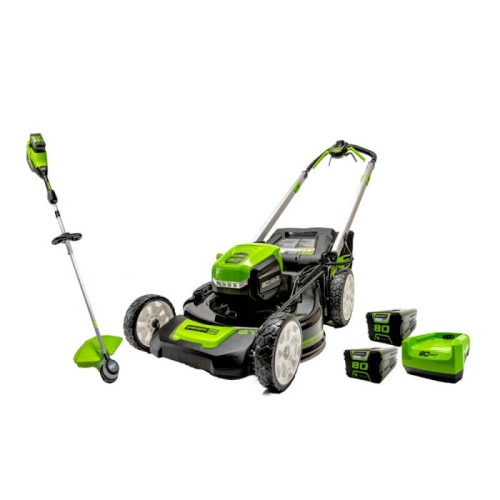
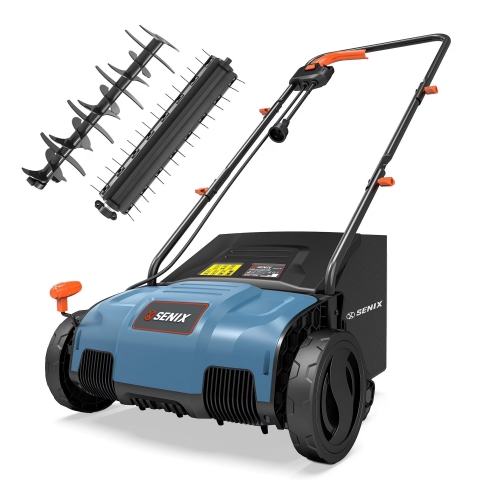
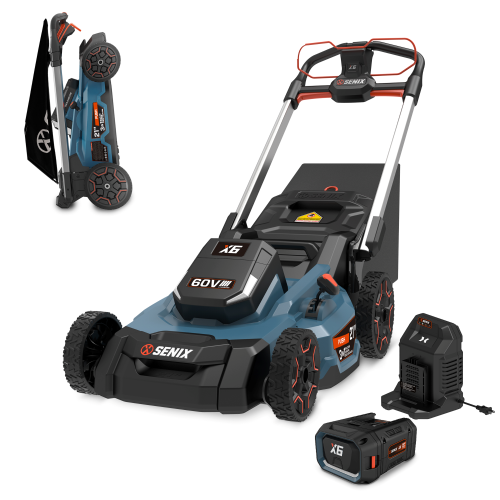
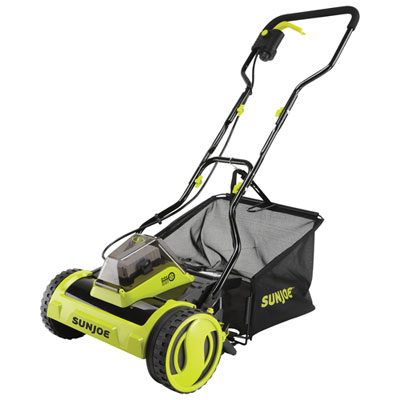
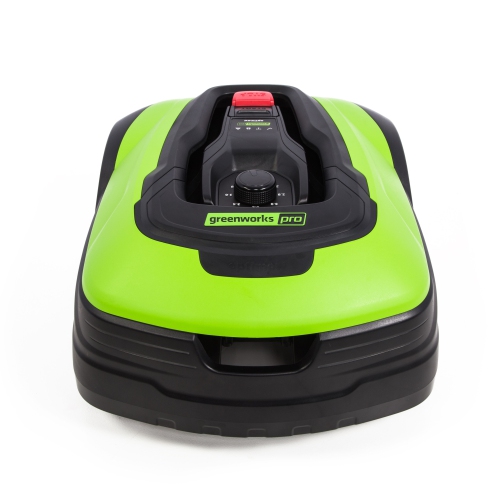
![GREENWORKS 80V 21" Brushless Cordless Push Lawn Mower, (2)2.0 Ah Batteries And Charger Included [75+ Compatible Tools]](https://multimedia.bbycastatic.ca/multimedia/products/500x500/171/17113/17113244.png)
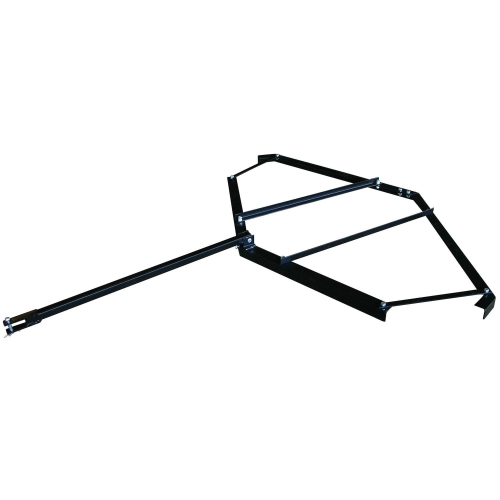
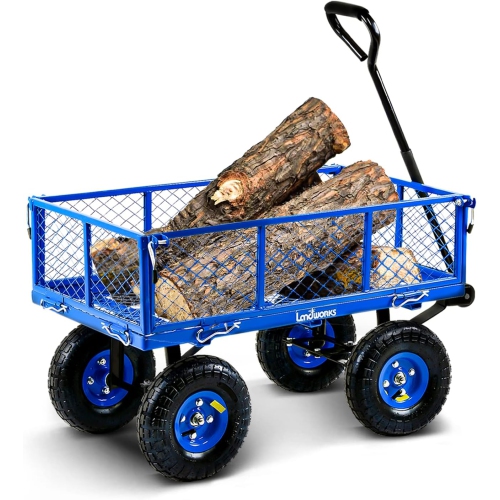
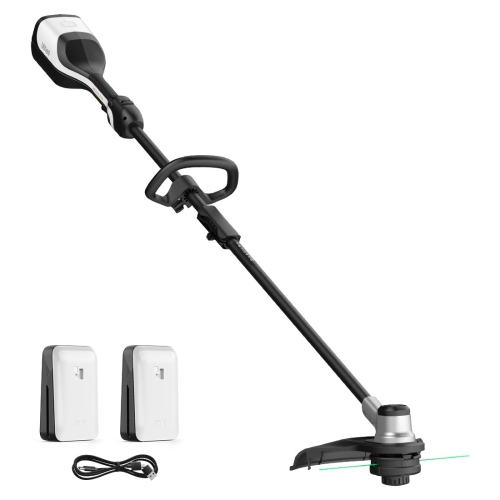
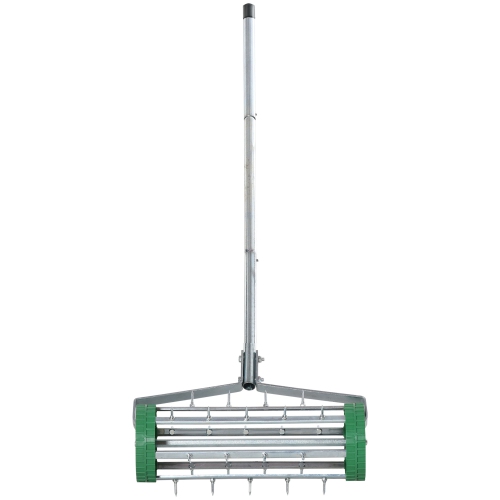

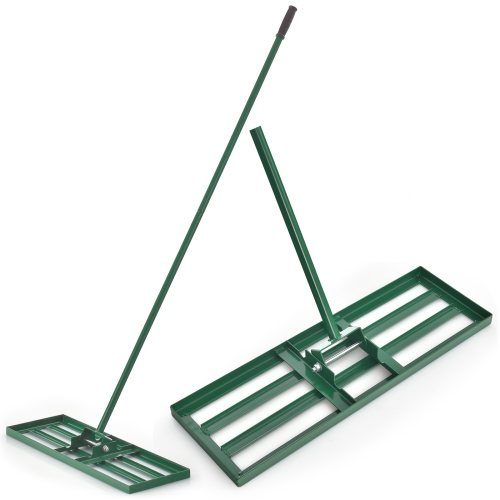
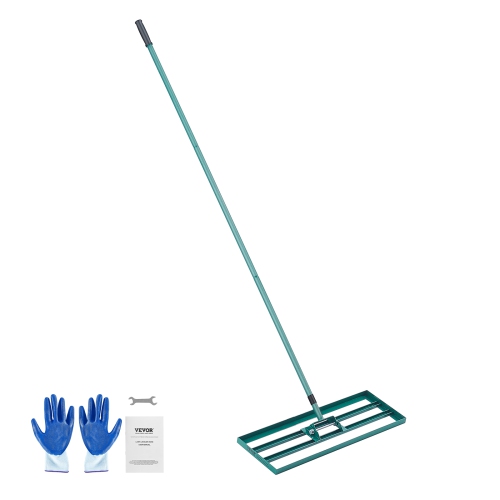
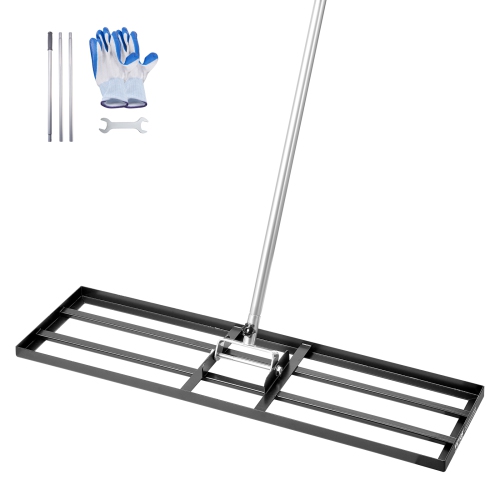
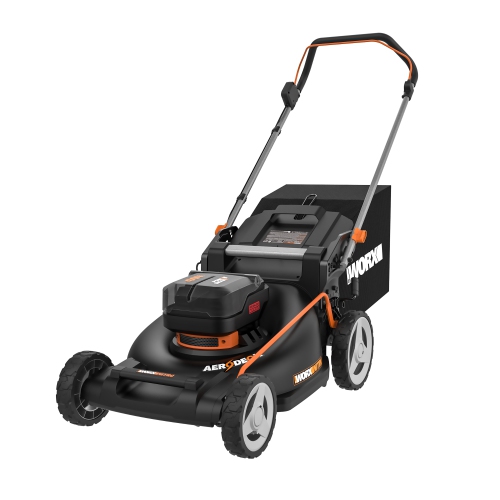



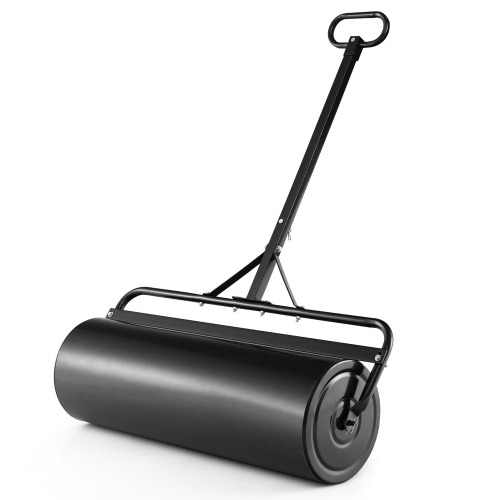
Your yard’s layout matters as much as its size
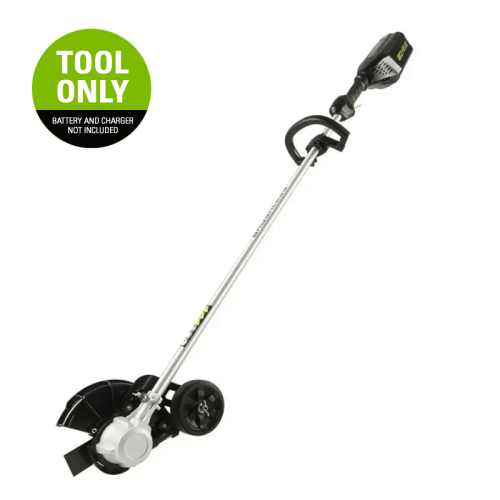
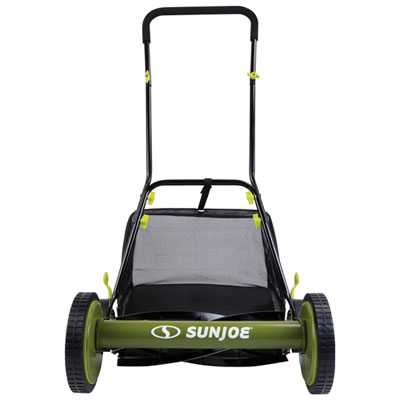
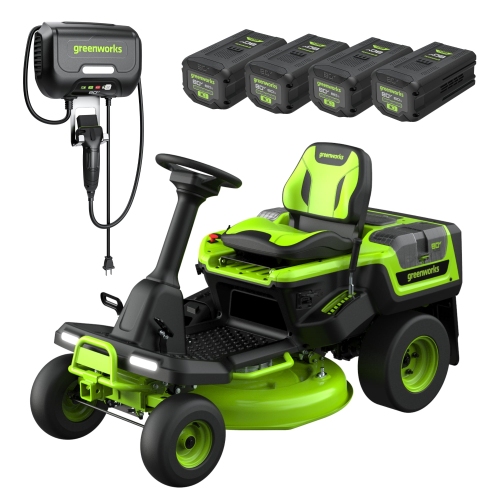
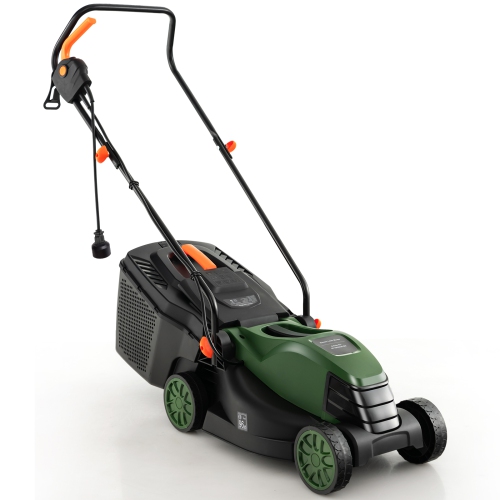
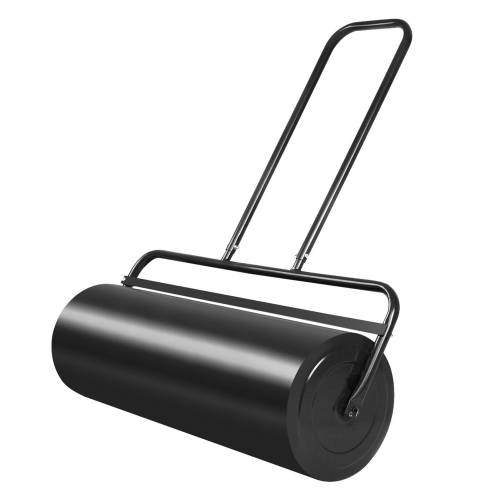
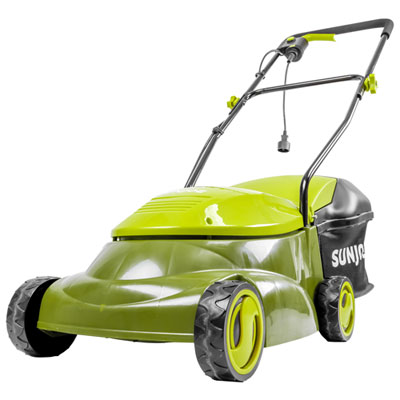
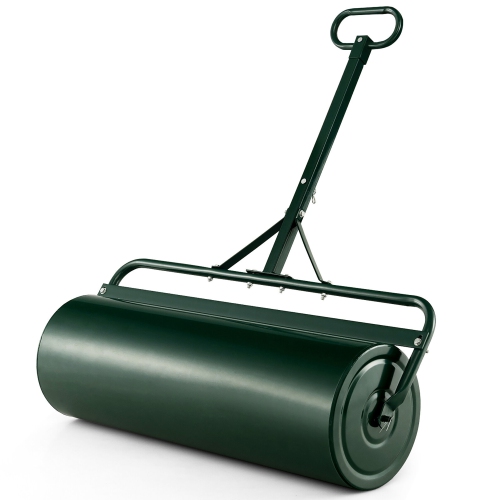
Lawn equipment brings together the tools used to keep grass manageable, edges tidy, and outdoor spaces ready for everyday use. A small patch beside a townhouse calls for a different setup than a broad backyard with mature trees, garden beds, and a long fence line. Mowers handle the main expanse of grass, while trimmers reach around posts and other obstacles where a mower deck cannot pass comfortably. Edgers create a defined boundary along paths and driveways, and leaf blowers help gather loose leaves and grass clippings for collection. The most useful combination depends on the layout of the property as much as its size. Narrow gates, raised borders, sloping ground, and the distance between storage and the lawn all affect how equipment feels in regular use. For straightforward mowing tasks, push lawn mowers suit people who want direct control over their pace and mowing path, with the effort required varying by mower design, grass conditions, and terrain. A wider cutting deck can cover open ground in fewer passes, while a narrower deck may be easier to manoeuvre between beds or through a tight side passage. Cutting-height adjustment adds flexibility for different grass types and maintenance routines; the range and adjustment method vary between designs. Clipping management matters, too. Bagging collects cut grass for disposal, mulching cuts it into smaller pieces that settle into the lawn, and side discharge spreads clippings as the mower moves. Not every mower supports every method, and a collection bag adds a task whenever it needs emptying. For households with children’s play areas, patio furniture, or several planted borders, easy turning and a manageable tool weight can matter more than maximum cutting width. Homeowners, property caretakers, and people maintaining shared outdoor spaces can all benefit from equipment matched to the actual work rather than simply the largest machine their storage area can hold.
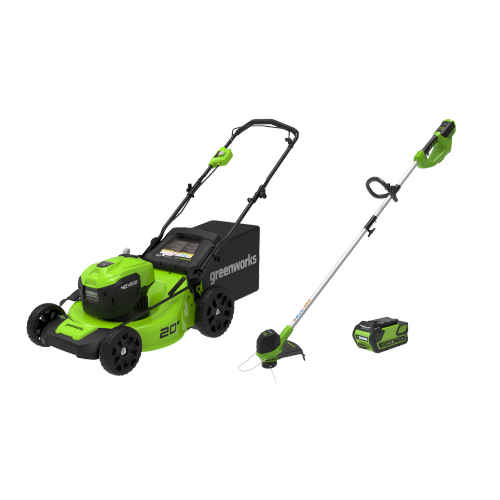
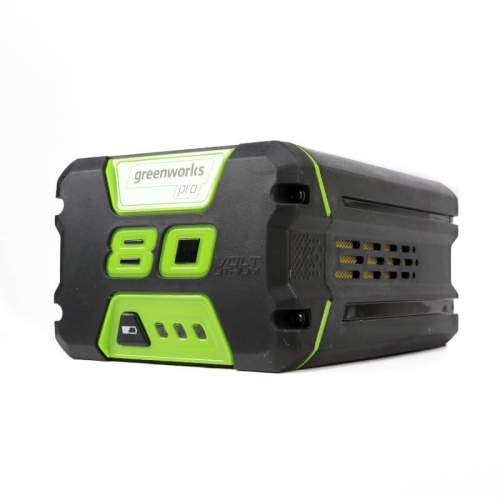
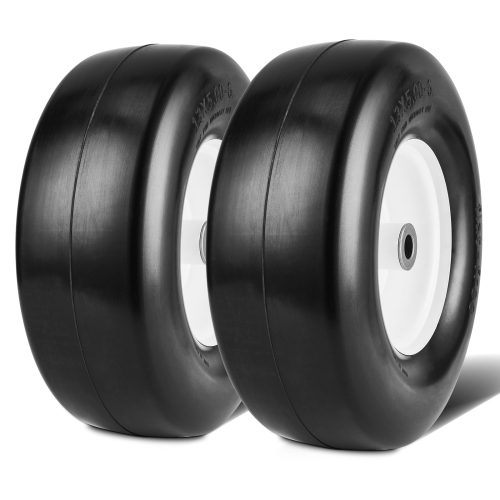
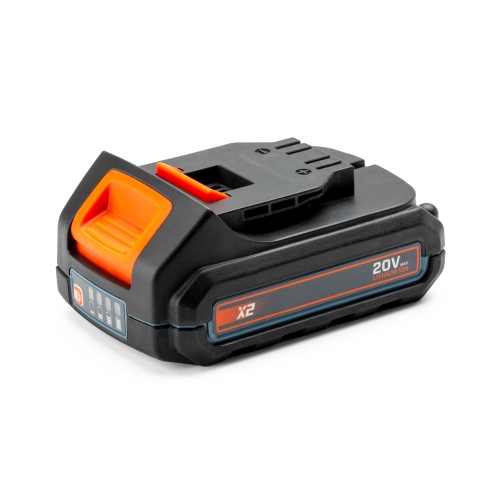
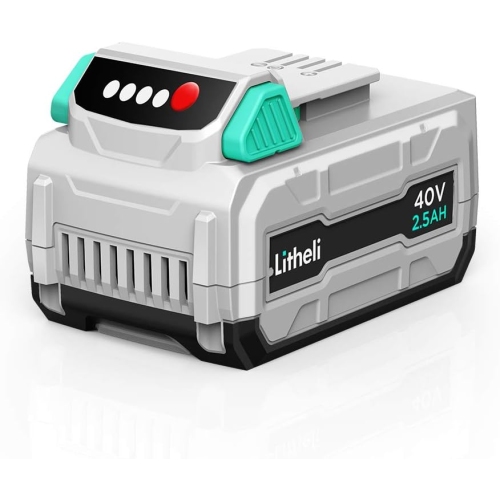
Power source, construction, and physical fit shape the experience of using lawn equipment long after the first cut. Manual reel mowers operate without a motor and can suit smaller, relatively even lawns maintained at regular intervals, though tall or thick grass can make pushing harder. Corded electric equipment provides power through a suitable outdoor-rated extension cord, making outlet location and a clear cord route important considerations. Battery-powered tools offer movement without a trailing power cord, but operating time depends on battery capacity, tool settings, and how demanding the task is. Dense grass, heavy leaf coverage, or sustained high-speed operation can use a charge faster than lighter work. Within a compatible battery platform, some tools can share batteries and chargers, although compatibility must be confirmed rather than assumed from appearance or voltage alone. Gas-powered equipment requires fuel handling and engine maintenance, and may suit larger or more demanding tasks where its operating characteristics fit the property. Across these power types, materials serve different purposes. Steel mower decks offer strength but need attention to chips, moisture, and accumulated debris that can contribute to rust. Polymer housings can reduce weight and resist rust, while their resistance to impact varies with the material and construction. Wheels, bearings, handles, and adjustment points also influence durability, especially when equipment travels over uneven ground or gets moved in and out of a shed frequently. Fit is just as practical a concern as power. An adjustable handle can help different users maintain a comfortable working posture, while the balance of a handheld trimmer affects how tiring it feels along a long fence. A telescoping shaft, auxiliary handle, or compatible support strap may improve control when properly adjusted. Folding handles can reduce storage space, but the folded dimensions, lifting weight, and manufacturer’s permitted storage position still matter. These details are particularly useful when lawn equipment is intended as a housewarming gift or a practical gift for someone who enjoys maintaining their yard: the recipient’s property, strength, storage space, and existing tool system should shape the choice.
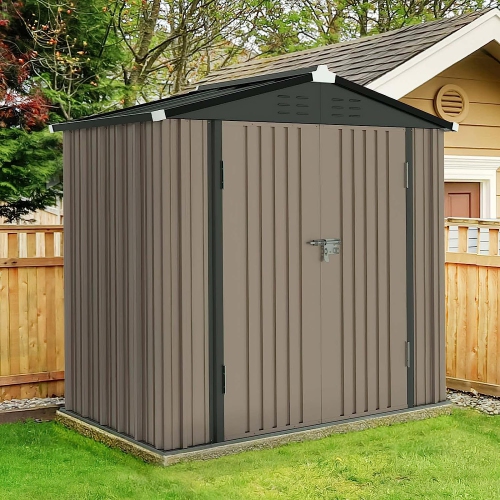
Care and intended use have a direct effect on how reliably lawn equipment performs. Grass packed beneath a mower deck can interfere with cutting and clipping movement, while debris around vents can restrict airflow. Cleaning methods differ by tool, so the owner’s manual is the right reference for whether a surface can be rinsed, brushed, or wiped. Before clearing a blockage, inspecting a cutting area, or replacing an attachment, equipment needs to be switched off and isolated from its power source according to the manufacturer’s directions. Sharp, undamaged mower blades help produce a cleaner cut; dull blades can leave torn grass tips and an uneven finish. Blade sharpening, balancing, and replacement should follow the specified procedure, with qualified servicing where needed. Trimmers require the correct line diameter and an approved spool or cutting attachment, since an unsuitable replacement can affect feeding and performance. Collection bags benefit from regular emptying and checks for tears, and loose fasteners or damaged guards deserve attention before the next use. A quick walk over the lawn to remove stones, toys, branches, and other loose objects helps protect equipment and reduces the chance of thrown debris. Sturdy footwear, eye protection, and hearing protection appropriate to the equipment belong alongside the tools themselves, with children and pets kept clear of the working area. Slopes also deserve particular care: permitted gradients and the direction of travel differ by machine, so a mower’s instructions take priority over general assumptions. When equipment will sit unused for an extended period, clean, dry storage helps protect metal components and keeps handles, cords, and accessories organized. Battery storage and charging should stay within the manufacturer’s specified conditions, and fuel-powered equipment may need a separate preparation routine before storage. The small details make routine upkeep easier: a reachable shelf for approved replacement line, room to remove a mower’s grass bag, and a clear path through the garage all reduce unnecessary handling. Lawn equipment that fits both the property and the maintenance routine can make ordinary jobs more manageable, from trimming the last strip beside a garden bed to clearing leaves from the lawn.
Power source, construction, and physical fit shape the experience of using lawn equipment long after the first cut. Manual reel mowers operate without a motor and can suit smaller, relatively even lawns maintained at regular intervals, though tall or thick grass can make pushing harder. Corded electric equipment provides power through a suitable outdoor-rated extension cord, making outlet location and a clear cord route important considerations. Battery-powered tools offer movement without a trailing power cord, but operating time depends on battery capacity, tool settings, and how demanding the task is. Dense grass, heavy leaf coverage, or sustained high-speed operation can use a charge faster than lighter work. Within a compatible battery platform, some tools can share batteries and chargers, although compatibility must be confirmed rather than assumed from appearance or voltage alone. Gas-powered equipment requires fuel handling and engine maintenance, and may suit larger or more demanding tasks where its operating characteristics fit the property. Across these power types, materials serve different purposes. Steel mower decks offer strength but need attention to chips, moisture, and accumulated debris that can contribute to rust. Polymer housings can reduce weight and resist rust, while their resistance to impact varies with the material and construction. Wheels, bearings, handles, and adjustment points also influence durability, especially when equipment travels over uneven ground or gets moved in and out of a shed frequently. Fit is just as practical a concern as power. An adjustable handle can help different users maintain a comfortable working posture, while the balance of a handheld trimmer affects how tiring it feels along a long fence. A telescoping shaft, auxiliary handle, or compatible support strap may improve control when properly adjusted. Folding handles can reduce storage space, but the folded dimensions, lifting weight, and manufacturer’s permitted storage position still matter. These details are particularly useful when lawn equipment is intended as a housewarming gift or a practical gift for someone who enjoys maintaining their yard: the recipient’s property, strength, storage space, and existing tool system should shape the choice.
Care and intended use have a direct effect on how reliably lawn equipment performs. Grass packed beneath a mower deck can interfere with cutting and clipping movement, while debris around vents can restrict airflow. Cleaning methods differ by tool, so the owner’s manual is the right reference for whether a surface can be rinsed, brushed, or wiped. Before clearing a blockage, inspecting a cutting area, or replacing an attachment, equipment needs to be switched off and isolated from its power source according to the manufacturer’s directions. Sharp, undamaged mower blades help produce a cleaner cut; dull blades can leave torn grass tips and an uneven finish. Blade sharpening, balancing, and replacement should follow the specified procedure, with qualified servicing where needed. Trimmers require the correct line diameter and an approved spool or cutting attachment, since an unsuitable replacement can affect feeding and performance. Collection bags benefit from regular emptying and checks for tears, and loose fasteners or damaged guards deserve attention before the next use. A quick walk over the lawn to remove stones, toys, branches, and other loose objects helps protect equipment and reduces the chance of thrown debris. Sturdy footwear, eye protection, and hearing protection appropriate to the equipment belong alongside the tools themselves, with children and pets kept clear of the working area. Slopes also deserve particular care: permitted gradients and the direction of travel differ by machine, so a mower’s instructions take priority over general assumptions. When equipment will sit unused for an extended period, clean, dry storage helps protect metal components and keeps handles, cords, and accessories organized. Battery storage and charging should stay within the manufacturer’s specified conditions, and fuel-powered equipment may need a separate preparation routine before storage. The small details make routine upkeep easier: a reachable shelf for approved replacement line, room to remove a mower’s grass bag, and a clear path through the garage all reduce unnecessary handling. Lawn equipment that fits both the property and the maintenance routine can make ordinary jobs more manageable, from trimming the last strip beside a garden bed to clearing leaves from the lawn.
Top selling and popular products
-
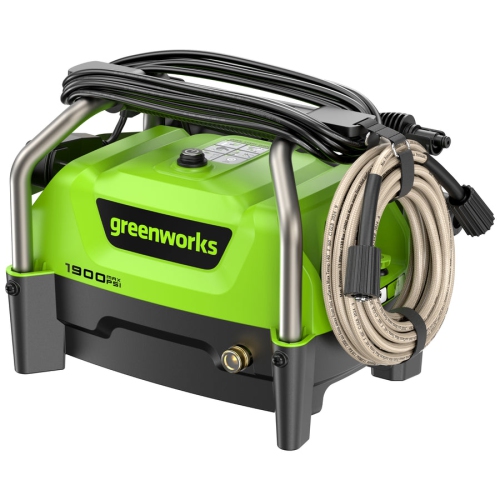 Your price for this item is $169.99
 -
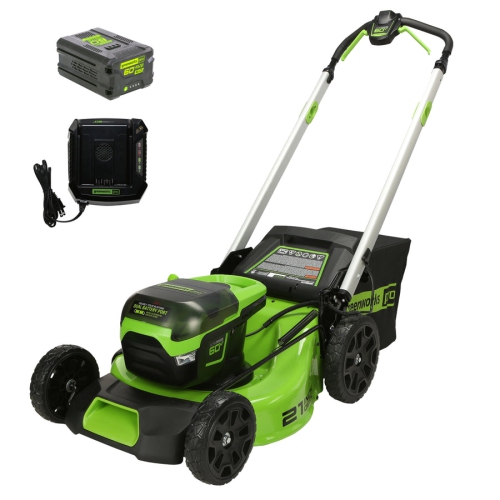 Your price for this item is $554.39
 -
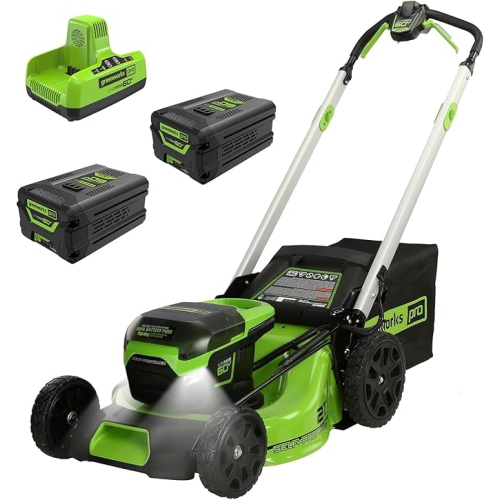 Your price for this item is $879.99
 -
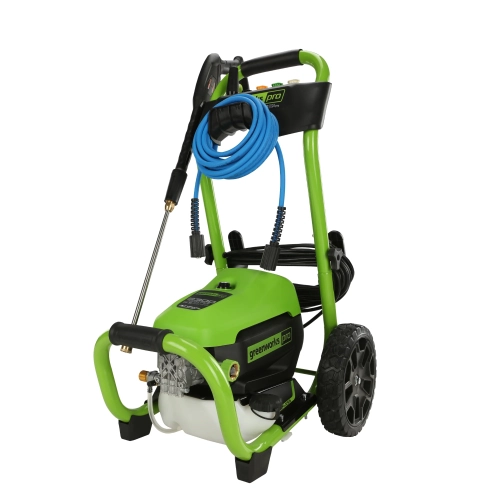 Your price for this item is $439.99
 -
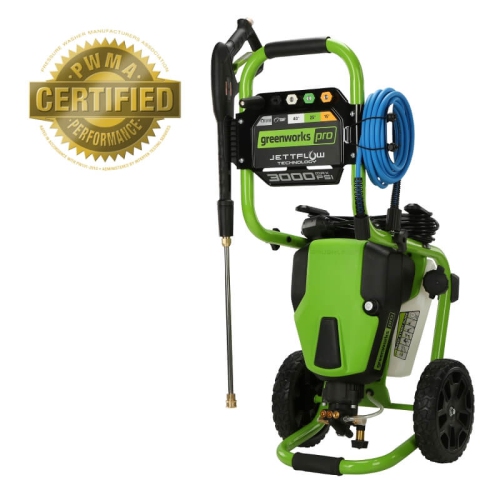 Your price for this item is $499
 -
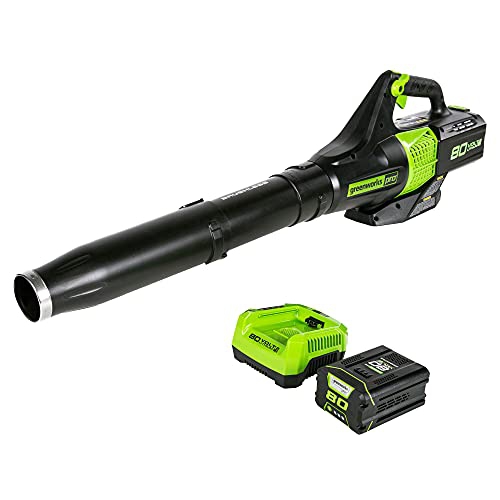 Your price for this item is $255
 -
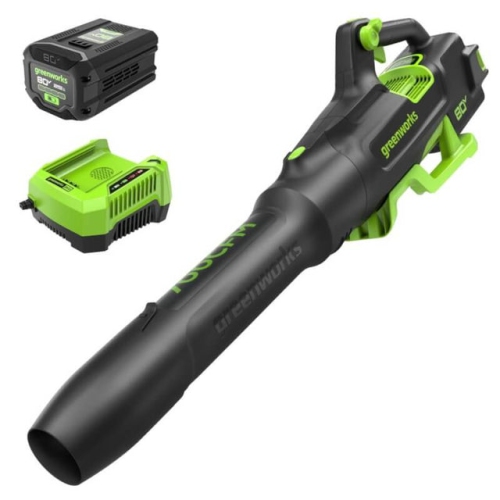 Your price for this item is $272
 -
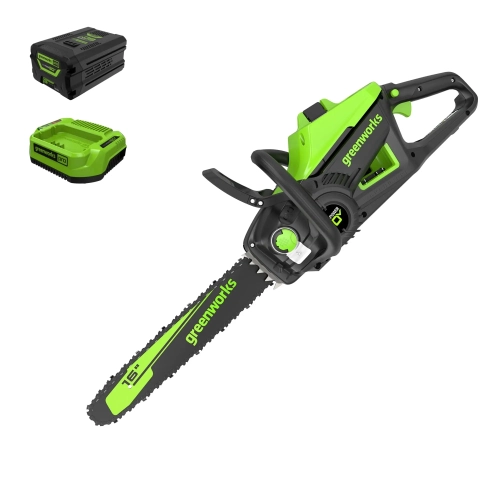 Your price for this item is $329.99
Discover more categories related to Lawn Equipment
Top Collections:
Pokemon Centers, Kindle Devices, Best Budget Office Chairs, Apple iPhones 16, Best Laptops for Writers, iPhone 15 Apple, Canon G7X Cameras, Refurbished Apple Laptops, Alarm Clock, Motorola Razr Phones
Some products may be subject to Environmental Handling Fees
(EHF) depending on your province.
Learn more about EHFs.