Leather Sectional Canada
Transform your living space with the timeless elegance and luxurious comfort of a leather sectional. Perfectly suited for Canadian homes, these versatile pieces effortlessly blend style and functionality, offering ample seating for family gatherings or cozy evenings in. Whether you're looking to enhance a modern decor or add a touch of sophistication to a classic setting, leather sectionals provide a durable and chic solution. Explore a wide range of options, from sleek minimalist designs to plush, reclining models, all crafted to elevate your home into a haven of relaxation and style.
Sort
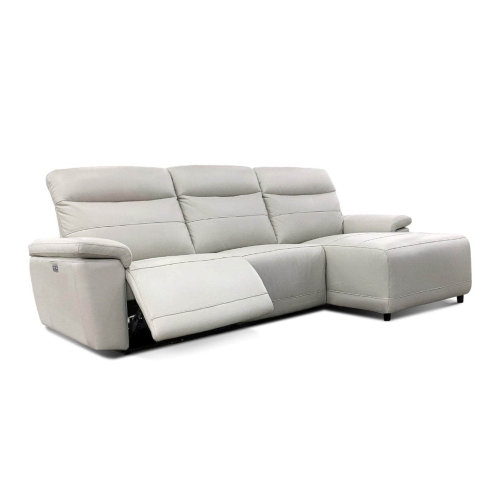
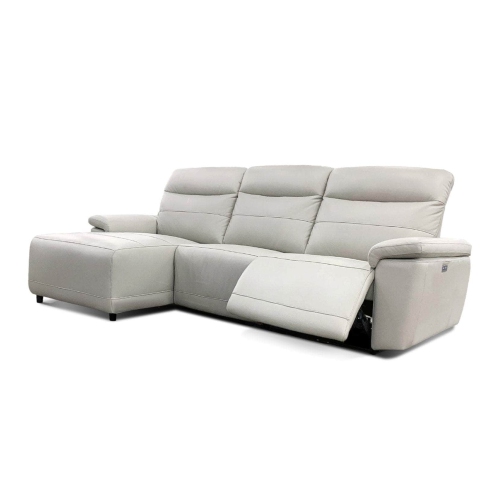
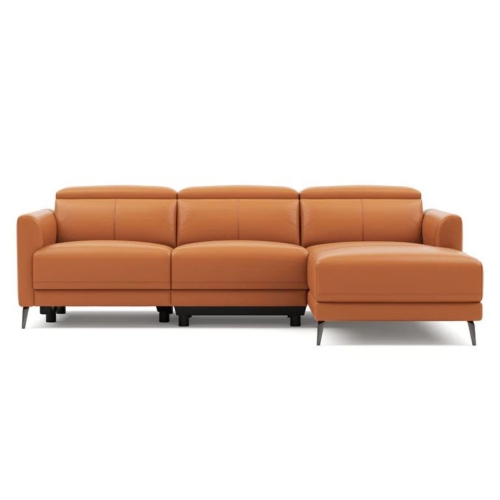
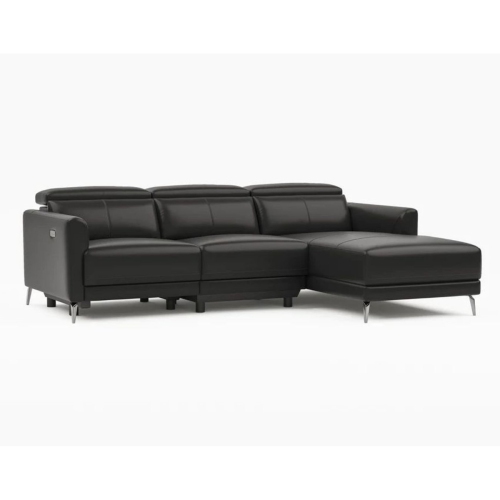
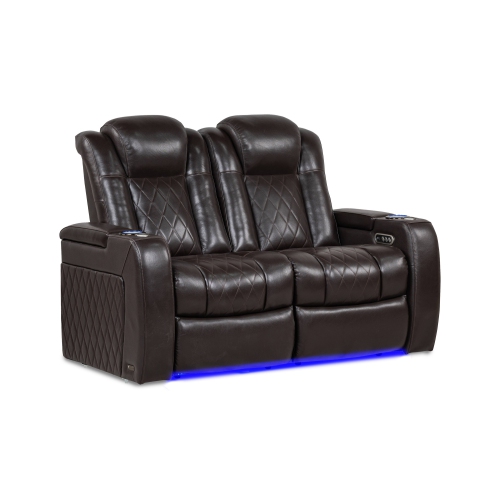
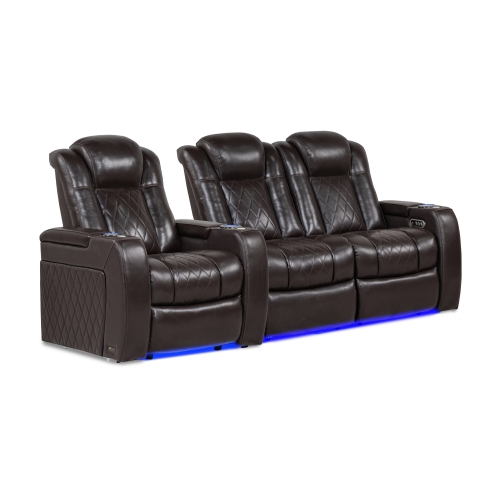
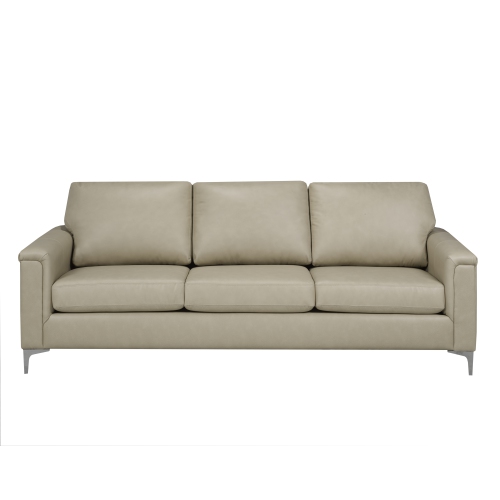
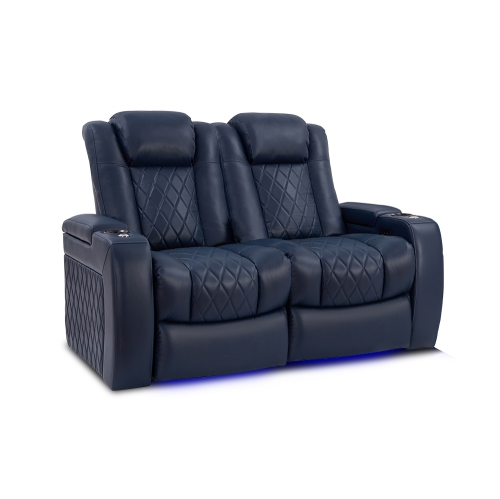
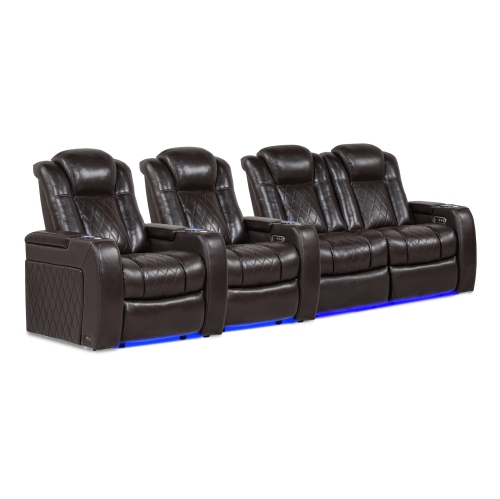
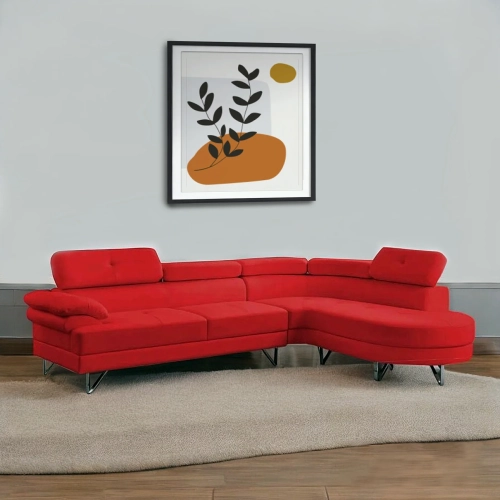
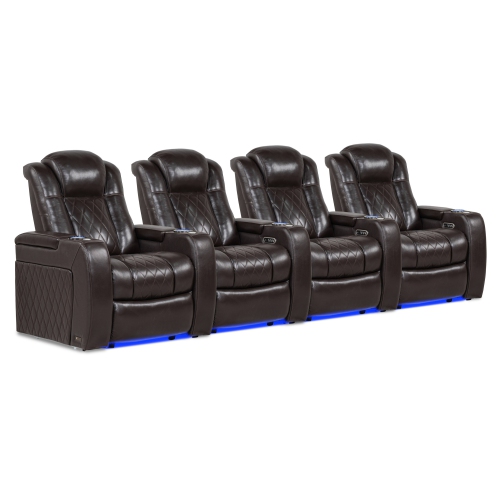
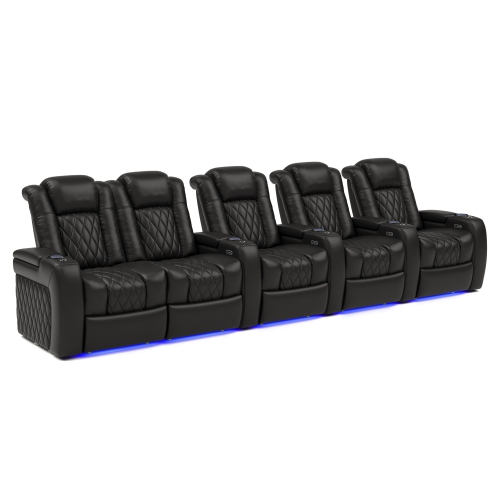
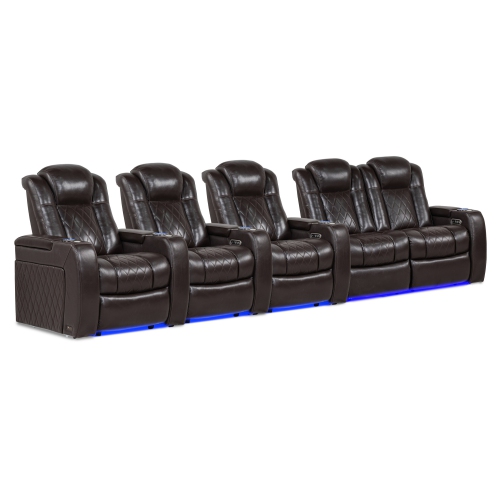
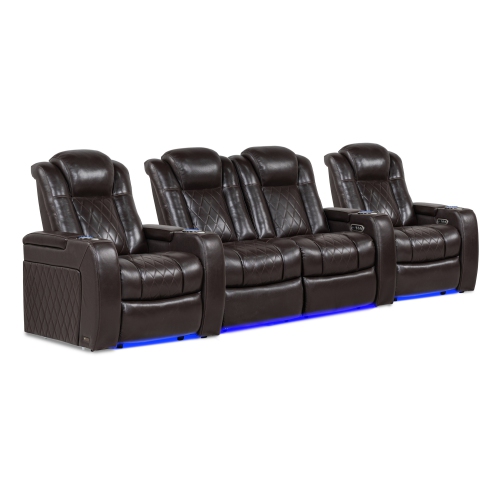
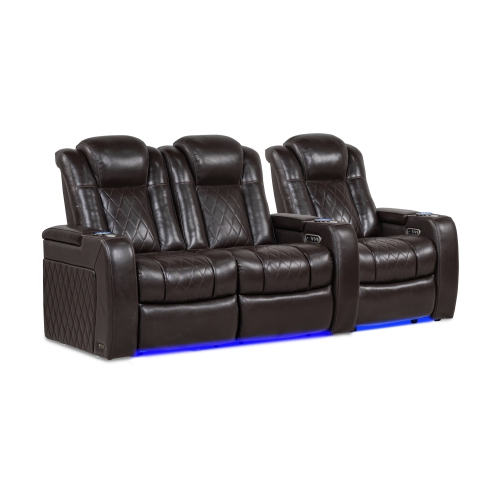
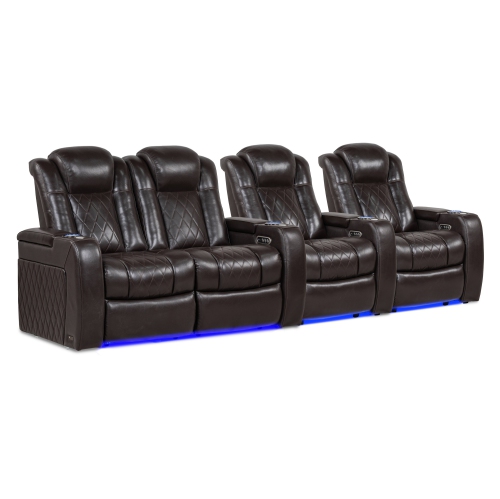
Room to stretch out without crowding your living space
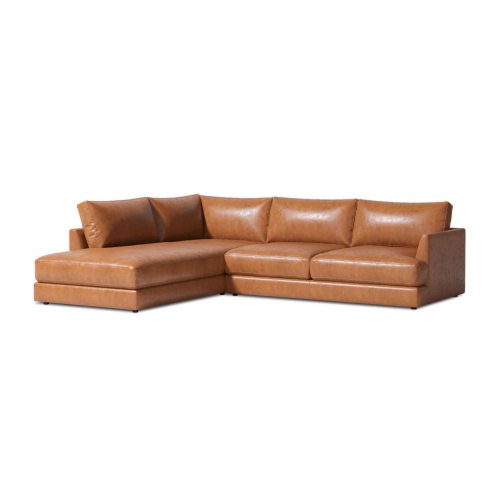
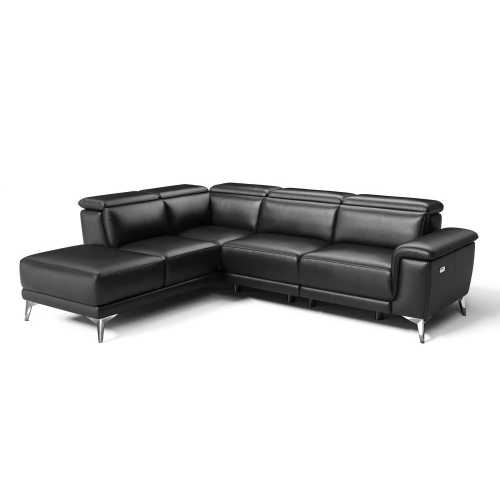
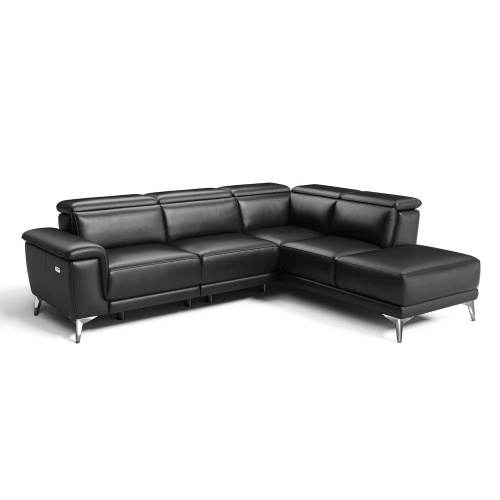
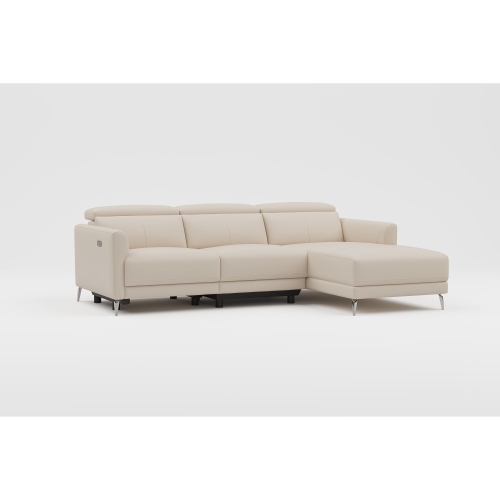
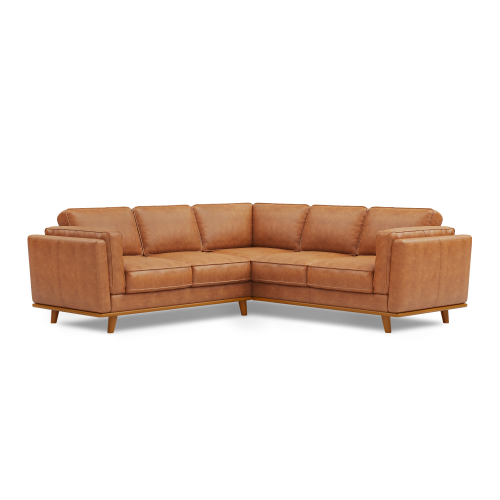
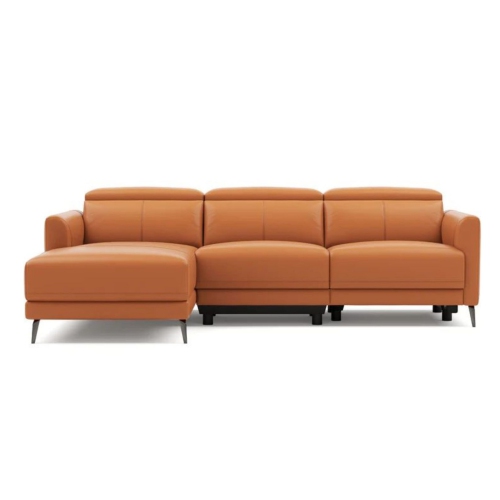
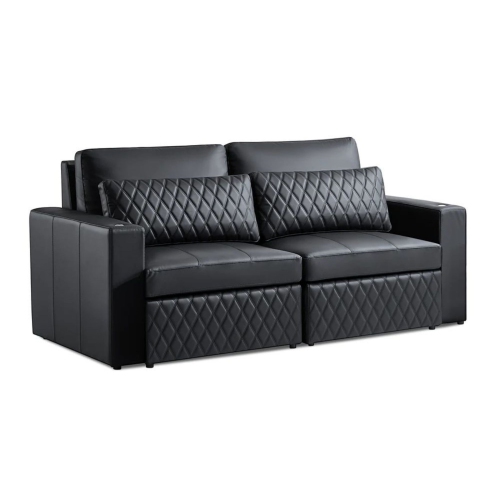
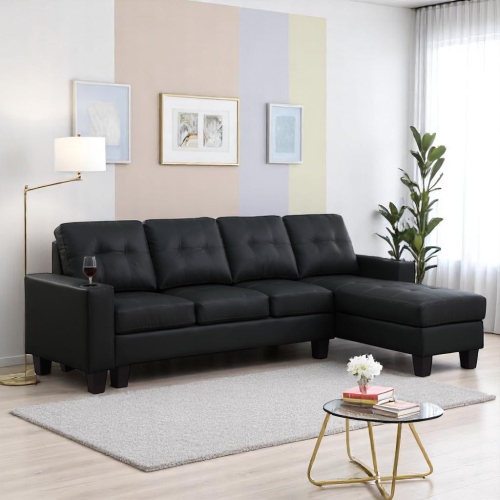
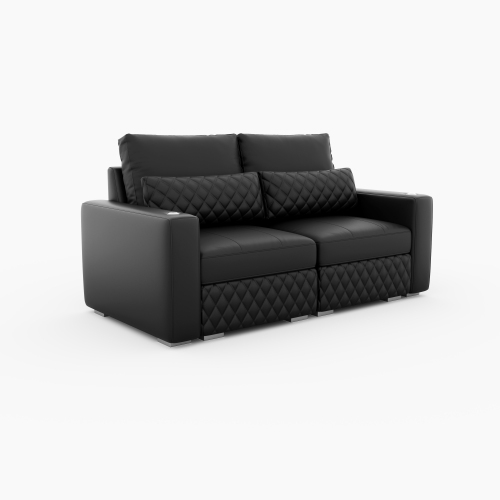
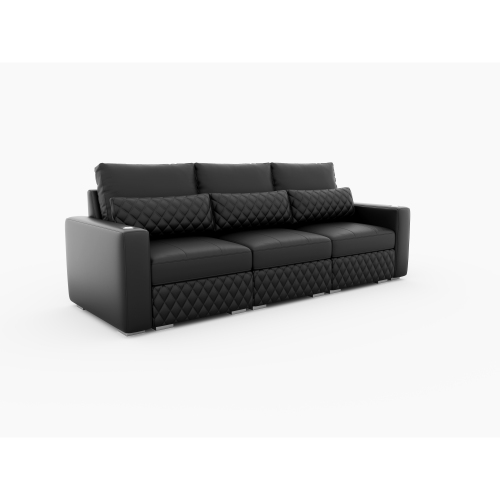
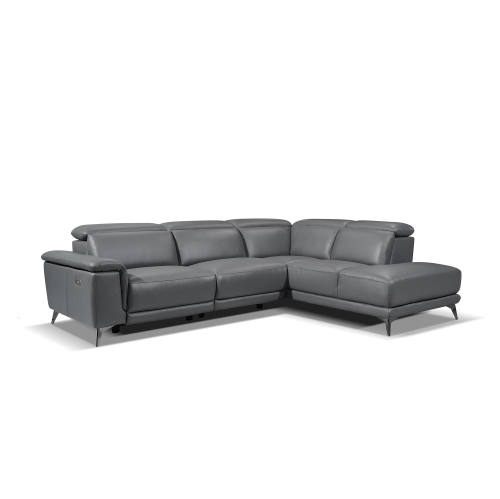
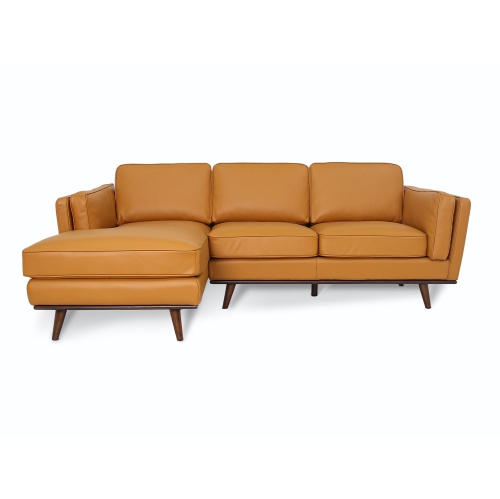
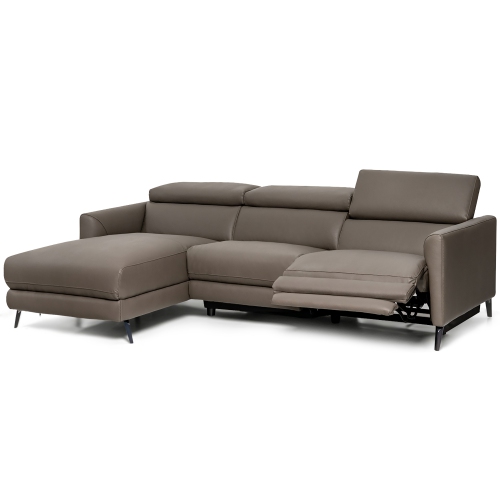
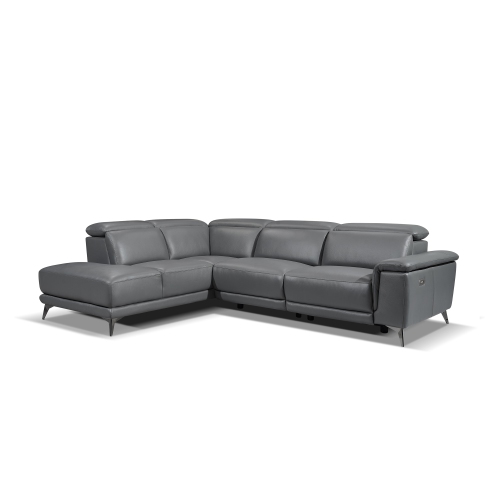
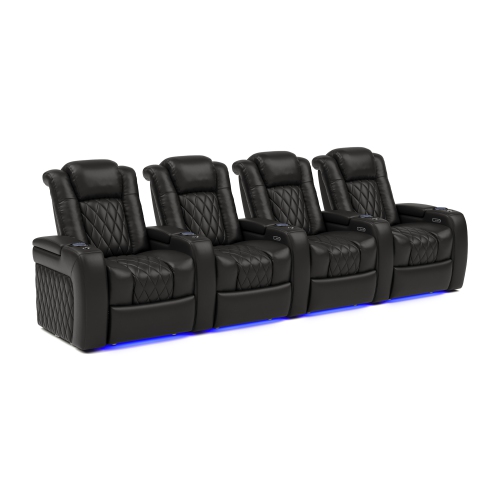
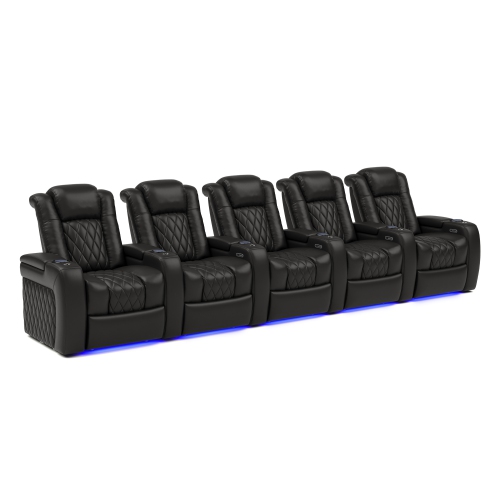
Leather sectionals bring connected seating and a comfortable place to stretch out to living rooms, family rooms, and open-plan homes across Canada. Their appeal lies in combining the presence of a sofa with a layout that can define an entire seating area, whether that means a compact chaise beside a condo window or a generous corner arrangement facing a television. L-shaped sectionals suit rooms where seating follows two adjoining walls, while U-shaped layouts create a more enclosed gathering space with room for conversation at either end. A sofa with a chaise offers leg support without requiring a separate ottoman, and modular designs may allow individual sections to be arranged in different configurations, depending on their construction and connectors. Within these layouts, leather upholstery can look tailored and smooth or relaxed and softly creased, giving the same basic shape a very different character. Slim arms and raised legs tend to keep a larger piece visually lighter; wider arms, deep cushions, and low profiles give seating a more substantial presence. Black, brown, tan, and cream are familiar leather colours, while grey and other muted shades can work with a broad range of wood finishes, rugs, and accent furniture. For households that gather around a screen, a sectional can keep several seats oriented towards the viewing area. For people who regularly host friends, the angle of a corner arrangement allows conversation without lining everyone up in a straight row. Couples, growing families, and people furnishing a shared living space may each value a different balance of lounging room, upright seating, and open floor space. The range of Leather Sectional Sofas covers a furniture category where upholstery, proportions, and configuration matter as much as appearance. A sectional that feels inviting for an evening film should also leave enough space for ordinary routines, from carrying a laundry basket through the room to setting a drink on a nearby table. That balance makes the furniture feel like part of the home rather than an obstacle within it.
Leather type and upholstery coverage help explain how a sectional will look, feel, and wear. Full-grain leather retains the hide’s natural surface, including variations in grain and markings, and can develop a patina through use. Top-grain leather has had its surface refined to create a more uniform appearance, with performance depending on the finish applied. Aniline leather typically shows more of the hide’s individual character but is more vulnerable to stains and fading than leather with a protective pigmented finish. Semi-aniline leather adds some surface protection while retaining much of that natural variation. These descriptions refer to different aspects of the material, so a leather grade alone does not tell the whole story about care or durability. Upholstery coverage is equally important: some sectionals use leather throughout, while others place leather on seating surfaces and use a matching material on the sides or back. Bonded leather and faux leather are not the same as full-grain or top-grain leather, and their composition and care requirements differ. Beneath the upholstery, a well-built frame, supportive suspension, secure joints, and suitable cushion materials all contribute to long-term comfort. Higher-density foam generally retains its shape better than lower-density foam of comparable construction, though density is not the same as firmness. Fibre-wrapped cushions can soften the initial feel, while loose back cushions may need occasional reshaping. Seat depth also changes the experience: a deeper seat suits curling up with a book, while a shallower seat can make it easier to sit upright with feet on the floor. Taller backs and adjustable headrests may provide support for extended viewing, and reclining sections need room to operate as specified by the manufacturer. Families with children may appreciate a protective leather finish that allows straightforward cleaning of everyday spills. Homes with pets need a little extra consideration, since claws can scratch or puncture leather even when the upholstery is otherwise durable. Natural wrinkles, slight colour differences, and developing creases can be part of leather’s character rather than signs of a fault.
A successful fit starts with the sectional’s complete footprint, not simply the number of seats in its description. Overall width, depth, chaise length, and arm height affect how the furniture sits alongside doorways, windows, shelving, and neighbouring chairs. Marking the outline on the floor with removable tape makes it easier to picture a chaise extending into a walkway or a corner unit occupying space beside a side table. Leave comfortable routes through the room and enough distance between the seating and coffee table to move without squeezing past knees. Left-facing and right-facing descriptions can be interpreted differently between listings, so the layout diagram is the clearest reference for determining which side holds the chaise or return. Delivery access matters just as much as room dimensions, particularly in apartments, condos, and homes with narrow stairs. Door openings, hallway turns, elevator dimensions, and the size of each packaged section all affect whether the furniture can reach its intended place. Removable legs or separately packed modules may help, but these features need to be confirmed rather than assumed. Once in place, leather benefits from simple, consistent care matched to its finish. A soft, dry cloth removes surface dust, and careful vacuuming with a suitable attachment helps clear crumbs from seams and cushion gaps. Spills are best blotted promptly with a clean, absorbent cloth rather than rubbed across the surface. Cleaning solutions and conditioners should be approved for the particular upholstery and tested on a concealed area; household solvents, abrasive cleaners, and excessive moisture can damage the finish. Positioning seating away from prolonged direct sunlight helps limit uneven fading, and following the manufacturer’s placement guidance can protect the upholstery from nearby heat sources. Where cushions are designed to be moved or rotated, doing so can help distribute everyday wear. With proportions that suit the room, support that suits the people using it, and care appropriate to the leather, a sectional can serve as an enduring centre for reading, conversation, television, and everyday downtime.
Leather type and upholstery coverage help explain how a sectional will look, feel, and wear. Full-grain leather retains the hide’s natural surface, including variations in grain and markings, and can develop a patina through use. Top-grain leather has had its surface refined to create a more uniform appearance, with performance depending on the finish applied. Aniline leather typically shows more of the hide’s individual character but is more vulnerable to stains and fading than leather with a protective pigmented finish. Semi-aniline leather adds some surface protection while retaining much of that natural variation. These descriptions refer to different aspects of the material, so a leather grade alone does not tell the whole story about care or durability. Upholstery coverage is equally important: some sectionals use leather throughout, while others place leather on seating surfaces and use a matching material on the sides or back. Bonded leather and faux leather are not the same as full-grain or top-grain leather, and their composition and care requirements differ. Beneath the upholstery, a well-built frame, supportive suspension, secure joints, and suitable cushion materials all contribute to long-term comfort. Higher-density foam generally retains its shape better than lower-density foam of comparable construction, though density is not the same as firmness. Fibre-wrapped cushions can soften the initial feel, while loose back cushions may need occasional reshaping. Seat depth also changes the experience: a deeper seat suits curling up with a book, while a shallower seat can make it easier to sit upright with feet on the floor. Taller backs and adjustable headrests may provide support for extended viewing, and reclining sections need room to operate as specified by the manufacturer. Families with children may appreciate a protective leather finish that allows straightforward cleaning of everyday spills. Homes with pets need a little extra consideration, since claws can scratch or puncture leather even when the upholstery is otherwise durable. Natural wrinkles, slight colour differences, and developing creases can be part of leather’s character rather than signs of a fault.
A successful fit starts with the sectional’s complete footprint, not simply the number of seats in its description. Overall width, depth, chaise length, and arm height affect how the furniture sits alongside doorways, windows, shelving, and neighbouring chairs. Marking the outline on the floor with removable tape makes it easier to picture a chaise extending into a walkway or a corner unit occupying space beside a side table. Leave comfortable routes through the room and enough distance between the seating and coffee table to move without squeezing past knees. Left-facing and right-facing descriptions can be interpreted differently between listings, so the layout diagram is the clearest reference for determining which side holds the chaise or return. Delivery access matters just as much as room dimensions, particularly in apartments, condos, and homes with narrow stairs. Door openings, hallway turns, elevator dimensions, and the size of each packaged section all affect whether the furniture can reach its intended place. Removable legs or separately packed modules may help, but these features need to be confirmed rather than assumed. Once in place, leather benefits from simple, consistent care matched to its finish. A soft, dry cloth removes surface dust, and careful vacuuming with a suitable attachment helps clear crumbs from seams and cushion gaps. Spills are best blotted promptly with a clean, absorbent cloth rather than rubbed across the surface. Cleaning solutions and conditioners should be approved for the particular upholstery and tested on a concealed area; household solvents, abrasive cleaners, and excessive moisture can damage the finish. Positioning seating away from prolonged direct sunlight helps limit uneven fading, and following the manufacturer’s placement guidance can protect the upholstery from nearby heat sources. Where cushions are designed to be moved or rotated, doing so can help distribute everyday wear. With proportions that suit the room, support that suits the people using it, and care appropriate to the leather, a sectional can serve as an enduring centre for reading, conversation, television, and everyday downtime.
Top selling and popular products
-
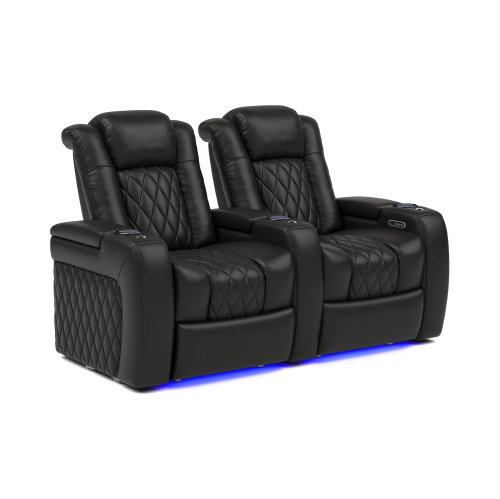 Your price for this item is $3249.99
 -
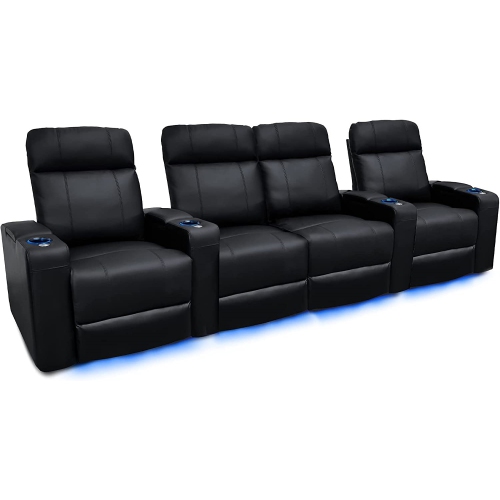 Your price for this item is $4899.99
 -
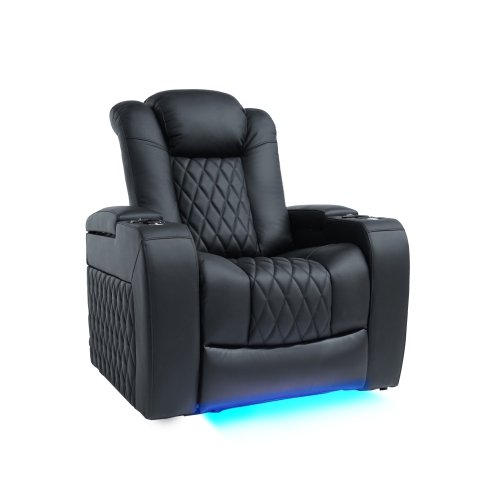 Your price for this item is $1824.99
 -
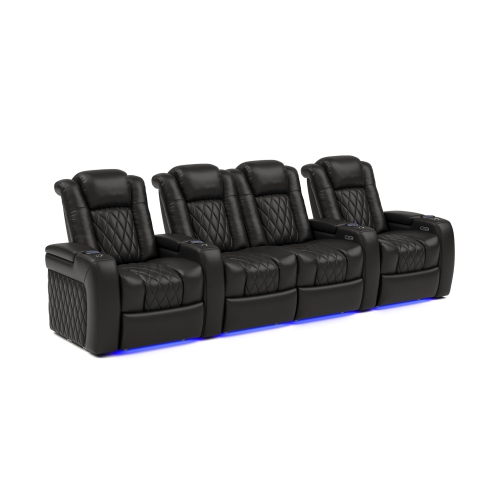 Your price for this item is $6499.99
 -
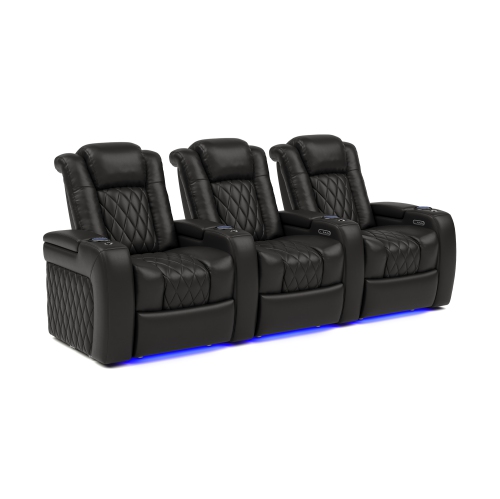 Your price for this item is $4874.99
 -
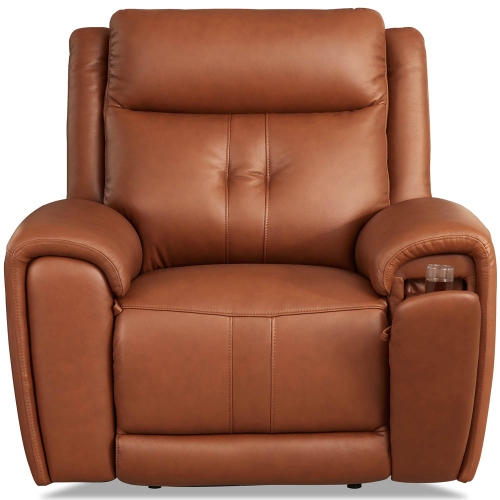 Your price for this item is $1699
 -
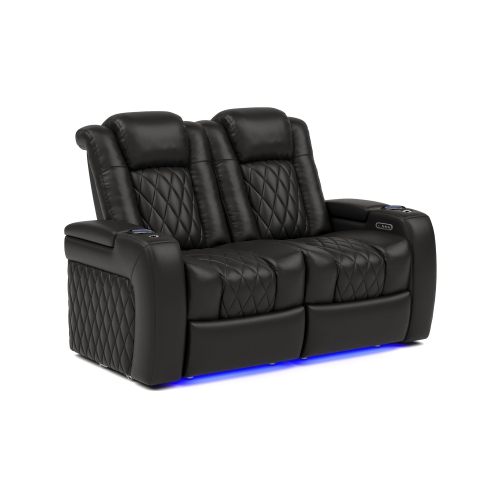 Your price for this item is $3249.99
 -
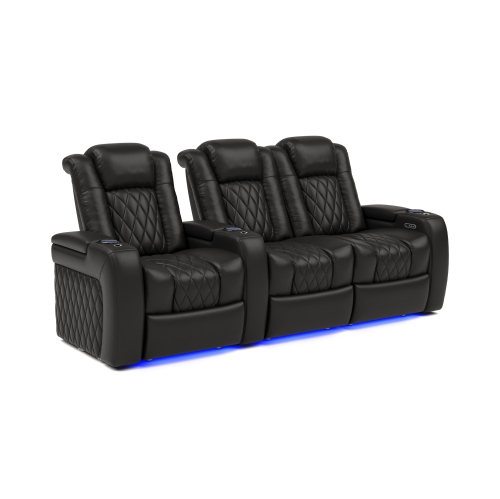 Your price for this item is $4874.99
Discover more categories related to Leather Sectional Canada
Top Collections:
Pokemon Centers, Kindle Devices, Best Budget Office Chairs, Apple iPhones 16, Best Laptops for Writers, iPhone 15 Apple, Canon G7X Cameras, Refurbished Apple Laptops, Alarm Clock, Motorola Razr Phones
Some products may be subject to Environmental Handling Fees
(EHF) depending on your province.
Learn more about EHFs.