LED Wall Sconces
Transform your living space with the perfect blend of style and functionality by exploring our diverse selection of LED wall sconces. These versatile lighting solutions not only enhance the ambiance of any room but also provide energy-efficient illumination that adapts to your lifestyle. Whether you're looking to add a modern touch to your home or seeking a classic design to complement your decor, our curated collection offers something for every taste. Discover how LED wall sconces can elevate your interior design while providing practical lighting solutions for any space in your home.
Sort
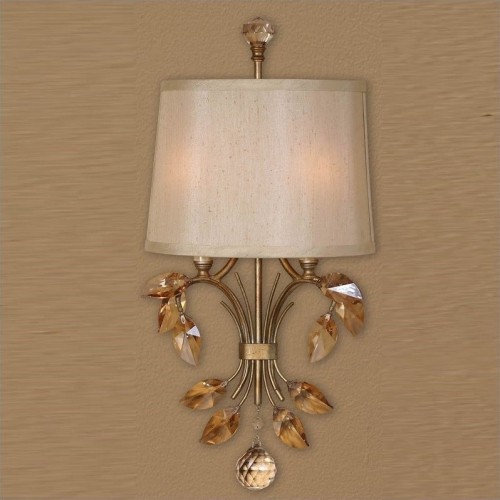
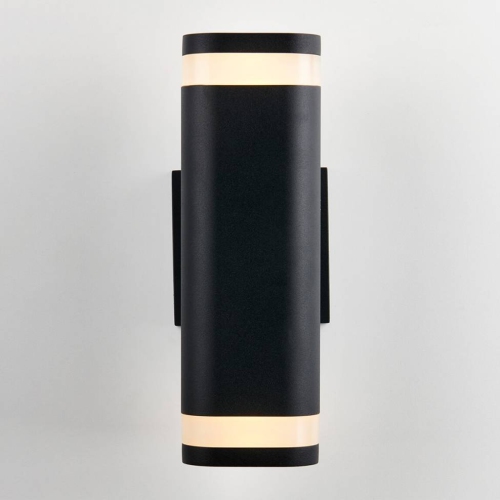
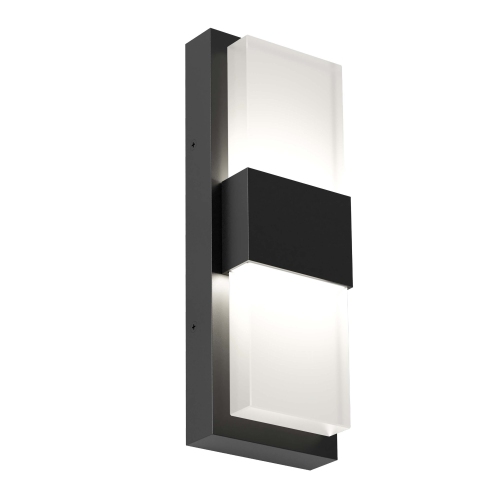
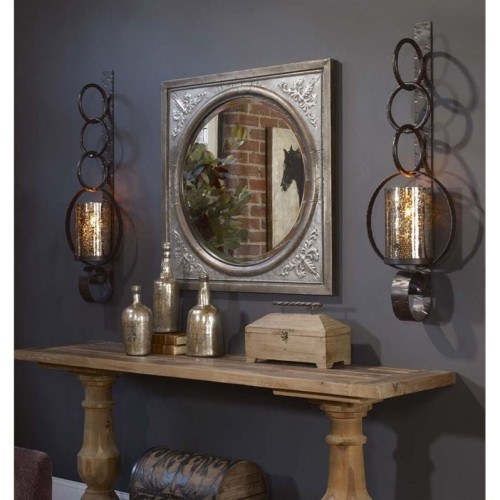
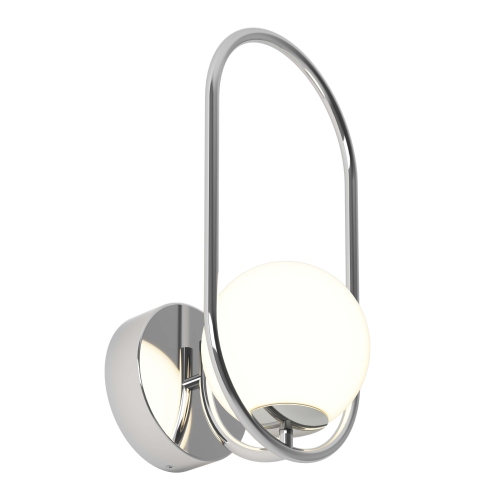
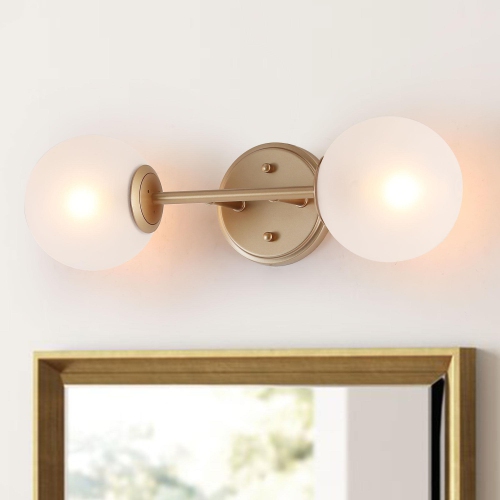
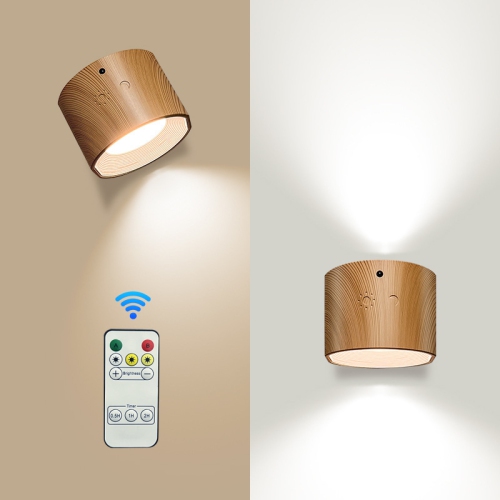
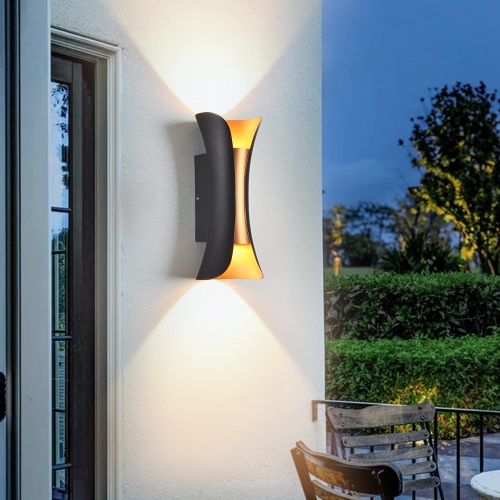
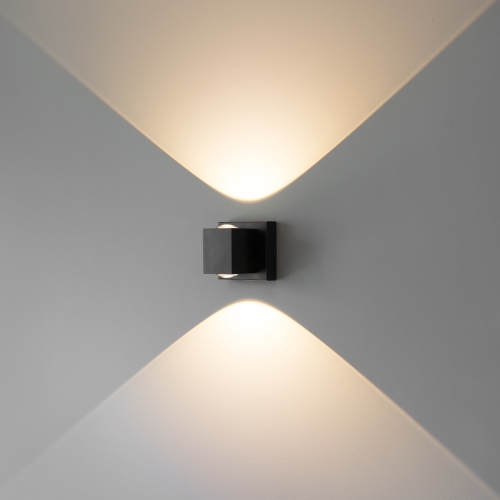
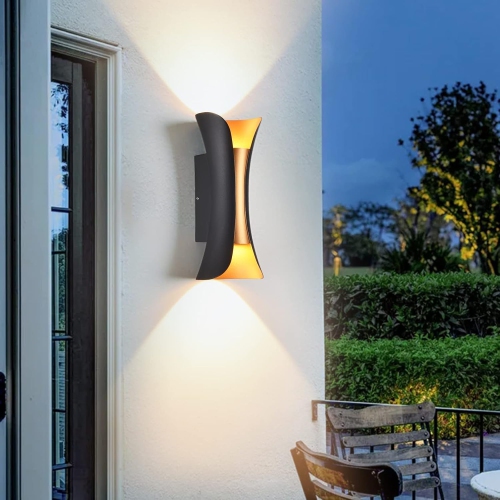
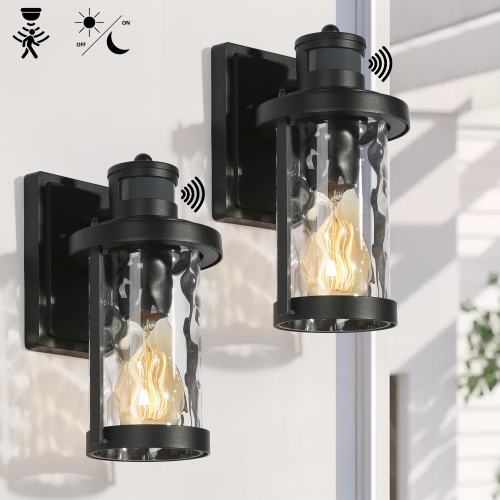
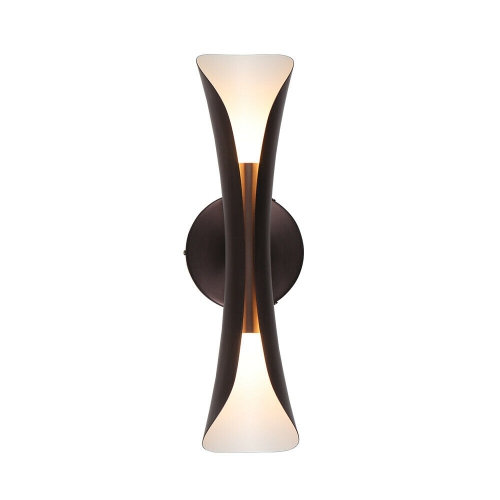
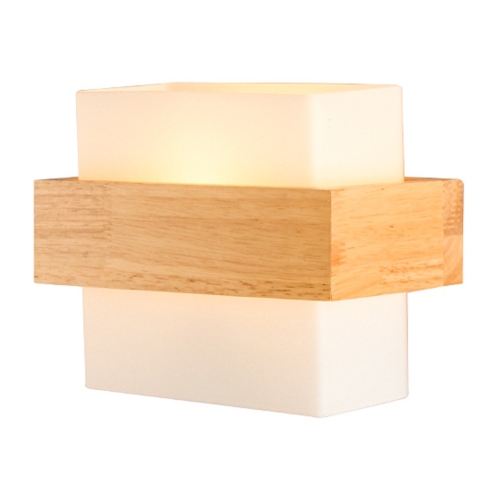
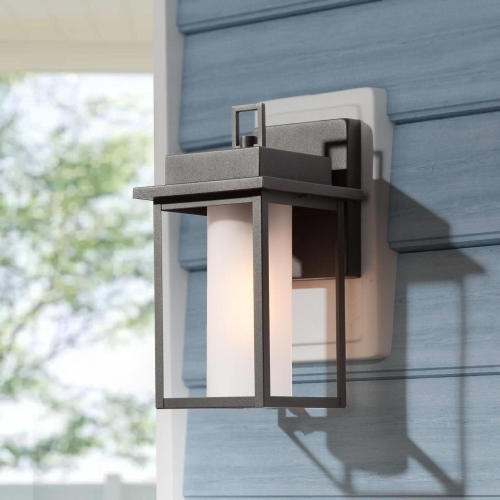

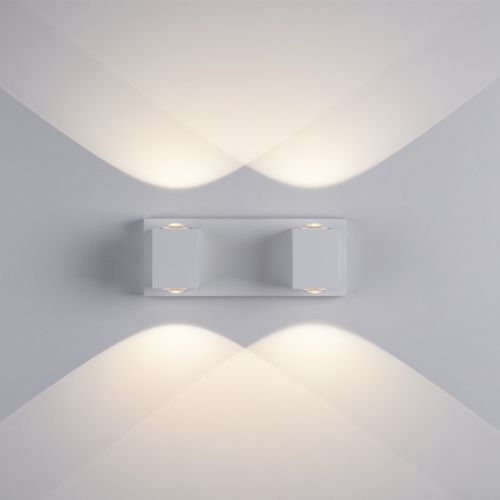
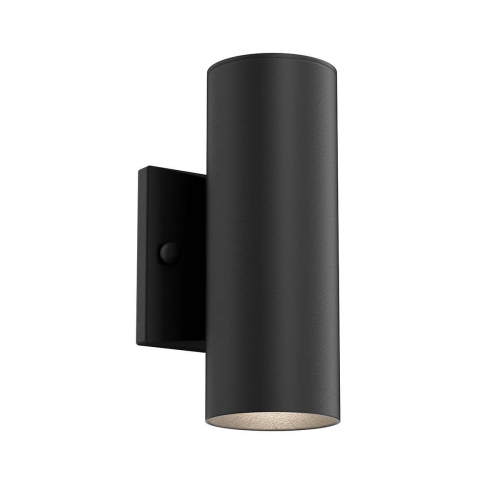
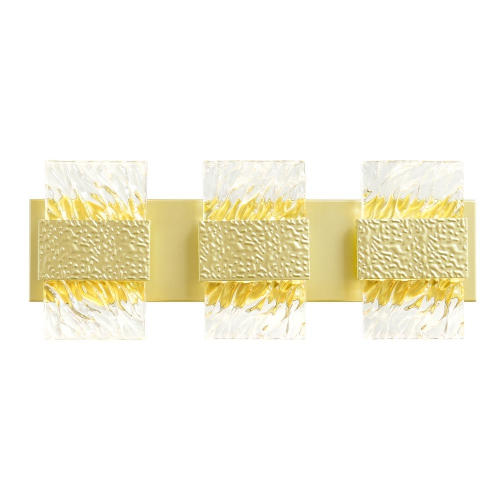
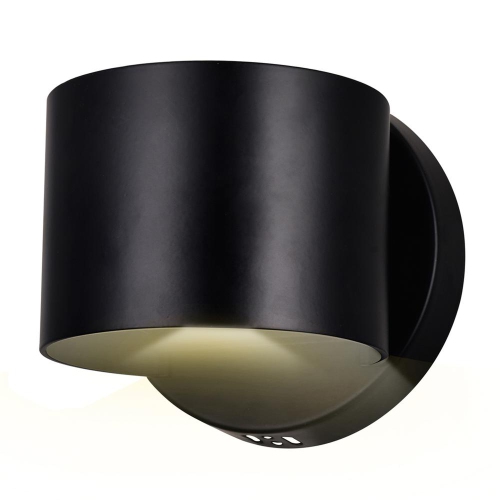
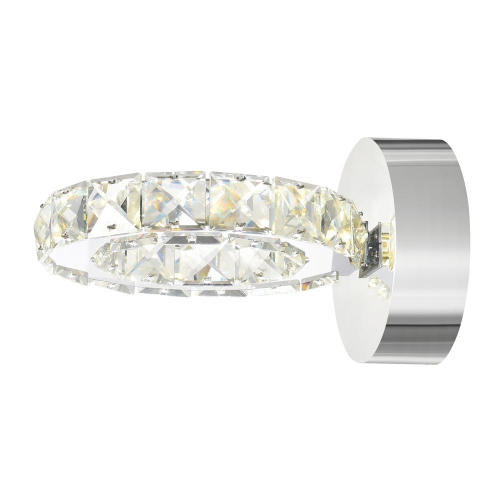
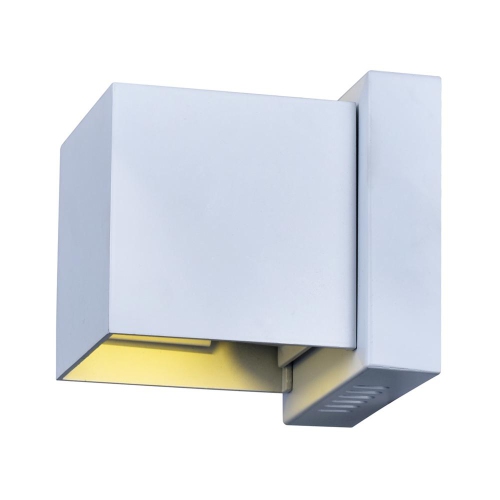
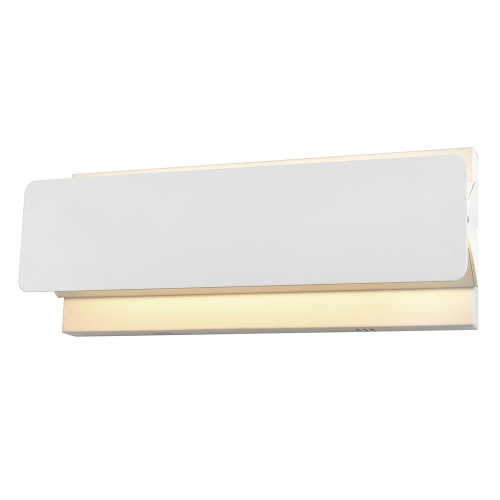
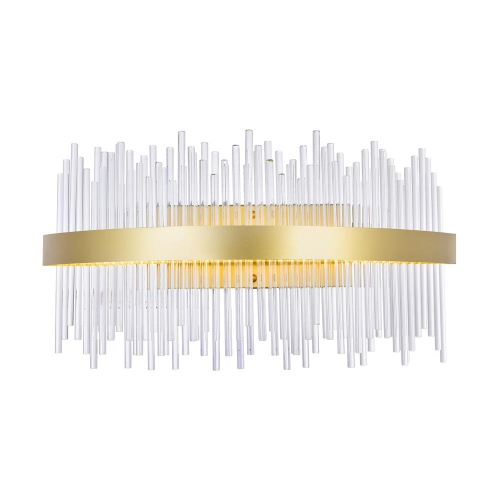
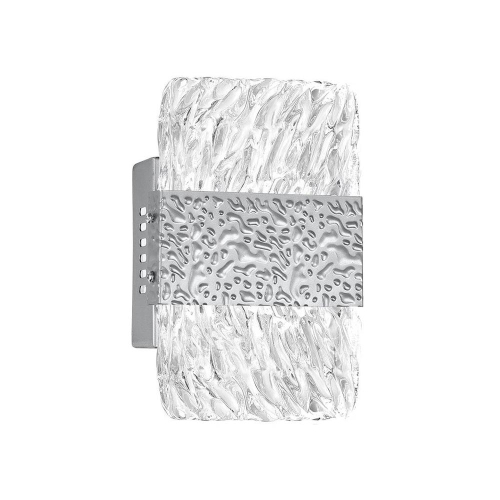
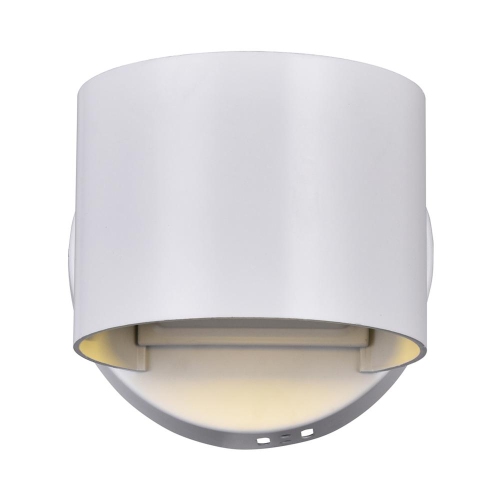


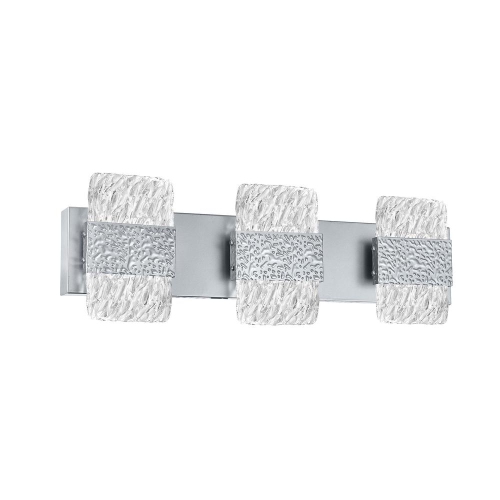
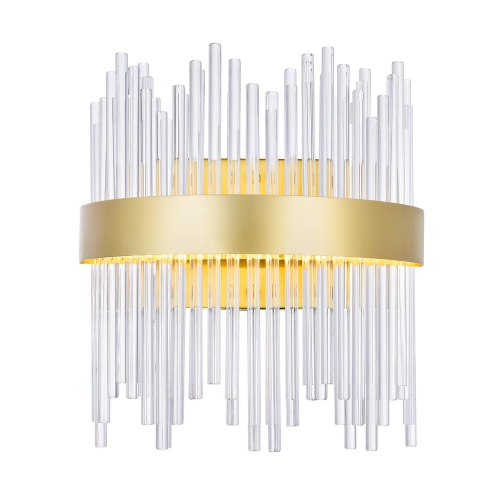
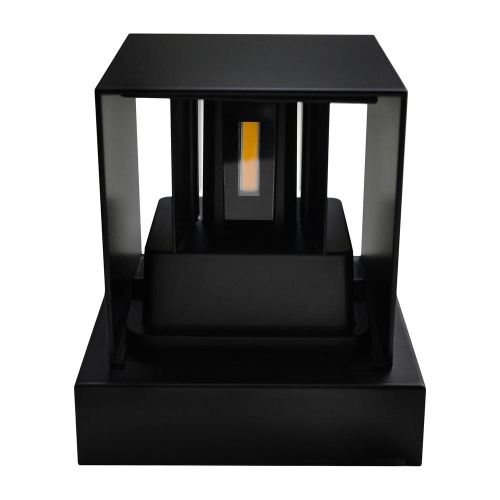
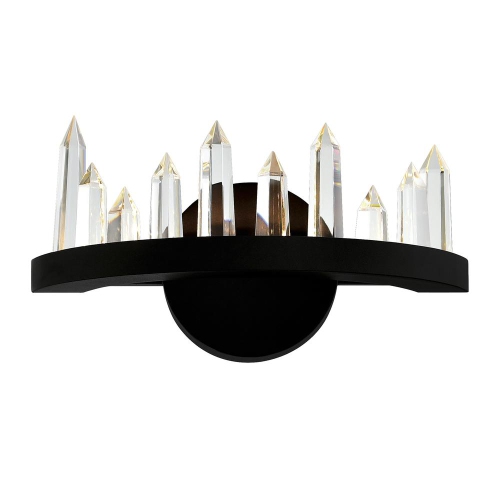
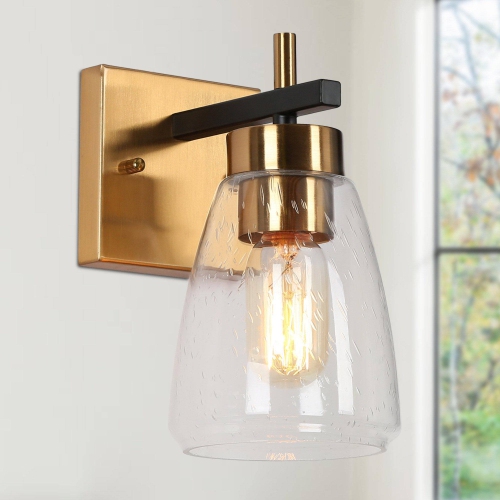
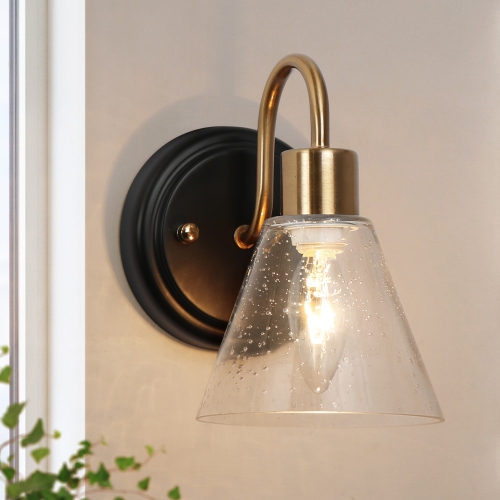
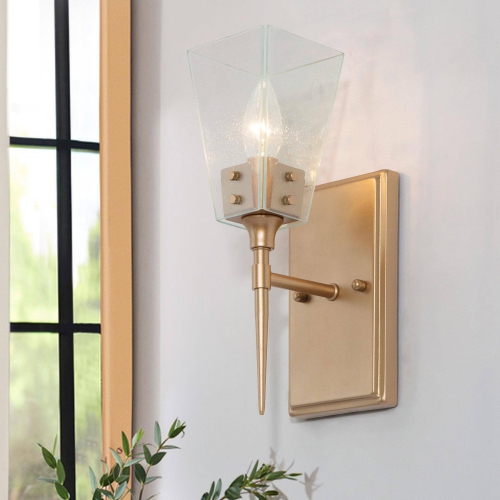
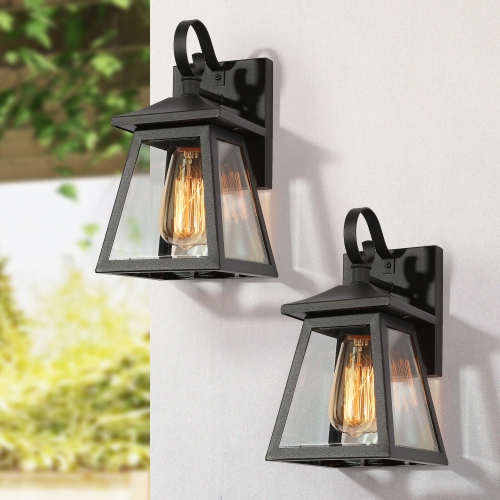
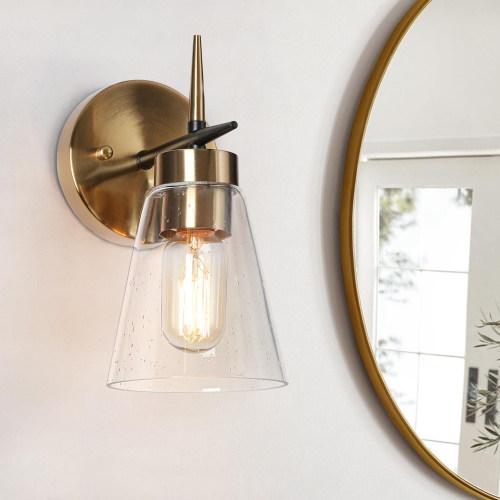
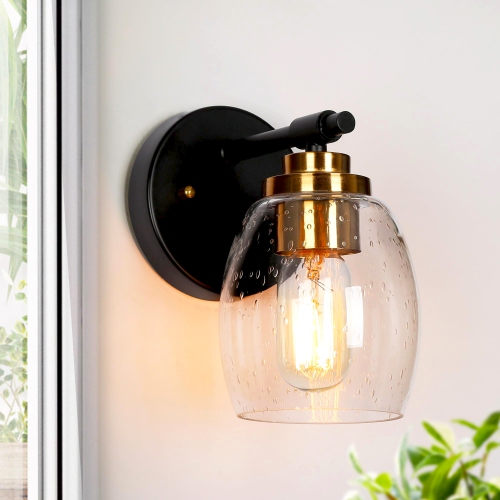
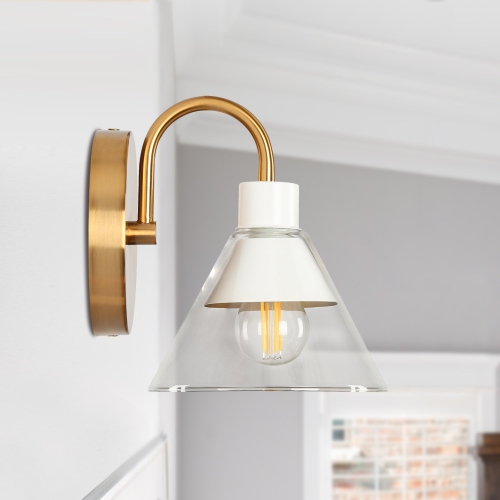
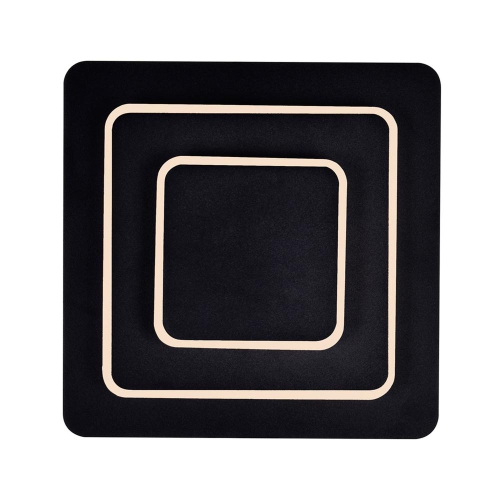
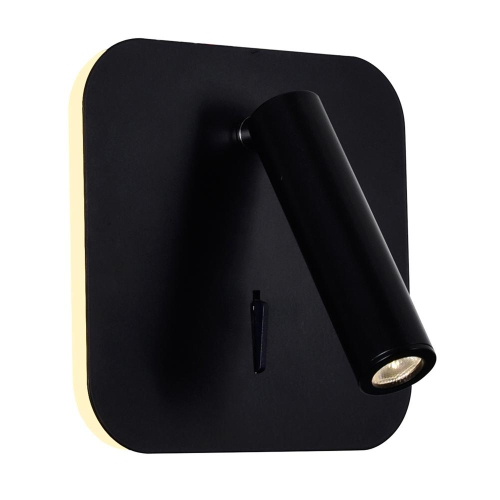
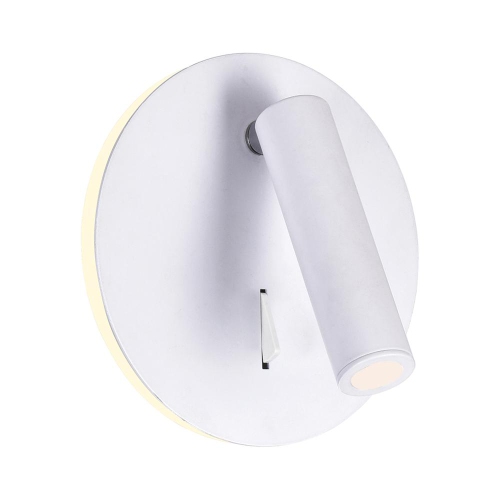
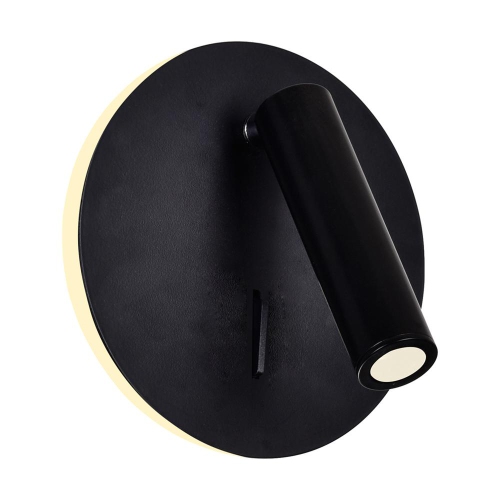
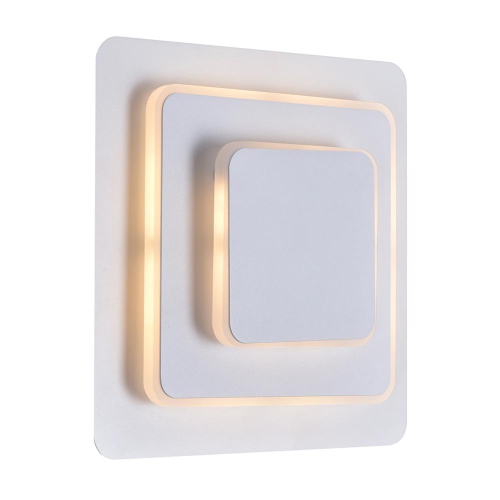
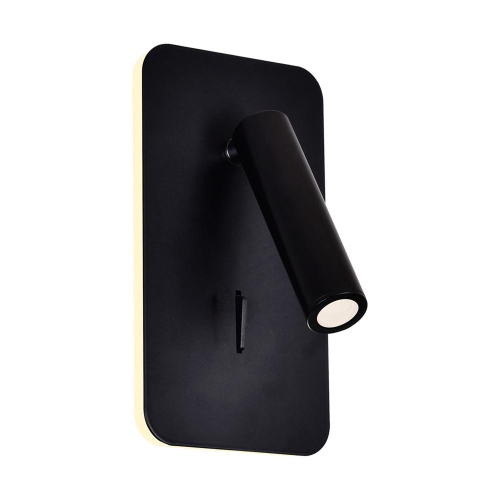
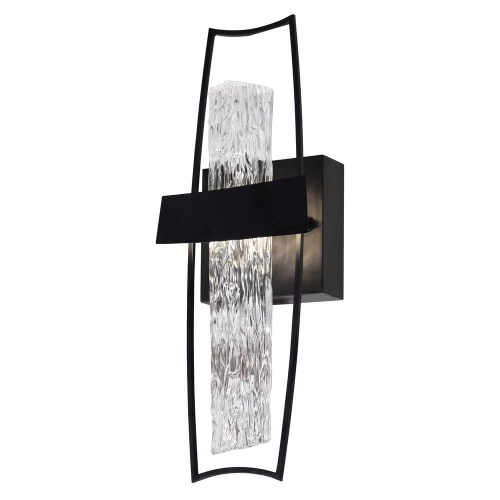
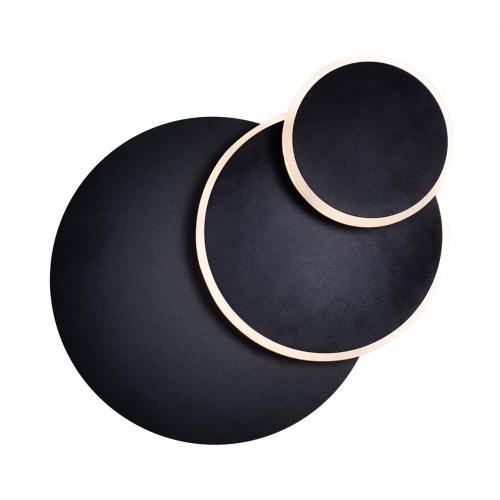
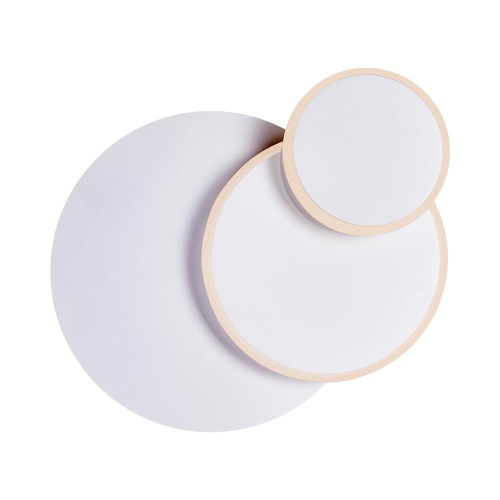
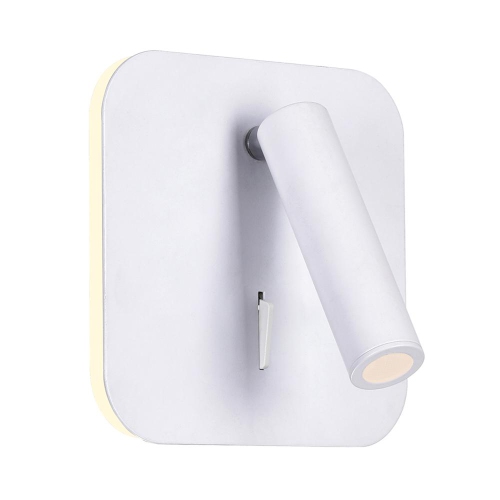
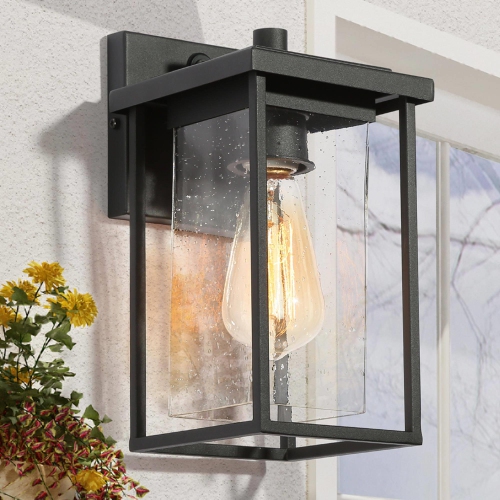
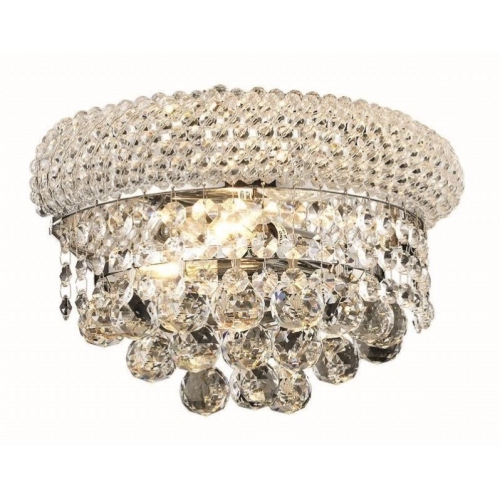
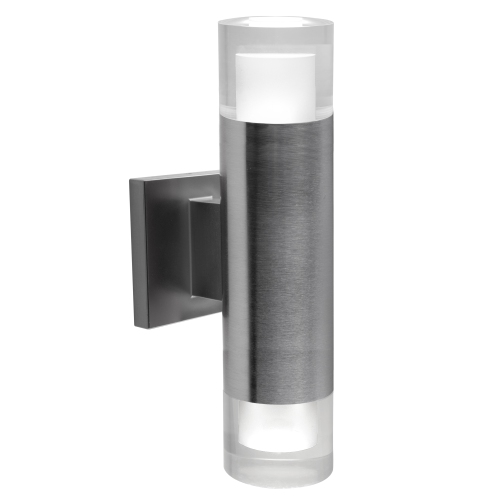
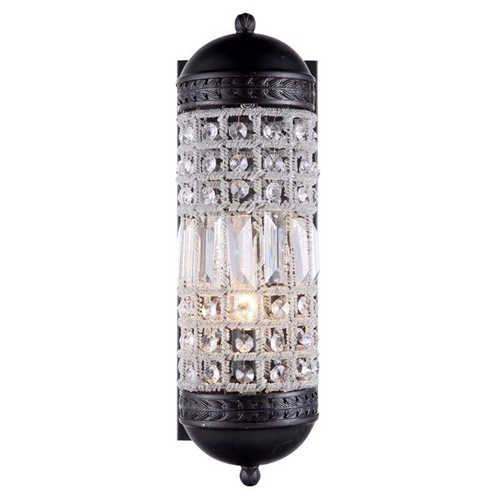
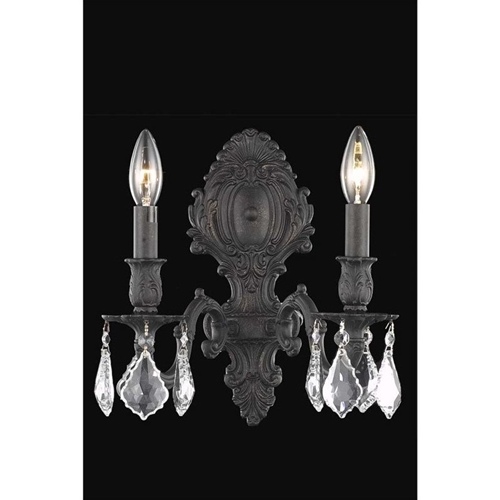
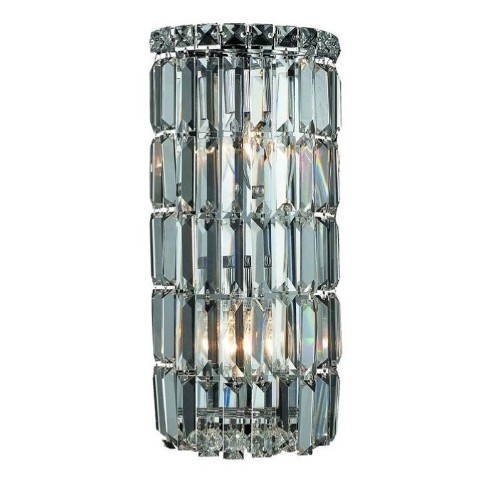
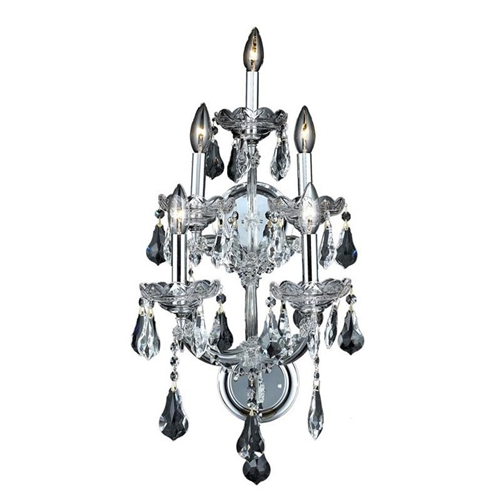
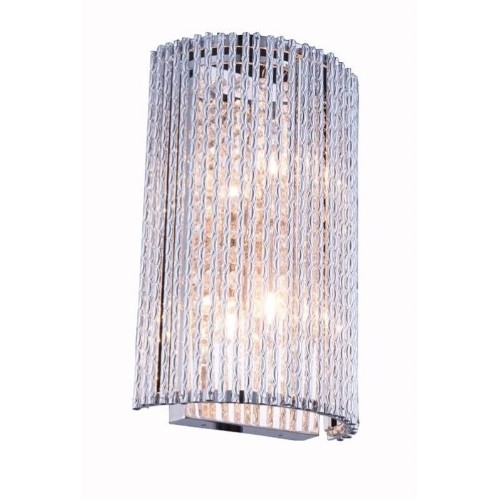
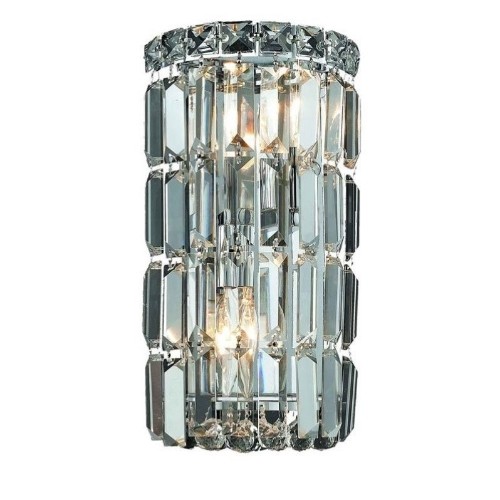
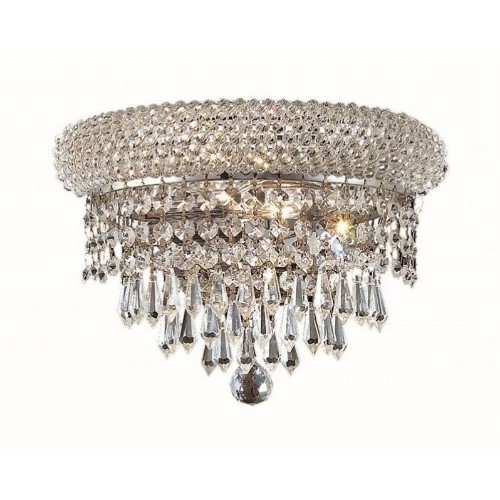
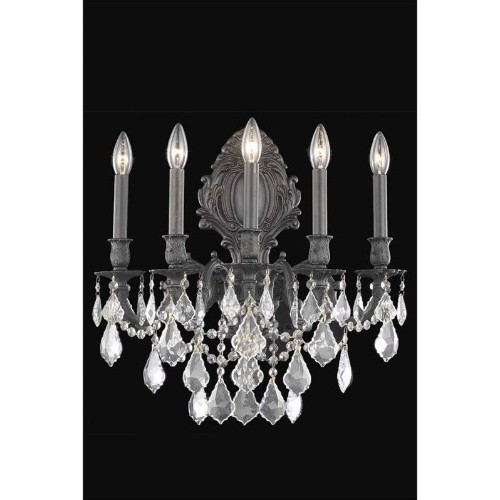
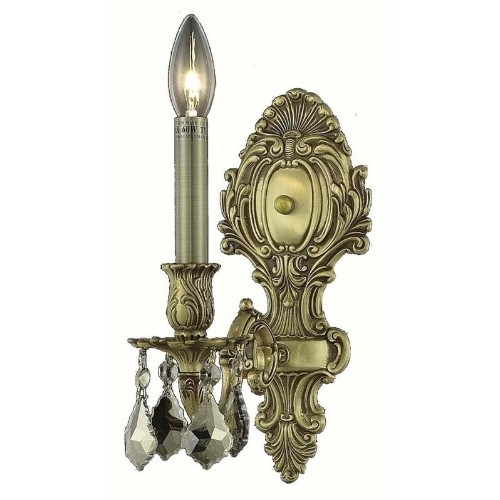
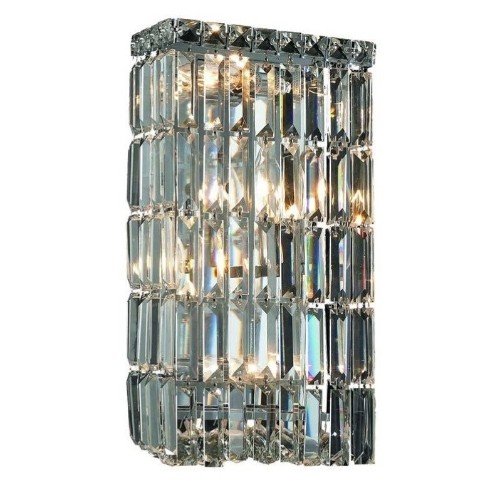
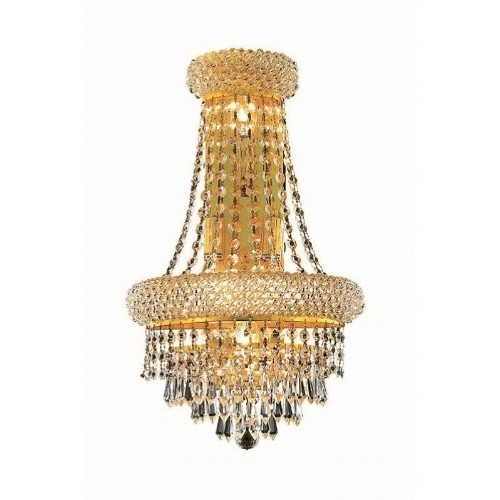
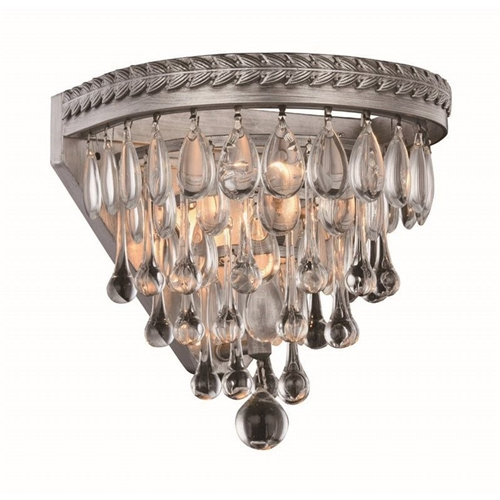
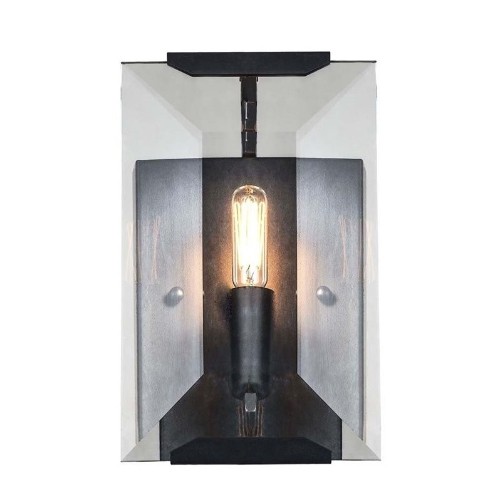
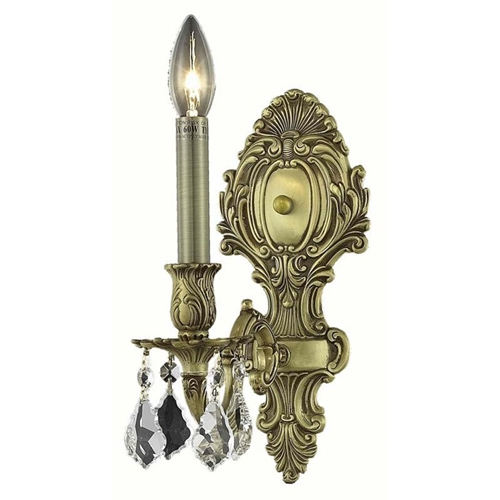
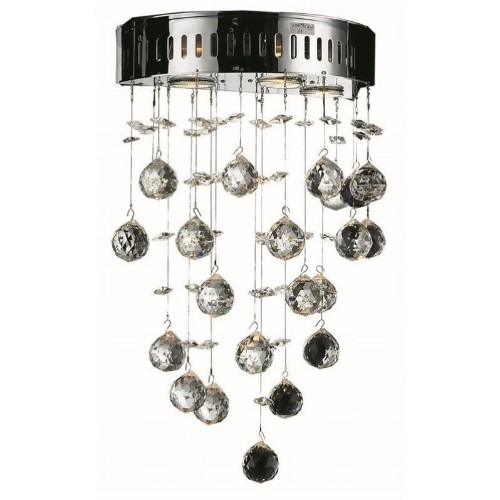
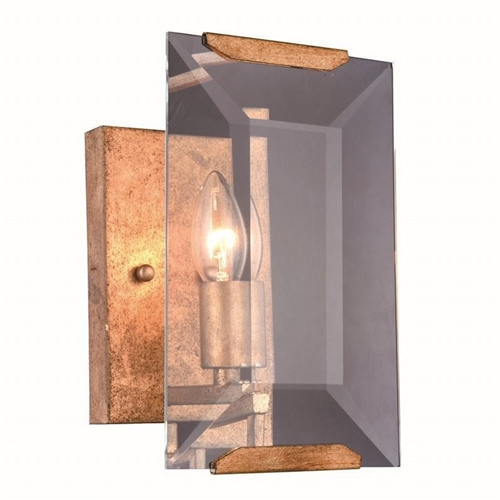
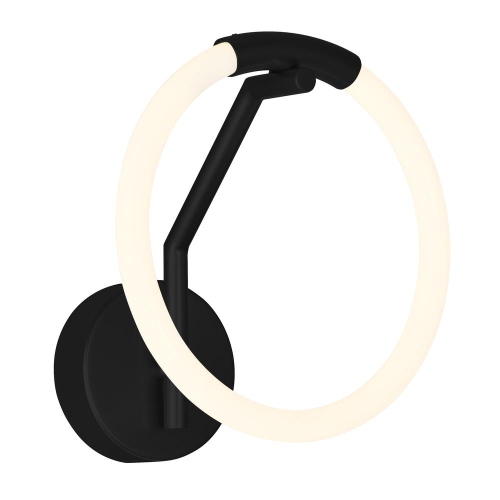
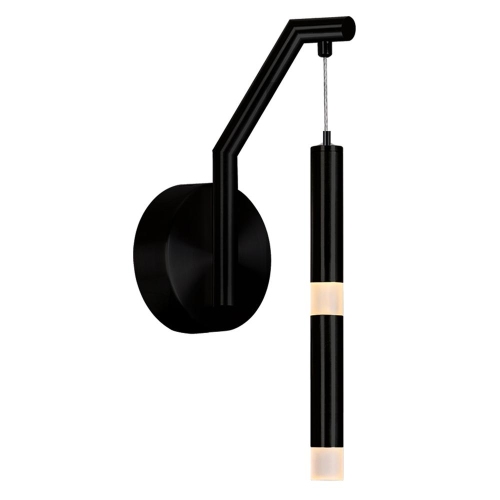
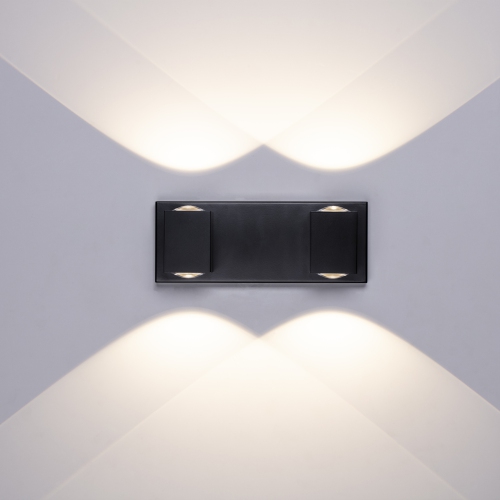
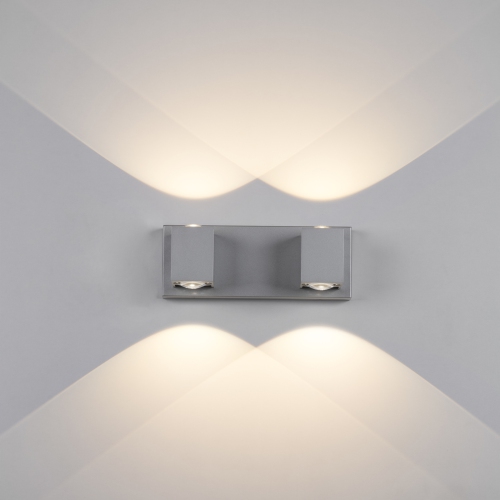

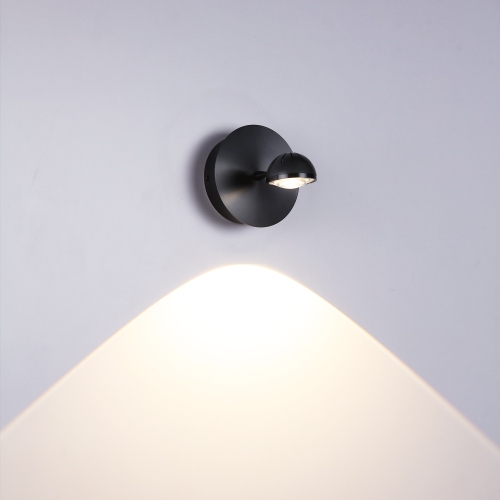
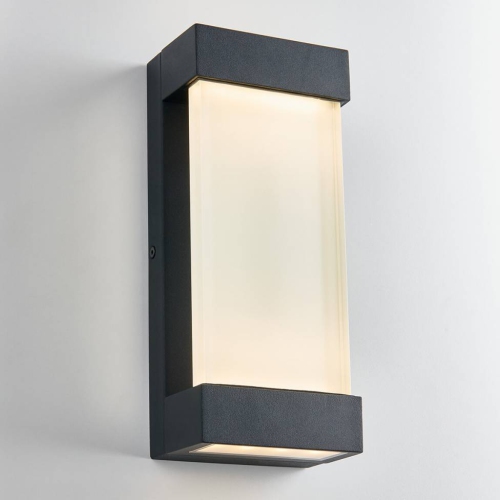
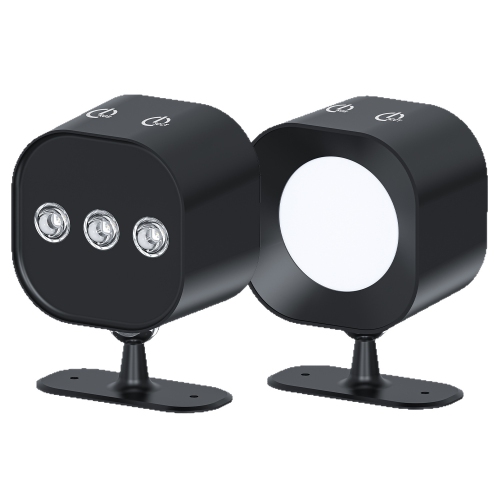
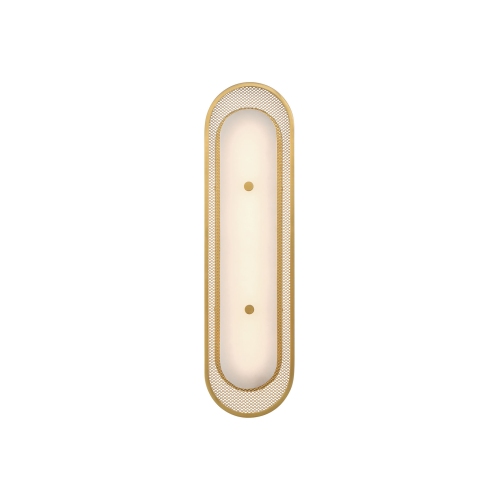
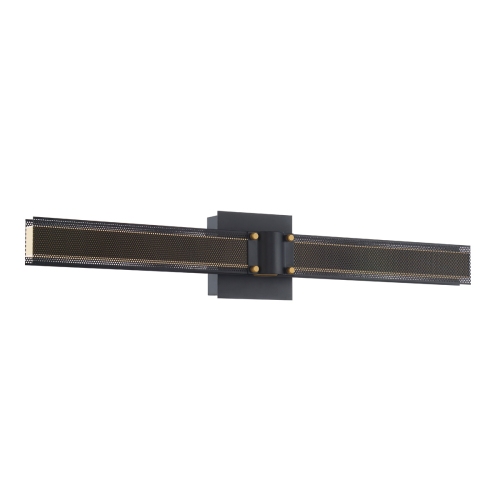
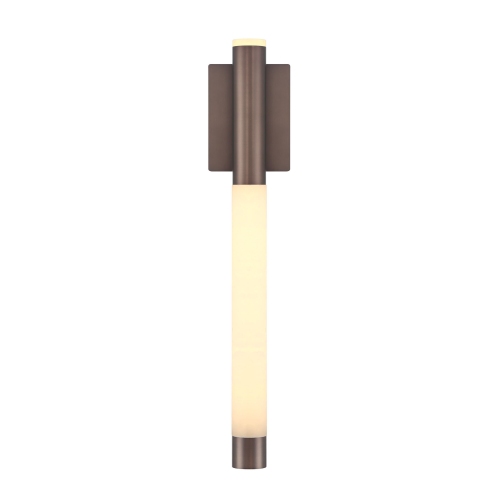
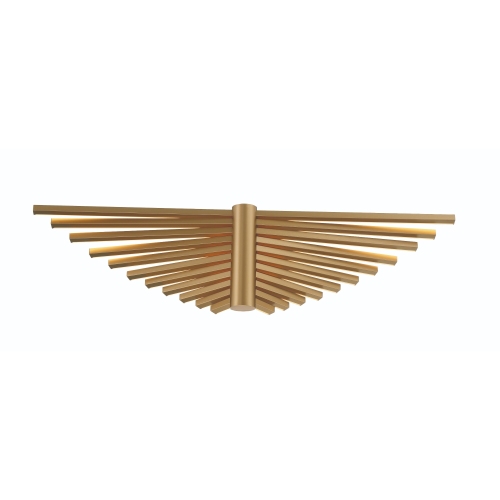
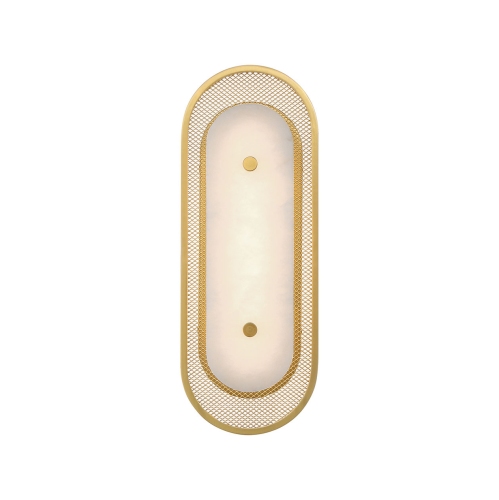
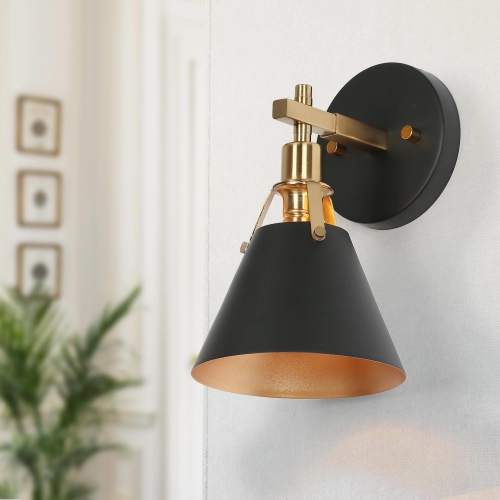
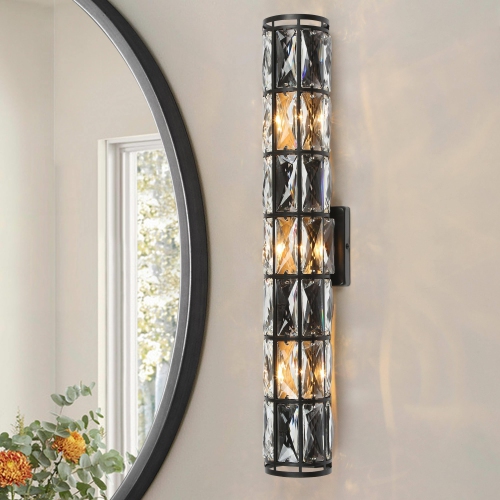
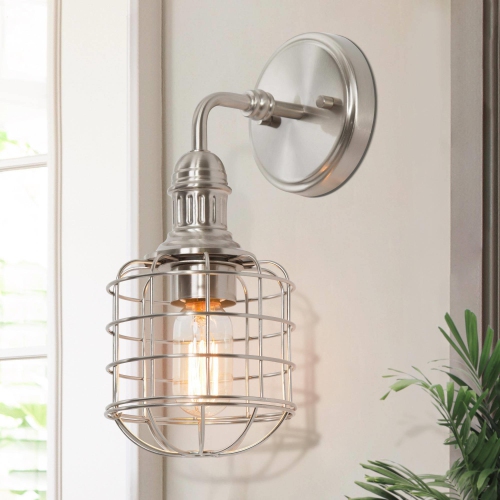

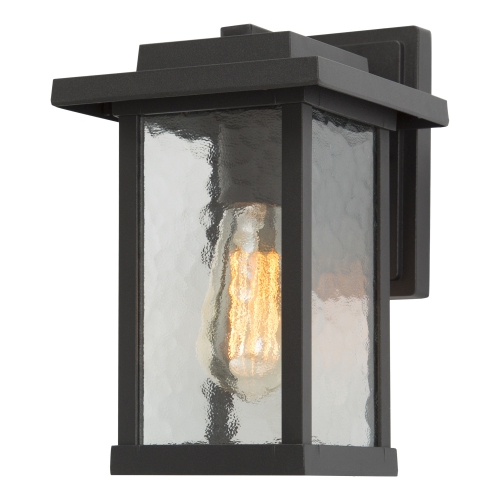
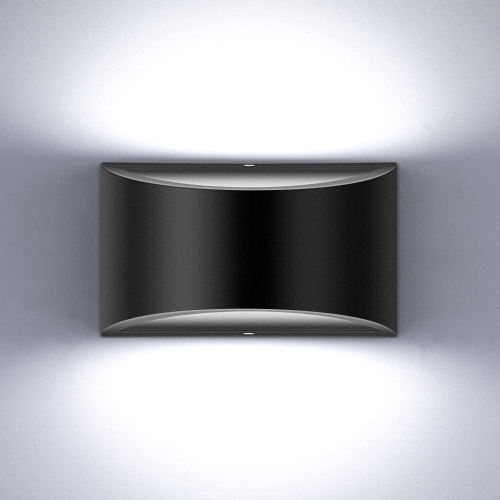
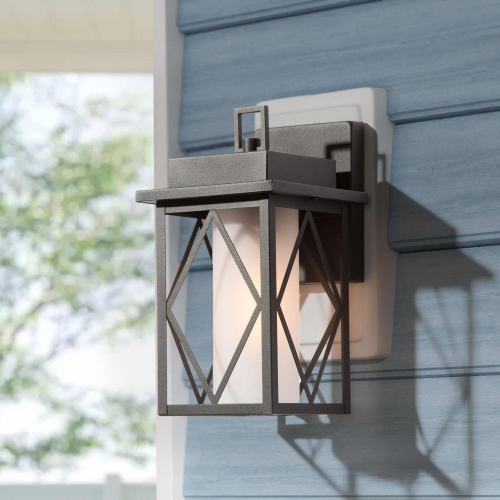

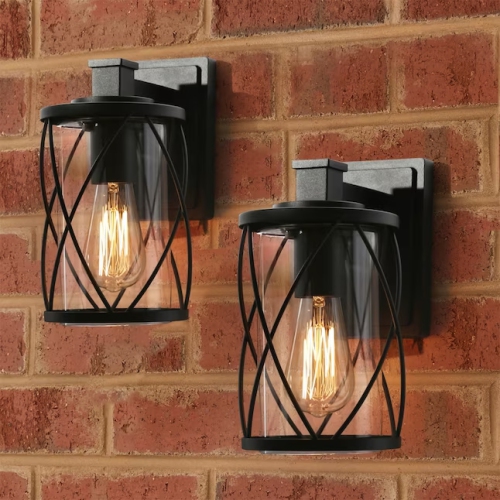
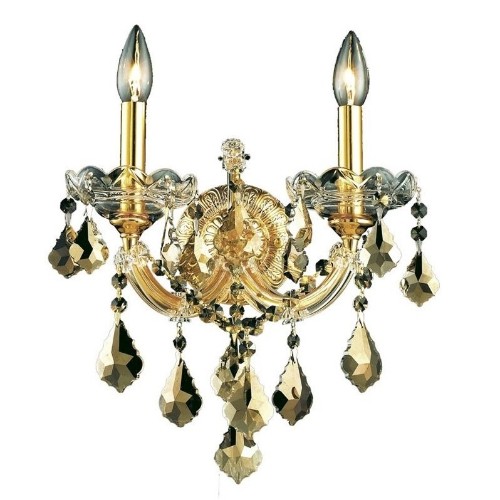
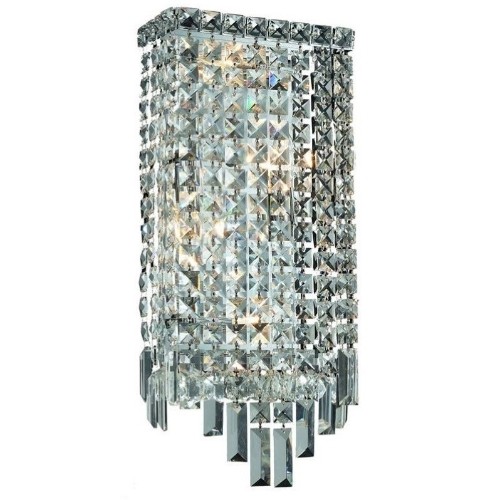
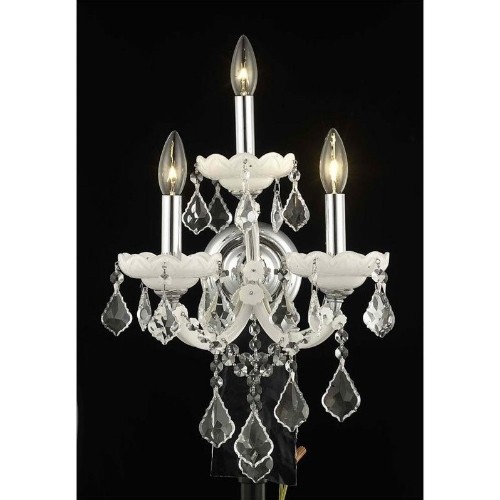
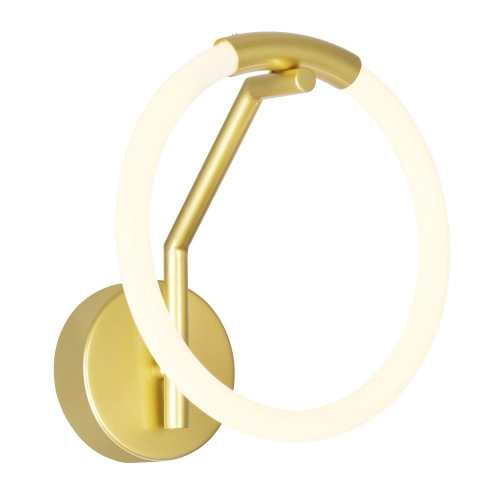
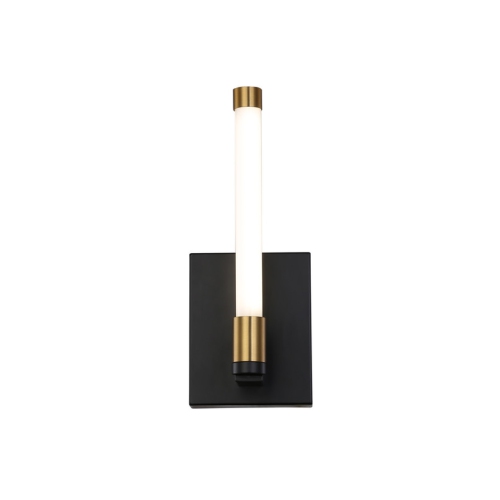
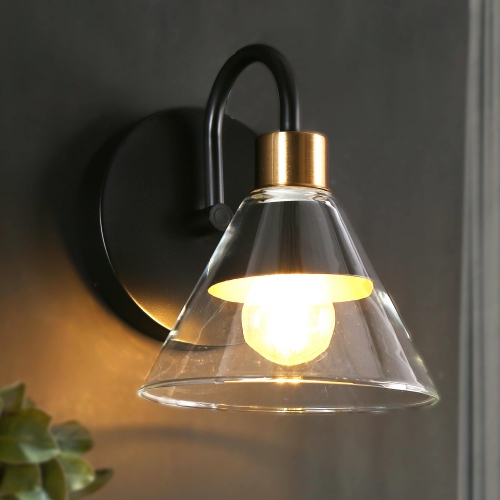
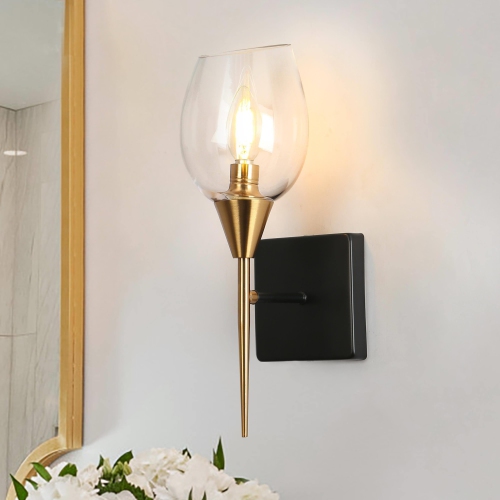
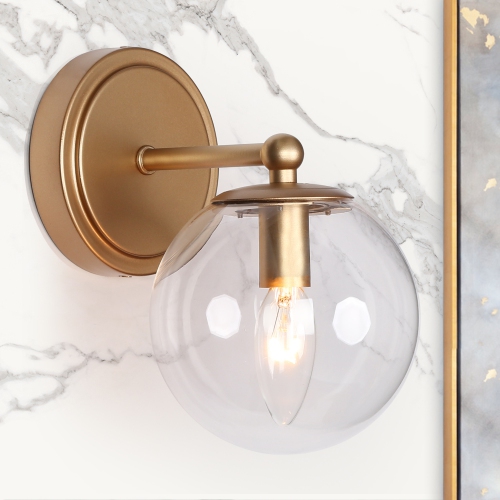
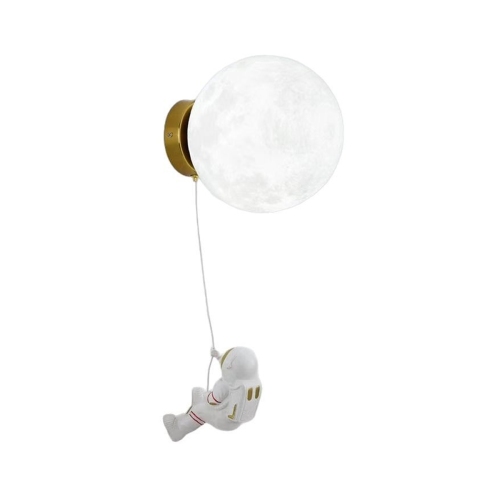
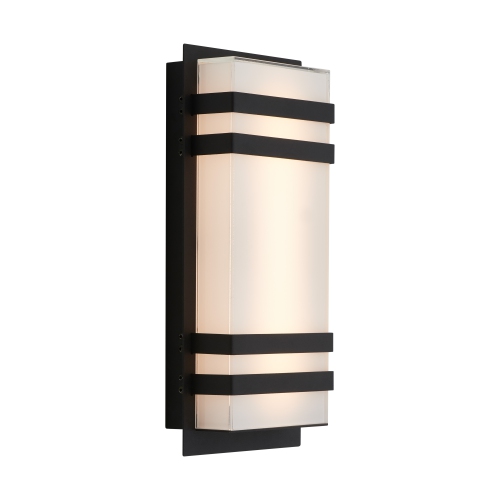
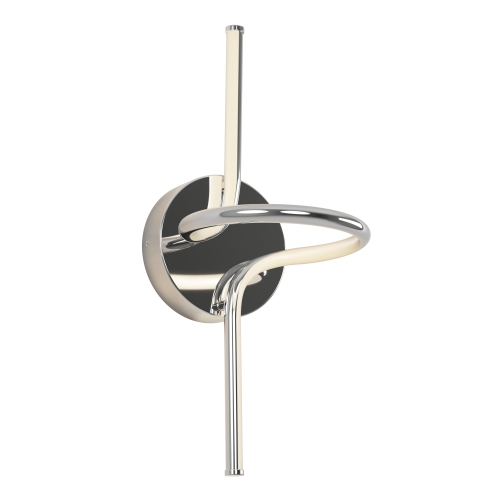
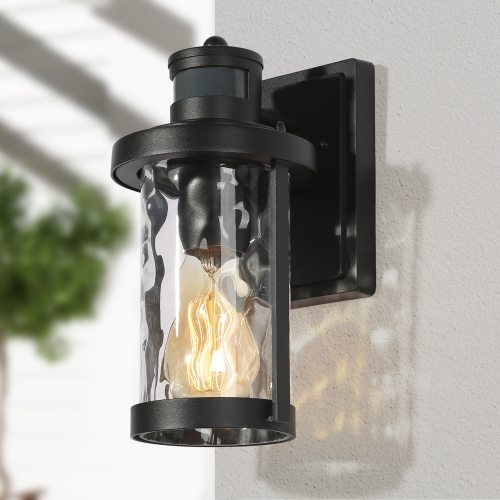
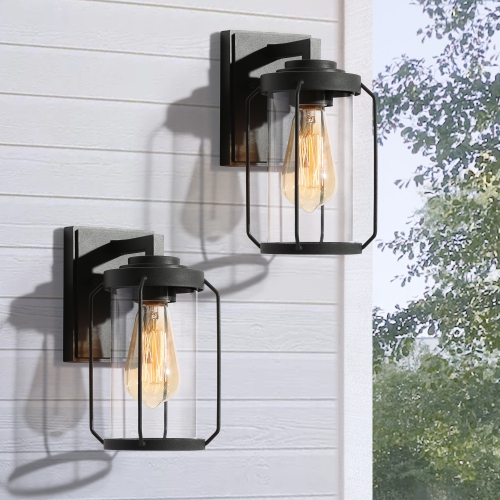
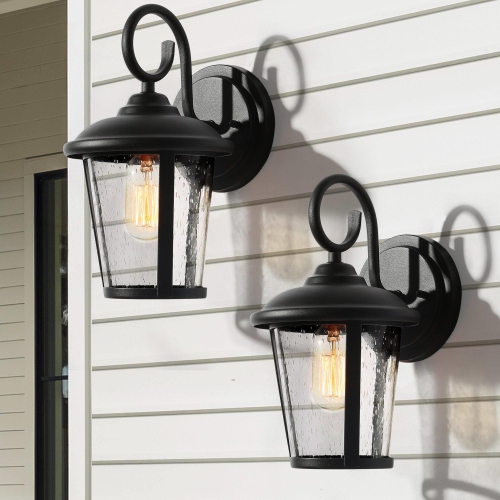
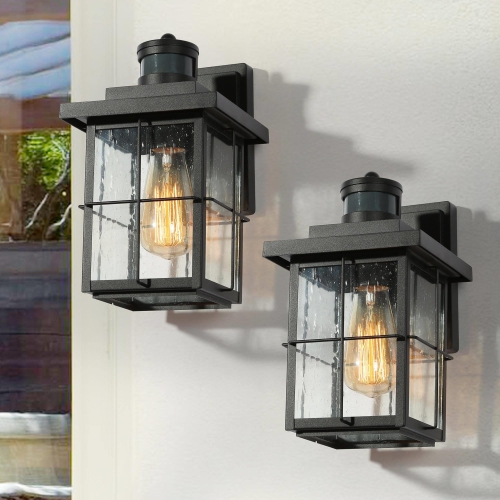
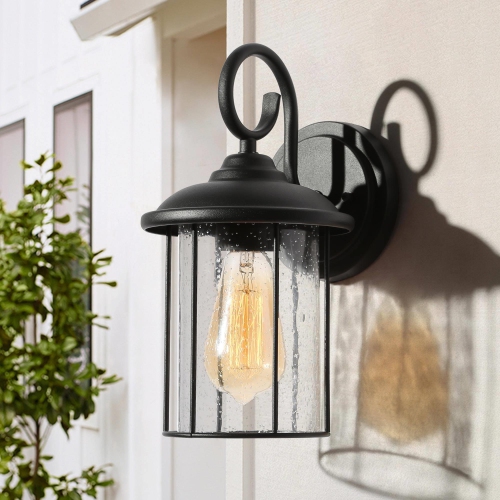
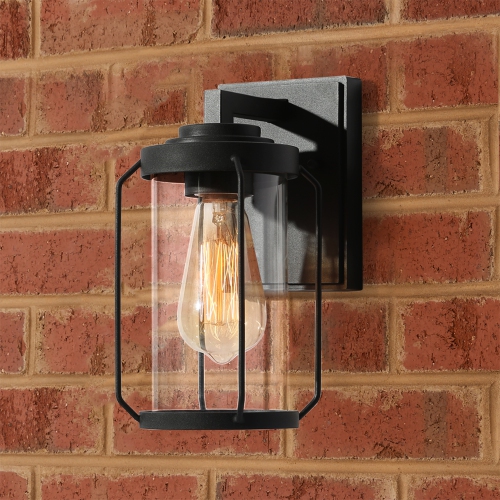
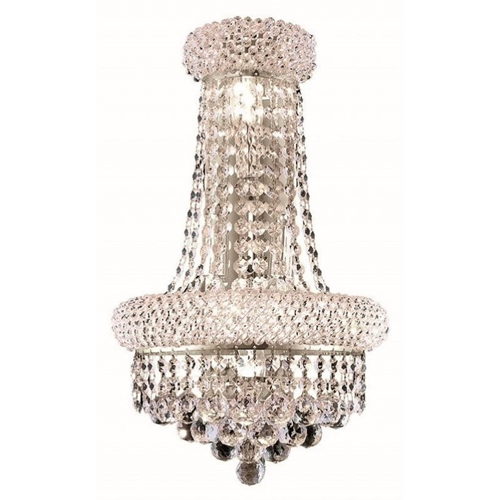
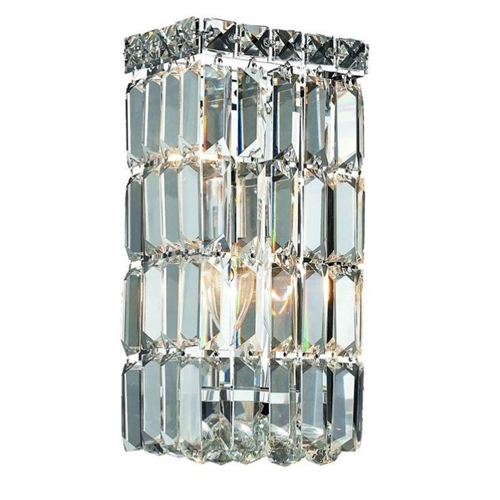
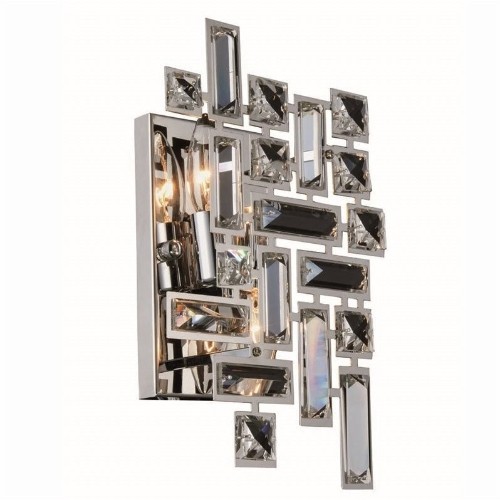
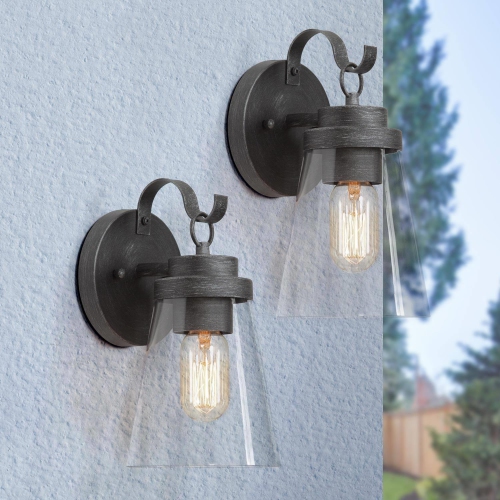
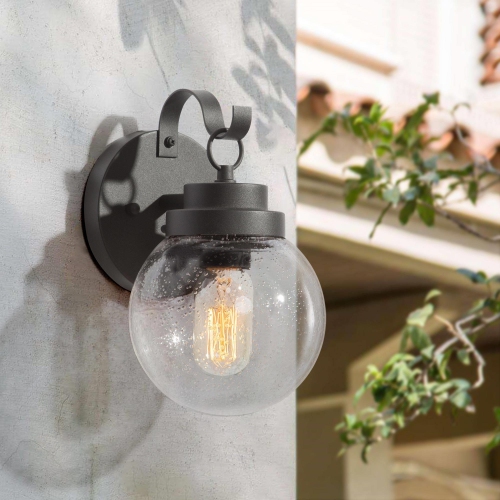
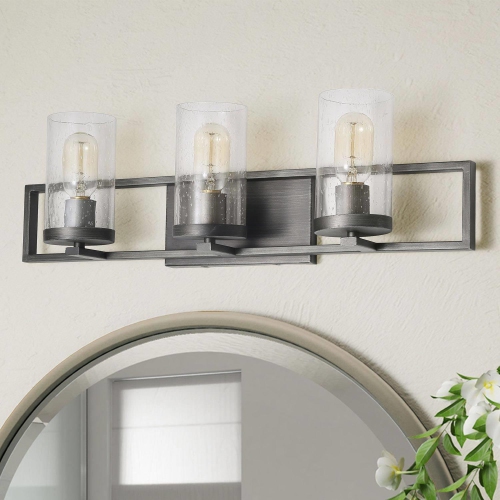
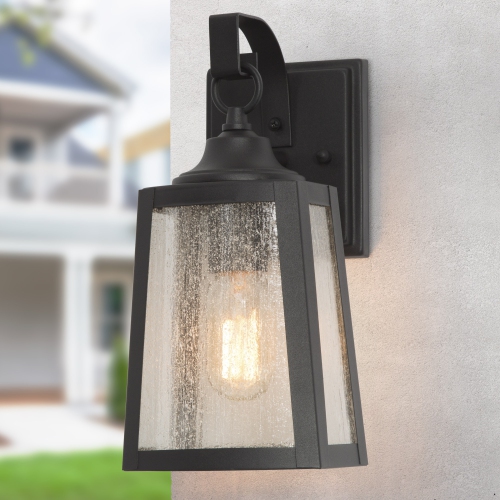
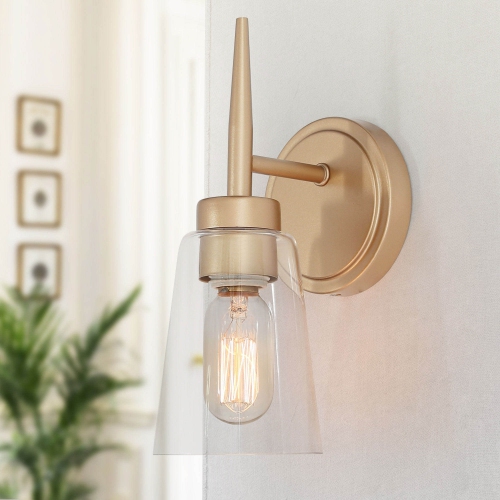
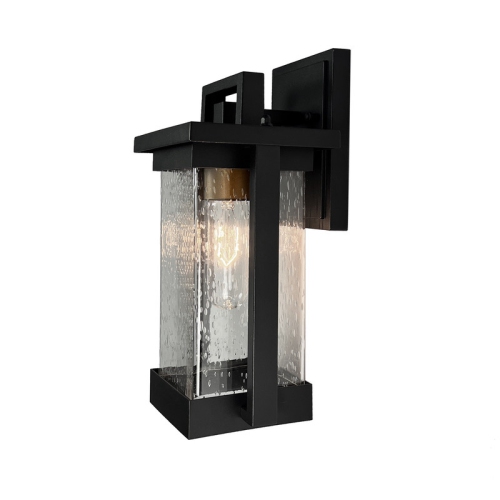
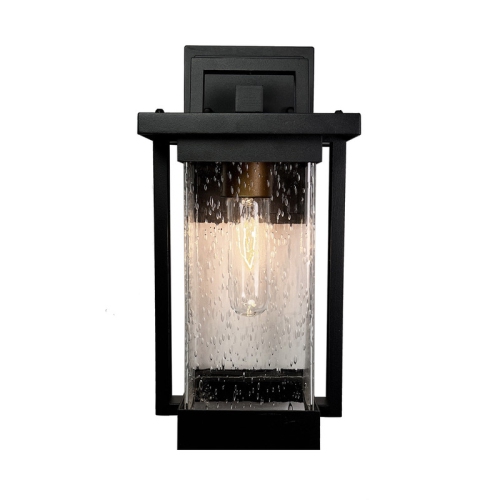
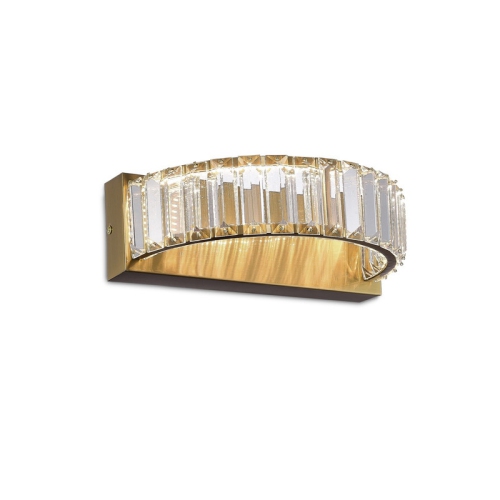
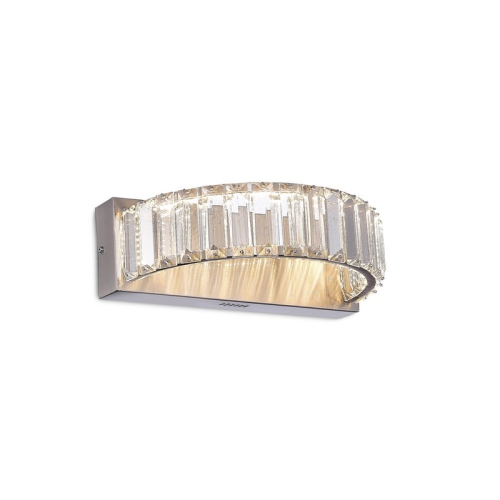
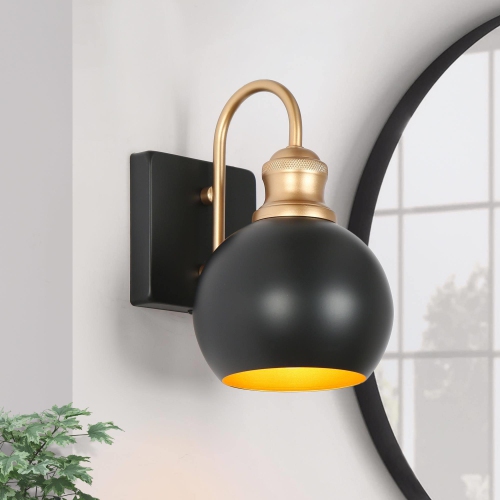
How light direction and fixture shape change a room
LED wall sconces are wall-mounted light fixtures that provide ambient, accent, or task lighting without taking up space on a table or floor. Their light can soften a hallway, frame a bathroom mirror, illuminate a favourite print, or create a comfortable reading spot beside a bed. The shape of the fixture and the direction of its light make a noticeable difference to how a room feels. An upward-facing sconce spreads light across the upper wall and ceiling, while a downward-facing shade creates a more defined pool of light below. Up-and-down designs cast light in both directions, bringing out the texture of brick, wood panelling, or plaster. Diffused shades distribute light more gently, making them useful in living rooms and bedrooms where a visible, bright light source could be distracting. For reading, an adjustable arm or pivoting head lets the light fall across the page rather than into the reader’s eyes. Brightness is measured in lumens, so lumen output is more useful than wattage when comparing how much light different LED fixtures produce. A softly lit passage and a bedside reading area serve different purposes and may need different outputs. Colour temperature also changes the effect: light around 2700K to 3000K has a warm appearance, while higher Kelvin ratings produce a more neutral or cool-looking white. Matching the colour temperature of nearby fixtures helps a room feel visually consistent. Where accurate colour matters, such as beside a dressing mirror or near artwork, a higher colour rendering index can help fabrics, skin tones, and painted surfaces appear more natural. Dimmable LED wall sconces offer another layer of control, allowing a brighter setting for everyday activities and softer illumination for relaxing. Dimming capability depends on the fixture, its light source, and its controls; an LED light is not automatically compatible with every wall dimmer.
The construction and proportions of a wall sconce are just as important as its light output. Slim metal bars and compact geometric shapes sit comfortably alongside modern furniture, while curved arms, rounded shades, and decorative backplates suit more traditional rooms. Matte black can create a clear outline against a pale wall; brushed nickel blends easily with many door handles and bathroom fittings; brass-toned finishes add warmth alongside wood furniture. Glass shades range from clear designs that reveal the light source to frosted or opal styles that soften it. For a closer look at this material, Glass Wall Sconces offer another way to explore wall lighting with transparent or diffused shades. Metal housings can provide sturdy construction, although the quality of the finish, joints, and mounting hardware also affects durability. Fabric shades bring a softer texture to bedrooms and sitting areas but need placement away from splashes and careful dusting. Fit involves more than the fixture’s height and width: its projection determines how far it extends into the room. A deep shade that works beside a sofa may feel intrusive in a narrow corridor, especially near a doorway or coat storage. Backplate dimensions matter when covering an existing electrical box, and adjustable designs need enough clearance to move without striking furniture or trim. Mounting height depends on the intended use, ceiling height, and fixture shape. For general wall lighting, the centre of a sconce is often positioned roughly 60 to 72 inches above the floor, but that range is a starting point rather than a fixed rule. Bedside placement should account for mattress height and the reader’s seated position, with switches or controls within comfortable reach. Beside a mirror, fixtures placed thoughtfully on either side can reduce the strong facial shadows created by overhead light alone. In a hallway, balanced spacing helps avoid alternating patches of glare and darkness, while clearance around doors keeps the installation practical.
Power and control options determine how LED wall sconces fit into daily routines. Hardwired fixtures connect to the home’s electrical wiring for a permanent installation without a visible power cord, making them a natural fit for renovations or replacing existing wall lights. Electrical work should be handled by a qualified professional and comply with local requirements. Plug-in sconces use a nearby outlet and can suit a reading corner or home office where adding wiring is impractical, provided the cord can run safely without crossing a walkway or being pinched by furniture. Rechargeable wall sconces remove the need for a continuous outlet connection, but they still require charging and secure mounting. Their runtime varies with battery capacity, brightness, and features, so they are often better suited to occasional accent lighting than uninterrupted illumination. Renters should confirm that any mounting method is permitted and suitable for the wall surface. Smart LED wall sconces may offer app control, schedules, adjustable white light, or RGB colour settings, depending on the design. Some connect through Wi-Fi, while others use Bluetooth or require a compatible hub; voice control also depends on the supported platform. A physical switch or remote can be useful when a phone is not nearby. Integrated LED fixtures contain a built-in light source, whereas other sconces accept replaceable LED bulbs. Integrated designs can have slim profiles, but it is worth checking whether the light module or driver is serviceable. With replaceable bulbs, base type, bulb dimensions, maximum wattage, and suitability for enclosed shades all matter. LEDs typically provide a long service life, though actual performance depends on operating conditions and component quality. Bathroom and outdoor installations require fixtures rated for the moisture exposure at their location; a damp-location rating does not mean a fixture can withstand direct rain. Routine care usually involves switching off the light, letting it cool, and removing dust with a soft cloth, following the manufacturer’s cleaning directions. Abrasive cleaners can damage finishes, and moisture should be kept away from electrical components. With suitable placement and controls, wall sconces can make compact bedrooms, shared living spaces, and quiet reading areas more comfortable without crowding the surfaces used every day.
The construction and proportions of a wall sconce are just as important as its light output. Slim metal bars and compact geometric shapes sit comfortably alongside modern furniture, while curved arms, rounded shades, and decorative backplates suit more traditional rooms. Matte black can create a clear outline against a pale wall; brushed nickel blends easily with many door handles and bathroom fittings; brass-toned finishes add warmth alongside wood furniture. Glass shades range from clear designs that reveal the light source to frosted or opal styles that soften it. For a closer look at this material, Glass Wall Sconces offer another way to explore wall lighting with transparent or diffused shades. Metal housings can provide sturdy construction, although the quality of the finish, joints, and mounting hardware also affects durability. Fabric shades bring a softer texture to bedrooms and sitting areas but need placement away from splashes and careful dusting. Fit involves more than the fixture’s height and width: its projection determines how far it extends into the room. A deep shade that works beside a sofa may feel intrusive in a narrow corridor, especially near a doorway or coat storage. Backplate dimensions matter when covering an existing electrical box, and adjustable designs need enough clearance to move without striking furniture or trim. Mounting height depends on the intended use, ceiling height, and fixture shape. For general wall lighting, the centre of a sconce is often positioned roughly 60 to 72 inches above the floor, but that range is a starting point rather than a fixed rule. Bedside placement should account for mattress height and the reader’s seated position, with switches or controls within comfortable reach. Beside a mirror, fixtures placed thoughtfully on either side can reduce the strong facial shadows created by overhead light alone. In a hallway, balanced spacing helps avoid alternating patches of glare and darkness, while clearance around doors keeps the installation practical.
Power and control options determine how LED wall sconces fit into daily routines. Hardwired fixtures connect to the home’s electrical wiring for a permanent installation without a visible power cord, making them a natural fit for renovations or replacing existing wall lights. Electrical work should be handled by a qualified professional and comply with local requirements. Plug-in sconces use a nearby outlet and can suit a reading corner or home office where adding wiring is impractical, provided the cord can run safely without crossing a walkway or being pinched by furniture. Rechargeable wall sconces remove the need for a continuous outlet connection, but they still require charging and secure mounting. Their runtime varies with battery capacity, brightness, and features, so they are often better suited to occasional accent lighting than uninterrupted illumination. Renters should confirm that any mounting method is permitted and suitable for the wall surface. Smart LED wall sconces may offer app control, schedules, adjustable white light, or RGB colour settings, depending on the design. Some connect through Wi-Fi, while others use Bluetooth or require a compatible hub; voice control also depends on the supported platform. A physical switch or remote can be useful when a phone is not nearby. Integrated LED fixtures contain a built-in light source, whereas other sconces accept replaceable LED bulbs. Integrated designs can have slim profiles, but it is worth checking whether the light module or driver is serviceable. With replaceable bulbs, base type, bulb dimensions, maximum wattage, and suitability for enclosed shades all matter. LEDs typically provide a long service life, though actual performance depends on operating conditions and component quality. Bathroom and outdoor installations require fixtures rated for the moisture exposure at their location; a damp-location rating does not mean a fixture can withstand direct rain. Routine care usually involves switching off the light, letting it cool, and removing dust with a soft cloth, following the manufacturer’s cleaning directions. Abrasive cleaners can damage finishes, and moisture should be kept away from electrical components. With suitable placement and controls, wall sconces can make compact bedrooms, shared living spaces, and quiet reading areas more comfortable without crowding the surfaces used every day.
Top selling and popular products
-
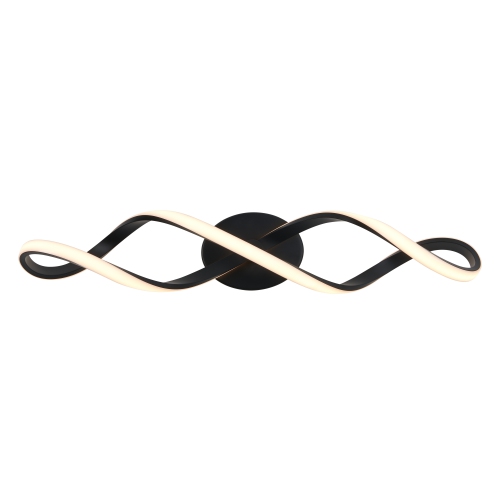 Your price for this item is $99.99
 -
 Your price for this item is $419.99
 -
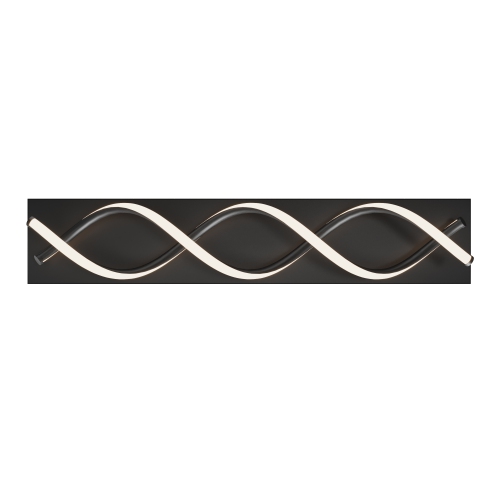 Your price for this item is $159
 -
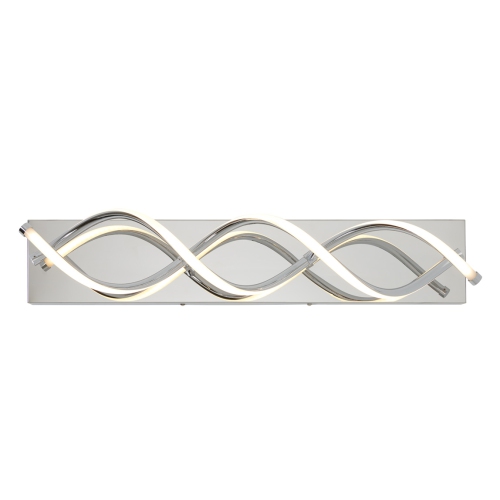 Your price for this item is $169.99
 -
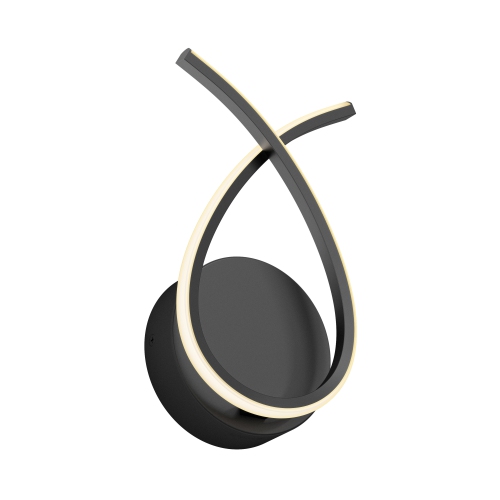 Your price for this item is $49.99
 -
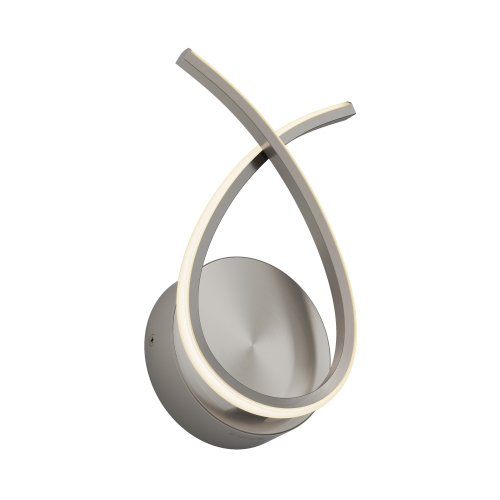 Your price for this item is $59.99
 -
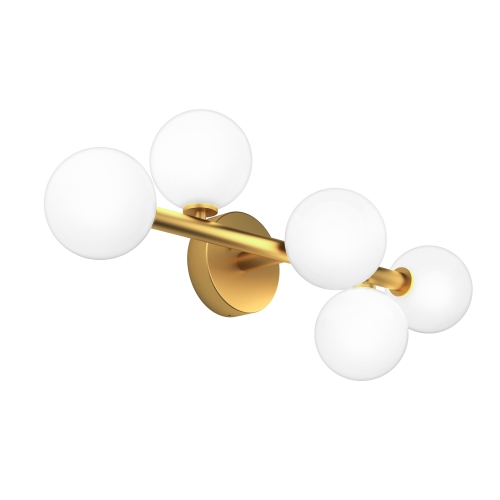 Your price for this item is $139
 -
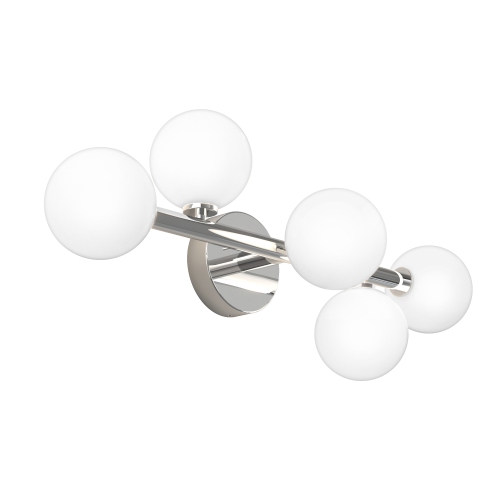 Your price for this item is $139
Discover more categories related to LED Wall Sconces
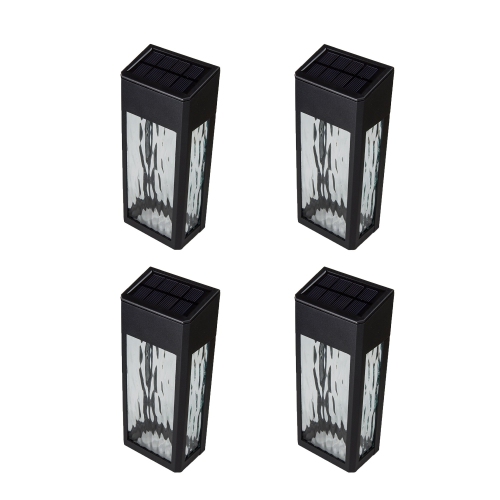
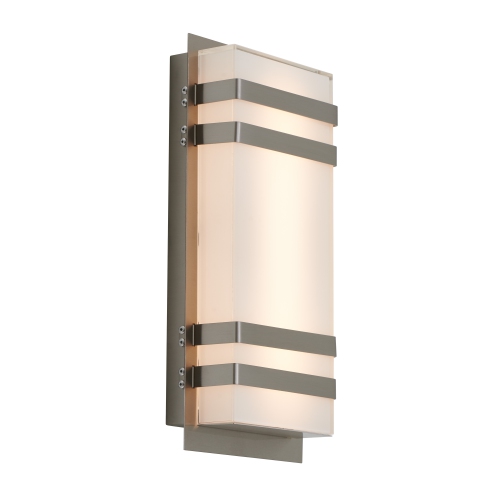
Top Collections:
Pokemon Centers, Kindle Devices, Best Budget Office Chairs, Apple iPhones 16, Best Laptops for Writers, iPhone 15 Apple, Canon G7X Cameras, Refurbished Apple Laptops, Alarm Clock, Motorola Razr Phones
Some products may be subject to Environmental Handling Fees
(EHF) depending on your province.
Learn more about EHFs.