Wall Sconces
Enhance the ambiance of any room with our wide selection of wall sconces. These versatile lighting fixtures not only provide a practical solution for illuminating your space but also add a touch of elegance and style to your home decor. Whether you're looking to create a cozy reading nook, highlight a beautiful artwork, or simply enhance the overall atmosphere, our collection of wall sconces offers something for every taste and preference. From sleek and modern designs to timeless and classic options, discover the perfect wall sconce to transform your space into a warm and inviting sanctuary.
Sort
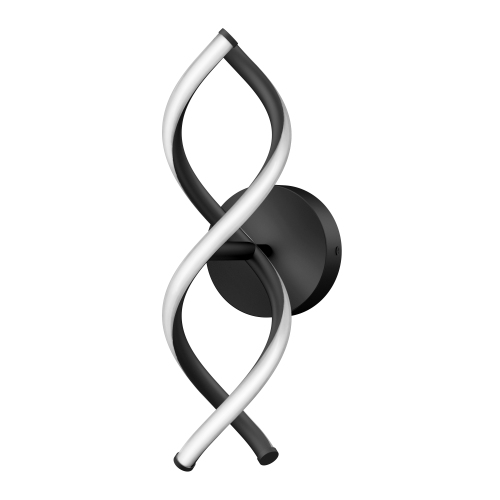
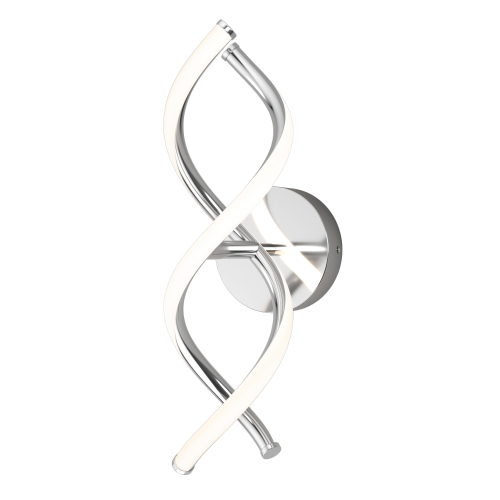
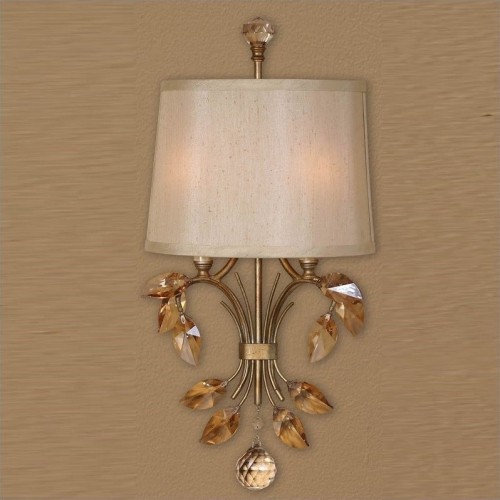
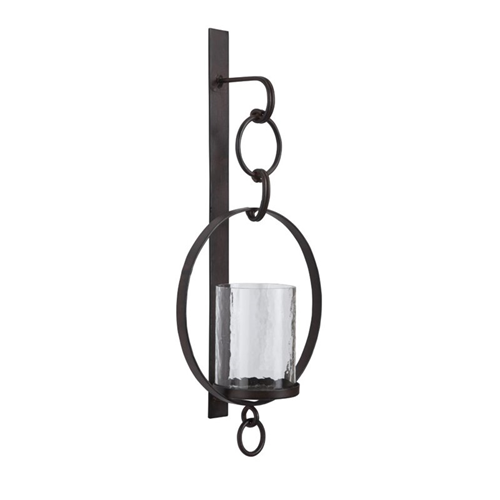
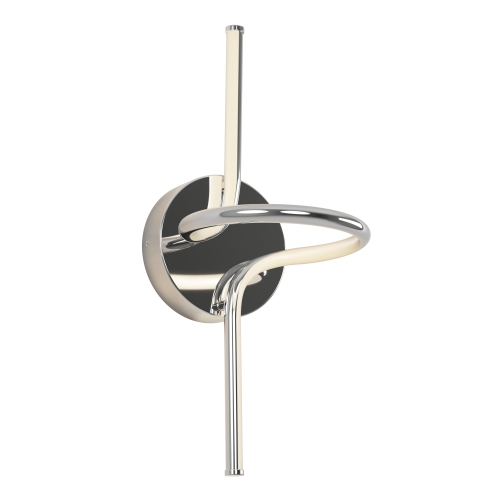
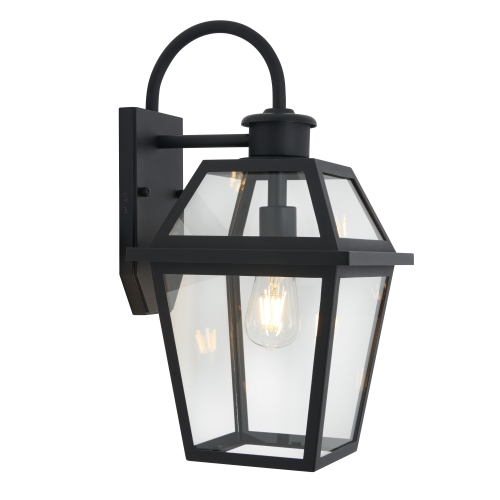
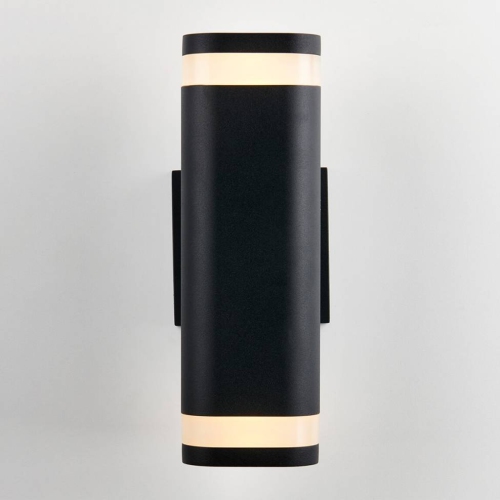
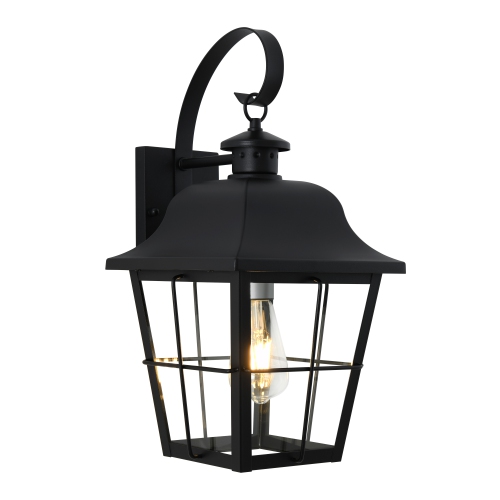
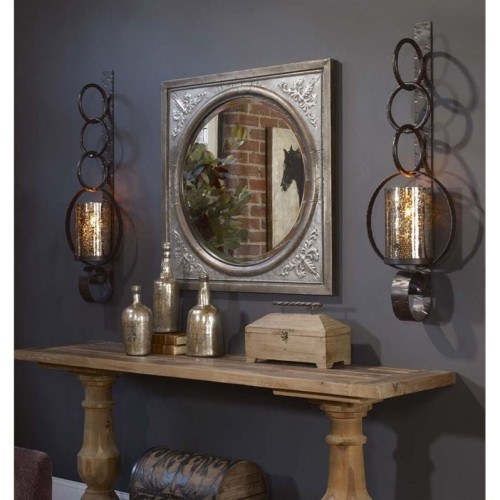
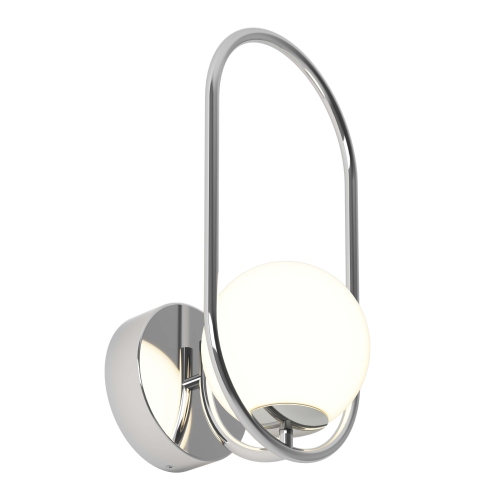
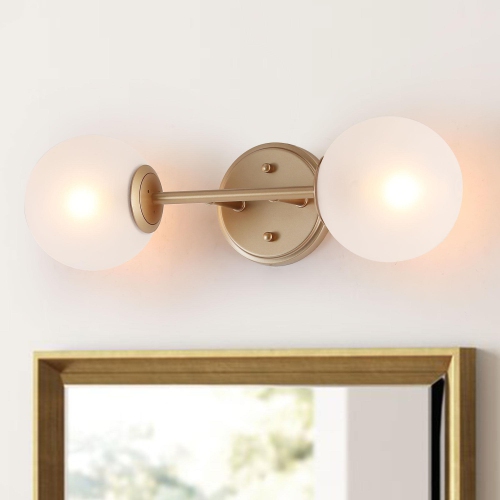
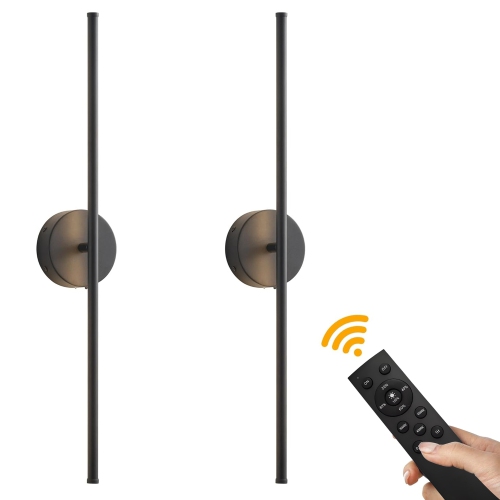
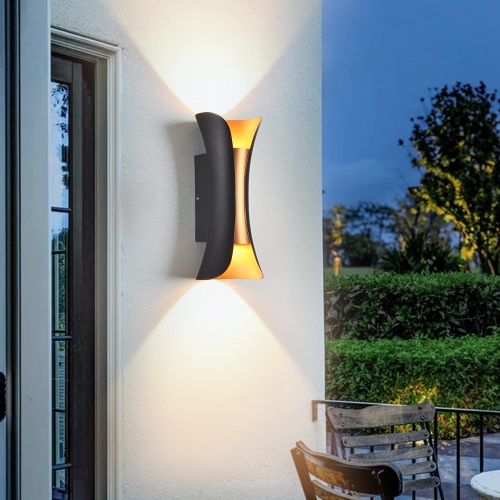
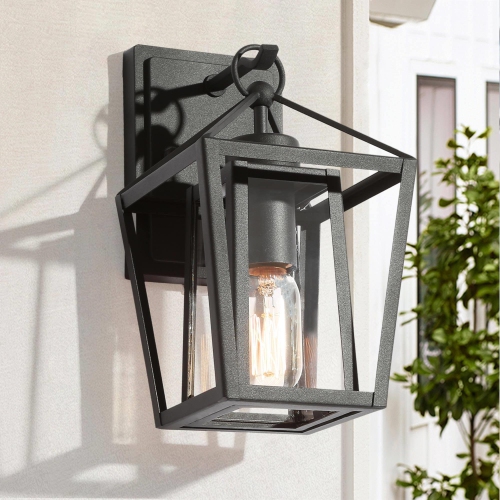
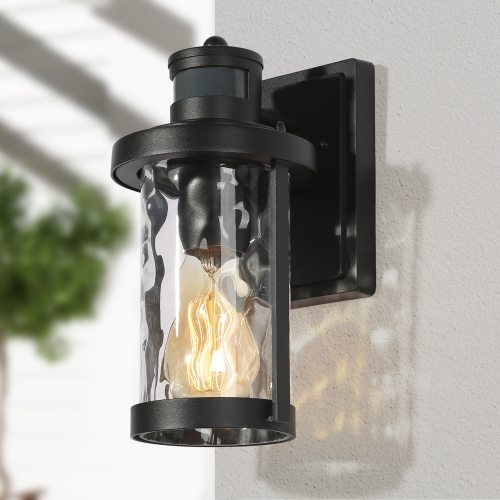
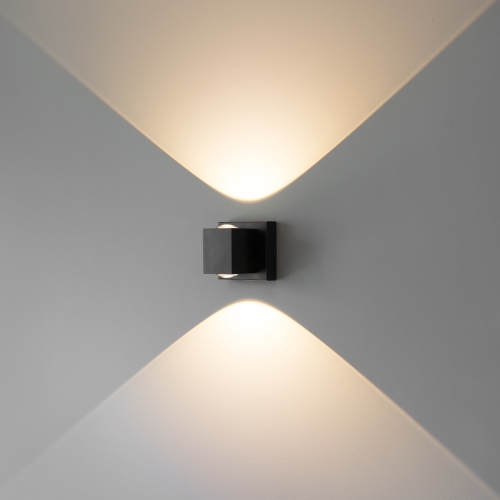
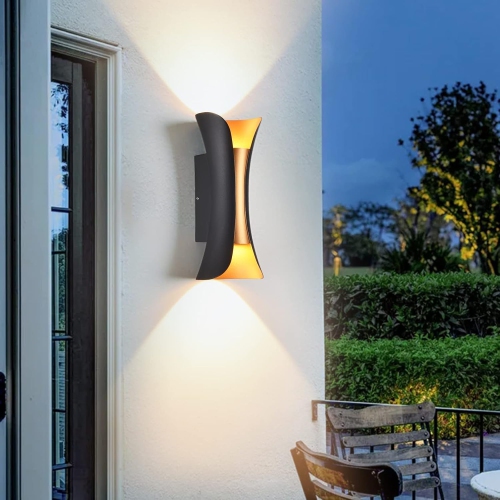
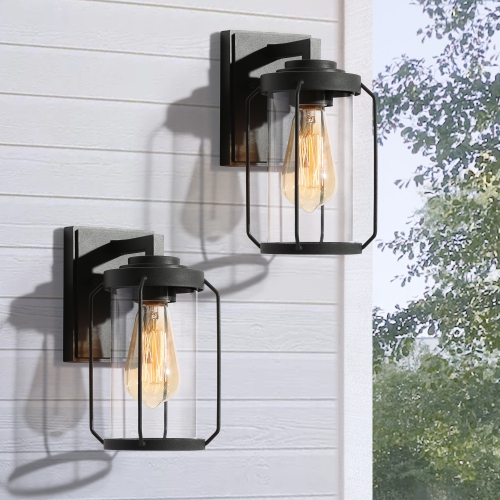
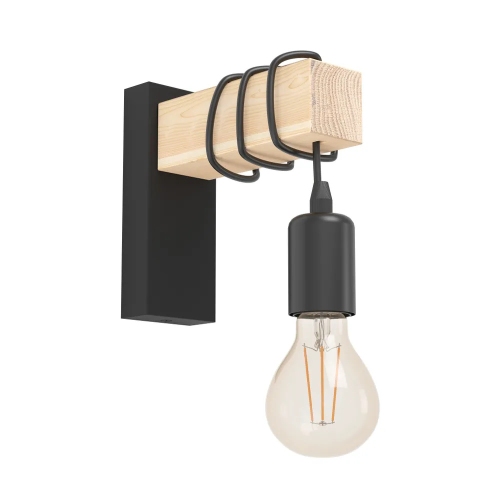
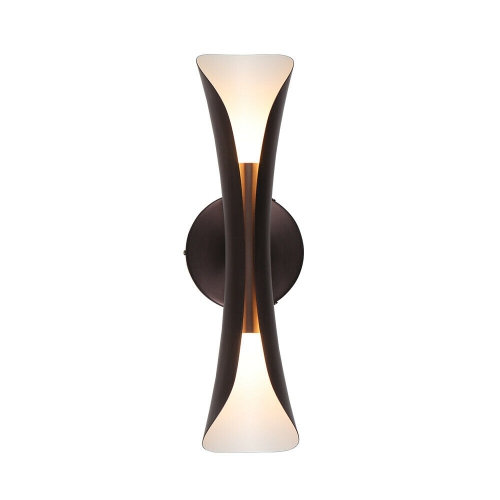
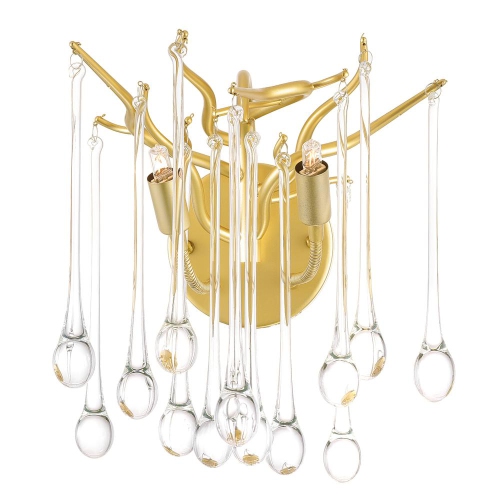
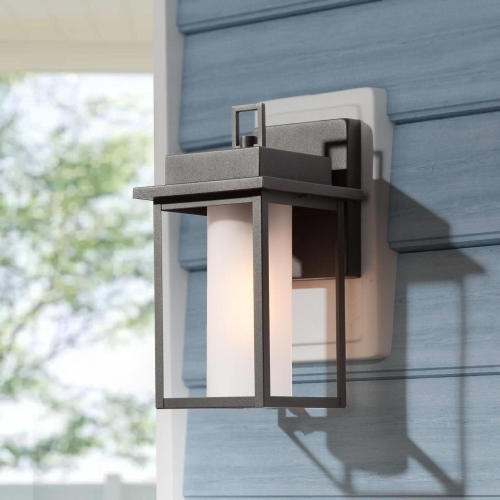
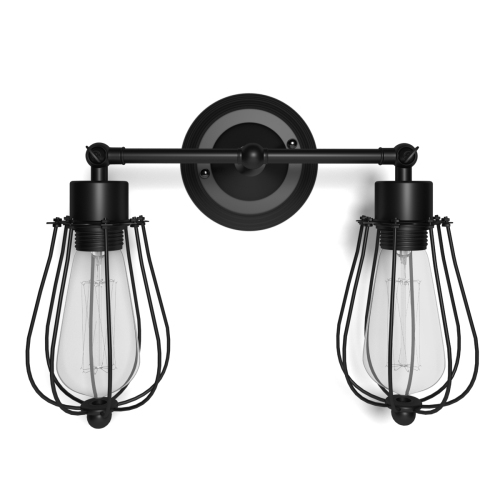

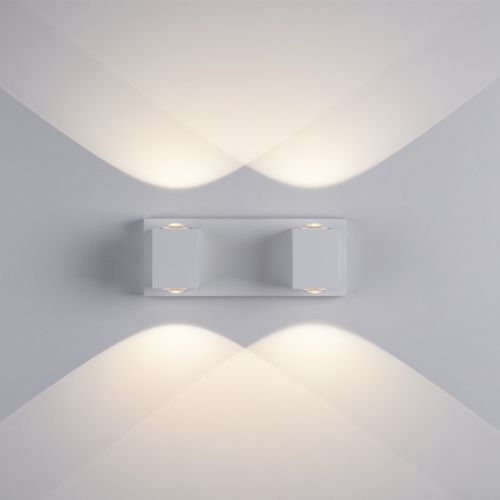
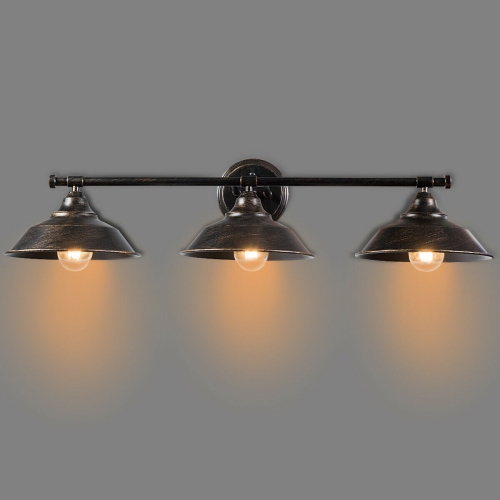
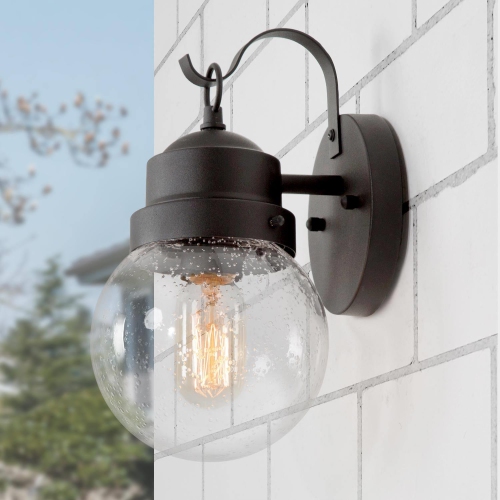
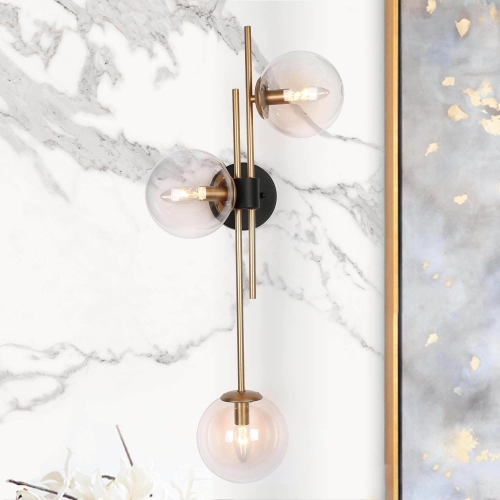
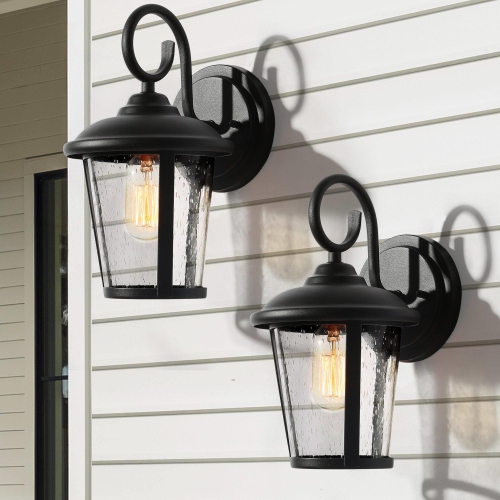
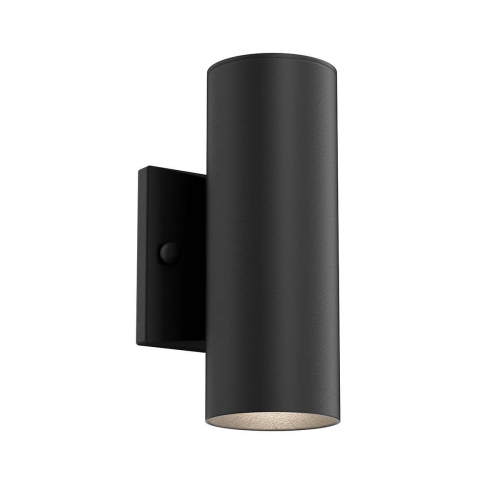
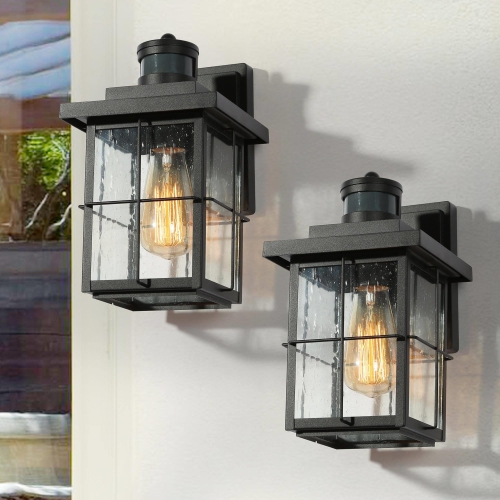
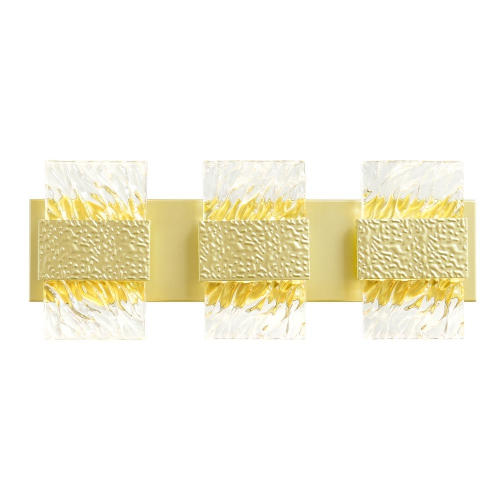
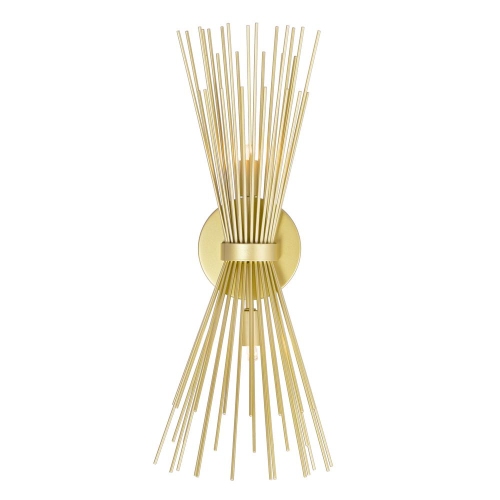
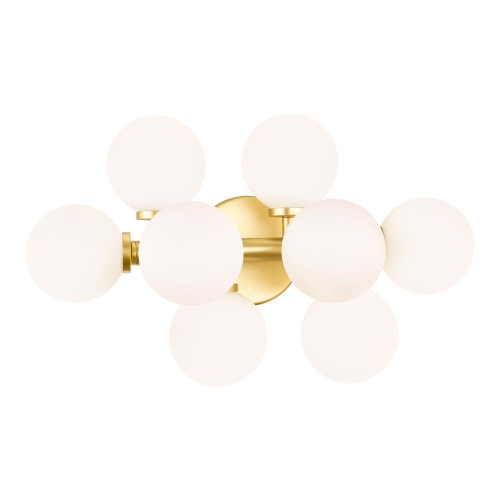
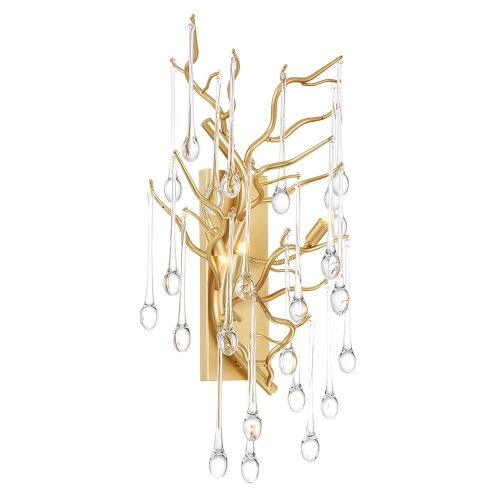
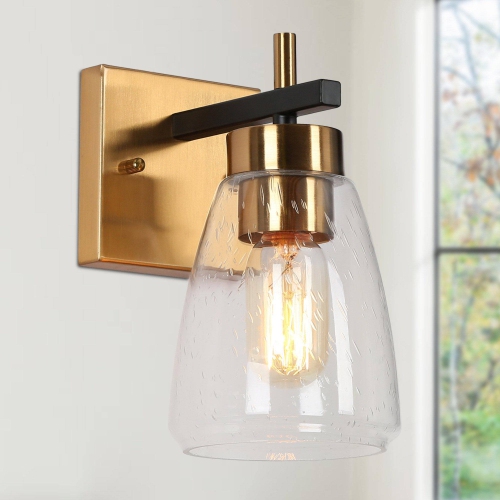
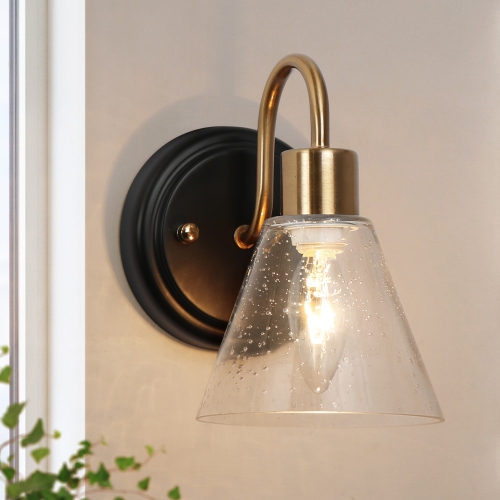
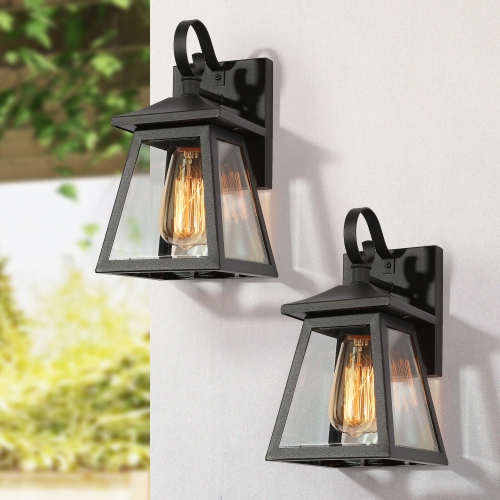
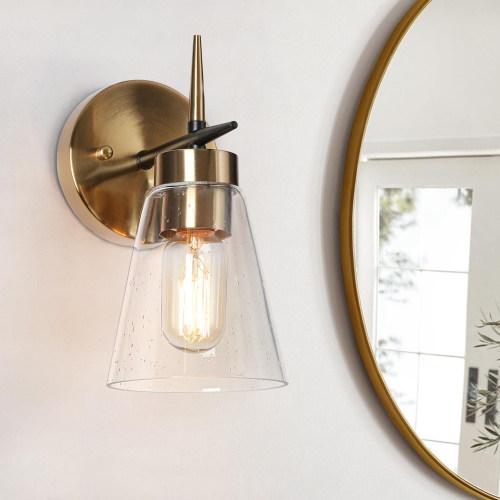
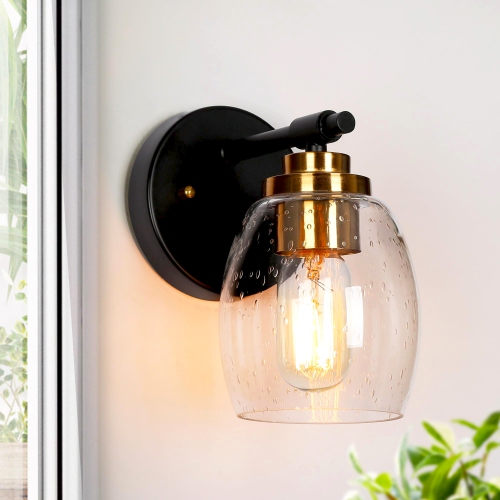
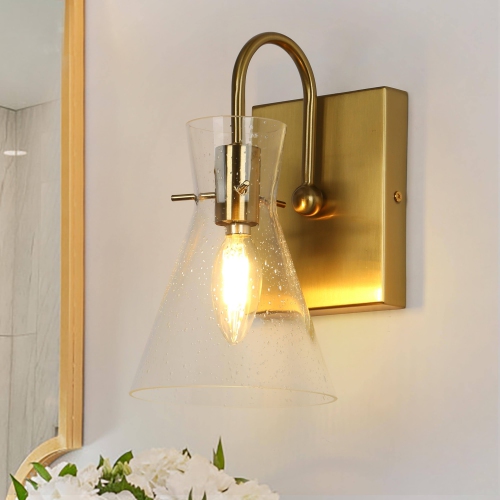

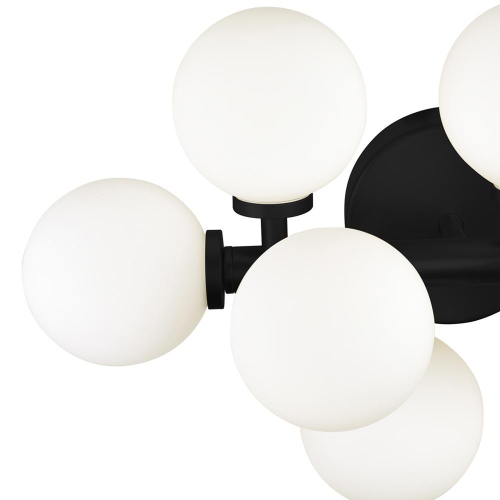
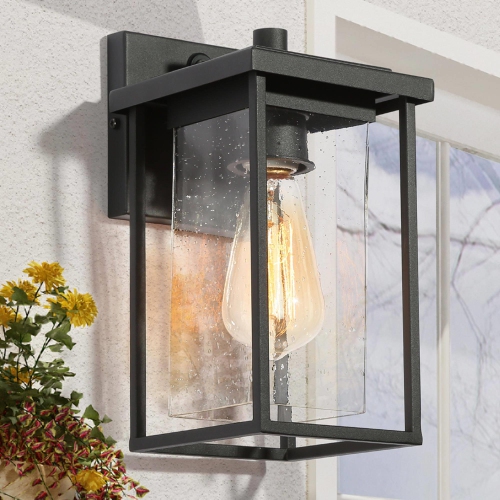
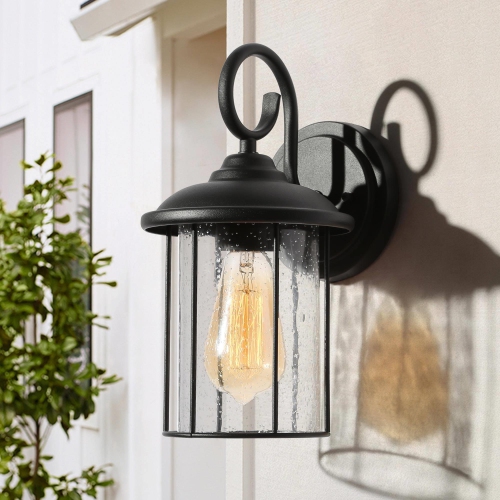
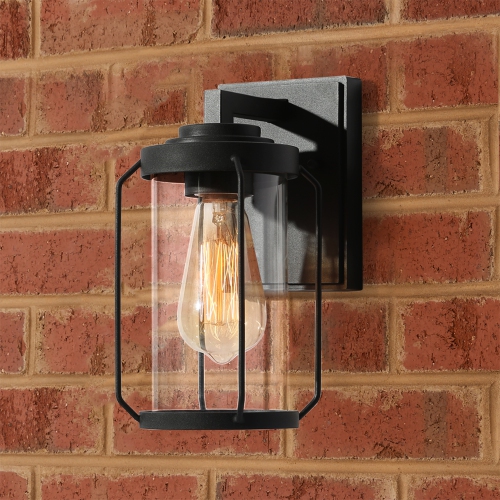
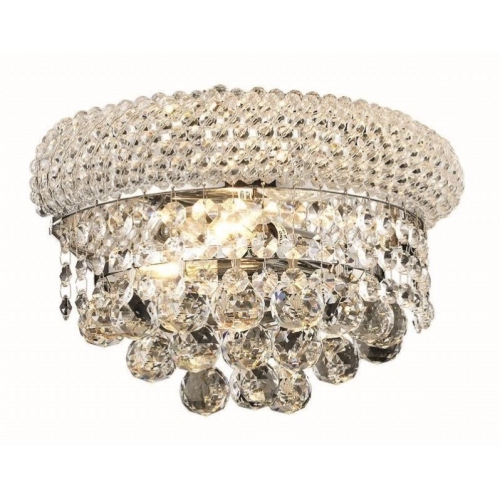
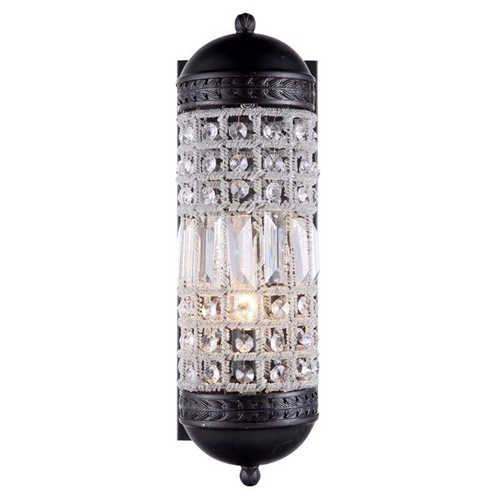
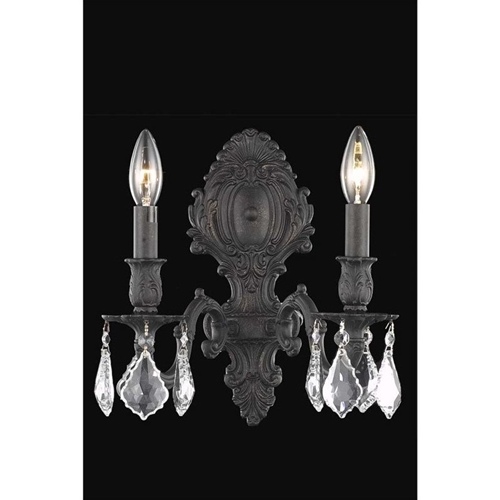
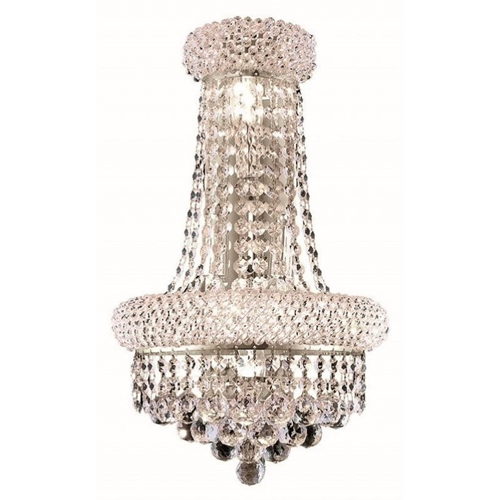
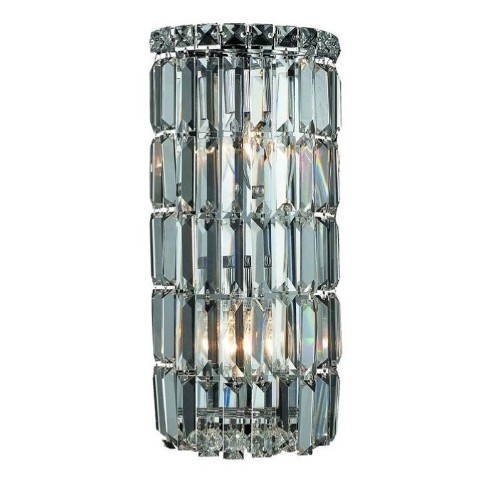
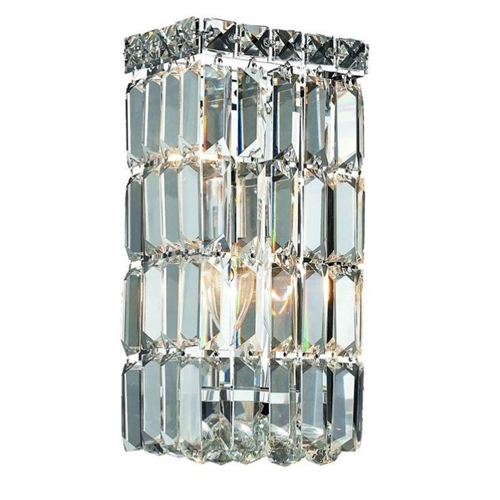
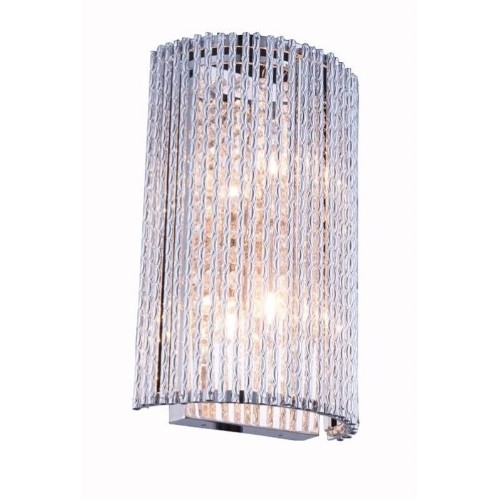
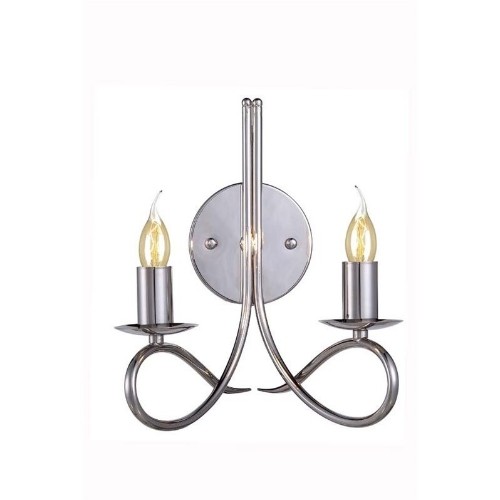
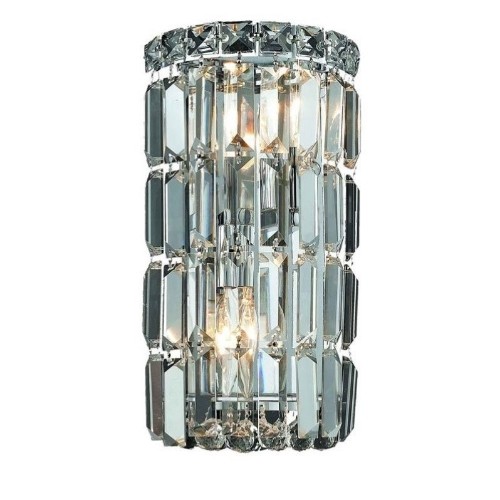
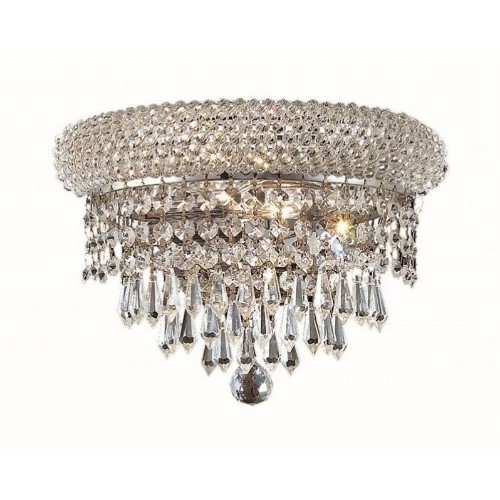
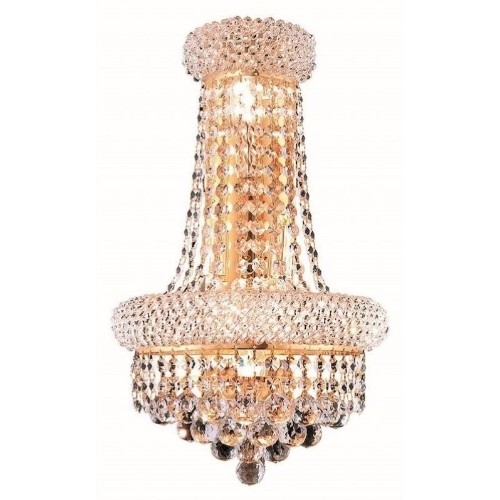
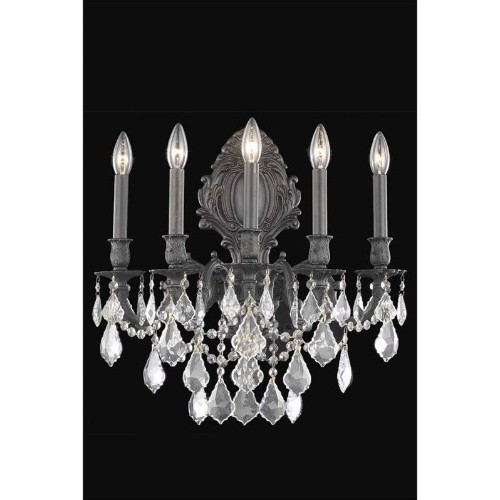
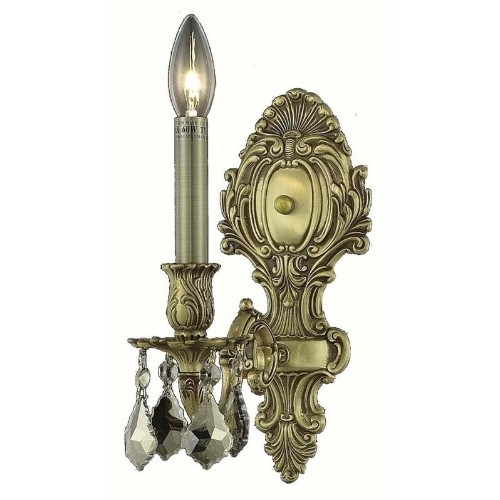
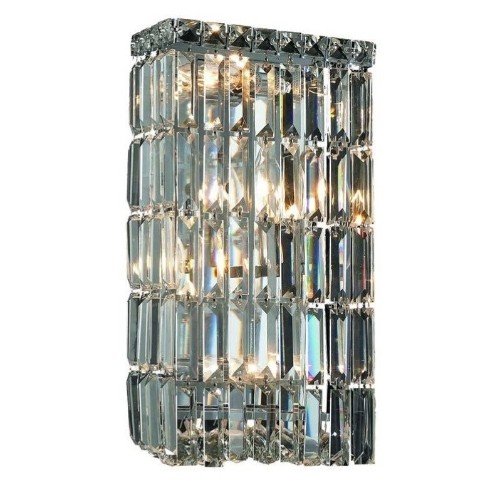
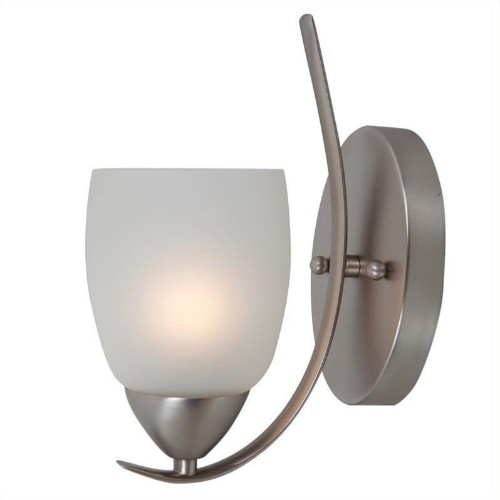
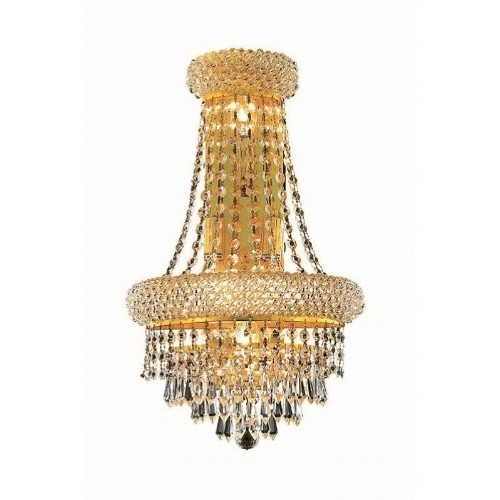
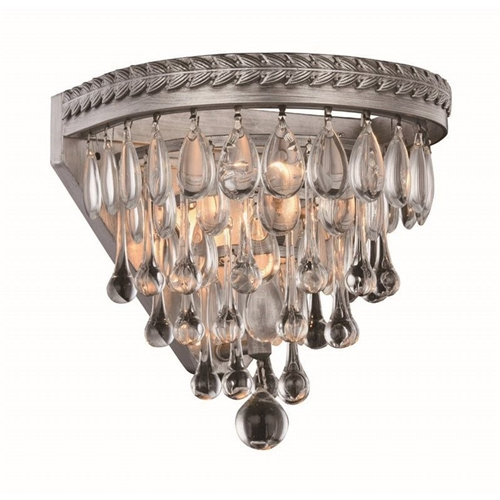
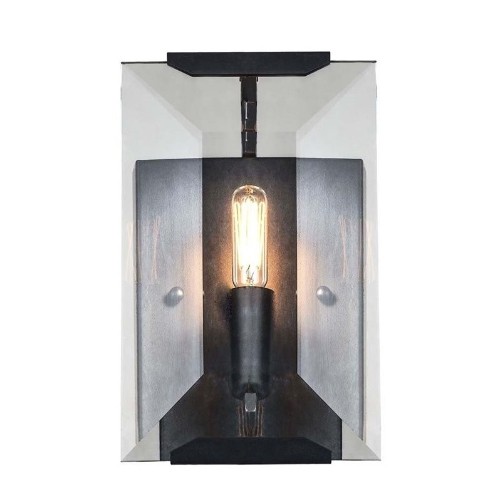
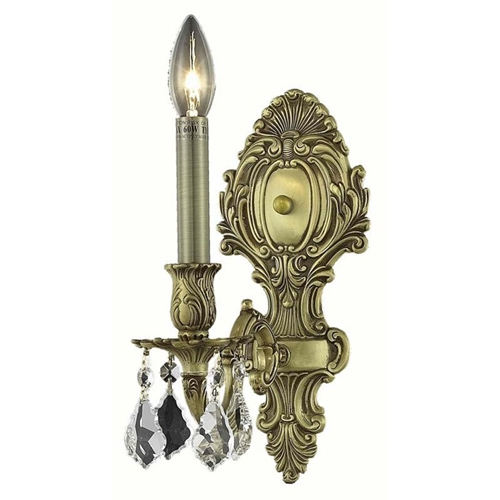
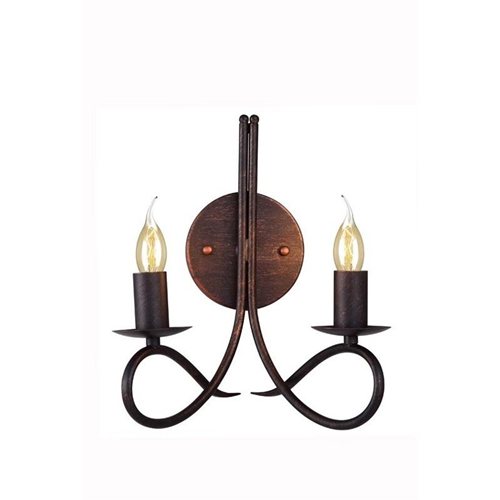
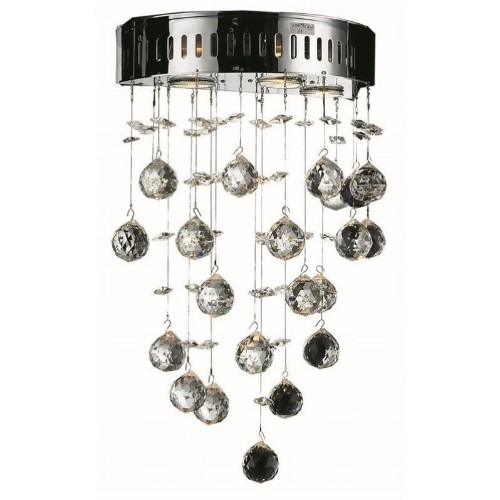
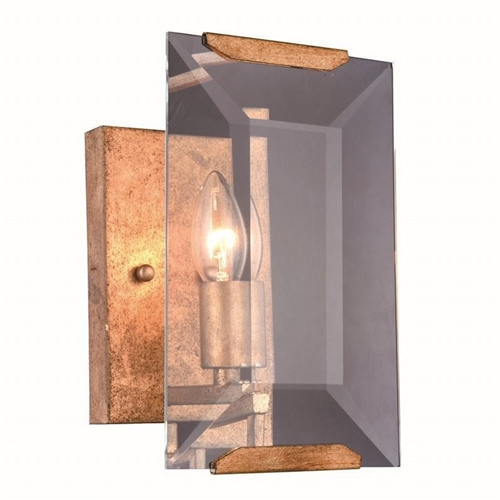
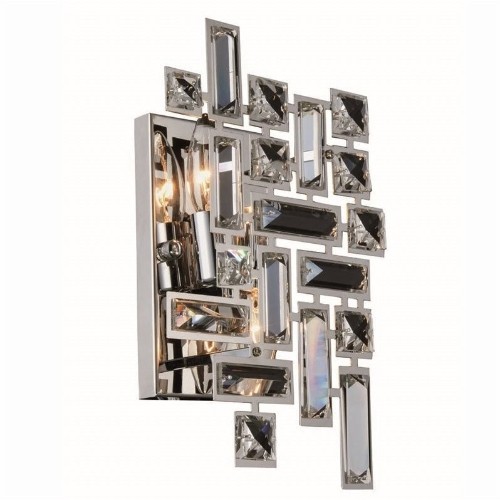
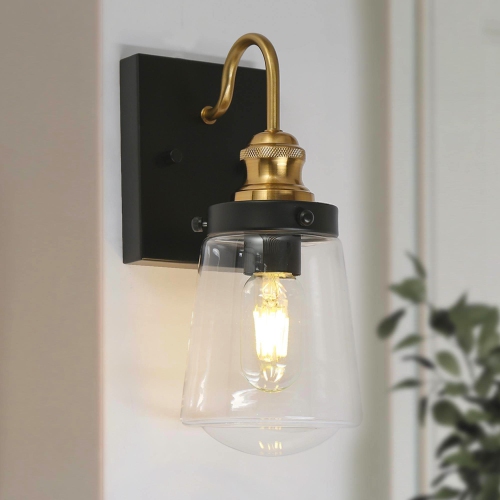
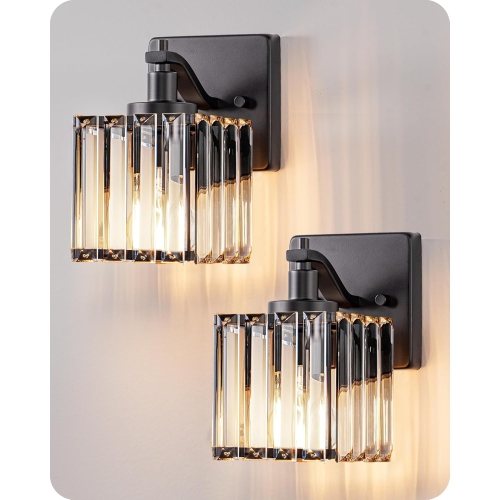
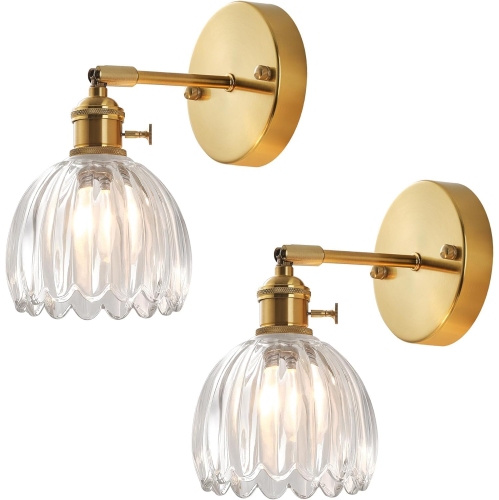
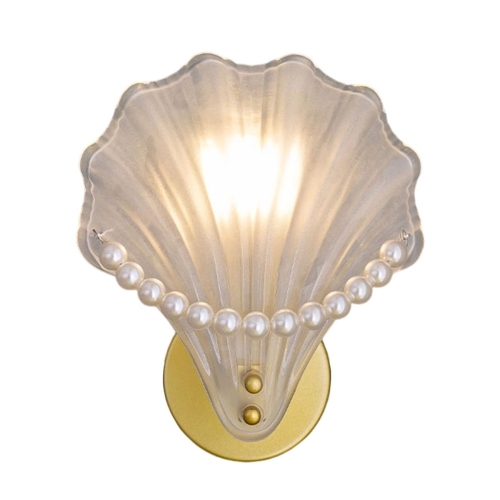
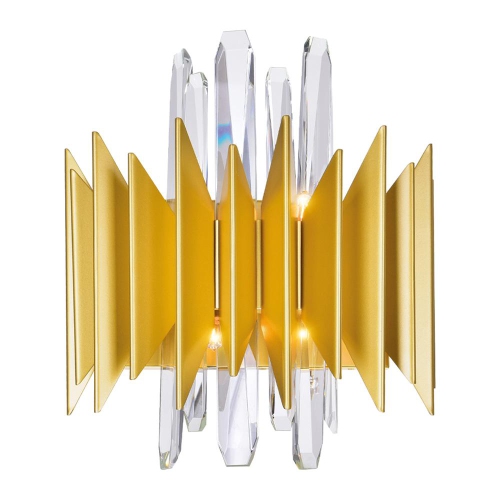
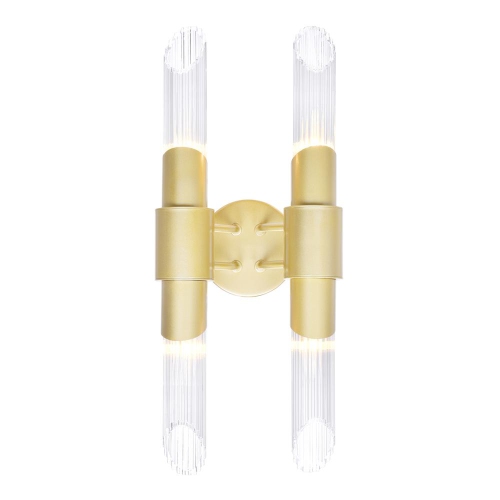
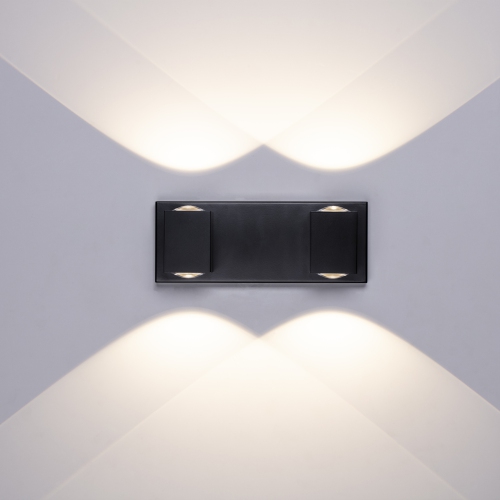

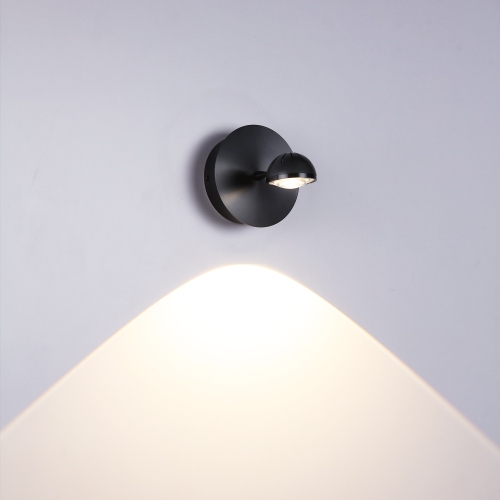
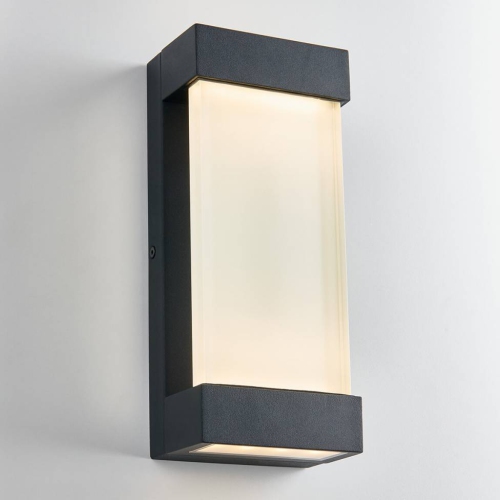
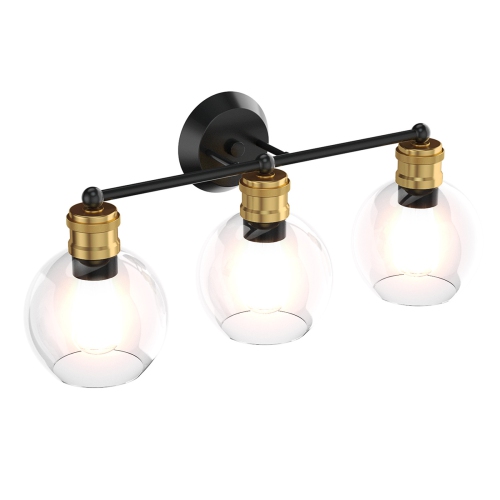
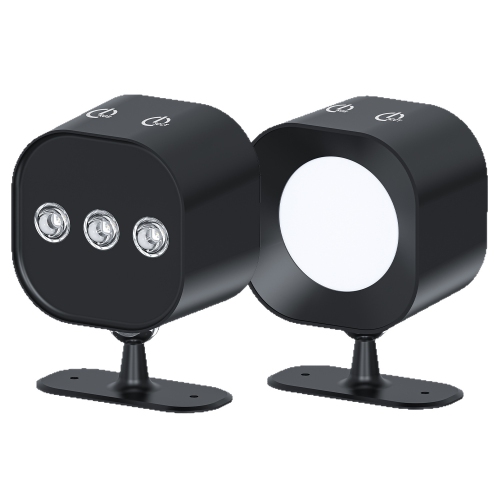
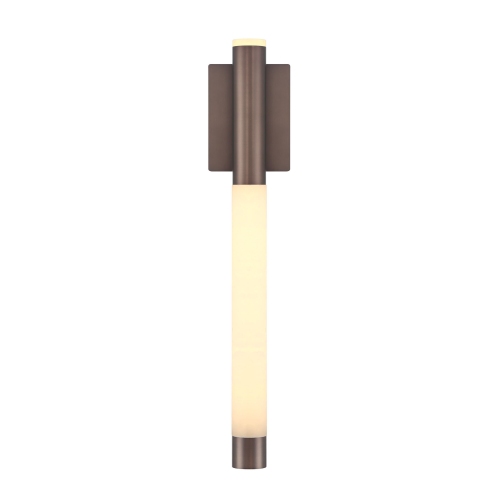
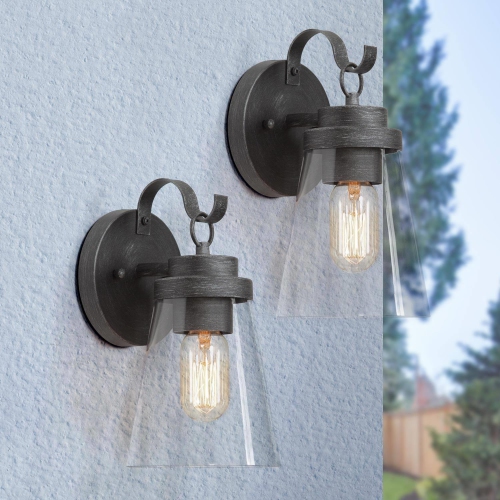
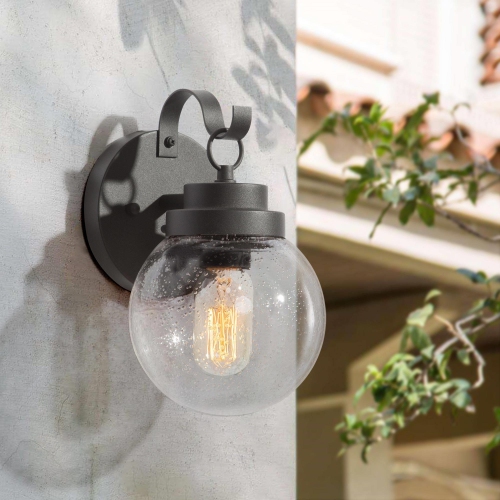
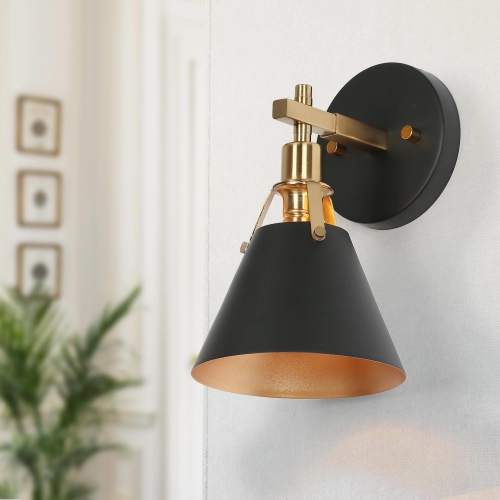
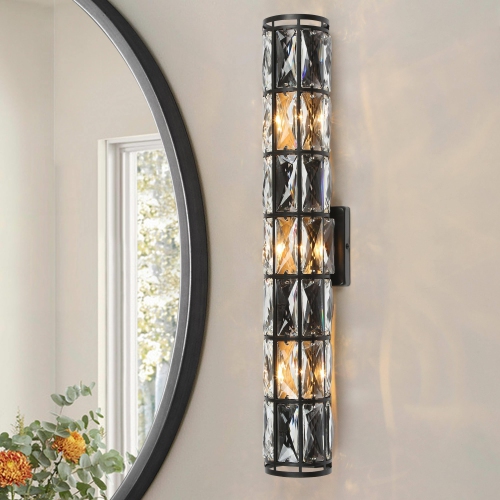
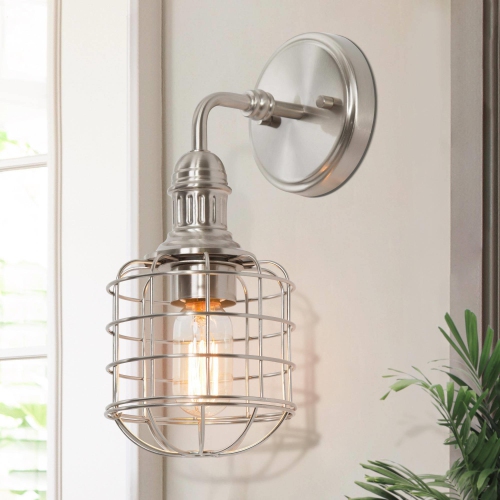


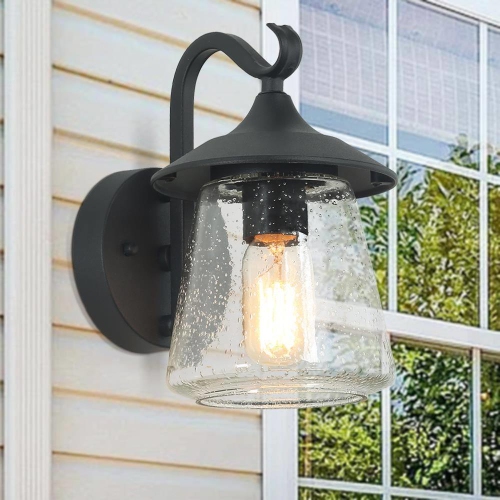

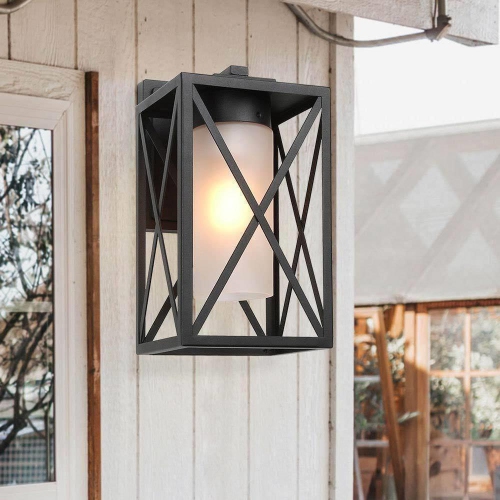
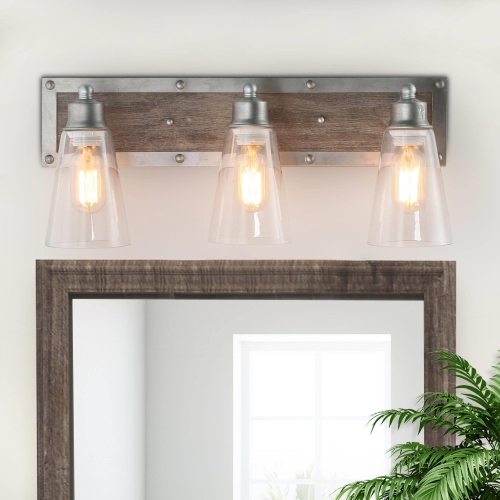
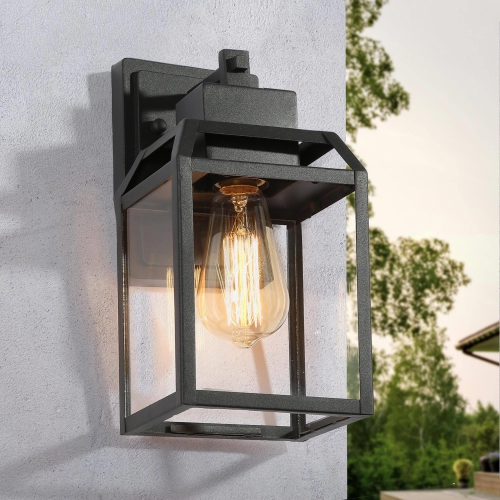

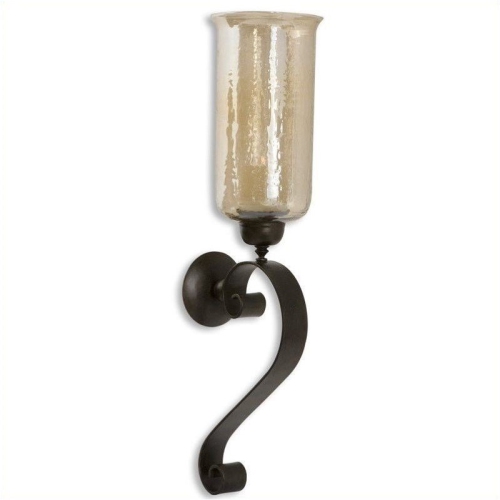
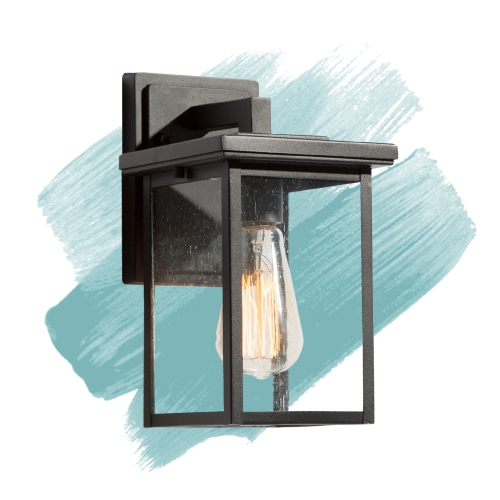
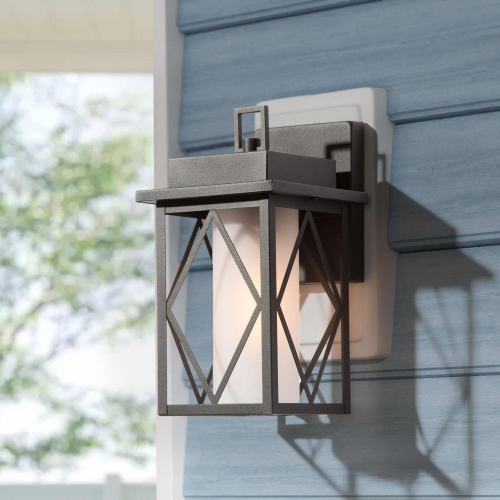
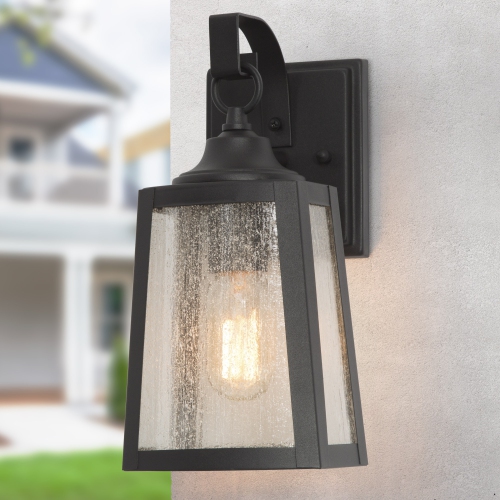

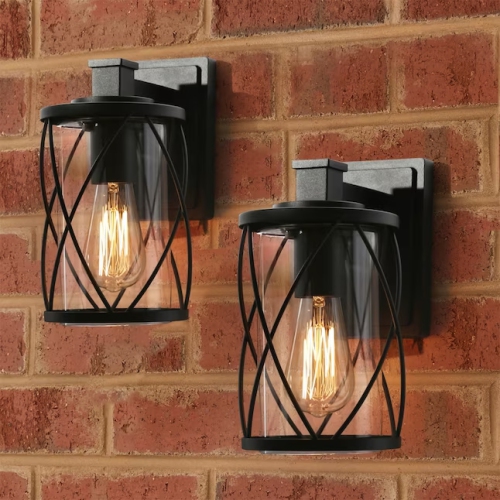
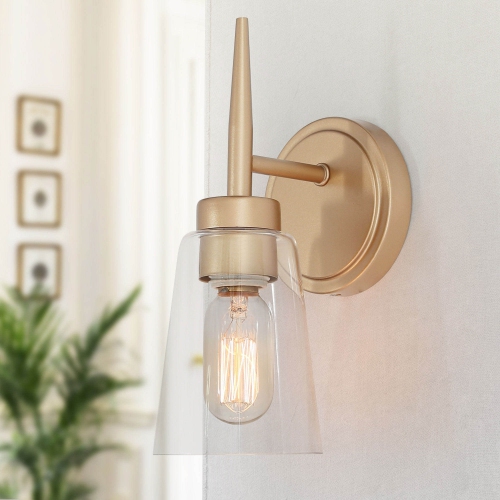
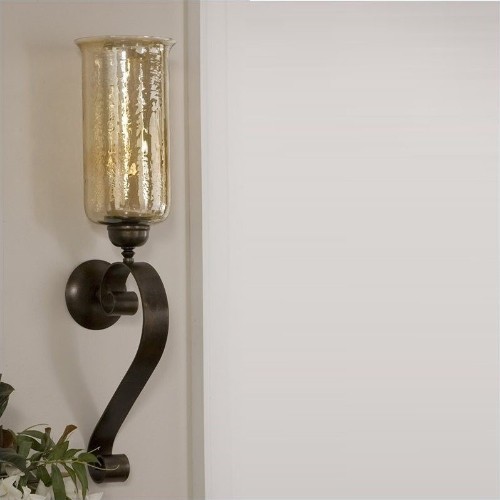
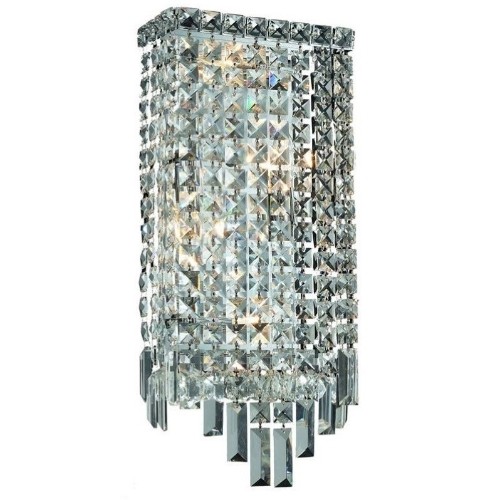
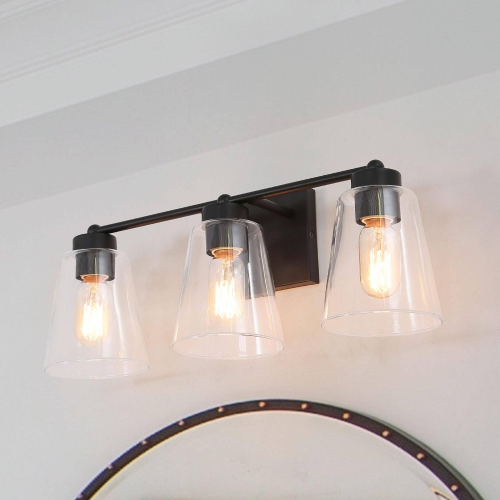
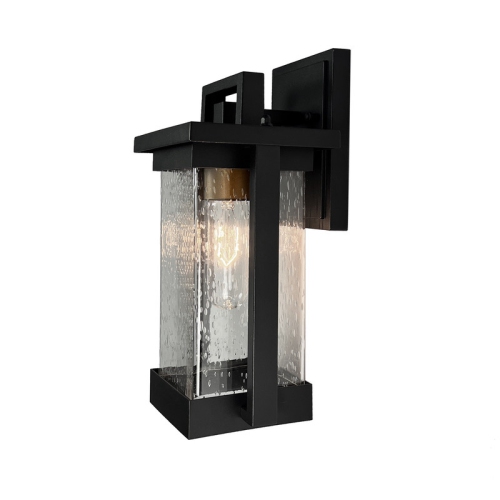
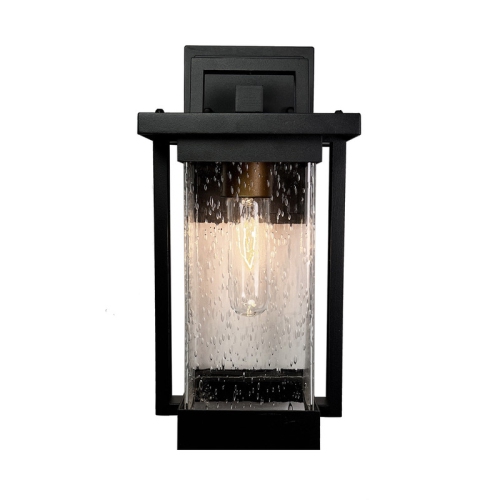
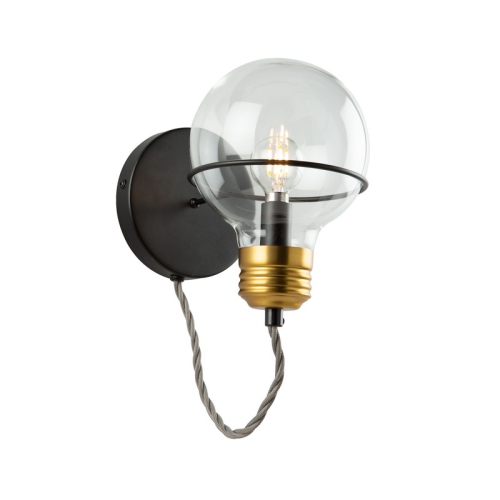
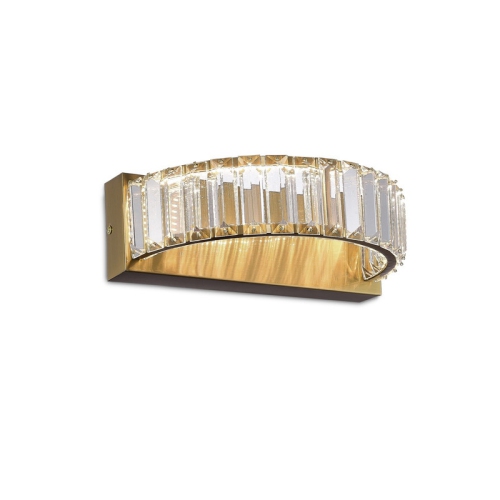
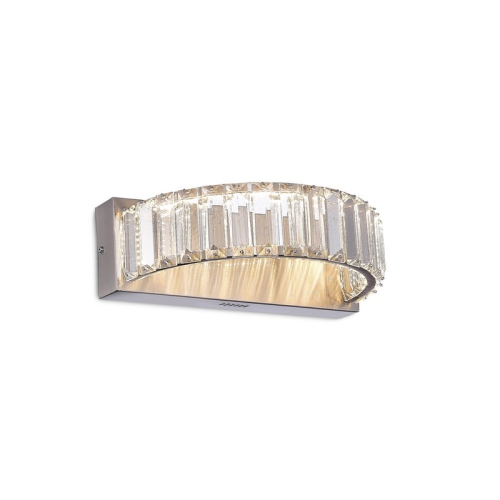
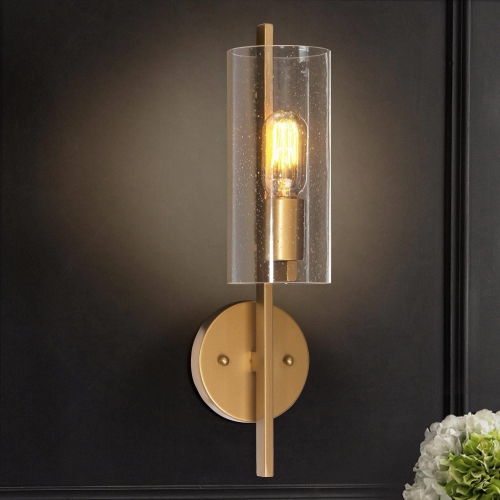
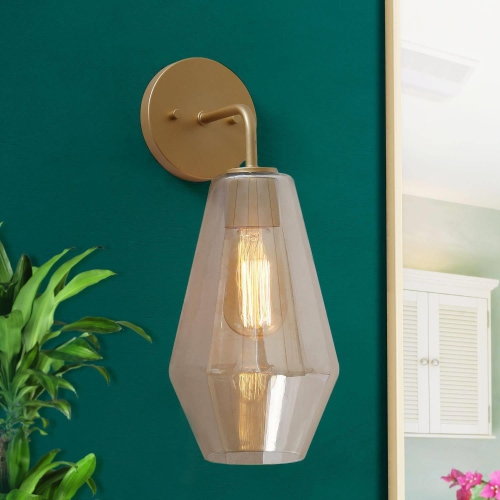
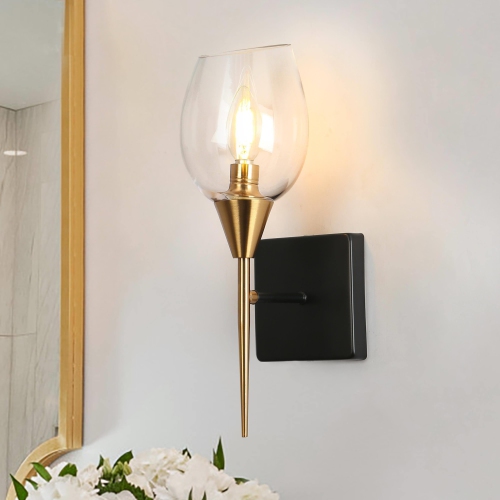
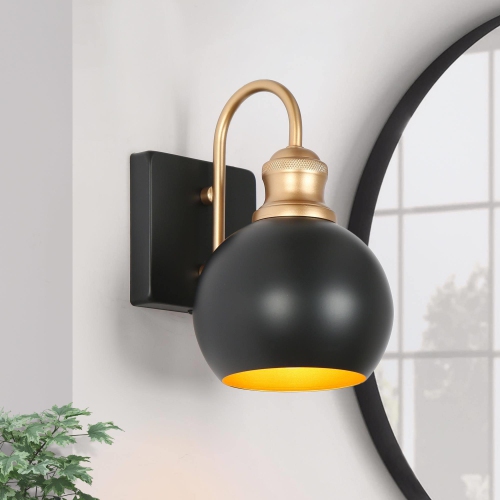

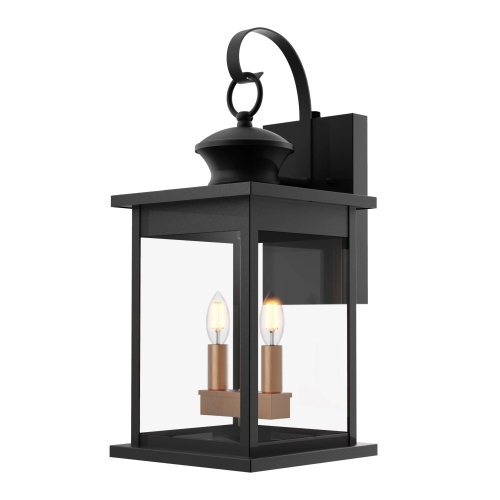
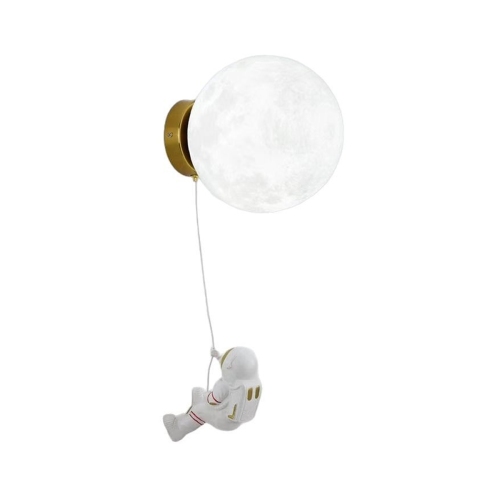
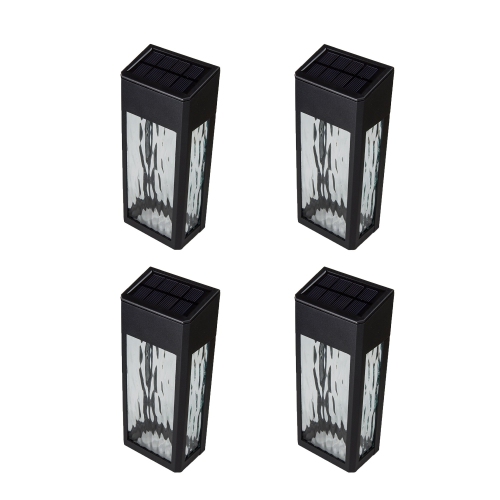
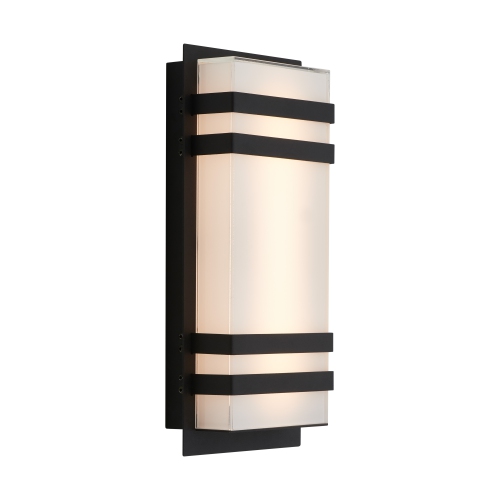
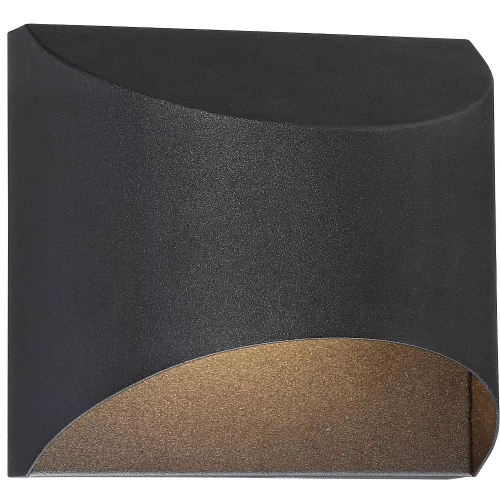
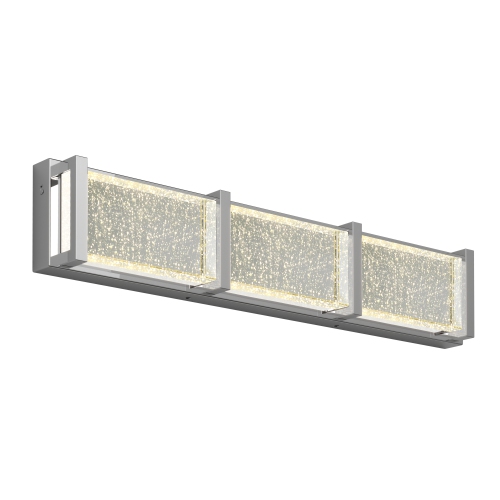
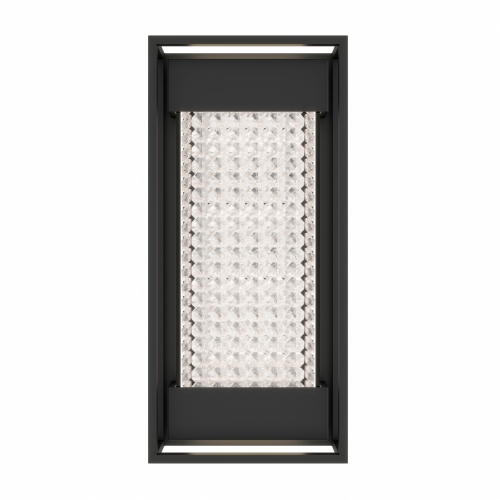
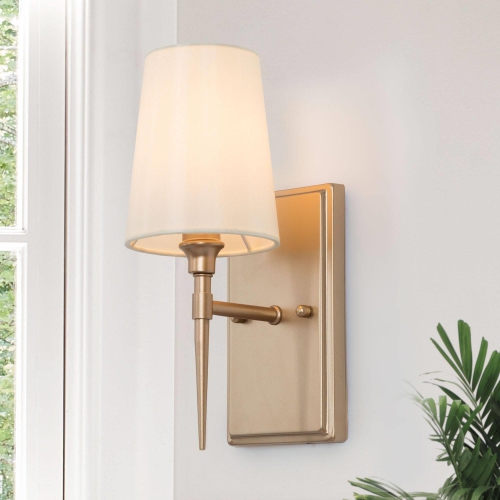
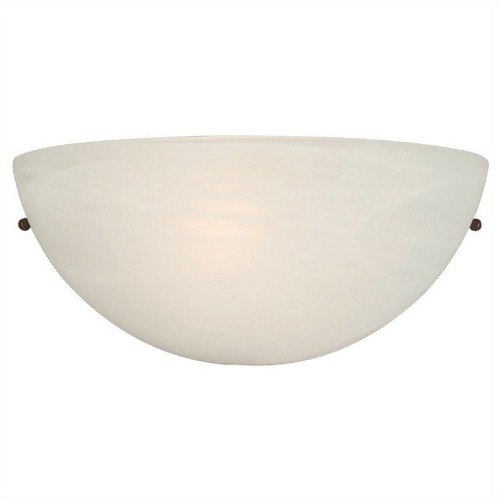
Layered lighting that leaves tables and floors clear
Wall sconces are wall-mounted light fixtures that provide ambient, task, or accent lighting without taking up space on a table or the floor. Their position makes them especially useful beside a bed, along a hallway, around a bathroom mirror, or next to a favourite reading chair. An upward-facing shade can spread a soft wash of light across a wall, while a downward-facing shade directs illumination towards a smaller area. Fixtures that cast light in both directions add definition to a plain wall and can highlight the texture of brick, plaster, or panelling. In a living room, sconces complement ceiling lights and table lamps, giving the space more depth than a single overhead light can provide. Beside a bed, they leave the nightstand clear for a book, glasses, and a glass of water. Adjustable arms and swivelling heads are particularly practical for readers who want light on the page rather than across the entire room. In an entryway, a pair of sconces can frame a console or mirror, while a single fixture can give a small alcove a more deliberate purpose. The shade makes a noticeable difference to the result: clear glass exposes the bulb and produces a more direct sparkle, frosted or opal glass softens brightness, and opaque metal shades control where the light falls. Fabric shades create a gentler, diffused effect suited to bedrooms and sitting areas. For a cohesive look, the fixture’s shape can echo details already in the room, such as curved furniture, angular cabinet handles, or the narrow lines of a mirror frame. Matching every finish is not necessary; a repeated colour or shape is often enough to connect the lighting with nearby furnishings. A black wall sconce can create a crisp outline against a pale wall or blend into darker cabinetry, making it a versatile choice for both understated rooms and spaces with stronger contrasts.
The right fit depends on the fixture’s dimensions, its projection from the wall, and how the surrounding space is used. A broad shade may look balanced over a substantial bedside table but feel intrusive in a narrow passage. Low-profile sconces leave more clearance in hallways, stairways, and other routes where people carry laundry baskets or bags. For bedside lighting, the useful position is determined by the mattress height, the reader’s seated position, and the direction of the beam, rather than by a single mounting measurement. A shade that conceals the bulb from someone lying down can make the room more comfortable, while an accessible switch reduces the need to reach behind furniture. In general living areas, mounting the centre of a sconce roughly 60 to 66 inches above the floor is a common starting point, not a universal requirement. Ceiling height, fixture design, sightlines, and manufacturer instructions can all call for a different position. Spacing along a hallway likewise depends on light output, beam spread, and the length of the wall; the aim is useful coverage without distracting patches of brightness and shadow. Around a bathroom mirror, fixtures on both sides can help reduce facial shadows, provided their placement works with the mirror, vanity, and electrical layout. Any fixture used where moisture is present must carry the appropriate rating for its location. Hardwired wall sconces connect to household wiring and offer a clean appearance without a visible power cord, but their placement depends on a suitable electrical box and professional installation where required. Plug-in wall sconces connect to an outlet and can be a practical option where adding wiring is not suitable, although the cord route and secure mounting still need attention. Rechargeable designs remove the need for a nearby outlet during use, with charging frequency and runtime becoming part of everyday ownership. For any mounting style, the wall material, fixture weight, and specified hardware matter, especially with heavier glass or stone components. A qualified electrician can assess wiring, controls, and installation requirements before a hardwired fixture is fitted.
Materials, construction, and light-source compatibility shape how wall sconces look and perform over time. Metal bodies can provide a sturdy structure, while glass shades bring either clarity or diffusion depending on their finish. Natural stone introduces variations in veining and translucency, so its appearance may be less uniform than painted metal or moulded glass. In adjustable fixtures, well-made joints should hold the shade in position without repeated tightening; in fixed designs, a secure backplate and firmly seated shade help prevent movement during cleaning. Replaceable-bulb sconces offer flexibility when choosing brightness and light colour, provided the bulb matches the socket, dimensions, and maximum rating specified for the fixture. Integrated LED sconces use a built-in light source and may have a slimmer profile, though the replacement options for the light source or driver are worth understanding. Lumens indicate light output, while watts describe power use, so wattage alone is not a reliable measure of brightness across different bulb technologies. Warm white light often suits bedrooms and relaxed seating areas, while a more neutral white can be useful where clear visibility matters. Consistent light colour across nearby fixtures helps a room feel coordinated. Dimming adds flexibility for spaces used for both reading and relaxing, but the fixture, bulb, and dimmer must be compatible. Smart controls and built-in switches also vary by design, making the control location just as important as the fixture’s appearance. Care is generally straightforward: switch off the light, allow it to cool, and use the cleaning method recommended for its materials. A soft, dry cloth suits many finished metal surfaces, while removable glass shades may need separate cleaning according to the manufacturer’s directions. Abrasive cleaners can damage coatings, and moisture should be kept away from electrical components. Accessible shades and bulbs make routine maintenance easier, particularly on taller walls. For readers, households short on floor space, or anyone furnishing a room with several uses, well-proportioned wall lighting offers a useful combination of focused illumination, visual interest, and clear surfaces.
The right fit depends on the fixture’s dimensions, its projection from the wall, and how the surrounding space is used. A broad shade may look balanced over a substantial bedside table but feel intrusive in a narrow passage. Low-profile sconces leave more clearance in hallways, stairways, and other routes where people carry laundry baskets or bags. For bedside lighting, the useful position is determined by the mattress height, the reader’s seated position, and the direction of the beam, rather than by a single mounting measurement. A shade that conceals the bulb from someone lying down can make the room more comfortable, while an accessible switch reduces the need to reach behind furniture. In general living areas, mounting the centre of a sconce roughly 60 to 66 inches above the floor is a common starting point, not a universal requirement. Ceiling height, fixture design, sightlines, and manufacturer instructions can all call for a different position. Spacing along a hallway likewise depends on light output, beam spread, and the length of the wall; the aim is useful coverage without distracting patches of brightness and shadow. Around a bathroom mirror, fixtures on both sides can help reduce facial shadows, provided their placement works with the mirror, vanity, and electrical layout. Any fixture used where moisture is present must carry the appropriate rating for its location. Hardwired wall sconces connect to household wiring and offer a clean appearance without a visible power cord, but their placement depends on a suitable electrical box and professional installation where required. Plug-in wall sconces connect to an outlet and can be a practical option where adding wiring is not suitable, although the cord route and secure mounting still need attention. Rechargeable designs remove the need for a nearby outlet during use, with charging frequency and runtime becoming part of everyday ownership. For any mounting style, the wall material, fixture weight, and specified hardware matter, especially with heavier glass or stone components. A qualified electrician can assess wiring, controls, and installation requirements before a hardwired fixture is fitted.
Materials, construction, and light-source compatibility shape how wall sconces look and perform over time. Metal bodies can provide a sturdy structure, while glass shades bring either clarity or diffusion depending on their finish. Natural stone introduces variations in veining and translucency, so its appearance may be less uniform than painted metal or moulded glass. In adjustable fixtures, well-made joints should hold the shade in position without repeated tightening; in fixed designs, a secure backplate and firmly seated shade help prevent movement during cleaning. Replaceable-bulb sconces offer flexibility when choosing brightness and light colour, provided the bulb matches the socket, dimensions, and maximum rating specified for the fixture. Integrated LED sconces use a built-in light source and may have a slimmer profile, though the replacement options for the light source or driver are worth understanding. Lumens indicate light output, while watts describe power use, so wattage alone is not a reliable measure of brightness across different bulb technologies. Warm white light often suits bedrooms and relaxed seating areas, while a more neutral white can be useful where clear visibility matters. Consistent light colour across nearby fixtures helps a room feel coordinated. Dimming adds flexibility for spaces used for both reading and relaxing, but the fixture, bulb, and dimmer must be compatible. Smart controls and built-in switches also vary by design, making the control location just as important as the fixture’s appearance. Care is generally straightforward: switch off the light, allow it to cool, and use the cleaning method recommended for its materials. A soft, dry cloth suits many finished metal surfaces, while removable glass shades may need separate cleaning according to the manufacturer’s directions. Abrasive cleaners can damage coatings, and moisture should be kept away from electrical components. Accessible shades and bulbs make routine maintenance easier, particularly on taller walls. For readers, households short on floor space, or anyone furnishing a room with several uses, well-proportioned wall lighting offers a useful combination of focused illumination, visual interest, and clear surfaces.
Top selling and popular products
-
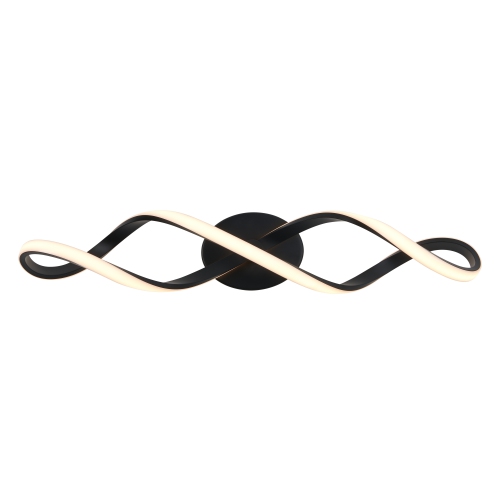 Your price for this item is $99.99
 -
 Your price for this item is $419.99
 -
 Your price for this item is $159
 -
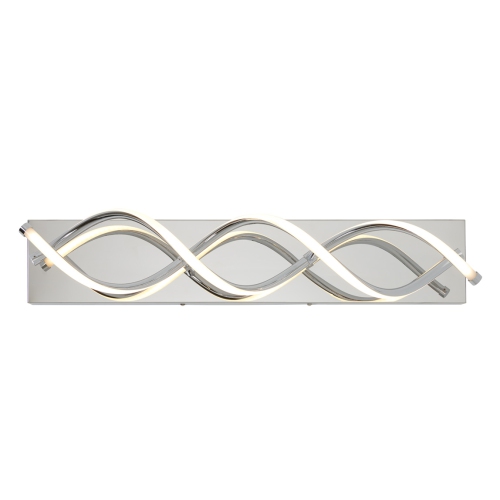 Your price for this item is $169.99
 -
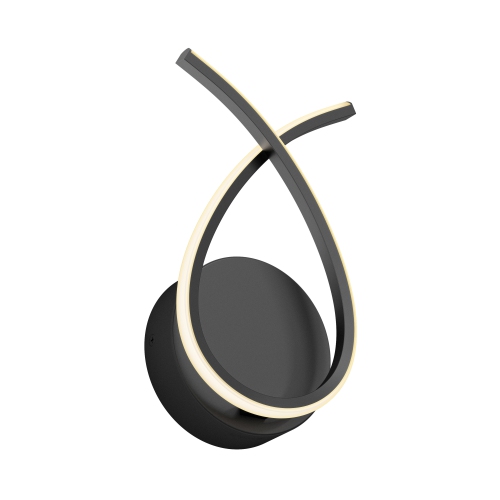 Your price for this item is $49.99
 -
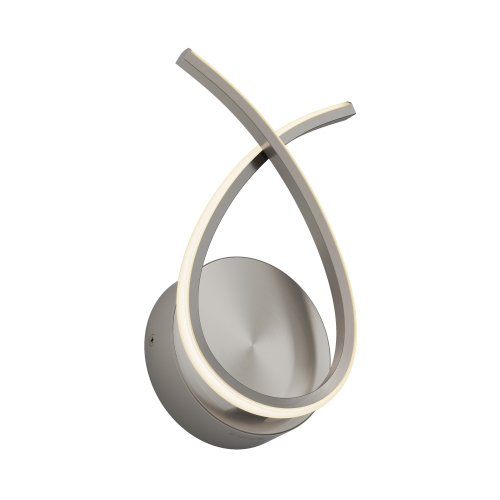 Your price for this item is $59.99
 -
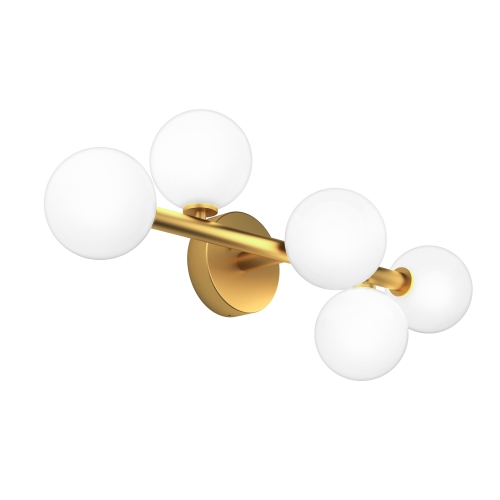 Your price for this item is $139
 -
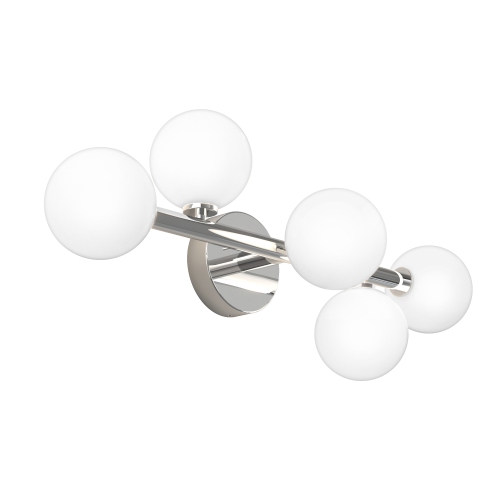 Your price for this item is $139
Discover more categories related to Wall Sconces
Top Collections:
Pokemon Centers, Kindle Devices, Best Budget Office Chairs, Apple iPhones 16, Best Laptops for Writers, iPhone 15 Apple, Canon G7X Cameras, Refurbished Apple Laptops, Alarm Clock, Motorola Razr Phones
Some products may be subject to Environmental Handling Fees
(EHF) depending on your province.
Learn more about EHFs.