Legal Filing Cabinets
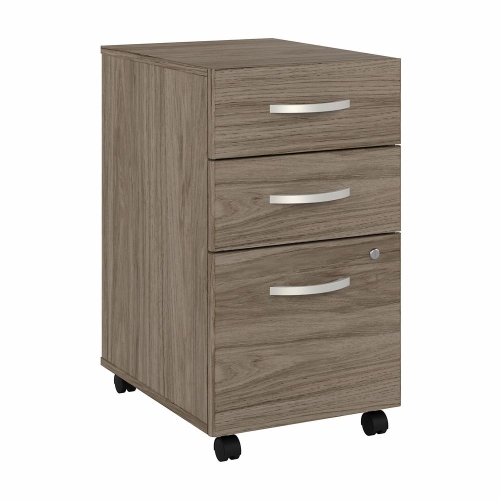
Organize your office space with our selection of legal filing cabinets, designed to keep your important documents secure and easily accessible. Whether you're looking for a sleek modern design or a more traditional style, we have a variety of options to suit your professional needs. With features like lockable drawers, durable construction, and ample storage capacity, our legal filing cabinets are the perfect solution for maintaining a clutter-free workspace. Explore our collection today and elevate the functionality and aesthetics of your office environment.
Sort

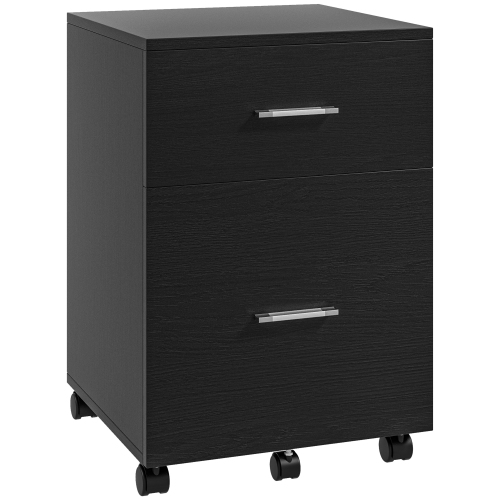
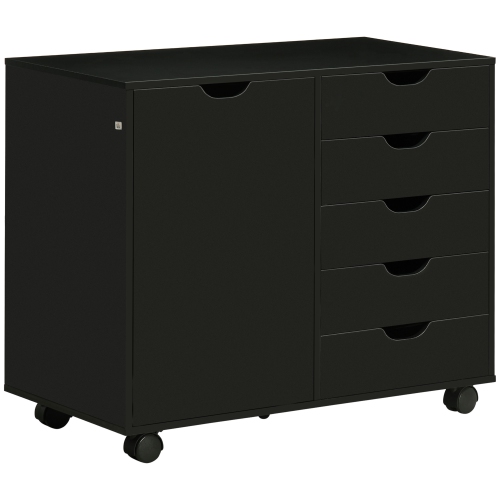
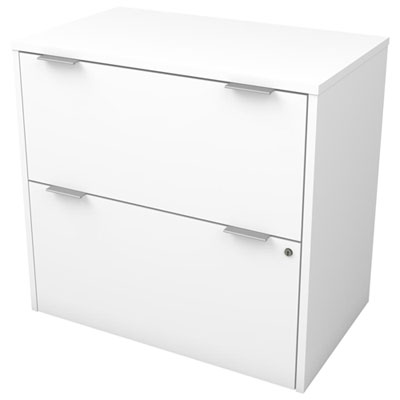
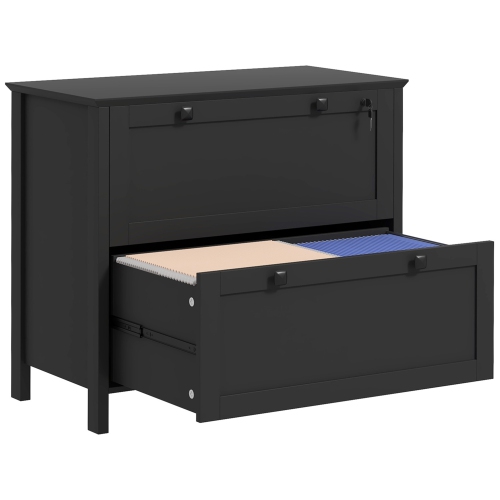

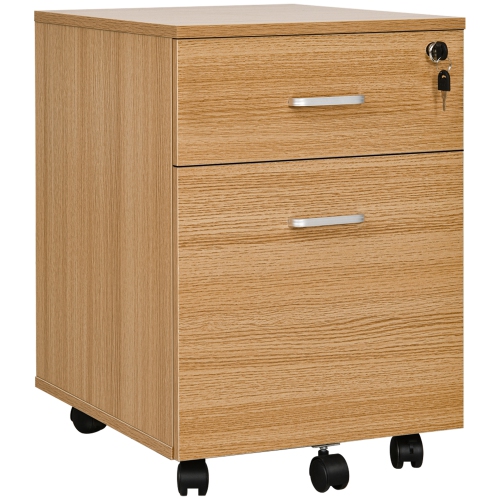

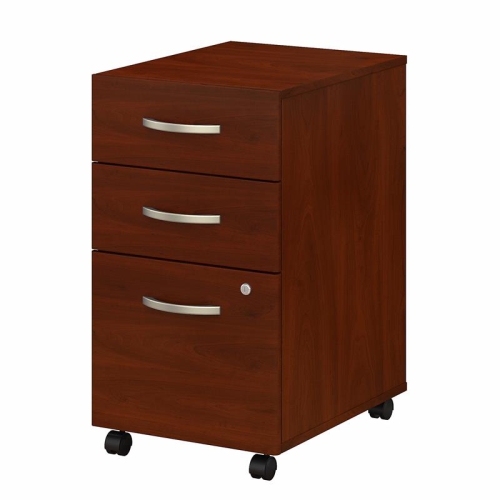
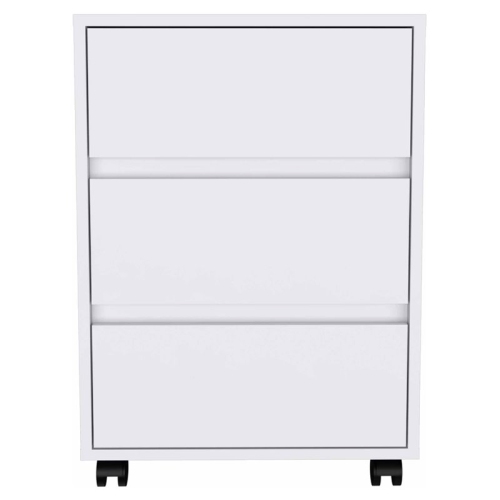
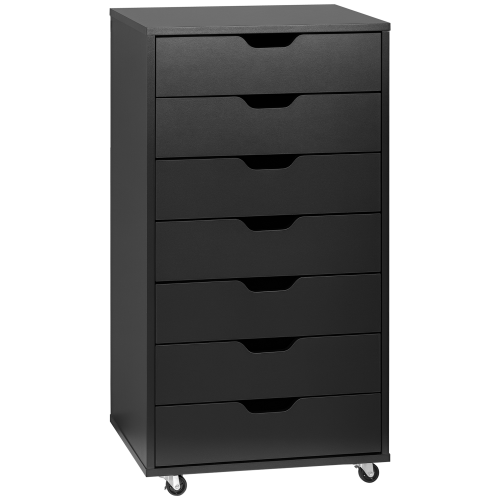

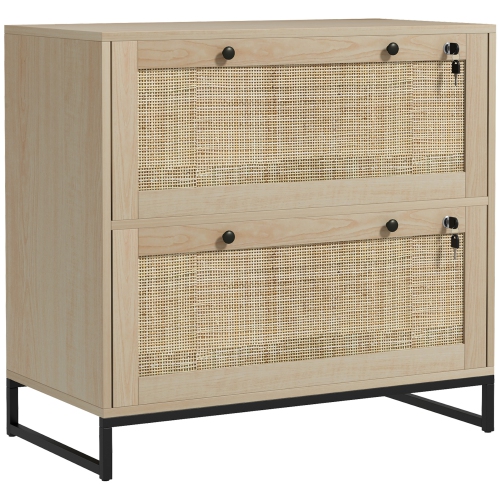
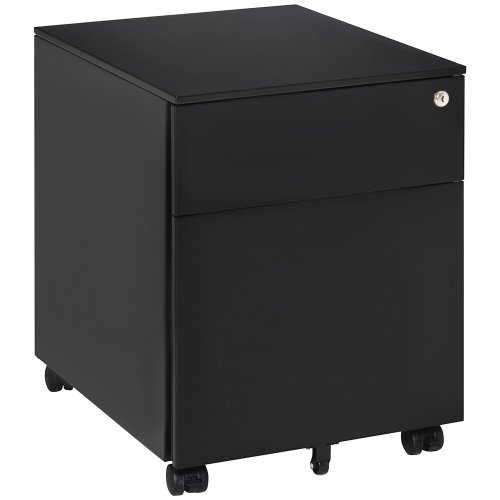
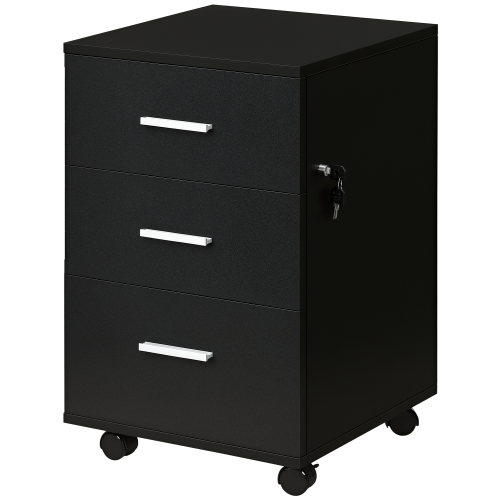
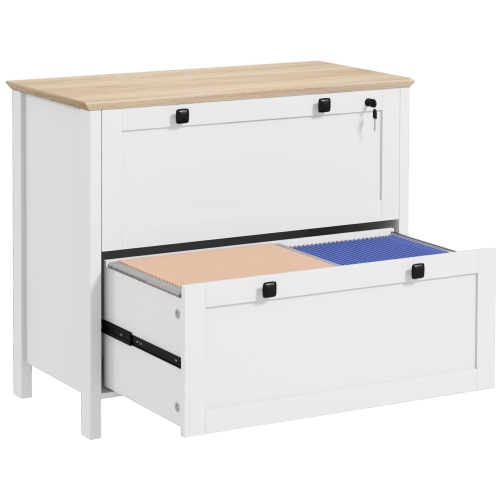
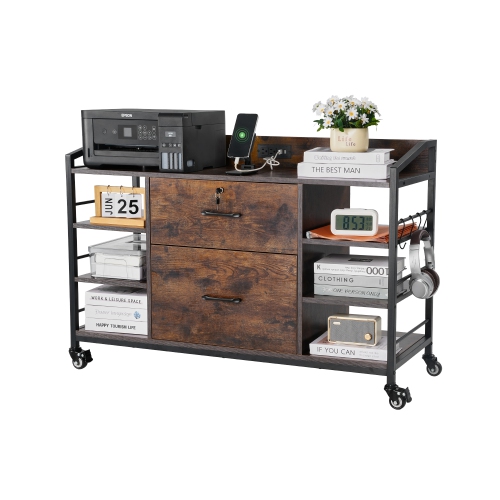
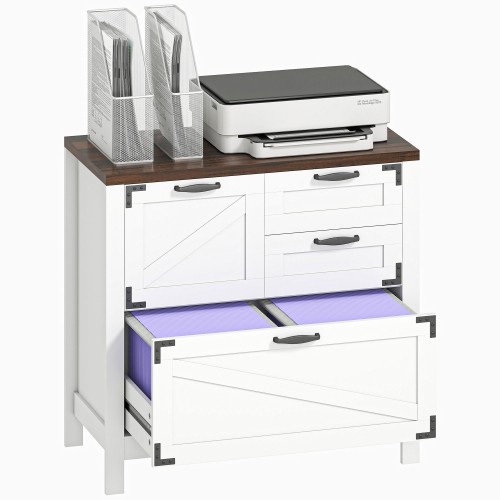
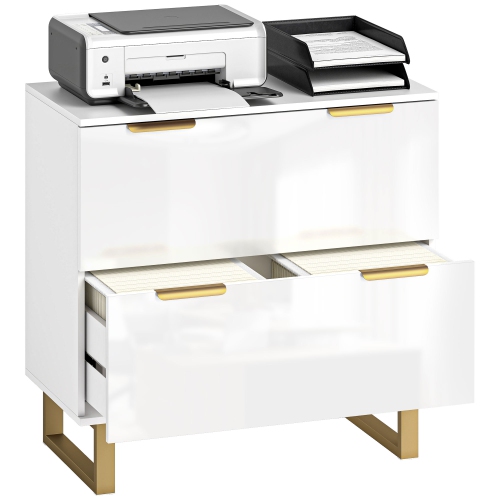
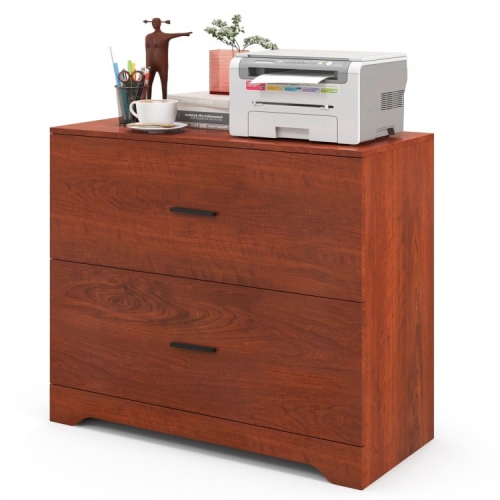
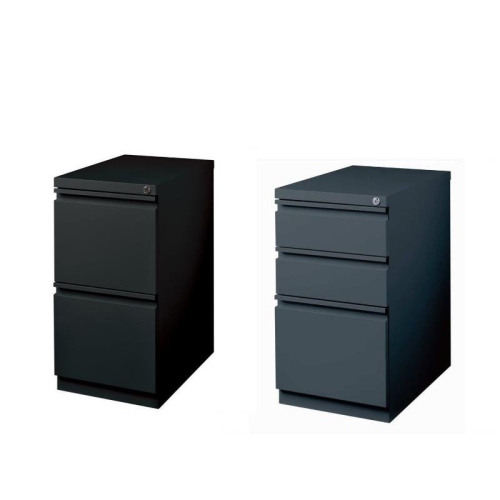
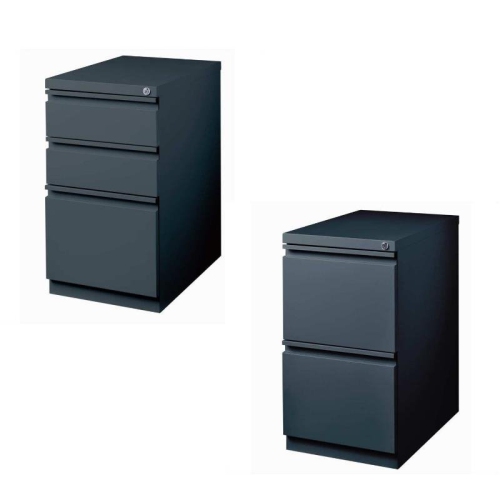
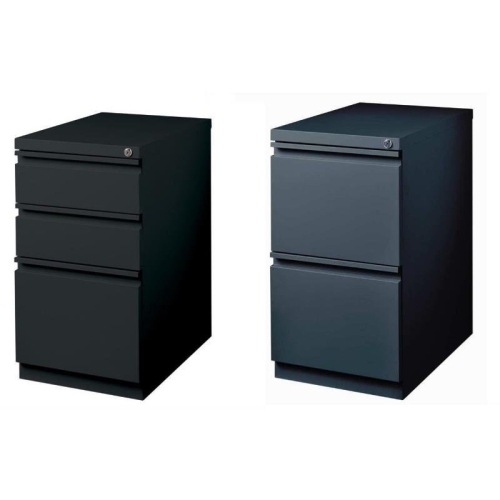
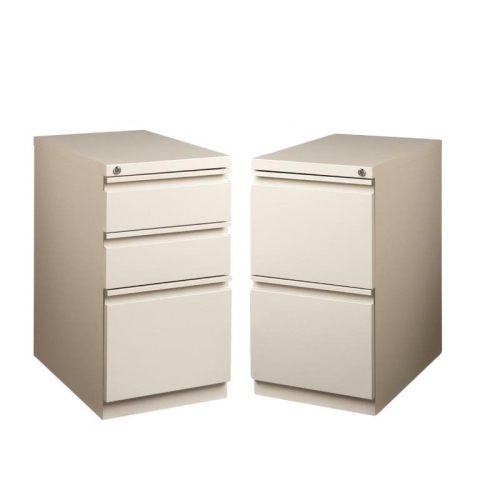
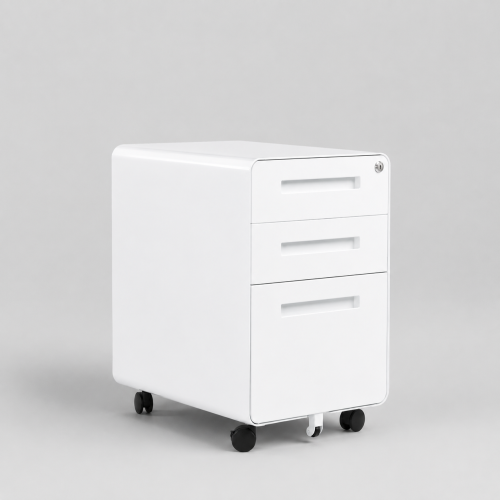
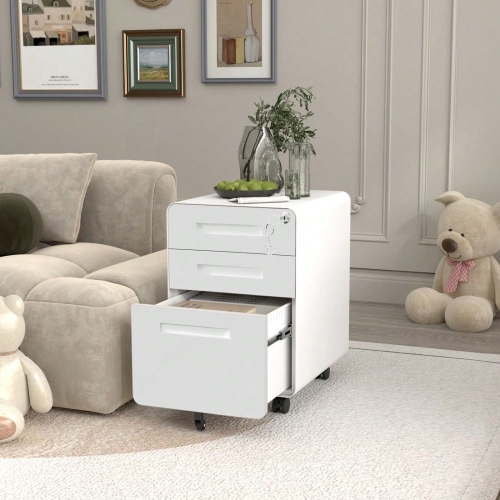
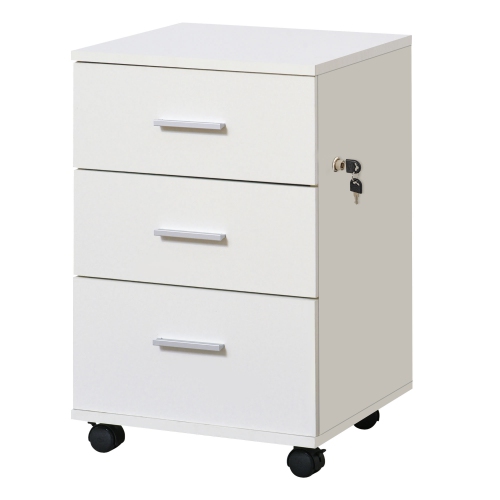
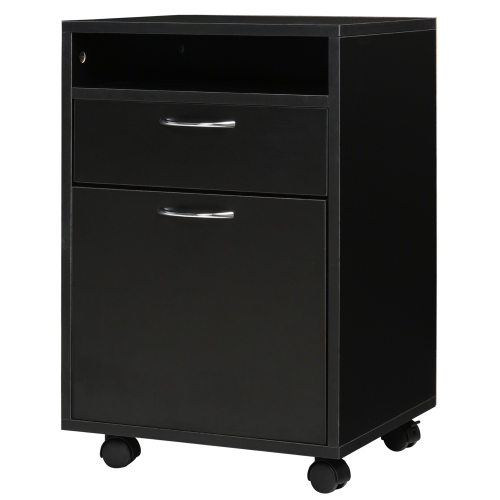
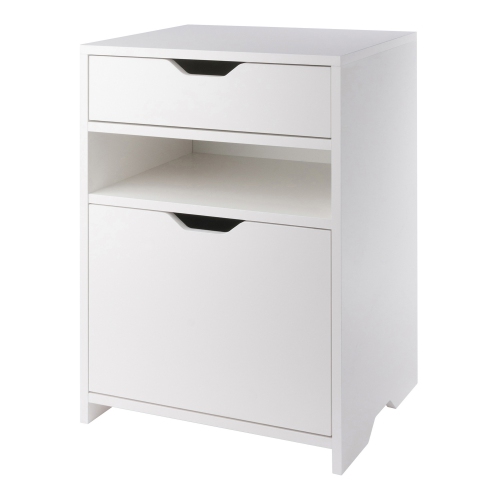
How to organize legal documents with the right cabinet
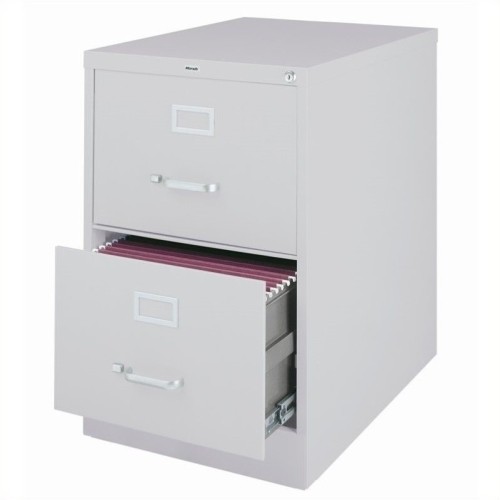
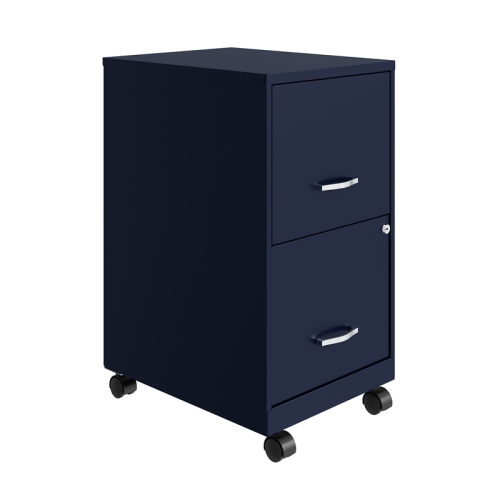
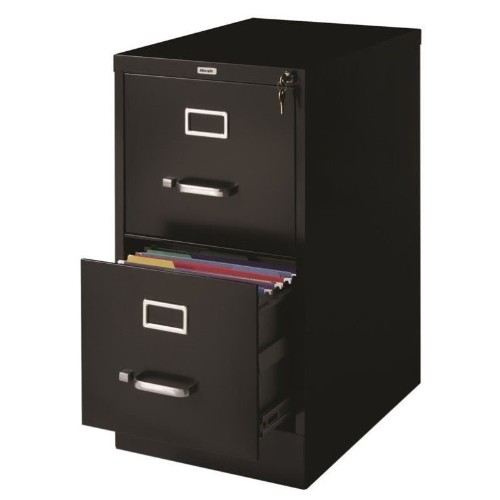
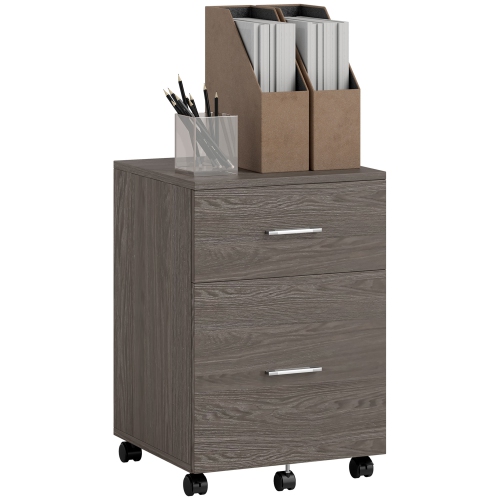
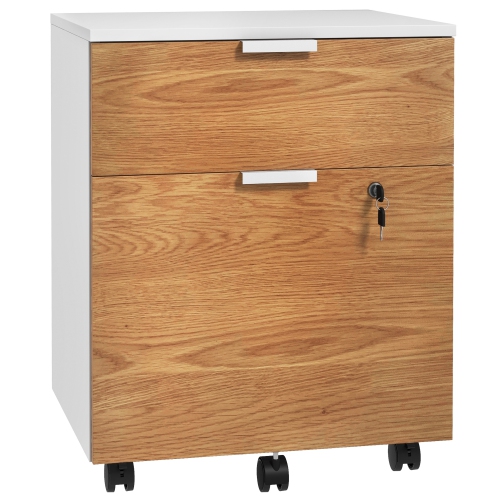
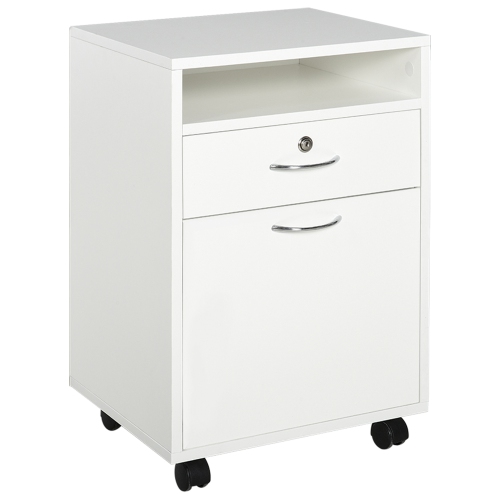
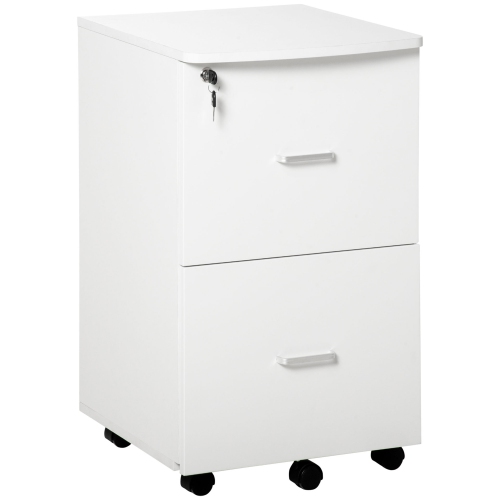
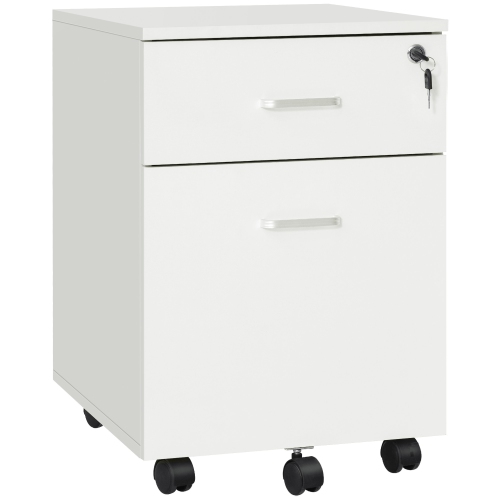
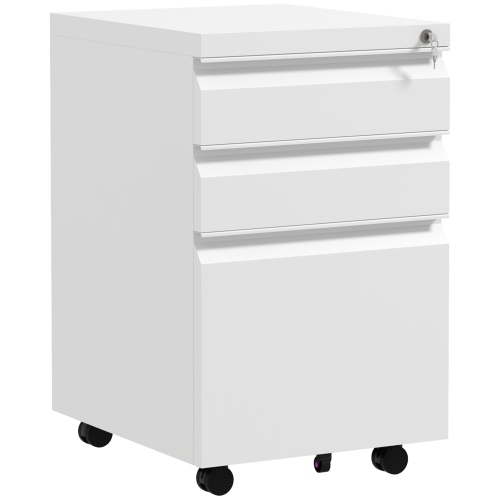
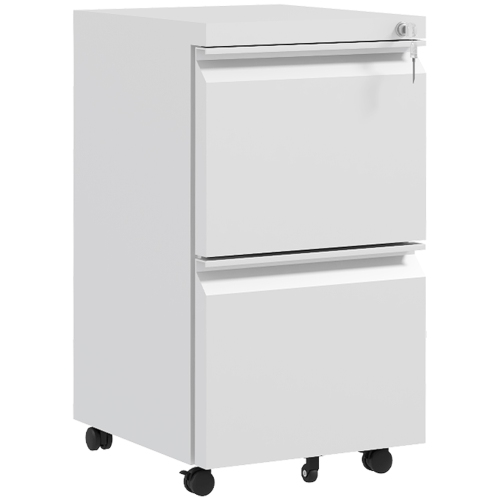
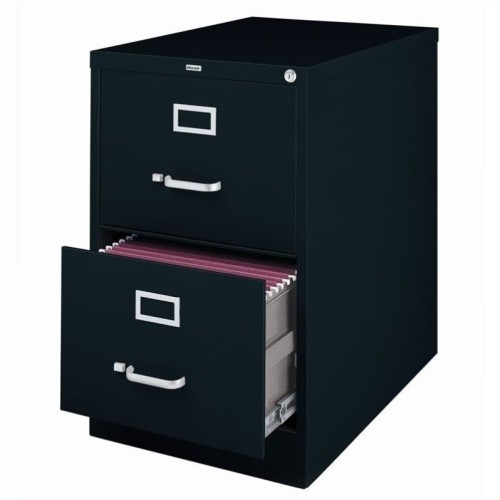
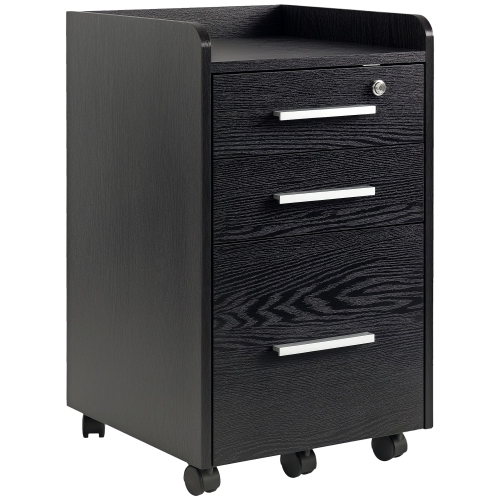
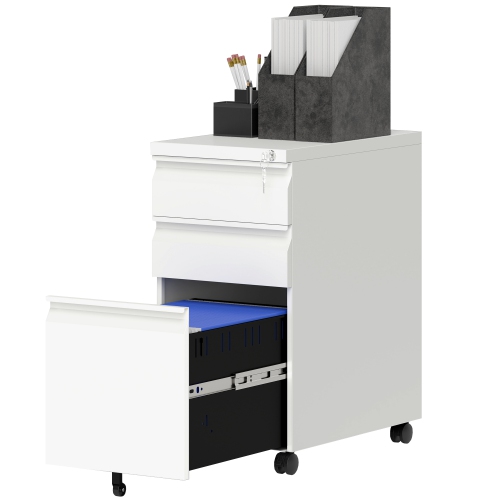
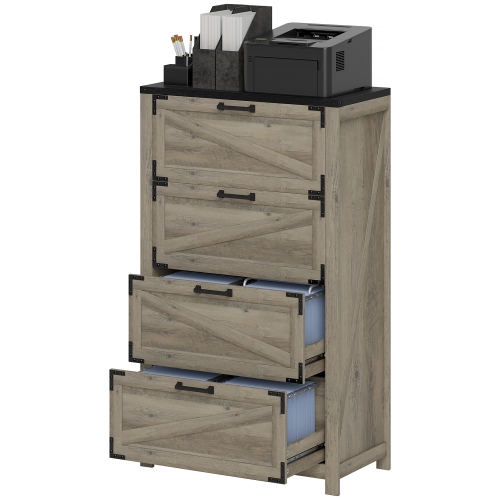
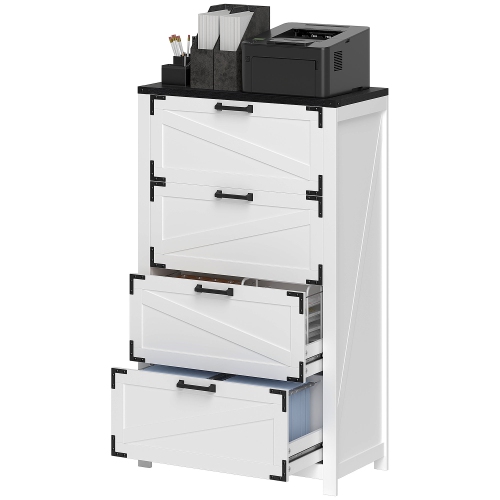
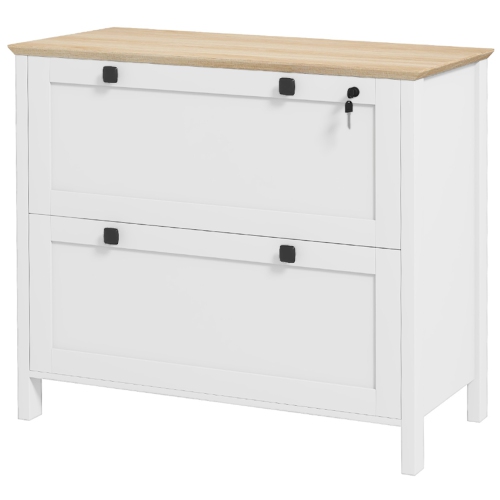
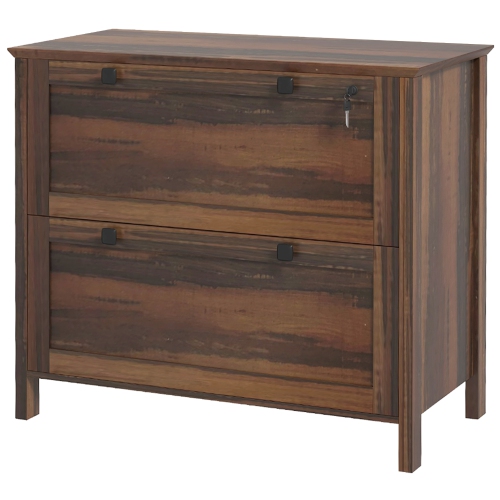
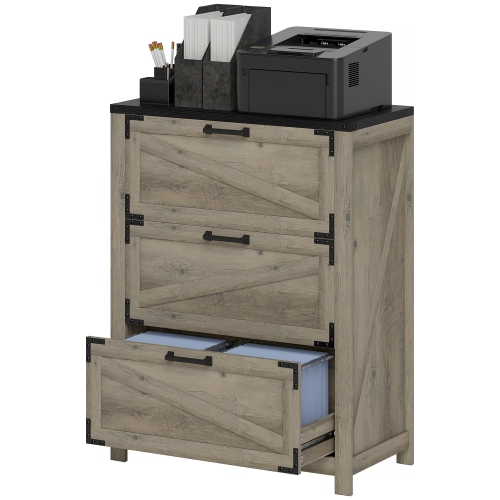
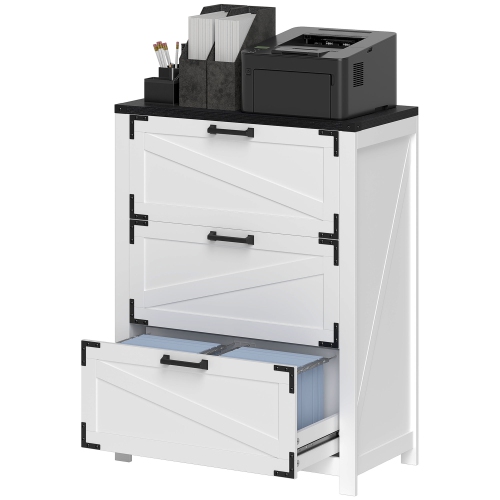
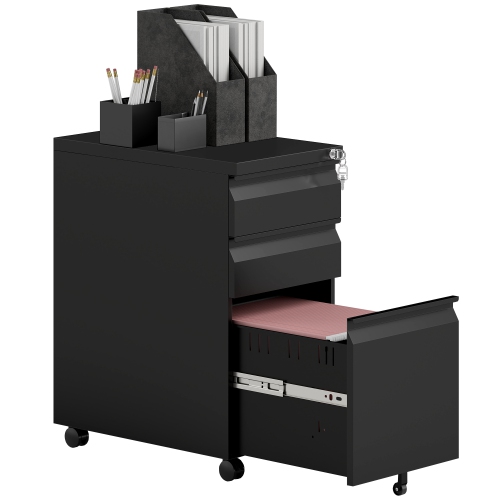
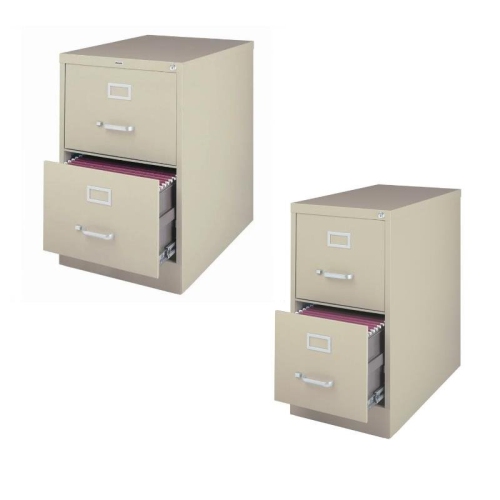
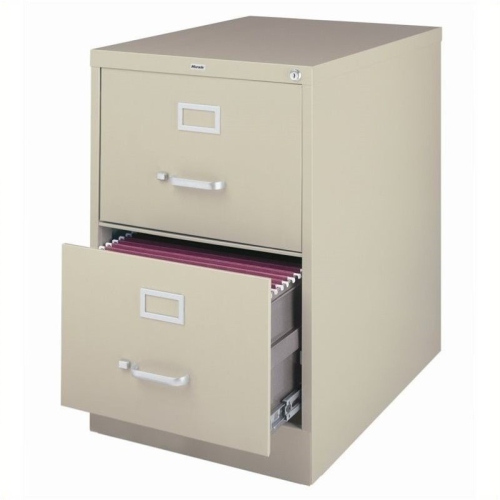
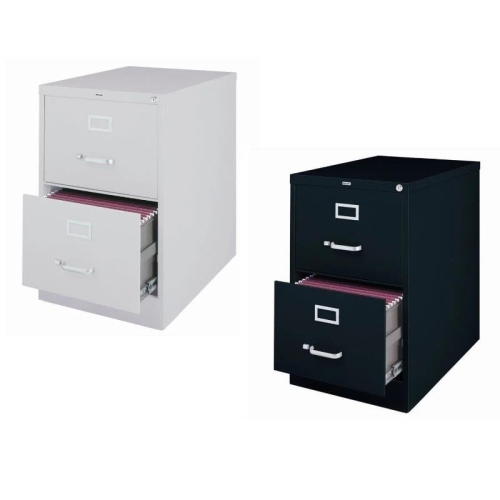
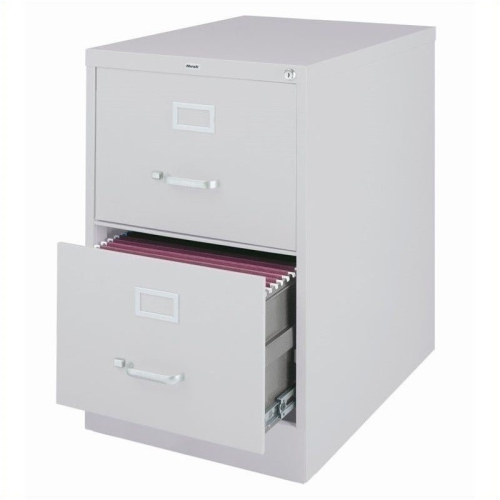
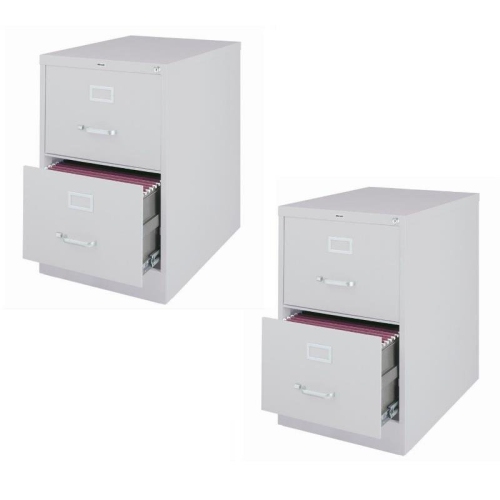
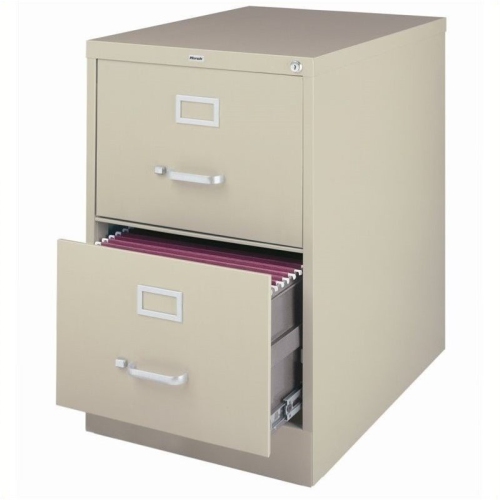
Legal filing cabinets are specialized storage units designed to hold legal-size documents without bending, folding, or forcing folders into a smaller drawer. Legal paperwork is typically 8.5 x 14 inch, compared with 8.5 x 11 inch letter-size sheets, so a cabinet made for legal files generally has drawers that are wider or deeper than those in a standard letter filing cabinet. Many legal-size drawers provide at least 15.5 inches of usable space, giving folders enough room to sit flat and allowing papers to be removed without catching on the drawer sides. This extra capacity is helpful for law offices, accounting practices, property management companies, medical and dental offices, schools, government departments, contractors, small businesses, and home offices that keep contracts, permits, plans, tax records, case notes, invoices, or other long-form documents. A legal filing cabinet can also be useful for anyone managing several years of household records, such as insurance paperwork, renovation documents, property files, vehicle records, and estate planning materials. Instead of stacking folders in boxes or leaving them in uneven piles, a properly sized cabinet keeps information grouped, labelled, and easier to retrieve. During the cooler months, when home projects and office organization often move indoors, adding a dedicated filing cabinet can make a work area feel more settled and practical. For people who prefer a tidy desk, the cabinet creates a clear landing place for paperwork while keeping frequently used files close at hand.
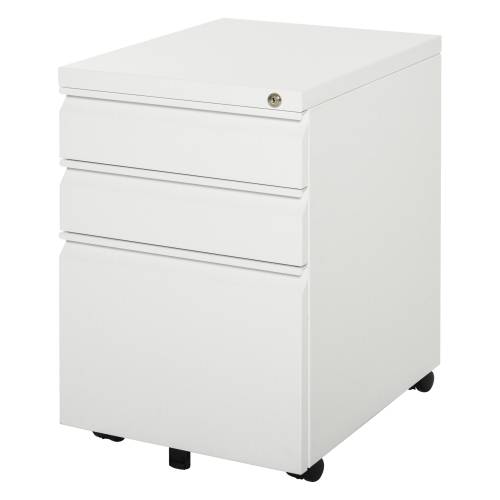
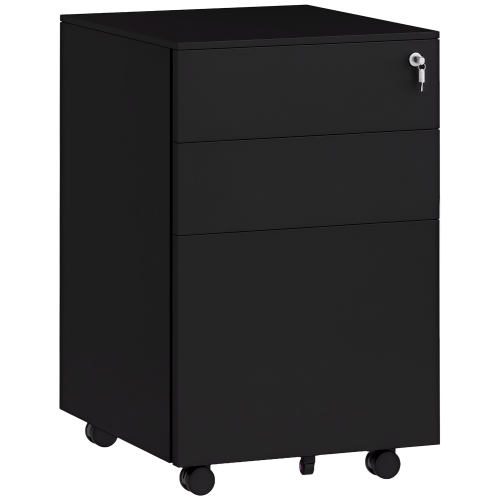
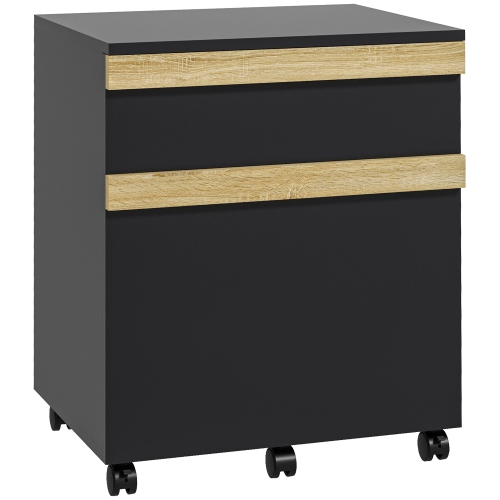
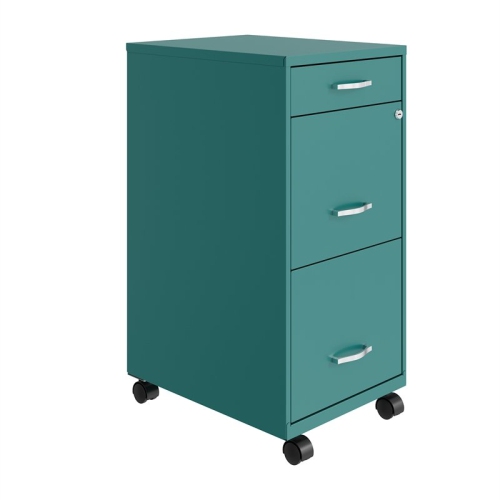
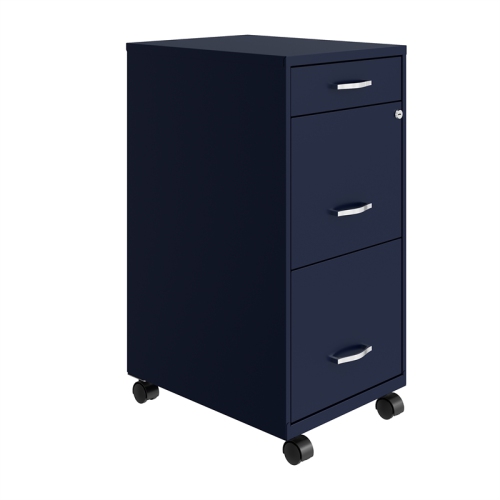
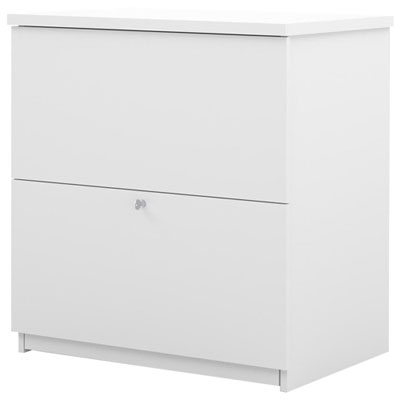
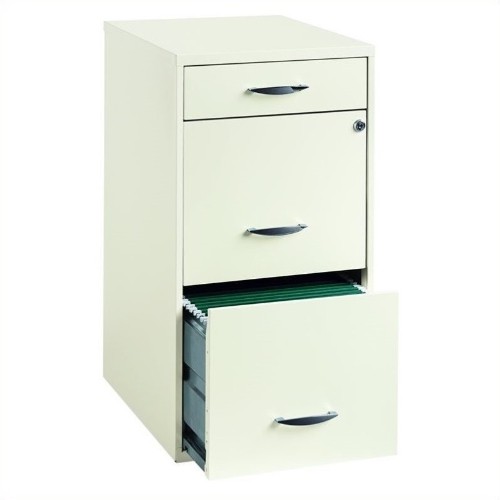
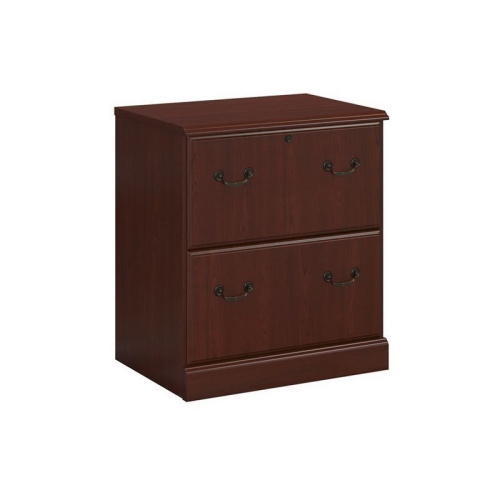
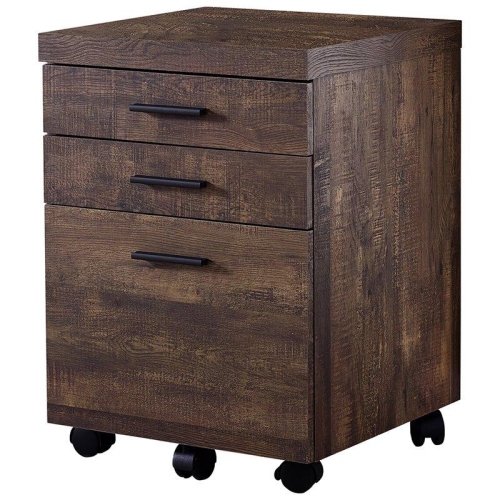
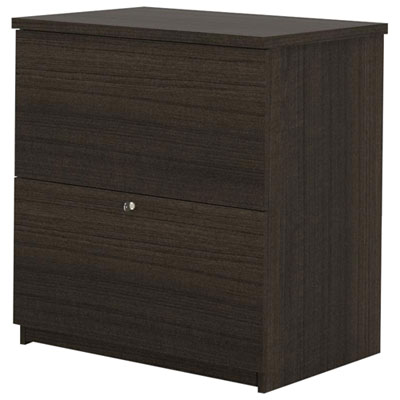
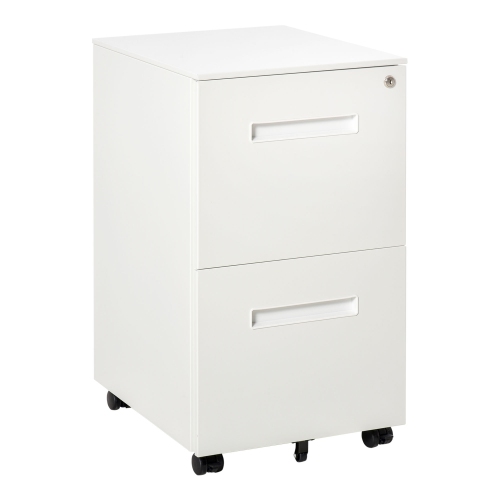
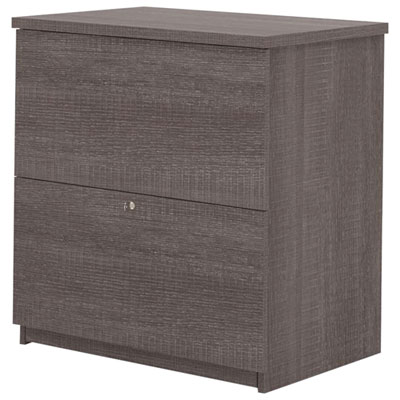
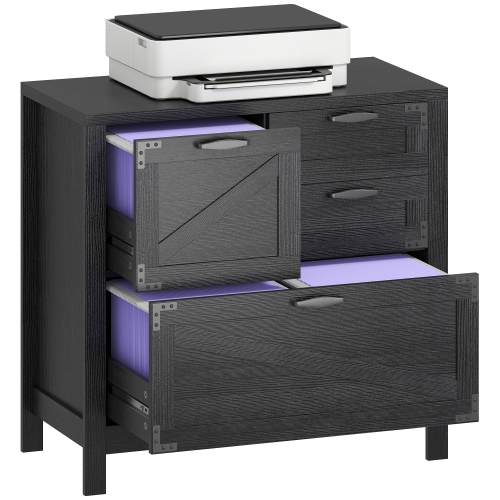
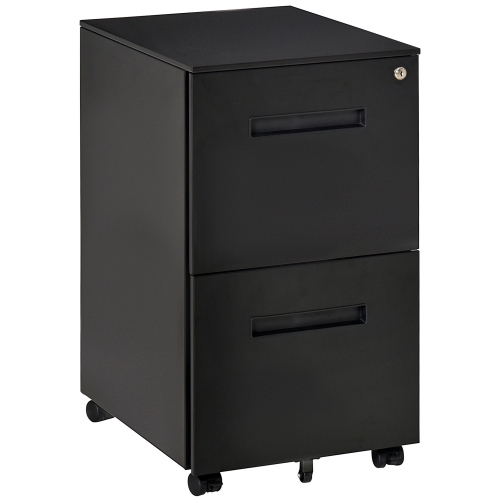
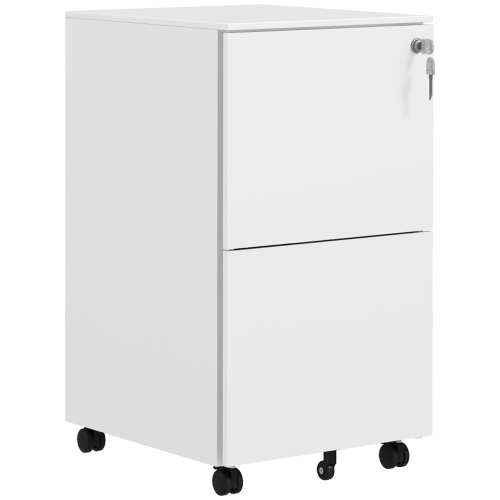
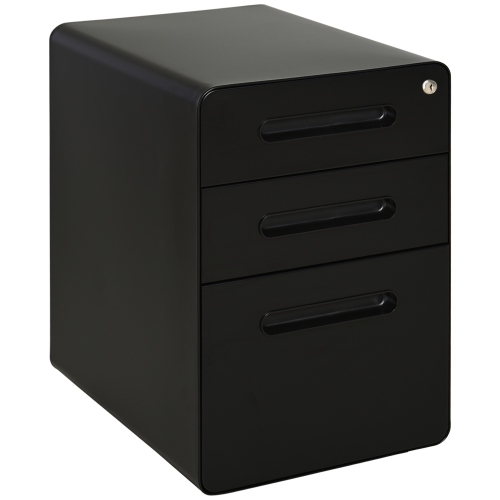
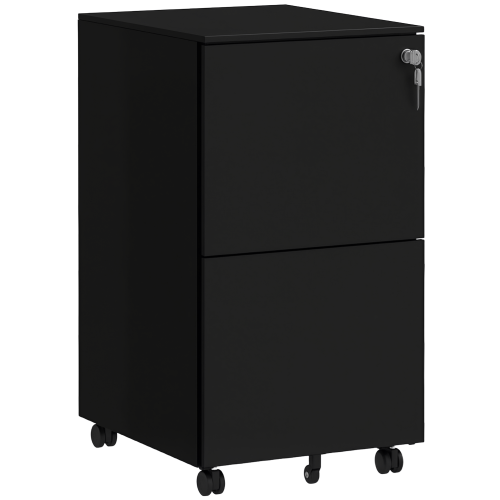
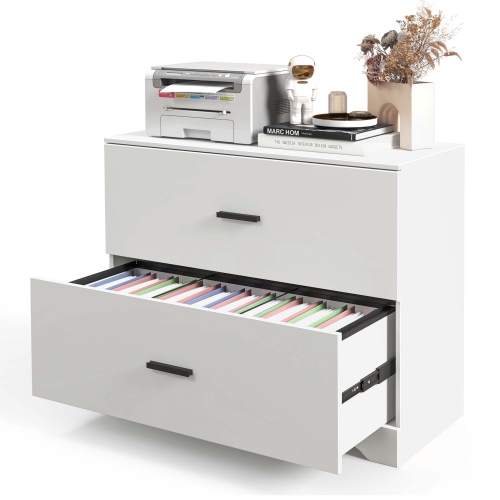
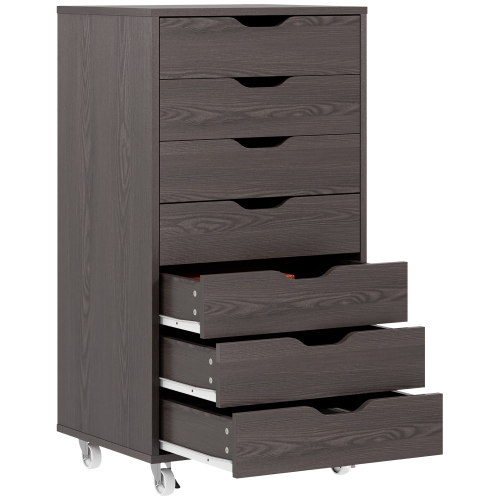
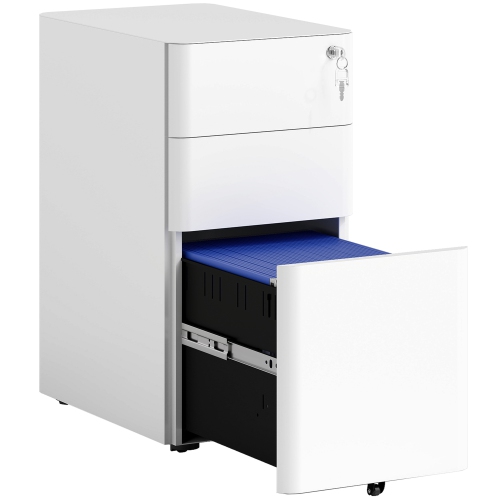
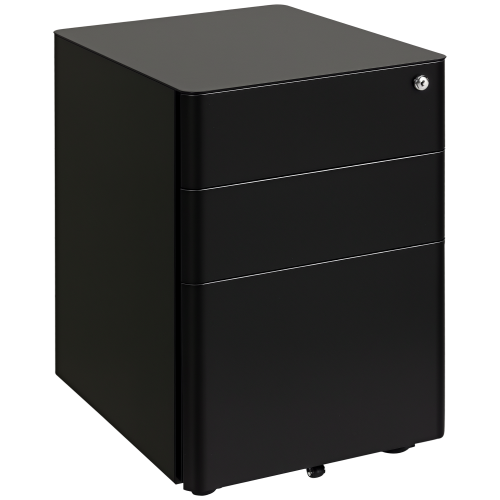
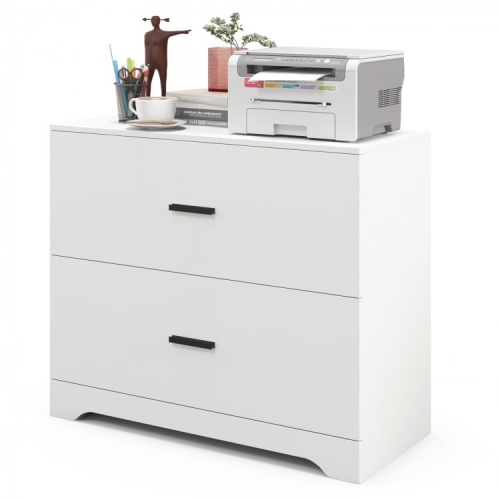
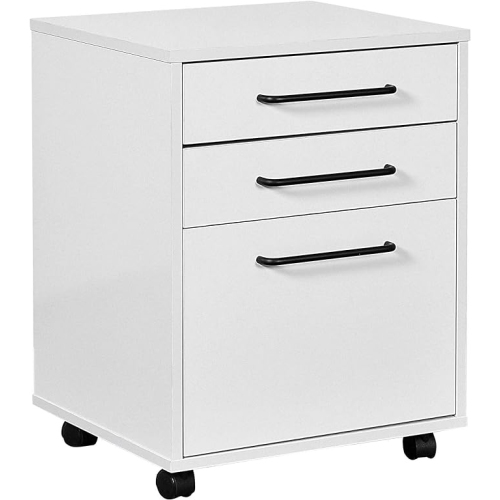
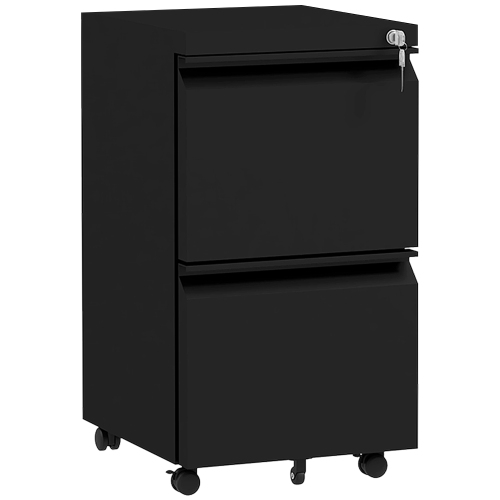
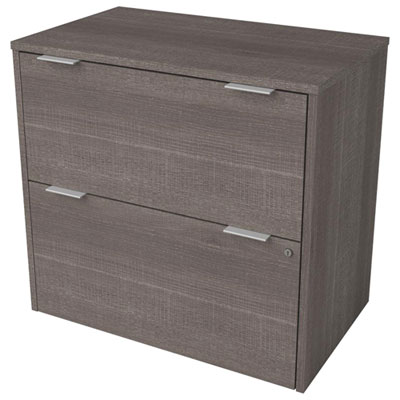
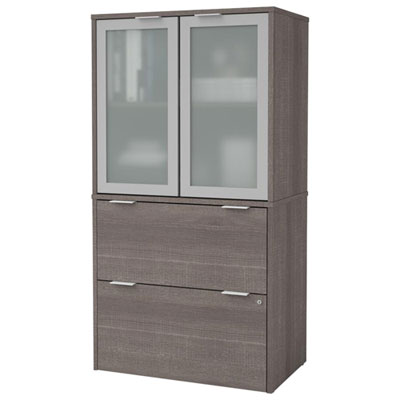
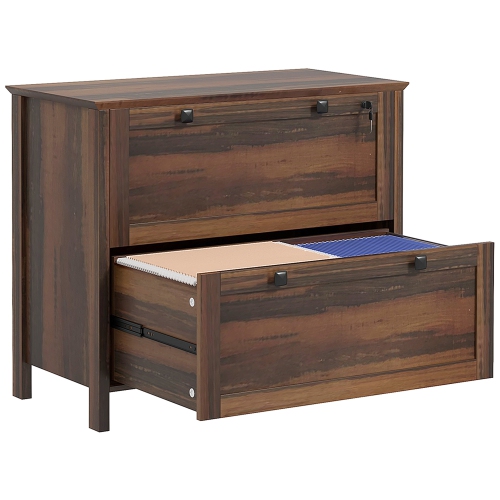
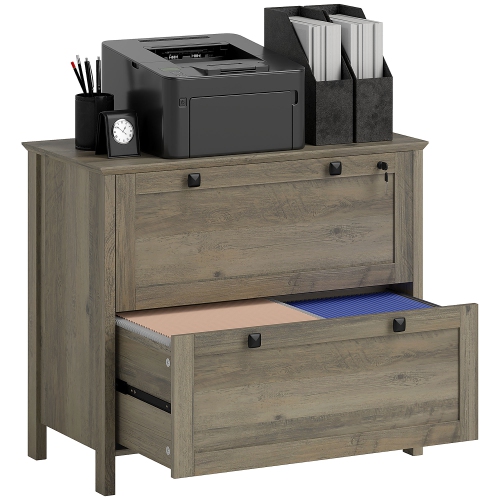
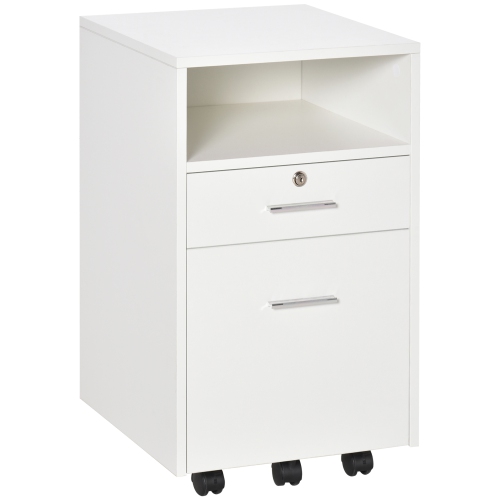
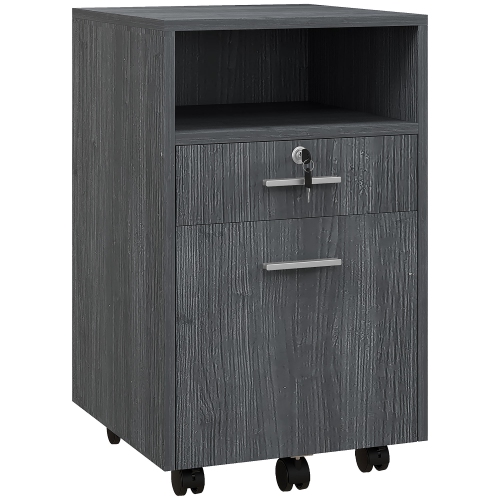
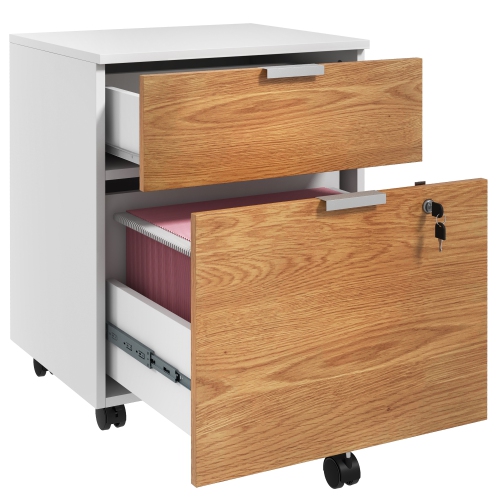
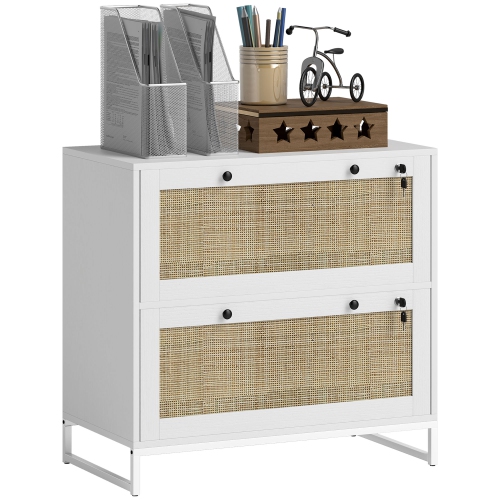
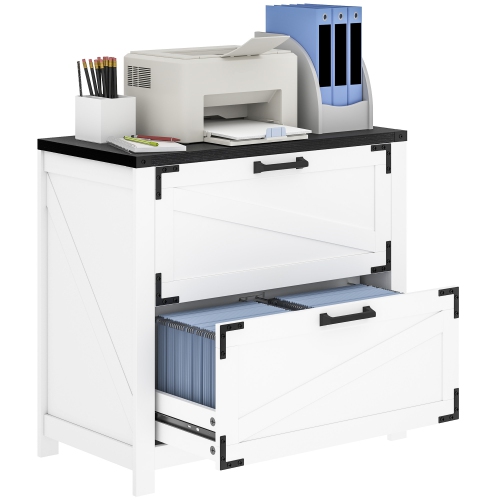
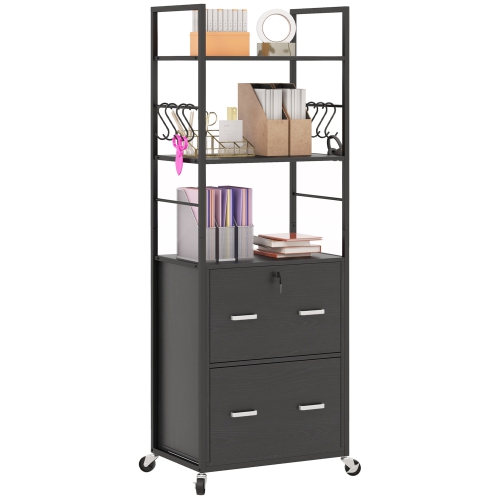
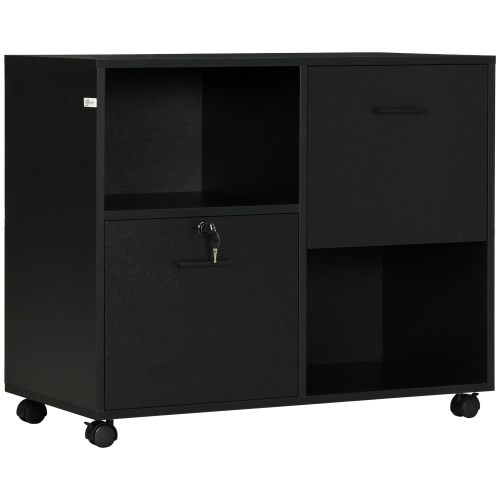
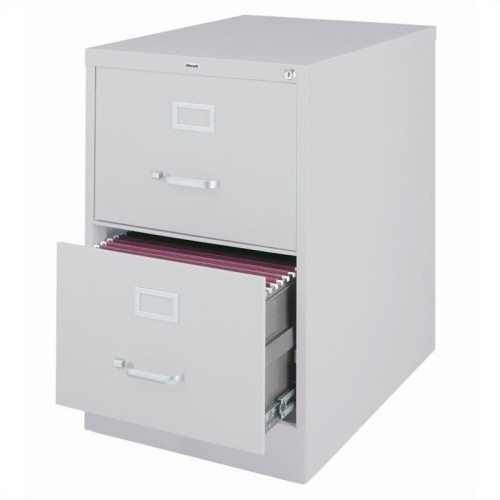
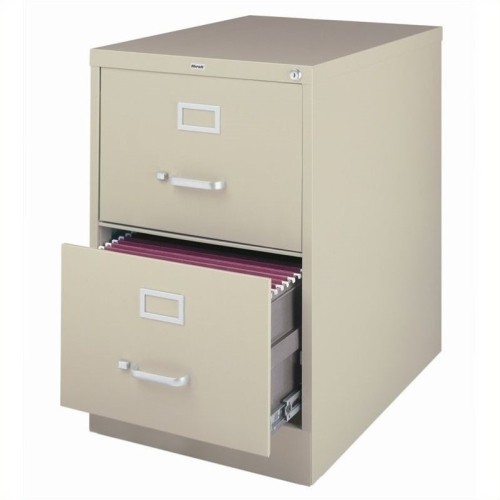
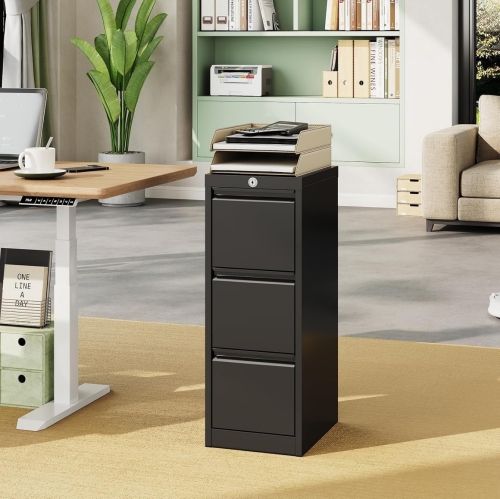
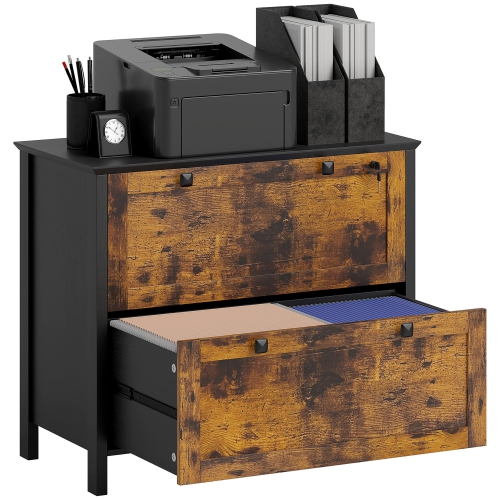
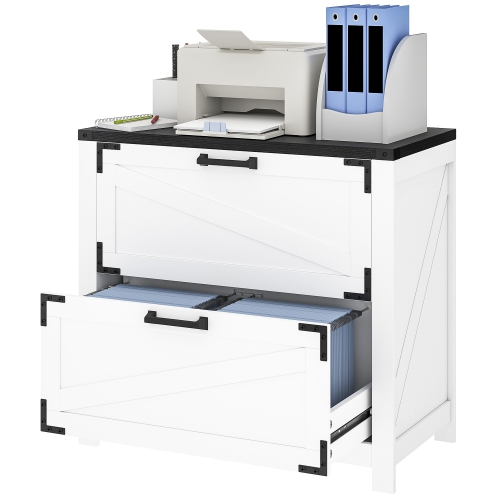
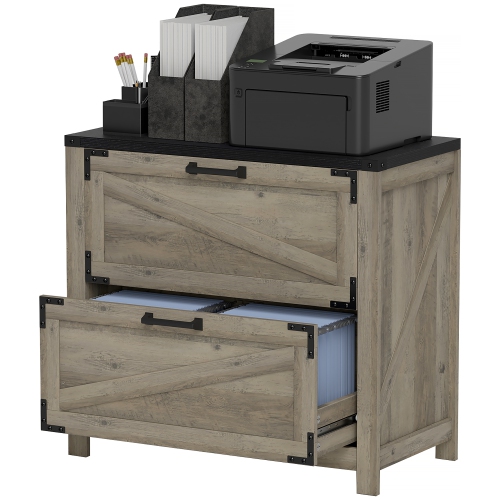
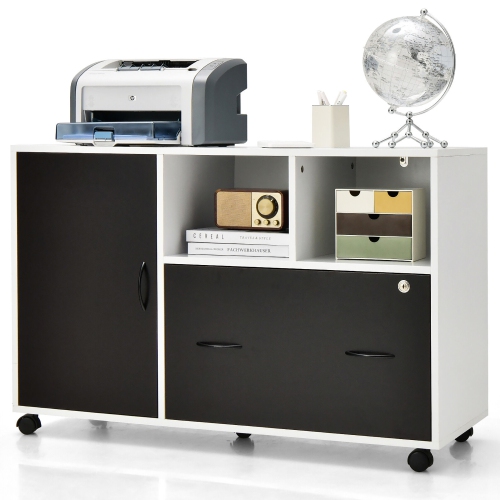
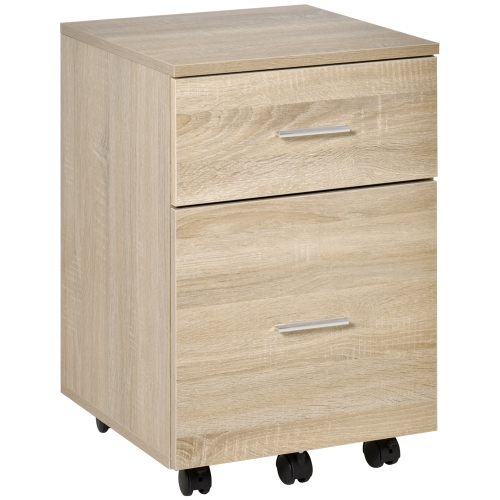
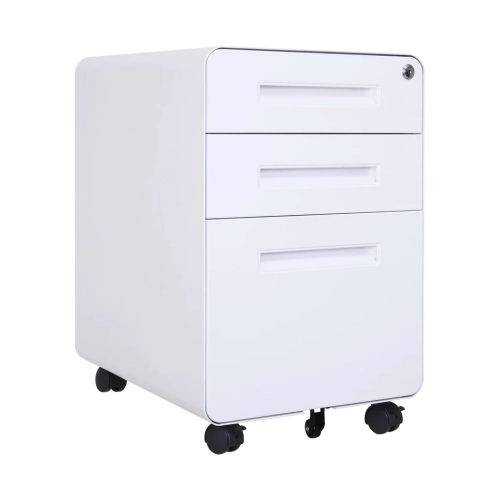
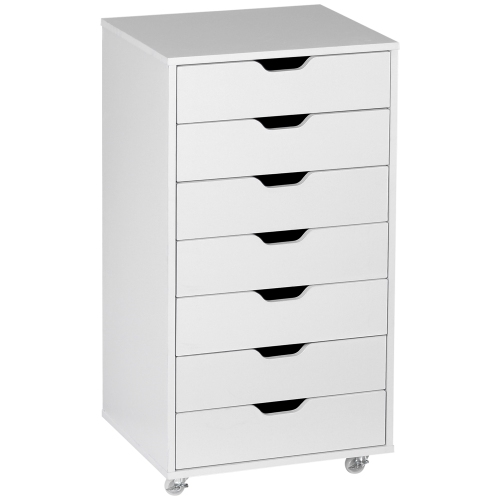
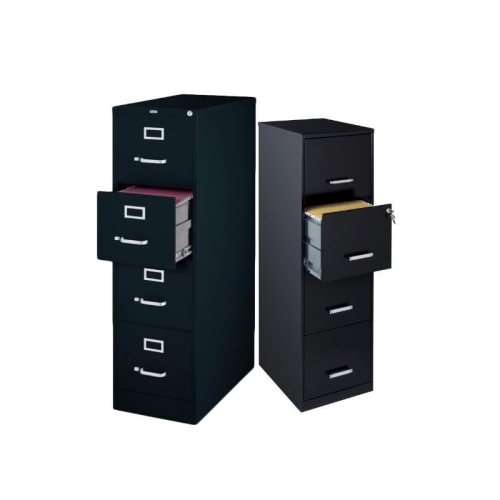
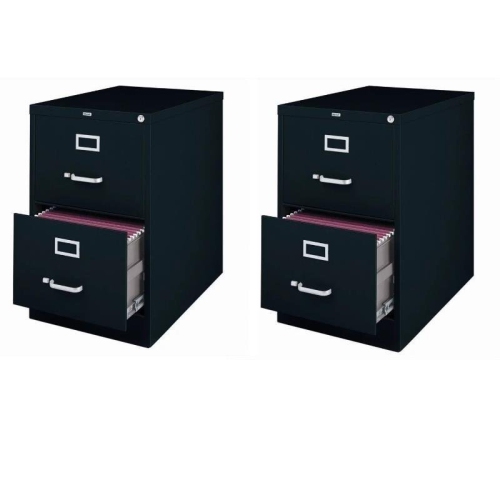
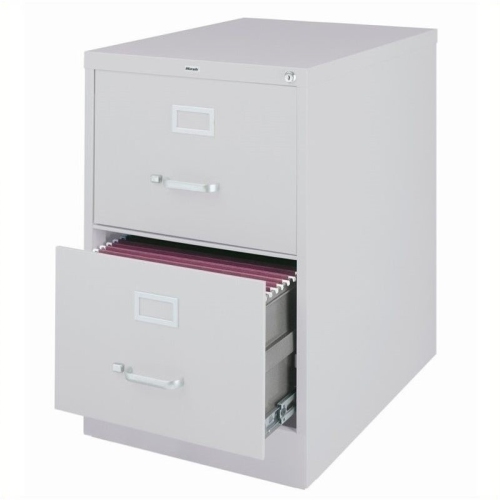
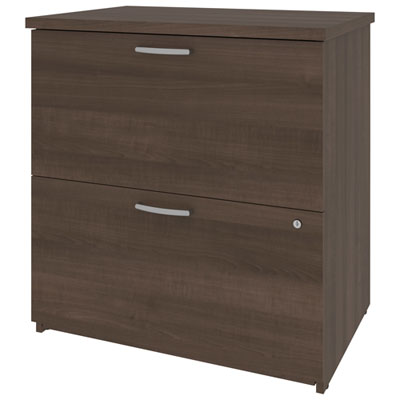
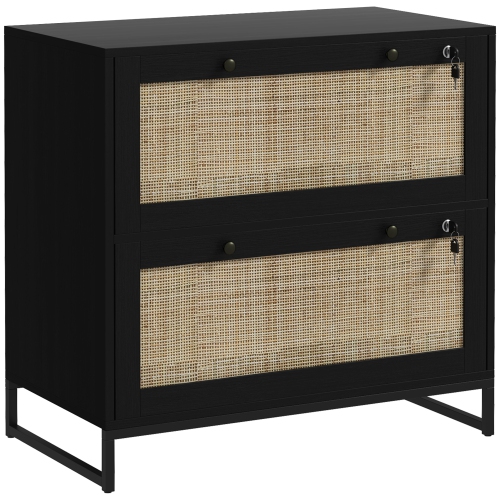
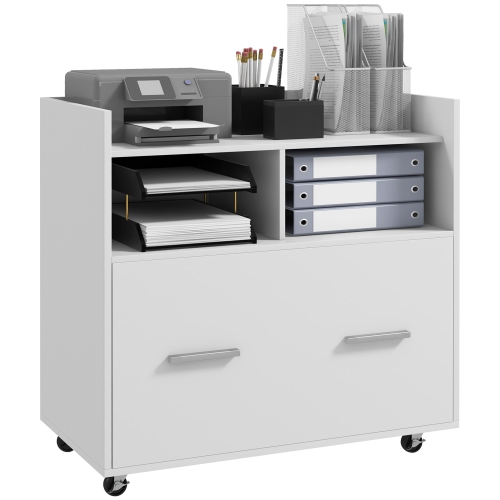
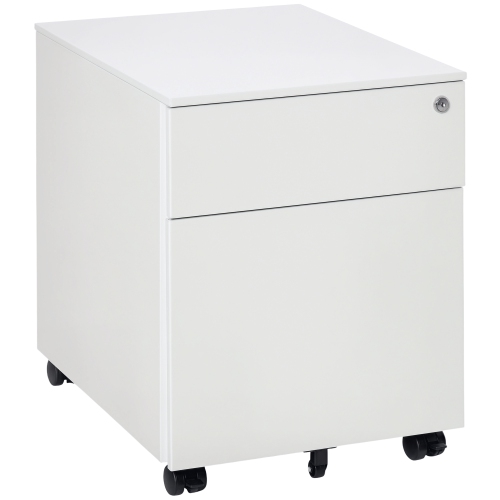
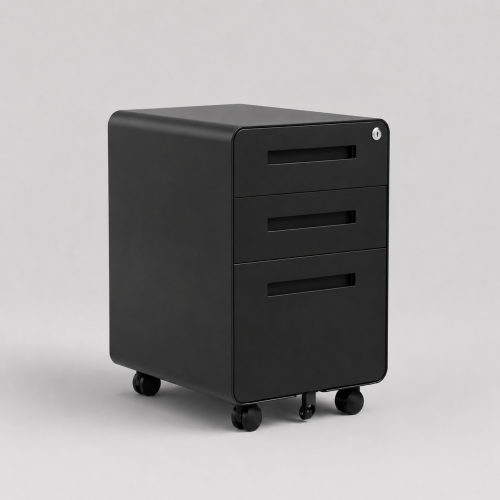
When choosing a legal filing cabinet, begin with the cabinet style and the way the available floor space is arranged. A vertical model uses a smaller footprint and stores files in drawers that extend from the front, making it a useful choice for a compact office, a narrow wall, or a workspace shared with other furniture. A lateral model is wider and usually lets folders run from side to side, providing a broad surface for sorting and a convenient view of several file groups when a drawer is open. Lateral cabinets can be especially practical in reception areas, behind a desk, or along a wall where width is available but there is less room for a drawer to project outward. Drawer quantity affects both capacity and organization: a two-drawer cabinet may suit a smaller collection or a home office, while additional drawers can separate active files, archived records, financial documents, and client folders. Check the internal measurements rather than relying only on the exterior size, since frame design, drawer slides, and locking hardware can reduce usable space. Adjustable hang rails or file supports add flexibility by helping legal folders stay upright, and some designs allow letter-size folders to be arranged in the same drawer with the right bars or rails. This versatility can be valuable when a filing system includes both legal and letter paperwork. A legal-size cabinet can often accommodate letter-size files, but a letter-size cabinet generally cannot hold 14-inch documents without bending them. Also measure doorways, stairwells, elevators, and the intended installation area before ordering, particularly for a heavy steel cabinet. Leave enough clearance to open drawers fully and walk safely around the unit. If some papers do not need to be stored in a drawer, stackable Legal File Boxes can provide another way to group records by project, year, or department.
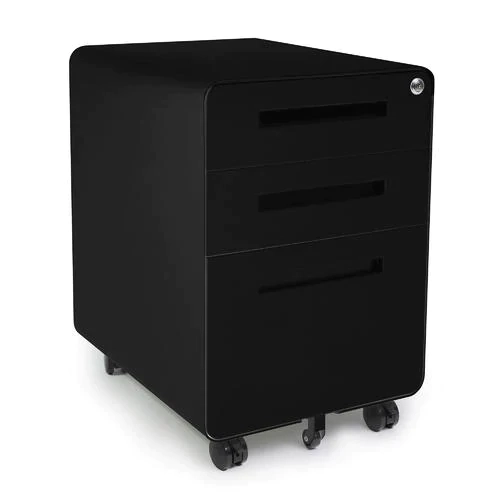
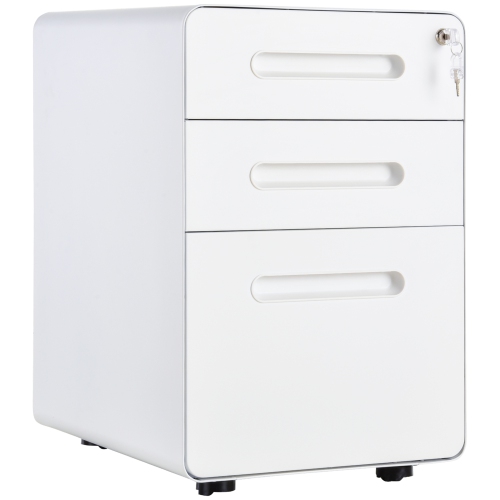
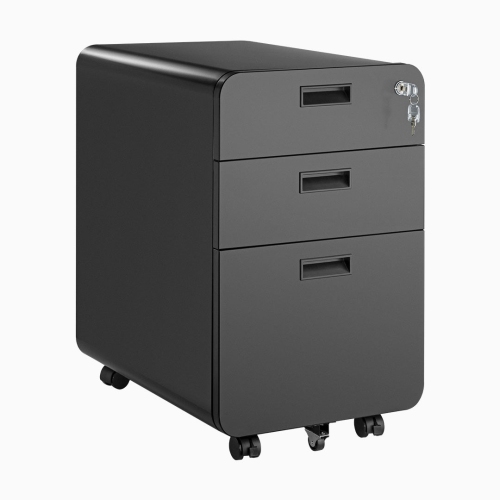
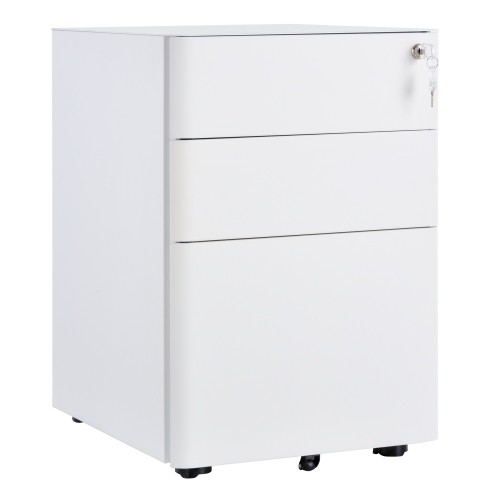
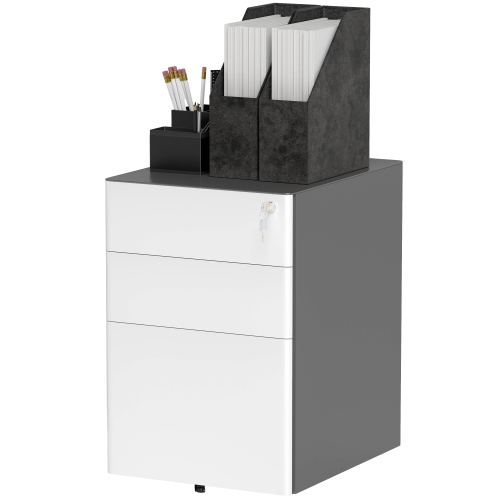
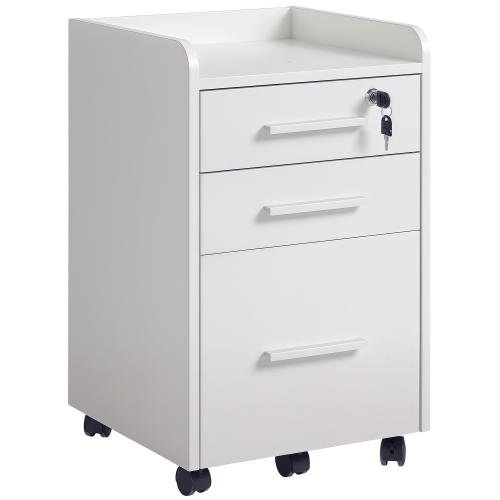
Construction, security, and everyday handling are just as important as capacity. Steel filing cabinets are commonly selected for busy offices because they offer a sturdy feel and resist the wear that comes from repeated opening, closing, and folder movement. Look for reinforced drawer fronts, smooth-gliding suspension, and a frame that remains stable when a drawer is extended. Full-extension slides can make it easier to see files at the back, while anti-tip mechanisms are designed to reduce the risk of more than one drawer being opened at once. A lock can help limit access to confidential client, employee, financial, or household records, although the type and strength of the lock vary by model. For a shared workplace, consider placing active files in the most accessible drawer and less frequently used records lower down or in a separate archive area. Clear labels, consistent folder names, and a simple arrangement from newest to oldest can save time when a document is needed quickly. In a home office, neutral finishes can blend with desks and shelving, while a durable powder-coated surface is straightforward to wipe clean. Think about the people who will use the cabinet every day: a busy administrator may value fast, quiet drawer operation; a small business owner may prefer a lockable two-drawer design; and a student, new homeowner, or remote worker may appreciate a compact way to organize important records. A filing cabinet is also a practical gift for someone setting up a first office, managing a growing business, or moving into a new home. The best choice balances the size of the documents, the number of files, the available floor area, and the level of access control needed, creating an orderly system that remains useful long after the initial paperwork has been put away.
When choosing a legal filing cabinet, begin with the cabinet style and the way the available floor space is arranged. A vertical model uses a smaller footprint and stores files in drawers that extend from the front, making it a useful choice for a compact office, a narrow wall, or a workspace shared with other furniture. A lateral model is wider and usually lets folders run from side to side, providing a broad surface for sorting and a convenient view of several file groups when a drawer is open. Lateral cabinets can be especially practical in reception areas, behind a desk, or along a wall where width is available but there is less room for a drawer to project outward. Drawer quantity affects both capacity and organization: a two-drawer cabinet may suit a smaller collection or a home office, while additional drawers can separate active files, archived records, financial documents, and client folders. Check the internal measurements rather than relying only on the exterior size, since frame design, drawer slides, and locking hardware can reduce usable space. Adjustable hang rails or file supports add flexibility by helping legal folders stay upright, and some designs allow letter-size folders to be arranged in the same drawer with the right bars or rails. This versatility can be valuable when a filing system includes both legal and letter paperwork. A legal-size cabinet can often accommodate letter-size files, but a letter-size cabinet generally cannot hold 14-inch documents without bending them. Also measure doorways, stairwells, elevators, and the intended installation area before ordering, particularly for a heavy steel cabinet. Leave enough clearance to open drawers fully and walk safely around the unit. If some papers do not need to be stored in a drawer, stackable Legal File Boxes can provide another way to group records by project, year, or department.
Construction, security, and everyday handling are just as important as capacity. Steel filing cabinets are commonly selected for busy offices because they offer a sturdy feel and resist the wear that comes from repeated opening, closing, and folder movement. Look for reinforced drawer fronts, smooth-gliding suspension, and a frame that remains stable when a drawer is extended. Full-extension slides can make it easier to see files at the back, while anti-tip mechanisms are designed to reduce the risk of more than one drawer being opened at once. A lock can help limit access to confidential client, employee, financial, or household records, although the type and strength of the lock vary by model. For a shared workplace, consider placing active files in the most accessible drawer and less frequently used records lower down or in a separate archive area. Clear labels, consistent folder names, and a simple arrangement from newest to oldest can save time when a document is needed quickly. In a home office, neutral finishes can blend with desks and shelving, while a durable powder-coated surface is straightforward to wipe clean. Think about the people who will use the cabinet every day: a busy administrator may value fast, quiet drawer operation; a small business owner may prefer a lockable two-drawer design; and a student, new homeowner, or remote worker may appreciate a compact way to organize important records. A filing cabinet is also a practical gift for someone setting up a first office, managing a growing business, or moving into a new home. The best choice balances the size of the documents, the number of files, the available floor area, and the level of access control needed, creating an orderly system that remains useful long after the initial paperwork has been put away.
Top selling and popular products
-
 Your price for this item is $369.99
 -
 Your price for this item is $5599.99
 -
 Your price for this item is $4269.99
 -
 Your price for this item is $1639.99
 -
 Your price for this item is $967.99
 -
 Your price for this item is $369.99
 -
 Your price for this item is $399.93
 -
 Your price for this item is $5589.99
Discover more categories related to Legal Filing Cabinets
Top Collections:
Pokemon Centers, Kindle Devices, Best Budget Office Chairs, Apple iPhones 16, Best Laptops for Writers, iPhone 15 Apple, Canon G7X Cameras, Refurbished Apple Laptops, Alarm Clock, Motorola Razr Phones
Some products may be subject to Environmental Handling Fees
(EHF) depending on your province.
Learn more about EHFs.