Modern Filing Cabinets
Looking to bring a touch of organization and style to your home or office space? Look no further than our collection of modern filing cabinets. These sleek and functional storage solutions are designed to elevate your workspace while keeping your documents neatly organized. Whether you're a professional looking to create a productive work environment or simply want to declutter your home office, our range of modern filing cabinets offers the perfect blend of form and function. With a variety of sizes, finishes, and features available, finding the ideal filing cabinet to suit your needs has never been easier. Explore our selection today and discover the perfect addition to your space.
Sort

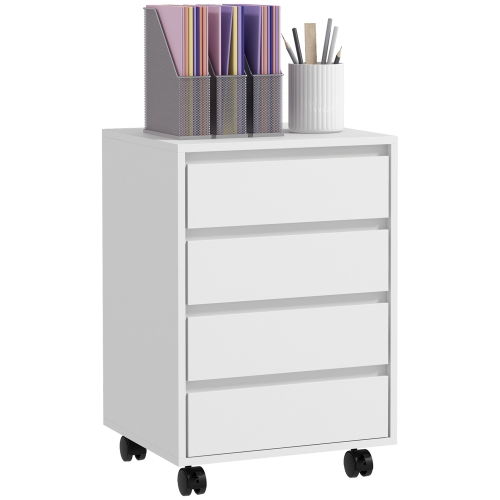
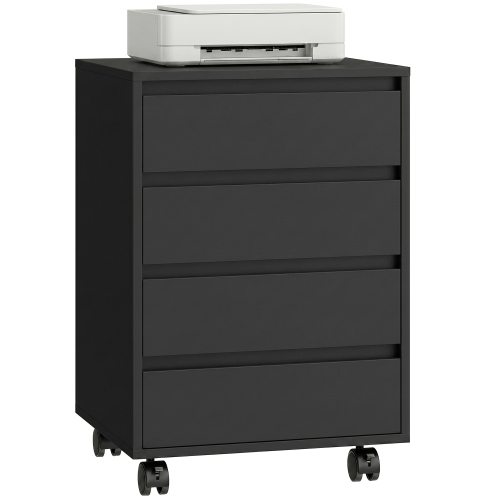
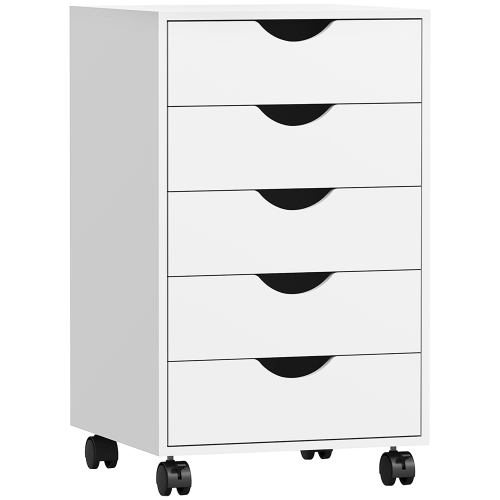
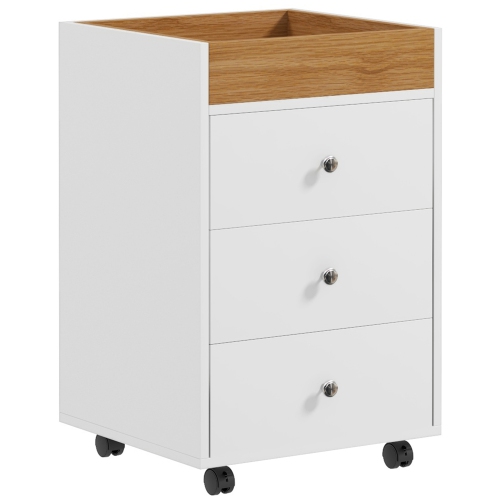
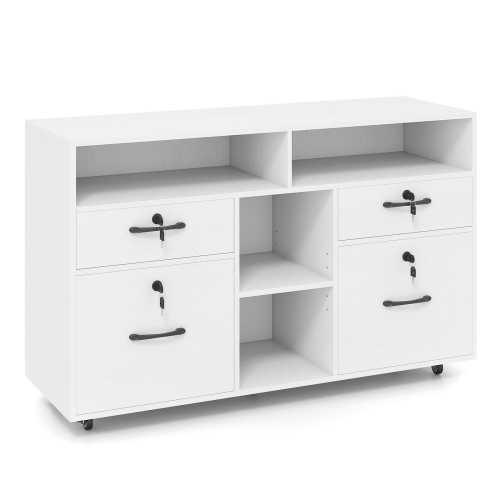
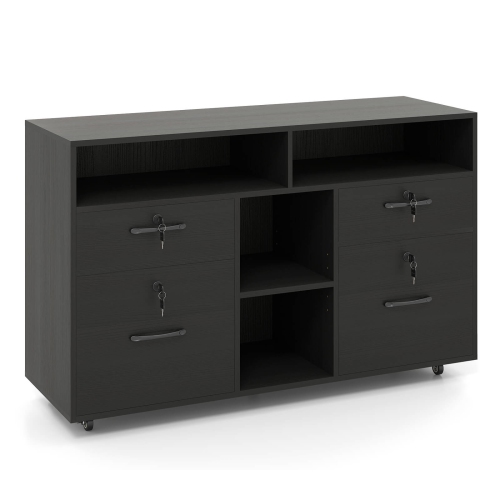
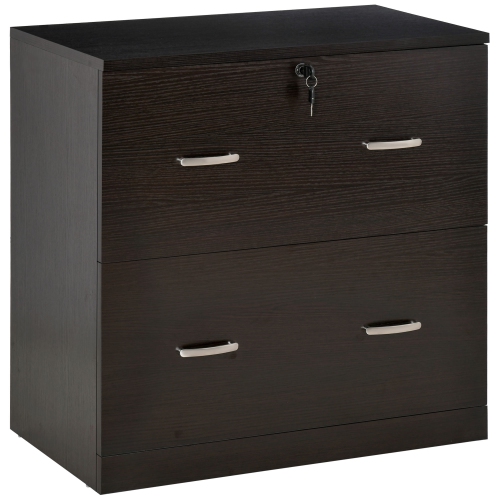

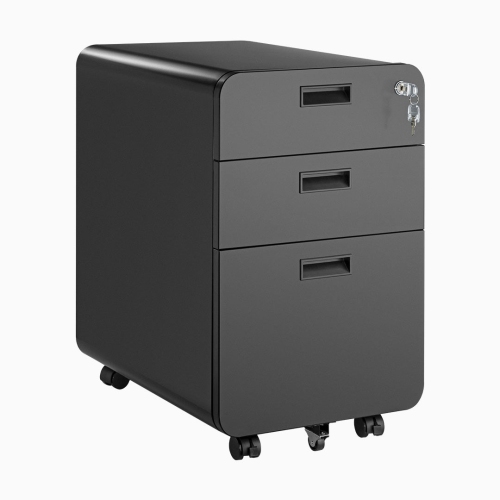
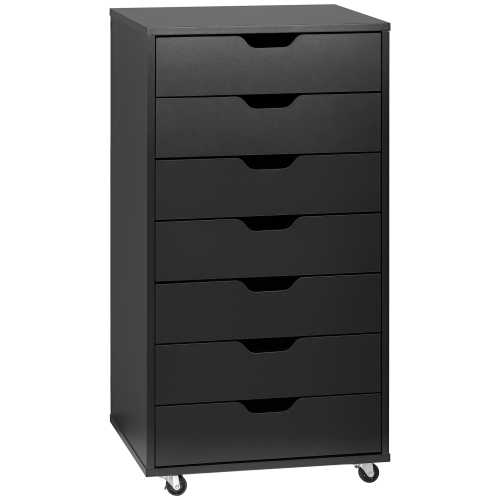
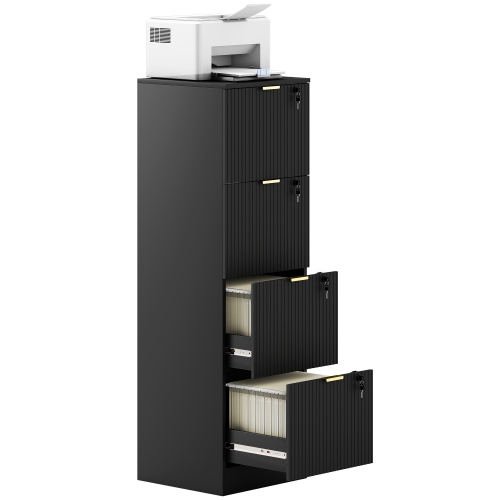
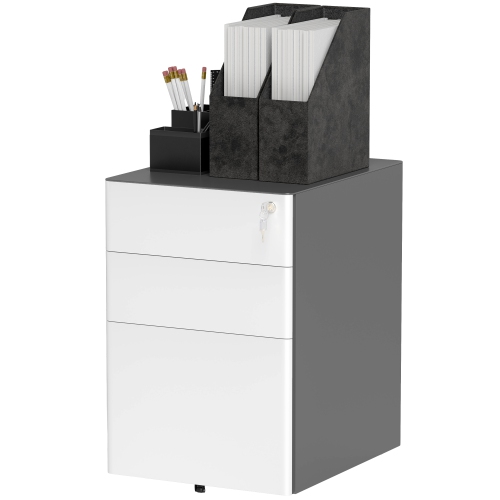
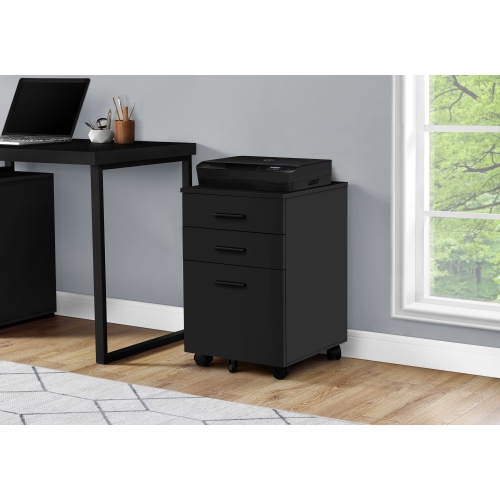
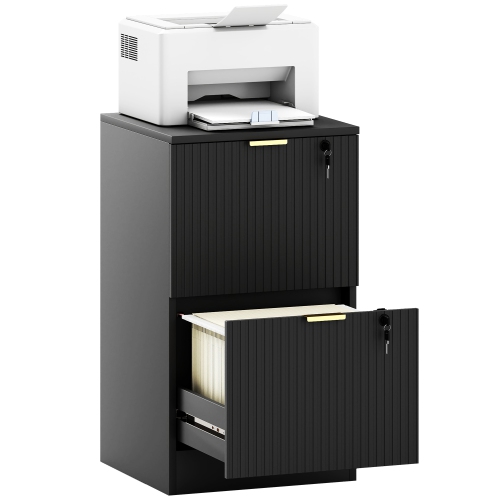
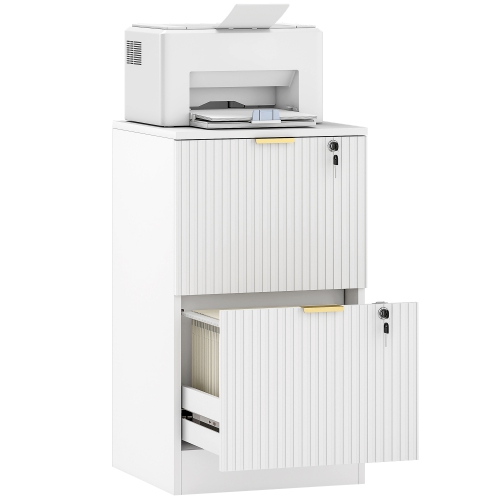
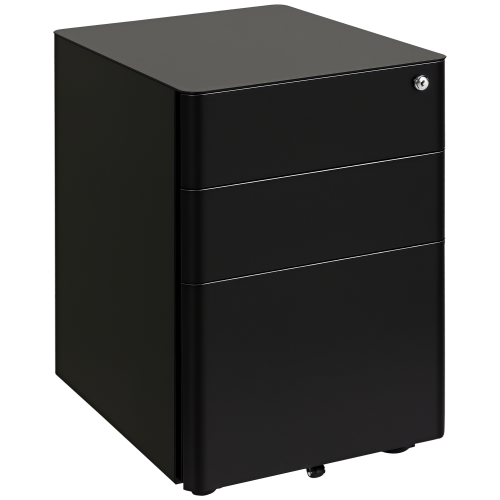
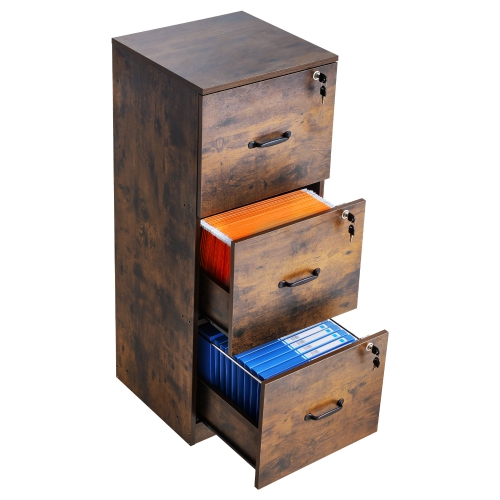


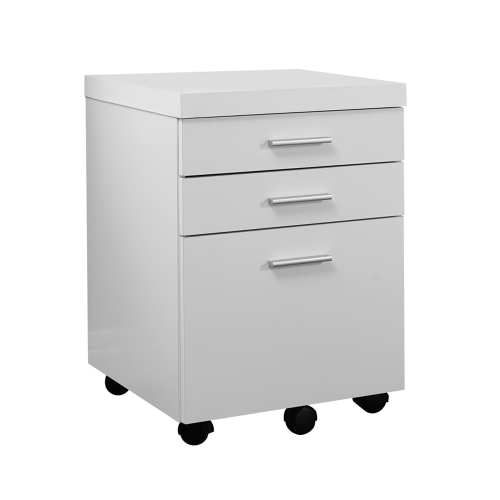
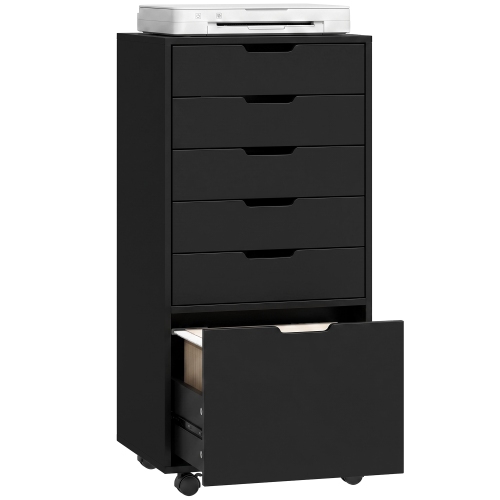
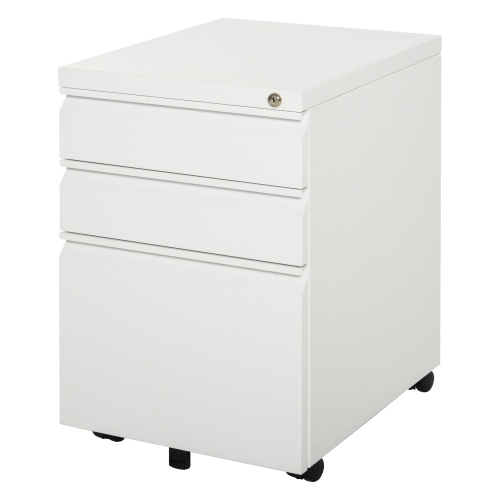
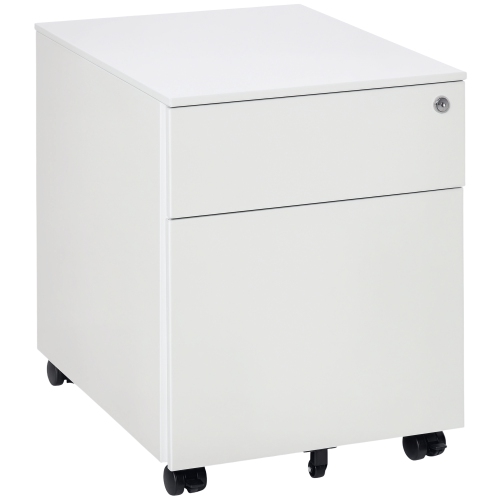

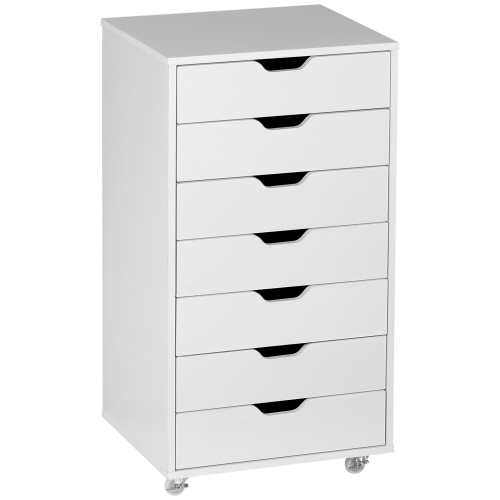
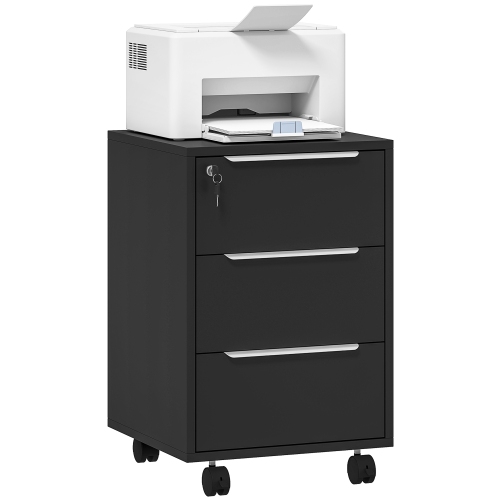
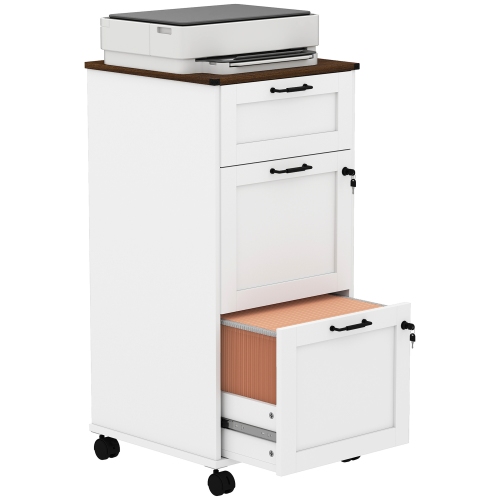

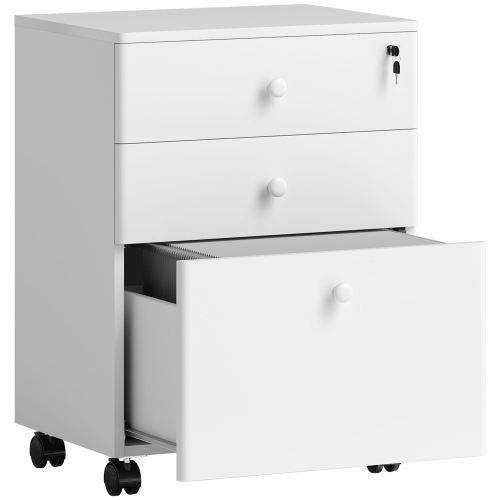
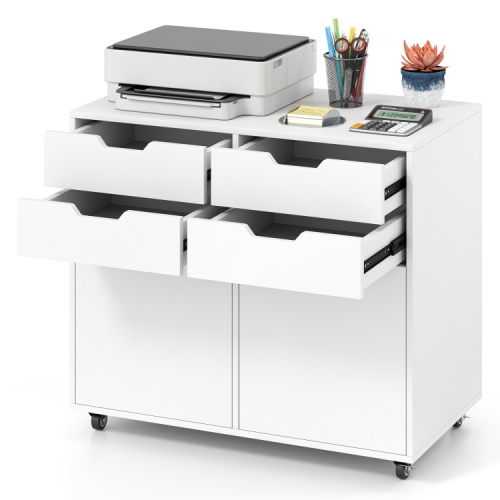
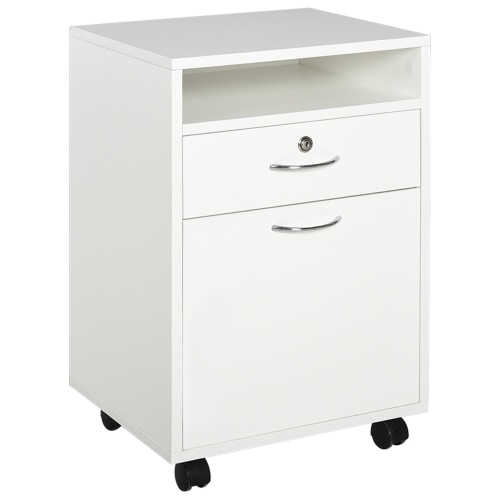
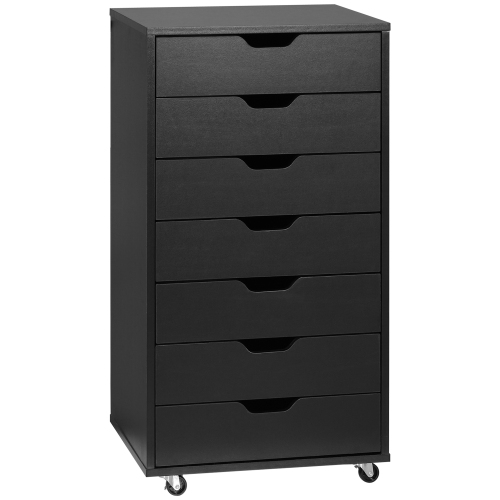
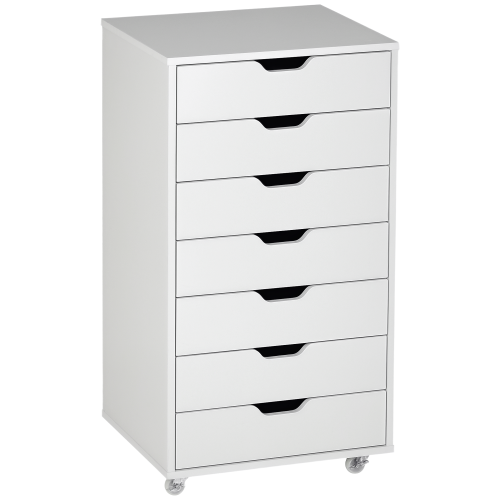
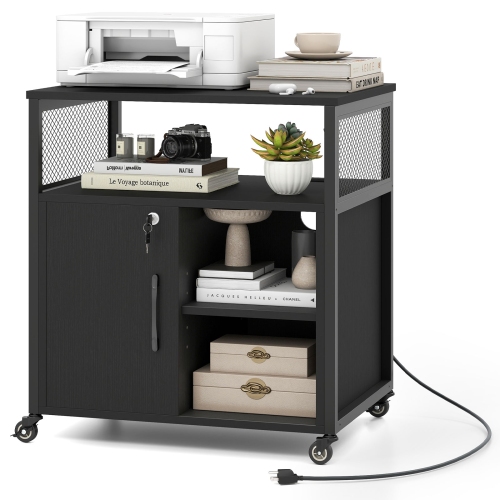
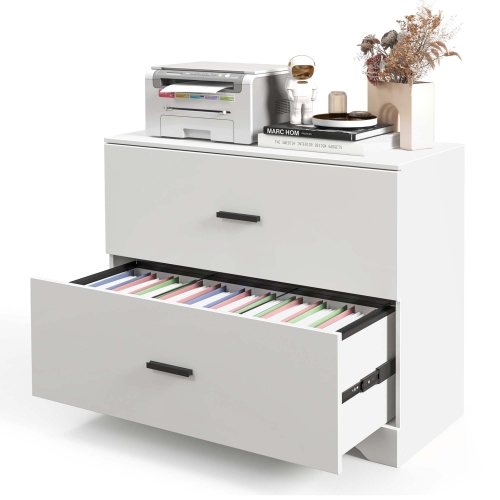
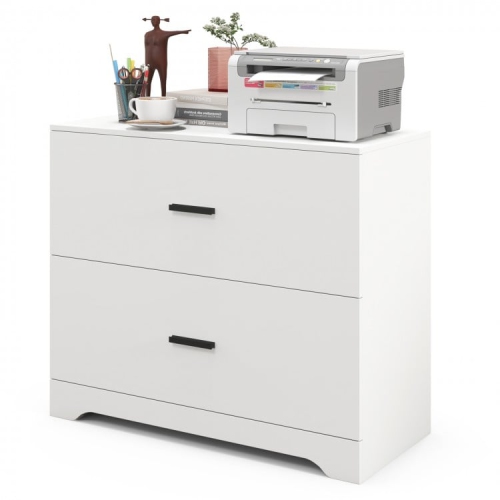
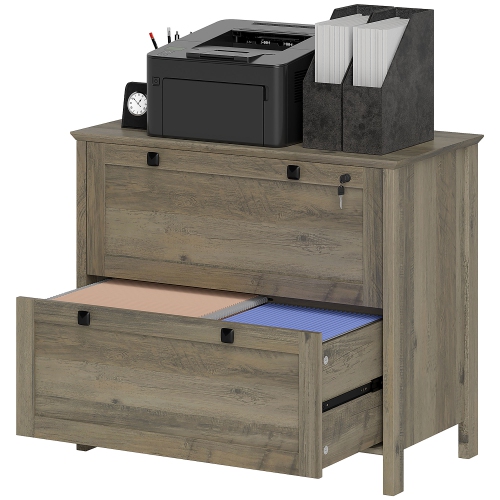
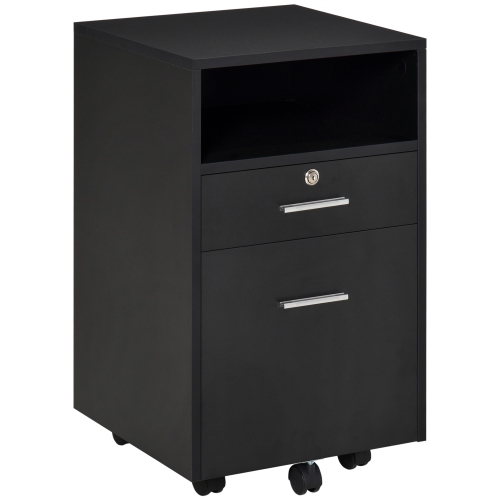
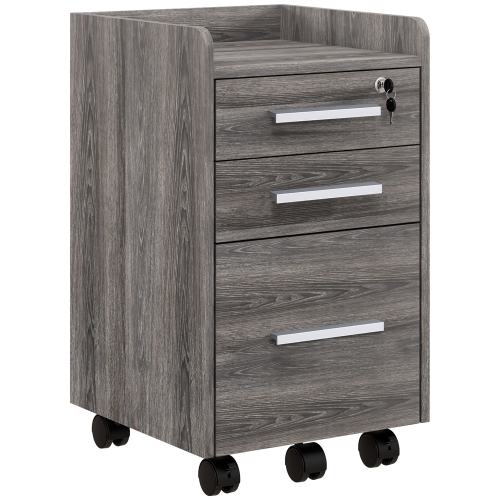
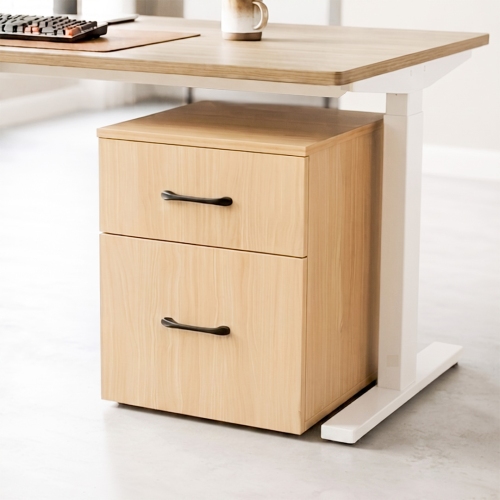
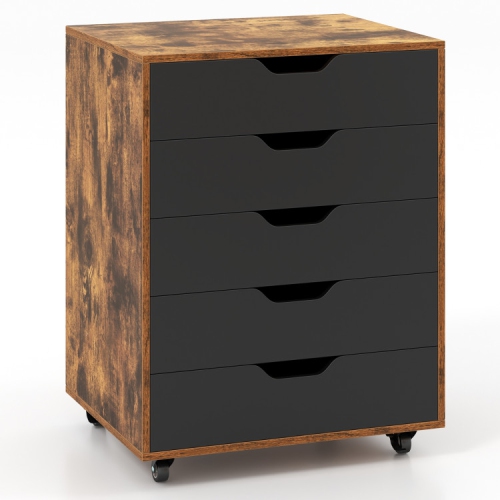
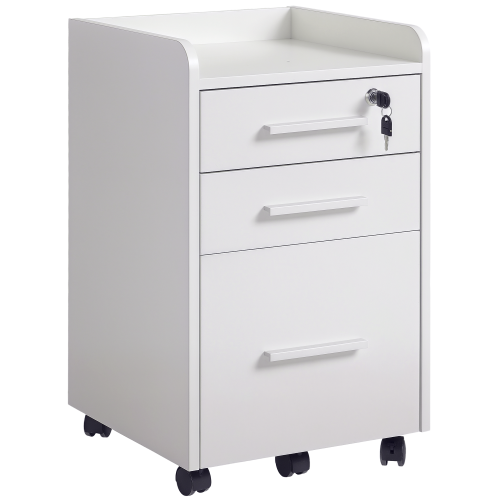
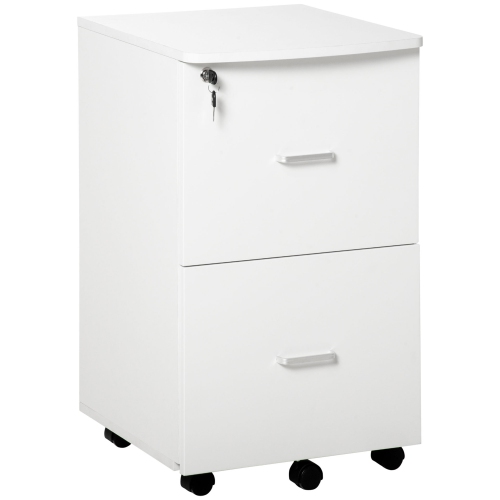
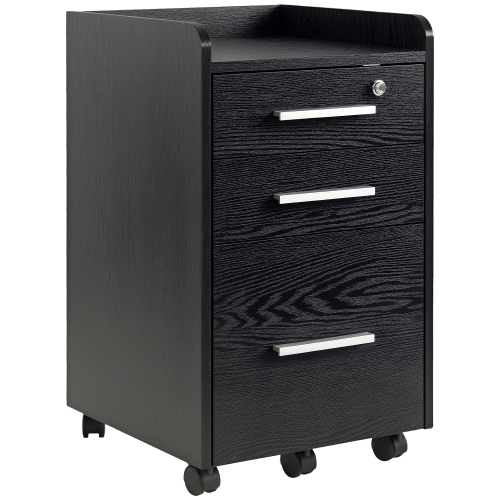
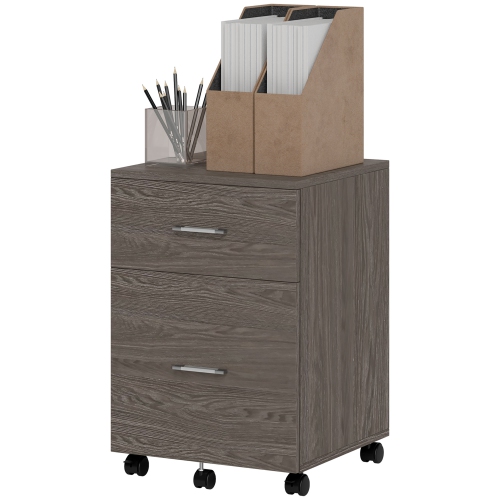
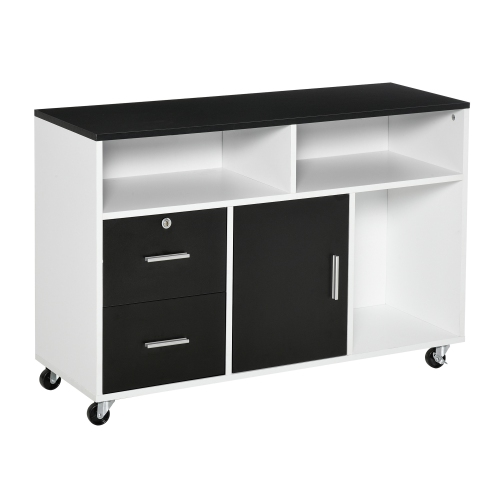
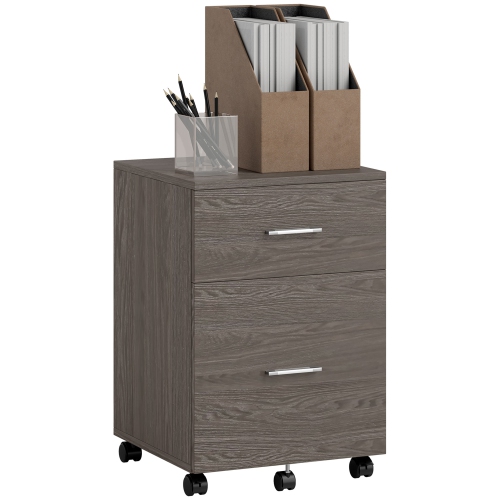
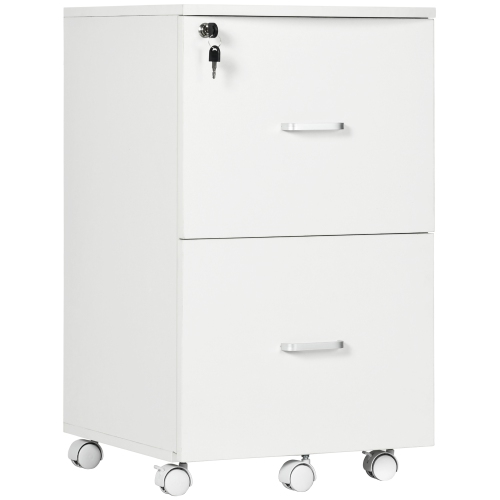

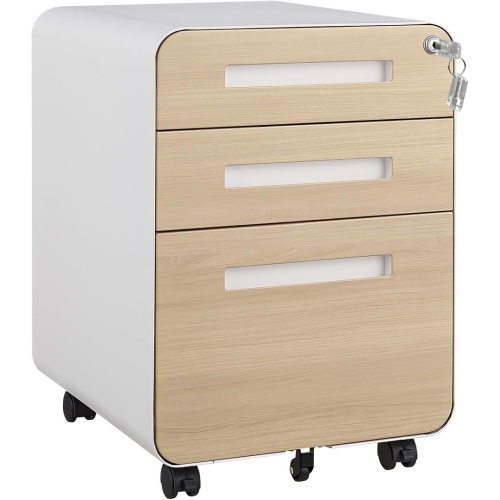
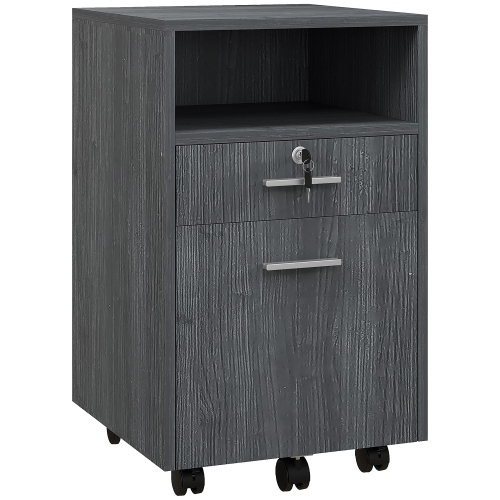
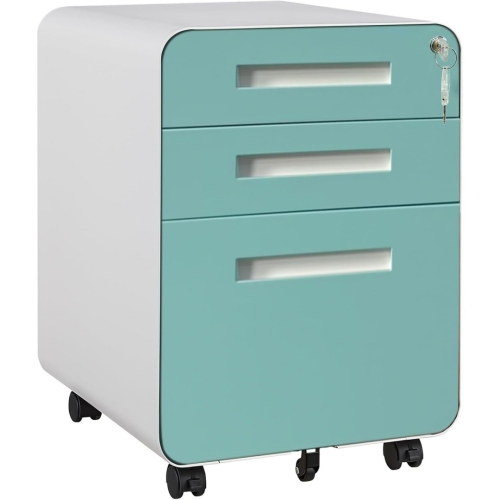
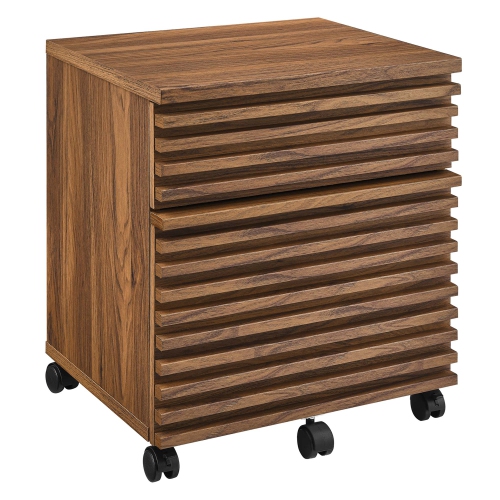

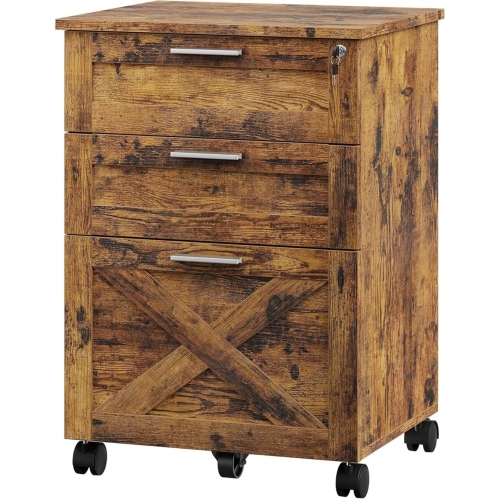
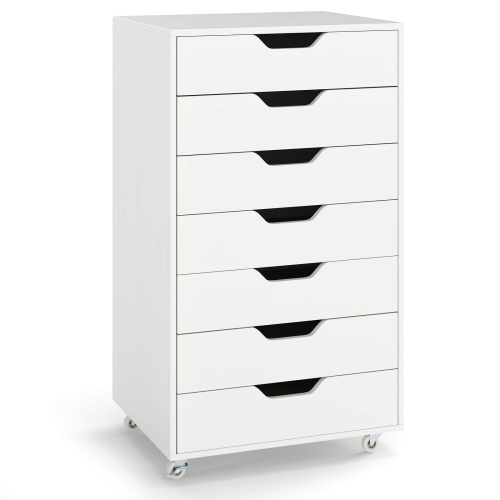
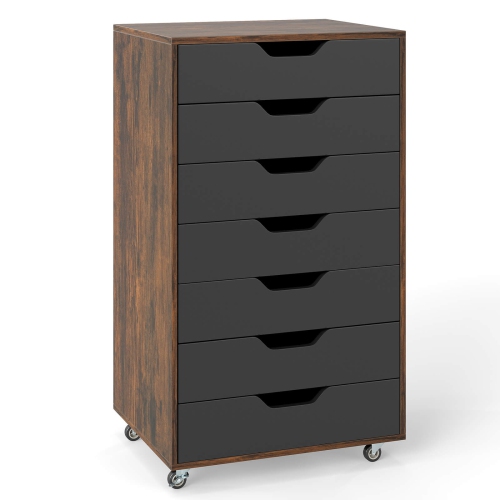
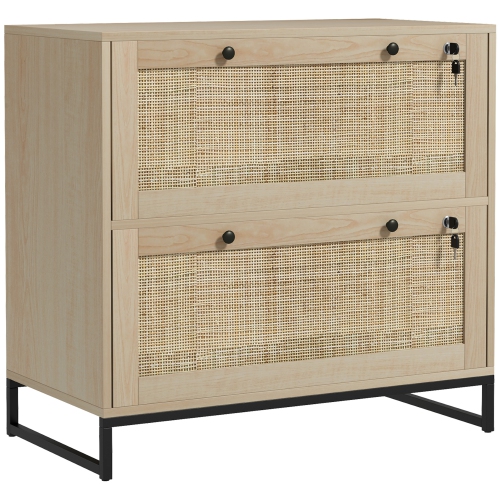
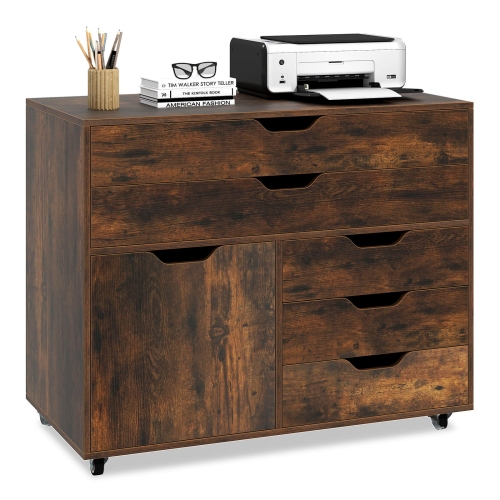
File storage that fits the room and your records
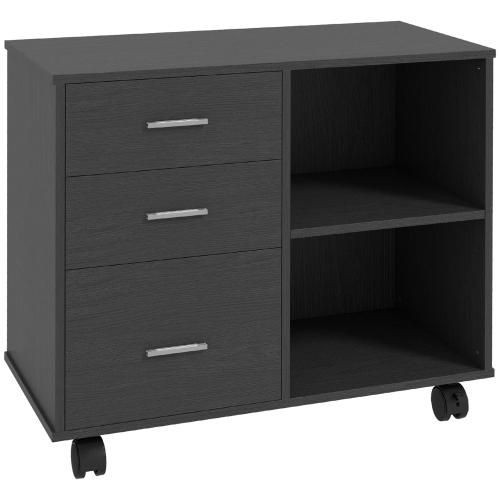
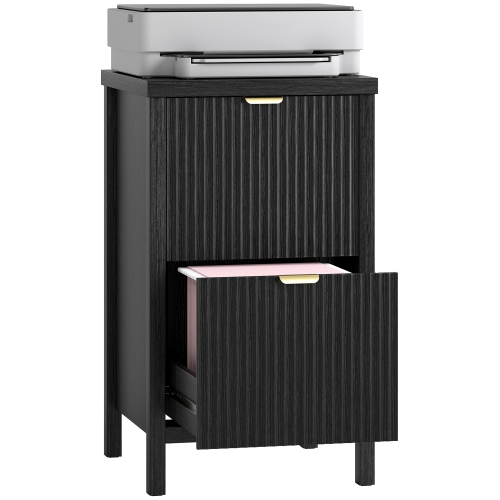
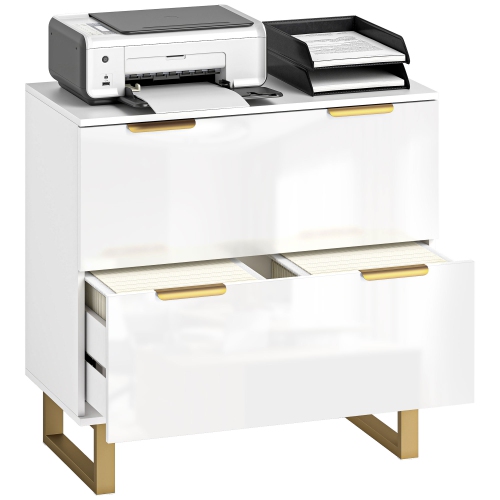
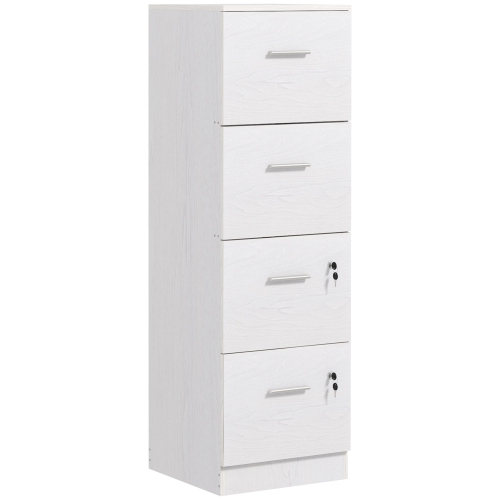
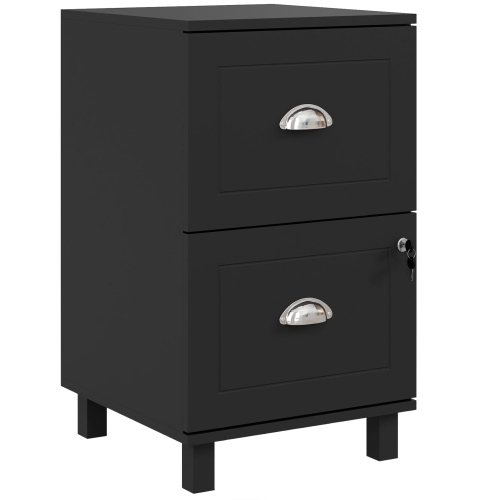
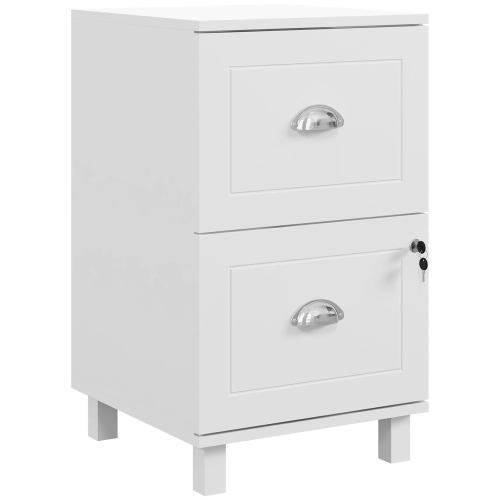
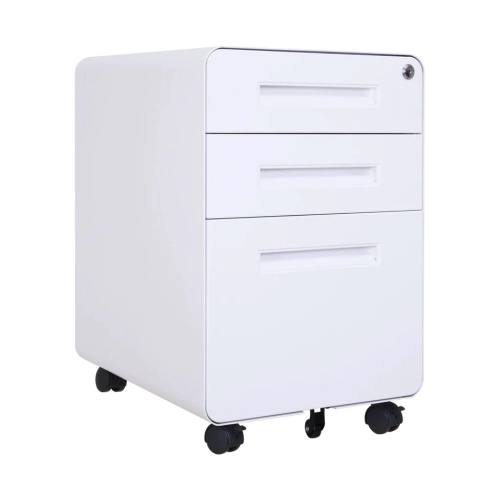
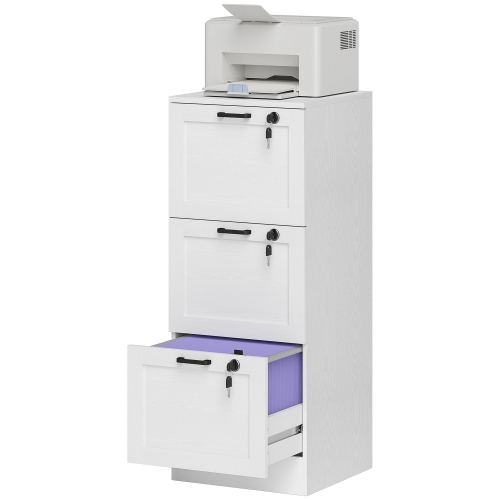
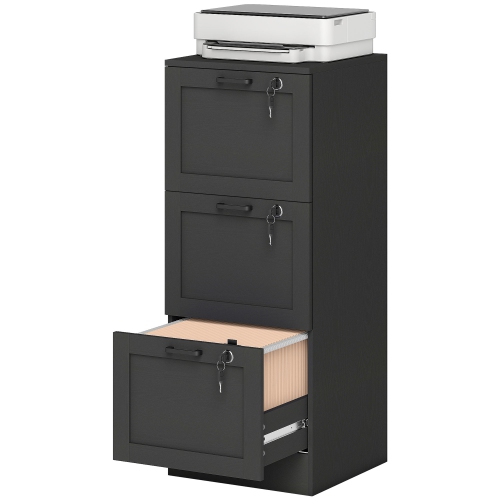
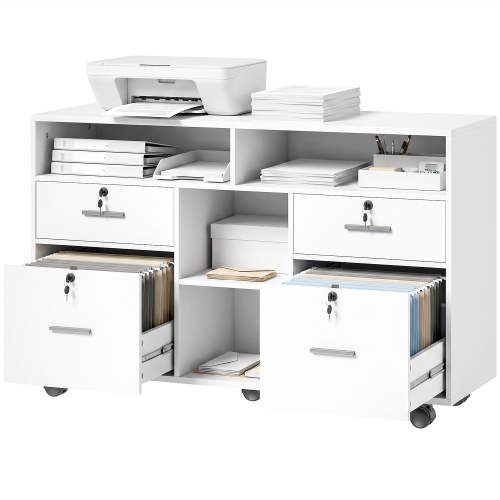
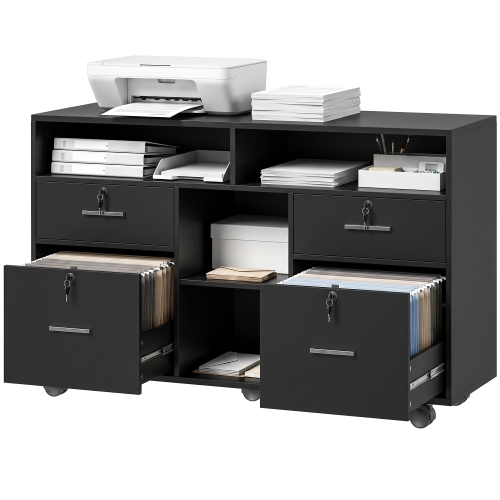
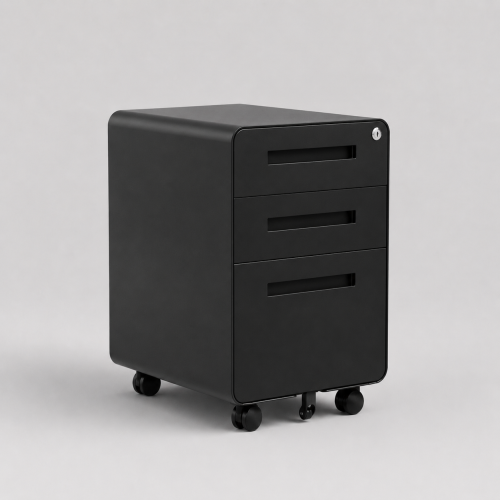
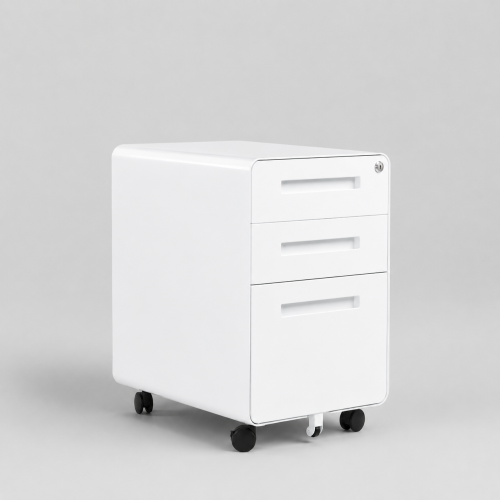
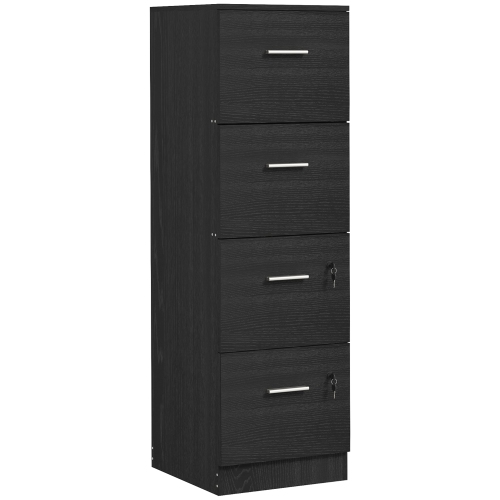
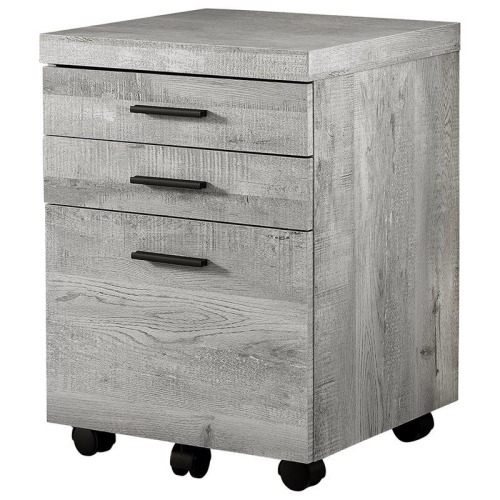
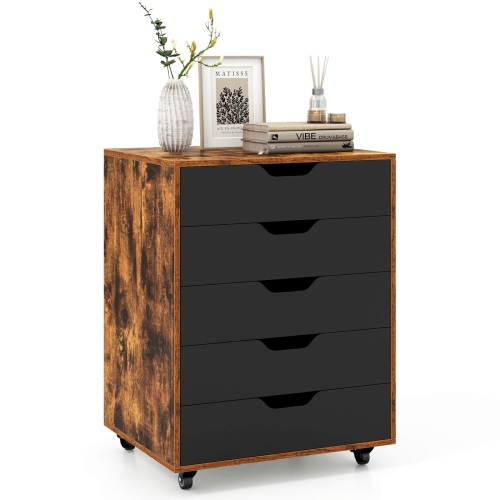
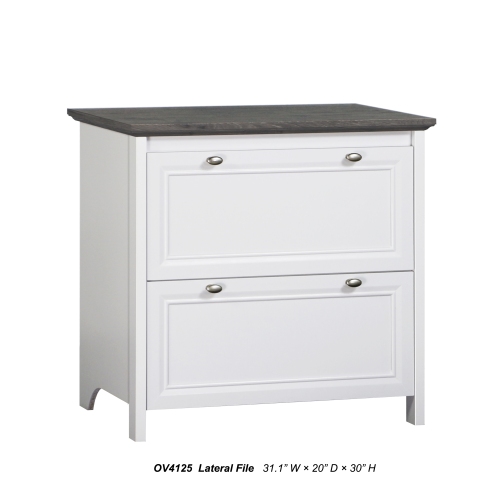
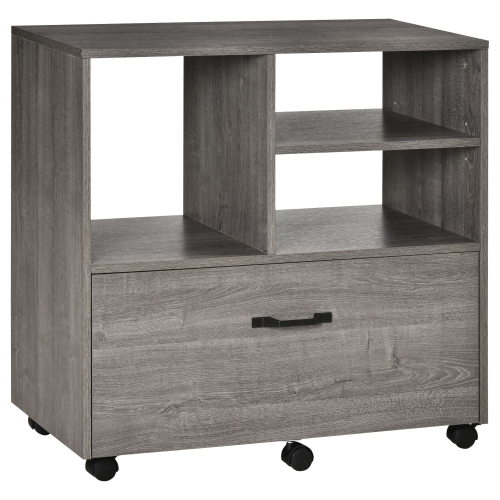
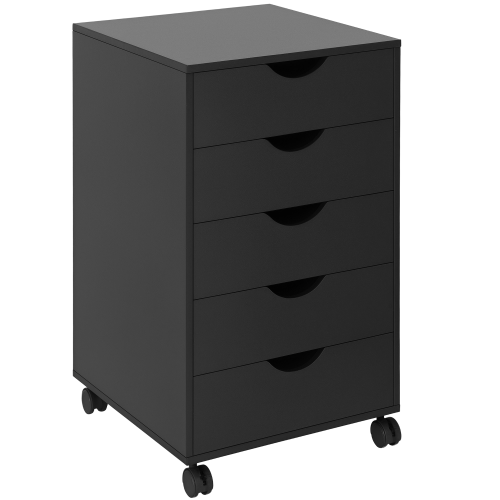
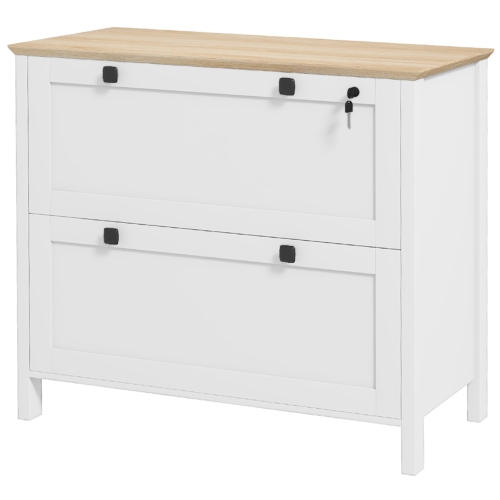
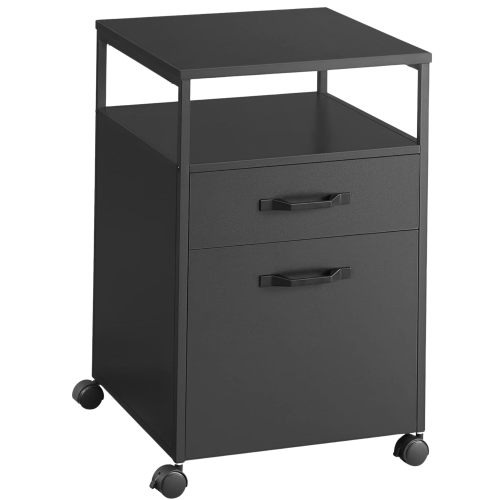
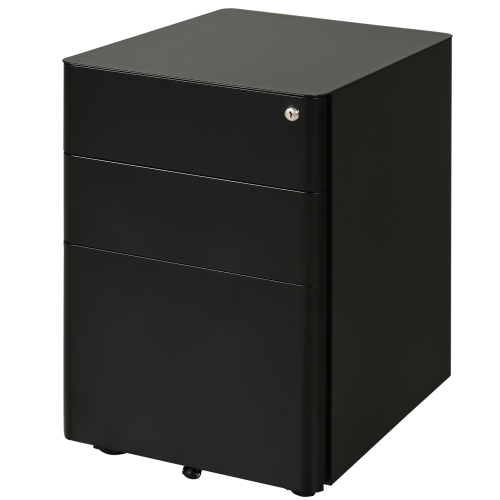
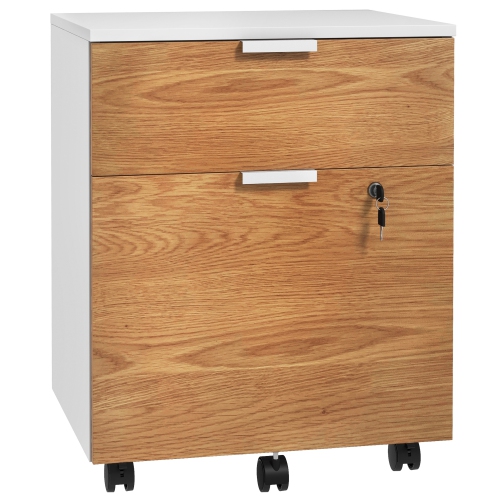
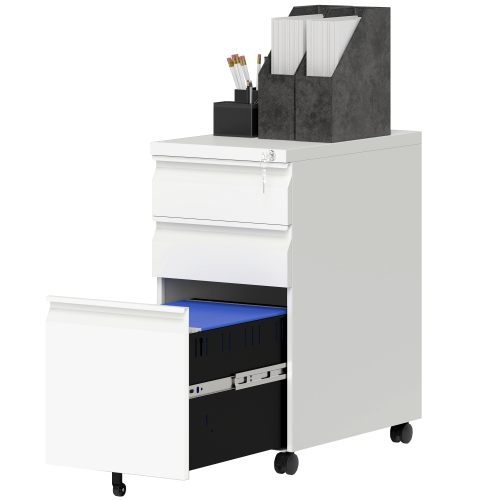
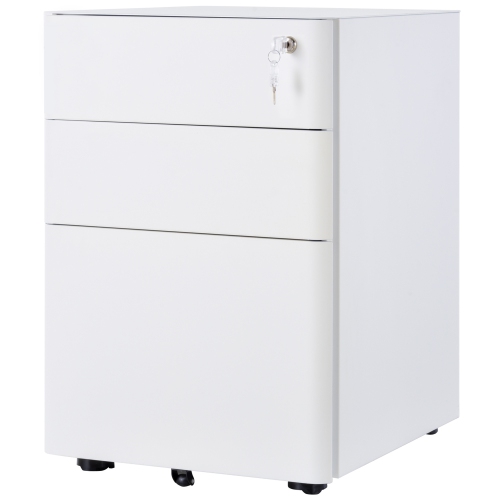
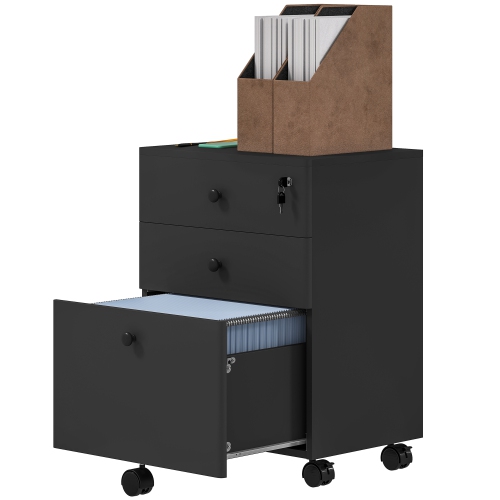
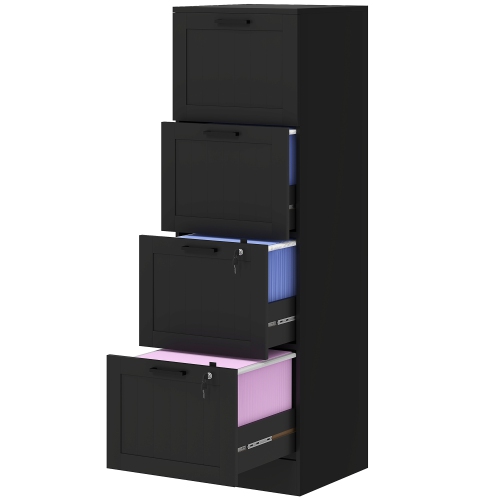
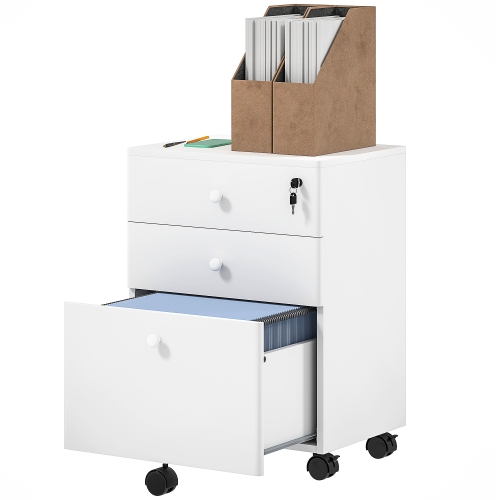
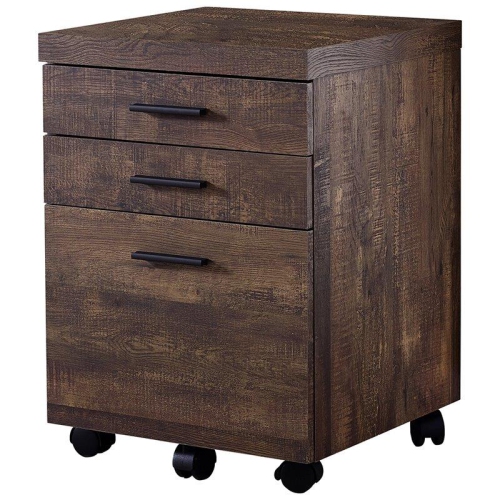
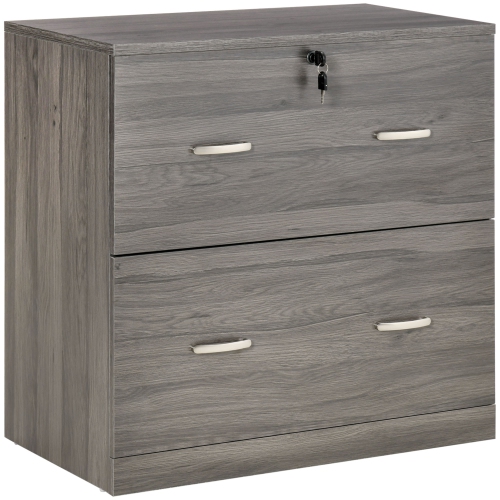
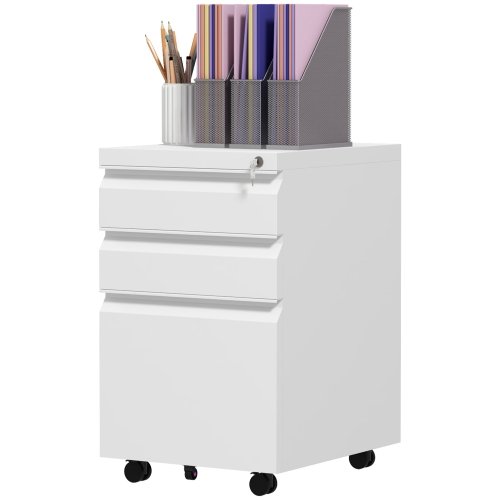
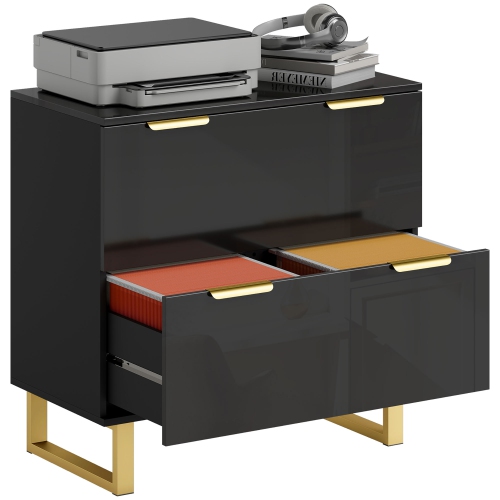
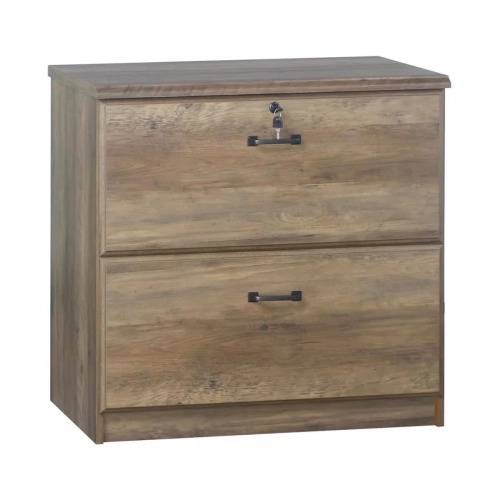
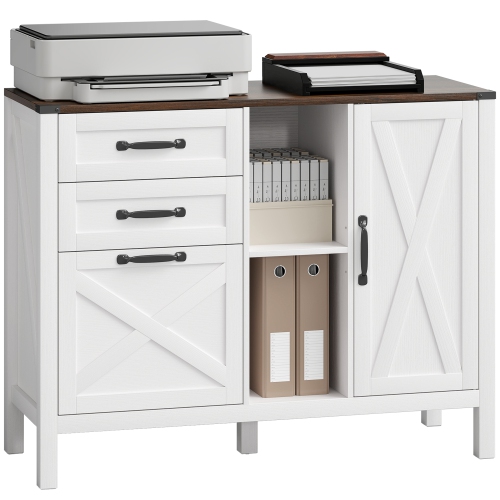
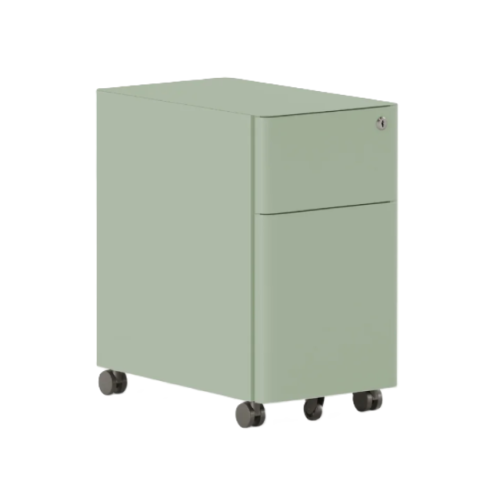
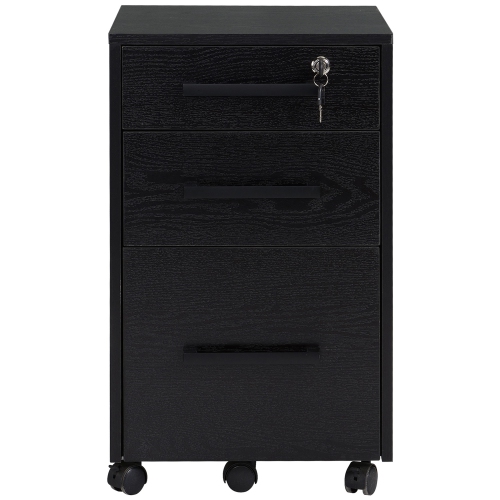
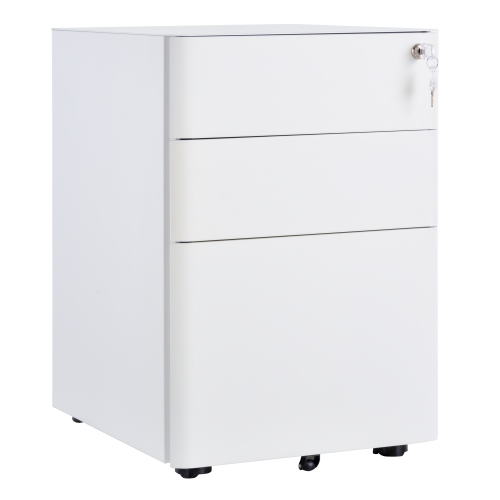
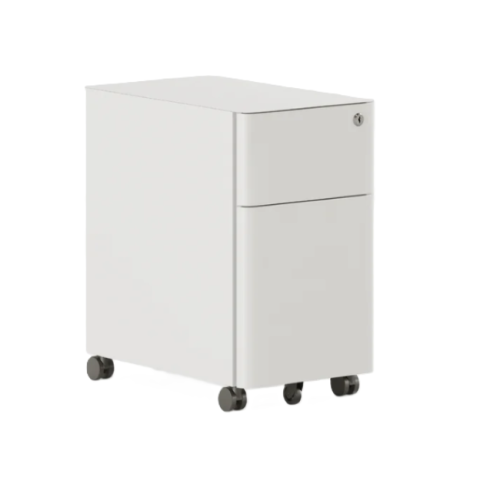
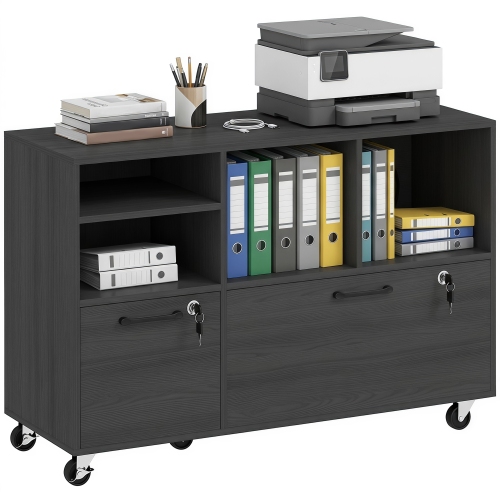
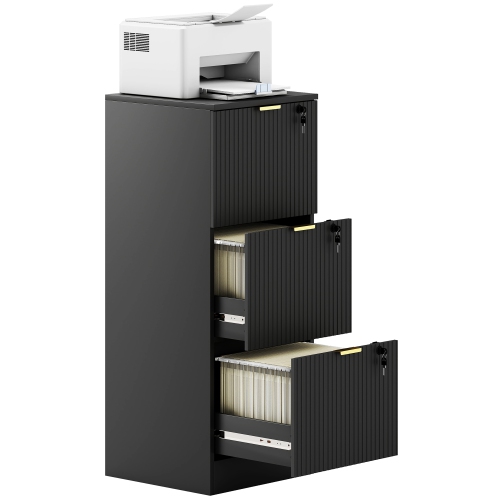
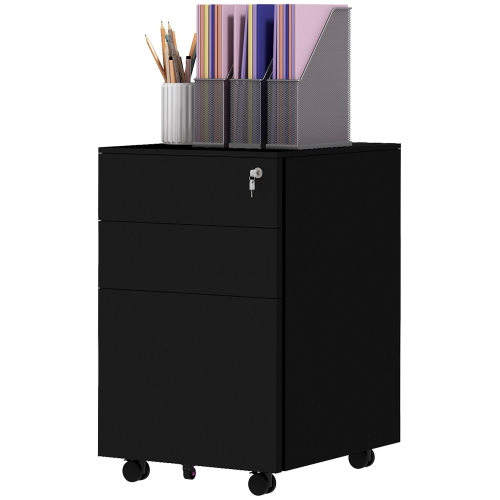
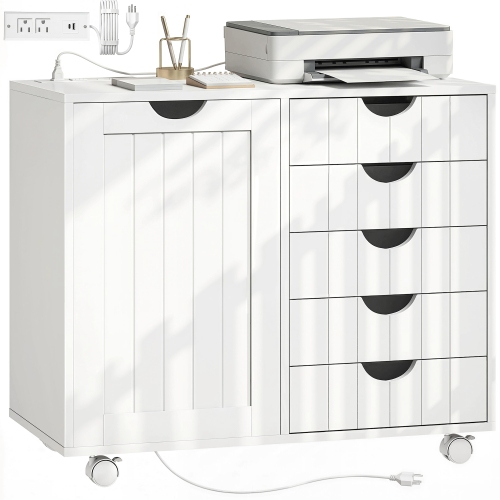
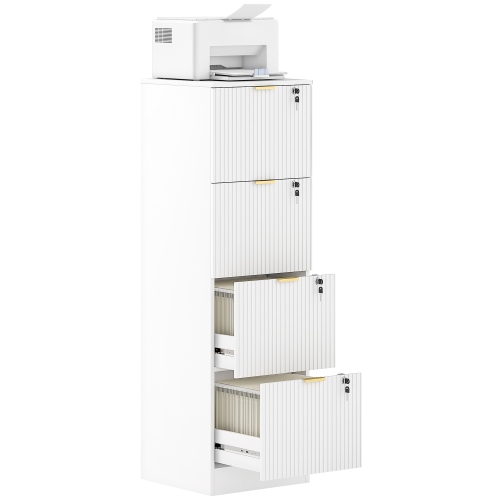
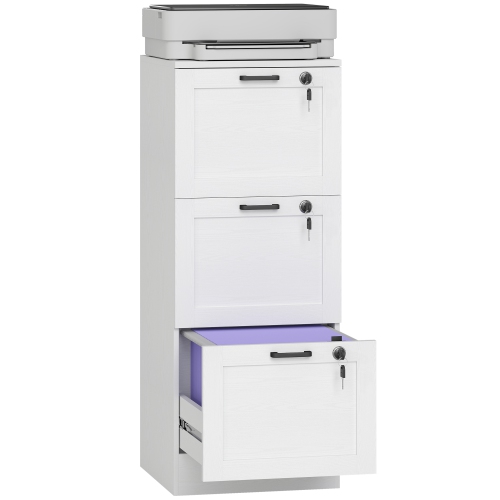
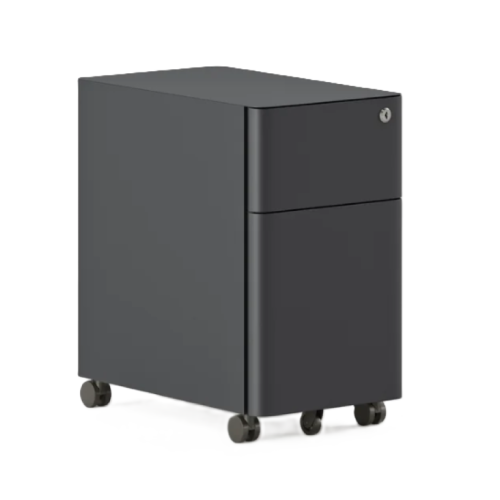
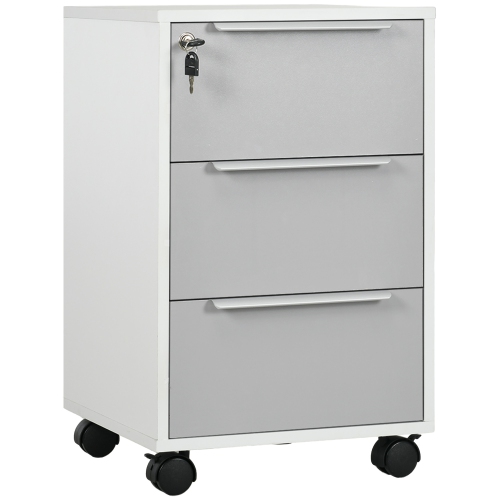
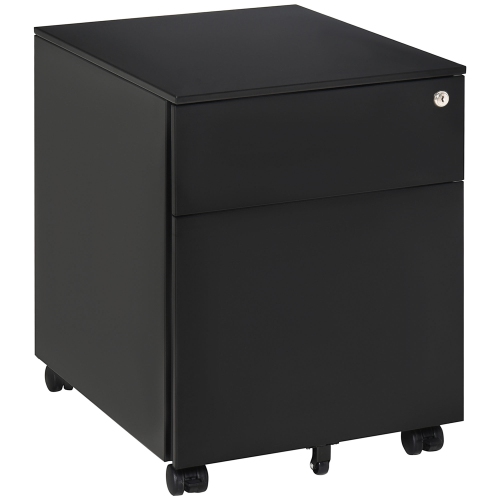
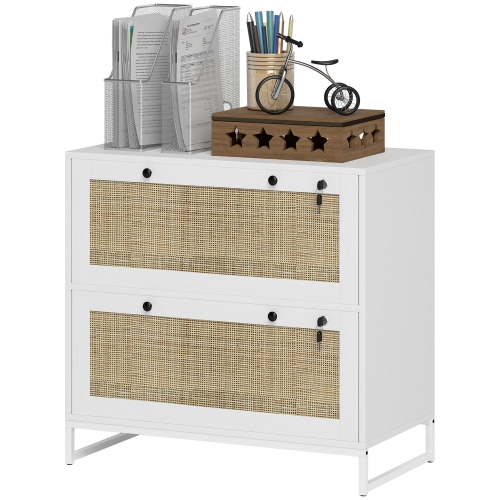
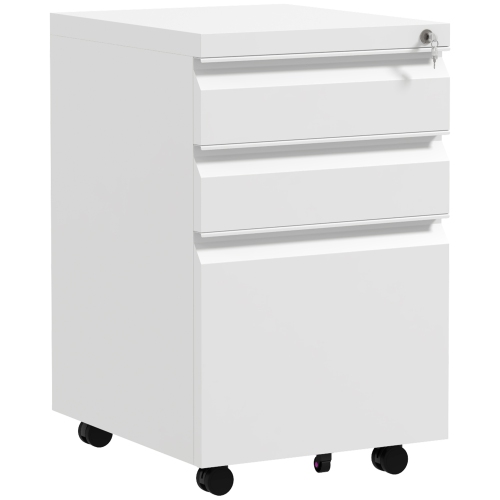
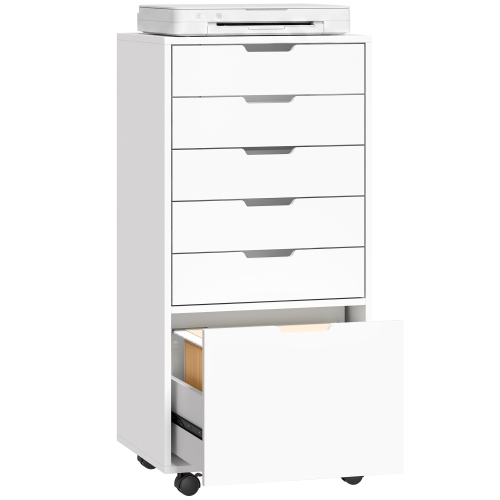
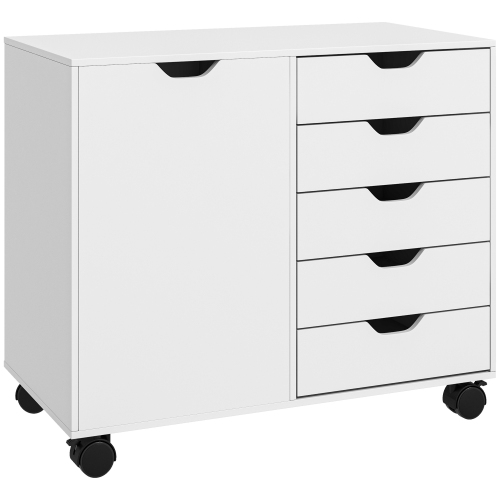
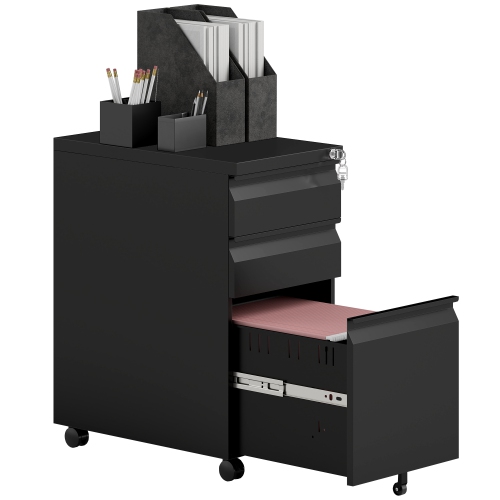
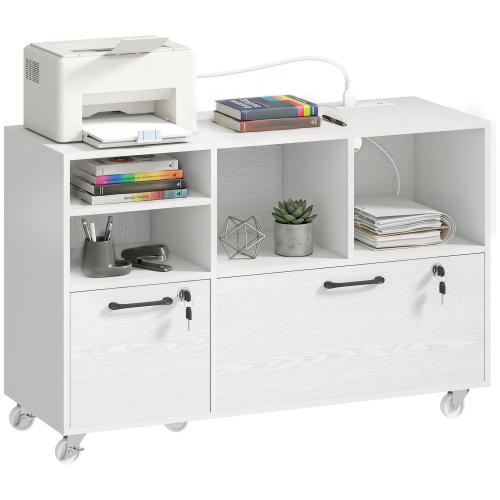
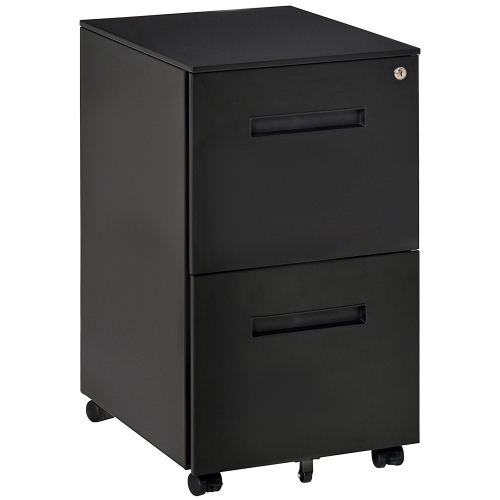
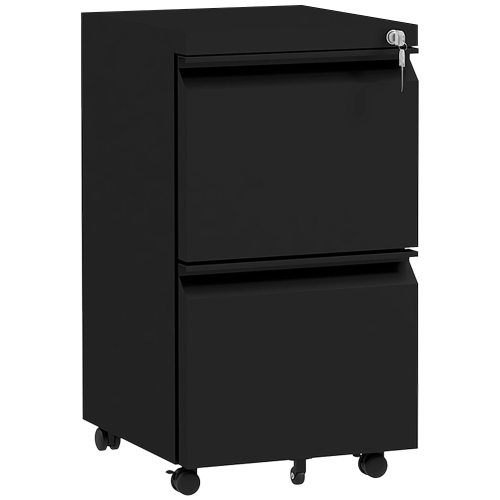
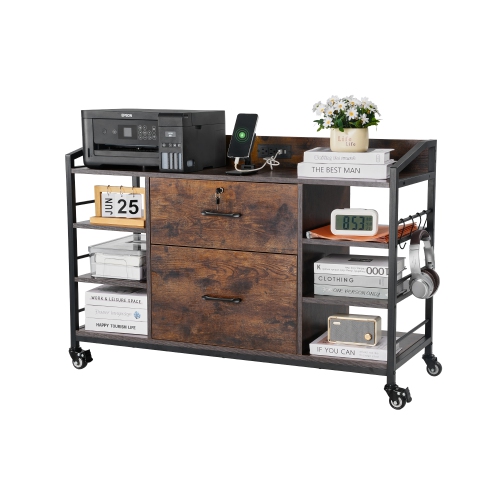
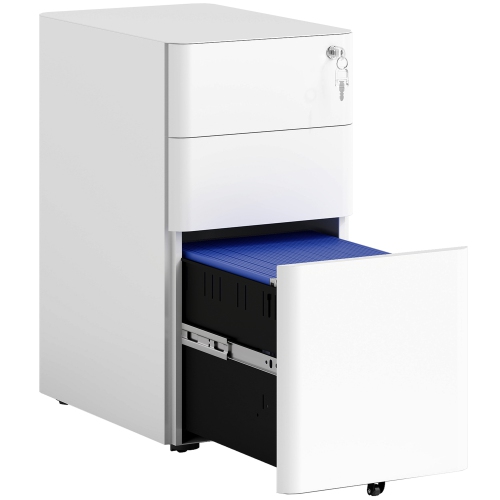
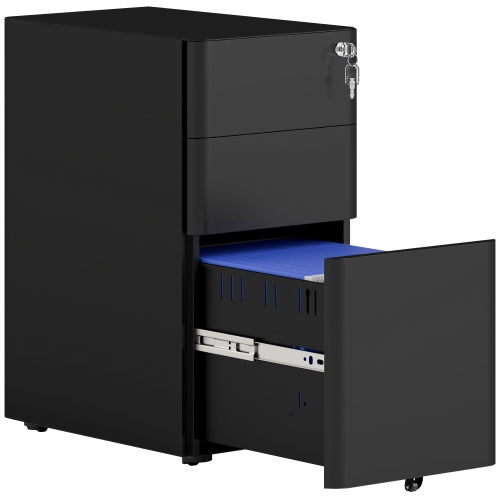
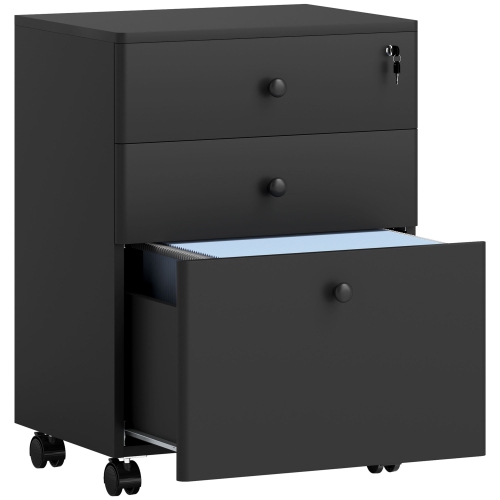
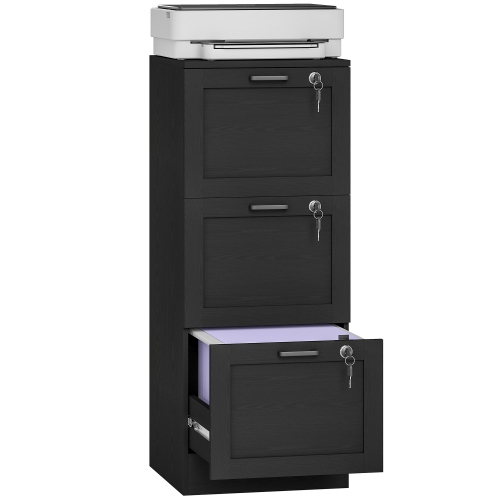
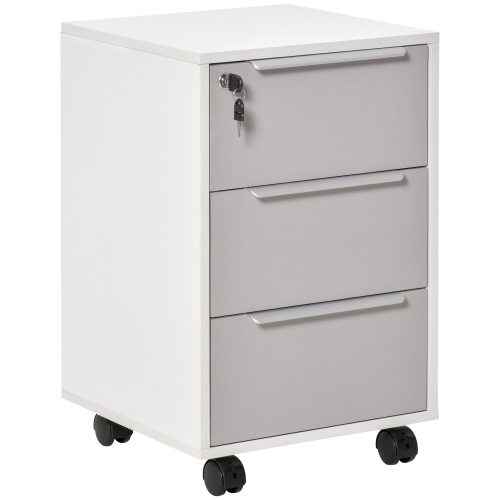
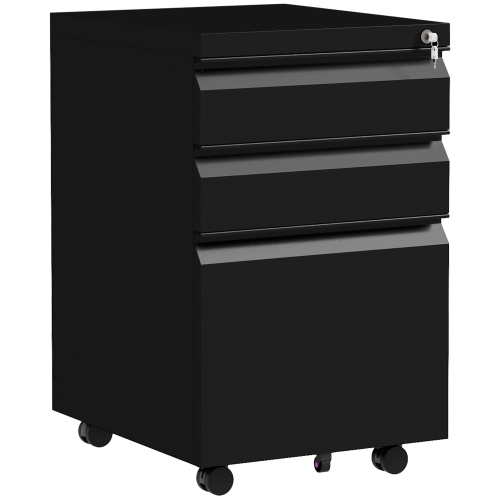
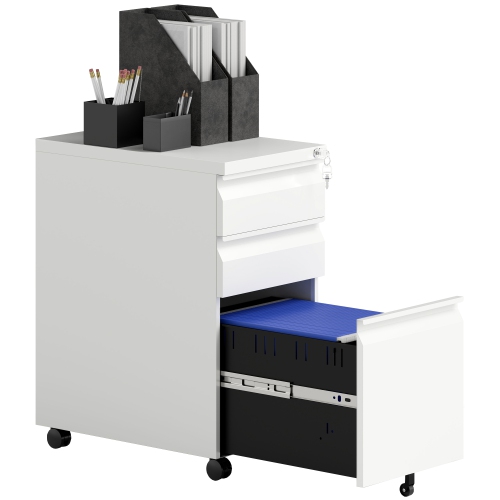
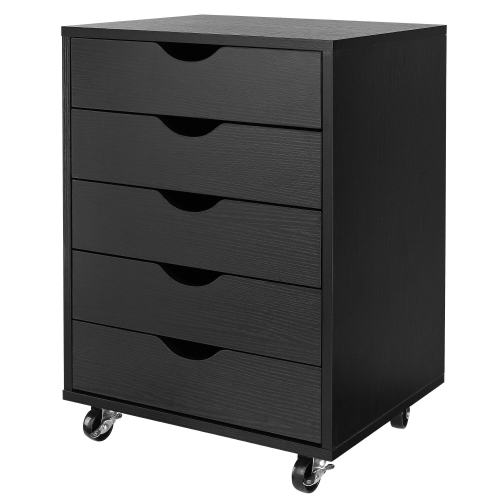
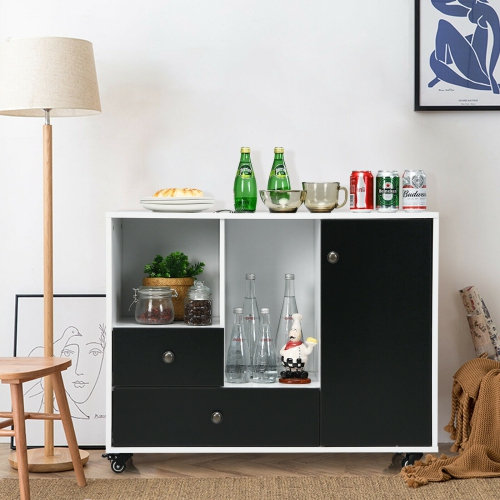
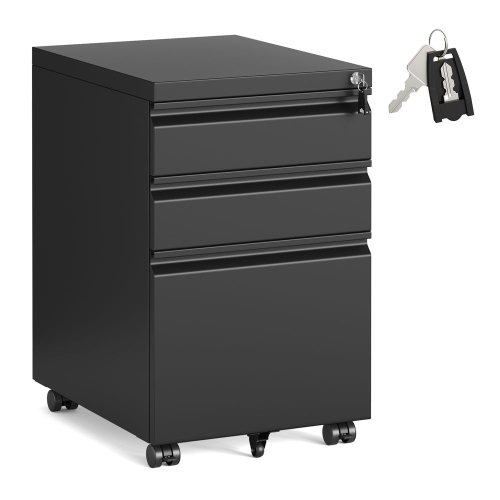
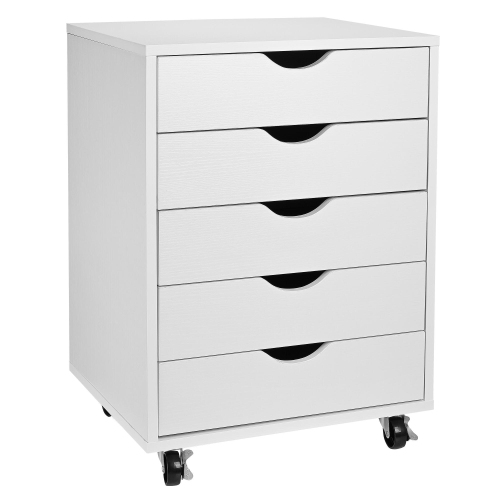
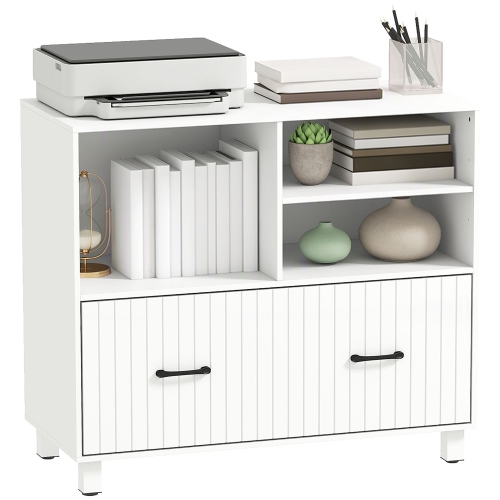
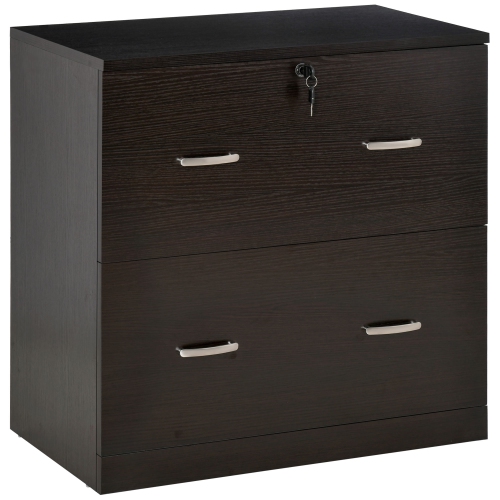
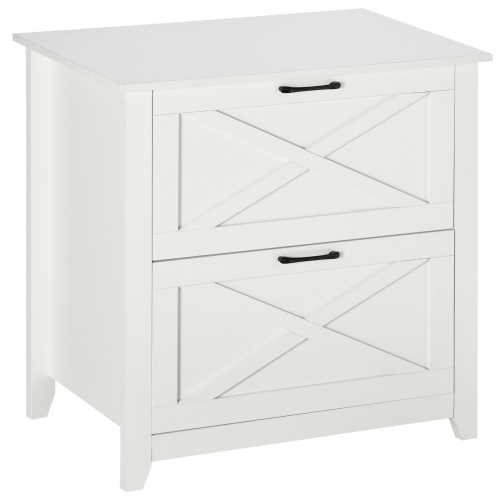
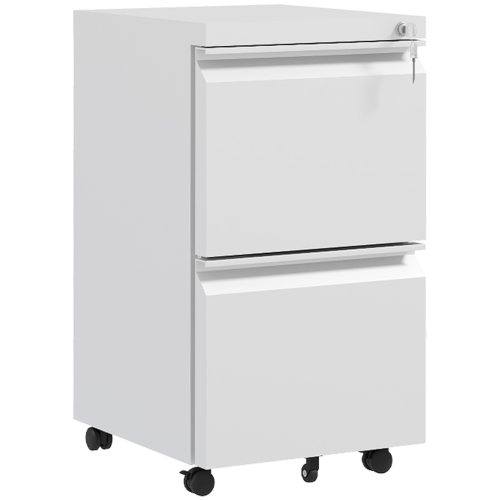
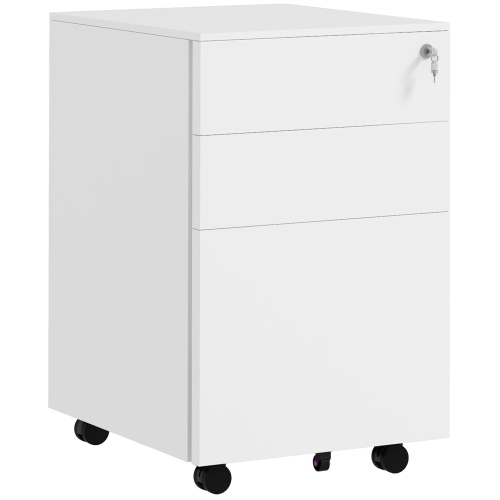
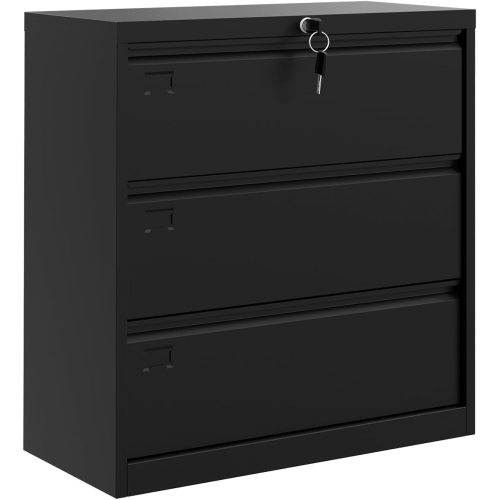
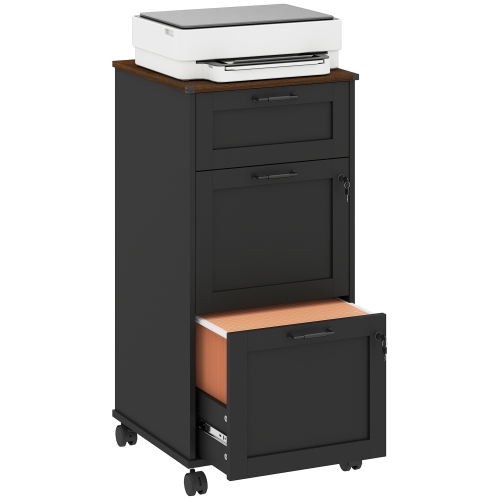
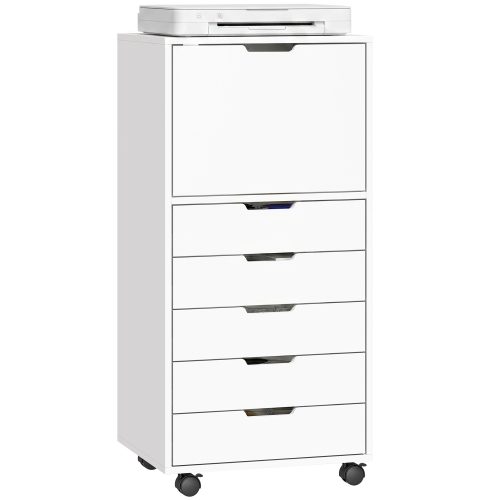
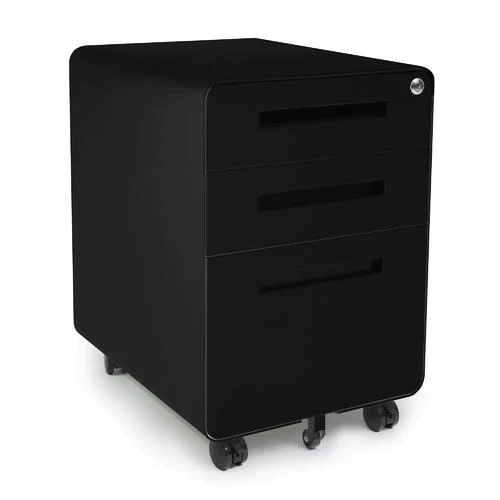
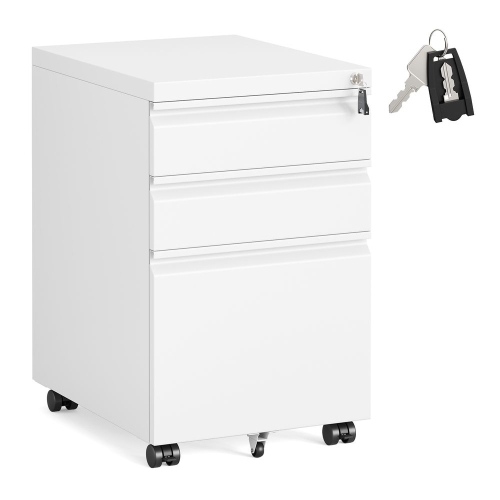
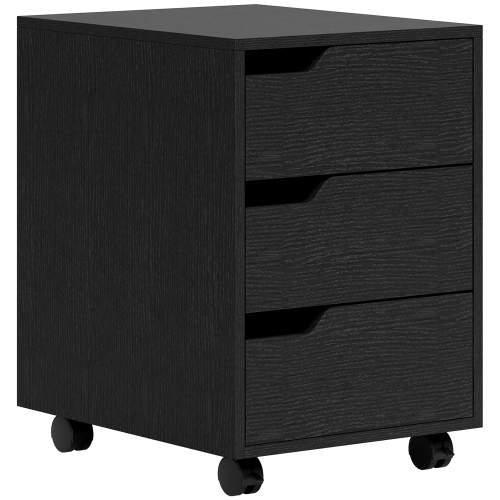
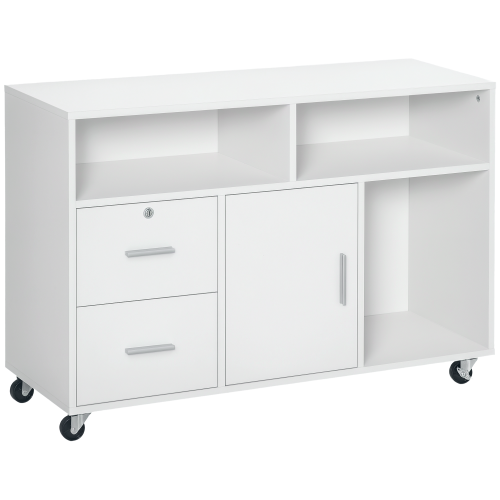
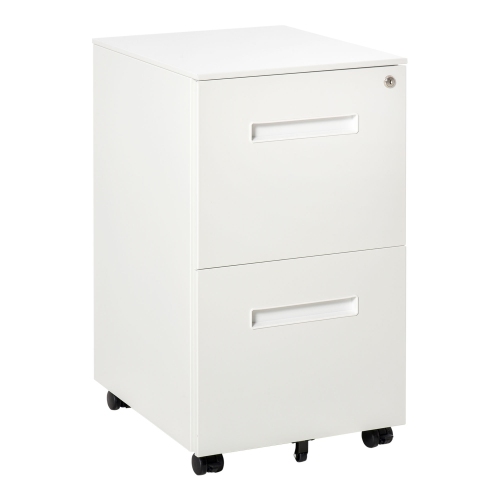
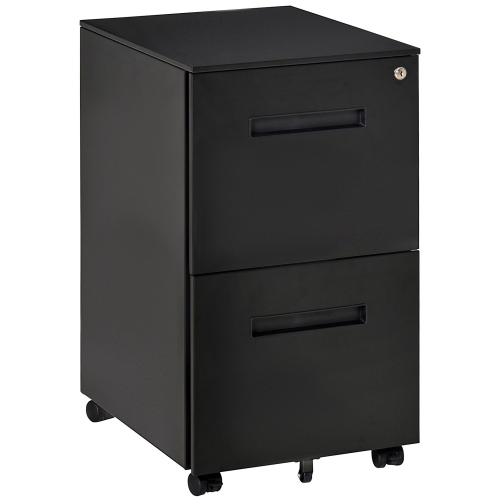
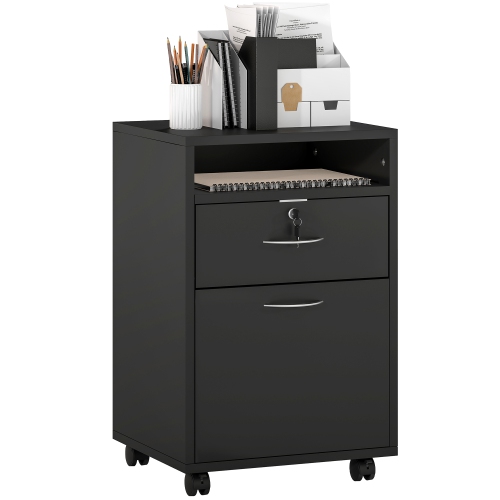
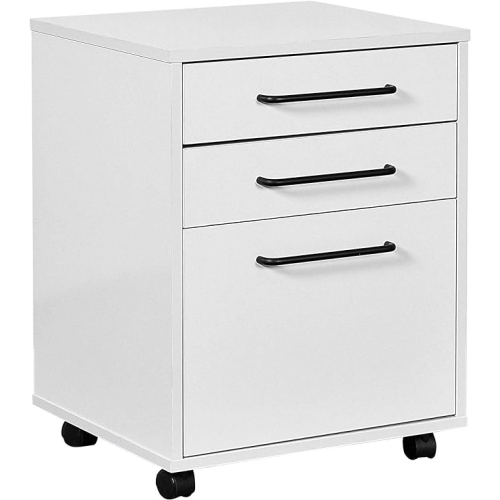
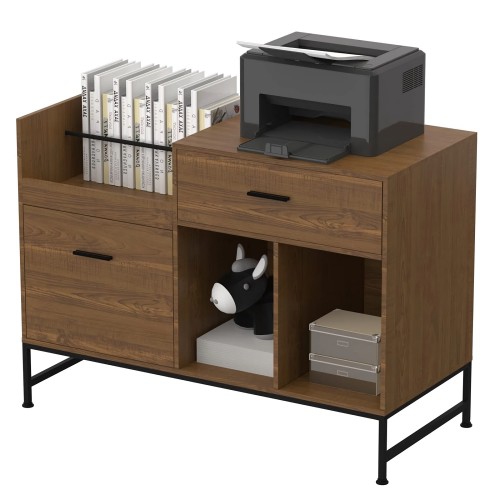
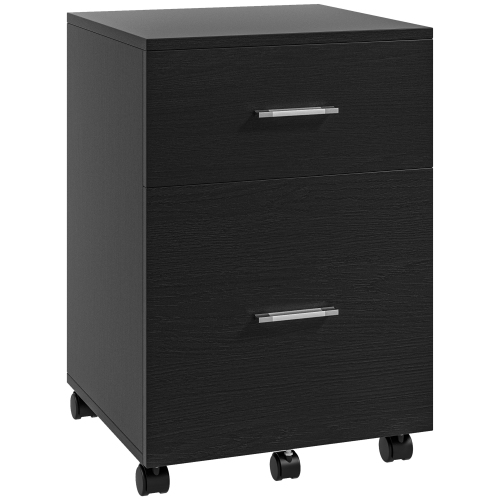
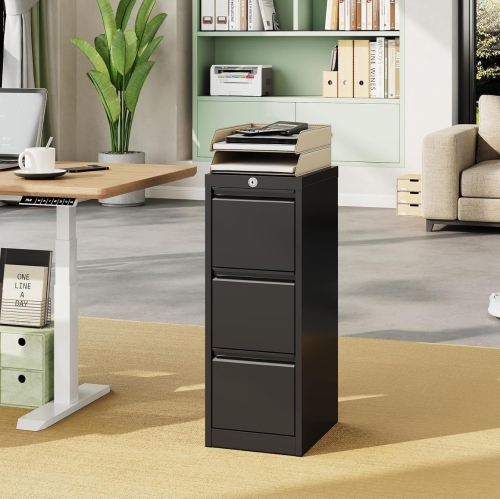
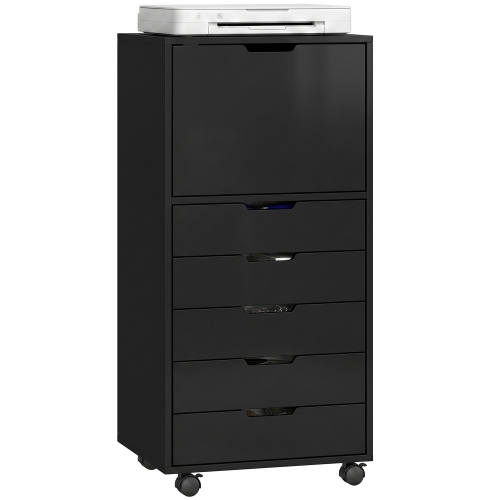
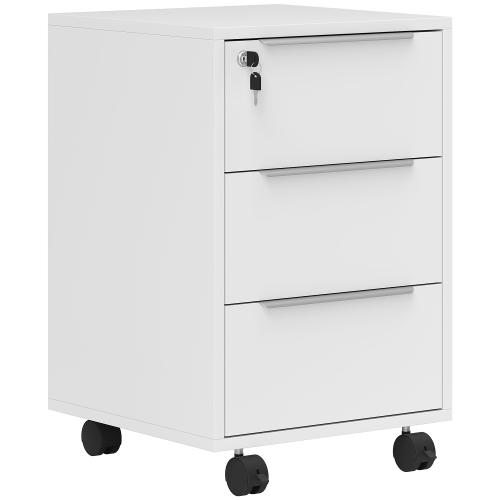
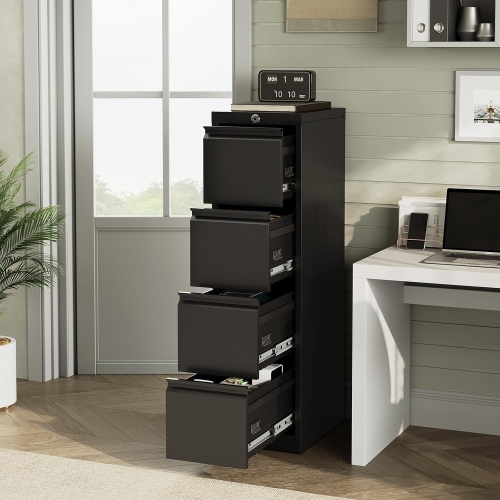
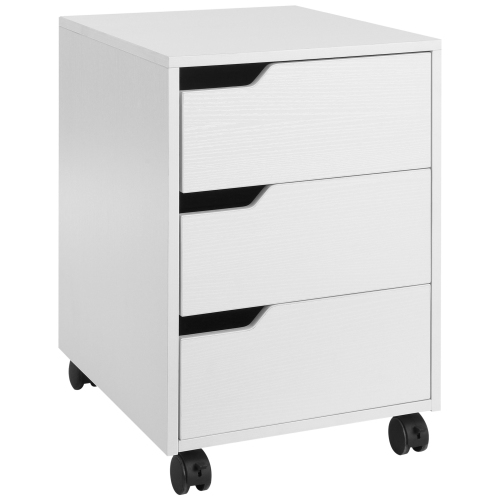
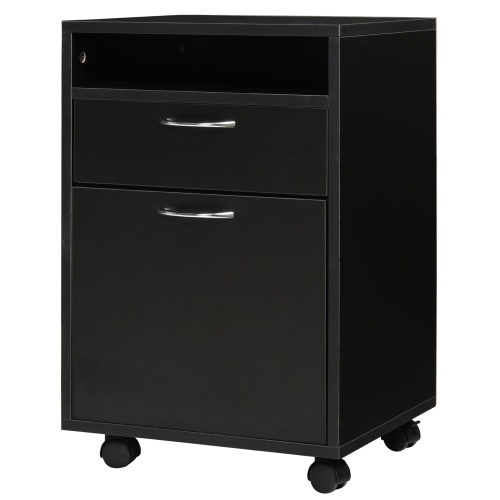
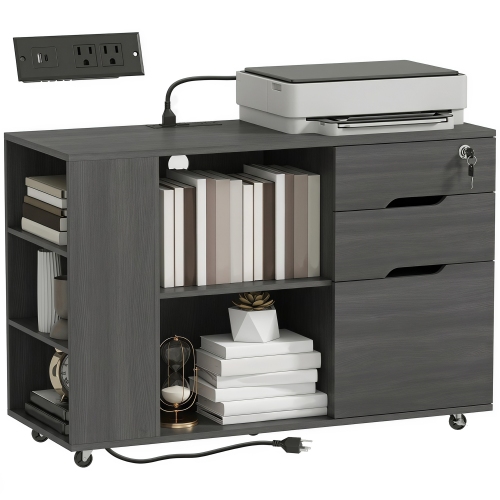
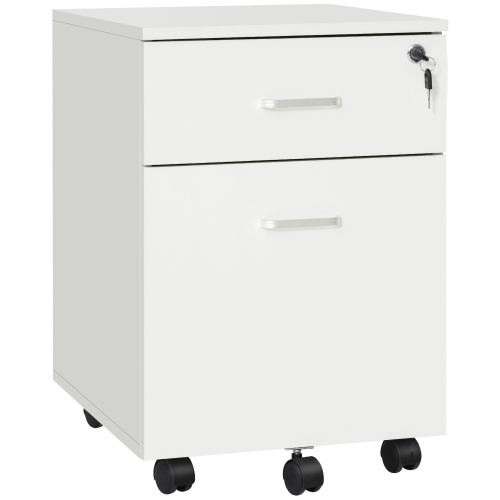
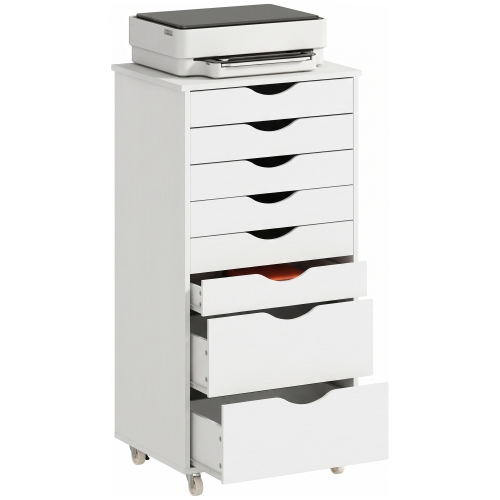
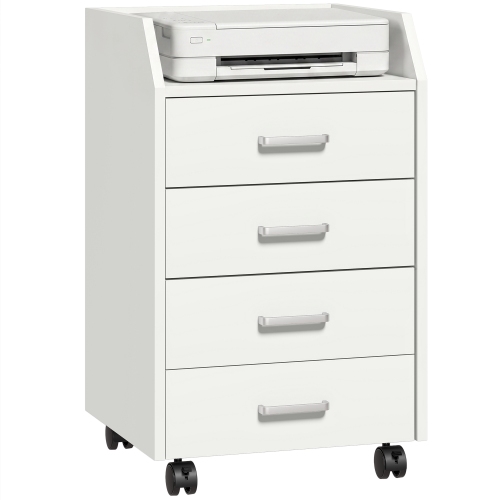
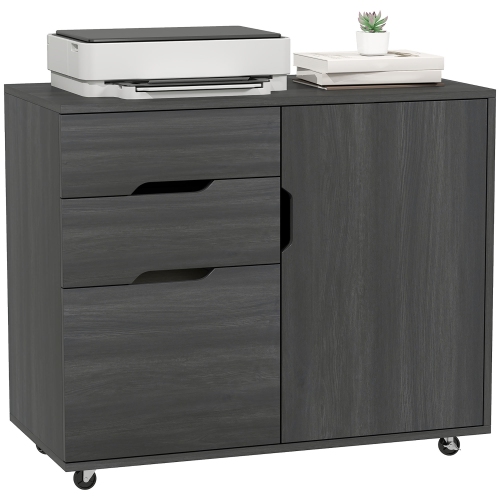
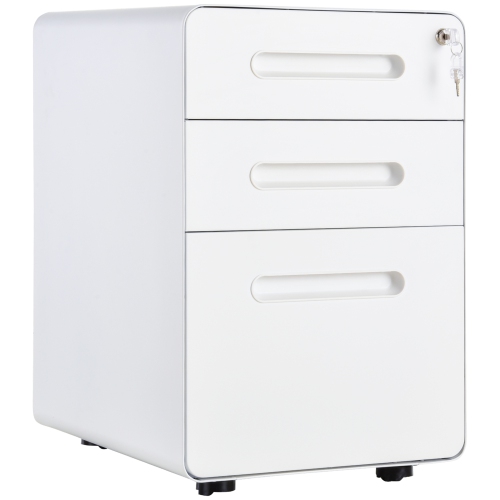
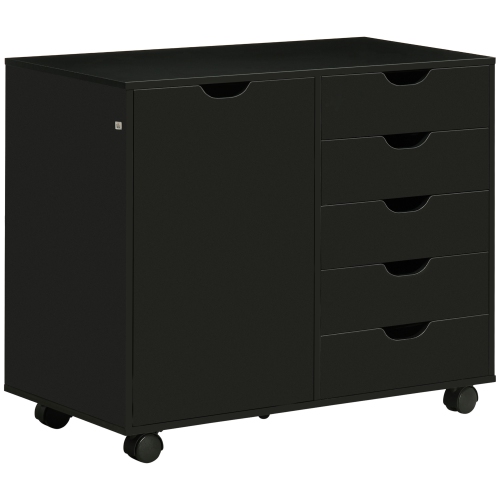
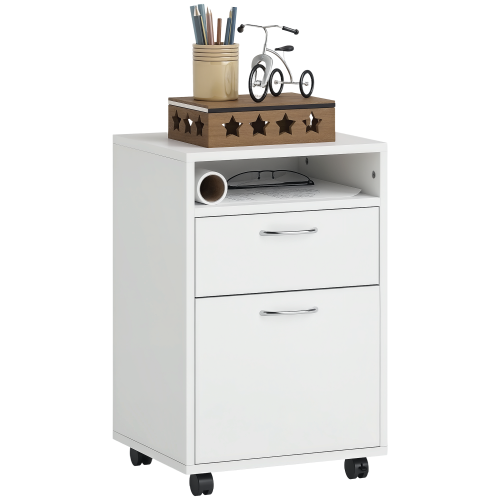
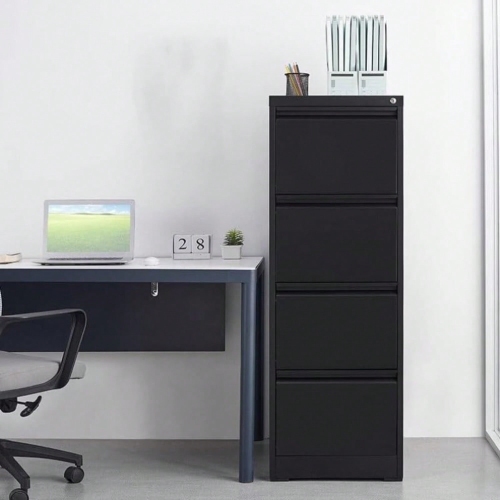
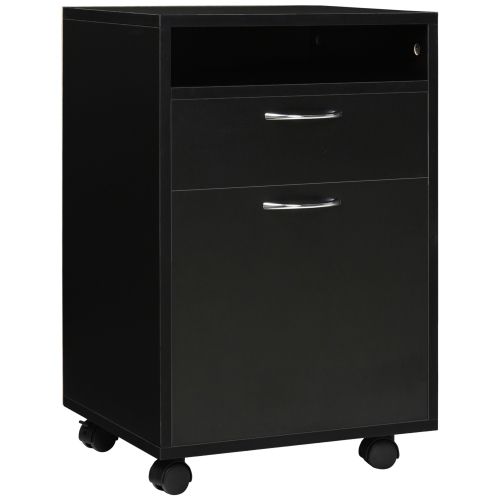
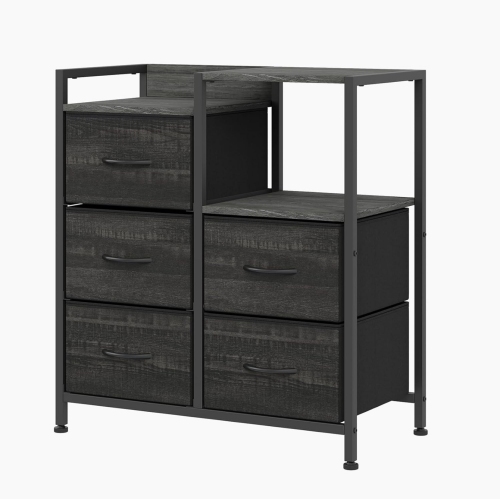
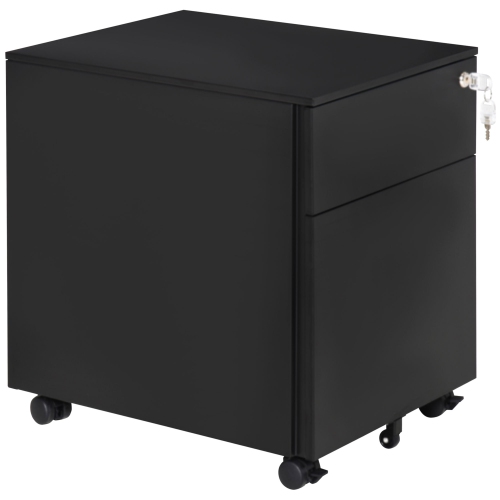
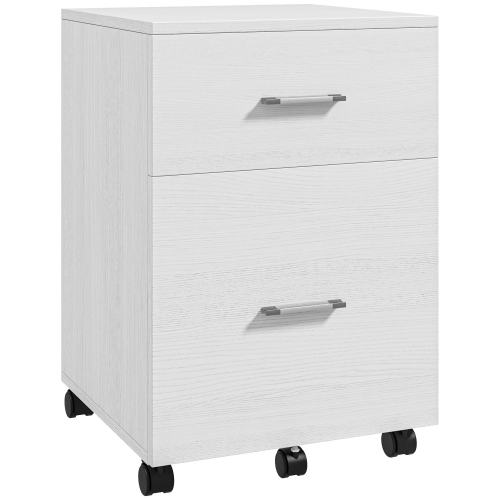
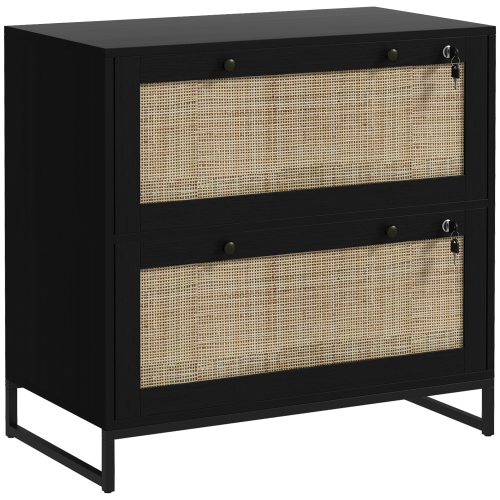
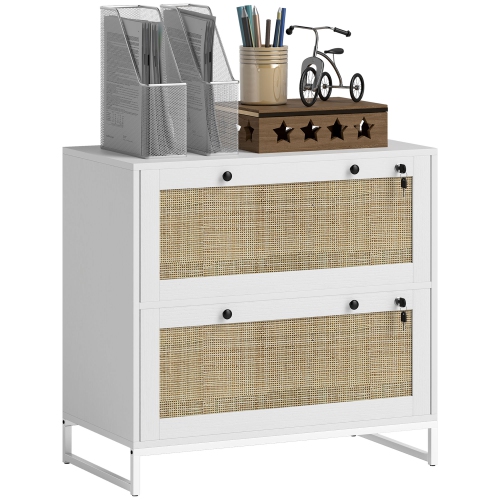
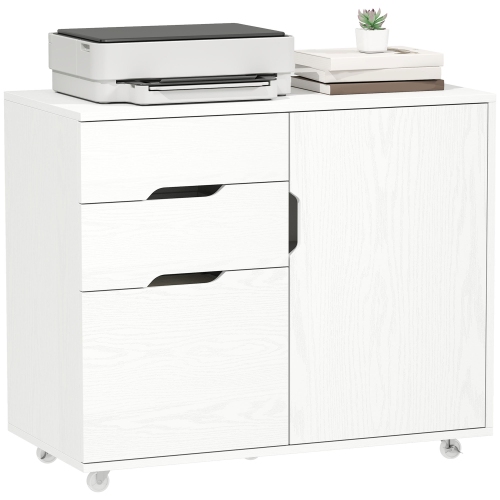
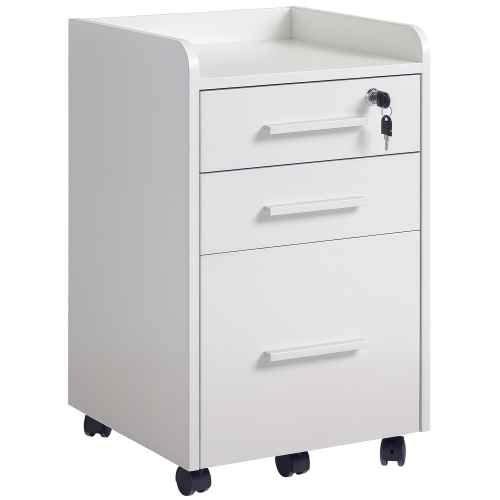
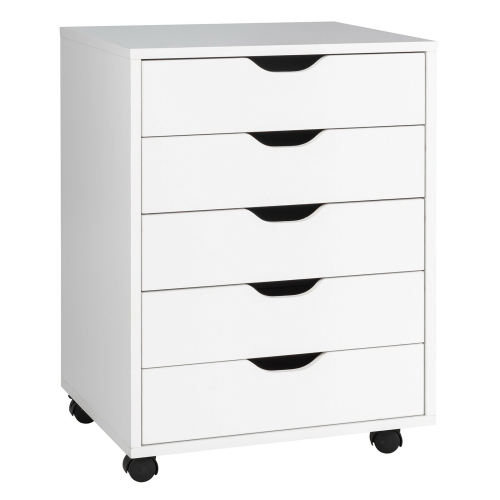
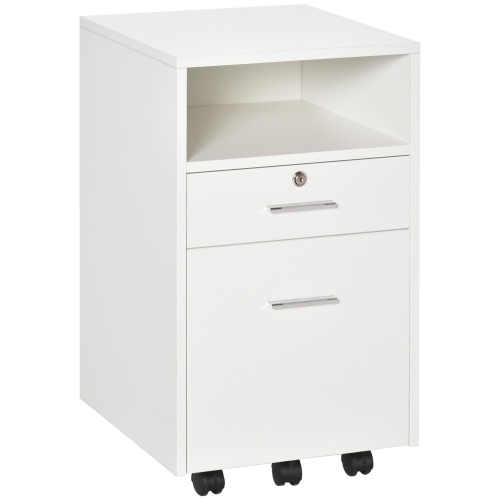
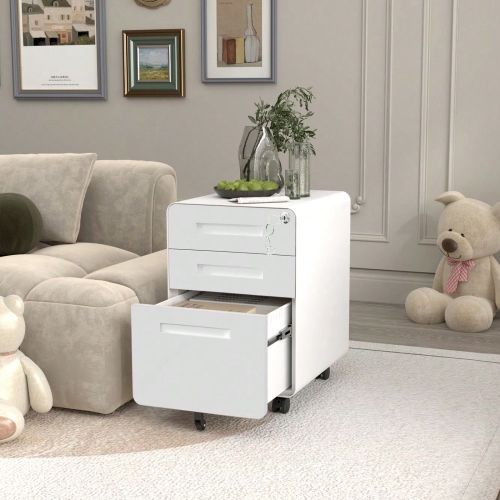
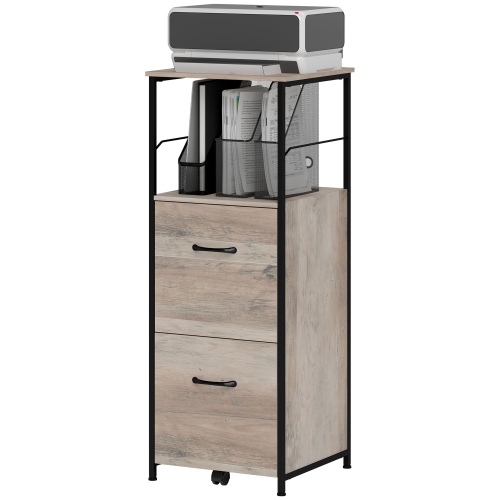
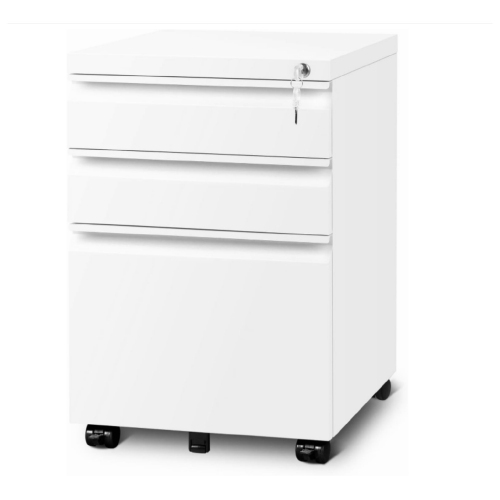
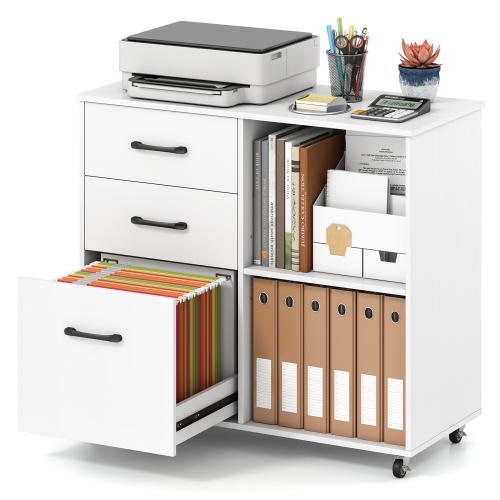
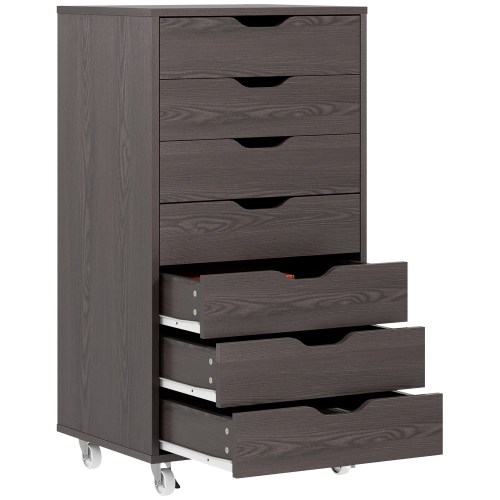
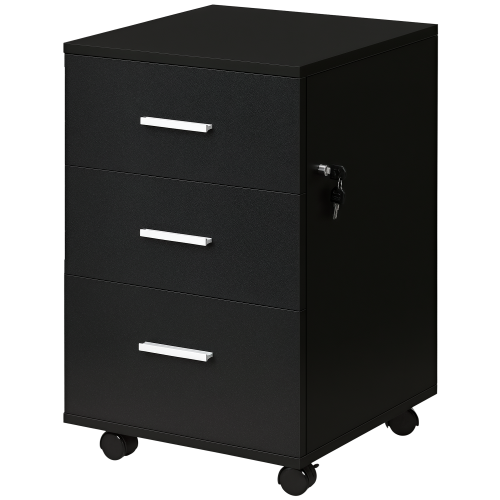
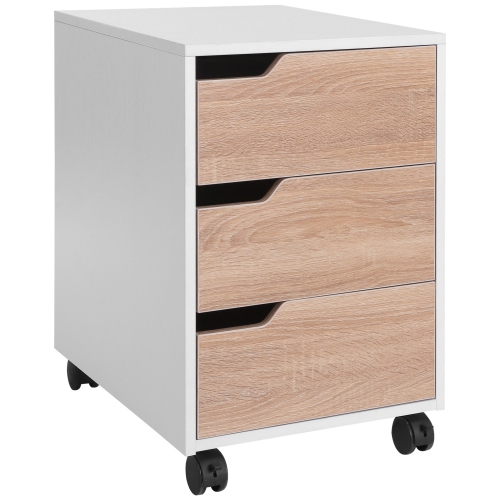
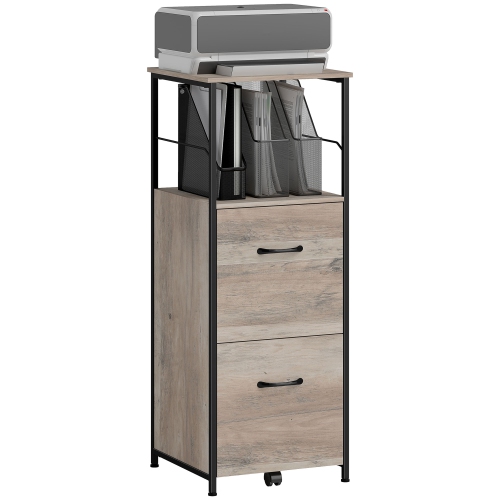
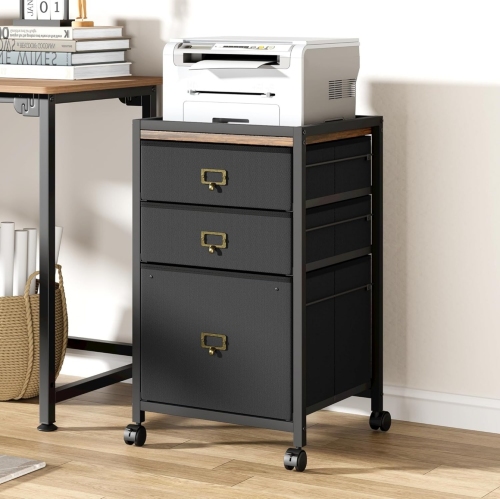
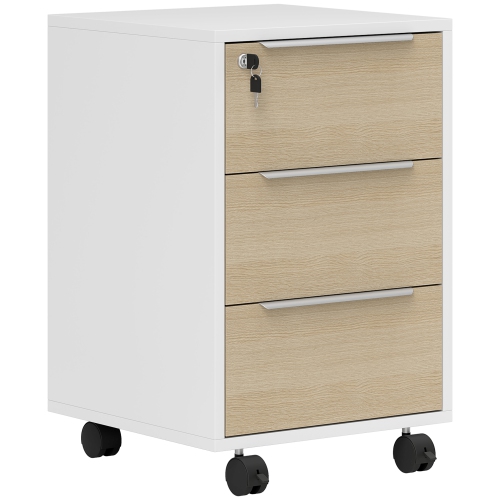
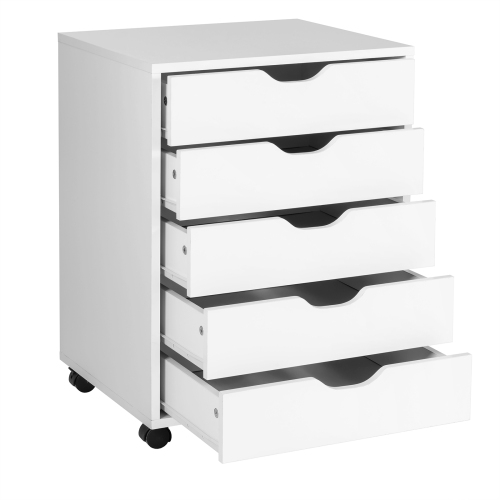
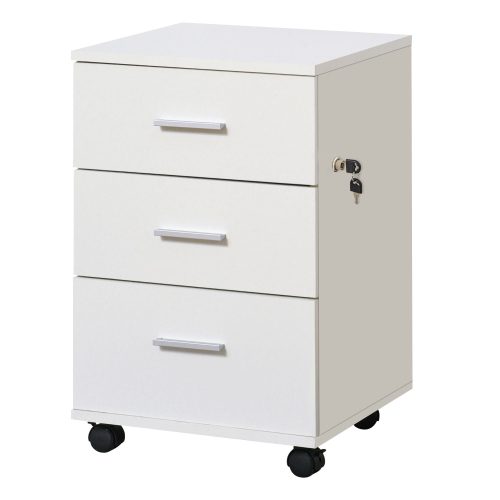
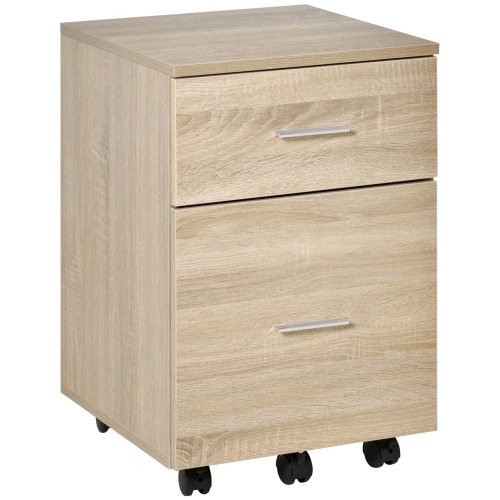
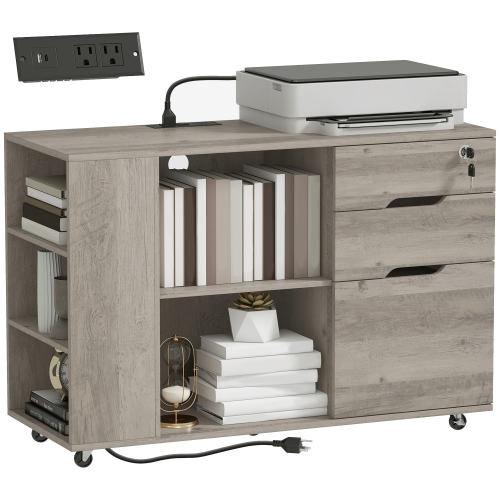
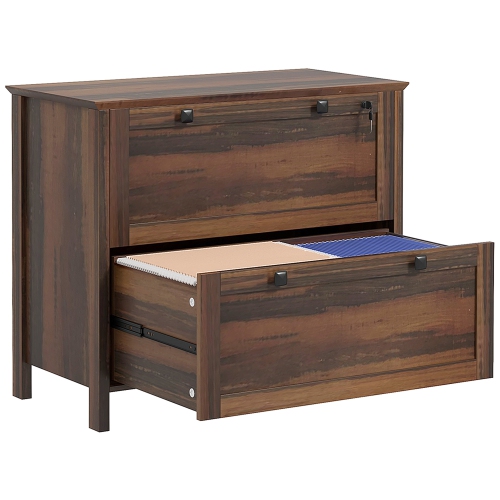
Modern filing cabinets pair clean lines and understated finishes with dedicated storage for paper records. The style ranges from slim mobile pedestals that tuck beneath a desk to low metal credenzas that sit neatly against a wall. A vertical filing cabinet uses height rather than width to add storage, which makes sense in a narrow office corner or beside a compact desk. A lateral cabinet has wider drawers and a lower profile, so it can sit along an open wall without dominating the room. In a living room that doubles as a workspace, a low cabinet with flush drawer fronts can look at home next to a bookcase while keeping paperwork out of sight. In a shared office, a cabinet beside the desk gives both people access to common records without reaching across one another’s work surfaces. For a desk that also serves as a homework station, a mobile pedestal can hold supplies in a shallow top drawer and school forms in a file drawer below. The space a cabinet takes up with its drawers closed is only part of the fit. An under-desk cabinet needs enough clearance for the casters and handles without crowding the chair or taking up knee room. A cabinet beside a door needs room for both the door to swing and the file drawer to open far enough to reach the folder at the back. Baseboards can push a cabinet slightly forward, and protruding pulls can add depth where a walkway is already tight. Recessed pulls keep the front profile shallow, while locking casters can help a mobile cabinet stay in place during use. On a low cabinet, the top may offer space for a label maker or an inbox tray, provided the cabinet is rated to support what’s placed on it. Those details matter most in rooms where every piece of furniture has to do more than one job.
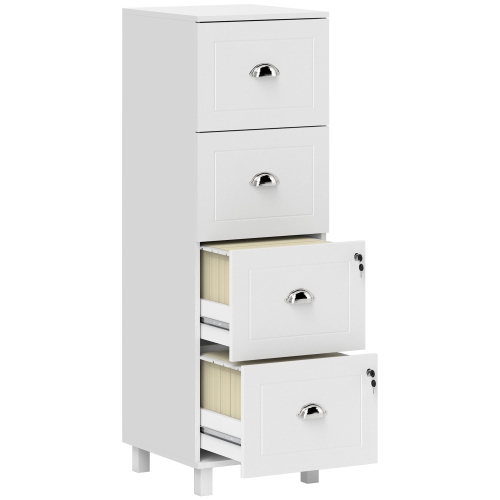
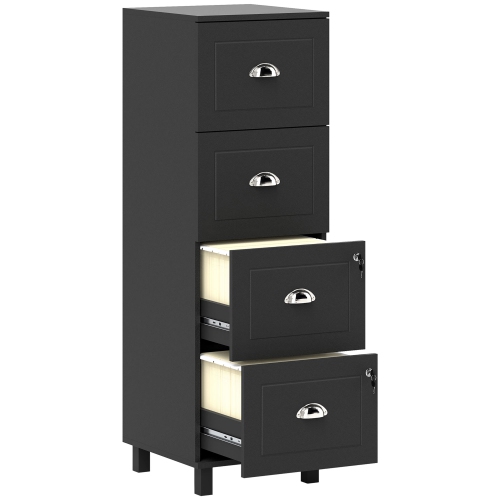
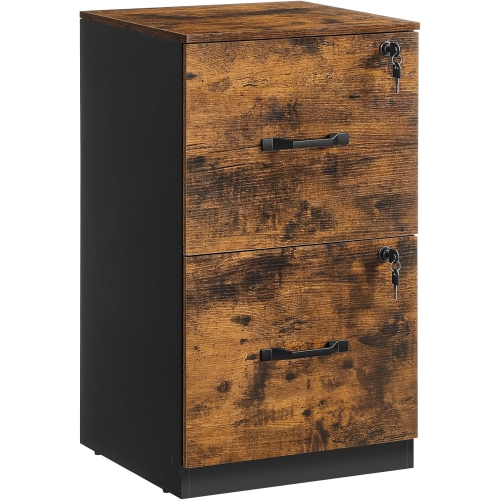
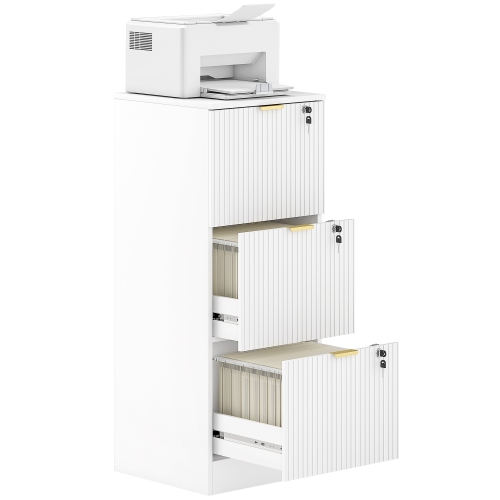
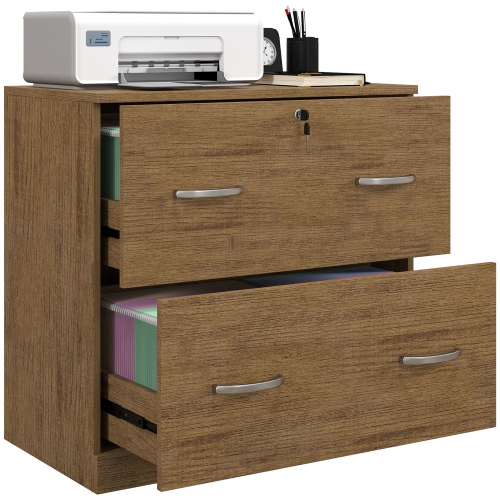
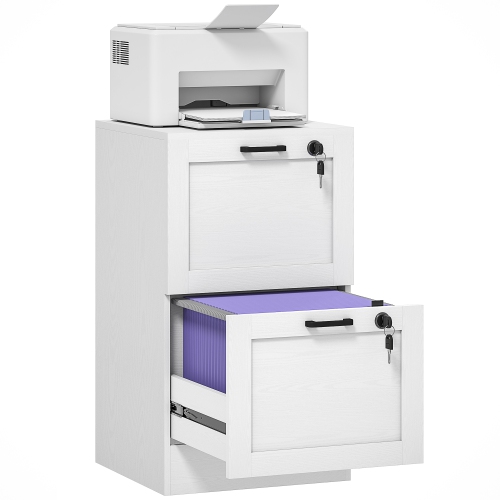
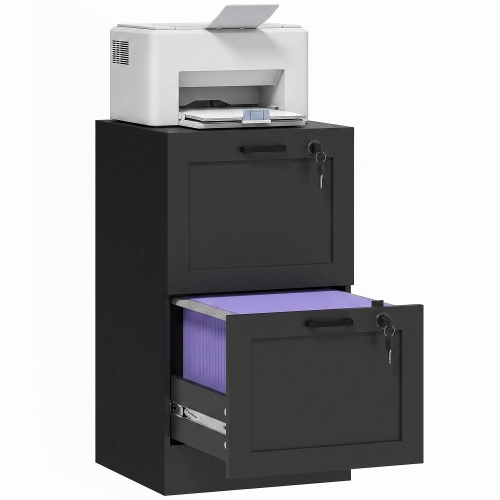
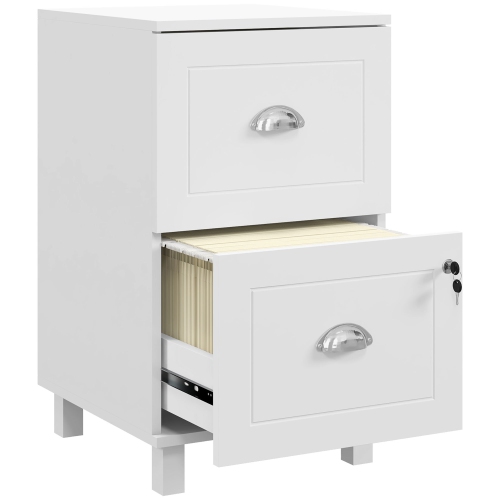
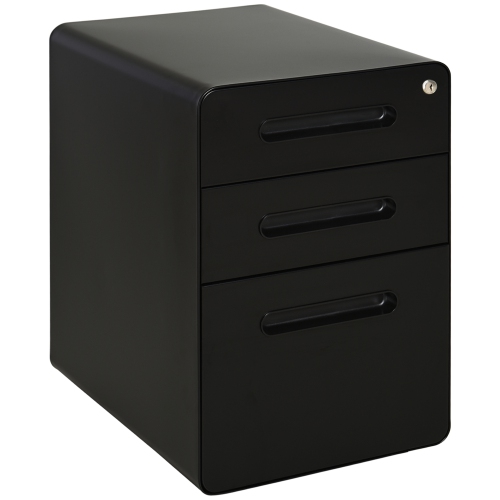
What separates a filing cabinet from an ordinary drawer unit is the way it holds and presents documents. A drawer built for hanging folders has rails that support the folders by their tabs, keeping labels upright and visible when the drawer opens. That makes a difference when a single drawer holds appliance receipts, insurance documents and school records that would otherwise end up in a stack. Letter-size documents measure 8.5 by 11 inches, while legal-size documents measure 8.5 by 14 inches. The usable space inside the drawer and the position of its rails determine which folders it can hold, not the width of the cabinet from the outside. For contracts or other longer documents that need to lie flat, Legal Filing Cabinets offer storage sized for legal folders. Some wider drawers can accommodate either format with adjustable rails, and the arrangement may run front to back or side to side depending on the cabinet. Full-extension drawer slides help bring the last row of folders within reach, a useful feature when the back of a drawer holds records that still need to be pulled regularly. The drawer layout can matter as much as total capacity. Someone who works with a small set of active folders may get more use from one file drawer and two shallow drawers for stationery than from several deep drawers. A household keeping records for multiple family members might prefer separate file drawers so a school form doesn’t get mixed in with mortgage paperwork. Paper also gets heavy quickly, particularly when folders are packed with multi-page documents. Drawer load ratings describe how much weight the drawers are designed to hold, and some cabinets have an interlock that limits opening to one drawer at a time to help reduce tipping. A lock can discourage casual access in a shared workspace, but an ordinary locking filing cabinet is not a substitute for a safe when documents need stronger protection.
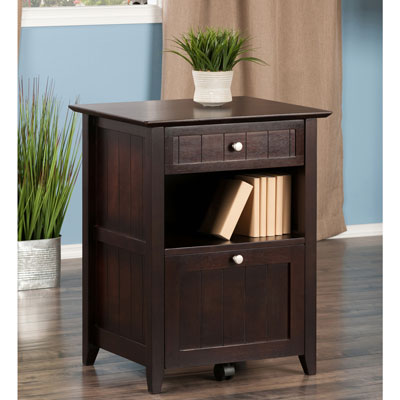
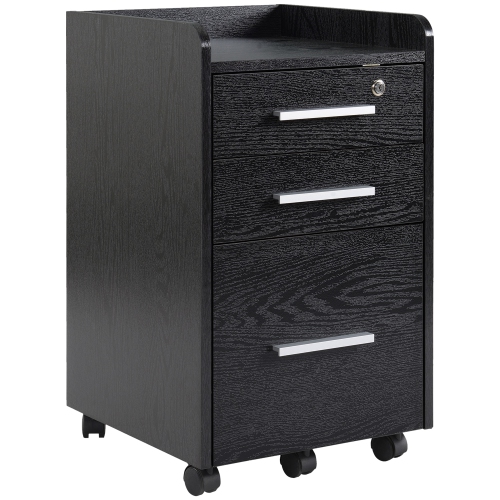
Steel and finished engineered wood give modern filing cabinets different looks and suit different routines. Powder-coated steel has a crisp, uniform finish and is a practical choice for drawers that will be opened repeatedly throughout the workday. Wood-grain laminate or veneer can make a cabinet feel more like living room furniture, especially when it sits alongside a wood-finish desk or shelves. A matte front gives the cabinet a softer look under task lighting, while visible pulls can be easier to grasp than a narrow recessed grip. For a cabinet that sees frequent use, sturdy slides, firmly attached handles and a stable base contribute as much to day-to-day durability as the material on the front. Care is usually straightforward: a soft cloth takes care of dust, and a lightly damp cloth can remove fingerprints from many finishes. Manufacturer care directions are worth following, particularly for veneer and coated metal, since abrasive cleaners can dull the surface and moisture left at seams can damage some wood-based panels. Wiping spills promptly is especially useful when the top doubles as a place to set a coffee mug. Inside, leaving enough room for folders to slide along the rails makes labels easier to read and keeps papers from catching as the drawer closes. A mobile cabinet suits someone who needs files within reach at a home desk but wants to roll the unit aside when more floor space is needed. A lateral cabinet can be a better fit for a small business that needs to scan many folder labels at once, while a slim vertical cabinet can serve a household that wants one consistent place for important papers. A compact cabinet can also make a practical housewarming gift for someone setting up a dedicated workspace, particularly when the desk clearance and preferred finish are known. The right fit feels like part of the room rather than an extra piece squeezed into it, with enough space to pull a drawer open and find a document without shuffling a stack of papers.
Top selling and popular products
-
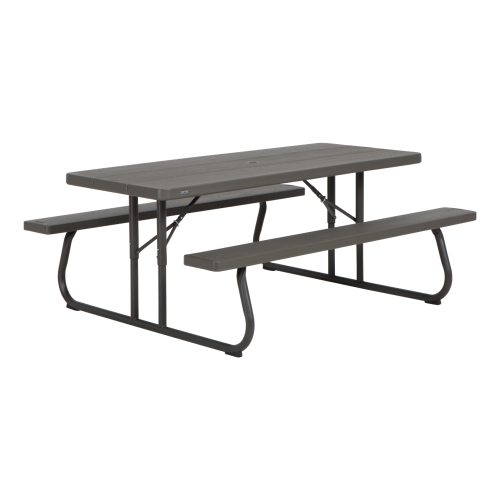 Your price for this item is $369.99
-
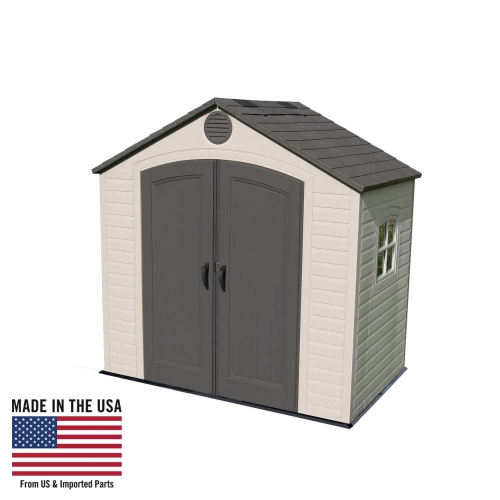 Your price for this item is $2249
-
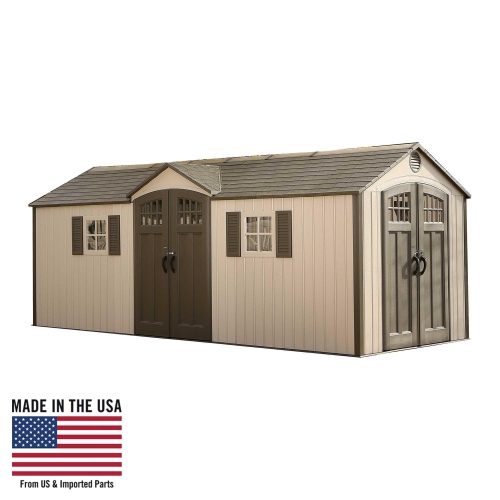 Your price for this item is $5999.99
-
 Your price for this item is $5999.99
-
 Your price for this item is $4499.99
-
 Your price for this item is $629.99
-
 Your price for this item is $369.99
-
 Your price for this item is $119.99
Discover more categories related to Modern Filing Cabinets
Top Collections:
Best Black Friday Deals This Year, Best Black Friday Deals On Electronics, Kindle Devices, Dyson Airwrap, Best Cameras for Sports Photography, Best Budget Office Chairs, Canon G7X Cameras, PS5 Pro Consoles, Best Black Friday Deals On Apple Products, XBOX One S Consoles
Some products may be subject to Environmental Handling Fees
(EHF) depending on your province.
Learn more about EHFs.