Light Blue Area Rug
Enhance the ambiance of any room with our Light Blue Area Rug collection. These stylish and versatile rugs are the perfect addition to your home decor, bringing a touch of elegance and sophistication to any space. Crafted with utmost care, our Light Blue Area Rugs boast a soothing color palette that effortlessly complements various interior styles. Whether you're looking to revamp your living room, bedroom, or office, these rugs offer both comfort and style, making them a must-have for any modern home. Explore our diverse range of Light Blue Area Rugs and find the perfect piece to elevate your space today.
Sort


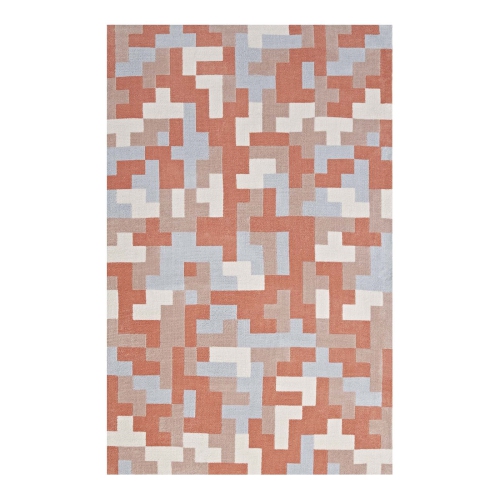


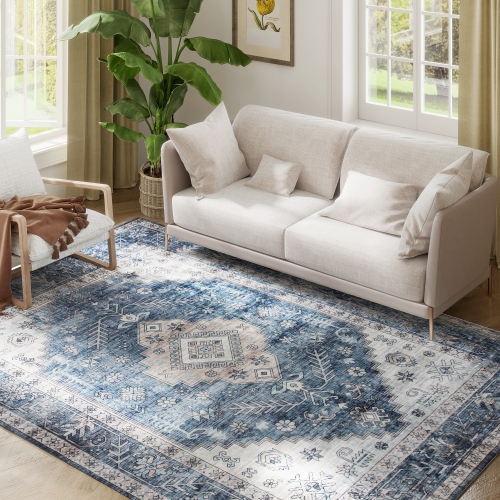
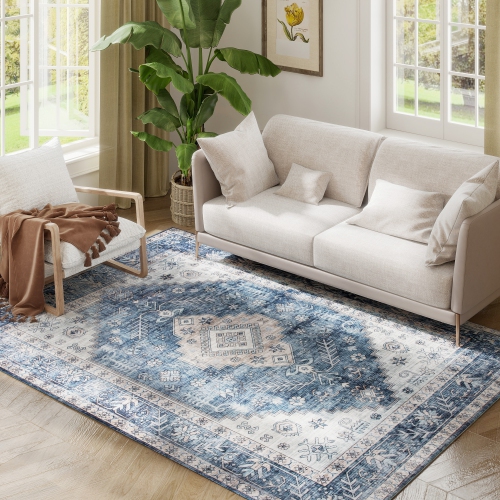

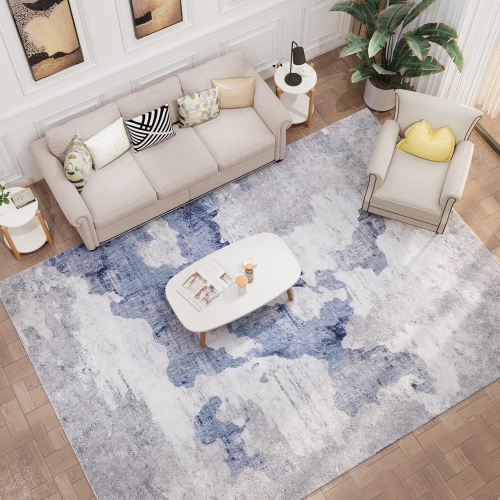










































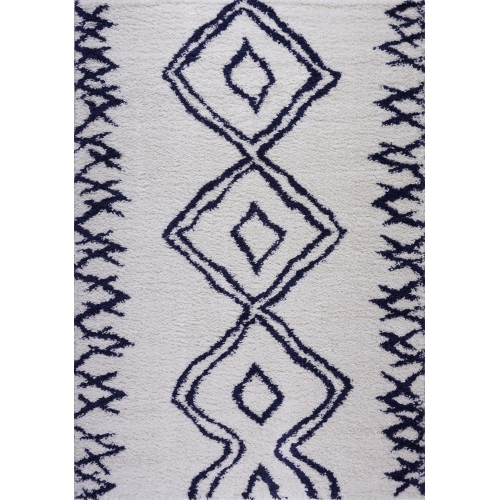
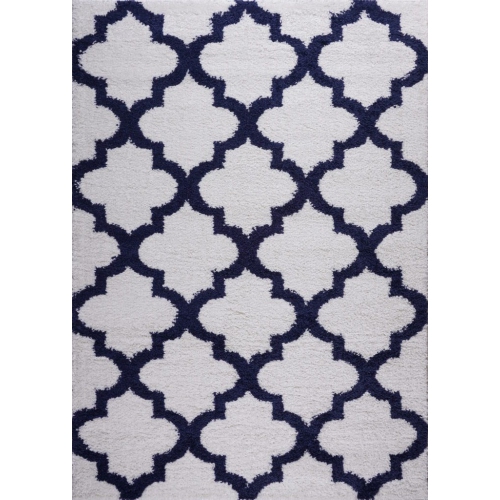

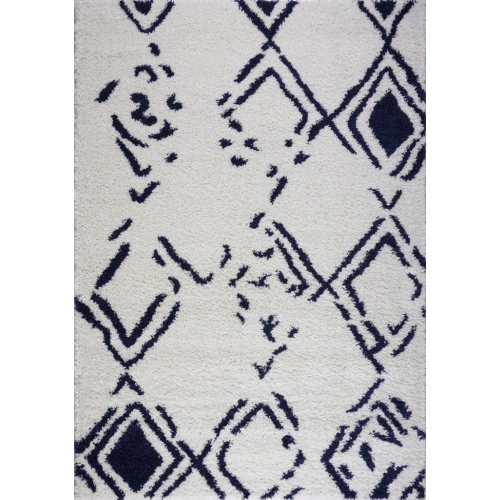












Why soft blue looks different in every room
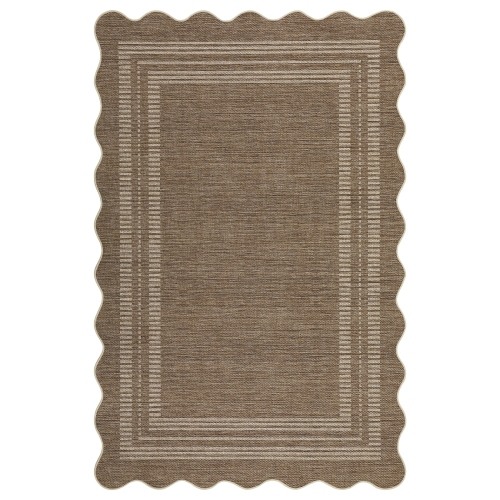
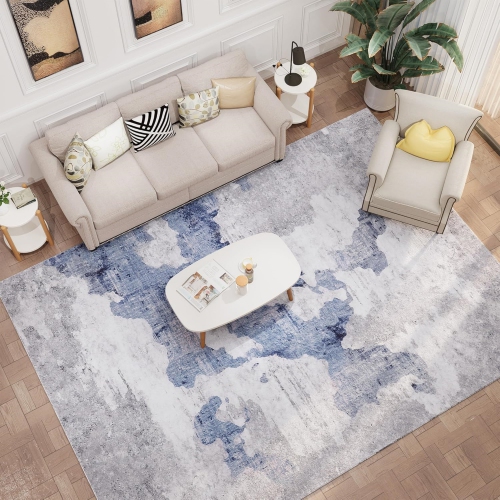
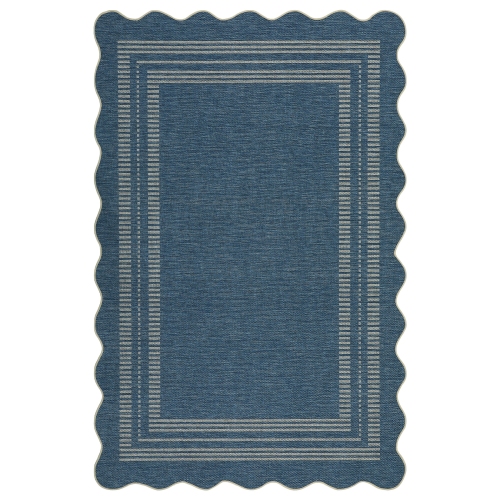
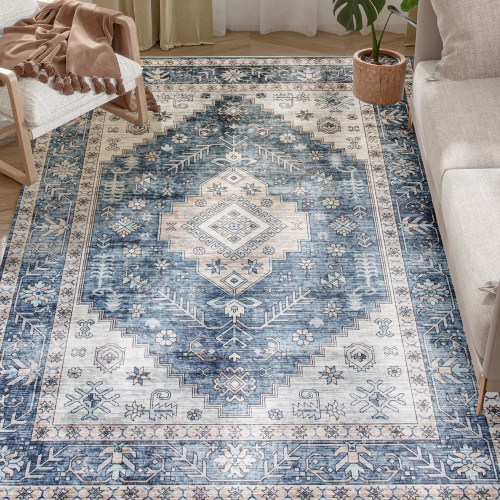
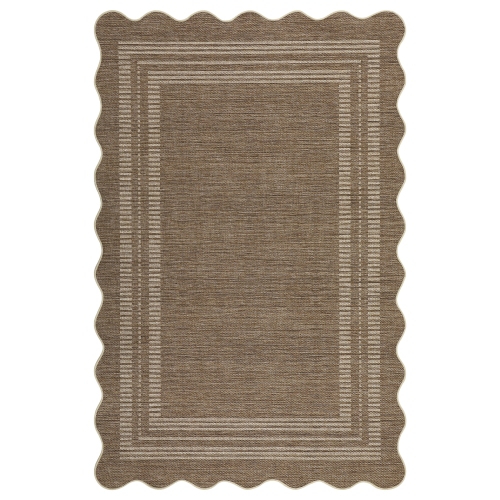
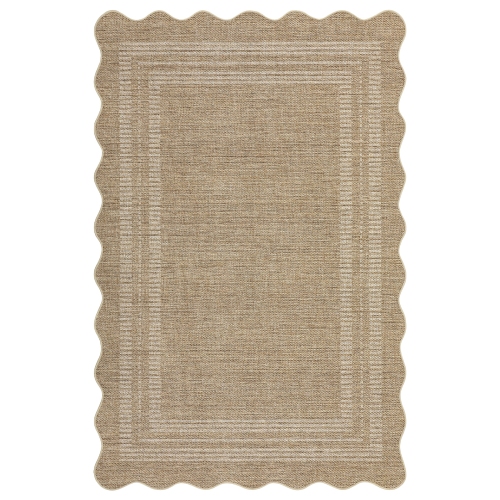
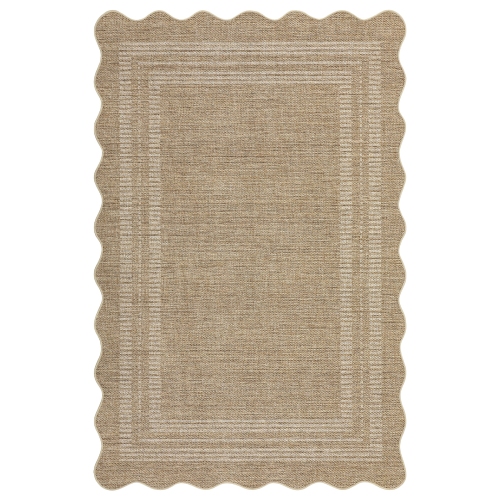
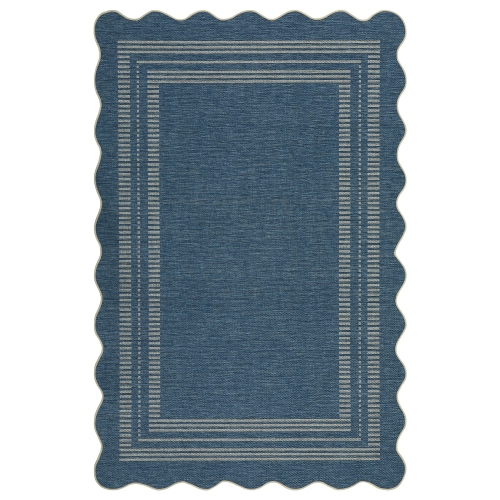
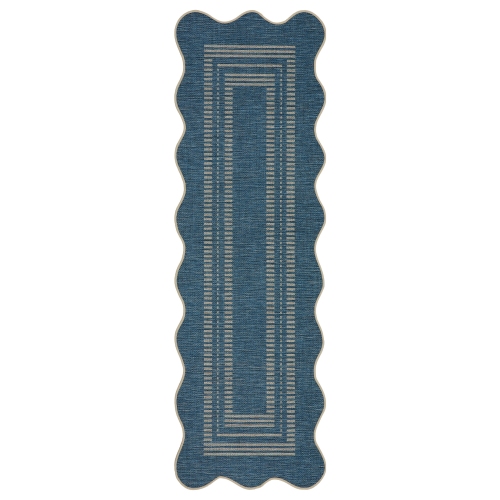
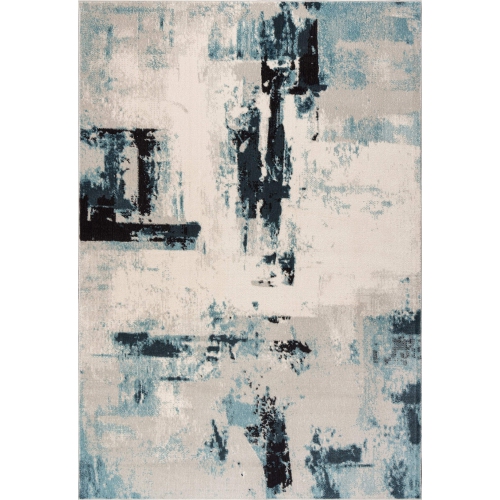
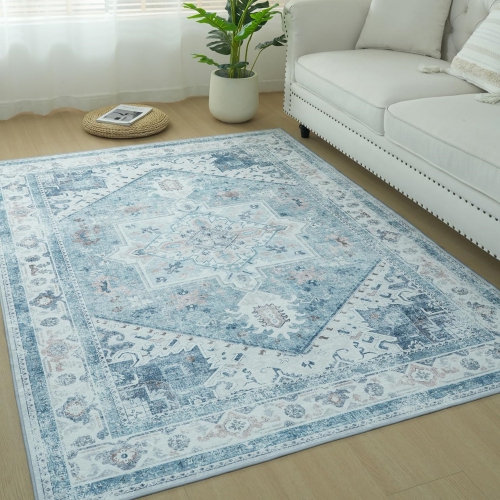
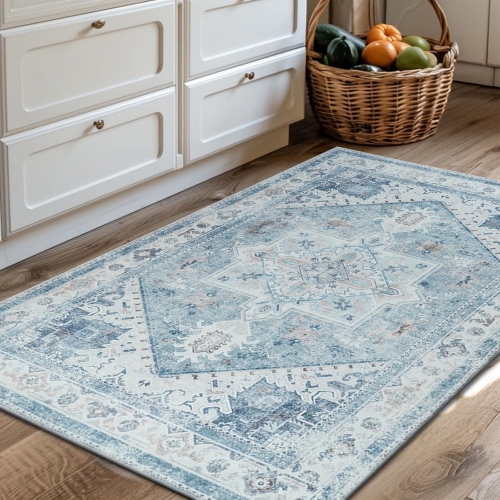
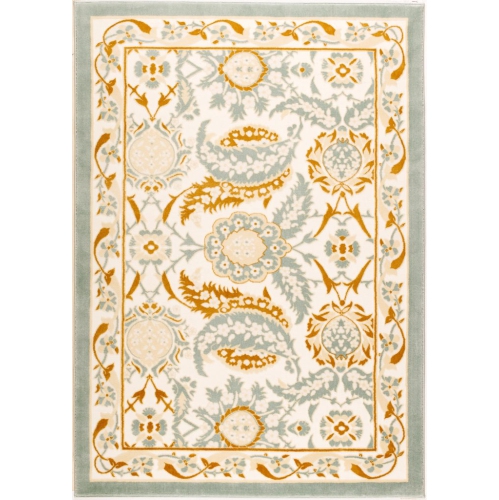
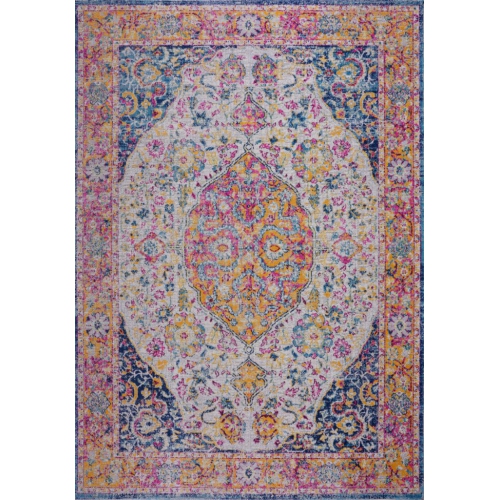
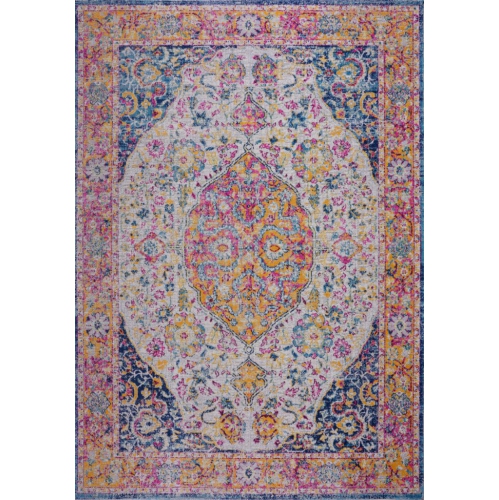
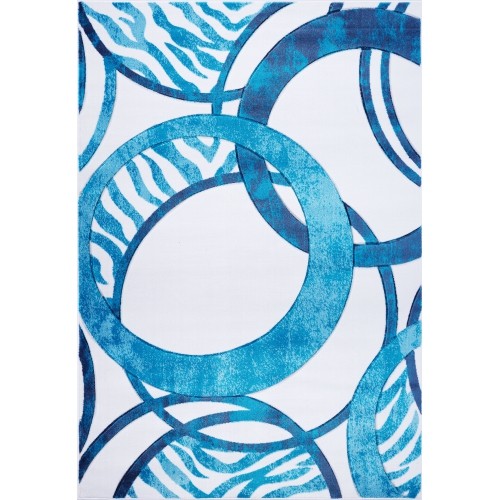
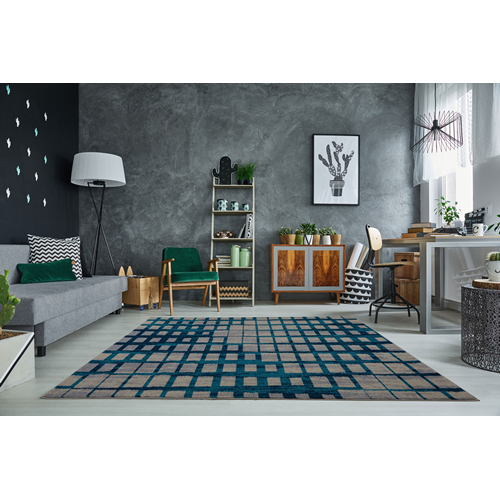
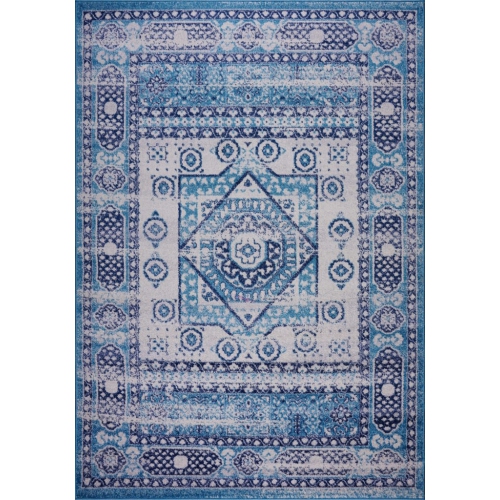
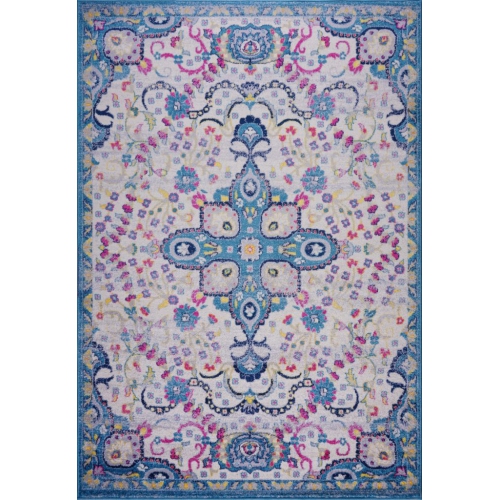
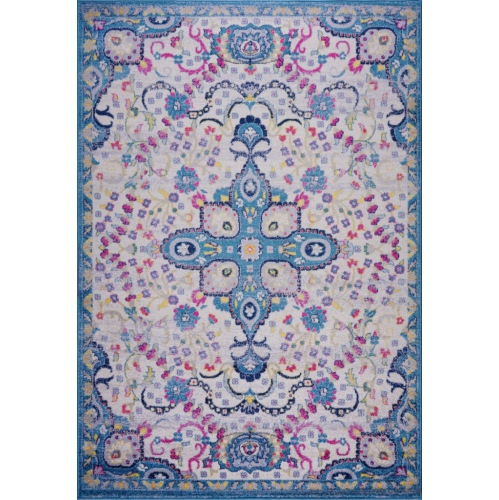
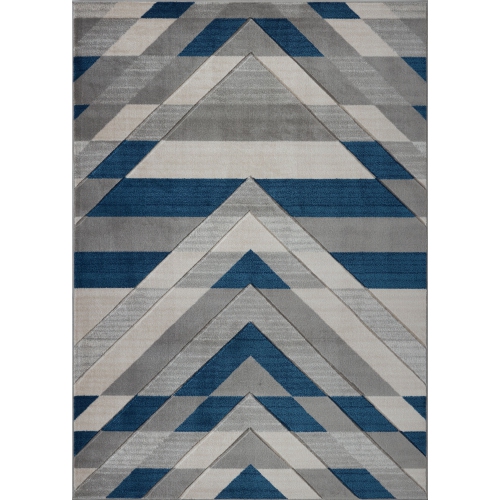
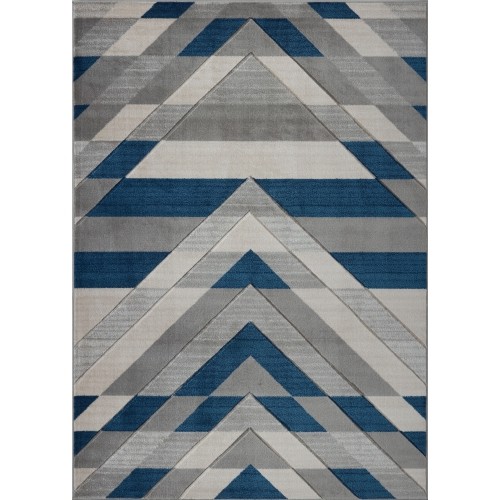
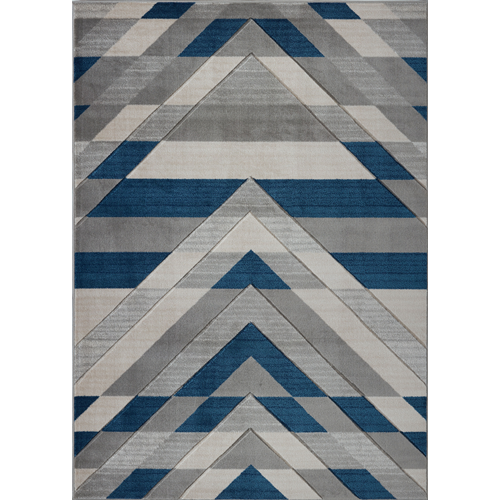
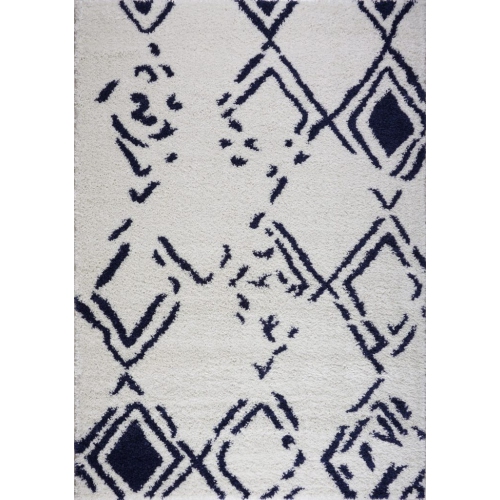
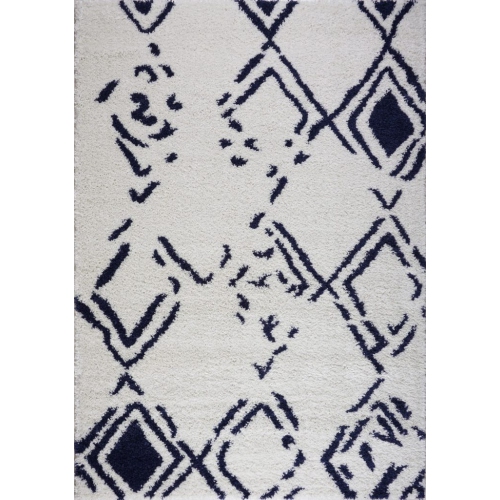
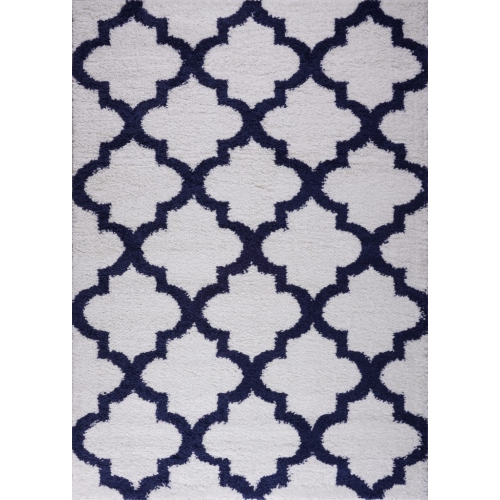
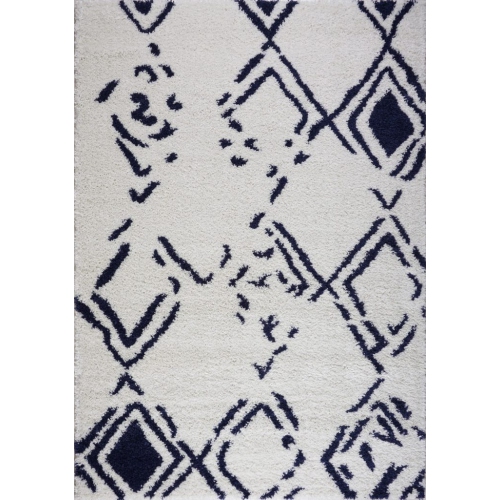
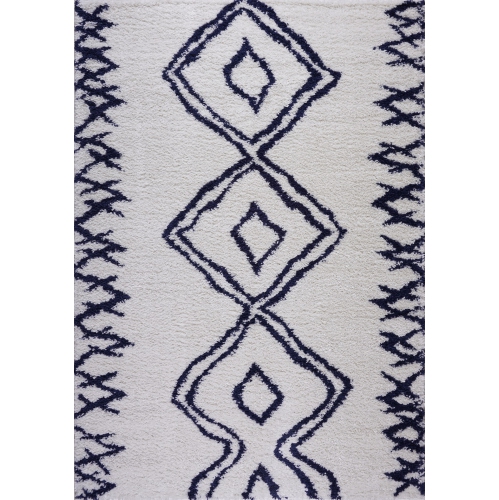
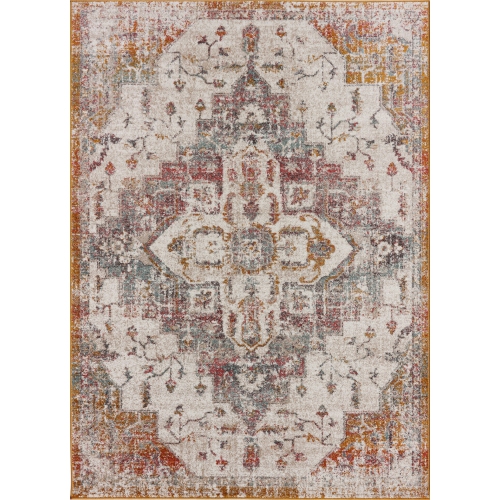
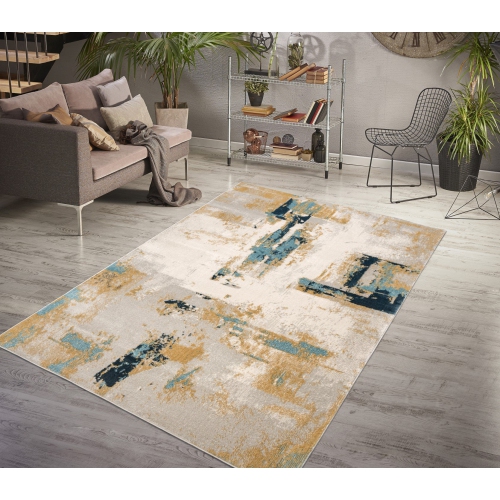
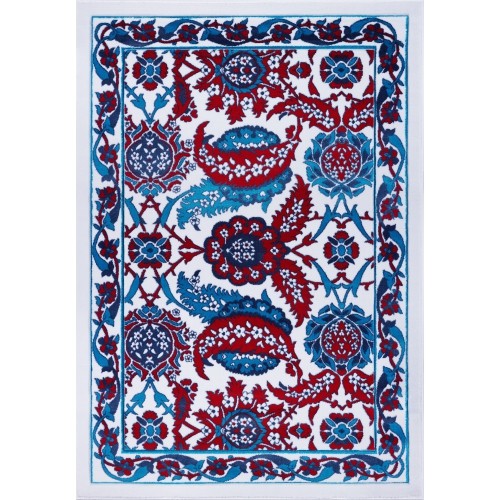
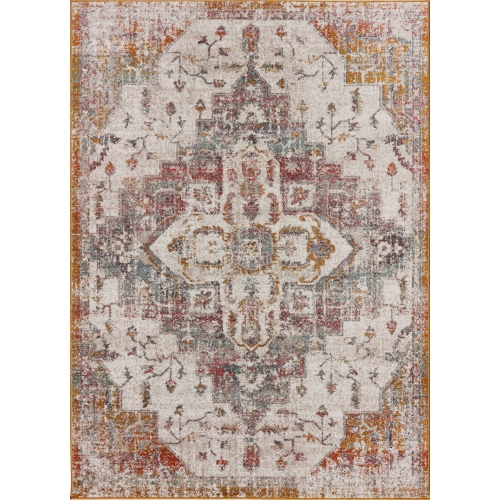
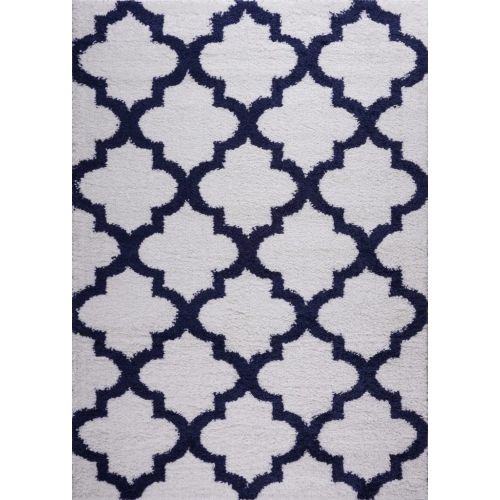
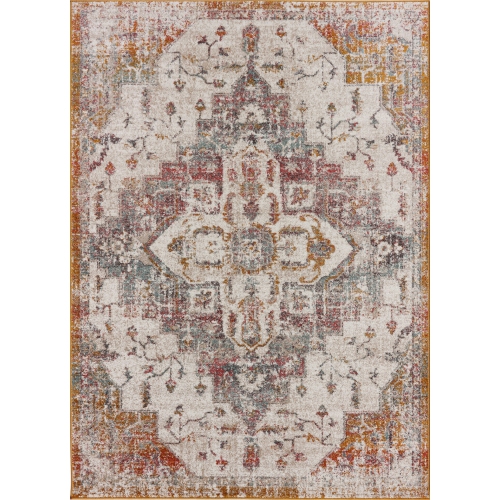
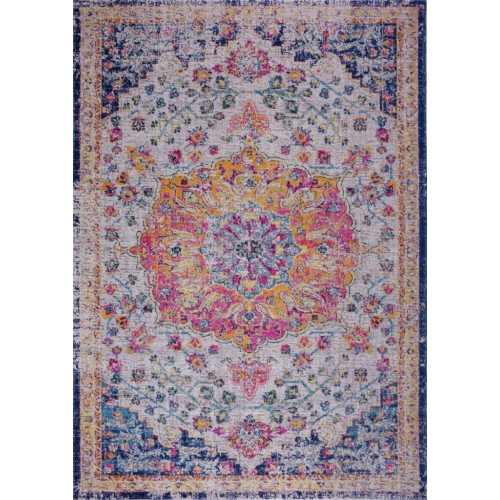
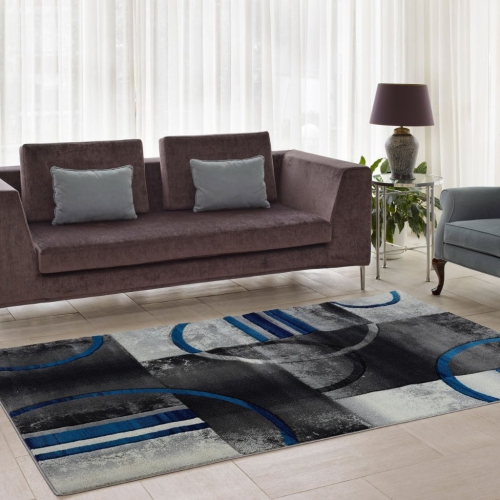
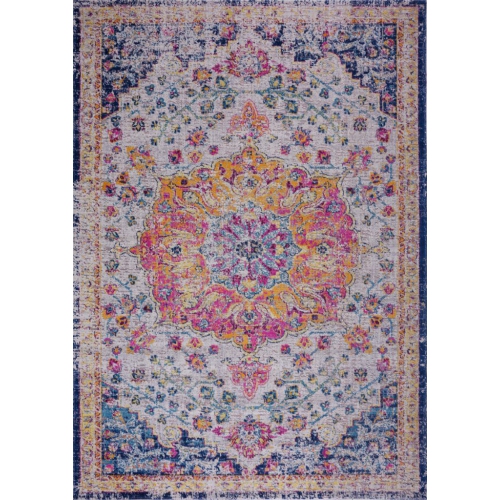
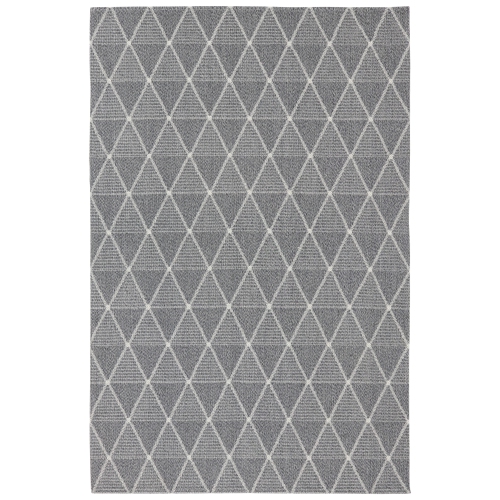
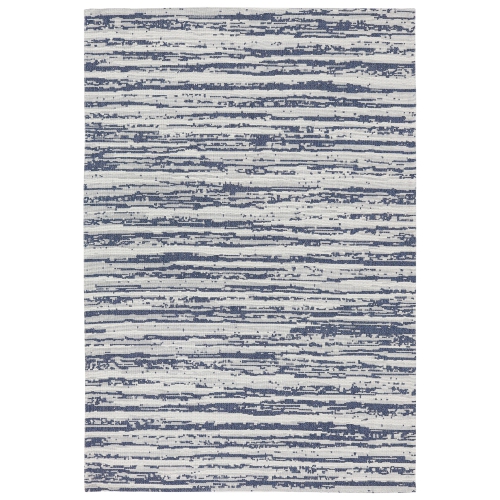
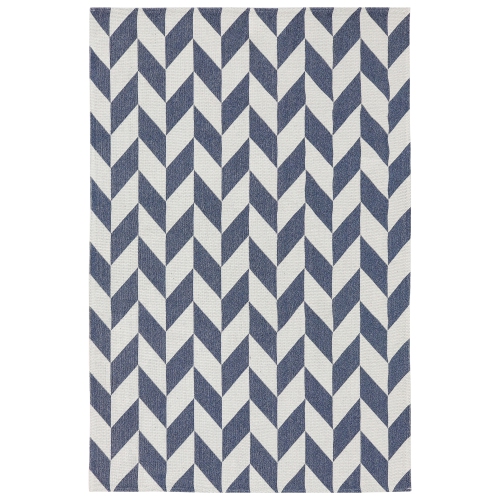
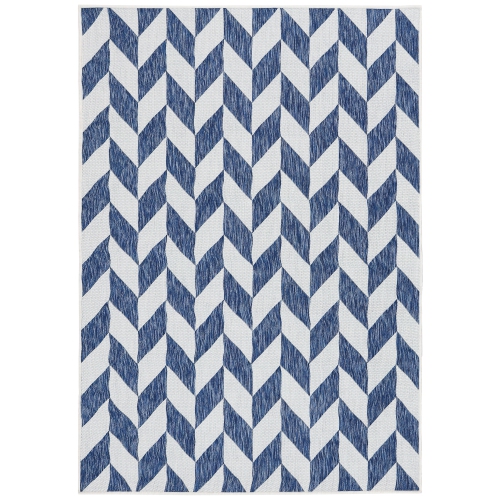
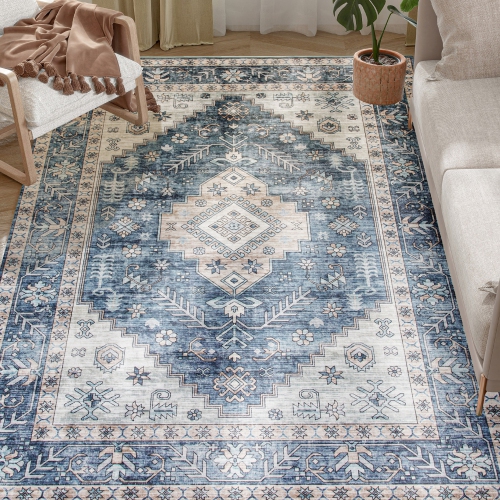
A light blue area rug brings soft colour to a room while giving furniture a clear place to gather. Its effect depends on the shade, pattern, and texture: pale sky blue feels airy against white walls, powder blue blends gently with cream upholstery, and blue with a grey undertone sits comfortably beside charcoal seating or brushed metal accents. Some light blue rugs have green undertones, while others lean towards lavender, so the surrounding finishes matter as much as the colour name. A rug that looks crisp beside white cabinetry may appear more muted against warm oak flooring. Daylight and indoor lighting can also change how the colour reads, making product images and colour descriptions useful references rather than exact guarantees. Solid designs let the blue take centre stage, while faded medallions, subtle stripes, and abstract patterns introduce variation without making the floor feel busy. A lightly patterned surface can be especially practical where everyday footprints or small bits of lint would stand out against a uniform colour. Light blue area rugs work with more than coastal decor; they can soften a modern living room, complement traditional wood furniture, or bring a quiet accent to a bedroom with linen bedding. For a related look with a contemporary emphasis, Modern Blue Area Rugs provide another direction for coordinating blue with clean-lined furniture. Warm neutrals such as beige, ivory, and taupe keep the palette gentle, while navy cushions or a dark blue throw add definition. Natural wood, woven baskets, and textured upholstery prevent a pale blue scheme from feeling flat. Rather than matching every accessory exactly, repeating a little of the rug’s blue in artwork or textiles helps the room feel connected. In an open-plan space, a light blue rug can distinguish the seating area from the dining area without introducing a sharp visual break.
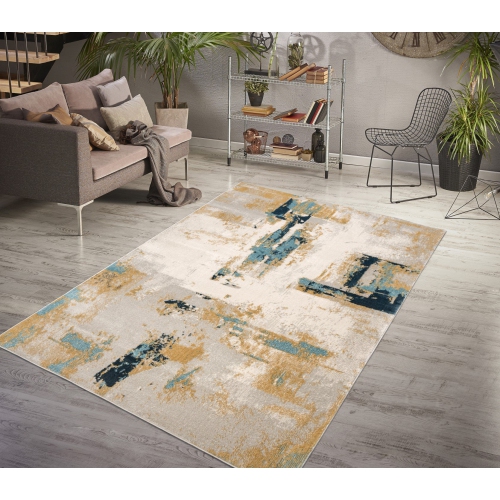
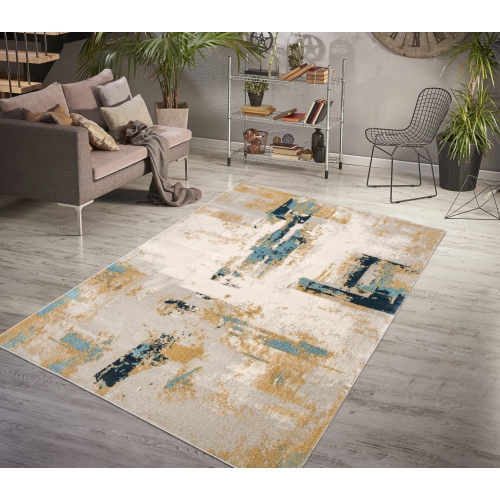
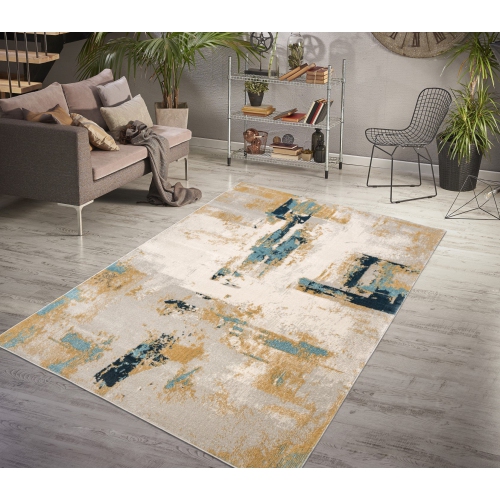
The right size and shape give a light blue area rug a purpose beyond decoration. In a living room, a rug that reaches beneath the front legs of the sofa and nearby chairs usually makes the seating arrangement feel more connected than a small rectangle beneath the coffee table alone. A 5-by-8-foot rug may suit a compact arrangement, while an 8-by-10-foot or 9-by-12-foot rug can accommodate a larger grouping, depending on the furniture and room dimensions. These sizes are starting points rather than fixed rules; measuring the intended footprint and marking its edges with removable tape makes the proportions easier to picture. Doorways, floor vents, and walking routes also affect placement. Leaving a visible border of flooring helps define the rug, but an overly narrow rug can make substantial furniture look crowded around it. In a bedroom, extending the rug beyond the sides and foot of the bed provides a soft landing where feet naturally meet the floor. Smaller rugs placed beside the bed can serve a similar purpose when a large rug would cover too much of the room. Beneath a dining table, the rug needs enough extra width and length for chairs to remain on it when pulled out; roughly 60 to 75 cm beyond each table edge is a useful allowance, with the final fit determined by the chairs themselves. A low, even surface makes chair movement easier than a deep, plush pile. Round rugs can echo a round table or define a reading corner, while rectangular shapes often suit sofas and beds. Light blue can bring a gentle backdrop to a nursery, home office, or sitting room, but placement still needs to support daily use. A desk chair benefits from a firm, low-profile surface, and an entry area needs a rug that clears the door and stays securely in place. For someone furnishing a first apartment or updating a shared living space, a rug is most useful when its dimensions suit the furniture already in the room.
Materials and construction influence how a light blue area rug feels underfoot, how it wears, and how much attention it needs. Wool offers a resilient texture and comfortable cushioning, although some wool rugs shed loose fibres, particularly early in their use, and require care suited to the fibre. Polyester can provide a soft surface with clear colour definition, while polypropylene is often chosen for its moisture resistance and practical maintenance. Neither material is automatically stain-proof, and the backing, weave, and care instructions remain important. Cotton rugs can have a lighter, more flexible feel, but washability depends on the entire construction, not simply the fibre listed on the label. A washable rug also needs to fit the washing machine and follow its stated drying requirements. Flatwoven and low-pile rugs tend to be easier to move furniture across and vacuum, making them useful around dining tables, desks, and busy seating areas. A shag or thicker cut pile offers more cushioning in a bedroom or reading nook, but crumbs, pet hair, and small debris can settle deeper between the fibres. Households with pets may find a closely constructed surface more manageable than a loose looped texture that claws could catch. Regular vacuuming with settings appropriate to the rug helps remove grit before it works into the pile; delicate fibres or looped constructions may need suction without a rotating brush. Spills are best blotted promptly with a clean cloth rather than rubbed, and any cleaner should be checked against the care label and tested in an inconspicuous spot. Pale blue makes maintenance particularly relevant because dark marks can be noticeable, though a varied pattern may soften their appearance between cleanings. A rug pad matched to the flooring and rug construction can help reduce shifting and add cushioning, with edges kept beneath the rug so they do not become a tripping point. Rotating the rug occasionally helps distribute wear where people walk most often. With suitable placement, fibre choice, and care, a light blue area rug can remain a comfortable, useful foundation for everyday living.
Top selling and popular products
-
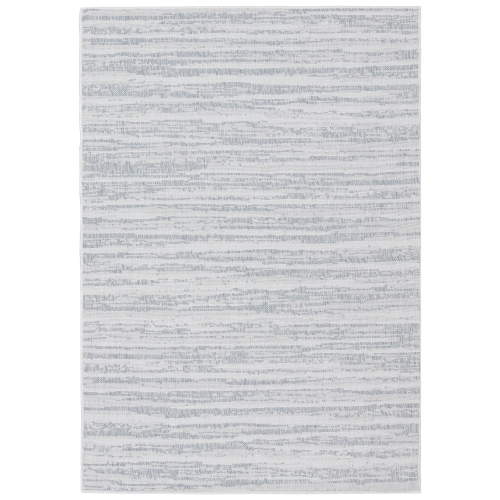 Your price for this item is $129.15
-
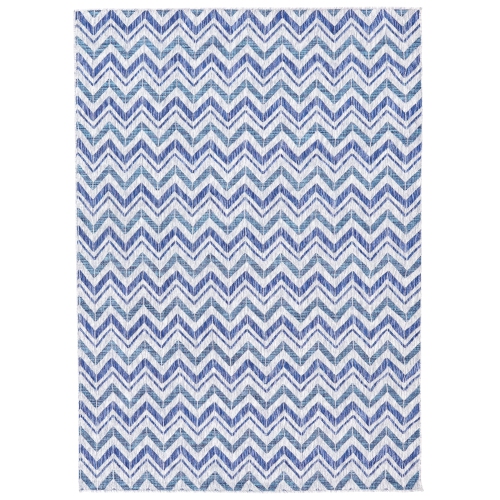 Your price for this item is $129.15
-
 Your price for this item is $130.55
-
 Your price for this item is $130.55
-
 Your price for this item is $130.55
-
 Your price for this item is $129.15
-
 Your price for this item is $111.99
-
 Your price for this item is $124.99
Discover more categories related to Light Blue Area Rug
Top Collections:
Pokemon Centers, Kindle Devices, Best Cameras for Sports Photography, Pokémon 30th Celebration Cards, Apple iPhones 16, Canon G7X Cameras, iPhone 15 Apple, Flip Phones, Samsung Galaxy Phones, Alarm Clock
Some products may be subject to Environmental Handling Fees
(EHF) depending on your province.
Learn more about EHFs.