Light Brown Furniture Bedroom
The bedroom is the room in the house where you spend the most time. It's where you sleep, and it's where you do your best thinking, so it's important to make it as comfortable and inviting as possible. Here are some light brown bedroom furniture ideas.
Sort
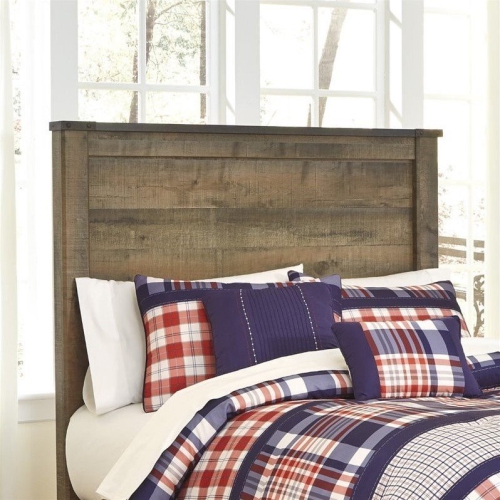
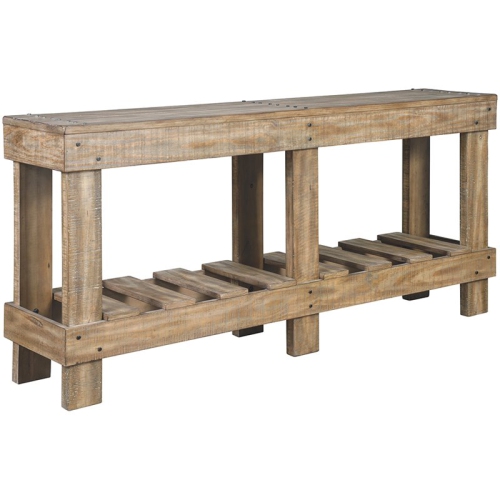
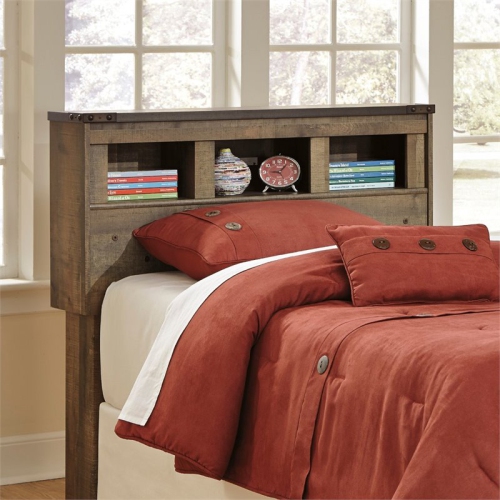
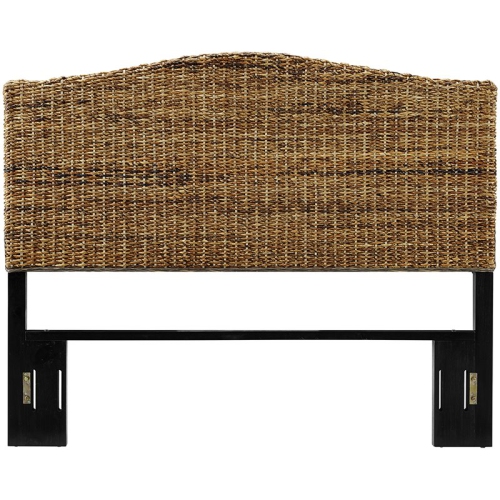
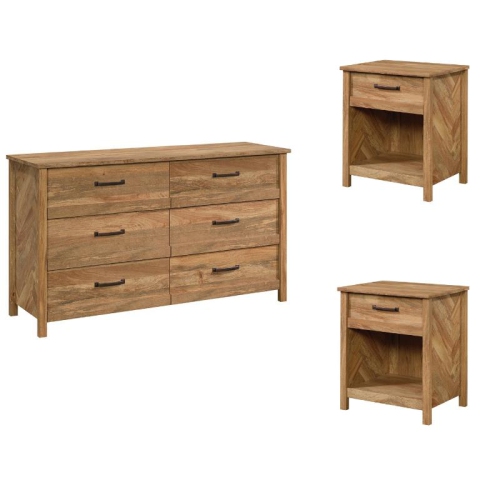
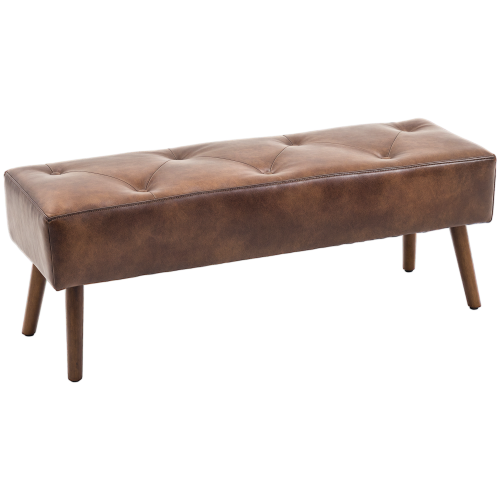
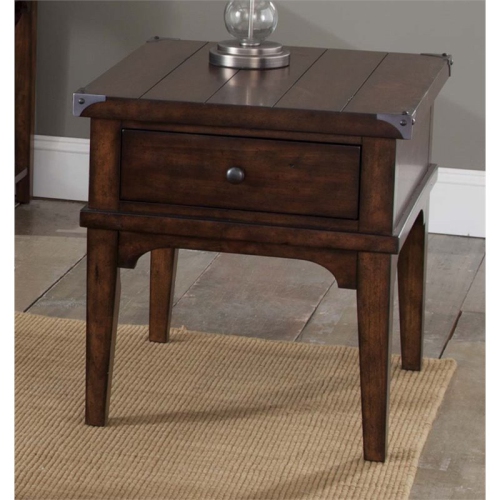
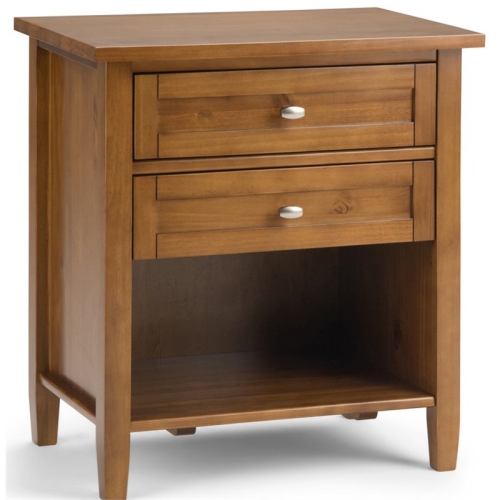
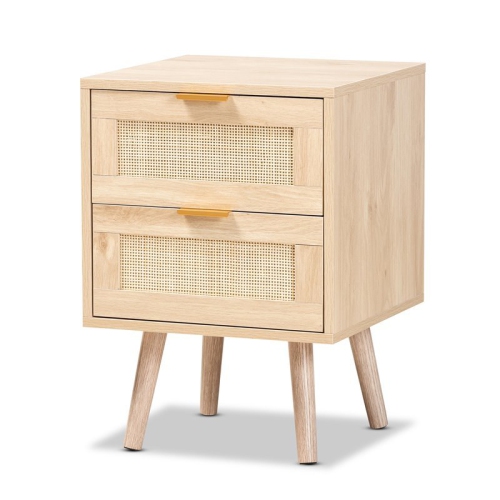
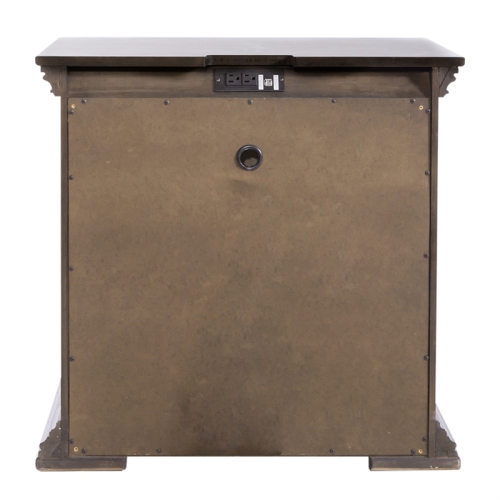
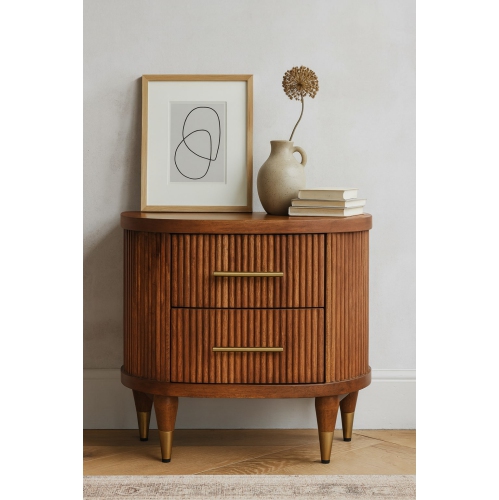
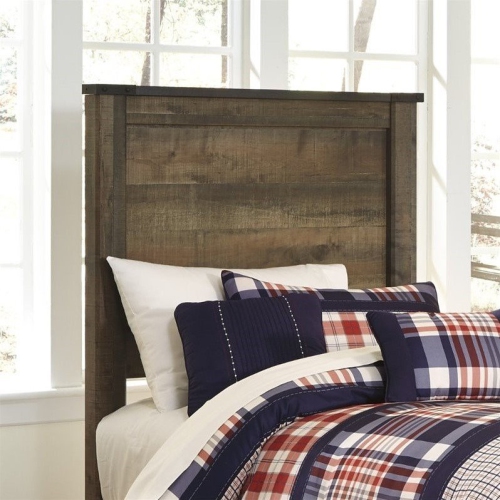
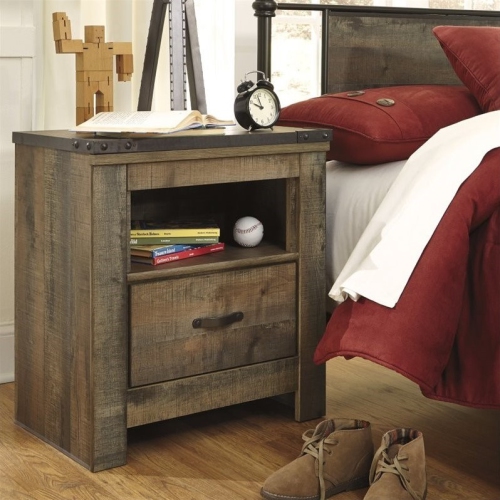

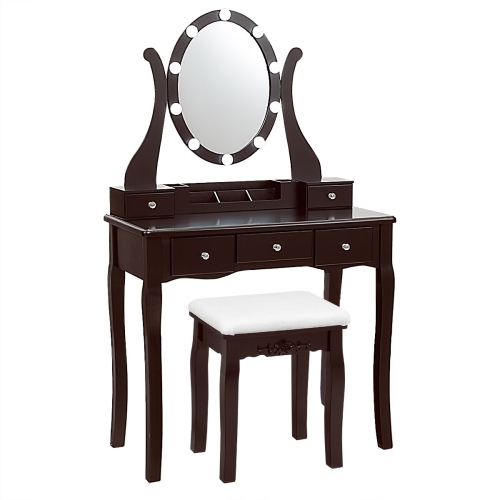
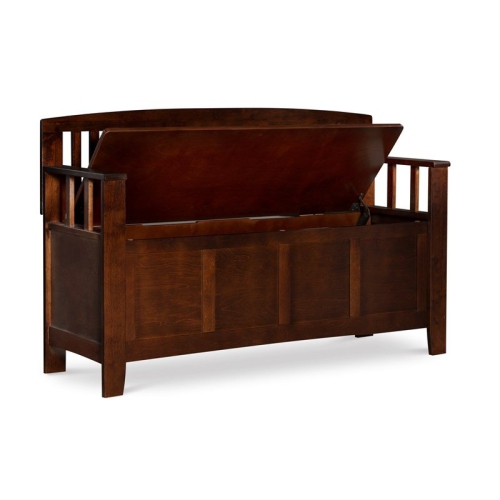
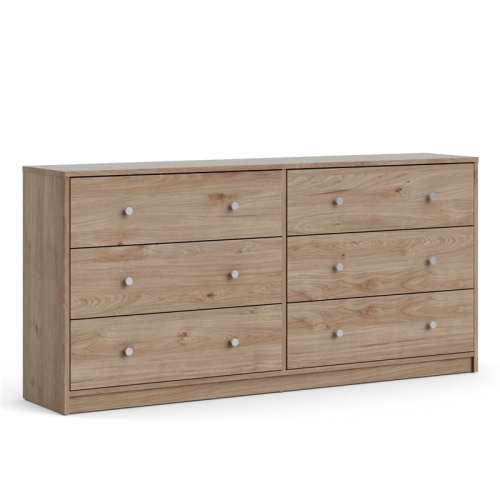
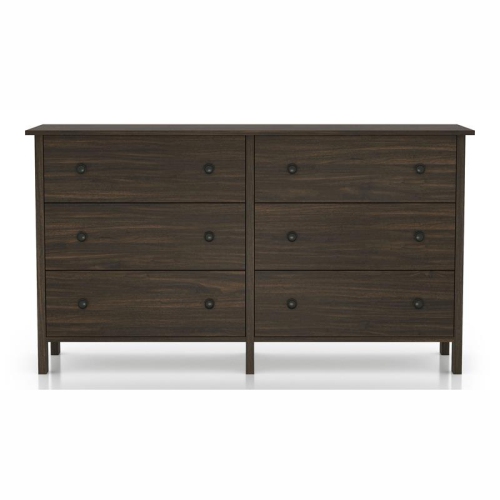
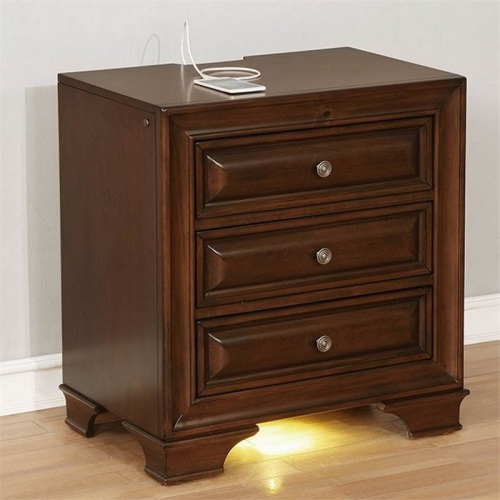
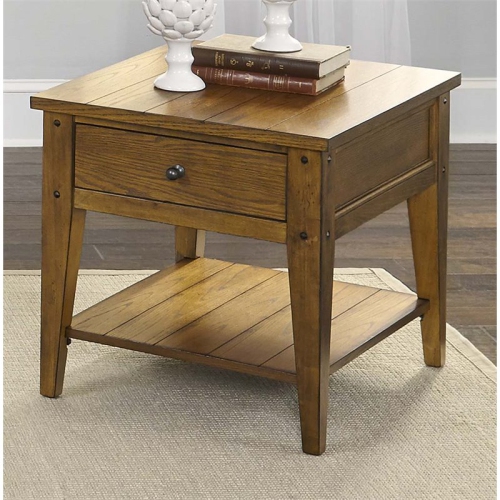
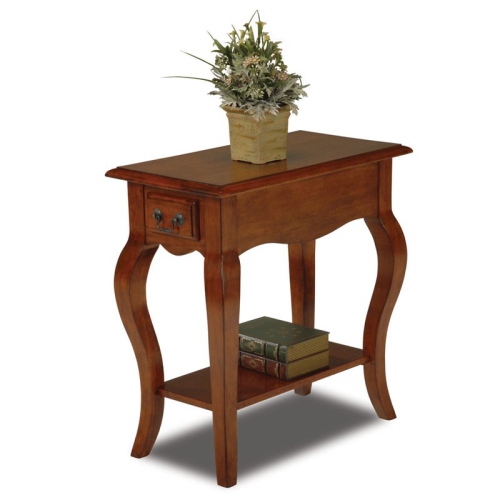
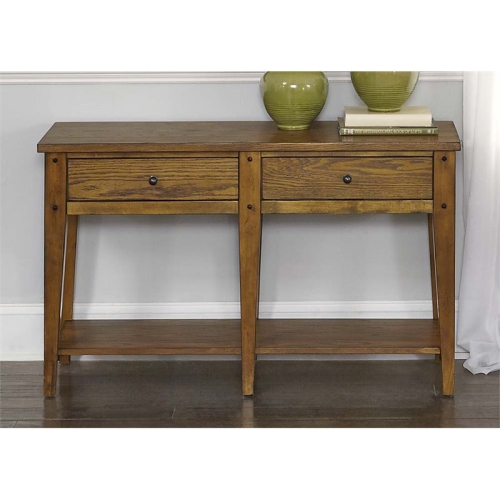
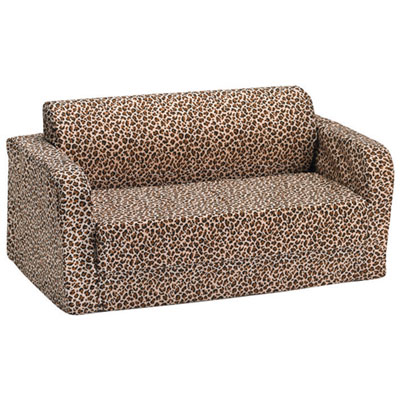
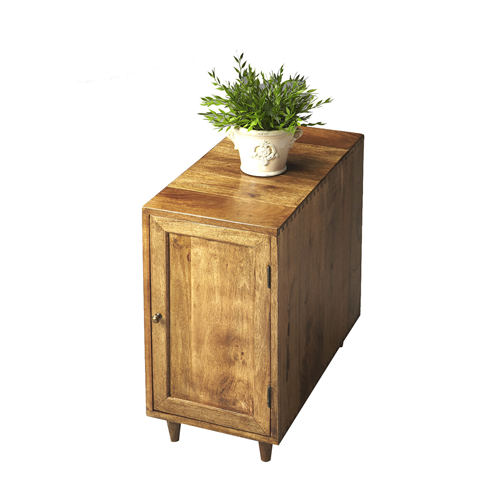
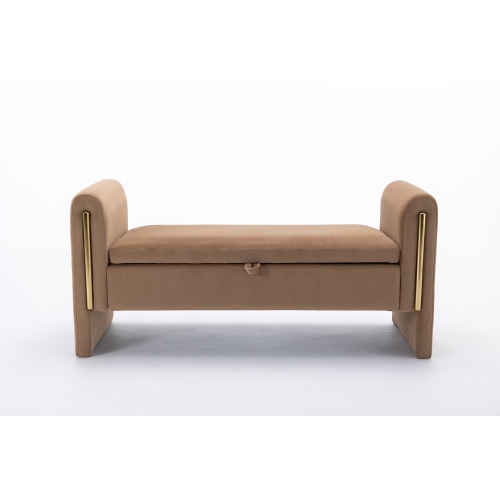

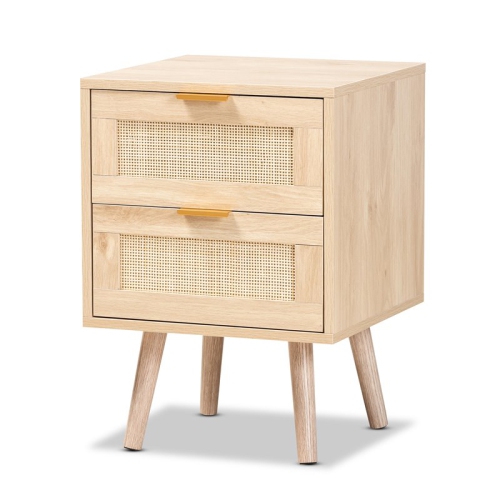
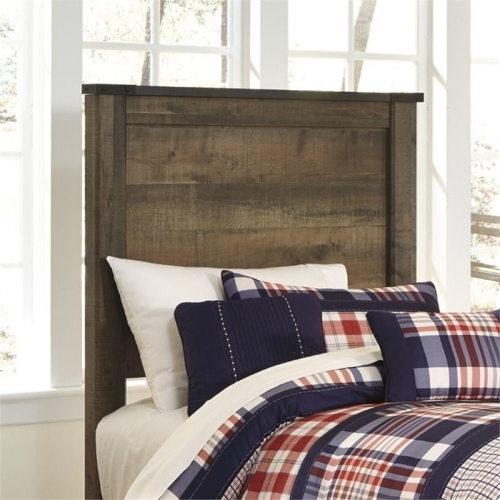
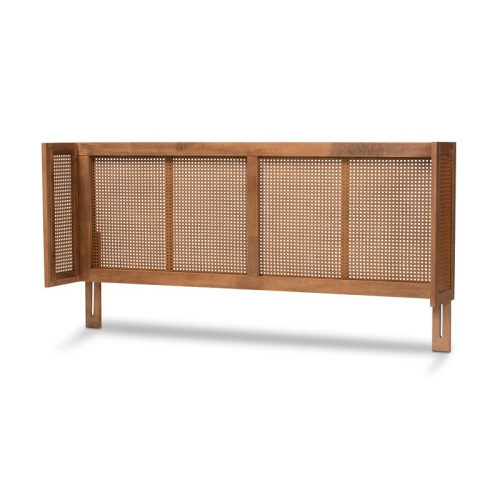
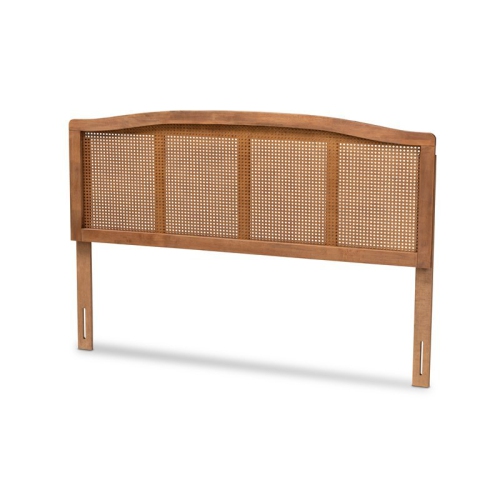
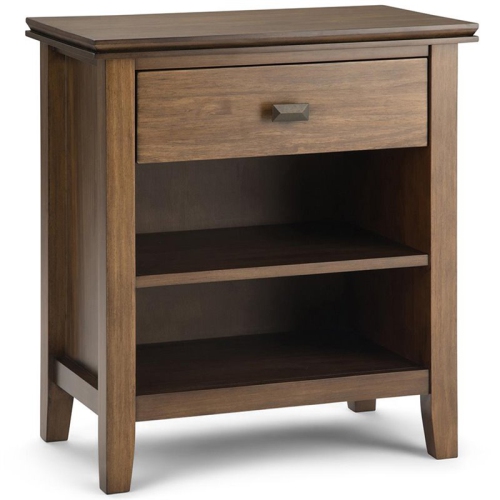
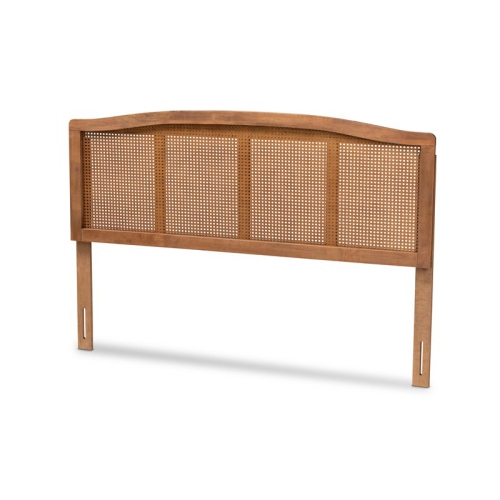
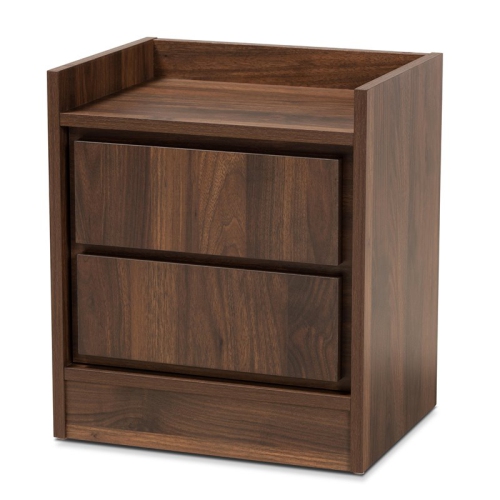
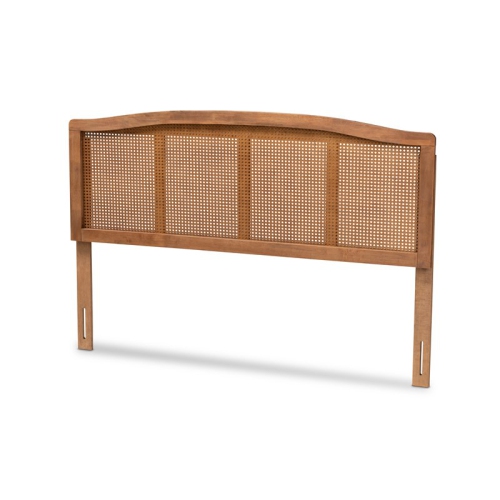
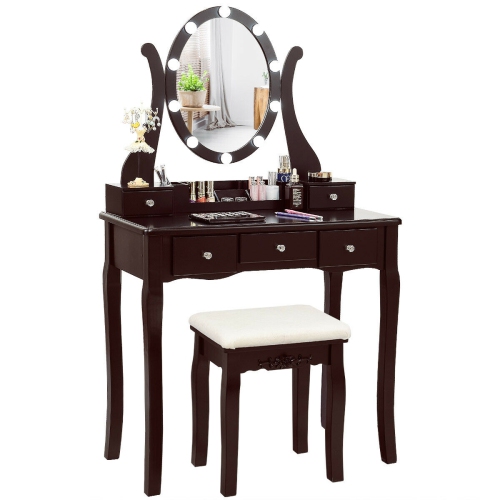
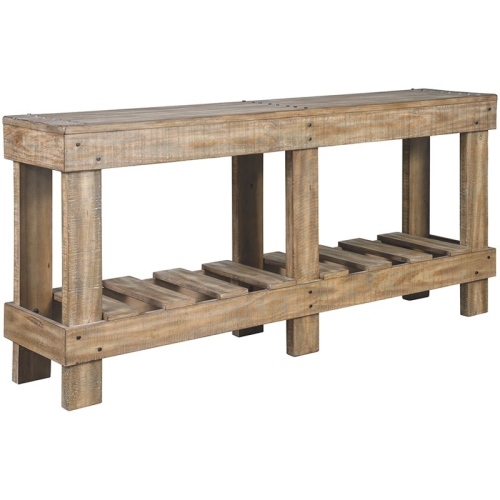
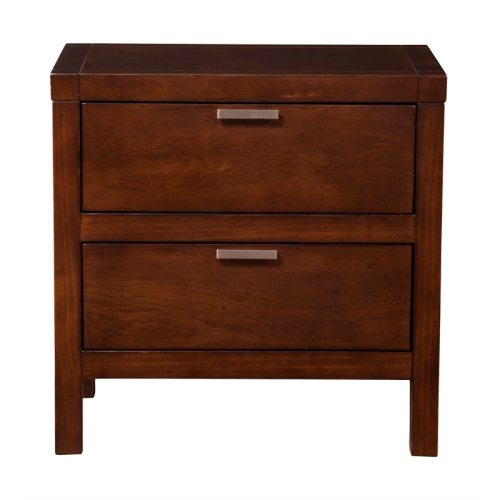
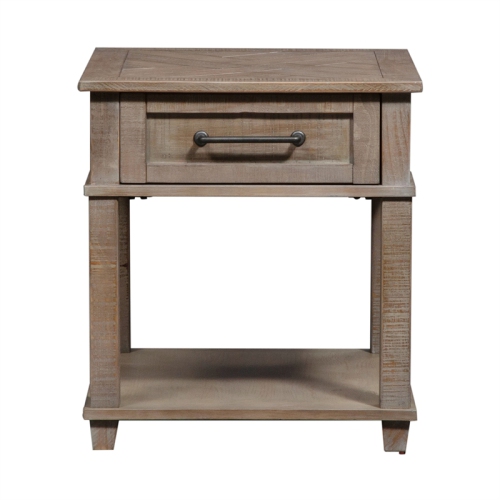
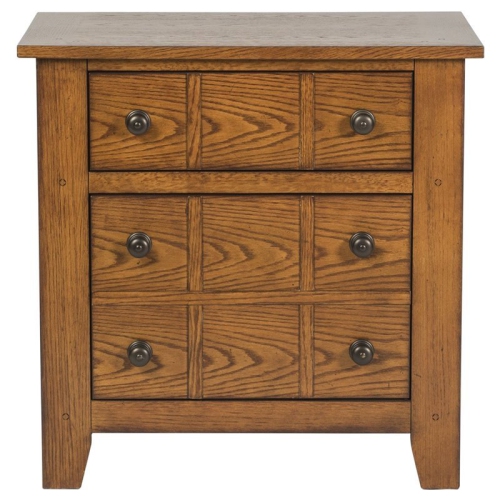
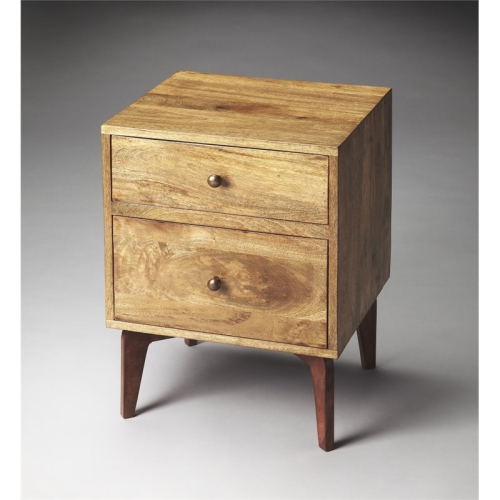
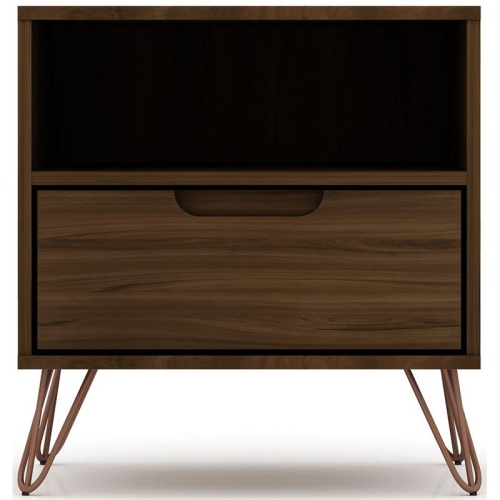
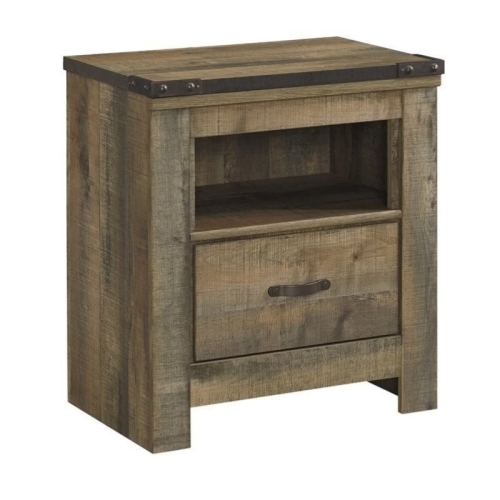
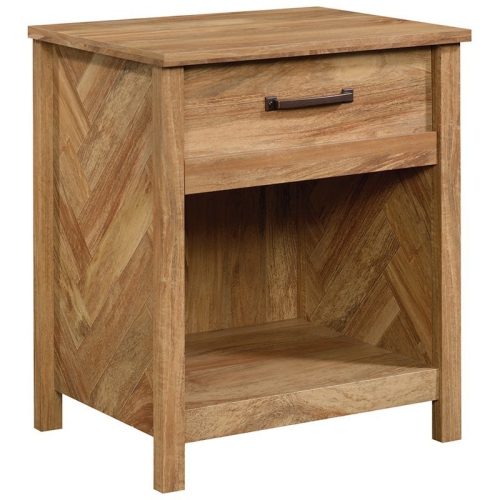
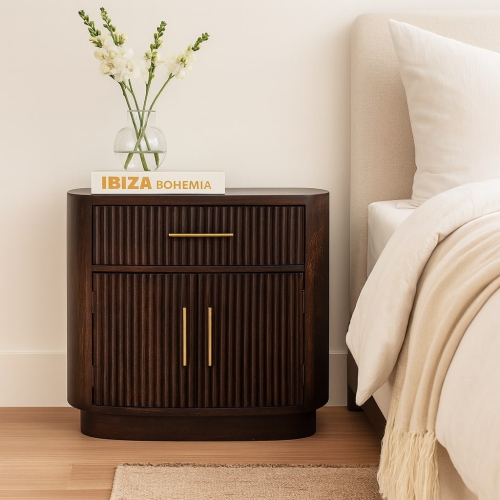
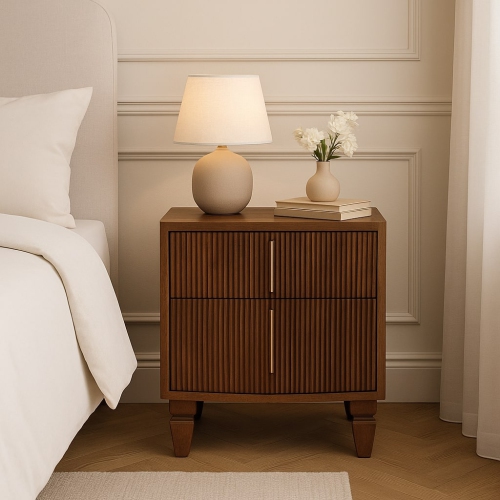
Warm brown tones without the perfectly matched look
Light brown bedroom furniture brings warmth and visible texture to a room without the visual weight of a very dark finish. Shades ranging from pale honey and sandy beige to muted caramel create an inviting foundation for beds, nightstands, dressers, and chests. The colour is versatile, but its undertone makes a noticeable difference: golden browns pair naturally with cream and warm white, while brown finishes with a grey undertone sit comfortably beside soft white, charcoal, and dusty blue. Sage green bedding, woven textiles, and simple ceramic lamps also work well with light brown wood tones, adding contrast without overwhelming the room. For a quiet, coordinated look, a bed frame and storage furniture with similar grain patterns and finishes can give the space a sense of continuity. A more collected look can combine slightly different browns, particularly when a shared detail, such as rounded corners or dark metal handles, ties the furniture together. Style comes as much from shape as from colour. Low profiles, flat drawer fronts, and slender legs lend themselves to a modern bedroom; panelled headboards and framed drawers feel more traditional; and prominent grain or textured surfaces can bring a rustic character. Upholstered accents soften the appearance of wood, especially on a headboard used as a backrest while reading. Light brown finishes suit primary bedrooms, guest rooms, and smaller apartment bedrooms because they work with a broad range of wall colours and bedding. They can also carry through to adjacent spaces, with Light Brown Furniture offering a broader connection between bedroom furnishings and the rest of the home. The result need not be perfectly matched. Repeating a wood tone in a few places often feels more natural than making every surface identical, leaving room for personal details such as artwork, a favourite quilt, or a reading chair. A restrained palette gives those details space to stand out while allowing the furniture to remain a lasting part of the room as tastes change.
Materials and construction influence how light brown bedroom furniture looks, feels, and handles everyday use. Solid wood has natural variation in grain and colour, so two surfaces with the same finish may not look identical. It can also respond to changes in indoor humidity, making appropriate placement and care important. Wood veneer uses a thin layer of real wood over a supporting core, offering genuine grain while allowing a different approach to construction. Depending on their design, veneered surfaces may have limited scope for sanding or refinishing. Laminate and other decorative finishes can provide a consistent light brown appearance over engineered wood, with performance depending on the quality of the surface, edges, and underlying construction. A wood-look finish is not the same as solid wood, and colour alone does not indicate material or durability. In daily use, details such as firmly joined bed rails, suitable centre supports, smoothly operating drawer runners, and securely attached handles matter as much as appearance. A dresser used every morning benefits from drawers that open comfortably and provide usable depth for folded clothing, rather than simply having a large exterior footprint. A bedside surface needs to accommodate the objects that actually live there: a lamp, glasses, a book, and perhaps a phone charger. Raised edges, open shelves, and enclosed drawers each offer a different balance of access and tidiness. Surface texture deserves attention as well. Deeply textured grain can give furniture character, while a smoother finish may be easier to wipe clean. For routine care, a soft cloth and a cleaning method suitable for the stated finish help protect the surface. Spills should be wiped up promptly, and coasters can reduce marks from a bedside glass. Abrasive cleaners, prolonged moisture, and direct sunlight may affect some finishes. Furniture care directions remain important because a treatment intended for unfinished wood may not suit a sealed, painted, or laminated surface.
Fit is about how furniture supports everyday routines, not just whether it fits against a wall. In a compact bedroom, a tall chest can provide clothing storage with a smaller footprint than a wide dresser, though its height and safe installation requirements still need consideration. A wider dresser may offer a more useful top surface and a lower visual profile where wall space permits. Drawers need room to extend, wardrobe doors need a clear swing, and the route from the bedroom door to the bed should remain comfortable. Storage beds can put the area beneath the mattress to work, but pull-out drawers require side clearance, while lift-up designs need enough space to open safely and fully. Bed dimensions also extend beyond the mattress: a substantial headboard, projecting footboard, or upholstered frame can occupy more space than expected. Mattress compatibility, required supports, and any need for a foundation depend on the frame design. The finished mattress height helps determine a comfortable nightstand height, particularly for someone who wants to reach a lamp or glass without stretching. For shared bedrooms, storage on both sides of the bed can make different bedtime routines easier to manage. Guest rooms may benefit from simpler arrangements, with an accessible bedside surface and enough drawer space for a short stay rather than a full wardrobe. Light brown furniture also suits bedrooms that serve more than one purpose, such as a sleeping space with a small desk or reading corner, because its neutral colour can connect distinct areas without demanding identical furnishings. Delivery access, assembly space, and secure placement are practical parts of the fit, especially in homes with narrow stairs or tight hallway turns. Dressers and chests should be anchored as directed, particularly where children may be present. Thoughtful proportions, dependable construction, and a finish that works with existing flooring and textiles give light brown bedroom furniture its lasting appeal: a comfortable backdrop for rest, useful storage, and the familiar routines that make a bedroom feel personal.
Materials and construction influence how light brown bedroom furniture looks, feels, and handles everyday use. Solid wood has natural variation in grain and colour, so two surfaces with the same finish may not look identical. It can also respond to changes in indoor humidity, making appropriate placement and care important. Wood veneer uses a thin layer of real wood over a supporting core, offering genuine grain while allowing a different approach to construction. Depending on their design, veneered surfaces may have limited scope for sanding or refinishing. Laminate and other decorative finishes can provide a consistent light brown appearance over engineered wood, with performance depending on the quality of the surface, edges, and underlying construction. A wood-look finish is not the same as solid wood, and colour alone does not indicate material or durability. In daily use, details such as firmly joined bed rails, suitable centre supports, smoothly operating drawer runners, and securely attached handles matter as much as appearance. A dresser used every morning benefits from drawers that open comfortably and provide usable depth for folded clothing, rather than simply having a large exterior footprint. A bedside surface needs to accommodate the objects that actually live there: a lamp, glasses, a book, and perhaps a phone charger. Raised edges, open shelves, and enclosed drawers each offer a different balance of access and tidiness. Surface texture deserves attention as well. Deeply textured grain can give furniture character, while a smoother finish may be easier to wipe clean. For routine care, a soft cloth and a cleaning method suitable for the stated finish help protect the surface. Spills should be wiped up promptly, and coasters can reduce marks from a bedside glass. Abrasive cleaners, prolonged moisture, and direct sunlight may affect some finishes. Furniture care directions remain important because a treatment intended for unfinished wood may not suit a sealed, painted, or laminated surface.
Fit is about how furniture supports everyday routines, not just whether it fits against a wall. In a compact bedroom, a tall chest can provide clothing storage with a smaller footprint than a wide dresser, though its height and safe installation requirements still need consideration. A wider dresser may offer a more useful top surface and a lower visual profile where wall space permits. Drawers need room to extend, wardrobe doors need a clear swing, and the route from the bedroom door to the bed should remain comfortable. Storage beds can put the area beneath the mattress to work, but pull-out drawers require side clearance, while lift-up designs need enough space to open safely and fully. Bed dimensions also extend beyond the mattress: a substantial headboard, projecting footboard, or upholstered frame can occupy more space than expected. Mattress compatibility, required supports, and any need for a foundation depend on the frame design. The finished mattress height helps determine a comfortable nightstand height, particularly for someone who wants to reach a lamp or glass without stretching. For shared bedrooms, storage on both sides of the bed can make different bedtime routines easier to manage. Guest rooms may benefit from simpler arrangements, with an accessible bedside surface and enough drawer space for a short stay rather than a full wardrobe. Light brown furniture also suits bedrooms that serve more than one purpose, such as a sleeping space with a small desk or reading corner, because its neutral colour can connect distinct areas without demanding identical furnishings. Delivery access, assembly space, and secure placement are practical parts of the fit, especially in homes with narrow stairs or tight hallway turns. Dressers and chests should be anchored as directed, particularly where children may be present. Thoughtful proportions, dependable construction, and a finish that works with existing flooring and textiles give light brown bedroom furniture its lasting appeal: a comfortable backdrop for rest, useful storage, and the familiar routines that make a bedroom feel personal.
Top selling and popular products
-
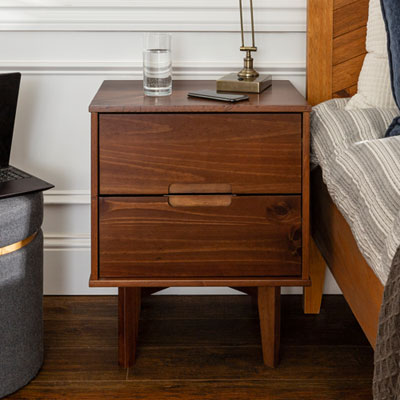 Your price for this item is $188.99
 -
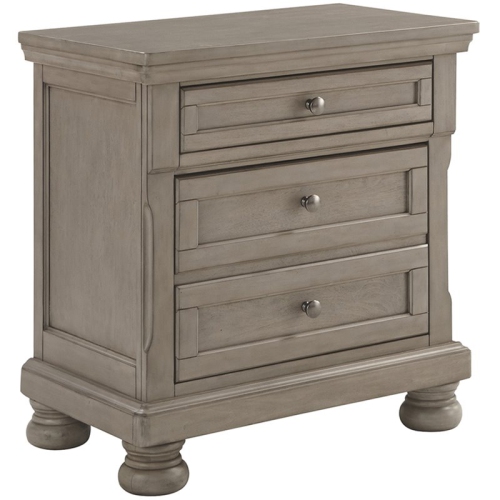 Your price for this item is $1031.54
 -
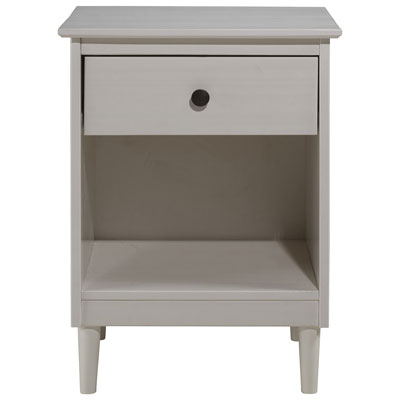 Your price for this item is $179.99
 -
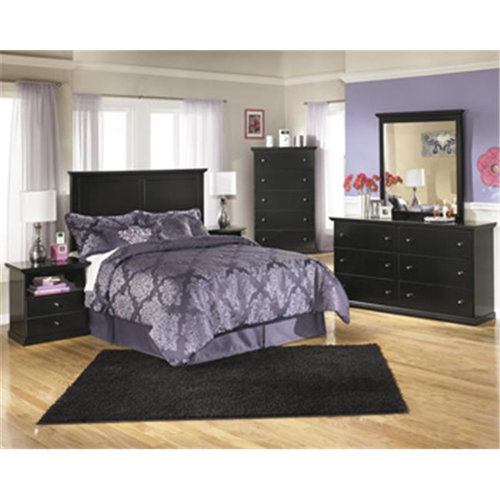 Your price for this item is $586.96
 -
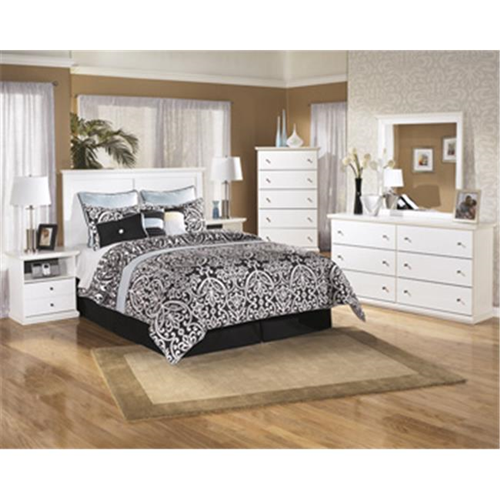 Your price for this item is $585.99
 -
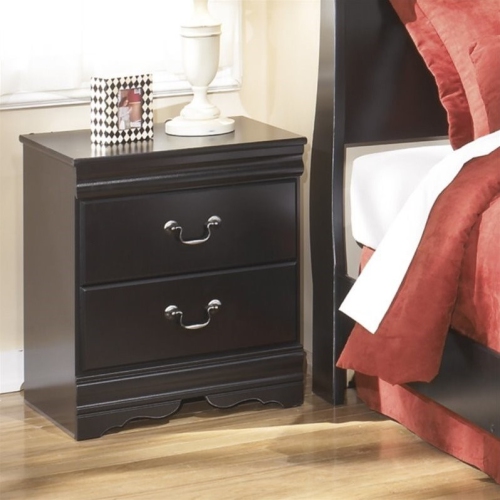 Your price for this item is $554.84
 -
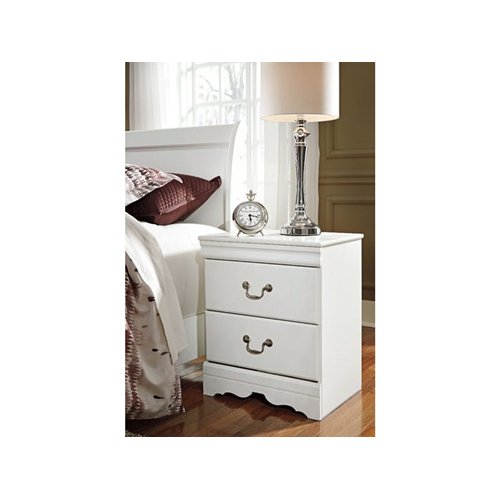 Your price for this item is $566.23
 -
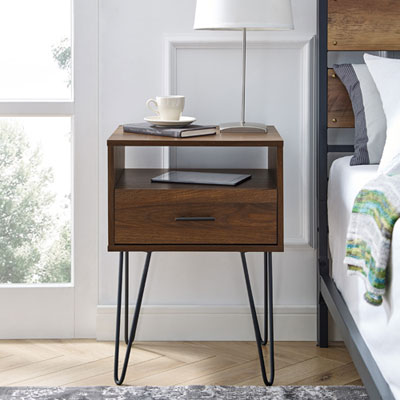 Your price for this item is $266.99
Discover more categories related to Light Brown Furniture Bedroom
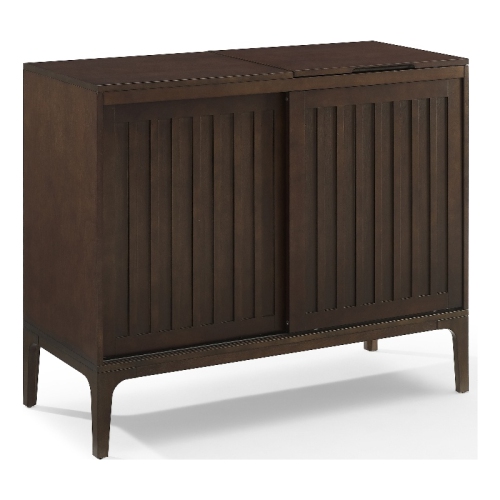
Top Collections:
Pokemon Centers, Kindle Devices, Best Budget Office Chairs, Apple iPhones 16, Canon G7X Cameras, iPhone 15 Apple, Alarm Clock, Refurbished Apple Laptops, Flip Phones, Best Laptops for Writers
Some products may be subject to Environmental Handling Fees
(EHF) depending on your province.
Learn more about EHFs.