Light Brown Furniture
Light brown furniture is a popular choice for decorating homes and offices. It's a warm, natural color that can blend in with many different styles and decors. Here are some of the best light brown furniture pieces on the market today.
Sort
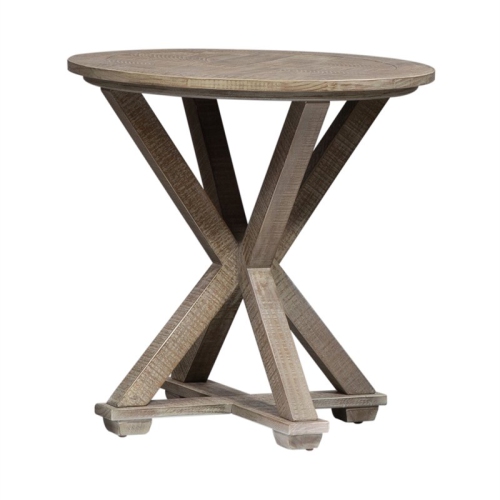
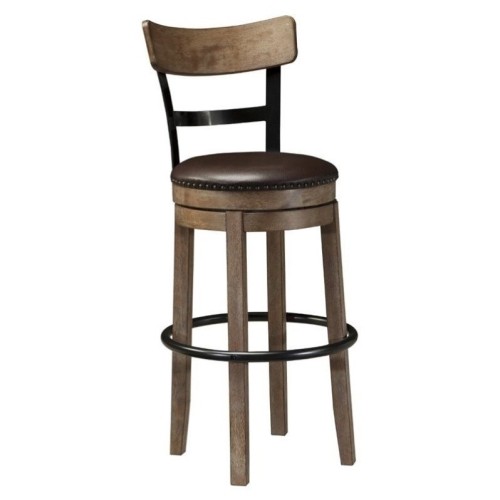
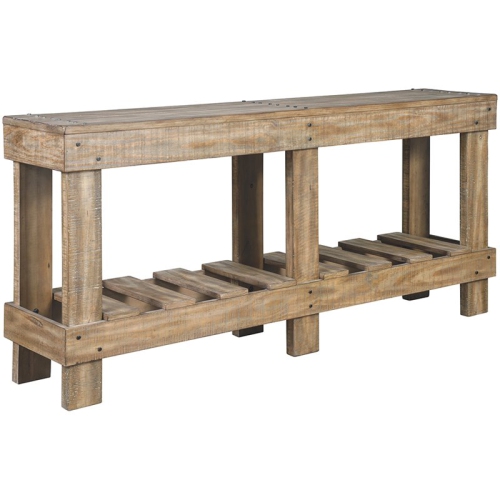
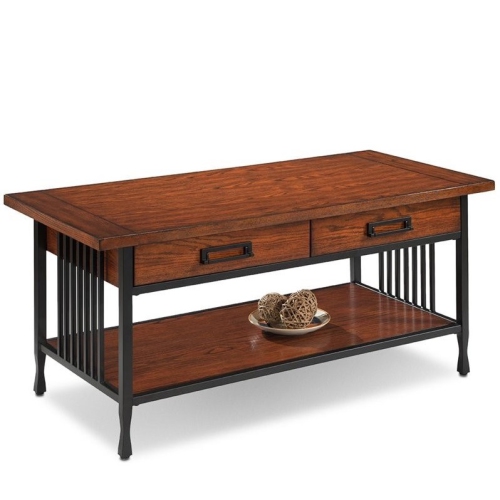

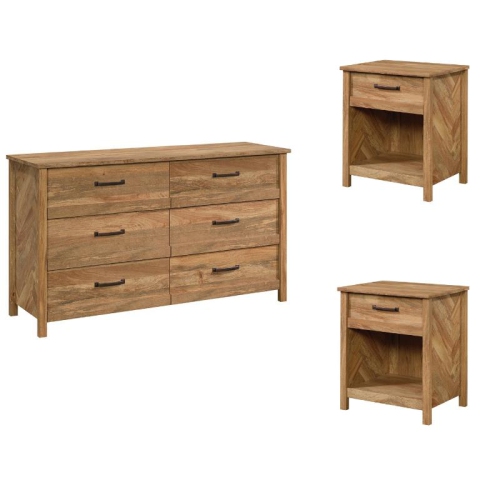
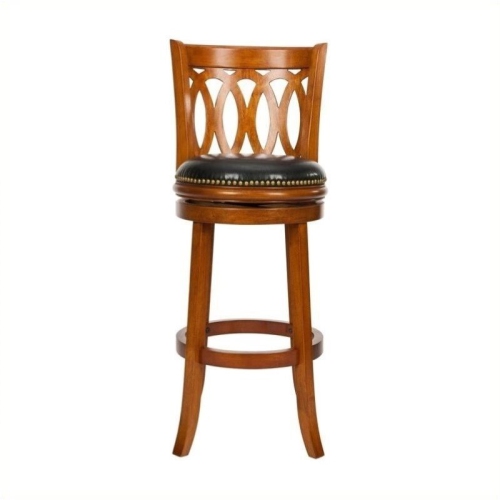
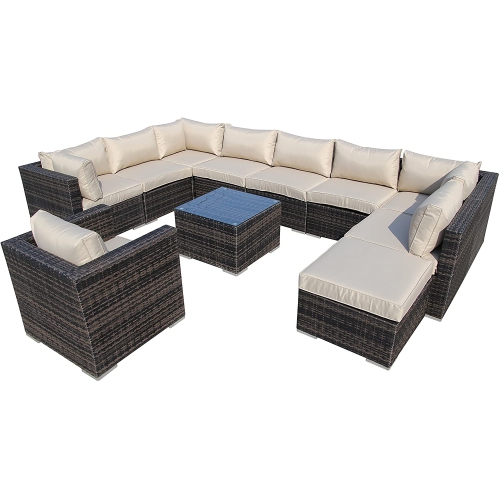
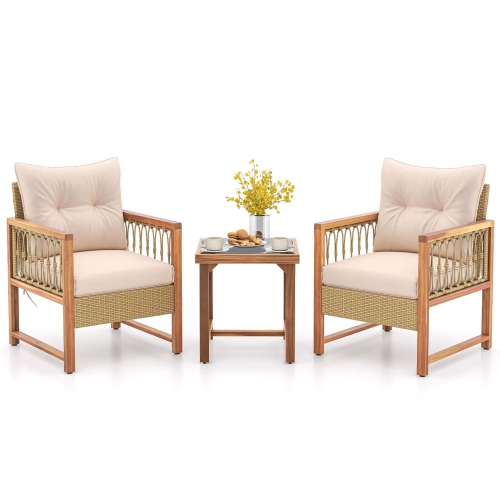
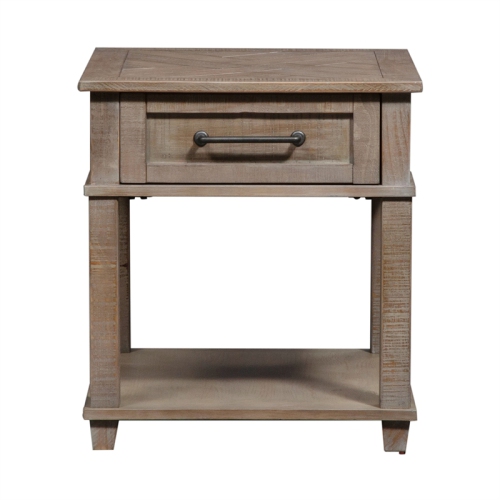
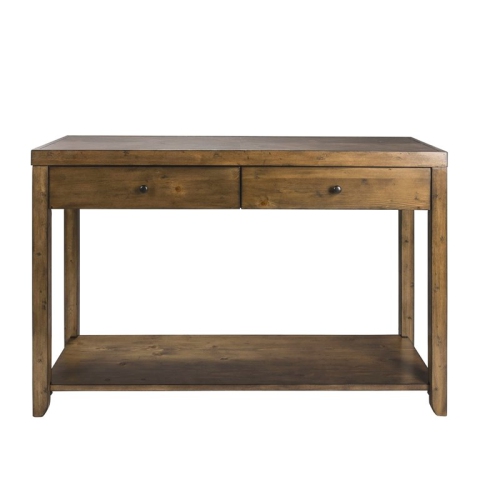
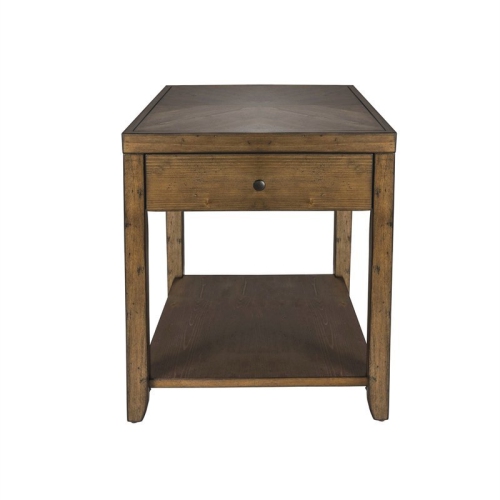
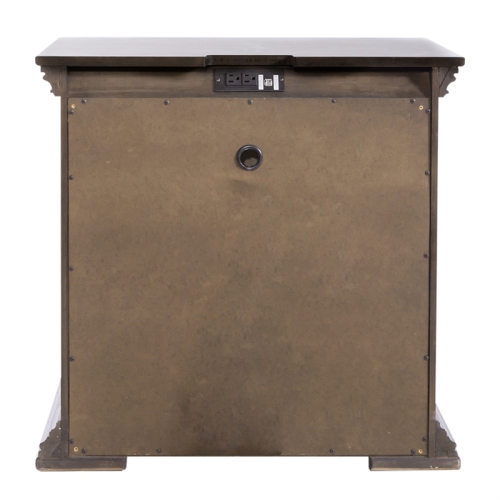
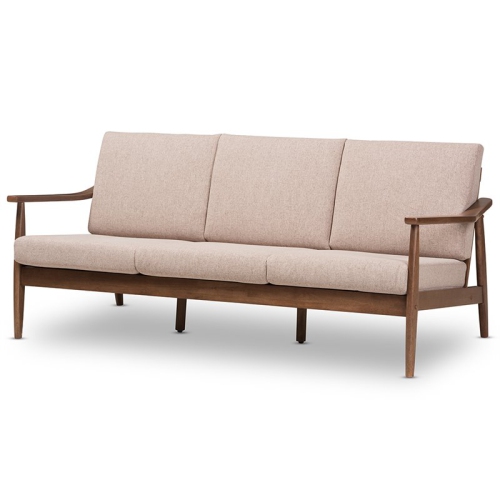
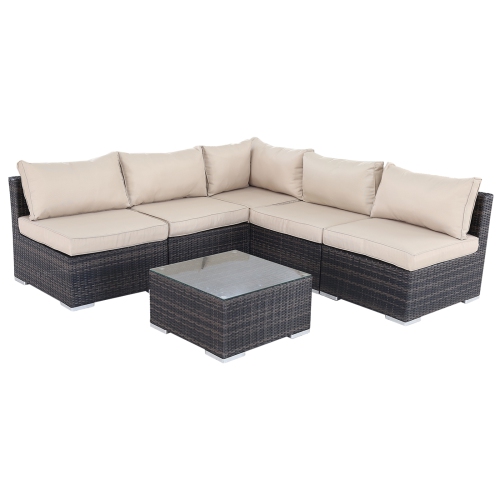
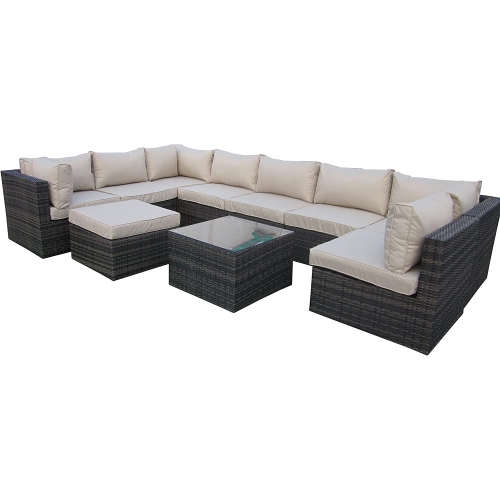
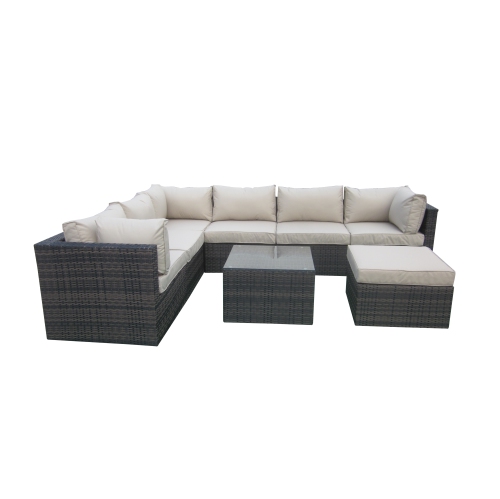
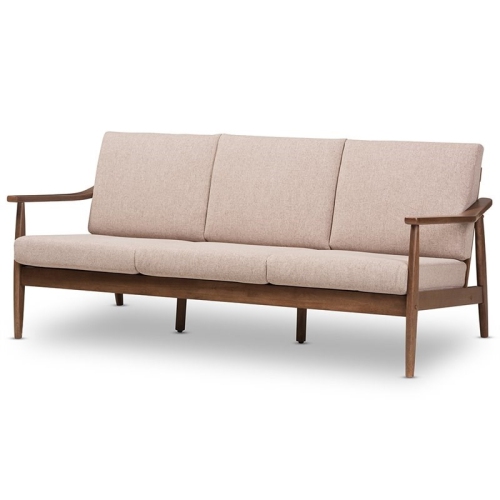
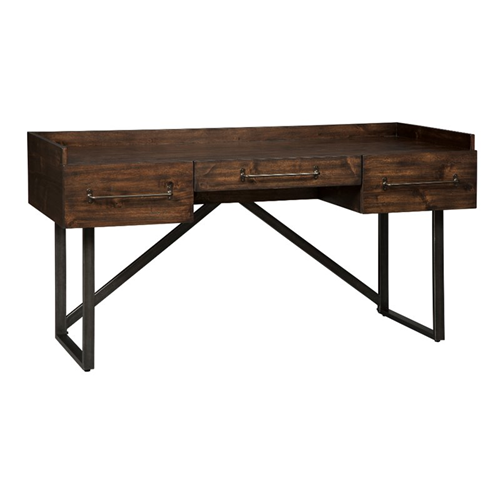
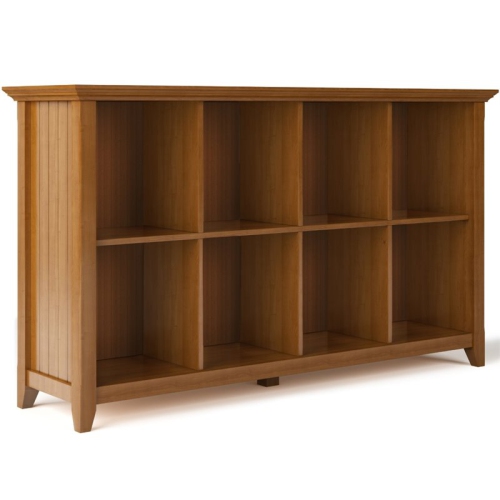
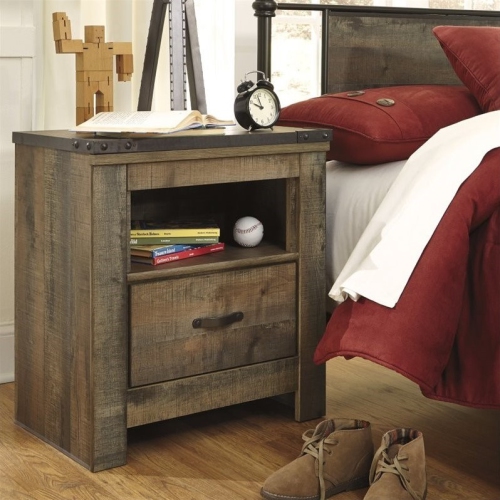
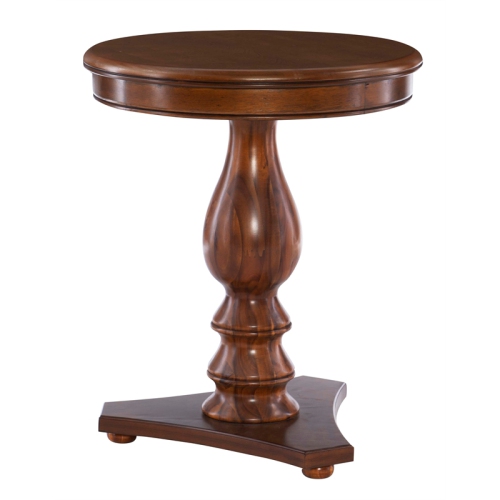
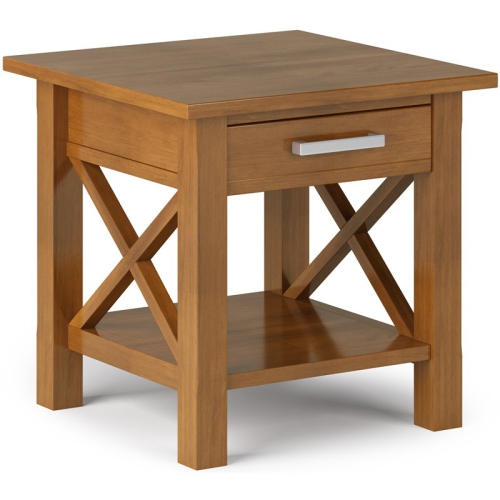
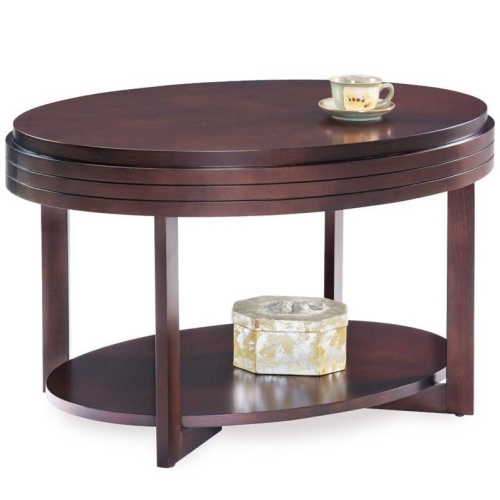
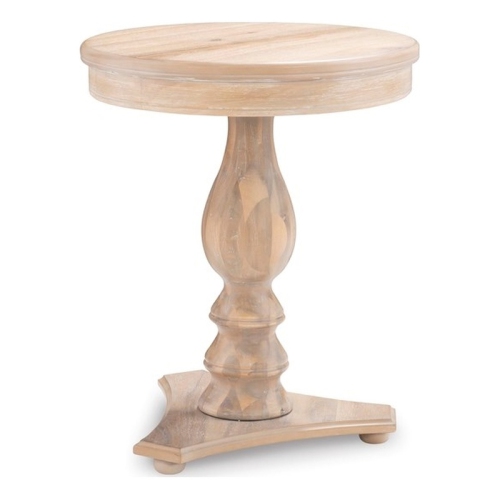
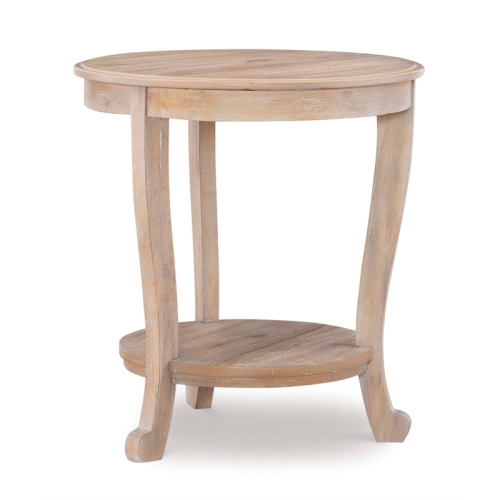
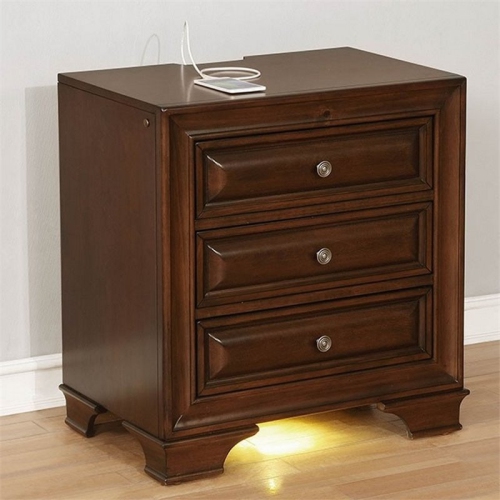
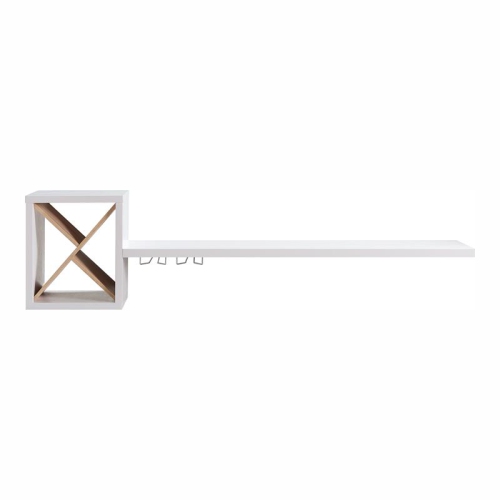
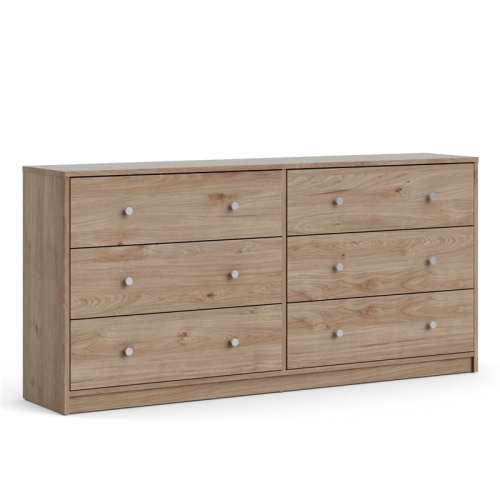
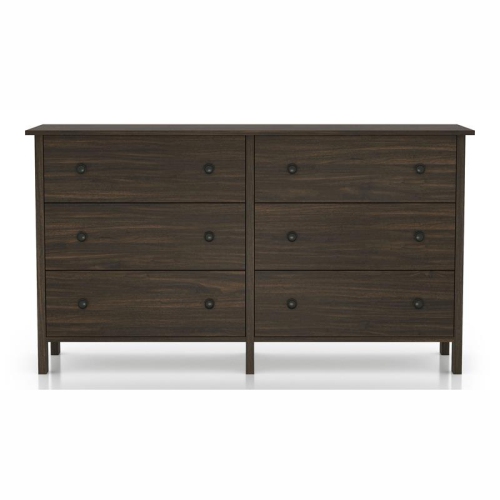
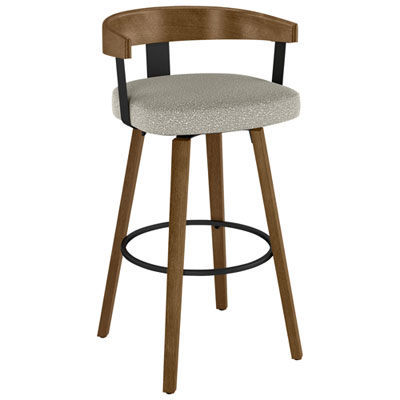
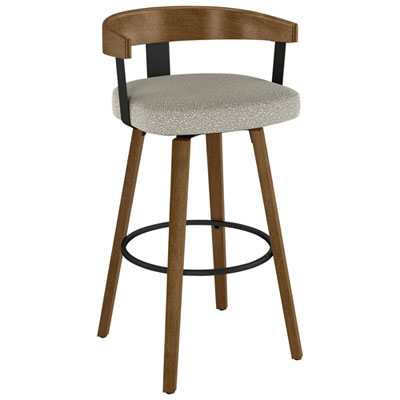
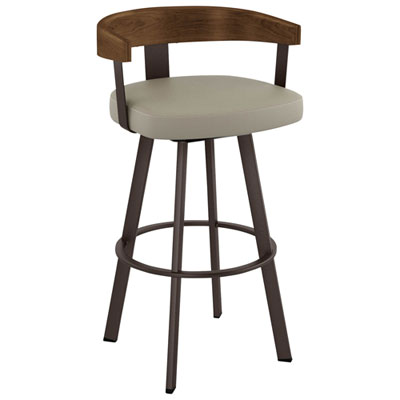
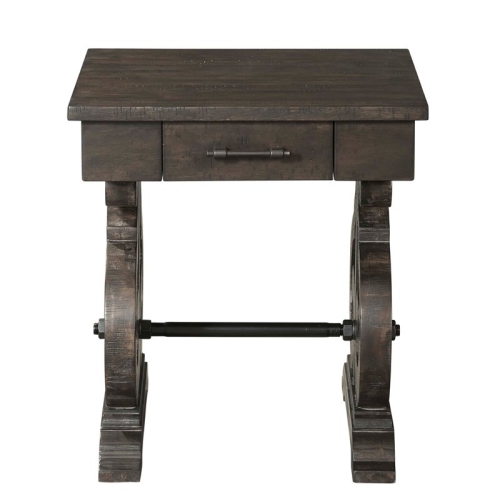
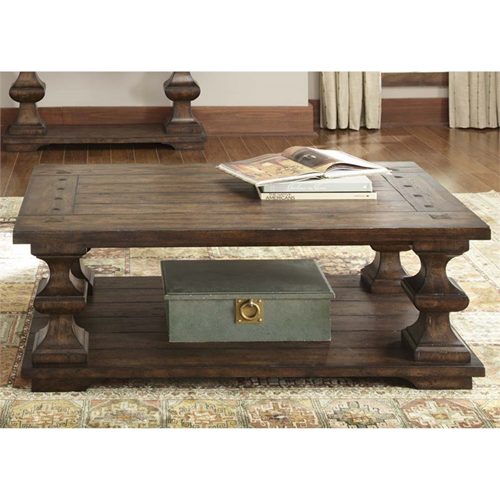
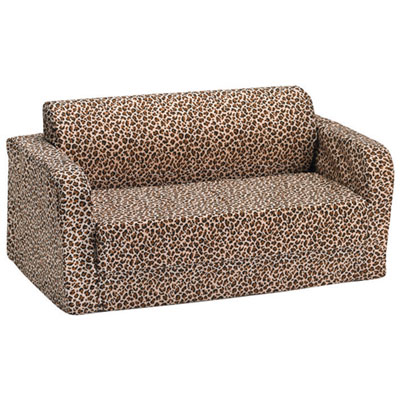
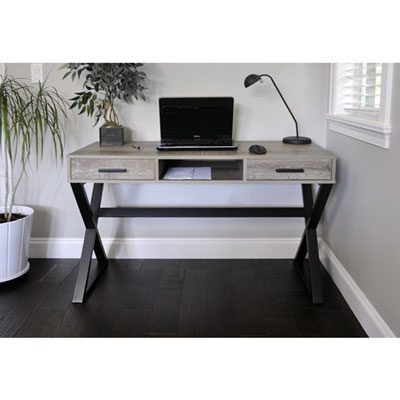

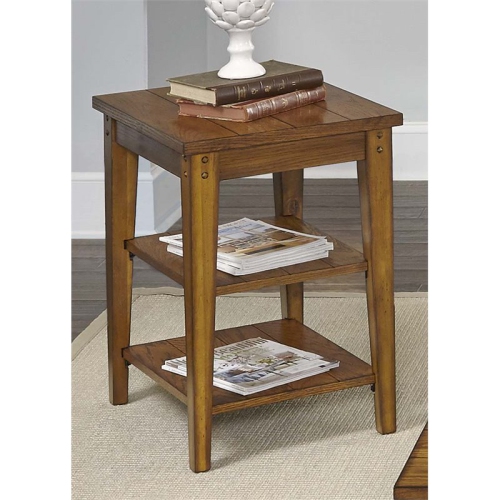
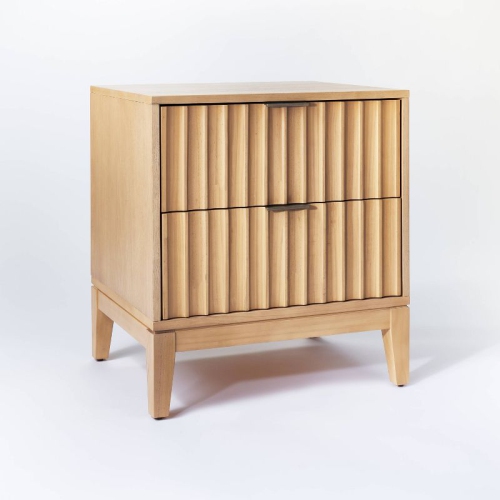
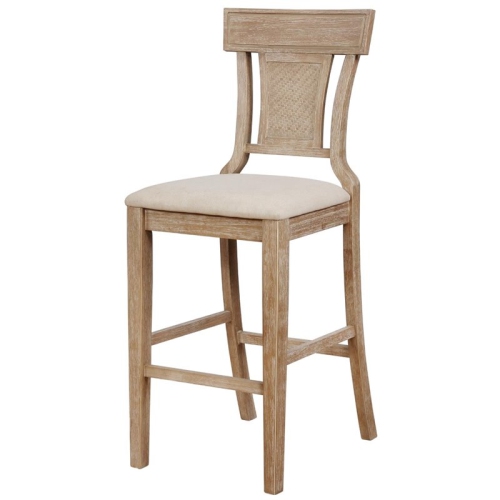
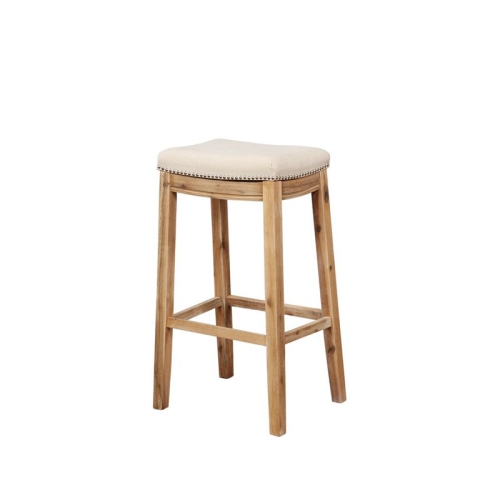
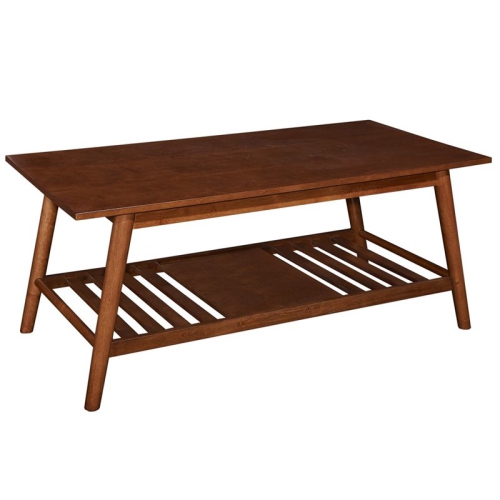
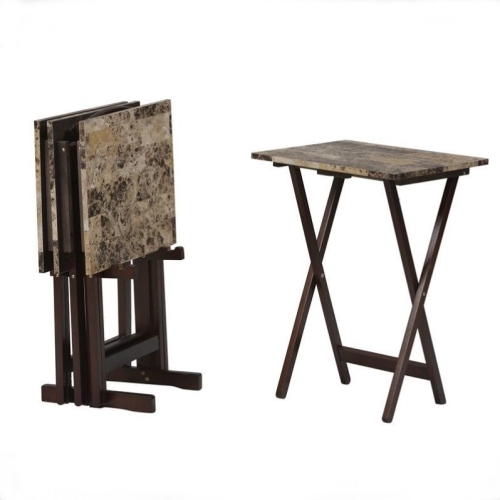
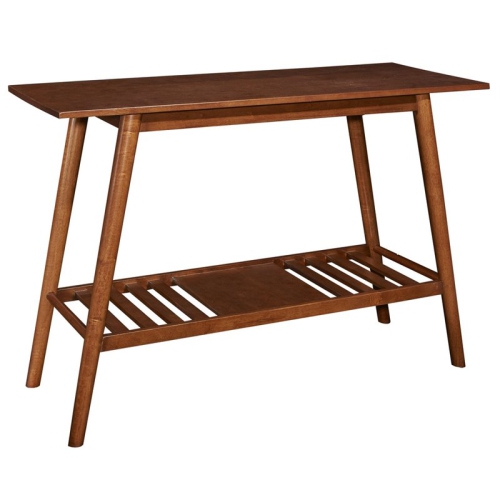
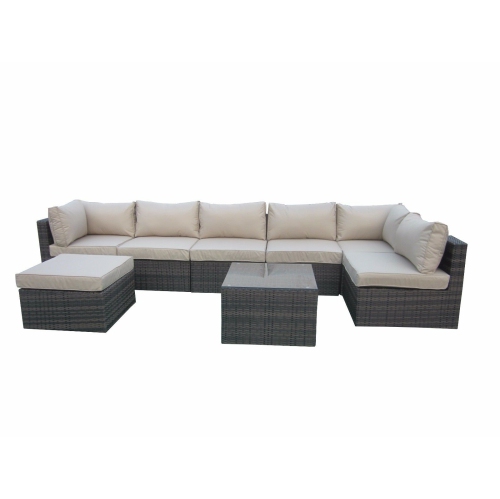
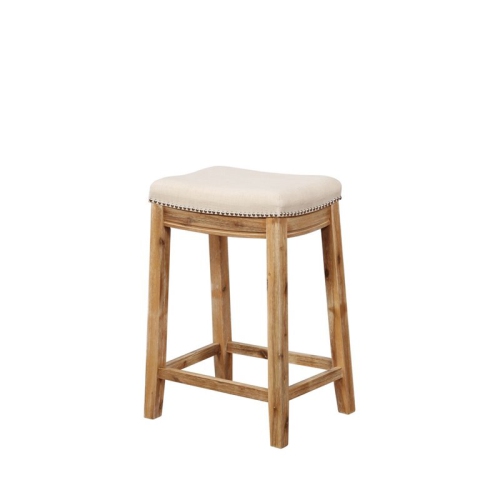
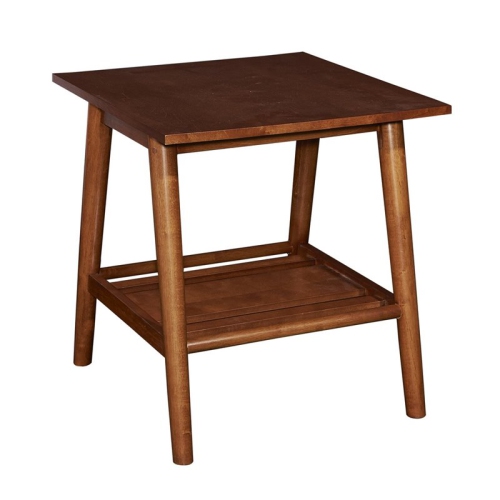
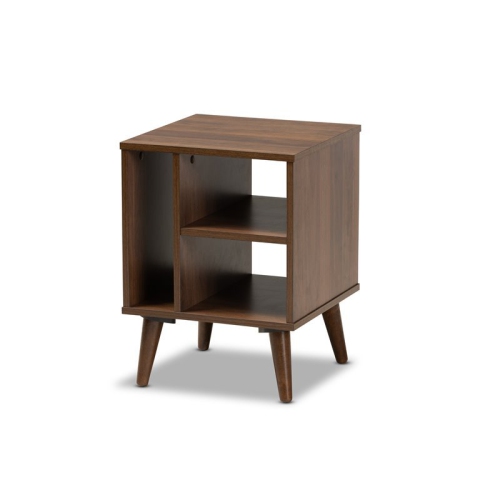
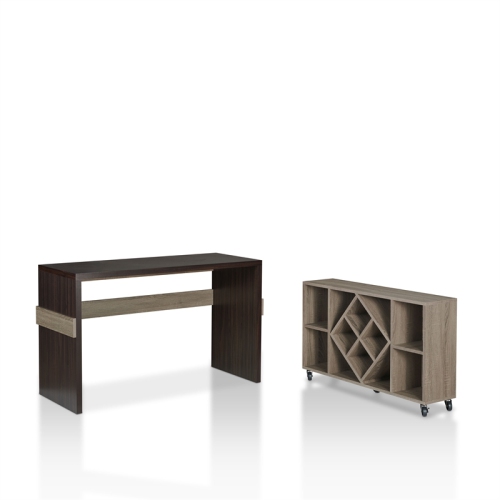
Subtle undertones change how pale brown furniture feels
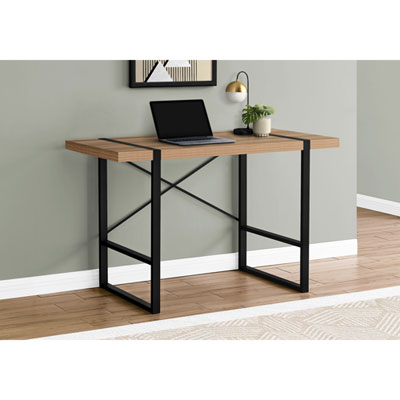
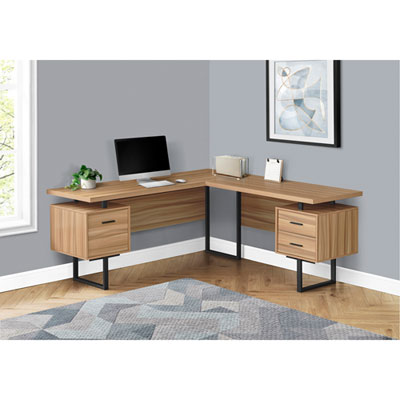
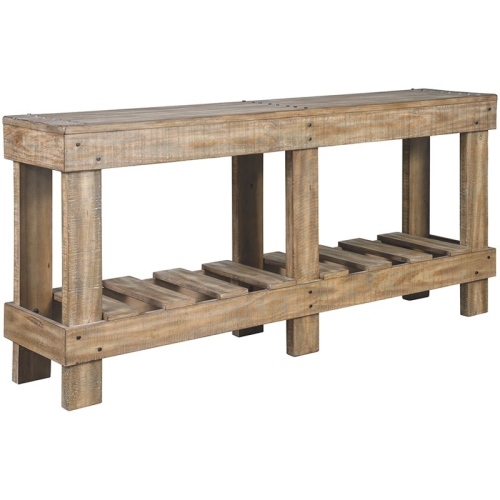
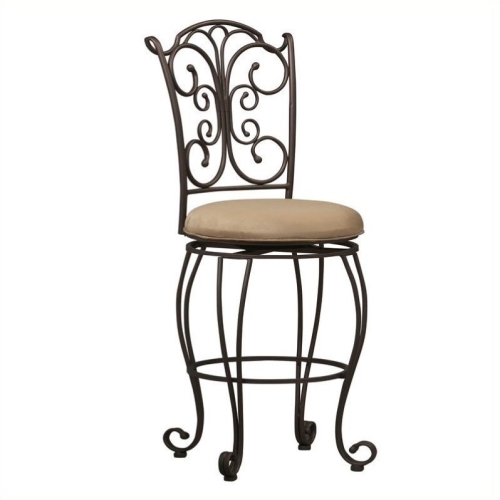
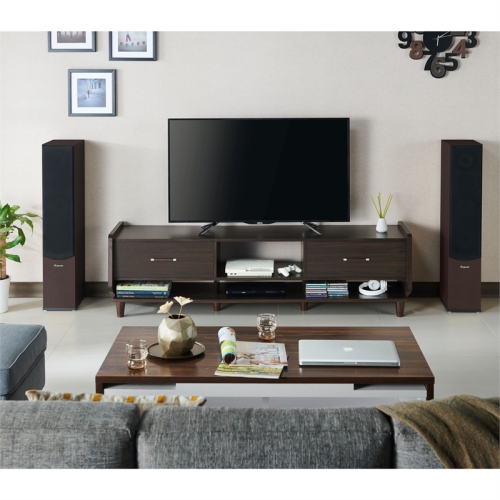
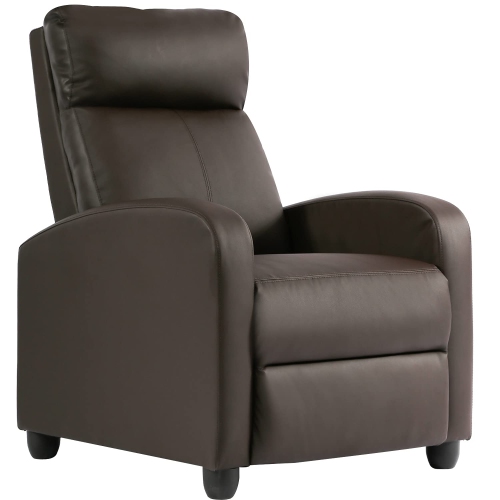
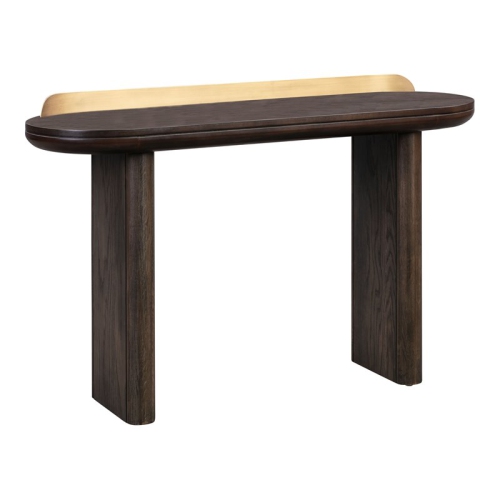
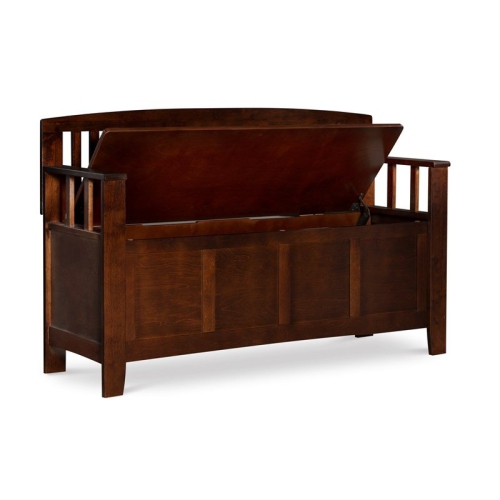
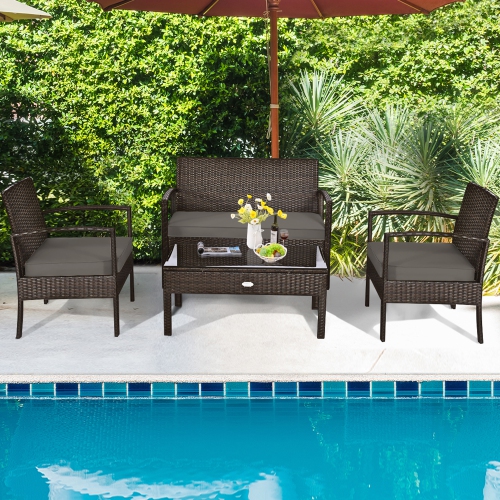
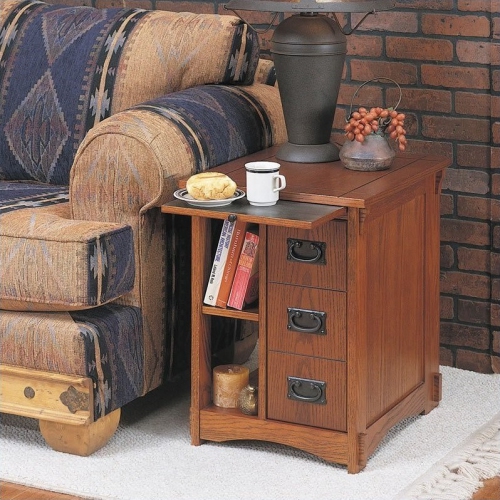
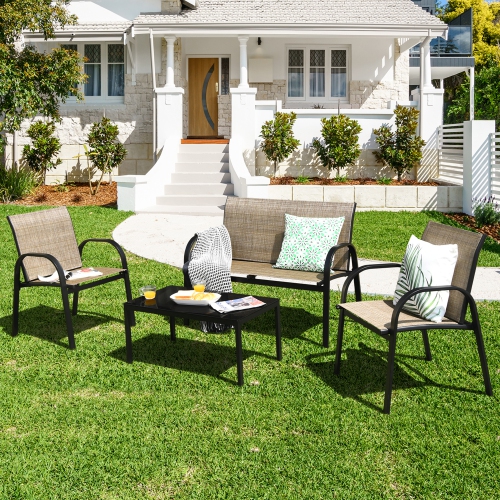
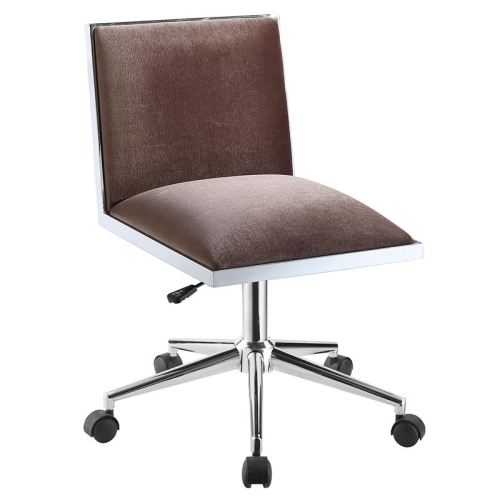
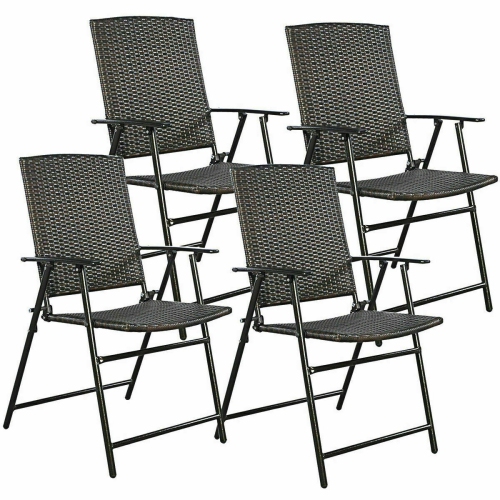
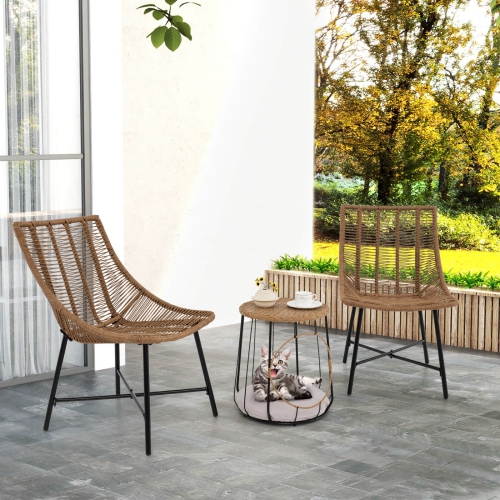
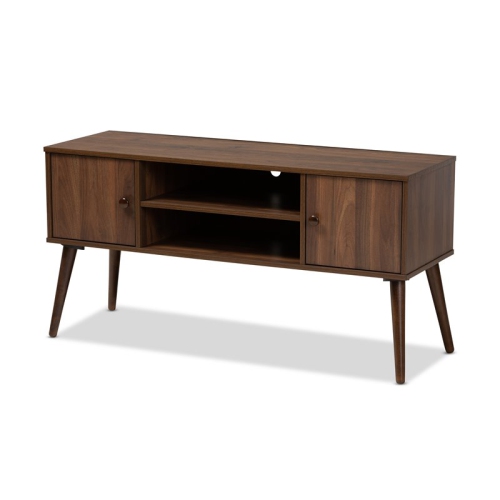
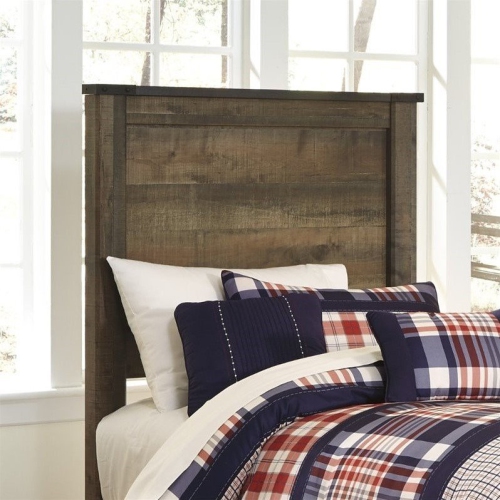
Light brown furniture brings warmth to a room without the visual weight of deeper brown finishes. Its colour range includes pale sand, honey, wheat, tan, and soft caramel, with variations that can feel golden, neutral, or slightly grey. Those undertones help explain why two light brown pieces may create quite different impressions: a honey-coloured wood surface lends warmth to white walls, while a muted taupe-brown fabric sits comfortably beside cool grey flooring. The colour works across living rooms, bedrooms, dining spaces, entryways, and home offices, making it useful for connecting rooms without making every finish identical. Cream and warm white keep the overall palette bright and let wood grain or upholstery texture stand out. Sage and olive green create a quiet pairing, while sky blue adds softness and navy offers a more defined contrast. Mustard yellow, rust, and brass accents bring out golden notes; black hardware and charcoal textiles give pale brown finishes a sharper outline. Texture matters just as much as colour. A smooth wood surface, a woven rug, a knit throw, and a softly textured seat can share a similar palette while each contributing something different. Houseplants also provide a clear contrast against tan upholstery and pale wood. Light brown furniture suits both simple, uncluttered rooms and layered spaces filled with books, textiles, and personal objects. In a compact apartment, slender legs and open space beneath furniture can help preserve sightlines. In a larger room, broader shapes and more substantial proportions give a seating or dining area a stronger presence. Mixing light brown with medium or dark brown can add depth, especially when the finishes share a warm or cool undertone. For a wider range of brown tones within a shared seating area, Brown Living Room Furniture offers a related colour direction. A room does not need matching wood throughout; repeating one tone in a few places often creates enough connection while leaving space for contrast.
Materials determine much of the character, feel, and everyday performance of light brown furniture. Solid wood can show distinctive grain patterns, knots, and colour variation, so its appeal often lies in details that are not perfectly uniform. It can also respond to changes in indoor humidity, making placement and consistent care important. Wood veneer uses a thin layer of real wood over a supporting core, offering natural grain with a different construction from solid wood. Laminate and other finished surfaces can provide a more consistent appearance, though resistance to scratching, moisture, and heat depends on the particular material and finish. A pale wood look alone does not reveal how a piece is built, so construction details matter alongside colour. Secure joints, suitable weight limits, stable bases, and drawer hardware suited to frequent opening all contribute to practical durability. For upholstered furniture, light brown can appear as sandy beige, warm tan, or a richer camel shade. Tightly woven fabric, textured weaves, leather, and leather-look coverings each handle touch, cleaning, and wear differently. Leather may develop changes in colour and surface character over time, while coated alternatives have their own care requirements and may wear differently at seams and high-contact areas. Neither a brown colour nor a textured surface guarantees resistance to spills, stains, or pet scratches. In a busy family room, removable covers and clear cleaning instructions may be more useful than a finish chosen only for its appearance. In a quieter reading space, the feel of an armrest, the support of a cushion, and the softness of the upholstery may carry more weight. Natural and artificial light also affect perceived colour. A tan fabric that looks golden near a sunny window may look more subdued under a cool lamp. Material samples, where offered, can help show how a finish relates to existing flooring, wall colour, and nearby textiles before it becomes part of the room.
A comfortable fit depends on how furniture supports the routines around it, not simply whether its dimensions fit against a wall. A living room needs clear routes between doorways and seating, enough room to move around low surfaces, and a comfortable relationship between seat height and nearby tables. Deep seating can suit someone who likes to curl up with a book, while a shallower seat and supportive arms may make sitting upright and standing easier. Dining furniture needs space for chairs to pull out without blocking a passage, and bedroom storage needs clearance for drawers and doors to open fully. In a home office, a light brown finish can soften the appearance of work furniture, but useful surface area, legroom, cable access, and supportive seating remain central to daily comfort. Delivery access deserves the same attention as room measurements: narrow staircases, elevator openings, tight turns, and door frames can affect whether larger furniture reaches its intended space. Households with young children benefit from stable construction, suitable edge profiles, and proper anchoring for furniture that requires it. Light brown pieces can also make thoughtful gifts for someone setting up a first home, provided dimensions, finish preferences, and assembly needs are confirmed rather than guessed. Once furniture is in place, straightforward care helps maintain its appearance. Soft dusting cloths remove loose particles from finished surfaces, while coasters and protective pads help limit marks from drinks and frequently moved objects. Spills should be addressed promptly using the care method specified for the material; excess water, harsh cleaners, and abrasive tools can damage some finishes. Upholstery generally benefits from regular vacuuming with a suitable attachment, with cushion rotation where the design allows it. Direct sunlight and nearby heat sources may cause fading, drying, or uneven colour changes, so placement away from intense exposure can be helpful. With the right proportions, materials, and care, light brown furniture provides a warm foundation that works with changing textiles, different wall colours, and the everyday demands of a lived-in home.
Materials determine much of the character, feel, and everyday performance of light brown furniture. Solid wood can show distinctive grain patterns, knots, and colour variation, so its appeal often lies in details that are not perfectly uniform. It can also respond to changes in indoor humidity, making placement and consistent care important. Wood veneer uses a thin layer of real wood over a supporting core, offering natural grain with a different construction from solid wood. Laminate and other finished surfaces can provide a more consistent appearance, though resistance to scratching, moisture, and heat depends on the particular material and finish. A pale wood look alone does not reveal how a piece is built, so construction details matter alongside colour. Secure joints, suitable weight limits, stable bases, and drawer hardware suited to frequent opening all contribute to practical durability. For upholstered furniture, light brown can appear as sandy beige, warm tan, or a richer camel shade. Tightly woven fabric, textured weaves, leather, and leather-look coverings each handle touch, cleaning, and wear differently. Leather may develop changes in colour and surface character over time, while coated alternatives have their own care requirements and may wear differently at seams and high-contact areas. Neither a brown colour nor a textured surface guarantees resistance to spills, stains, or pet scratches. In a busy family room, removable covers and clear cleaning instructions may be more useful than a finish chosen only for its appearance. In a quieter reading space, the feel of an armrest, the support of a cushion, and the softness of the upholstery may carry more weight. Natural and artificial light also affect perceived colour. A tan fabric that looks golden near a sunny window may look more subdued under a cool lamp. Material samples, where offered, can help show how a finish relates to existing flooring, wall colour, and nearby textiles before it becomes part of the room.
A comfortable fit depends on how furniture supports the routines around it, not simply whether its dimensions fit against a wall. A living room needs clear routes between doorways and seating, enough room to move around low surfaces, and a comfortable relationship between seat height and nearby tables. Deep seating can suit someone who likes to curl up with a book, while a shallower seat and supportive arms may make sitting upright and standing easier. Dining furniture needs space for chairs to pull out without blocking a passage, and bedroom storage needs clearance for drawers and doors to open fully. In a home office, a light brown finish can soften the appearance of work furniture, but useful surface area, legroom, cable access, and supportive seating remain central to daily comfort. Delivery access deserves the same attention as room measurements: narrow staircases, elevator openings, tight turns, and door frames can affect whether larger furniture reaches its intended space. Households with young children benefit from stable construction, suitable edge profiles, and proper anchoring for furniture that requires it. Light brown pieces can also make thoughtful gifts for someone setting up a first home, provided dimensions, finish preferences, and assembly needs are confirmed rather than guessed. Once furniture is in place, straightforward care helps maintain its appearance. Soft dusting cloths remove loose particles from finished surfaces, while coasters and protective pads help limit marks from drinks and frequently moved objects. Spills should be addressed promptly using the care method specified for the material; excess water, harsh cleaners, and abrasive tools can damage some finishes. Upholstery generally benefits from regular vacuuming with a suitable attachment, with cushion rotation where the design allows it. Direct sunlight and nearby heat sources may cause fading, drying, or uneven colour changes, so placement away from intense exposure can be helpful. With the right proportions, materials, and care, light brown furniture provides a warm foundation that works with changing textiles, different wall colours, and the everyday demands of a lived-in home.
Top selling and popular products
-
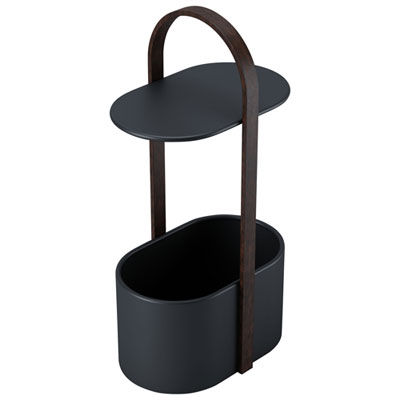 Your price for this item is $93.98
 -
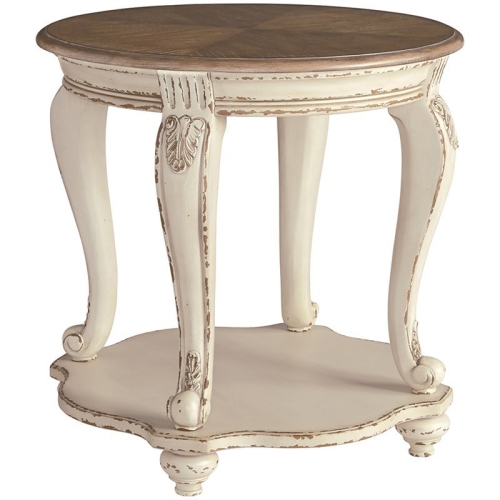 Your price for this item is $369
 -
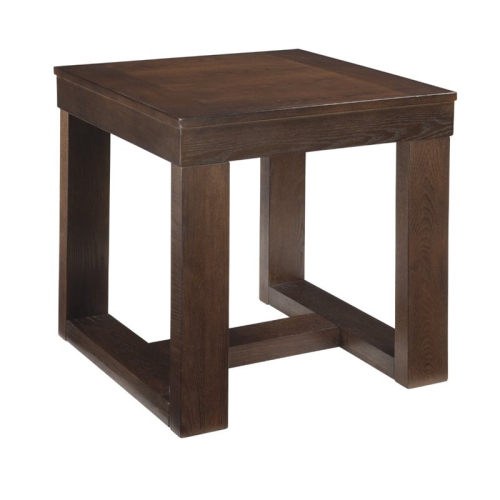 Your price for this item is $199
 -
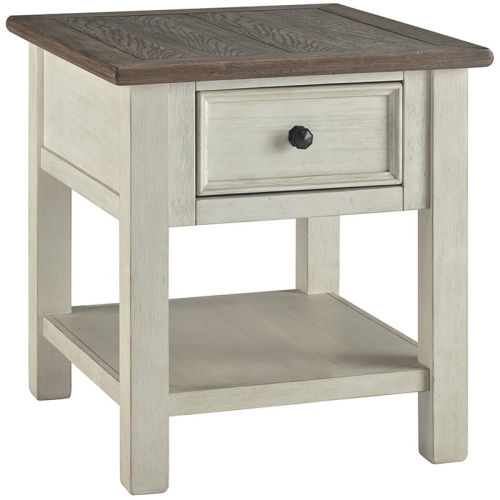 Your price for this item is $399
 -
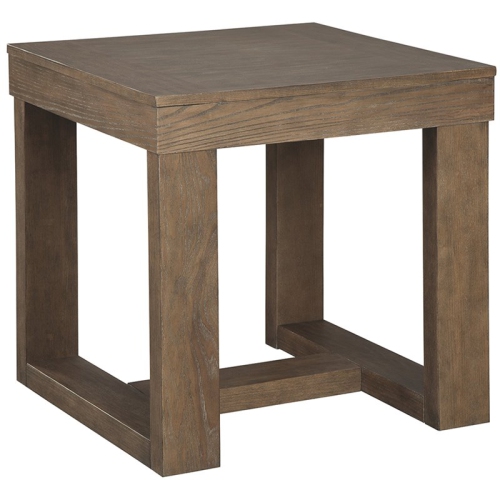 Your price for this item is $417.06
 -
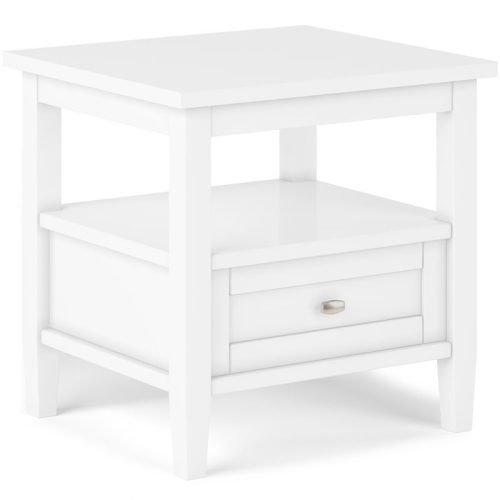 Your price for this item is $400.74
 -
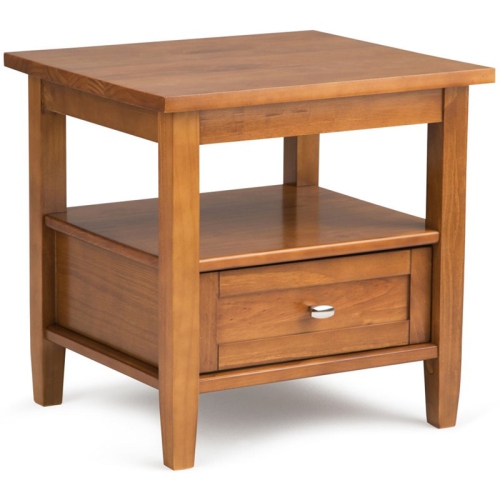 Your price for this item is $380.02
 -
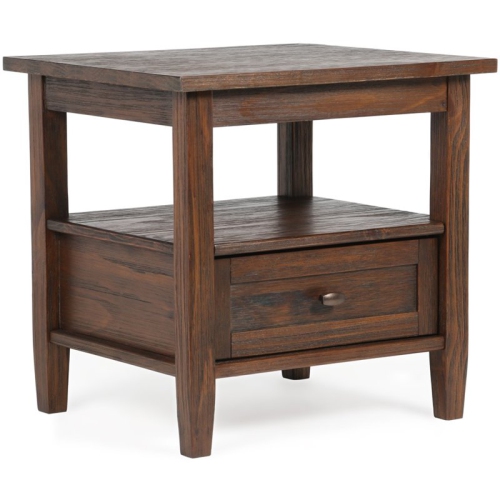 Your price for this item is $400.93
Discover more categories related to Light Brown Furniture
Top Collections:
Pokemon Centers, Kindle Devices, Best Budget Office Chairs, Apple iPhones 16, Canon G7X Cameras, iPhone 15 Apple, Alarm Clock, Refurbished Apple Laptops, Flip Phones, Best Laptops for Writers
Some products may be subject to Environmental Handling Fees
(EHF) depending on your province.
Learn more about EHFs.