Light Colored Bedroom Furniture
A light-colored bedroom furniture is a good choice for a bedroom that you want to be bright and airy. This color will make the room look larger and more open. It will also make the space look more spacious and elegant. Here are some of the best options available.
Sort











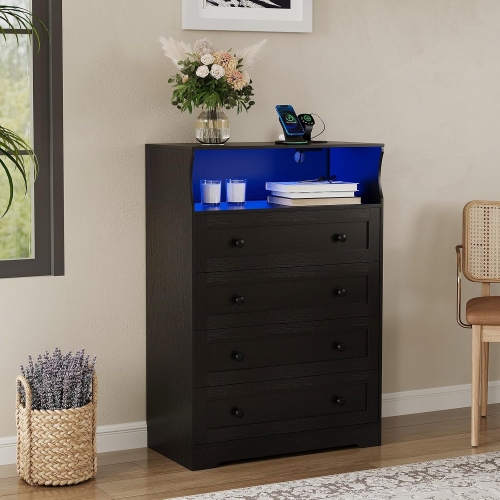

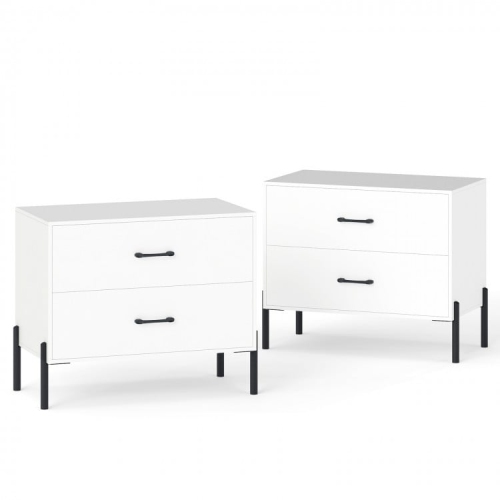
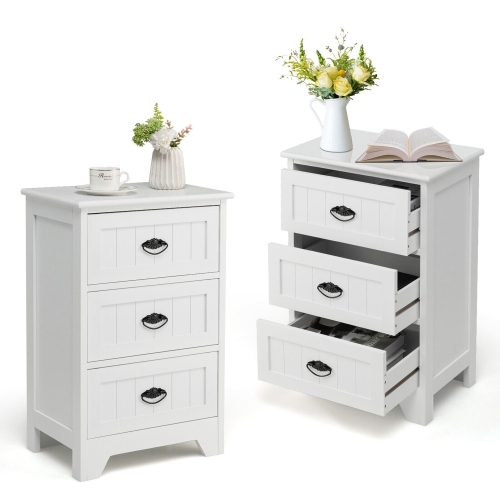

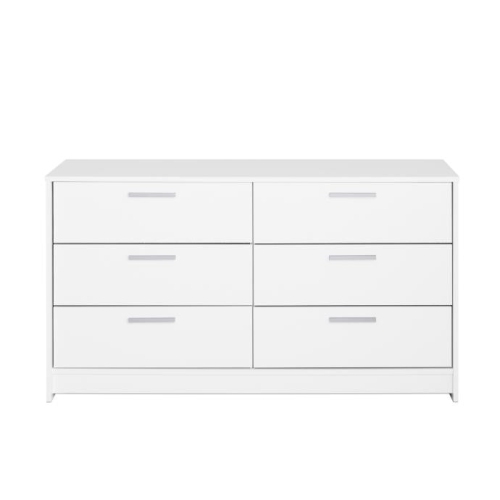




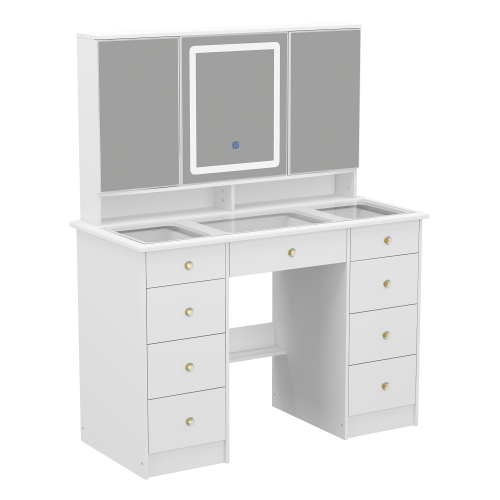

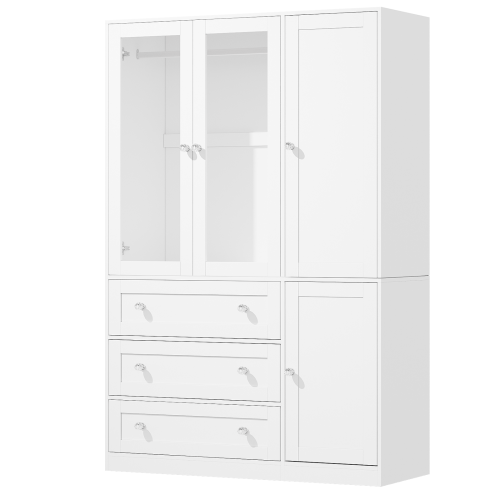
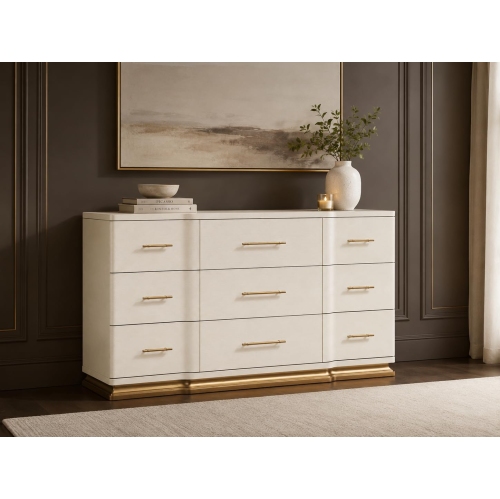
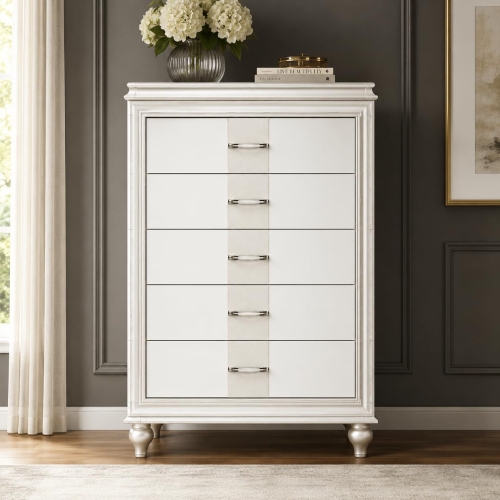


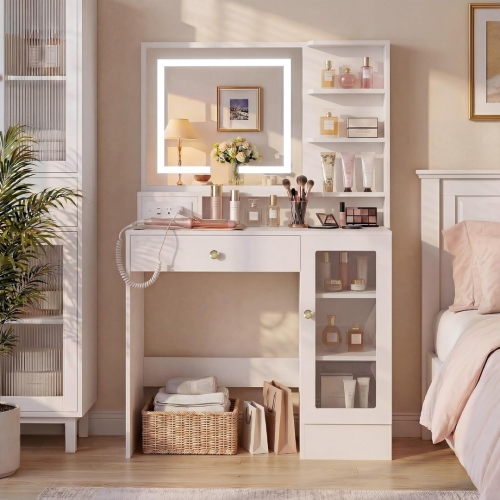

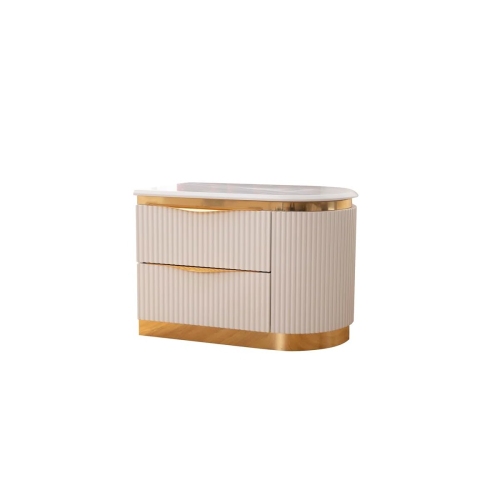
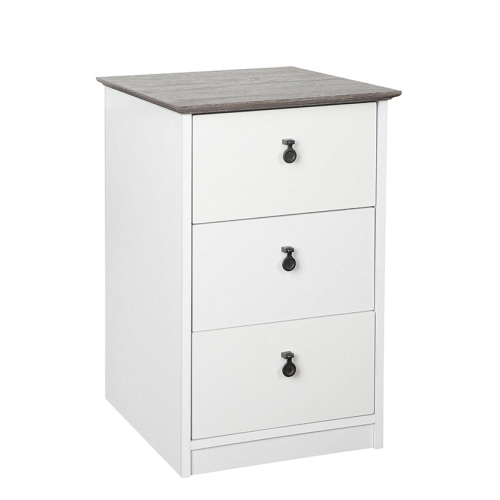

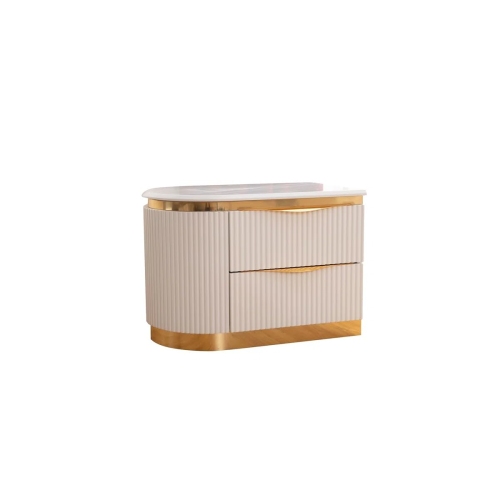
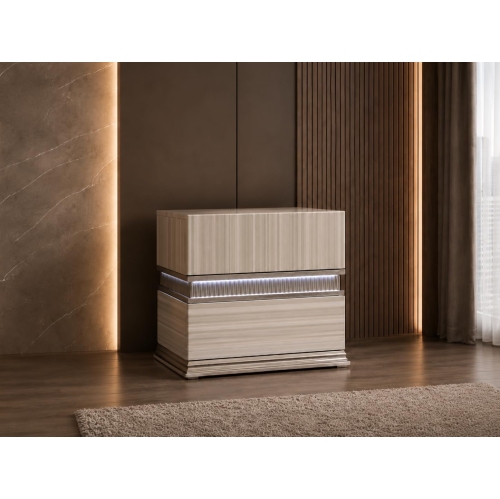
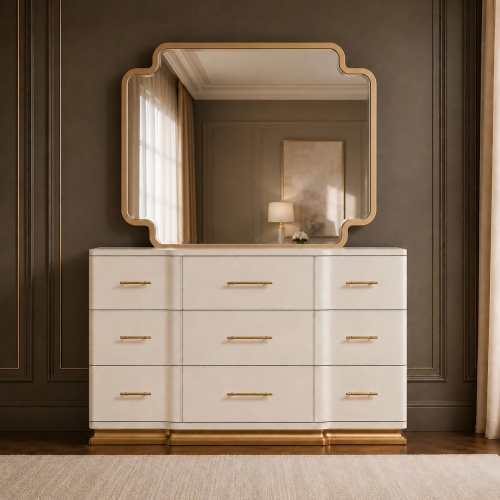
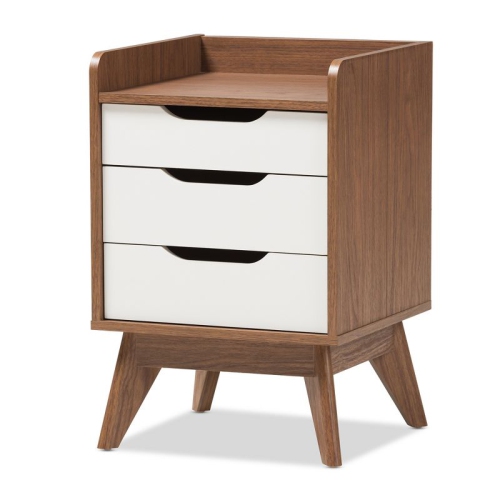
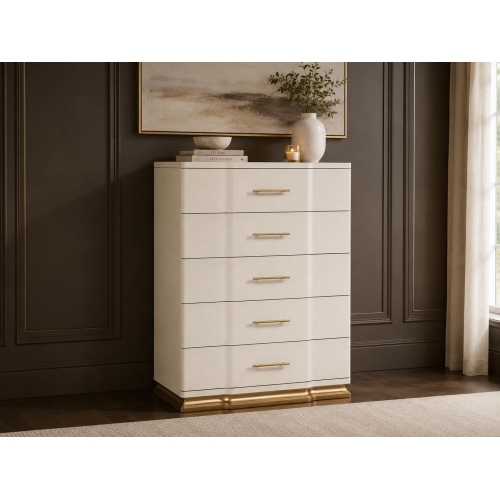


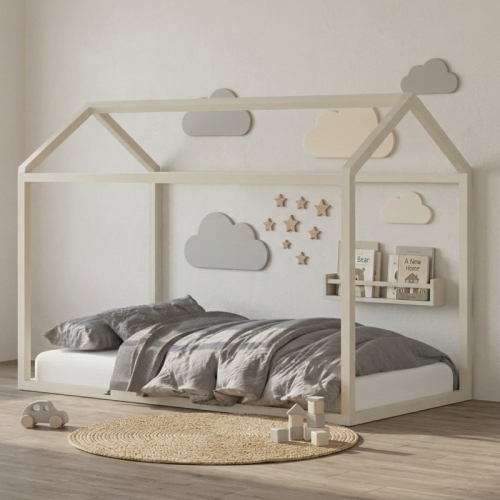
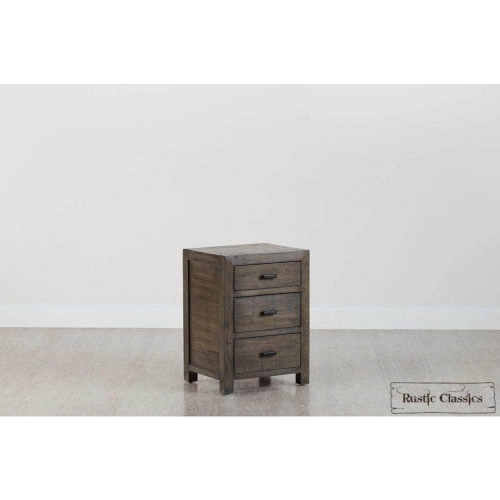


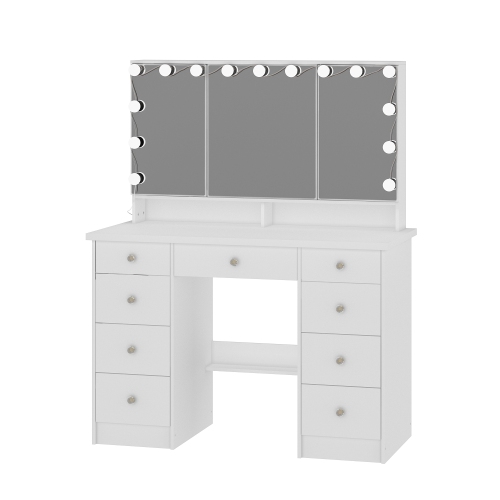
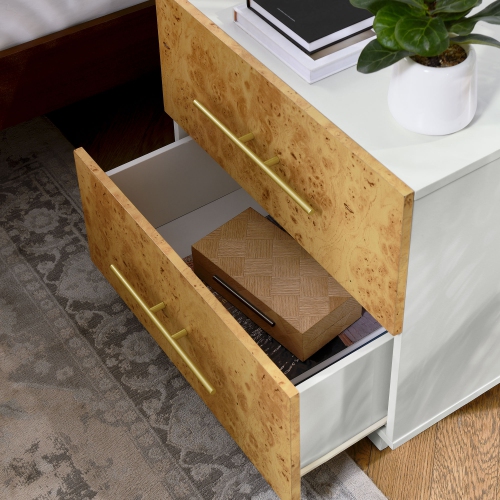


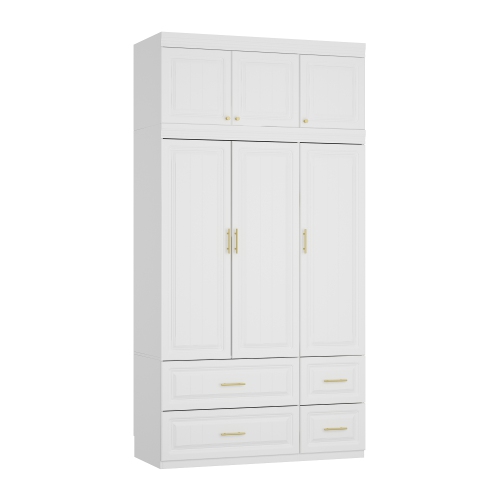

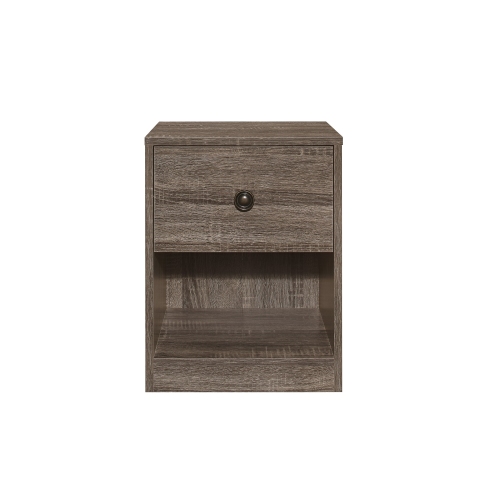
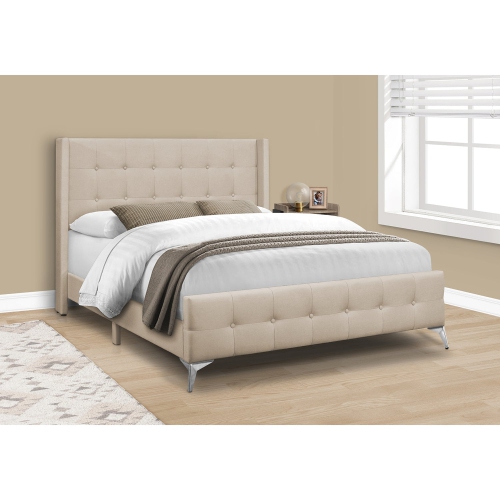
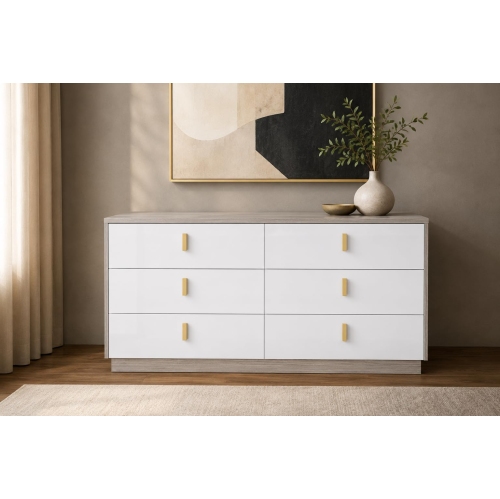


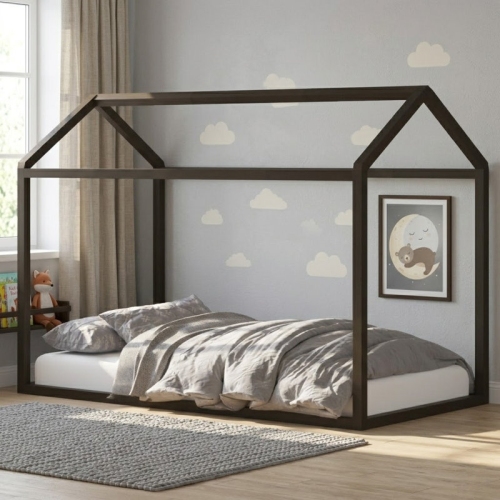
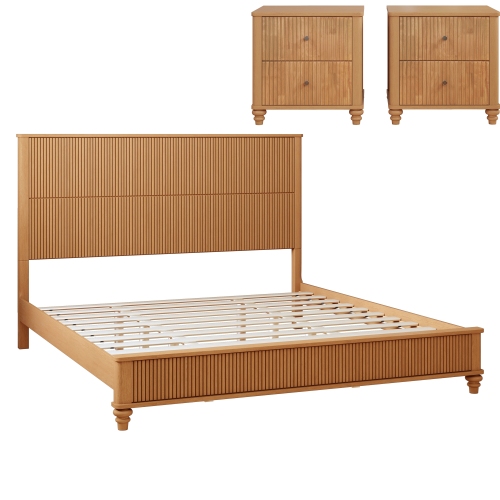


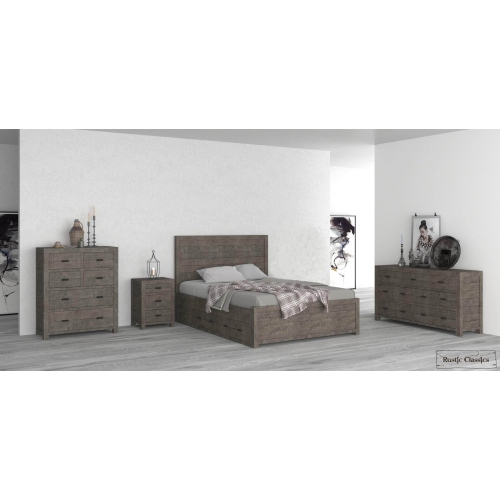


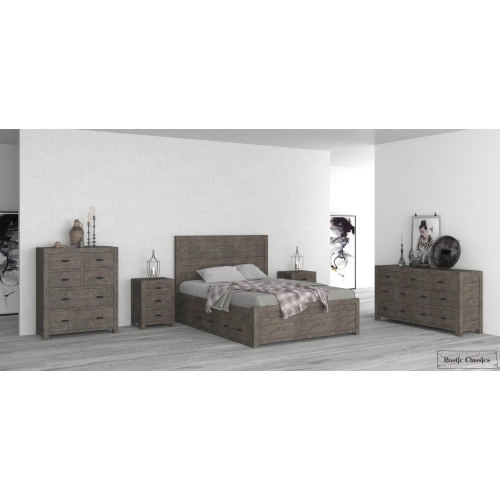
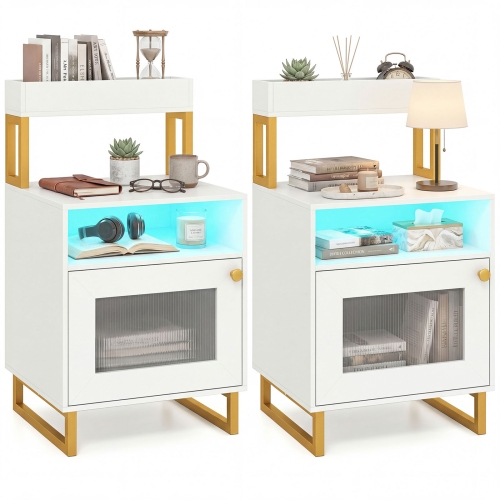
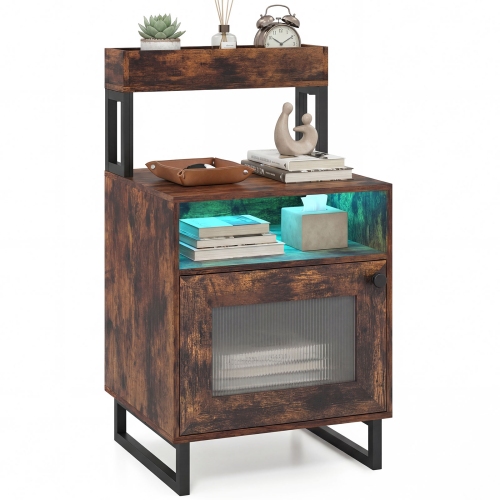
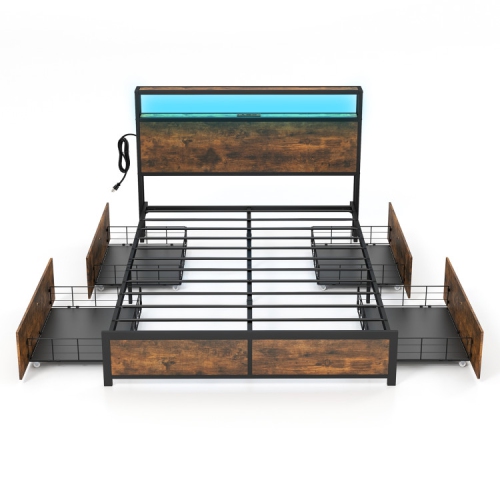
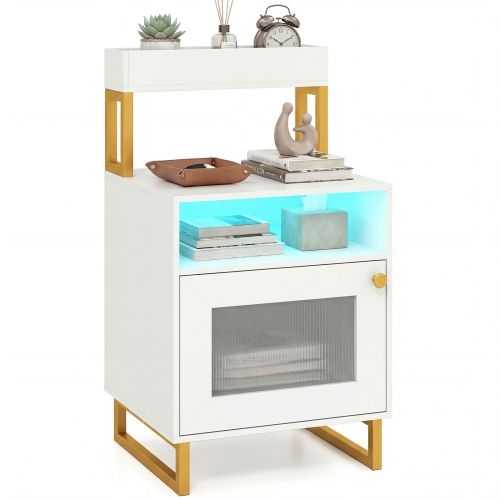

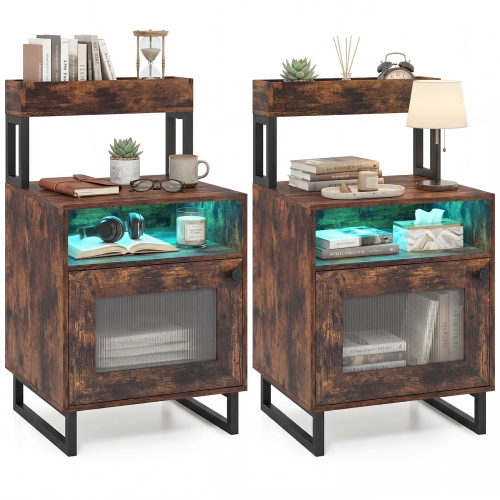
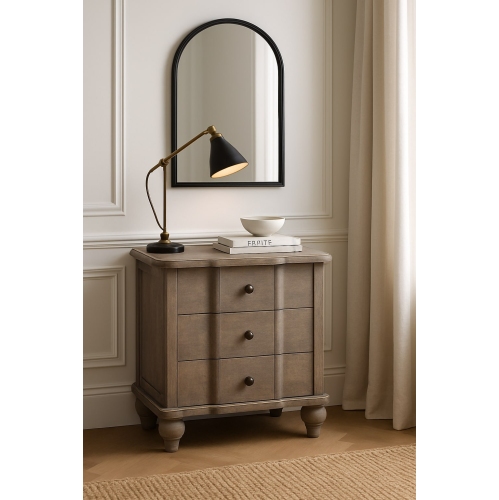
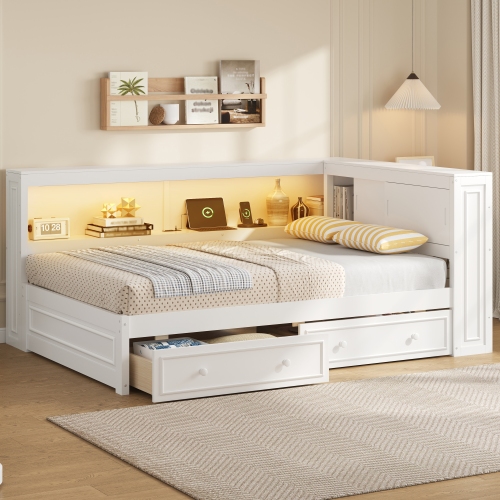
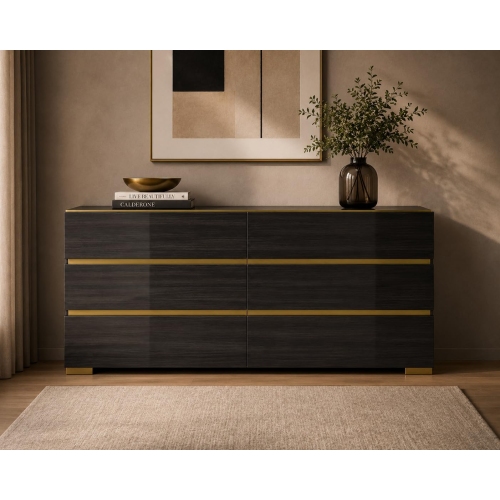



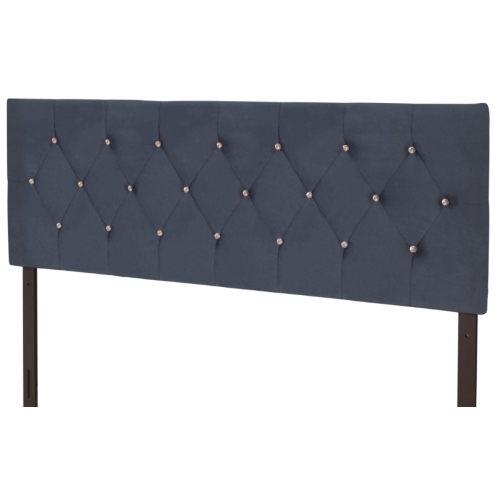

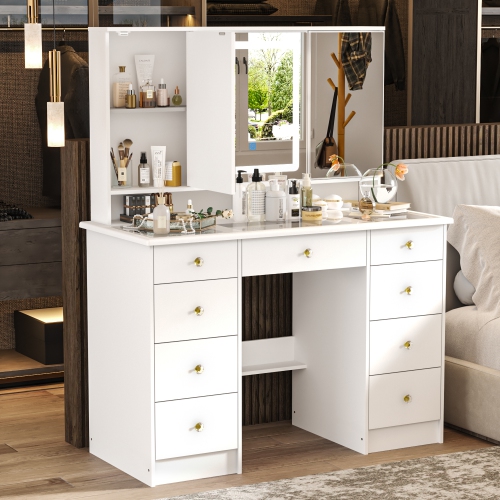
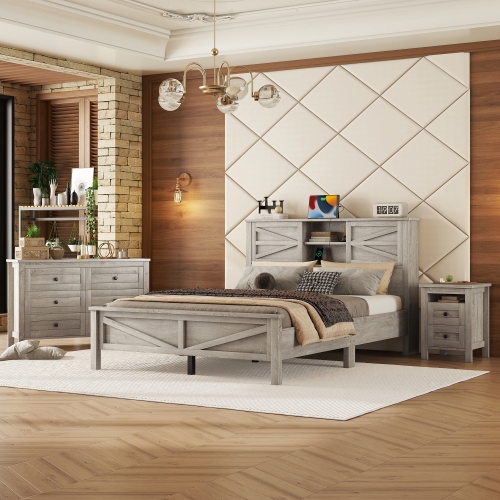
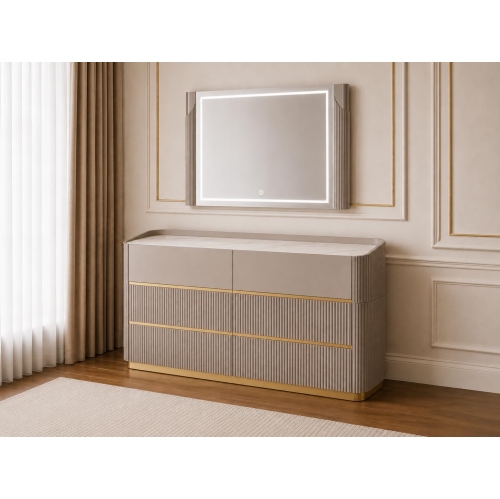






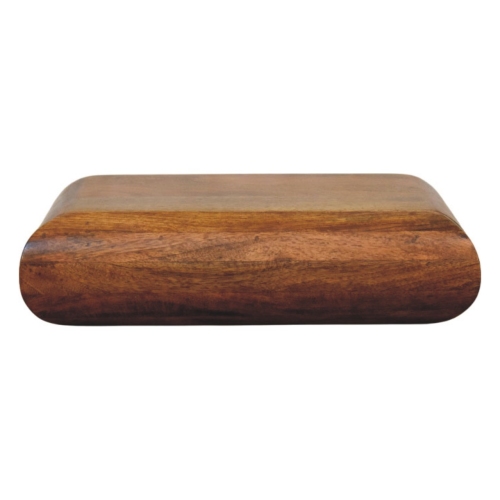
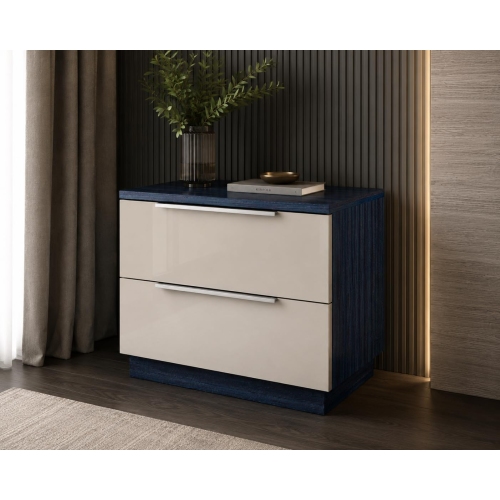
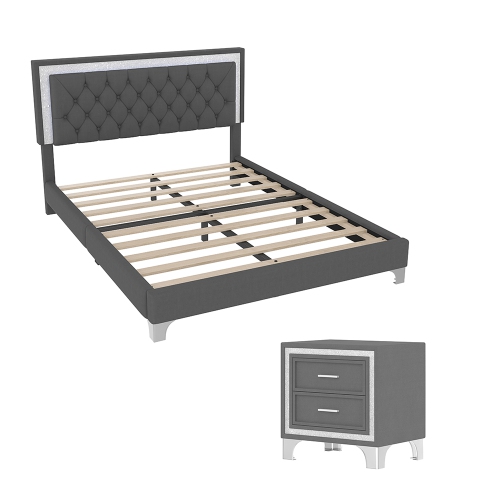
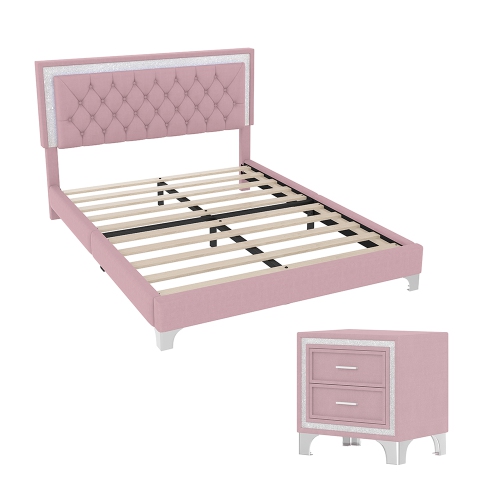






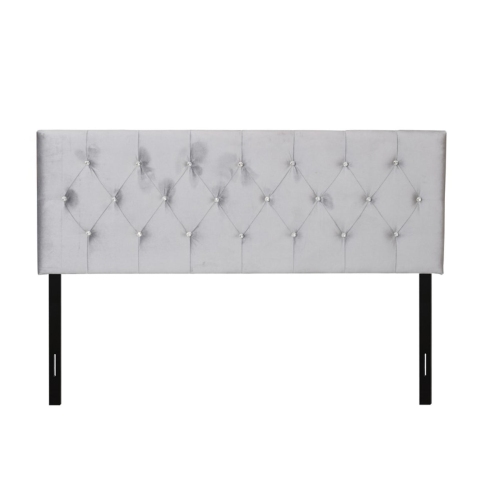
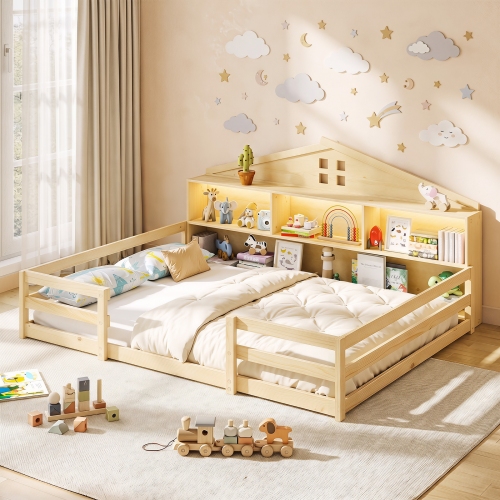
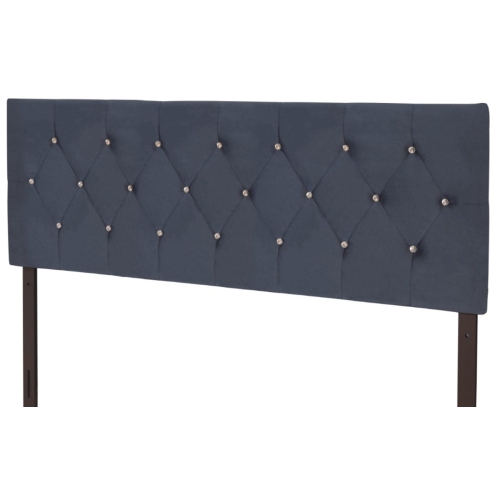

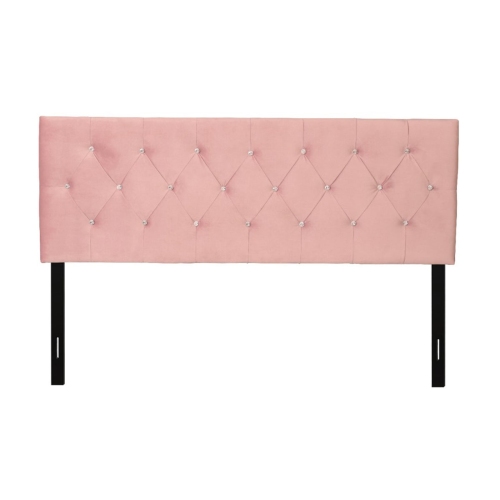
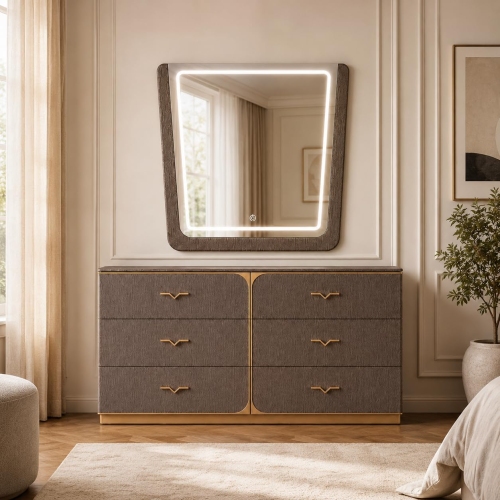
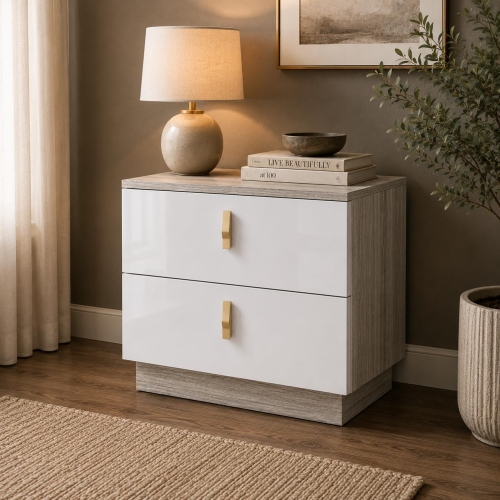

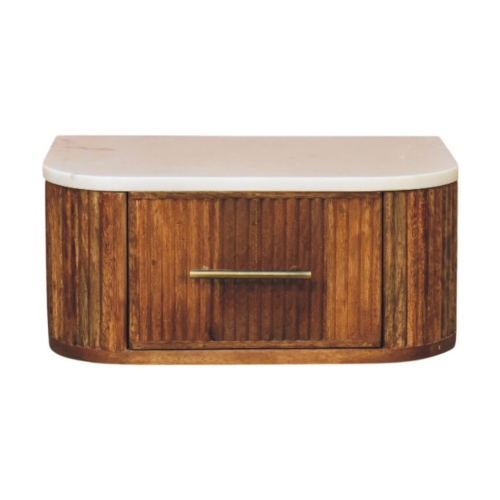
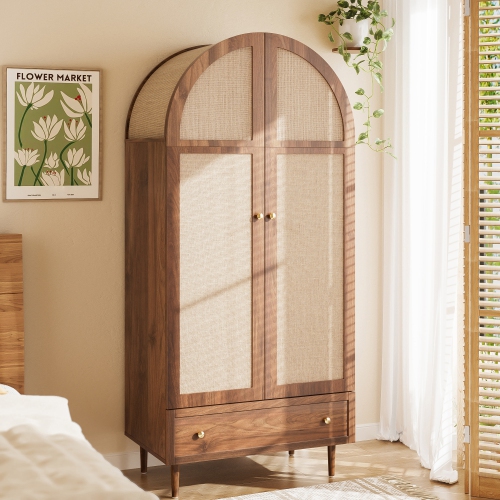



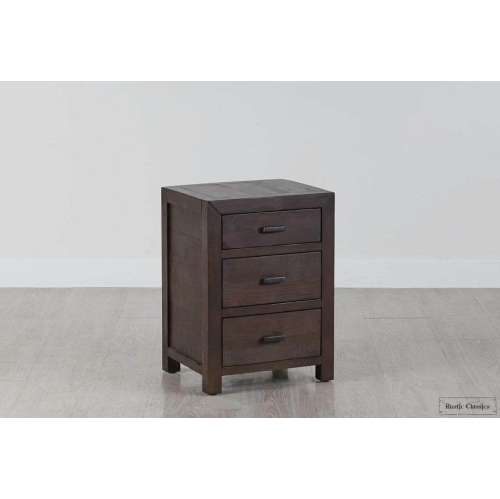


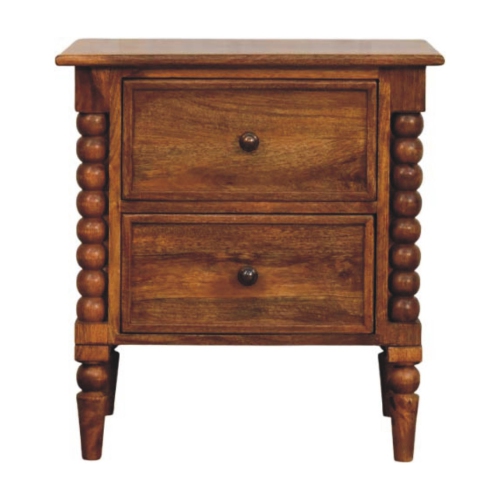
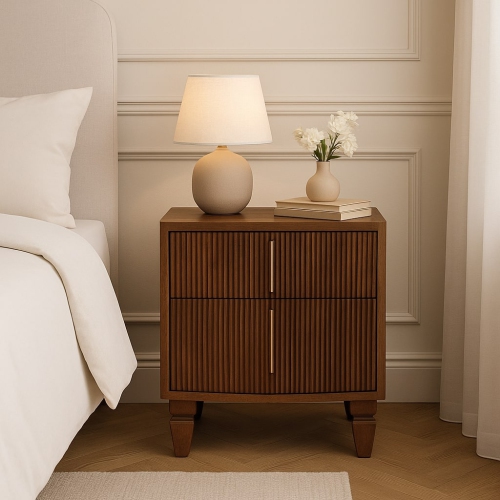
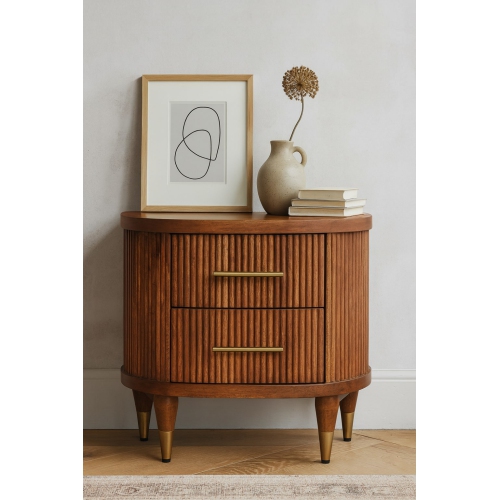

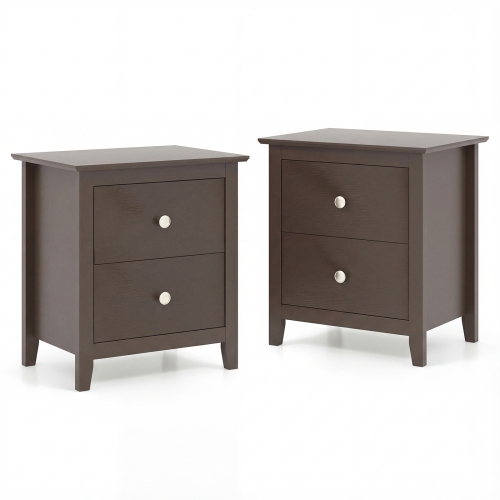
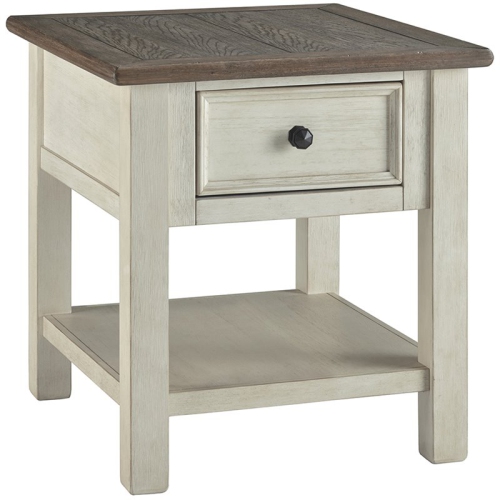

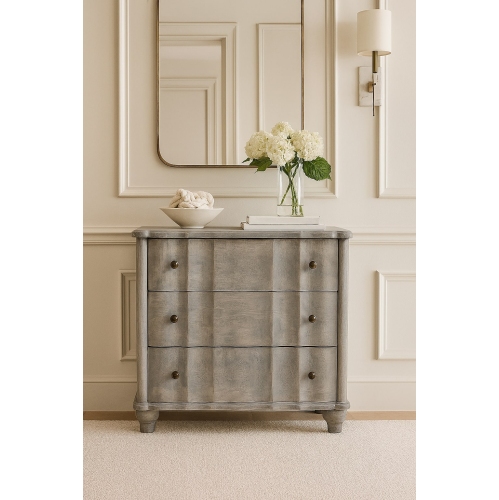
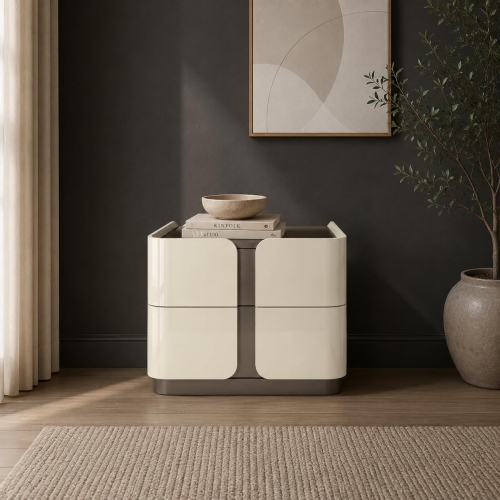
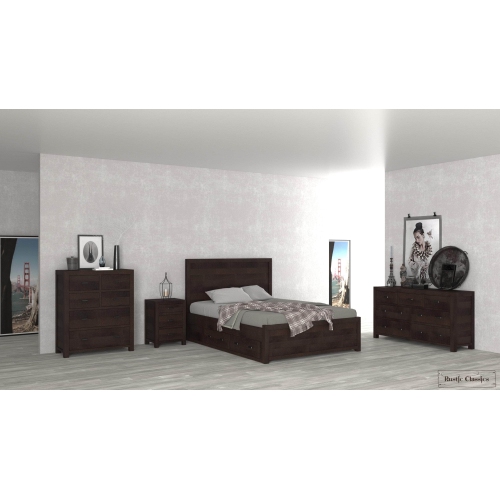

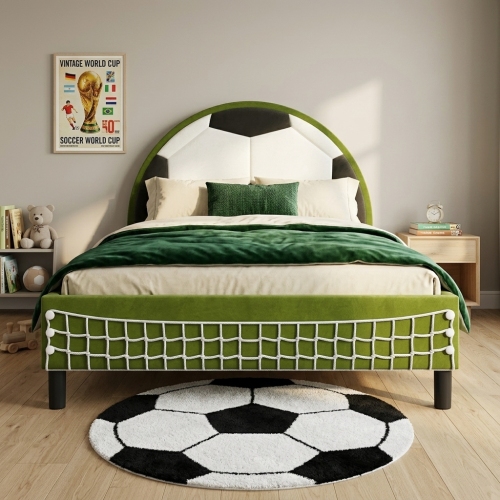
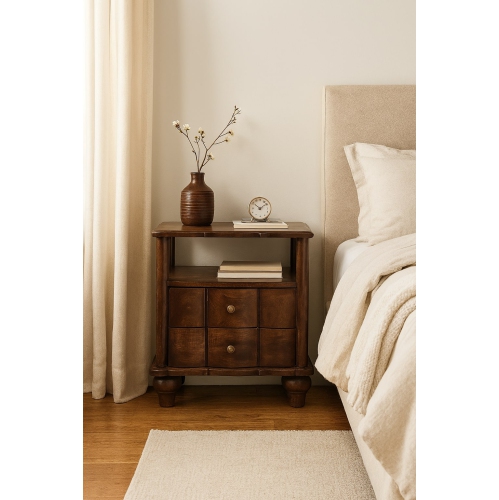
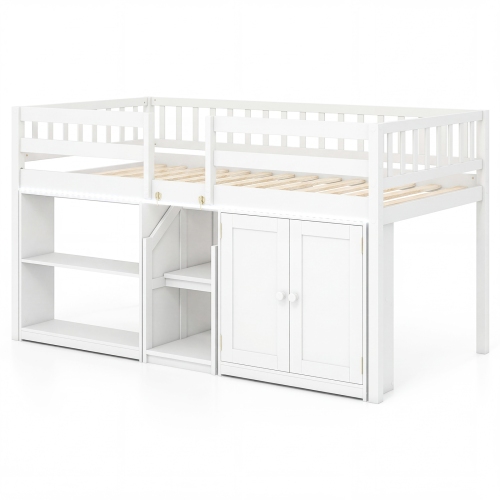
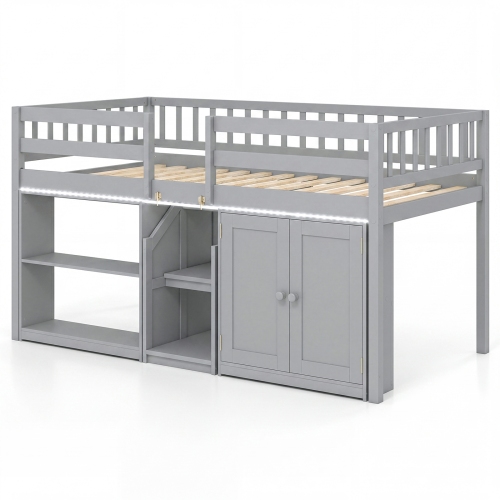
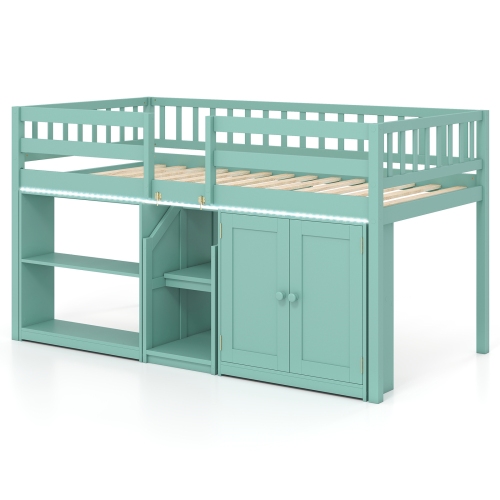


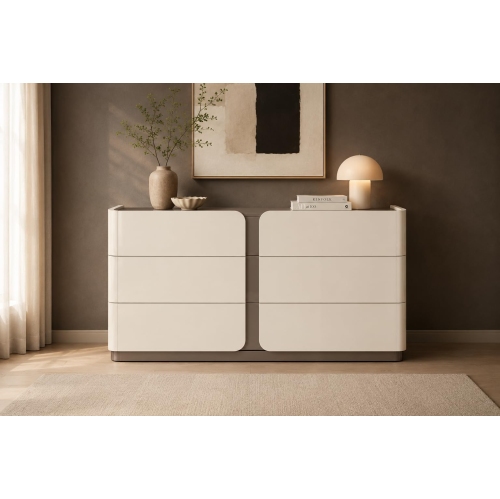

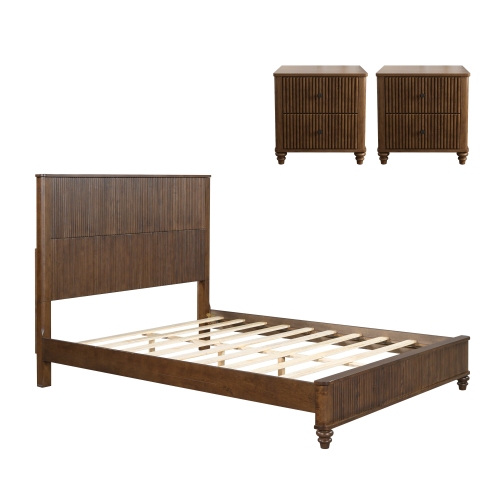

Why pale finishes can make bedrooms feel more open
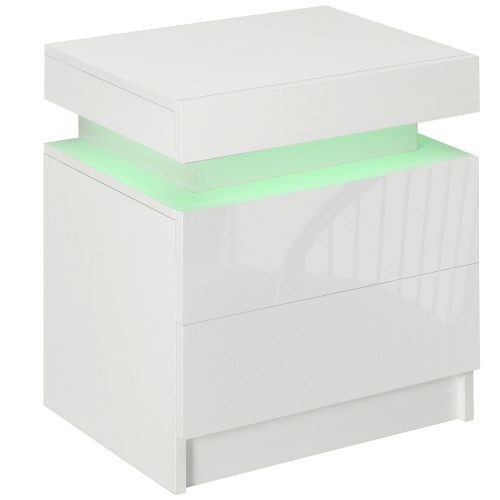
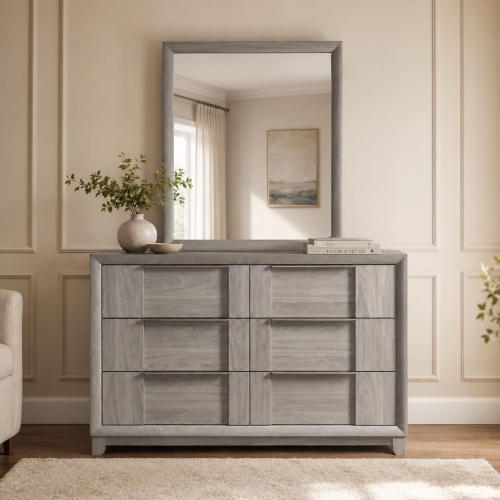
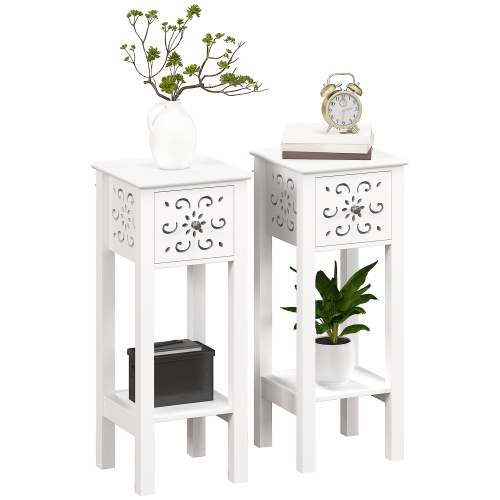
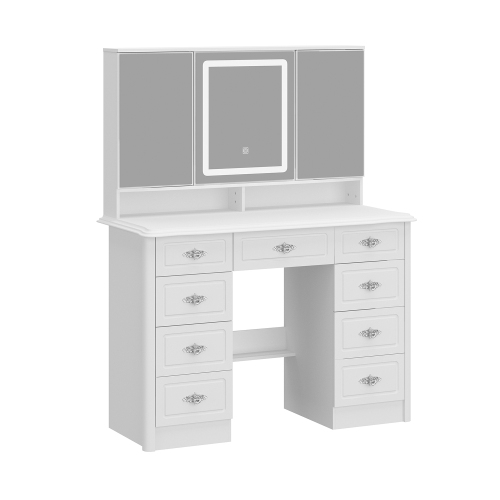
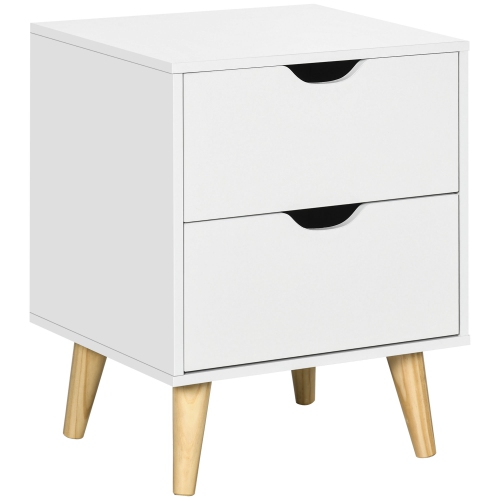
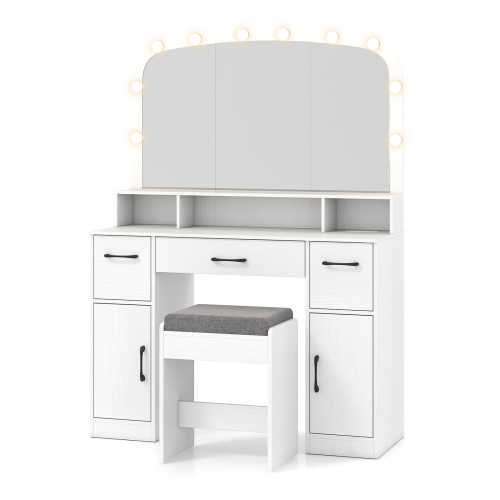
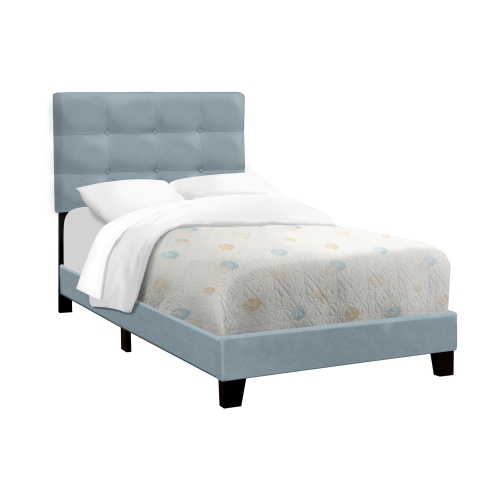
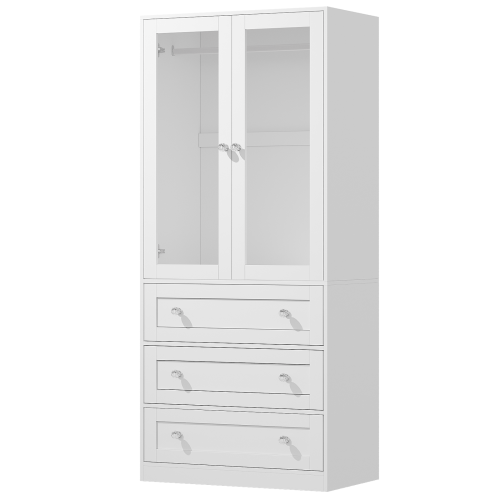
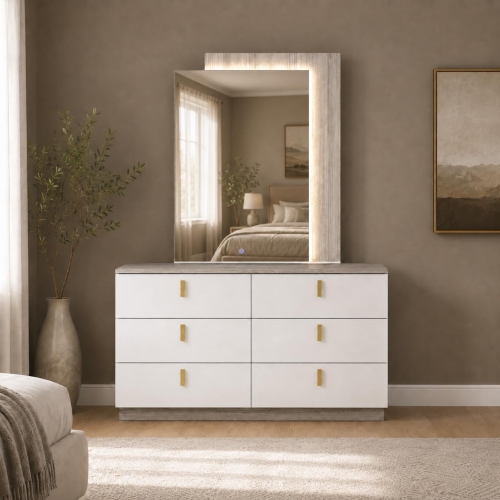
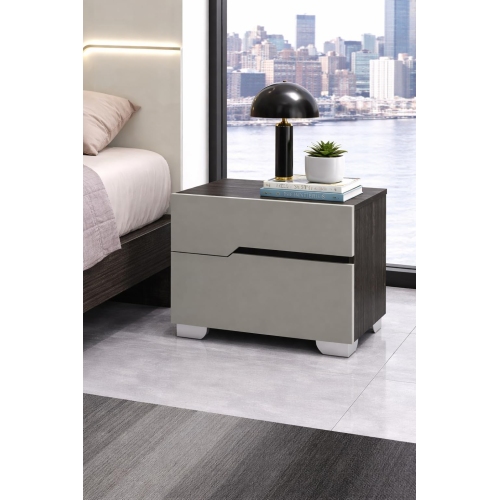
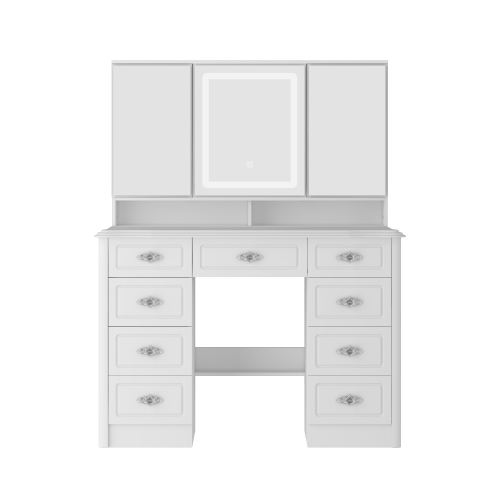
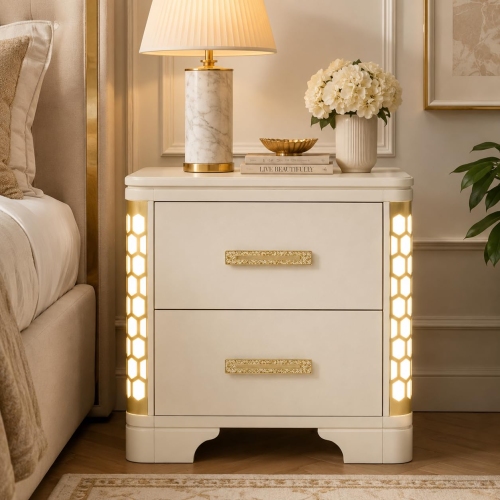
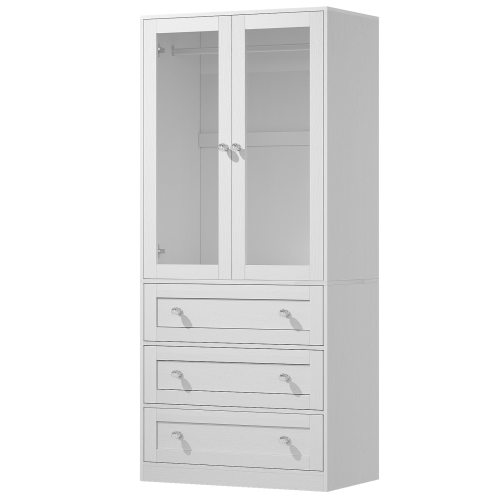
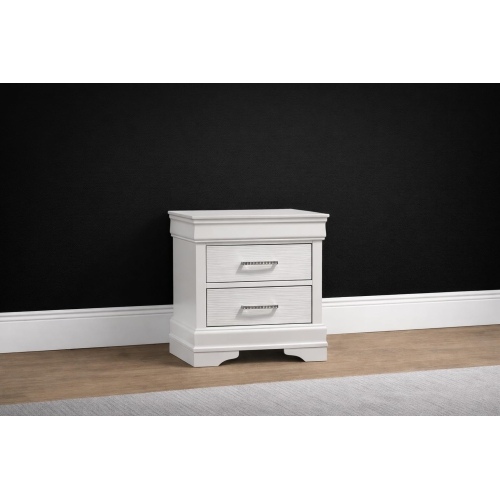
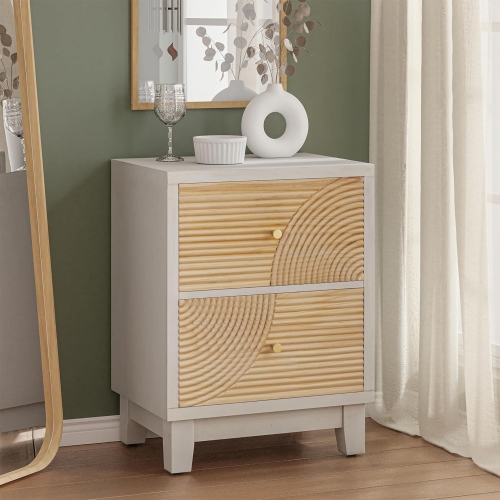
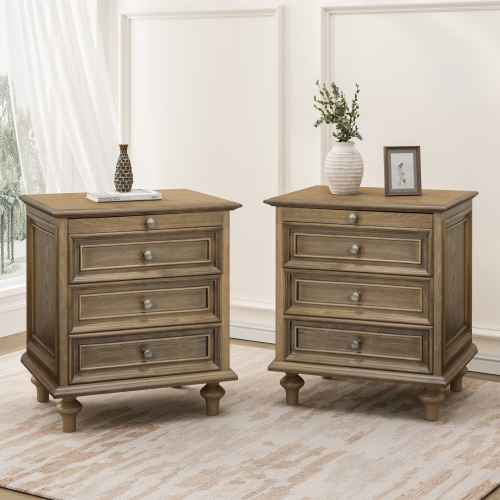
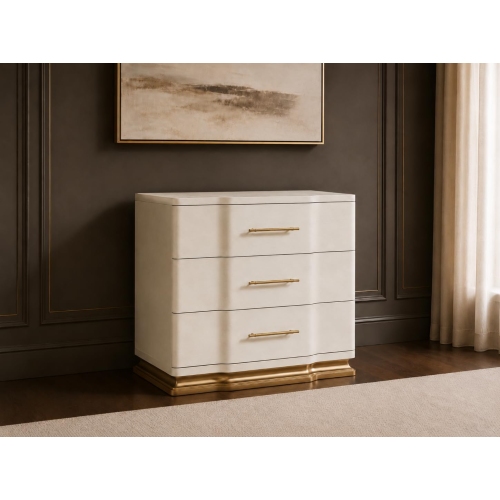
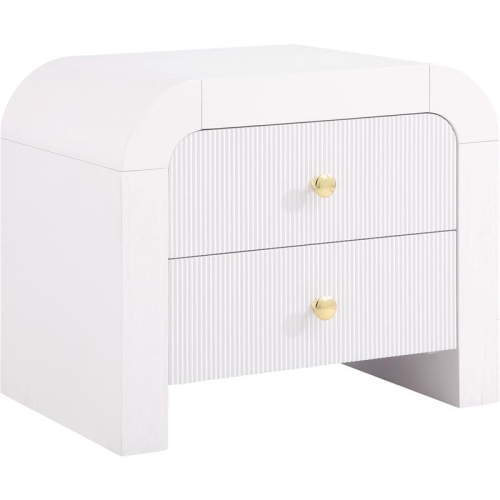
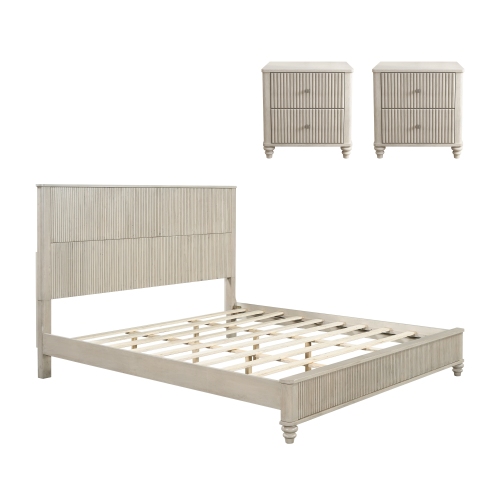
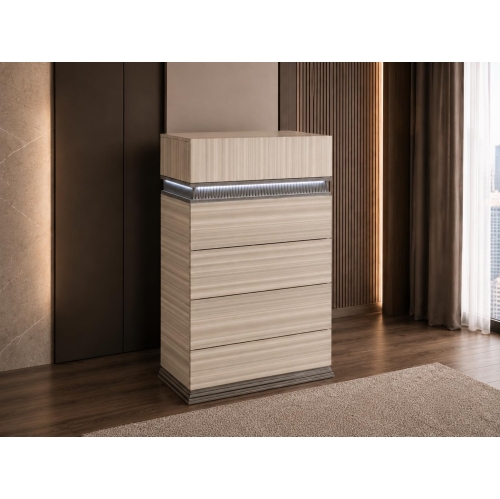
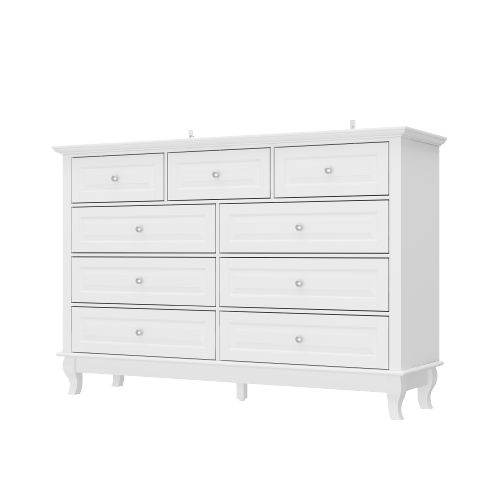
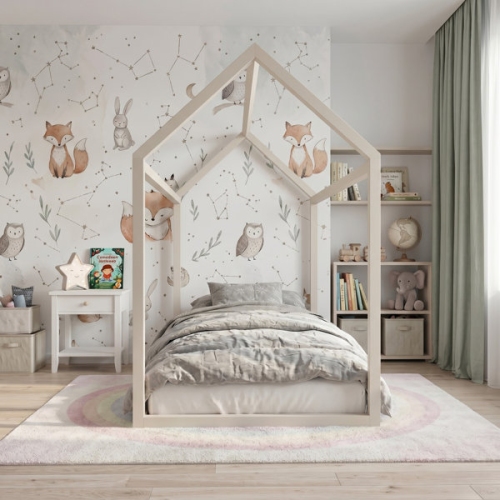
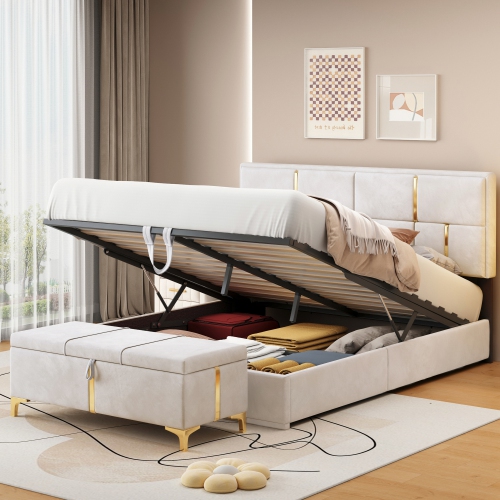
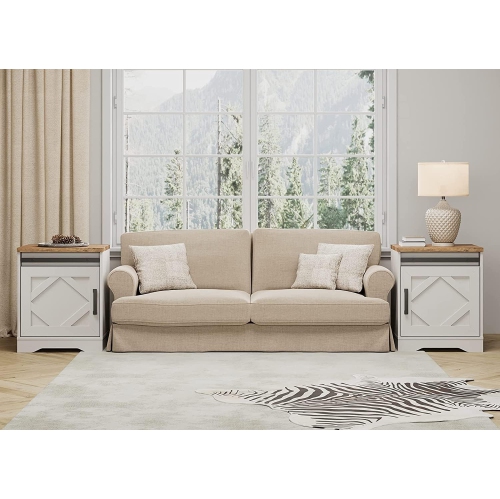
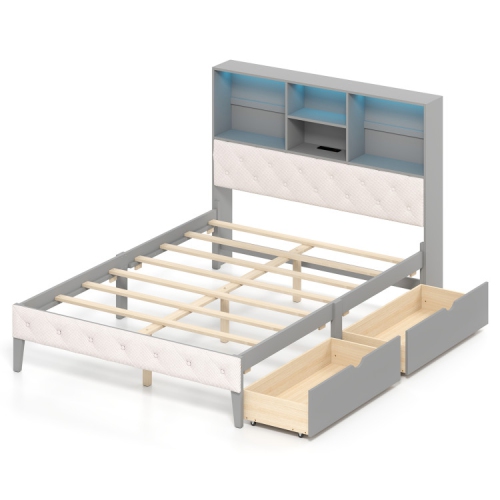
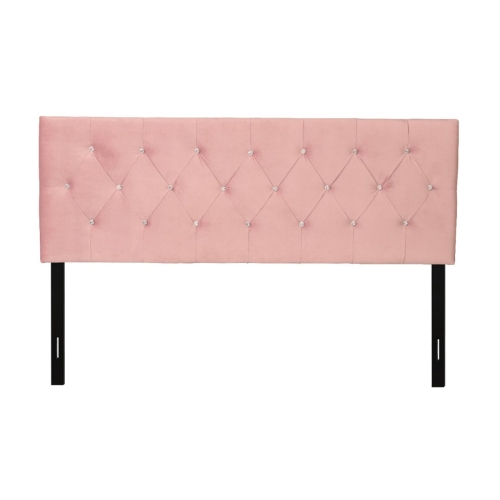
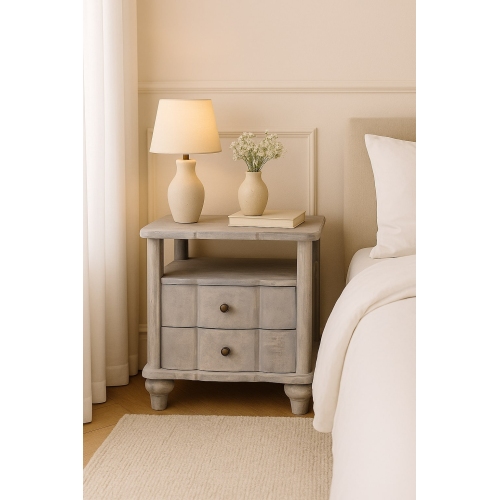
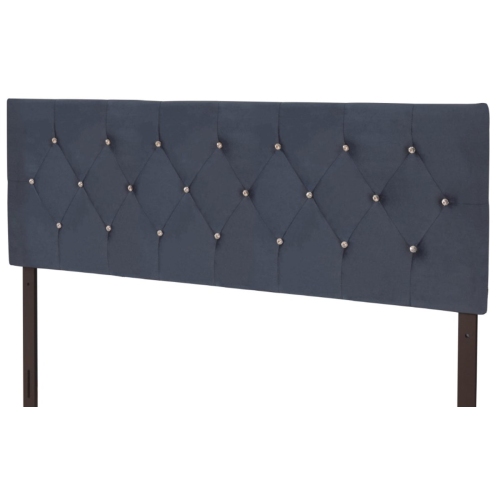
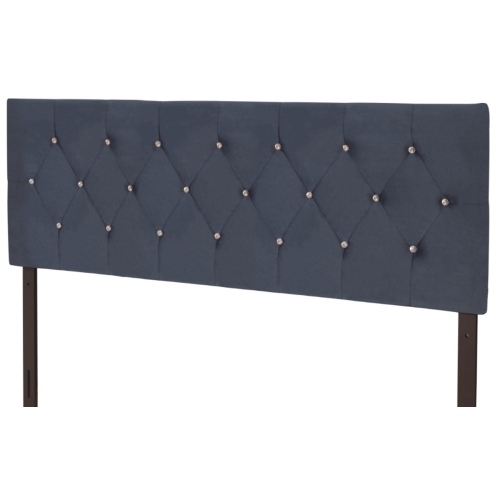
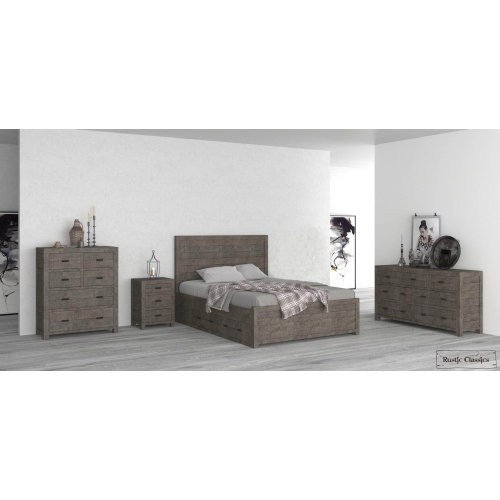
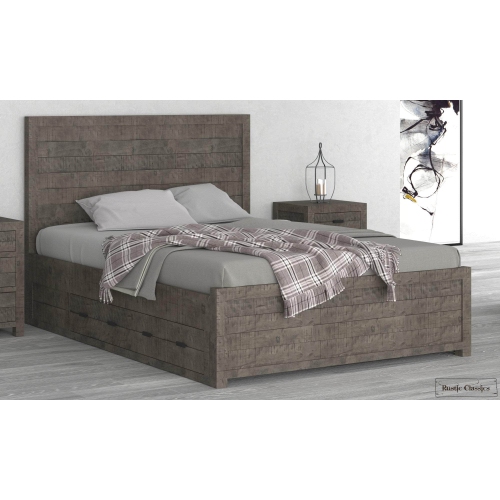
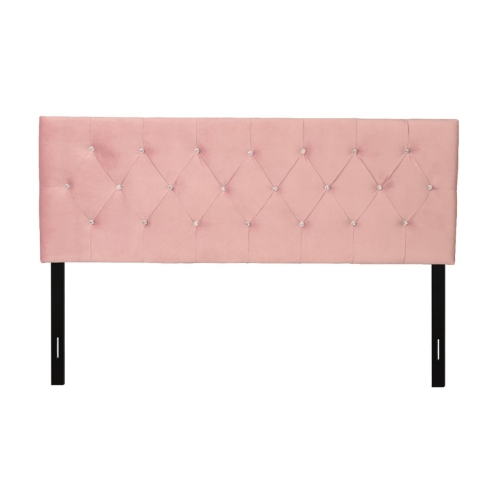
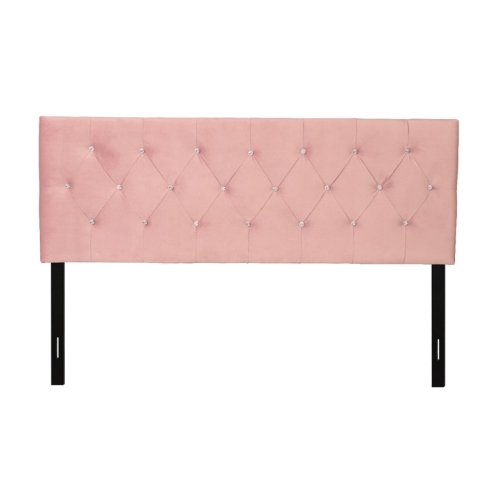
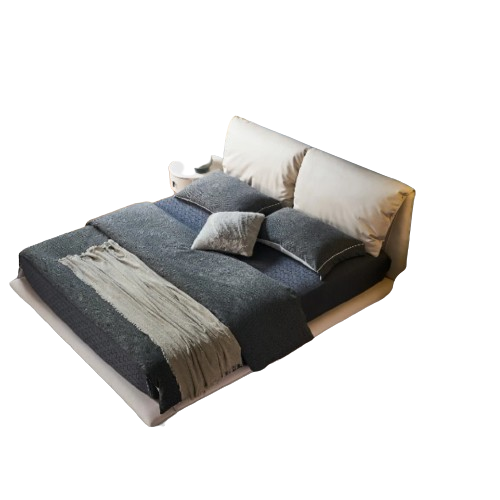
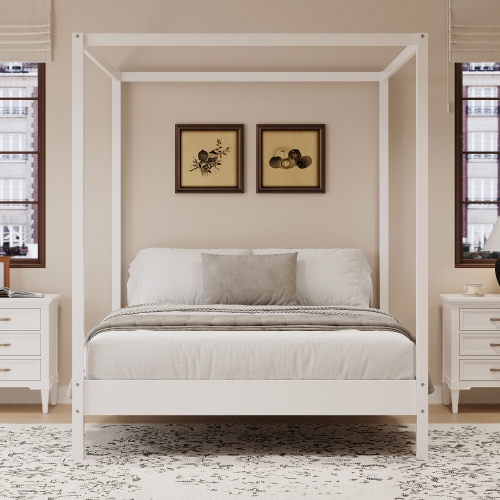
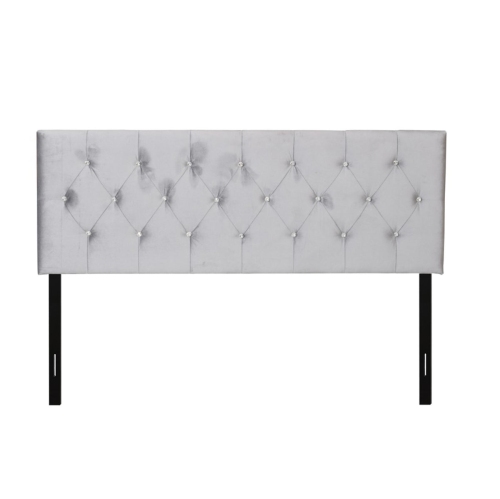
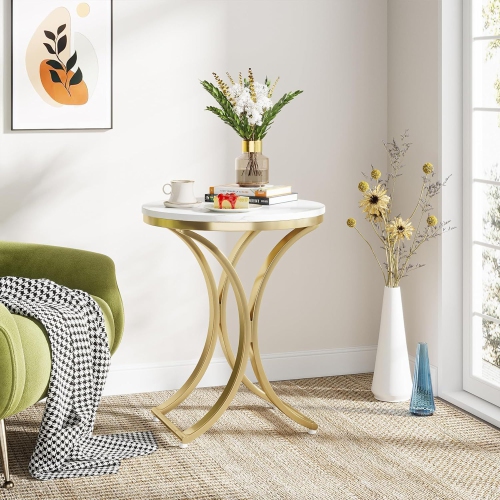
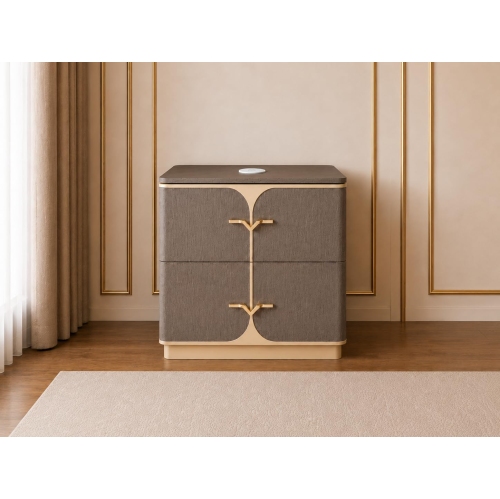
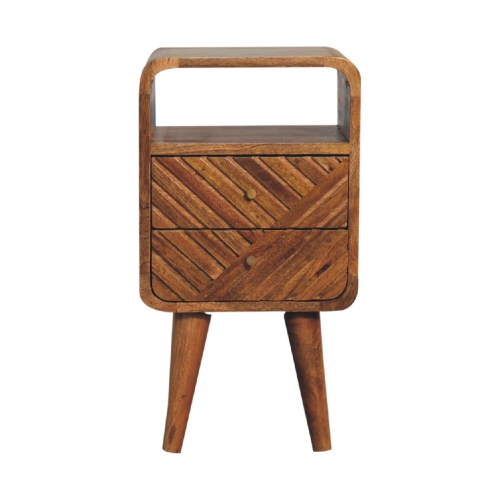
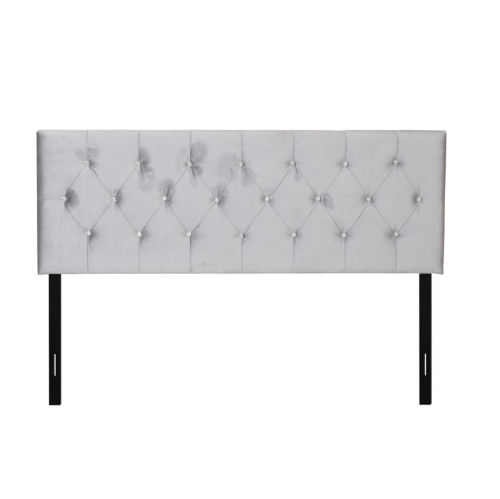
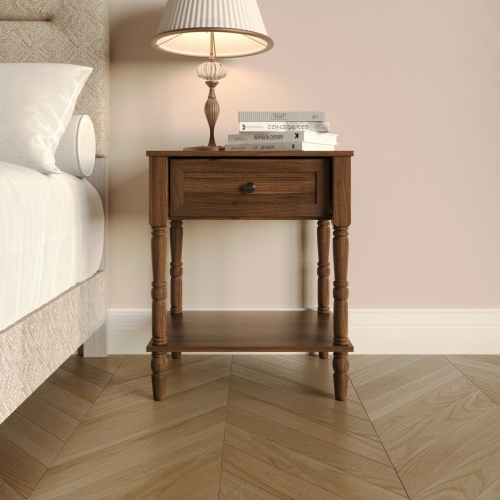
Light-coloured bedroom furniture brings a softer visual presence to a sleeping space, with finishes ranging from crisp white and warm ivory to pale oak, washed ash, beige and light grey. These colours can make a room feel brighter and more open without changing its actual dimensions, particularly when larger furnishings have simple profiles and visible space beneath them. Beds, dressers, nightstands and wardrobes in lighter tones also provide a versatile backdrop for bedding, rugs and personal touches. A cream upholstered headboard paired with pale wood storage creates a gentle, layered look, while white drawer fronts and slim metal handles feel more streamlined. The distinction between warm and cool undertones matters: yellow-toned ivory often sits comfortably beside honey-coloured flooring, whereas a grey-washed finish can complement cooler flooring and brushed metal accents. For another understated neutral direction, Light Grey Bedroom Furniture works with white bedding, charcoal accents and a broad range of wood tones. Matching every finish is not essential to a cohesive bedroom. A painted bed frame and natural wood nightstands can look intentional when they share rounded edges, similar proportions or a common undertone. Texture adds depth without making the room feel busy: visible wood grain, woven upholstery and softly rounded drawer fronts each give pale furniture a distinct character. Contrast can come from a dark reading lamp, a framed print or deeper-coloured bedding rather than another large furnishing. In a compact bedroom, legs that lift storage furniture off the floor can help preserve a sense of openness; in a larger room, a substantial upholstered bed or wide dresser gives a light palette more visual weight. The result can feel clean and contemporary, relaxed and traditional, or somewhere between the two, depending on the shapes, hardware and fabrics surrounding the furniture.
Materials and construction influence how light-coloured bedroom furniture looks, feels and stands up to everyday use. Solid wood often displays natural variations in grain and tone, so two surfaces with the same finish may not look completely identical. Wood veneer places a thin layer of real wood over a supporting core, retaining visible grain while using a different construction from solid timber. Engineered wood with painted, laminated or wrapped surfaces can provide a more uniform appearance, although resistance to scratches, moisture and wear depends on the particular surface and how it is made. A white finish may look smooth and opaque, while a whitewashed treatment allows more of the grain pattern to remain visible. Neither appearance alone establishes durability. Stable joints, appropriate support, well-fitted hardware and drawers that move smoothly matter just as much as colour. Frequently used dresser drawers benefit from sturdy bottoms and suitable load ratings, especially when storing heavier folded clothing. Upholstered beds introduce another set of considerations: a tightly woven fabric has a different texture from a loose weave, and pale fabric may show marks more readily than a patterned or darker covering. Removable upholstery covers should only be washed when the care instructions expressly allow it. Routine care generally means lifting rather than dragging objects across finished surfaces, using coasters beneath drinks and wiping spills promptly with a method suited to the material. A lightly dampened cloth may be appropriate for some finishes, but excess water and harsh cleaners can damage others. Wood veneer should not be treated as though it can tolerate the same refinishing as a thick solid wood surface. Sunlight can also alter wood and fabric colour over time, making placement worth considering. For a nightstand that holds a glass of water, hand cream and a phone each evening, an easy-to-wipe top and accessible storage may matter more than decorative detailing. On a dresser used daily, comfortable pulls and a finish that suits regular handling support both appearance and practicality.
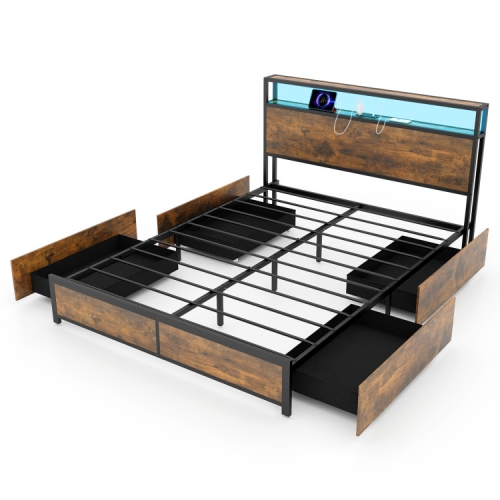
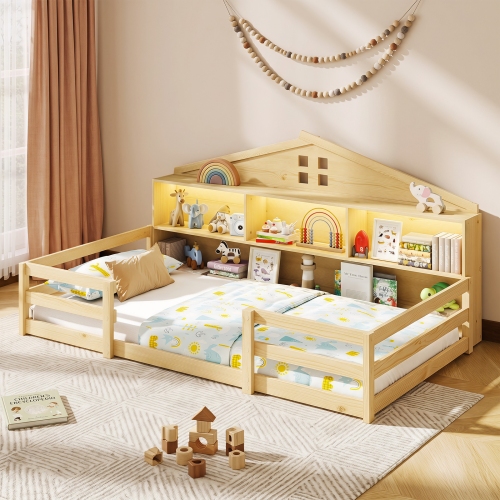
The right fit depends on the room’s layout and the way its furniture will be used. A pale finish does not compensate for a bed frame that blocks a wardrobe door or a dresser whose drawers cannot open fully. Furniture dimensions need to account for the complete frame, headboard and projecting handles rather than the mattress size alone. Doorways, stairs and tight turns also affect whether larger components can reach the bedroom, while assembly requirements determine how much clear floor space is needed during setup. Around the bed, comfortable walking routes and room to reach windows, outlets and switches help the layout function naturally. Nightstand height is especially noticeable in daily use: a surface close to mattress height is generally easier to reach for a lamp, glasses or a book than one positioned far below it. Storage beds can make useful use of the area beneath a mattress, but side-opening drawers need clearance from walls and adjacent furniture. Lift-up storage has different access requirements, and the opening mechanism, mattress compatibility and lifting instructions deserve attention. Platform beds, slatted frames and other support systems also have different mattress and foundation requirements, so colour and style are only part of selecting a suitable frame. In a shared bedroom, separate bedside storage can keep everyday essentials within reach without crowding the top of a dresser. In a guest room, a compact chest and an uncluttered bedside surface provide useful storage without filling every corner. Children’s and teenagers’ rooms may benefit from adaptable shapes and straightforward storage that remain useful as tastes change, with furniture chosen for the intended age group and used according to its safety instructions. Dressers and other tall storage furniture should be secured with the appropriate anti-tip hardware as directed by the manufacturer. Coordinated bedroom sets offer visual consistency, while separately chosen furnishings allow different storage needs and room proportions to shape the layout. Whether furnishing a first apartment, refreshing a primary bedroom or making space for guests, light-coloured furniture works best when its soft appearance is matched by practical dimensions, dependable construction and care suited to everyday life.
Top selling and popular products
-
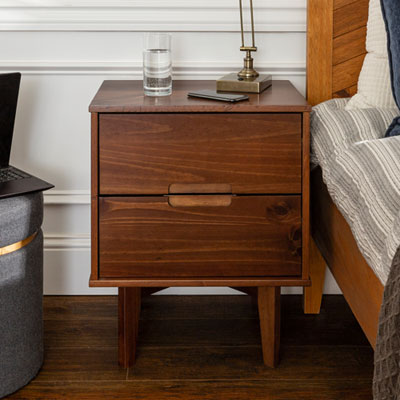 Your price for this item is $188.99
-
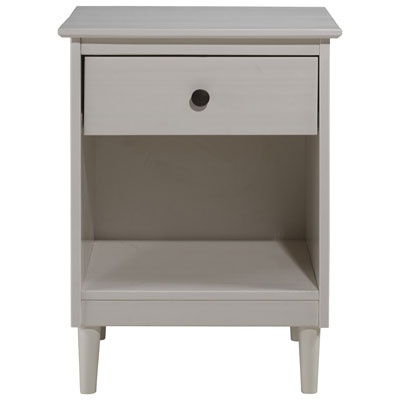 Your price for this item is $179.99
-
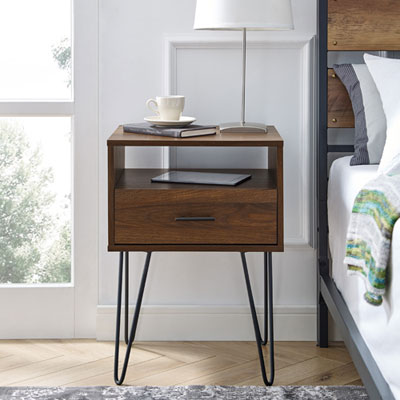 Your price for this item is $266.99
-
 Your price for this item is $266.99
-
 Your price for this item is $630.26
-
 Your price for this item is $352.58
-
 Your price for this item is $251.99
-
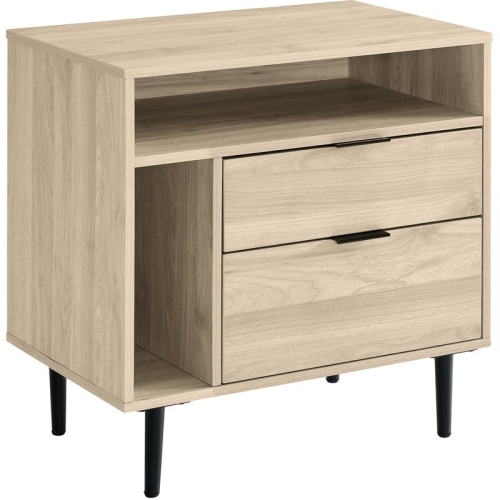 Your price for this item is $349
Discover more categories related to Light Colored Bedroom Furniture


Top Collections:
Pokemon Centers, Best Budget Office Chairs, Kindle Devices, Best Cameras for Sports Photography, Pokémon 30th Celebration Cards, Best Laptops for Writers, Canon G7X Cameras, iPhone 15 Apple, Best Cell Phones Under $300, Apple iPhones 16
Some products may be subject to Environmental Handling Fees
(EHF) depending on your province.
Learn more about EHFs.