Light Fixtures for Kitchen
Upgrade your kitchen lighting with this wide selection of light fixtures. Illuminate your culinary space with style and functionality, transforming it into a vibrant hub for cooking and entertaining. Whether you're looking for pendant lights, chandeliers, or recessed lighting, we have the perfect options to suit your taste and budget. Discover a range of designs that will enhance the ambiance of your kitchen, providing ample illumination for meal preparation and creating a warm, inviting atmosphere.
Sort

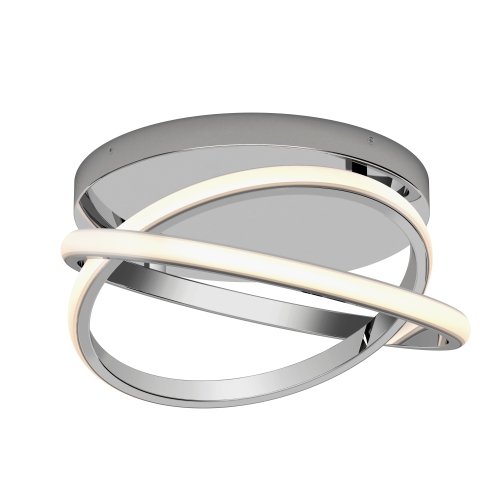

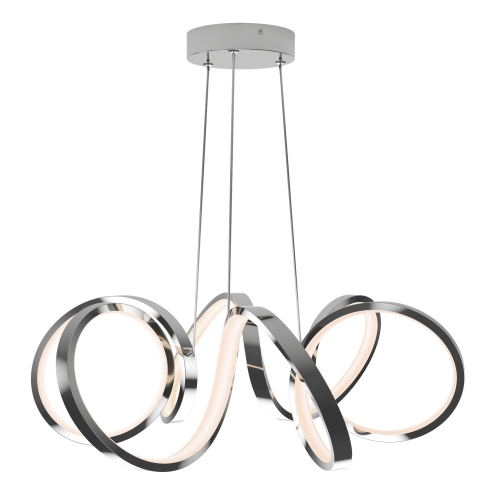
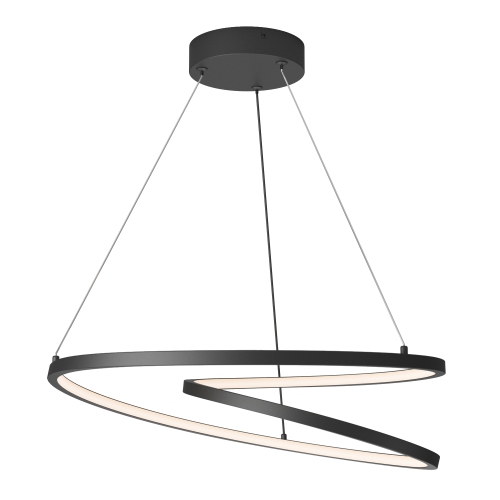

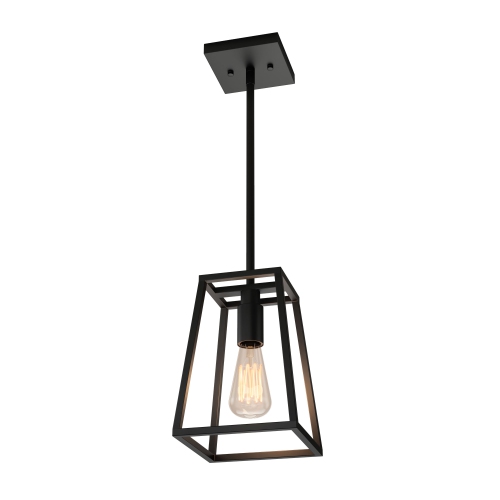

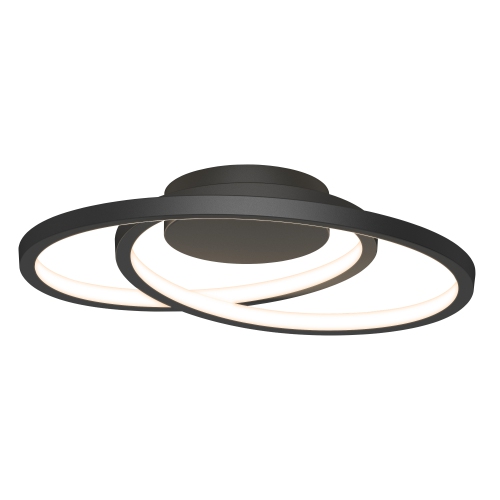
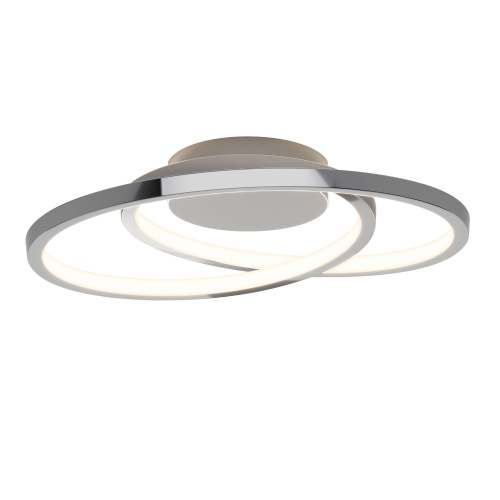
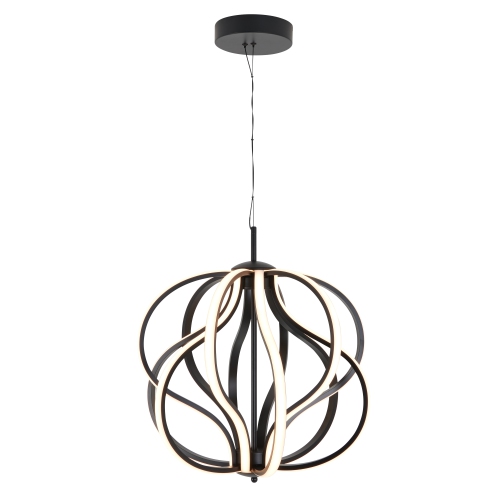
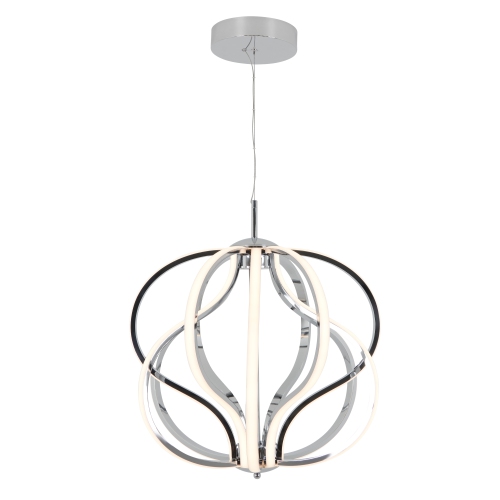
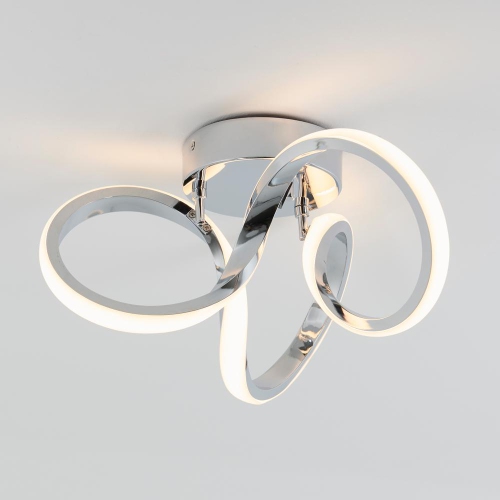

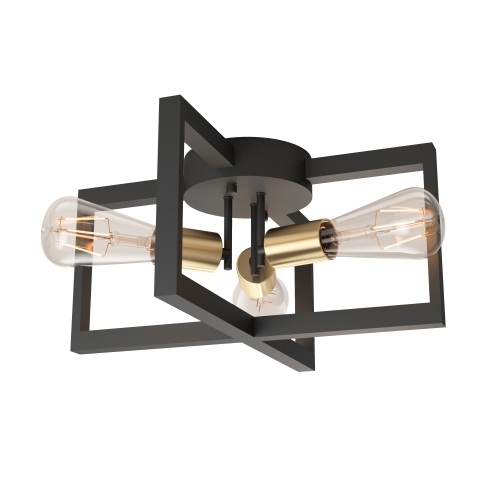
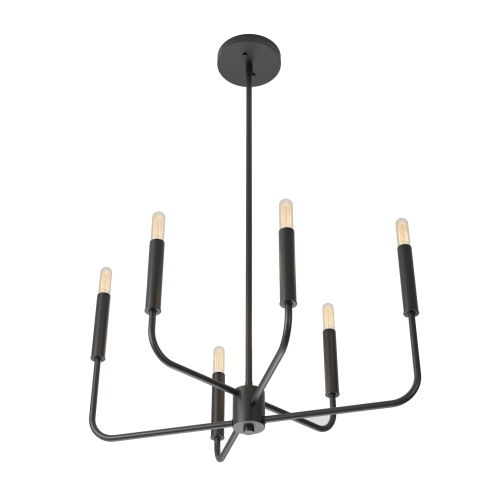


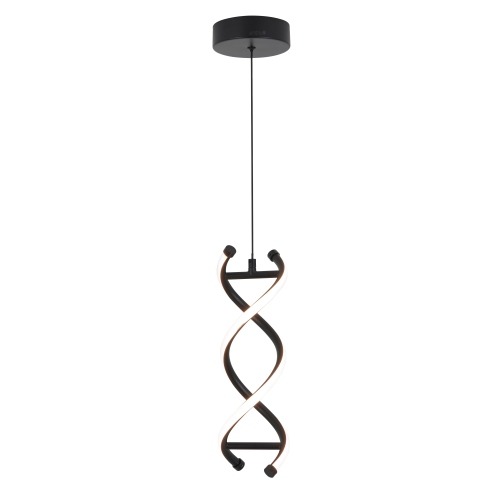
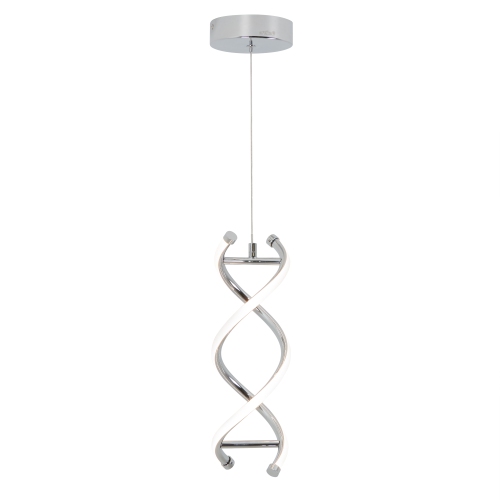
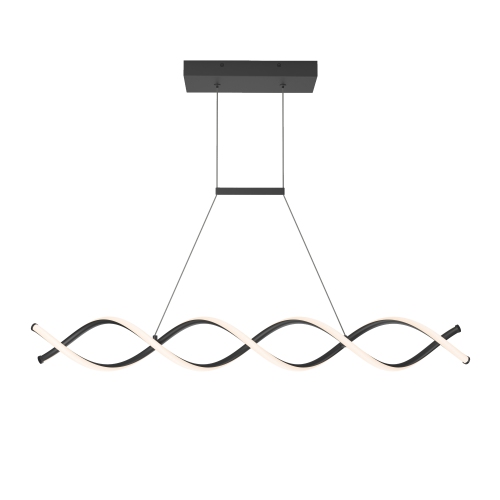
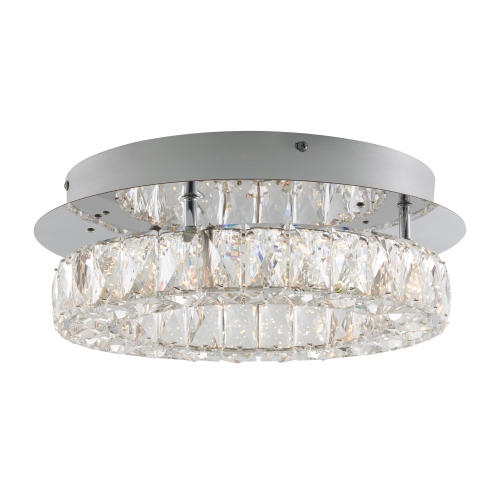

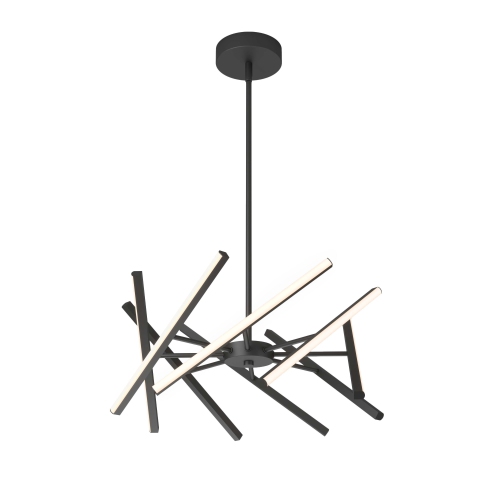
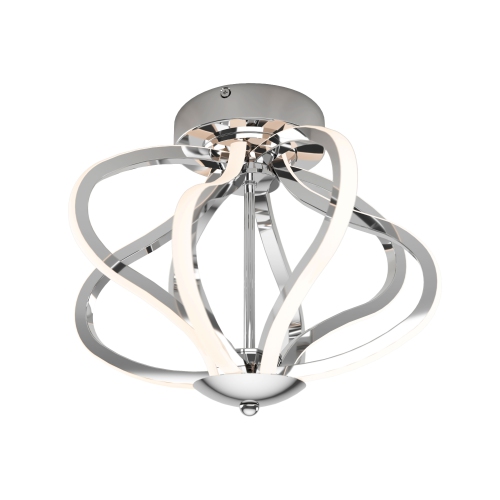
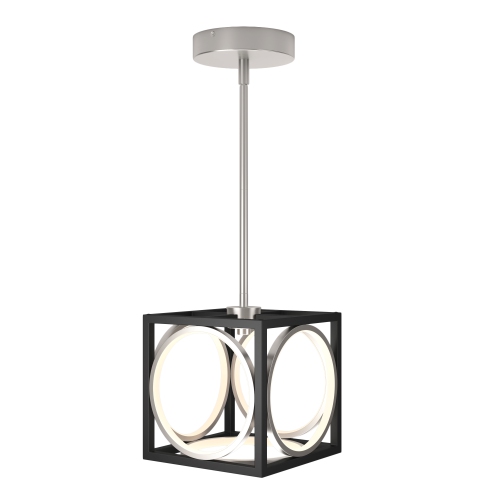
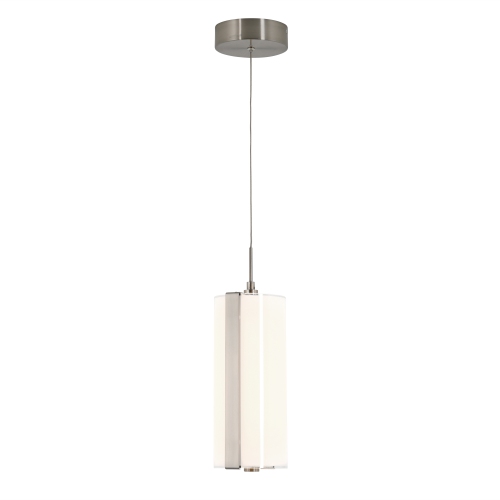
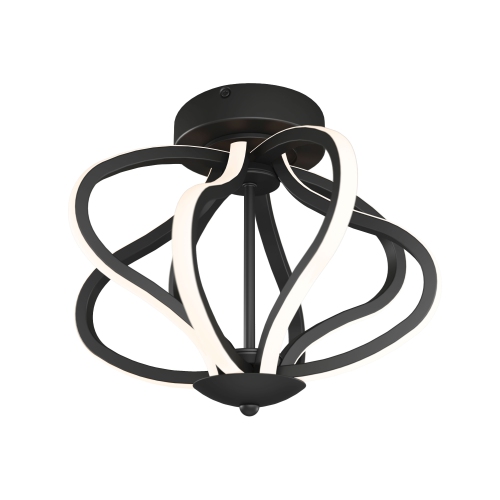
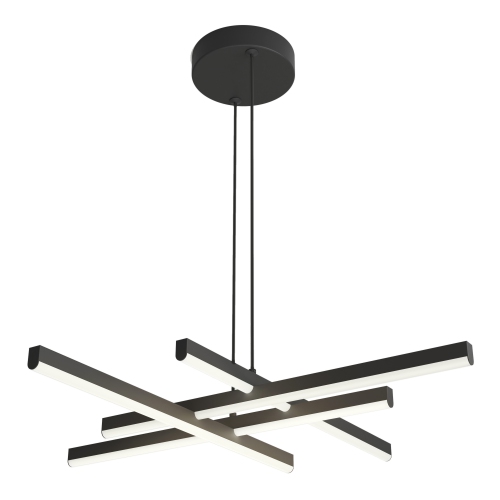
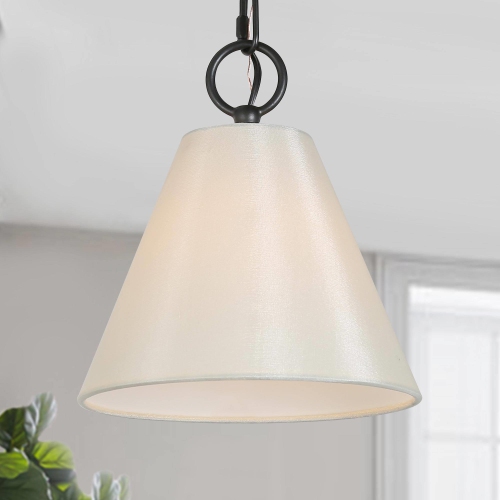

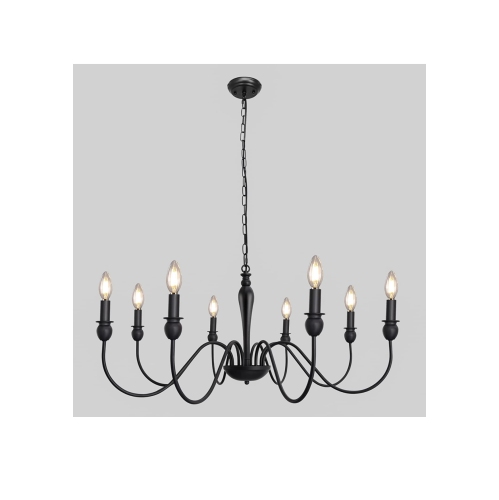
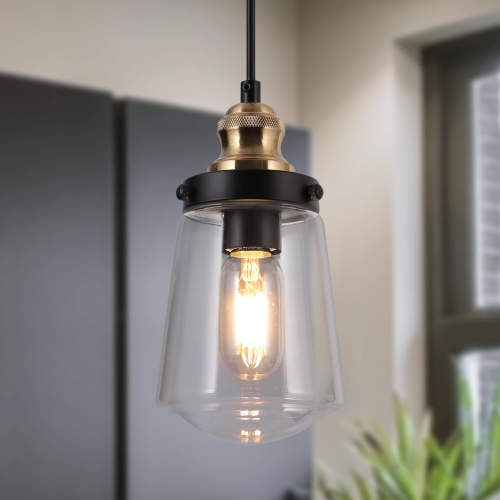
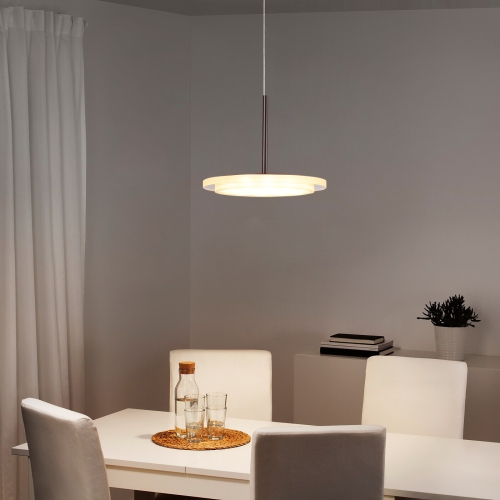

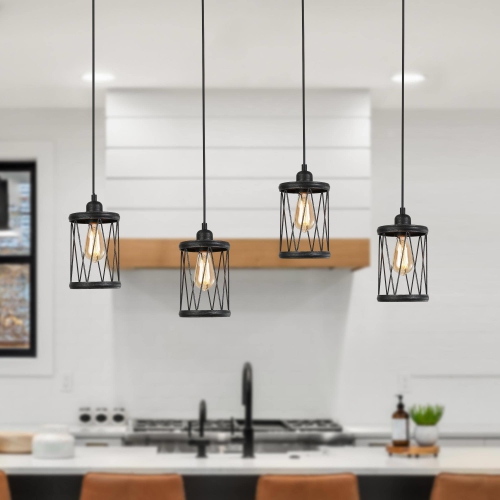

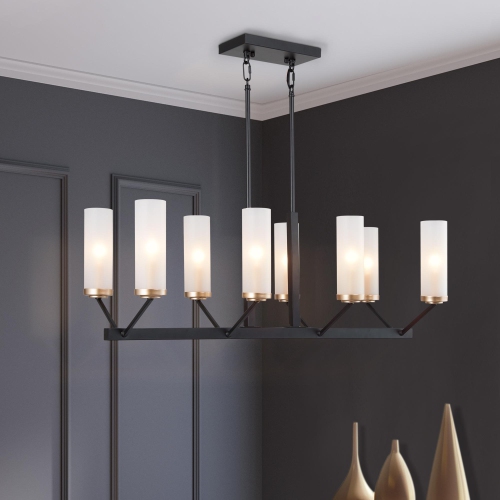
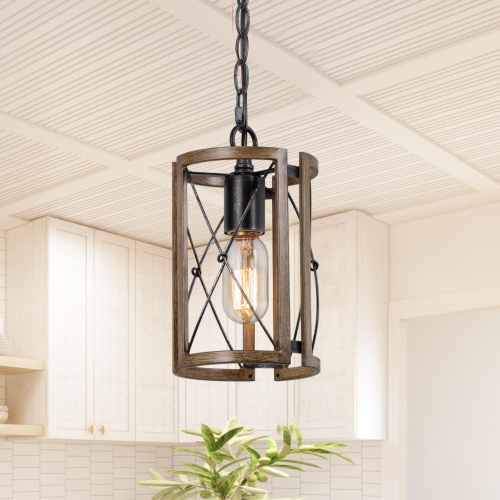
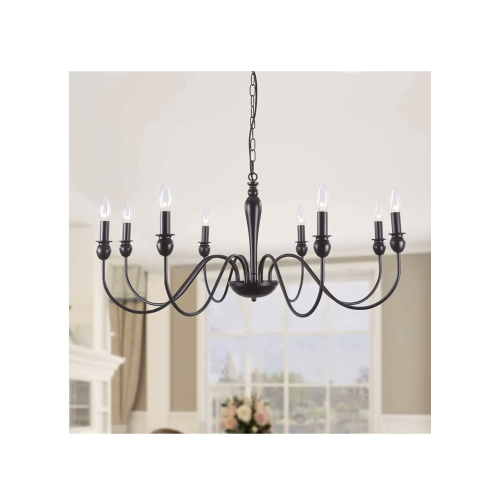
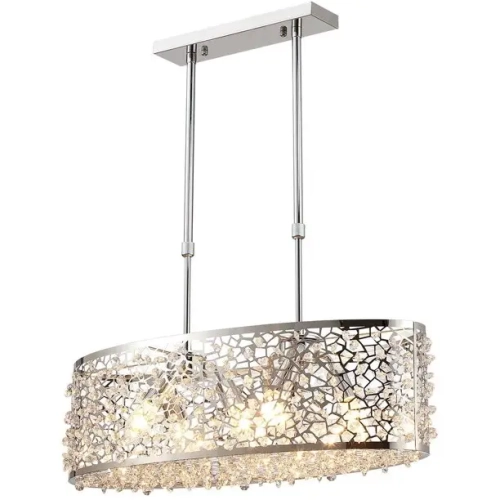
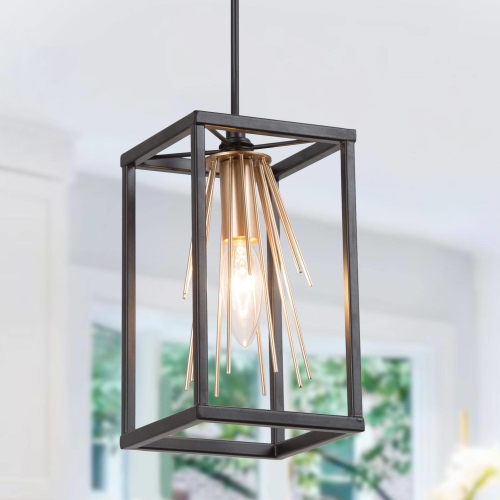
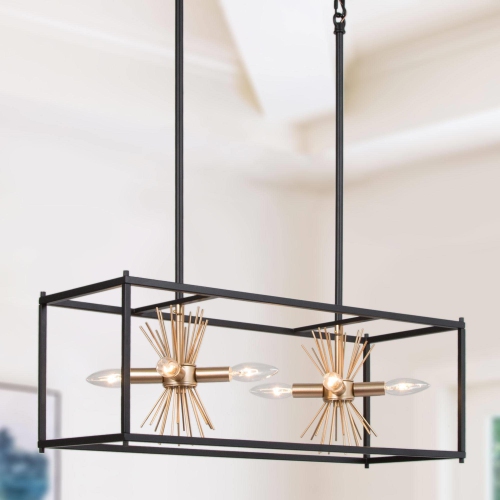
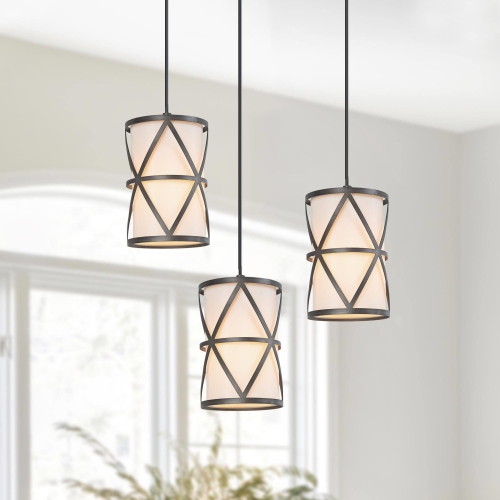
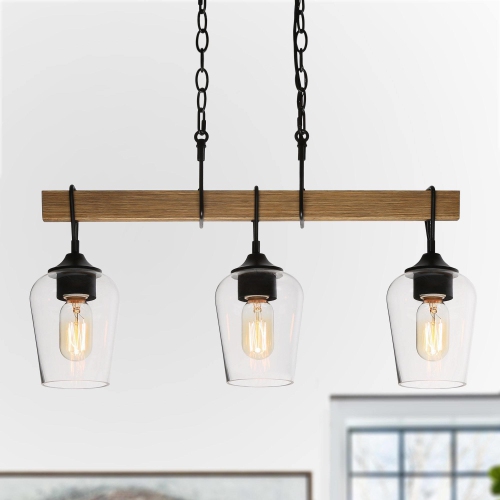

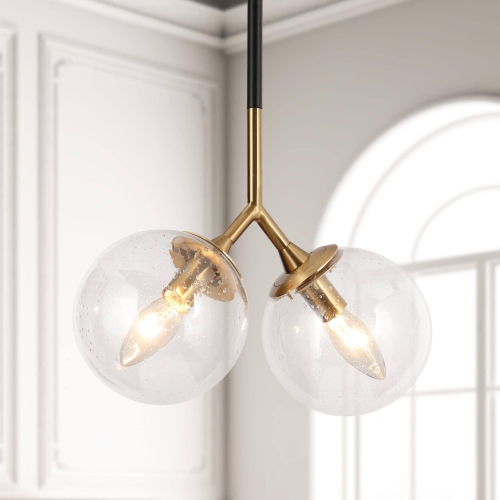
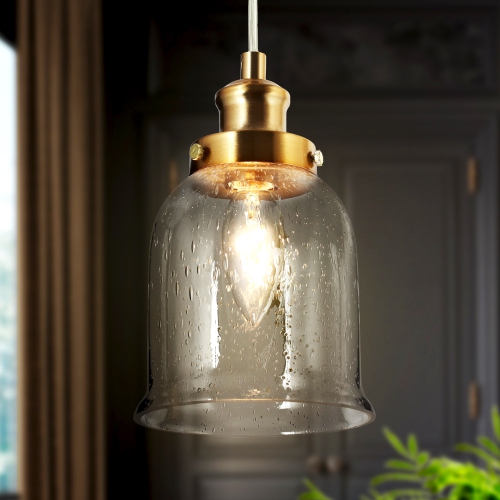
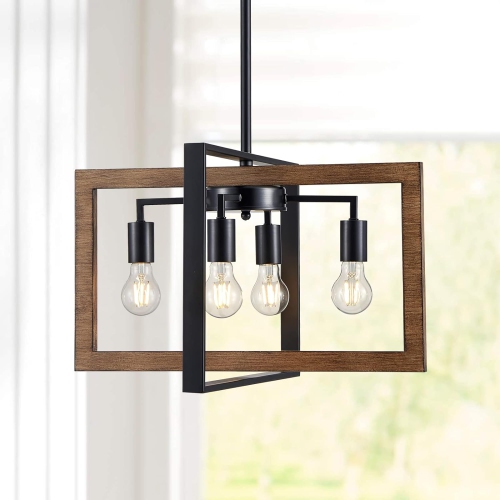
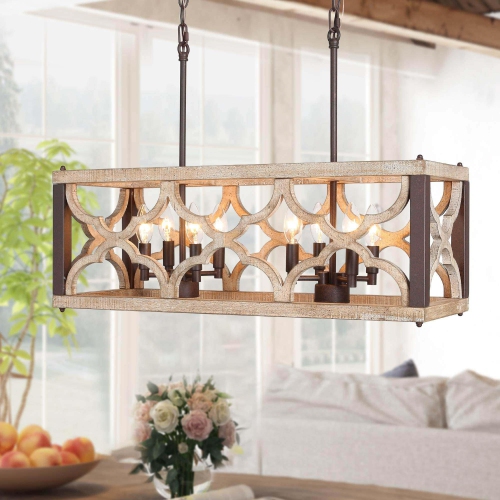
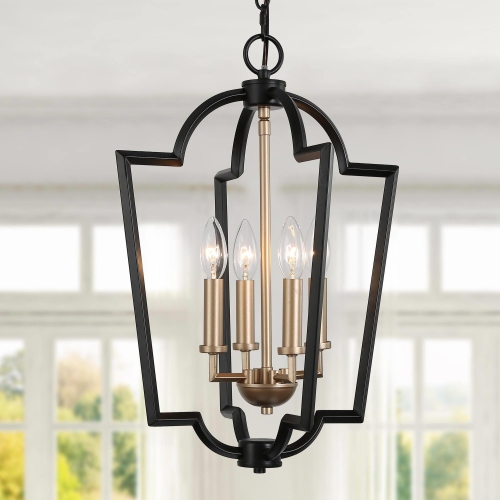
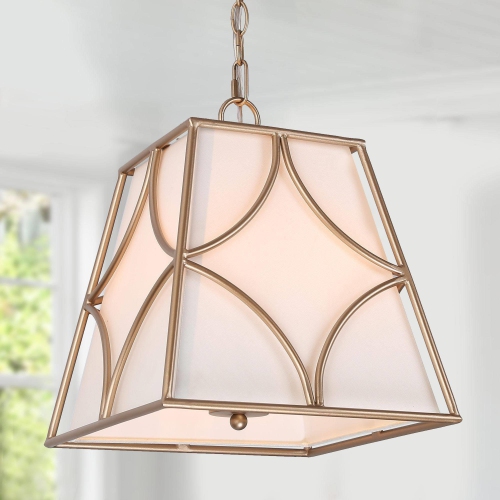
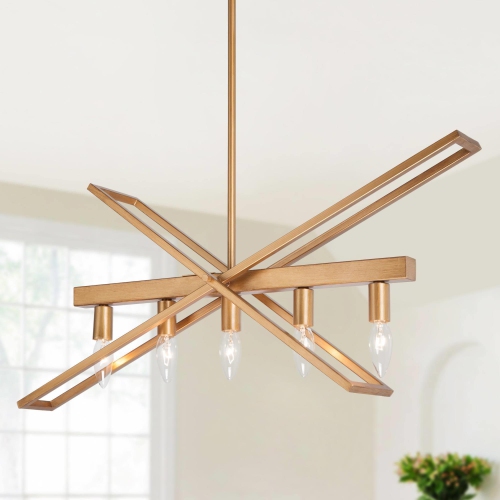
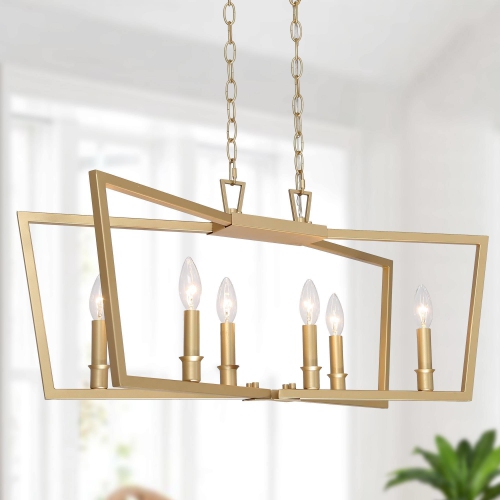
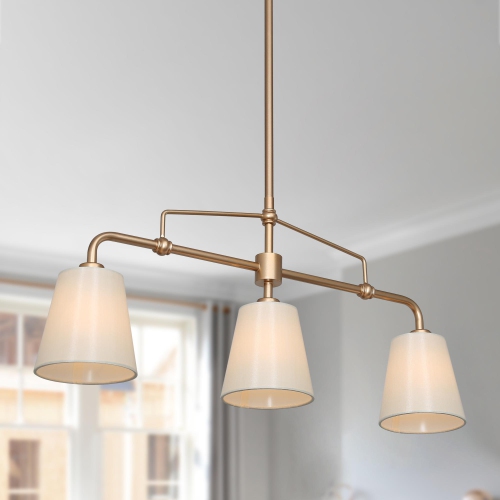
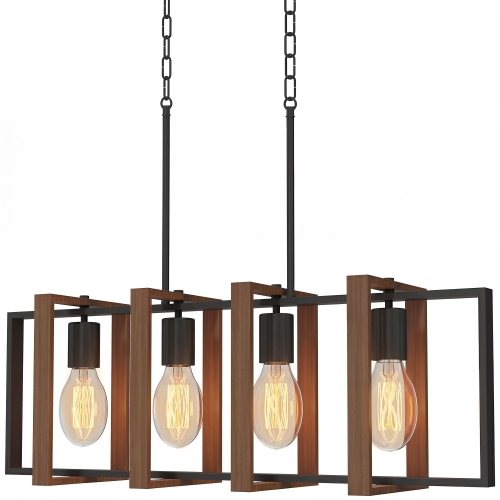
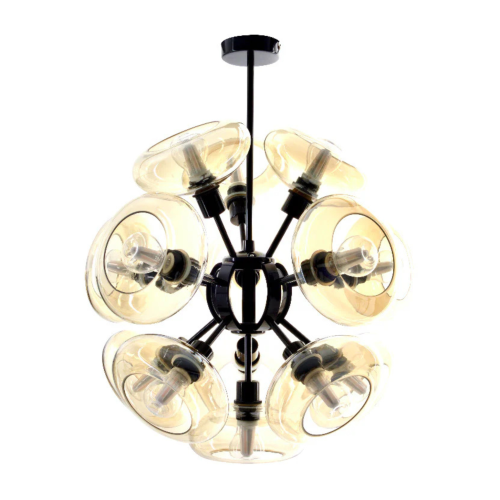
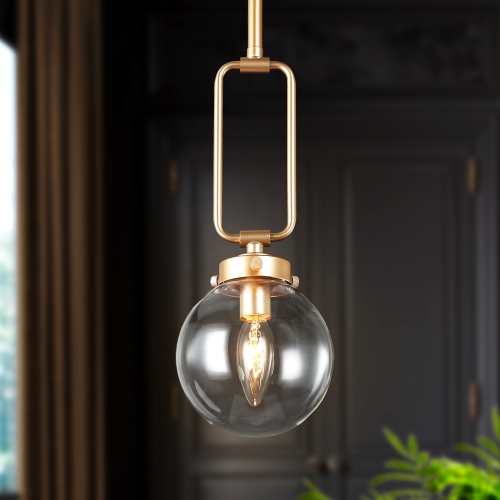
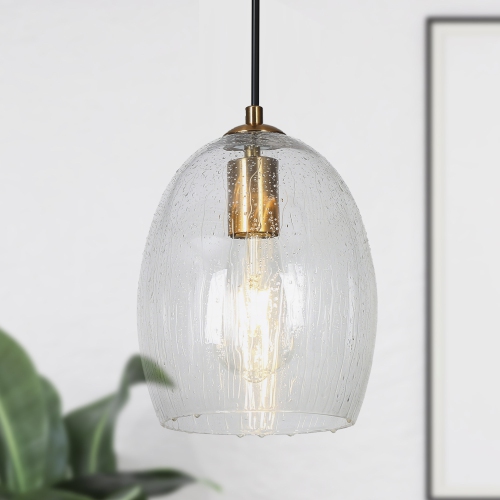
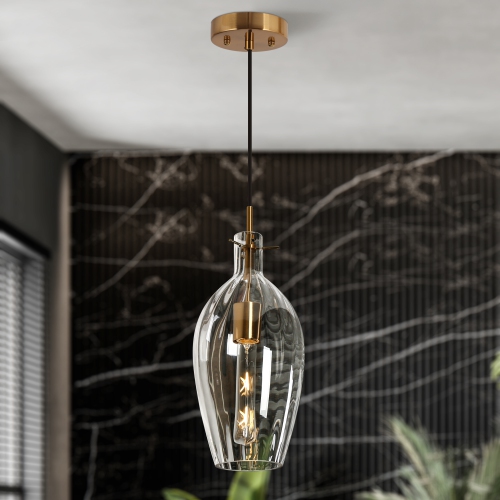
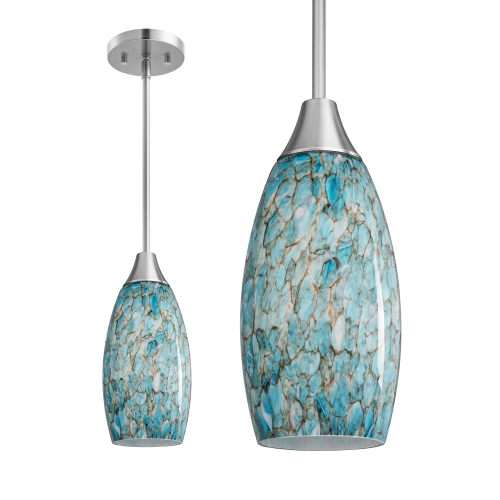
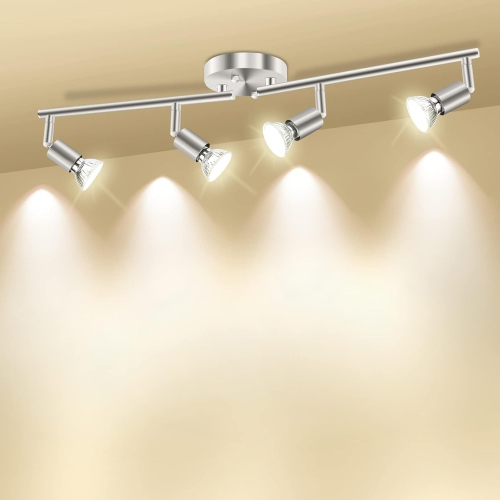
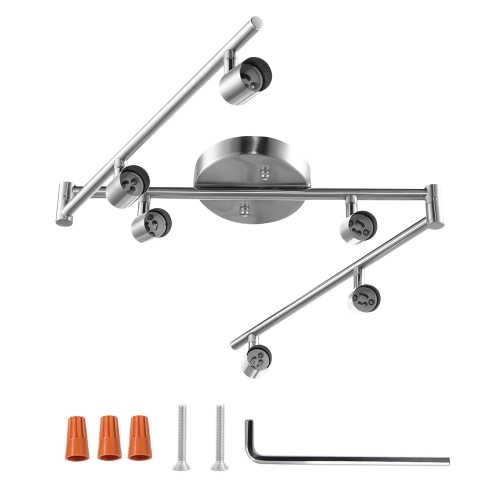
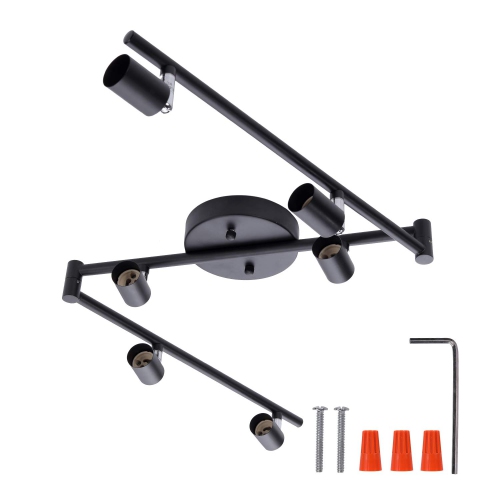
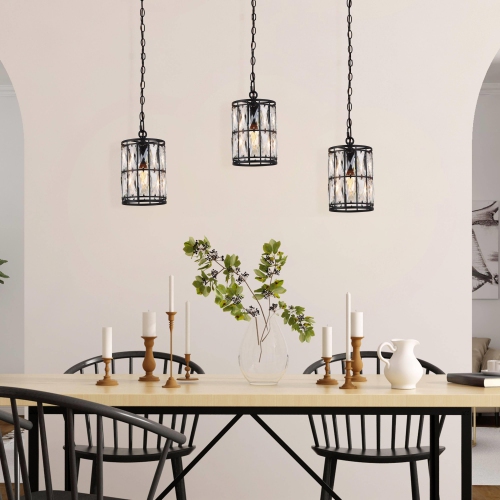
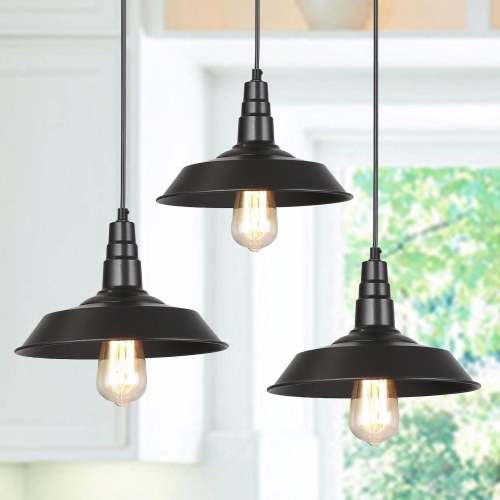

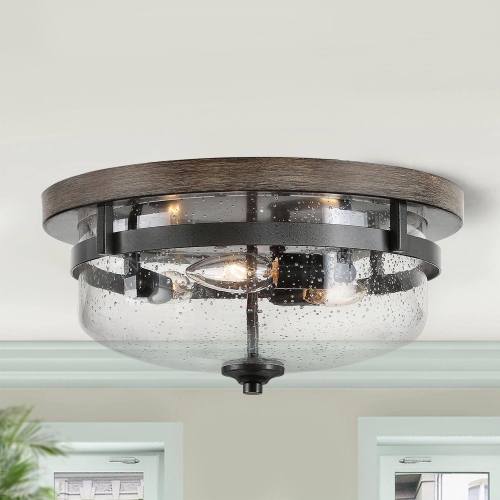
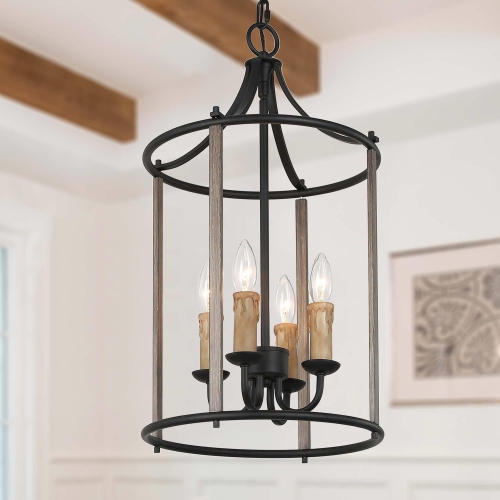
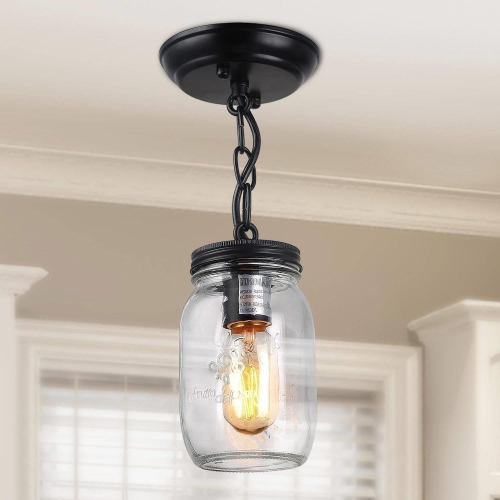
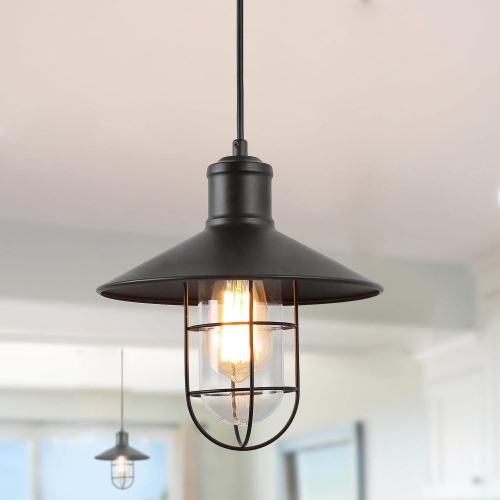
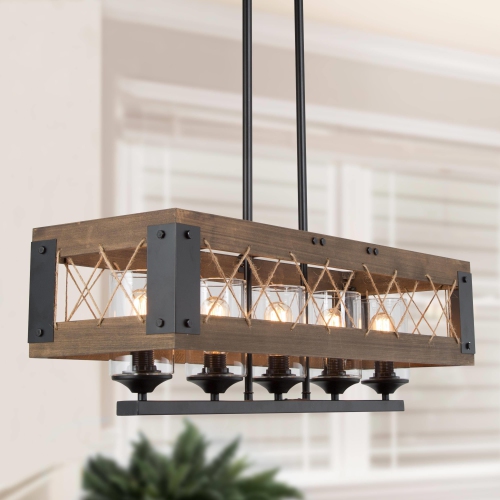
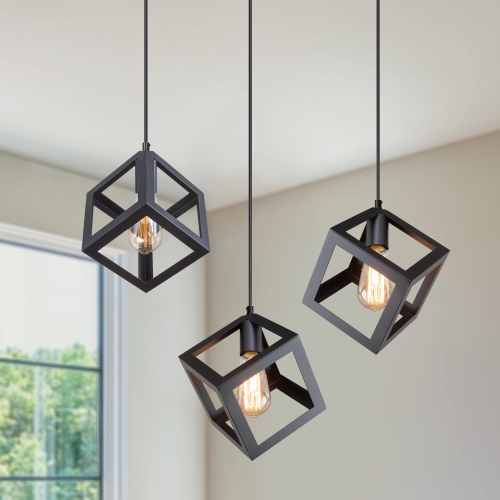
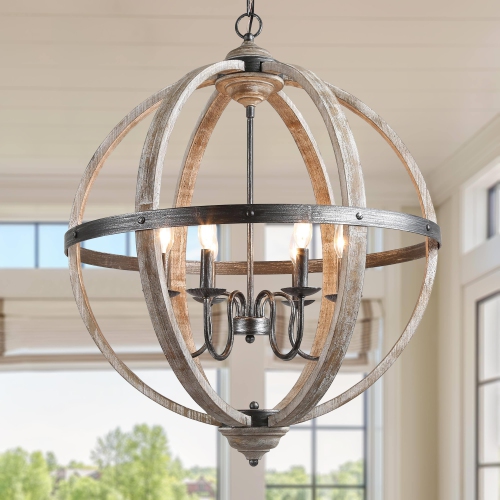
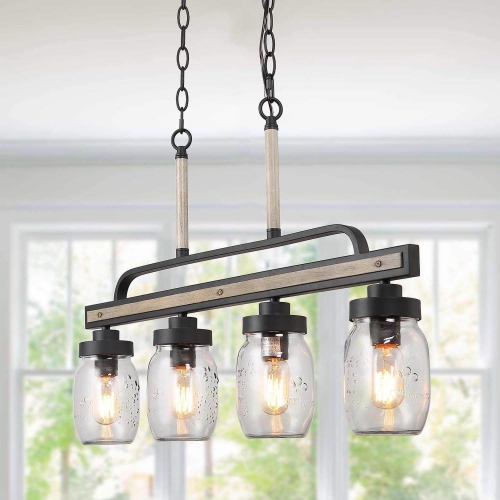
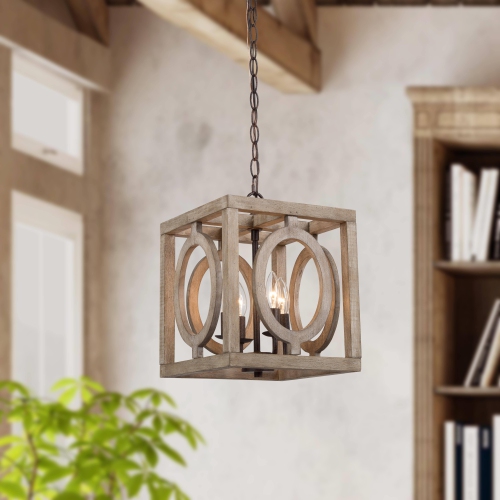
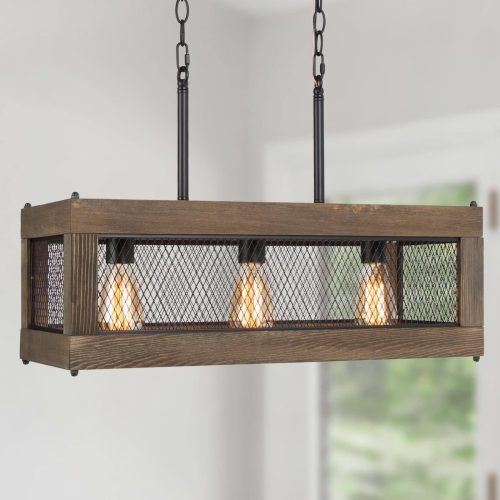

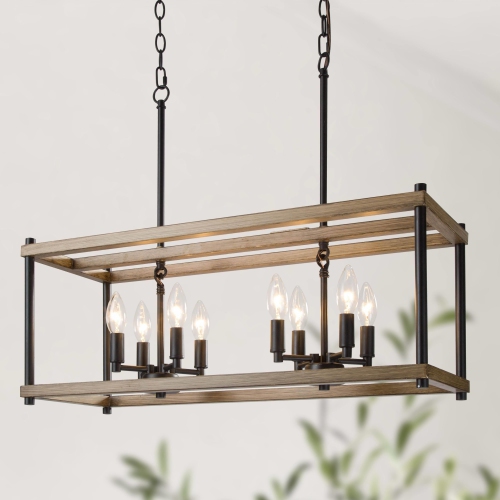
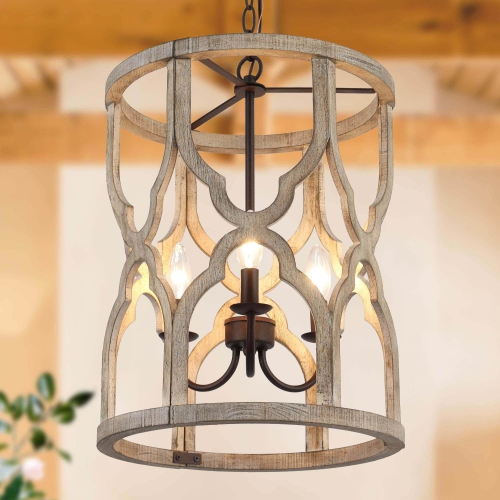
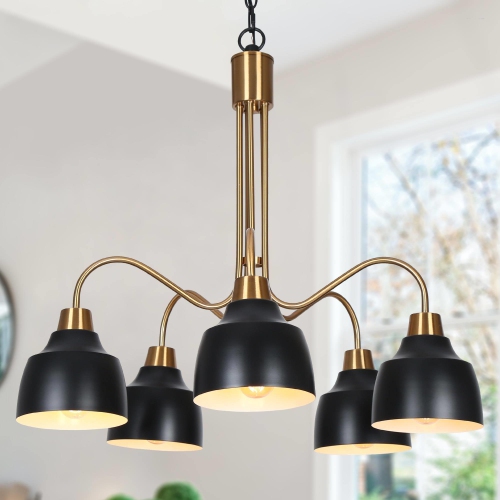
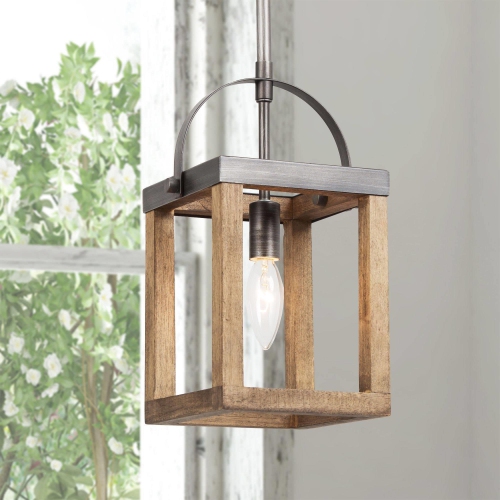
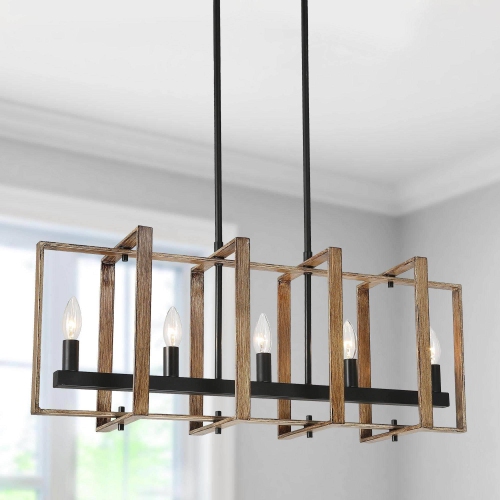
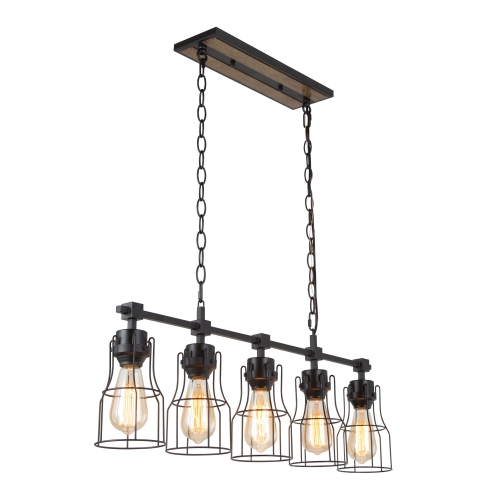
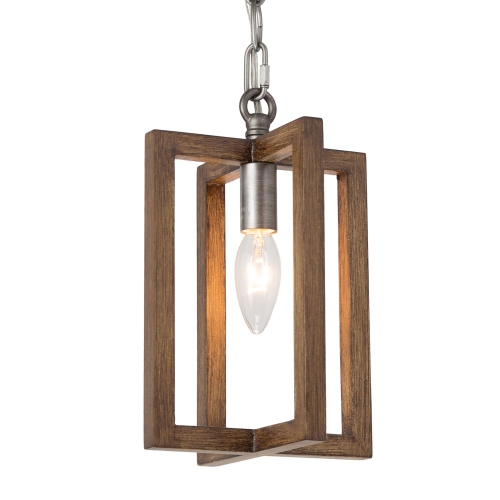
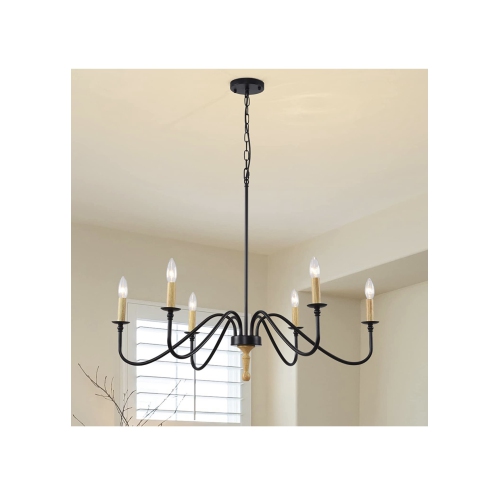
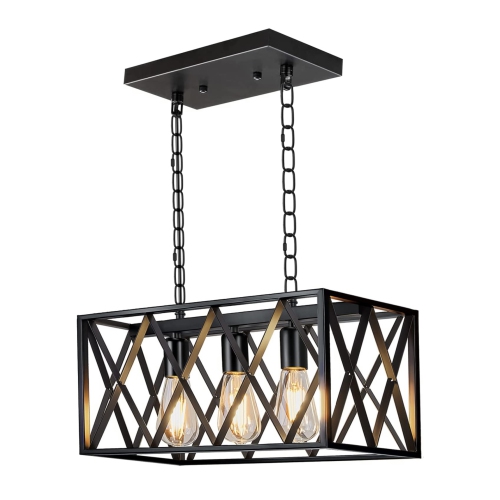
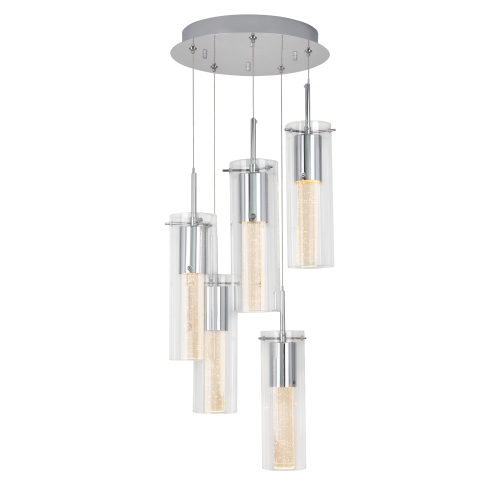

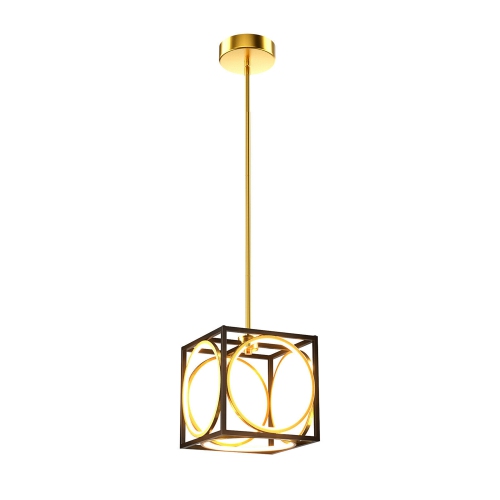
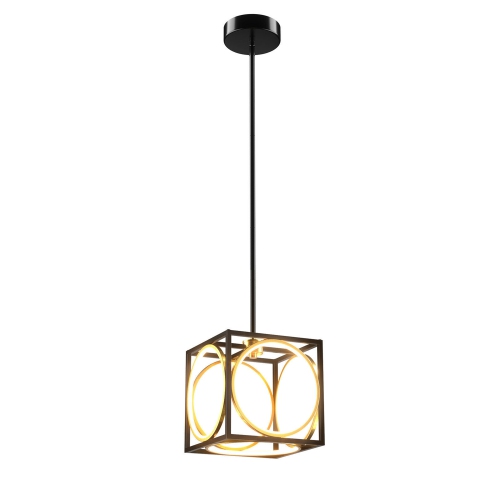

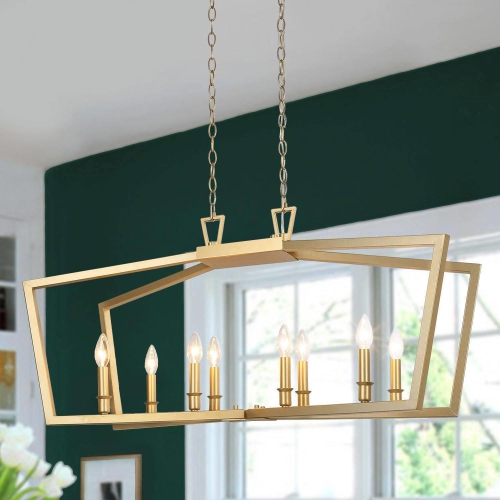
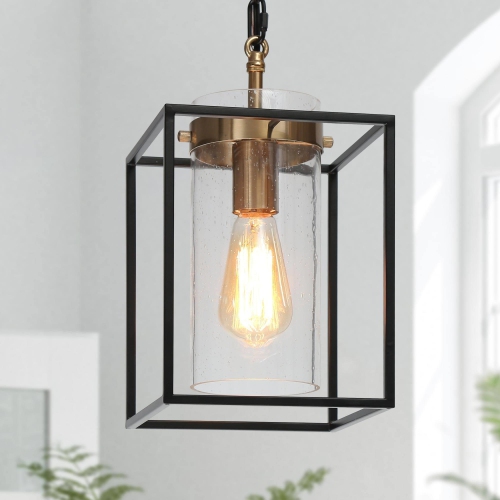
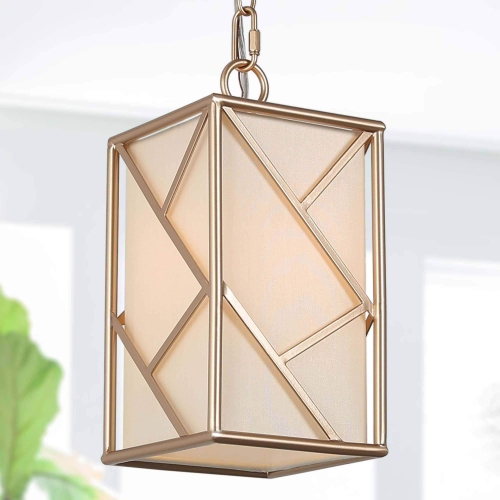

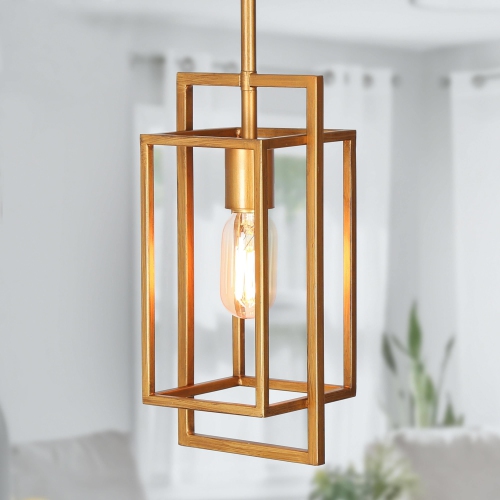
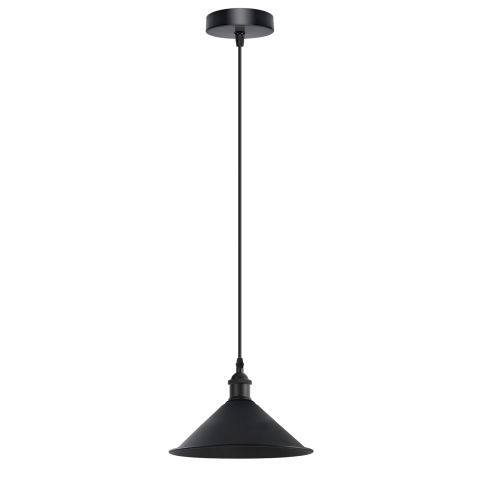

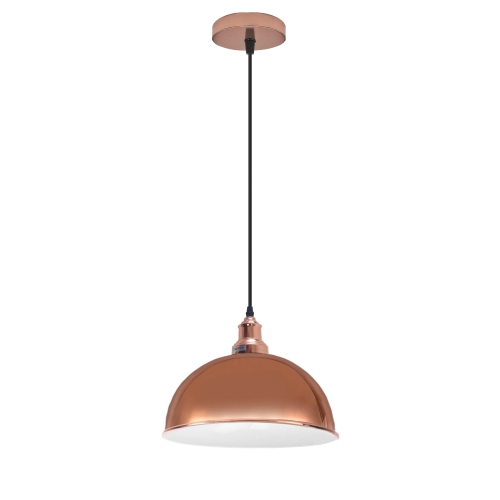
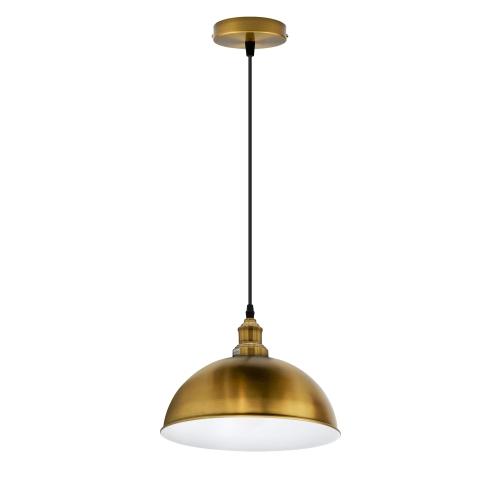
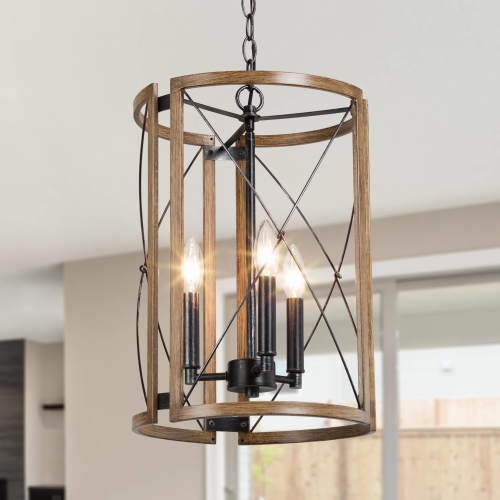
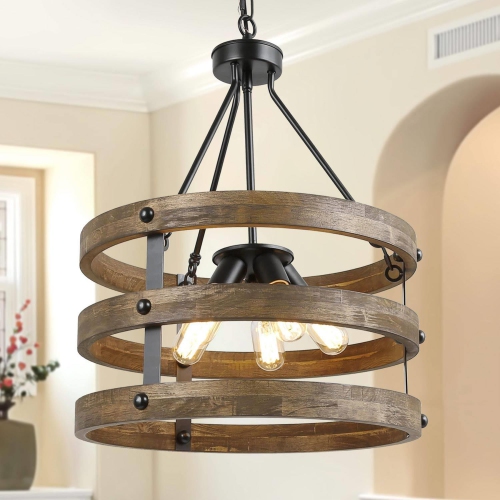
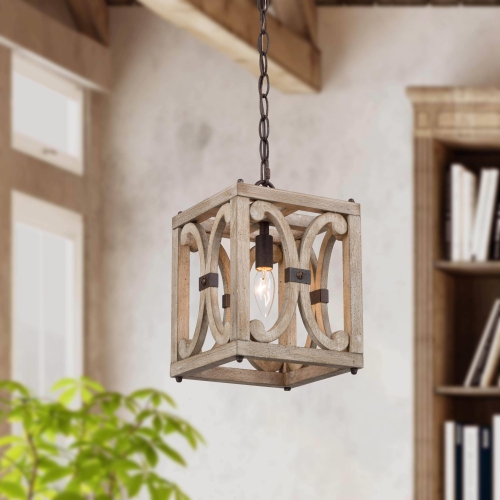
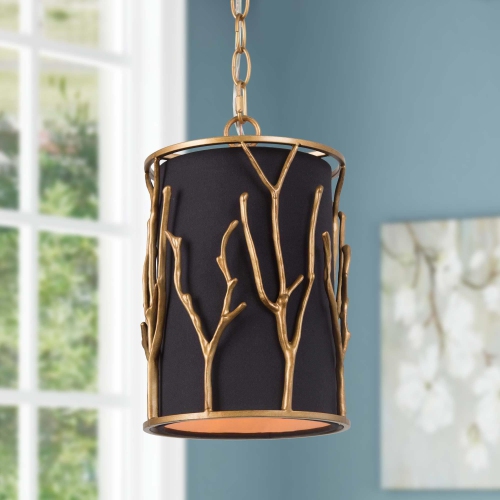
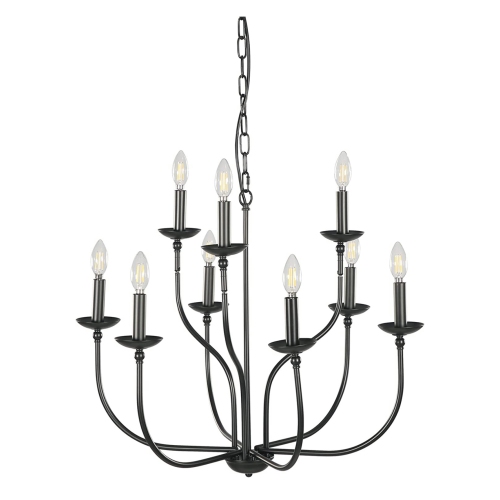
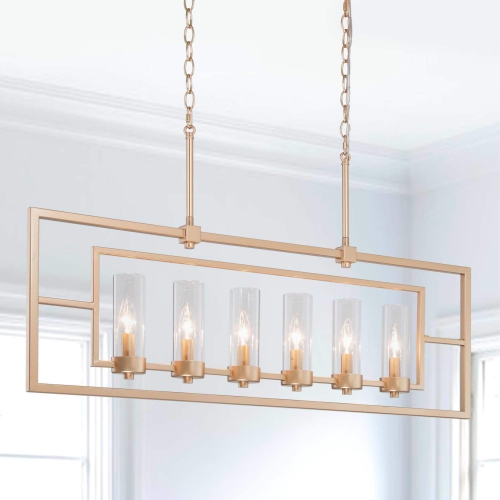
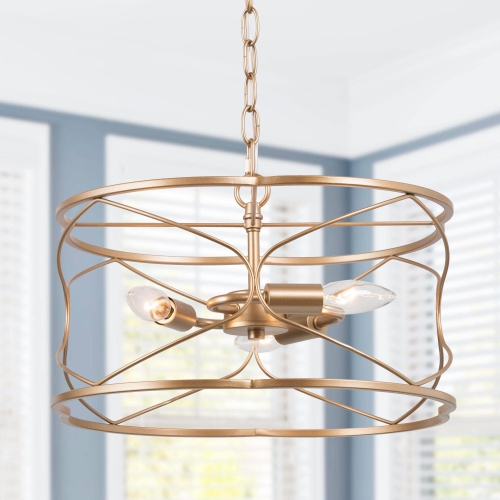
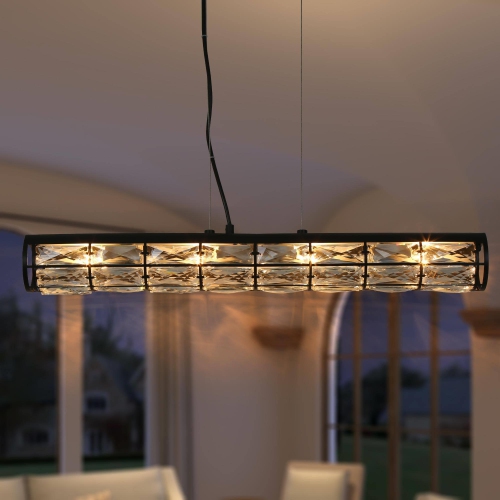
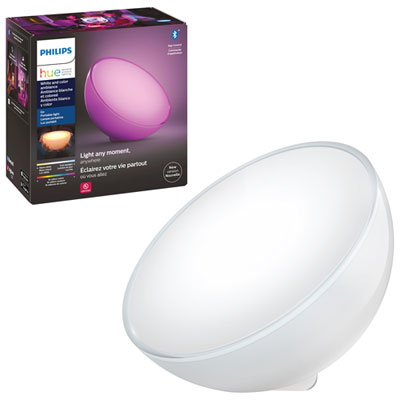
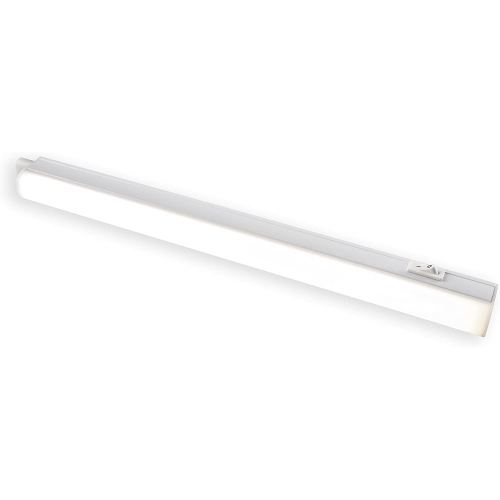
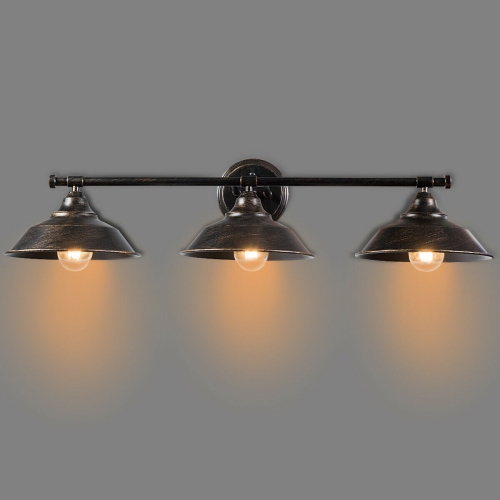
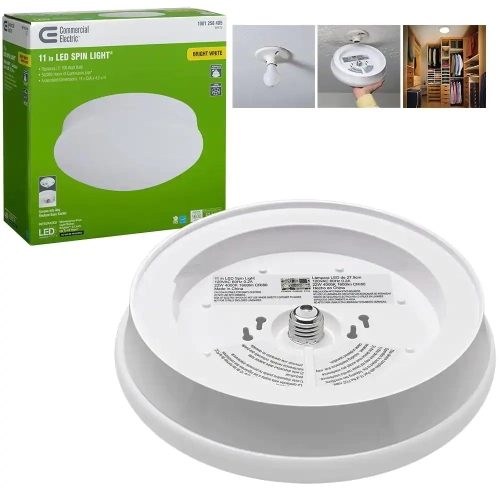
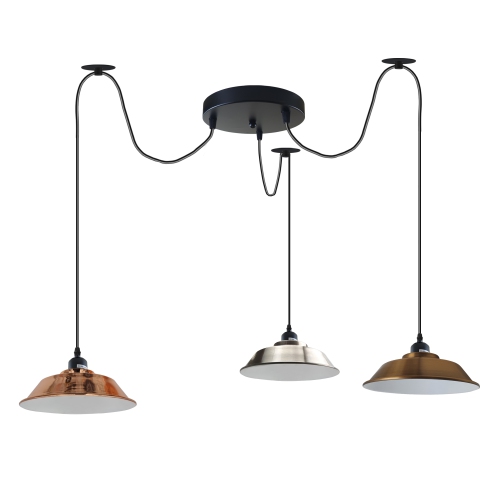
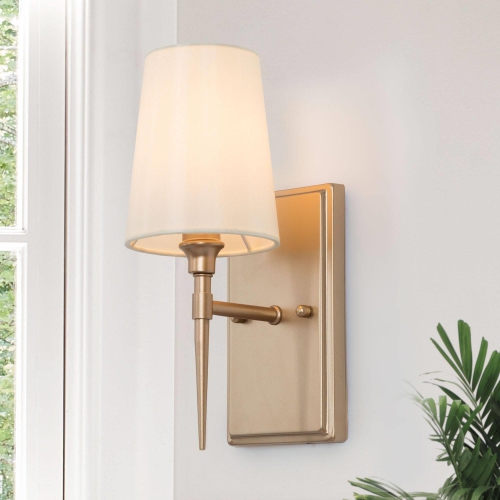
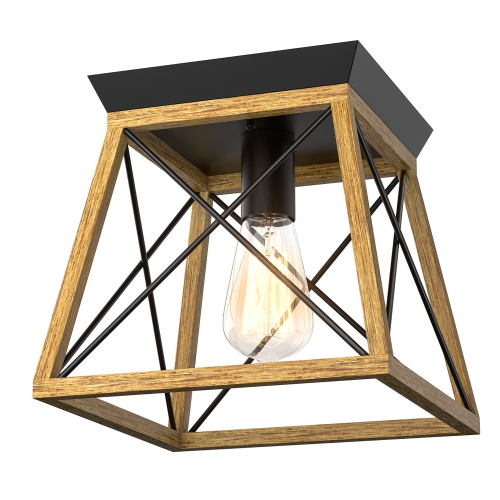
Layered lighting supports everything from food preparation to homework
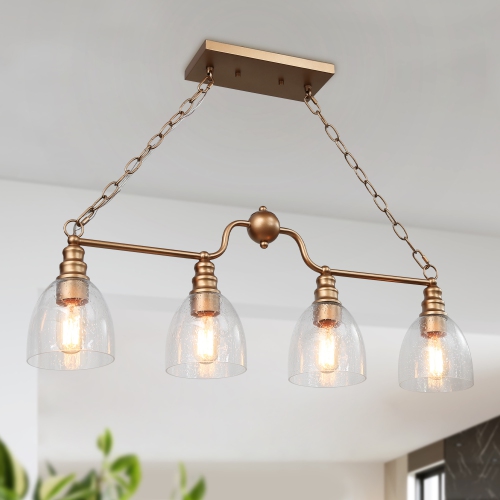
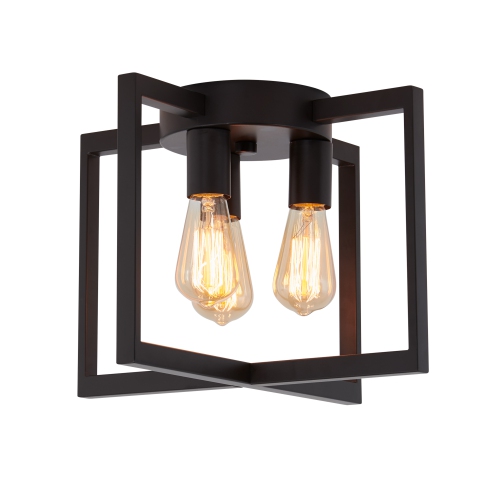
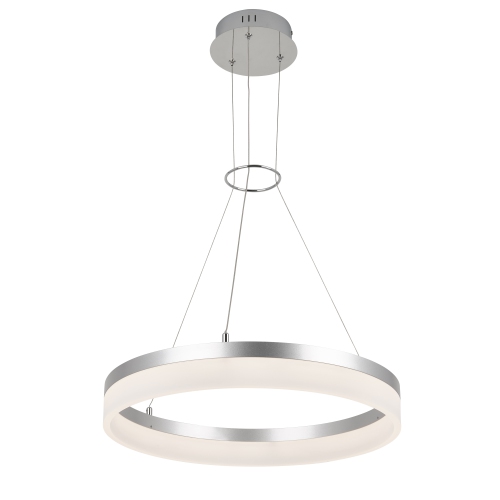
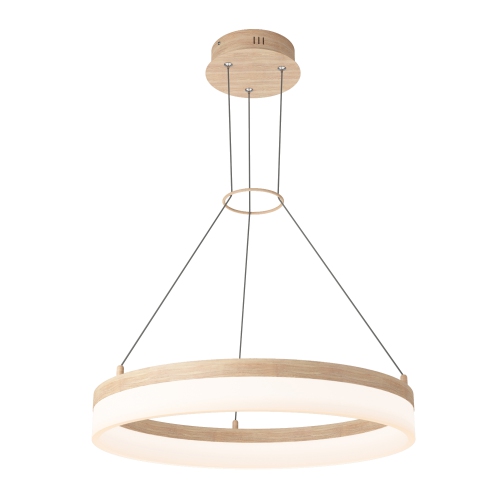
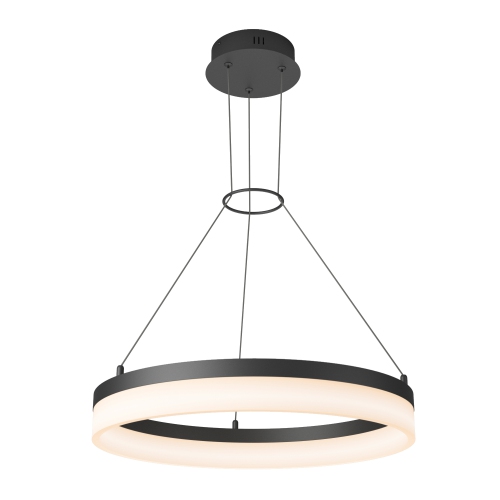
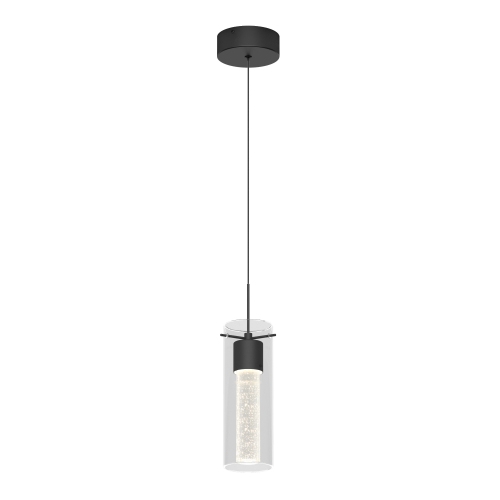
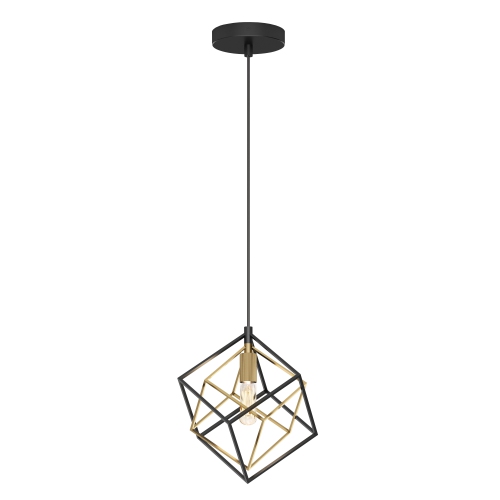
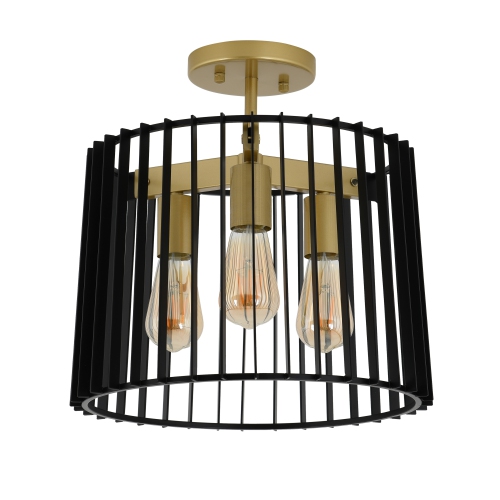
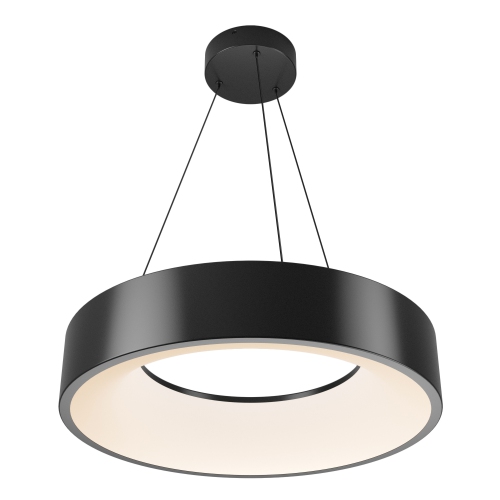
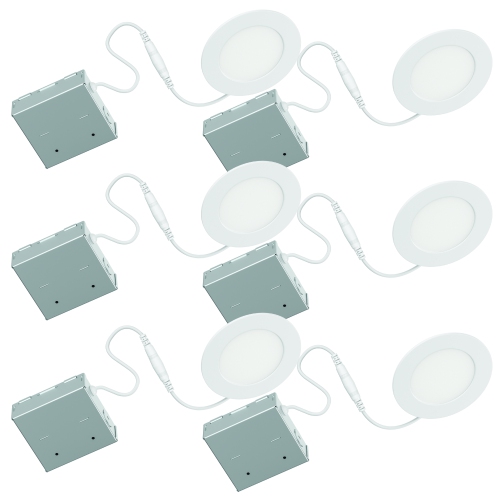
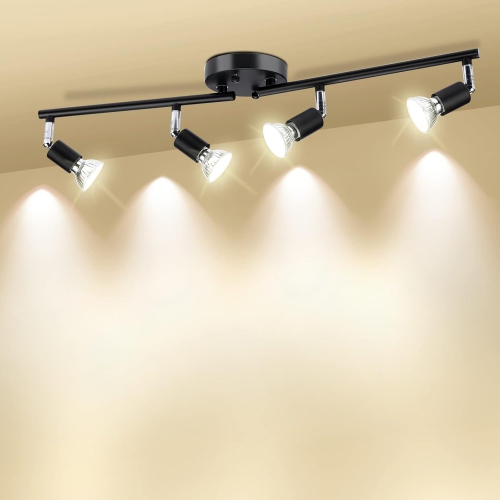
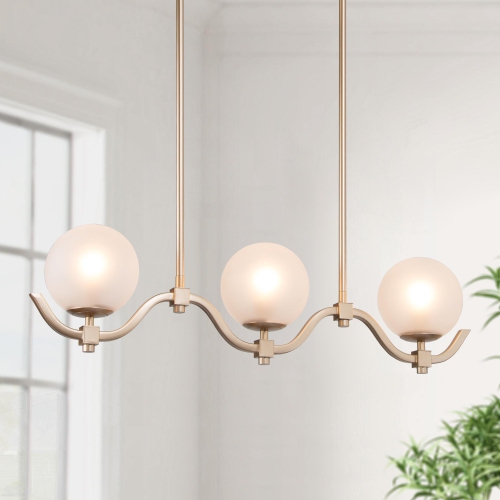
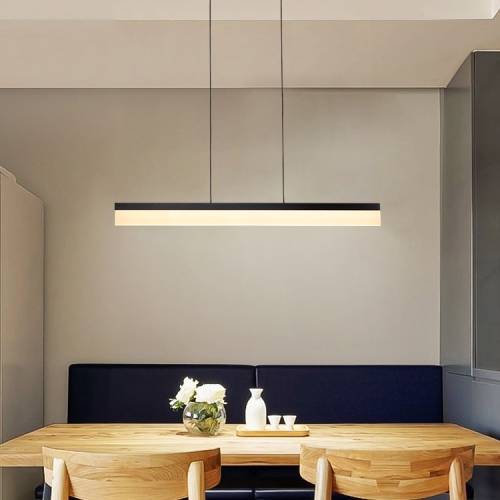
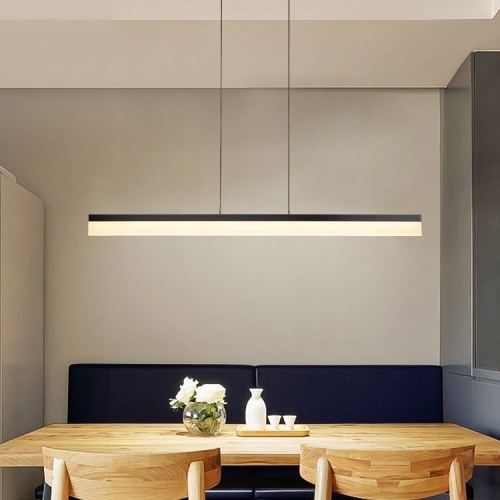
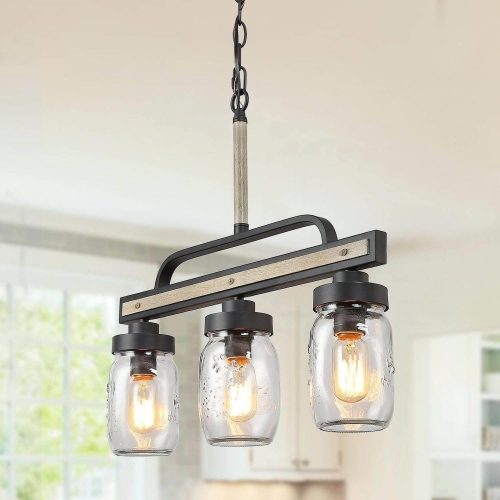
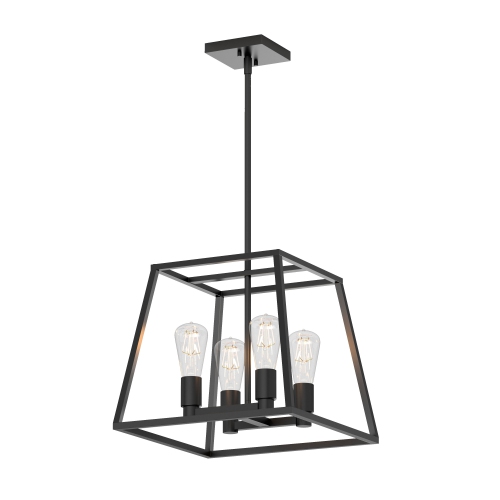
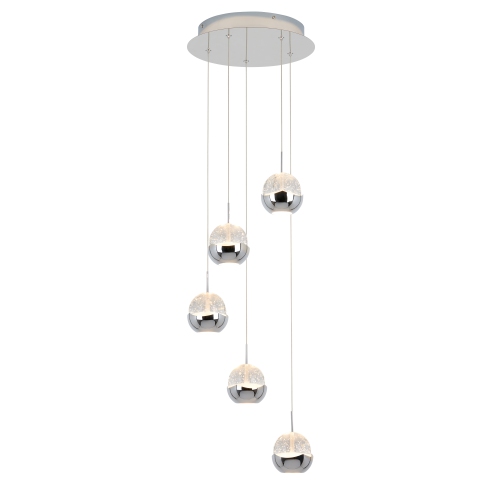
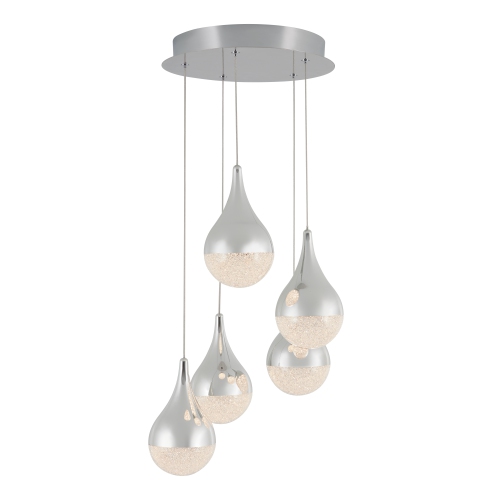
Kitchen light fixtures bring together the broad illumination needed to move around comfortably and the focused light that makes food preparation easier. A kitchen often serves several purposes within the same day: chopping vegetables at a counter, sharing breakfast at an island, or spreading homework across a table. Different fixture types support those activities without asking one ceiling light to do everything. Flush-mount lights sit close to the ceiling, making them a practical fit for rooms with limited overhead clearance, while semi-flush designs introduce a little more depth. Recessed lights offer an unobtrusive look and can spread illumination across walkways and work areas when thoughtfully positioned. Pendant lights define an island or peninsula, and linear suspension fixtures can provide a balanced visual anchor above a long surface. Under-cabinet lighting brings light closer to the worktop, helping reduce the shadows created when someone stands between a ceiling fixture and the counter. Together, ambient, task, and accent lighting give a kitchen greater flexibility: ambient light supports general visibility, task light illuminates preparation areas, and accent light highlights features such as open shelves or glass-front cabinets. In a compact condo kitchen, a low-profile ceiling fixture paired with under-cabinet lighting can keep the room feeling open while providing useful light where it matters. In a larger, open-plan kitchen, island pendants can distinguish the cooking space from an adjoining living area without creating a physical divide. Separate controls for these lighting layers allow bright preparation light and softer dining light to serve different activities. A fixture’s shade also influences its intended use. An opaque shade generally directs light towards its opening, clear glass allows more light to spread around the room, and frosted glass softens the view of the bulb. These differences affect how comfortable a fixture feels from a standing position at the counter or a seated position at the island, making light distribution as important as the fixture’s appearance.
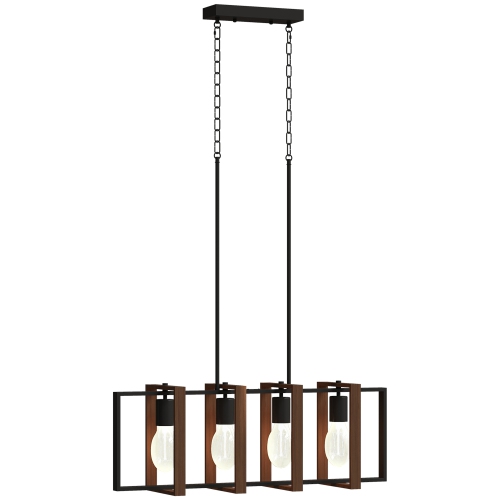
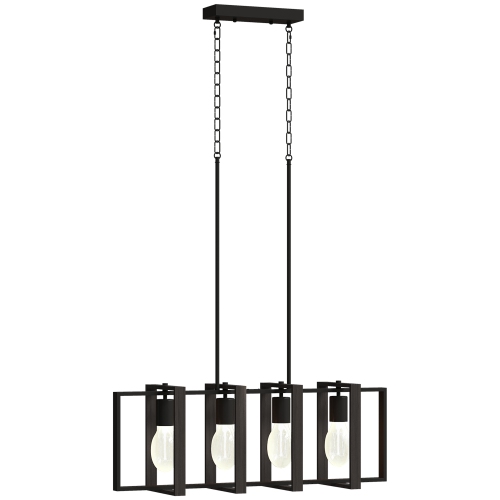
The fit of light fixtures for a kitchen depends on ceiling height, room proportions, cabinet placement, and the size of the surface below. A pendant that looks balanced above a broad island may overwhelm a narrow breakfast ledge, while a small ceiling light can look disconnected in a spacious room. Overall diameter, fixture height, canopy dimensions, and adjustable suspension length all help establish whether a design suits its location. Above an island, approximately 30 to 36 inches between the countertop and the bottom of a pendant is a common starting point, rather than a universal rule; ceiling height, glare, sightlines, and the manufacturer’s installation requirements may call for a different position. People seated across from one another should be able to talk without a shade blocking their view. The number of pendants also depends on their width and light spread, not simply the island’s length. Two substantial shades may provide a more balanced arrangement than three smaller ones, while a single linear fixture creates a different rhythm. Placement near upper cabinets needs enough clearance for doors to open fully, and a fixture above a sink should suit the conditions of that location. Materials and finishes help tie these practical choices into the room. Brushed metal offers a softly textured appearance, polished finishes catch reflections, and matte finishes create a quieter contrast against cabinetry. Glass shades can feel visually light, while metal shades provide a more defined silhouette. Wood details can add warmth, though the fixture’s suitability for nearby moisture and cooking residue remains important. Matching every metal finish is not essential; repeating a finish in cabinet hardware or a tap can make the overall arrangement feel intentional. For homes with sloped ceilings, compatible mounting hardware and adjustable hanging components are particularly relevant. Existing electrical boxes, fixture weight, wiring, and control compatibility also affect fit, with hardwired installations best handled by a qualified electrician in accordance with local requirements.
Light quality and everyday upkeep influence how well a kitchen fixture works long after installation. Lumens describe light output, whereas watts describe power use, so wattage alone does not indicate how bright a fixture will appear. The useful illumination reaching a worktop also depends on mounting height, shade design, beam spread, and surrounding surfaces. Dark cabinetry and countertops absorb more light than pale finishes, which can make the same lighting arrangement feel quite different from room to room. Colour temperature describes the appearance of white light: around 2700K to 3000K creates a warm look, while 3500K to 4000K has a more neutral appearance that some people prefer for preparation spaces. Keeping nearby fixtures within a similar colour temperature range helps avoid an uneven mix of yellowish and bluish light across the counter. A higher colour rendering index, often expressed as CRI, can help ingredients and finishes appear more natural; a CRI of 90 or above is useful where colour accuracy matters. Options within LED Lights for Kitchen include formats suited to overhead illumination and focused work areas, with performance varying by design. Fixtures with replaceable bulbs allow changes within the specified bulb base, size, and wattage limits, while integrated LED fixtures have a built-in light source whose serviceability depends on the model. Dimming requires compatibility between the light source, fixture, and dimmer, and not every LED supports it. For care, smooth, accessible shades are generally easier to wipe than intricate frames or deeply textured surfaces that collect cooking residue. Clear glass shows fingerprints readily, while enclosed designs may require shade removal for cleaning or bulb replacement. Switching off power and allowing the fixture to cool before care, then following the manufacturer’s cleaning directions, helps protect both the finish and electrical components. Suitable location ratings, secure mounting, and access for maintenance support lasting practicality. For busy family kitchens, smaller apartments, and spaces used frequently for entertaining, a well-proportioned mix of ceiling, pendant, and task lighting brings useful visibility and a cohesive appearance to everyday routines.
The fit of light fixtures for a kitchen depends on ceiling height, room proportions, cabinet placement, and the size of the surface below. A pendant that looks balanced above a broad island may overwhelm a narrow breakfast ledge, while a small ceiling light can look disconnected in a spacious room. Overall diameter, fixture height, canopy dimensions, and adjustable suspension length all help establish whether a design suits its location. Above an island, approximately 30 to 36 inches between the countertop and the bottom of a pendant is a common starting point, rather than a universal rule; ceiling height, glare, sightlines, and the manufacturer’s installation requirements may call for a different position. People seated across from one another should be able to talk without a shade blocking their view. The number of pendants also depends on their width and light spread, not simply the island’s length. Two substantial shades may provide a more balanced arrangement than three smaller ones, while a single linear fixture creates a different rhythm. Placement near upper cabinets needs enough clearance for doors to open fully, and a fixture above a sink should suit the conditions of that location. Materials and finishes help tie these practical choices into the room. Brushed metal offers a softly textured appearance, polished finishes catch reflections, and matte finishes create a quieter contrast against cabinetry. Glass shades can feel visually light, while metal shades provide a more defined silhouette. Wood details can add warmth, though the fixture’s suitability for nearby moisture and cooking residue remains important. Matching every metal finish is not essential; repeating a finish in cabinet hardware or a tap can make the overall arrangement feel intentional. For homes with sloped ceilings, compatible mounting hardware and adjustable hanging components are particularly relevant. Existing electrical boxes, fixture weight, wiring, and control compatibility also affect fit, with hardwired installations best handled by a qualified electrician in accordance with local requirements.
Light quality and everyday upkeep influence how well a kitchen fixture works long after installation. Lumens describe light output, whereas watts describe power use, so wattage alone does not indicate how bright a fixture will appear. The useful illumination reaching a worktop also depends on mounting height, shade design, beam spread, and surrounding surfaces. Dark cabinetry and countertops absorb more light than pale finishes, which can make the same lighting arrangement feel quite different from room to room. Colour temperature describes the appearance of white light: around 2700K to 3000K creates a warm look, while 3500K to 4000K has a more neutral appearance that some people prefer for preparation spaces. Keeping nearby fixtures within a similar colour temperature range helps avoid an uneven mix of yellowish and bluish light across the counter. A higher colour rendering index, often expressed as CRI, can help ingredients and finishes appear more natural; a CRI of 90 or above is useful where colour accuracy matters. Options within LED Lights for Kitchen include formats suited to overhead illumination and focused work areas, with performance varying by design. Fixtures with replaceable bulbs allow changes within the specified bulb base, size, and wattage limits, while integrated LED fixtures have a built-in light source whose serviceability depends on the model. Dimming requires compatibility between the light source, fixture, and dimmer, and not every LED supports it. For care, smooth, accessible shades are generally easier to wipe than intricate frames or deeply textured surfaces that collect cooking residue. Clear glass shows fingerprints readily, while enclosed designs may require shade removal for cleaning or bulb replacement. Switching off power and allowing the fixture to cool before care, then following the manufacturer’s cleaning directions, helps protect both the finish and electrical components. Suitable location ratings, secure mounting, and access for maintenance support lasting practicality. For busy family kitchens, smaller apartments, and spaces used frequently for entertaining, a well-proportioned mix of ceiling, pendant, and task lighting brings useful visibility and a cohesive appearance to everyday routines.
Top selling and popular products
-
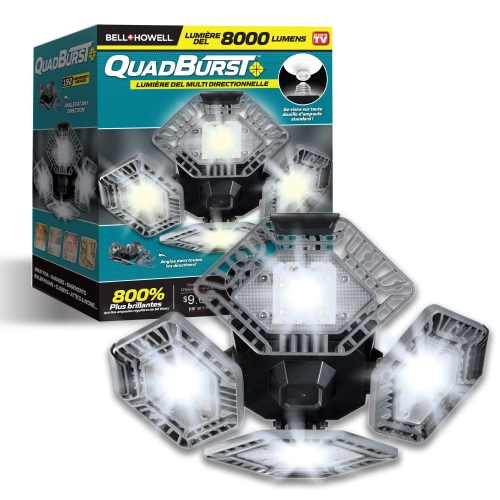 Your price for this item is $49.95
 -
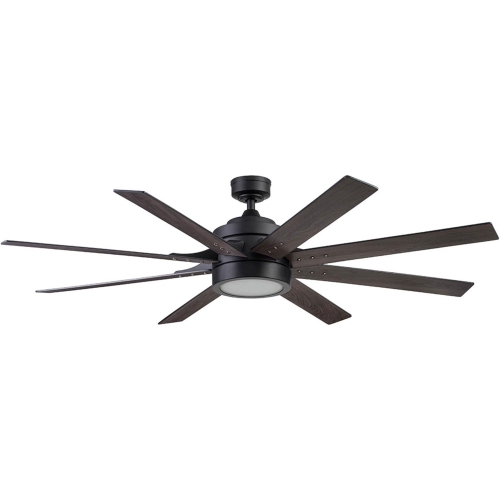 Your price for this item is $424.99
 -
 Your price for this item is $205.99
 -
 Your price for this item is $287.99
 -
 Your price for this item is $184.99
 -
 Your price for this item is $299
 -
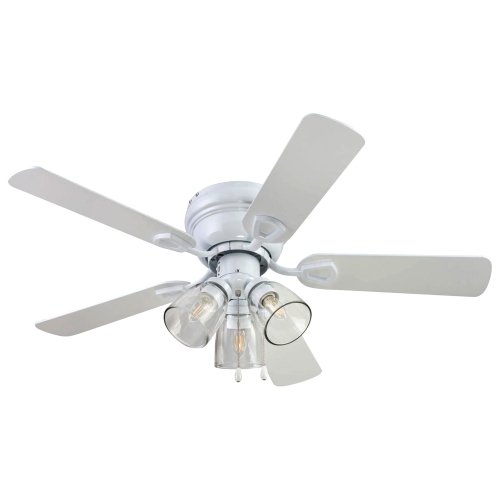 Your price for this item is $193.99
 -
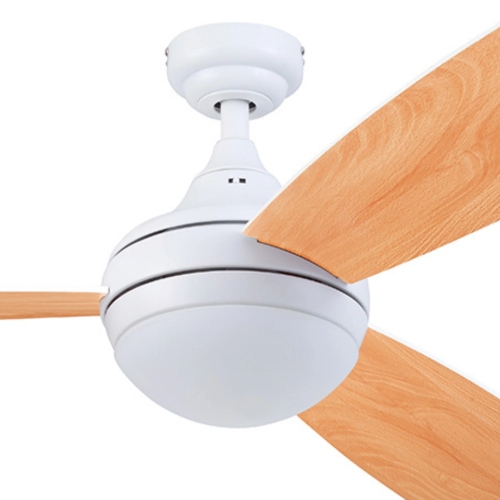 Your price for this item is $176.99
Discover more categories related to Light Fixtures for Kitchen
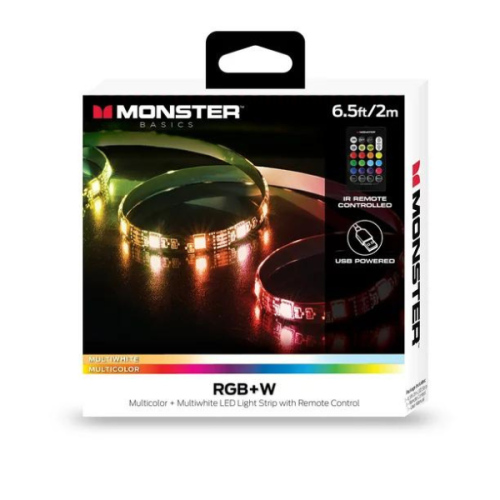
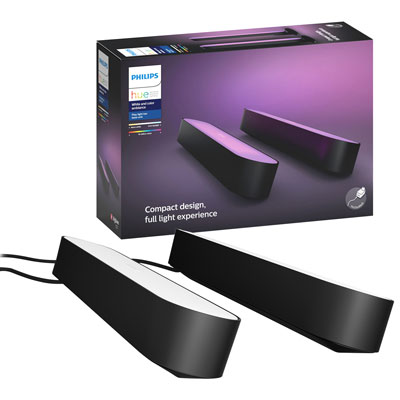
Top Collections:
Pokemon Centers, Kindle Devices, Best Budget Office Chairs, Apple iPhones 16, Best Laptops for Writers, iPhone 15 Apple, Canon G7X Cameras, Refurbished Apple Laptops, Alarm Clock, Motorola Razr Phones
Some products may be subject to Environmental Handling Fees
(EHF) depending on your province.
Learn more about EHFs.