Light Oak Desks
A desk is a piece of furniture with a flat top surface and drawers, often used for working on a computer or other documents. A desk usually has a frame or sides made of wood or metal and may have a top made of laminate or another material. Here are some of the best options available.
Sort
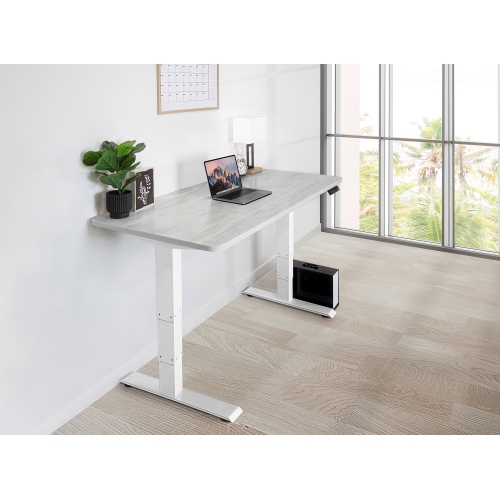
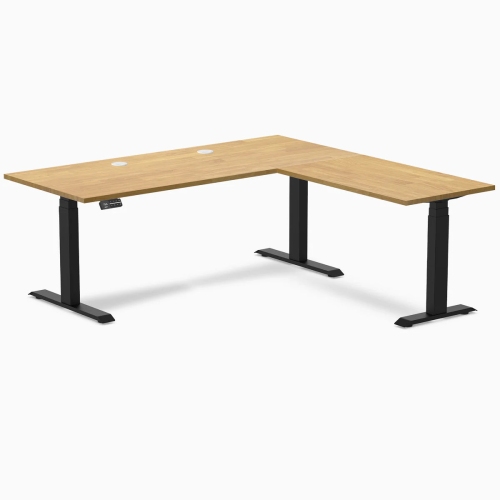
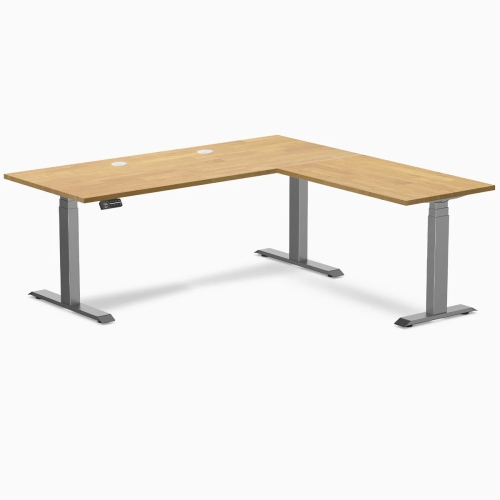
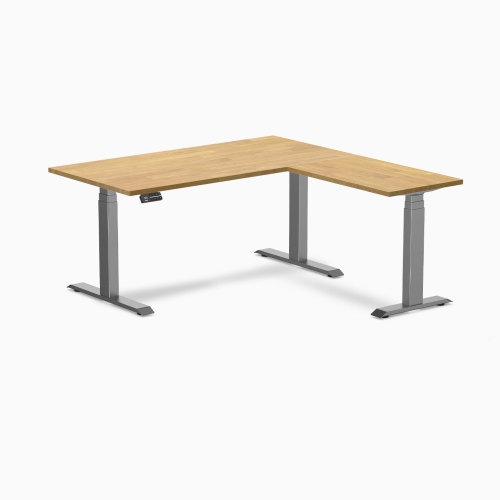
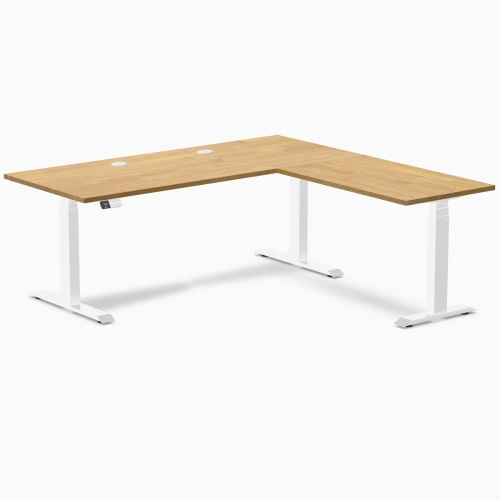
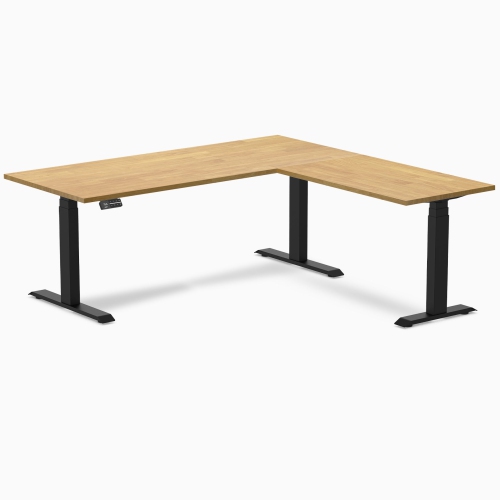
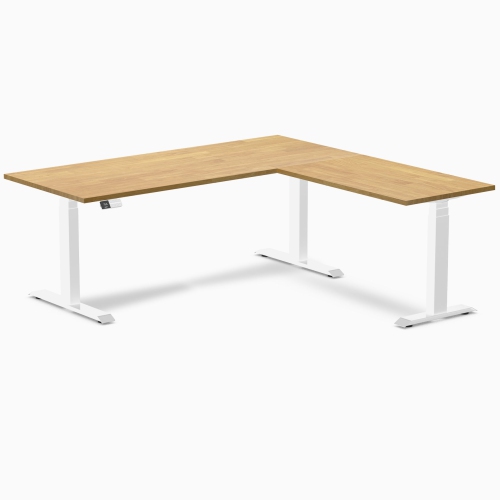
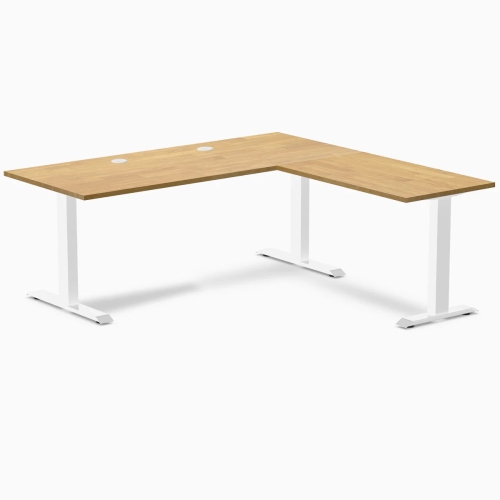
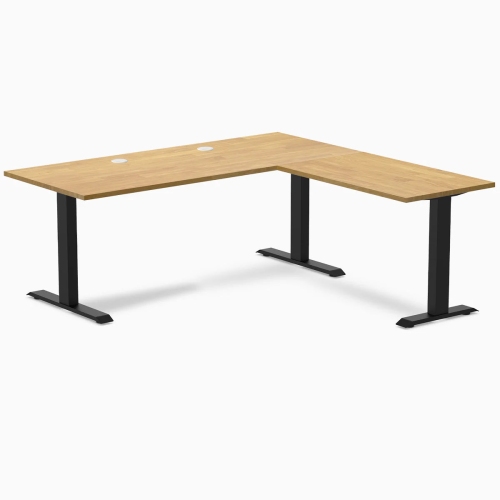
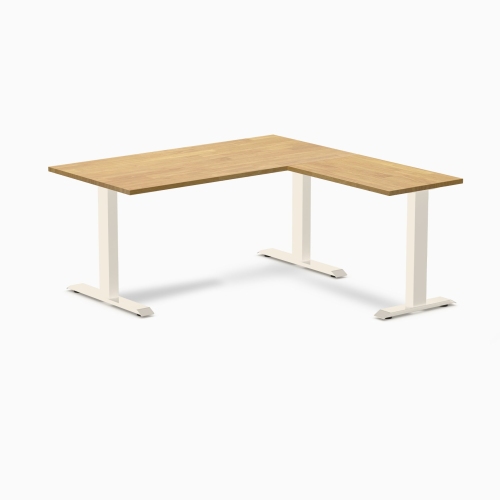
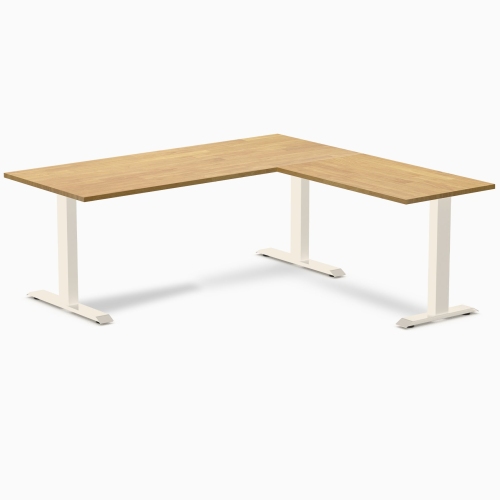
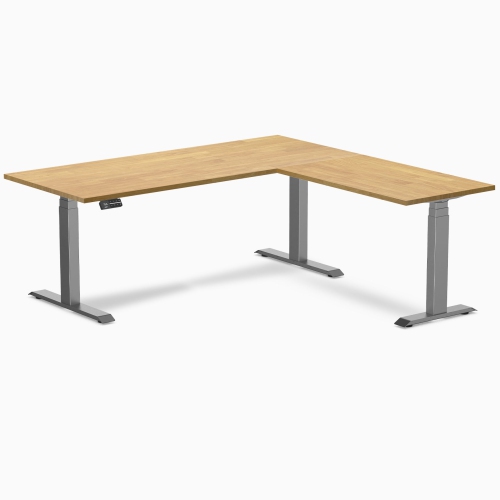
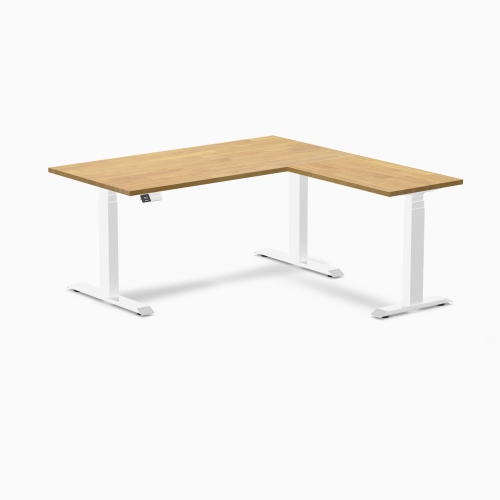
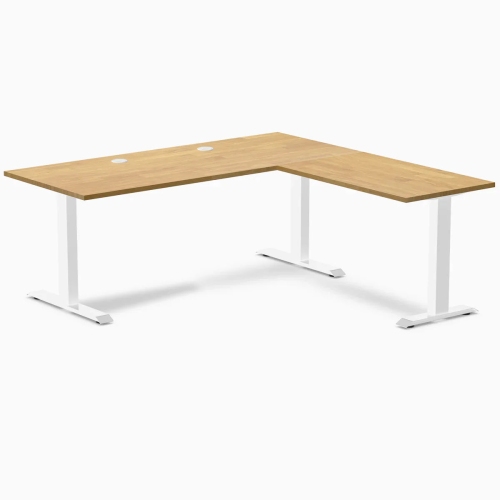
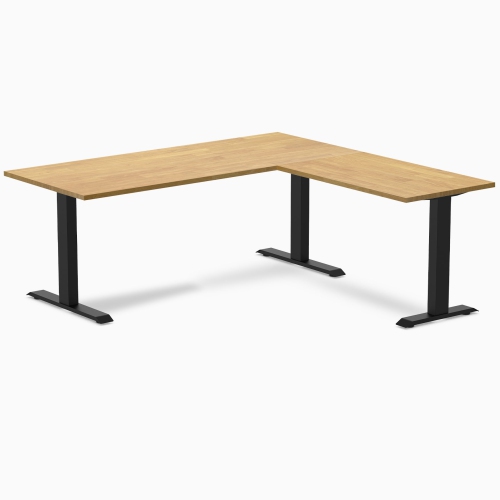
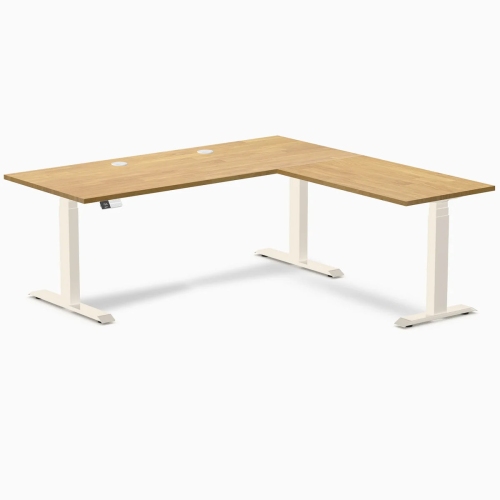
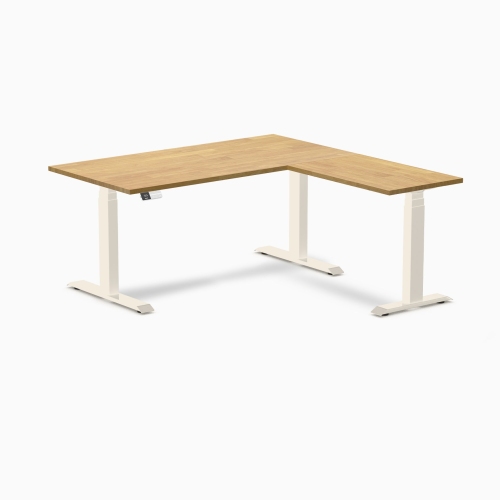
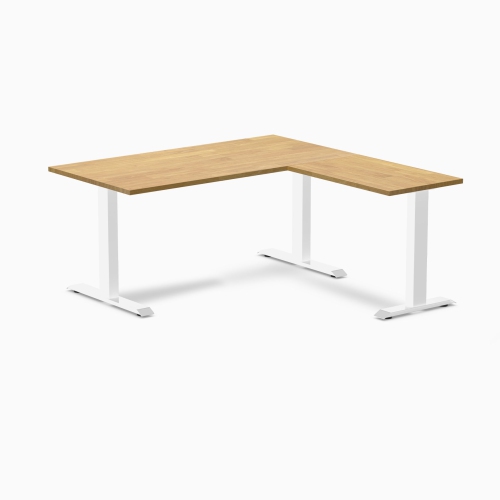
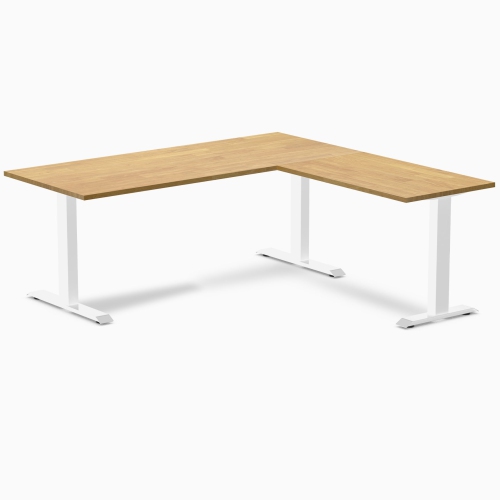
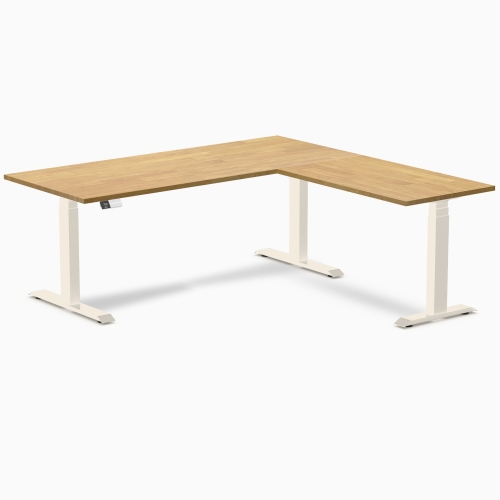
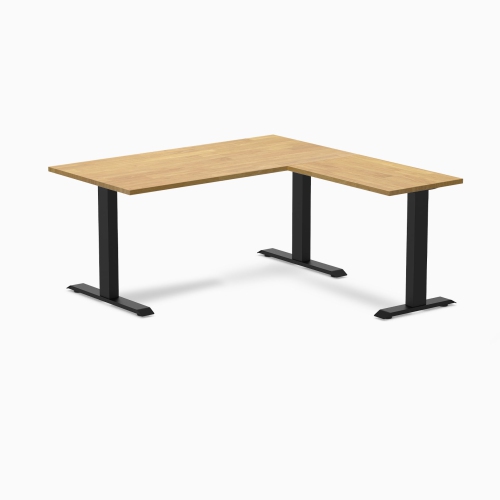
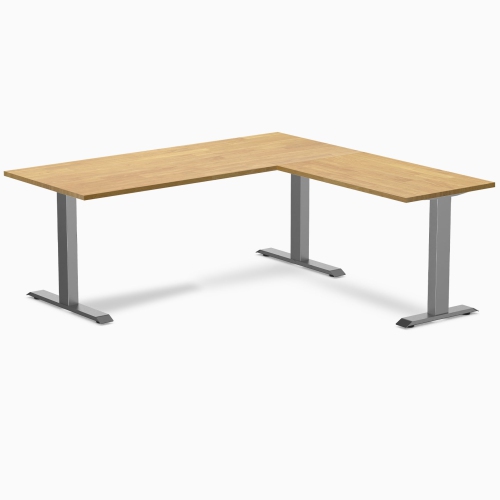
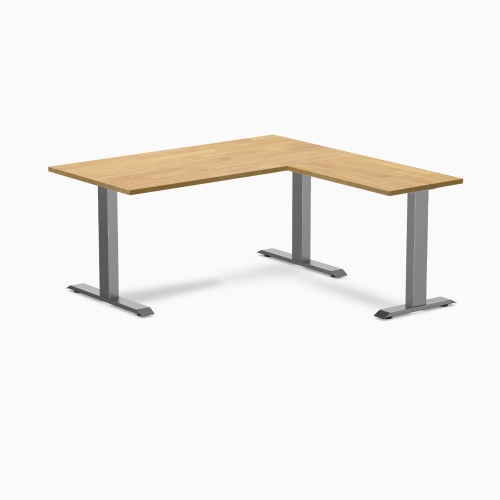
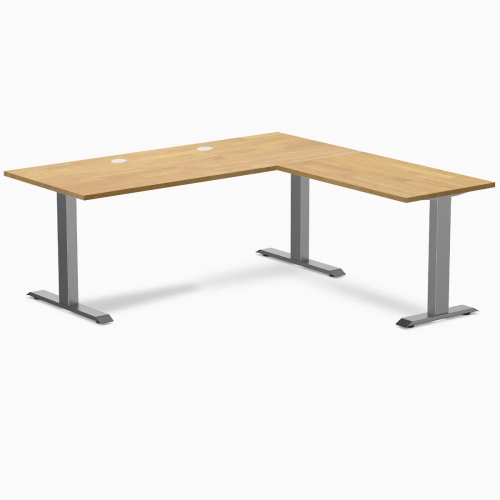
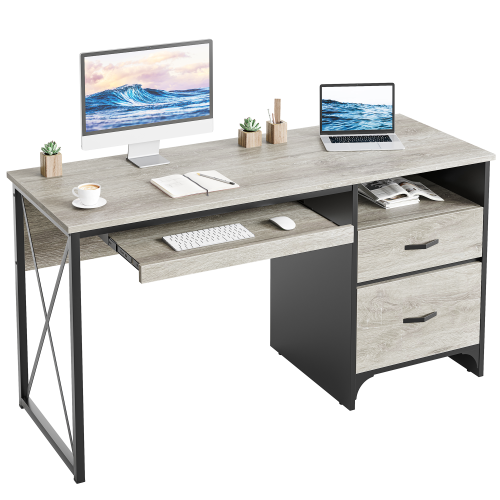

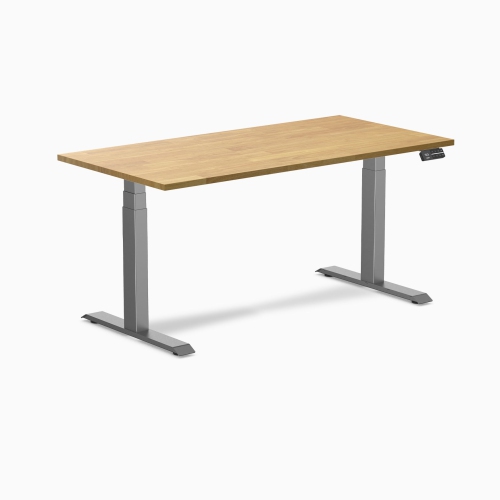
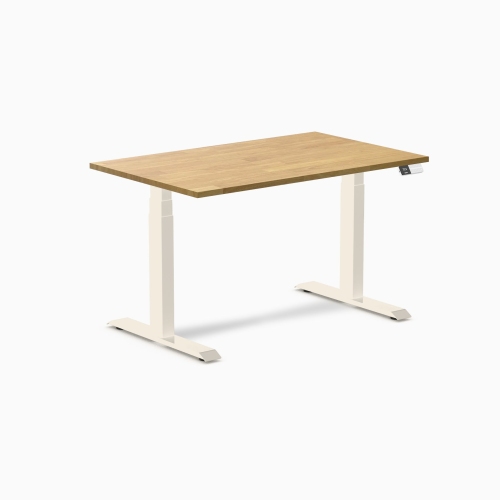
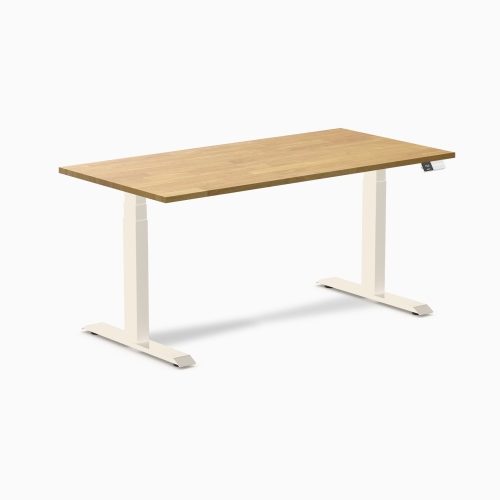

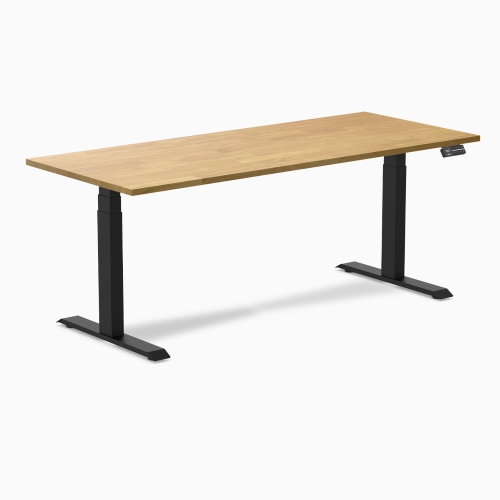

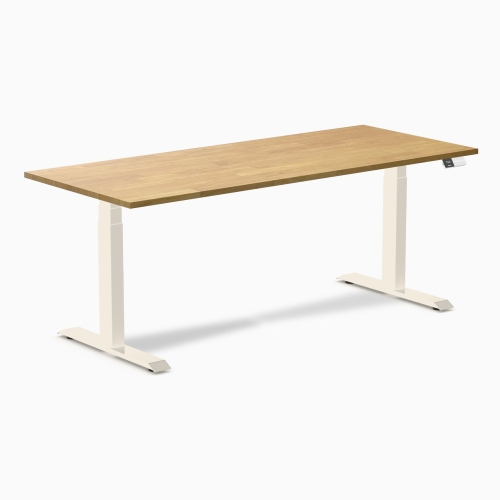
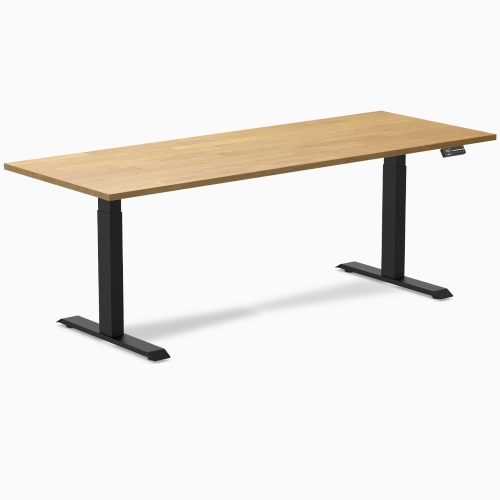
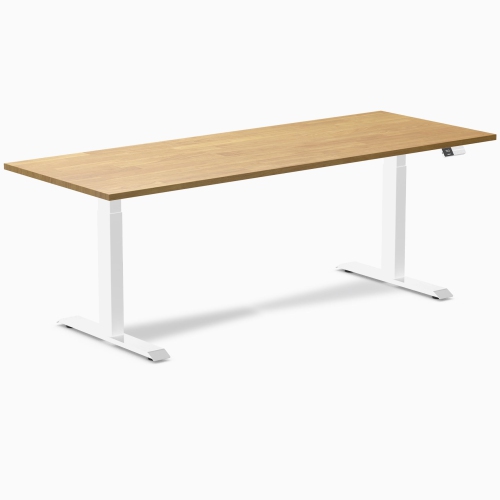
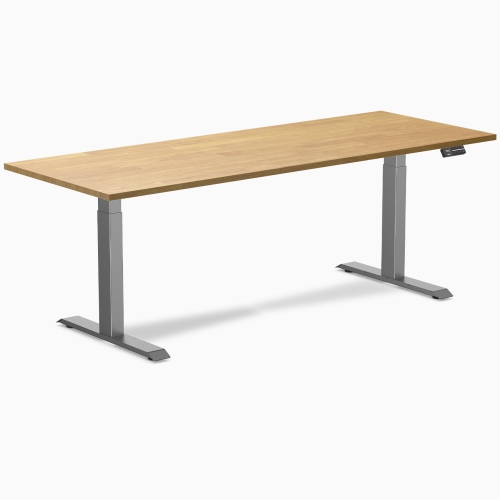
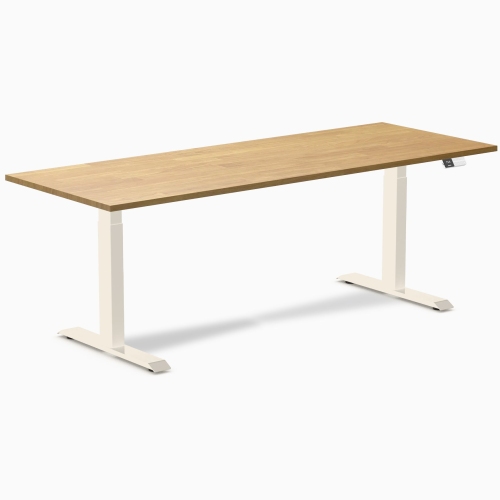
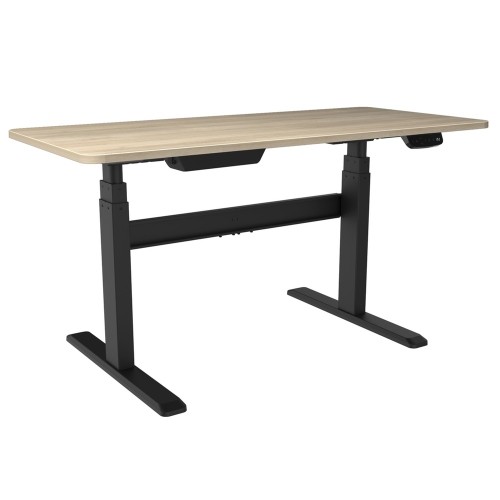


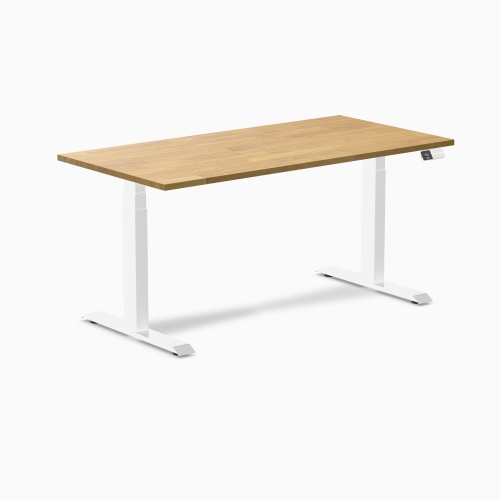
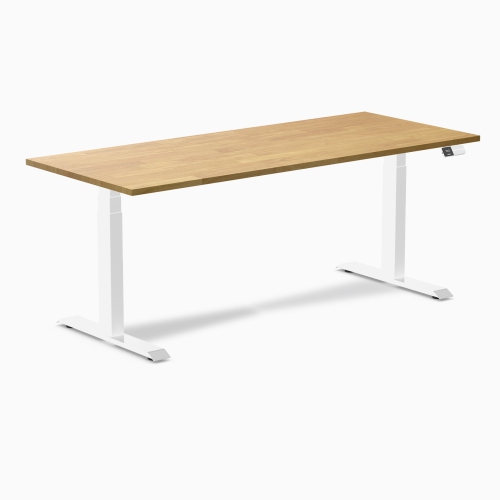
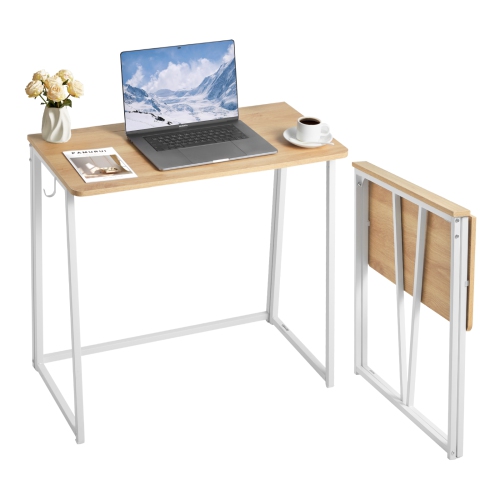
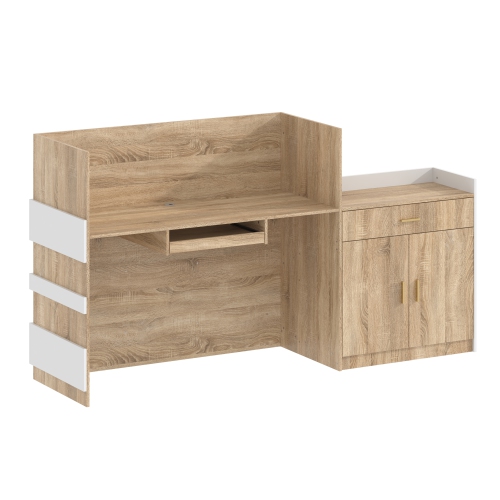
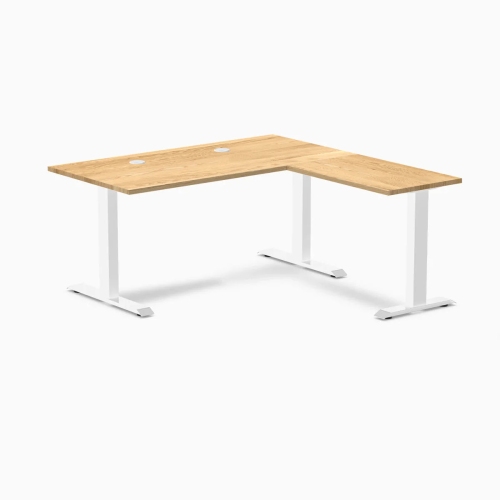
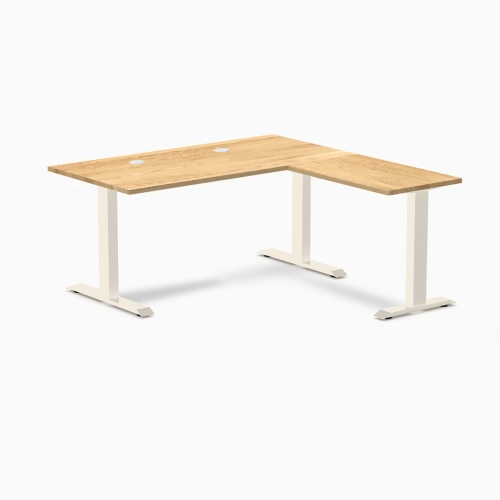
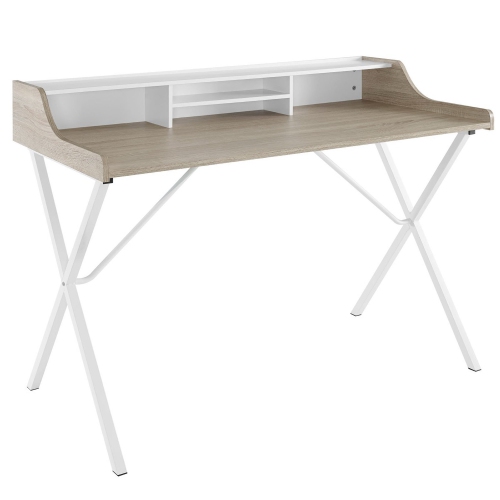
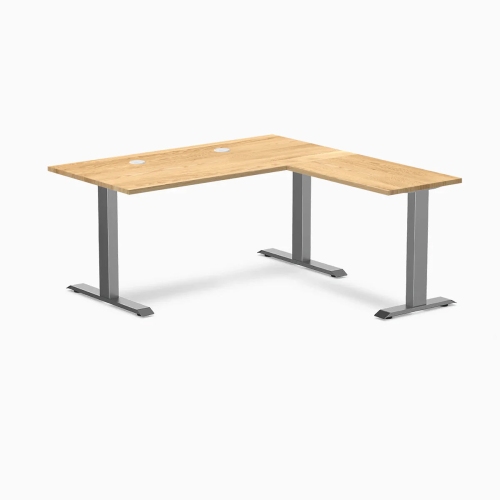
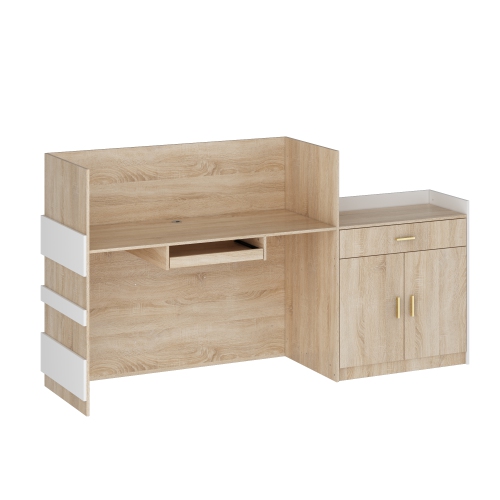
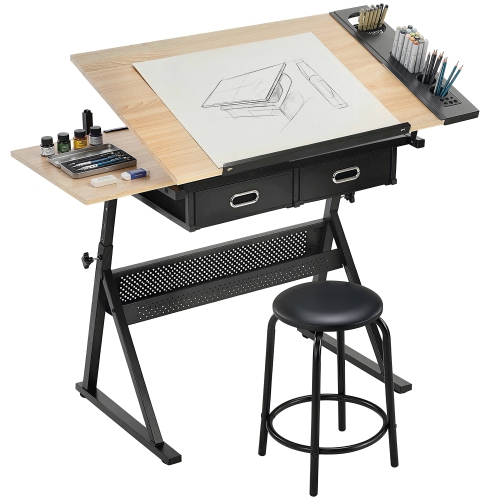
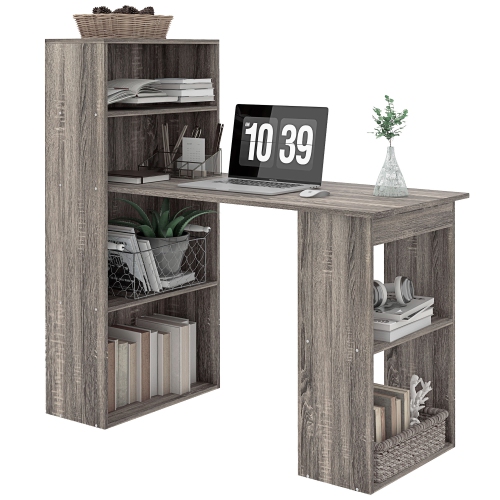
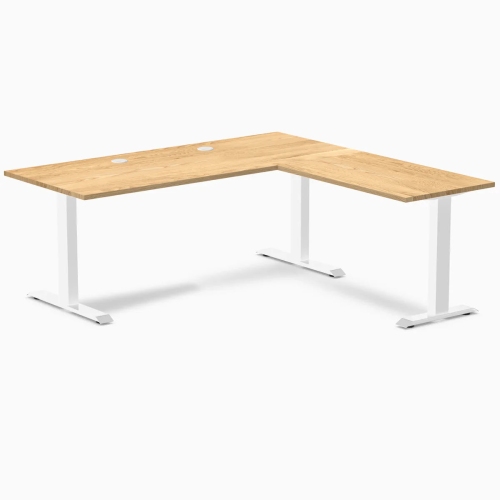
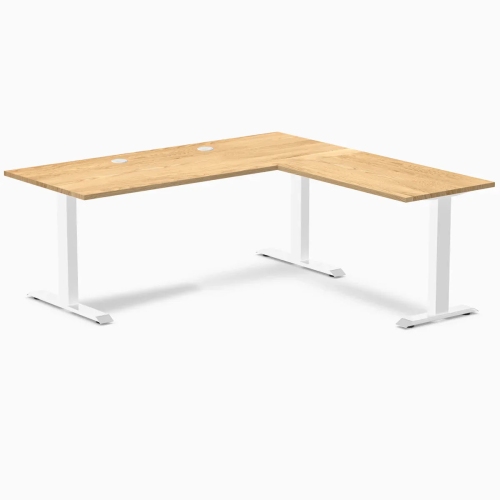
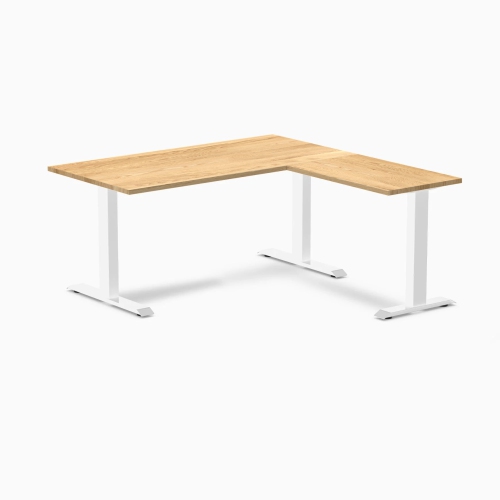
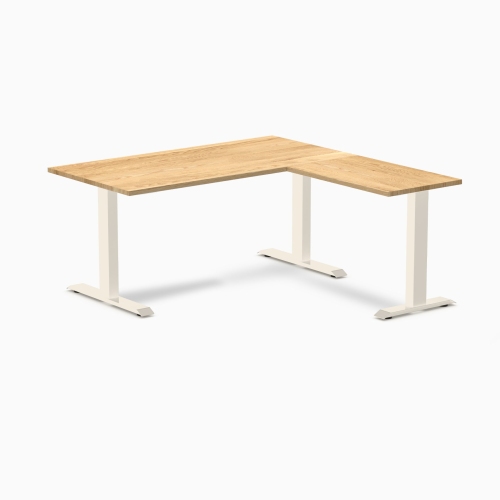
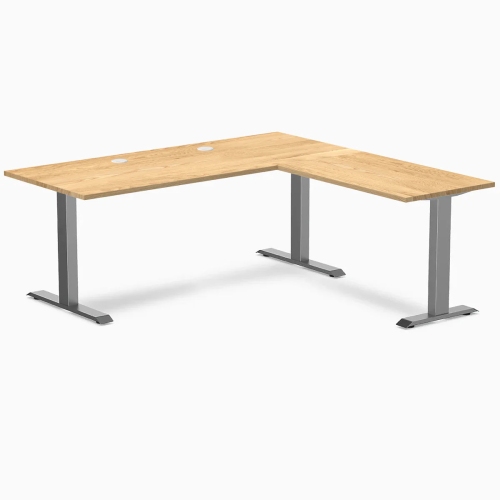
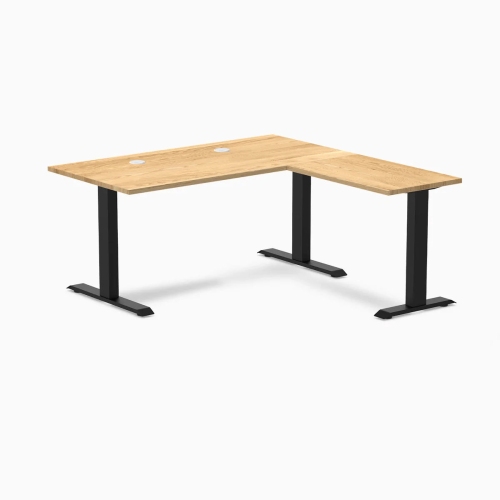
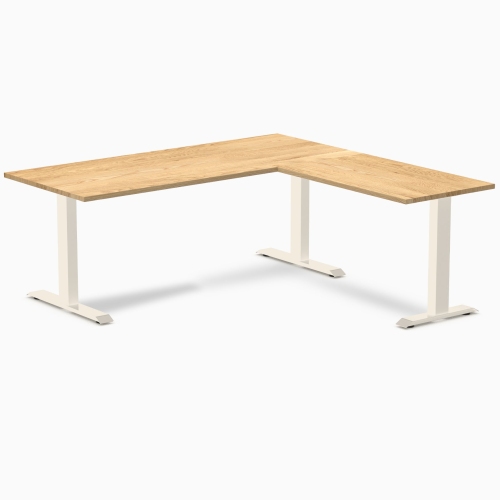
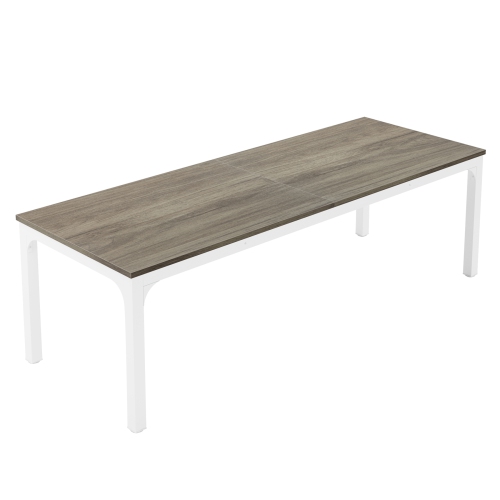
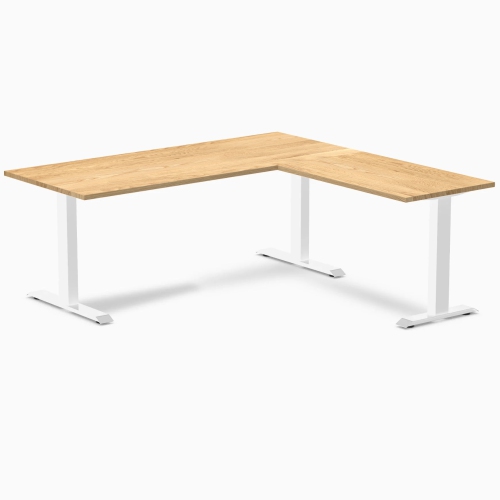

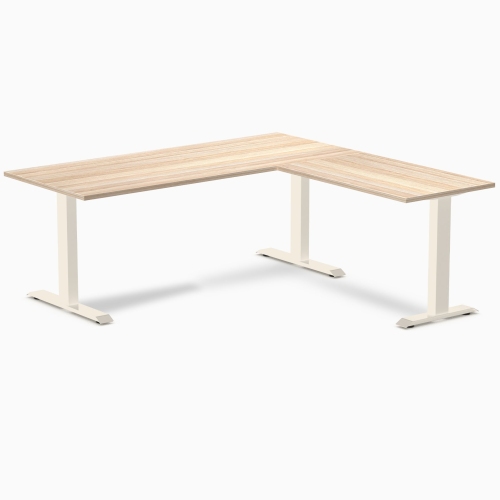
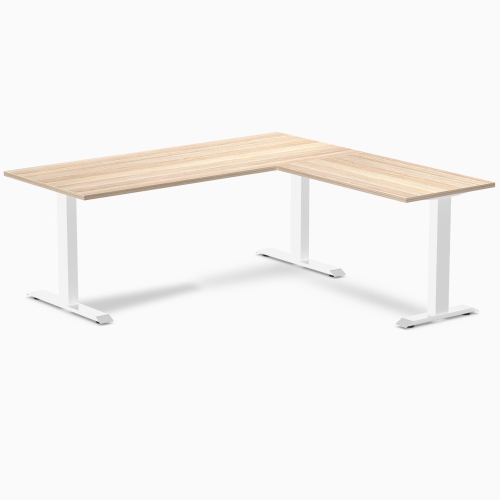
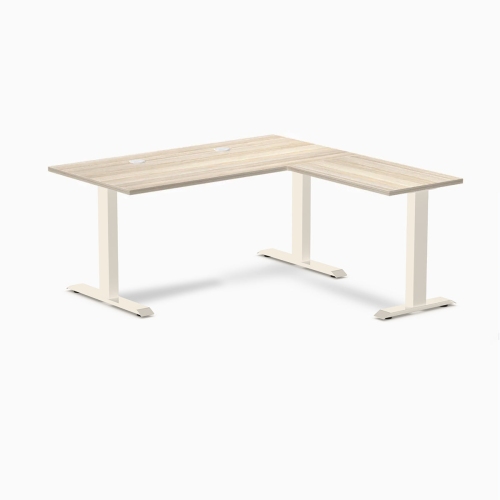
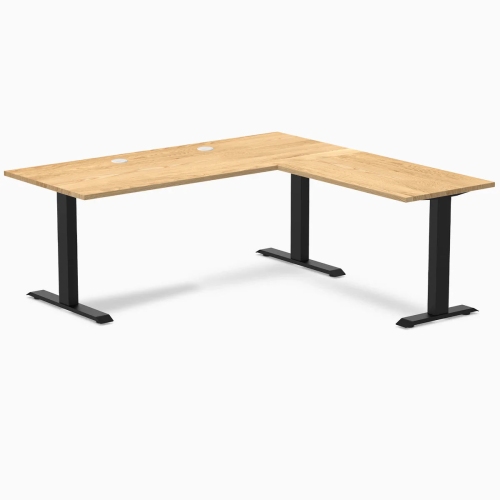
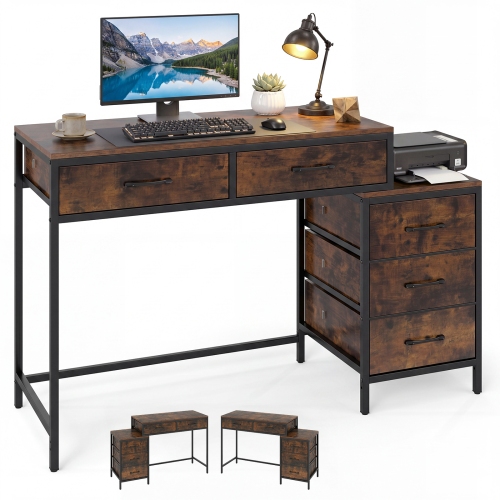
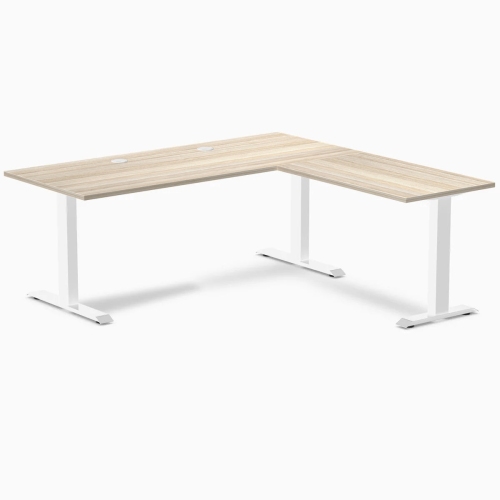
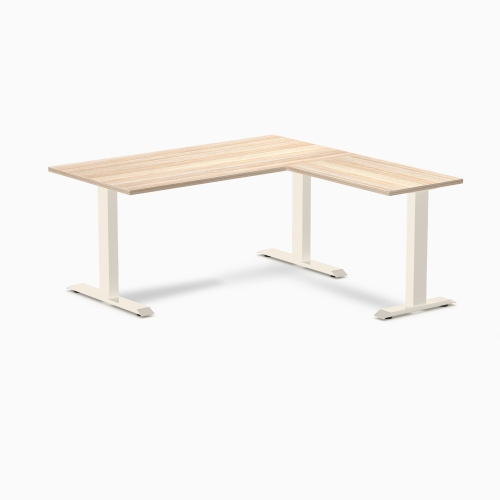
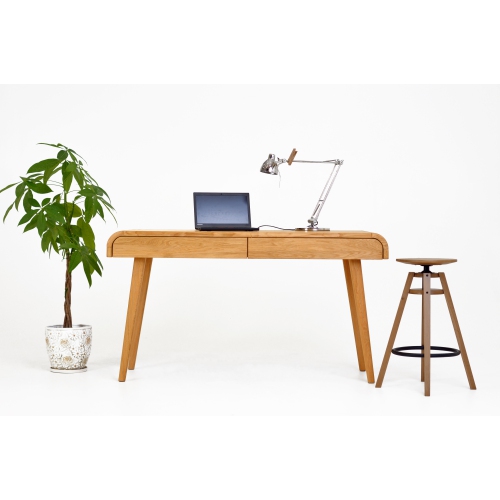
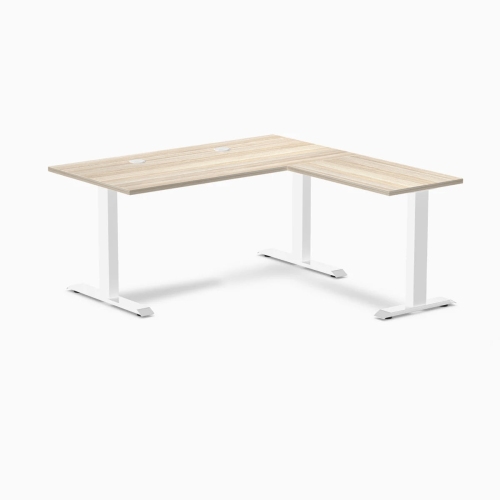
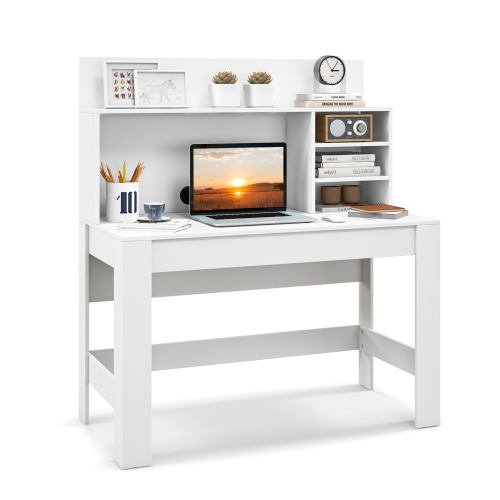
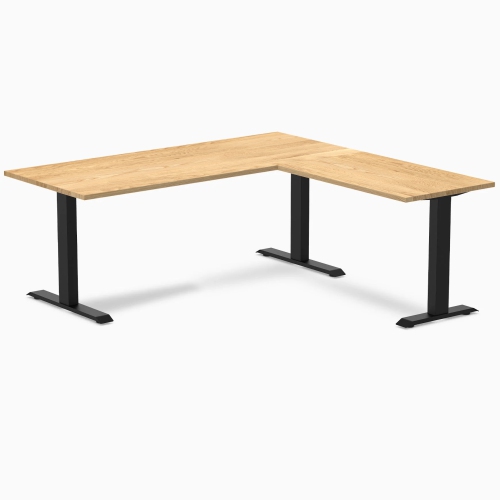
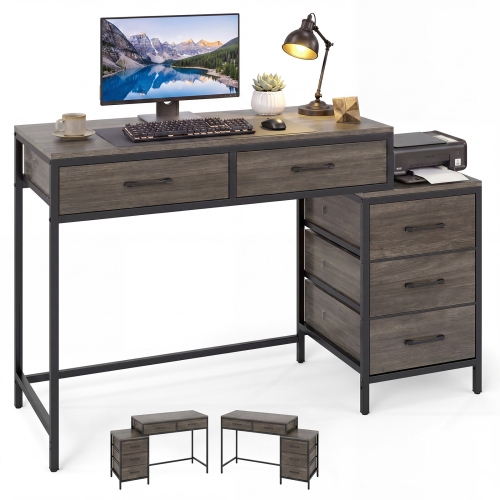
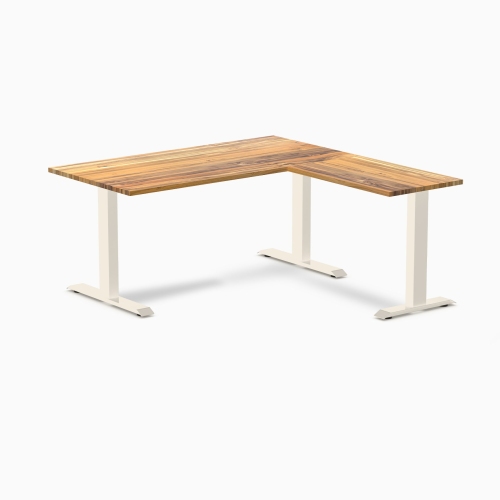
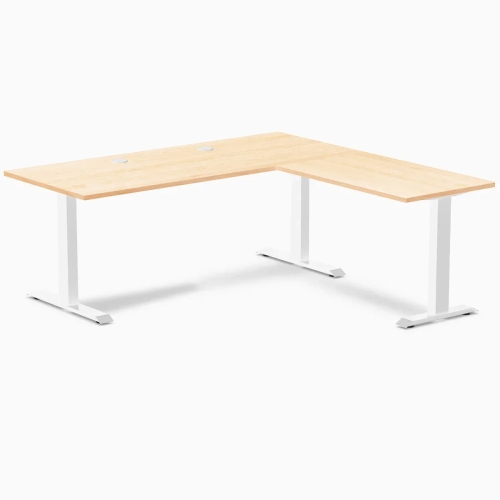
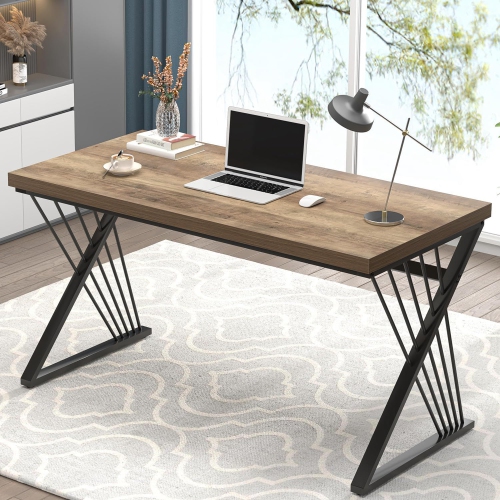
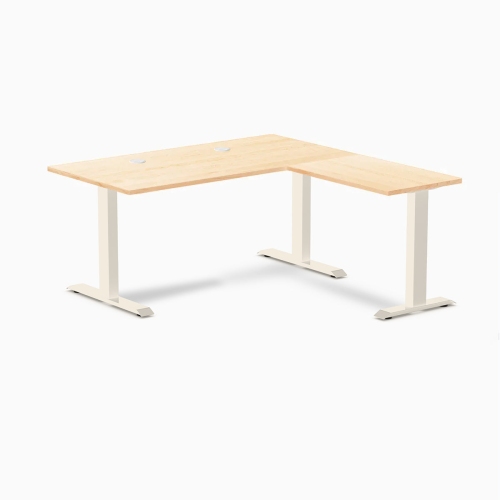
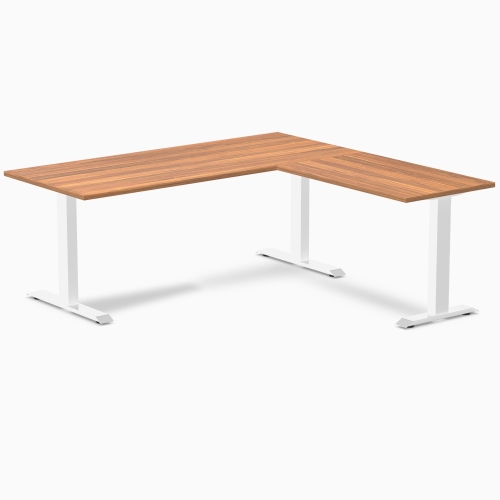
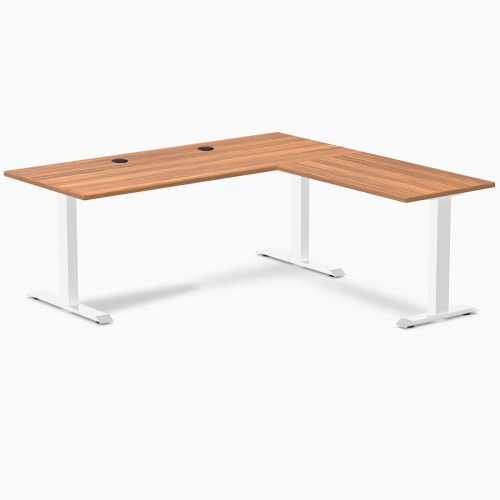
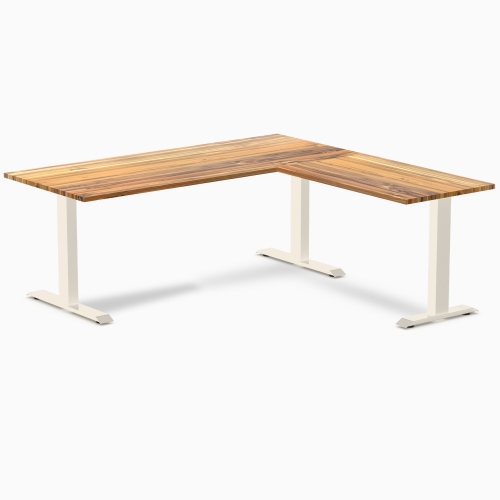
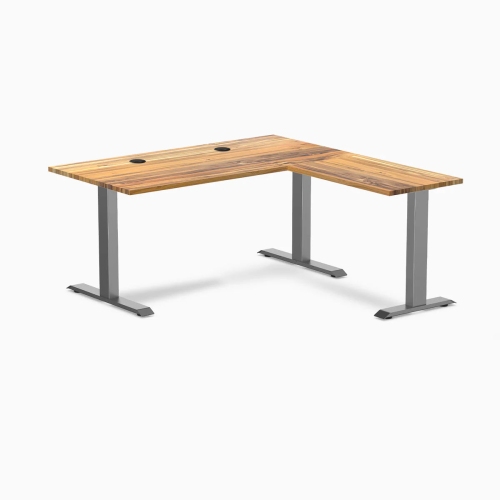
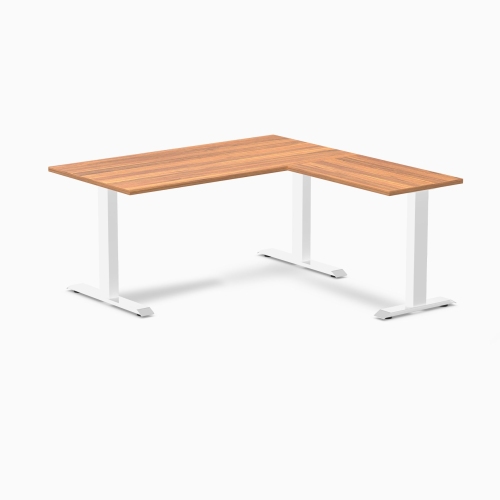
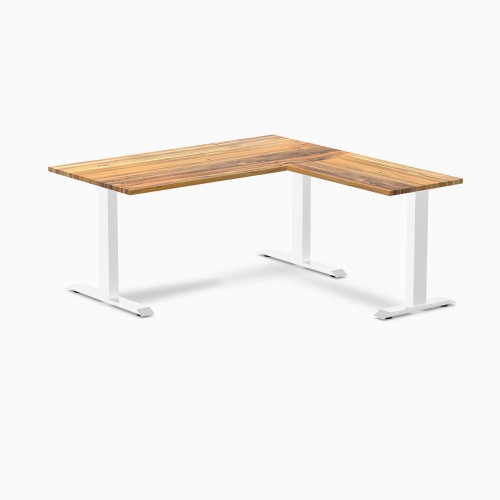
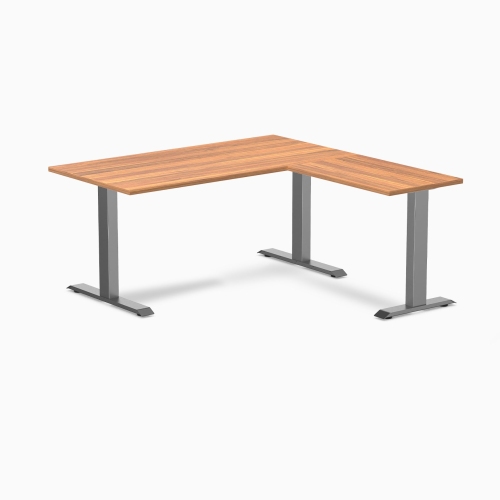
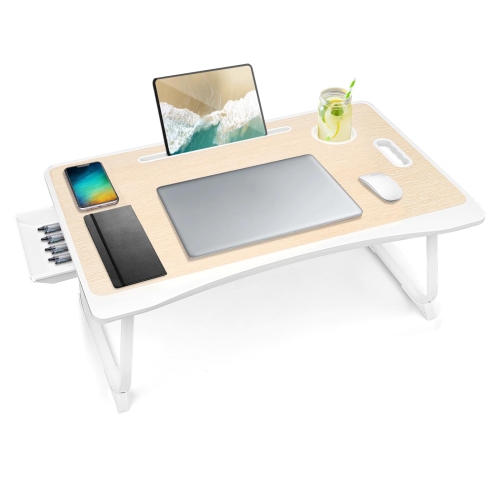
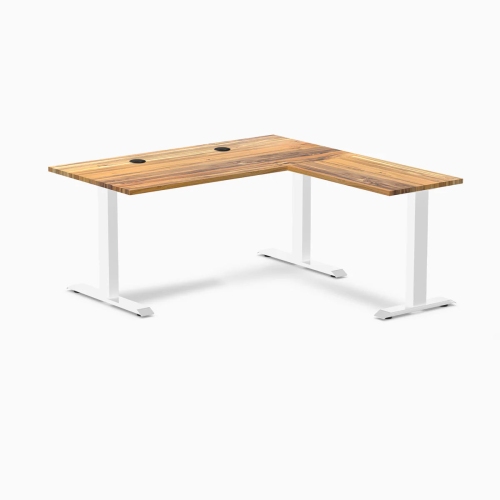
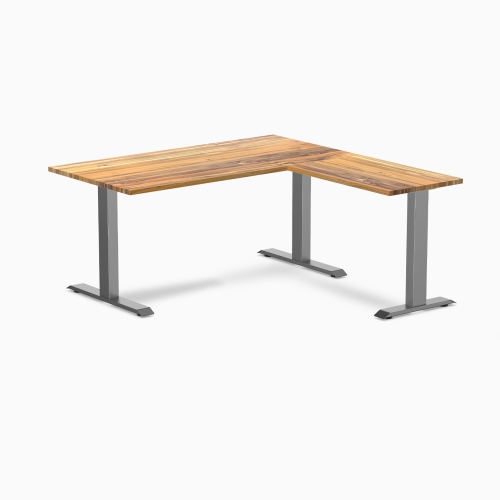
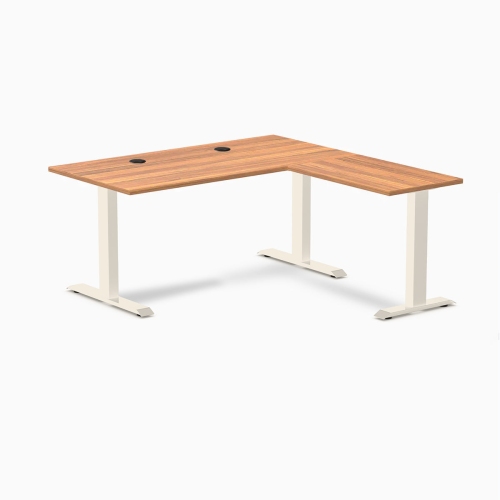
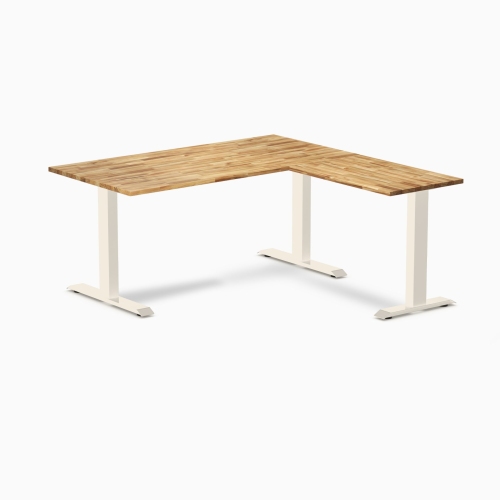
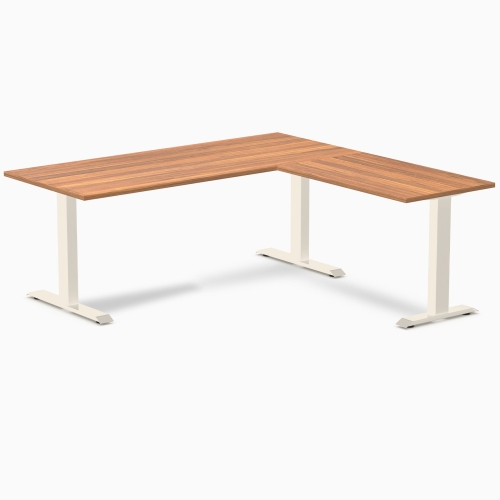
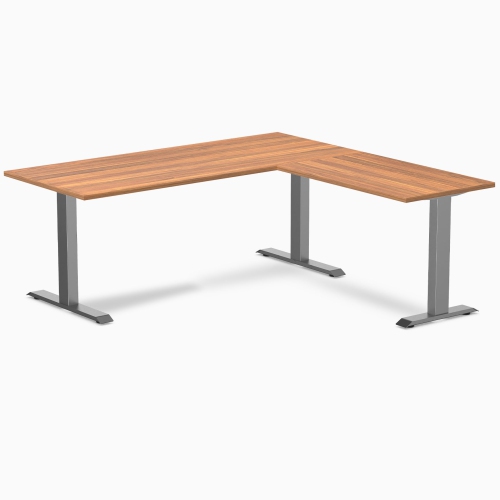
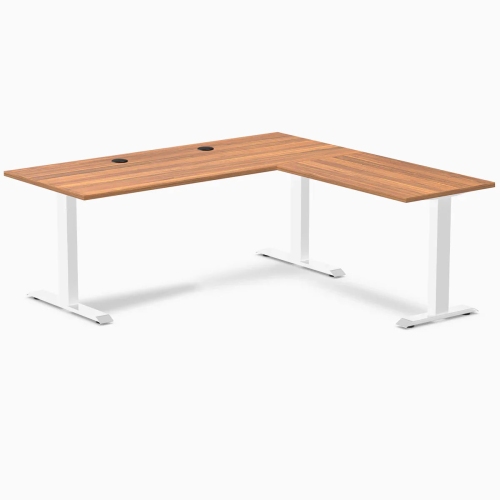
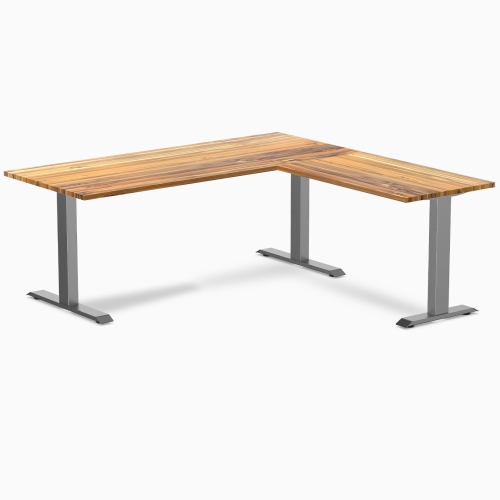
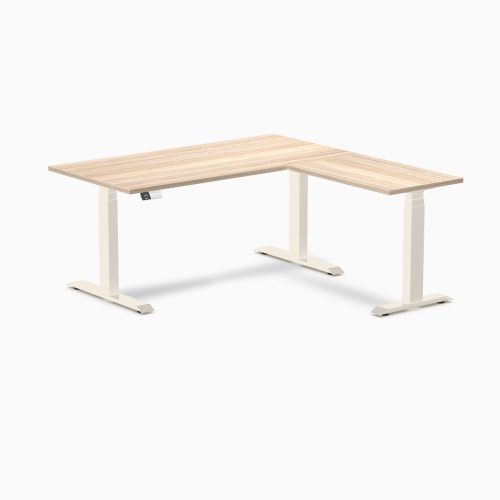
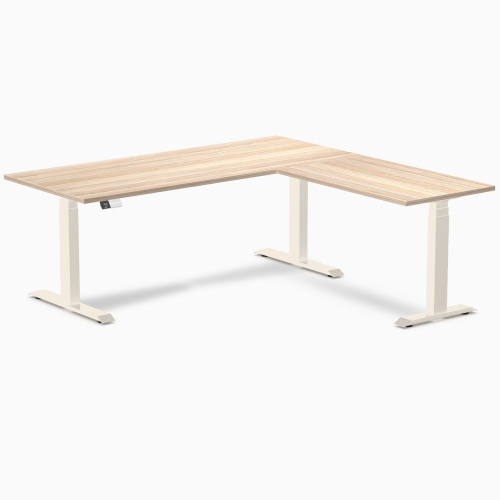
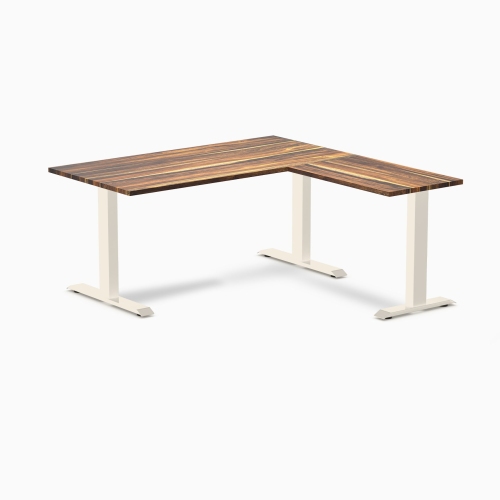
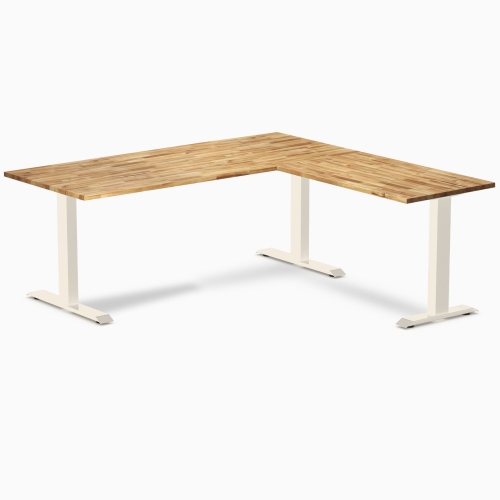
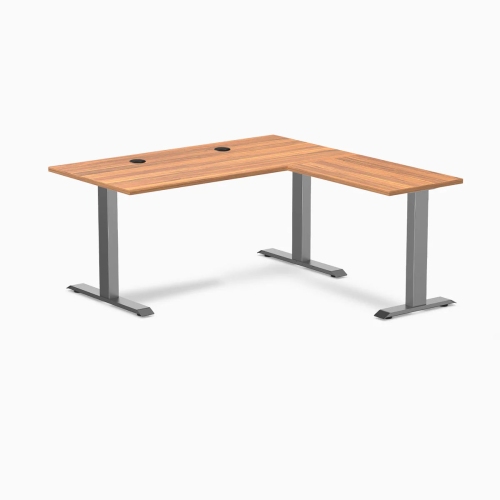
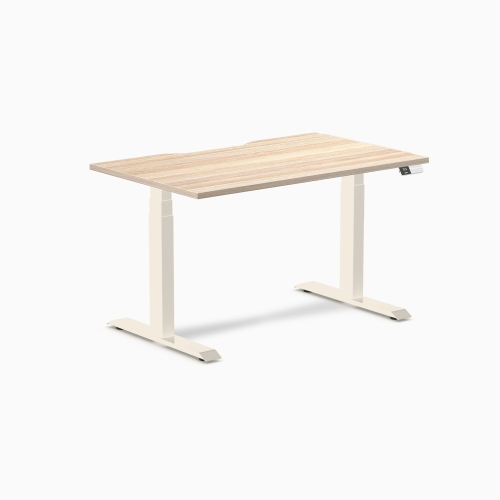
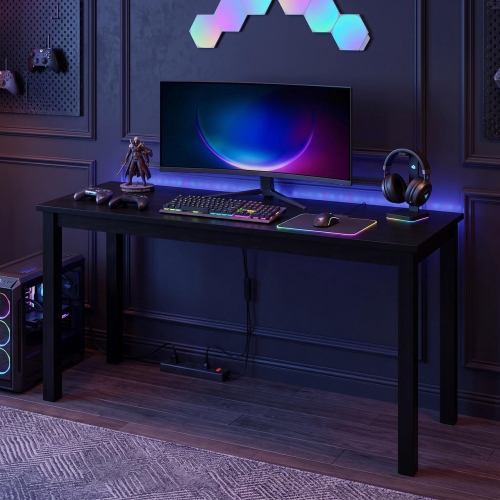
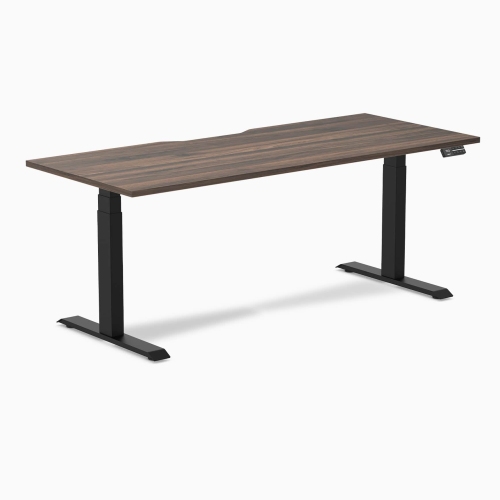
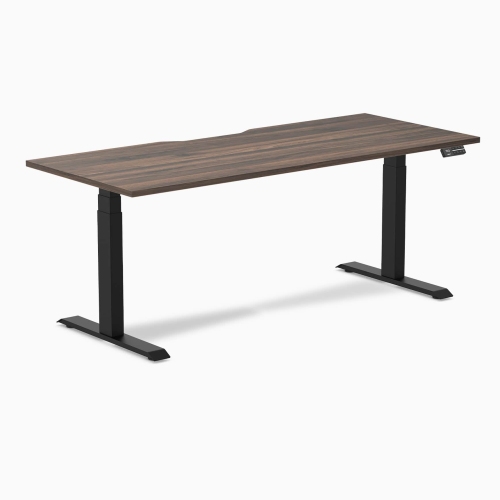
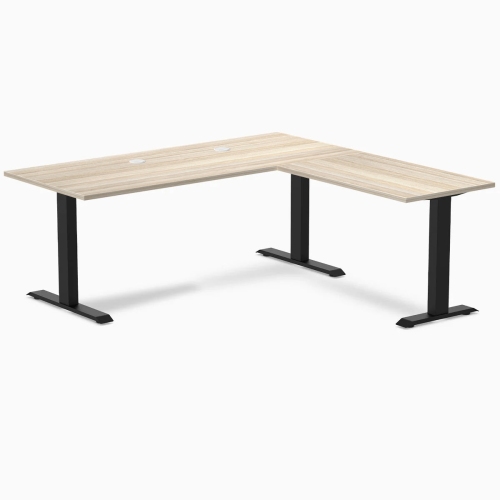
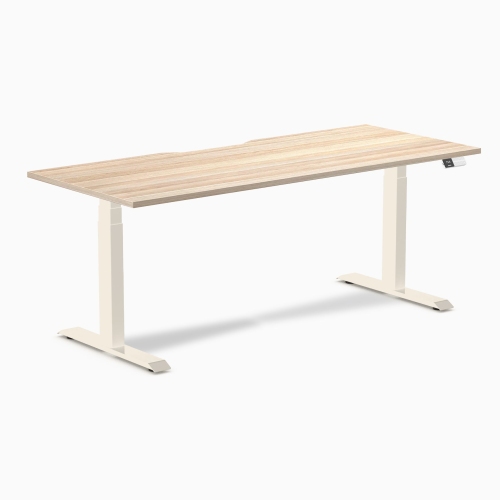
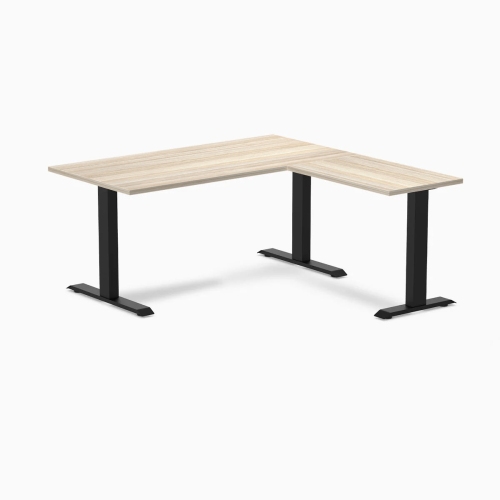
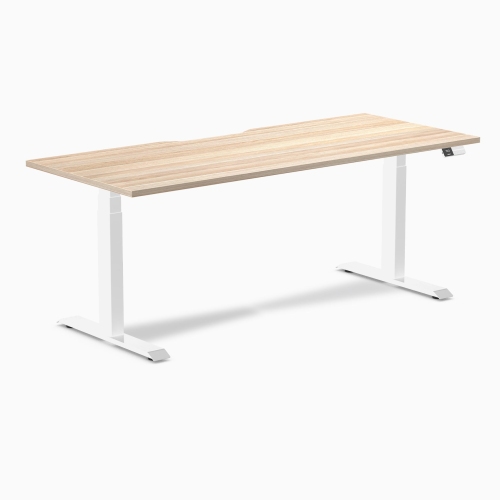
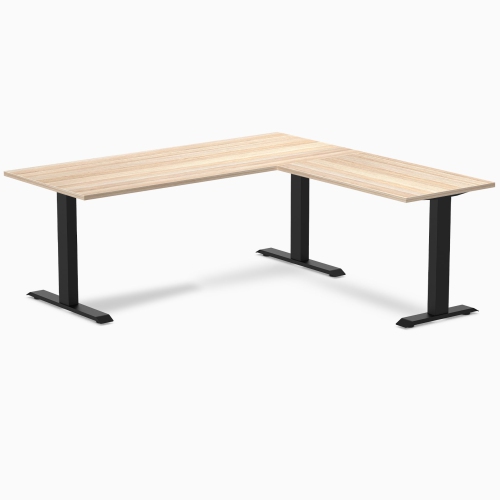
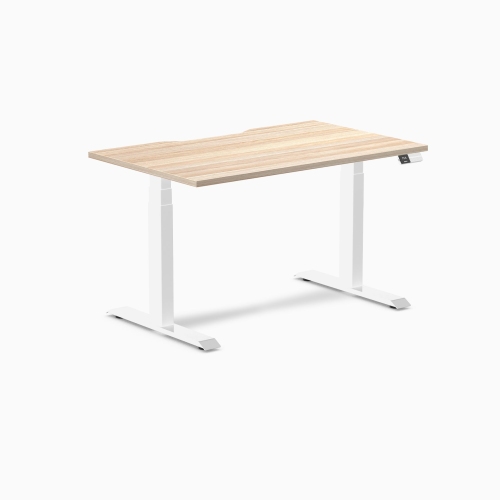
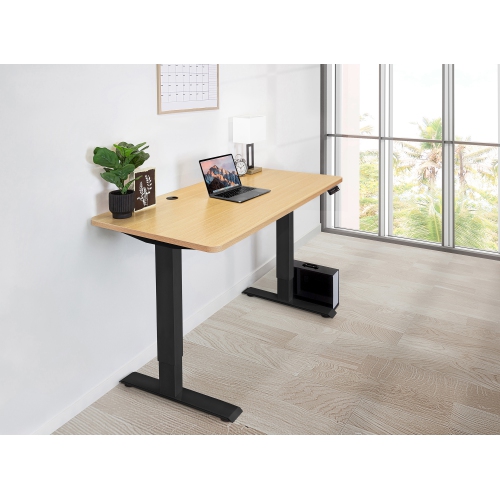
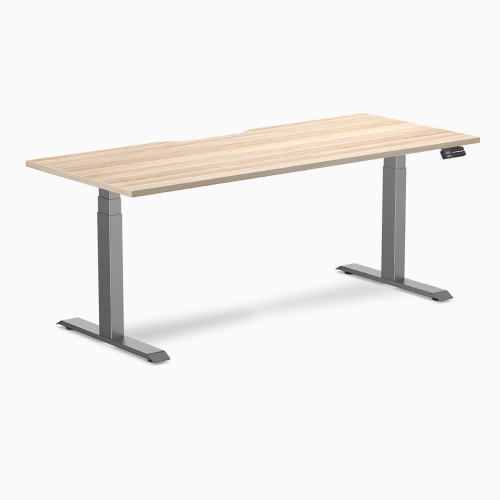
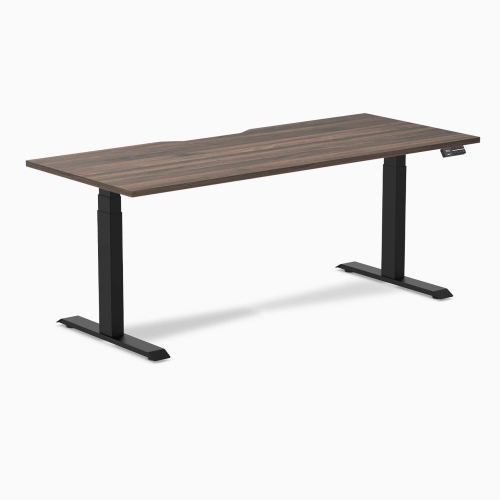
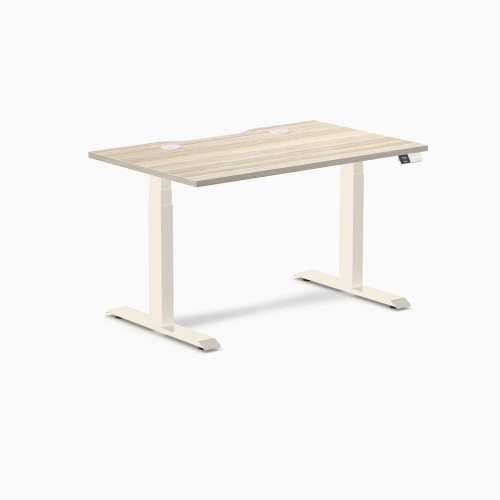
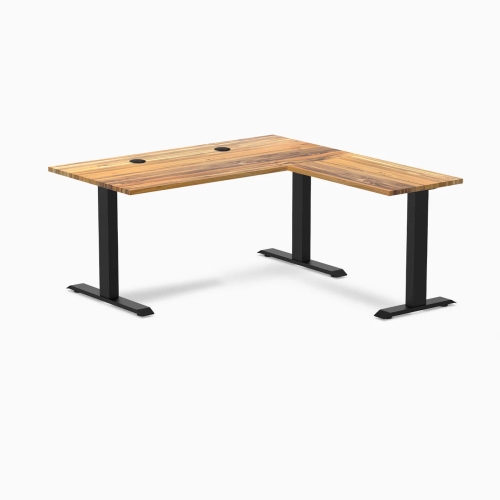
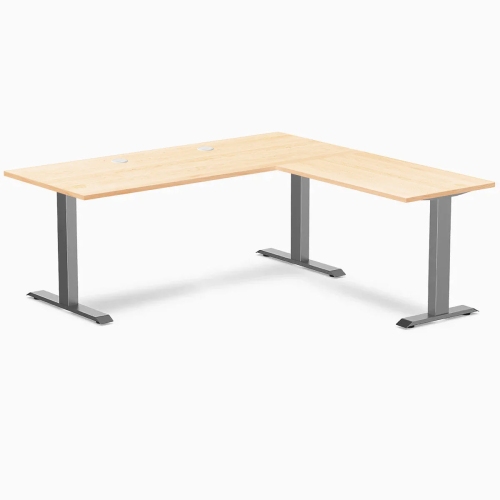
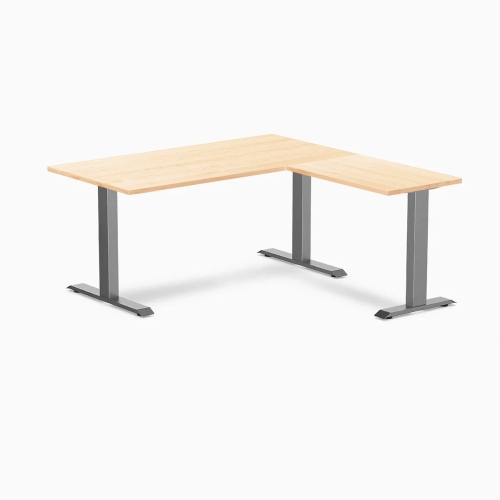
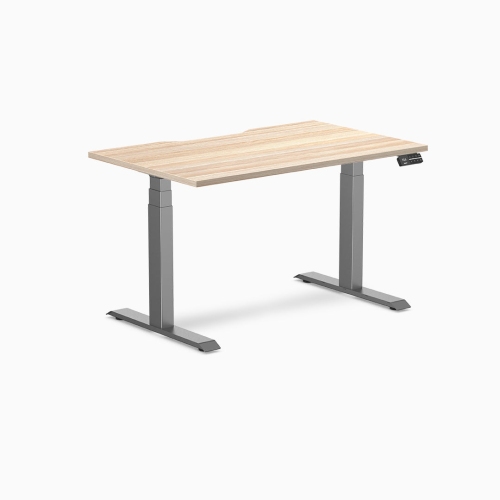
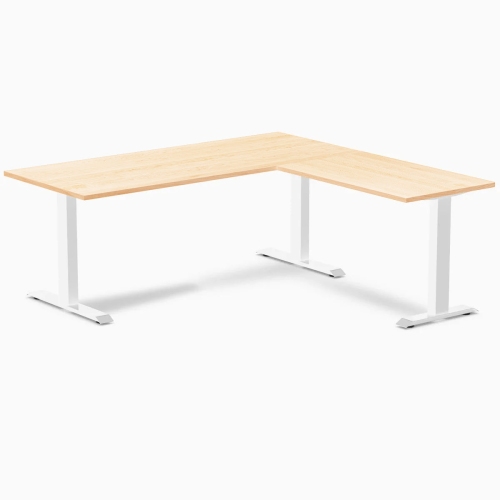
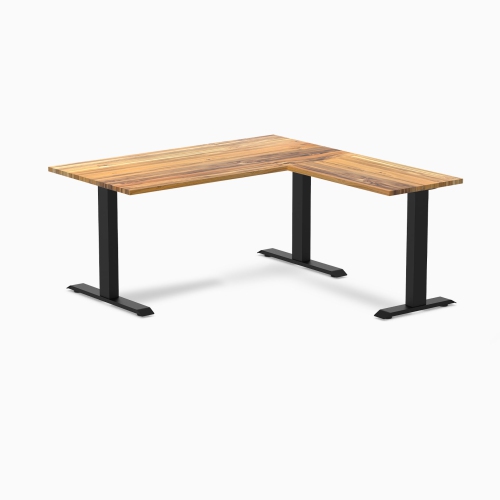
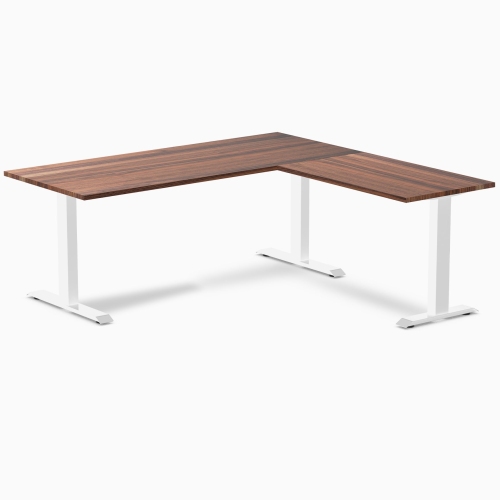
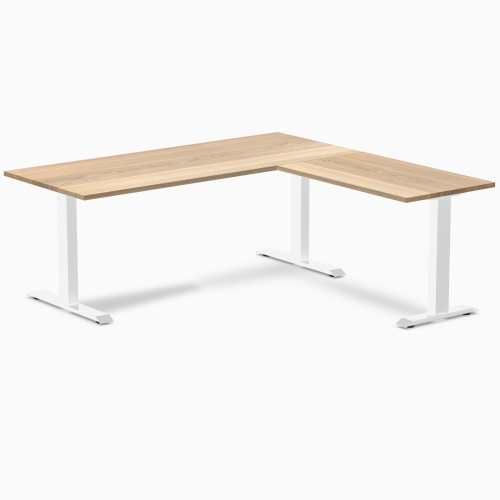
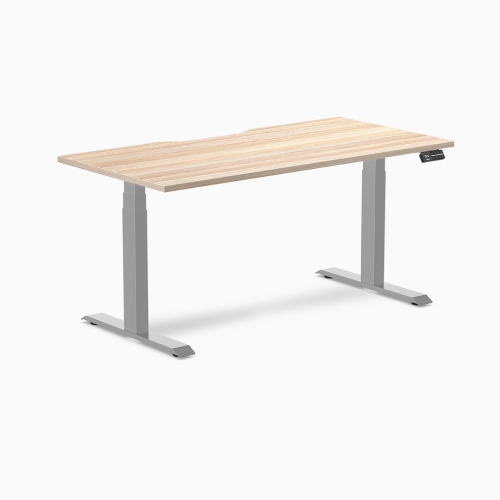
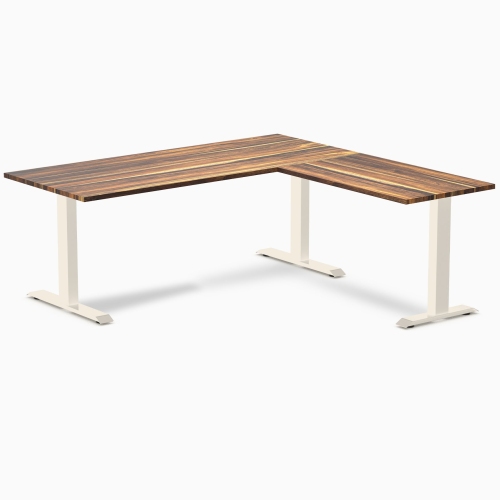
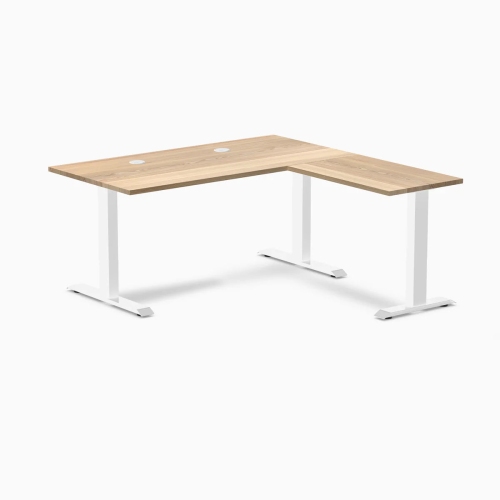
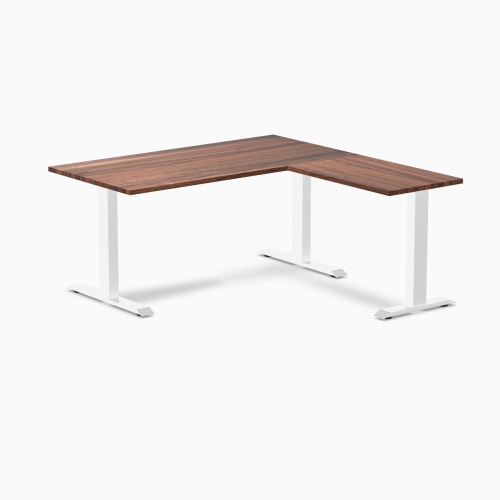
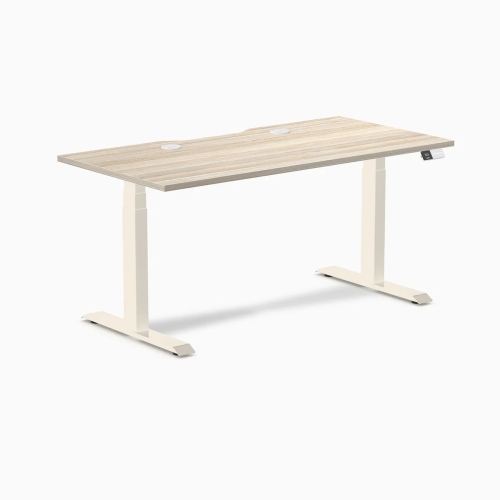
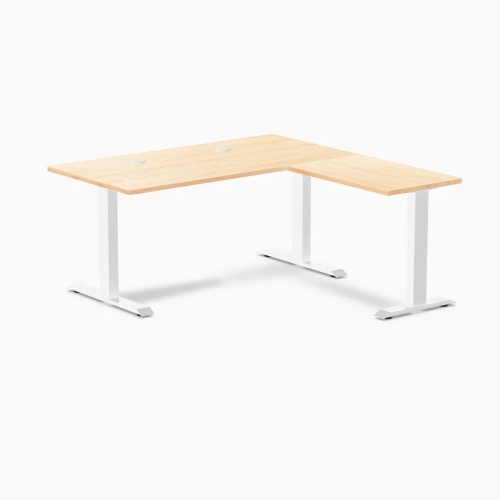
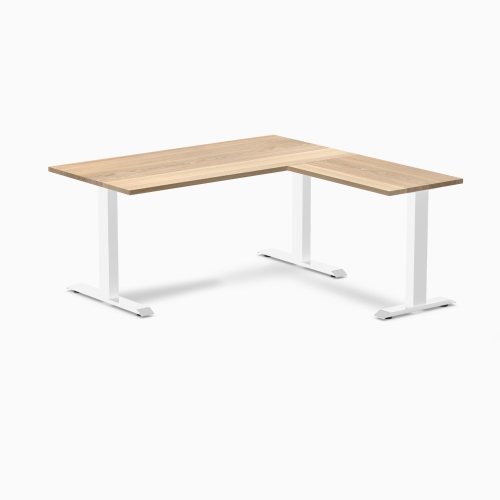
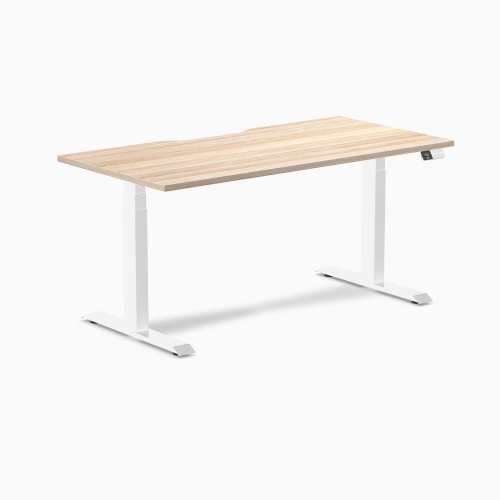
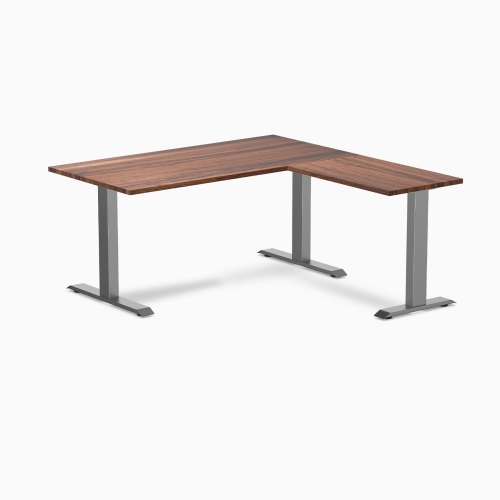
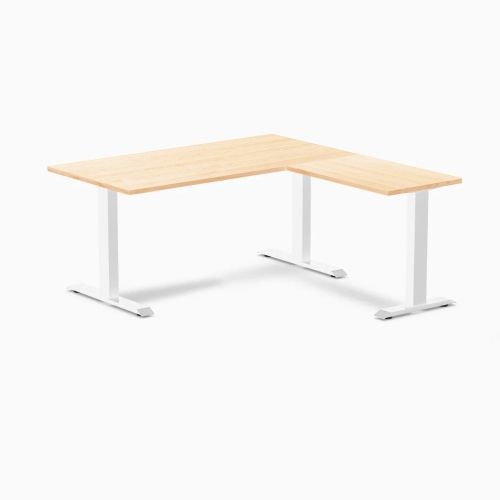
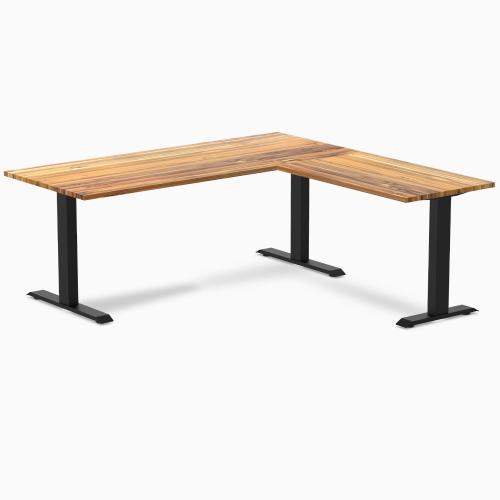
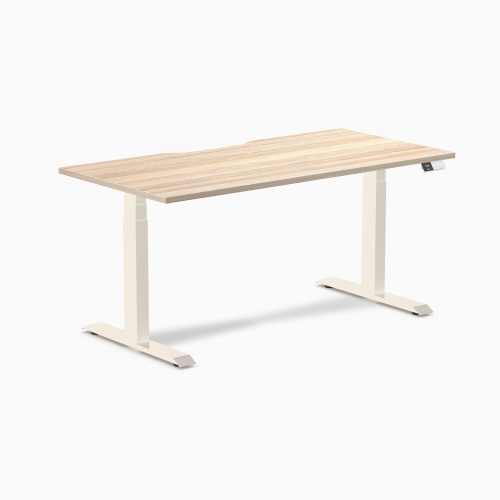
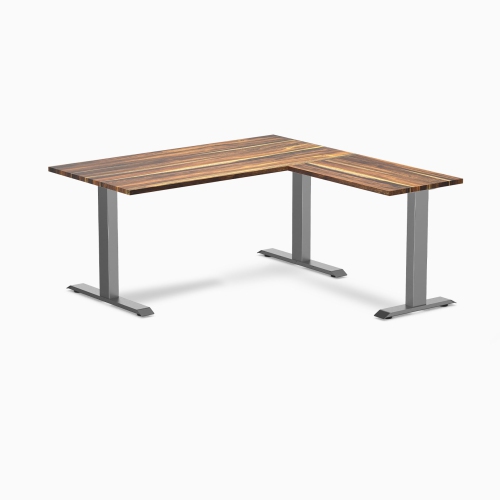
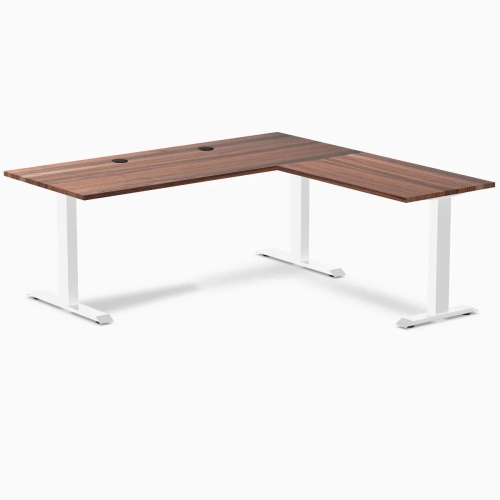
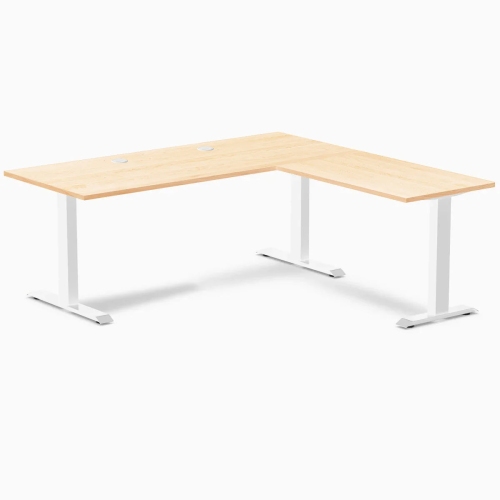
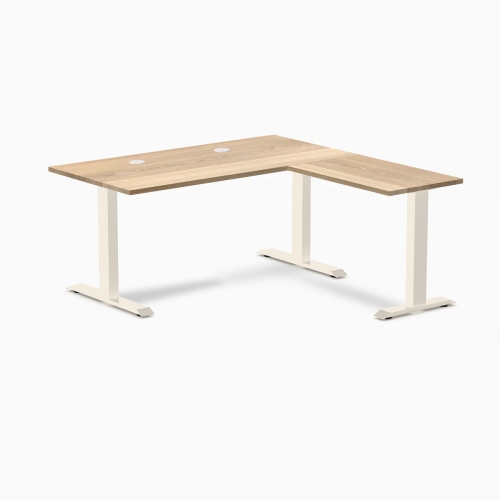
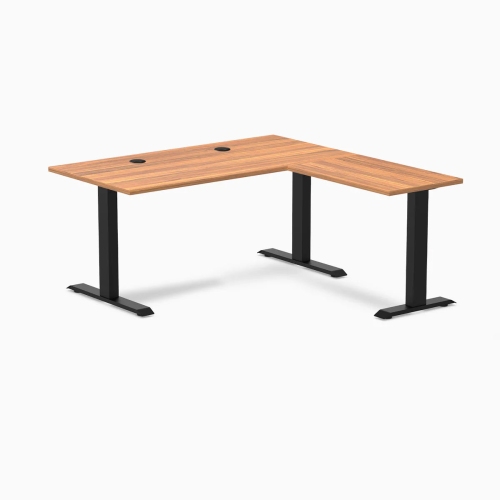
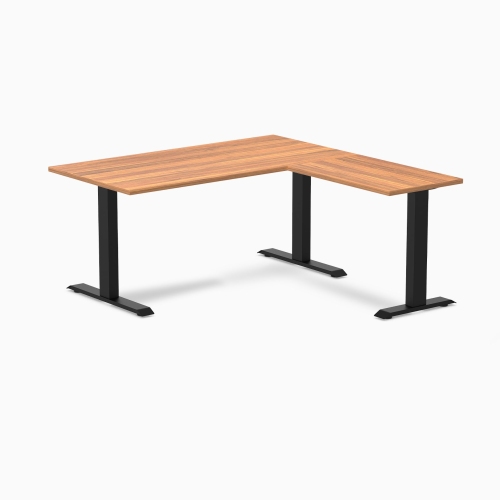
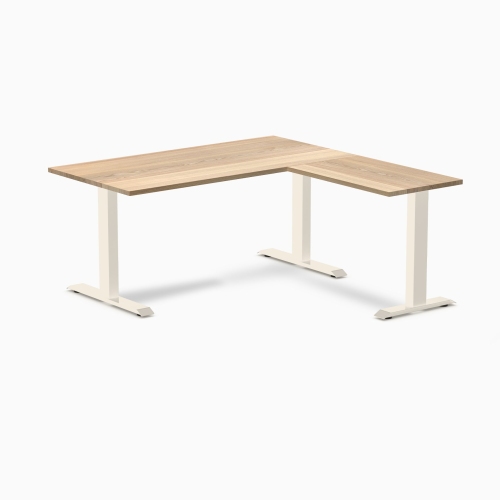
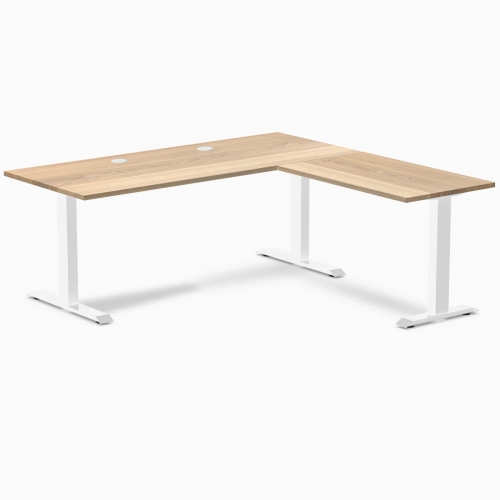
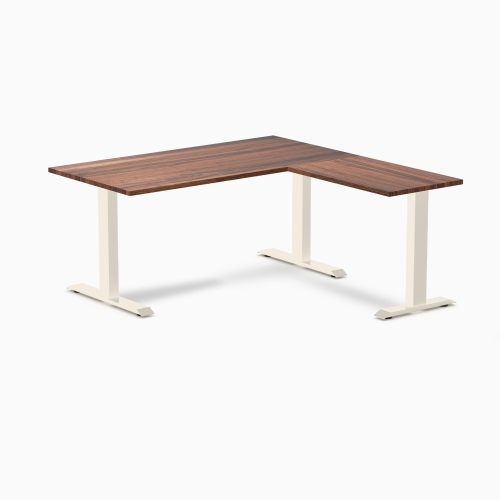
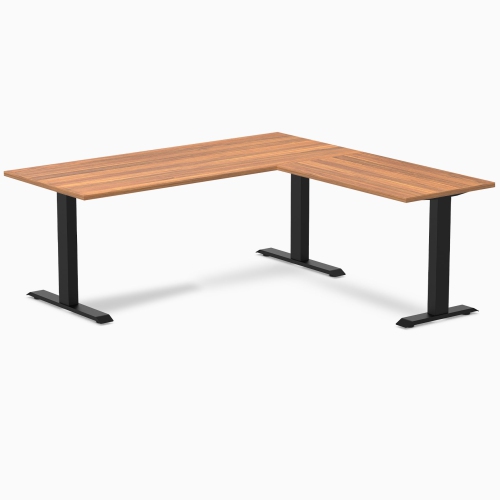
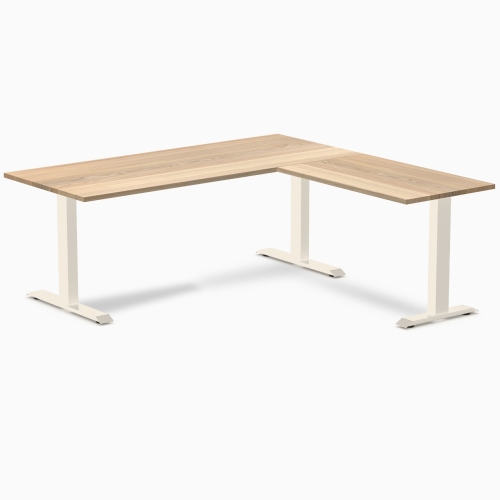
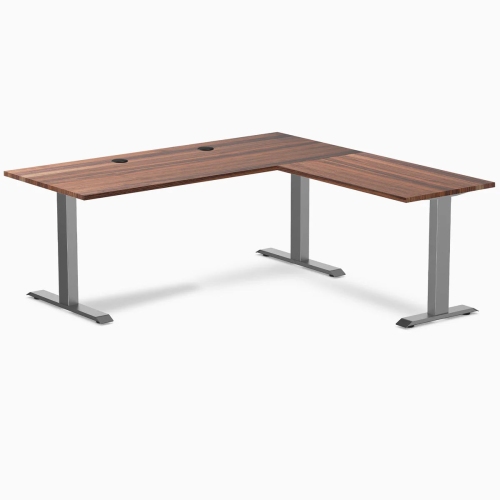
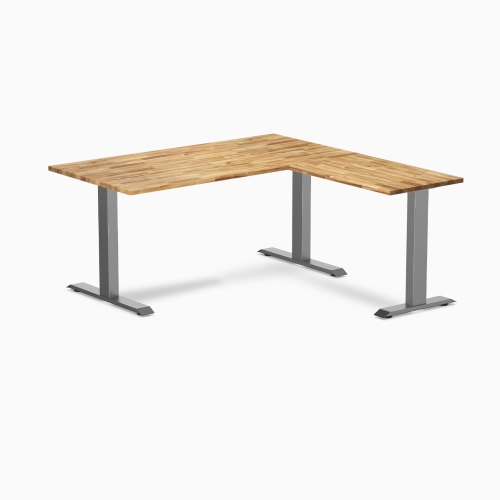
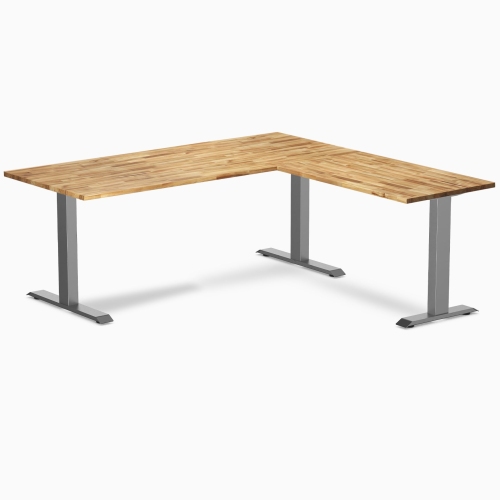
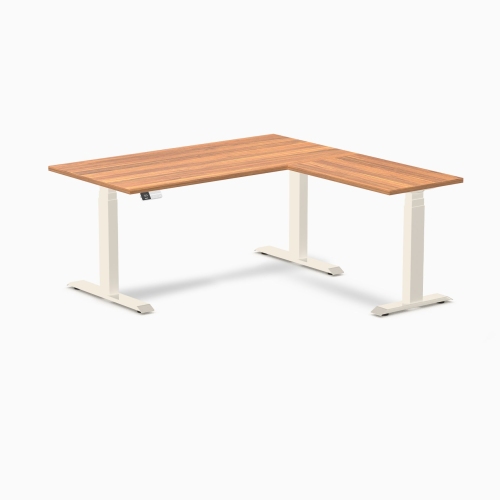
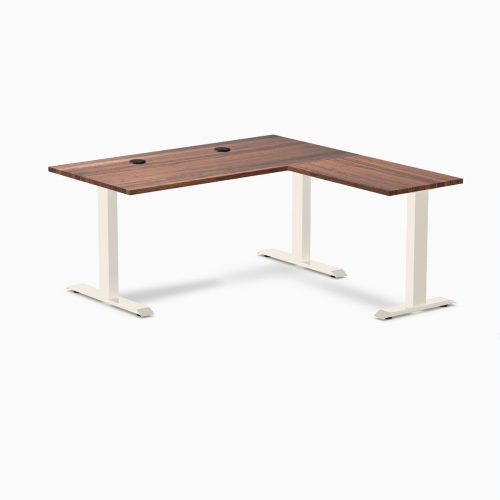
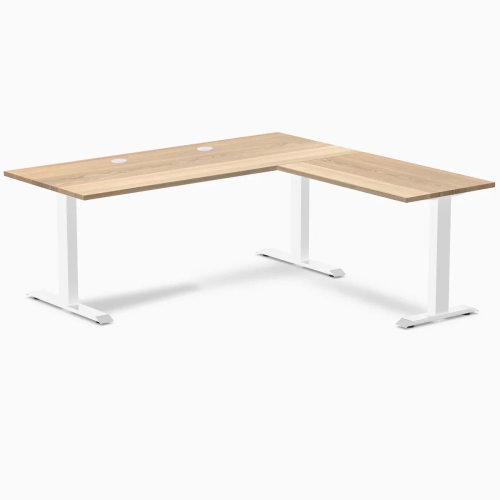
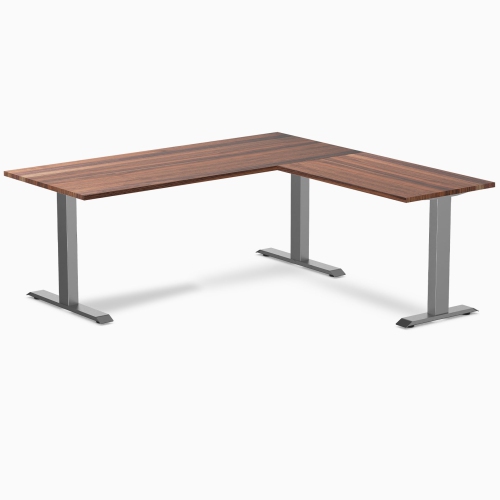
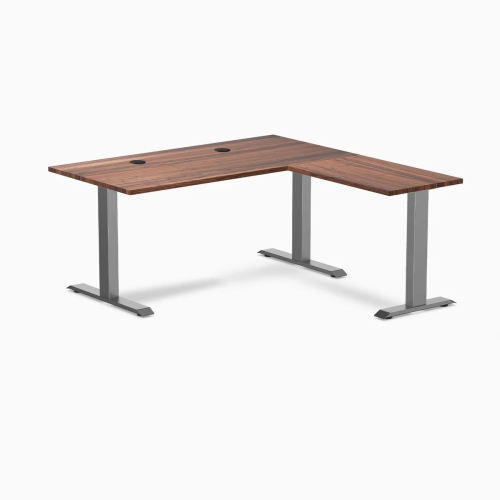
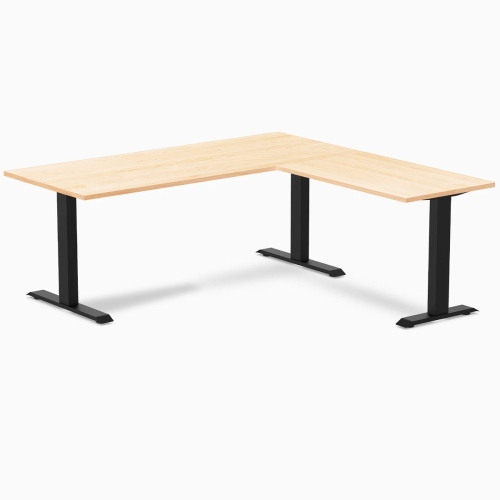
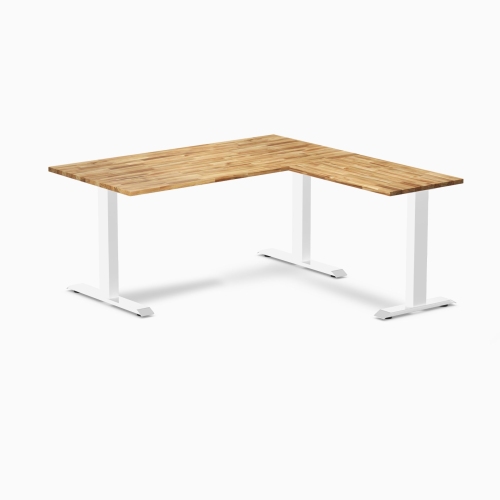
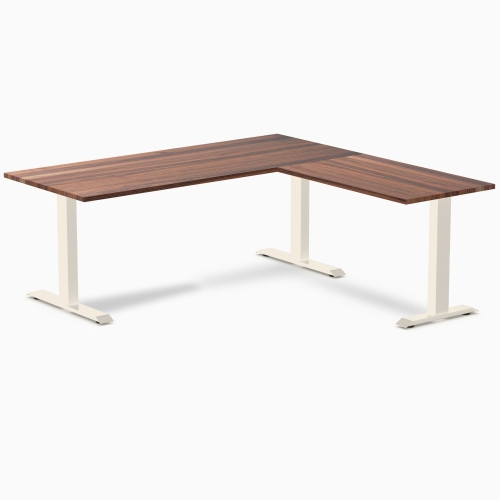
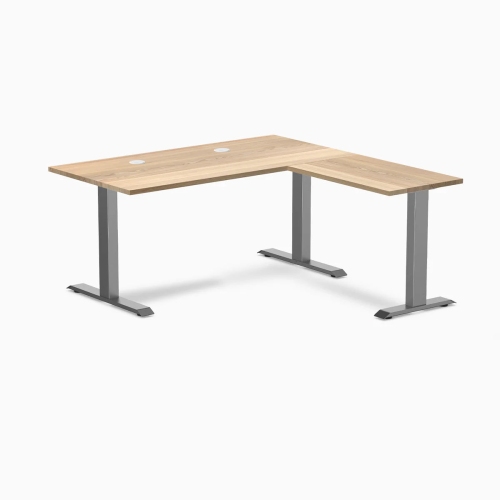
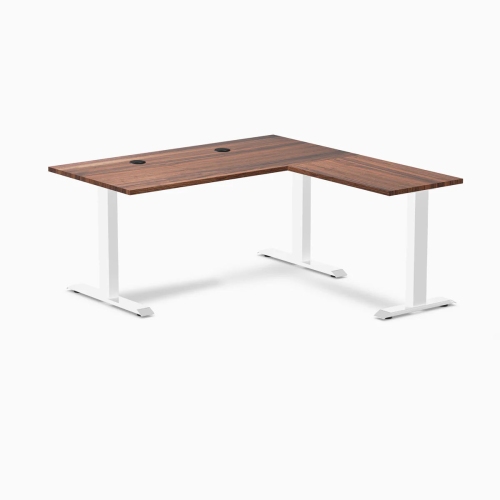
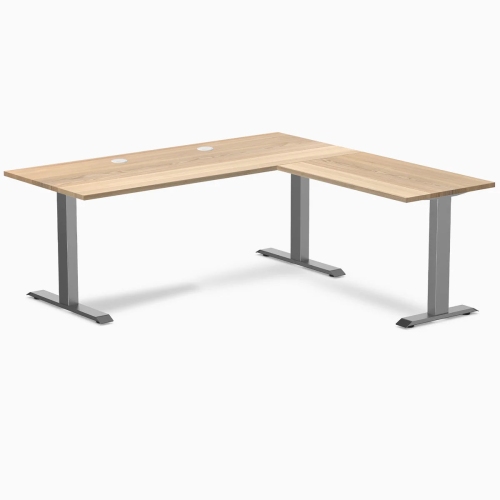
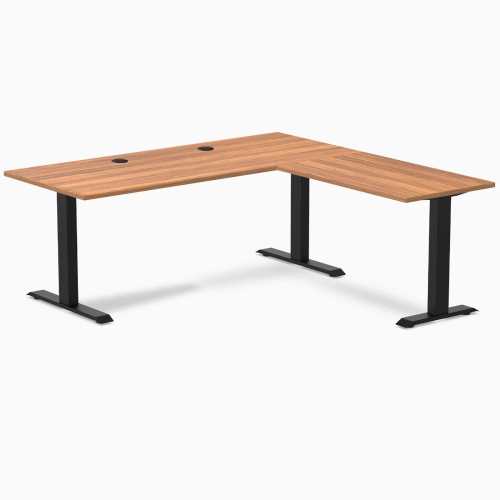
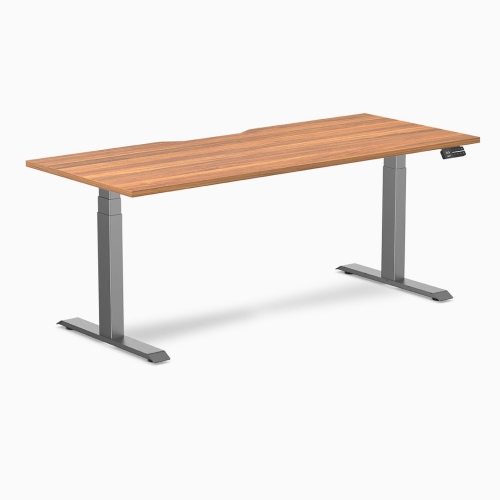
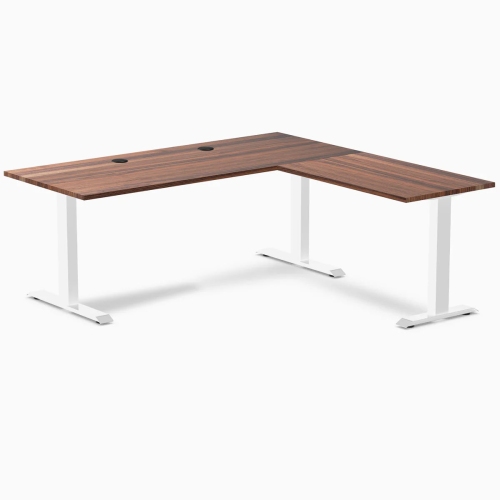
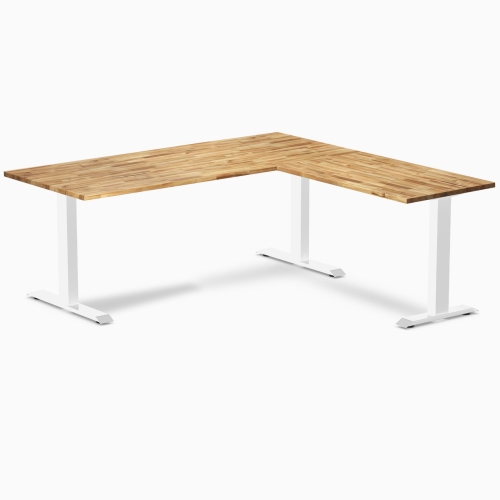
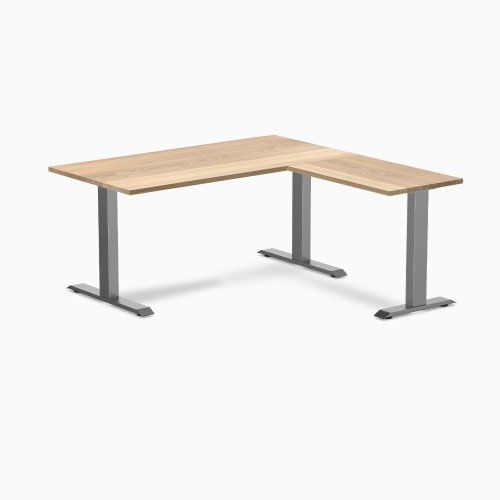
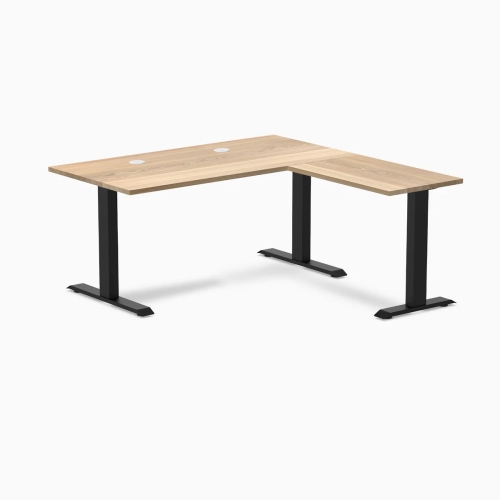
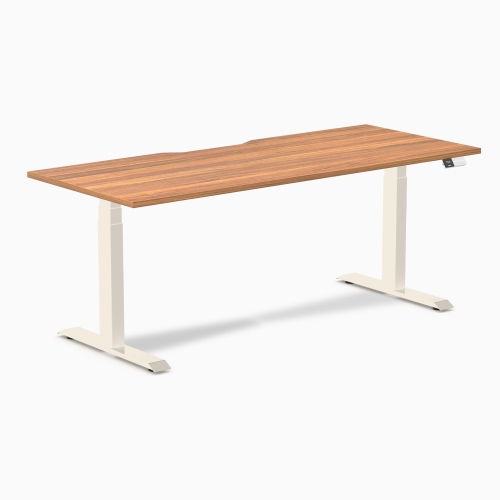
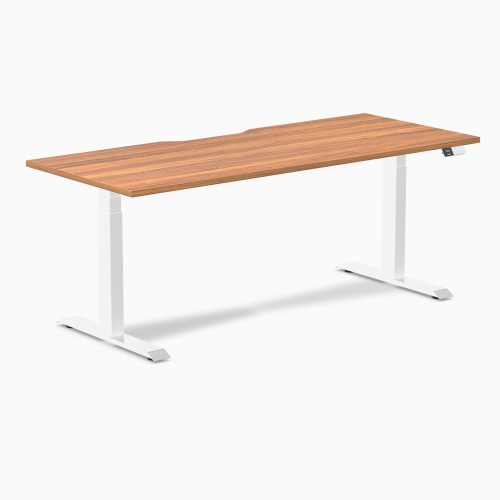
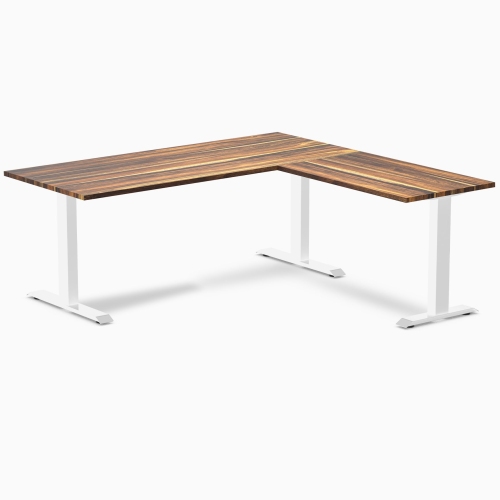
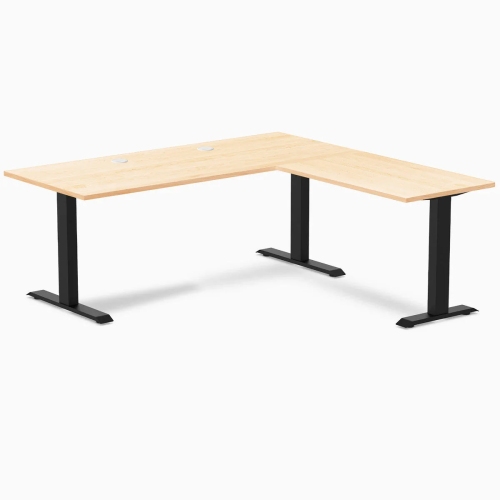
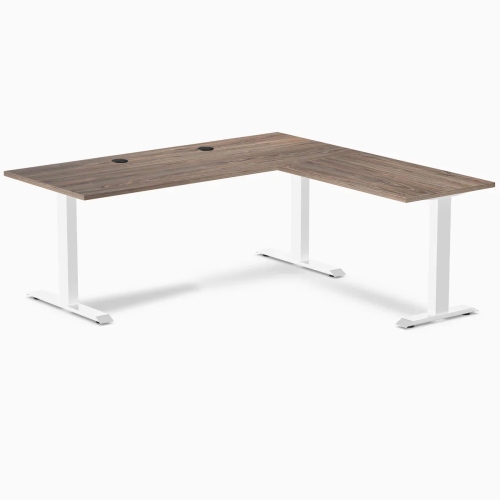
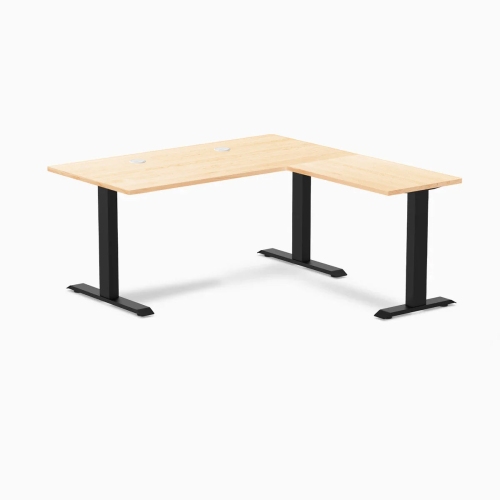
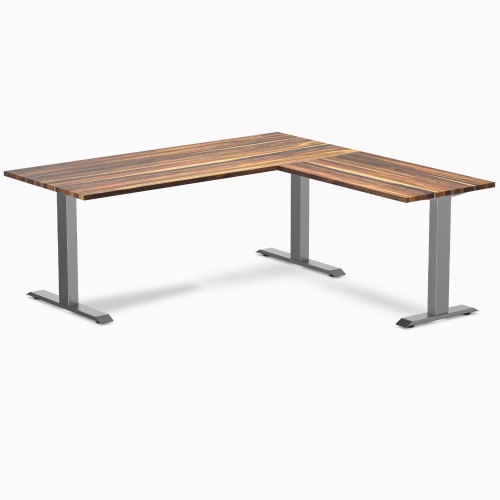
Pale wood tones that balance warmth and practicality
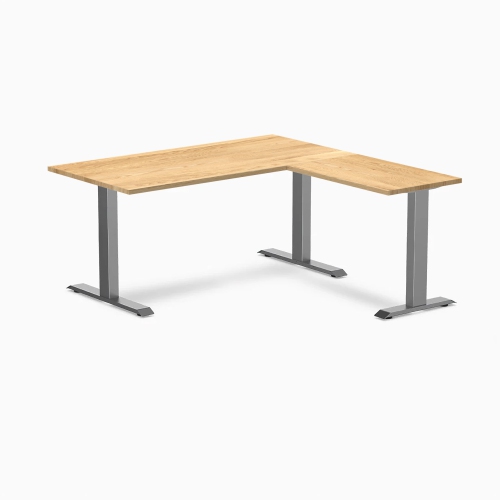
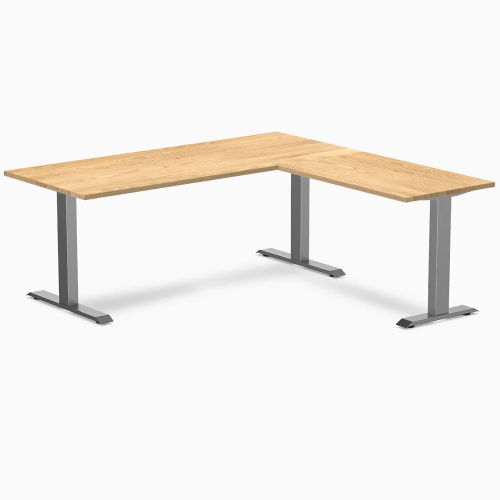
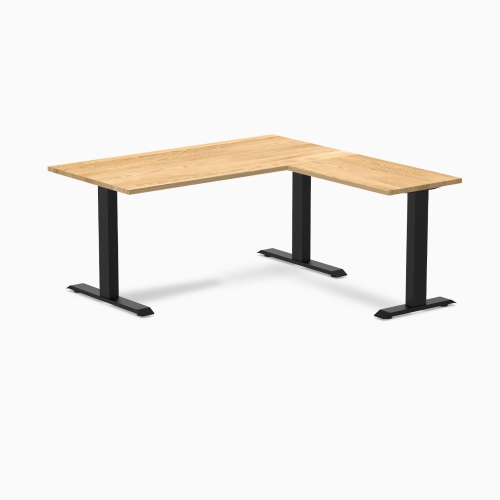
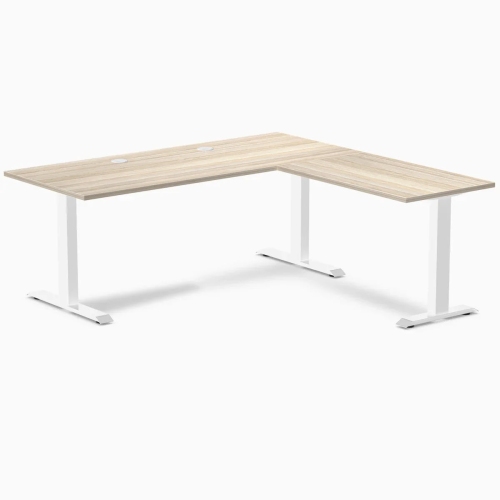
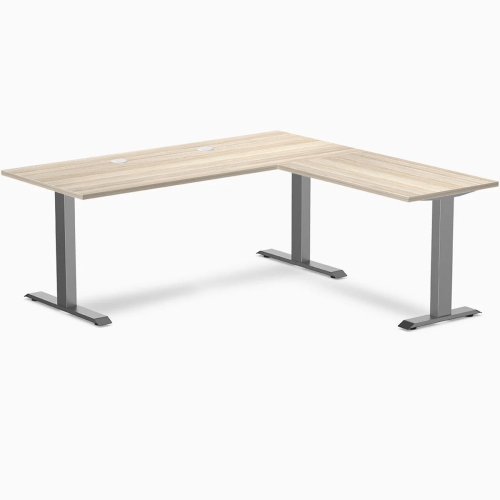
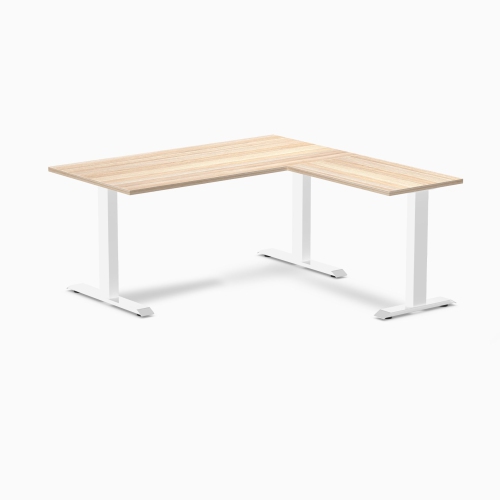
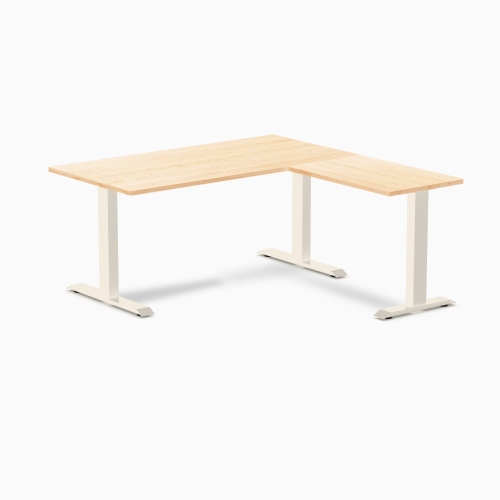
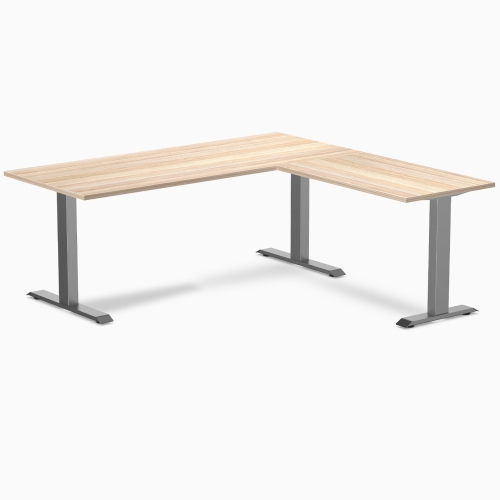
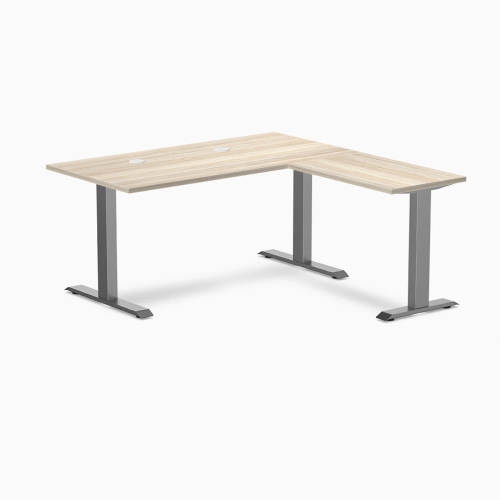
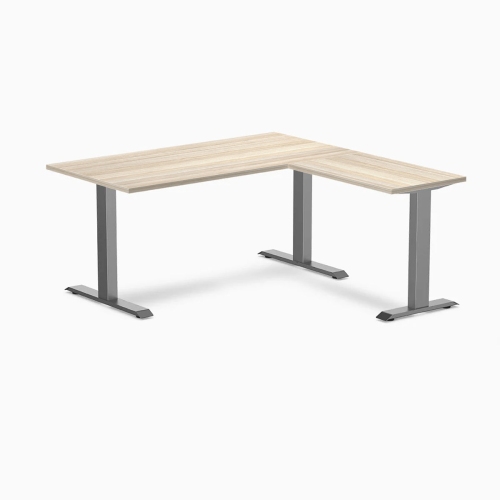
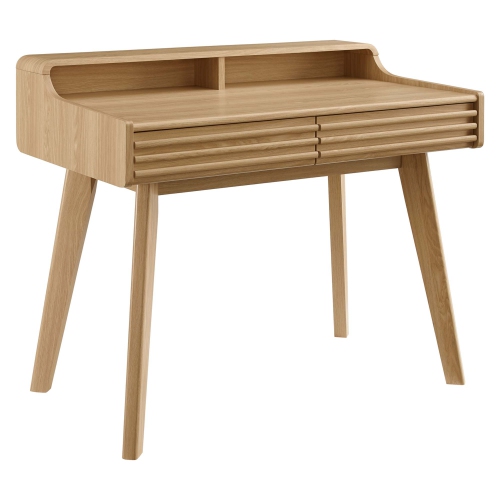
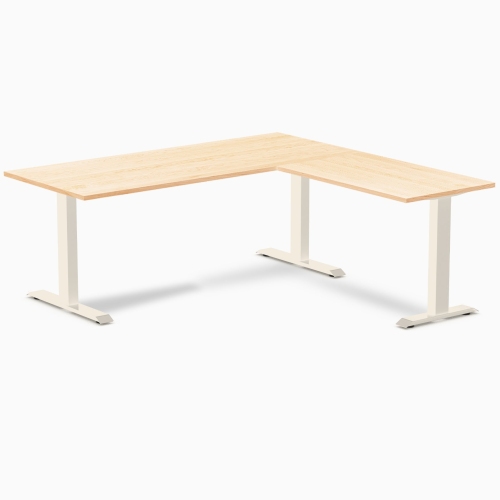
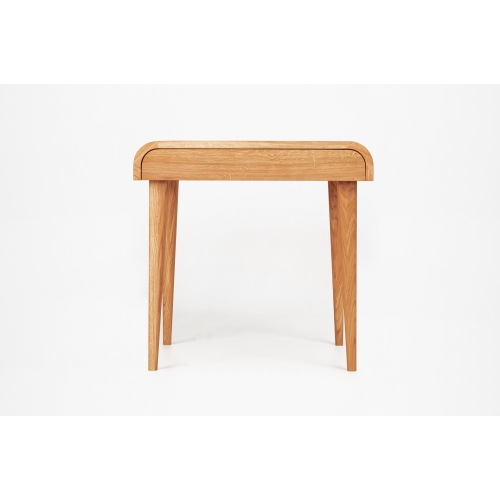
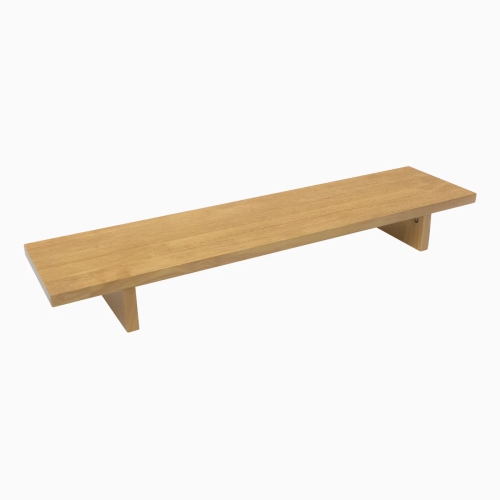
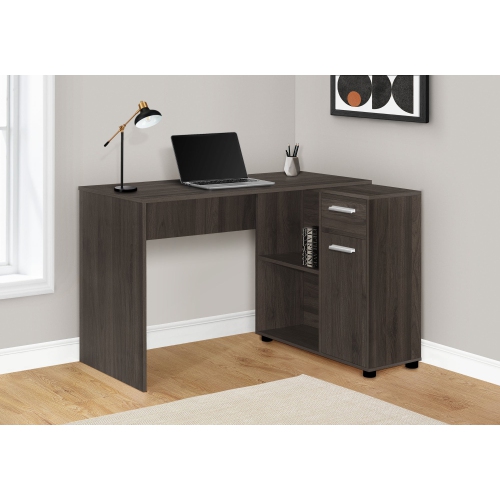
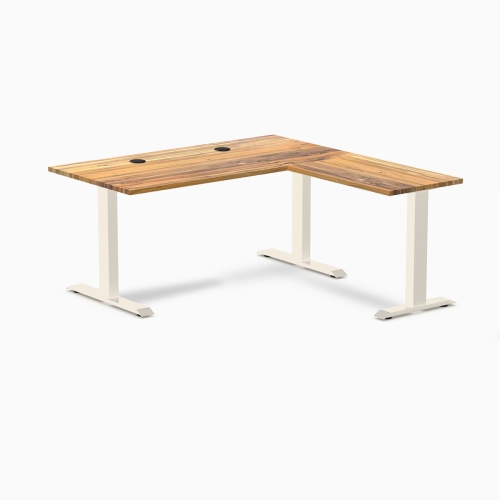
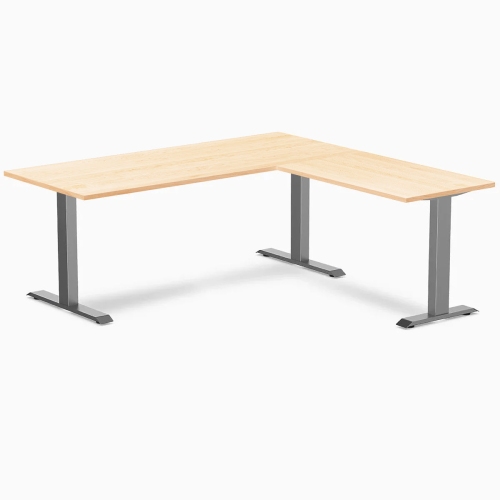
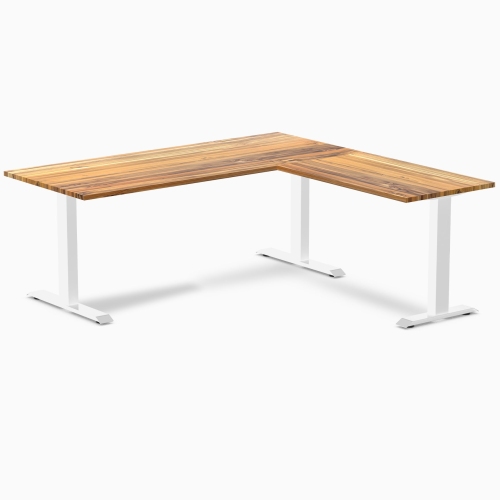
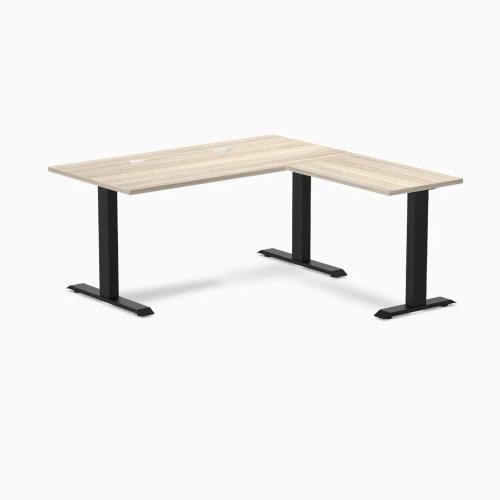
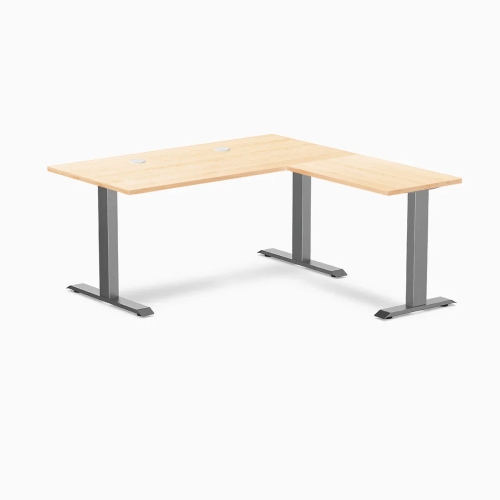
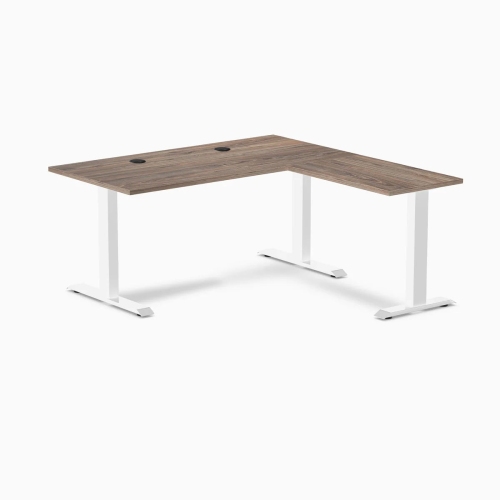
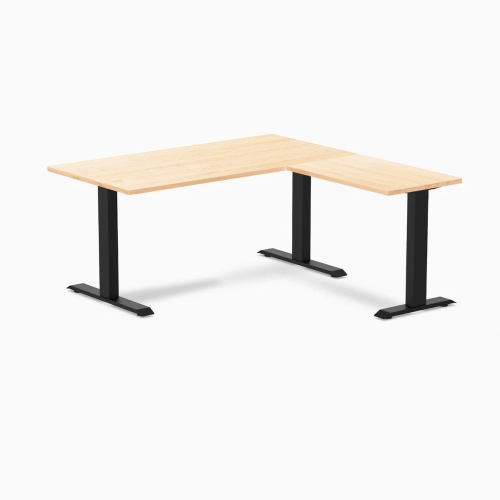
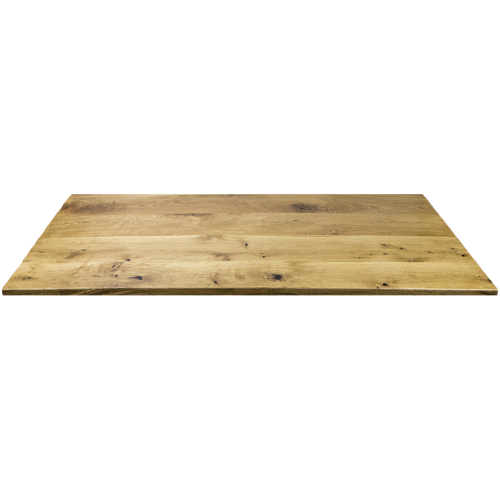
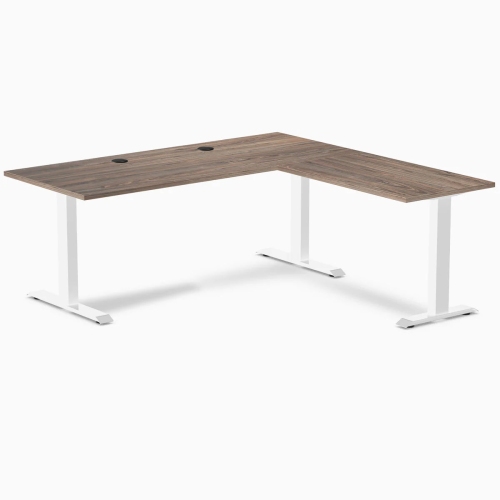
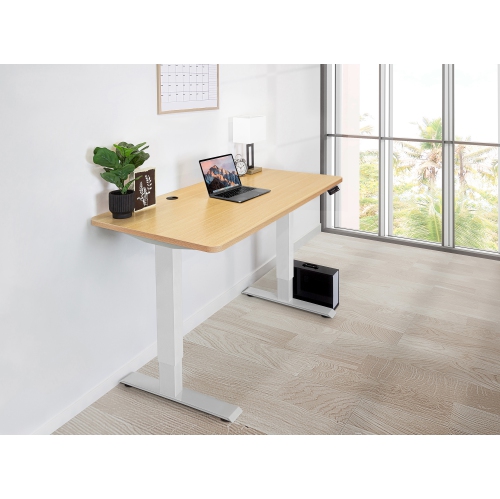
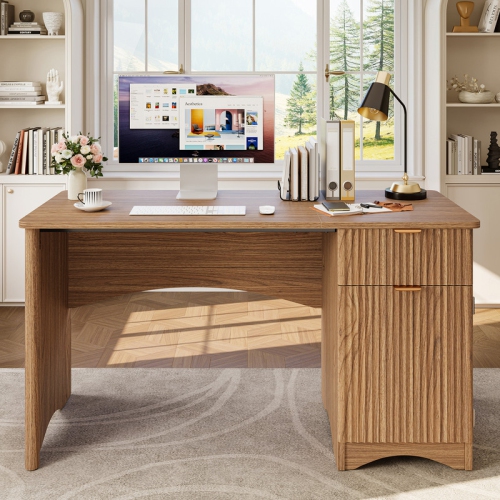
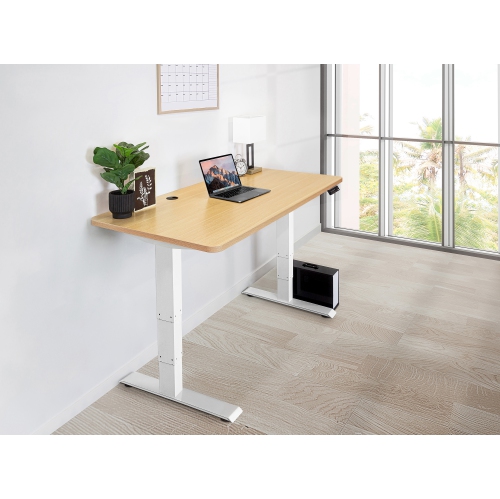
Light oak desks bring a warm, understated look to workspaces, with pale wood tones that sit comfortably alongside white walls, soft textiles, black metal accents, and colourful accessories. Their appeal lies in the balance between visible grain and a relatively quiet finish: there is enough texture to give a room character without making the desk dominate it. In a dedicated home office, a light oak desk can anchor the room; in a bedroom or living area, it can blend with existing furniture while creating a clear place for work. The colour description can cover a range of appearances, from creamy beige and muted honey to lightly washed finishes with grey undertones. Grain patterns also vary, so a close match with nearby shelving or flooring depends on more than the words “light oak.” A slightly different wood tone can look intentional when the pieces share another feature, such as simple edges, rounded corners, or similar legs. Materials matter just as much as appearance. A desk described as light oak may be made from solid oak, oak veneer over a supporting core, or engineered wood with an oak-look surface. Solid oak has natural variation and can develop small changes in appearance with use, while veneer provides a real wood surface over another material. Oak-look laminates and decorative finishes offer a different construction, with performance depending on the surface, core, and edge treatment. The material description helps distinguish the wood species from the colour or finish name. Construction also shapes the overall feel: a broad desktop on substantial side panels looks grounded, while tapered legs or a slim metal frame can leave more of the floor visible. Neither approach needs an entire room devoted to it. A light oak desk can serve as a practical writing surface, a laptop station, or a more permanent work area, with its proportions and storage doing much of the work of defining its purpose.
The most useful desk size depends on what happens across the surface throughout the day, not just whether a laptop fits. A compact writing desk may suit correspondence, homework, and occasional video calls, while a deeper desktop gives a monitor, keyboard, and open notebook room to sit without crowding one another. For someone reviewing documents beside a screen, usable space on either side can matter more than an especially wide overall frame. Desktop depth also affects screen placement and the room left for forearms, although comfortable positioning depends on the chair, equipment, and person using them. In a shared living area, the fit includes the space around the desk: a chair needs room to pull back, drawers need clearance to open, and nearby doors or walkways should remain easy to use. For a bedroom alcove or a modest study corner, Small Oak Desks offer a related option when a narrower footprint is the priority. Legroom deserves attention at any size. A centre drawer, low crossbar, or built-in cabinet can reduce the space beneath the desktop, especially for someone who changes sitting positions or uses a chair with arms. Storage works best when it reflects daily habits. Shallow drawers can keep pens, charging cables, and stationery close at hand, while deeper compartments may be more useful for notebooks and larger supplies. Open shelves make frequently used materials easy to reach but leave them visible; closed storage creates a calmer-looking surface when the desk sits within a room used for other activities. Cable openings and trays, where included, can help keep cords away from feet and reduce the tangle behind a screen. A computer setup may also need room for a tower with unobstructed ventilation. Monitor arms introduce another consideration: the desktop material, thickness, edge shape, and underside clearance all affect whether a clamp can attach securely. Equipment compatibility and the desk’s stated load limits matter more than appearance alone, particularly with multiple screens or heavier office equipment.
Day-to-day durability comes from the relationship between the surface finish, supporting structure, hardware, and the way the desk is used. A sturdy frame and well-secured joints help a writing surface feel steady during typing or handwritten work, while drawer runners and handles contribute to how comfortably storage functions over time. For a desk that will be assembled at home, the finished dimensions are only part of the picture; component size, lifting requirements, and access through stairs or tight corners can also affect the setup. Once in place, care should follow the instructions for the actual finish rather than assuming every oak-coloured surface needs the same treatment. A soft cloth is generally useful for removing dust, and spills are best dealt with promptly using the recommended method. Excess moisture can affect wood and may damage vulnerable seams or edges on some engineered surfaces. Coasters beneath drinks and a suitable desk mat under frequently moved accessories can help limit rings, scuffs, and wear. Any protective mat should be compatible with the finish, since some backings may leave marks or discolouration. Abrasive cleaners, harsh solvents, and unapproved oils or polishes can alter a surface rather than improve it. Direct sunlight may gradually change wood colour, so placement can influence how evenly a desk ages. These practical details are especially relevant when one desk handles several roles: focused work during the day, a student’s assignments later on, and personal paperwork whenever there is a spare moment. A smooth, uncluttered area suits writing and drawing, while separate storage keeps supplies from taking over the whole desktop. Light oak tones provide a versatile backdrop for those changing tasks, pairing easily with a supportive office chair, a reading lamp, or a few familiar objects without requiring every piece to match. As a gift for a student or someone establishing a home workspace, a desk is most useful when its dimensions and layout reflect the recipient’s room and routine. The lasting appeal is a comfortable place to settle into a task, with enough space for the essentials and a finish that feels at home beyond the working day.
Top selling and popular products
-
 Your price for this item is $97.99
-
 Your price for this item is $89.99
-
 Your price for this item is $84.99
-
 Your price for this item is $97.99
-
 Your price for this item is $649
-
 Your price for this item is $749
-
 Your price for this item is $649
-
 Your price for this item is $649
Discover more categories related to Light Oak Desks

Top Collections:
Best Black Friday Deals This Year, Best Black Friday Deals On Electronics, Kindle Devices, Pokemon Centers, Best Black Friday Deals On Apple Products, Best Cameras for Sports Photography, Dyson Airwrap, Pokémon 30th Celebration Cards, Apple iPhone 17 Pro, Canon G7X Cameras
Some products may be subject to Environmental Handling Fees
(EHF) depending on your province.
Learn more about EHFs.