Lighting for Laundry Rooms
Lighting For Laundry Rooms plays a key role in creating a bright, functional space for everyday chores. The right lighting can help you sort laundry, spot stains, and organize essentials with ease. Explore a variety of options designed to enhance visibility and add a fresh touch to your laundry area. Whether you're updating an existing room or setting up a new space, discover solutions that make every task more convenient and comfortable. Find the perfect lighting for laundry rooms to suit your style and needs.
Sort
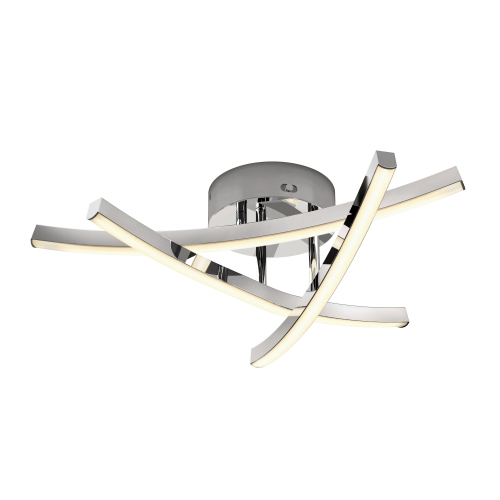
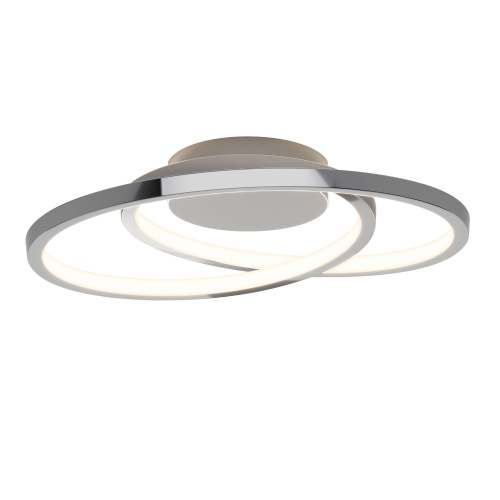
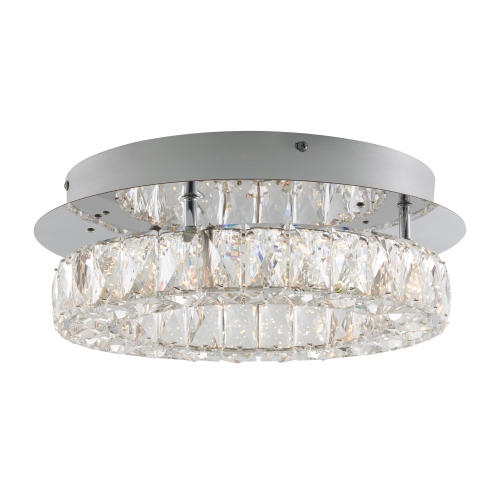
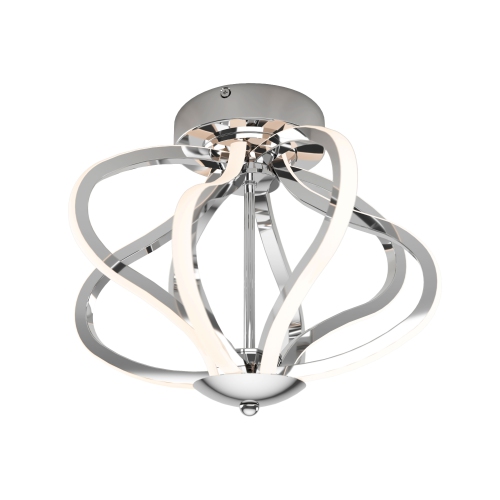
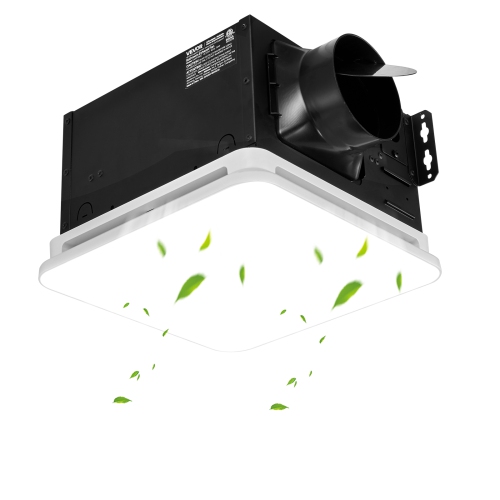
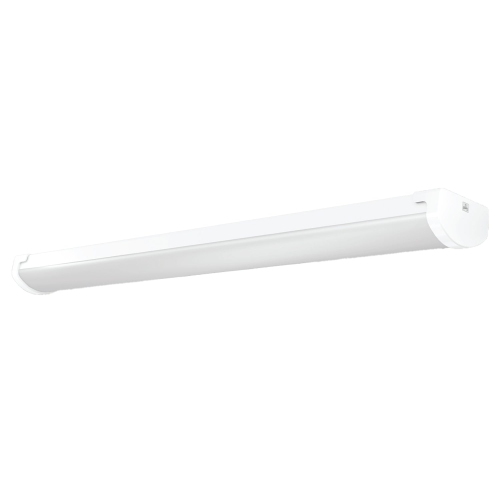
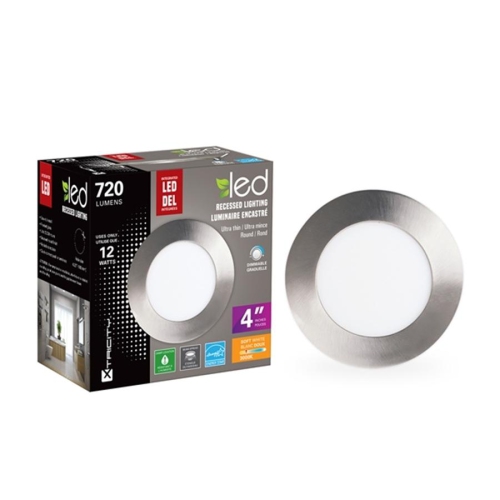
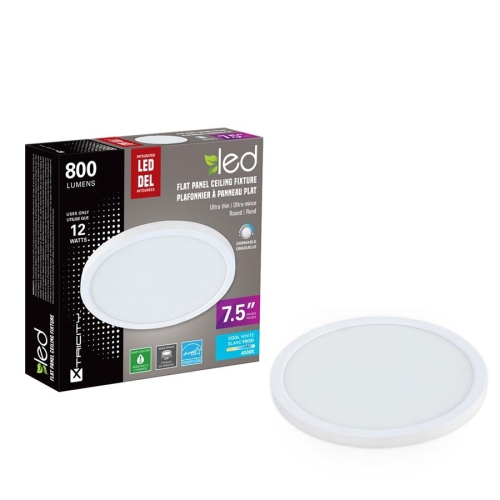
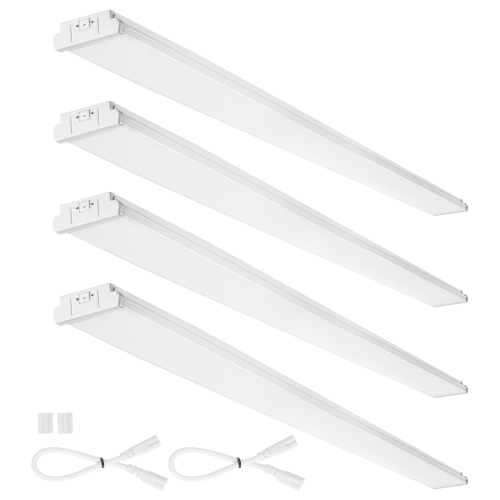
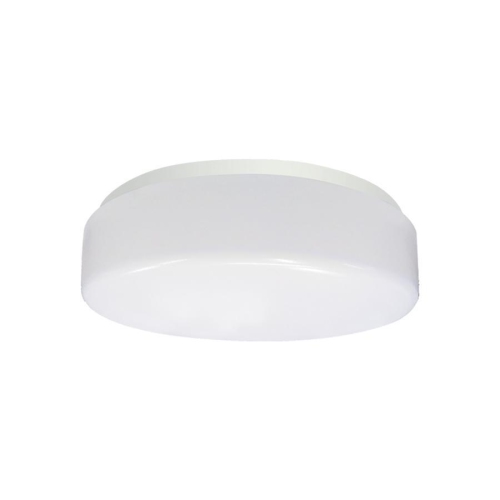
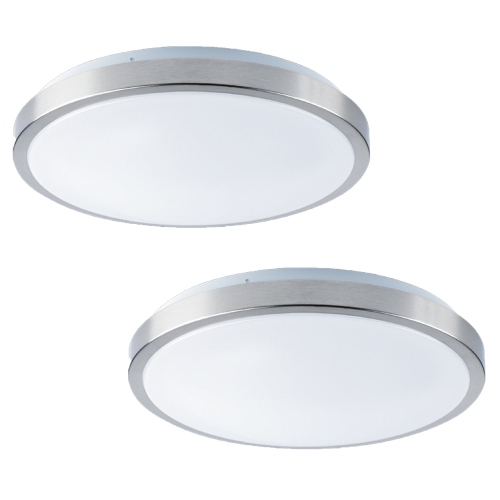
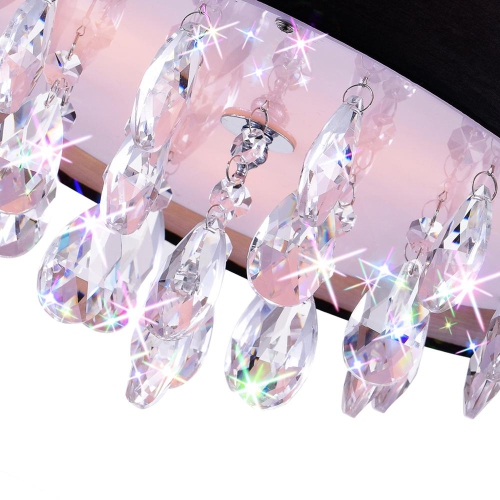
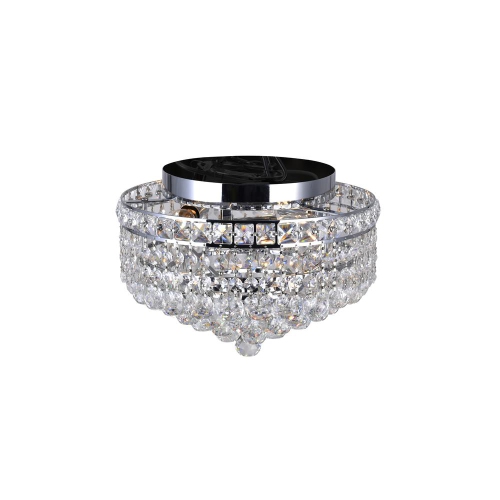
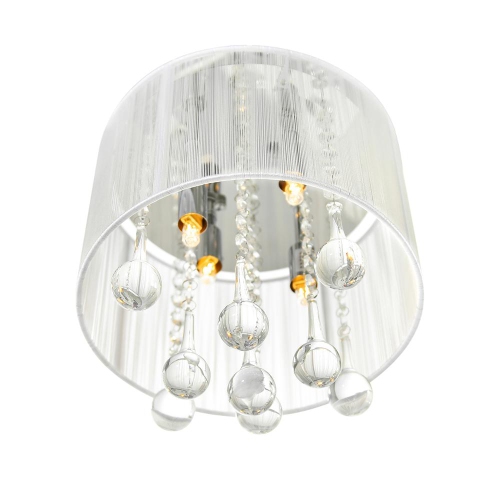
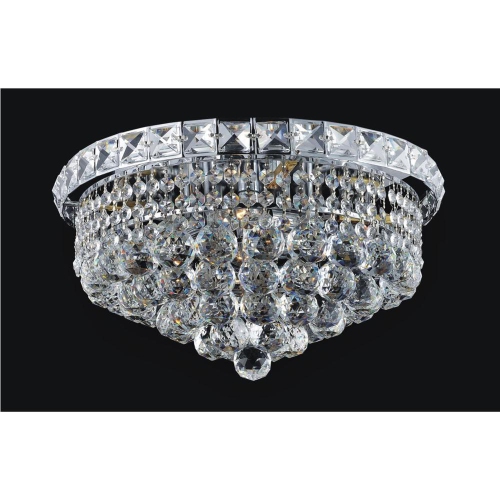
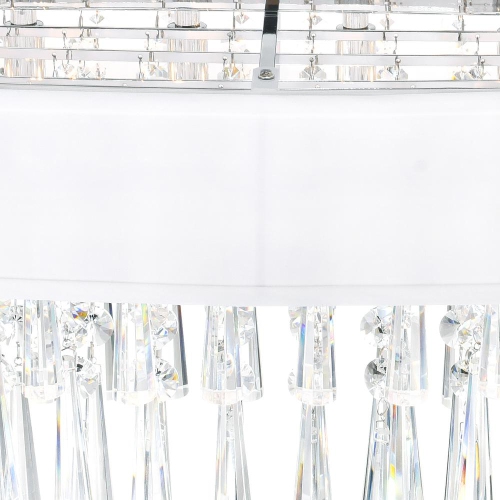
Layered lighting for spotting stains and sorting colours
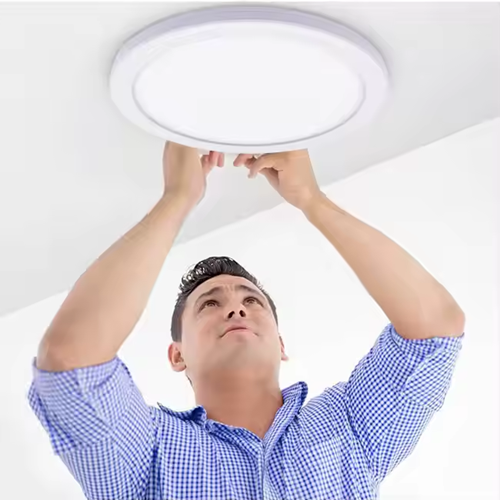
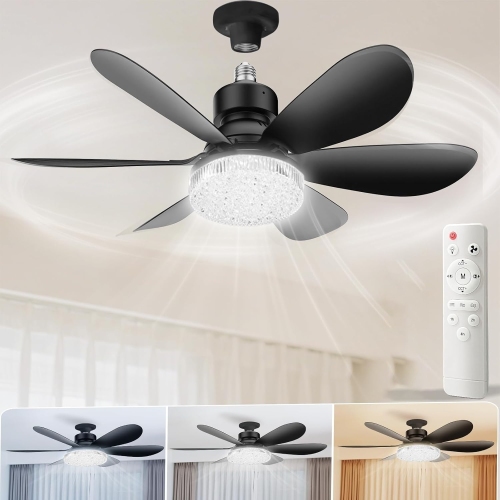
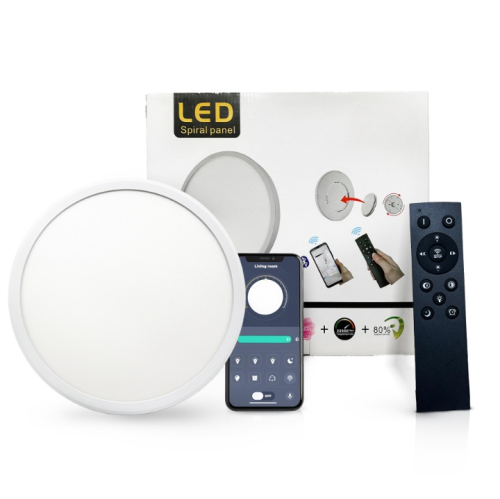
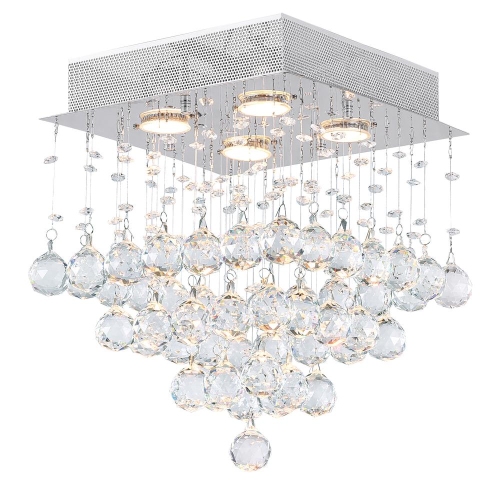
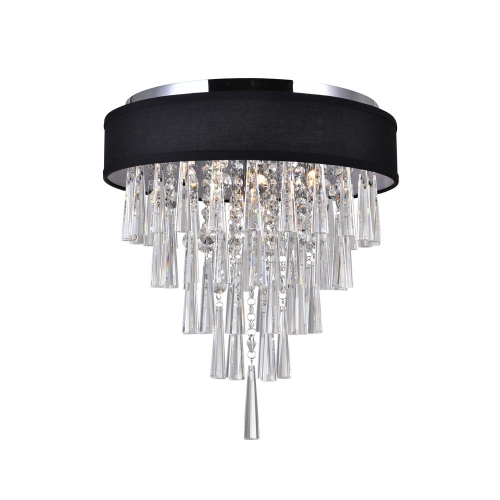
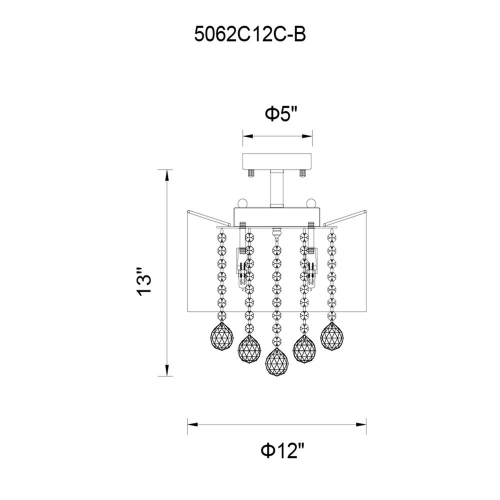
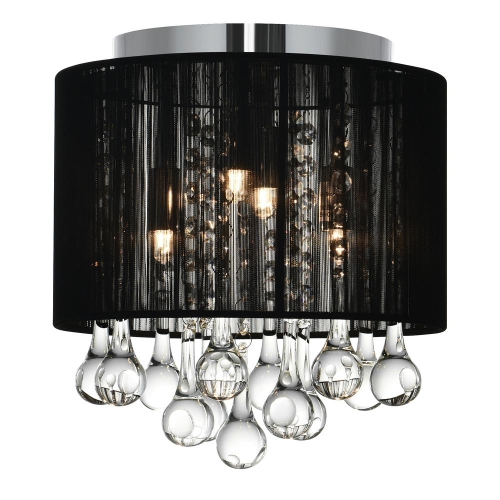
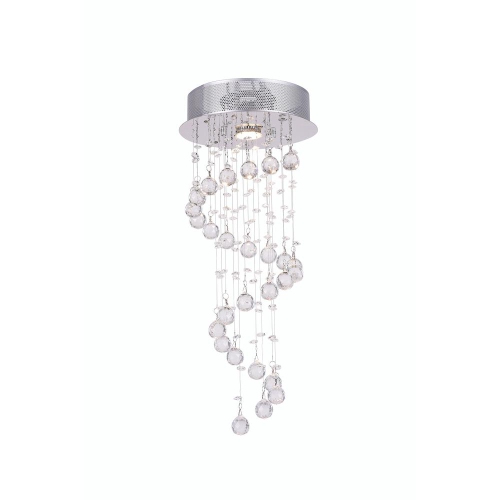
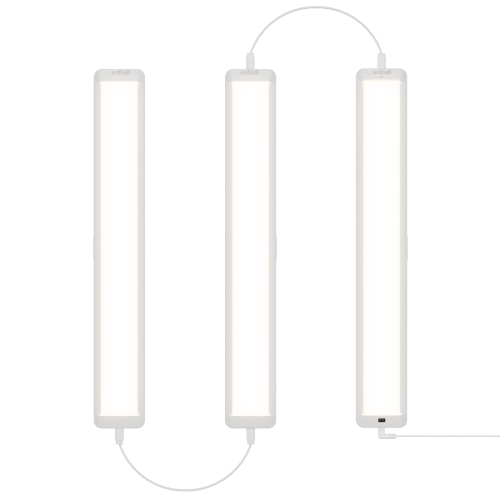
Lighting for laundry rooms works best when bright, even overhead illumination is paired with focused light over counters, sinks, and folding areas. Ceiling lighting makes the whole space easier to navigate, while task lighting helps reveal a faint stain on a shirt cuff, distinguish navy socks from black ones, or read the care label inside a garment. A flush-mount ceiling fixture or low-profile LED panel can suit a compact laundry room, particularly where ceiling height is limited or cabinet doors need clearance. In a longer room, light distributed across the ceiling can provide more consistent coverage than a single fixture at one end. Under-cabinet lighting brings brightness closer to the work surface, reducing the shadow cast when someone stands between an overhead light and the counter. Linear lights can spread illumination along a folding station, while puck-style lights create smaller pools of light beneath individual cabinets. The right balance depends on how the room is used: a laundry closet may need broad illumination across the appliance fronts, while a room with a sink, storage cupboards, and a generous counter benefits from several light sources. Open shelving and stacked appliances also influence where shadows fall, making fixture placement just as important as brightness. Light directed towards the front of shelves helps make detergent labels and basket contents easier to see; lighting positioned only behind tall appliances may leave everyday controls in shadow. For spaces that connect to a kitchen, hallway, or mudroom, a consistent finish or fixture shape can make the laundry area feel like part of the home rather than an afterthought. A pendant or semi-flush-mount fixture can add character where there is enough headroom, but its shape and position should still support clear sightlines and comfortable movement. The most useful arrangement keeps the path to the machines bright and the working surfaces easy to see, whether the task is sorting a full household load or quickly treating a spill before washing.
Brightness, light colour, and glare all affect how comfortable laundry room lighting feels during detailed work. Lumens describe light output, making them more useful than wattage alone when comparing brightness; the amount needed depends on the room’s dimensions, ceiling height, surface colours, and fixture layout. White cabinets and pale walls reflect more light than dark shelving or a deep-coloured floor, so two rooms of similar size can feel quite different under the same lighting. A diffuser softens the view of the light source and can reduce harsh glare on glossy appliance doors, polished counters, or a stainless steel sink. Neutral white light often suits a multipurpose laundry area because it offers a clear appearance without the strongly warm cast associated with some living-space lighting. Colour temperature, measured in kelvins, describes whether white light looks warmer or cooler; it does not indicate how bright a fixture is. Keeping this characteristic similar across ceiling and under-cabinet lights helps the room look consistent. Colour rendering matters, too, especially when separating similar fabrics or checking whether a mark remains after spot treatment. A colour rendering index of 90 or higher can be helpful for these tasks, although lighting alone cannot guarantee that every stain will be visible. Dimmable lighting offers flexibility when the laundry space doubles as a passageway or storage room, provided the light source, fixture, and dimmer are compatible. Separate controls for overhead and task lighting allow a folding counter to stay brightly lit without requiring every light in the room to be on. Motion sensors can be convenient when carrying a basket with both hands, but their placement and timeout settings should accommodate someone standing relatively still while folding. Smart controls may offer scheduling, voice control, or adjustable white light, depending on their features and compatibility with the household’s setup. For adjoining spaces where a more expressive look is part of the plan, Cool Lighting for Rooms offers a related direction, while clear, practical illumination remains the priority around laundry tasks.
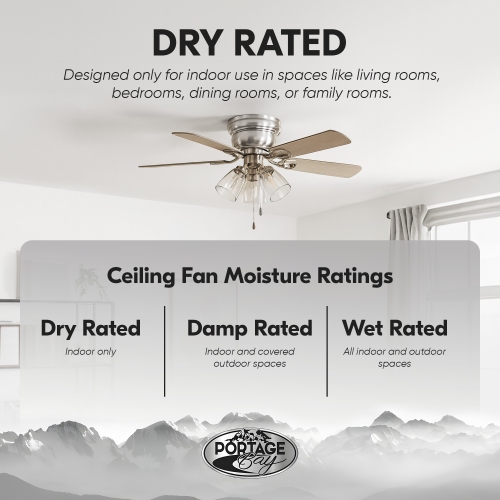
Fixture materials, dimensions, and maintenance requirements deserve as much attention as appearance in a hardworking laundry space. Metal housings with suitable protective finishes can provide a sturdy structure, while glass or acrylic diffusers offer different combinations of weight, appearance, and care needs. Glass can have a crisp, substantial look but may be heavier and require careful handling during cleaning; acrylic is lighter, though some cleaners can scratch or cloud its surface. Smooth housings and simple profiles tend to be easier to wipe than intricate shapes that collect lint and dust. Following the manufacturer’s cleaning directions, switching off power as instructed, and allowing lights to cool before handling helps protect both the fixture and its finish. Moisture exposure is another consideration around a utility sink or in a room where humidity builds up. A fixture’s dry-, damp-, or wet-location rating should match its installation location and applicable electrical requirements; a damp-location rating does not mean a light is suitable for direct splashing. Effective ventilation still matters, regardless of the fixture chosen. Physical fit includes more than ceiling height: cabinet doors, raised appliance lids, tall storage units, and the space used to lift baskets all need unobstructed clearance. Under-cabinet fixtures should fit within the cabinet’s underside and keep wiring away from water, heat sources, and moving appliance parts. Plug-in designs require an appropriate outlet and tidy cord placement, while hardwired lighting should be installed by a qualified electrician in accordance with local requirements. Integrated LED fixtures have the light source built in, so it is worth checking whether the LED module or driver can be replaced; fixtures with replaceable bulbs offer a different approach to ongoing maintenance. Accessible switches, manageable glare, and light that reaches shelf labels can make the room more comfortable for people with varying vision or mobility needs. In a shared household, dependable illumination supports everything from checking pockets to pairing socks and putting linens away. Well-suited laundry room lighting brings those small, repeated tasks into clear view without making the room feel harsh or crowded.
Brightness, light colour, and glare all affect how comfortable laundry room lighting feels during detailed work. Lumens describe light output, making them more useful than wattage alone when comparing brightness; the amount needed depends on the room’s dimensions, ceiling height, surface colours, and fixture layout. White cabinets and pale walls reflect more light than dark shelving or a deep-coloured floor, so two rooms of similar size can feel quite different under the same lighting. A diffuser softens the view of the light source and can reduce harsh glare on glossy appliance doors, polished counters, or a stainless steel sink. Neutral white light often suits a multipurpose laundry area because it offers a clear appearance without the strongly warm cast associated with some living-space lighting. Colour temperature, measured in kelvins, describes whether white light looks warmer or cooler; it does not indicate how bright a fixture is. Keeping this characteristic similar across ceiling and under-cabinet lights helps the room look consistent. Colour rendering matters, too, especially when separating similar fabrics or checking whether a mark remains after spot treatment. A colour rendering index of 90 or higher can be helpful for these tasks, although lighting alone cannot guarantee that every stain will be visible. Dimmable lighting offers flexibility when the laundry space doubles as a passageway or storage room, provided the light source, fixture, and dimmer are compatible. Separate controls for overhead and task lighting allow a folding counter to stay brightly lit without requiring every light in the room to be on. Motion sensors can be convenient when carrying a basket with both hands, but their placement and timeout settings should accommodate someone standing relatively still while folding. Smart controls may offer scheduling, voice control, or adjustable white light, depending on their features and compatibility with the household’s setup. For adjoining spaces where a more expressive look is part of the plan, Cool Lighting for Rooms offers a related direction, while clear, practical illumination remains the priority around laundry tasks.
Fixture materials, dimensions, and maintenance requirements deserve as much attention as appearance in a hardworking laundry space. Metal housings with suitable protective finishes can provide a sturdy structure, while glass or acrylic diffusers offer different combinations of weight, appearance, and care needs. Glass can have a crisp, substantial look but may be heavier and require careful handling during cleaning; acrylic is lighter, though some cleaners can scratch or cloud its surface. Smooth housings and simple profiles tend to be easier to wipe than intricate shapes that collect lint and dust. Following the manufacturer’s cleaning directions, switching off power as instructed, and allowing lights to cool before handling helps protect both the fixture and its finish. Moisture exposure is another consideration around a utility sink or in a room where humidity builds up. A fixture’s dry-, damp-, or wet-location rating should match its installation location and applicable electrical requirements; a damp-location rating does not mean a light is suitable for direct splashing. Effective ventilation still matters, regardless of the fixture chosen. Physical fit includes more than ceiling height: cabinet doors, raised appliance lids, tall storage units, and the space used to lift baskets all need unobstructed clearance. Under-cabinet fixtures should fit within the cabinet’s underside and keep wiring away from water, heat sources, and moving appliance parts. Plug-in designs require an appropriate outlet and tidy cord placement, while hardwired lighting should be installed by a qualified electrician in accordance with local requirements. Integrated LED fixtures have the light source built in, so it is worth checking whether the LED module or driver can be replaced; fixtures with replaceable bulbs offer a different approach to ongoing maintenance. Accessible switches, manageable glare, and light that reaches shelf labels can make the room more comfortable for people with varying vision or mobility needs. In a shared household, dependable illumination supports everything from checking pockets to pairing socks and putting linens away. Well-suited laundry room lighting brings those small, repeated tasks into clear view without making the room feel harsh or crowded.
Top selling and popular products
-
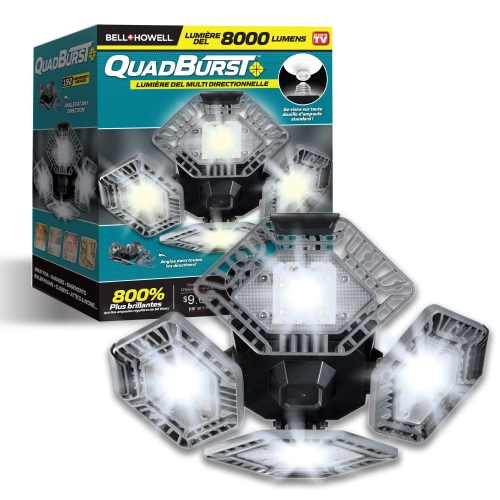 Your price for this item is $49.95
 -
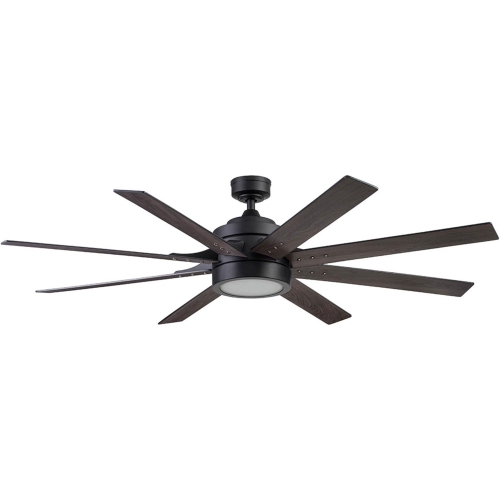 Your price for this item is $424.99
 -
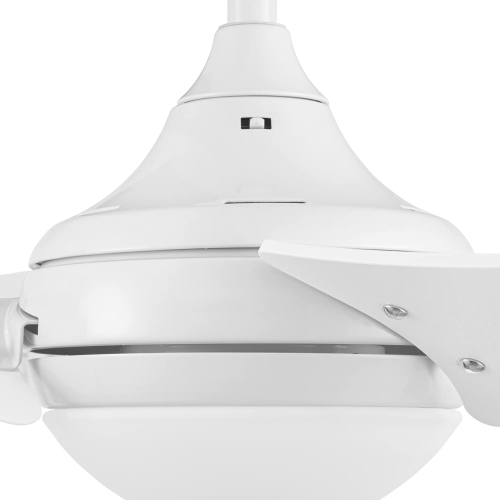 Your price for this item is $205.99
 -
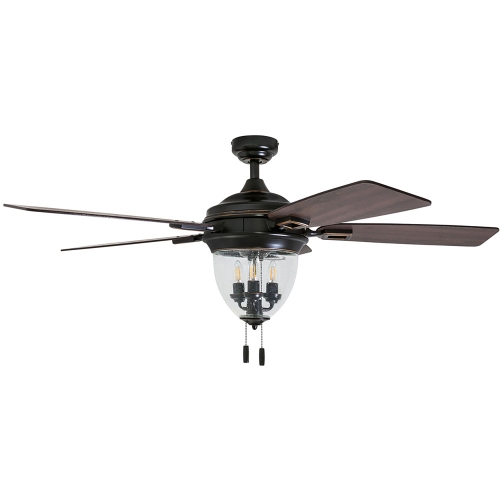 Your price for this item is $287.99
 -
 Your price for this item is $184.99
 -
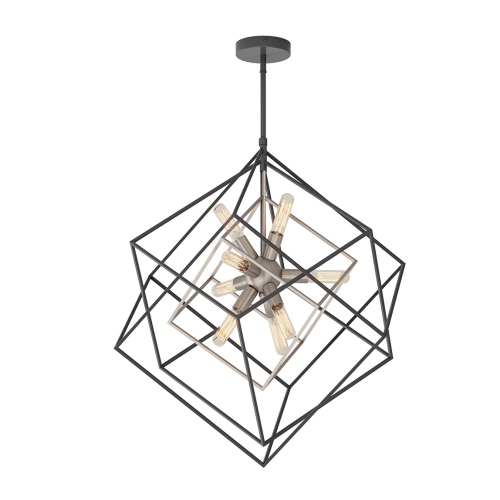 Your price for this item is $299
 -
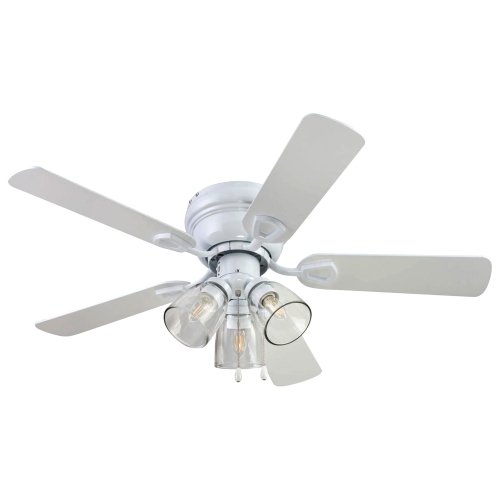 Your price for this item is $193.99
 -
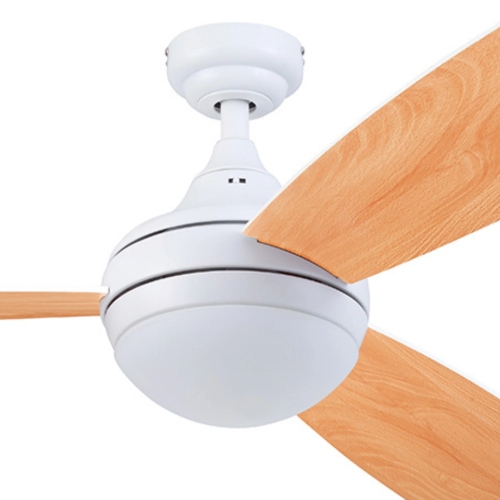 Your price for this item is $176.99
Discover more categories related to Lighting for Laundry Rooms
Top Collections:
Pokemon Centers, Kindle Devices, Best Budget Office Chairs, Apple iPhones 16, Best Laptops for Writers, iPhone 15 Apple, Canon G7X Cameras, Refurbished Apple Laptops, Alarm Clock, Motorola Razr Phones
Some products may be subject to Environmental Handling Fees
(EHF) depending on your province.
Learn more about EHFs.