Lighting for Sewing Rooms
Lighting for Sewing Rooms plays a crucial role in creating a comfortable and efficient workspace. The right lighting can help you see fine details clearly, reduce eye strain, and enhance your overall sewing experience. Whether you are working on intricate patterns or large projects, choosing the ideal lighting setup can make a significant difference in your productivity and enjoyment. Explore a variety of options designed to brighten your sewing room and support every creative endeavor.
Sort
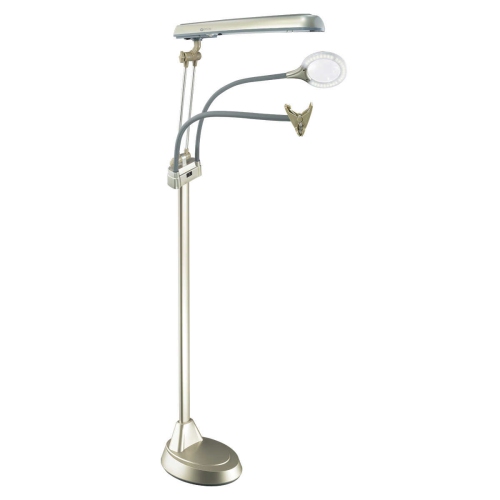
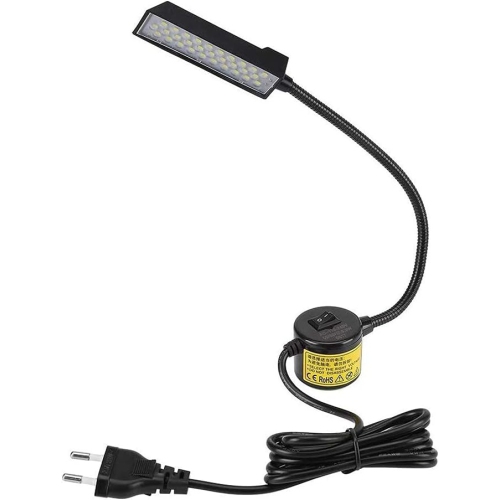
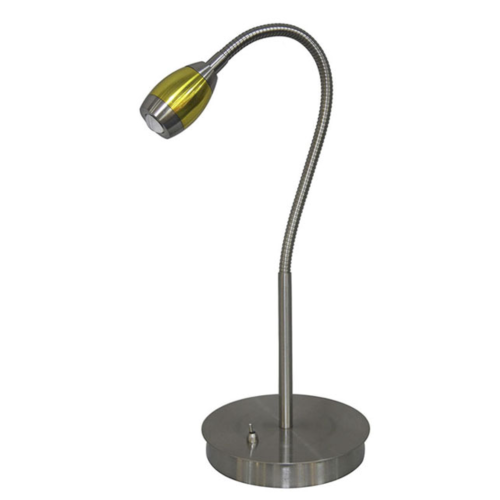
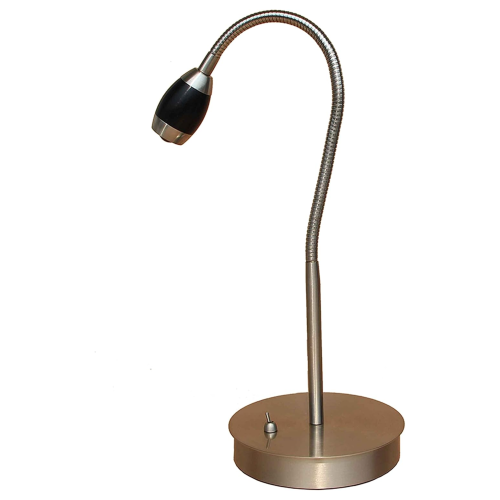
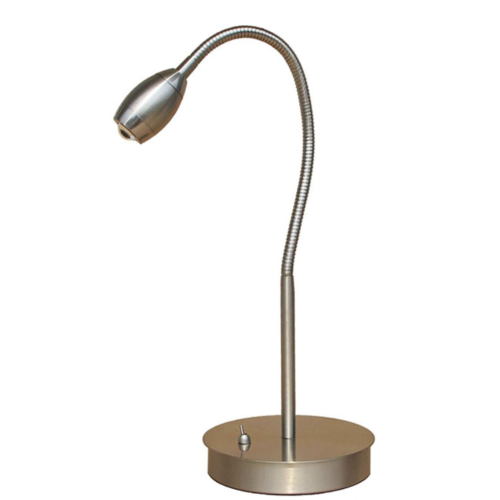
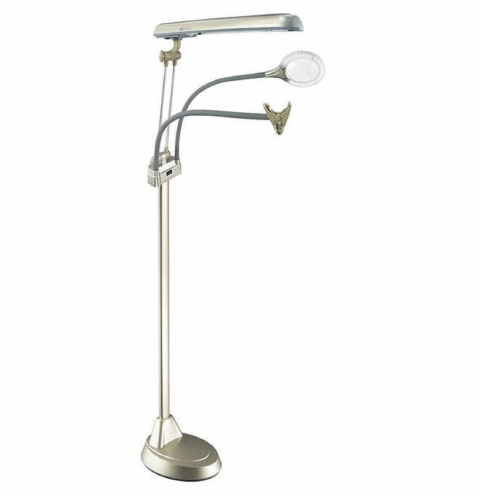
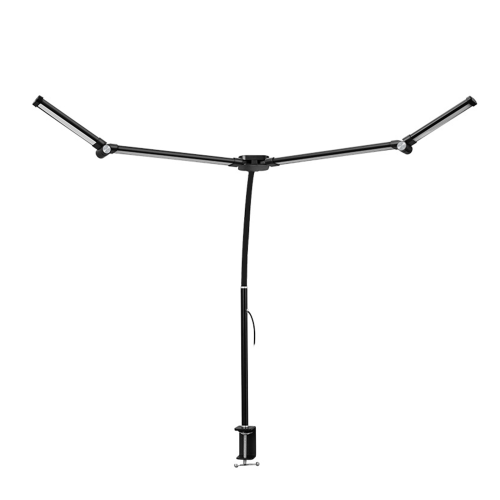
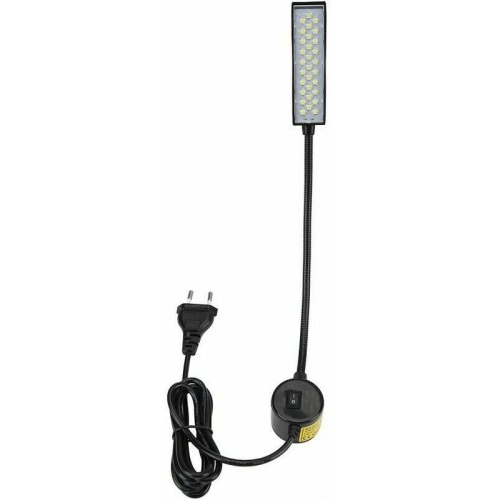
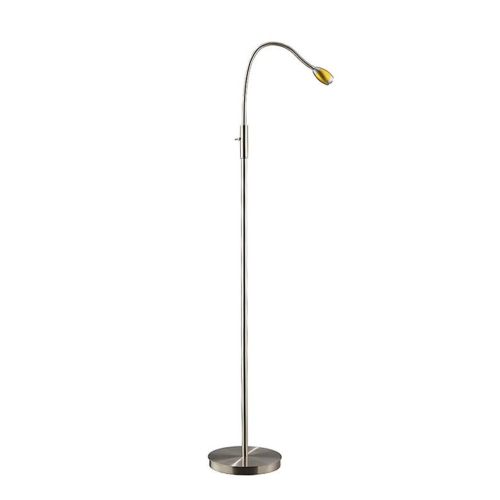
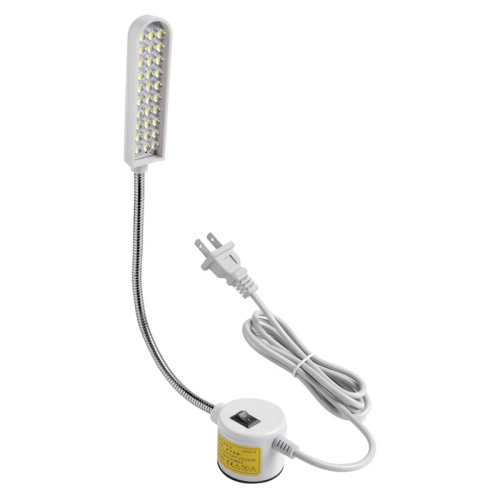
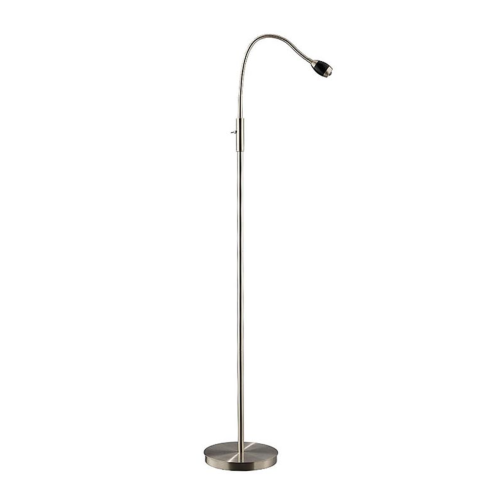
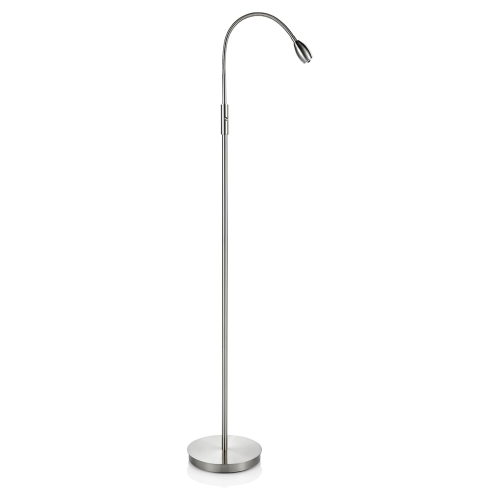
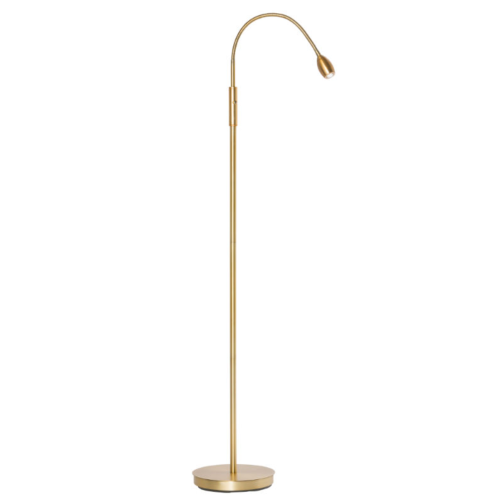
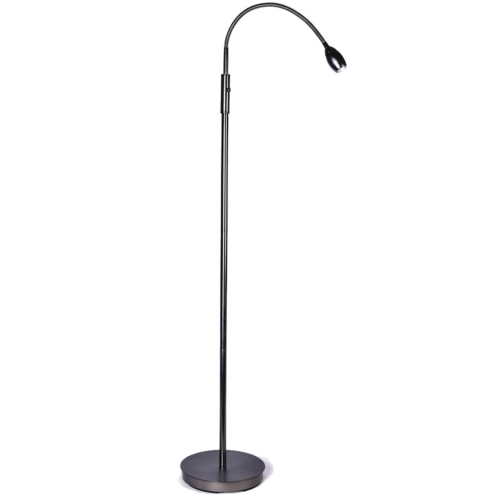
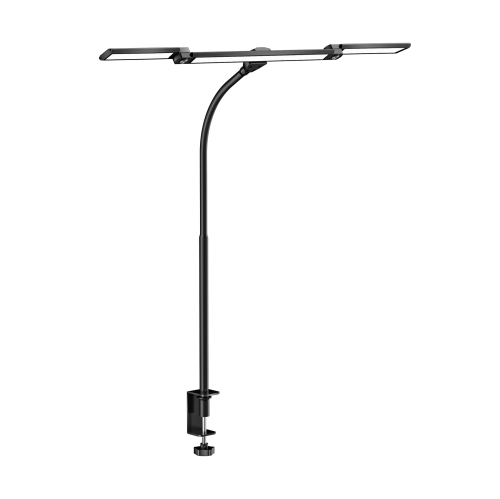
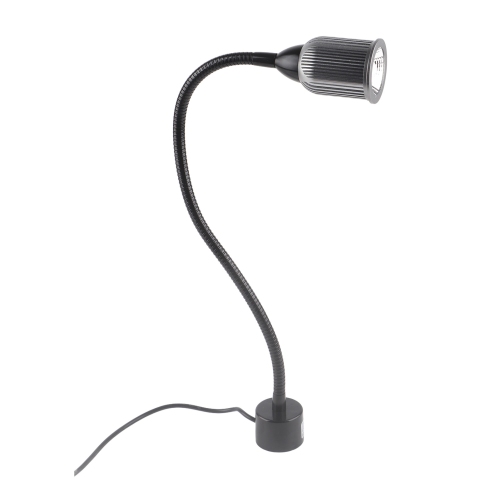
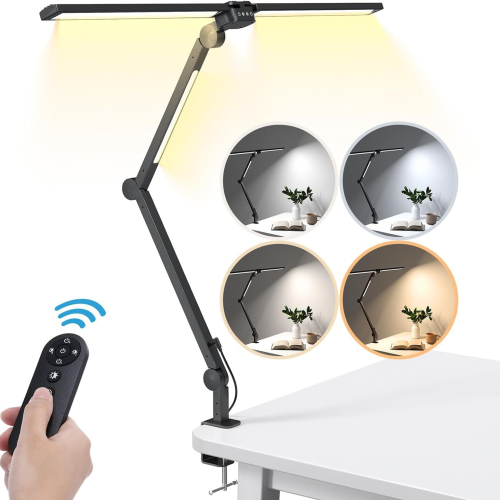

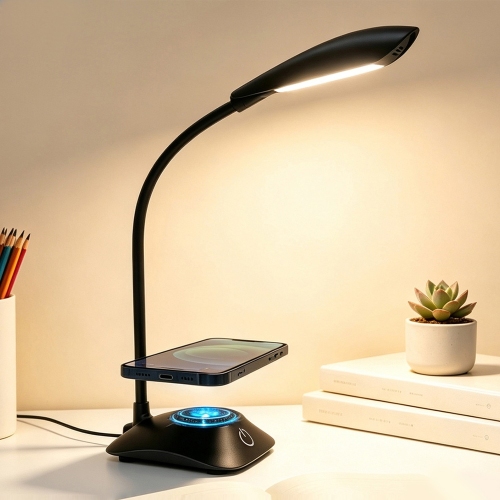
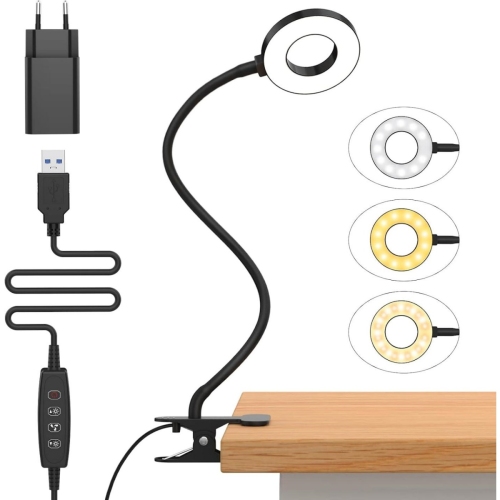
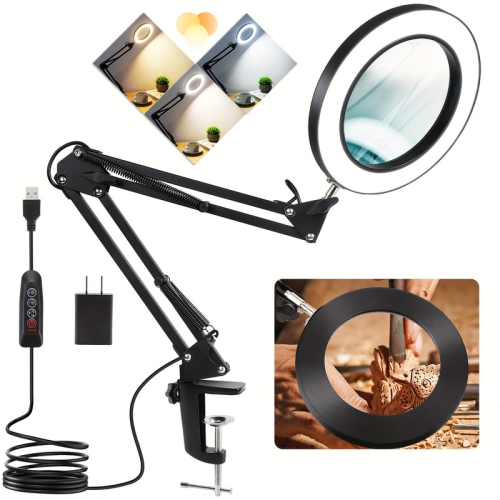
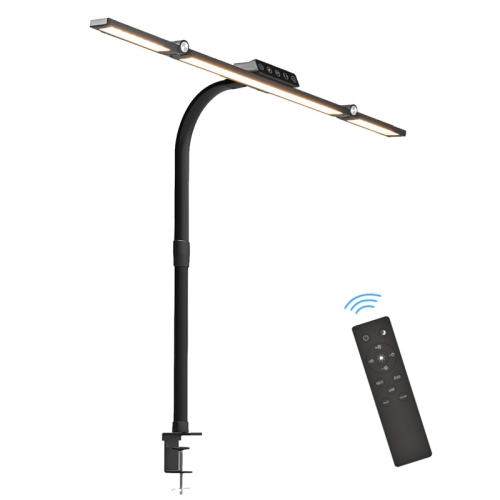
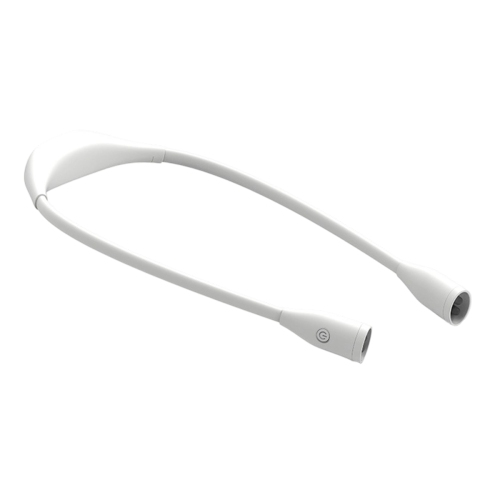
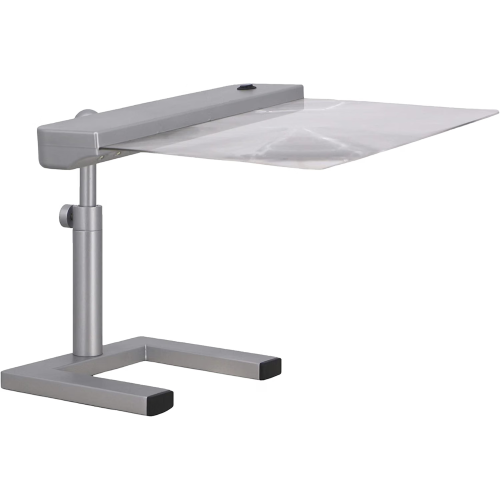
How layered lighting brings sewing details into focus
Lighting for sewing rooms works best as a combination of even ambient illumination, focused task lighting, and supplementary light for areas such as fabric storage, cutting tables, and pressing stations. Overhead lighting establishes a comfortable level of brightness across the room, while an adjustable desk lamp, clamp-on light, or floor lamp directs illumination towards the work itself. This layered approach helps reduce the contrast between a brightly lit needle area and a dim surrounding space. A sewing machine’s built-in light may illuminate the presser foot well, but it does not necessarily reach a wide quilt top, a pattern spread across a table, or the markings on fabric beside the machine. Broad, diffused light is useful for these larger surfaces, while a more concentrated beam suits threading needles, removing stitches, and working with fine seams. Colour rendering also matters when matching thread, choosing lining, or comparing similar shades of fabric. A colour rendering index, or CRI, of 90 or higher is a useful feature for colour-sensitive work, although no lamp can guarantee that a fabric will look identical under every lighting condition. Colour temperature describes whether light appears warm, neutral, or cool; it is separate from colour rendering. Neutral to cool white light, often around 3500 K to 5000 K, can suit detailed sewing, while adjustable settings offer flexibility for different tasks and preferences. Similar colour temperatures across the workspace make it easier to assess materials without moving between noticeably yellow and blue pools of light. Daylight can provide useful supplementary illumination, but its brightness and direction vary, so dedicated lighting remains important. Diffusers, shaded light sources, and adjustable positioning help manage glare, particularly around shiny machine surfaces, acrylic rulers, and glossy pattern envelopes. The aim is clear visibility across the working area, not simply the brightest possible lamp. Lumens indicate light output, but beam spread, distance from the fabric, and the size of the illuminated area all affect how useful that output feels at the sewing table.
The physical fit of sewing room lighting is just as important as its brightness. A compact task lamp can suit a small sewing desk, while a long-reach arm may be better suited to a deep worktop or a cutting surface that needs clear space around its edges. Clamp-mounted designs leave more of the tabletop free for fabric, scissors, and pattern pieces, but compatibility depends on the thickness and shape of the table edge. A substantial base can provide stability where a clamp will not fit, although its footprint needs to leave room for fabric to move without catching. Floor lamps offer another approach when the desk is crowded, provided the base and cord remain clear of chair wheels, foot pedals, and walking routes. Adjustable arms, rotating heads, and flexible necks allow the light to reach a seam without forcing the user to lean into an awkward position. For someone who sews right-handed, illumination from the left may reduce hand shadows during handwork; machine shape and project size can change the most effective placement. A shade or light head that stays below the direct line of sight can also limit distracting glare. Materials and construction influence how well a lamp handles frequent repositioning. Metal arms and housings can provide rigidity, while well-made plastic components can keep a light head easier to manoeuvre. Stable joints, secure clamps, and accessible controls are practical details for a workspace used regularly. Smooth, easy-to-wipe surfaces are helpful around lint, thread fibres, and chalk dust. Care generally involves disconnecting the light, allowing it to cool, and cleaning it according to the manufacturer’s directions, without spraying liquid into switches or joints. Replaceable-bulb fixtures allow compatible bulbs to be changed separately, while integrated LED designs have different servicing requirements. Dimming controls, bulb compatibility, and access to replacement parts can all affect long-term usability. Cord length and switch placement matter too: controls within comfortable reach are useful when a large project makes it difficult to move away from the machine.
Different sewing projects place different demands on a lighting arrangement. A quilter spreading blocks across a table benefits from illumination that reaches the corners as well as the centre, making seams, cutting lines, and fabric placement easier to see. Dressmaking often involves moving between the machine, a full-length mirror, and a larger layout surface, so balanced room lighting supports the whole process rather than one isolated spot. Embroidery, appliqué, beading, and mending call for closer attention to small details, where a repositionable task light can illuminate individual stitches. Magnifying lamps may help with fine work, although the lens size, working distance, and space beneath it affect comfort and access for the hands. Dark fabrics, dense textures, and low-contrast thread can need more directed illumination than a light cotton with bold markings. At a pressing station, light reaching the fabric from an angle can make folds and seam allowances more visible, while the fixture itself needs a position clear of the iron, steam, and moving fabric. Shelving and cupboard lighting can make stored thread, notions, and folded fabrics easier to distinguish without relying on a single ceiling fixture. In a shared utility space, the same attention to visibility and practical placement connects naturally with Lighting for Laundry Rooms, especially where sewing, clothing care, and storage share a work surface. Adjustable lighting can suit beginners building a compact sewing corner, experienced makers using several workstations, or anyone adapting a multipurpose room for creative projects. It can also be a thoughtful gift for someone who spends time quilting, altering garments, or stitching by hand, particularly when the lamp’s mounting style matches their workspace. Across these uses, the most useful lighting combines clear coverage, manageable glare, dependable adjustment, and a physical design that leaves room for the fabric and the person working with it.
Top selling and popular products
-
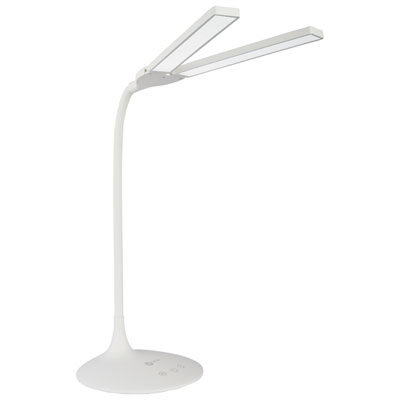 Your price for this item is $79.99
-
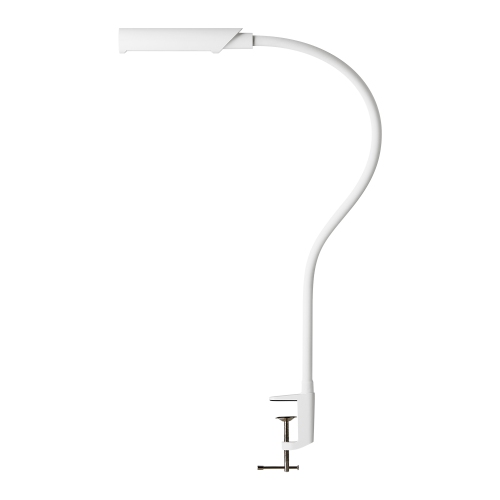 Your price for this item is $79
-
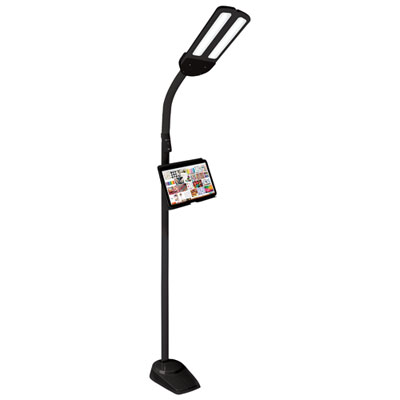 Your price for this item is $279.99
-
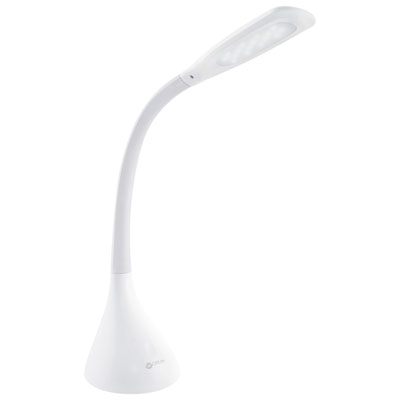 Your price for this item is $59.99
-
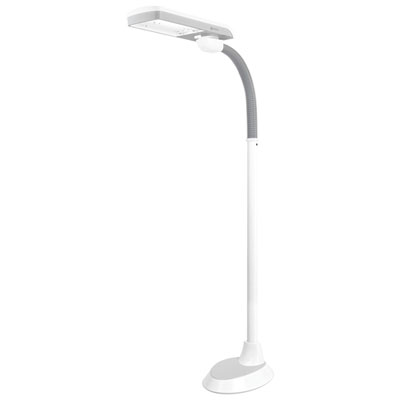 Your price for this item is $199.99
-
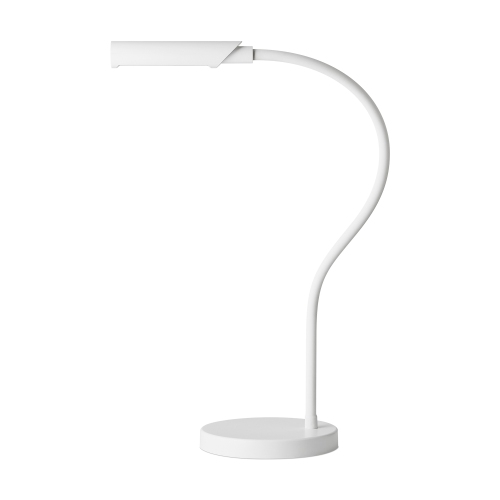 Your price for this item is $119
-
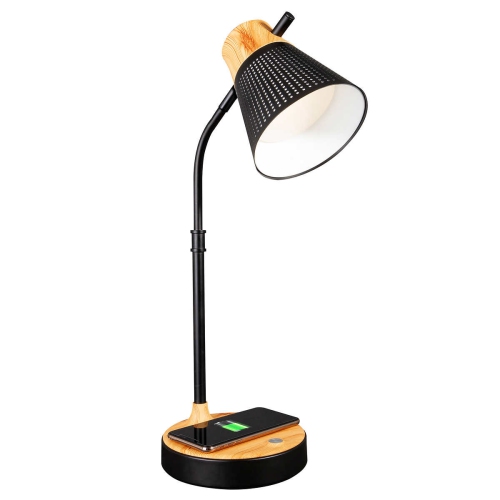 Your price for this item is $116.01
-
 Your price for this item is $185
Discover more categories related to Lighting for Sewing Rooms
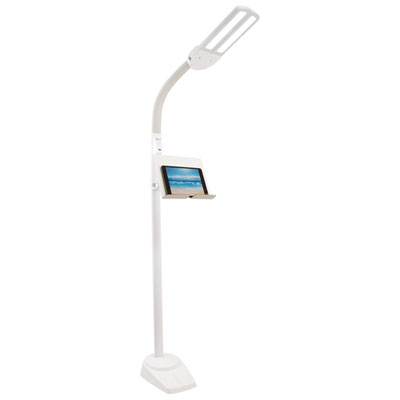
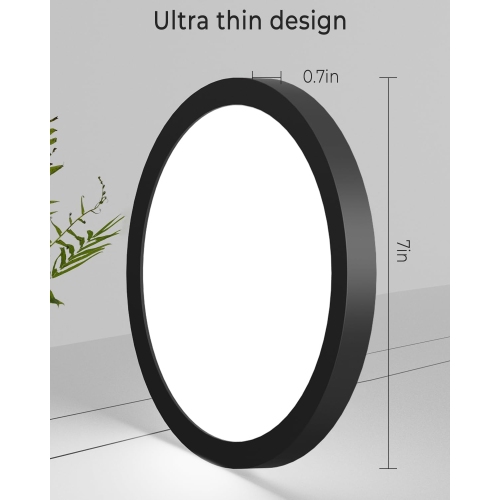
Top Collections:
Best Black Friday Deals This Year, Best Black Friday Deals On Electronics, Kindle Devices, Pokemon Centers, Best Black Friday Deals On Apple Products, Best Cameras for Sports Photography, Dyson Airwrap, Pokémon 30th Celebration Cards, Apple iPhone 17 Pro, Canon G7X Cameras
Some products may be subject to Environmental Handling Fees
(EHF) depending on your province.
Learn more about EHFs.