Lighting for Workshops
Lighting for workshops is essential for creating a bright, functional environment where every project can shine. Whether you’re tackling woodworking, automotive repairs, or creative crafts, the right illumination helps boost productivity and precision. Explore a wide range of lighting for workshops designed to suit spaces of all sizes and layouts, making it easier to see details and work comfortably at any time of day. Find options that fit your needs and transform your workspace into an efficient, well-lit hub for all your tasks.
Sort
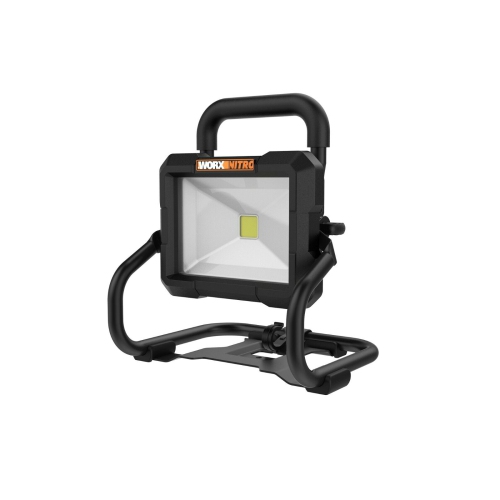
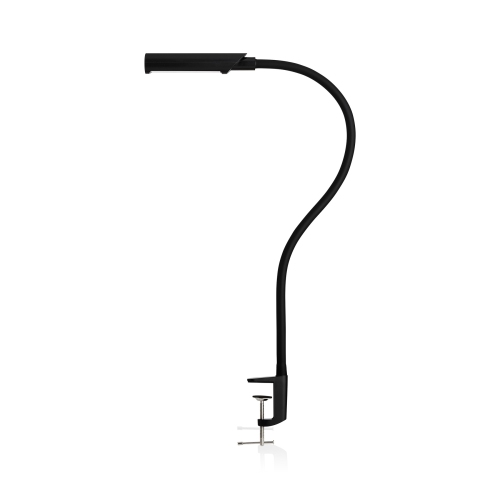
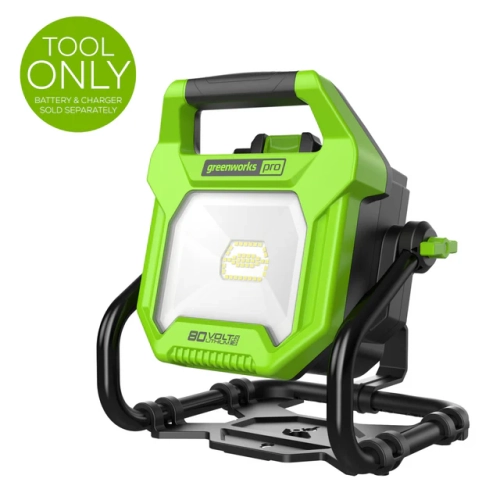
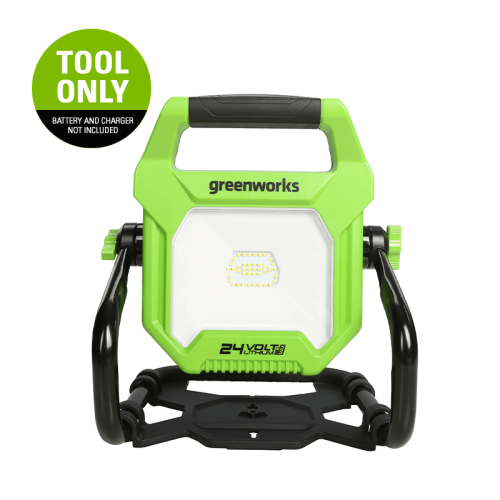
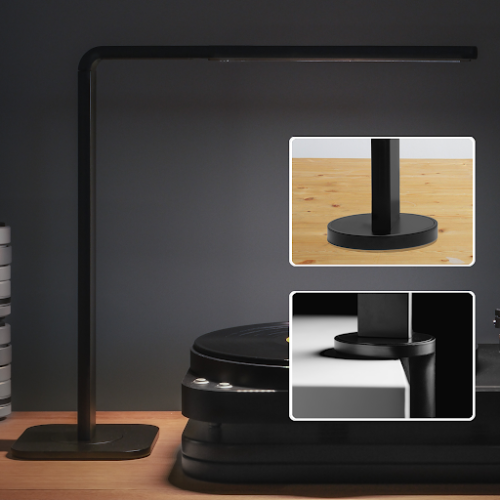
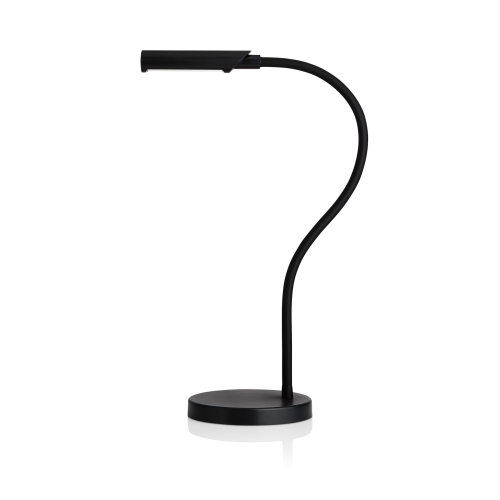
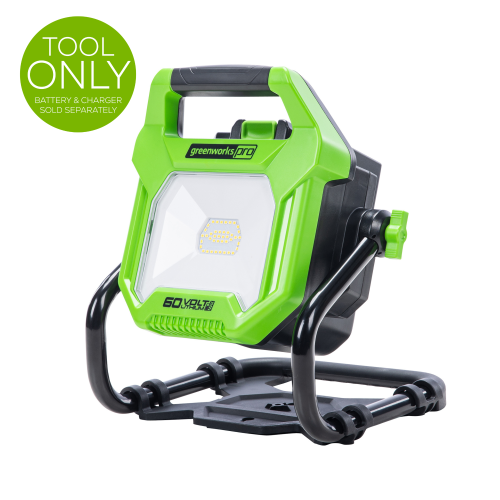
The right light reveals details across every work surface
Lighting for workshops should make every task easier to see, from reading a measurement on a tape measure to inspecting a solder joint, sanding a cabinet edge, or locating a small fastener on a crowded bench. The most useful setup usually combines broad overhead illumination with focused task lighting, rather than relying on a single fixture in the centre of the room. For general workshop areas, a practical target is approximately 70 to 100 lumens per square foot; detailed bench work, painting, electronics, carving, and other precision tasks may benefit from 100 to 150 lumens per square foot at the work surface. The ideal amount depends on ceiling height, wall colour, the layout of tools, and how much daylight enters through windows, but even coverage is just as important as total brightness. Linear shop lights, LED tubes, flush-mount fixtures, and other wide-beam designs can help distribute light along the length of a garage, basement, shed, studio, or utility room. Four-foot fixtures are a common choice because they suit many ceiling layouts and can be arranged in rows above work areas, storage aisles, and machinery. Look for models with practical mounting options, suitable cord lengths, pull chains or wall-switch compatibility, and linkable designs when several fixtures need to operate from one control point. Before choosing, measure the room and note the location of ceiling joists, outlets, garage-door tracks, shelving, and tall equipment. A neat lighting plan leaves enough clearance for moving lumber, opening storage cabinets, and handling long materials without creating awkward dark patches.
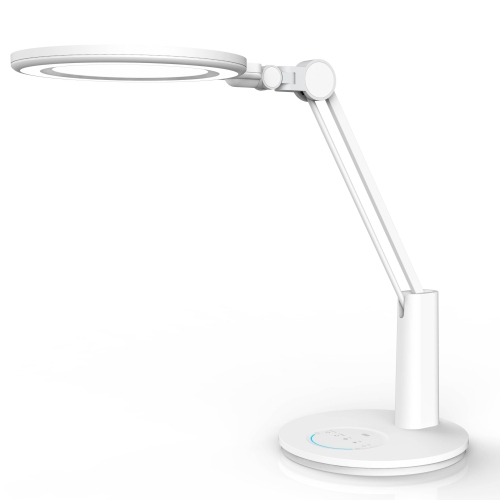
Colour temperature affects how a workshop feels and how accurately details appear. A 5,000K daylight-white light is often preferred for crisp visibility, especially when reading scales, checking cuts, matching finishes, or working with small components. A 4,000K neutral-white option can provide a comfortable middle ground for general repairs and multipurpose rooms, with less of a stark appearance while still keeping the workspace clear. Colour Rendering Index, or CRI, is another useful specification: a CRI of 80 or higher is suitable for many everyday workshop tasks, while a CRI of 90 or higher is helpful for painting, finishing, model building, fabric work, and colour matching. Glare and shadows deserve equal attention. A bare, intensely bright point can be uncomfortable to look at and may reflect off glossy finishes, while a fixture with a diffuser can soften the light and make long work sessions more comfortable. Install or position overhead lights so that your head, arms, and tools do not cast a shadow directly across the project. In a woodworking area, for example, fixtures placed in parallel rows can brighten both sides of a bench; in a mechanical workspace, additional illumination near the front and sides of a vehicle can reveal edges and fasteners that overhead light misses. Adjustable work lights, clamp lights, magnetic lights, and articulated task lamps are especially useful over drill presses, lathes, vises, sewing tables, electronics benches, and inspection areas. A movable light can follow the project as it changes position, while a fixed task fixture can keep a frequently used station ready for detailed work. During the cooler months, when a workshop may be used with doors and windows closed for longer periods, dependable local lighting can make a compact indoor work area feel more practical and inviting.
When comparing lighting for workshops, consider the entire routine rather than the fixture alone. Check the lumens, colour temperature, CRI, beam spread, dimensions, mounting hardware, operating temperature range, and whether the light is intended for dry indoor use or a more demanding garage environment. A sealed design may be preferable where dust, sawdust, or occasional moisture is part of the workspace, while a lightweight plug-in fixture can suit renters, temporary workstations, and hobby areas that change layout throughout the year. For a permanent installation, think about switching zones so that storage, general work areas, and precision benches can be lit independently. This avoids flooding the whole room when you only need light over one project and makes it easier to create a comfortable level for different activities. Portable rechargeable work lights are convenient for inspections, repairs outside the main bench area, and projects that move between the garage, shed, vehicle, and home. They can also be thoughtful gifts for a woodworker, mechanic, model maker, DIY enthusiast, artist, or student setting up a first workshop. Someone who already has plenty of hand tools may appreciate a better-lit bench more than another tool, particularly when the existing room has a dim corner or a fixture blocked by shelving. For craft-focused work such as quilting, jewellery making, painting, and miniature building, explore complementary options such as Lighting for Craft Rooms. Whether the space is a single-car garage, a dedicated basement room, or a small bench beside the laundry area, well-planned lighting helps reveal surface texture, reduces avoidable shadows, and supports safer, more confident work from setup through clean-up.
Colour temperature affects how a workshop feels and how accurately details appear. A 5,000K daylight-white light is often preferred for crisp visibility, especially when reading scales, checking cuts, matching finishes, or working with small components. A 4,000K neutral-white option can provide a comfortable middle ground for general repairs and multipurpose rooms, with less of a stark appearance while still keeping the workspace clear. Colour Rendering Index, or CRI, is another useful specification: a CRI of 80 or higher is suitable for many everyday workshop tasks, while a CRI of 90 or higher is helpful for painting, finishing, model building, fabric work, and colour matching. Glare and shadows deserve equal attention. A bare, intensely bright point can be uncomfortable to look at and may reflect off glossy finishes, while a fixture with a diffuser can soften the light and make long work sessions more comfortable. Install or position overhead lights so that your head, arms, and tools do not cast a shadow directly across the project. In a woodworking area, for example, fixtures placed in parallel rows can brighten both sides of a bench; in a mechanical workspace, additional illumination near the front and sides of a vehicle can reveal edges and fasteners that overhead light misses. Adjustable work lights, clamp lights, magnetic lights, and articulated task lamps are especially useful over drill presses, lathes, vises, sewing tables, electronics benches, and inspection areas. A movable light can follow the project as it changes position, while a fixed task fixture can keep a frequently used station ready for detailed work. During the cooler months, when a workshop may be used with doors and windows closed for longer periods, dependable local lighting can make a compact indoor work area feel more practical and inviting.
When comparing lighting for workshops, consider the entire routine rather than the fixture alone. Check the lumens, colour temperature, CRI, beam spread, dimensions, mounting hardware, operating temperature range, and whether the light is intended for dry indoor use or a more demanding garage environment. A sealed design may be preferable where dust, sawdust, or occasional moisture is part of the workspace, while a lightweight plug-in fixture can suit renters, temporary workstations, and hobby areas that change layout throughout the year. For a permanent installation, think about switching zones so that storage, general work areas, and precision benches can be lit independently. This avoids flooding the whole room when you only need light over one project and makes it easier to create a comfortable level for different activities. Portable rechargeable work lights are convenient for inspections, repairs outside the main bench area, and projects that move between the garage, shed, vehicle, and home. They can also be thoughtful gifts for a woodworker, mechanic, model maker, DIY enthusiast, artist, or student setting up a first workshop. Someone who already has plenty of hand tools may appreciate a better-lit bench more than another tool, particularly when the existing room has a dim corner or a fixture blocked by shelving. For craft-focused work such as quilting, jewellery making, painting, and miniature building, explore complementary options such as Lighting for Craft Rooms. Whether the space is a single-car garage, a dedicated basement room, or a small bench beside the laundry area, well-planned lighting helps reveal surface texture, reduces avoidable shadows, and supports safer, more confident work from setup through clean-up.
Top selling and popular products
-
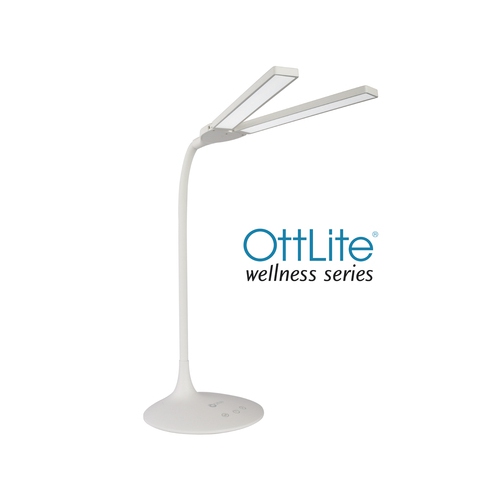 Your price for this item is $114.95
 -
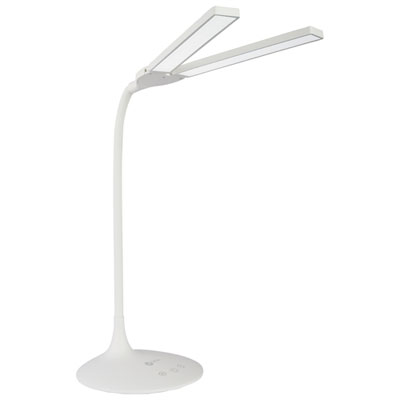 Your price for this item is $79.99
 -
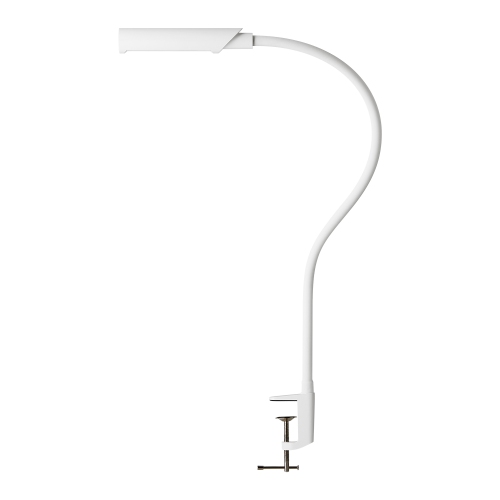 Your price for this item is $79
 -
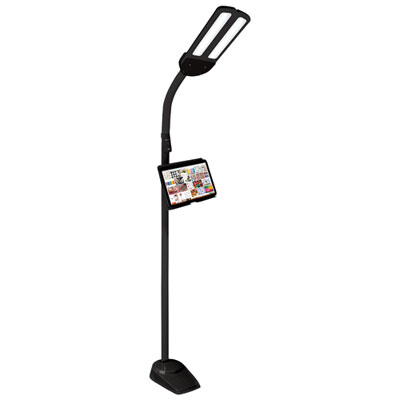 Your price for this item is $279.99
 -
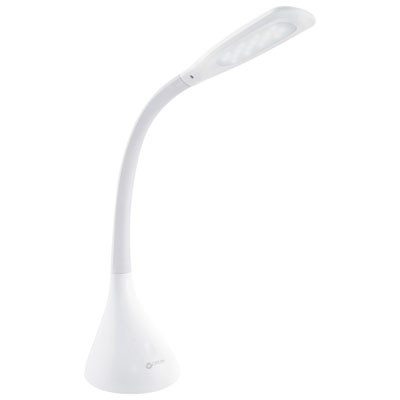 Your price for this item is $59.99
 -
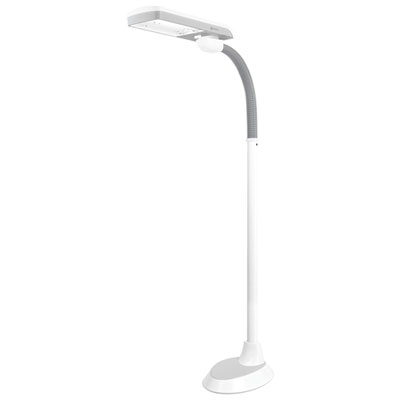 Your price for this item is $199.99
 -
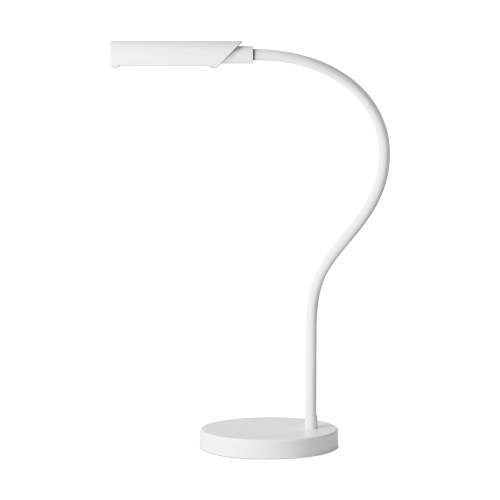 Your price for this item is $119
 -
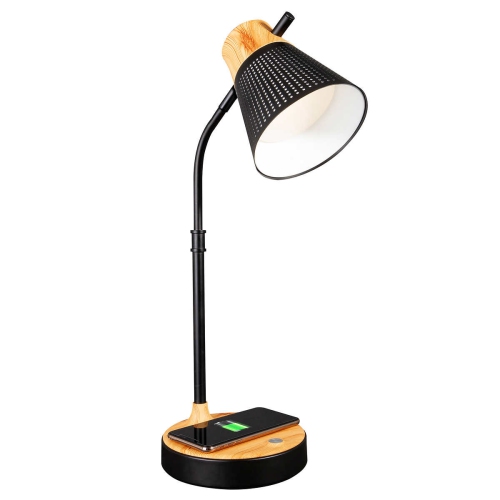 Your price for this item is $112.98
Discover more categories related to Lighting for Workshops
Top Collections:
Pokemon Centers, Kindle Devices, Best Budget Office Chairs, Apple iPhones 16, Best Laptops for Writers, iPhone 15 Apple, Canon G7X Cameras, Refurbished Apple Laptops, Alarm Clock, Motorola Razr Phones
Some products may be subject to Environmental Handling Fees
(EHF) depending on your province.
Learn more about EHFs.