Lightweight Beach Chairs
Whether you're planning a relaxing day at the beach or embarking on a thrilling outdoor adventure, having a lightweight beach chair by your side is a game-changer. Designed to provide comfort and convenience, these portable seating options allow you to kick back and soak up the sun without any unnecessary bulk. From sturdy frames to ergonomic designs, our collection of the best outdoor chairs offers an array of features to suit your preferences and enhance your outdoor experiences. Explore our selection of lightweight beach chairs today and find the perfect chair that will make your beach trips even more enjoyable.
Sort
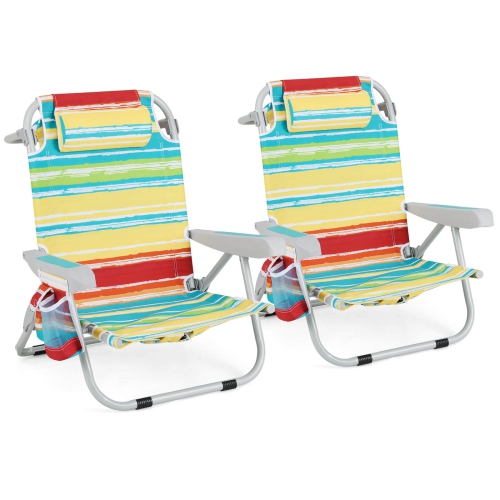


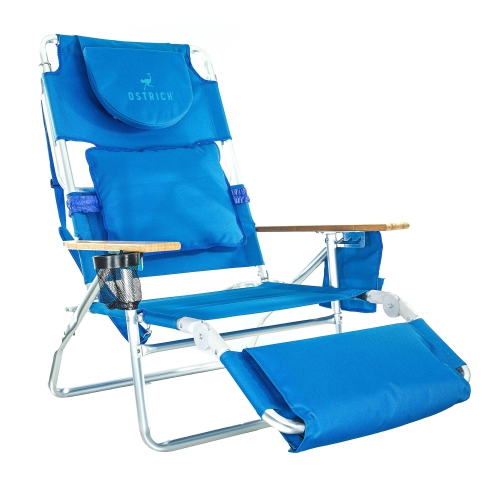


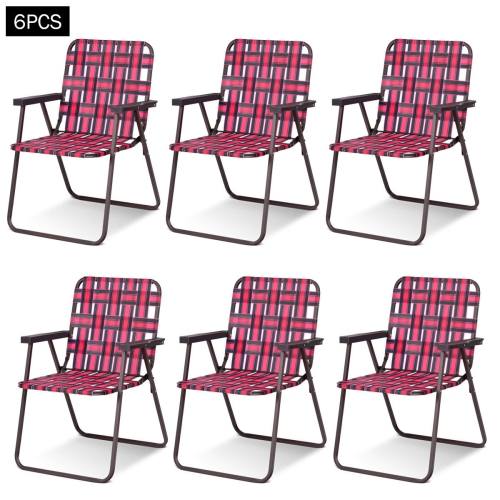


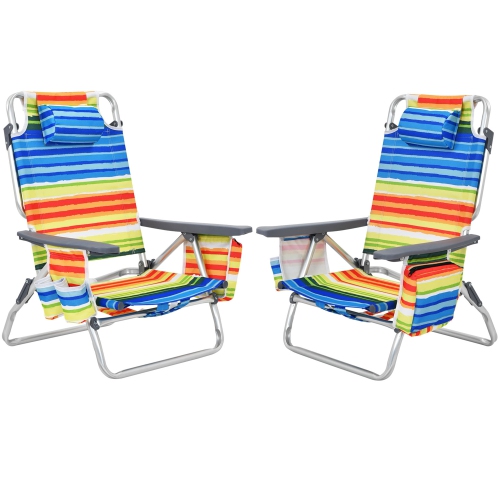






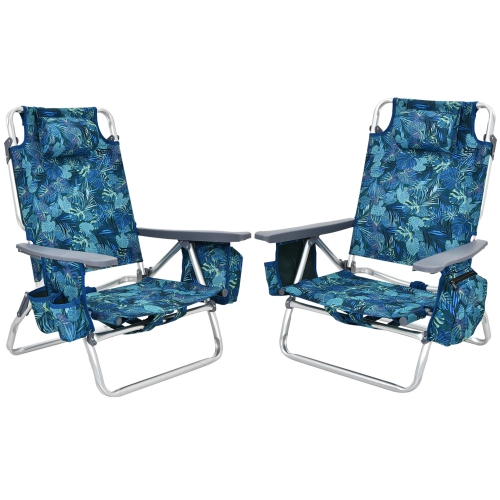
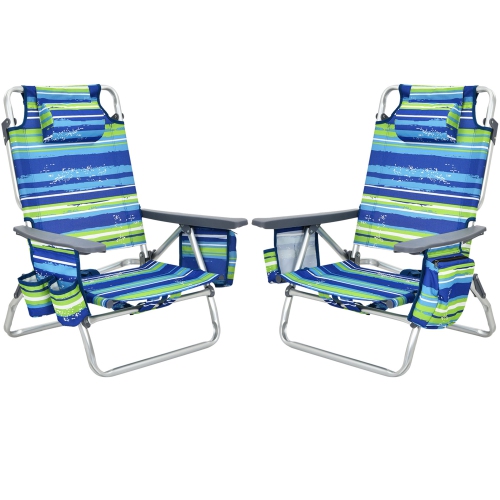

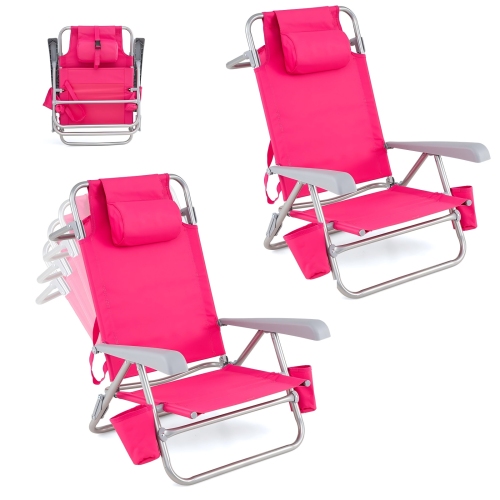

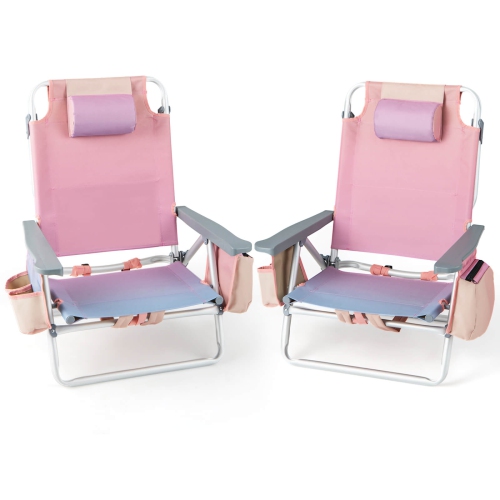
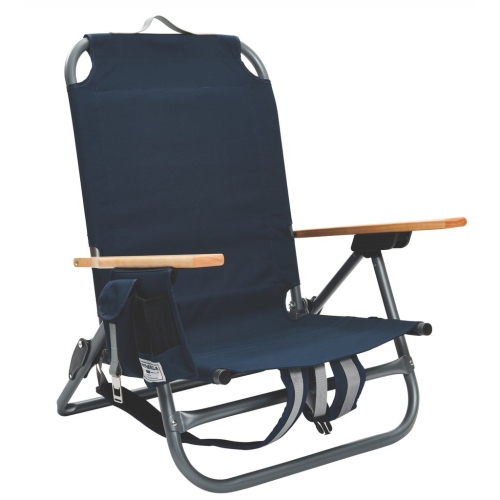
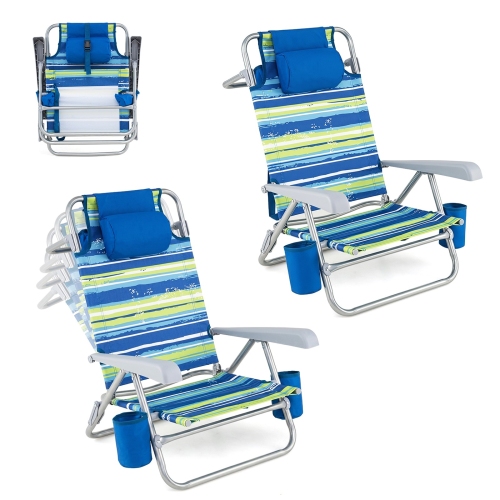
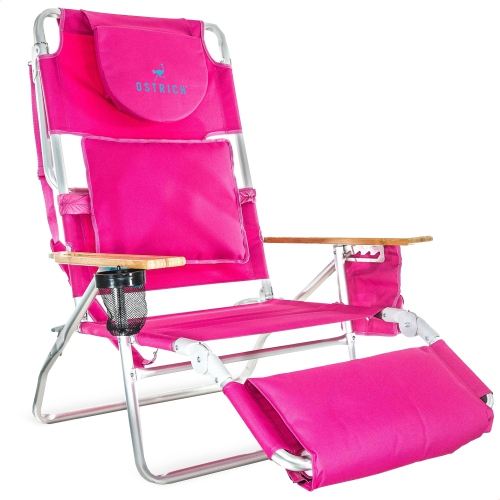

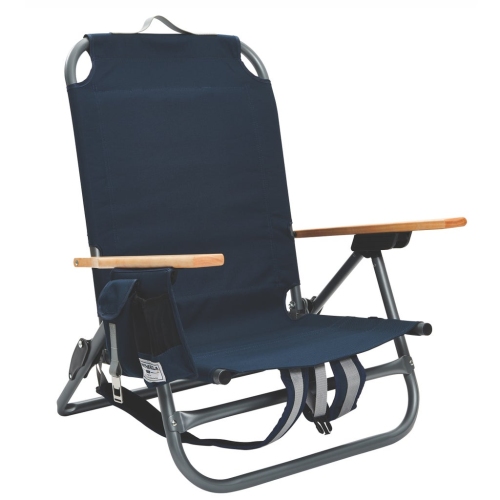
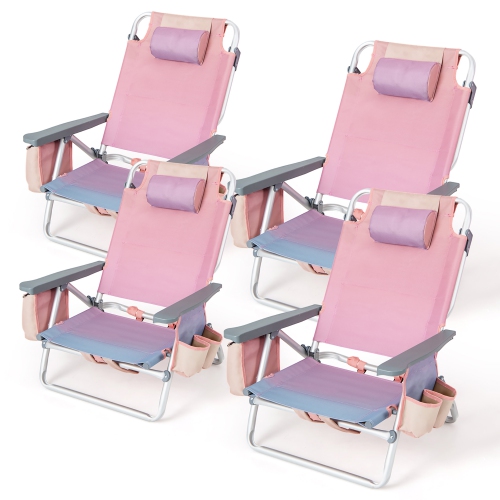
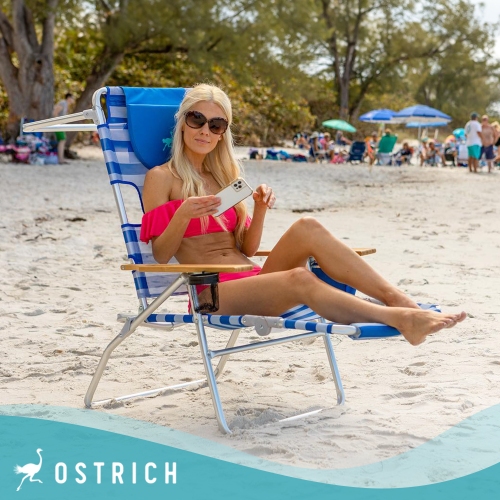
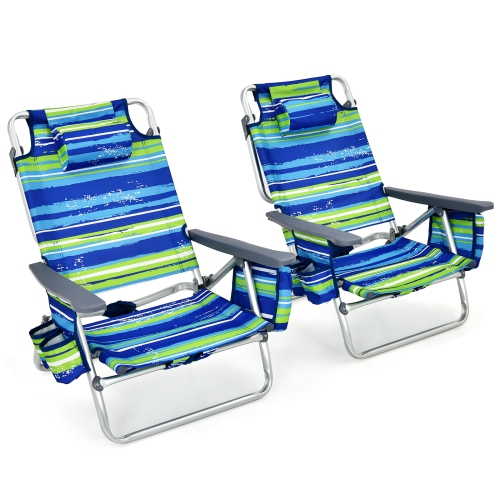
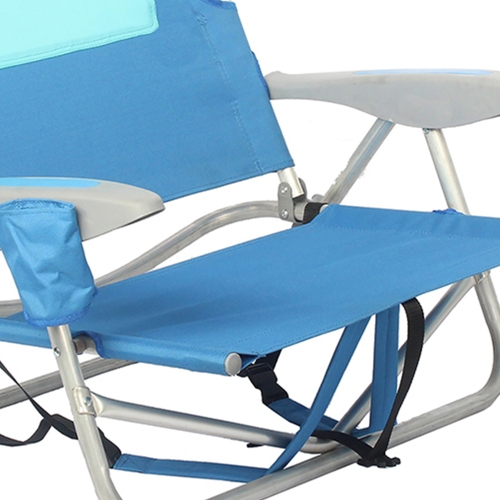
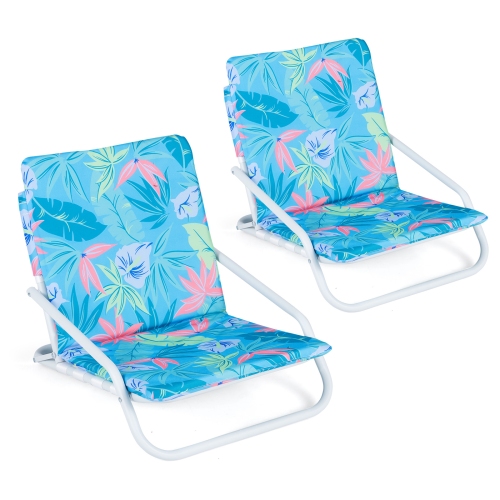
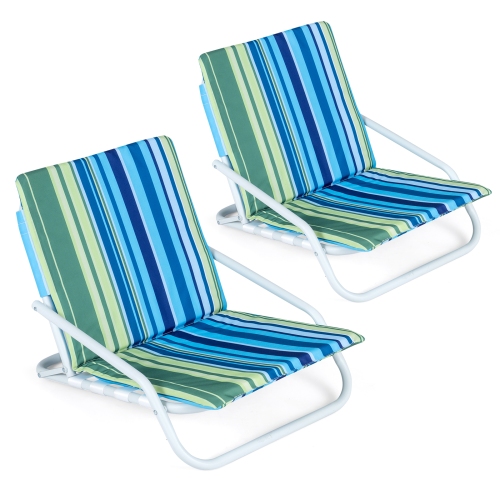
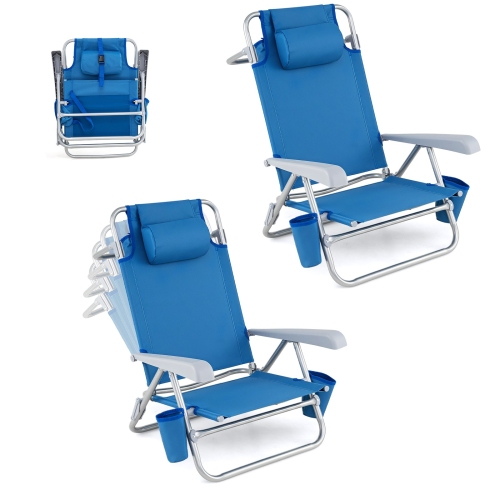
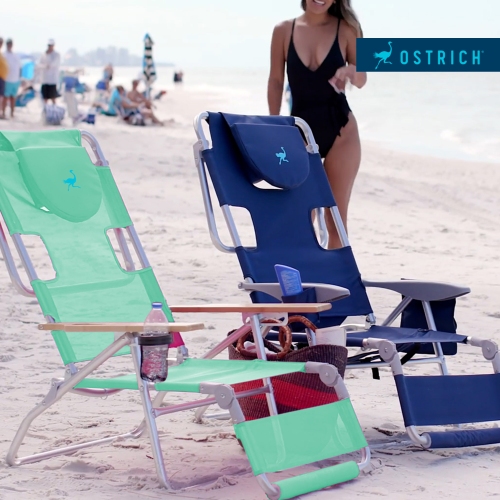
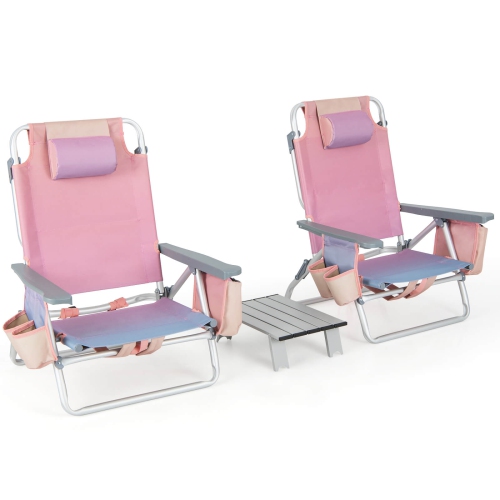
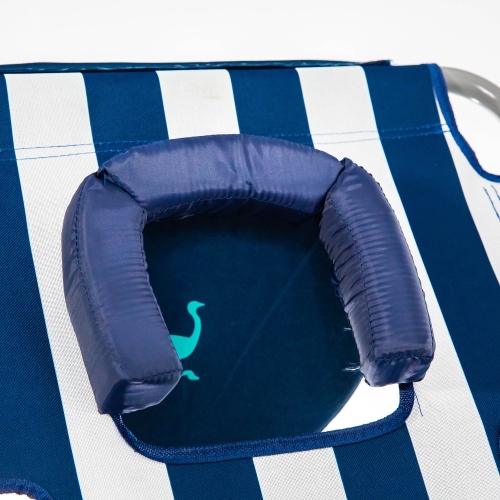
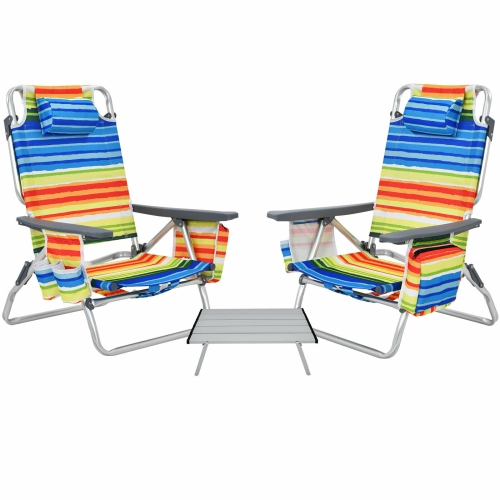
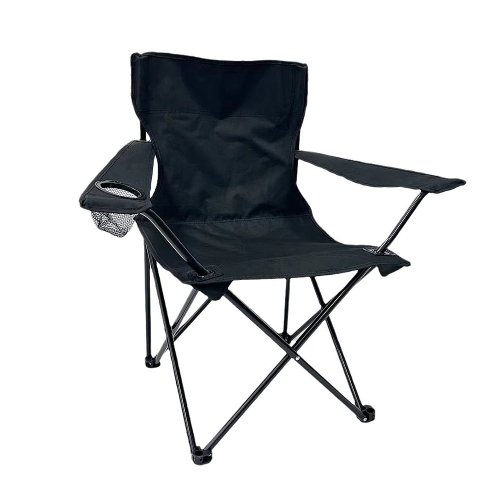

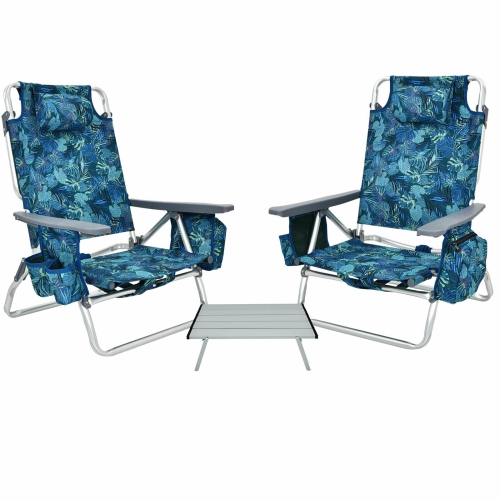
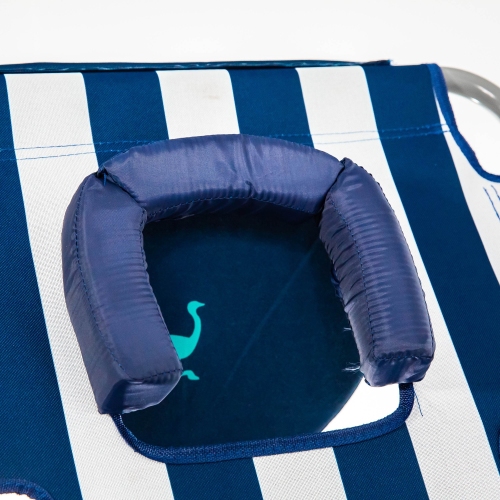
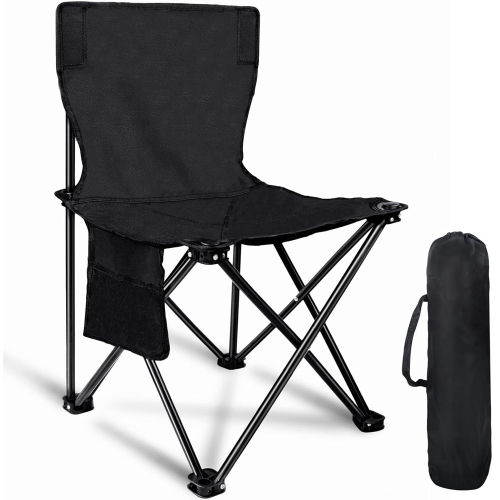
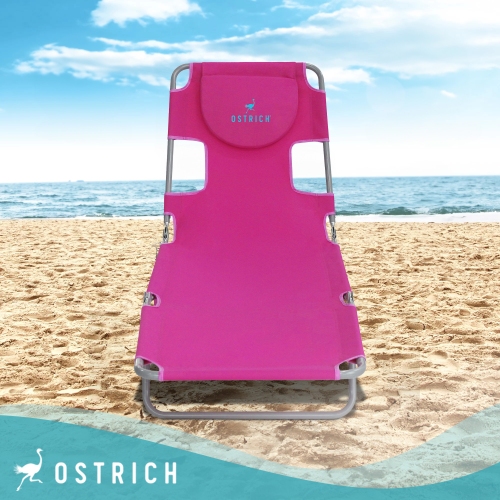
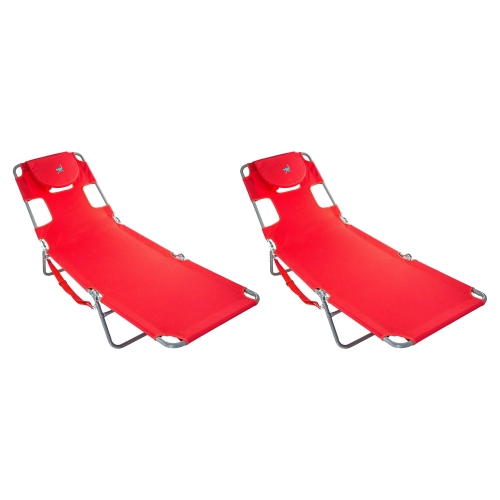
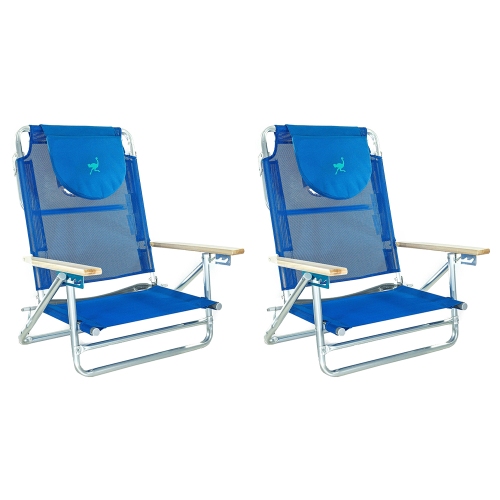
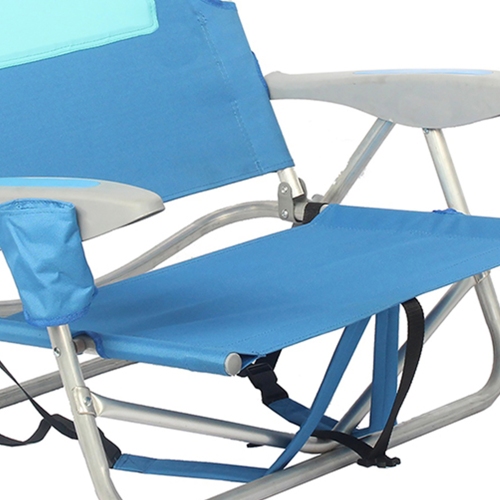
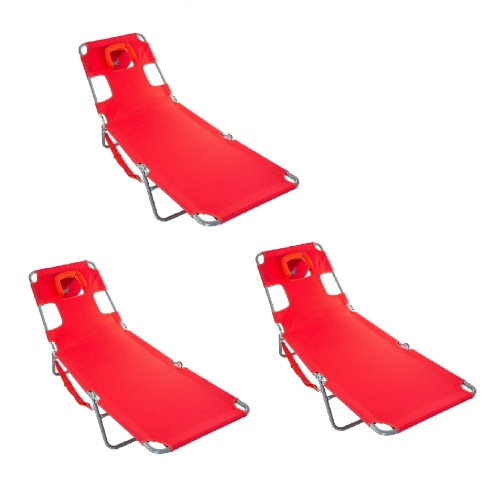
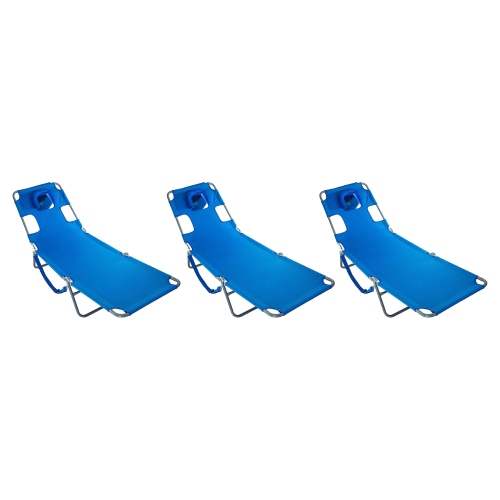
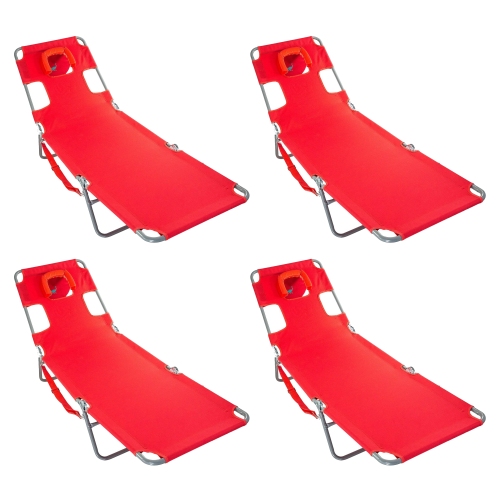
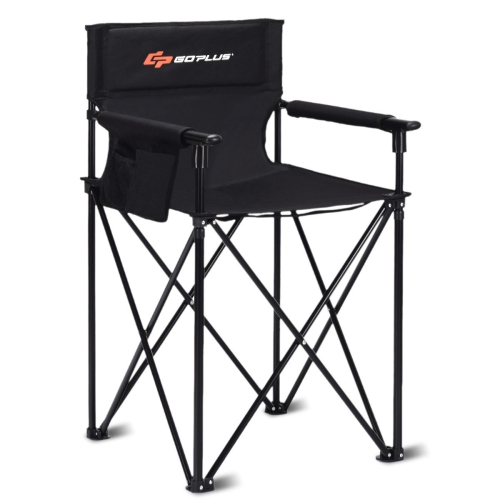
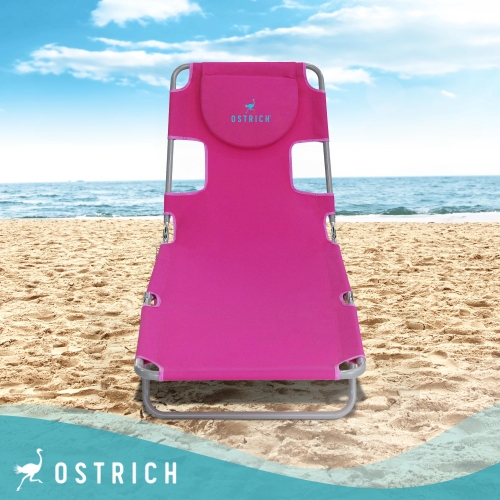


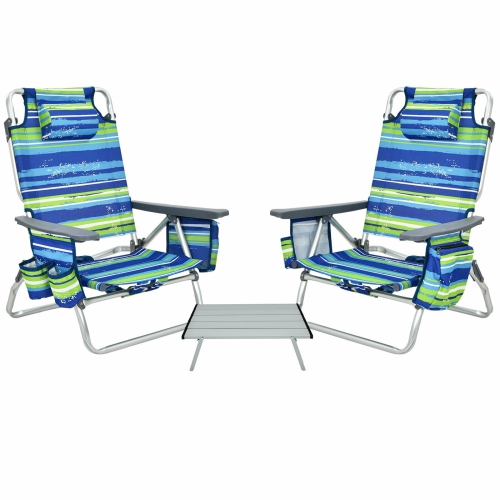

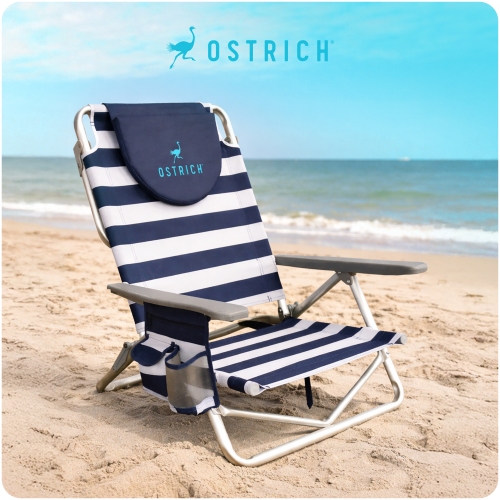

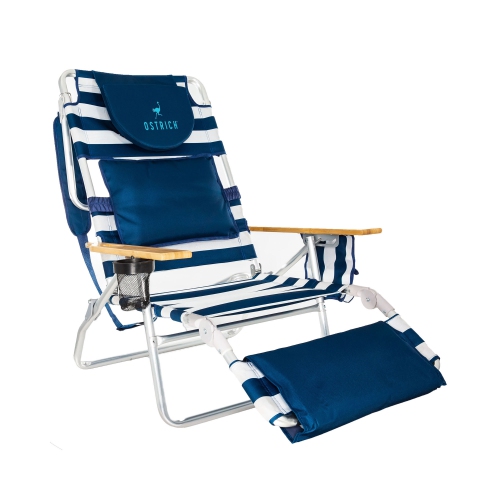

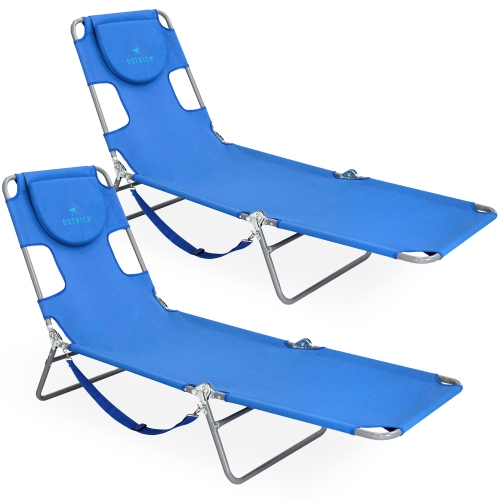


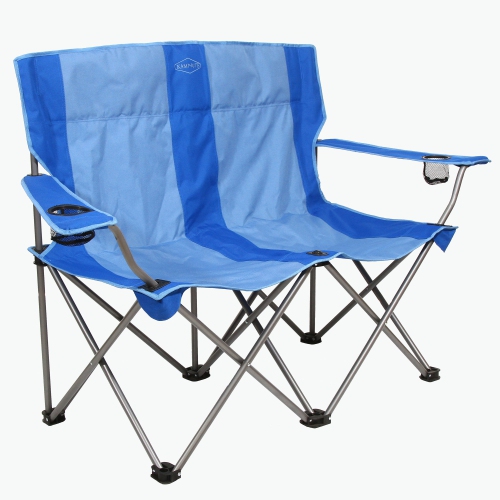


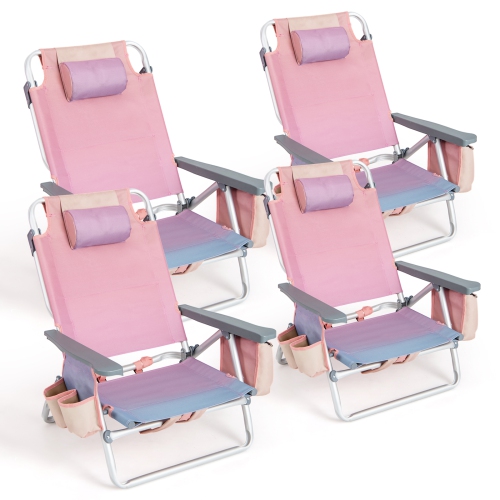


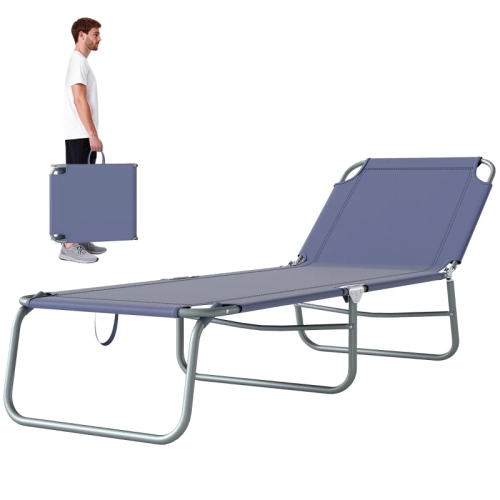


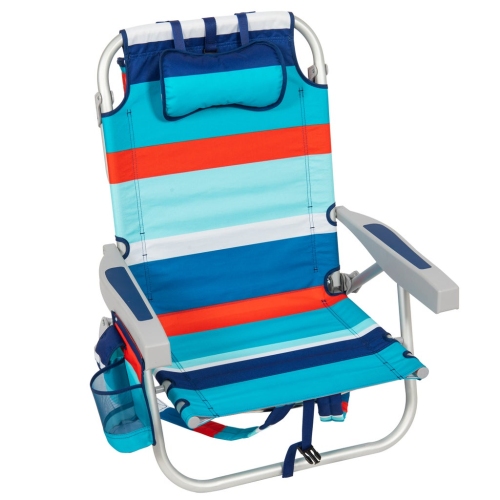
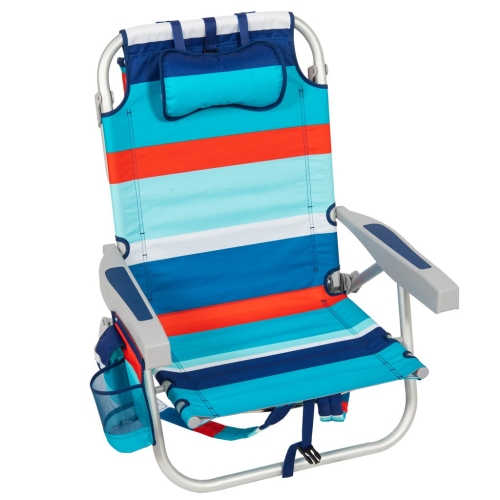
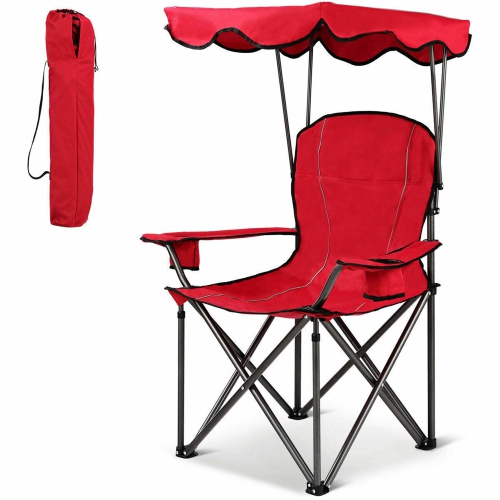
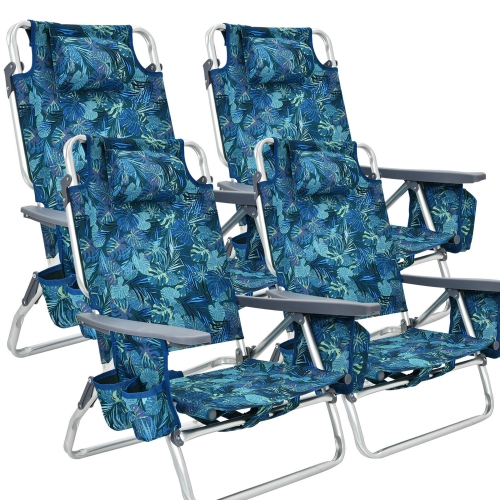

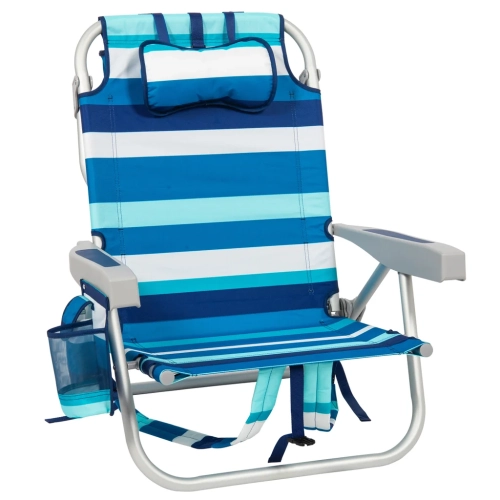

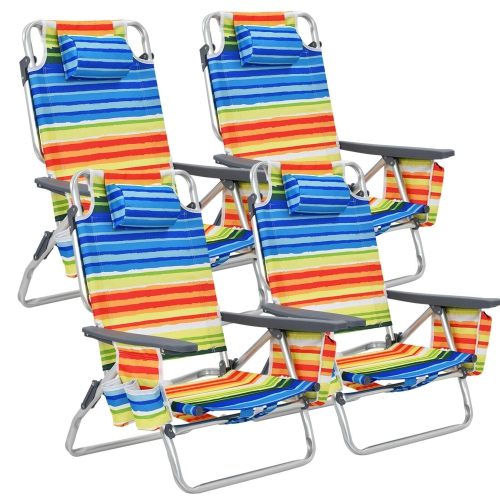


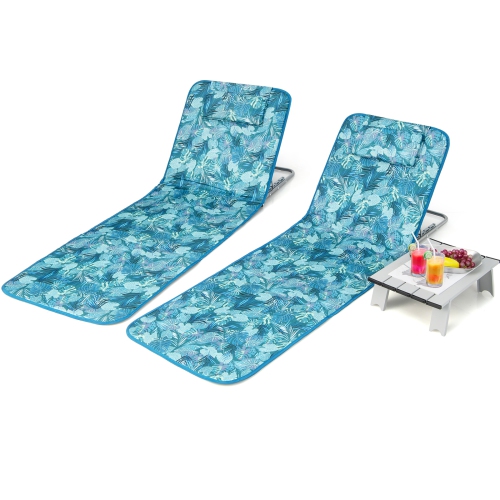
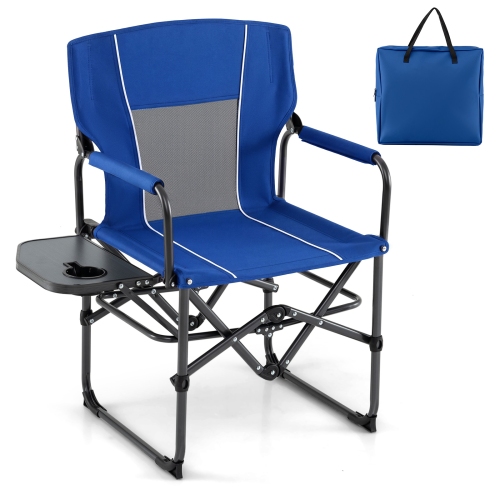


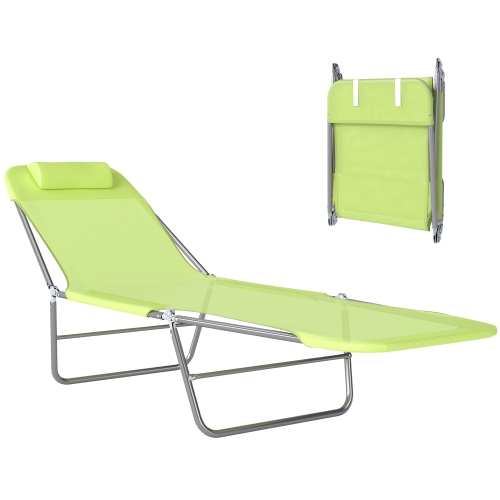

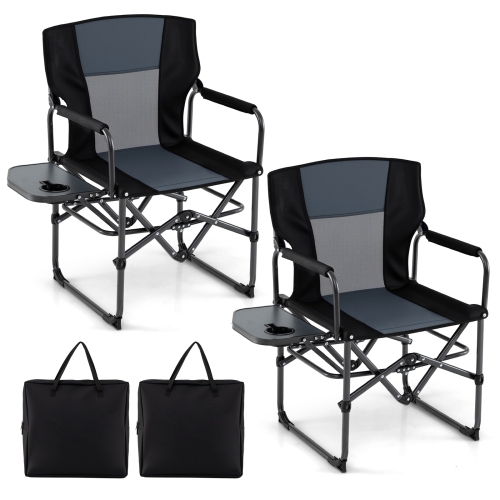
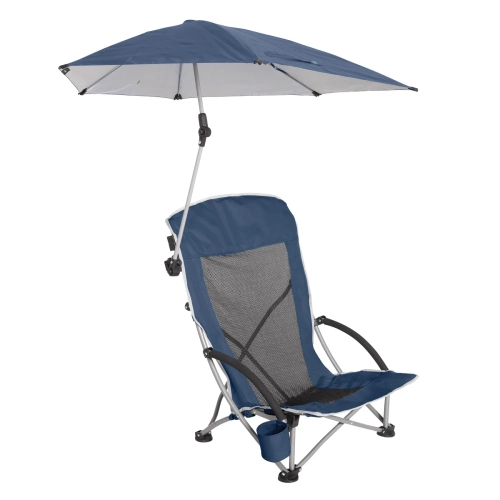
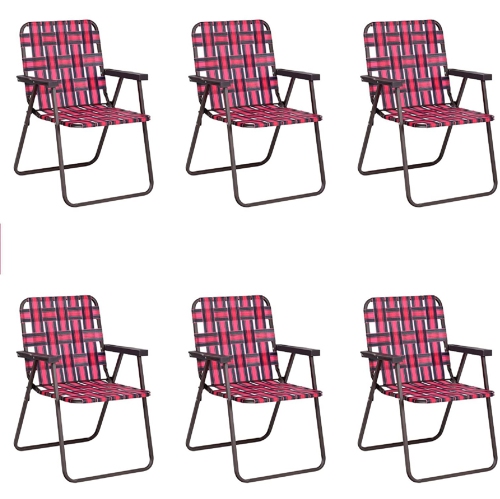
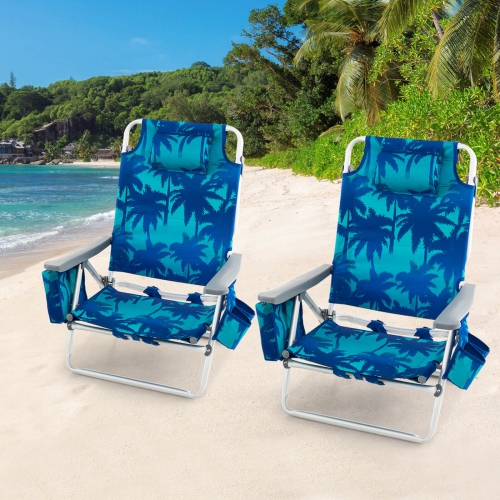


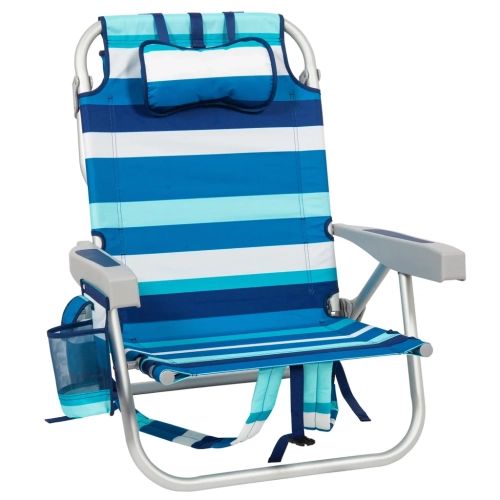
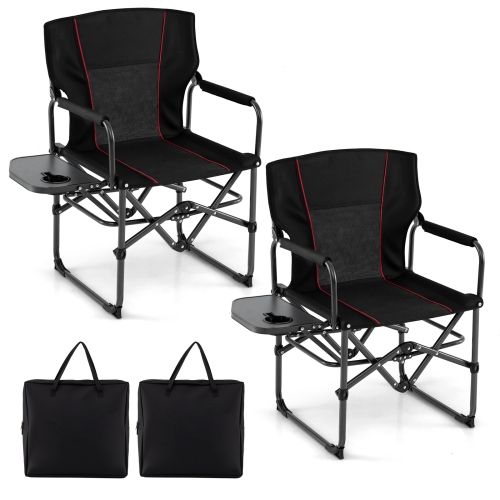
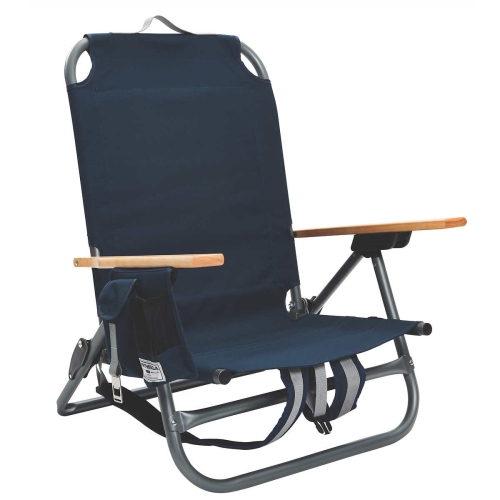
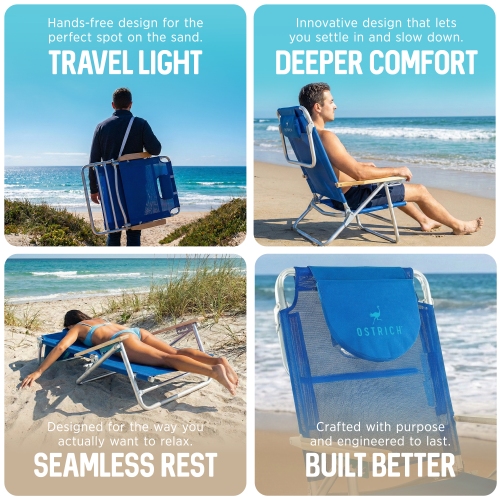
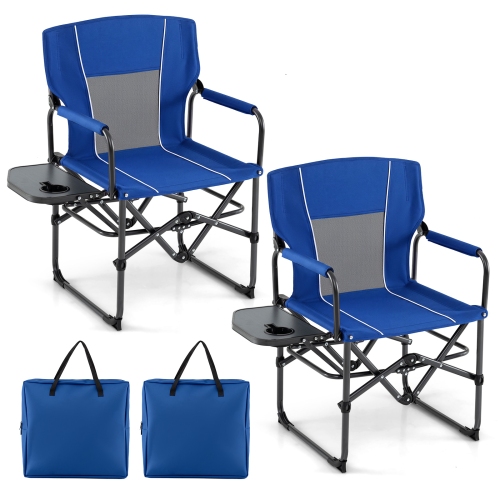
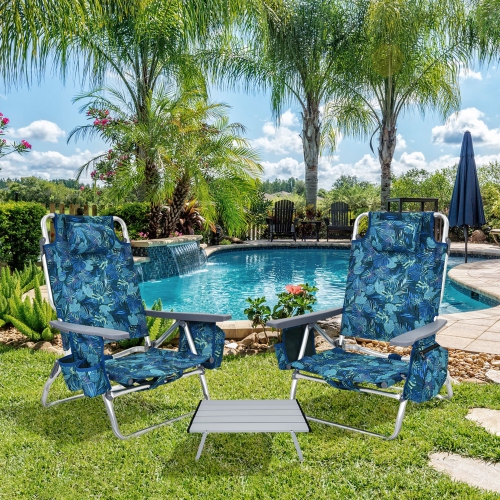

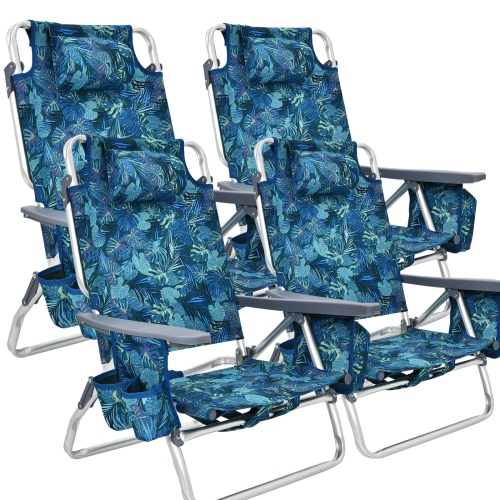
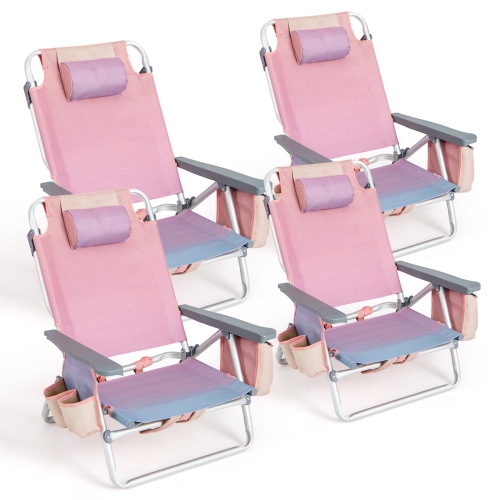

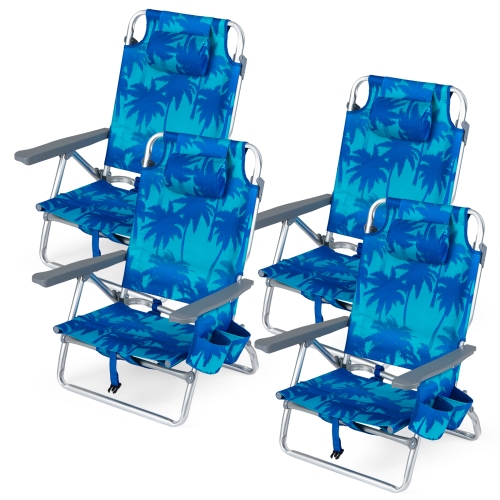

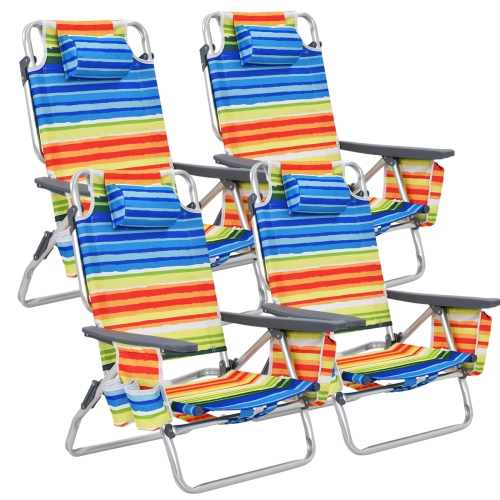
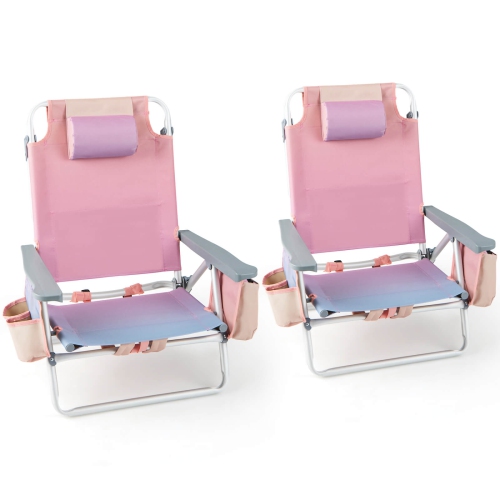
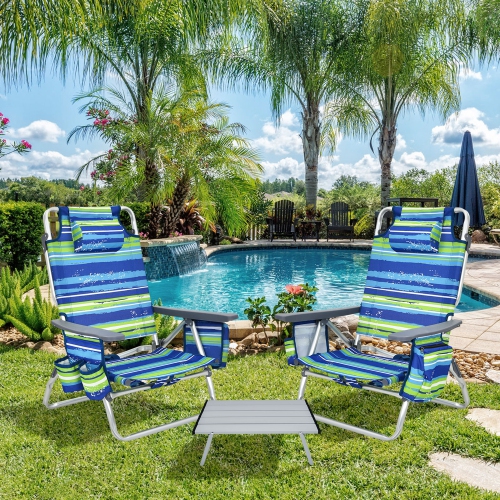
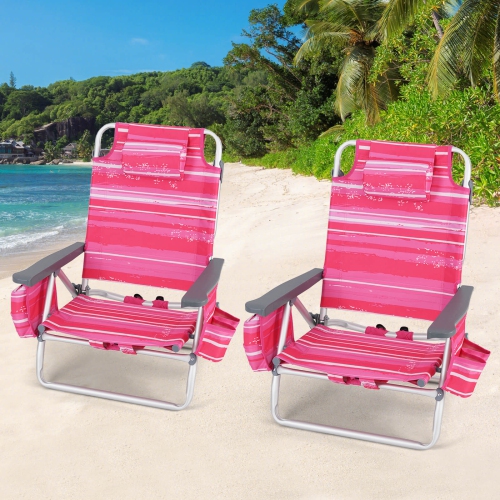
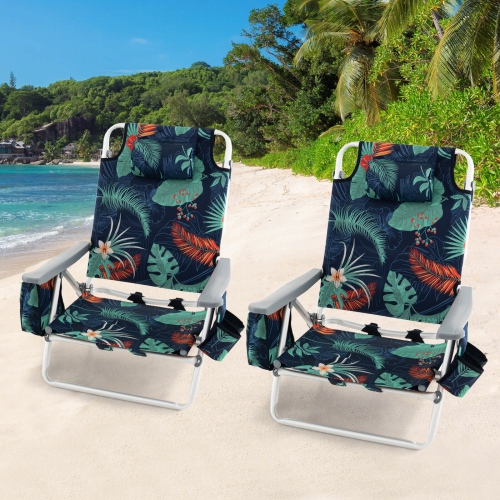
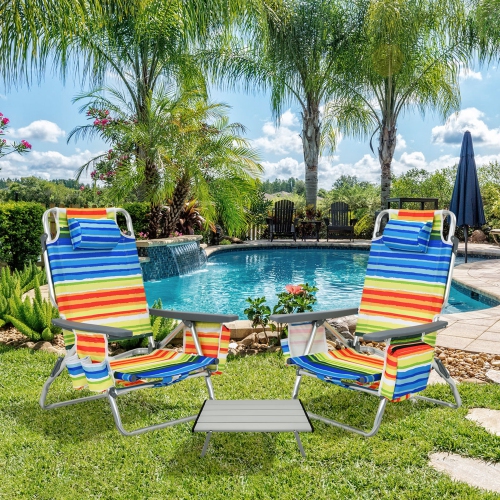

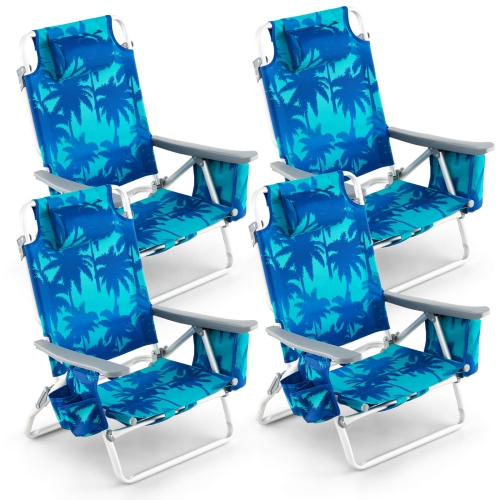

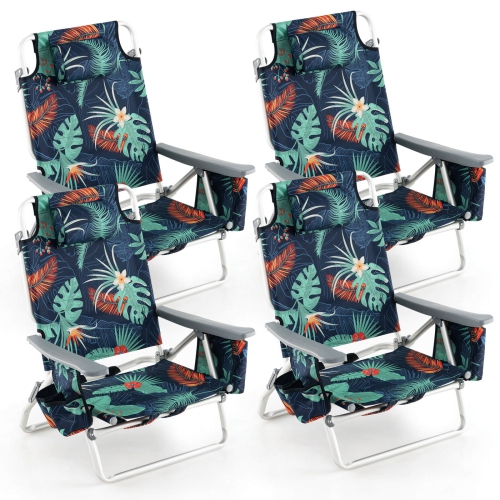


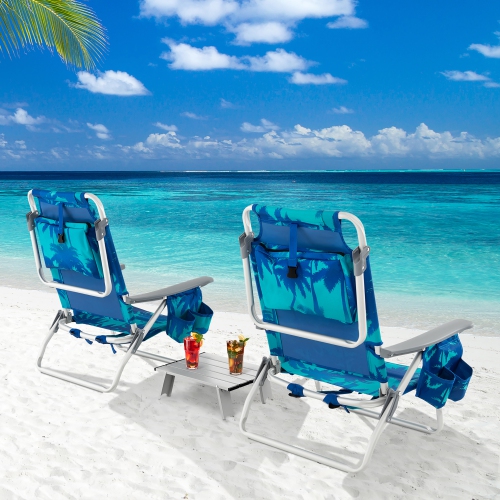


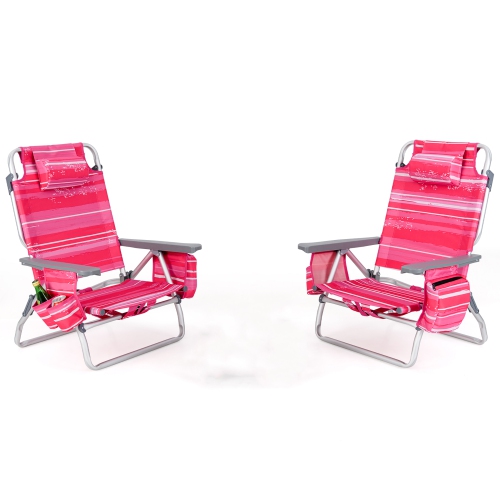

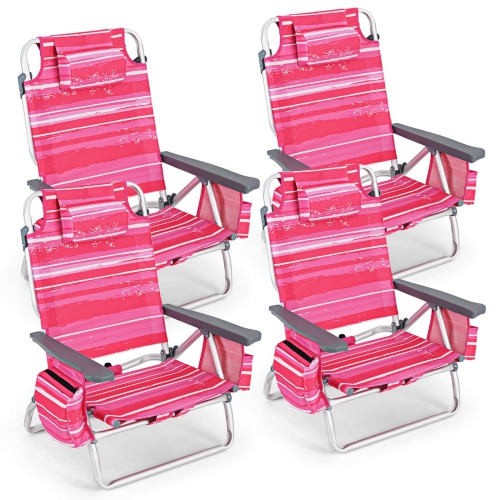

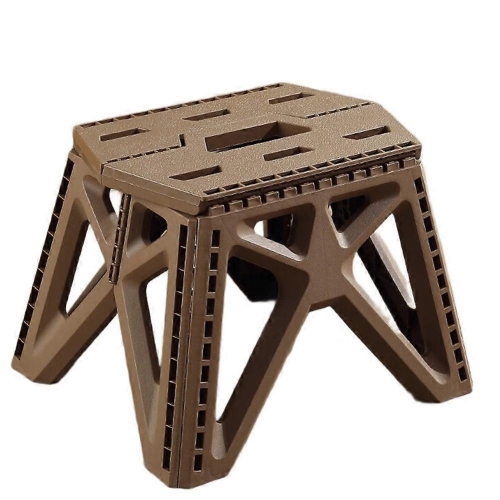


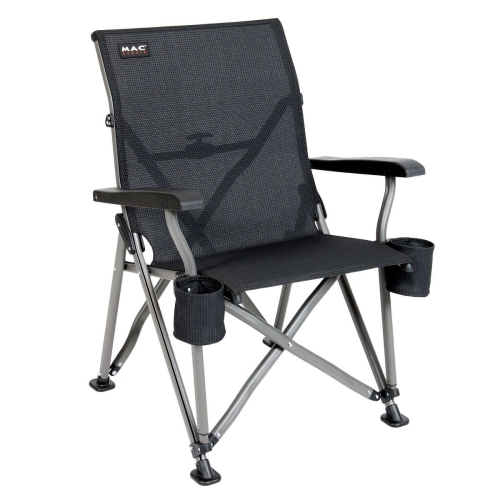


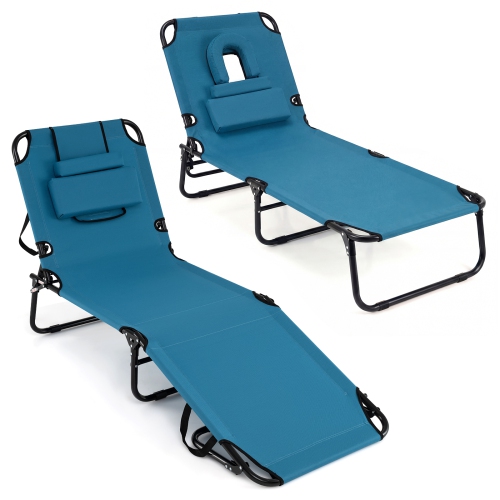
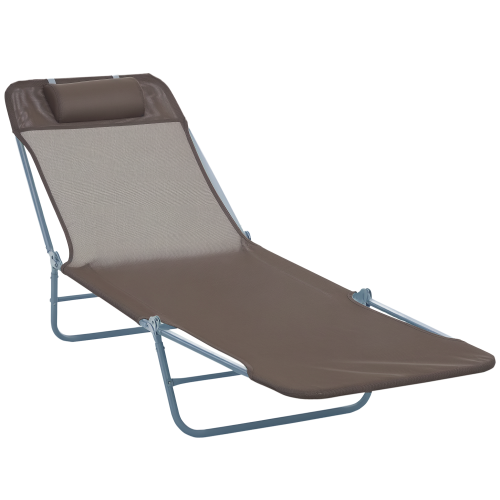

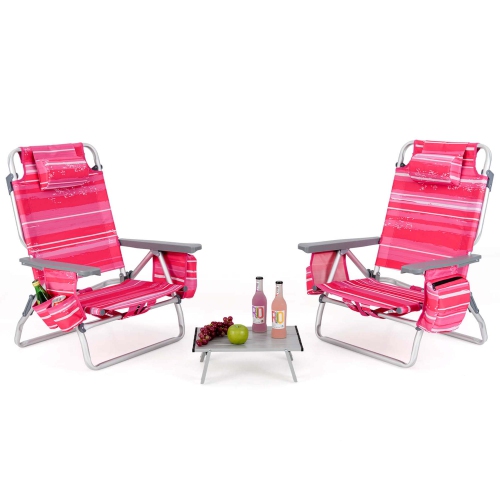
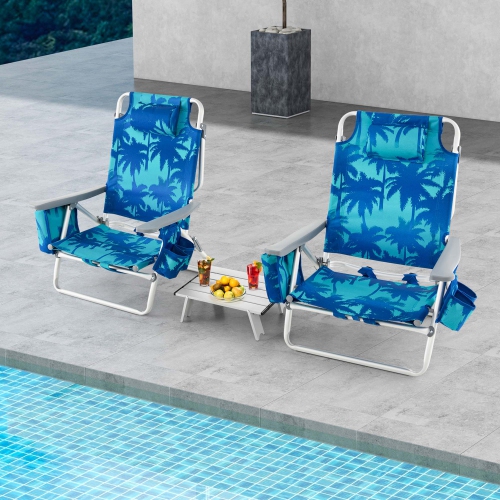

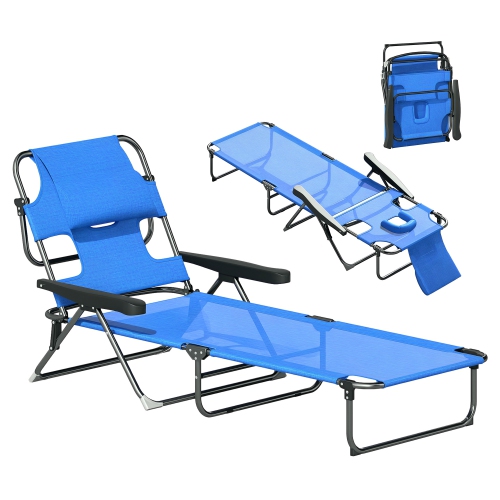
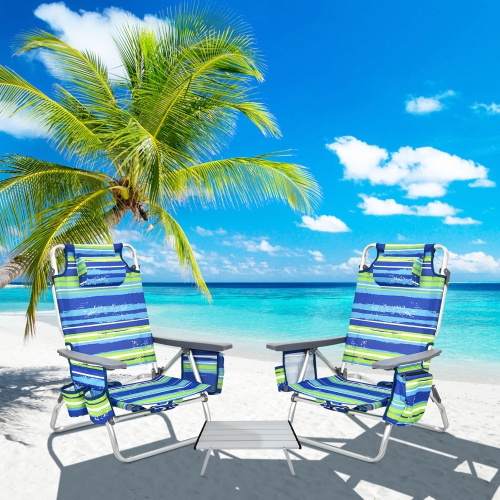

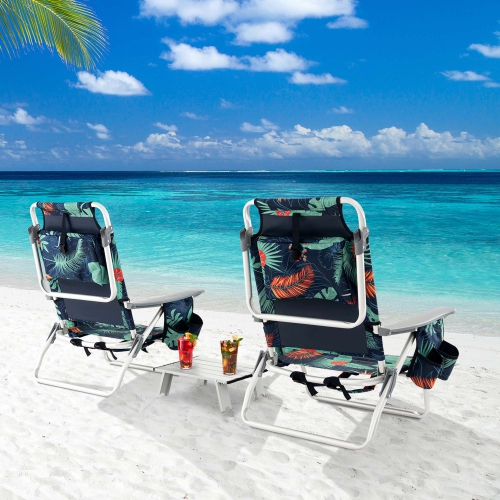
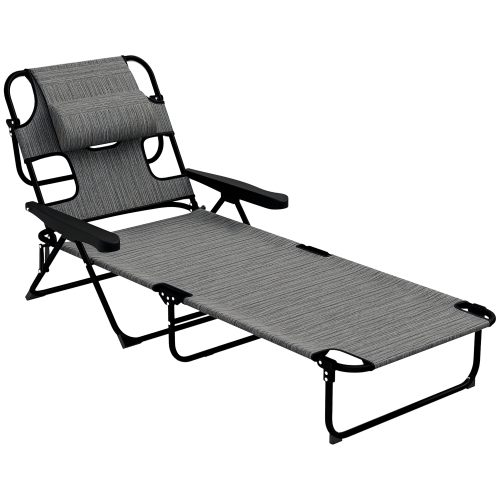

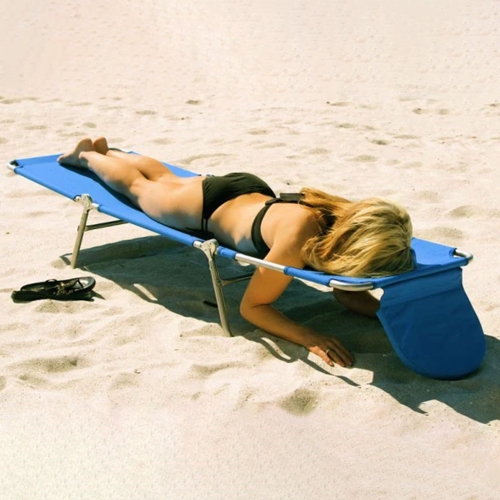
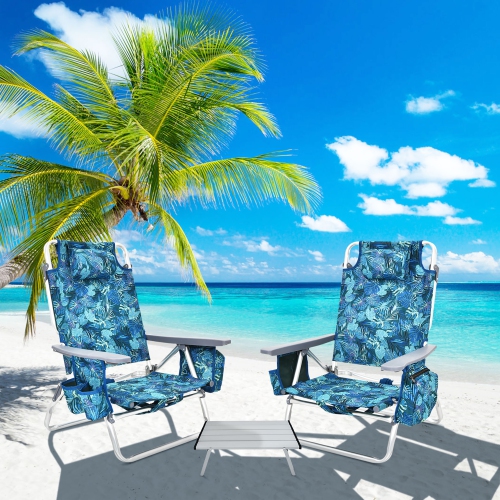

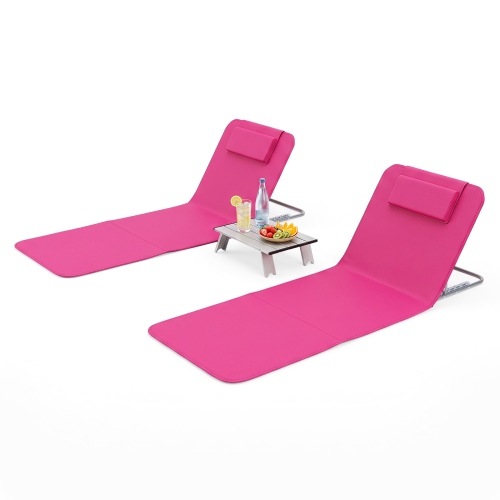


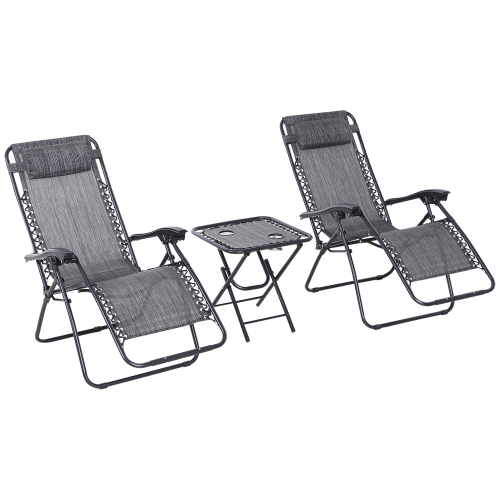


Shoreline comfort starts with an easier carry
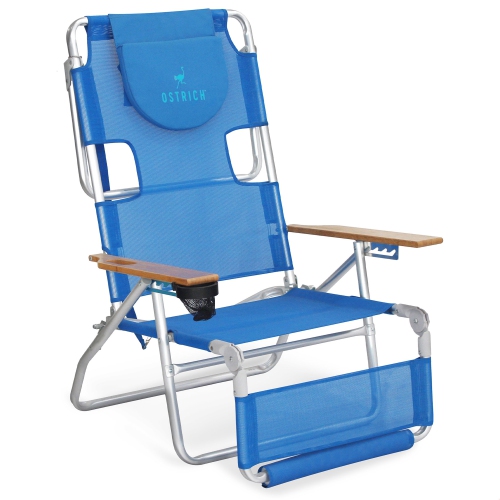
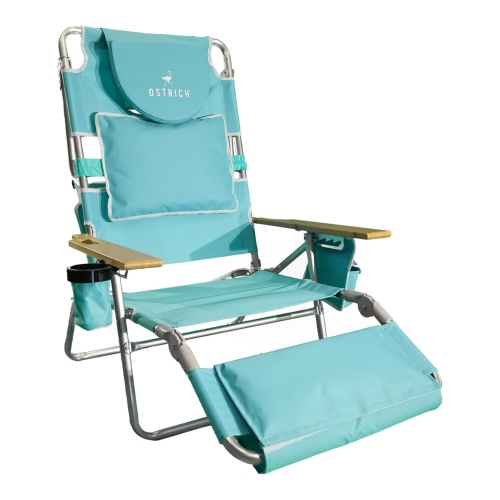
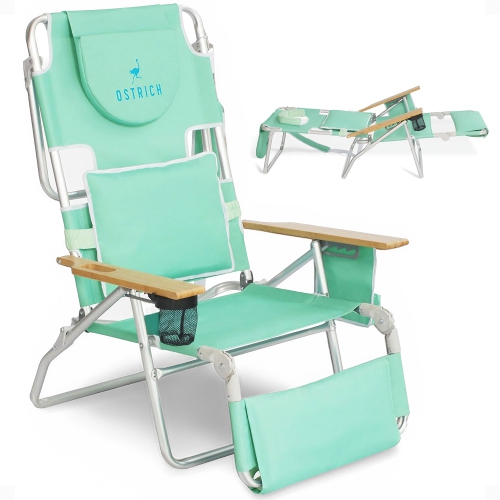
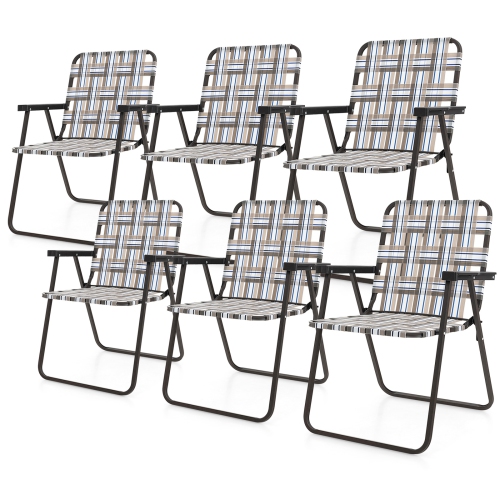
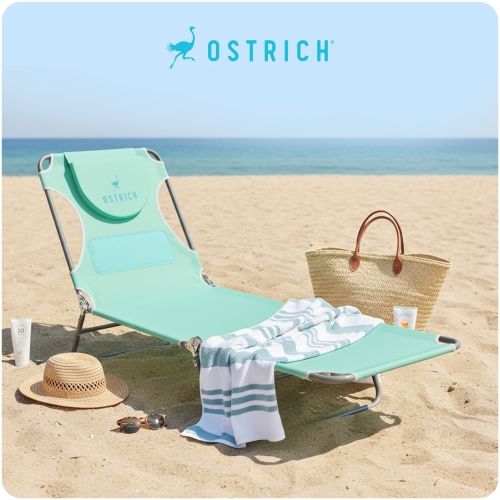
Lightweight beach chairs bring portable comfort to days by the water, whether the destination is a sandy lakeshore, a sheltered cove, or a favourite spot along a waterfront park. Their appeal comes from balancing a manageable carrying weight with a supportive seat, so the walk from the car does not take more effort than the outing itself. Common designs include backpack beach chairs with shoulder straps, low sling chairs that sit close to the sand, folding chairs with reclining backs, and compact styles that pack into a carry bag. Each suits a slightly different routine. Backpack straps leave hands free for a towel bag or a child’s hand, while a simple carry handle can be enough for a short walk from a nearby parking area. For longer stretches of boardwalk or uneven paths, the chair’s folded shape matters almost as much as its weight. A flat-folding frame may fit neatly beside other gear in a vehicle, but feel broad across the back; a smaller packed chair can be easier to tuck into luggage, though it may require more assembly at the beach. Padded straps, balanced handle placement, and a closure that keeps the frame from opening during transport all make a practical difference. The listed chair weight and maximum weight capacity describe different things: one affects carrying effort, while the other sets the manufacturer’s limit for supported weight. Both deserve attention, along with seat dimensions and folded measurements. Lightweight construction does not automatically mean a chair will suit every person or every stretch of shoreline. Wide feet or a base designed to spread weight can help limit sinking into soft sand, whereas narrow feet may work better on firmer ground. A level spot away from the water’s edge gives the chair a more dependable resting place. For anyone carrying several chairs, towels, and a picnic bag, comparing the complete packed size—including a separate base or carry case—provides a clearer picture of the load than chair weight alone.
Comfort in a lightweight beach chair depends on the relationship between seat height, back angle, fabric tension, and personal fit. A low-profile sling seat creates a relaxed position with legs stretched toward the sand, making it appealing for watching the shoreline or settling in with a book. A taller seat generally requires less lowering and lifting, which may be preferable for someone who finds deep, low seating difficult to use. Armrests can offer a comfortable place to rest forearms, but they should not be treated as mobility supports unless the chair is designed for that purpose. Seat width and depth matter, too: a roomy seat allows space to shift position, while an overly deep seat can place pressure behind the knees or make the backrest harder to reach. Reclining designs offer different resting angles, and a supportive high back or adjustable headrest can make longer periods of sitting more comfortable. Any adjustment should engage securely before the chair is used, following the manufacturer’s directions. Materials influence both the feel of the seat and how well it handles regular beach outings. Aluminum frames are often used to keep carrying weight down and resist corrosion, although joints and other metal components still benefit from cleaning after salt exposure. Steel frames can provide sturdy support but may add weight, and protective finishes need attention if they become chipped. Polyester or nylon seating fabrics vary in weave, coating, and thickness, so fibre type alone does not establish durability. Mesh panels allow airflow and can help water drain, while solid fabric may offer a more continuous, supportive feel. Reinforced stitching, firmly attached armrests, and well-finished frame connections are useful construction details to assess. Storage features should match what actually comes along: a cup holder keeps a drink within reach, a zipped pocket helps contain small belongings, and an insulated compartment can hold refreshments. A pocket is not necessarily waterproof, so phones and keys may still need a protective pouch. Attached canopies offer shade over part of the seat, but their coverage changes with the sun’s position and does not replace other sun protection.
The most useful lightweight beach chair is one that fits the whole outing, from loading the vehicle to brushing off the last grains of sand at home. For a family visit, straightforward folding and clearly positioned locking points can make setup less awkward when bags and towels are already spread across the beach. Keep children’s fingers away from hinges, and use seating with dimensions and weight limits appropriate to the intended user. For a quiet afternoon of reading, a reclining back and a place to keep glasses close may matter more than the smallest possible packed size. Someone walking a longer distance may favour a simpler chair with fewer attachments, while a person staying near a cottage or picnic area may be comfortable carrying a broader seat with more padding. Convertible chair-and-cart designs can combine seating with gear transport, although their carrying weight, wheel performance on sand, and separate load limits need consideration. Travellers who split their time between shorelines and campsites may also find Lightweight Camping Chairs relevant, keeping in mind that a compact camping design is not automatically suited to loose sand. A beach chair can make a thoughtful gift for a frequent lakeside visitor, a cottage host, or someone who enjoys outdoor reading, especially when the recipient’s preferred seat height and carrying needs are known. Routine care helps preserve that usefulness. After an outing, shake or brush away loose sand, paying particular attention to hinges, reclining mechanisms, and the corners of storage pockets. Where the care instructions permit, rinse away salt residue with fresh water and clean marks with mild soap rather than harsh cleaners or abrasive brushes. Let the fabric, padding, and frame dry fully before folding the chair into its bag; trapped moisture can lead to odours, mildew, and corrosion on susceptible parts. Store it in a dry, sheltered place without heavy objects pressing on the folded frame. Before each use, check for loose fittings, damaged seams, bent supports, or worn feet, and stop using a chair whose structure or locking mechanism is compromised. These small habits help keep portable seating ready for repeated trips to the shore.
Top selling and popular products
-
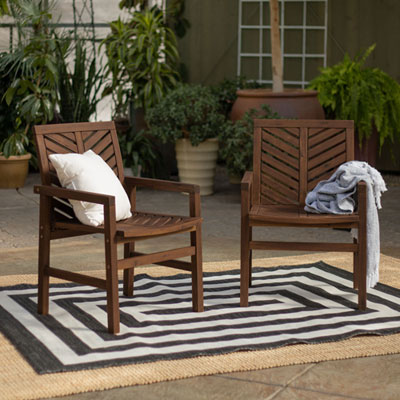 Your price for this item is $604.99
-
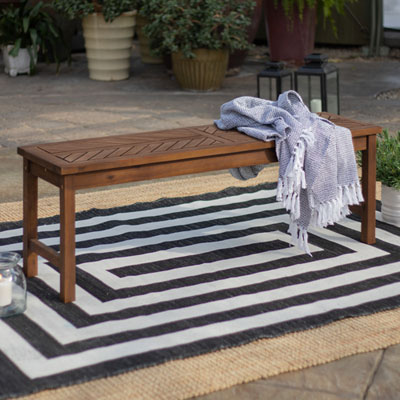 Your price for this item is $371.99
-
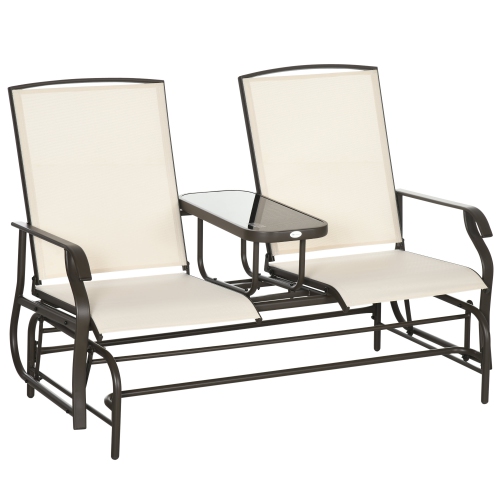 Your price for this item is $209.99
-
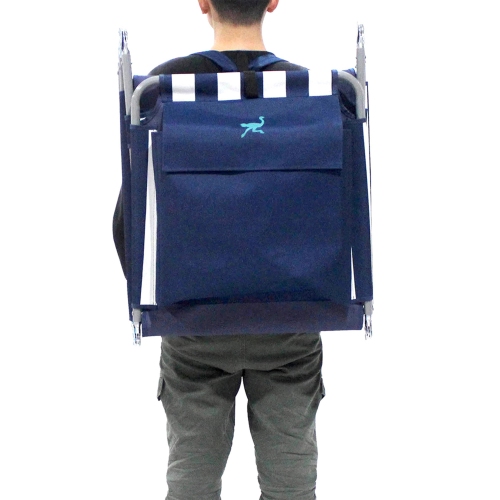 Your price for this item is $174.99
-
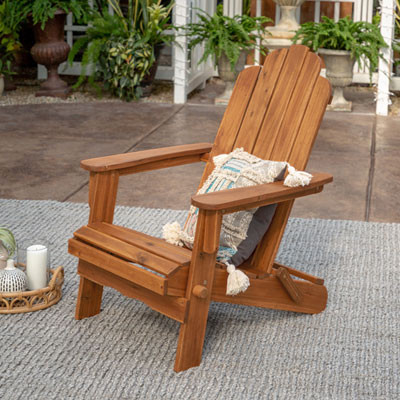 Your price for this item is $461.99
-
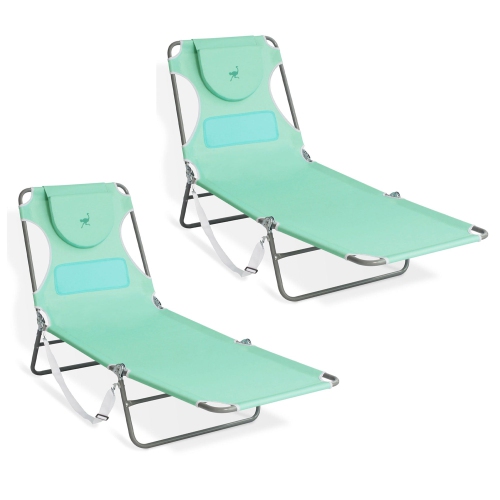 Your price for this item is $335.99
-
 Your price for this item is $170.99
-
 Your price for this item is $205.99
Discover more categories related to Lightweight Beach Chairs

Top Collections:
Pokemon Centers, Best Cameras for Sports Photography, Kindle Devices, Samsung Galaxy Phones, Canon G7X Cameras, Pokémon 30th Celebration Cards, Refurbished Apple Laptops, iPhone 15 Apple, Laptops for Students, Budget Smartphones
Some products may be subject to Environmental Handling Fees
(EHF) depending on your province.
Learn more about EHFs.