Linear Electric Fireplaces
Transform your living space with the sleek and modern allure of linear electric fireplaces. These innovative heating solutions combine functionality and style to create a cozy ambiance in any room. With their clean lines and contemporary designs, linear electric fireplaces are not only a practical way to stay warm but also serve as a striking focal point in your home decor. Explore our selection of linear electric fireplaces to find the perfect match for your aesthetic preferences and heating needs.
Sort


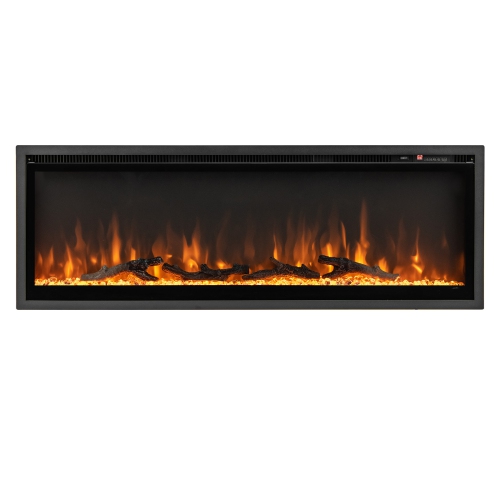

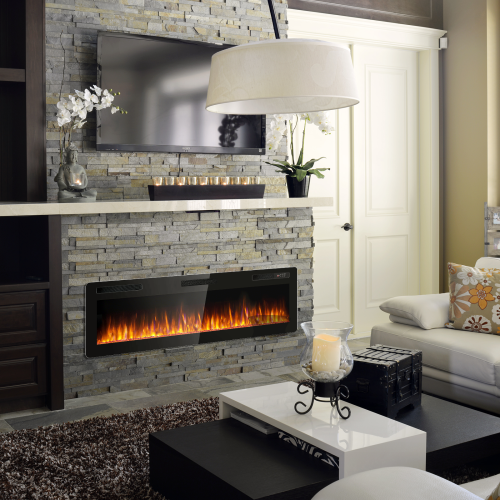


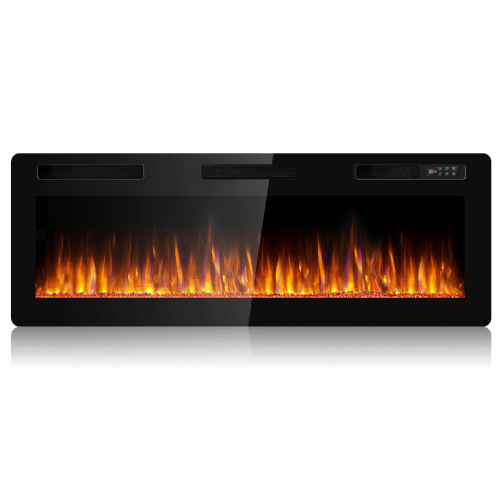

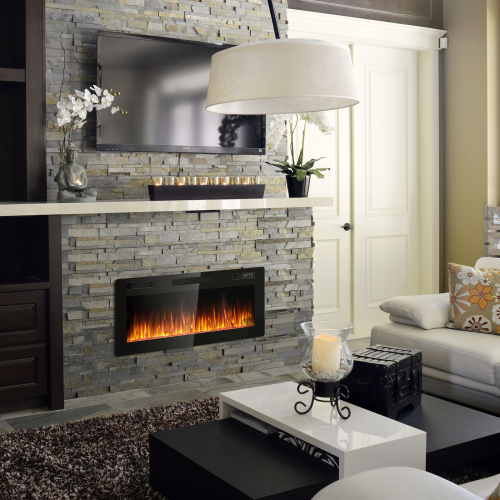


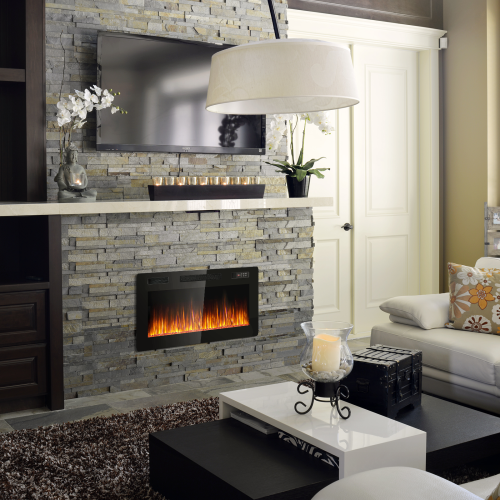


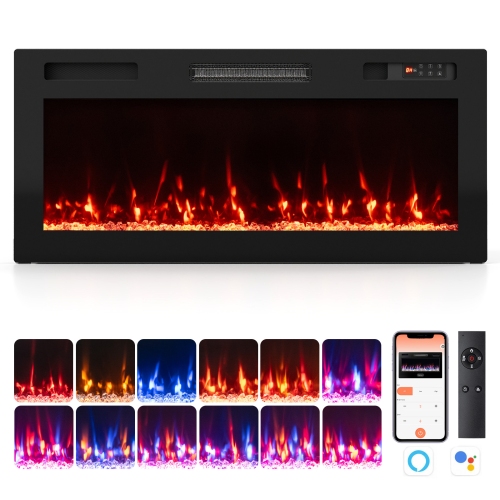

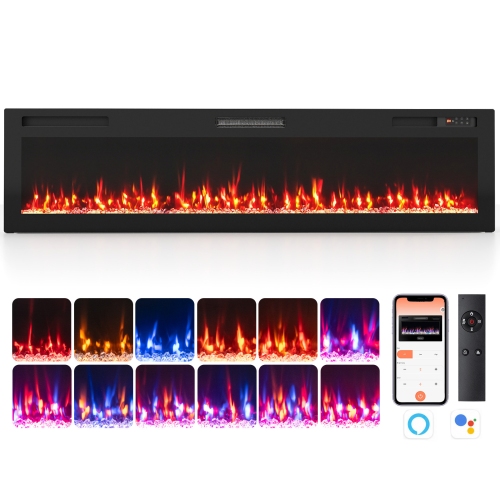

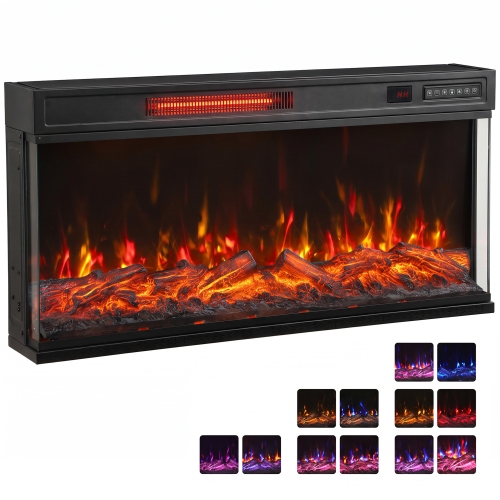
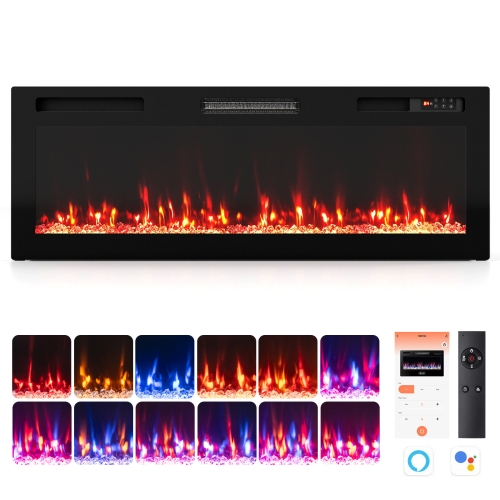
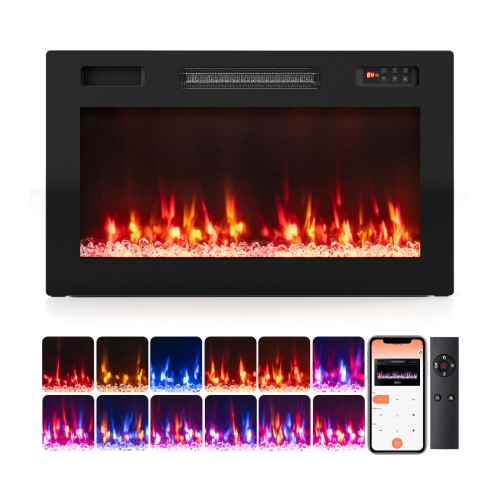
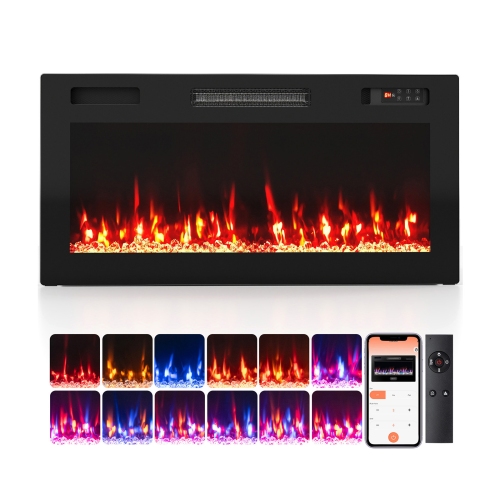

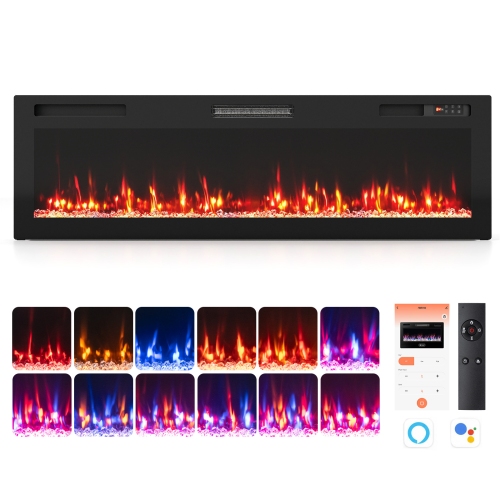
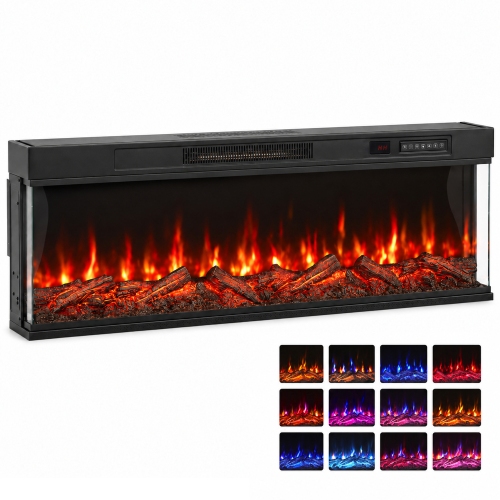


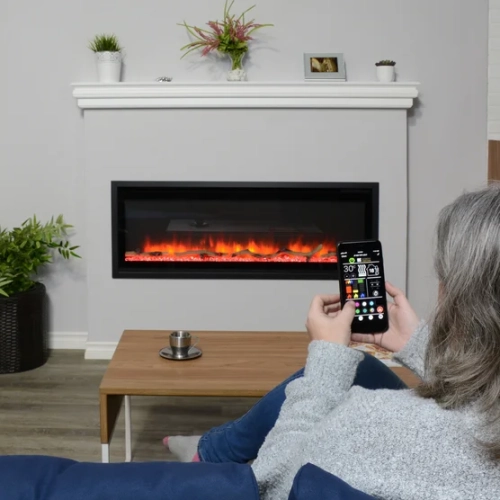
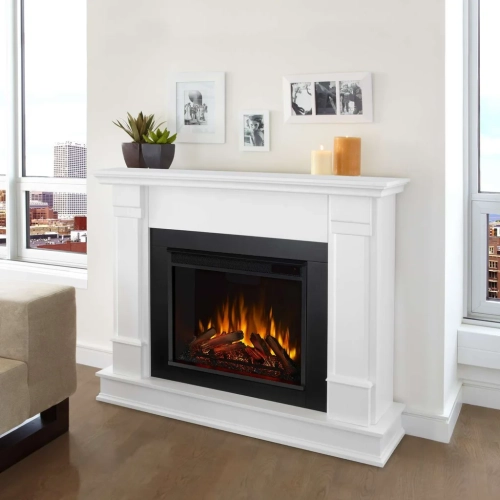


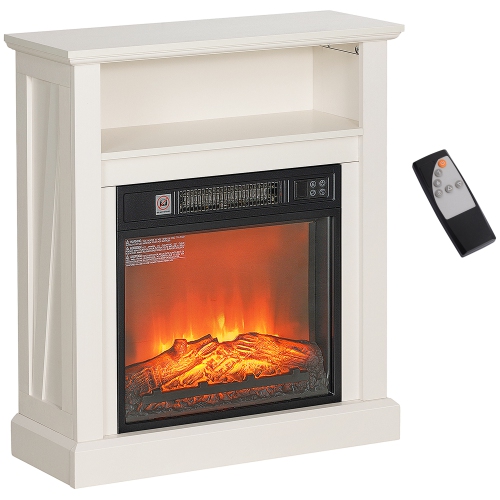
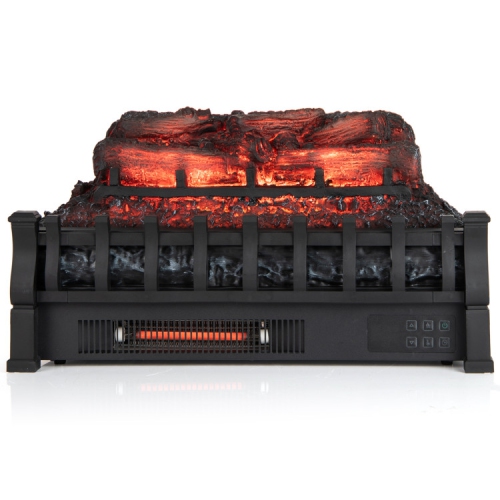

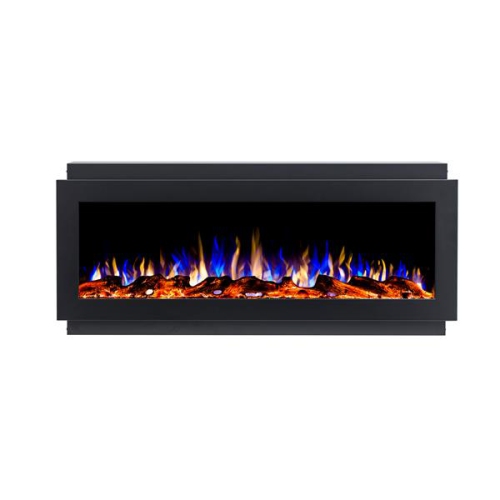
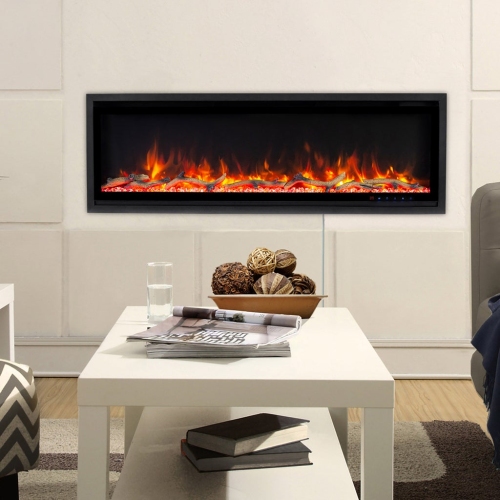
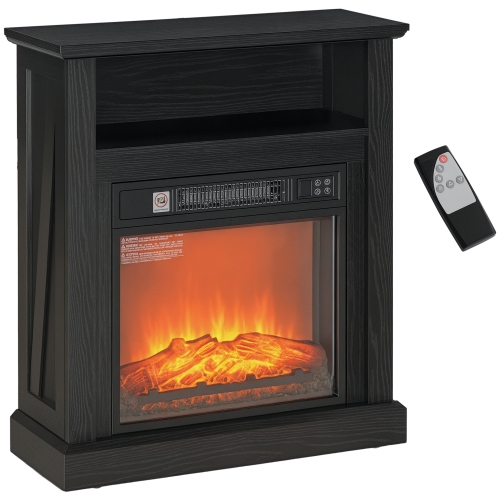


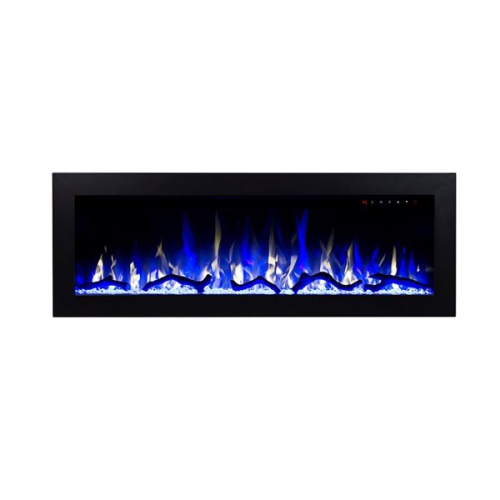


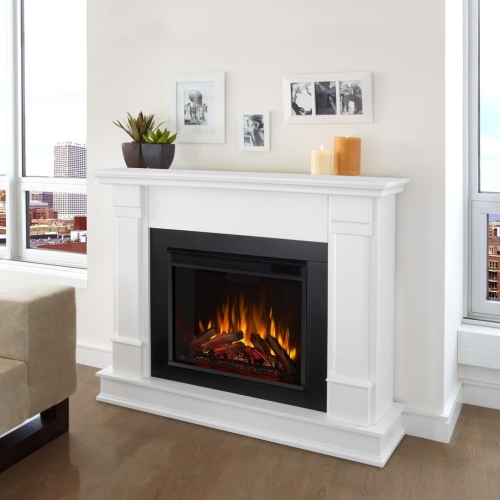


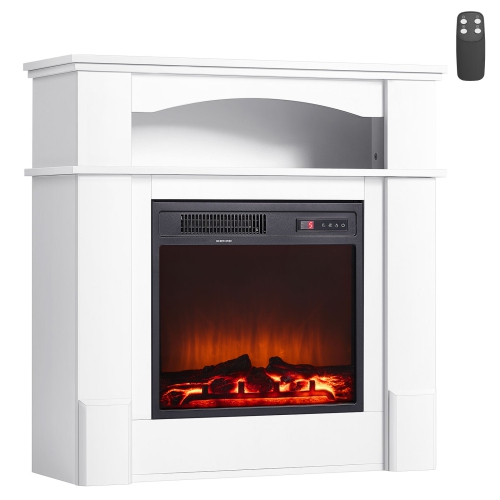


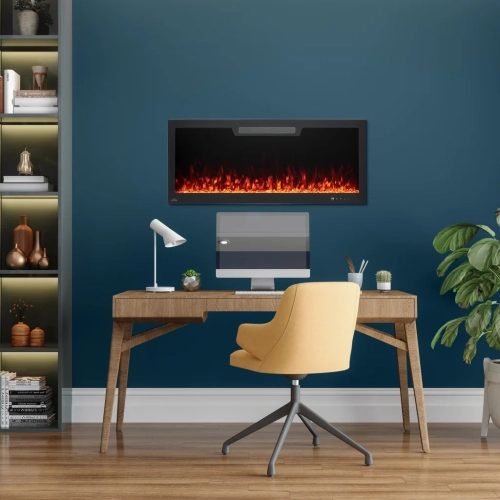
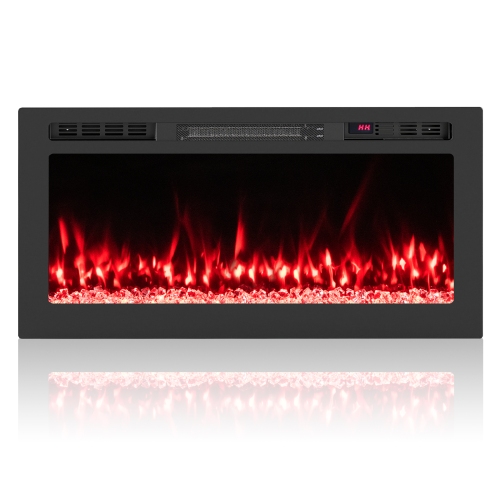


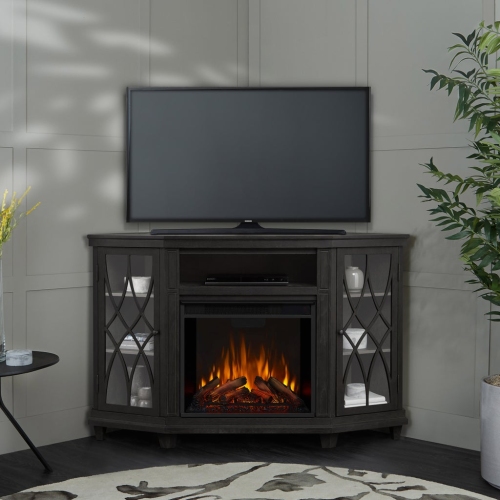


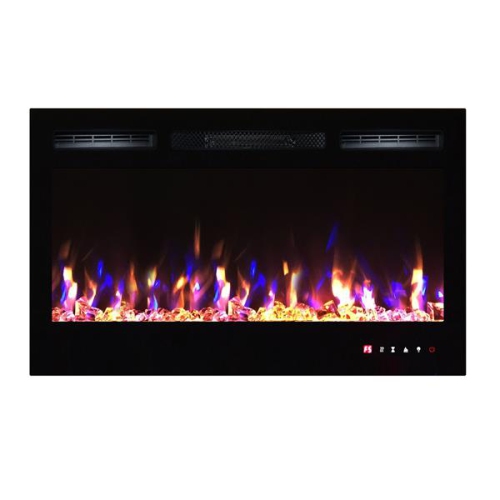

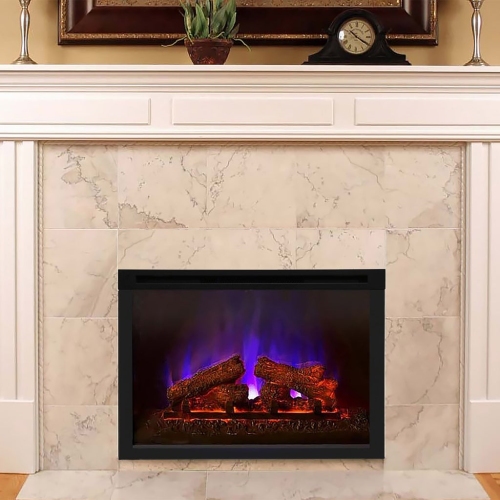
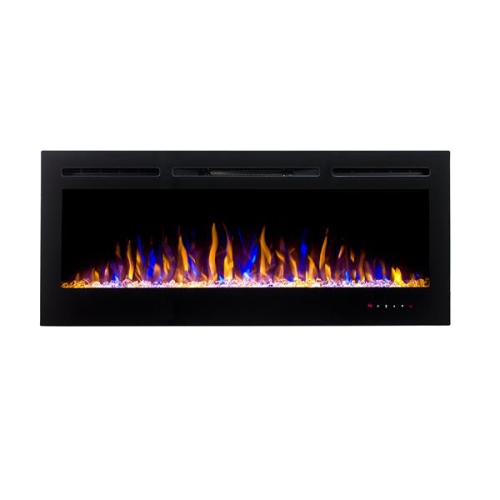


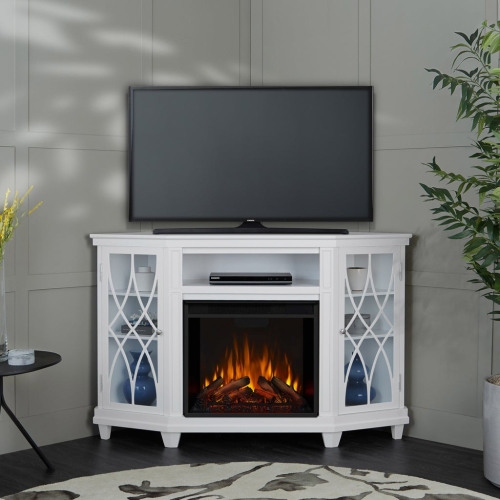


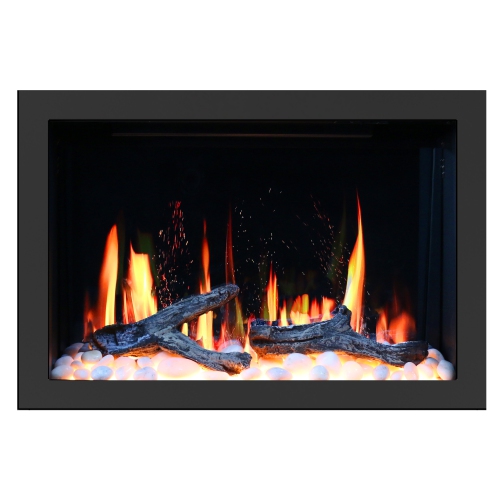


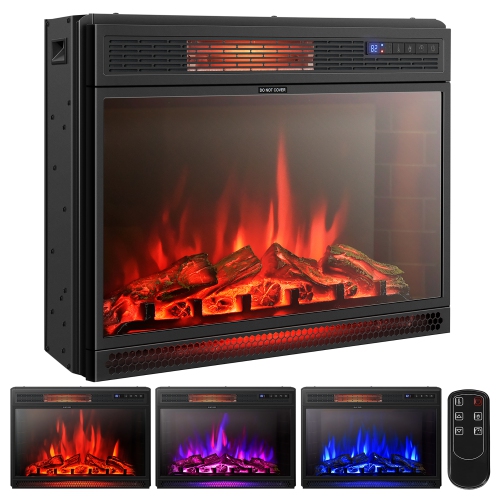

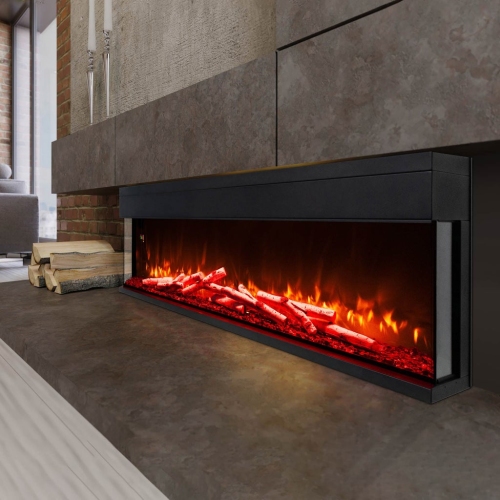


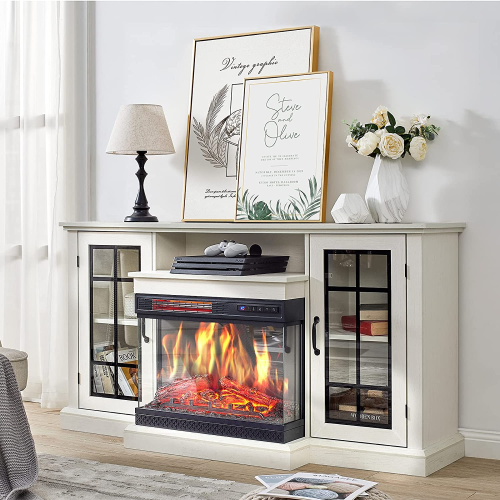


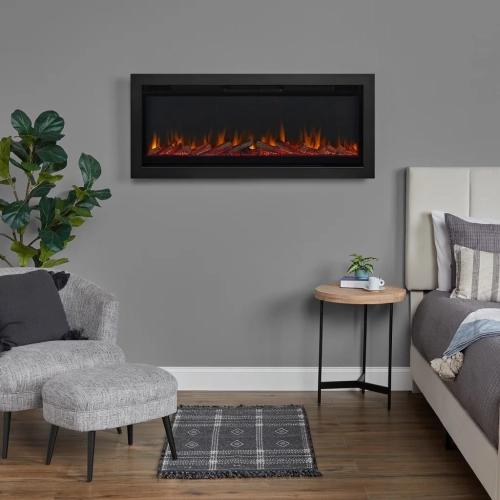

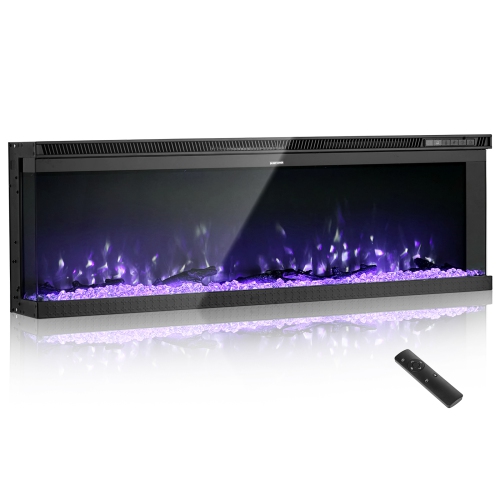


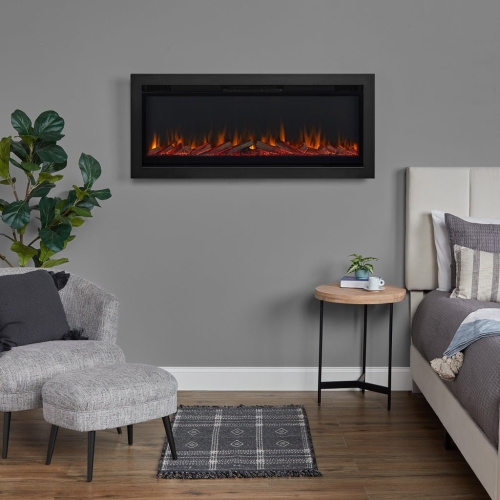


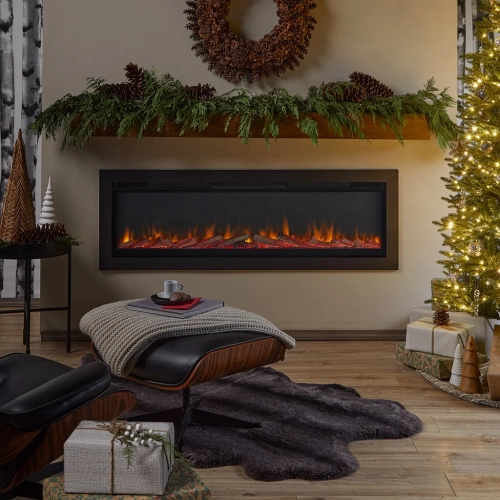

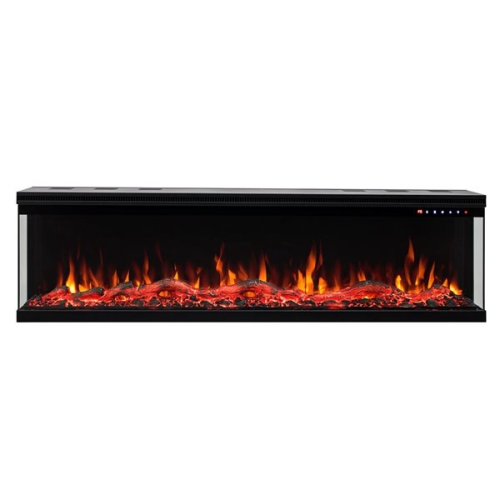


A wide flame display with warmth when needed
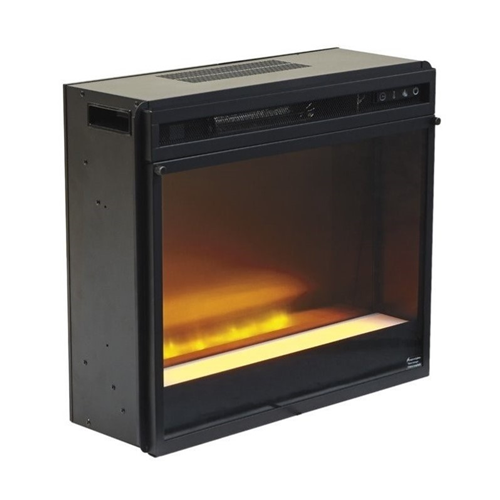
Linear electric fireplaces are long, rectangular fixtures that combine a wide flame display with optional electric heat, creating a horizontal focal point for living rooms, bedrooms, dining areas, and other indoor spaces. Their defining feature is the stretched viewing window: a ribbon of simulated flames that can anchor a seating area without the tall proportions of a traditional hearth. Because the flames are produced using lighting and visual effects rather than burning fuel, these fireplaces do not need a chimney, gas line, or combustion vent. They still require a suitable electrical connection and the clearances specified for their installation. Many designs allow the flame effects to operate independently of the heater, so the display can provide atmosphere when additional warmth is not needed. A softly lit ember bed can make a quiet reading corner feel inviting, while a broader flame display can bring visual balance to a long wall behind a conversation area. Depending on the design, adjustable flame colour, brightness, speed, and ember lighting offer anything from a restrained amber glow to a more colourful presentation. Clear crystal-style media catch the light for a crisp, contemporary appearance, while simulated logs give the display a more familiar hearth-like character. Some fireplaces include interchangeable media; others have a fixed arrangement, making the appearance of the ember bed an important part of the overall choice. Common materials include metal housings and glass fronts, with trim finishes that can blend into a dark feature wall or stand out against pale paint, tile, or stone. The clean shape suits minimalist interiors, but it also works alongside wood furniture, textured upholstery, and more traditional architectural details. For someone furnishing a condo, refreshing a family room, or planning a built-in feature, the appeal is a defined fireplace presence without the fuel storage, ash removal, or chimney requirements associated with a wood-burning hearth. The result can be either a subtle architectural accent or the main visual feature of the room.
The way a linear electric fireplace fits into a room depends as much on its installation style as its width. Wall-mounted designs sit on the surface using the specified mounting hardware, while recessed designs place some or all of the housing inside a prepared wall opening. Certain units support more than one installation method, but a fireplace designed only for surface mounting should not be enclosed in a wall. A recessed installation creates a flush or nearly flush finish, although the wall cavity must accommodate the required depth, electrical connection, and clearances. Framing, wiring, and the location of existing pipes or other services can affect whether that arrangement is practical. In a rental home or condo, building rules and permission for alterations may also influence the installation. The overall dimensions, rough-opening dimensions, and visible glass dimensions describe different parts of the fireplace; a wide outer frame does not necessarily mean an equally wide flame view. Proportion matters in everyday use, too. A narrow display on an expansive wall may feel isolated, while a very wide unit can overwhelm a compact seating area. Painter’s tape marking the proposed outline can help show how the fireplace relates to nearby cabinetry, doorways, and furniture before installation. Viewing height is another consideration, especially where the flame display will be enjoyed mainly from a sofa rather than while standing. If a television is planned above the fireplace, both manufacturers’ requirements need to be considered, including heat discharge, separation, and any mantel or protective provisions. A front-facing heater outlet does not automatically make every television arrangement suitable. Surrounding finishes and decorative shelves must also comply with the fireplace’s installation instructions rather than simply matching its appearance. For rooms where a furniture-style surround is more appropriate than a long architectural opening, wood electric fireplaces offer another look to consider. Either approach benefits from a layout that leaves controls accessible and keeps heat outlets unobstructed, so the finished feature works as comfortably as it looks.
Day-to-day comfort comes from matching the heating function and controls to the space. Linear electric fireplaces generally provide supplemental room heat rather than replacing a home’s main heating system, and a longer flame display does not necessarily produce more warmth. Heating performance depends on the unit’s rated output as well as room size, ceiling height, insulation, and open connections to neighbouring rooms. An enclosed sitting room and an open-plan living area can therefore feel quite different with similar heating output. Thermostat controls, selectable heat settings, and timers can make operation easier, while remote controls allow adjustments from a chair or sofa. Some designs offer touch controls or connected features, although the exact functions vary. Fan sound may also matter in a bedroom, reading space, or room used for television viewing, particularly when the heater is running during quiet moments. Electrical requirements deserve the same attention as visual details: plug-in and hardwired installations have different needs, and some units require a dedicated circuit. The supplied instructions should govern the connection, with a qualified electrician handling hardwiring or necessary circuit work. Extension cords and power bars should not be used as substitutes for an appropriate outlet. Although there is no real flame, heater outlets and nearby surfaces can become hot, so furniture, curtains, children, and pets need the specified separation. Routine care is usually straightforward once the fireplace is switched off and cool. A soft cloth can remove dust from the exterior, and the glass should be cleaned only with methods approved by the manufacturer, avoiding abrasive materials that could mark the finish. Accessible air inlets and outlets need to remain clear of dust and lint. Secure mounting, unobstructed airflow, and access for servicing support dependable long-term use. Together, a well-proportioned display, suitable installation, and practical controls make a linear electric fireplace a lasting part of a room’s layout, whether it is used for a little extra warmth during an evening at home or simply for the movement and glow of the flame effect.
Top selling and popular products
-
 Your price for this item is $220.99
-
 Your price for this item is $249.99
-
 Your price for this item is $645.99
-
 Your price for this item is $569
-
 Your price for this item is $184.99
-
 Your price for this item is $91.99
-
 Your price for this item is $1359.15
-
 Your price for this item is $1104.15
Discover more categories related to Linear Electric Fireplaces


Top Collections:
Pokemon Centers, Best Cameras for Sports Photography, Kindle Devices, Samsung Galaxy Phones, Canon G7X Cameras, Pokémon 30th Celebration Cards, Refurbished Apple Laptops, iPhone 15 Apple, Laptops for Students, Budget Smartphones
Some products may be subject to Environmental Handling Fees
(EHF) depending on your province.
Learn more about EHFs.