Living Room Armoires
Create a stylish and organized living room with these armoires. These versatile pieces of furniture are designed to add both functionality and elegance to your space, making them the perfect storage solution for your living room. Whether you need a place to store your entertainment system, hide away clutter, or showcase your favorite decor items, these living room armoires have something for every style and budget. With a variety of sizes, finishes, and features available, you'll be able to find the perfect armoire to complement your existing decor and enhance the overall aesthetic of your living room.
Sort

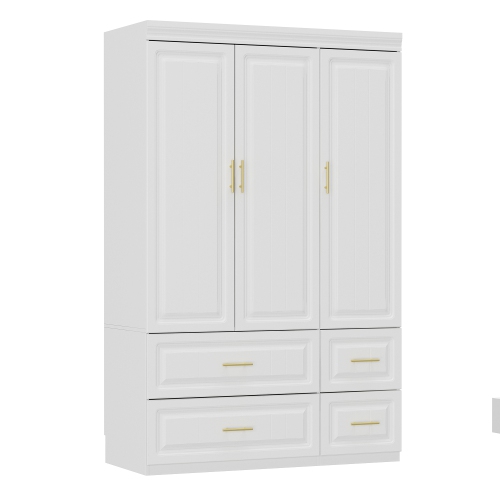
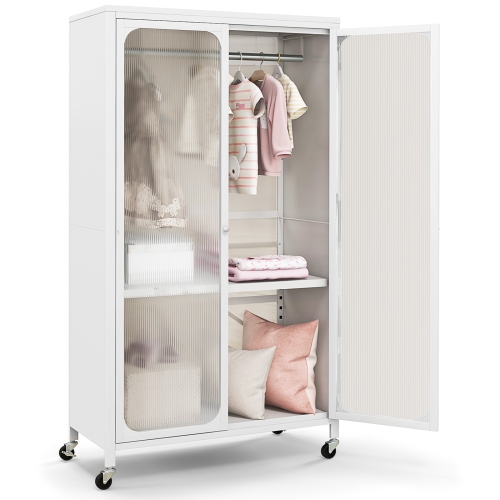
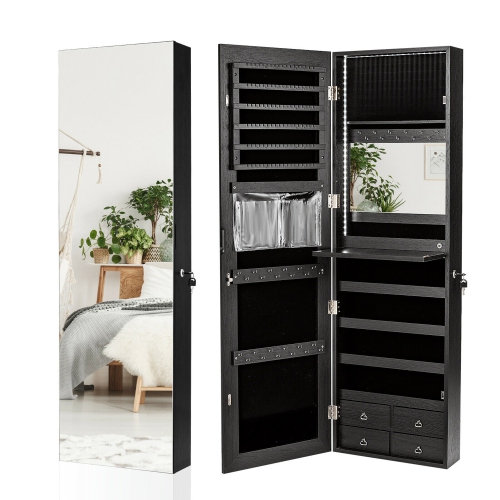
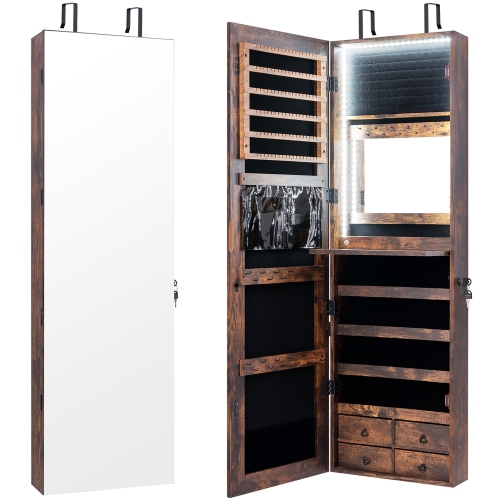
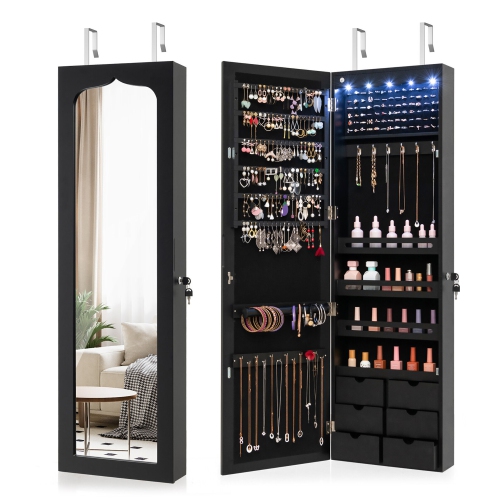
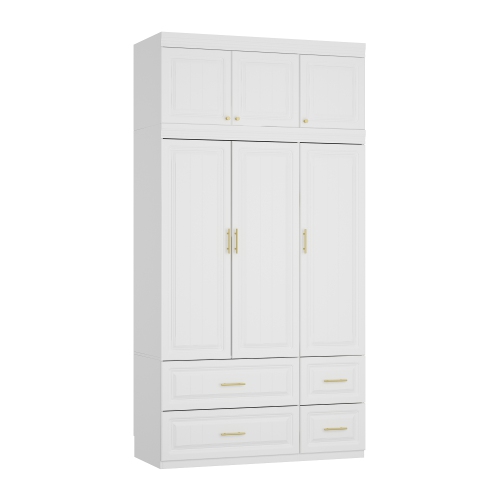
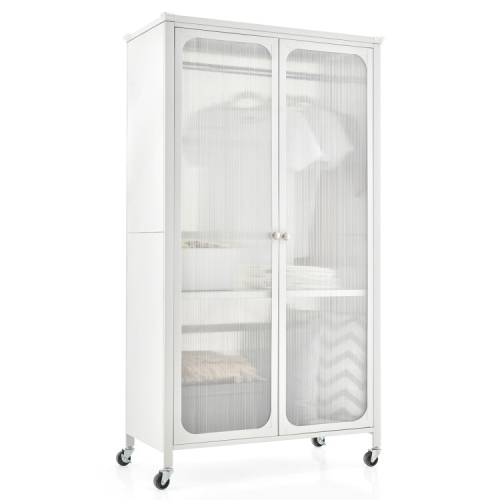
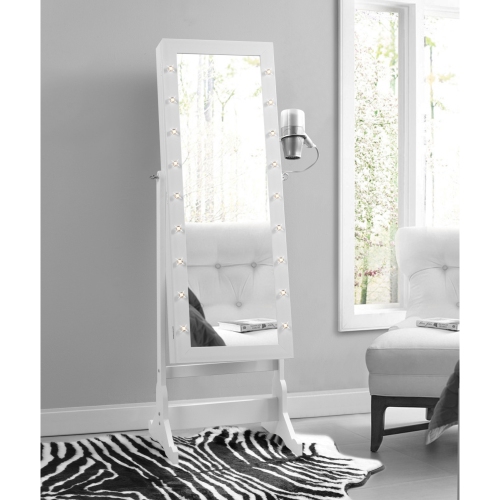


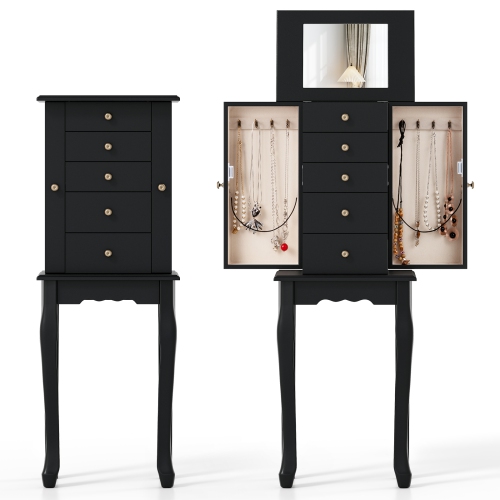
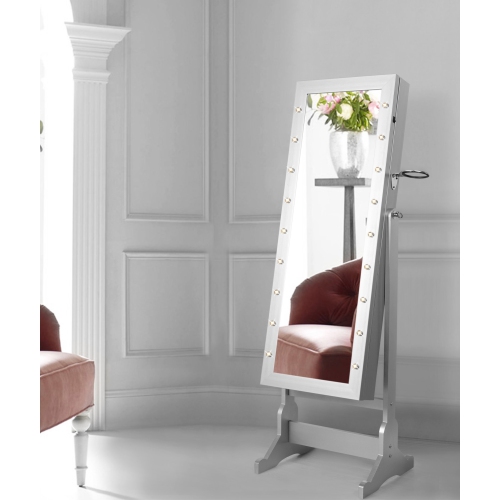

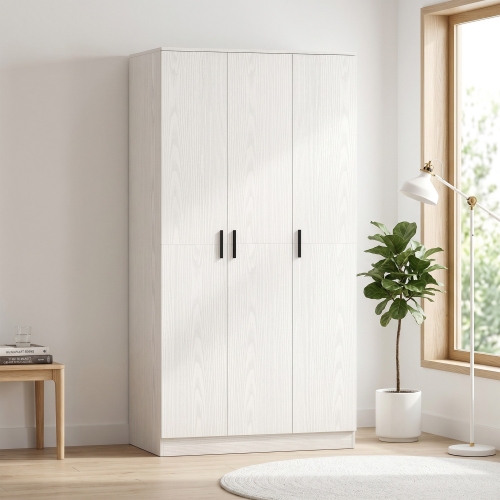

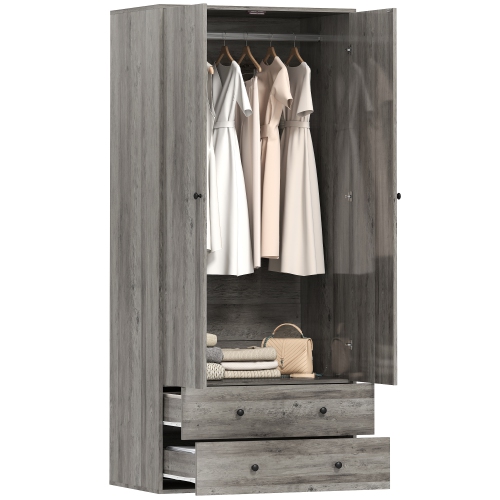

Versatile storage for media, books, blankets, and décor
Living room armoires bring the presence of a traditional cabinet together with practical storage for today’s homes. Their tall, freestanding design makes use of vertical space, creating a useful home for entertainment equipment, books, games, blankets, decorative objects, and everyday items that can make a room feel busy when left in view. Depending on the layout, an armoire may sit against a feature wall, beside a sofa, in an open-concept living area, or near an entryway where extra household storage is especially helpful. Closed doors make it easy to create a calmer appearance before guests arrive, while adjustable shelves, drawers, and open compartments can keep frequently used belongings organized. Some living room armoires are designed with a spacious central opening for a television, soundbar, media player, or gaming console, while others are better suited to general storage and display. Cabinets with glass panels can showcase books, framed photographs, ceramics, or collected décor, whereas solid doors provide a discreet place for board games, spare cushions, throws, and other larger items. An armoire can also be a useful choice for renters, apartment dwellers, and anyone who wants storage without committing to built-in cabinetry. In a family room, it can keep controllers, puzzles, and game accessories together; in a quieter sitting room, it can conceal reading materials and entertaining essentials. During the cooler months, having a dedicated place for extra blankets and pillows can make the room feel more welcoming without leaving bulky textiles piled on a chair. For shoppers comparing storage furniture, it can help to consider what the cabinet will hold first, since the ideal interior arrangement for a television and electronics may be quite different from the layout needed for linens, books, or décor.
Measuring carefully is one of the most important steps before choosing a living room armoire. Record the available floor width, depth, and ceiling height, then account for baseboards, vents, windows, door swings, light switches, and the space needed to open the cabinet doors fully. A tall piece can make a compact room feel more vertical and polished, but it should still leave comfortable walking space around it. Check the interior dimensions as well as the exterior measurements, particularly when planning to place a television, speakers, a record player, or a larger game console inside. The screen size alone does not tell the whole story; allow room for the frame, stand, cables, ventilation, and access to controls. Shelves that can be adjusted offer more flexibility as equipment or storage needs change, while drawers are convenient for remotes, charging cables, small accessories, and other items that are easily misplaced. Look for openings or cable-management features if electronics will be stored inside, and avoid crowding devices into a closed compartment without suitable airflow. Door style also affects daily use. Hinged doors need clearance in front of the unit, sliding doors can work well in tighter spaces, and glass doors make it easier to see what is inside while still giving the room a finished look. Pay attention to construction details such as sturdy hinges, smooth drawer runners, secure shelving, and a finish that suits the rest of the room. Warm wood tones can complement classic or relaxed interiors, while clean-lined finishes may blend naturally with contemporary furniture. If a living room already includes a large sofa, coffee table, bookcase, or media console, an armoire with a simpler silhouette can help balance the space rather than competing with those pieces. Shoppers seeking a shorter storage option may also wish to compare Living Room Chests for rooms where vertical height or a tall profile is not suitable.
Safety and placement deserve just as much attention as appearance. Because living room armoires are tall, secure the unit to the wall using the appropriate anti-tipping hardware, following the manufacturer’s instructions and choosing anchors suited to the wall material. This is particularly important in homes with young children or pets, and it is also a sensible precaution when the cabinet will hold heavy electronics, books, or densely packed games. Keep heavier items on lower shelves where possible, distribute weight evenly, and avoid placing objects where they could fall when doors or drawers are opened. Before installation, check that the path from the entrance to the room is wide and tall enough for delivery, including stairways, lift doors, hallways, and tight corners. Some cabinets require assembly, so review the space needed to build the unit and consider whether the finished piece can be moved safely into its final position. Once installed, an armoire can serve different needs as a household changes. It may begin as a concealed television cabinet, then become a combination media centre and family storage station, or move into a guest room or den when the room’s layout evolves. It can be a thoughtful housewarming gift for someone furnishing a first apartment, a practical addition for a family looking to contain living room clutter, or a useful upgrade for a host who wants games, serving pieces, and entertaining supplies close at hand but out of sight. A well-chosen armoire does more than fill an empty wall: it helps define the room, protects and organizes the belongings inside, and makes everyday routines feel more considered. By matching the size, interior features, door configuration, finish, and safety hardware to the way the room is actually used, shoppers can choose storage that remains useful through changing routines, gatherings, and the transition from warmer days to the cooler seasons.
Top selling and popular products
-
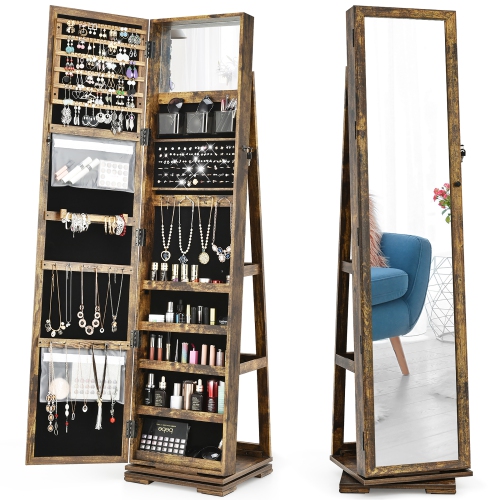 Your price for this item is $224.99
-
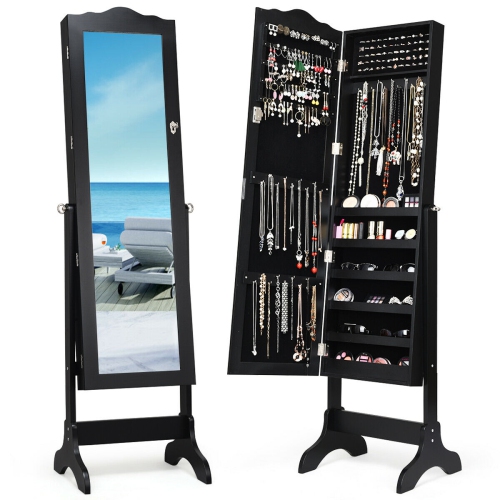 Your price for this item is $169.99
-
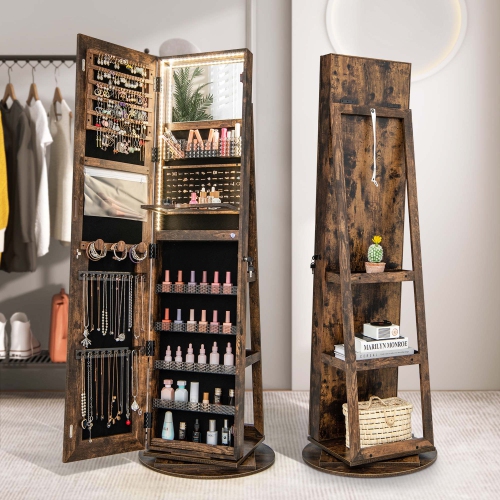 Your price for this item is $289.99
-
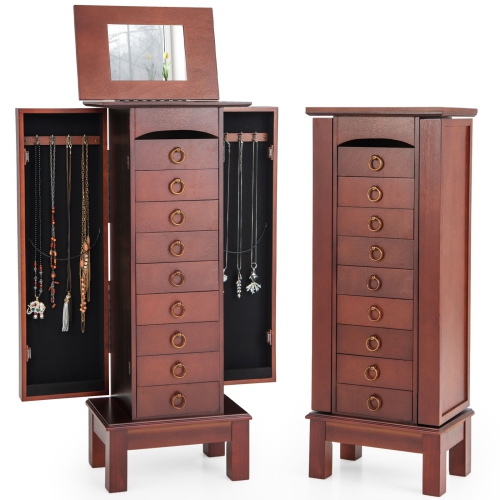 Your price for this item is $199.99
-
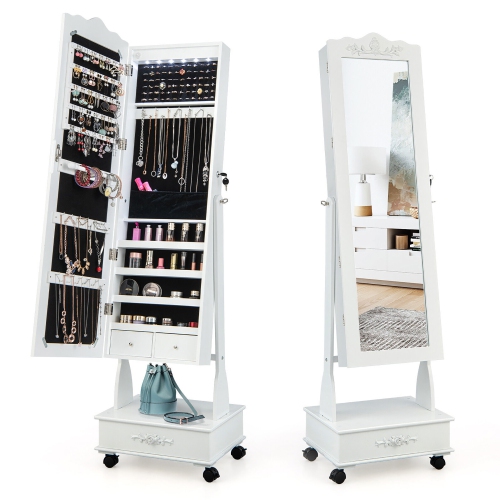 Your price for this item is $189.99
-
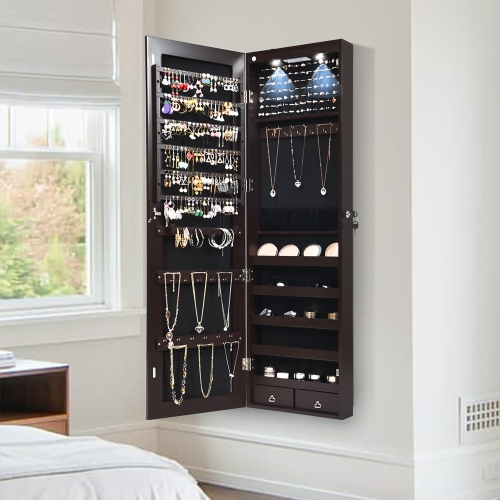 Your price for this item is $169.99
-
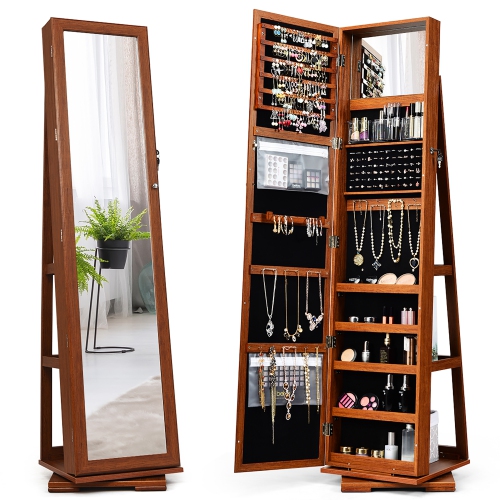 Your price for this item is $229.99
-
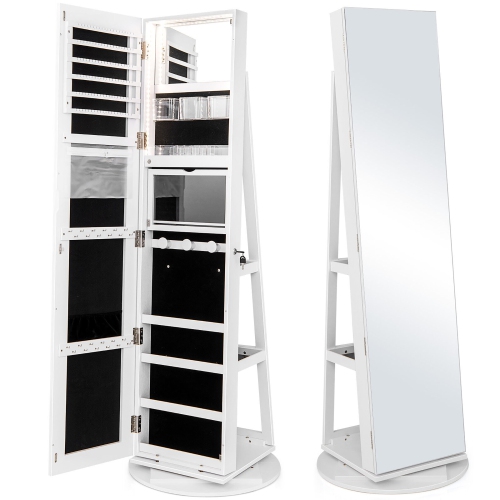 Your price for this item is $199.99
Discover more categories related to Living Room Armoires

Top Collections:
Pokemon Centers, Best Cameras for Sports Photography, Kindle Devices, Samsung Galaxy Phones, Canon G7X Cameras, Pokémon 30th Celebration Cards, Refurbished Apple Laptops, iPhone 15 Apple, Laptops for Students, Budget Smartphones
Some products may be subject to Environmental Handling Fees
(EHF) depending on your province.
Learn more about EHFs.