Living Room Corner Shelves
Living Room Corner Shelves offer a stylish and practical way to maximize your space while enhancing your home décor. Perfect for displaying decorative accents, books, or family photos, these shelves fit seamlessly into unused corners to help you stay organized and add visual interest to your living room. With a variety of styles and finishes available, finding the right Living Room Corner Shelves to complement your existing furniture and personal taste is simple. Explore options that bring both functionality and charm to any corner of your living area.
Sort
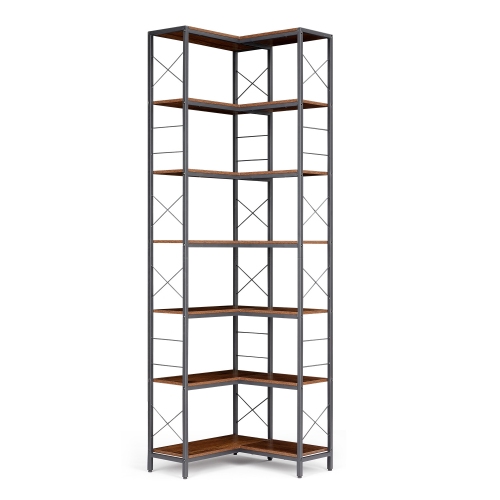
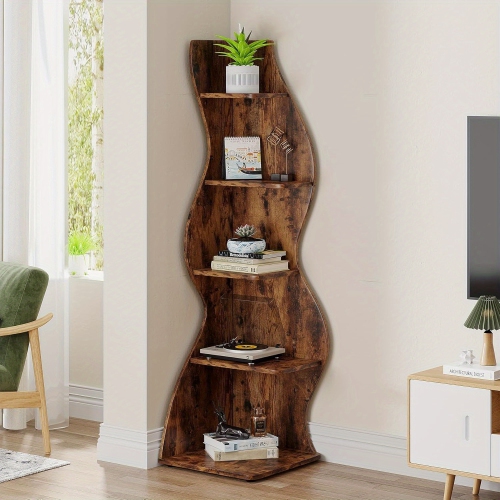
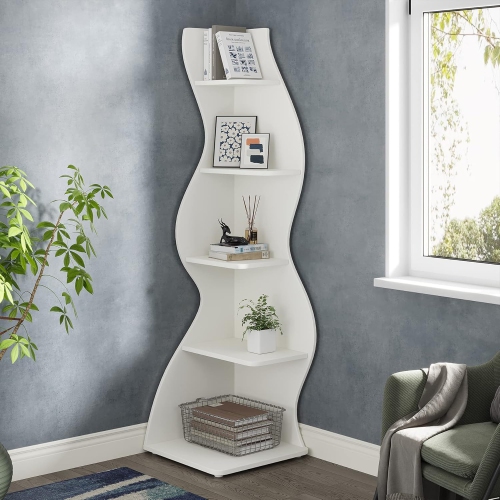
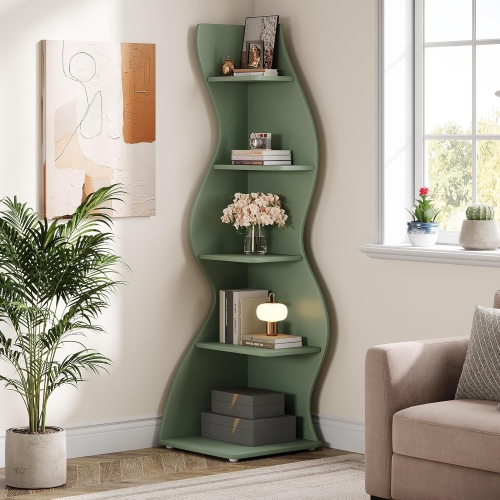
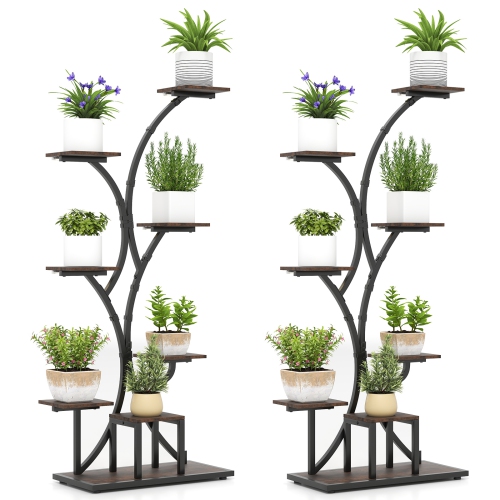
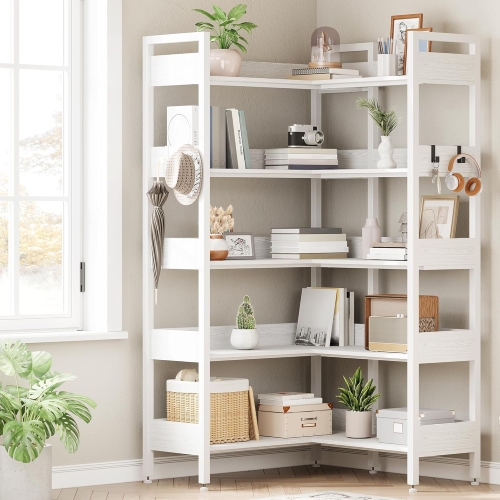
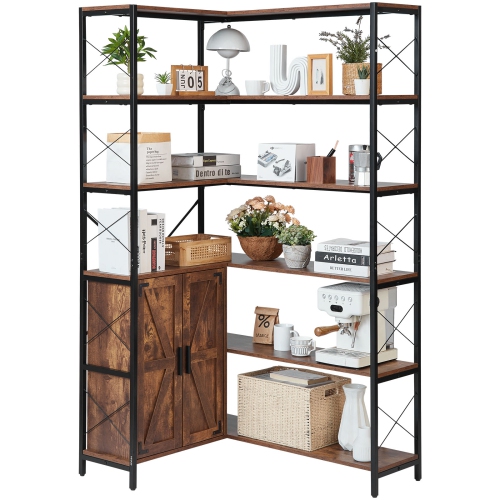
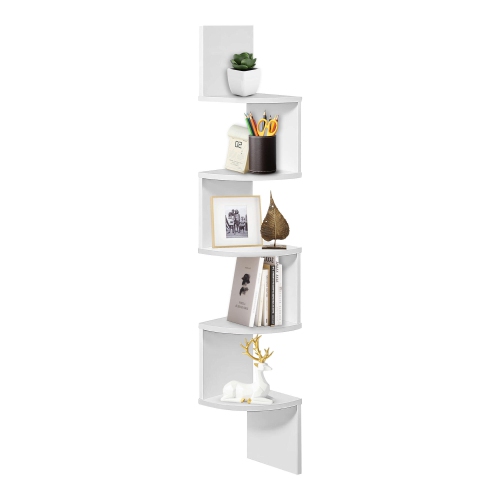
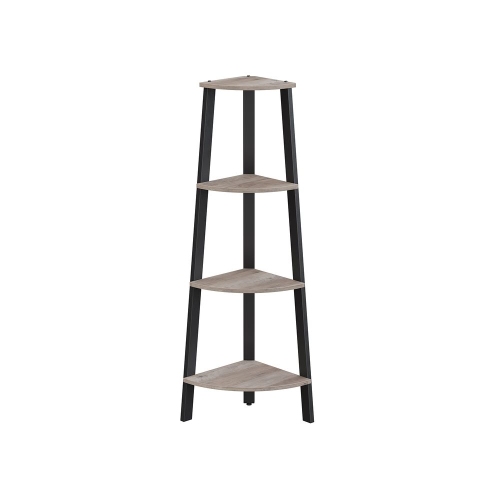
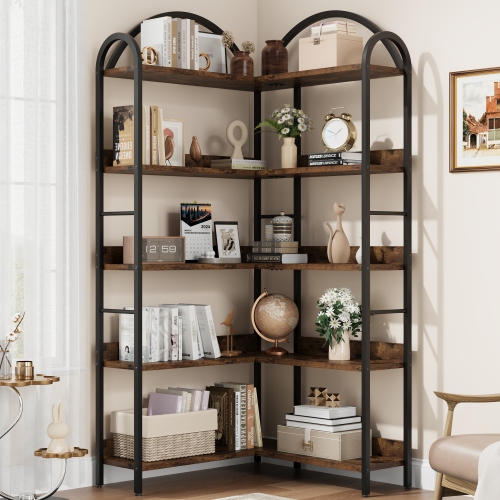
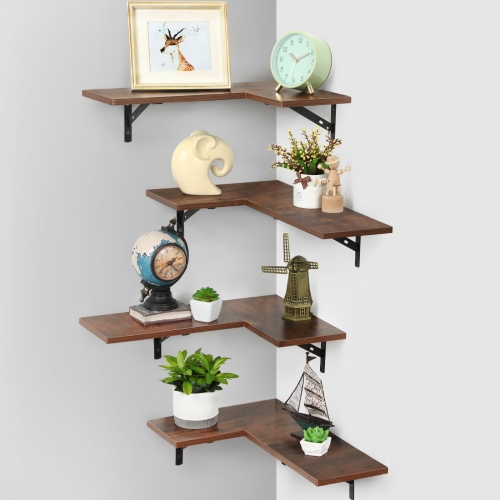
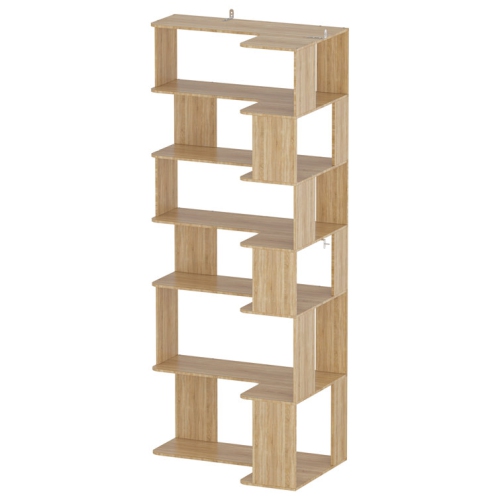
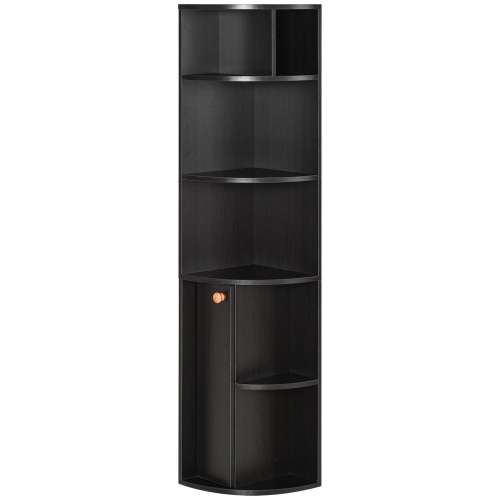
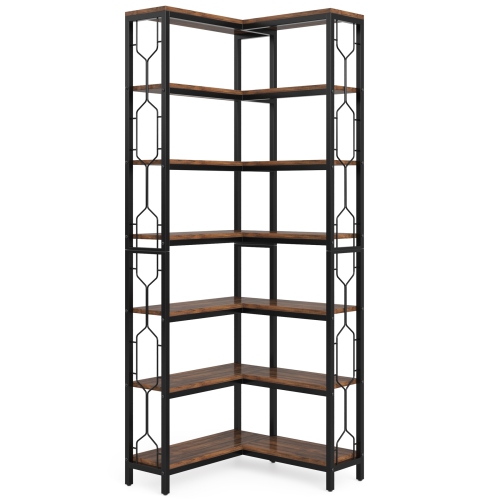
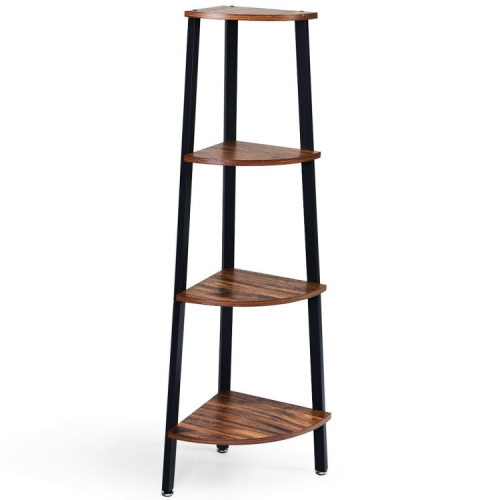
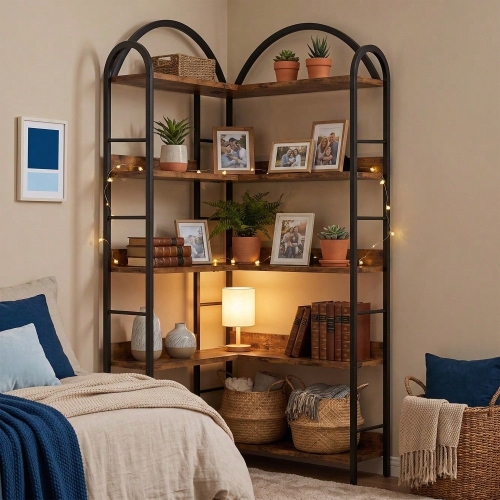
What fits on a shelf where two walls meet
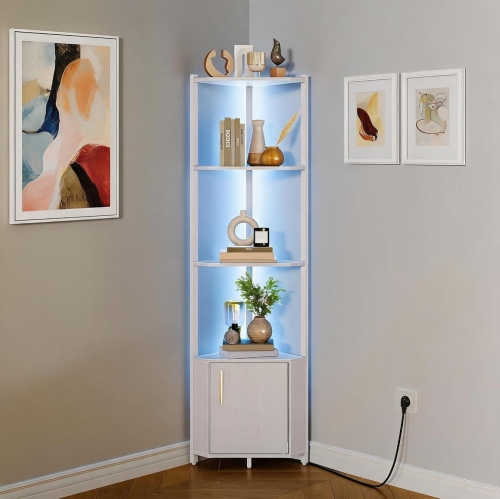
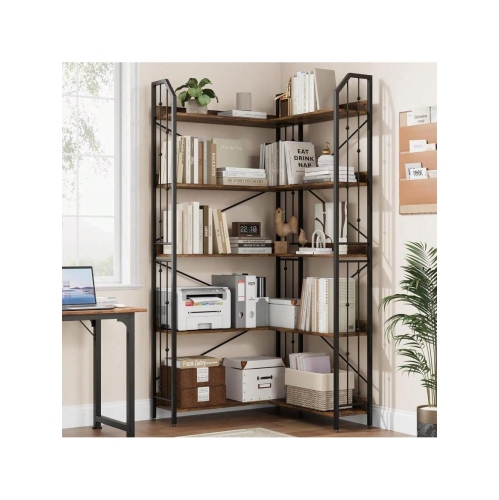
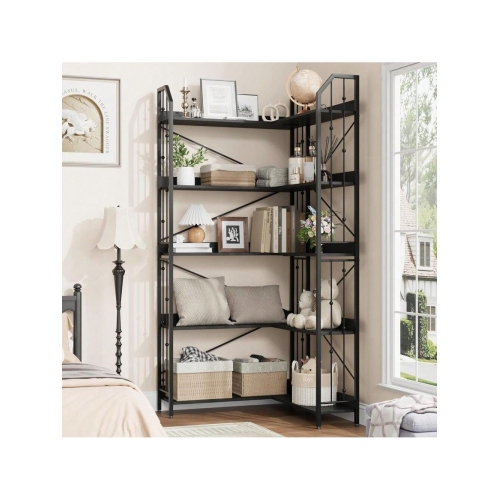
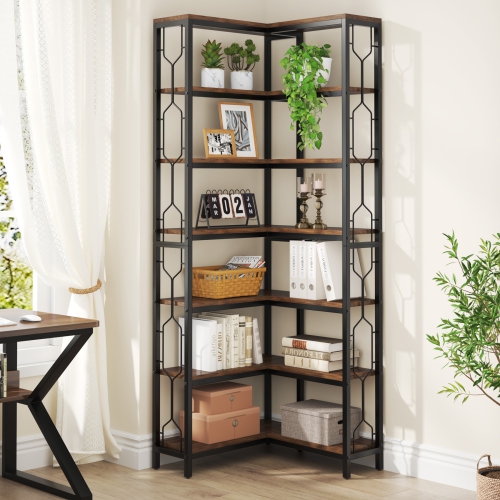
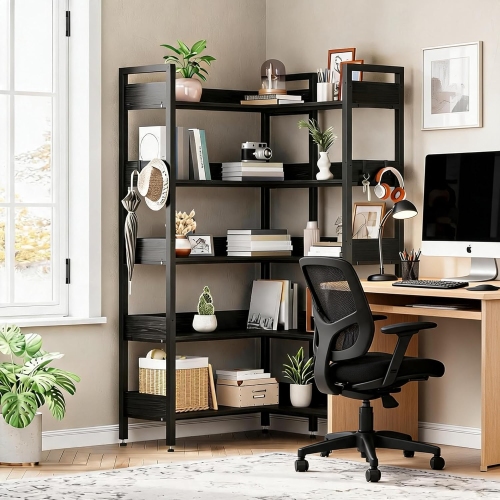
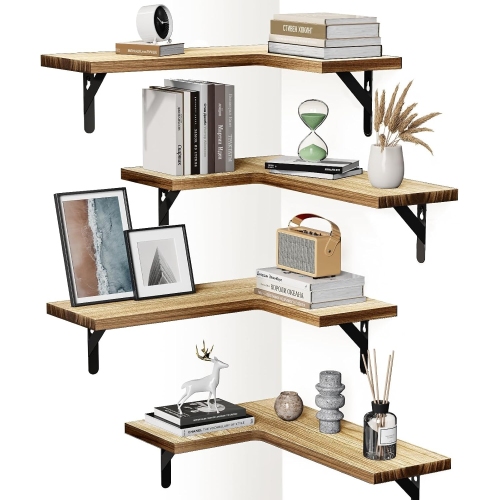
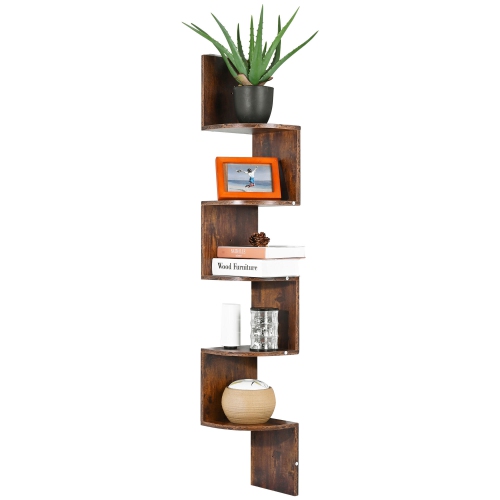
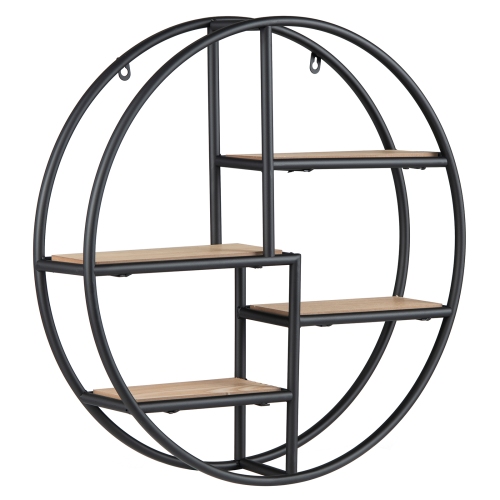
Living room corner shelves turn the space where two walls meet into a spot for books, plants, framed photos and the everyday things that tend to gather on a coffee table. Wall-mounted corner shelves, including floating styles with concealed brackets, leave the floor clear. They fit naturally above the arm of a sofa or beside a reading chair where there may not be room for another piece of furniture. Some sit on a single level, while stacked or zigzag designs create several small display surfaces without taking up much wall space. Freestanding corner shelves use the height of the room and can offer more room for books or baskets, depending on the depth and weight capacity of each tier. A ladder-style unit often has wider shelves at the bottom, while an open-frame unit with tiers of similar depth can make better use of the full height for a book collection. The shape matters as much as the overall dimensions. A triangular shelf may look wide from the front, but its usable depth narrows toward the sides. A shelf that extends along both walls offers a different layout, with room to spread things out rather than cluster them in the middle. In a tight corner, it helps to picture the largest thing the shelf will hold: a planter needs space for its saucer, while a framed print on a stand takes up more depth than it appears to from the front. For a floor unit, the footprint includes any feet or legs that extend beyond the shelves. A thick baseboard can keep the frame from sitting flush, and a shelf beside a doorway needs enough clearance for the door to swing and for people to pass comfortably. In a corner next to the sofa, a lower shelf within easy reach can serve as a landing spot for a book or a remote, while a higher tier keeps framed photos visible above the sofa arm.
Materials affect how corner shelving looks, how it holds up and how much care it needs. Solid wood brings visible grain and can develop small marks with regular use. Veneered engineered wood offers a wood-grain surface over a manufactured core, while laminate finishes generally have a more uniform appearance. With medium-density fibreboard (MDF) and other engineered panels, the condition of the finish matters, especially around edges and joints where moisture can get in. A metal frame can give a tall unit a slimmer profile and keep the corner feeling open, but the material alone does not tell the whole story about strength. The way the shelves are supported, the quality of the joints and the suitability of the mounting hardware all contribute to how sturdy the unit feels. A row of hardcovers or a freshly watered plant can weigh considerably more than a few picture frames. Some units list a weight limit for each shelf as well as a total limit, and those ratings may assume the load is evenly distributed. Wall-mounted shelves need hardware suited to the wall construction and an installation that follows the manufacturer’s instructions. Tall freestanding units should sit level and be secured using the specified anti-tip hardware; freestanding does not necessarily mean no wall attachment is needed. For everyday care, a soft cloth can reach into the back corner without scratching the finish. If damp cleaning is permitted, drying the surface afterward is especially useful around seams. A watertight saucer under a plant pot helps prevent rings and drips, and lifting a ceramic piece rather than sliding it can help protect the shelf from scratches. On an open unit, leaving room to reach behind frames and baskets also makes regular dusting easier.
Corner shelving works particularly well when each tier has enough room for what it holds and a little space around it. In a shared living room, a basket on a lower tier can gather remotes and charging cables, while an upper shelf gives a favourite photograph a place where it won’t get knocked aside. Beside a reading chair, books can occupy the deeper part of a shelf, with a small object set near the front where it can be seen. A plant near a window can soften the line where the walls meet, provided the spot gets the light the plant needs and there’s enough room to lift the pot out for watering. Leaving some open space between groups of objects can keep a narrow shelf from looking crowded, especially when the corner is visible from the entryway. In a compact apartment, an open corner unit can add storage without filling a long stretch of wall. In a larger living room, a taller unit can give an otherwise bare corner enough presence to balance a sofa or media console on the other side of the room. A corner shelf can also be a practical housewarming gift when the recipient has a particular spot in mind and the dimensions, finish and mounting requirements are known. For a rental, it’s worth knowing whether the intended wall can be drilled into, even if the shelf stands on the floor and only needs an anchor. The same books, photos and keepsakes can also sit on Living Room Display Shelves when there’s more usable space along a straight wall. A corner design makes the most sense when it puts that overlooked space to work without crowding a walkway, blocking an outlet or making the arm of a favourite chair harder to reach.
Top selling and popular products
-
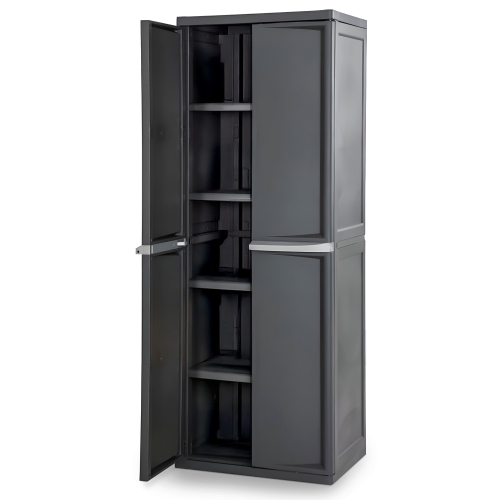 Your price for this item is $577.99
-
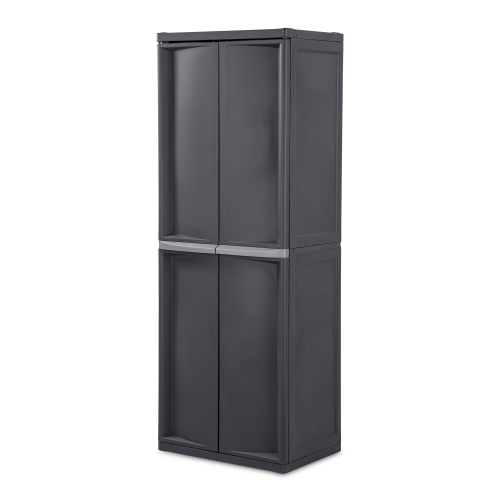 Your price for this item is $1167.99
-
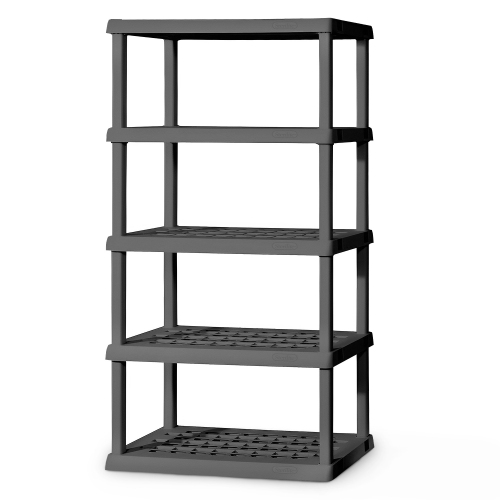 Your price for this item is $331.99
-
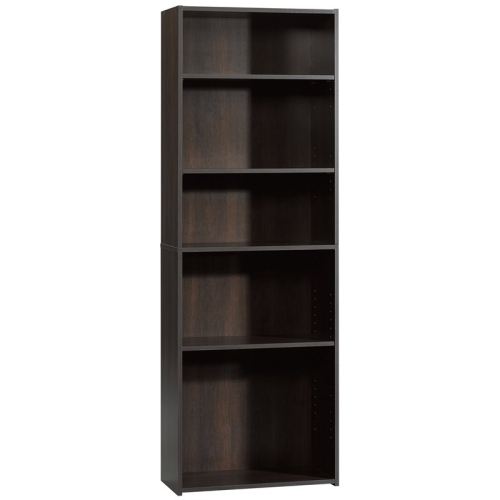 Your price for this item is $208.99
-
 Your price for this item is $171.99
-
 Your price for this item is $592.99
-
 Your price for this item is $599
-
 Your price for this item is $229.99
Discover more categories related to Living Room Corner Shelves
Top Collections:
Best Black Friday Deals This Year, Best Black Friday Deals On Electronics, Kindle Devices, Dyson Airwrap, Best Cameras for Sports Photography, Best Budget Office Chairs, Canon G7X Cameras, PS5 Pro Consoles, Best Black Friday Deals On Apple Products, XBOX One S Consoles
Some products may be subject to Environmental Handling Fees
(EHF) depending on your province.
Learn more about EHFs.