Living Room Storage Cabinets With Doors
Transform your space and keep your home organized with living room storage cabinets with doors. Whether you’re looking to neatly tuck away electronics, board games, or everyday essentials, these versatile pieces offer a stylish solution for managing clutter. Available in a variety of sizes, finishes, and designs, living room storage cabinets with doors can easily complement your existing décor while providing practical storage options for any household. Discover the perfect cabinet to enhance both the functionality and appearance of your living area.
Sort
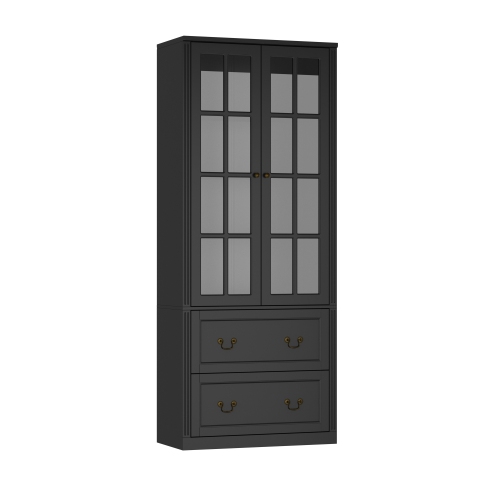
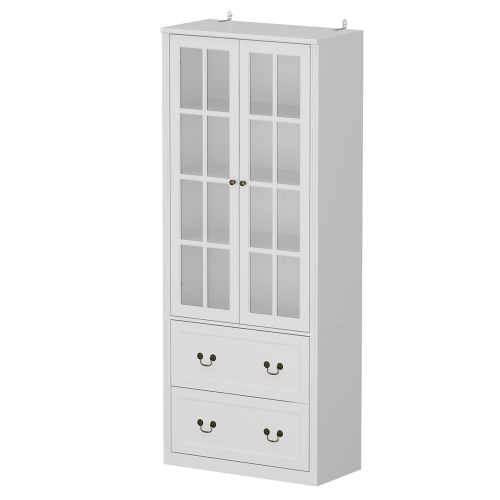
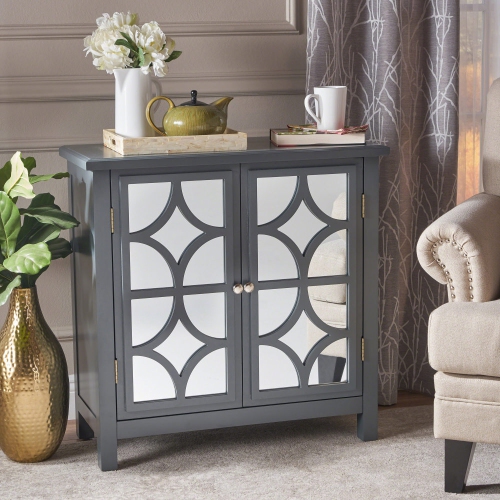
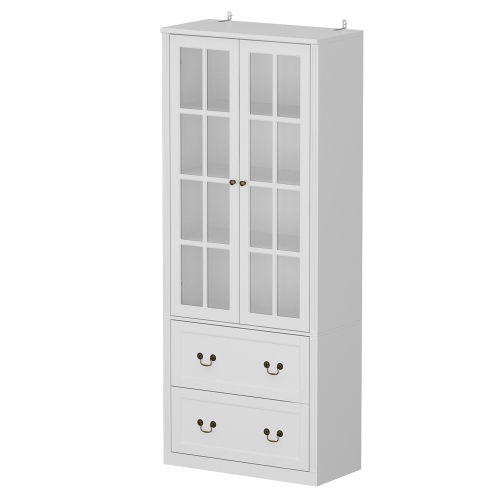
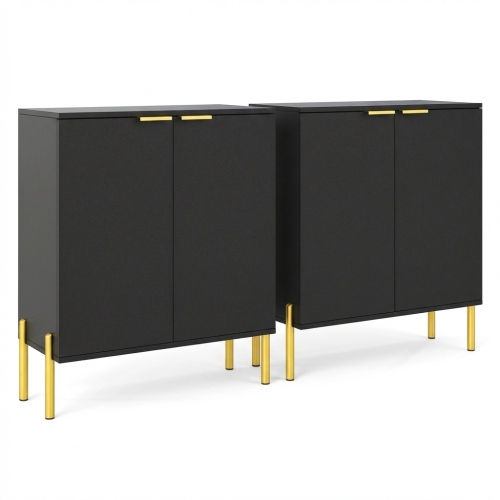
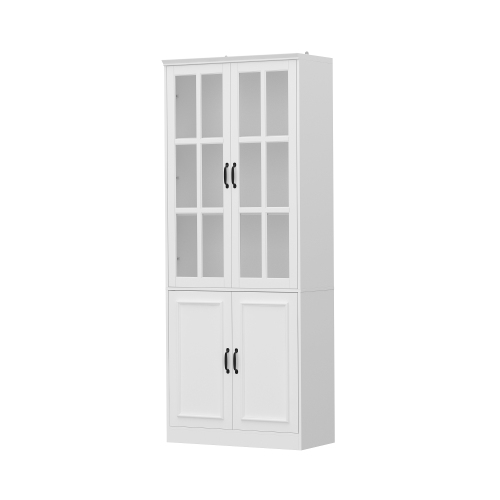
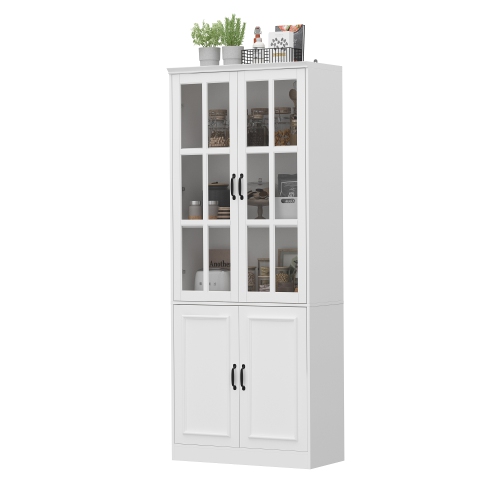
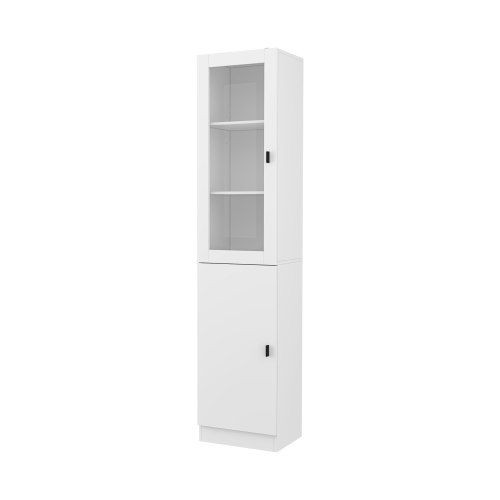
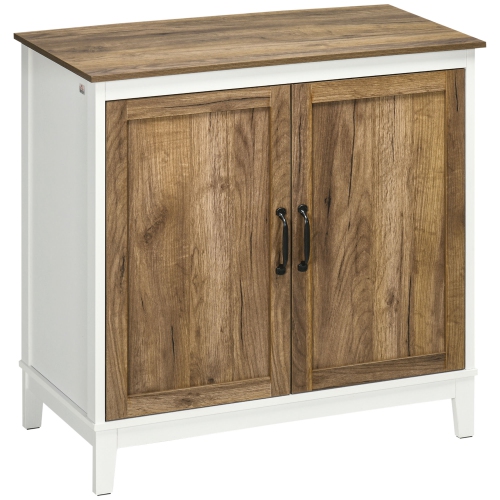
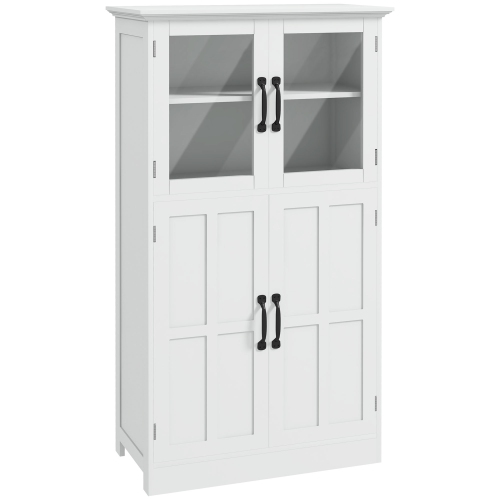
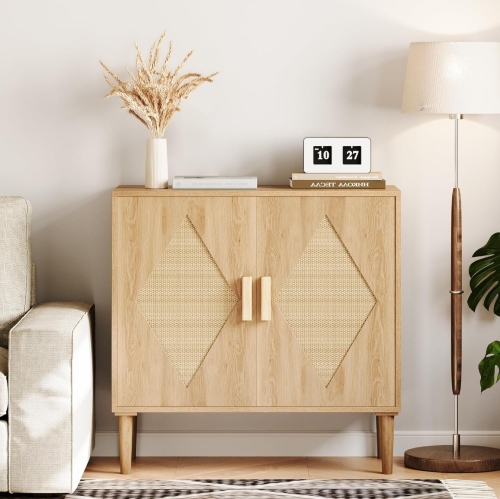

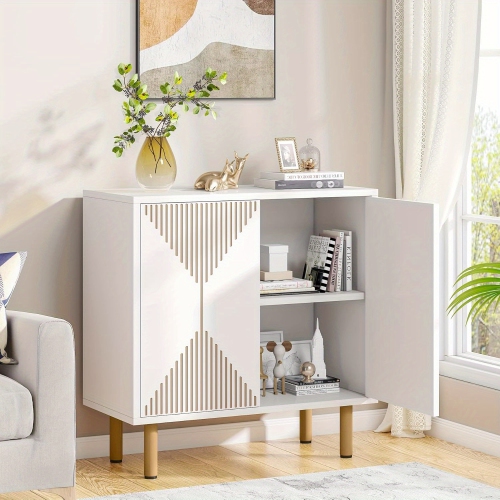
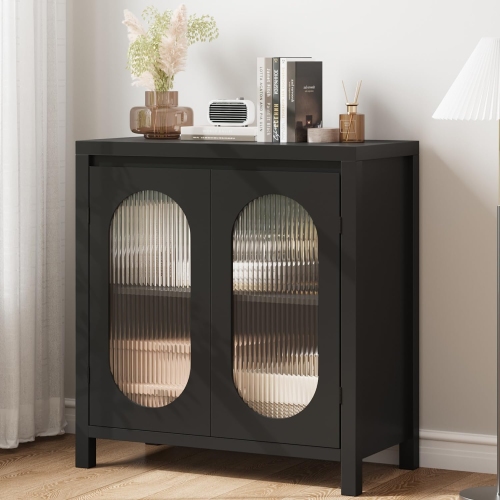
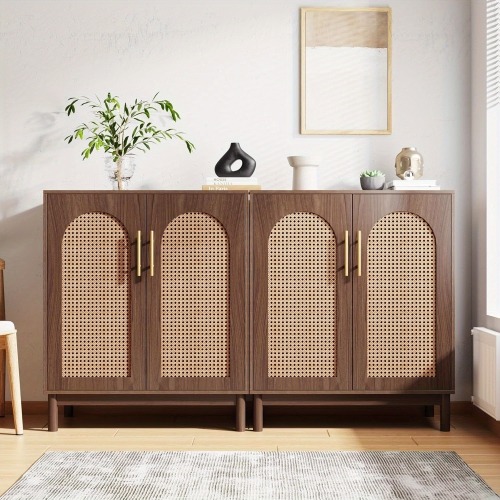
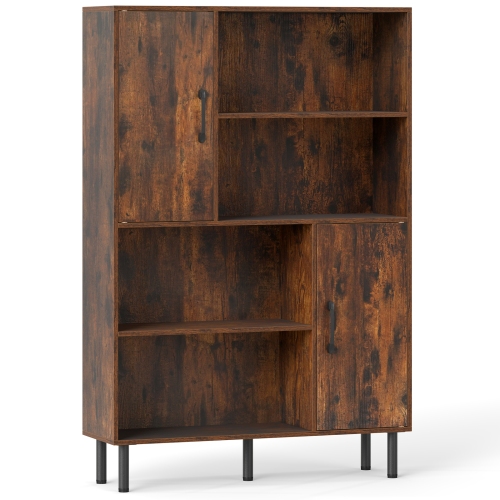
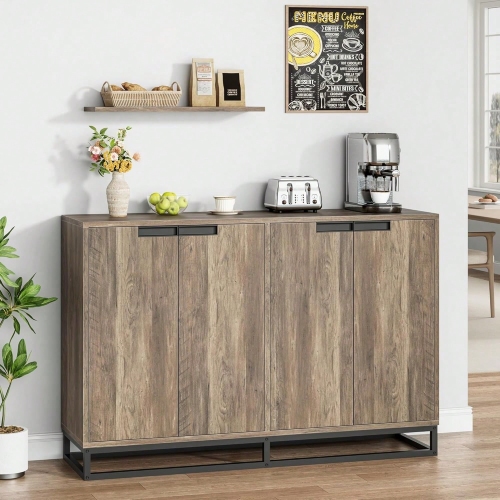
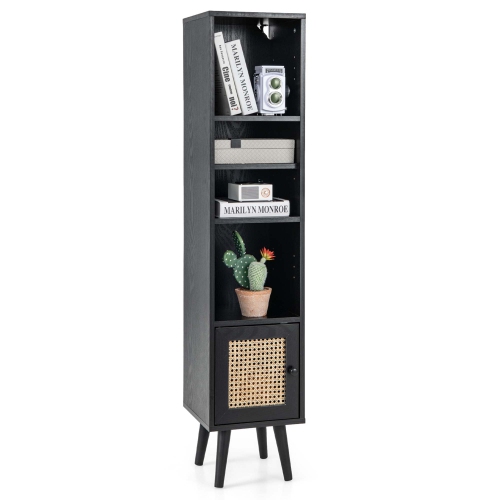

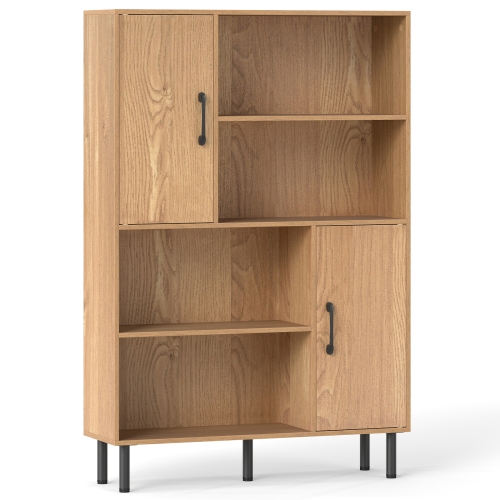

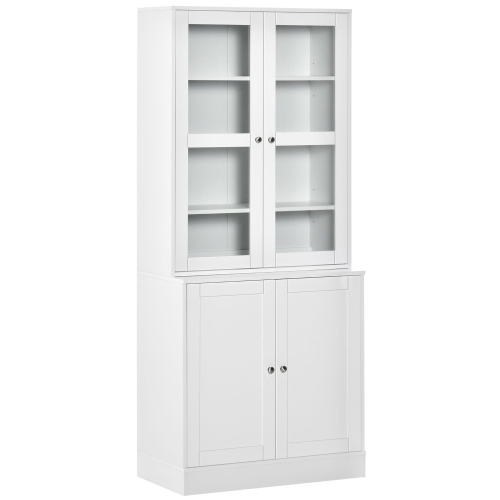
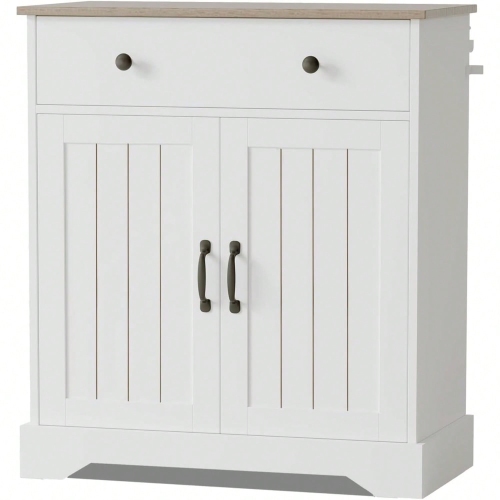
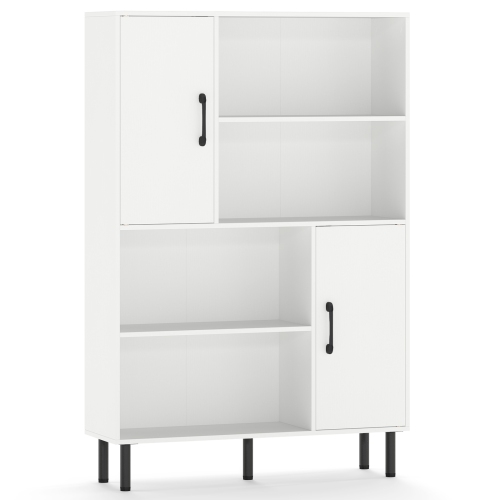
Closed doors hide clutter without hiding your style
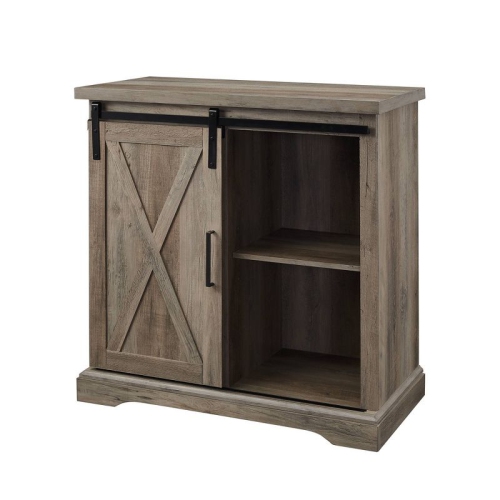
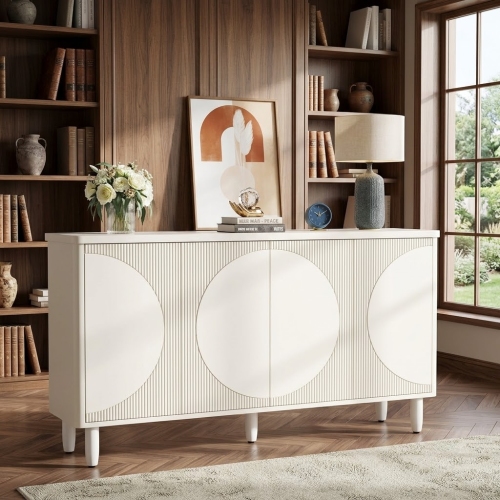
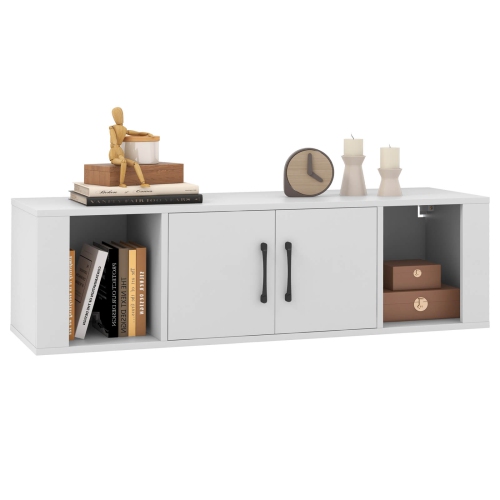
Living room storage cabinets with doors give everyday belongings a place to settle without leaving everything on display. A stack of board games, a basket of charging cables, spare throws, and the books that tend to gather beside the sofa can all sit behind closed doors, leaving the room feeling more ordered without making it less lived in. Unlike open shelving, enclosed storage lets the outside of a cabinet contribute to the room’s style while the inside does the practical work. Solid doors conceal a mixture of shapes and colours, while glass-panelled doors keep favourite objects visible and offer some protection from dust. Fluted or textured glass provides a middle ground, softening the view of what is stored inside. The cabinet’s proportions and finish also influence how it sits alongside existing furniture. A low, wide design can anchor a blank wall, with space above for artwork, while a taller, narrower cabinet can add storage beside a reading chair without taking up as much floor space. Wood tones bring warmth to a room with upholstered seating, painted finishes can blend with nearby walls, and metal details can pick up the finish of lamps or side tables. Flat door fronts suit a clean-lined arrangement; framed panels and visible wood grain add more detail. For a shared family room, closed storage can separate children’s activities from the space used for relaxing or entertaining. In an apartment, the same cabinet might hold reading materials, serving pieces, and home office supplies that need to disappear at the end of the day. Adjustable shelves are especially useful when those needs overlap, allowing a tall photo album to sit in one section and shorter baskets in another. A cabinet top can hold a lamp or a small display, provided its load limit and intended use allow it, so the piece contributes to the room even when its doors are shut.
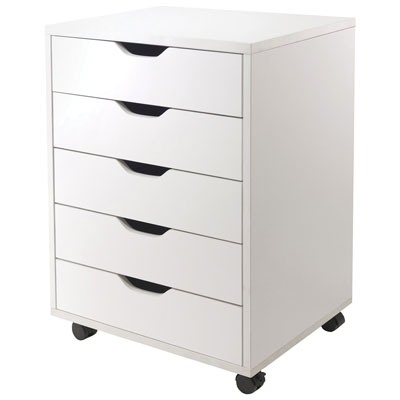
The most useful fit depends on more than the width of an empty wall. Cabinet depth affects the walking space beside a sofa, the clearance behind an accent chair, and how easily someone can move through the room while carrying a tray. Door swing needs its own allowance: a cabinet that fits neatly between two pieces of furniture may still be awkward if its doors cannot open far enough to reach the shelves. Nearby baseboards, outlets, floor vents, and light switches can also influence placement. Measuring the intended location, along with entryways and any stairs the furniture must pass through, helps establish whether a cabinet will work beyond its footprint. Interior measurements matter just as much. A generous-looking exterior does not necessarily mean there is room for an oversized game box or a deep storage basket, particularly when hinges or a central divider occupy part of the opening. Shelf spacing, shelf load limits, and the presence of a fixed middle shelf affect what can be stored and how flexibly the space can be arranged. Frequently used belongings are easiest to reach near the front and at a comfortable height, while heavier contents generally belong lower down, within the stated limits. Handles should be easy to grasp, and push-to-open doors need enough accessible surface to operate comfortably. Soft-close hinges can reduce the abrupt sound of doors shutting in a room used for conversation or watching television, though their performance depends on proper adjustment. When small accessories need separate compartments rather than shared shelf space, living room storage cabinets with drawers offer another way to organize everyday essentials. Cabinets with doors are particularly useful for belongings of varied heights or for larger objects that benefit from an uninterrupted shelf. If the intended contents include a router, game console, or other powered equipment, suitable ventilation and cable access are important; an ordinary enclosed cabinet should not be assumed to function as a media unit.
Materials and construction shape how a storage cabinet looks, feels, and handles daily use. Solid wood often has visible variations in grain and colour that give each surface character, and its care requirements depend on the finish. Wood veneer offers a real wood surface over a supporting core, while laminate and other manufactured finishes can provide a consistent appearance with straightforward cleaning requirements. Engineered wood is common in cabinet panels and shelving, but thickness, edge finishing, assembly, and support all affect performance. Metal cabinets bring a different look and may suit rooms with exposed metal furniture details, although their surfaces still need protection from scratches and moisture. Glass doors make shelf arrangement part of the room’s appearance and call for care around edges and hinges. Durability is not determined by the main material alone: stable legs, secure joints, properly aligned doors, and shelves suited to their expected load all matter. An uneven floor can cause doors to sit out of alignment, so adjustable feet, where included, can be helpful during setup. Tall furniture, and any cabinet whose instructions call for it, should be secured using the specified anti-tip hardware and fasteners appropriate for the wall. Closed doors are not a substitute for child-resistant storage, and tempting objects placed high up can encourage climbing. Day-to-day care is usually easier when spills are wiped promptly and cleaning methods match the manufacturer’s directions. A soft cloth can remove dust without unnecessary abrasion; harsh cleaners, excess water, and rough pads may damage finishes or leave marks. Coasters or protective pads beneath permitted decorative objects help protect the top, while lifting rather than dragging objects reduces scratching. Direct sunlight can affect some finishes over time, making placement worth considering in a bright room. For a first apartment, an established family home, or a smaller space shared by several people, a well-proportioned cabinet can support routines that already exist: games returned after an evening together, blankets folded within reach, and everyday clutter tucked away without a complicated system.
Top selling and popular products
-
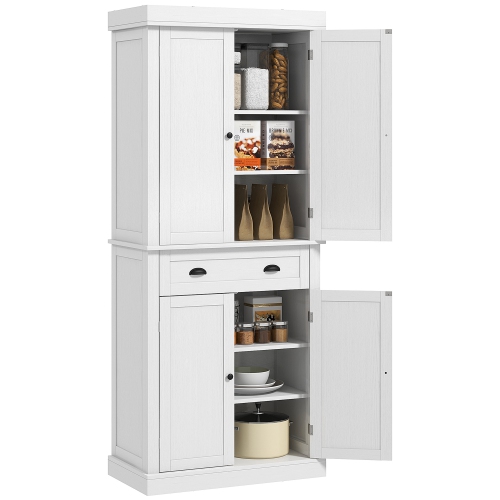 Your price for this item is $274.99
-
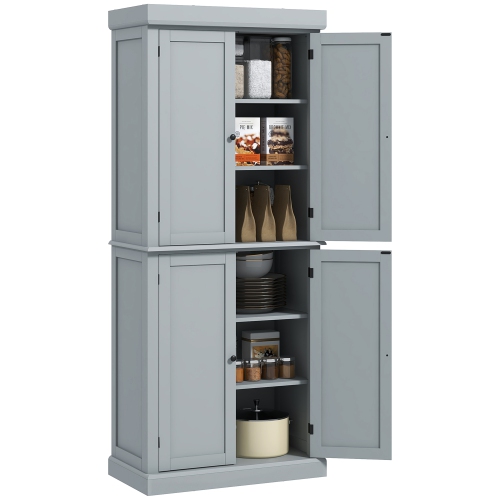 Your price for this item is $299.99
-
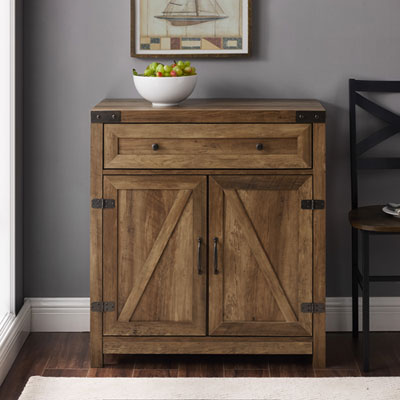 Your price for this item is $401.99
-
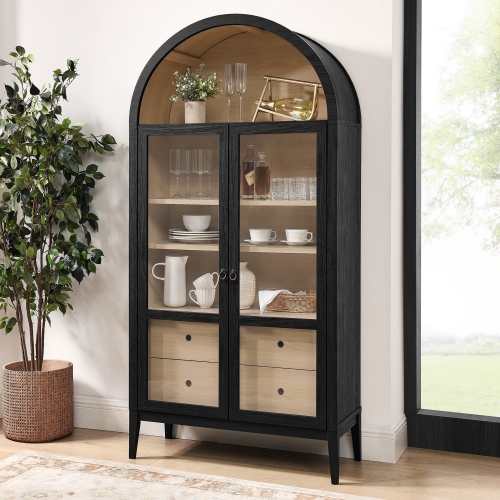 Your price for this item is $1155.71
-
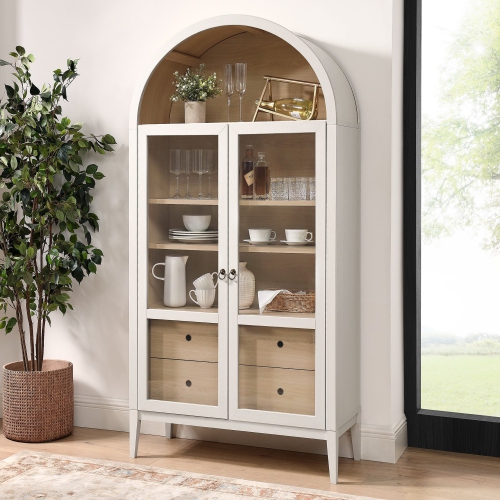 Your price for this item is $1155.71
-
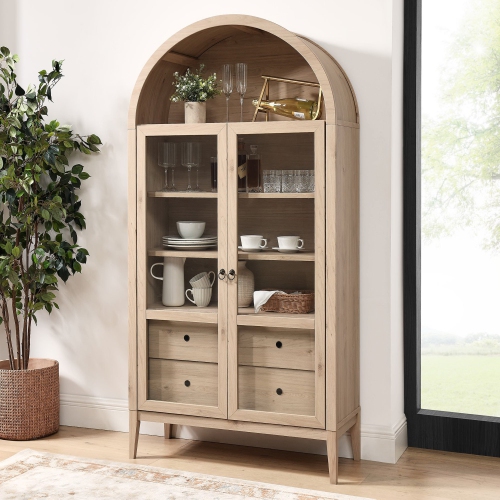 Your price for this item is $1155.71
-
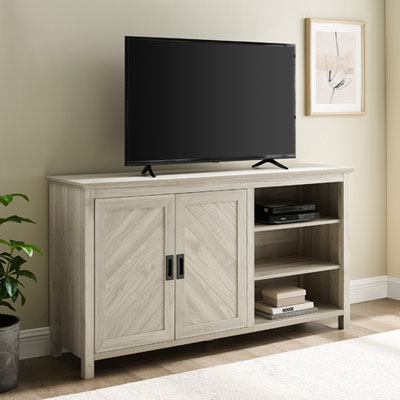 Your price for this item is $593.99
-
 Your price for this item is $144.99
Discover more categories related to Living Room Storage Cabinets With Doors
Top Collections:
Pokemon Centers, Best Cameras for Sports Photography, Kindle Devices, Samsung Galaxy Phones, Canon G7X Cameras, Pokémon 30th Celebration Cards, Refurbished Apple Laptops, iPhone 15 Apple, Laptops for Students, Budget Smartphones
Some products may be subject to Environmental Handling Fees
(EHF) depending on your province.
Learn more about EHFs.