Luxury Contemporary Rugs
Luxury Contemporary Rugs instantly elevate any space with their sophisticated designs and modern appeal. Perfect for living rooms, bedrooms, or offices, these rugs blend timeless elegance with current trends to create a stunning foundation for your décor. Explore a curated selection of patterns, textures, and colors that complement a wide range of interior styles. Transform your home with the refined look and feel of Luxury Contemporary Rugs, designed to make a lasting impression in every room.
Sort






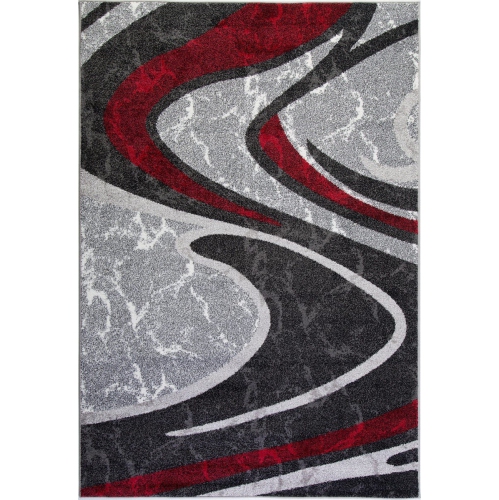
How texture and pattern give rugs their character
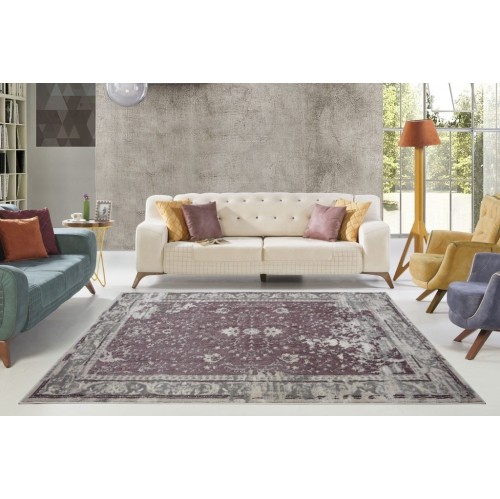
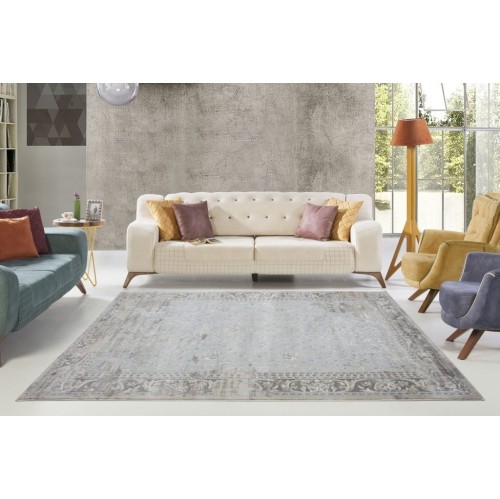
Luxury contemporary rugs bring modern design, inviting texture, and considered craftsmanship to the floor. Their character often comes from the relationship between material and pattern: a softly shaded wool surface, an abstract composition with painterly edges, or raised lines that give a restrained geometric design depth. Unlike traditional rugs defined by ornate borders and repeating medallions, contemporary styles may use open space, irregular shapes, tonal variation, and asymmetry as their main visual features. The result can feel expressive without making a room look busy. In a living area with a low-profile sofa and walnut furniture, a cream-and-taupe rug with subtle relief can soften the straight lines while leaving room for artwork to stand out. A more graphic design in charcoal, ivory, and muted blue can give a simple arrangement a stronger focal point. Colour is only part of the effect: cut pile catches light differently from loops, and a high-low surface can reveal its pattern through shadow rather than contrast. For a quieter interior, tonal designs offer detail that becomes more noticeable up close; for an open room with largely solid-coloured furnishings, broader shapes can establish a clear centre. Luxury is not limited to a glossy finish or an intricate pattern. An even surface, carefully finished edges, comfortable texture, and a design that remains balanced across the full rug all contribute to a refined appearance. When coordinating with existing furnishings, repeating one undertone from the upholstery, flooring, or curtains usually creates a more natural connection than trying to match every colour exactly. In shared seating areas, Luxury Living Room Rugs can draw separate pieces into a cohesive arrangement while making the space feel more comfortable underfoot. The most successful choice supports the room’s proportions and daily routines as well as its visual style.
Materials and construction influence how a contemporary rug feels, wears, and responds to cleaning. Wool is valued for its springy fibres and ability to recover from everyday compression, making it a useful option for seating areas and other regularly used spaces. It can also have a naturally soft, matte appearance that suits understated patterns. Some shedding is normal, particularly with a new wool rug, and the amount varies with fibre quality, pile, and construction. Silk adds fine detail and a distinctive sheen, but its delicate surface generally calls for more careful placement and specialist cleaning. Rugs described as bamboo silk commonly use bamboo-derived fibres such as viscose rather than silk; these can feel exceptionally smooth but may be sensitive to moisture, friction, and spills. They are better suited to quieter rooms than busy dining areas or spaces where drinks are frequently carried. Nylon, polyester, and polypropylene offer different combinations of softness, colour clarity, and wear characteristics, so the fibre content and care label matter more than a broad description such as performance blend. Cotton can contribute a lighter, more flexible feel, although washability depends on the complete construction, including the backing. Hand-knotted rugs are made by tying individual knots around a foundation, allowing detailed patterns and a structure that can be durable when well made and properly maintained. Hand-tufted rugs use yarn inserted into a backing and secured beneath, creating plush surfaces and sculpted details; the condition of that backing is an important part of their long-term performance. Machine-made construction can produce precise patterns and a consistent finish. No single method guarantees quality, and pile density alone does not tell the whole story. For a family room, a resilient, manageable pile may be more practical than a particularly delicate finish. In a home with pets, tightly constructed surfaces can be easier to maintain, while prominent loops may catch claws. A deeply textured rug can feel inviting beside a bed but may be less suitable beneath frequently moved chairs.
Size, placement, and care help a luxury contemporary rug feel like an intentional part of the room rather than an isolated accent. In a living room, a rug is often most effective when at least the front legs of the sofa and nearby chairs rest on it, creating a shared footprint for the seating group. A small rug floating beneath only the coffee table can leave a larger arrangement feeling disconnected. Marking the proposed outline on the floor with removable tape makes it easier to judge proportions and check walking routes before choosing dimensions. For a dining area, allow enough rug beyond the tabletop for chairs to remain supported when pulled out; roughly 60 to 75 cm on each side is a useful starting point, with larger chairs sometimes needing more. A lower, even pile usually allows dining chairs to move more smoothly and makes crumbs easier to remove. Beside a bed, place the rug where feet naturally land, rather than allowing most of its surface to disappear underneath the furniture. Runners need enough clearance for doors and should lie flat along regularly used paths. A correctly sized rug pad can reduce movement and add cushioning, but it should be compatible with both the rug backing and the floor finish. Ongoing care should follow the manufacturer’s instructions, especially for silk, viscose, fringe, and tufted backings. Vacuum with an appropriate setting, avoiding aggressive brush action where it could pull fibres or damage raised details. Blot spills promptly with a clean white cloth rather than scrubbing, and use only cleaning methods approved for the material. Rotating the rug periodically can distribute wear and light exposure more evenly, while furniture cups may help limit concentrated pressure from heavy legs. Professional cleaning may be appropriate for delicate fibres or substantial soiling. These practical details preserve the texture, outline, and pattern that give a well-chosen rug its presence, whether it grounds a lively family space, a quiet reading corner, or a carefully arranged bedroom.
Top selling and popular products
-
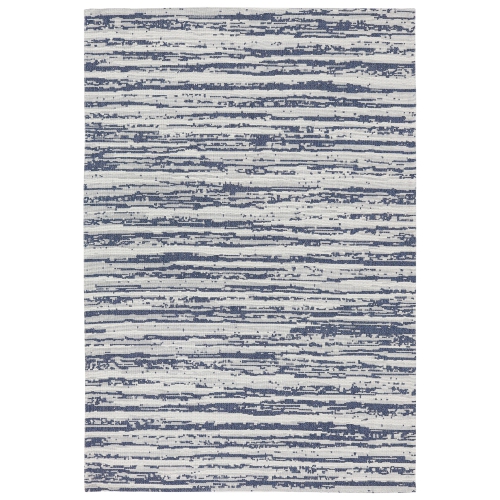 Your price for this item is $130.55
-
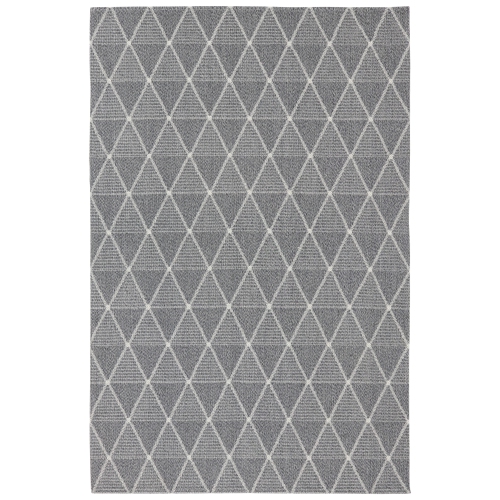 Your price for this item is $130.55
-
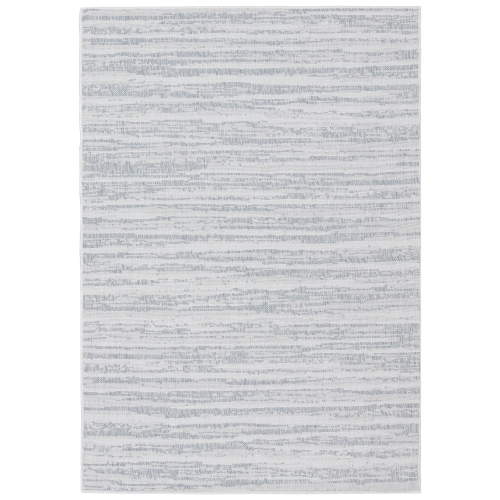 Your price for this item is $129.15
-
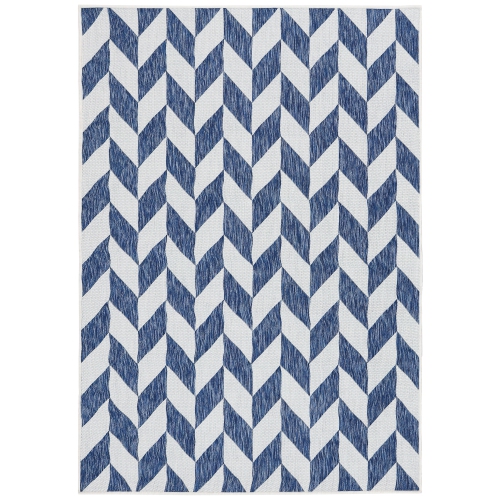 Your price for this item is $129.15
-
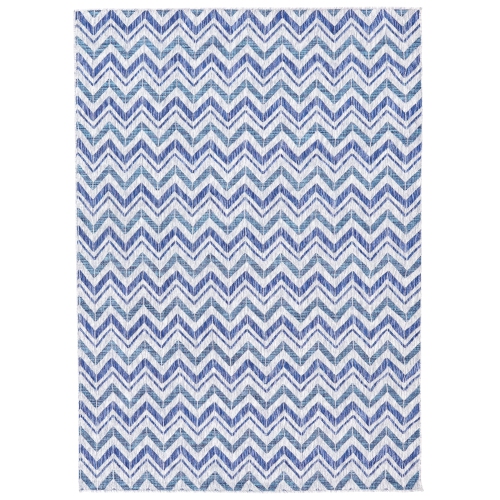 Your price for this item is $129.15
-
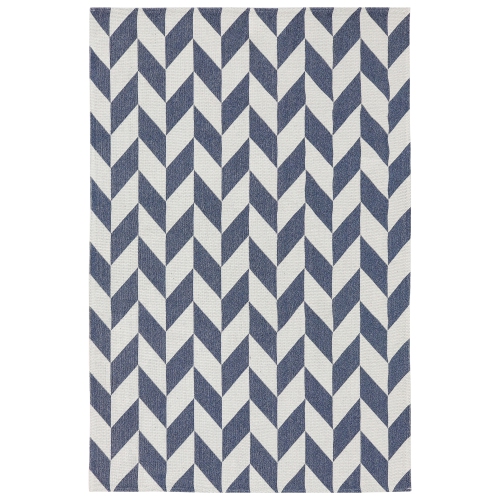 Your price for this item is $130.55
-
 Your price for this item is $116.99
-
 Your price for this item is $119.99
Discover more categories related to Luxury Contemporary Rugs


Top Collections:
Pokemon Centers, Best Budget Office Chairs, Kindle Devices, Best Cameras for Sports Photography, Pokémon 30th Celebration Cards, Best Laptops for Writers, Canon G7X Cameras, iPhone 15 Apple, Best Cell Phones Under $300, Apple iPhones 16
Some products may be subject to Environmental Handling Fees
(EHF) depending on your province.
Learn more about EHFs.