Mattresses for Platform Bed
Looking for the perfect mattress to complete your platform bed setup? Look no further! Our selection of mattresses for platform beds offers a wide range of options to suit your sleep preferences and style. Whether you prefer a plush, medium, or firm feel, we have the perfect mattress to provide the comfort and support you need for a restful night's sleep. With various sizes and materials to choose from, you can find the ideal mattress that fits both your platform bed and your budget. Say goodbye to restless nights and hello to a rejuvenating sleep experience with our top-quality mattresses designed specifically for platform beds.
Sort





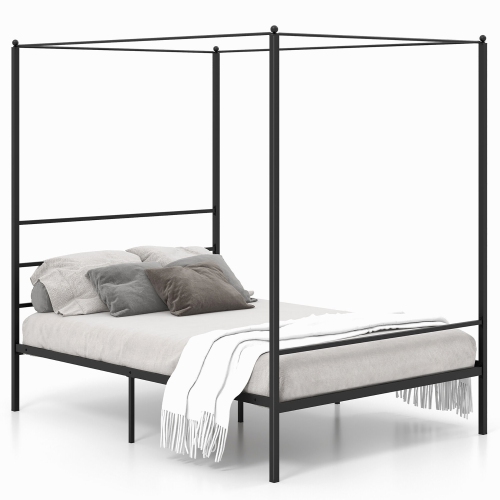
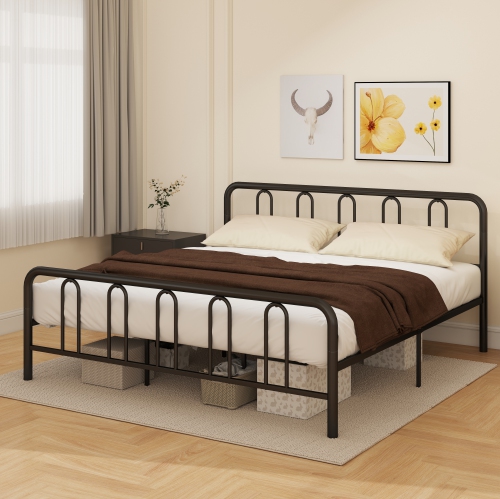
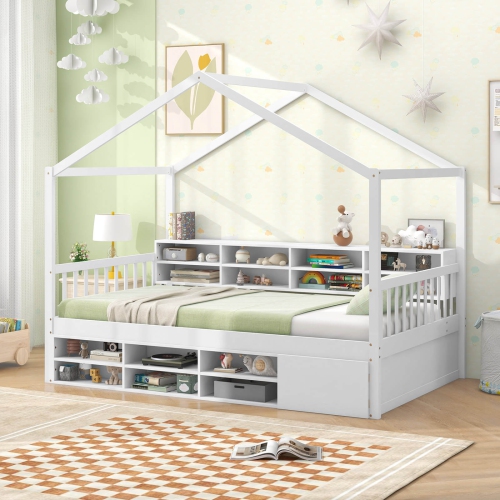
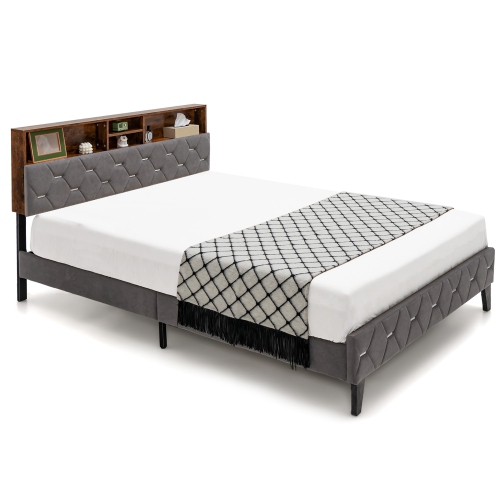


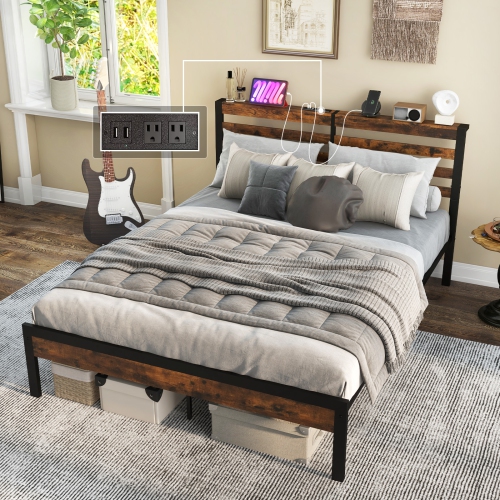
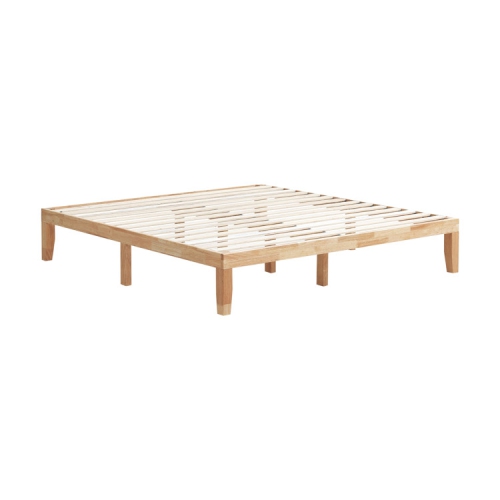
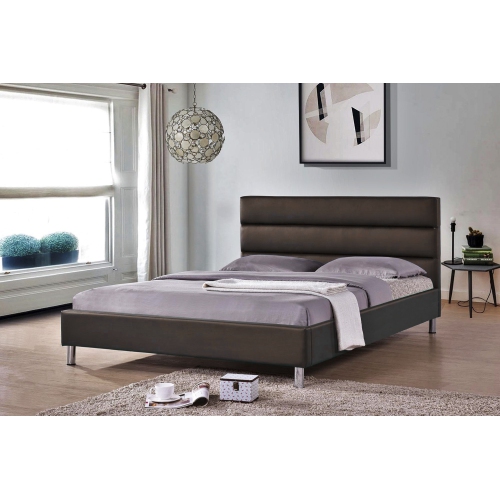
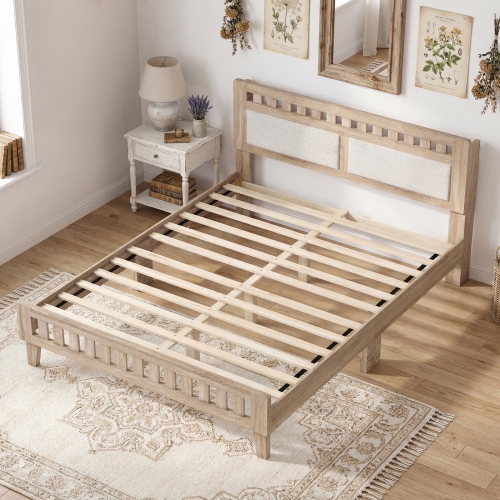
Why the base matters as much as the mattress
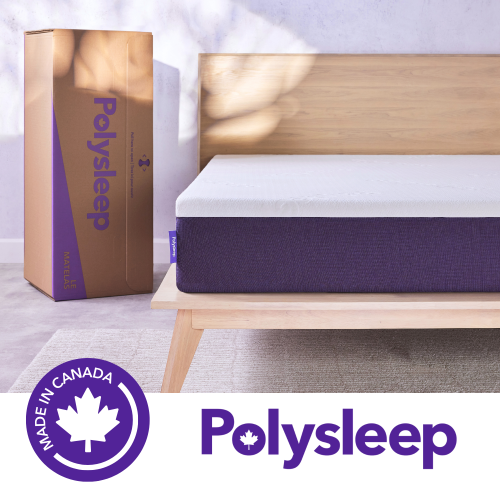
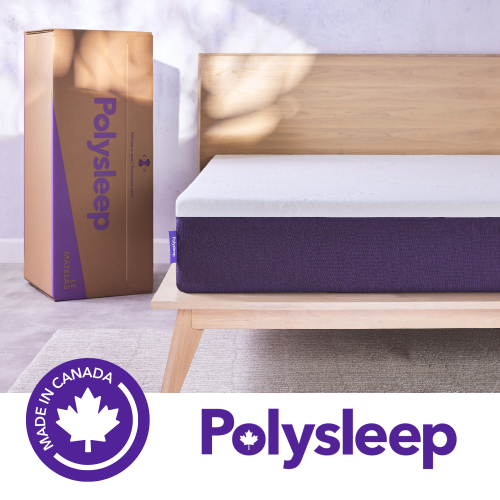
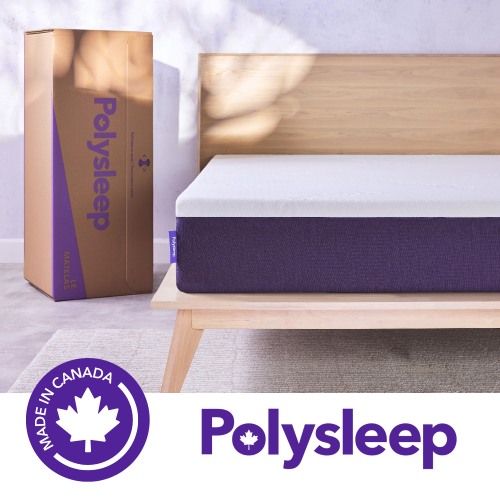
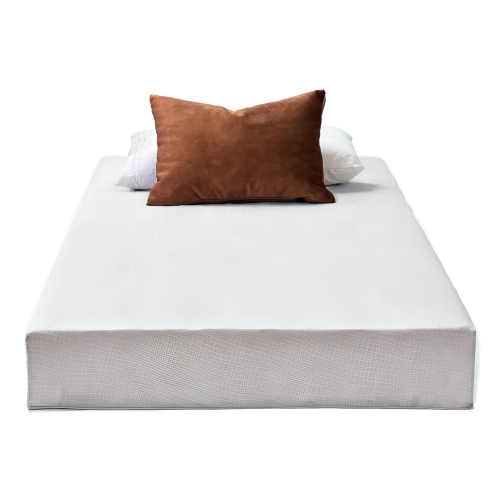
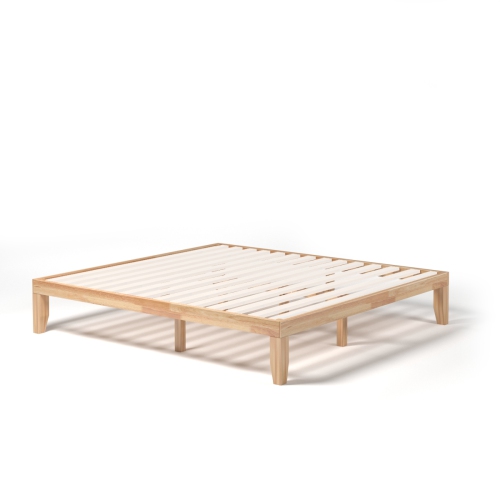
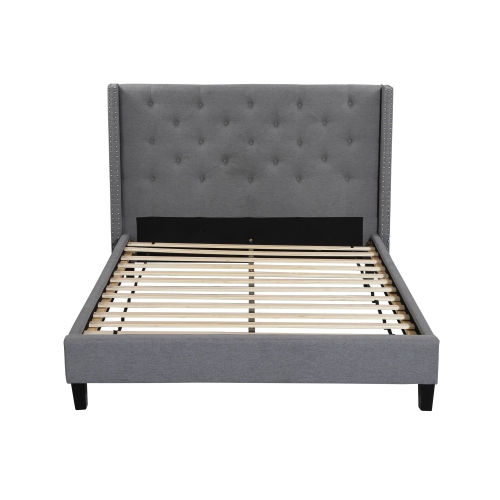
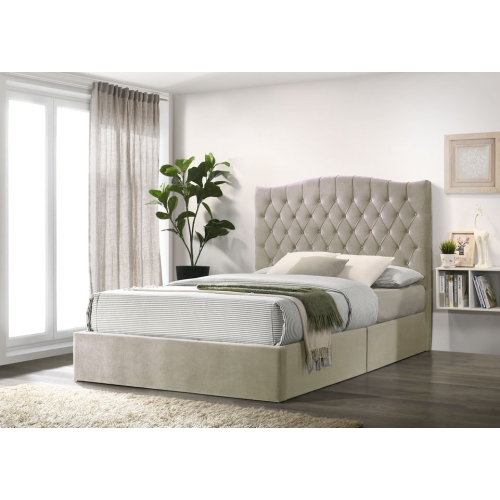
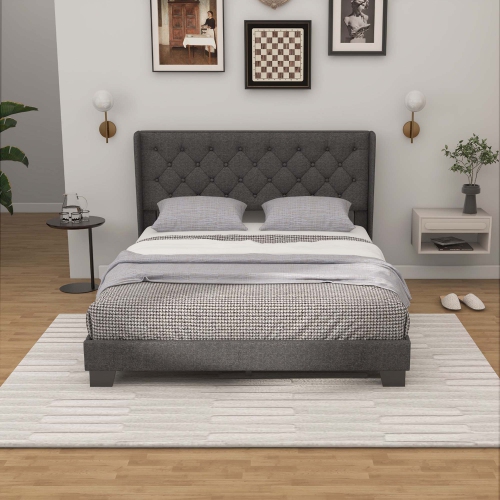
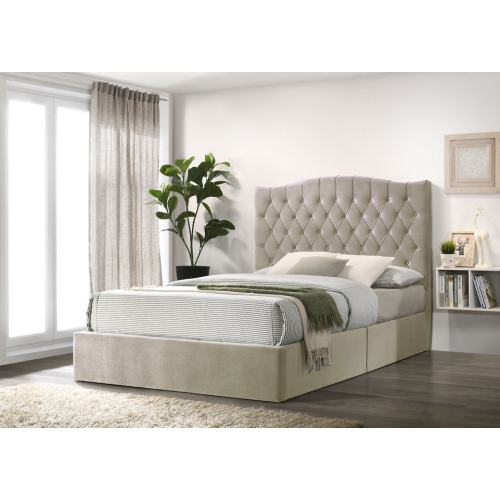
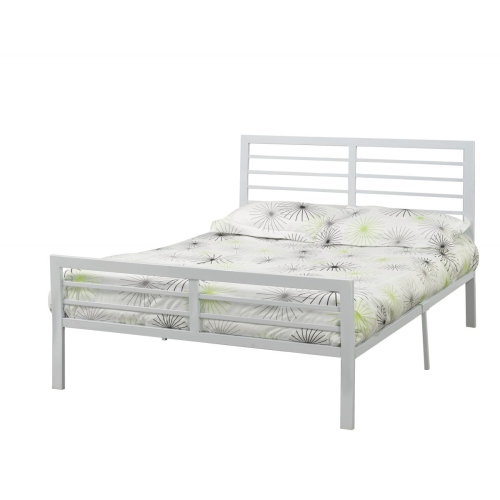
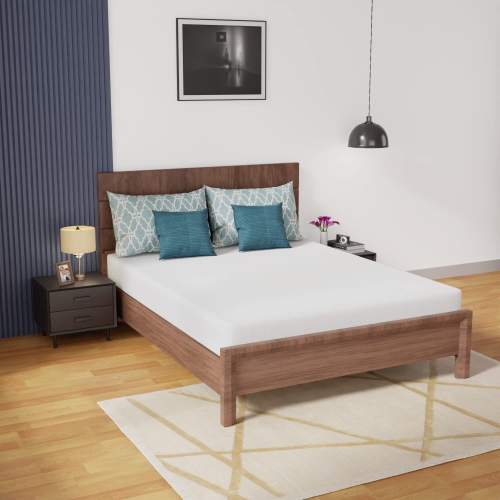
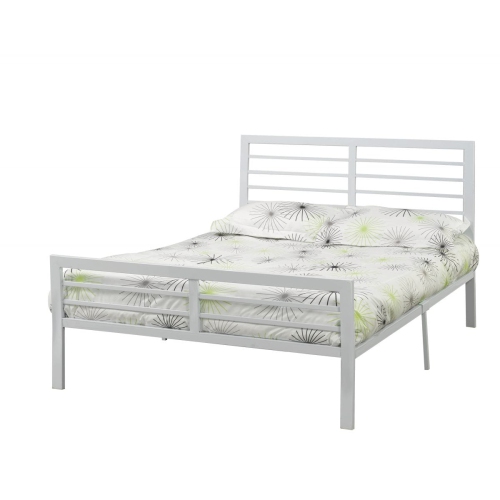
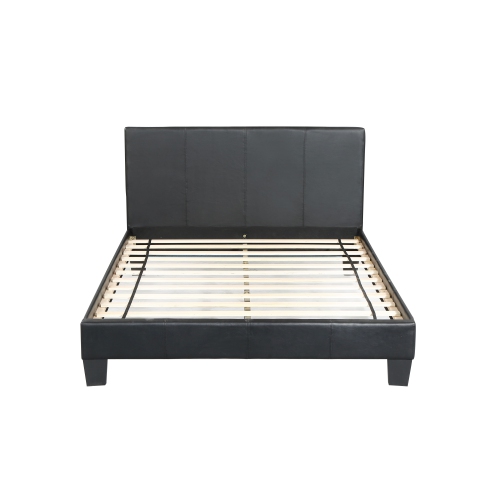
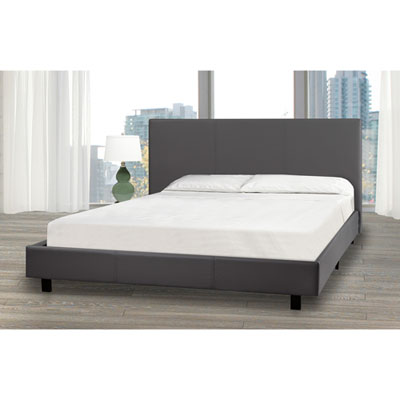
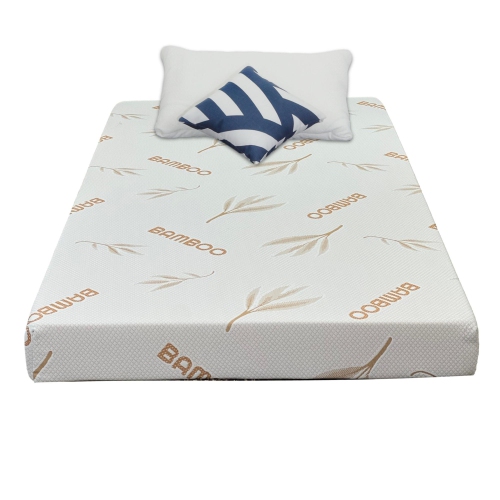
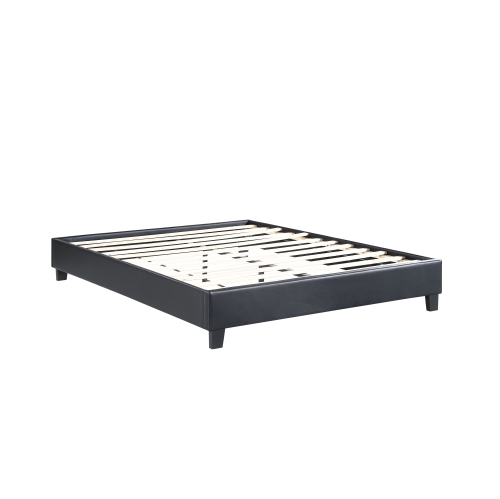
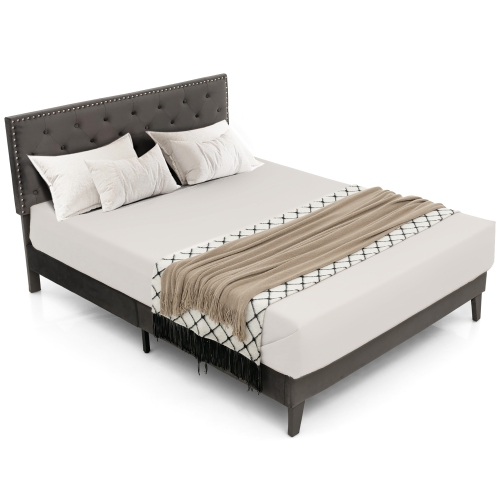
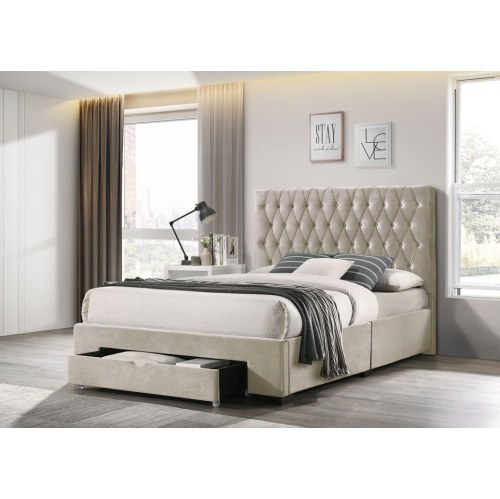
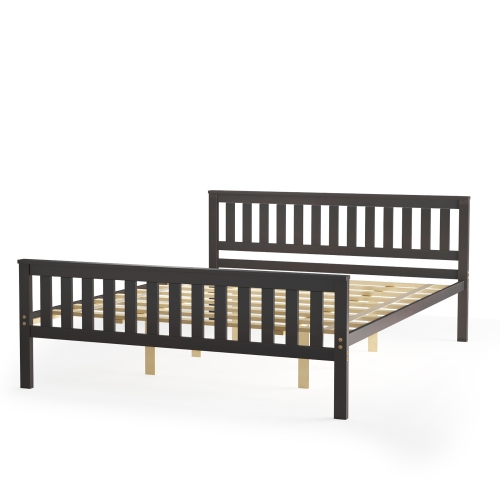
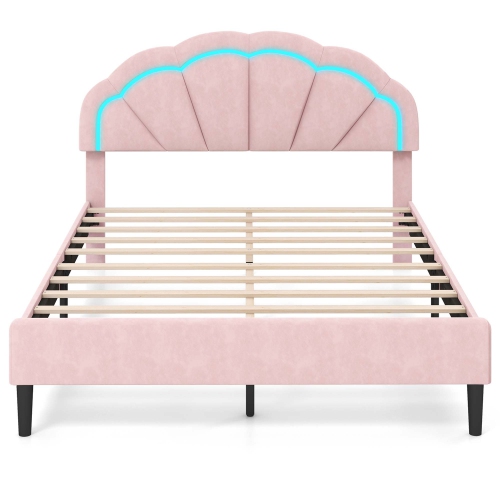
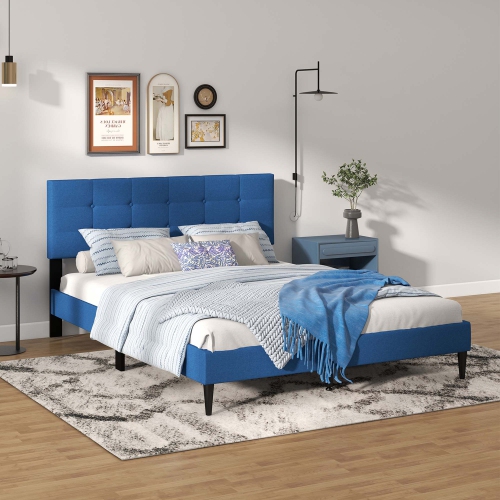
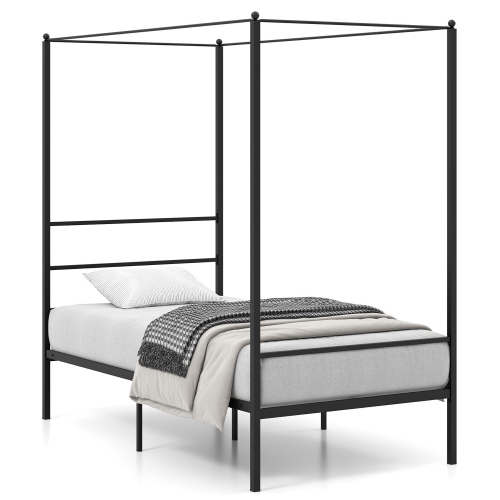
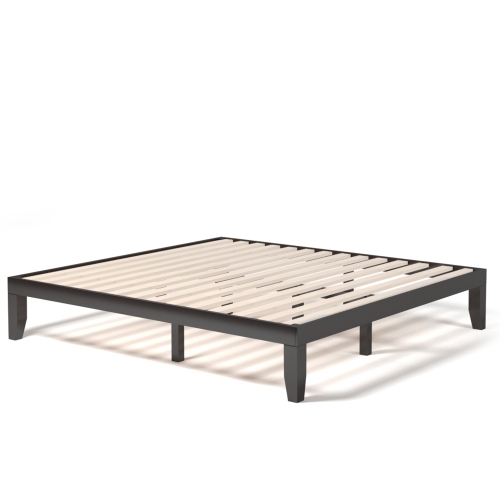
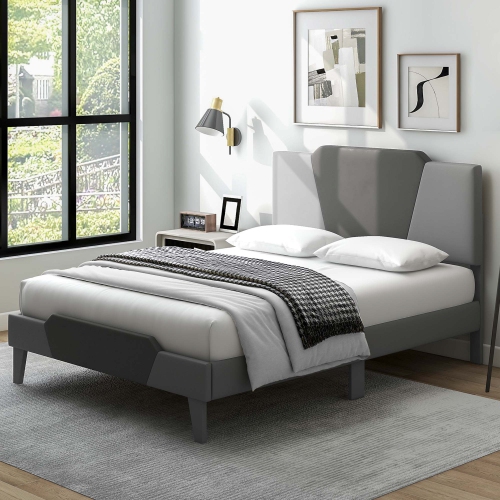
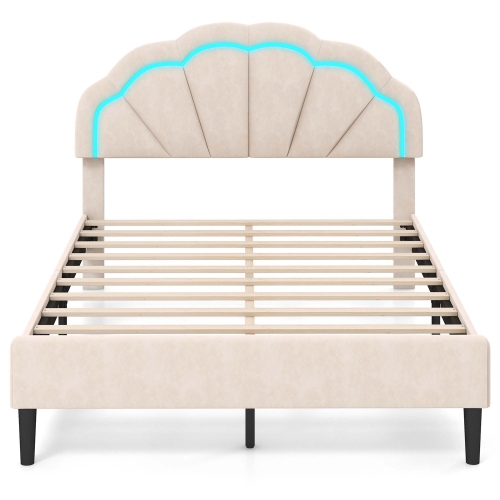
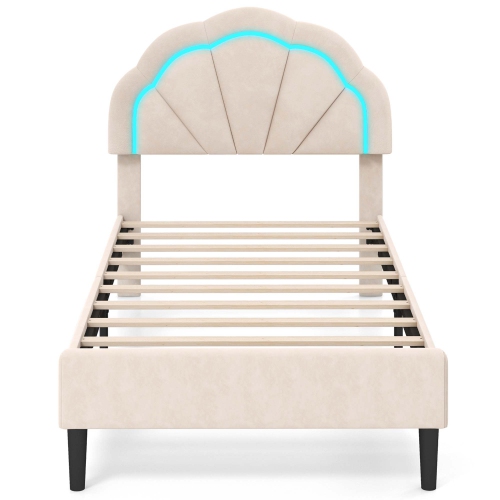
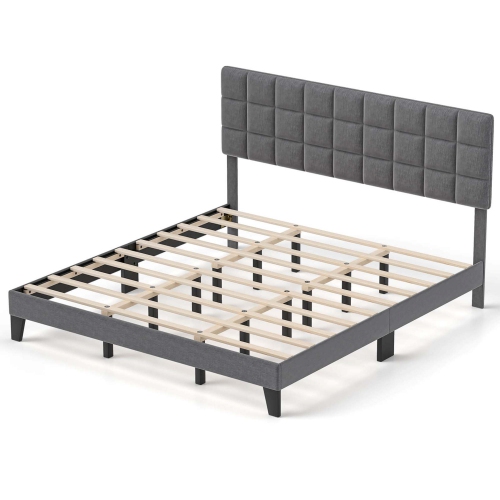
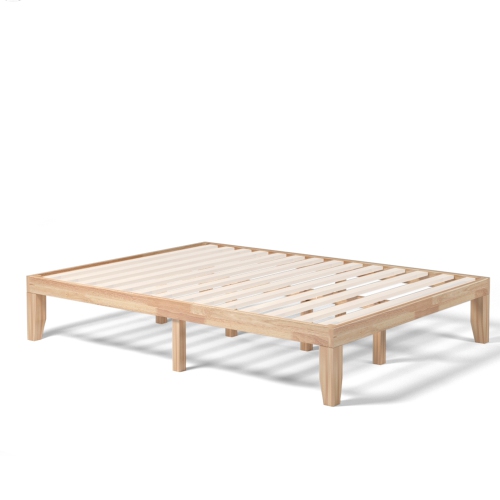
Mattresses for platform beds sit directly on a supportive bed base, creating a straightforward setup that usually does not need a box spring. Memory foam, latex, and pocket-coil hybrid mattresses can all suit this style of bed, provided the mattress manufacturer approves the foundation beneath them. The important distinction is not simply whether a mattress feels firm enough to support itself: the platform must provide consistent support across its underside. A solid deck offers a continuous surface, while a slatted base uses a series of supports with gaps that allow air to circulate. For many foam and hybrid mattresses, manufacturers specify slat gaps of no more than about 3 inches, or 7.6 cm, though some designs require closer spacing. Latex mattresses can have stricter requirements, making the stated foundation specifications more useful than a general rule. Slat width, frame strength, and centre supports also matter, especially for larger mattresses shared by two sleepers. A queen or king mattress on a frame with inadequate middle support may develop uneven areas even when the outer edges feel secure. Traditional innerspring mattresses may work on a platform as well, but some require a particular foundation, so compatibility deserves attention before pairing the two. Mattress size should match the frame’s stated sleeping surface rather than its overall outside measurements; an upholstered border or projecting ledge can make a bed look larger than the mattress it holds. Twin and twin XL sizes suit many compact bedrooms, while double, queen, and king sizes offer different amounts of room for stretching out or sharing. For a coordinated setup, Simple Platform Beds provide a related starting point for matching the mattress footprint with the room’s layout. A compatible mattress and frame should leave enough clearance for drawers, bedside furniture, and comfortable movement around the bed, without requiring an extra foundation unless the mattress specifications call for one.
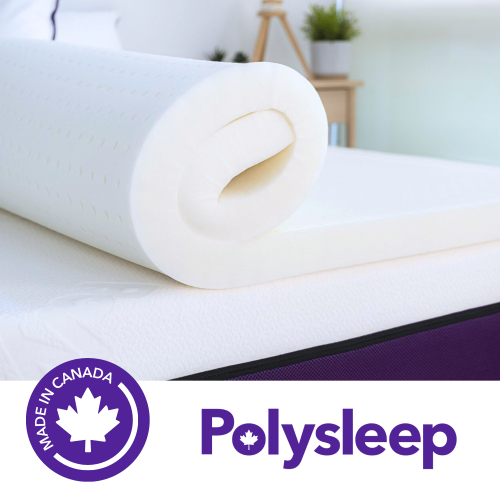
The feel of a platform-bed mattress comes largely from its comfort layers and support core, rather than from the platform style alone. Memory foam moulds around the shoulders and hips, offering a close, cushioned feel that can appeal to side sleepers and people who prefer less bounce. Its ability to absorb movement can also be useful when one person turns over frequently or gets into bed after a partner is asleep. All-foam mattresses typically combine softer upper layers with a firmer support core; foam density can help indicate durability, but density and firmness are not the same thing. Latex generally has a more buoyant response, compressing under weight and springing back as the sleeper moves. That responsive feel can suit people who change positions often or dislike feeling deeply nestled into a mattress. Pocket-coil hybrids combine individually wrapped springs with layers of foam, latex, or other cushioning materials. They offer a mix of contouring and responsiveness, with space around the coils that can support airflow through the mattress. Motion isolation, edge stability, and temperature comfort still vary with the full construction, so a material name alone does not describe the entire sleeping experience. Side sleepers often favour enough cushioning to accommodate their shoulders and hips, while back sleepers may prefer a more balanced surface that supports the torso without excessive sinking. Stomach sleepers commonly benefit from a firmer feel that helps limit sinking around the pelvis. Body weight affects these impressions: the same mattress may feel relatively firm to a lighter person and noticeably softer to someone heavier. For couples with different preferences, a balanced feel and stable edges can make more of the sleeping surface comfortable to use. Someone who regularly sits at the bedside to put on socks may also appreciate reinforced perimeter support. Breathable covers and less enveloping comfort layers may appeal to warm sleepers, although sheets, mattress protectors, room temperature, and bedding all influence how warm a bed feels overnight.
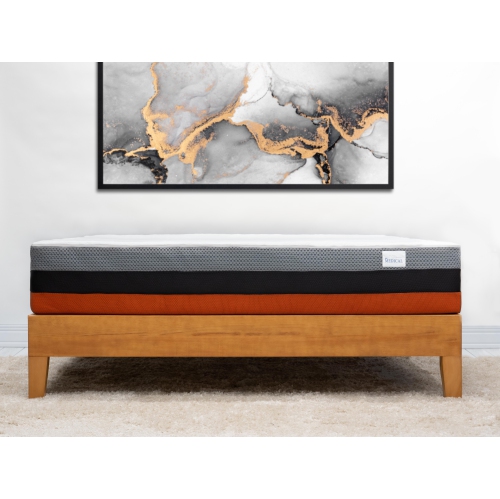
Mattress thickness affects both comfort and the proportions of a platform bed, but a taller profile is not automatically more supportive or more durable. Many everyday mattresses have profiles around 8 to 12 inches, with thicker options providing room for additional comfort layers. The quality and arrangement of those layers matter more than height alone. A low platform paired with a thinner mattress creates a streamlined appearance, yet the resulting sleeping surface may sit too close to the floor for someone who finds standing from a low seat difficult. A taller mattress can make getting in and out easier in some setups, but it may cover much of a headboard or make a high frame awkward to climb onto. The useful measurement is the total height from the floor to the top of the mattress. Fitted-sheet pocket depth also needs to accommodate the mattress, particularly when a protector or topper adds height. Very thin mattresses may suit occasional guest use, trundles, or certain space-saving beds, but their suitability for nightly sleep depends on their construction, intended use, and the sleeper’s needs. In a guest room, a balanced comfort level can accommodate visitors with varied preferences, while a primary bedroom mattress deserves closer attention to habitual sleeping positions and shared use. Ongoing care helps preserve that comfort. A washable protector can limit exposure to spills and everyday moisture, and cleaning should follow the mattress label rather than involve soaking the surface. Most layered mattresses are designed to stay right-side up; rotating them head to foot may help distribute wear when the manufacturer permits it. Slats, fasteners, and centre legs also need to remain secure so the base continues to support the mattress evenly. Airflow beneath the bed is particularly important with solid platforms and in rooms where moisture accumulates. Together, a suitable foundation, sensible care, and materials matched to daily use help a platform-bed mattress maintain a consistent, comfortable sleeping surface.
The feel of a platform-bed mattress comes largely from its comfort layers and support core, rather than from the platform style alone. Memory foam moulds around the shoulders and hips, offering a close, cushioned feel that can appeal to side sleepers and people who prefer less bounce. Its ability to absorb movement can also be useful when one person turns over frequently or gets into bed after a partner is asleep. All-foam mattresses typically combine softer upper layers with a firmer support core; foam density can help indicate durability, but density and firmness are not the same thing. Latex generally has a more buoyant response, compressing under weight and springing back as the sleeper moves. That responsive feel can suit people who change positions often or dislike feeling deeply nestled into a mattress. Pocket-coil hybrids combine individually wrapped springs with layers of foam, latex, or other cushioning materials. They offer a mix of contouring and responsiveness, with space around the coils that can support airflow through the mattress. Motion isolation, edge stability, and temperature comfort still vary with the full construction, so a material name alone does not describe the entire sleeping experience. Side sleepers often favour enough cushioning to accommodate their shoulders and hips, while back sleepers may prefer a more balanced surface that supports the torso without excessive sinking. Stomach sleepers commonly benefit from a firmer feel that helps limit sinking around the pelvis. Body weight affects these impressions: the same mattress may feel relatively firm to a lighter person and noticeably softer to someone heavier. For couples with different preferences, a balanced feel and stable edges can make more of the sleeping surface comfortable to use. Someone who regularly sits at the bedside to put on socks may also appreciate reinforced perimeter support. Breathable covers and less enveloping comfort layers may appeal to warm sleepers, although sheets, mattress protectors, room temperature, and bedding all influence how warm a bed feels overnight.
Mattress thickness affects both comfort and the proportions of a platform bed, but a taller profile is not automatically more supportive or more durable. Many everyday mattresses have profiles around 8 to 12 inches, with thicker options providing room for additional comfort layers. The quality and arrangement of those layers matter more than height alone. A low platform paired with a thinner mattress creates a streamlined appearance, yet the resulting sleeping surface may sit too close to the floor for someone who finds standing from a low seat difficult. A taller mattress can make getting in and out easier in some setups, but it may cover much of a headboard or make a high frame awkward to climb onto. The useful measurement is the total height from the floor to the top of the mattress. Fitted-sheet pocket depth also needs to accommodate the mattress, particularly when a protector or topper adds height. Very thin mattresses may suit occasional guest use, trundles, or certain space-saving beds, but their suitability for nightly sleep depends on their construction, intended use, and the sleeper’s needs. In a guest room, a balanced comfort level can accommodate visitors with varied preferences, while a primary bedroom mattress deserves closer attention to habitual sleeping positions and shared use. Ongoing care helps preserve that comfort. A washable protector can limit exposure to spills and everyday moisture, and cleaning should follow the mattress label rather than involve soaking the surface. Most layered mattresses are designed to stay right-side up; rotating them head to foot may help distribute wear when the manufacturer permits it. Slats, fasteners, and centre legs also need to remain secure so the base continues to support the mattress evenly. Airflow beneath the bed is particularly important with solid platforms and in rooms where moisture accumulates. Together, a suitable foundation, sensible care, and materials matched to daily use help a platform-bed mattress maintain a consistent, comfortable sleeping surface.
Top selling and popular products
-
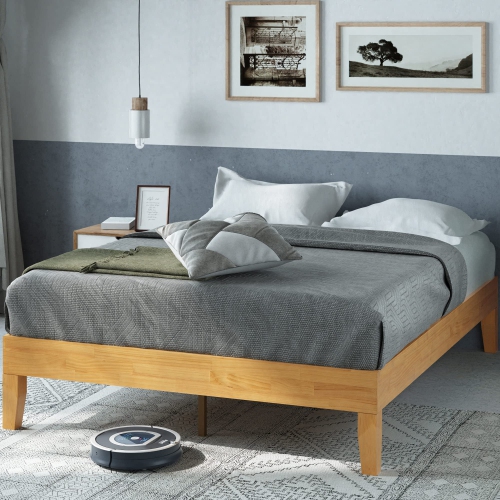 Your price for this item is $493.52
 -
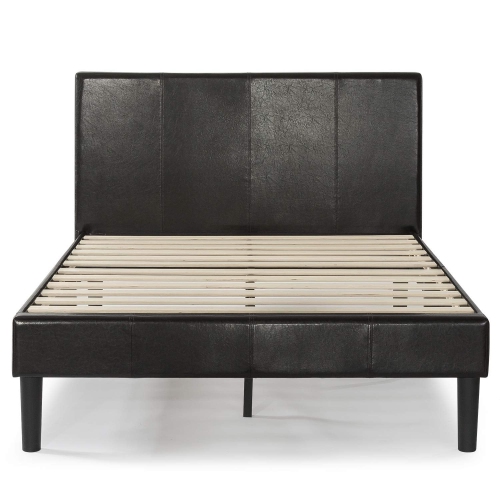 Your price for this item is $611.85
 -
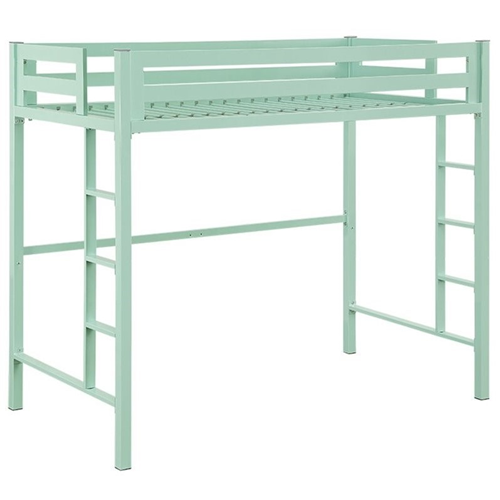 Your price for this item is $825.26
 -
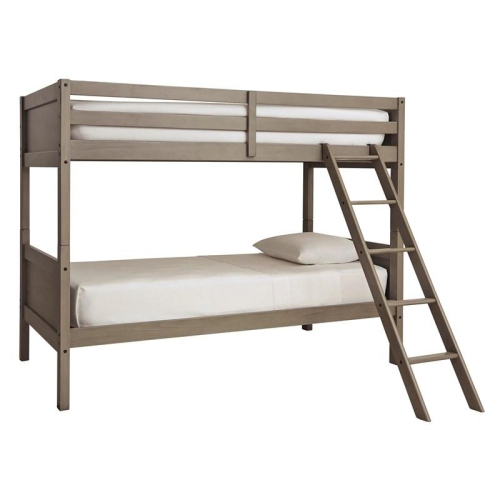 Your price for this item is $799.99
 -
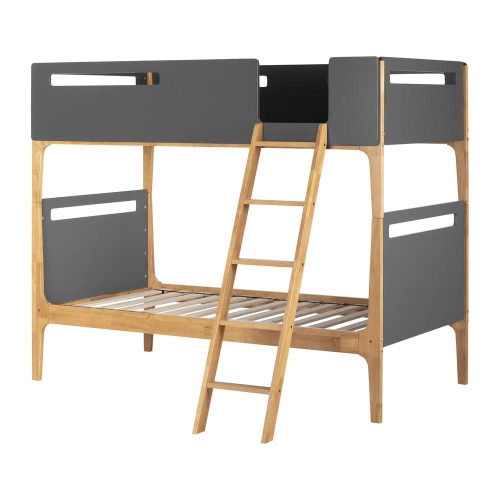 Your price for this item is $985.42
 -
 Your price for this item is $157.99
 -
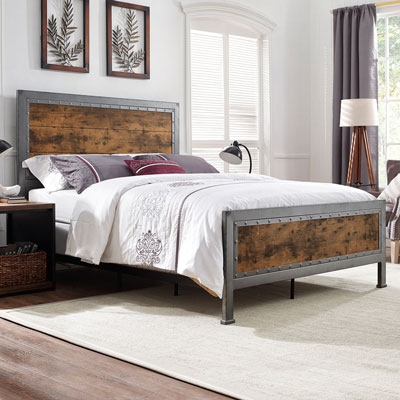 Your price for this item is $862.99
 -
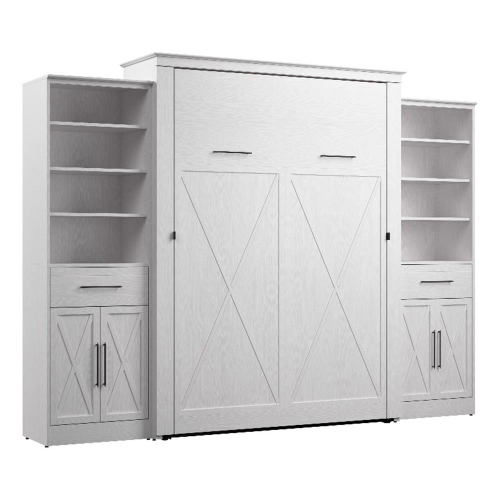 Your price for this item is $3519.99
Discover more categories related to Mattresses for Platform Bed
Top Collections:
Pokemon Centers, Kindle Devices, Best Budget Office Chairs, Apple iPhones 16, Canon G7X Cameras, iPhone 15 Apple, Alarm Clock, Refurbished Apple Laptops, Flip Phones, Best Laptops for Writers
Some products may be subject to Environmental Handling Fees
(EHF) depending on your province.
Learn more about EHFs.