Mattresses for Loft Beds
Maximize comfort and functionality in your elevated sleeping space with mattresses for loft beds. Designed to fit perfectly into compact areas, these mattresses help create a cozy and supportive place to rest without sacrificing valuable floor space. Whether you're outfitting a student dorm, a child's bedroom, or a modern apartment, discover a range of options tailored to suit loft bed frames and enhance your sleep experience. Explore different sizes and styles to find the ideal match for your unique setup.
Sort
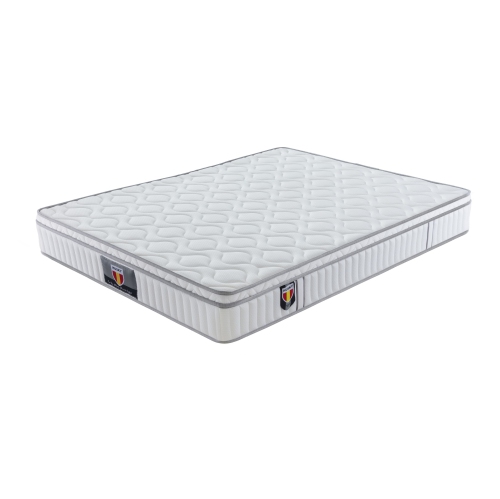
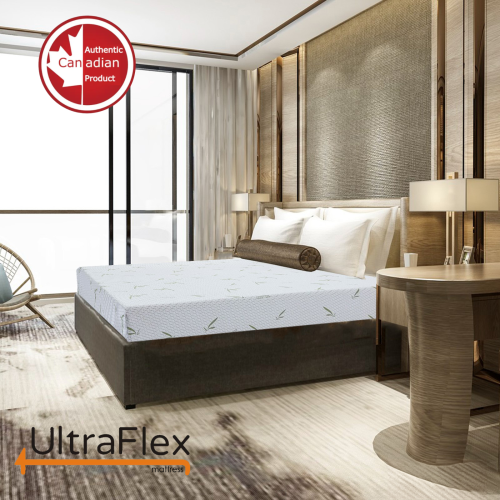
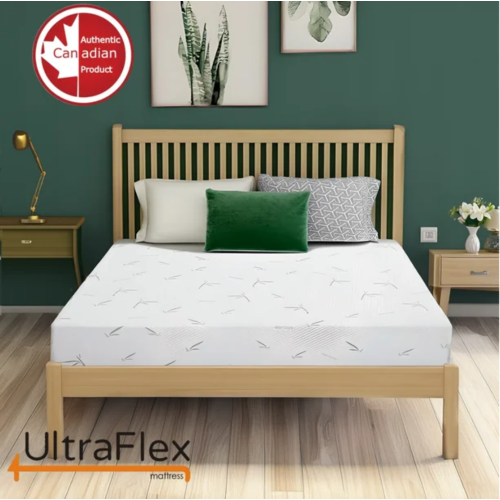

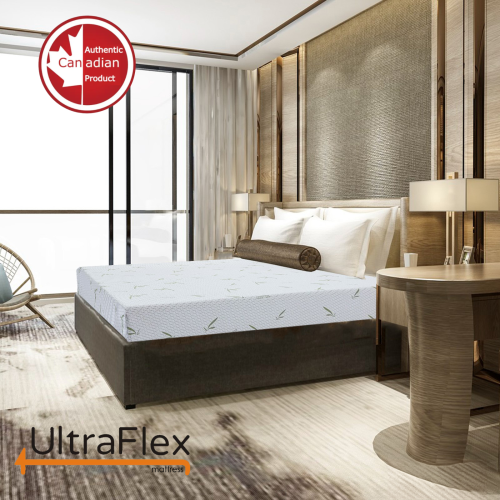
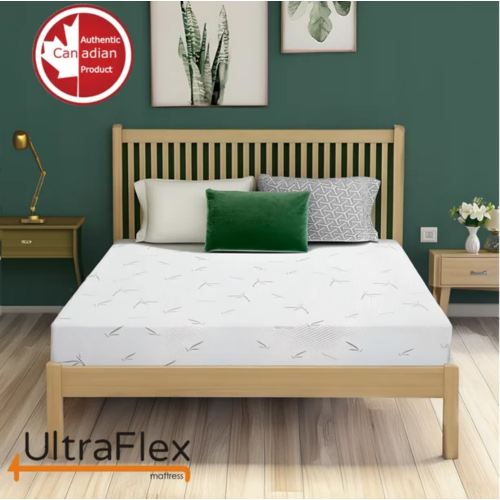
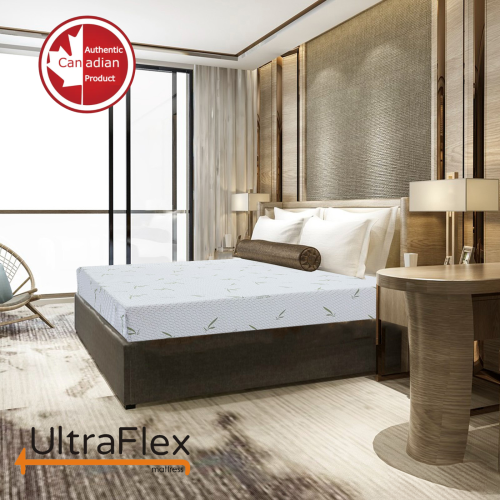
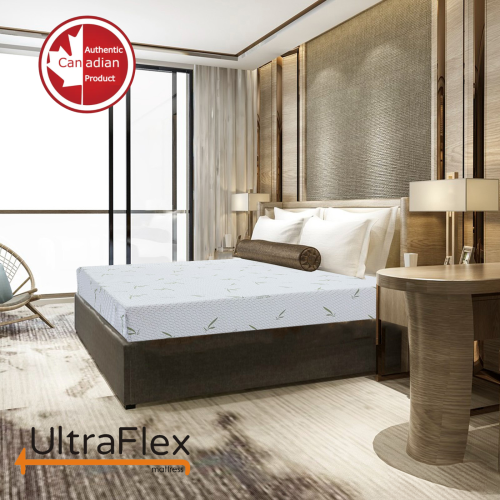
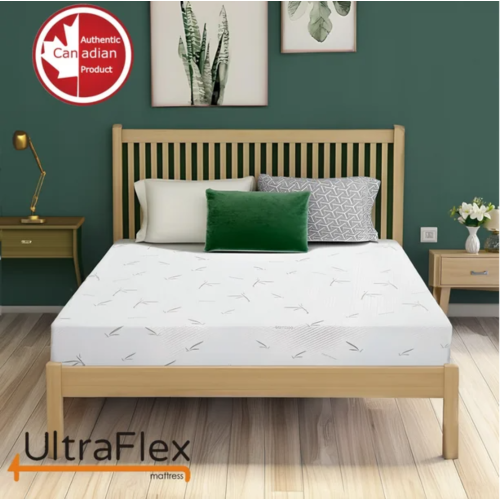
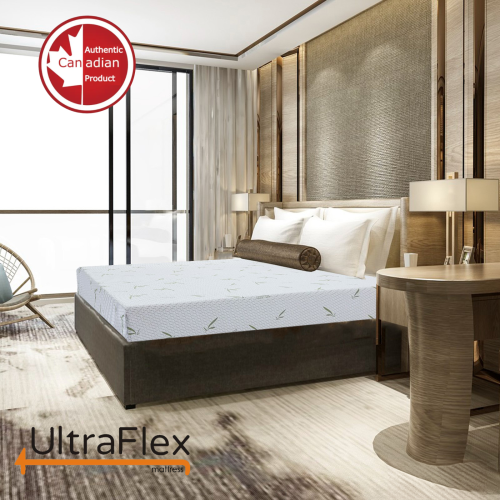

The right mattress fit goes beyond thickness
Mattresses for loft beds need to provide comfortable support while fitting safely within an elevated bed frame. Low-profile mattresses are common choices, with many measuring 5 to 8 inches thick, but the right thickness is always the maximum permitted by the bed manufacturer, not a general range. A mattress that is too tall can reduce the protective height of the guardrails, even when its length and width appear correct. The frame’s instructions should specify the mattress dimensions, maximum thickness, and required clearance above the sleeping surface. A topper adds height too, so it cannot be treated as a separate detail when checking that clearance. Twin mattresses are familiar choices for compact loft beds, while twin XL and double sizes suit frames designed for a longer or wider sleeping surface. Size names alone do not confirm compatibility: compare the mattress’s actual measurements with the dimensions specified for the frame. An undersized mattress can leave unsafe gaps beside the rails or at the ends, while an oversized one may buckle or fail to sit flat. When comparing Loft Bed Frames, the mattress requirements matter just as much as the footprint of the furniture. Ceiling clearance also deserves attention, since adding mattress height leaves less room for someone to sit upright. A loft bed above a desk can make good use of a small bedroom, but the sleeping area still needs enough space for comfortable movement and safe access to the ladder or stairs. Elevated loft beds are not suitable sleeping spaces for children younger than six, and older children still need the maturity to use the access points and follow the frame’s safety instructions. For a teen’s bedroom, a shared room, or an adult’s compact living space, the best fit begins with the frame’s specifications and the sleeper’s needs rather than mattress thickness alone.
Material and construction determine how a low-profile mattress feels once it is on the bed. All-foam designs can combine a supportive base with a softer comfort layer without requiring a particularly deep build. Memory foam responds gradually to pressure and contours around areas such as shoulders and hips, while other polyurethane foams may feel more responsive when the sleeper changes position. Latex generally has a buoyant feel, although its weight and firmness vary with the construction. Spring and hybrid mattresses can also work with some loft beds, provided their dimensions, thickness, support requirements, and weight are compatible with the frame. Foam is not automatically the right choice for every sleeper, nor is a thinner mattress necessarily firmer. A side sleeper may appreciate cushioning around the shoulder, whereas someone who sleeps on their back may prefer a more even, gently contouring surface. Body weight also affects how deeply a person settles into the comfort layers; an adult may compress a shallow mattress more noticeably than a smaller child. The aim is sufficient cushioning without sinking through to a hard-feeling base. Edge support is another useful consideration because the mattress edge often bears weight as someone gets into or out of bed. Beneath the mattress, the support deck plays an equally important role. Slats must meet both the mattress manufacturer’s requirements and the bed frame’s instructions. Some foam mattresses require gaps of no more than 3 inches, but that measurement is not universal. Wider gaps can allow the material to dip between supports, affecting comfort and potentially shortening its useful life. A bunkie board or other additional support should be used only when permitted by both manufacturers, since it can change mattress height, airflow, and the load on the frame. The sleeper, mattress, bedding, and any permitted accessories must remain within the frame’s stated weight limit.
Everyday use brings a few practical differences between a loft mattress and one resting closer to the floor. Changing a fitted sheet is easier when its pocket depth matches the mattress rather than leaving excess fabric to gather at the corners. A securely fitted, thin mattress protector can help manage spills and routine wear without adding the height of a padded topper. For a child learning to make the bed independently, manageable bedding can simplify the task, although an adult may still need to help with corners that are difficult to reach safely. Breathable cover fabrics and suitable ventilation beneath the mattress help moisture disperse, particularly where the sleeping surface sits above storage or an enclosed workspace. A removable cover can make care more convenient, but it should only be removed or washed when the care label expressly allows it; a zip does not necessarily mean the cover is washable. Routine care usually involves keeping bedding clean, vacuuming the surface if permitted, and treating marks with the cleaning method specified by the manufacturer. Avoid soaking foam, and allow any cleaned area to dry fully before replacing bedding. Mattresses that arrive compressed also need the stated expansion time before their final dimensions, fit, and comfort can be assessed. Rotating the mattress head to foot may help distribute wear when the care instructions permit it, while flipping is appropriate only for a design intended to be used on both sides. Over time, persistent dips, damaged edges, or a noticeable loss of support can signal that the mattress is no longer performing as intended. For a growing child or teen, changing comfort needs may also prompt a reassessment, but a thicker replacement must still meet the original frame’s limits. An adult using a loft bed every night may place greater emphasis on pressure relief and durability than someone furnishing an occasional guest space. Across these settings, a well-matched loft bed mattress balances secure dimensions, appropriate support, and straightforward care, making the raised sleeping area comfortable without compromising the features that make the bed safe to use.
Top selling and popular products
-
 Your price for this item is $1199
-
 Your price for this item is $644
-
 Your price for this item is $696.5
-
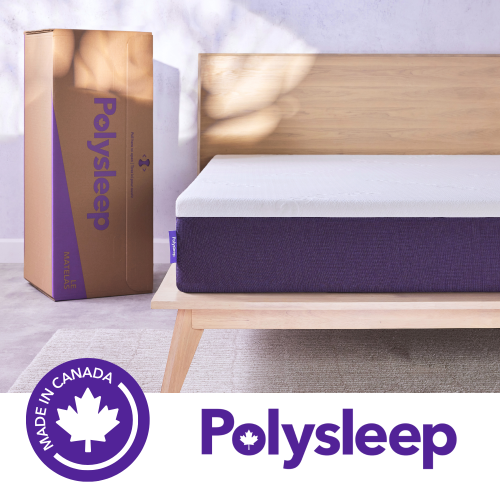 Your price for this item is $591.5
-
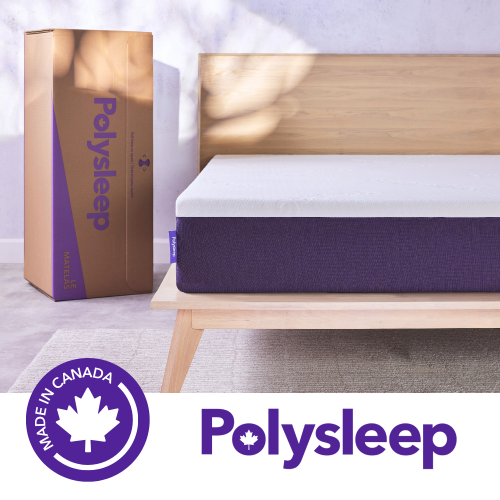 Your price for this item is $906.5
-
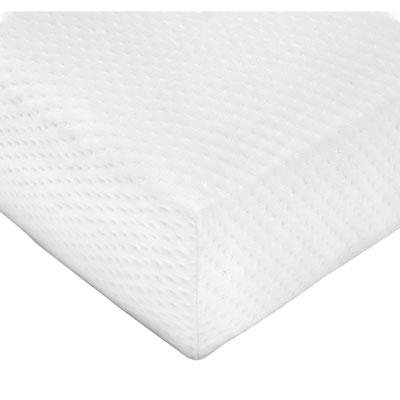 Your price for this item is $159.99
-
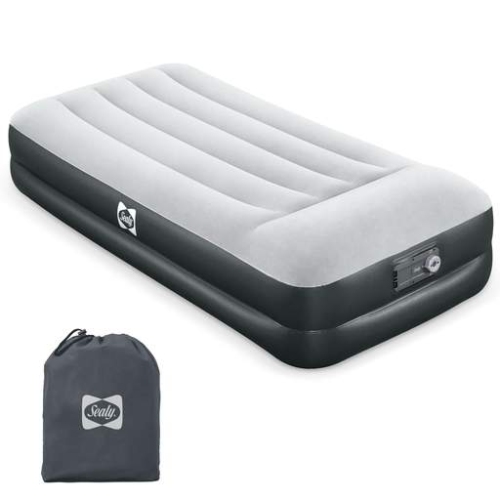 Your price for this item is $133.99
-
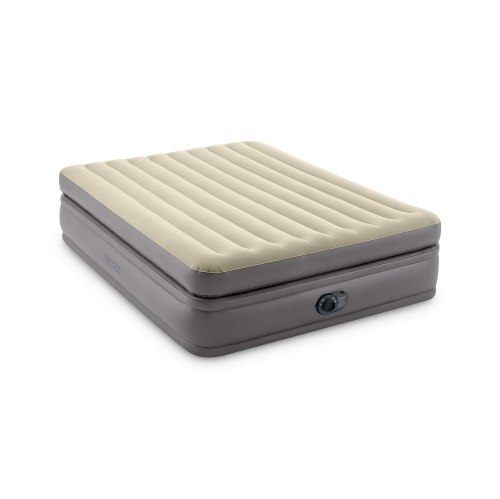 Your price for this item is $239.99
Discover more categories related to Mattresses for Loft Beds
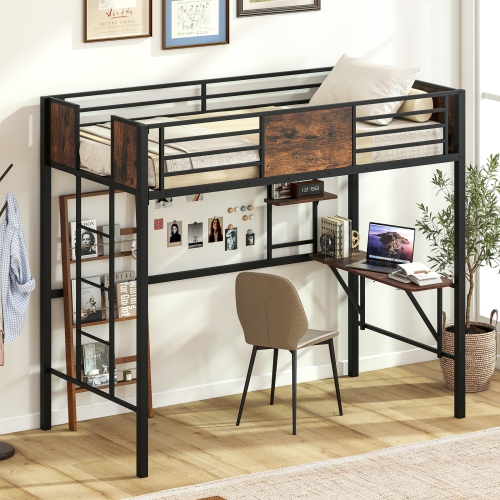
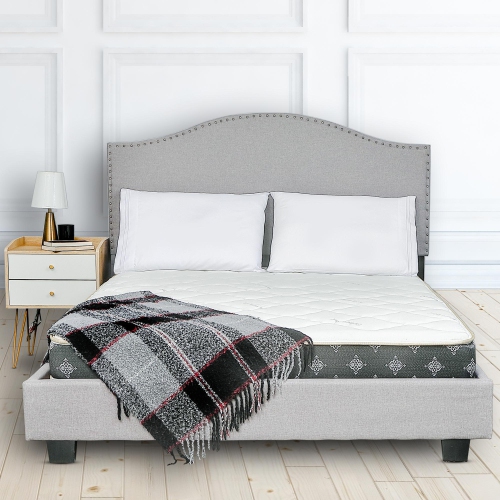
Top Collections:
Best Black Friday Deals This Year, Best Black Friday Deals On Electronics, Kindle Devices, Best Black Friday Deals On Apple Products, Best Budget Office Chairs, Best Cameras for Sports Photography, Dyson Airwrap, Canon G7X Cameras, Best Laptops for Writers, Samsung Galaxy Phones
Some products may be subject to Environmental Handling Fees
(EHF) depending on your province.
Learn more about EHFs.