Mattresses for Daybeds
Mattresses for daybeds are designed to offer versatile comfort and support, making them a great choice for guest rooms, home offices, or cozy living spaces. Whether you're looking to create a relaxing spot for lounging during the day or a comfortable sleeping area at night, these mattresses provide the flexibility you need. Explore a range of sizes and styles to find the perfect fit for your daybed setup and enjoy a seamless blend of function and style in any room.
Sort
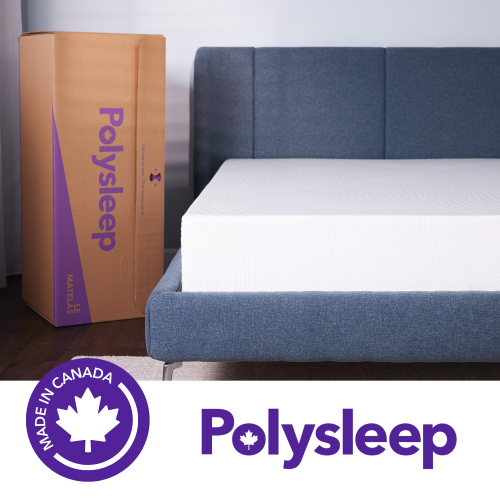
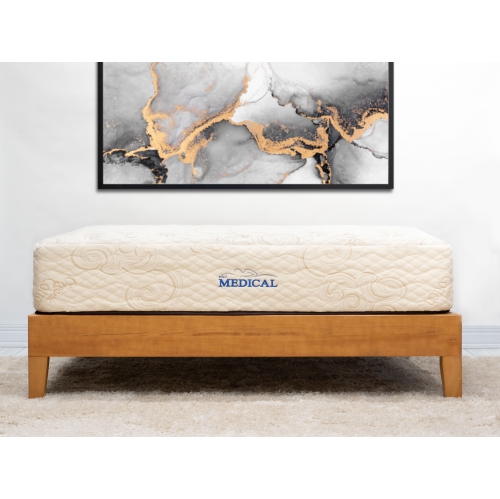
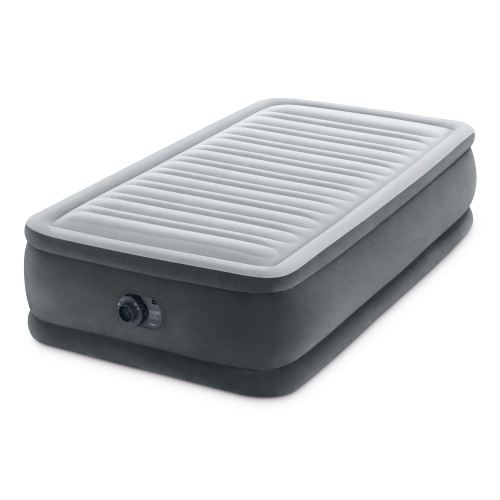
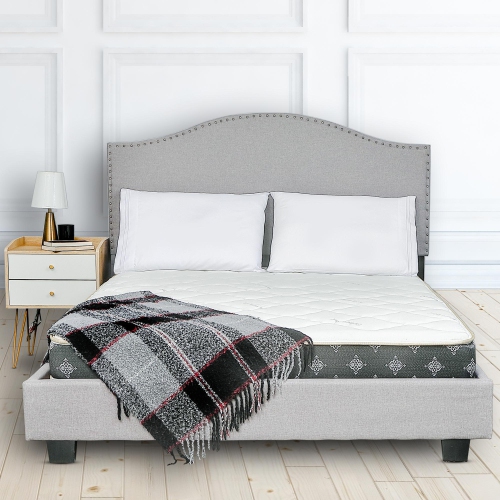
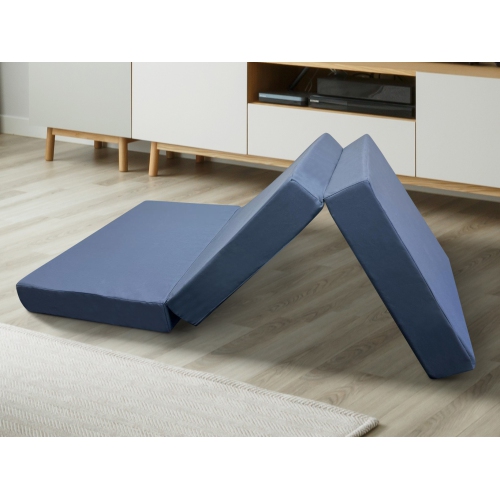
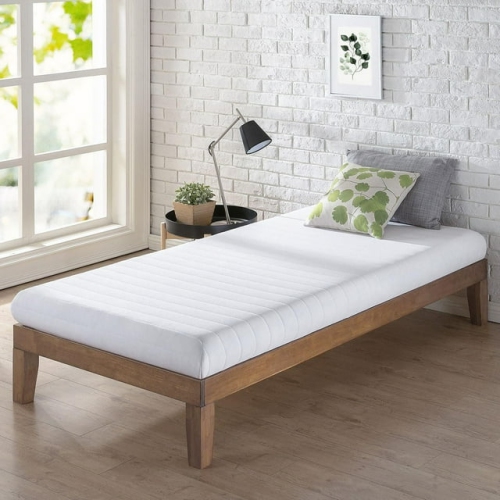
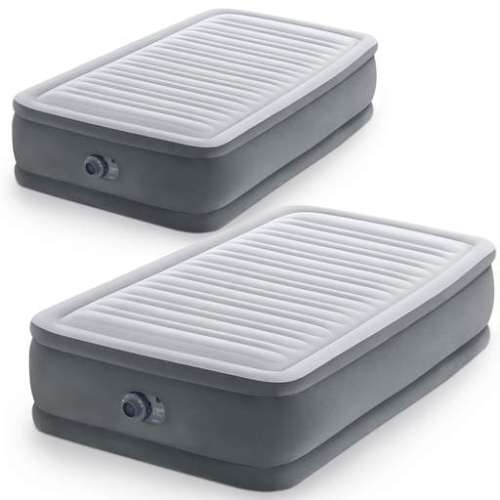
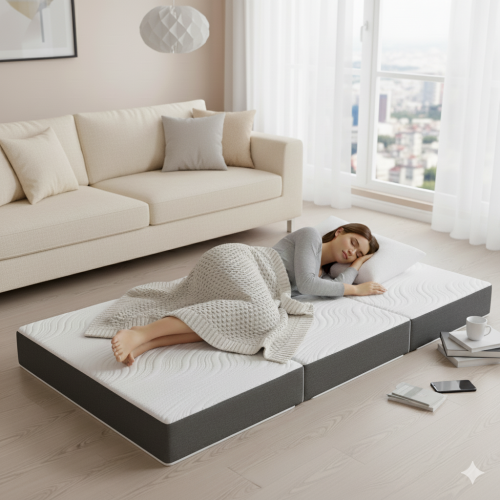



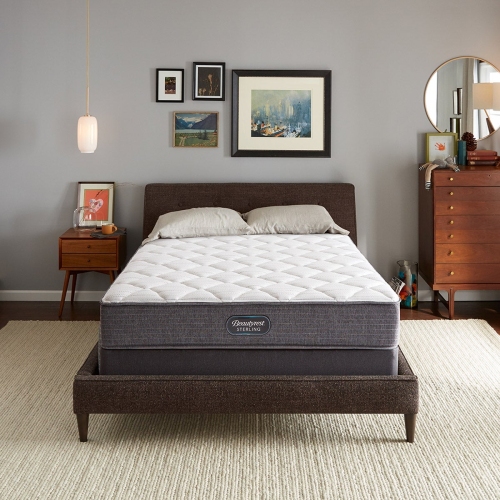
Why mattress fit matters for sitting and sleeping
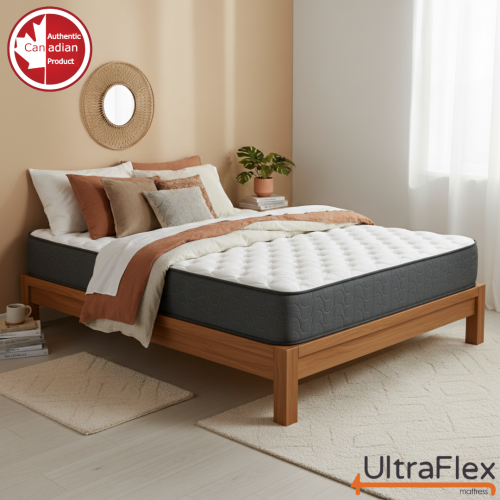
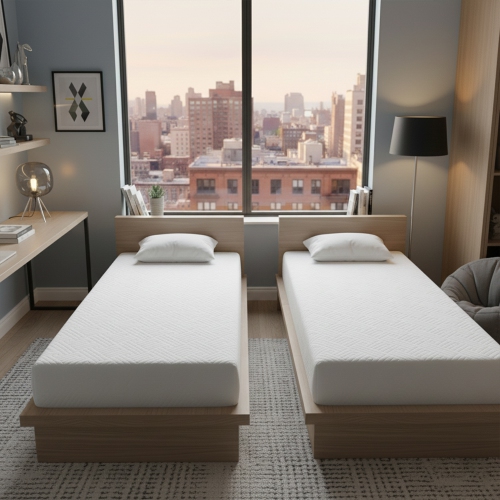
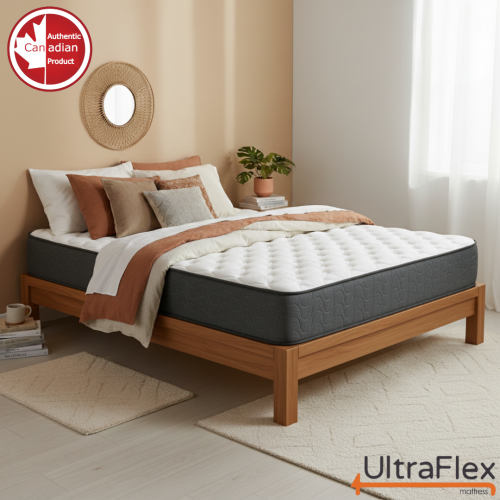
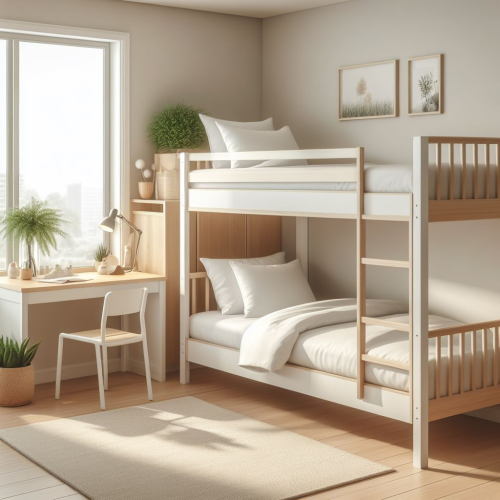
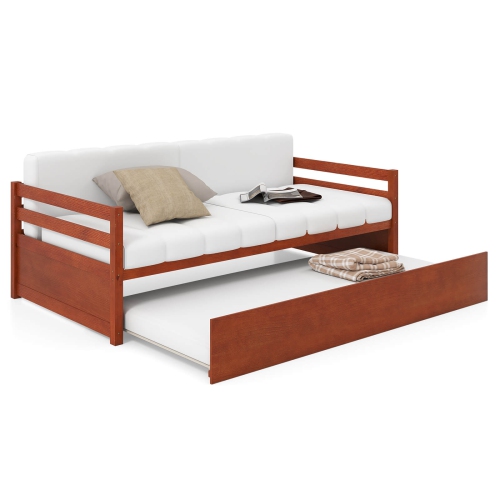
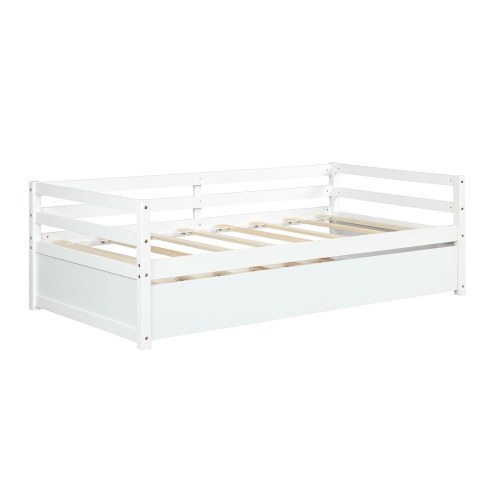
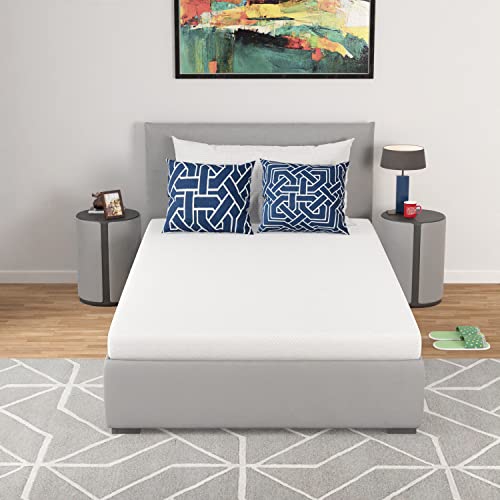
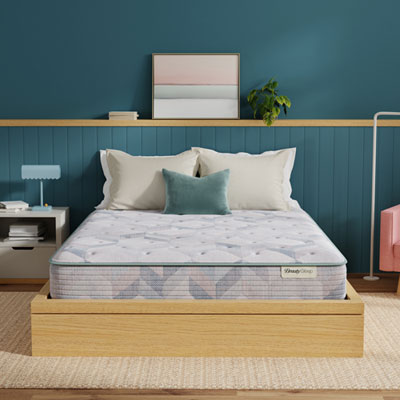
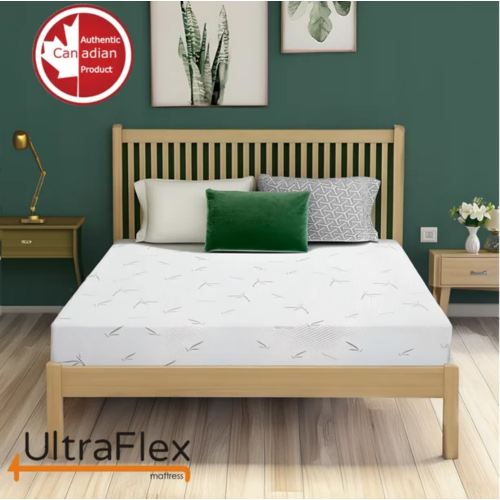
Mattresses for daybeds are usually standard twin mattresses, approximately 38 inches wide by 75 inches long, although the correct size always depends on the frame. Some daybeds accommodate a full mattress, commonly about 54 inches wide by 75 inches long, while others require a different size. A twin XL mattress is longer than a standard twin and is not interchangeable with it. The frame’s specified mattress dimensions are the best starting point, particularly when side panels, a backrest, or an enclosed platform limit the sleeping area. A properly fitted mattress rests flat within the frame without being squeezed against the sides or leaving excessive gaps. Thickness matters just as much as length and width because a daybed serves as both seating and a place to sleep. A lower-profile mattress leaves more of the surrounding frame visible and can make the backrest more useful when sitting upright. A thicker mattress raises the sitting surface and may offer a different cushioning feel, but it can also reduce the height of the side rails above the mattress. The most practical depth depends on the frame design, the person using it, and how easily they can sit down or get up. Daybeds with a pullout trundle have an additional measurement to consider: the lower mattress must fit within the clearance beneath the main bed. Bedding can take up some of that space, so the trundle’s stated maximum mattress thickness deserves particular attention. The upper bed and trundle do not necessarily use mattresses of the same depth, even when their length and width match. Frame support also affects compatibility. Slats, a solid platform, and other foundations have different requirements, and the mattress should be suitable for the support beneath it. A box spring is only appropriate when the daybed design calls for one. These details help a daybed function comfortably as a reading spot, an everyday bed, or a sleeping space for overnight visitors without compromising its fit.
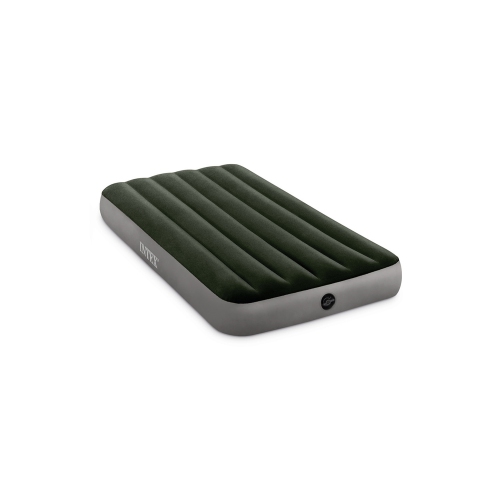
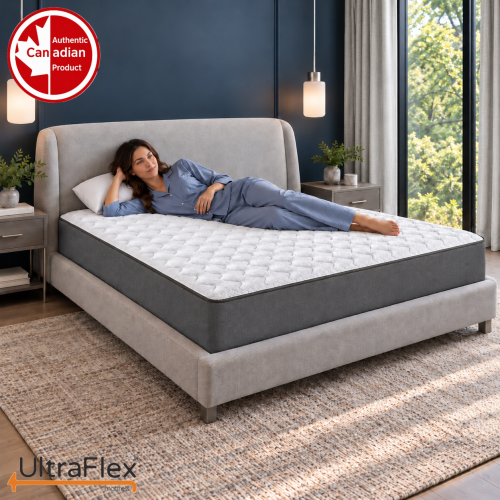
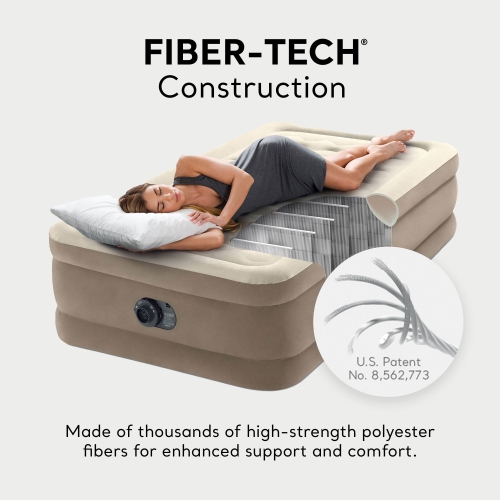
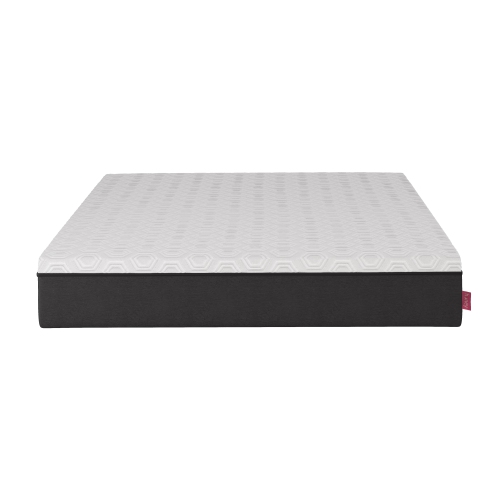
The materials inside a daybed mattress influence how it feels during both sitting and sleeping. Memory foam contours around the body and can provide cushioning at the shoulders and hips, making it worth considering for someone who prefers a close, cradling feel. Other polyurethane foams may feel more responsive, allowing easier changes of position rather than a pronounced sinking sensation. Latex generally has a buoyant feel, though its firmness and construction vary. Innerspring mattresses use coils for support, while hybrid mattresses combine a coil system with comfort layers such as foam or latex. Neither a material name nor mattress thickness alone determines comfort; the arrangement and quality of the layers matter, too. Firmness is also distinct from support. A soft surface can still have a supportive core, while a firm mattress is not automatically the best match for every sleeper. Side sleepers often appreciate cushioning around pressure points, whereas back and stomach sleepers may prefer a surface that limits excessive sinking around the middle. Body size, personal preference, and the frequency of use all influence the most suitable feel. For a daybed used regularly as a sofa, edge support deserves attention because people tend to sit along the same front edge. Reinforced edges or a more stable perimeter can help that area feel steadier, although construction varies between mattresses. For nightly sleeping, consistent support across the entire surface becomes especially important. A mattress intended for occasional guests still needs to provide enough space and a comfortable sleeping position for the person using it. In a small apartment, where the same daybed might host an afternoon of reading and a full night’s sleep, a balance of cushioning, responsiveness, and a stable edge can be more useful than an especially plush feel. Breathable covers and ventilated construction may also be relevant to comfort, but the complete mattress design matters more than any single feature.
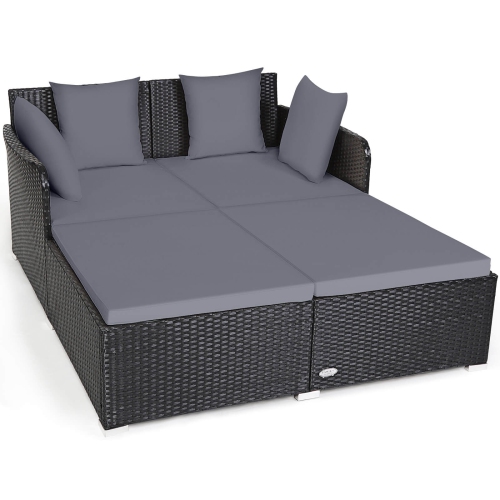
Daybed mattresses often remain visible throughout the day, so their profile and coverings contribute to how the room looks and functions. A fitted sheet should suit both the mattress size and its depth; excess fabric can bunch beneath someone sitting down, while pockets that are too shallow may pull away from the corners. A washable daybed cover can create a tidy seating surface, with cushions along the back providing a more upright place to read or chat. Those cushions need to be moved aside before sleeping so the full mattress surface remains usable. Mattress depth also changes the finished proportions of Black Daybeds, from the amount of frame visible above the bedding to the height of the seat. Beyond appearance, everyday care helps preserve comfort and condition. A well-fitted mattress protector adds a washable barrier against spills and everyday marks, while cleaning methods should follow the mattress care label. Removable covers are not always machine washable, and soaking foam or putting bedding back over a damp surface can cause problems. Keeping the underside dry and maintaining the support required by the manufacturer are important parts of routine care. Rotation may help distribute wear on mattresses designed for it, especially when the same edge is used repeatedly for sitting. Flipping is different: many mattresses have a designated sleeping side and should not be turned over unless their construction permits it. Durability depends on the support system, materials, user weight, and frequency of use rather than thickness alone. The frame’s weight limit should also be checked, including whether it refers to the sleeper alone or the combined load of the mattress and occupants. For a home office that doubles as a guest room, a teenager’s bedroom, or a compact living area, a correctly sized mattress makes the daybed more useful without taking up additional floor space. The strongest match brings together reliable fit, suitable support, manageable care, and comfort that suits the way the space is actually used.
Top selling and popular products
-
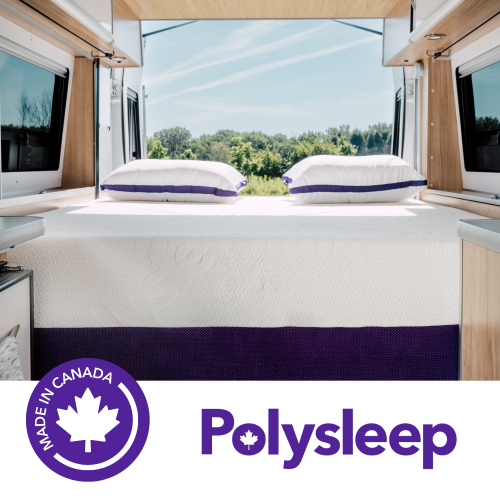 Your price for this item is $1199
-
 Your price for this item is $644
-
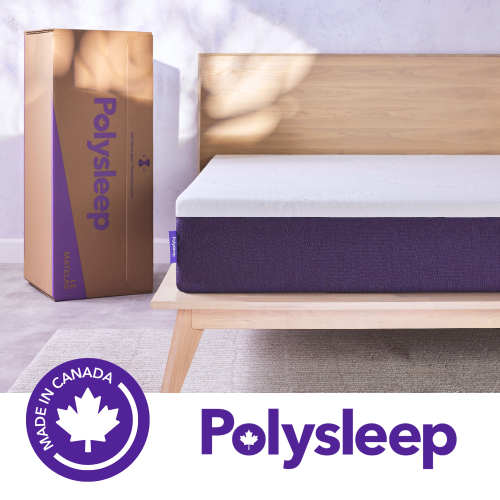 Your price for this item is $696.5
-
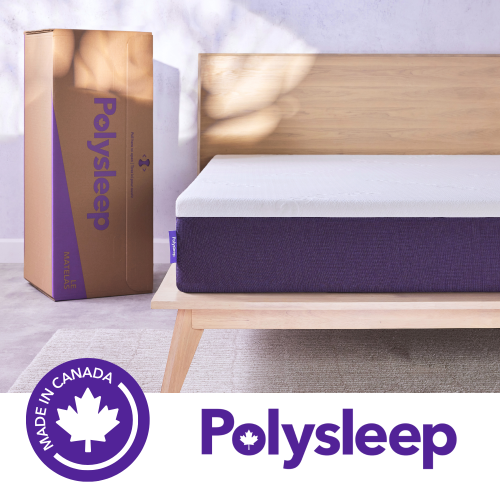 Your price for this item is $591.5
-
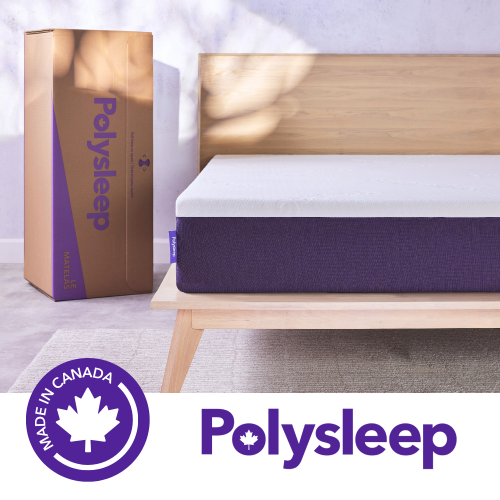 Your price for this item is $906.5
-
 Your price for this item is $159.99
-
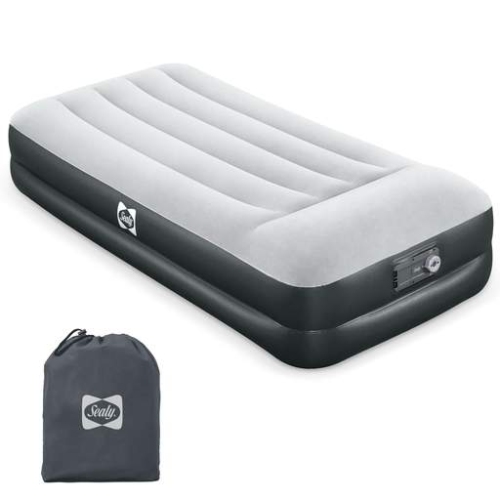 Your price for this item is $133.99
-
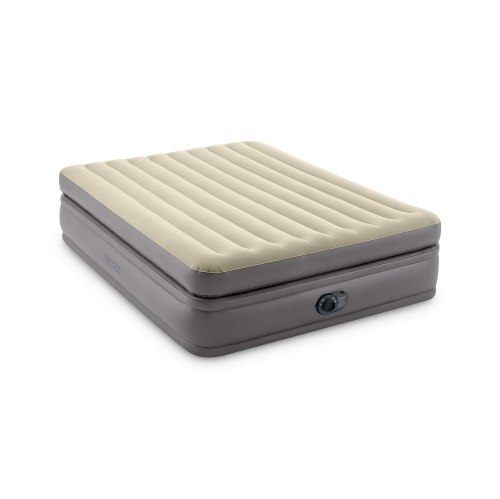 Your price for this item is $239.99
Discover more categories related to Mattresses for Daybeds
Top Collections:
Best Black Friday Deals This Year, Best Black Friday Deals On Electronics, Kindle Devices, Best Black Friday Deals On Apple Products, Best Budget Office Chairs, Best Cameras for Sports Photography, Dyson Airwrap, Canon G7X Cameras, Best Laptops for Writers, Samsung Galaxy Phones
Some products may be subject to Environmental Handling Fees
(EHF) depending on your province.
Learn more about EHFs.