Meat Cleavers
Looking to up your culinary skills? Look no further than our selection of meat cleavers. Whether you're a professional chef or a home cook looking to tackle tougher cuts of meat, these versatile tools are essential in any kitchen. With their sharp blades and sturdy construction, meat cleavers make it easy to chop, slice, and dice with precision. From bone-in cuts to breaking down poultry, these powerful kitchen companions are designed to handle the toughest tasks with ease. Shop our range of meat cleavers and take your cooking skills to the next level.
Sort







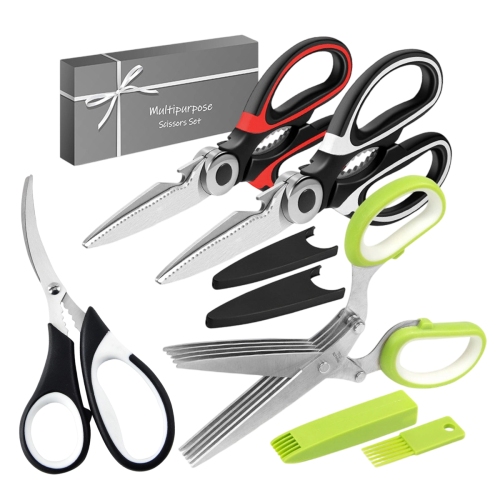
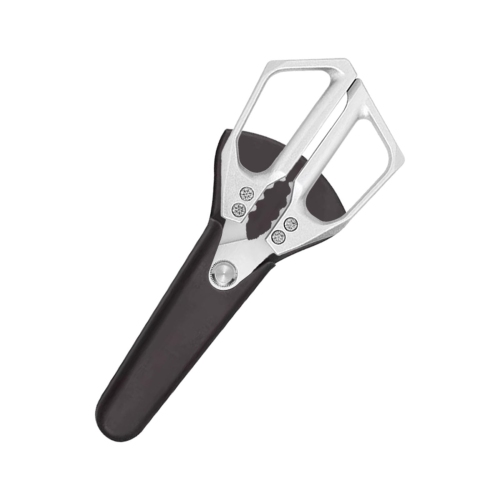

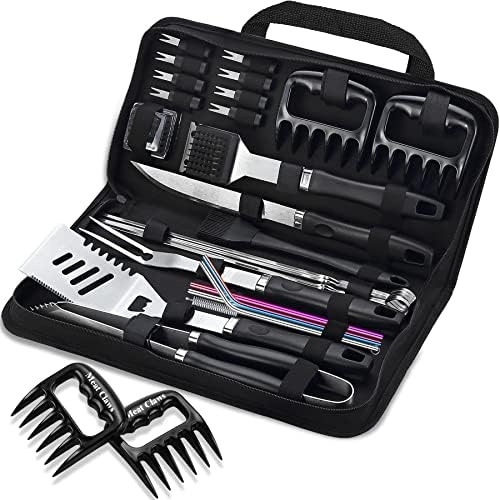

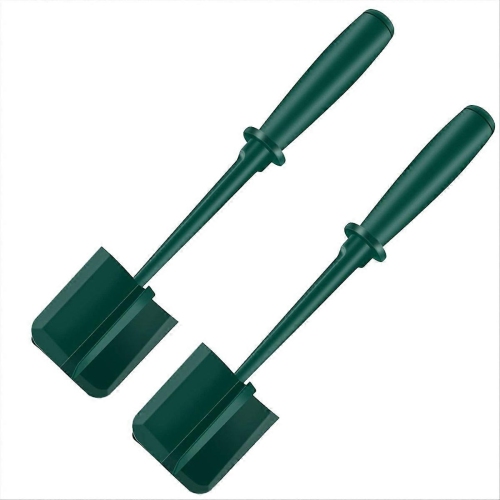

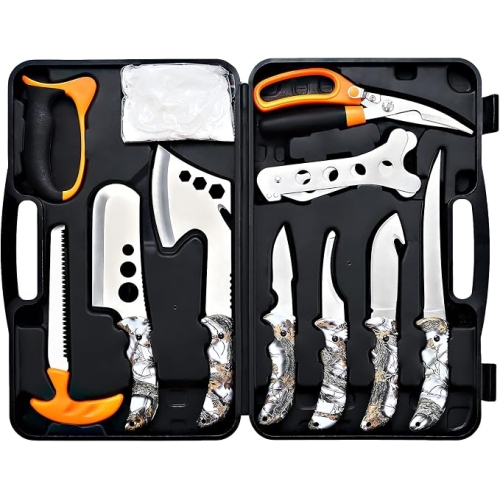
Why a broad blade isn’t always built for bone
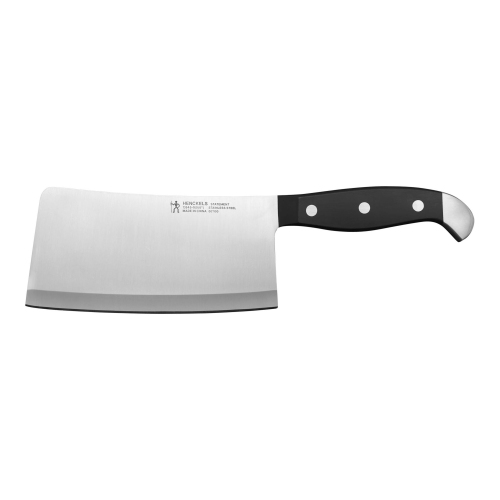
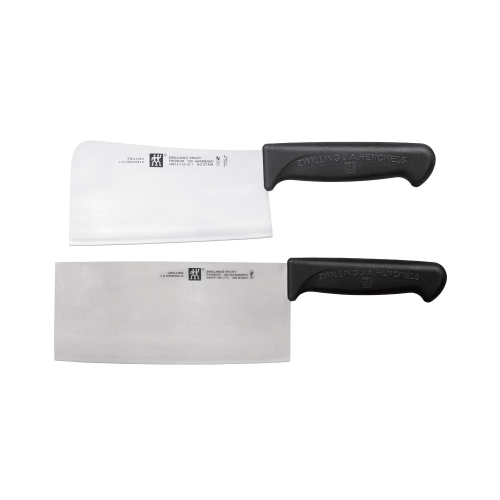
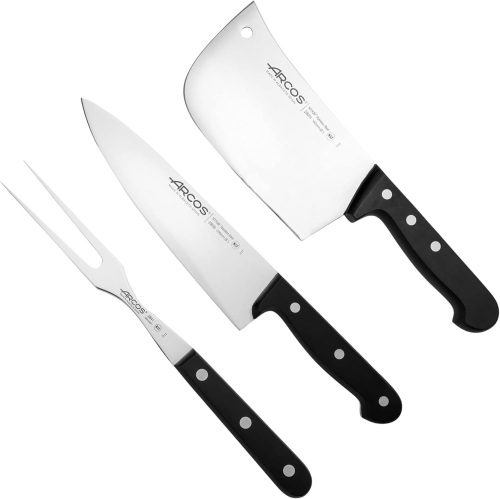
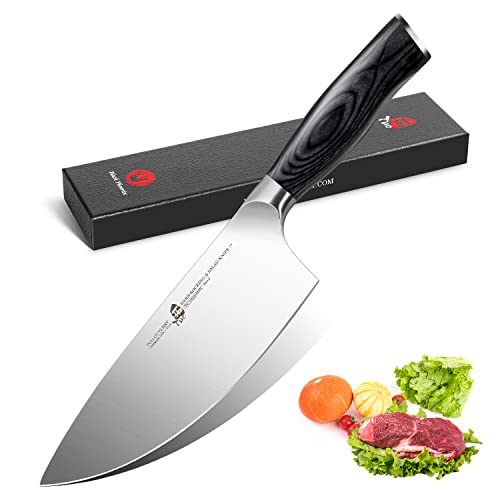
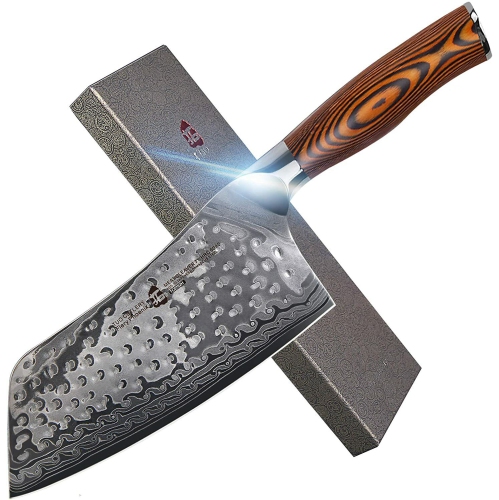
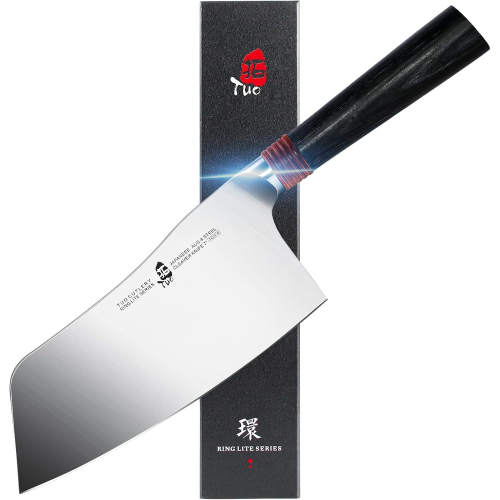
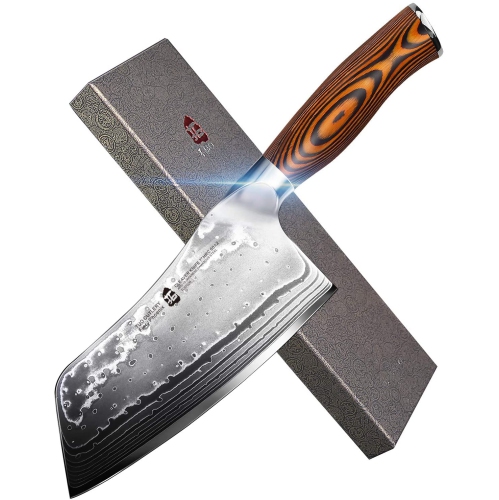
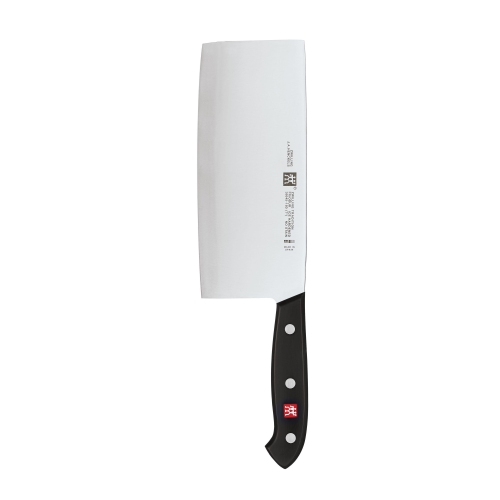
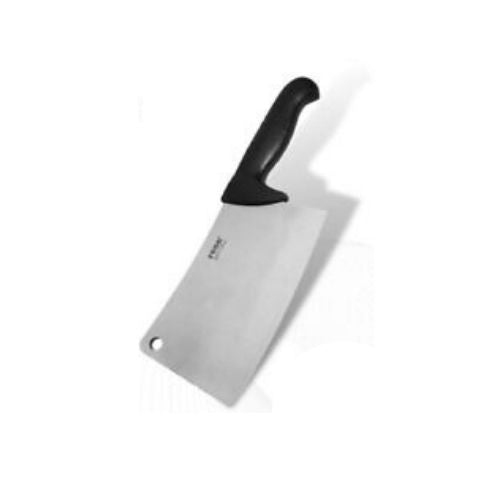
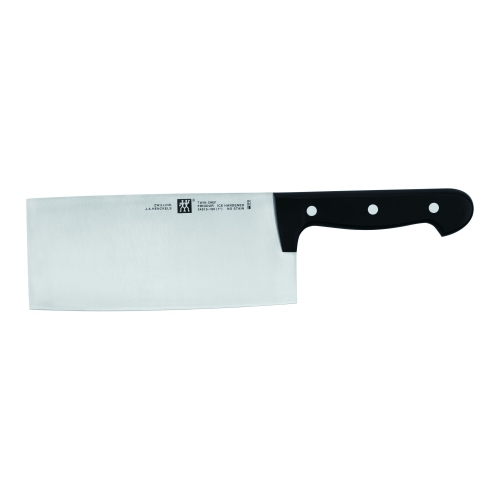
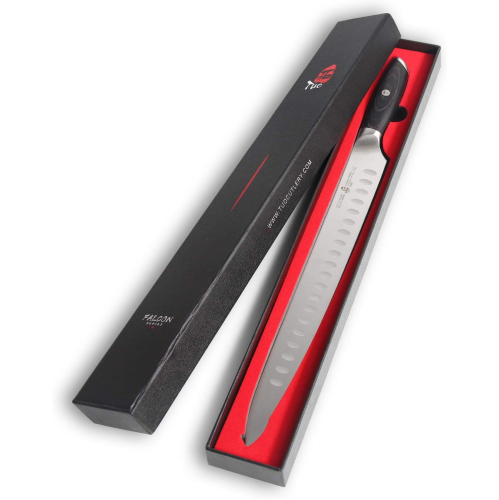
Meat cleavers are broad-bladed kitchen knives built for demanding cutting tasks, including portioning dense meat and, when the blade is designed for it, cutting through cartilage and smaller bones. Their wide, usually rectangular blades distinguish them from narrow boning knives and pointed chef’s knives, while their weight helps carry the edge through suitable cuts. The important distinction is between a heavy meat cleaver and a thin vegetable cleaver: although both may have a similar outline, their blade thickness, edge geometry, and intended uses differ considerably. A thin slicing blade is not a substitute for a bone-rated cleaver, and not every knife labelled a cleaver is suitable for chopping bone. For home cooks preparing chicken portions, separating ribs, or working with larger cuts before a slow braise, the right cleaver can make a useful addition to an established knife collection. Its value comes from matching the tool to the food rather than choosing the largest or heaviest blade. A moderately weighted cleaver may feel more manageable for occasional poultry preparation, while a thicker, heavier design may suit more demanding butchery tasks within its stated limits. Large, hard bones and frozen meat can damage an unsuitable edge; some work is better left to a butcher with purpose-built equipment. A cleaver also serves a different role from a boning knife, which offers the precision needed to follow joints and separate meat closely from bone. Cooks who buy whole birds or larger portions may find these tools useful alongside each other, with each handling a distinct part of preparation. Across this category, blade dimensions, overall weight, handle shape, and the manufacturer’s intended-use specifications provide a clearer picture of suitability than appearance alone. A broad blade can look substantial without having the toughness required for impact, making construction and use ratings especially meaningful details when comparing meat cleavers.
Blade material influences how a meat cleaver cuts, how often it needs attention, and how well it tolerates everyday kitchen use. Stainless steel is valued for its resistance to rust and staining, although it still benefits from prompt washing and thorough drying. Carbon steel can offer a keen edge and straightforward sharpening, depending on the alloy and heat treatment, but generally needs more attention to moisture and may develop a patina through normal use. High-carbon stainless steel combines characteristics of both groups, yet the label alone does not establish blade quality. Heat treatment, thickness, and edge geometry all affect performance. For a cleaver intended to handle bone, toughness and a suitably robust edge matter more than an exceptionally thin cutting profile. A harder blade is not automatically better for impact work, since resistance to wear and resistance to chipping are different qualities. Forged and stamped construction can both produce useful kitchen tools; neither description replaces a close look at the finished blade and its intended purpose. Handle fit is equally important because a heavy knife needs to feel secure without forcing the hand into an awkward position. Wood offers a familiar feel but may require occasional care with a suitable food-safe conditioner, while moulded synthetic handles often provide straightforward cleaning and resistance to moisture. Textured surfaces, smooth joins, and enough room for the fingers can improve comfort during repeated portioning tasks. A full tang means the blade steel extends through the handle, though secure assembly and overall design remain important regardless of construction. Balance changes the experience, too: a blade-forward cleaver carries more weight towards the cutting end, while a less forward-weighted design may feel easier to control. Blade length should suit both the food and the workspace. An oversized cleaver can be cumbersome on a compact board, and a handle that feels comfortable in a large hand may be tiring for someone with a smaller grip.
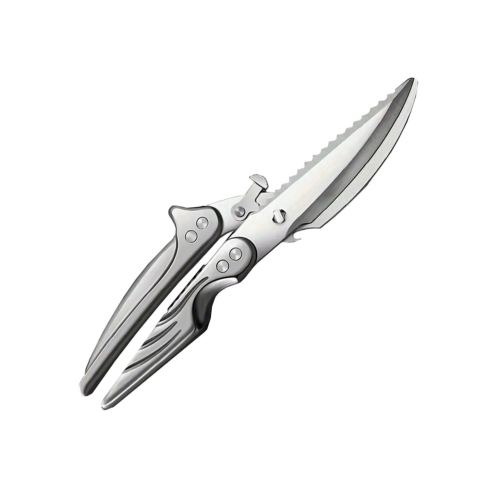
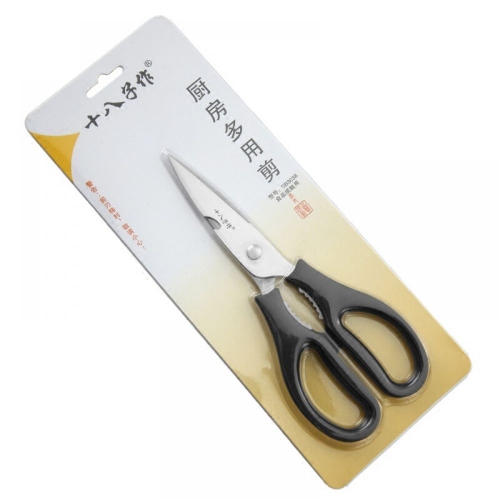
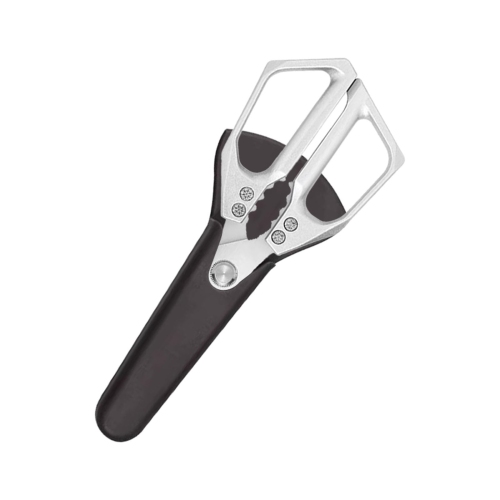
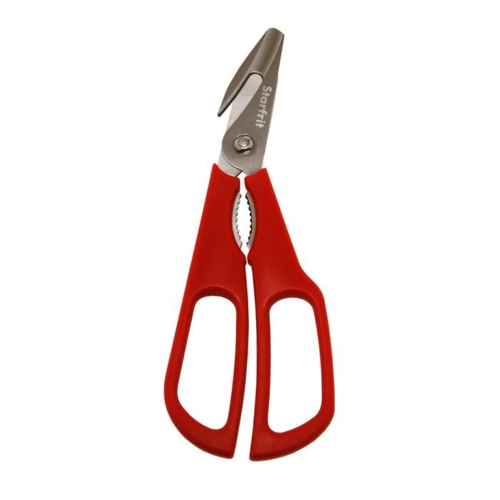
Daily care and storage help preserve a meat cleaver’s performance and keep it practical to use. A substantial wood or suitable plastic cutting board provides a more forgiving working surface than glass, stone, or ceramic, which can damage knife edges. The board also needs a stable position and enough space around the food for controlled movement. Even a sturdy cleaver is not intended for prying, twisting through a stuck cut, or striking materials beyond its rating. Edge maintenance should match the blade’s original geometry and the manufacturer’s guidance; sharpening a heavy-duty cleaver to an unusually fine angle can leave its edge less suited to impact. Professional sharpening can be useful when the correct profile is uncertain or the blade has developed chips. After contact with raw meat, careful cleaning of the knife, board, and surrounding preparation area helps limit cross-contamination. Handwashing with mild dish soap, followed by immediate drying, is generally a gentler choice than a dishwasher, where detergent, prolonged moisture, and contact with other utensils can affect the blade or handle. Storage deserves particular attention because a cleaver’s height and weight may not suit a standard knife block. A correctly fitted blade guard, an appropriately sized block slot, or a securely mounted rack rated for the knife can protect the edge and keep it from sitting loose in a drawer. For smaller trimming jobs, Meat Cutting Shears offer a complementary tool, with suitable designs handling tasks such as snipping poultry skin or cutting through thin cartilage within their stated limits. A cleaver is most useful for someone whose cooking regularly involves substantial meat preparation, rather than someone who mainly works with boneless portions. It can also be a thoughtful gift for an experienced home cook who enjoys butchery or preparing family-style meals, particularly when their preferred knife weight and handle style are known. Comfortable handling, clear use limits, and manageable care requirements are what make a meat cleaver a lasting part of a working kitchen.
Top selling and popular products
-
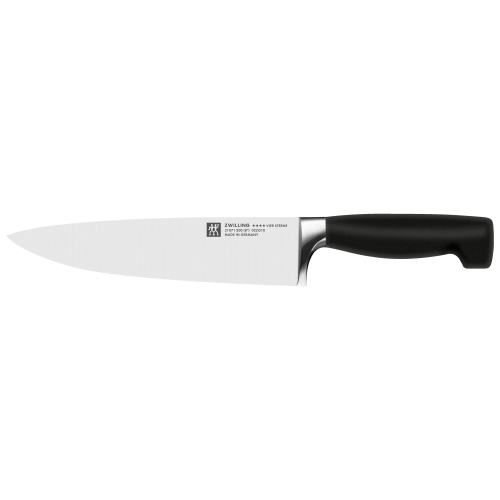 Your price for this item is $139.99
-
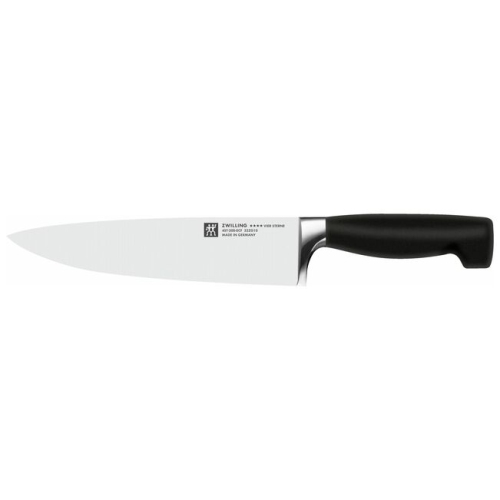 Your price for this item is $199.99
-
 Your price for this item is $139.99
-
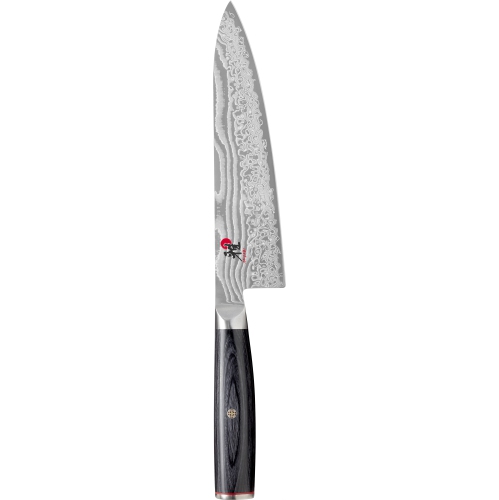 Your price for this item is $299.99
-
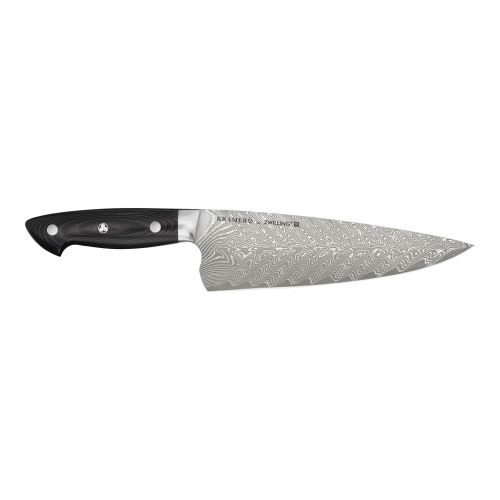 Your price for this item is $385
-
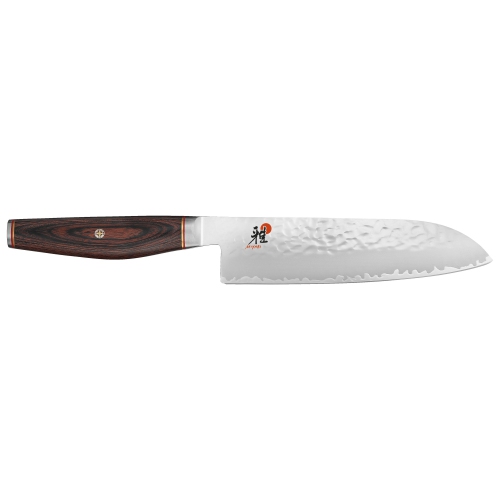 Your price for this item is $329.99
-
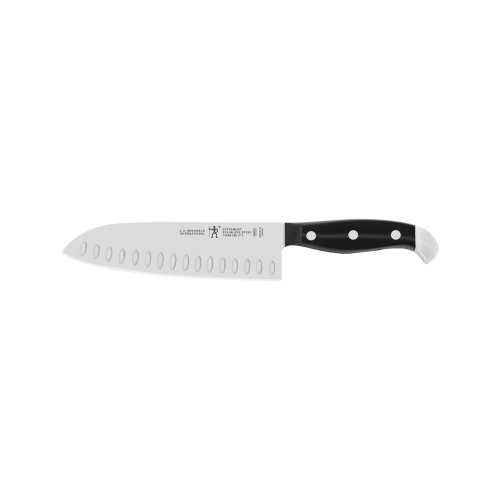 Your price for this item is $29.99
-
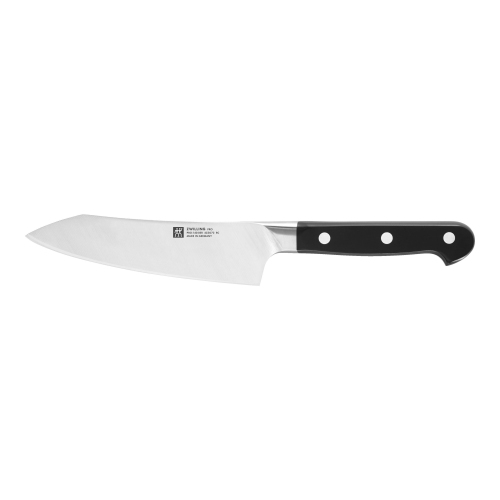 Your price for this item is $179.99
Discover more categories related to Meat Cleavers
Top Collections:
Pokemon Centers, Best Cameras for Sports Photography, Kindle Devices, Samsung Galaxy Phones, Canon G7X Cameras, Pokémon 30th Celebration Cards, Refurbished Apple Laptops, iPhone 15 Apple, Laptops for Students, Budget Smartphones
Some products may be subject to Environmental Handling Fees
(EHF) depending on your province.
Learn more about EHFs.