Sharp Knives
Looking to upgrade your kitchen essentials? Look no further than our collection of sharp knives. These cooking essentials are a must-have for any cooking enthusiast, as they effortlessly slice through ingredients with precision and ease. Whether you're a professional chef or simply enjoy preparing meals at home, our selection of sharp knives will help you achieve culinary perfection. From paring knives to chef's knives, we have a wide range of options to suit every cutting task. Explore our assortment and discover the perfect knife to elevate your cooking experience.
Sort
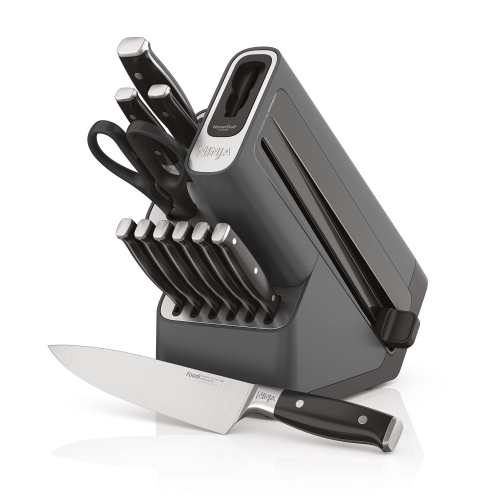
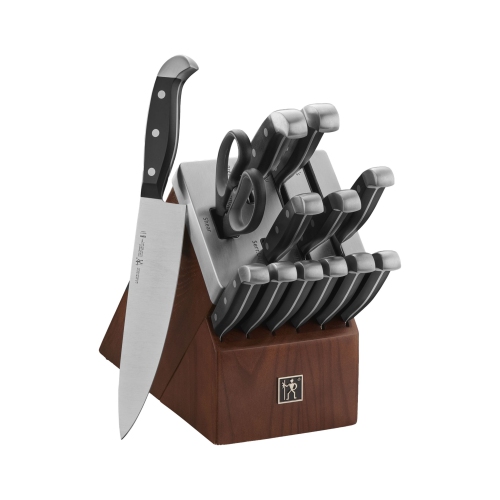
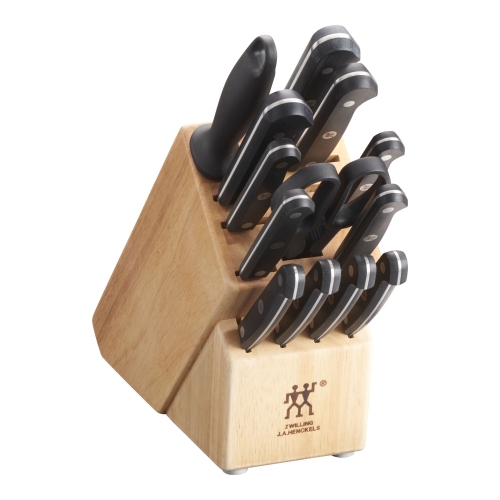
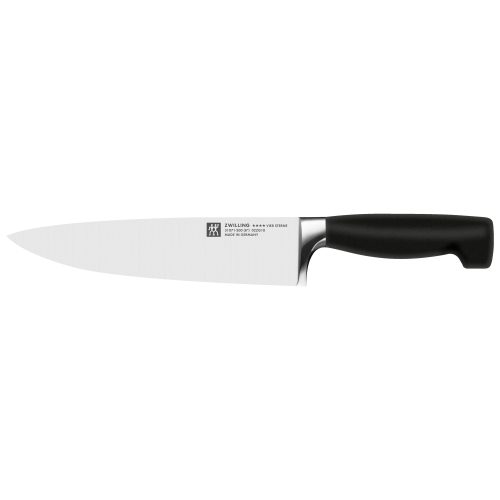
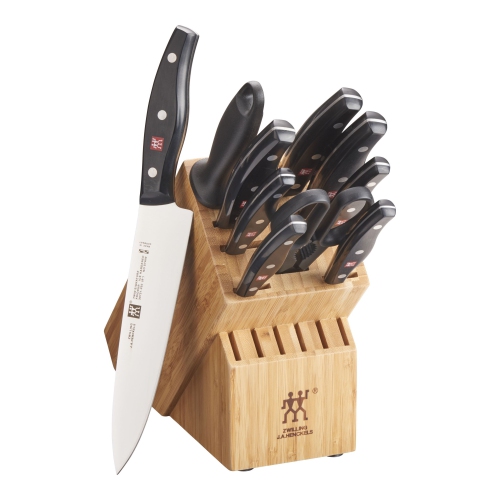
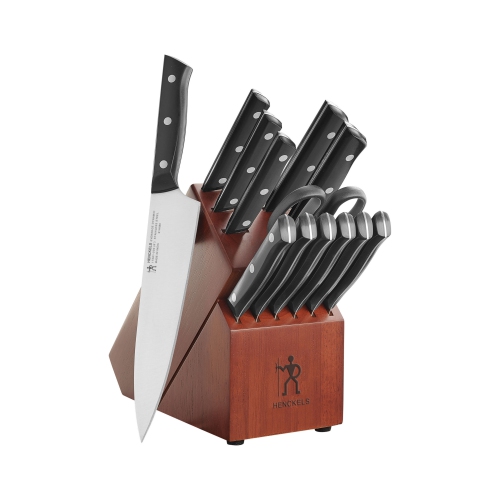
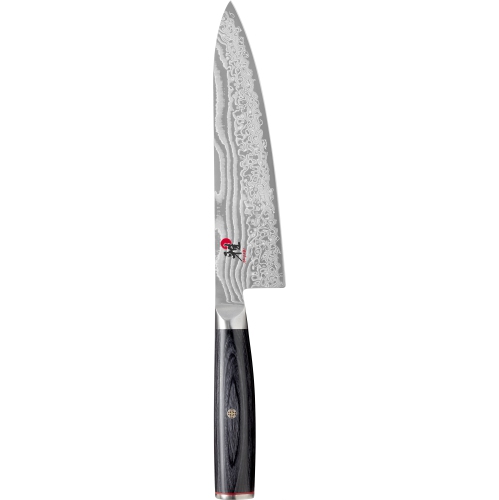
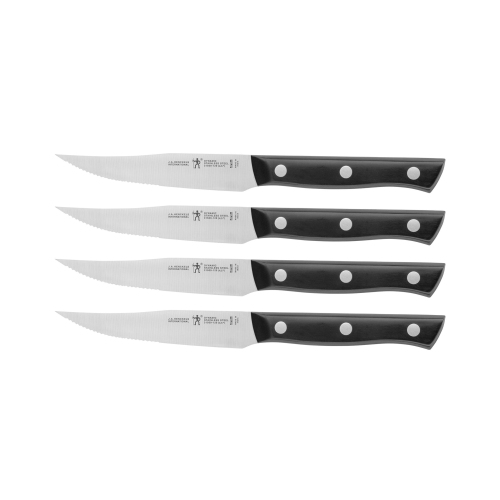
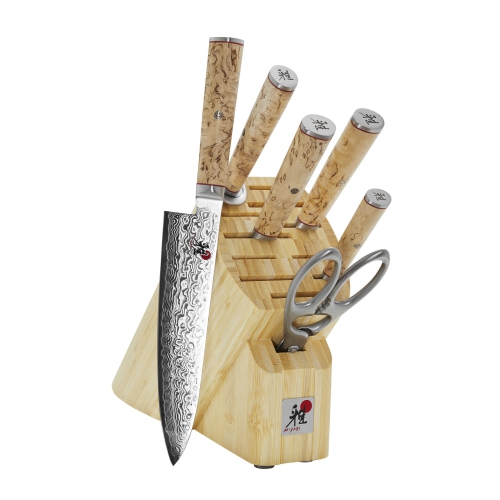
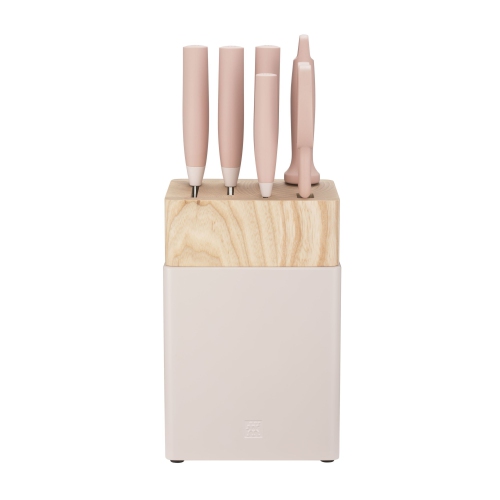
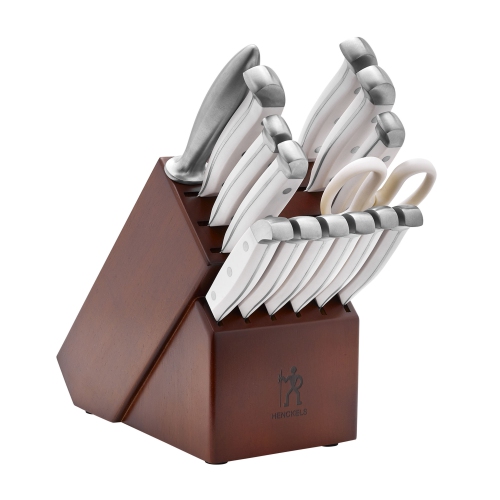
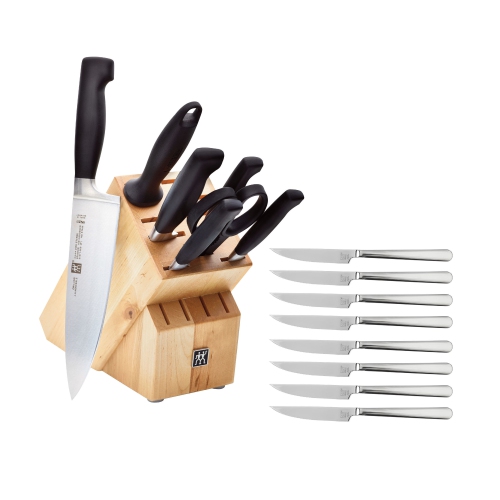
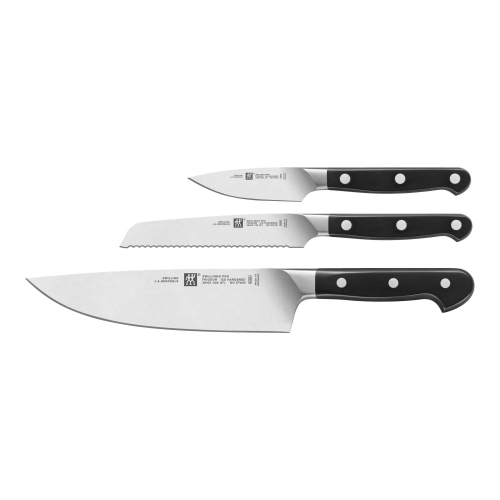
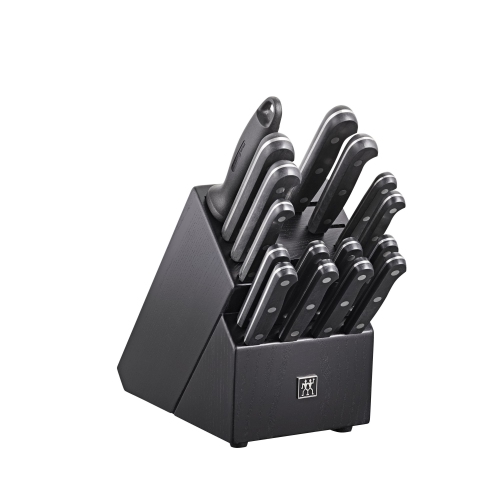
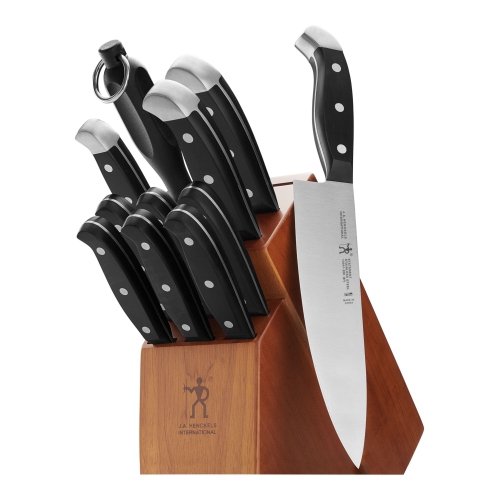

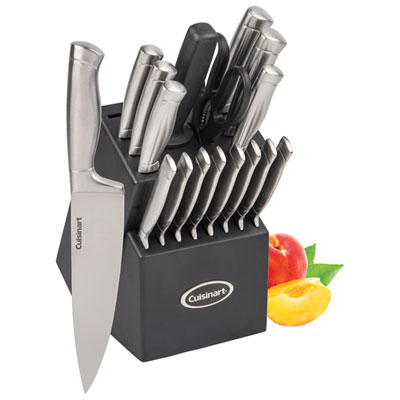


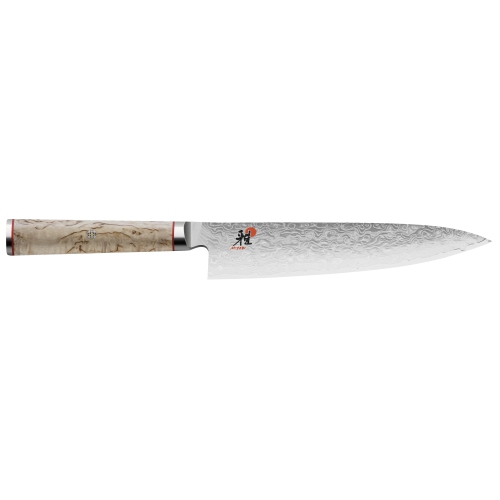


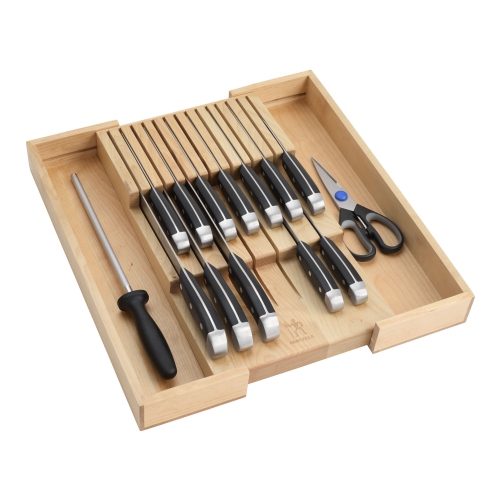
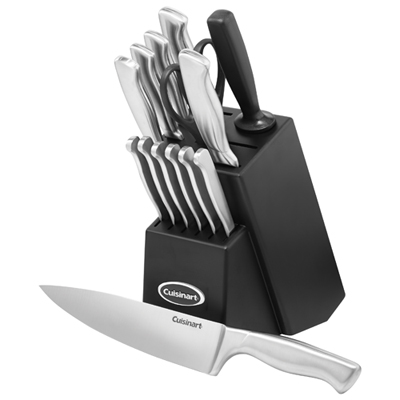
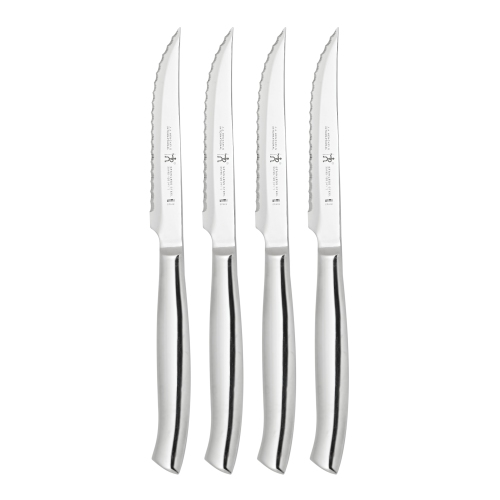
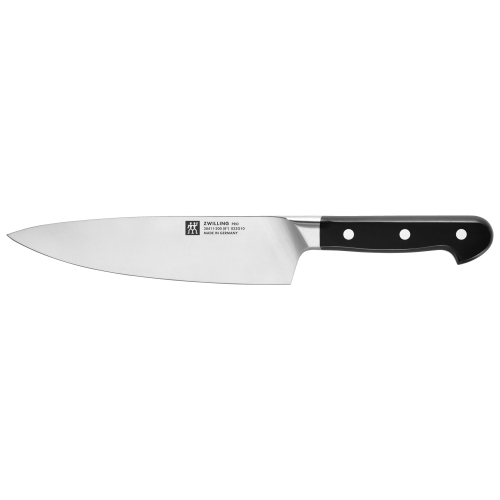
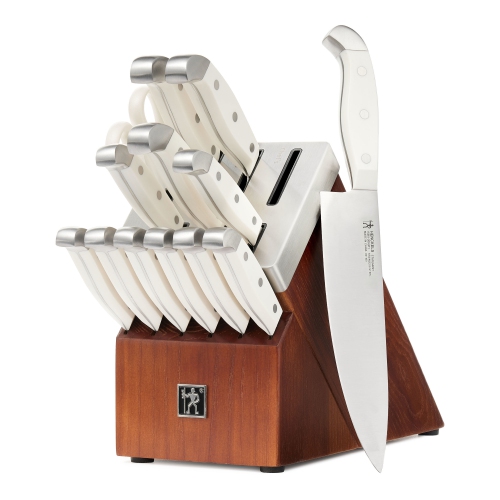
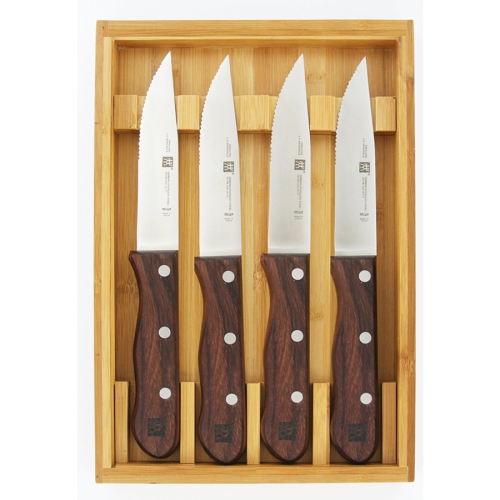
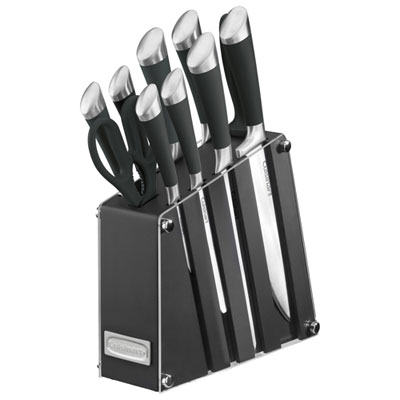

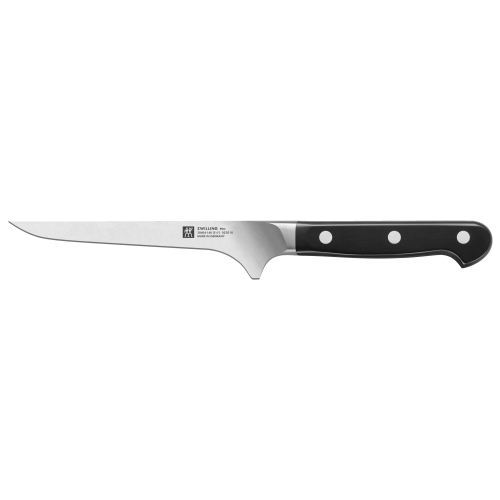
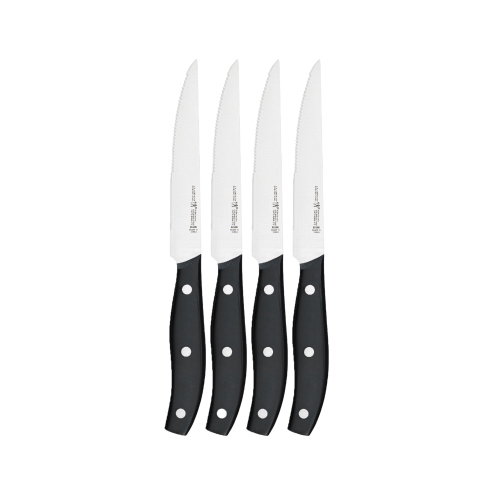

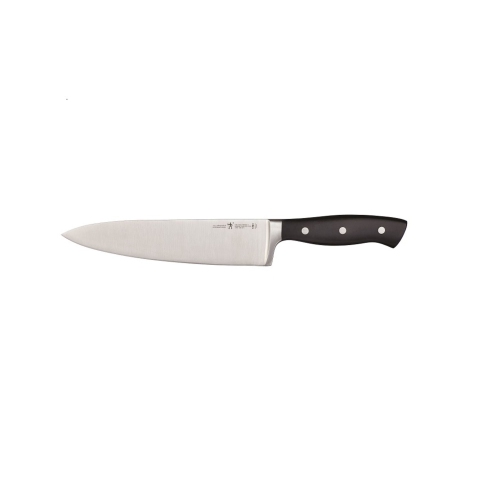
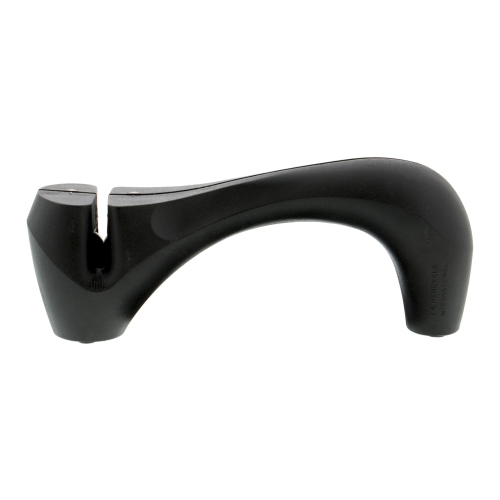

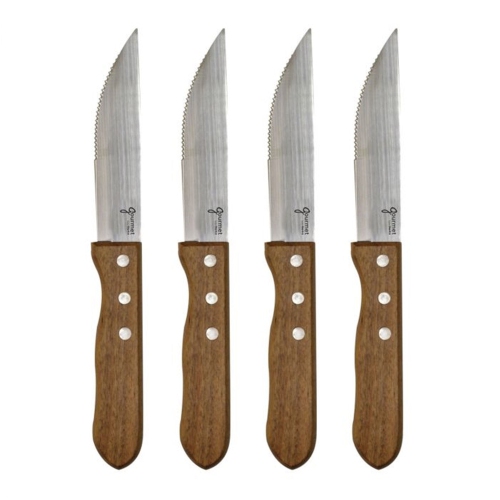
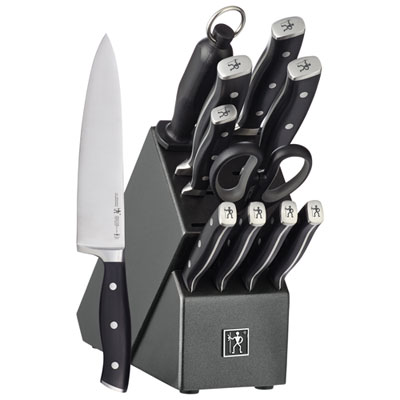
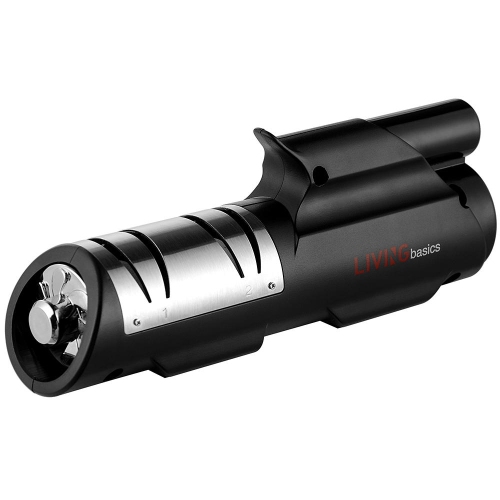

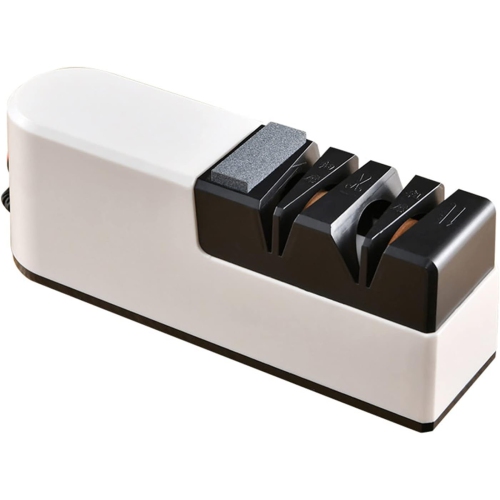
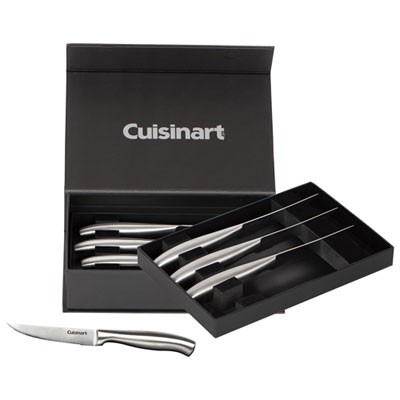
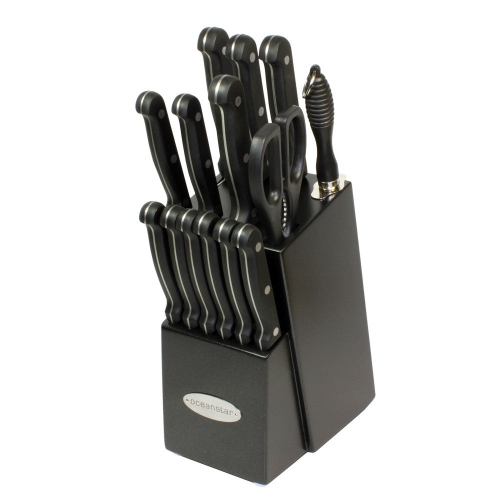
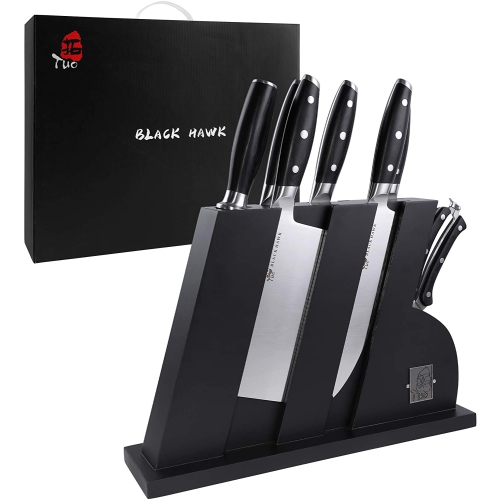
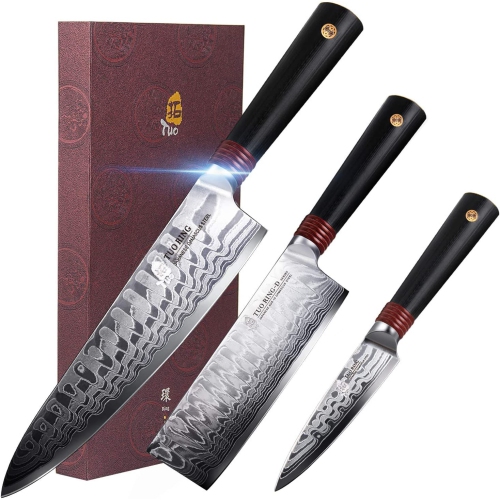
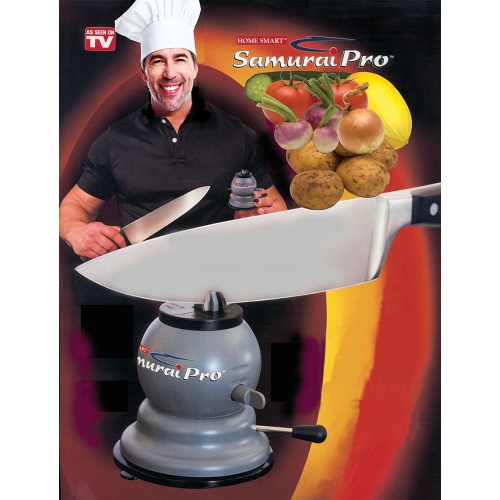
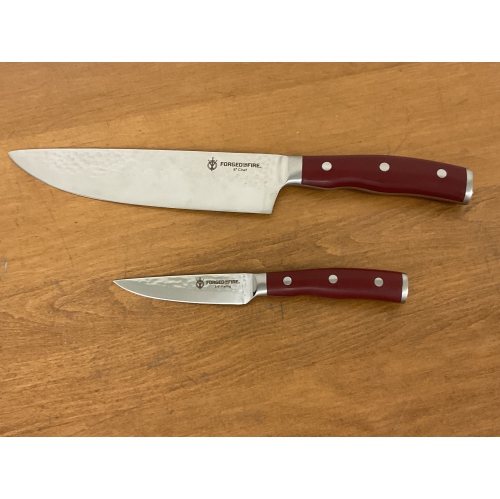
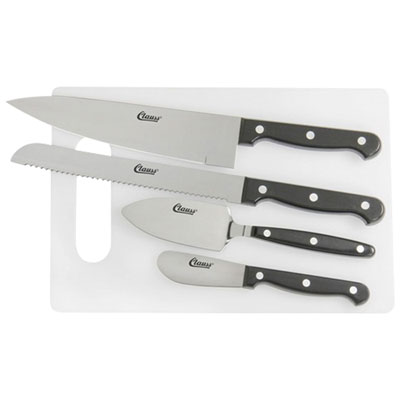
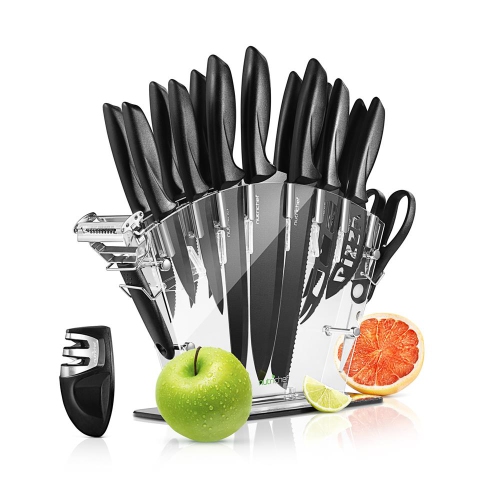
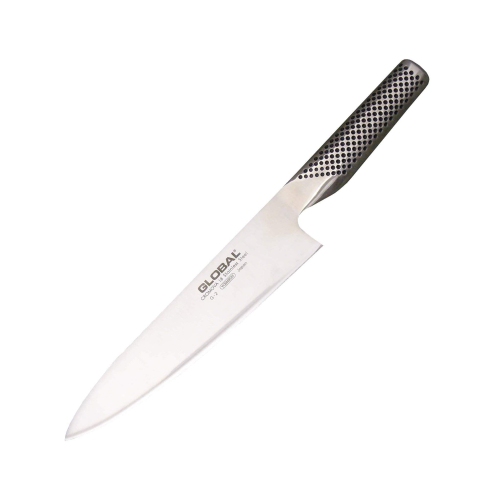
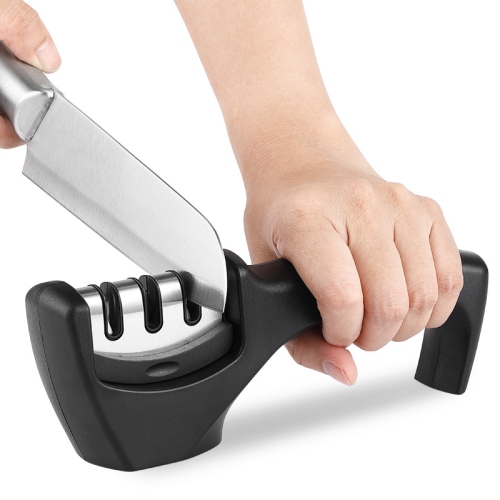

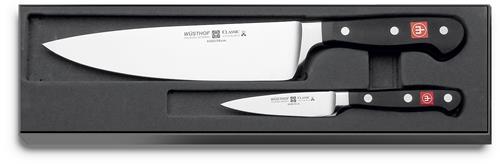
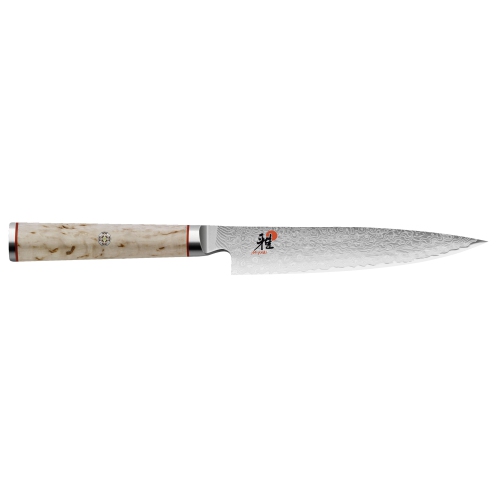
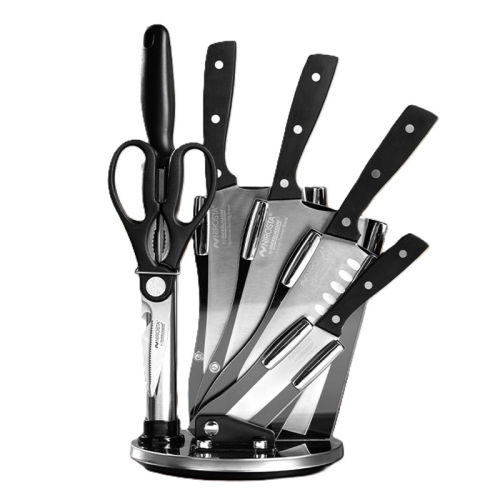
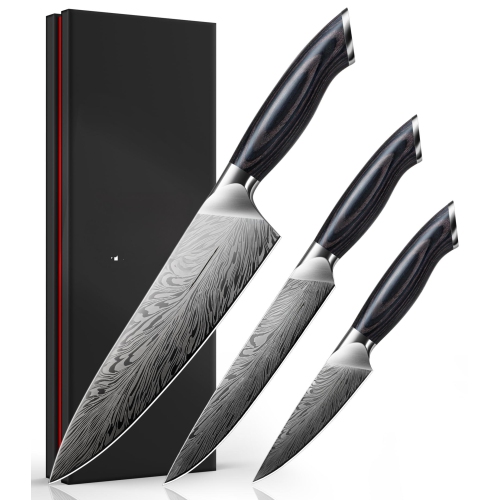
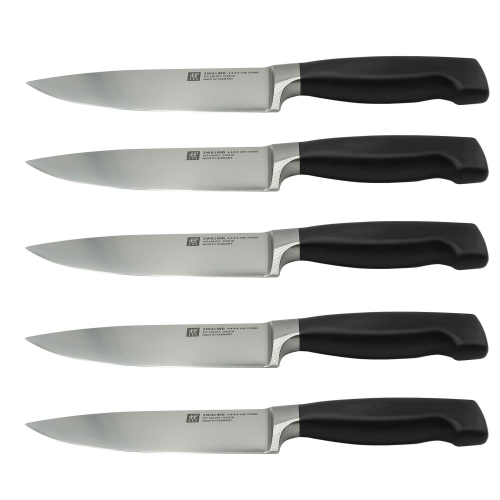
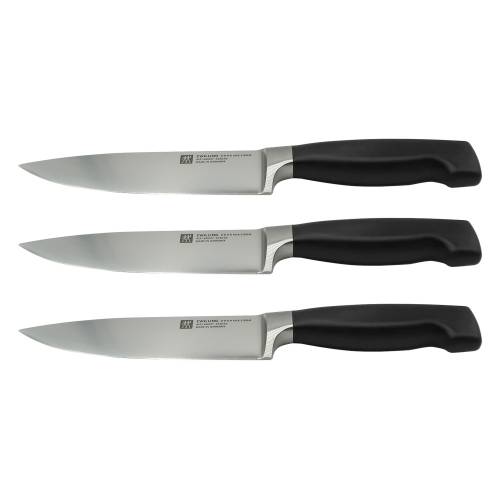
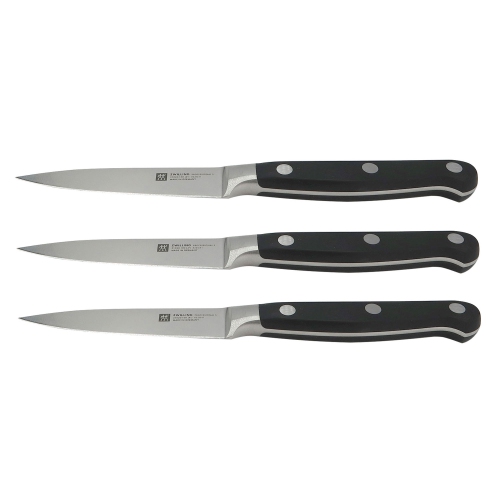
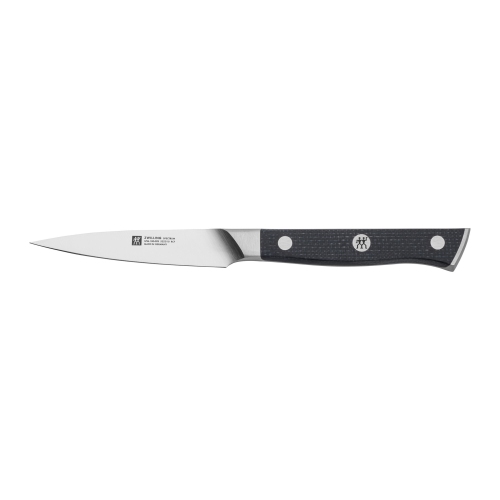
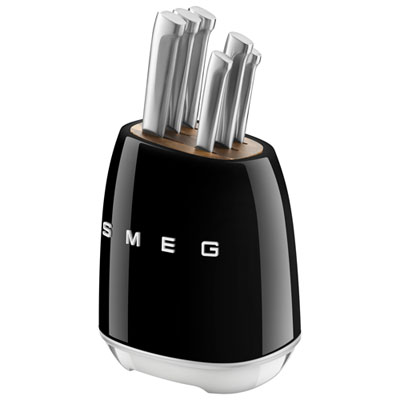
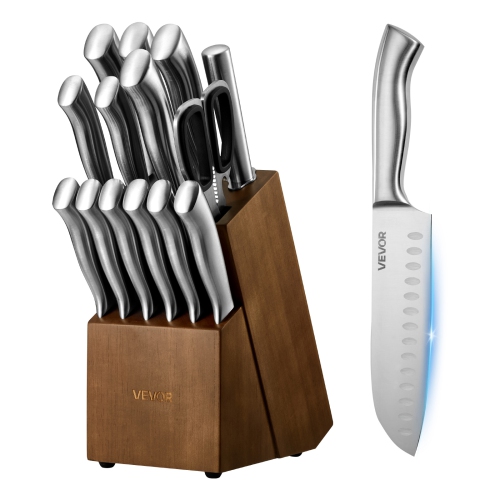
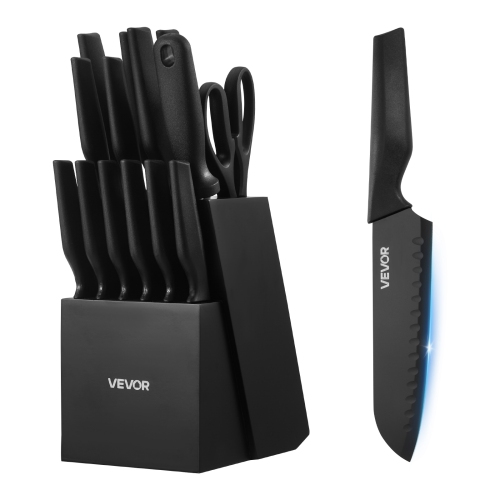
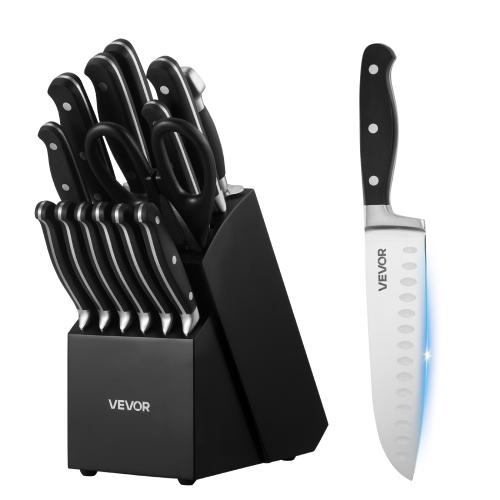
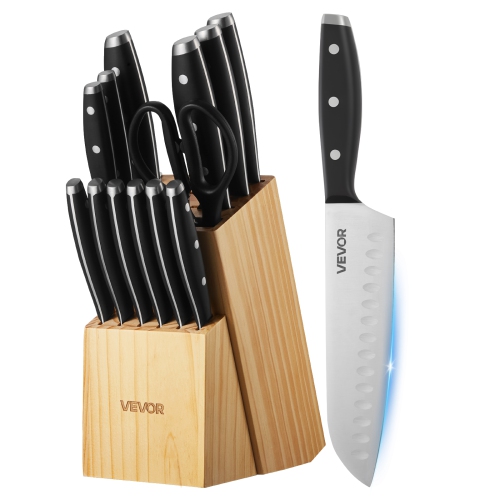
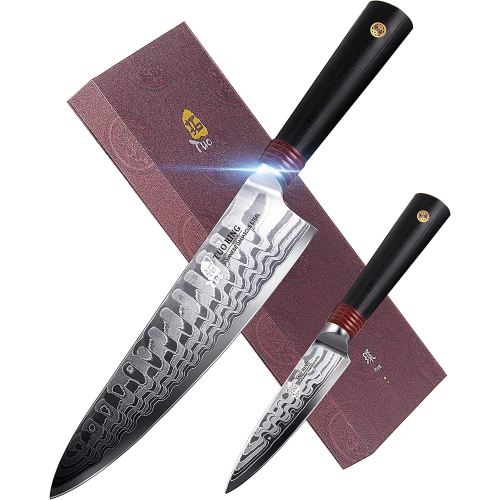
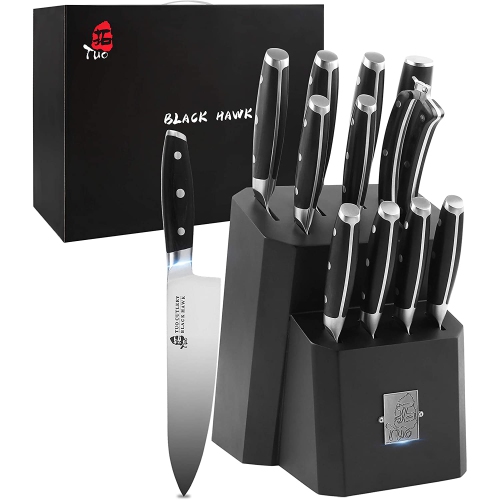
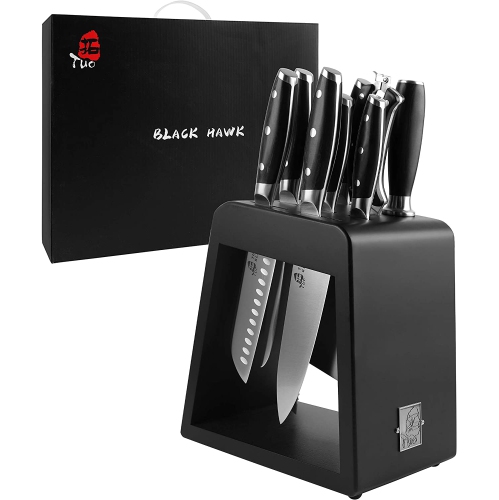
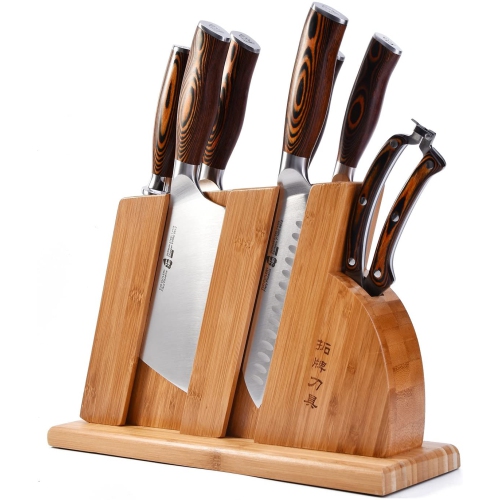
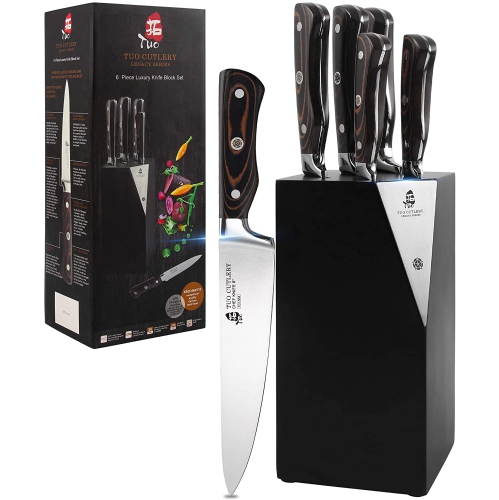
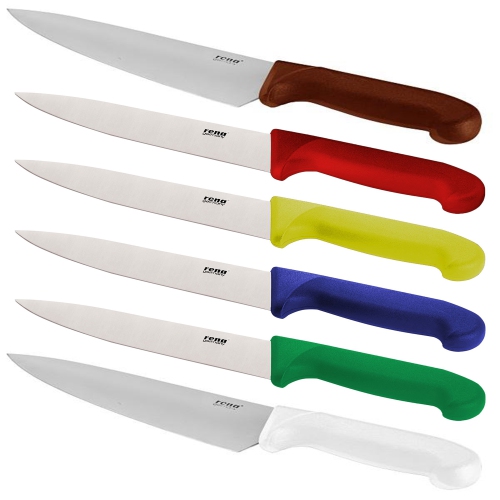
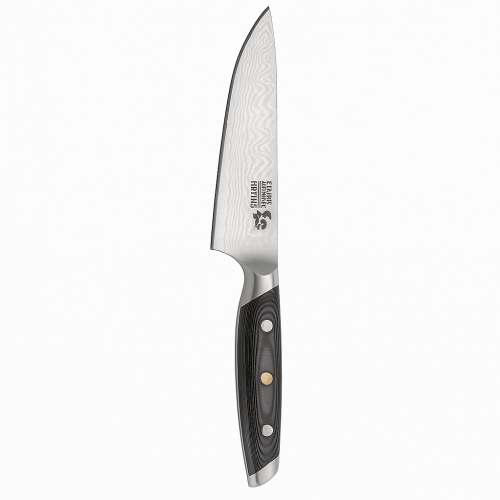
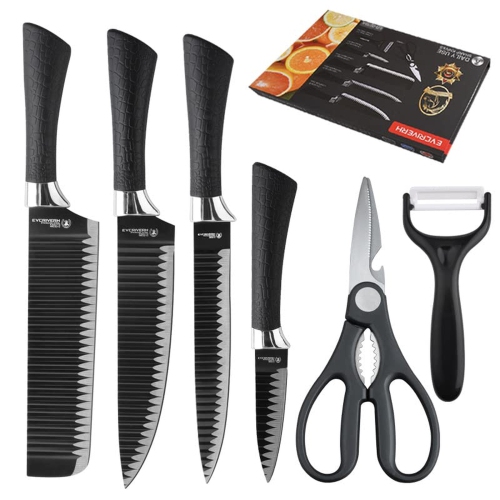
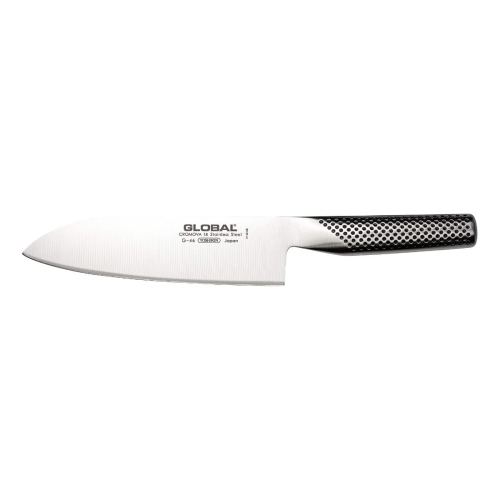

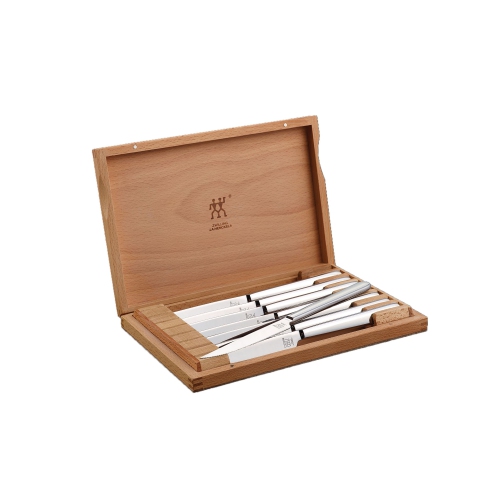
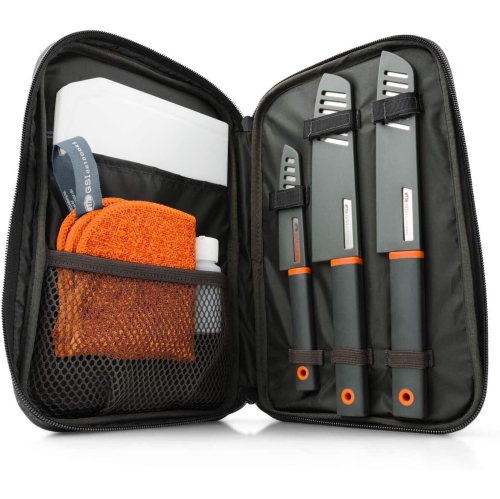
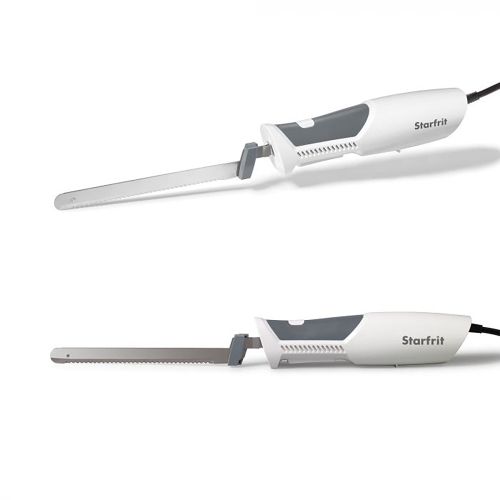
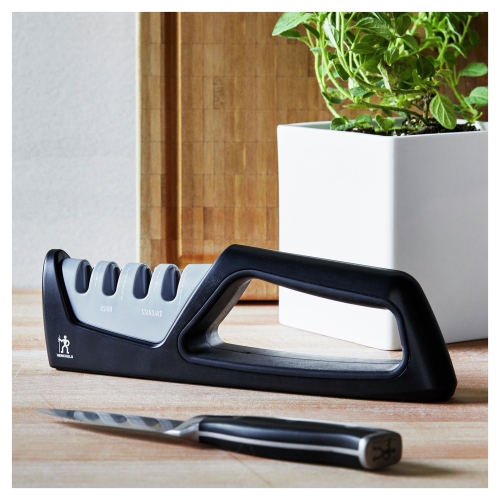
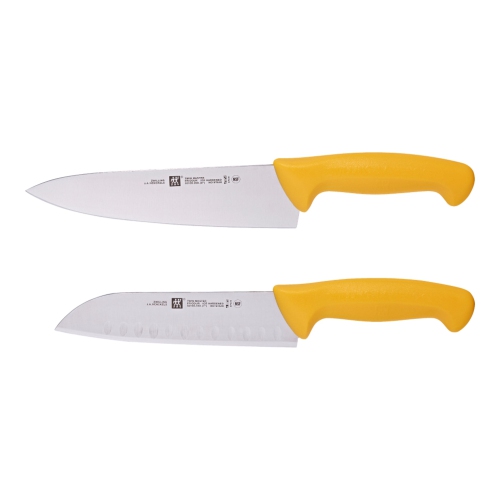
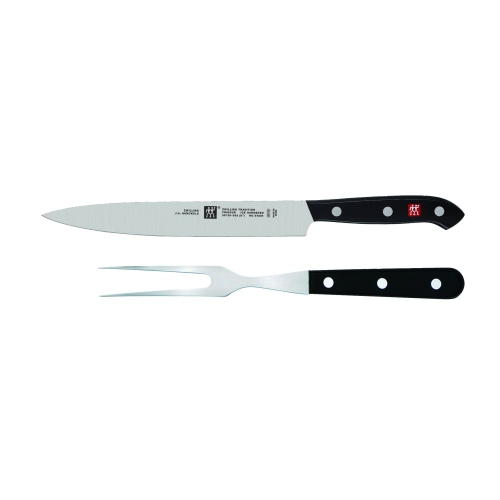
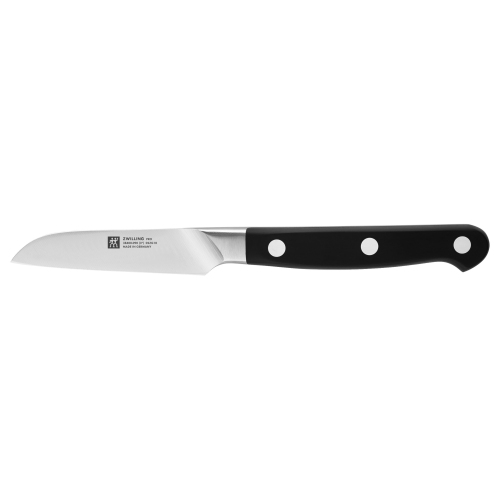
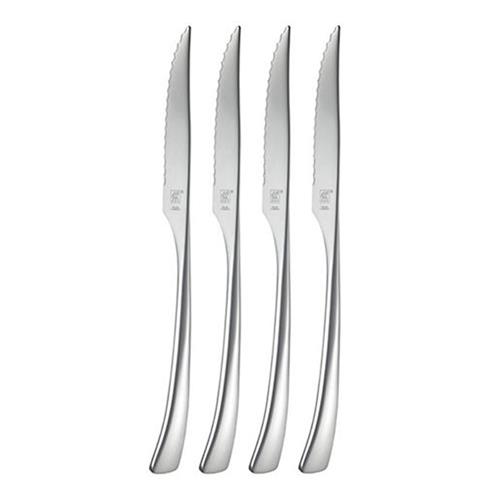
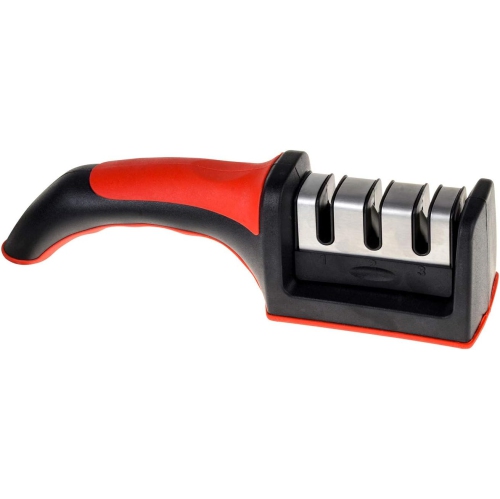
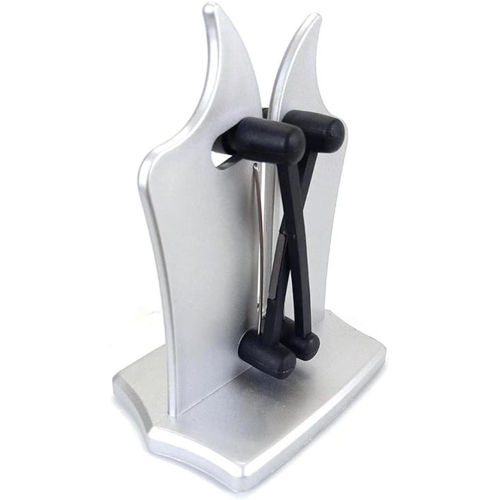
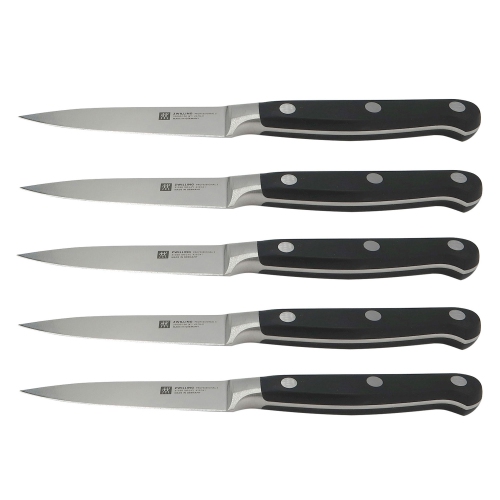
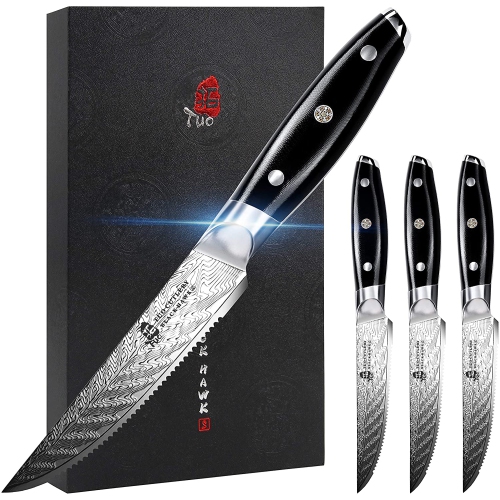
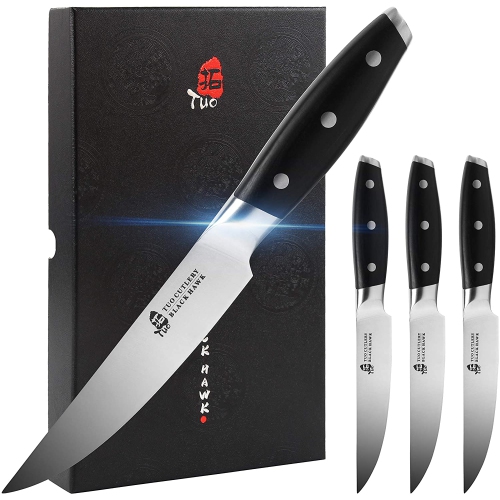
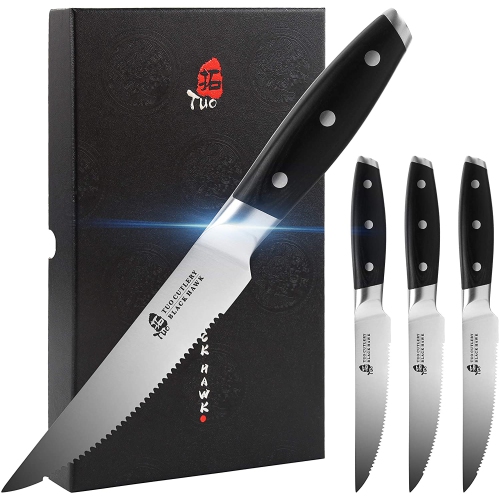
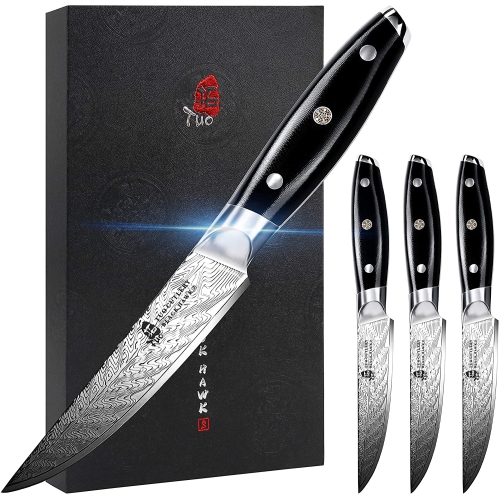

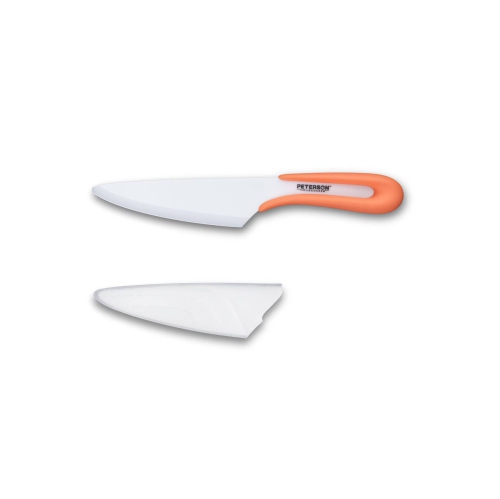
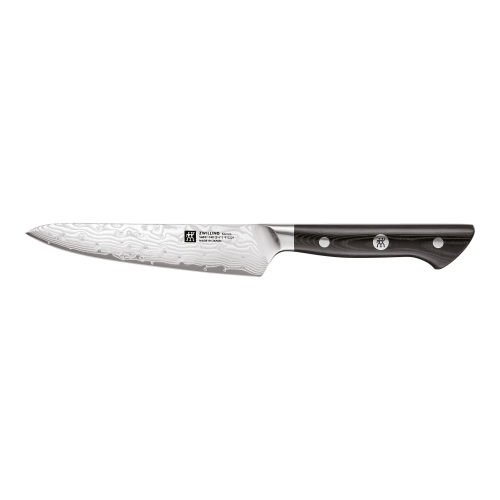
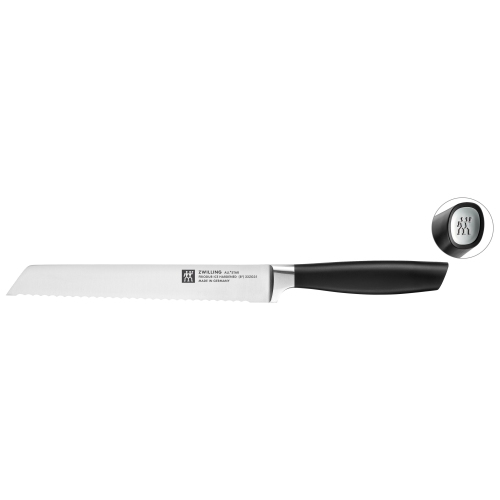
Blade choice, care and storage support confident meal preparation
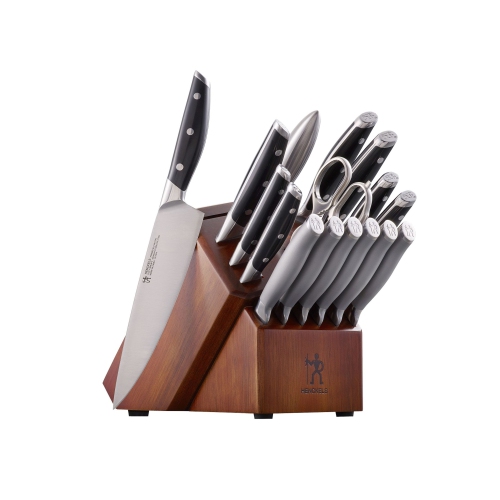
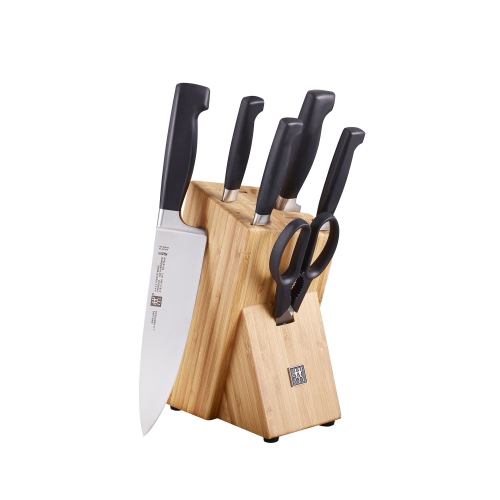
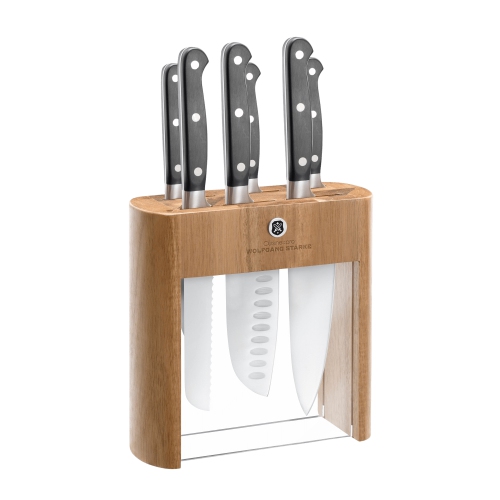
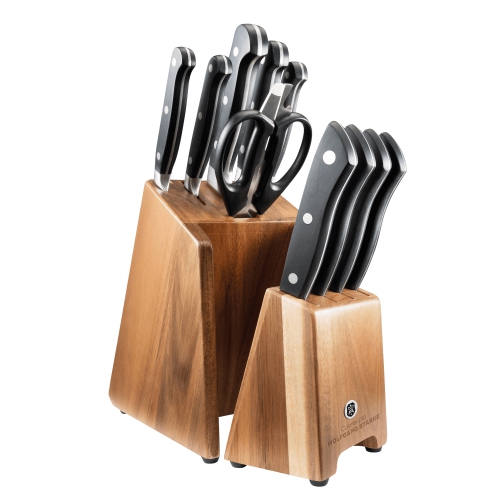
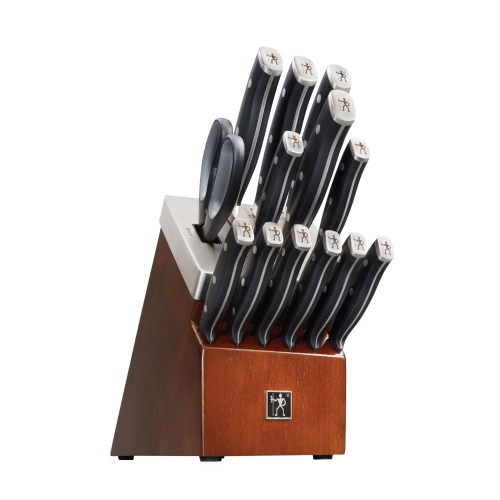
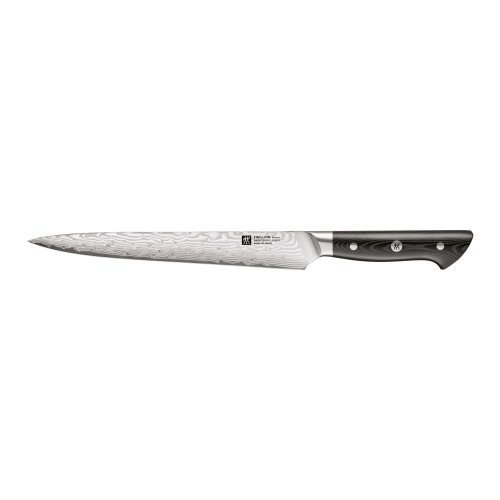
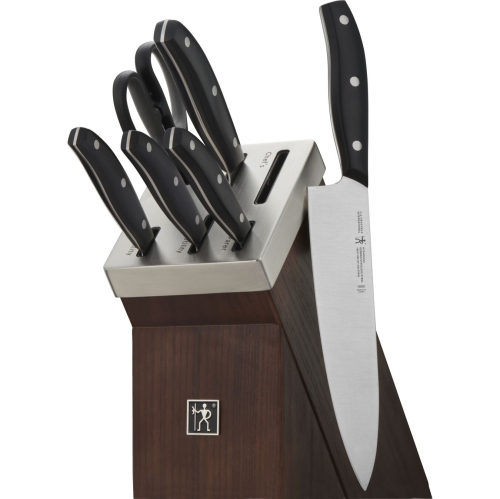
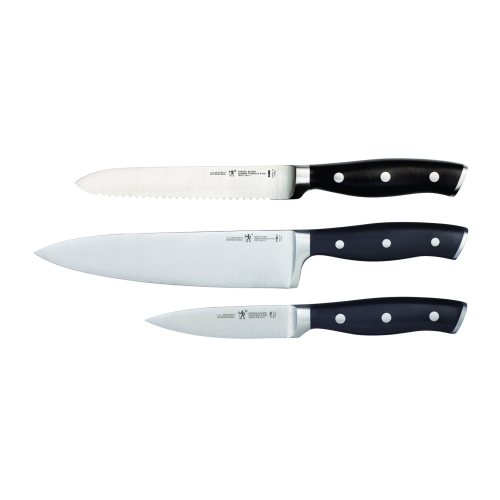
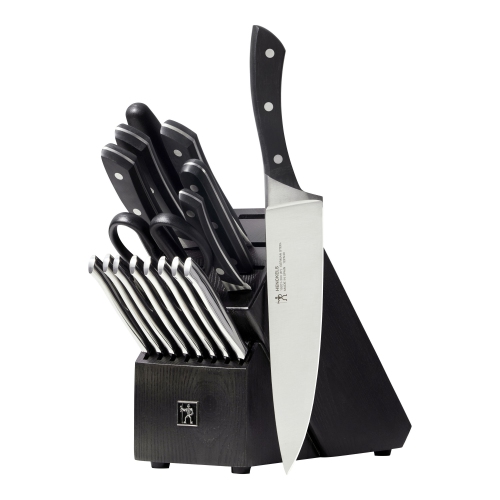
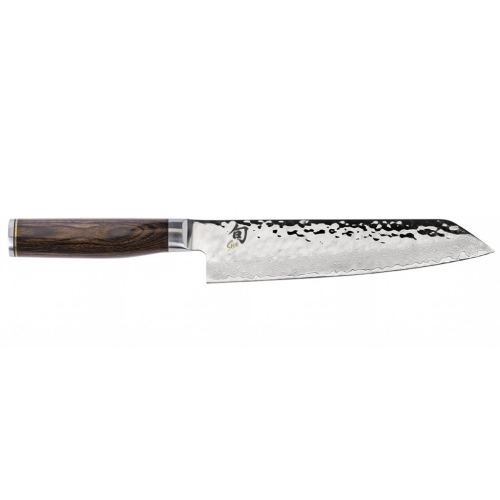
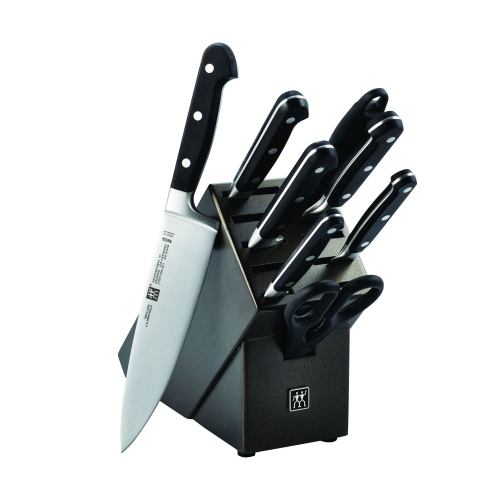
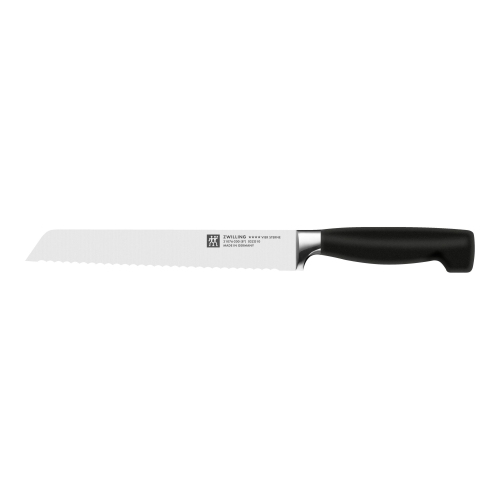
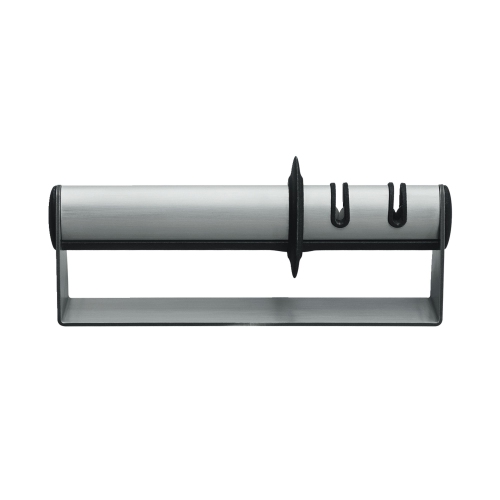
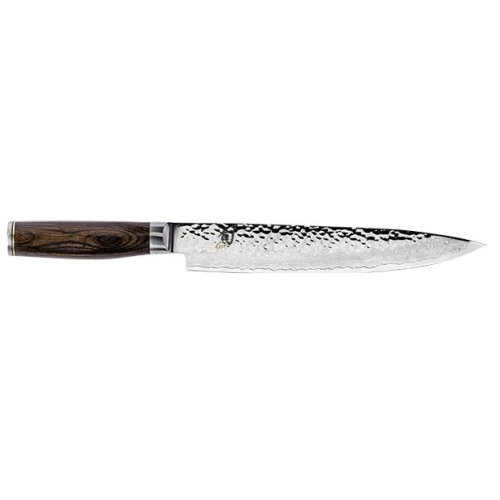
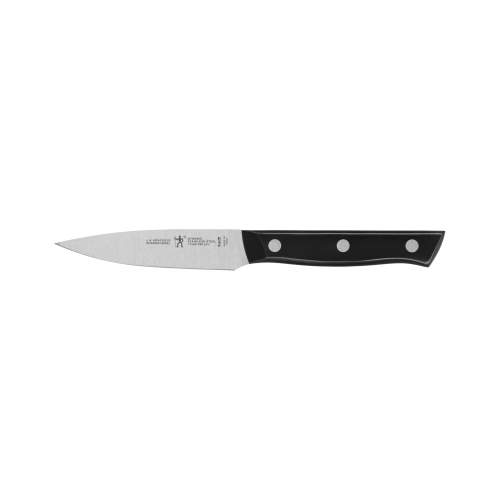
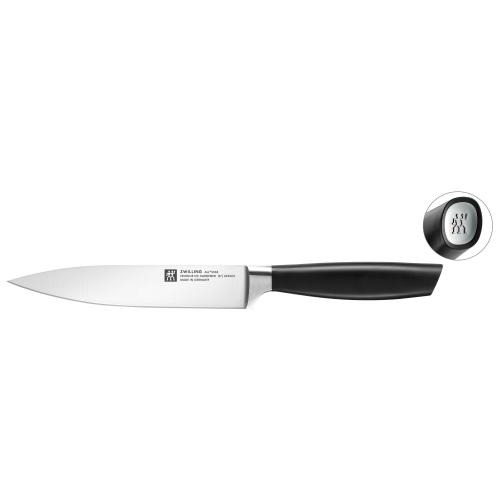
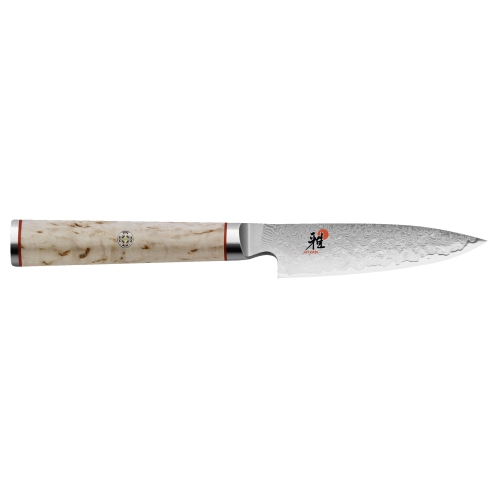
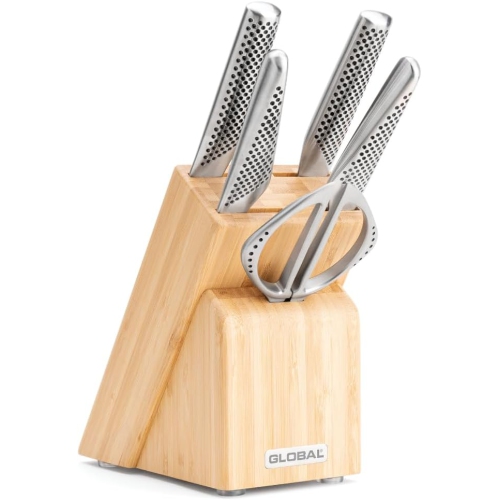
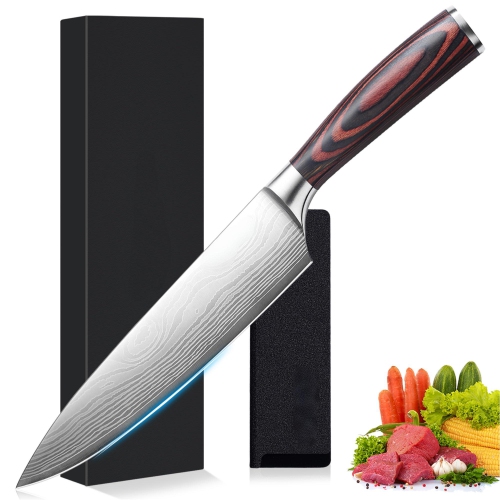
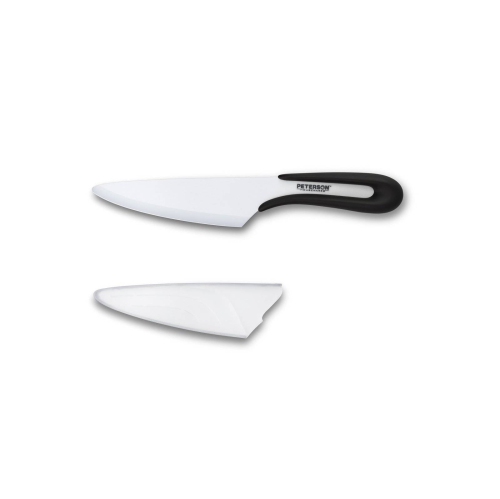
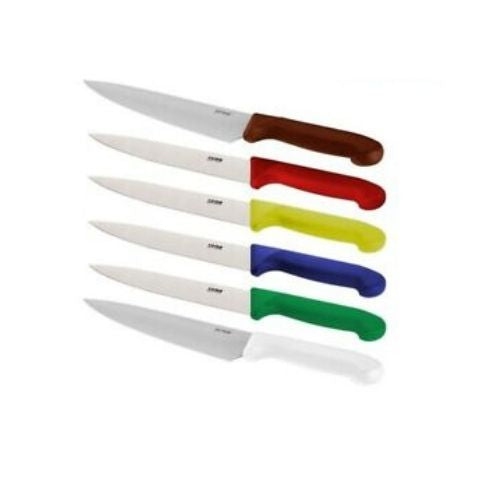
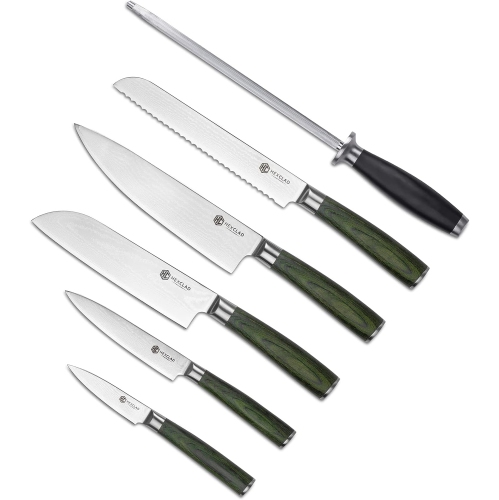
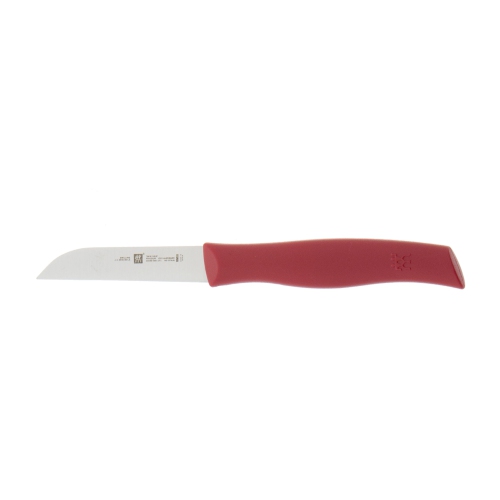
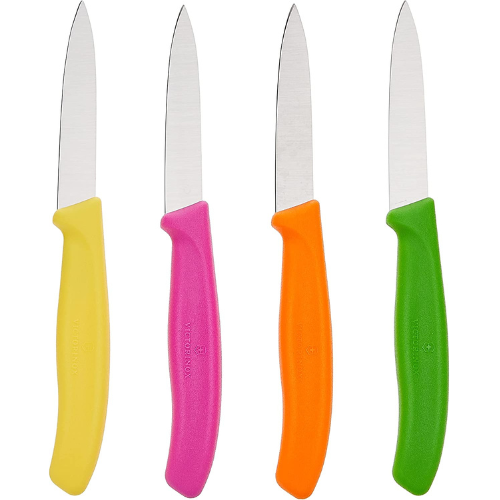
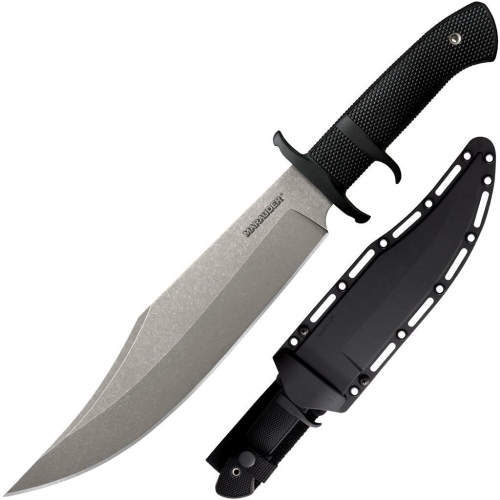
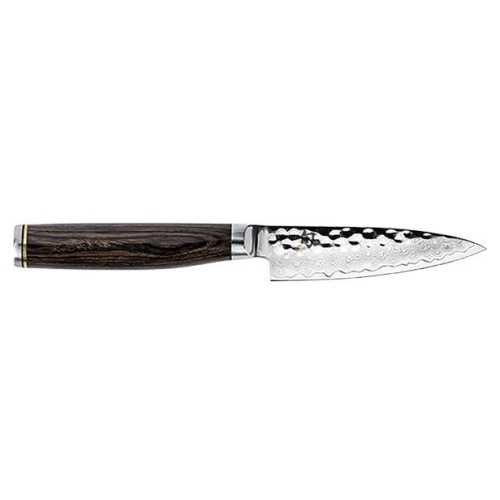
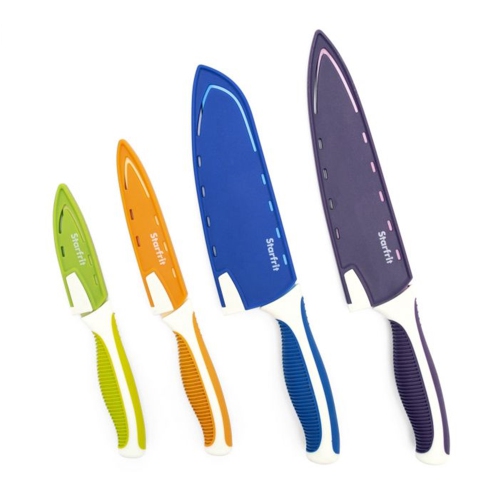
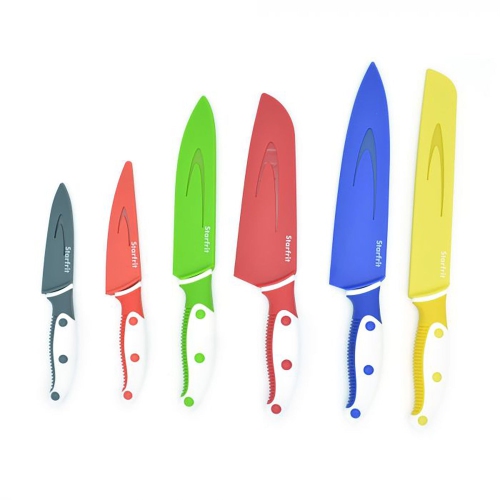
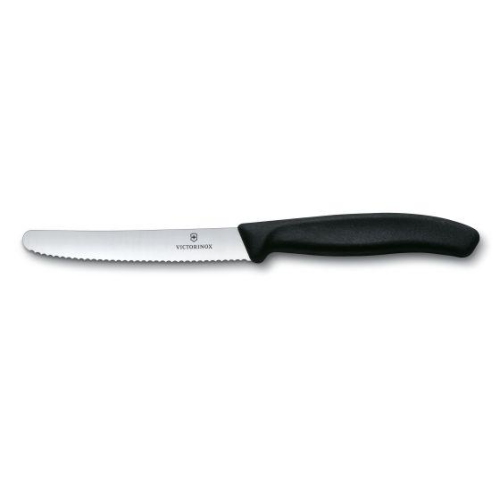
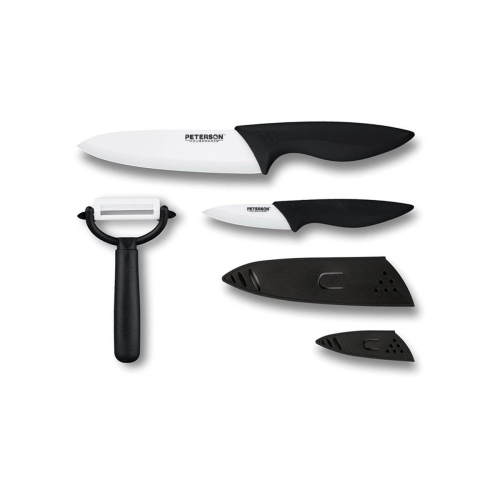
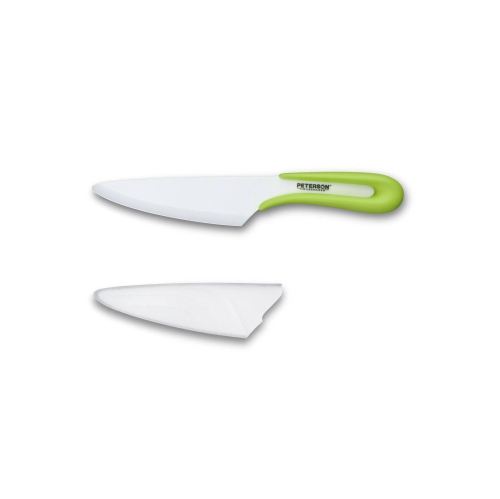
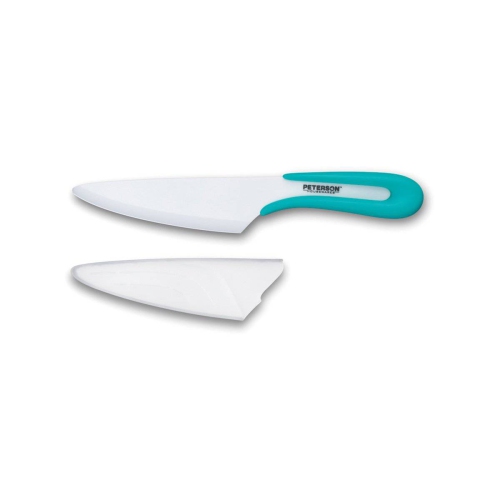
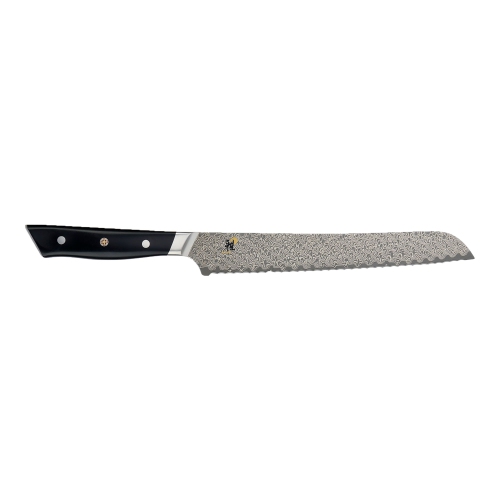
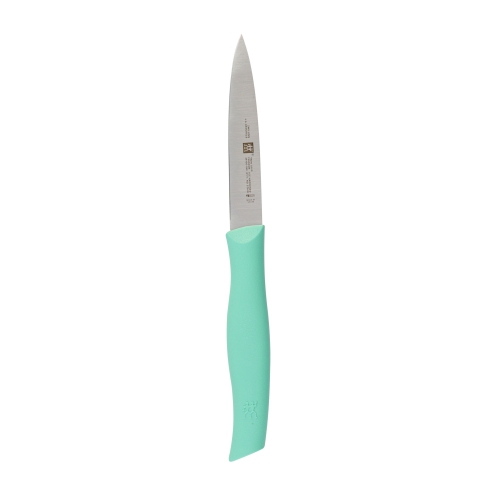
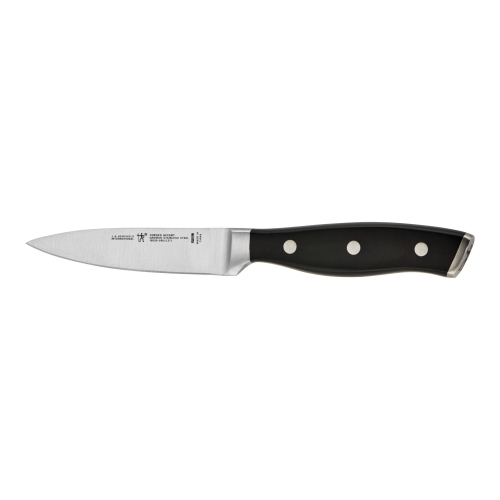
Sharp knives bring precision, control and comfort to everyday food preparation, whether you are slicing ripe tomatoes, trimming vegetables, portioning meat or preparing herbs for a family meal. A well-made knife should feel balanced in the hand, with a handle that offers a secure grip and a blade suited to the tasks you perform most often. Chef’s knives are versatile kitchen staples for chopping, slicing and dicing, while santoku knives are valued for their lighter feel and broad blade, which can make quick work of vegetables, boneless meats and other ingredients. Paring knives are useful for peeling, coring and detailed preparation, and serrated bread knives can glide through crusty loaves without crushing the soft interior. Utility knives sit between smaller and larger styles, making them handy for everyday jobs that do not require a full-size chef’s knife. Carving knives and slicing knives are designed for smooth, even cuts through roasts, poultry and other prepared foods. When choosing among sharp knives, consider the blade length, shape, weight and intended use, along with the space available in your kitchen. An 8-inch chef’s knife is a popular all-purpose size, but a shorter blade may feel more comfortable for smaller hands or compact work surfaces. Someone who prepares large meals may appreciate a longer slicing or carving knife, while a home baker may get frequent use from a serrated blade. Matching the knife to the food and the user helps make preparation more controlled and enjoyable, particularly during the cooler months when soups, roasts, baked goods and hearty vegetables often become part of regular meal planning.
Blade material has an important effect on sharpness, durability, maintenance and appearance. Stainless steel is commonly chosen for its resistance to staining and its straightforward care, while high-carbon steel is known for taking a very keen edge and offering excellent cutting performance when maintained properly. Harder Japanese-style steels can support a fine, precise edge, though they may require more careful handling and can be less forgiving of twisting, chopping through bones or contact with hard surfaces. German-style stainless and other durable steels are often appreciated for their resilience and versatility in busy kitchens. A thinner blade may move cleanly through delicate ingredients and create precise slices, whereas a sturdier blade can provide reassuring strength for routine chopping. Look for a comfortable handle, a secure connection between the blade and handle, and construction that feels stable rather than top-heavy. Sharp knives are useful for experienced cooks, enthusiastic beginners, hosts who enjoy preparing food for gatherings and anyone setting up a first kitchen. They can also make thoughtful gifts for newlyweds, graduates, new homeowners or people who enjoy baking, grilling and entertaining. A useful gift combination might include a versatile primary knife alongside a smaller preparation knife or a serrated option, depending on the recipient’s cooking habits. For households with several cooks, a selection of complementary knife styles can help each person choose an appropriate tool without reaching for one blade for every task. Safe use starts with a stable cutting board, a clear work area and a firm grip, with fingers held away from the cutting path. Let the knife do the work by using a controlled motion, and avoid catching a falling knife or leaving a sharp blade hidden in a sink. Knives should be washed and dried according to the manufacturer’s care instructions rather than placed loose in a dishwasher or drawer where the edge may contact other items.
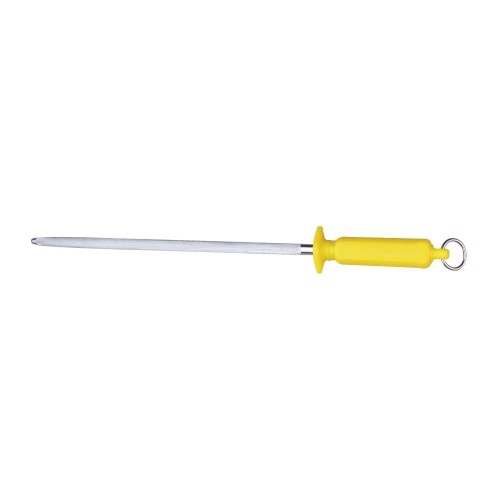
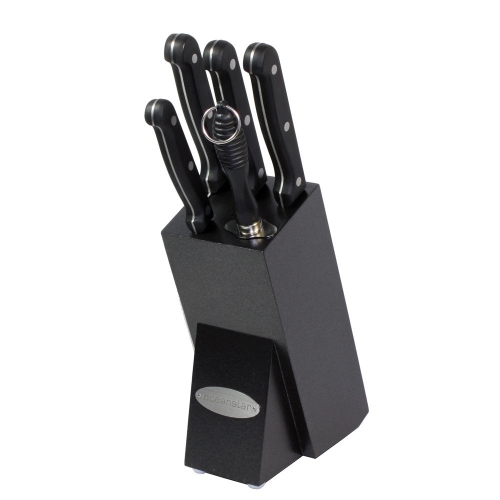
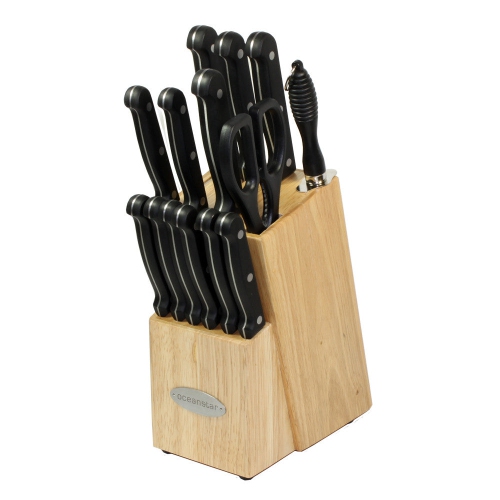
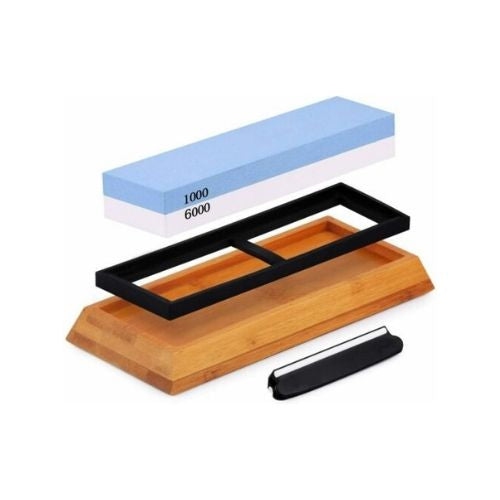
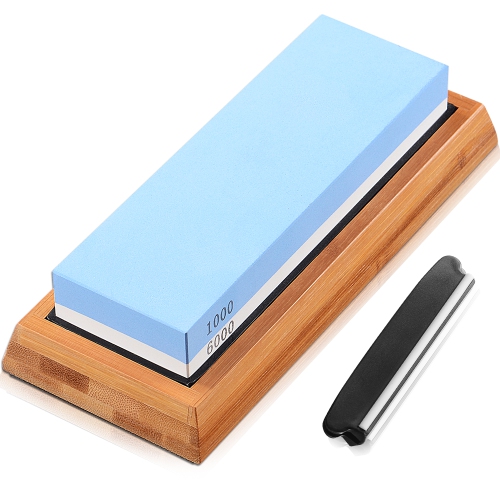
Regular maintenance helps a sharp knife stay dependable over time. Honing with a suitable honing rod can realign a slightly misaligned edge between sharpening sessions, while sharpening removes a small amount of metal to restore a truly dull blade. Water whetstones are often described by grit level: a medium stone around #1000 can establish or restore an edge, while finer stones in the #3000 to #6000 range can refine and polish it. The appropriate grit depends on the condition of the blade and the finish desired, and a very damaged edge may require a coarser stone or professional service. When using a whetstone, soak or prepare it as directed, keep the blade at a consistent angle, and work both sides evenly. A common angle for many kitchen knives is approximately 15 to 20 degrees per side, although the recommended angle varies with the blade design. Gentle, repeatable strokes are more effective than heavy pressure. The appearance of a small burr along the opposite side indicates that the edge has reached the apex; it should then be removed with lighter finishing strokes and careful polishing. Always check the manufacturer’s guidance before sharpening specialty blades, serrated knives or harder steels. Store clean, dry knives so their edges do not strike one another, and consider a block, magnetic solution with appropriate safeguards, sheath or dedicated Knife Storage option that keeps blades protected and handles accessible. Good storage also helps keep counters organized and reduces the chance of accidental contact. With the right blade for each task, a comfortable grip, consistent care and thoughtful storage, sharp knives can support everything from quick weekday preparation to elaborate meals shared with family and friends as the weather warms or the season turns cooler.
Blade material has an important effect on sharpness, durability, maintenance and appearance. Stainless steel is commonly chosen for its resistance to staining and its straightforward care, while high-carbon steel is known for taking a very keen edge and offering excellent cutting performance when maintained properly. Harder Japanese-style steels can support a fine, precise edge, though they may require more careful handling and can be less forgiving of twisting, chopping through bones or contact with hard surfaces. German-style stainless and other durable steels are often appreciated for their resilience and versatility in busy kitchens. A thinner blade may move cleanly through delicate ingredients and create precise slices, whereas a sturdier blade can provide reassuring strength for routine chopping. Look for a comfortable handle, a secure connection between the blade and handle, and construction that feels stable rather than top-heavy. Sharp knives are useful for experienced cooks, enthusiastic beginners, hosts who enjoy preparing food for gatherings and anyone setting up a first kitchen. They can also make thoughtful gifts for newlyweds, graduates, new homeowners or people who enjoy baking, grilling and entertaining. A useful gift combination might include a versatile primary knife alongside a smaller preparation knife or a serrated option, depending on the recipient’s cooking habits. For households with several cooks, a selection of complementary knife styles can help each person choose an appropriate tool without reaching for one blade for every task. Safe use starts with a stable cutting board, a clear work area and a firm grip, with fingers held away from the cutting path. Let the knife do the work by using a controlled motion, and avoid catching a falling knife or leaving a sharp blade hidden in a sink. Knives should be washed and dried according to the manufacturer’s care instructions rather than placed loose in a dishwasher or drawer where the edge may contact other items.
Regular maintenance helps a sharp knife stay dependable over time. Honing with a suitable honing rod can realign a slightly misaligned edge between sharpening sessions, while sharpening removes a small amount of metal to restore a truly dull blade. Water whetstones are often described by grit level: a medium stone around #1000 can establish or restore an edge, while finer stones in the #3000 to #6000 range can refine and polish it. The appropriate grit depends on the condition of the blade and the finish desired, and a very damaged edge may require a coarser stone or professional service. When using a whetstone, soak or prepare it as directed, keep the blade at a consistent angle, and work both sides evenly. A common angle for many kitchen knives is approximately 15 to 20 degrees per side, although the recommended angle varies with the blade design. Gentle, repeatable strokes are more effective than heavy pressure. The appearance of a small burr along the opposite side indicates that the edge has reached the apex; it should then be removed with lighter finishing strokes and careful polishing. Always check the manufacturer’s guidance before sharpening specialty blades, serrated knives or harder steels. Store clean, dry knives so their edges do not strike one another, and consider a block, magnetic solution with appropriate safeguards, sheath or dedicated Knife Storage option that keeps blades protected and handles accessible. Good storage also helps keep counters organized and reduces the chance of accidental contact. With the right blade for each task, a comfortable grip, consistent care and thoughtful storage, sharp knives can support everything from quick weekday preparation to elaborate meals shared with family and friends as the weather warms or the season turns cooler.
Top selling and popular products
-
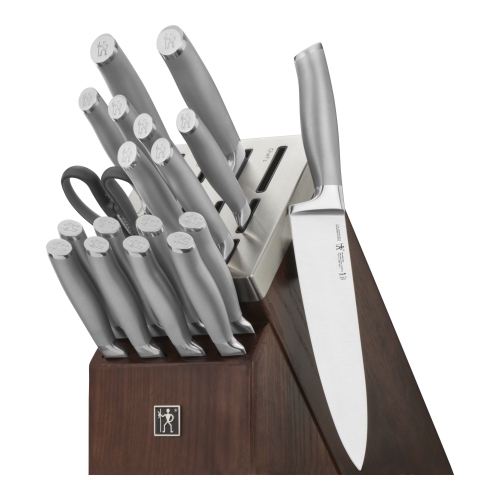 Your price for this item is $489.99
 -
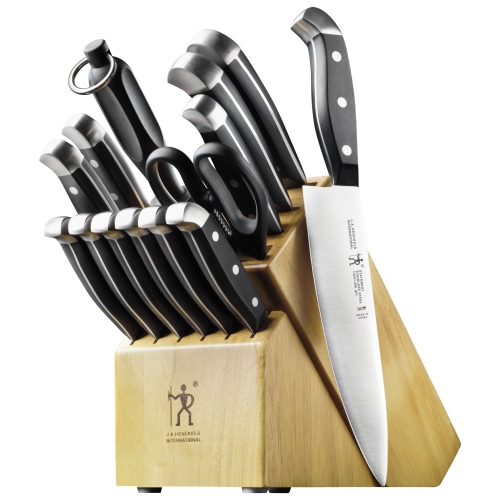 Your price for this item is $239.99
 -
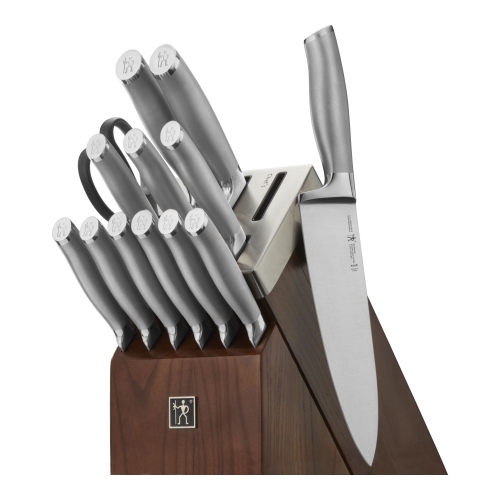 Your price for this item is $299.99
 -
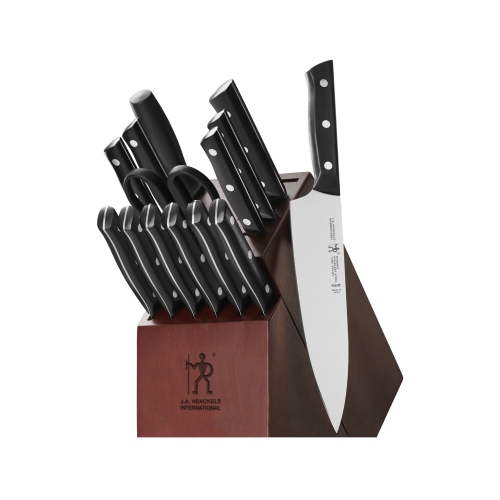 Your price for this item is $214.99
 -
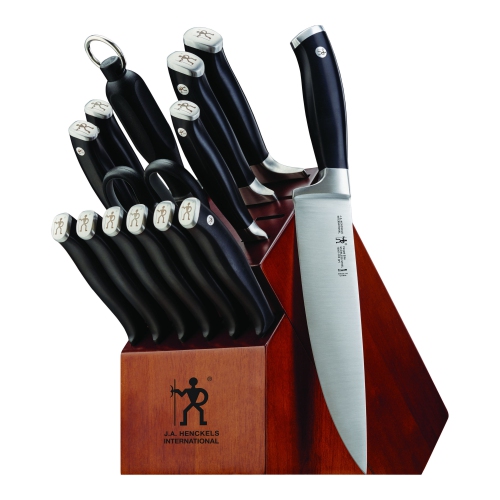 Your price for this item is $289.99
 -
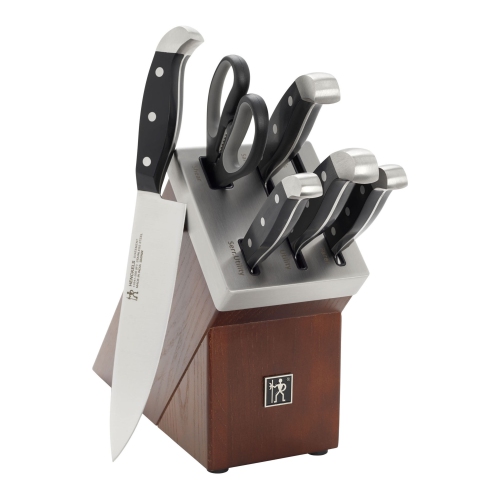 Your price for this item is $179.99
 -
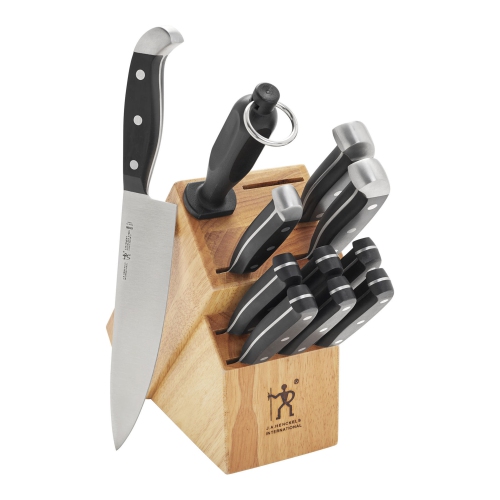 Your price for this item is $179.99
 -
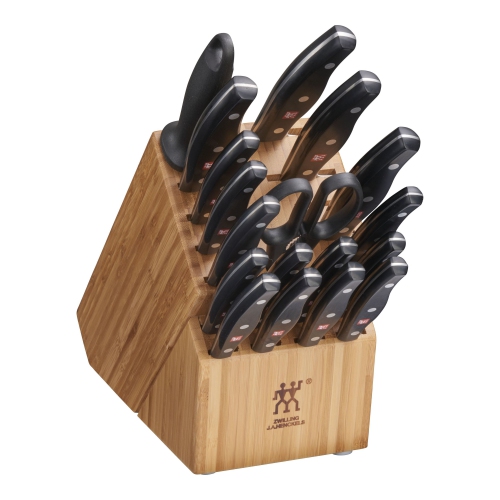 Your price for this item is $899.99
Discover more categories related to Sharp Knives

Top Collections:
Pokemon Centers, Kindle Devices, Best Budget Office Chairs, Apple iPhones 16, Best Laptops for Writers, iPhone 15 Apple, Canon G7X Cameras, Refurbished Apple Laptops, Alarm Clock, Motorola Razr Phones
Some products may be subject to Environmental Handling Fees
(EHF) depending on your province.
Learn more about EHFs.