Media Cabinets
Upgrade your living room or entertainment space with a sleek and functional media cabinet. Keep your electronics, DVDs, and other media essentials organized and easily accessible with a stylish storage solution that complements your home decor. Choose from a variety of designs, sizes, and finishes to find the perfect media cabinet that not only enhances the aesthetics of your space but also provides practical storage options. Whether you prefer a modern minimalist look or a more traditional style, our collection of media cabinets offers something for every taste and need.
Sort
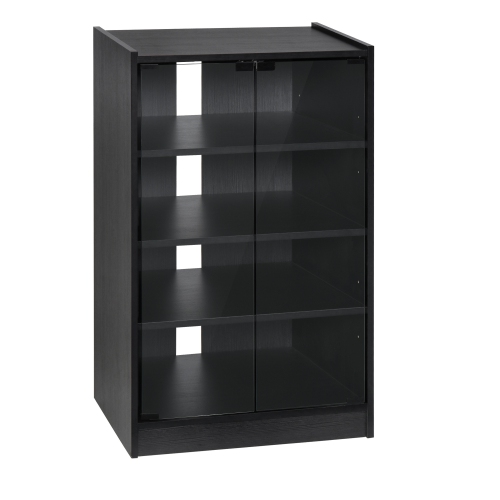
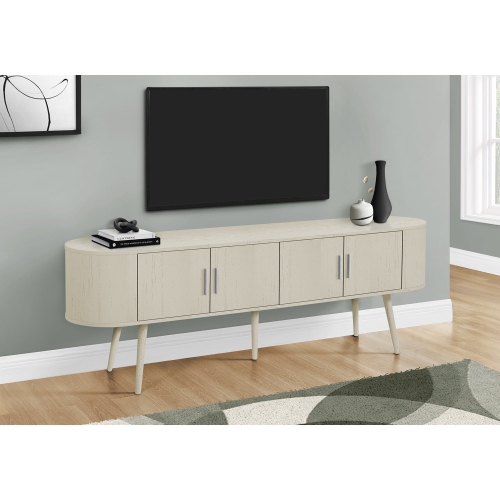
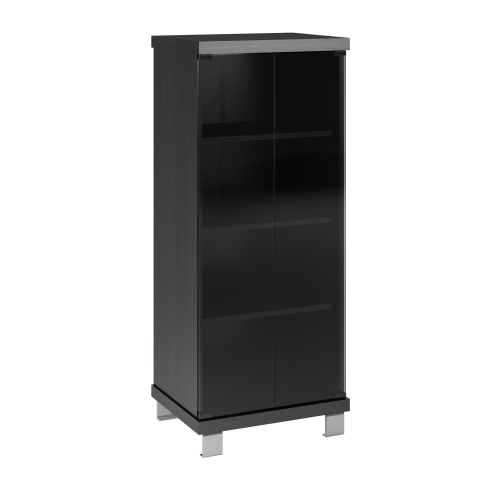
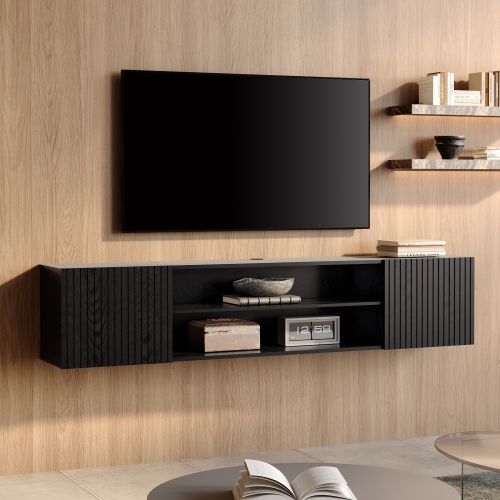
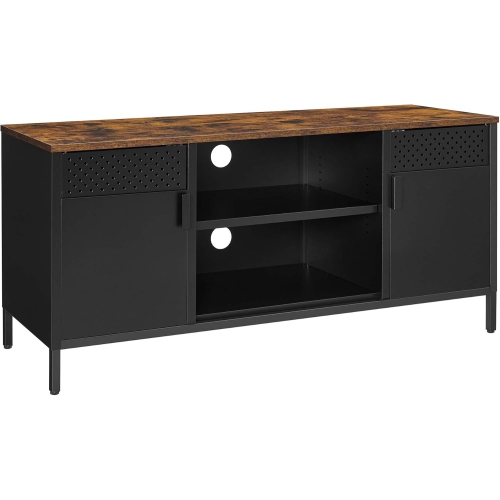
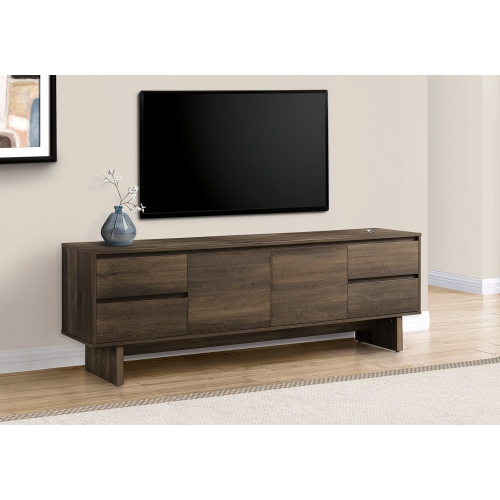
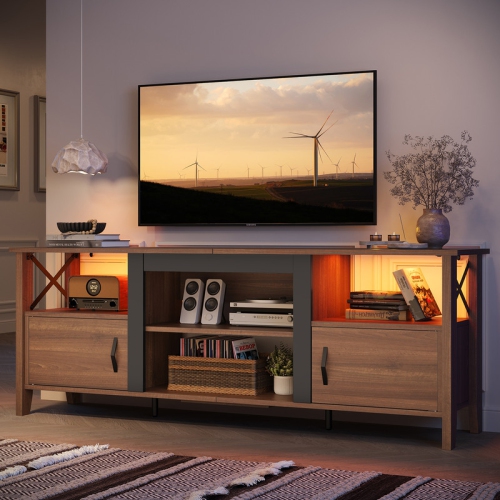
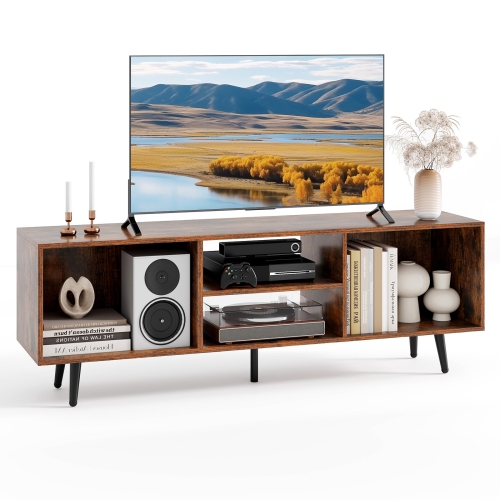
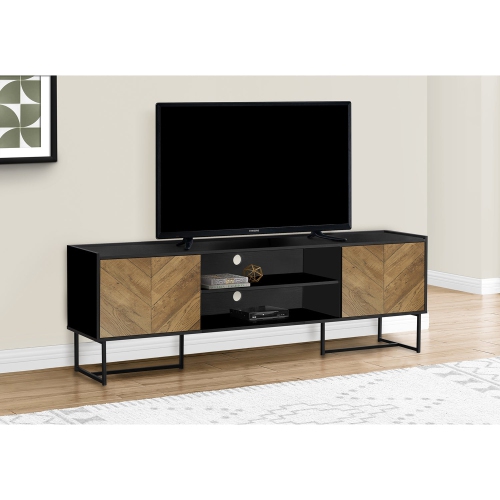
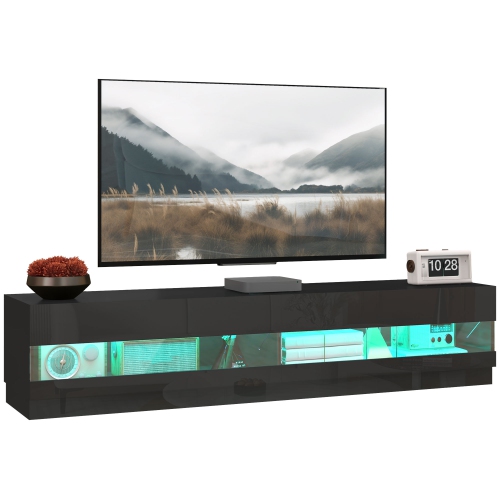
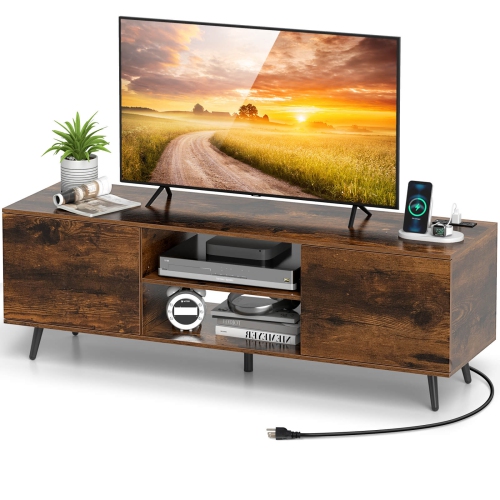
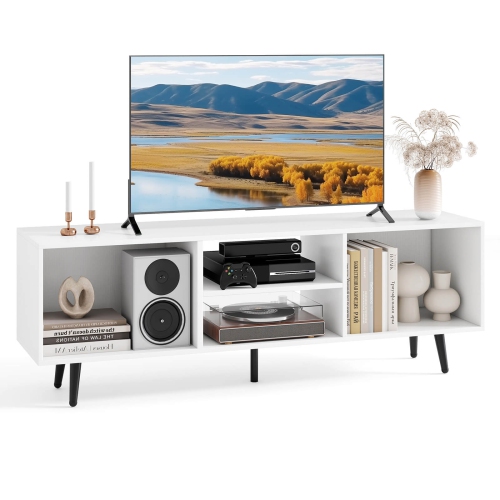
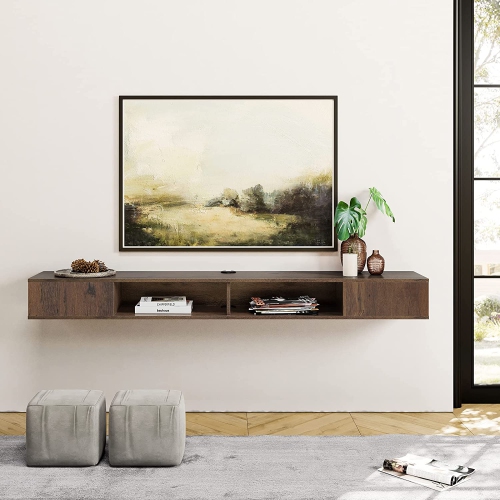
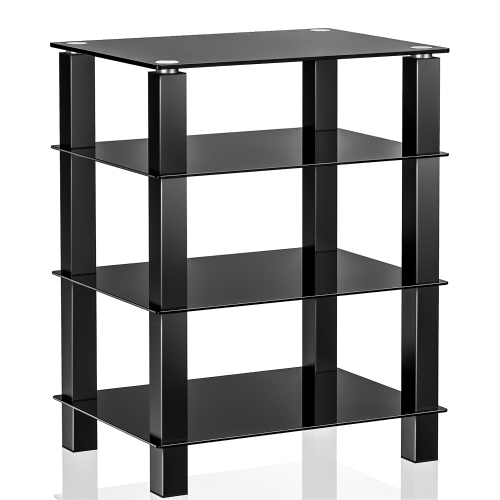
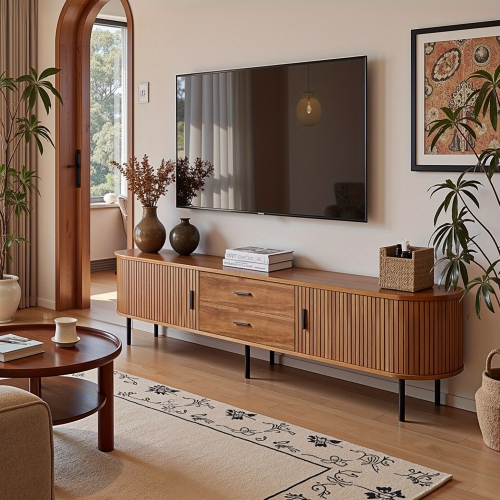
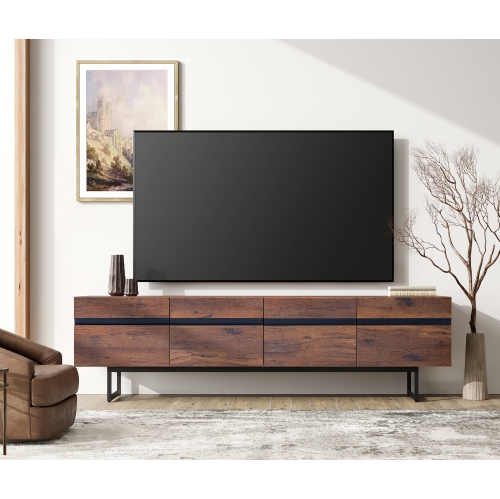
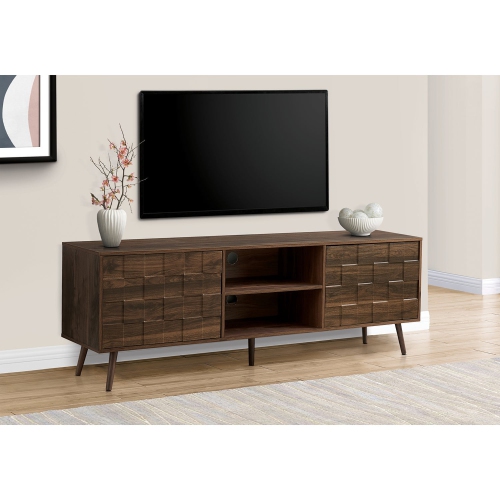
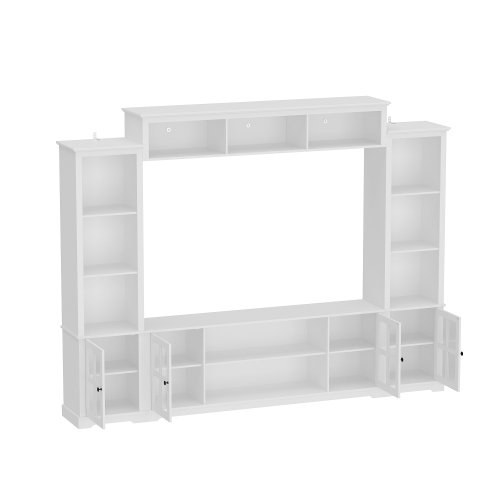
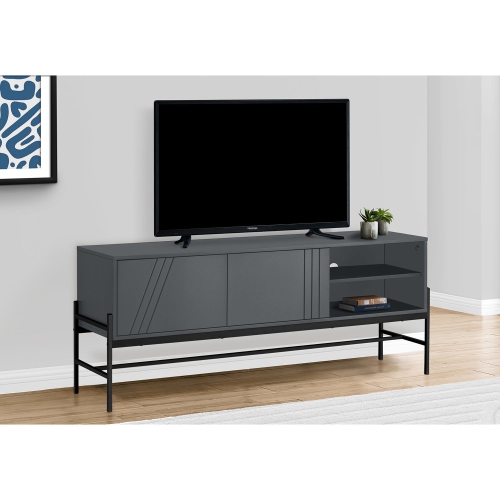
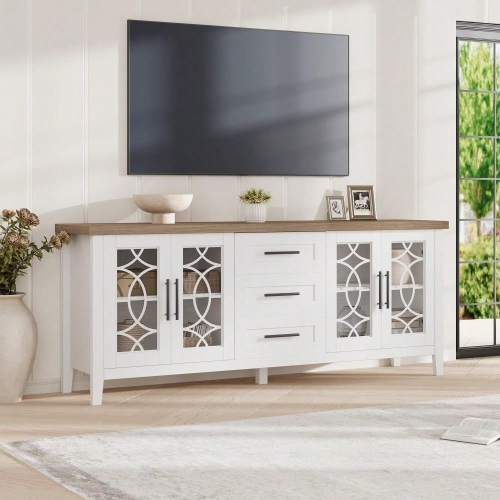
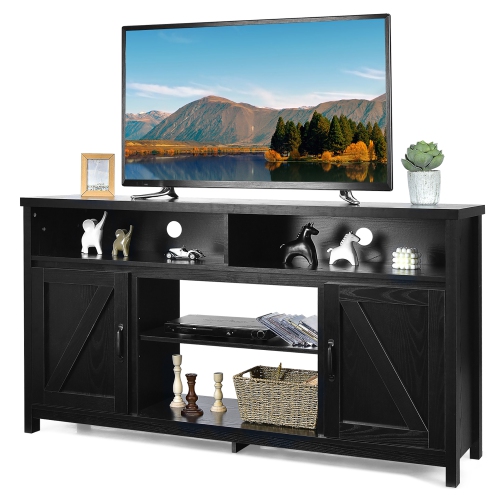
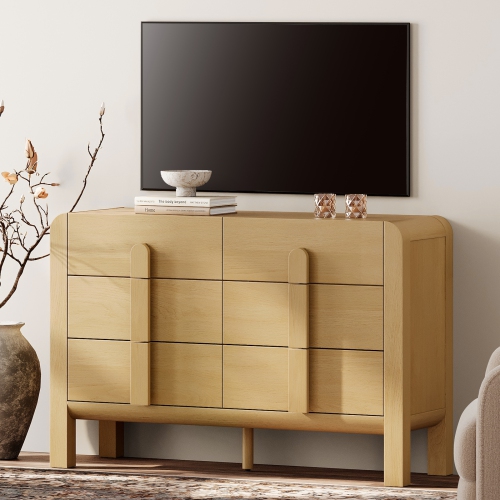
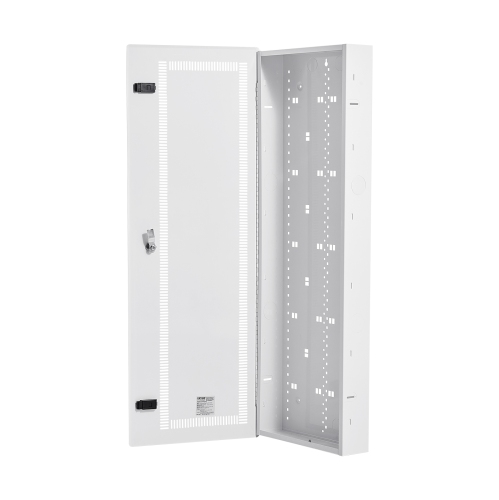
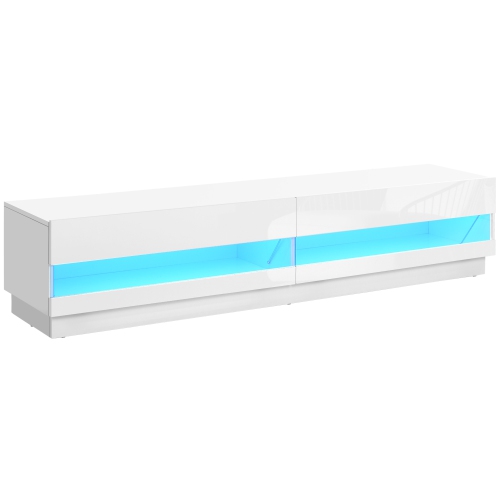
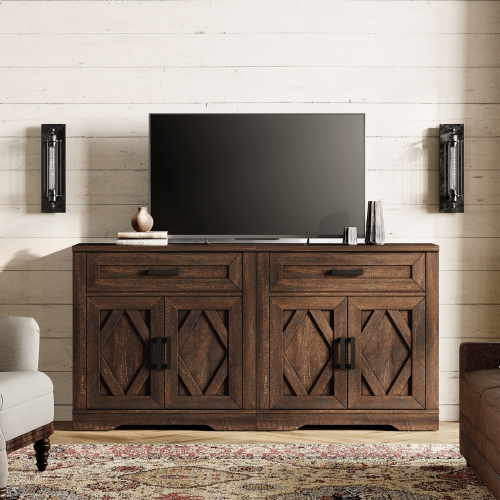

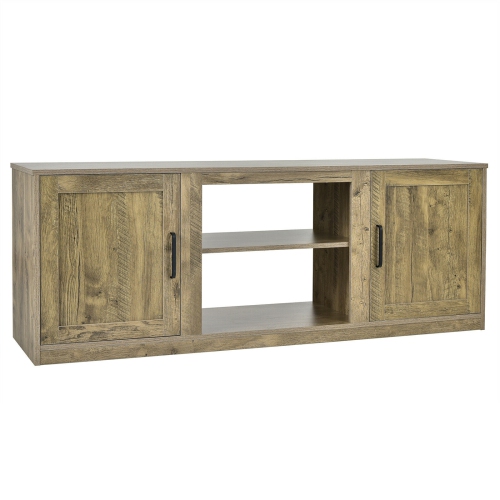
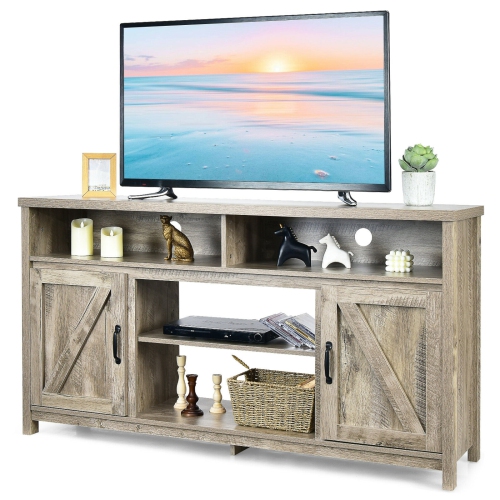
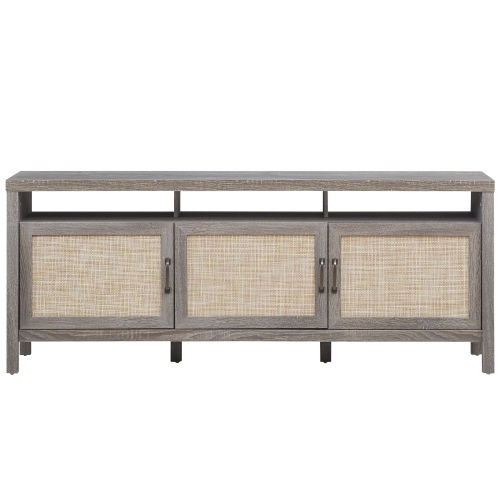

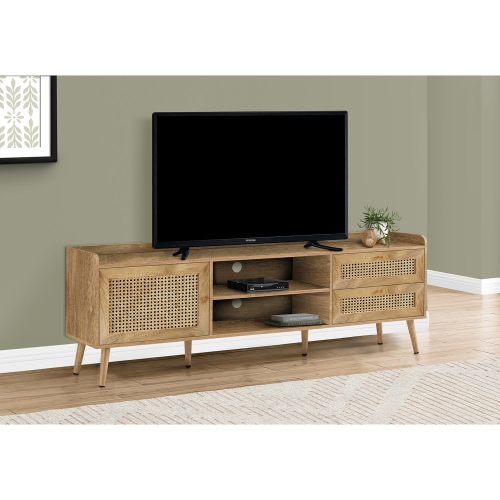

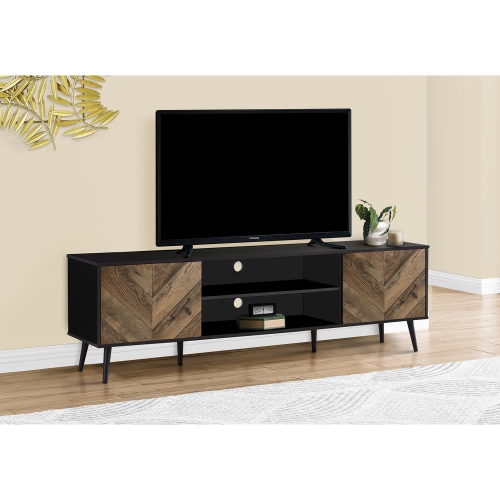
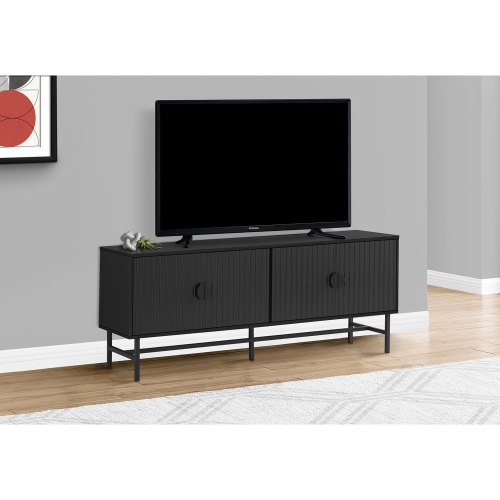
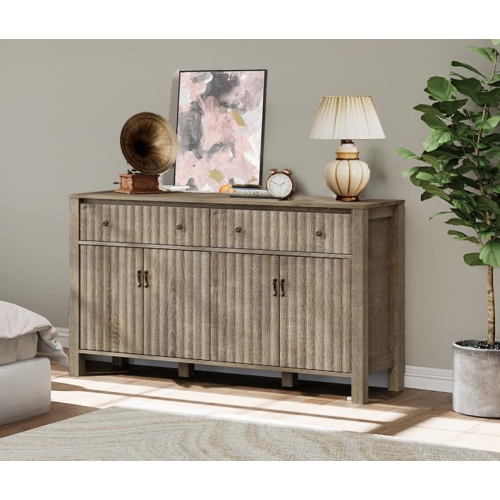
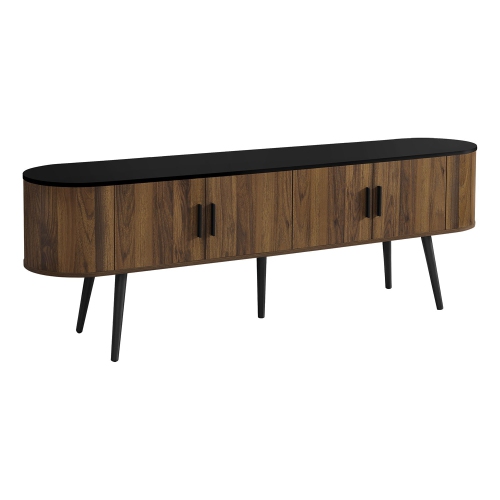
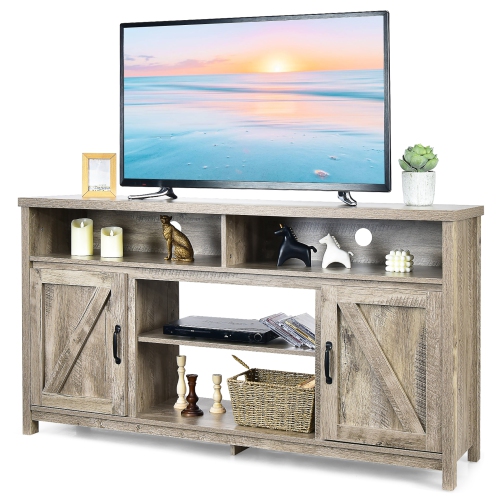
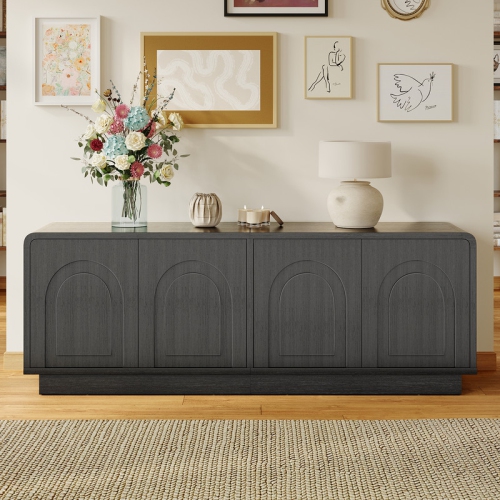
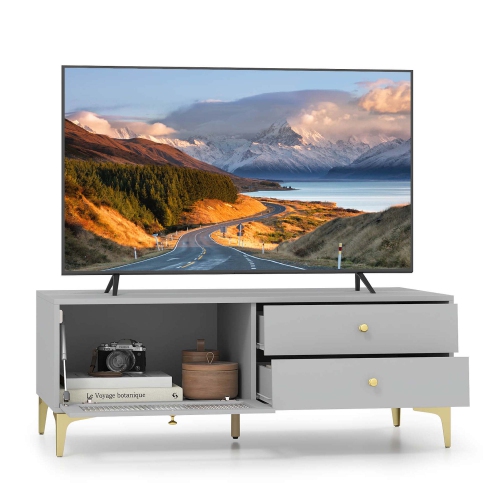
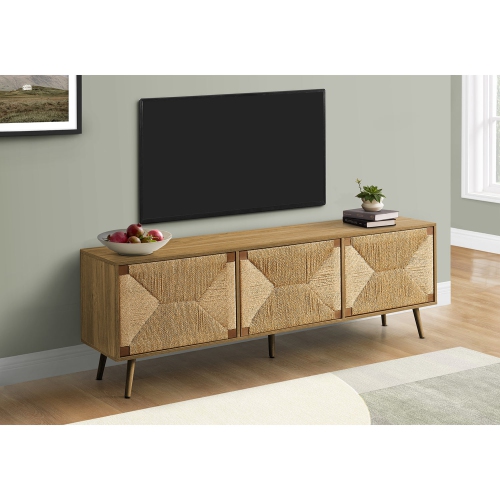
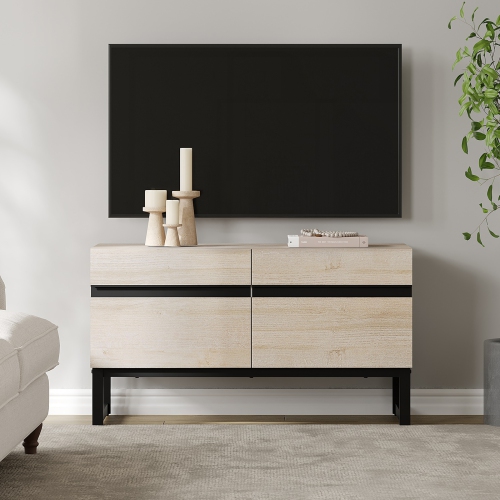
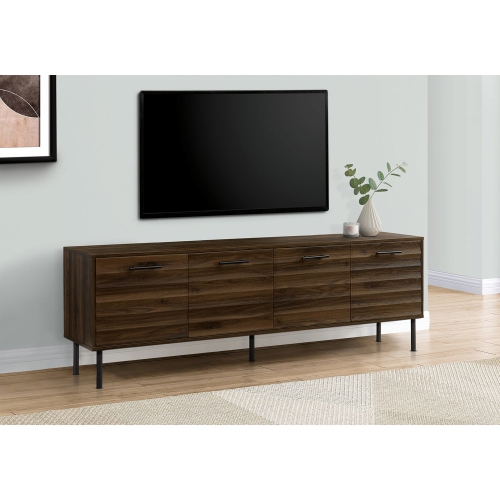
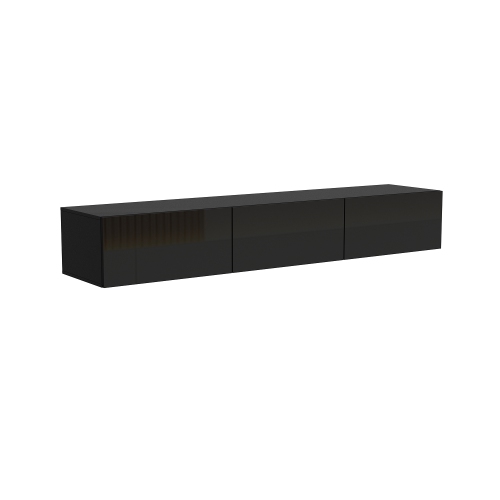
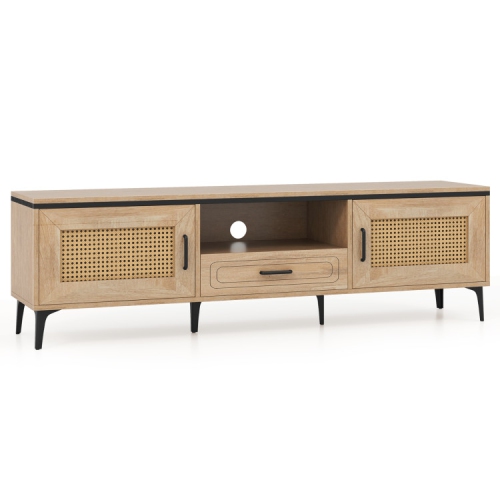
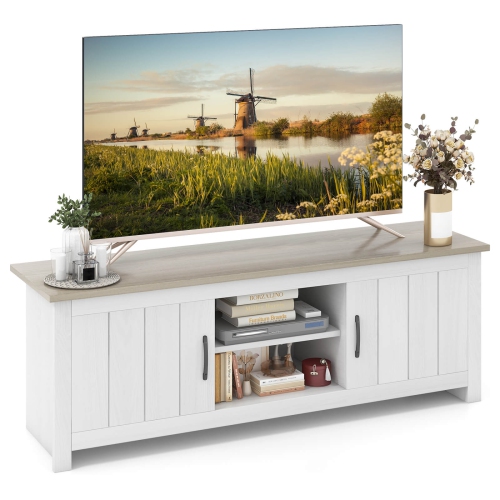
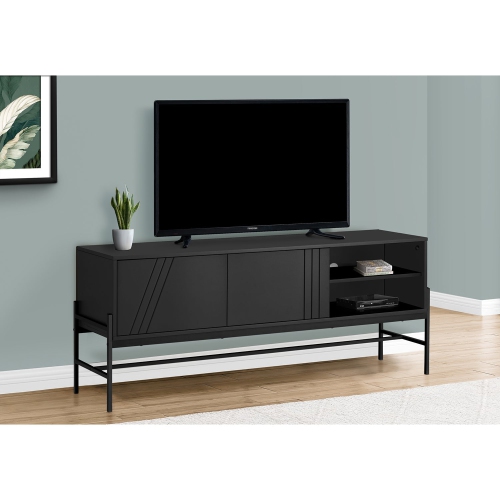
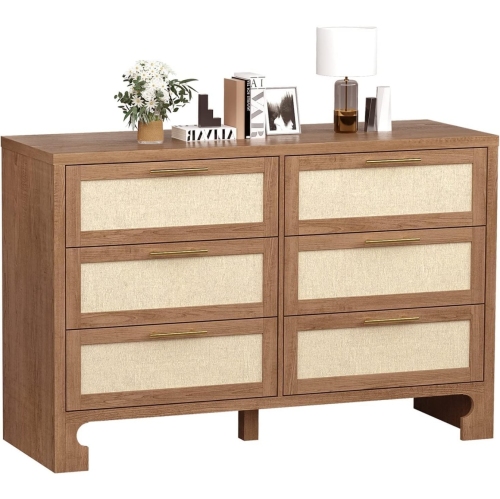
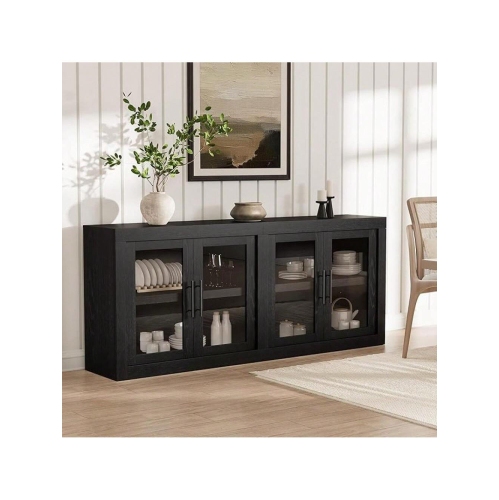
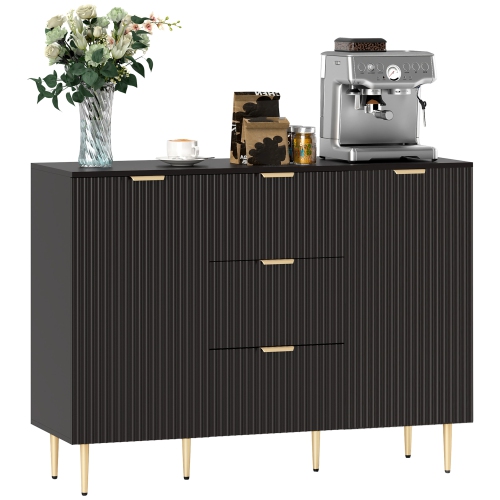
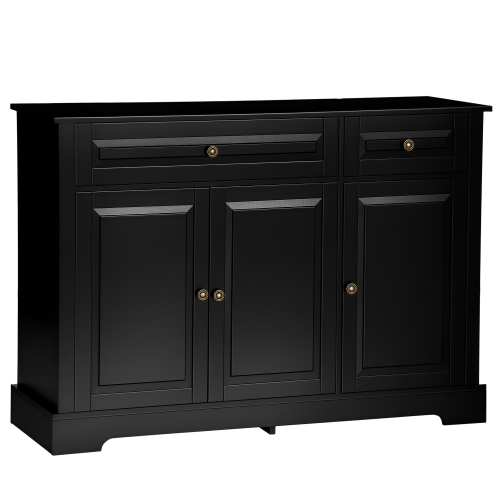
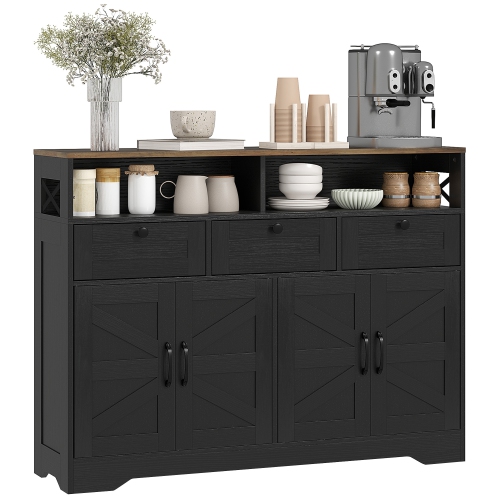
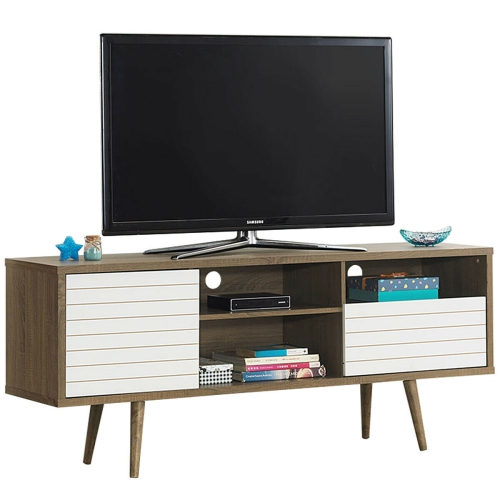
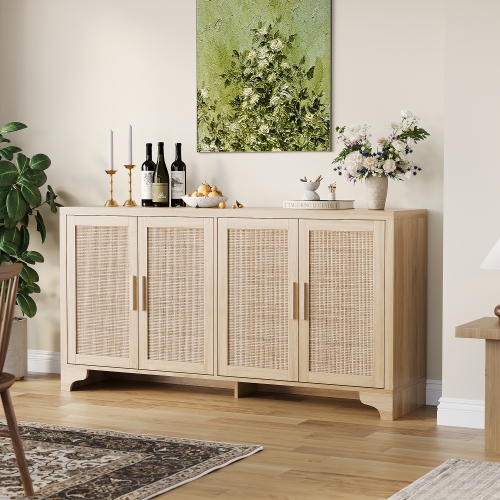
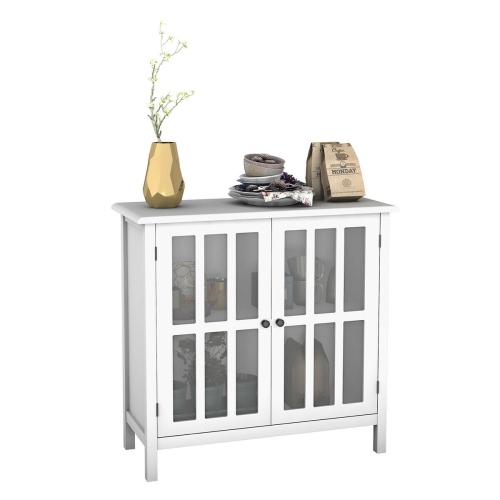
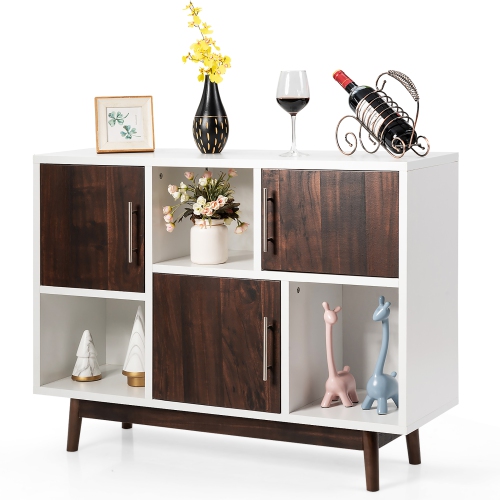

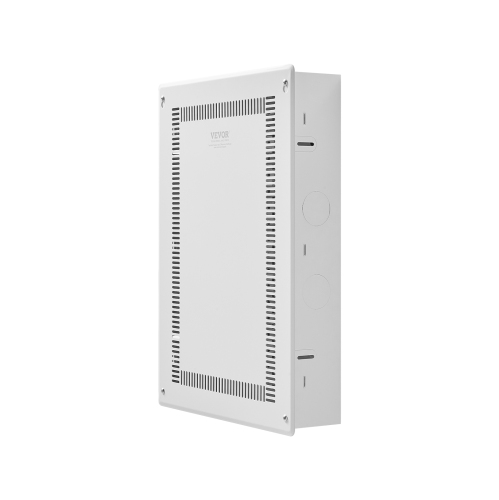
Smart storage and sizing support a polished entertainment setup
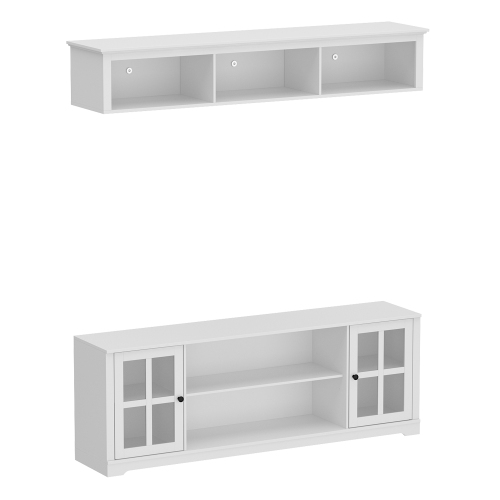
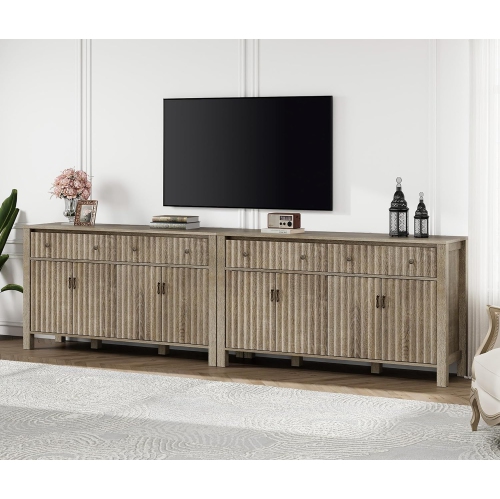
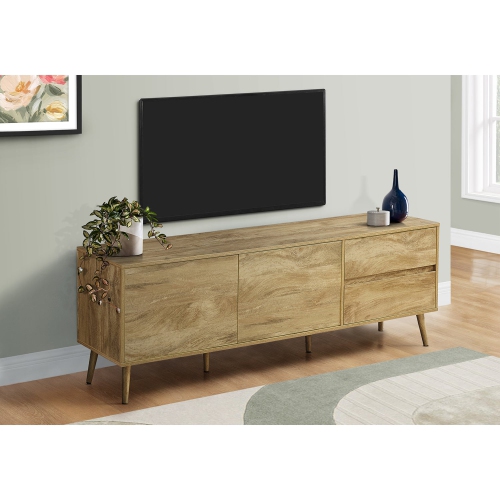
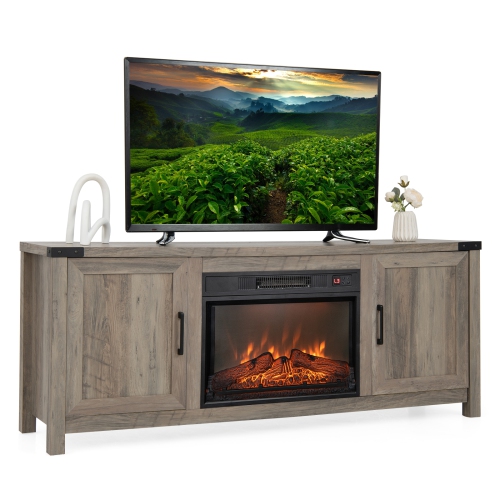
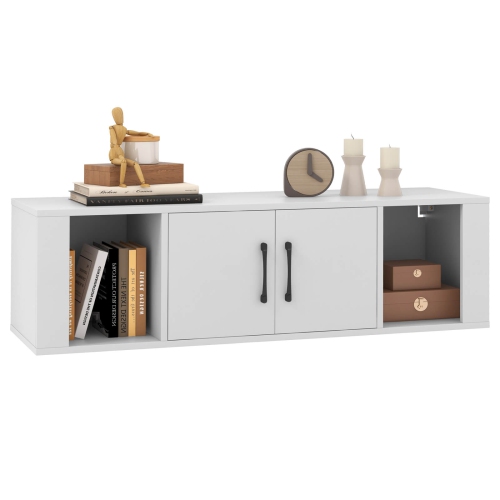
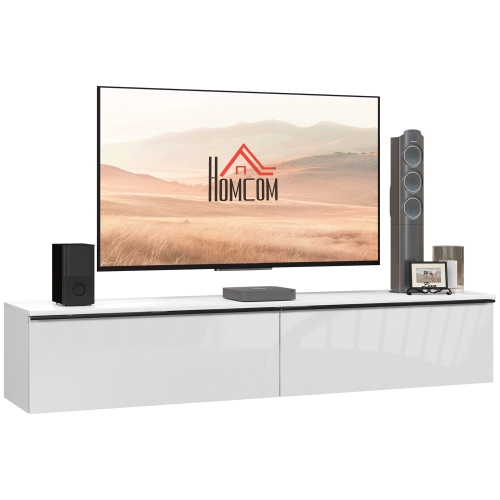
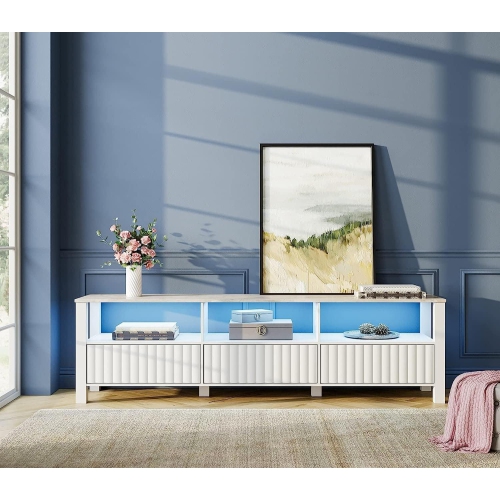
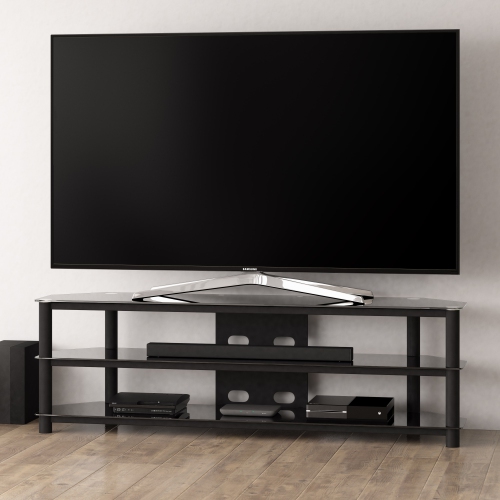
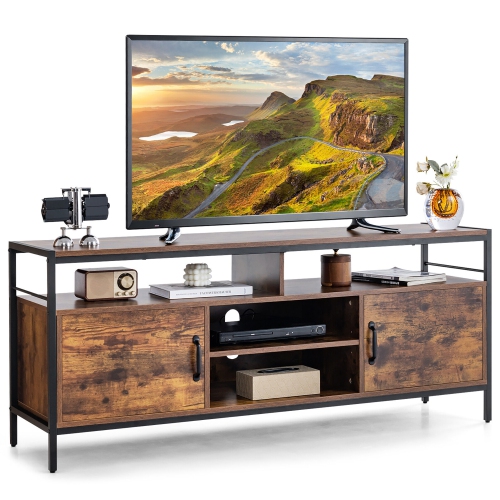
Media cabinets bring structure to the centre of a living room, family room, bedroom or den by giving your television, audio equipment and entertainment accessories a dedicated home. Instead of balancing a screen on an undersized table or leaving game controllers, remotes and cables scattered across nearby surfaces, a well-chosen cabinet creates a more polished and practical setup. These furniture pieces are available in a variety of sizes, finishes and configurations, from compact consoles for apartments and bedrooms to wide, low-profile units designed to support larger televisions. For a balanced appearance, look for a cabinet that extends at least 2 to 5 inches beyond each side of your television. This extra width helps the screen feel properly supported while giving you room for décor, a soundbar or small speakers. Measure the wall, doorway and available floor space before ordering, and consider the viewing height from your usual seat. A lower console can keep the screen at a comfortable eye level, while a taller entertainment unit may make better use of vertical space in a room with limited floor area. Finishes range from clean, contemporary surfaces to warm wood tones and traditional profiles, making it easier to coordinate your entertainment area with existing furniture. For a natural-looking focal point, explore Wood TV Cabinets, which can add visual warmth while providing useful storage for home theatre equipment and accessories.
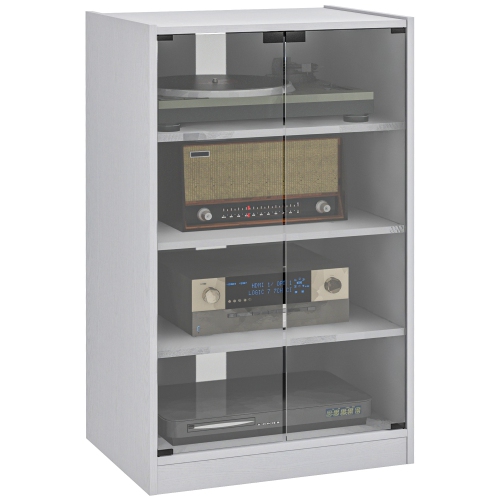
Storage is one of the most important differences between media cabinets, and the right layout depends on how you use your entertainment area. Open shelving keeps consoles, streaming devices, speakers and game systems visible and easy to reach, while closed doors help conceal discs, controllers, spare cables, manuals and other everyday clutter. Cabinets with glass or slatted fronts can offer a middle ground by keeping equipment protected while allowing signals from remote controls to pass through, depending on the design. If you use an infrared remote, check whether the door material and cabinet construction are suitable for your equipment. Ventilation is equally important, especially when a cabinet will hold a receiver, amplifier, gaming console or other components that produce heat. Look for rear cutouts or an open-back design that supports airflow and makes it easier to route power and connection cables. Cable-management openings can help keep HDMI, speaker and power cords organized instead of hanging visibly behind the furniture. Leave enough clearance around electronic components according to their instructions, and avoid packing equipment tightly into enclosed compartments. Media cabinets can also be designed for particular collections and hobbies. A vinyl and audio credenza may include a flip-top lid for a turntable, shelving for records and room for speakers or accessories. A fireplace console can combine television storage with an electric firebox, offering ambient lighting and supplemental heat during cooler months. Full wall entertainment units may include tall side towers, adjustable shelves and additional cupboards for books, board games, movies and decorative items. These larger arrangements can make an expansive wall feel intentional, while modular designs may allow storage to grow as your collection changes.
When comparing media cabinets, consider the television’s weight and dimensions, the cabinet’s maximum load capacity, shelf adjustability and the amount of assembly involved. A sturdy top should sit level and provide dependable support, while shelves should accommodate the height and depth of your equipment without forcing cables into sharp bends. Check whether the cabinet includes cord openings, adjustable feet, wall anchoring hardware or doors with soft-close hinges. If children or pets share the home, stable construction and secure anchoring may be especially valuable. In a smaller space, a streamlined console with a combination of open and concealed storage can prevent the room from feeling crowded. In a larger home theatre, a wide cabinet with matching towers can create a stronger visual anchor and provide space for multiple components. Media cabinets are also thoughtful gifts for someone moving into a new home, setting up a first apartment, creating a gaming room or replacing an older entertainment centre. They can be useful for couples organizing shared movie nights, families looking for a place to store game systems and accessories, or music fans building a vinyl listening corner. During the warmer seasons, a cabinet can help organize a living room used for streaming and casual gatherings; as the weather cools, it can become the centre of movie nights, gaming sessions and music listening at home. Prices vary considerably, from straightforward assembly units around $80 to larger, premium solid-wood designs costing $1,300 or more, so compare construction, storage capacity and features alongside appearance. The best choice is one that fits the wall, supports your equipment, keeps cables manageable and gives frequently used items a convenient place to land.
Storage is one of the most important differences between media cabinets, and the right layout depends on how you use your entertainment area. Open shelving keeps consoles, streaming devices, speakers and game systems visible and easy to reach, while closed doors help conceal discs, controllers, spare cables, manuals and other everyday clutter. Cabinets with glass or slatted fronts can offer a middle ground by keeping equipment protected while allowing signals from remote controls to pass through, depending on the design. If you use an infrared remote, check whether the door material and cabinet construction are suitable for your equipment. Ventilation is equally important, especially when a cabinet will hold a receiver, amplifier, gaming console or other components that produce heat. Look for rear cutouts or an open-back design that supports airflow and makes it easier to route power and connection cables. Cable-management openings can help keep HDMI, speaker and power cords organized instead of hanging visibly behind the furniture. Leave enough clearance around electronic components according to their instructions, and avoid packing equipment tightly into enclosed compartments. Media cabinets can also be designed for particular collections and hobbies. A vinyl and audio credenza may include a flip-top lid for a turntable, shelving for records and room for speakers or accessories. A fireplace console can combine television storage with an electric firebox, offering ambient lighting and supplemental heat during cooler months. Full wall entertainment units may include tall side towers, adjustable shelves and additional cupboards for books, board games, movies and decorative items. These larger arrangements can make an expansive wall feel intentional, while modular designs may allow storage to grow as your collection changes.
When comparing media cabinets, consider the television’s weight and dimensions, the cabinet’s maximum load capacity, shelf adjustability and the amount of assembly involved. A sturdy top should sit level and provide dependable support, while shelves should accommodate the height and depth of your equipment without forcing cables into sharp bends. Check whether the cabinet includes cord openings, adjustable feet, wall anchoring hardware or doors with soft-close hinges. If children or pets share the home, stable construction and secure anchoring may be especially valuable. In a smaller space, a streamlined console with a combination of open and concealed storage can prevent the room from feeling crowded. In a larger home theatre, a wide cabinet with matching towers can create a stronger visual anchor and provide space for multiple components. Media cabinets are also thoughtful gifts for someone moving into a new home, setting up a first apartment, creating a gaming room or replacing an older entertainment centre. They can be useful for couples organizing shared movie nights, families looking for a place to store game systems and accessories, or music fans building a vinyl listening corner. During the warmer seasons, a cabinet can help organize a living room used for streaming and casual gatherings; as the weather cools, it can become the centre of movie nights, gaming sessions and music listening at home. Prices vary considerably, from straightforward assembly units around $80 to larger, premium solid-wood designs costing $1,300 or more, so compare construction, storage capacity and features alongside appearance. The best choice is one that fits the wall, supports your equipment, keeps cables manageable and gives frequently used items a convenient place to land.
Top selling and popular products
-
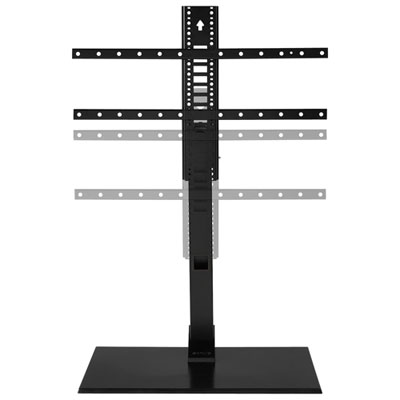 Your price for this item is $249.99
 -
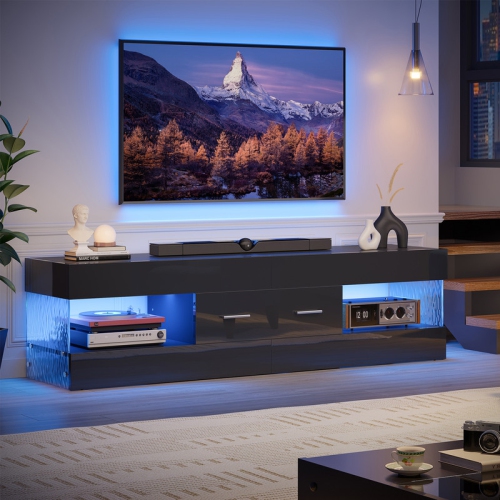 Your price for this item is $179.99
 -
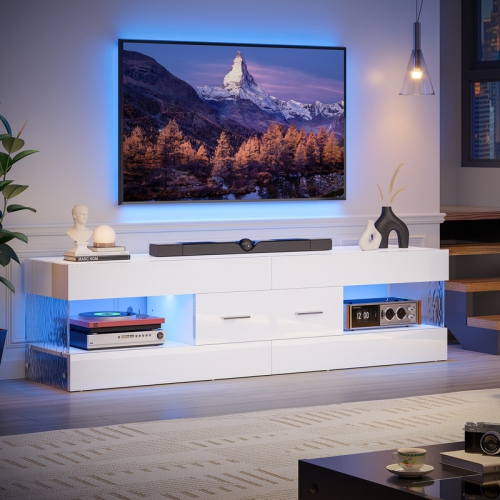 Your price for this item is $149.99
 -
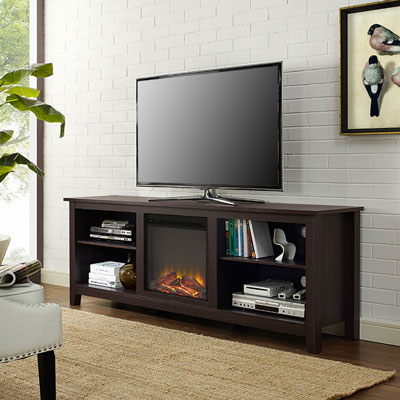 Your price for this item is $689.99
 -
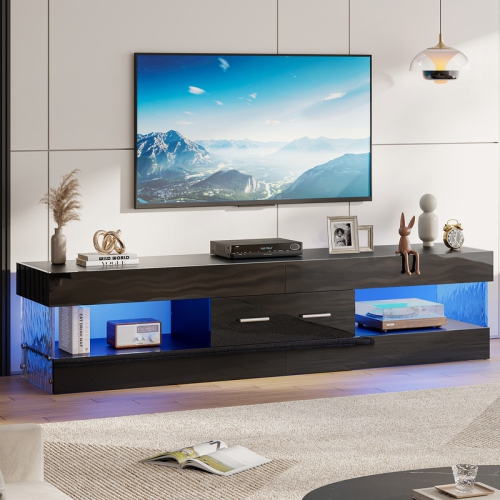 Your price for this item is $189.99
 -
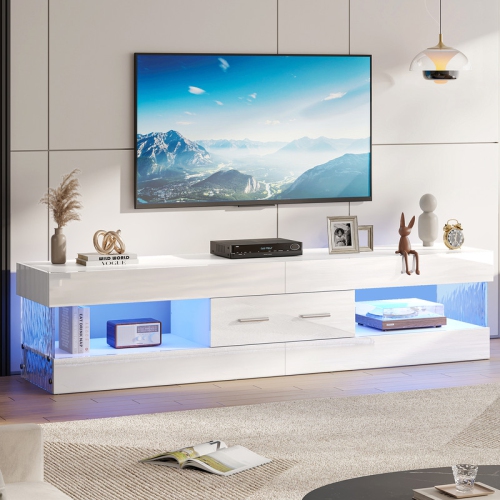 Your price for this item is $189.99
 -
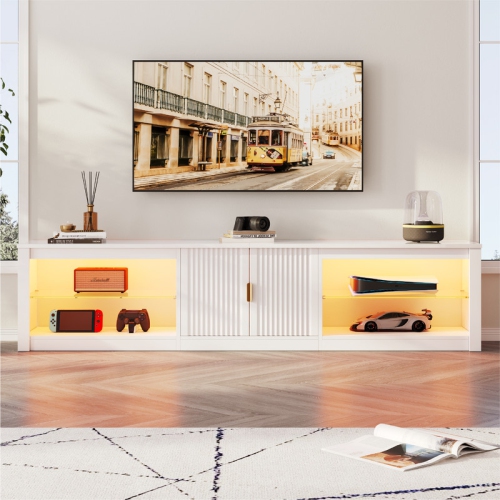 Your price for this item is $269.99
 -
 Your price for this item is $324.99
Discover more categories related to Media Cabinets

Top Collections:
Pokemon Centers, Kindle Devices, Best Budget Office Chairs, Apple iPhones 16, Samsung Galaxy Phones, Canon G7X Cameras, iPhone 15 Apple, Flip Phones, Best Laptops for Writers, Alarm Clock
Some products may be subject to Environmental Handling Fees
(EHF) depending on your province.
Learn more about EHFs.