Entertainment Cabinets
A home entertainment center is a great way to get the most out of your TV, Blu-ray player, cable box, and other audio and video components. It's also a great way to organize all of your components and make sure they're easy to access for quick installation and removal. Here are some of our favorites.
Sort
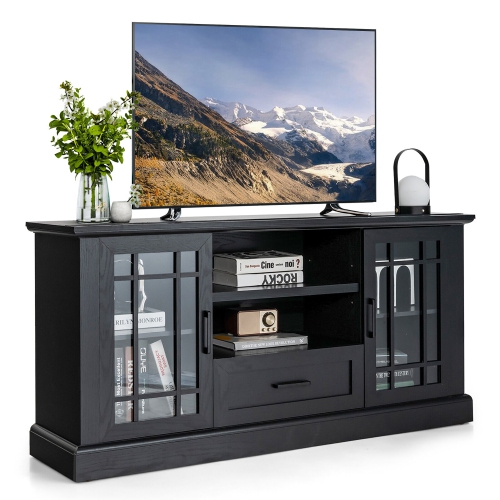
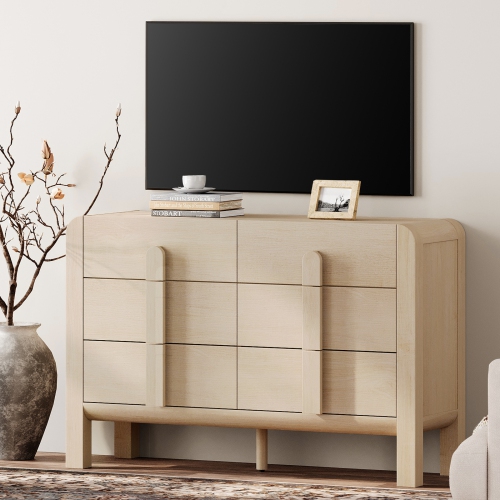
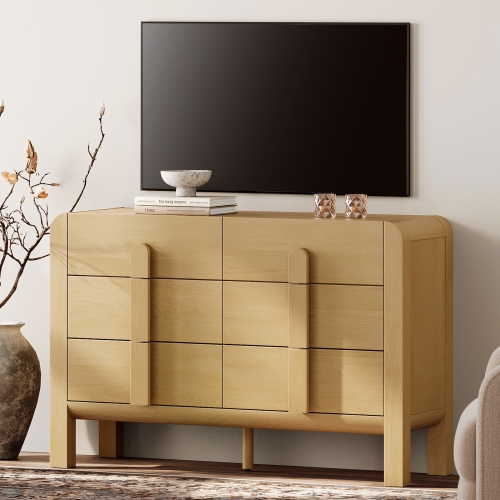
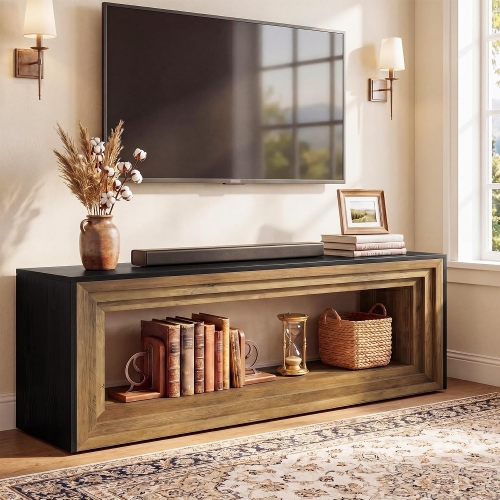
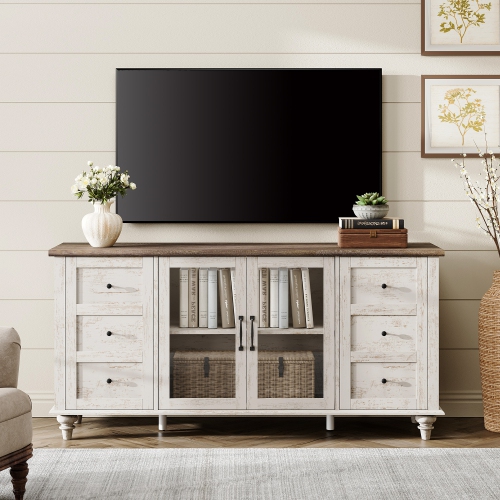
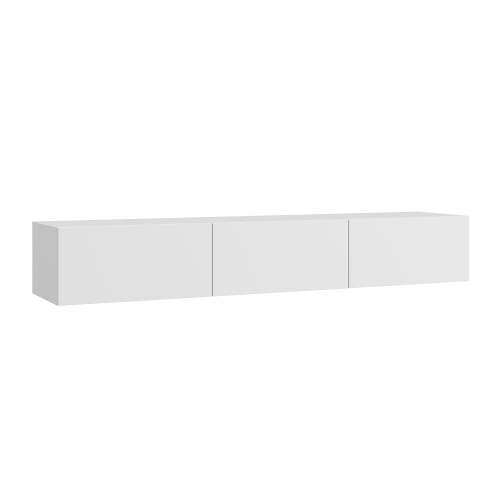
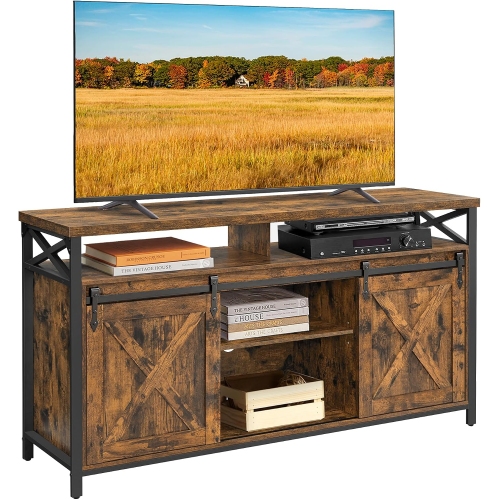
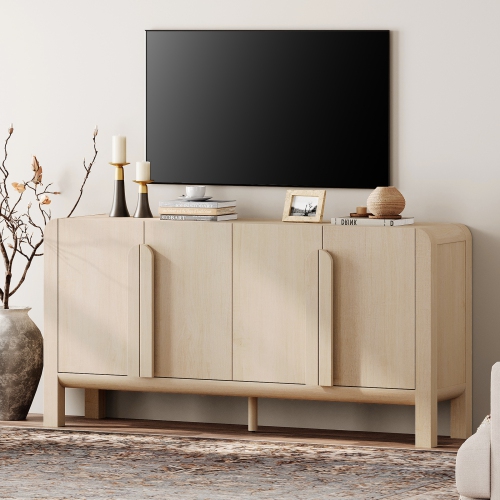
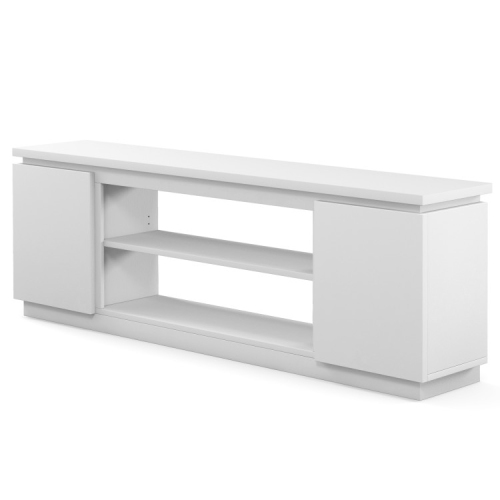
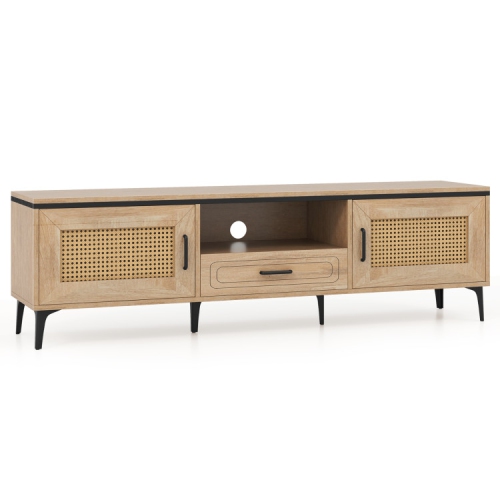
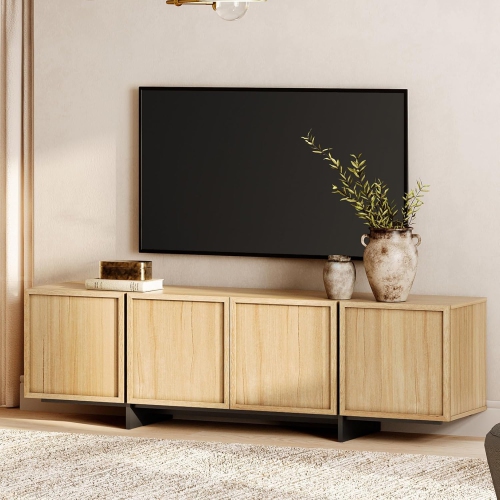
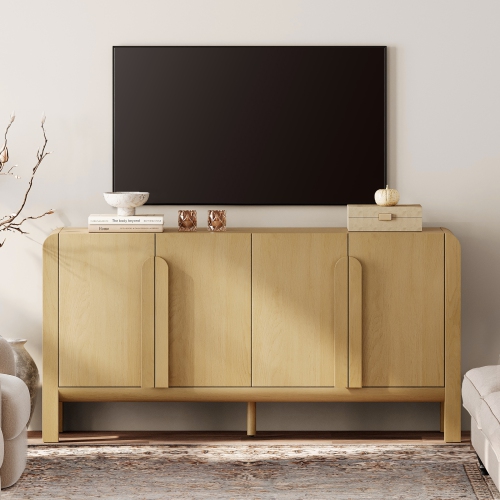
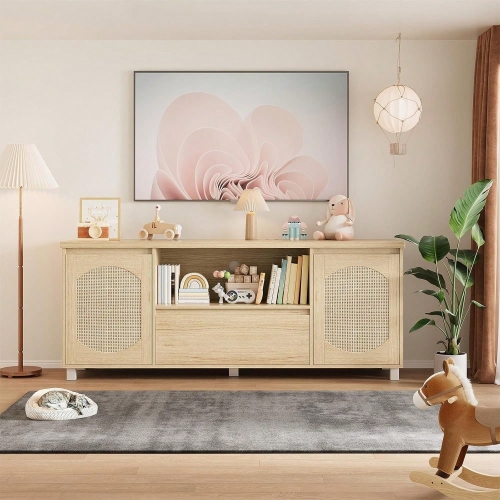
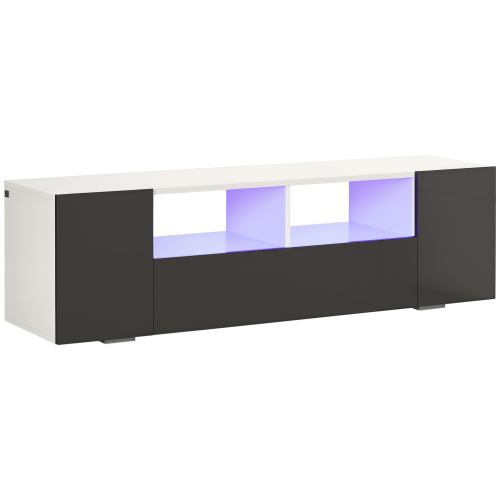

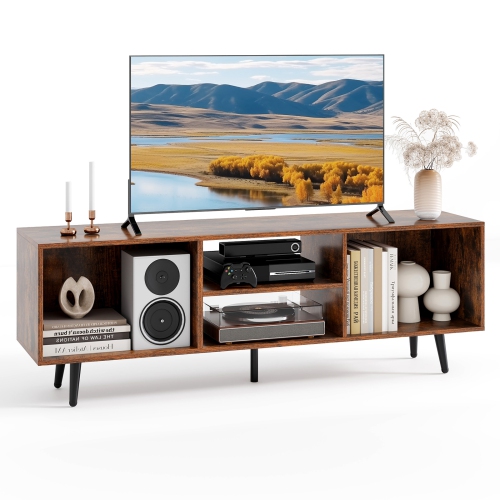
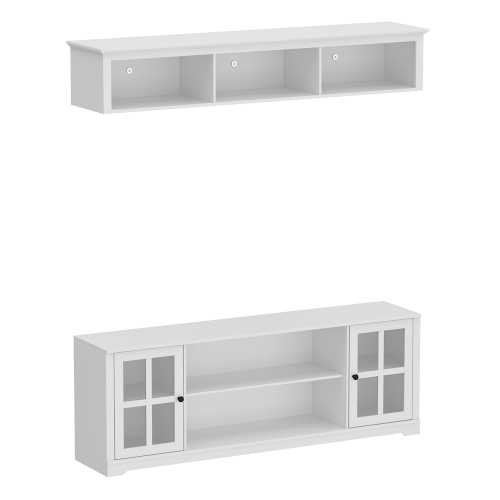
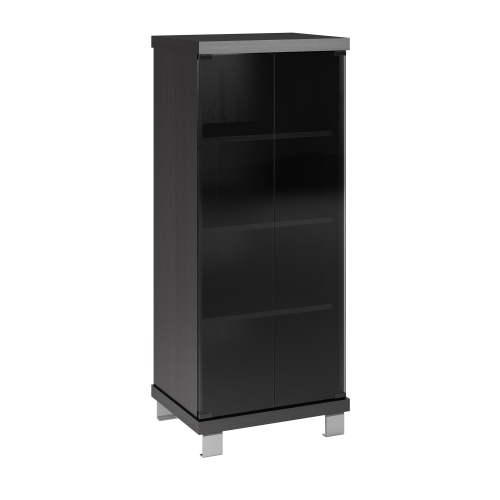
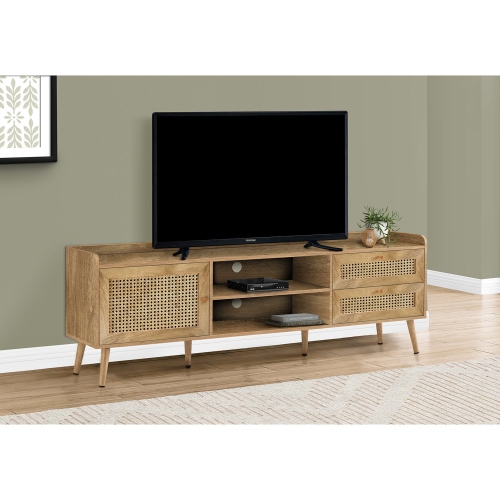
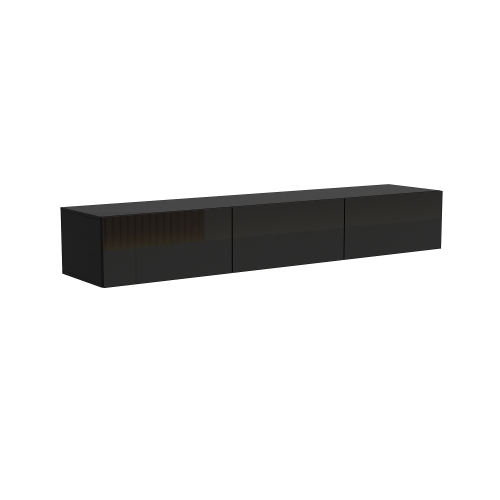
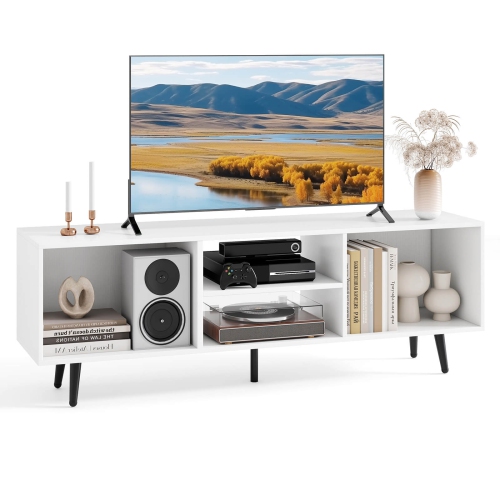
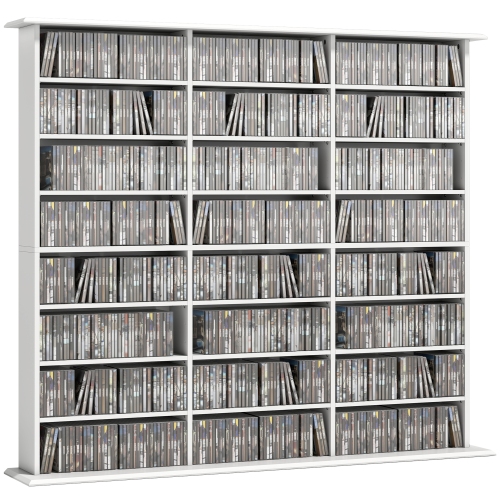
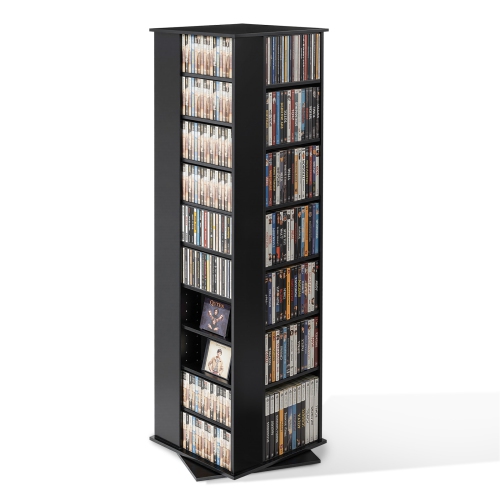
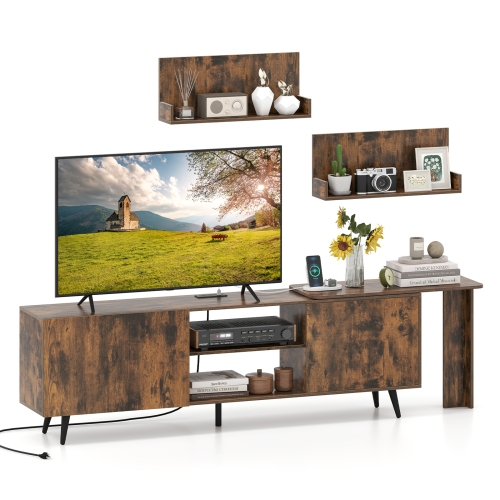
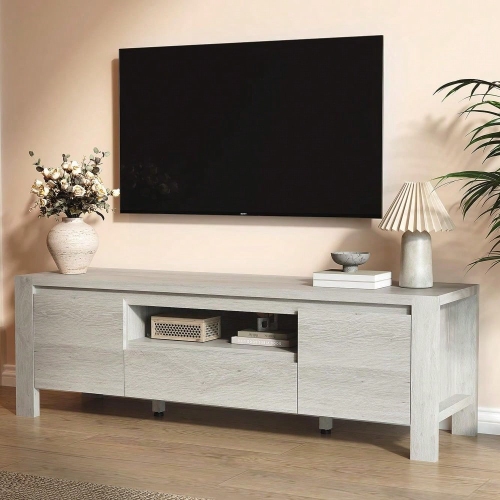
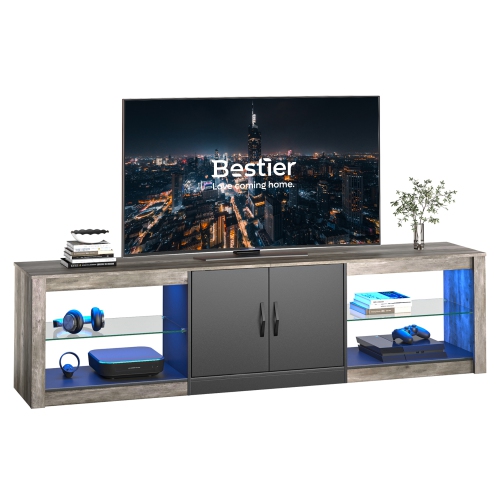
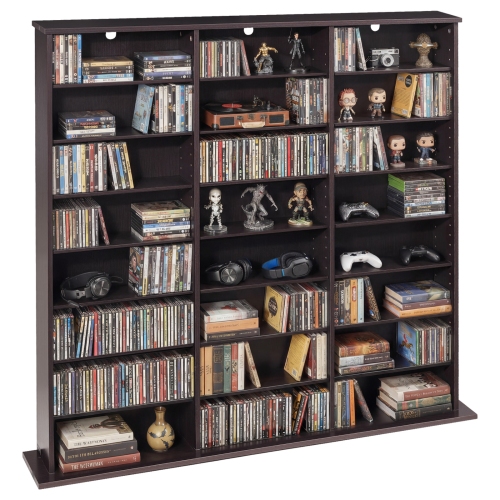

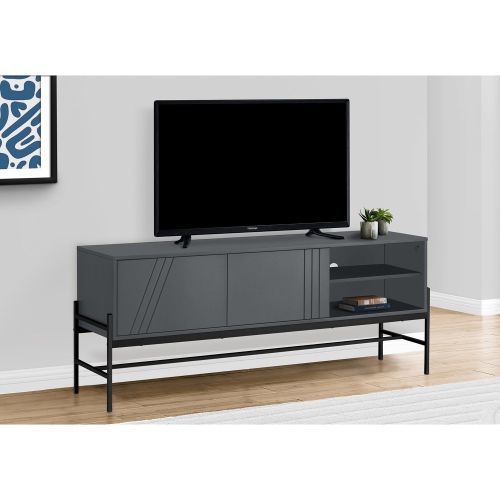
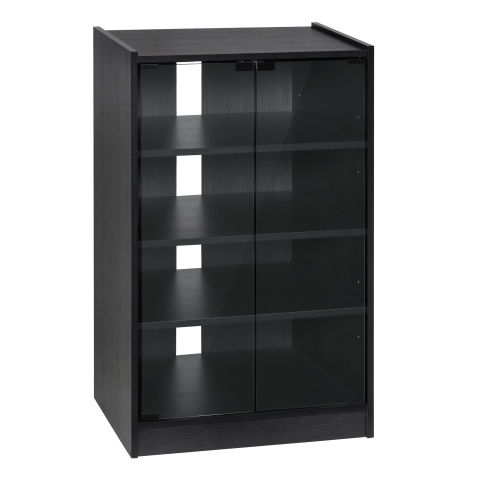
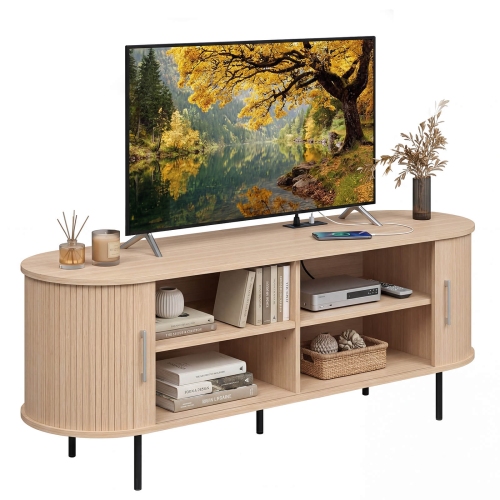
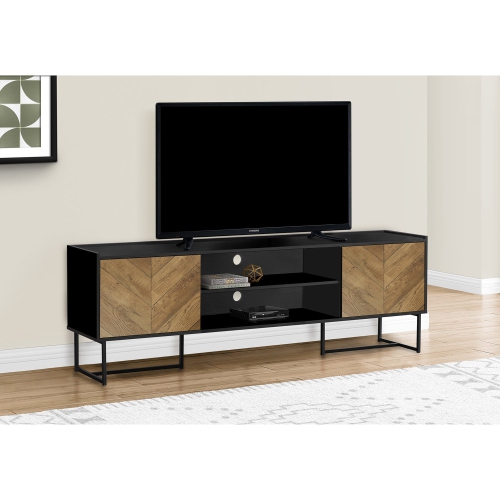
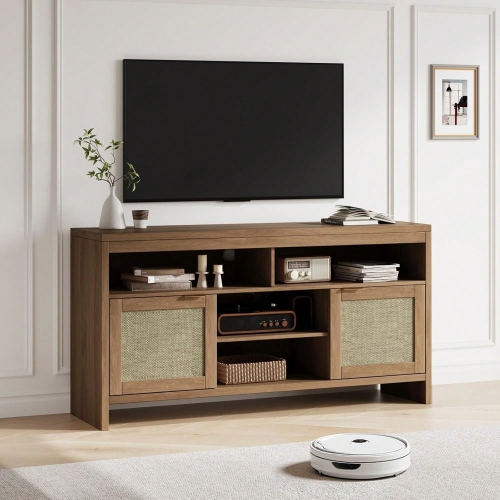
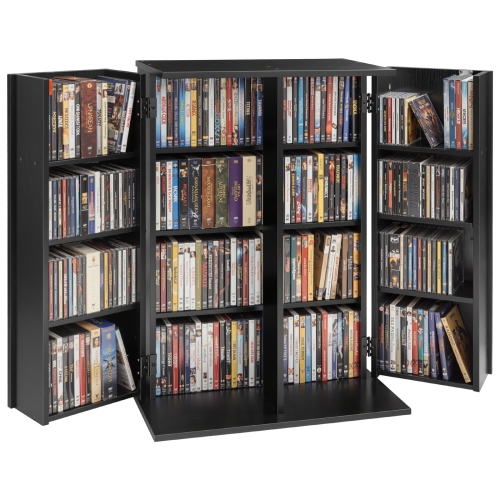
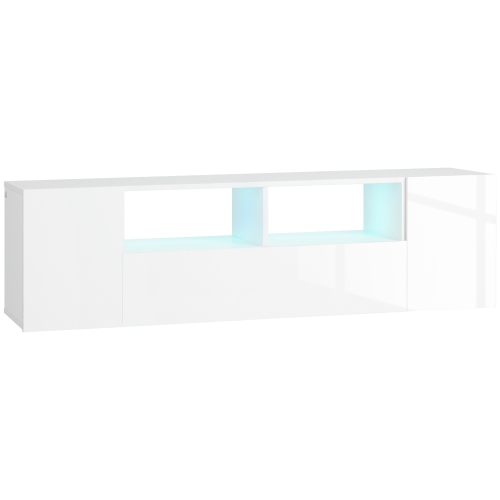
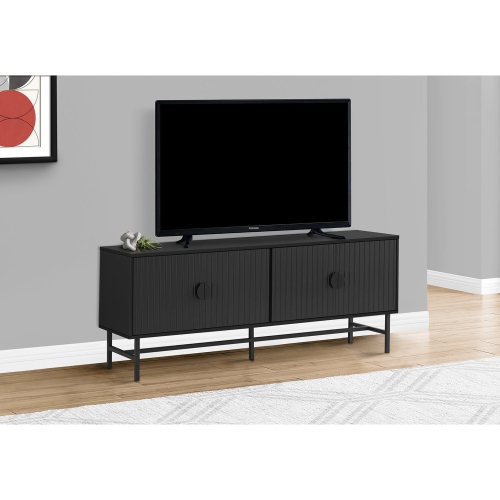
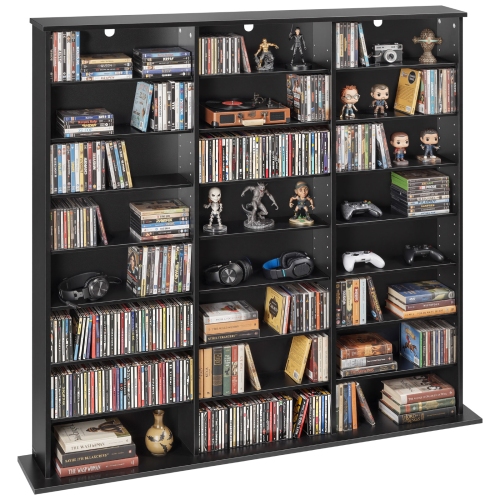
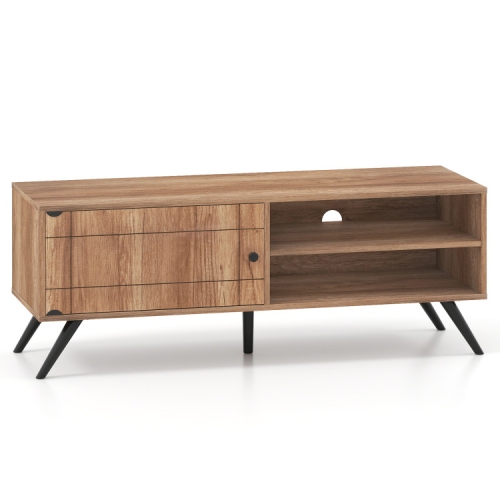
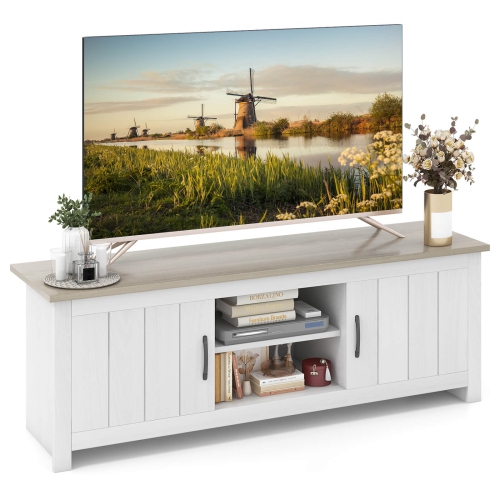
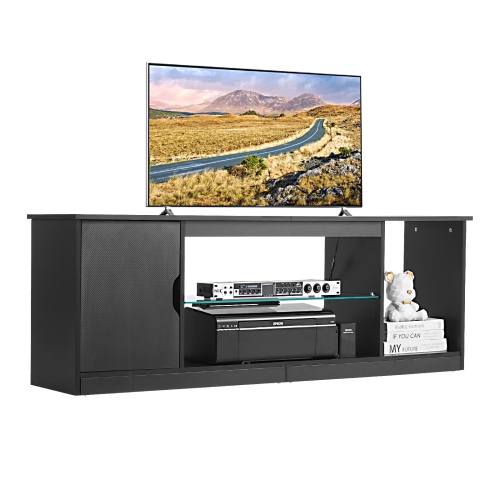
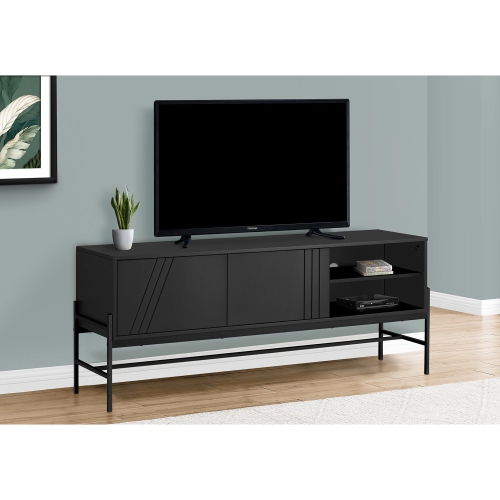
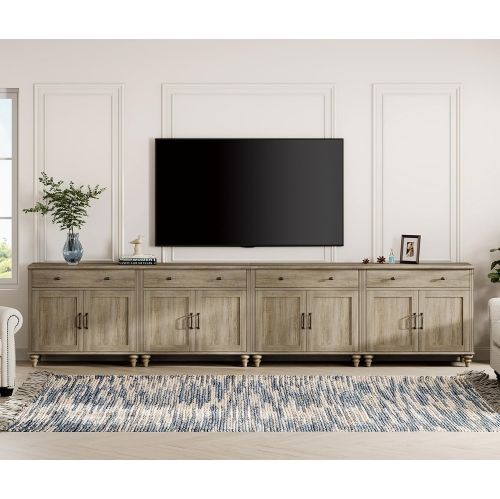
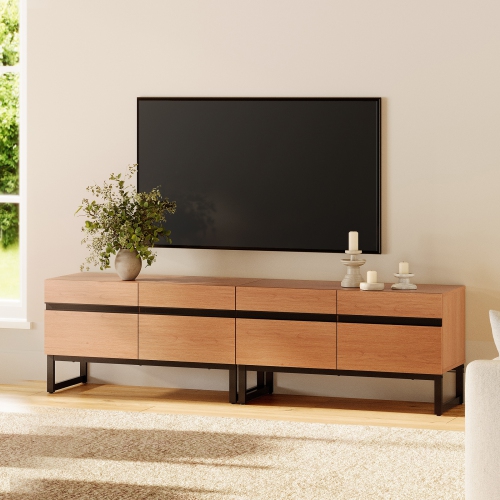
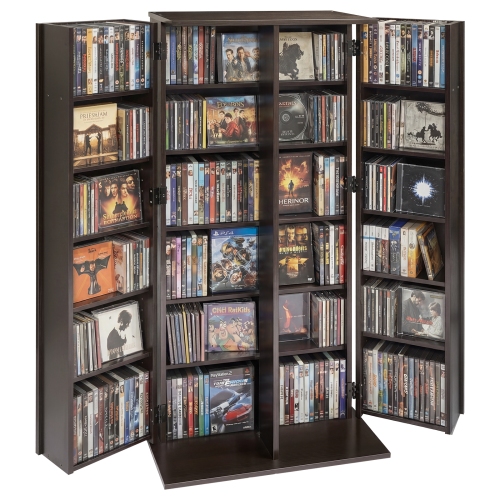
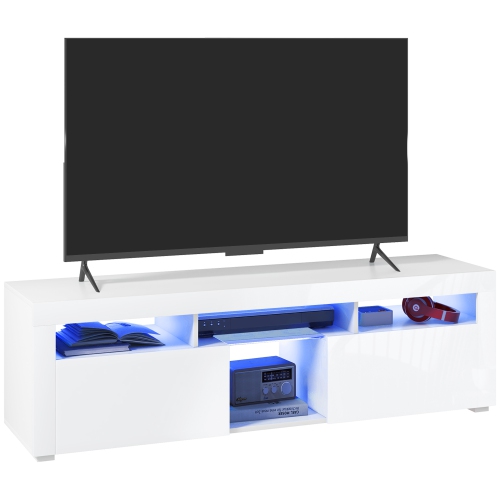
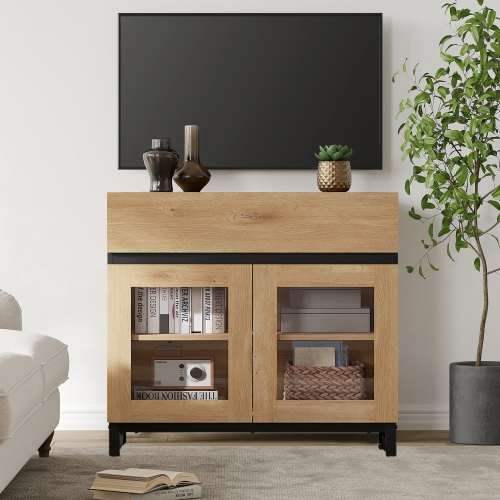
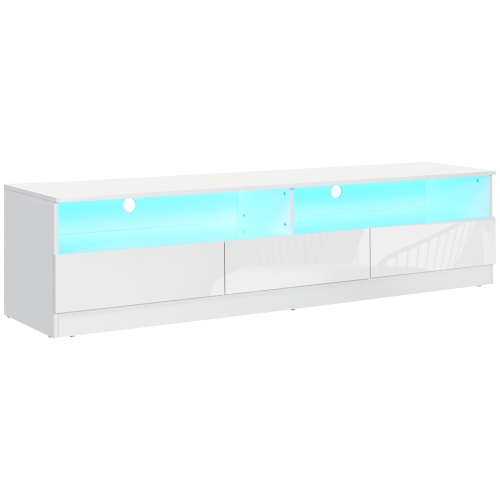
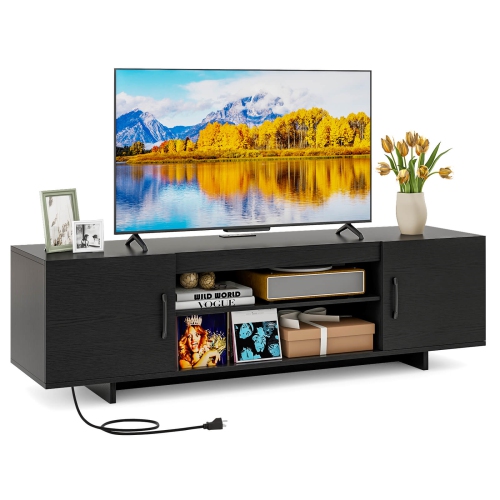

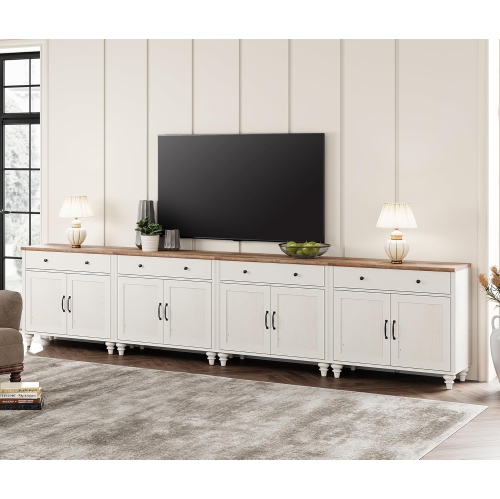
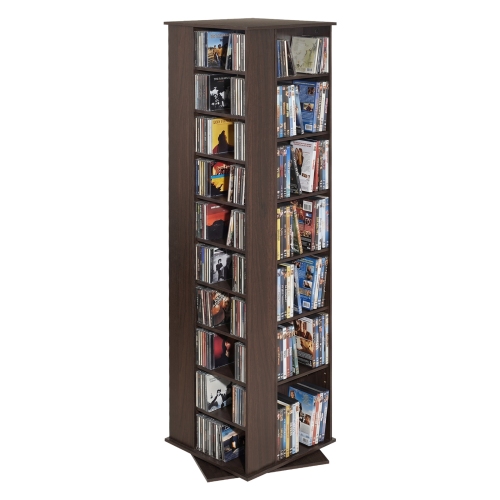
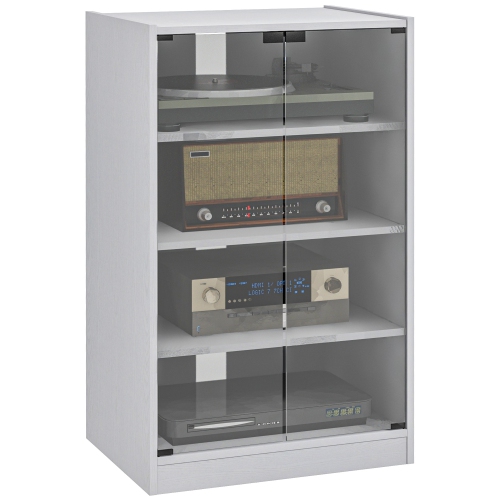
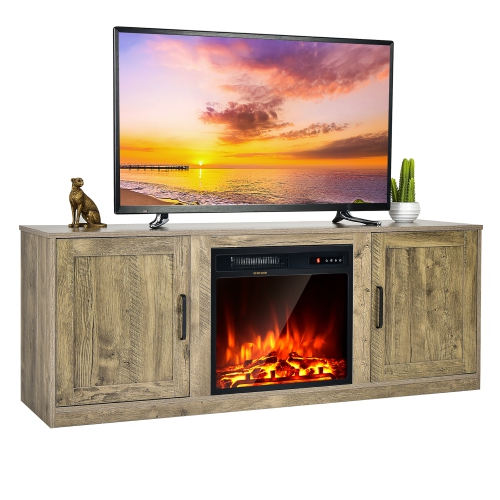
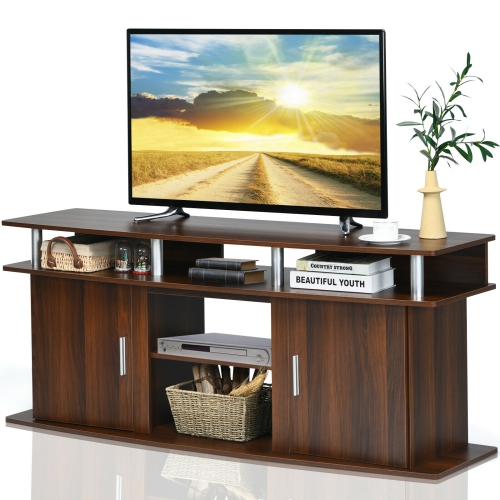
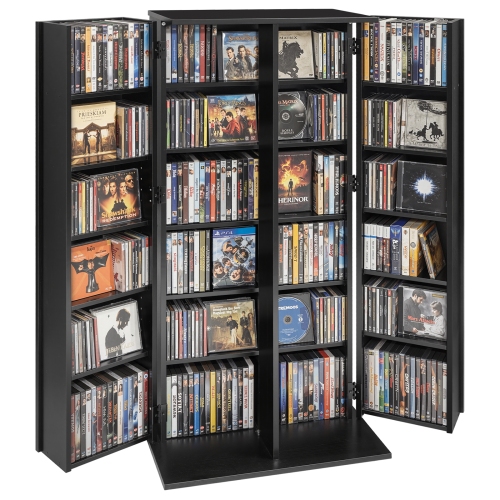
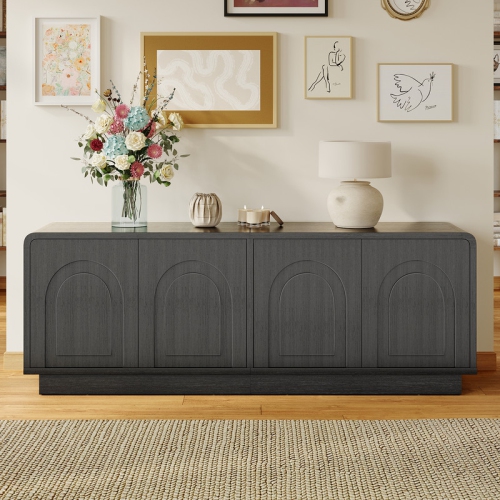
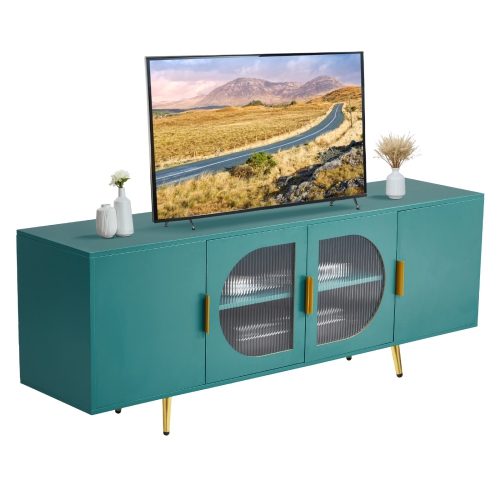
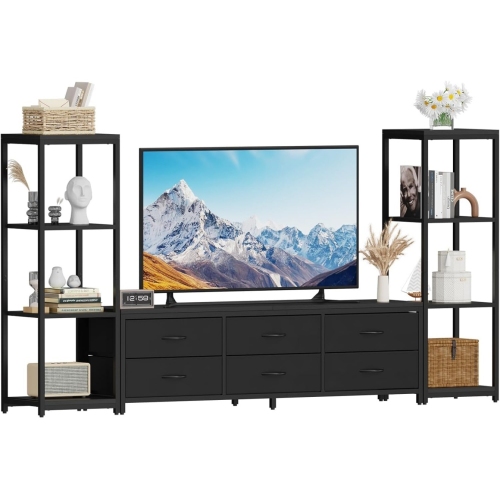
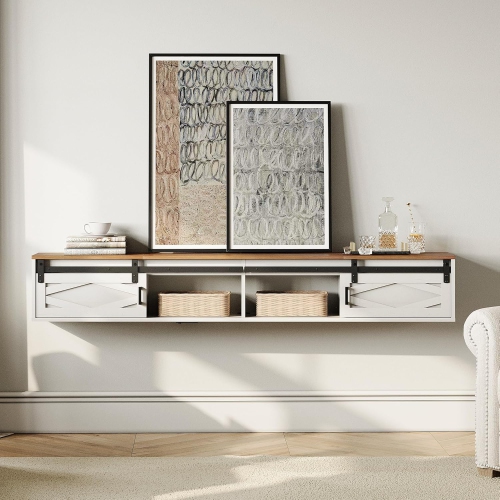

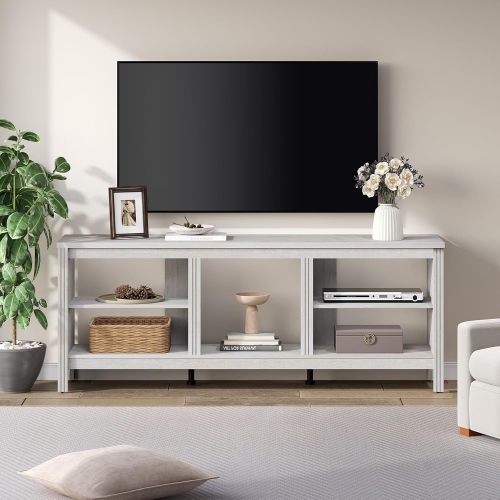
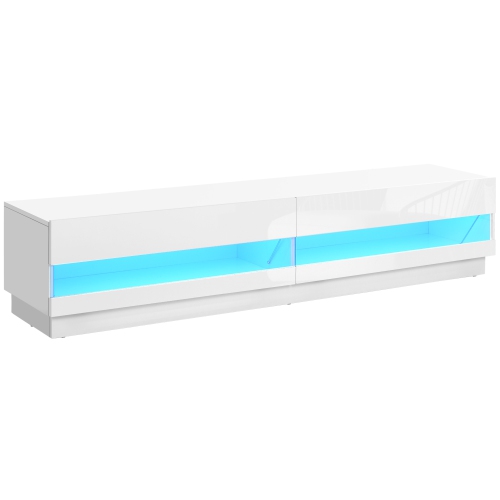
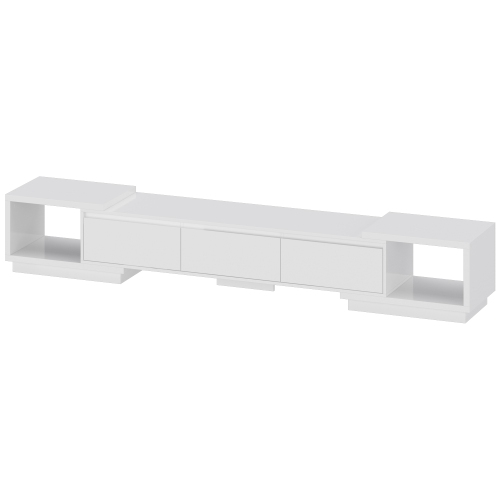

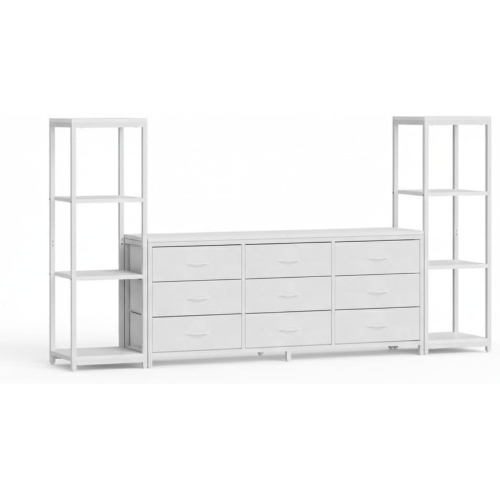
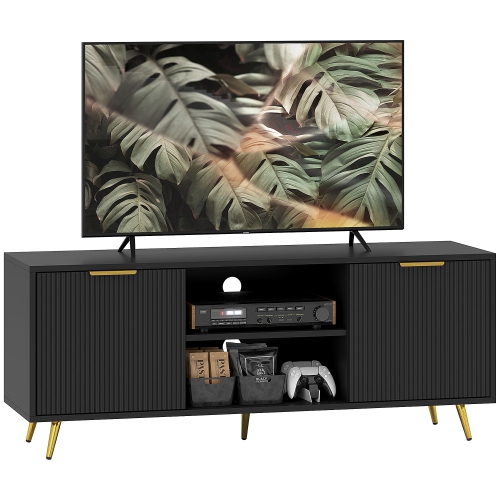
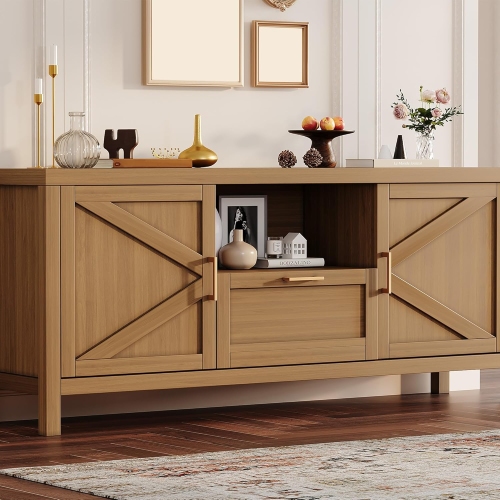
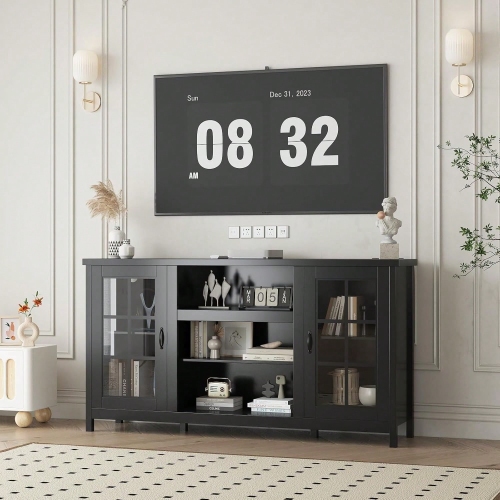
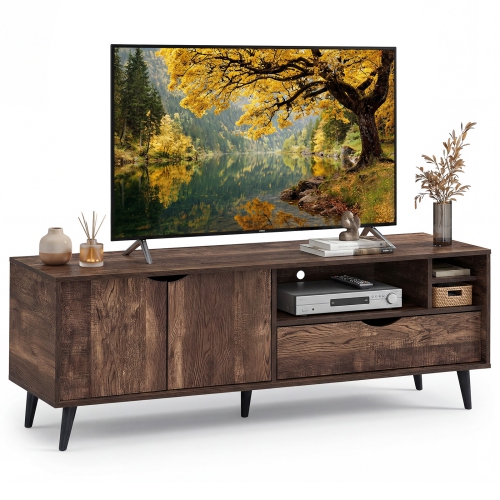
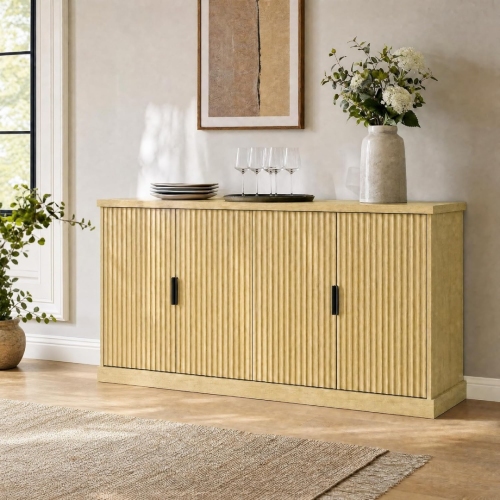
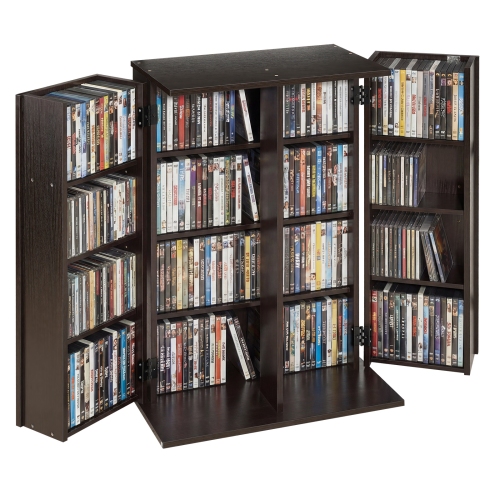
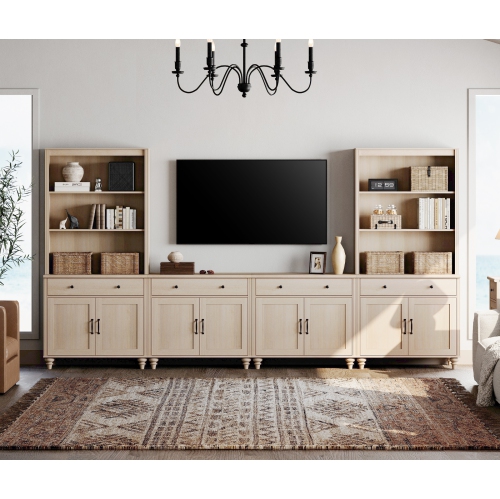
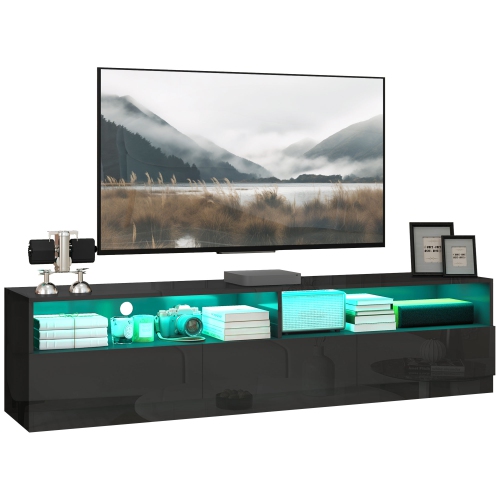
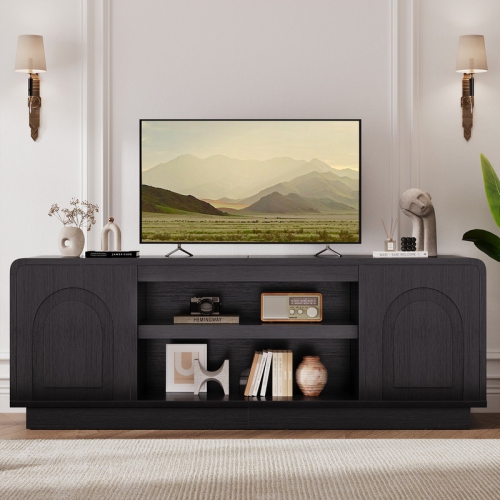
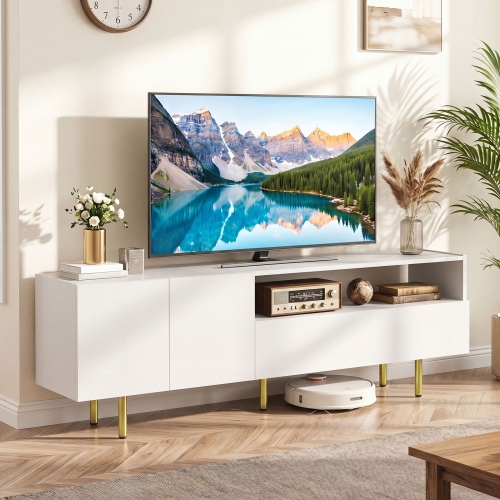
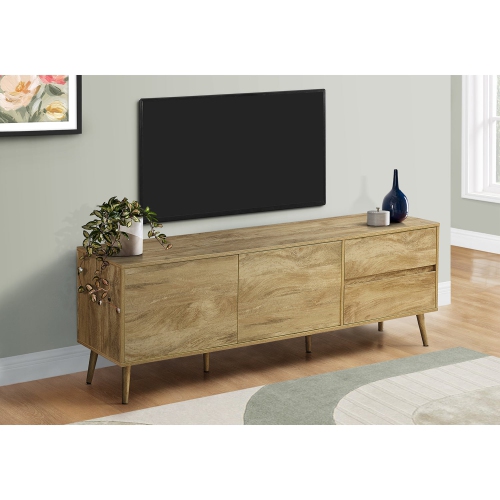
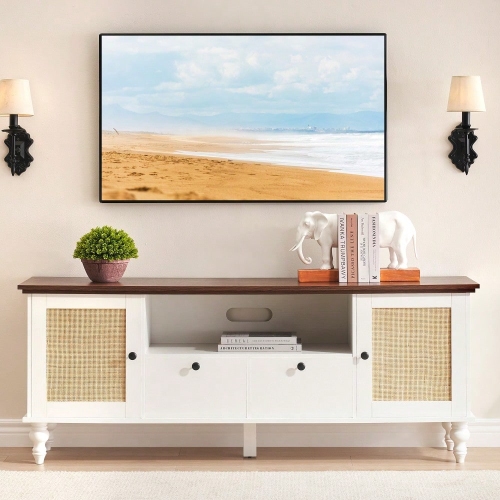
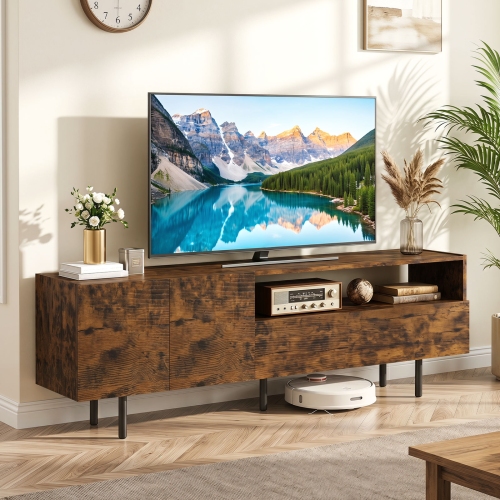
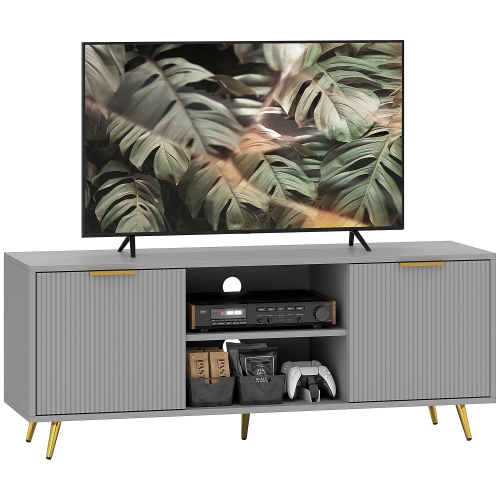

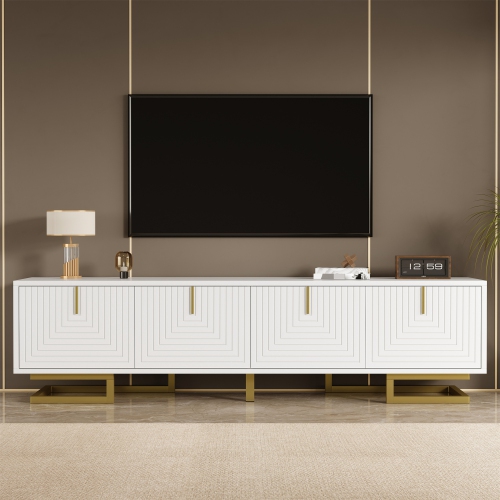
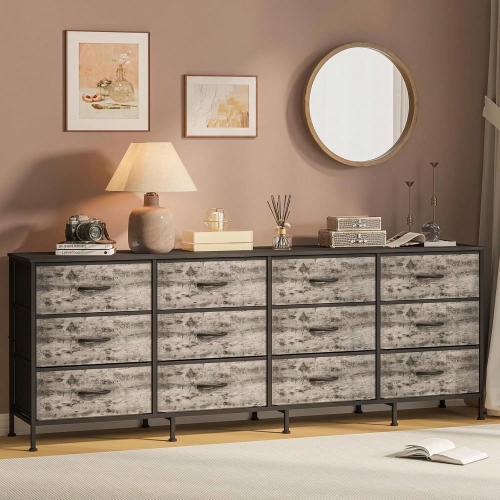
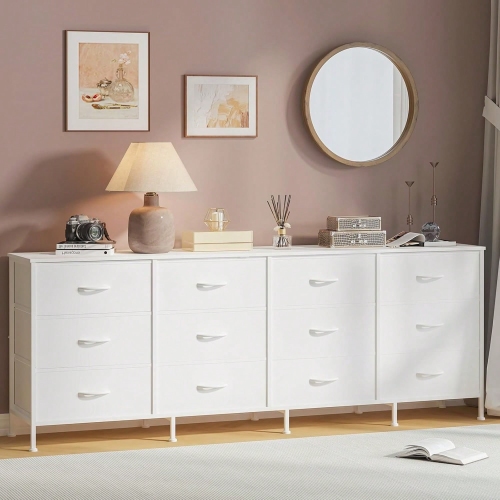
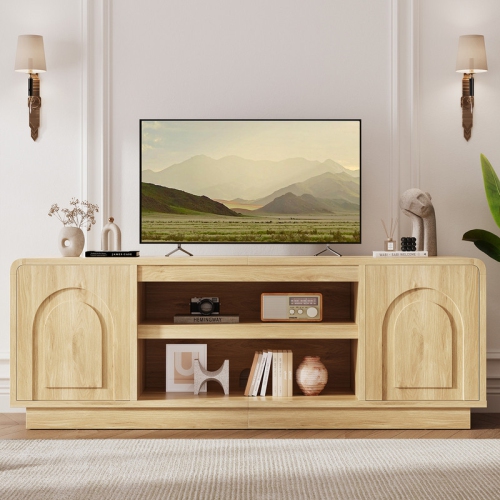
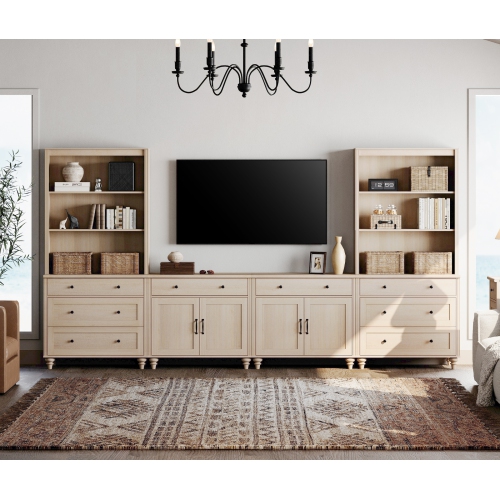
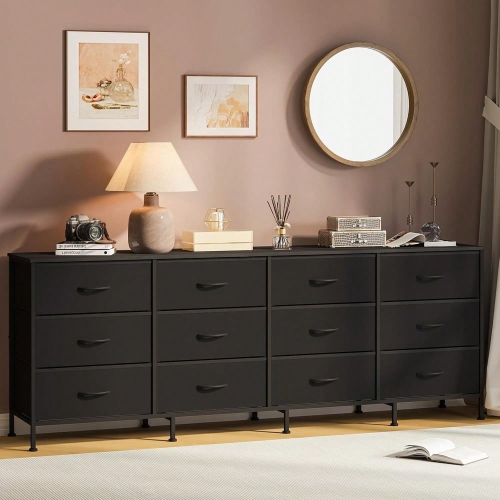
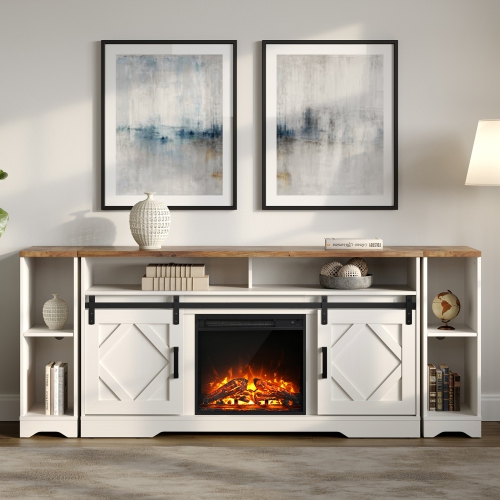
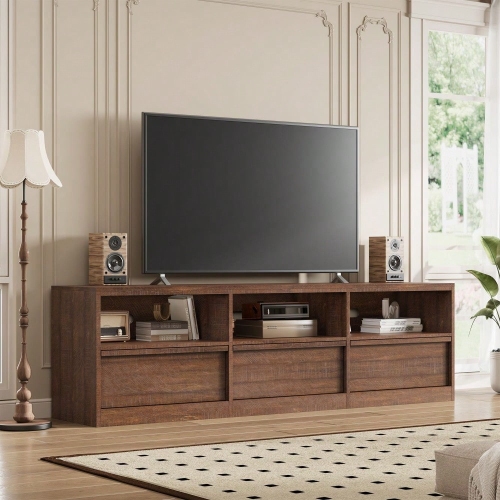
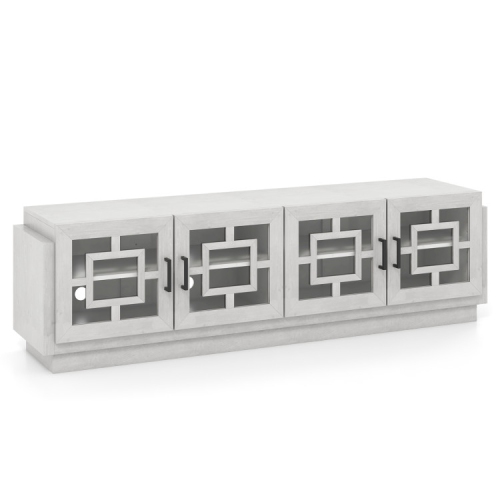
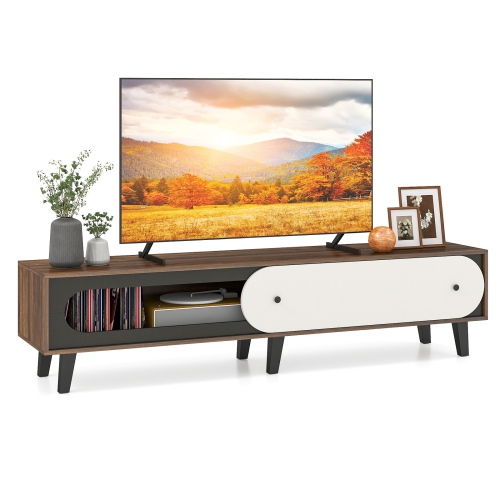
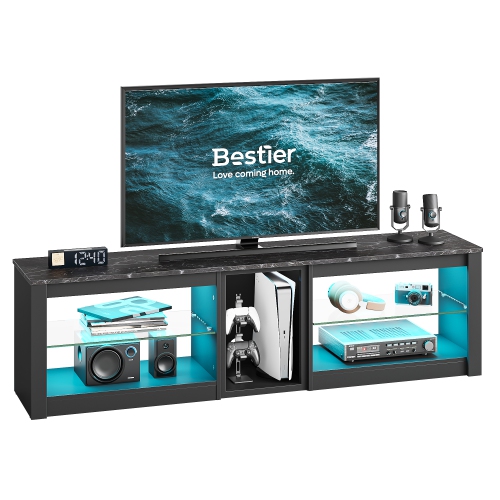
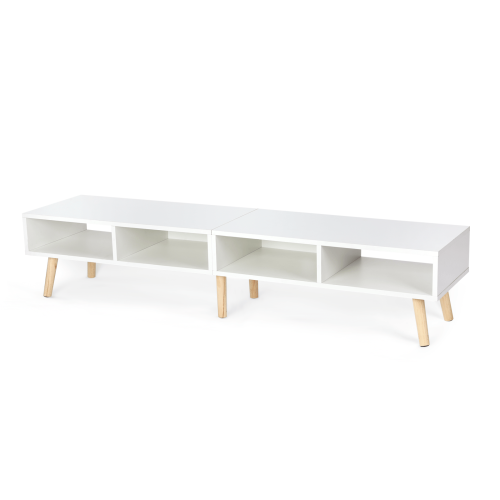
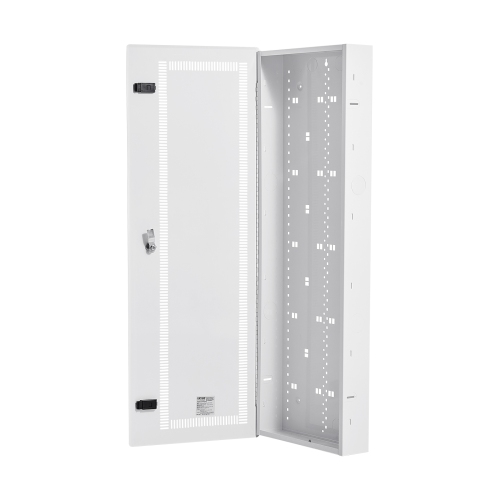
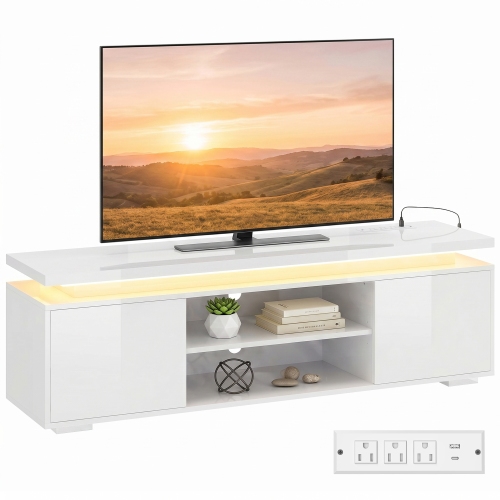

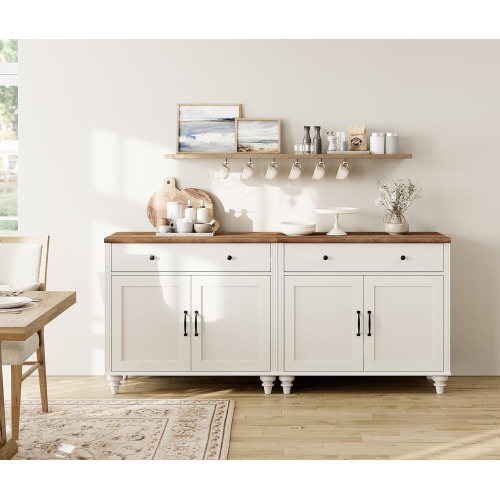
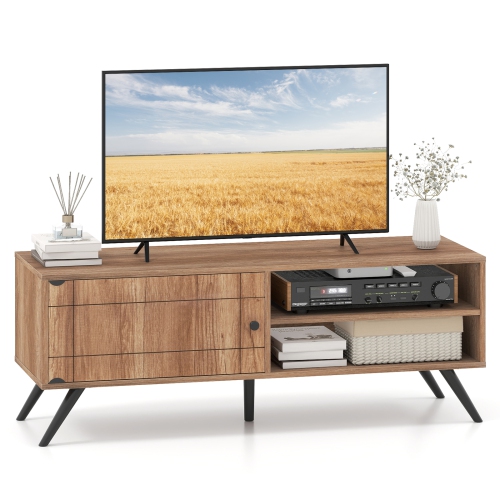
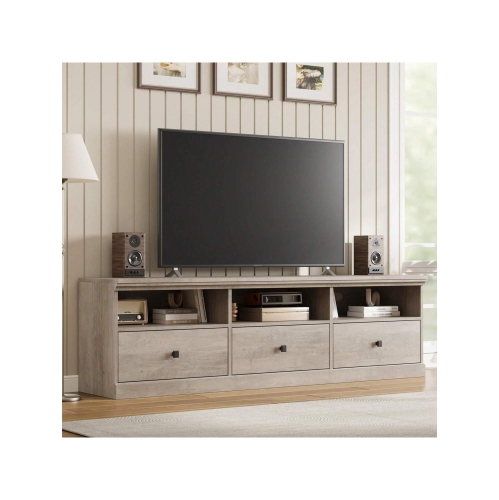
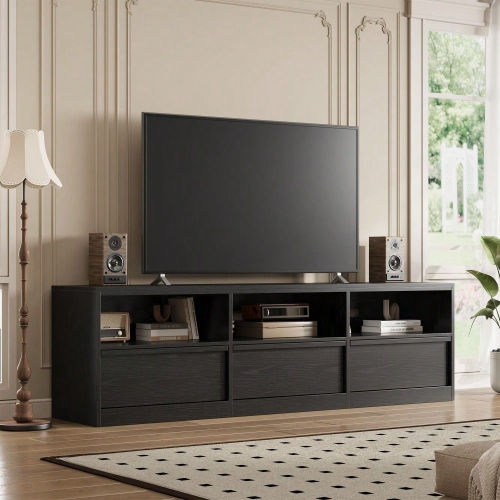
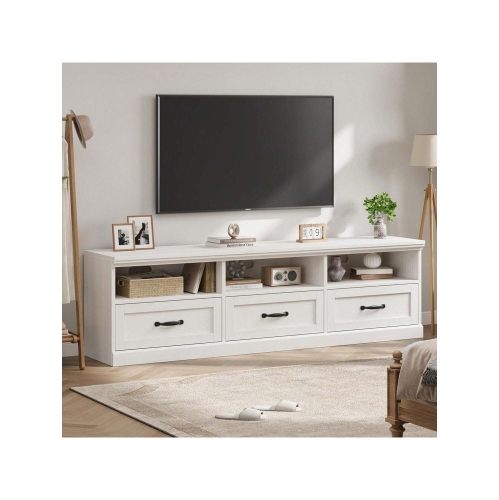
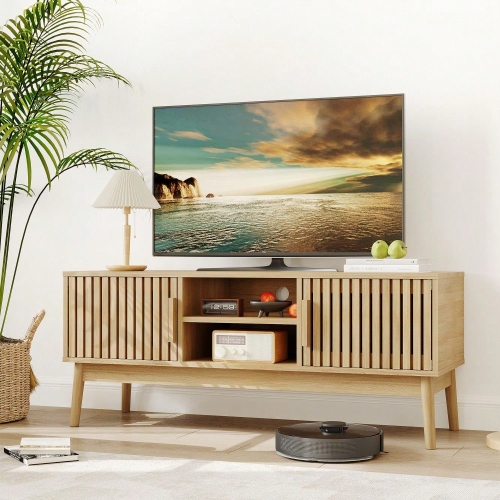
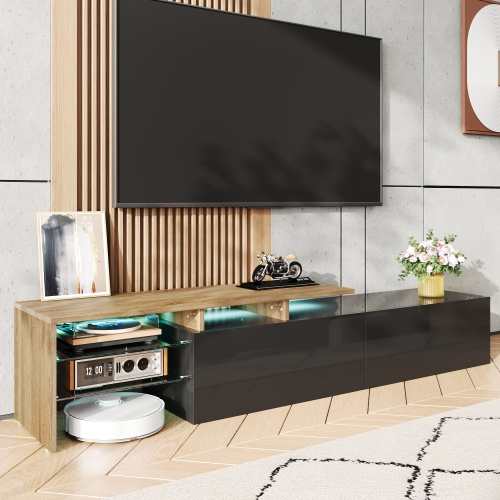
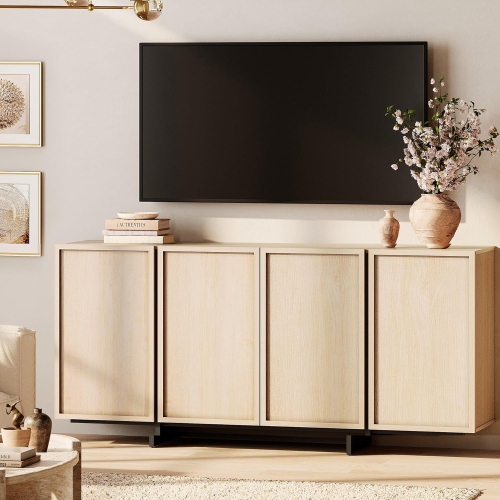
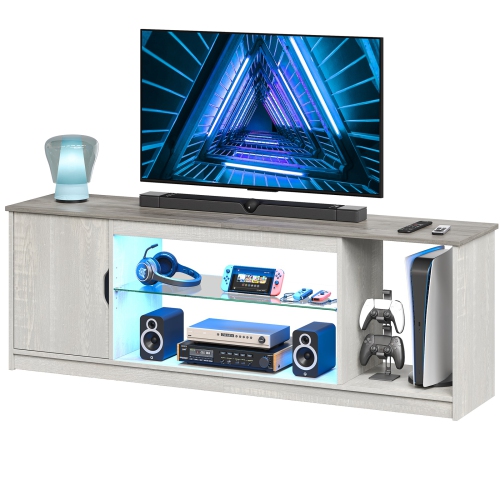
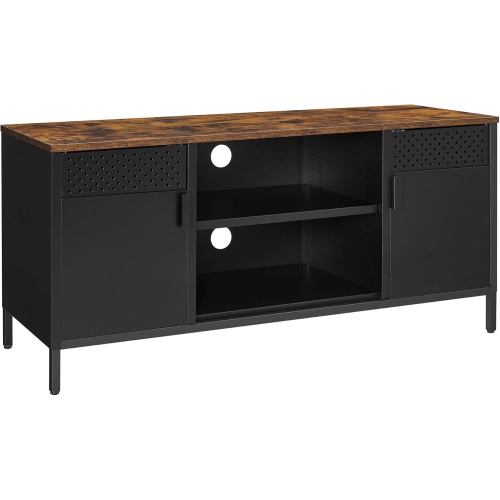
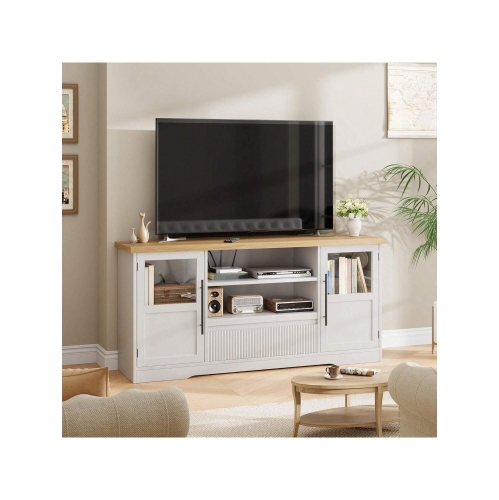
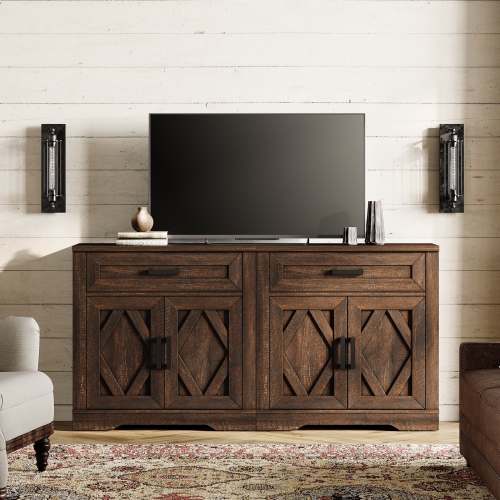
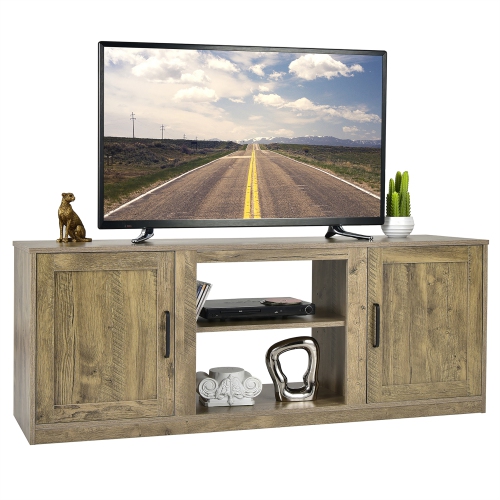
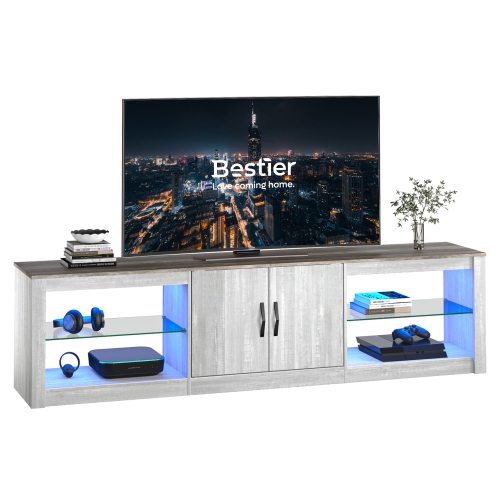
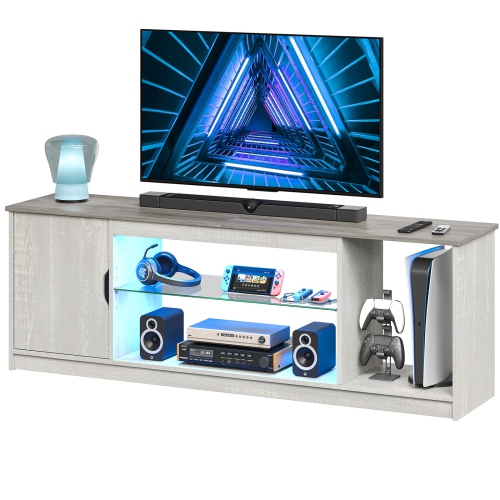
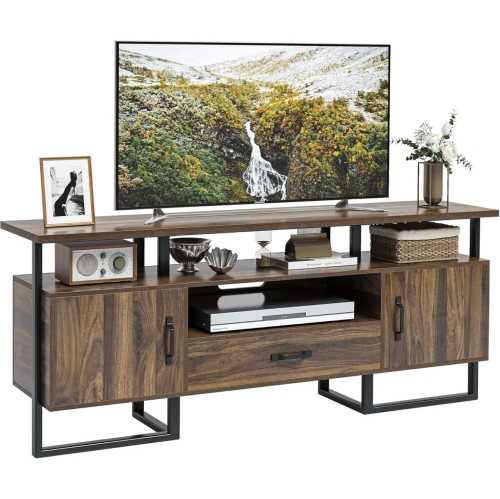
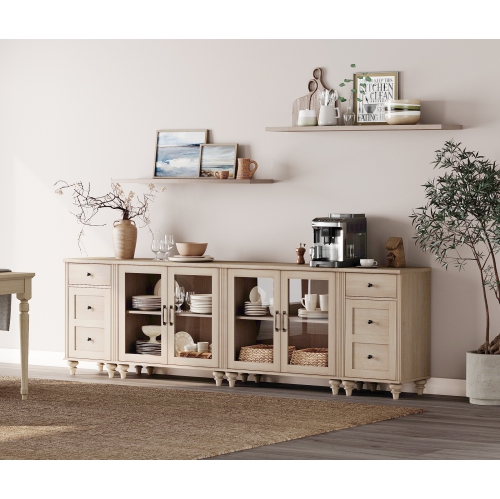
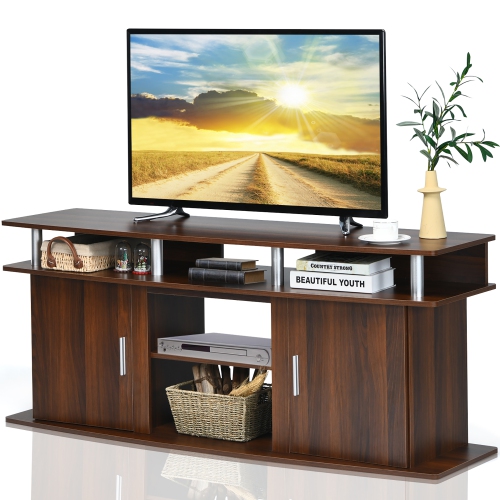
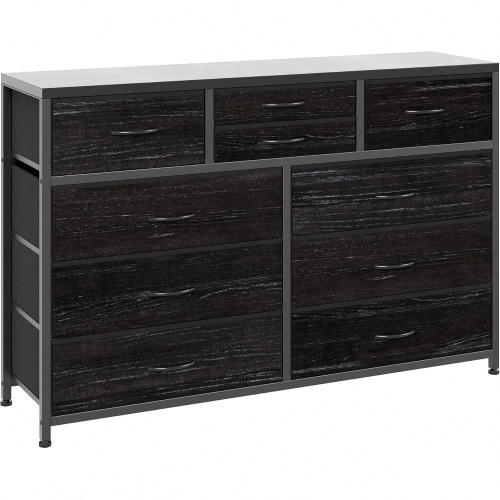
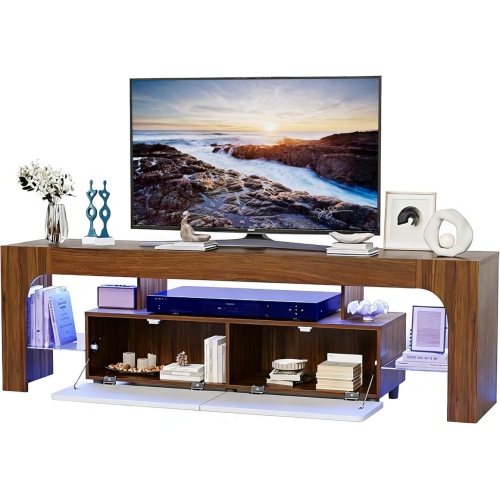
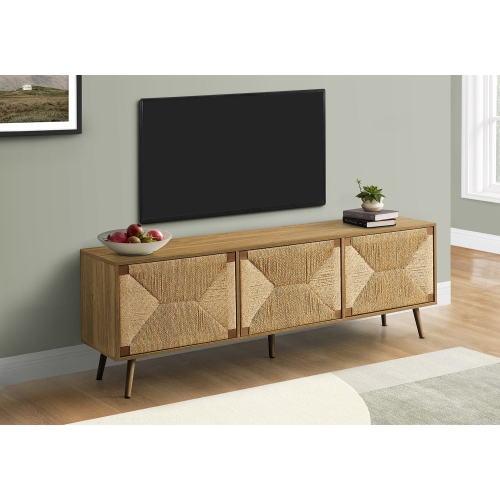
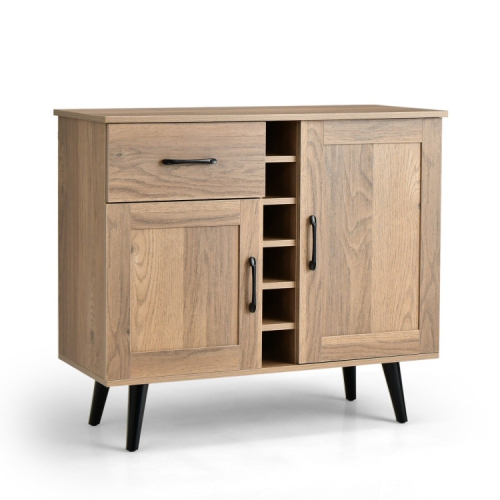
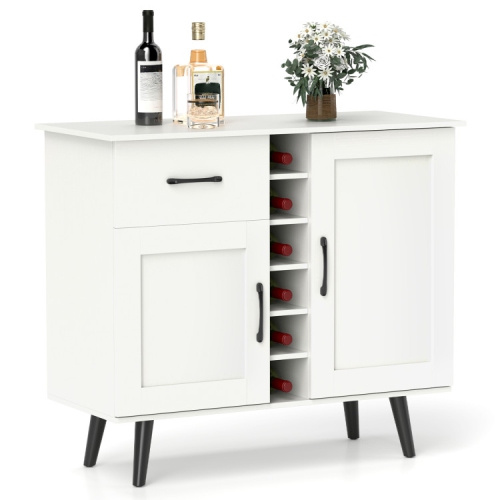
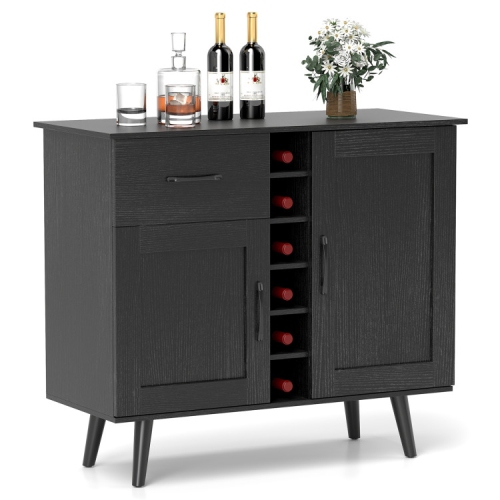

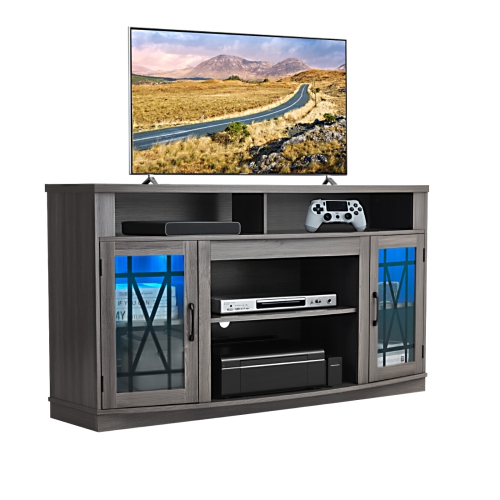
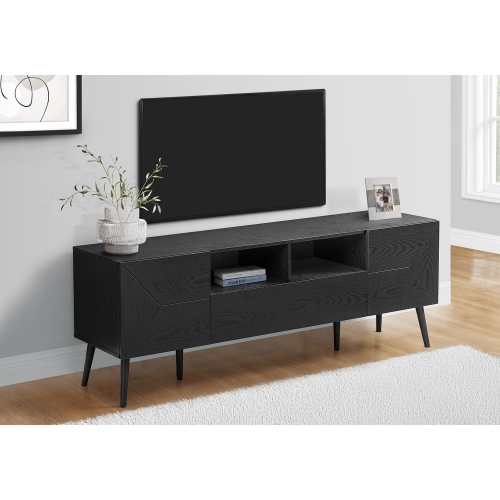
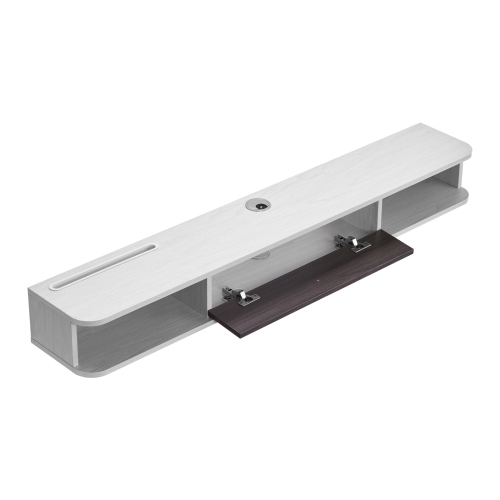
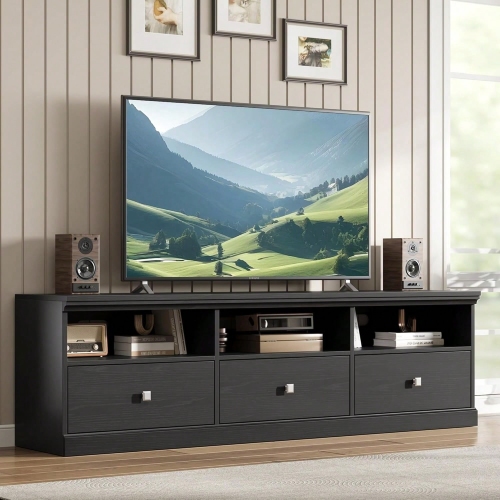
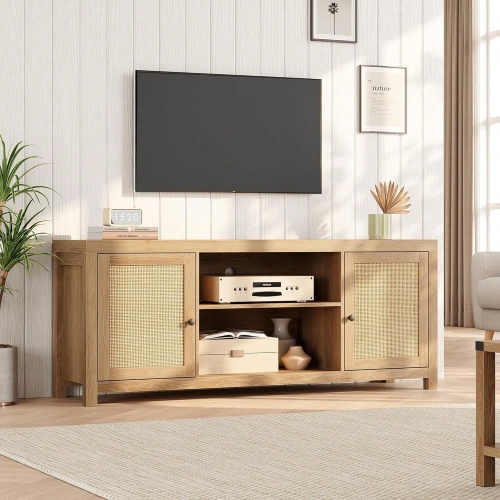
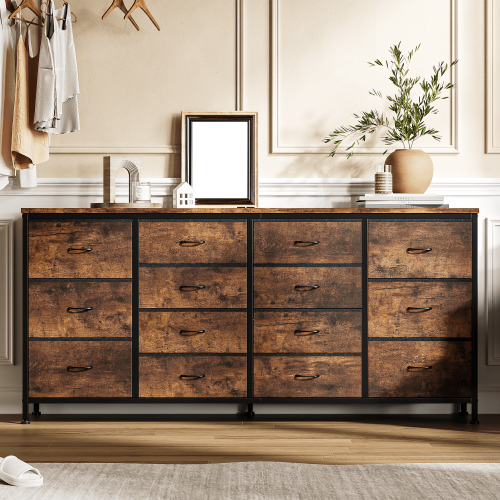
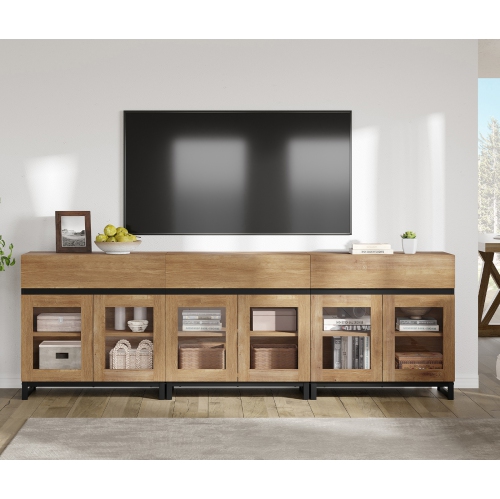
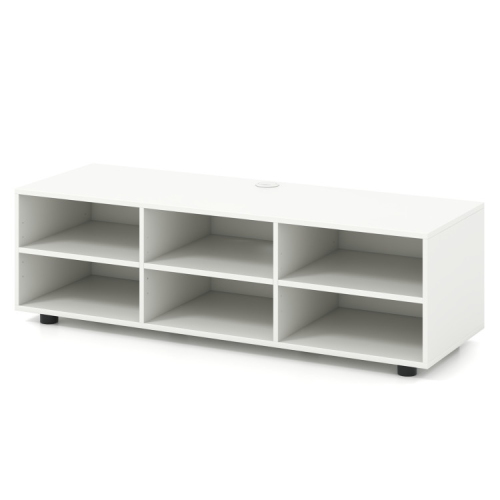
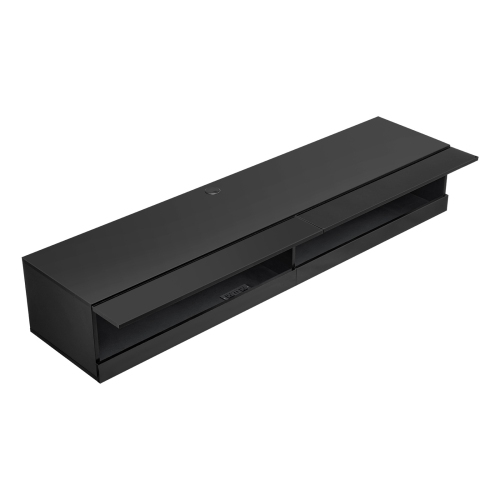

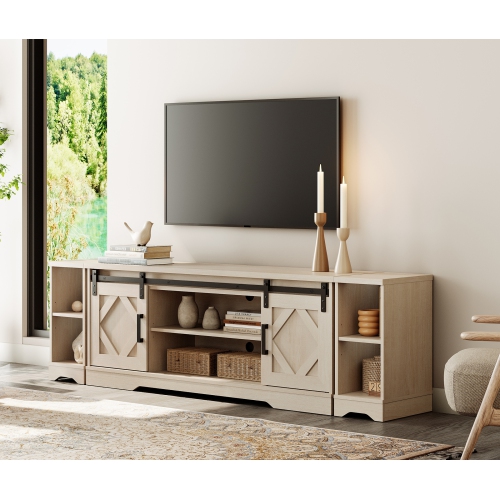
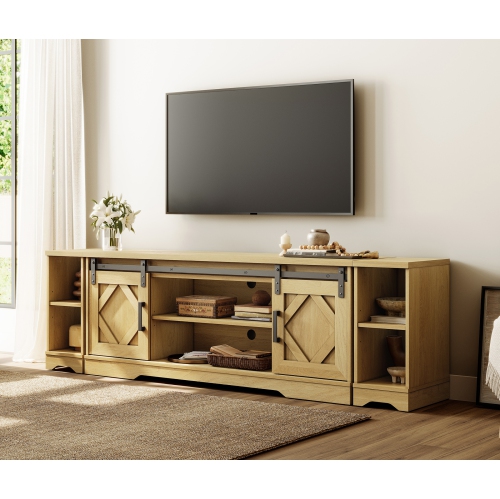
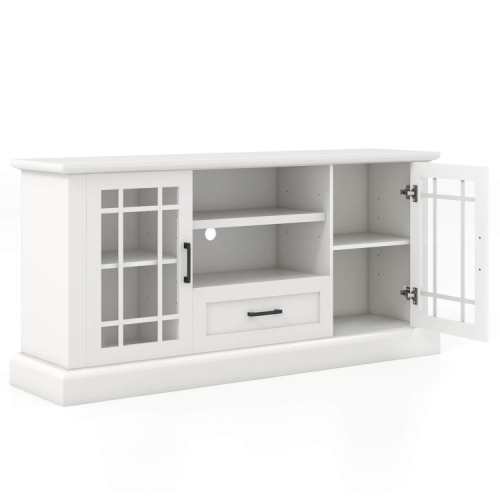
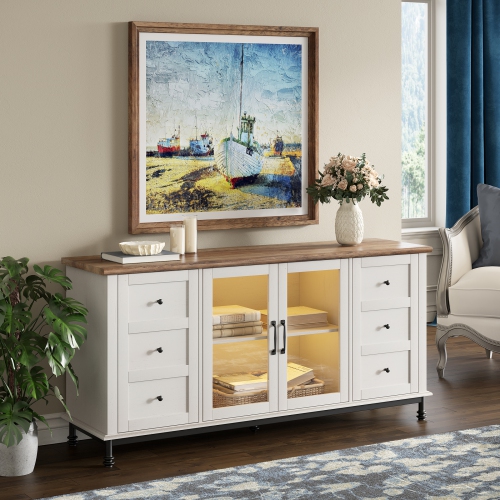
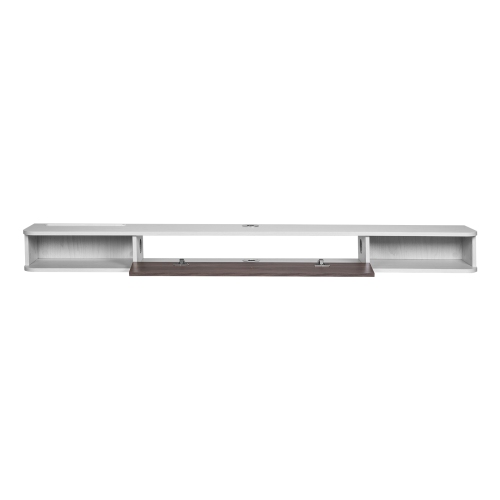
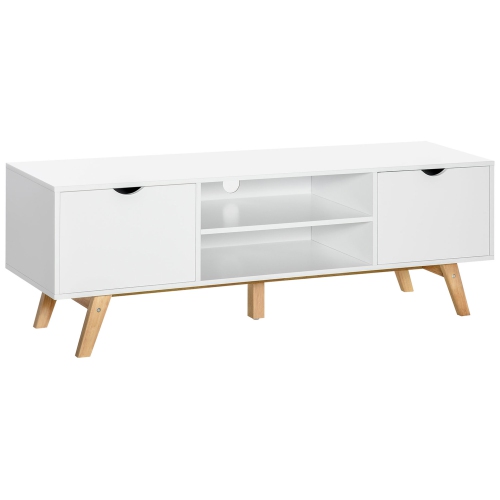
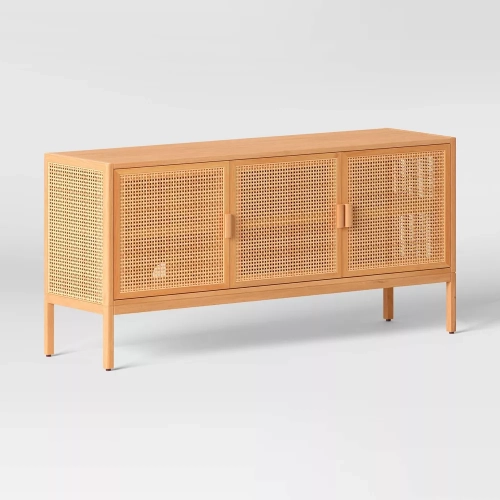
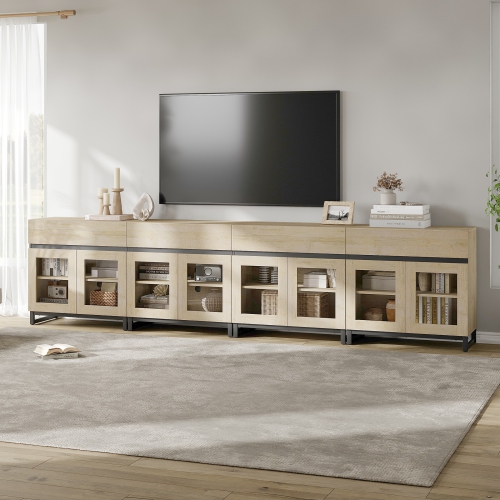
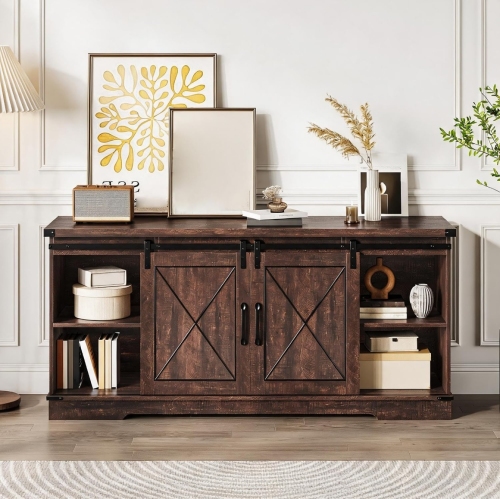
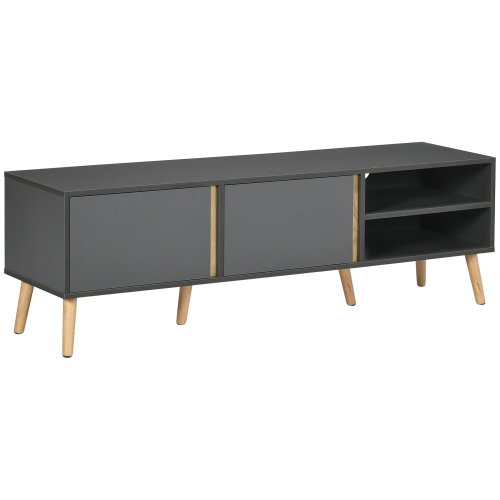
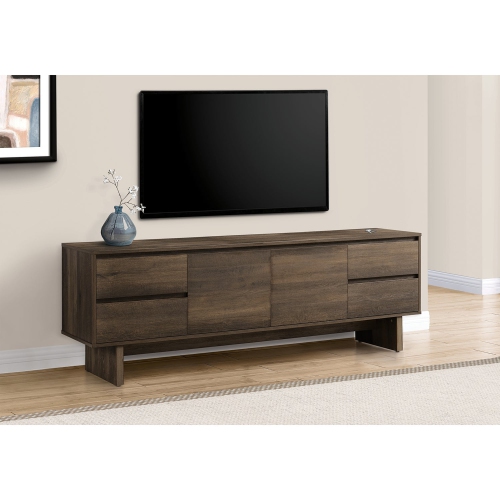
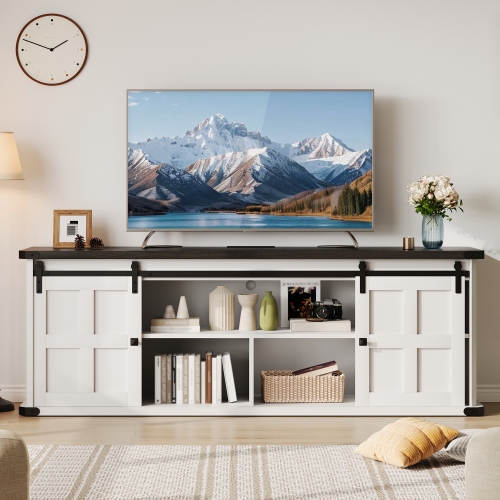
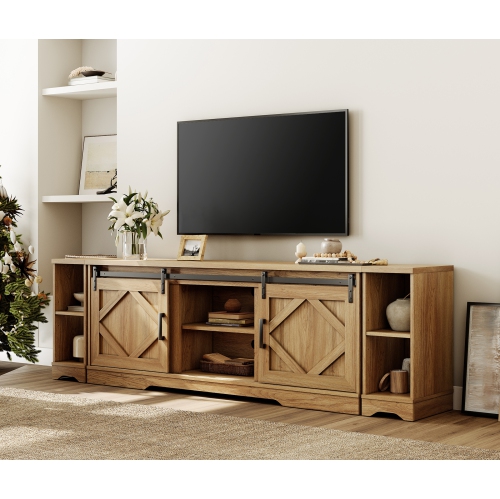
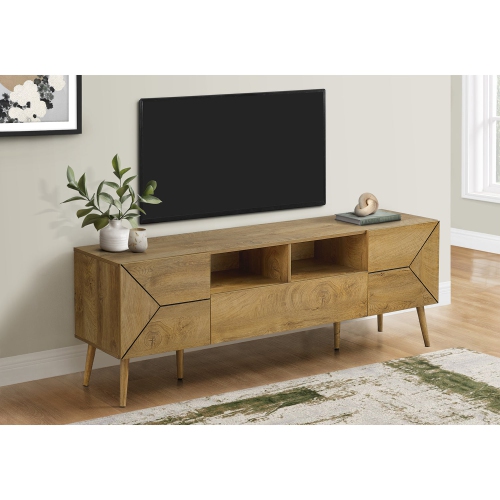
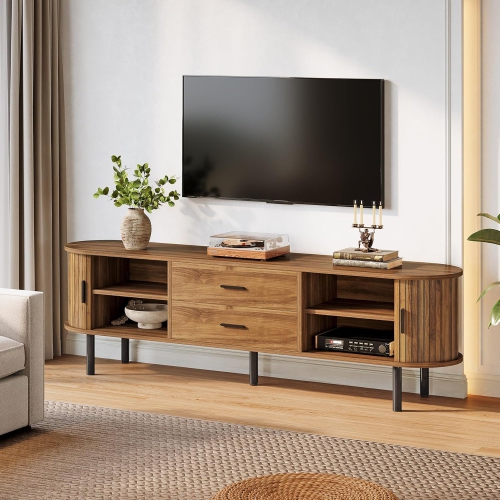
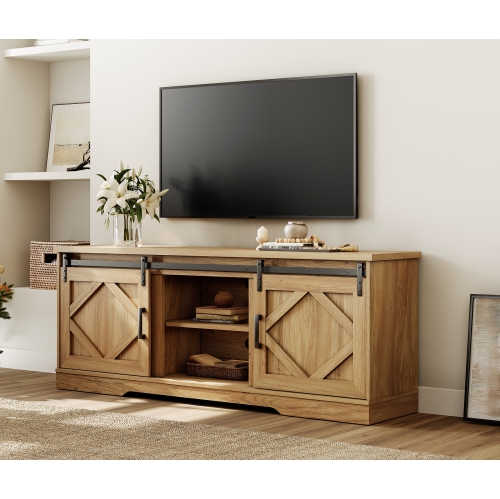
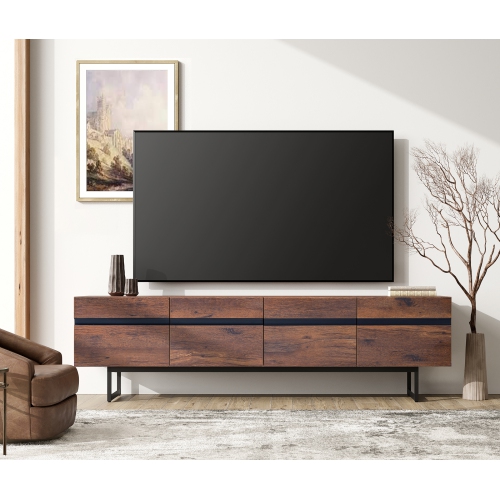
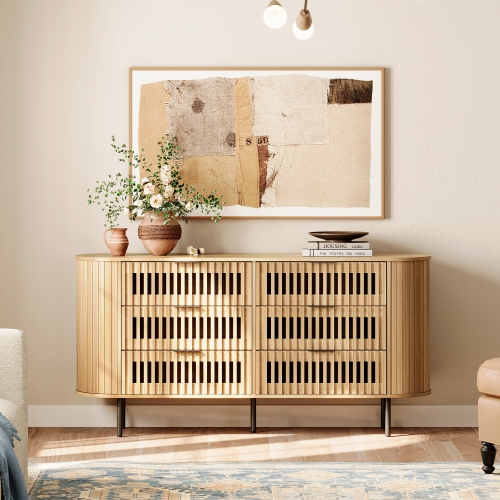
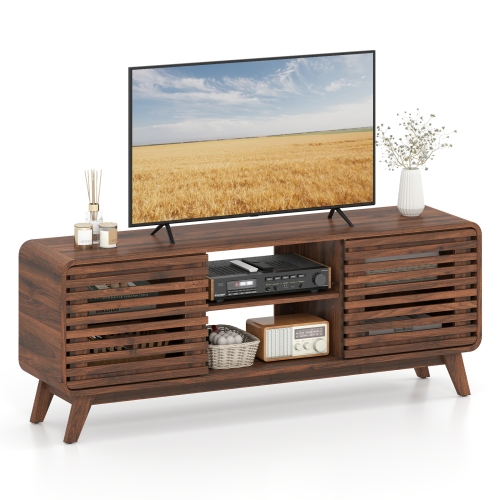
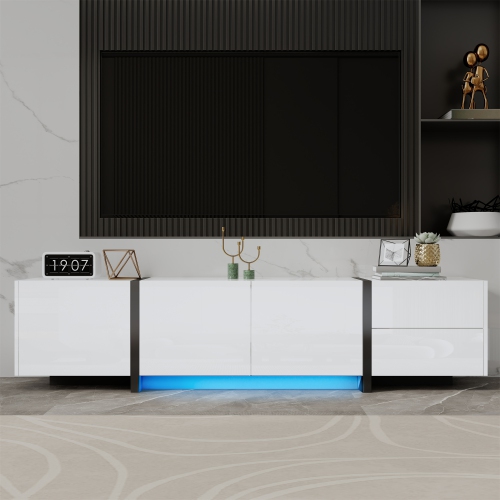
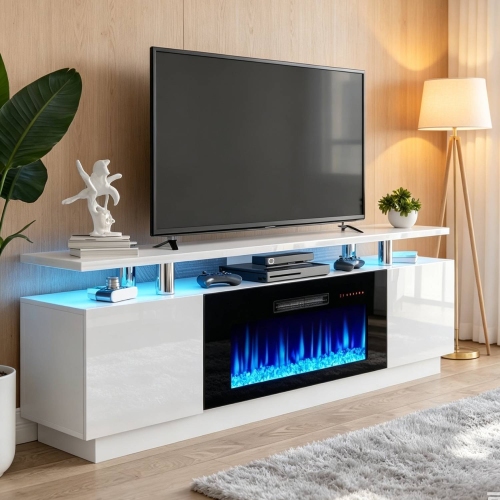
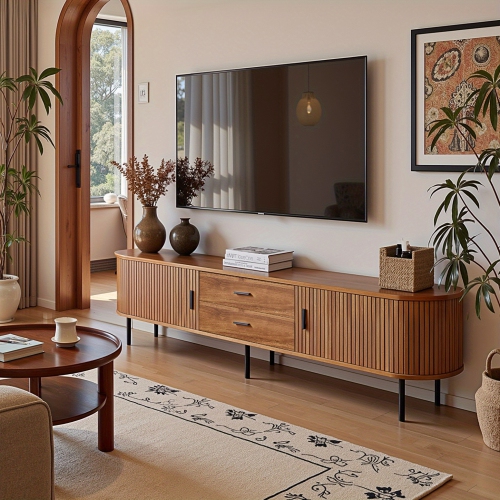
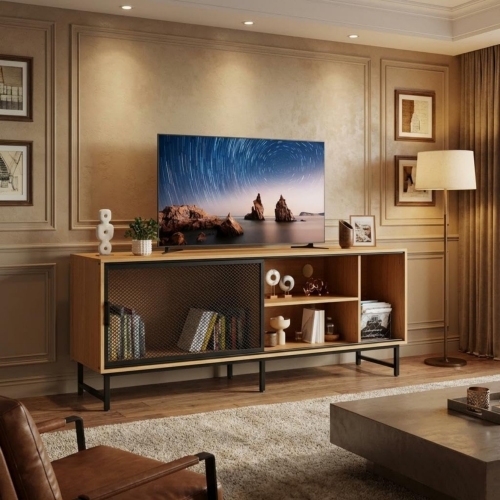
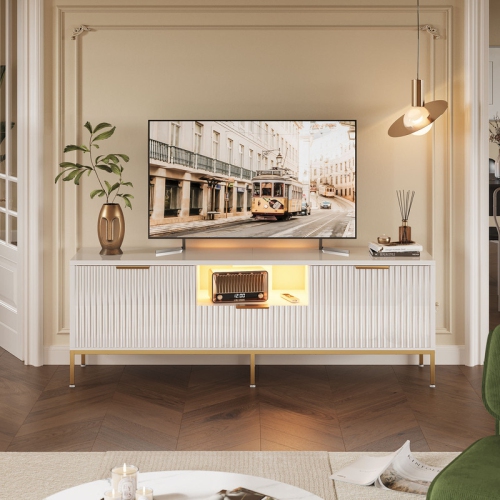
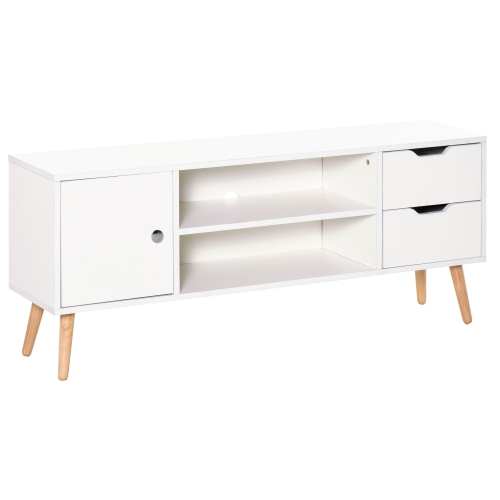
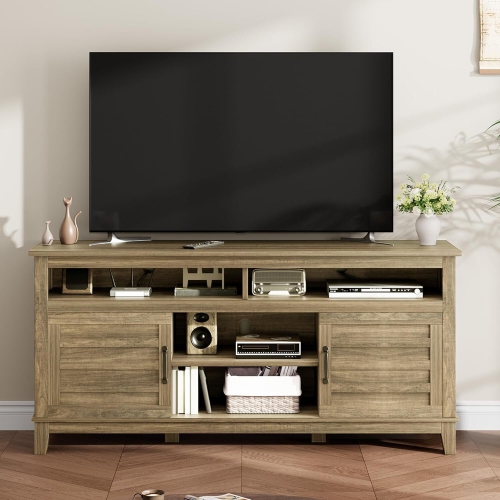
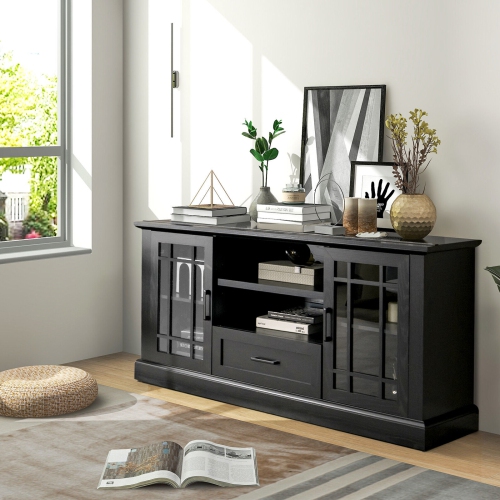
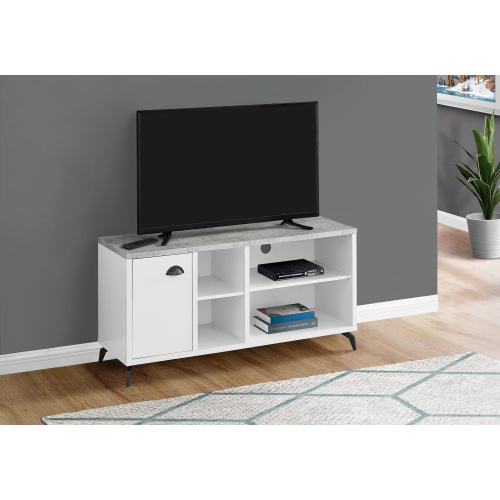
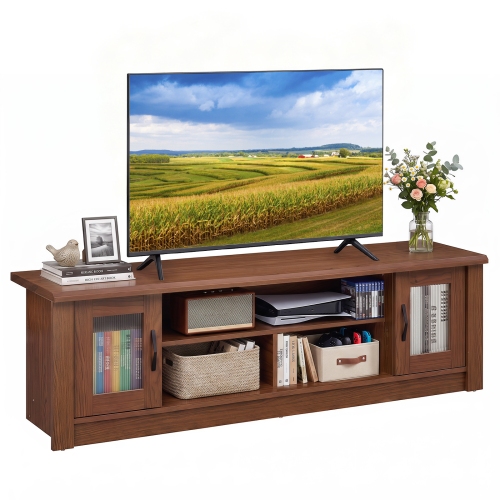
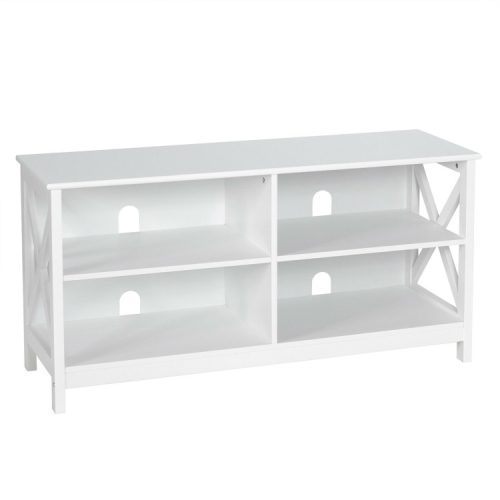
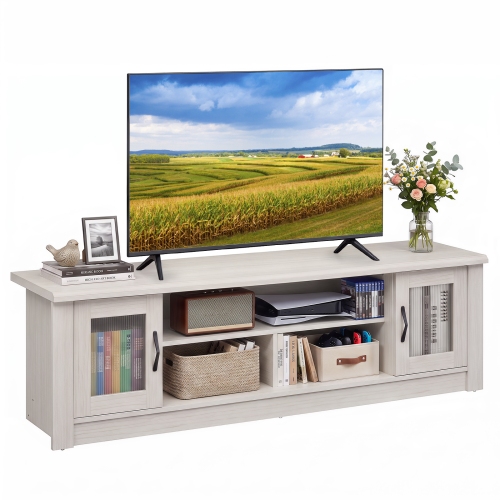
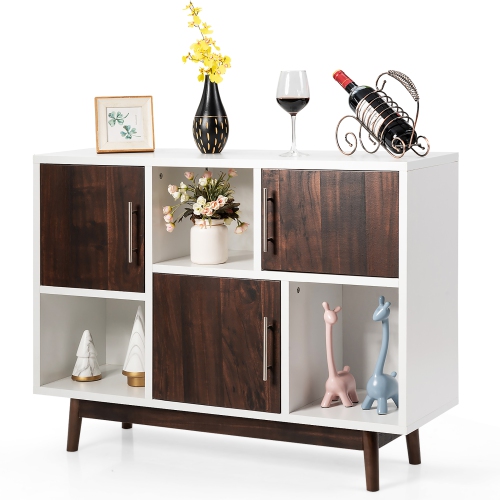

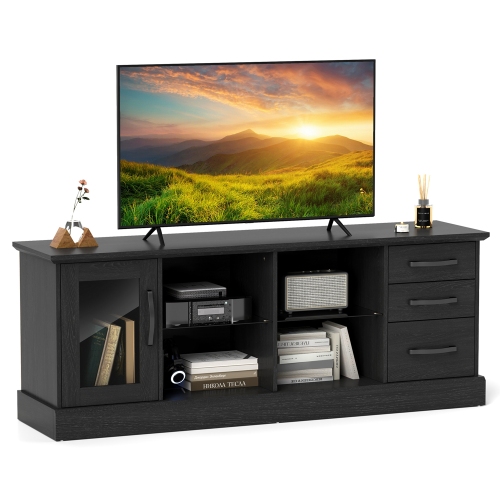
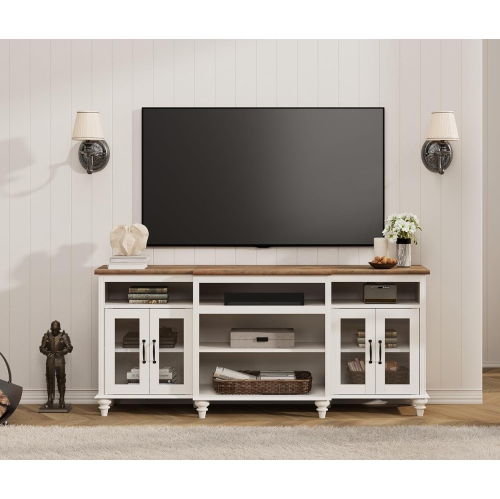
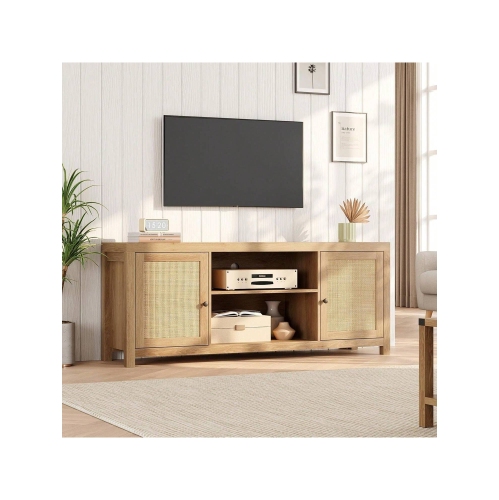
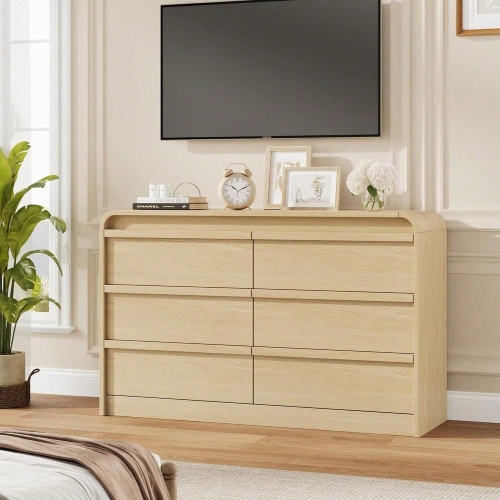
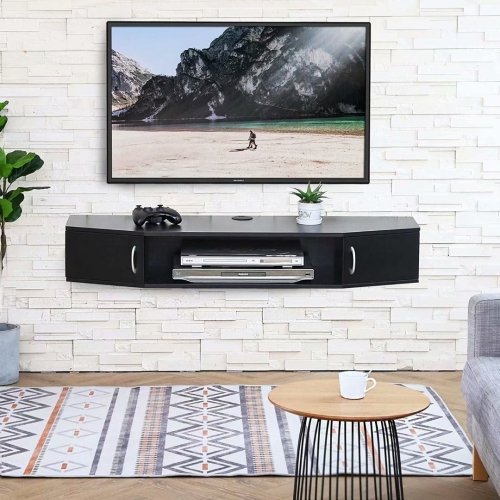
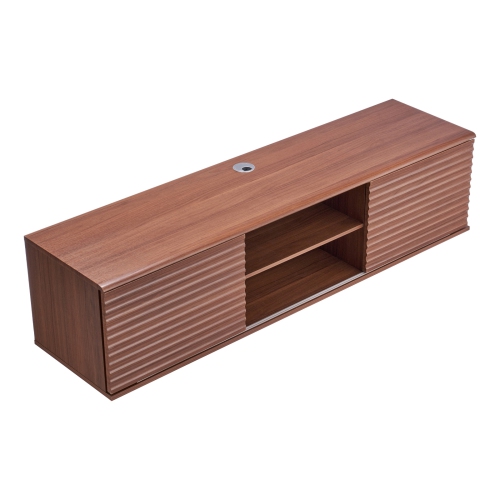
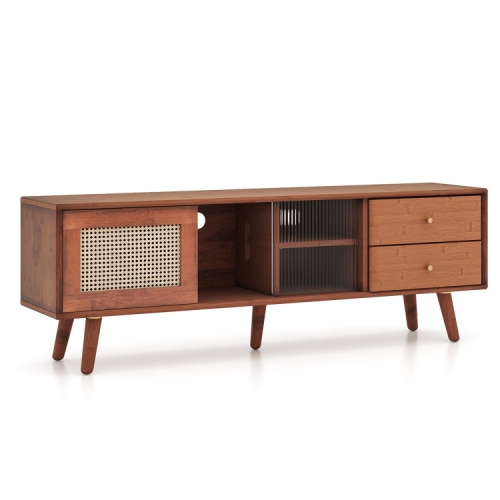
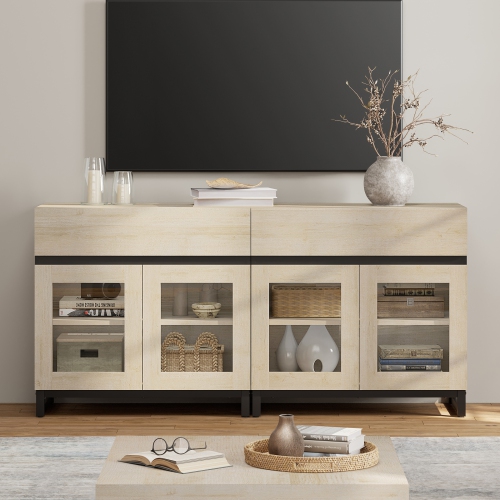
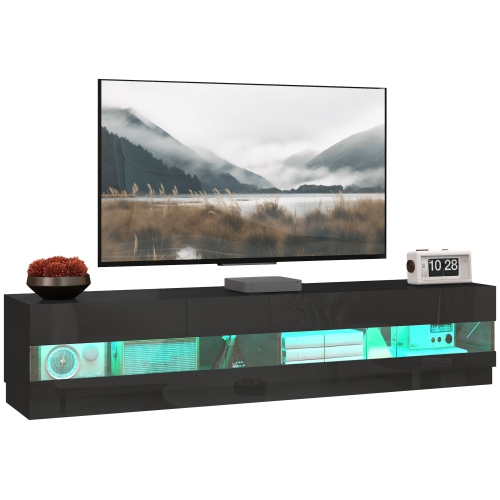
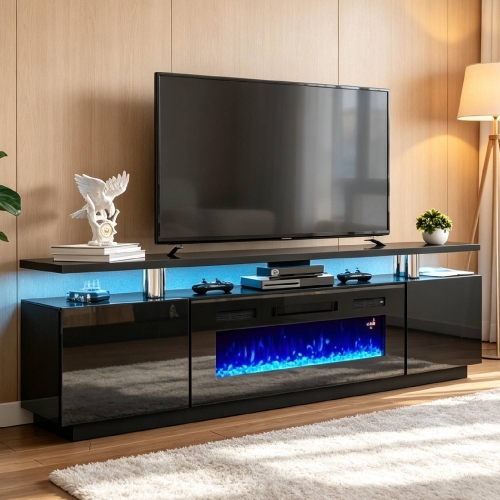
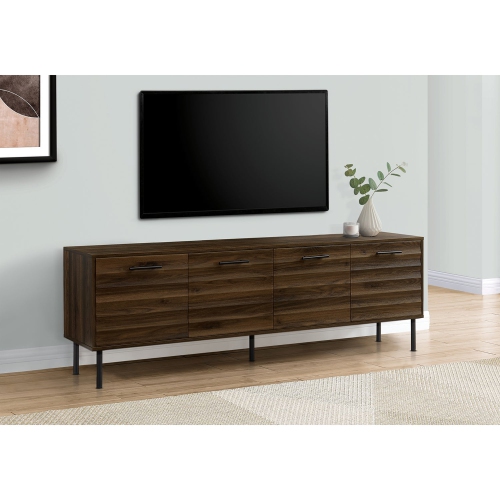
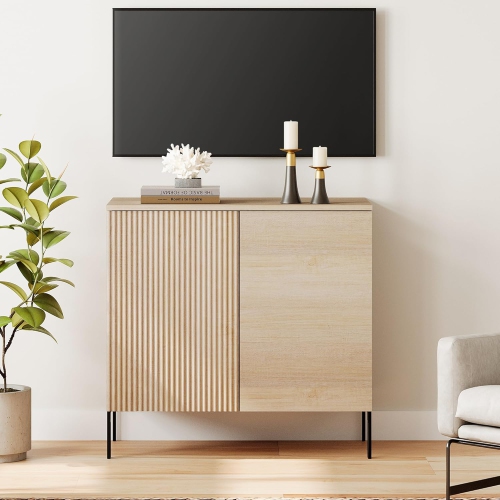
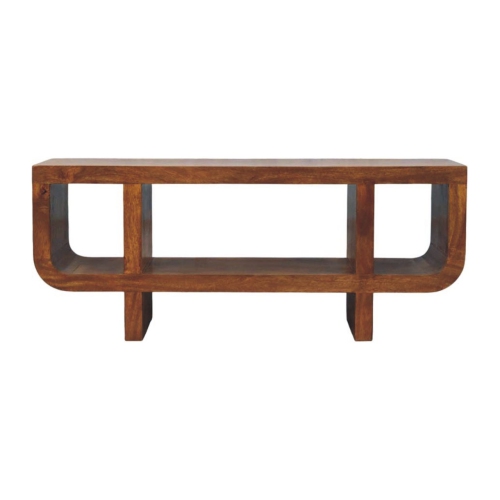
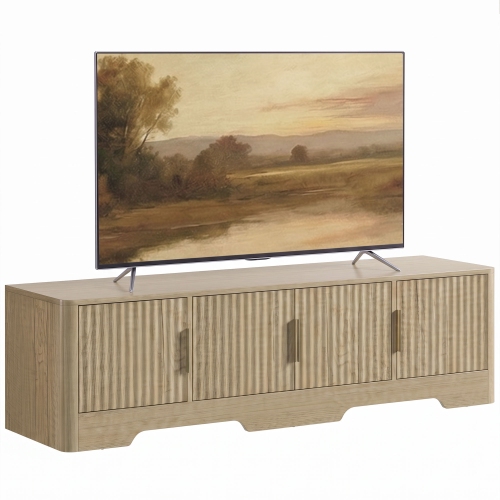
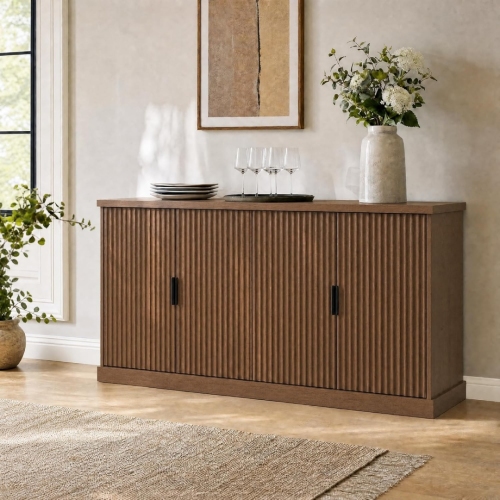
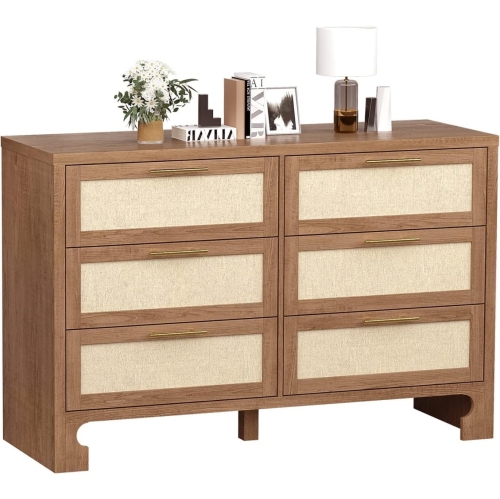
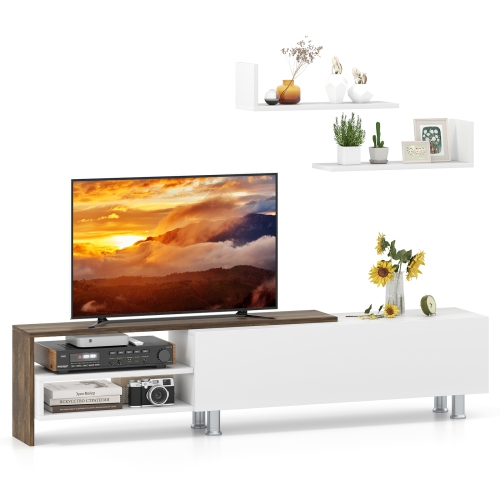
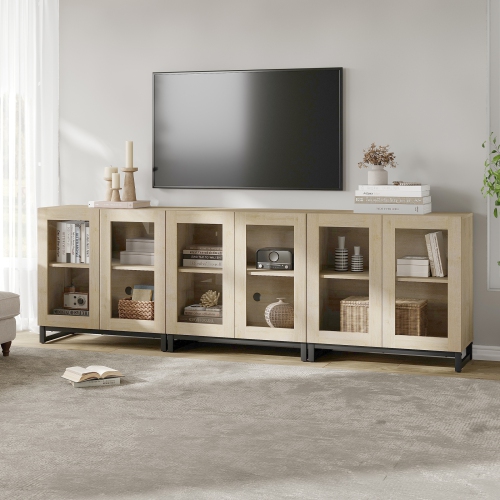
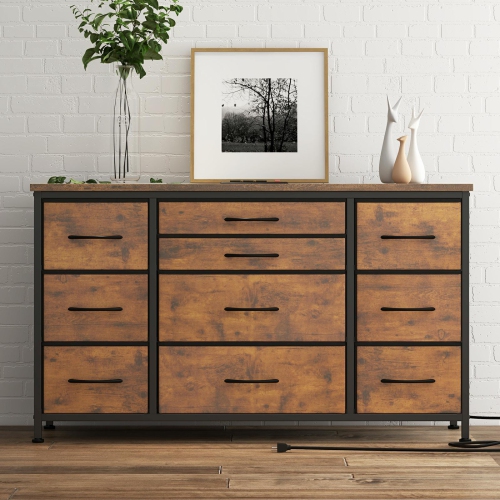
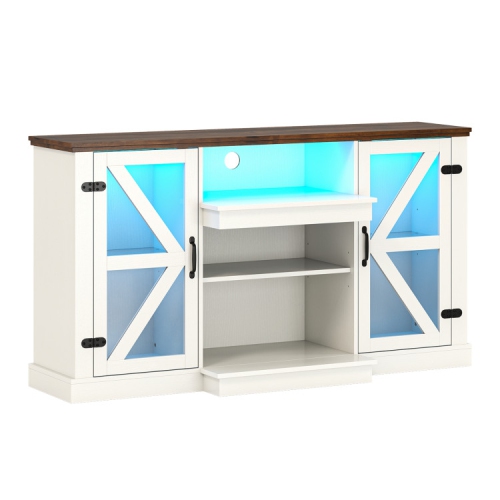
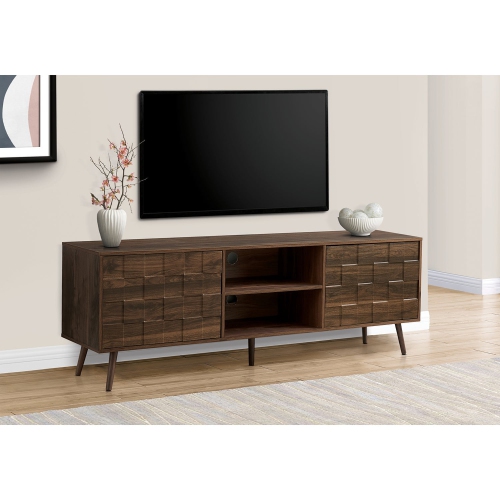
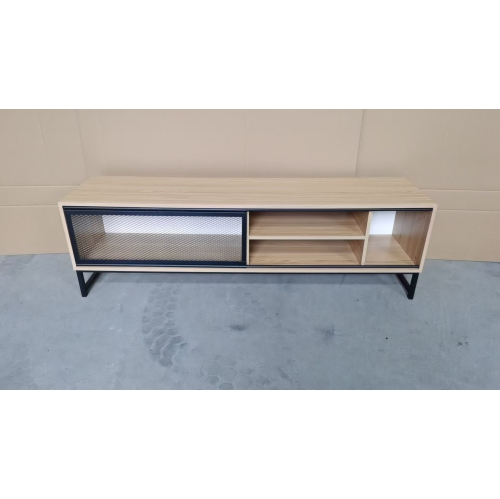
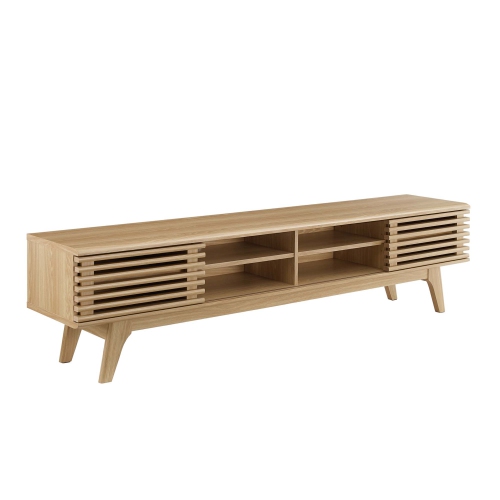
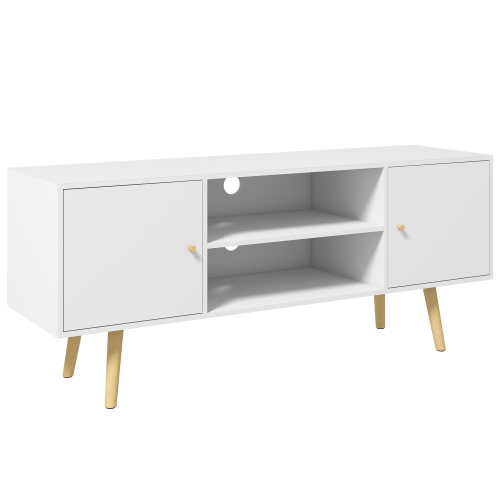
Room for your screen and everything around it
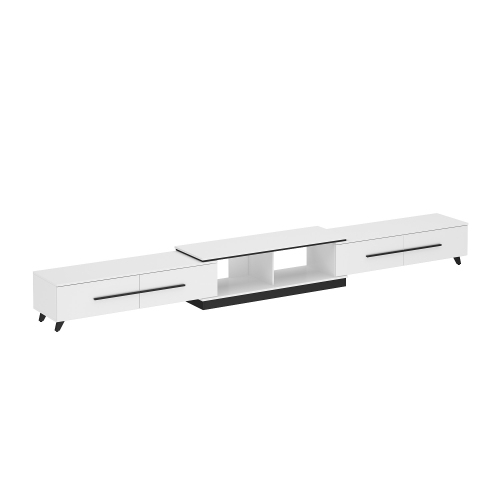
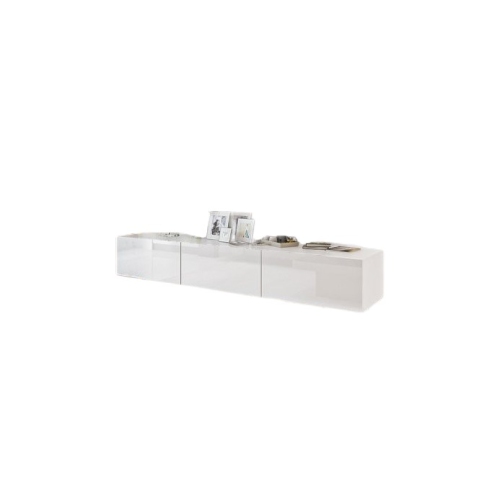
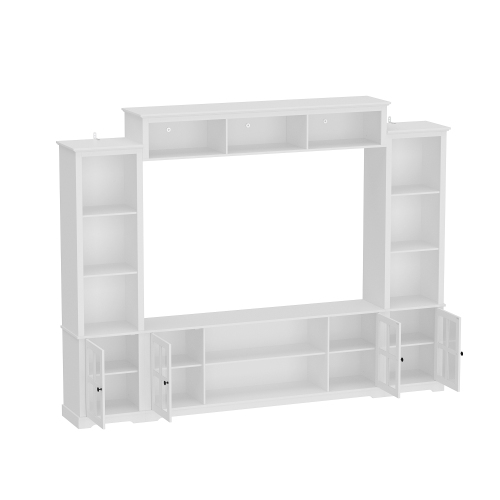
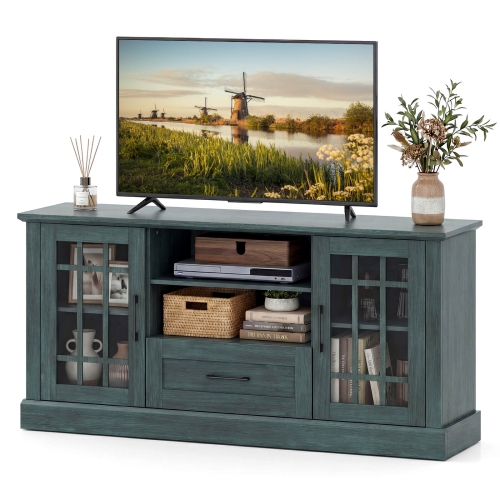
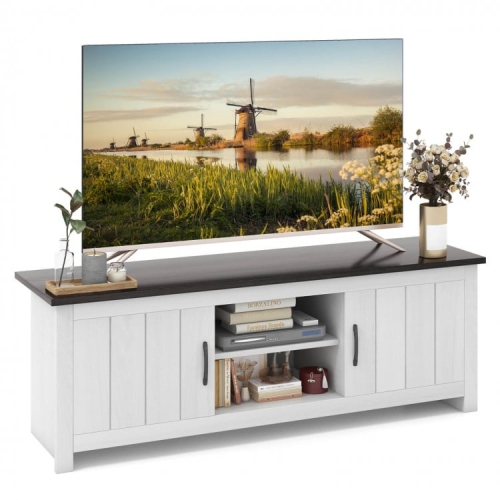
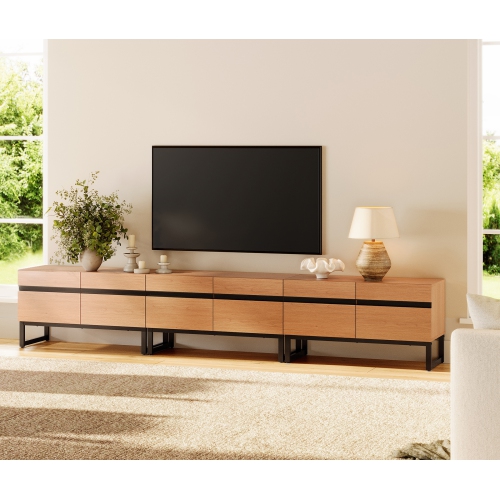
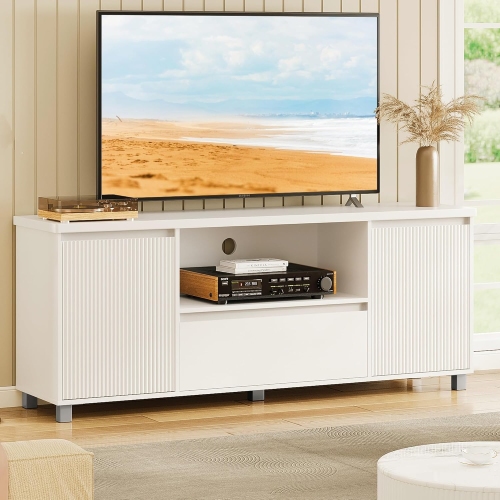
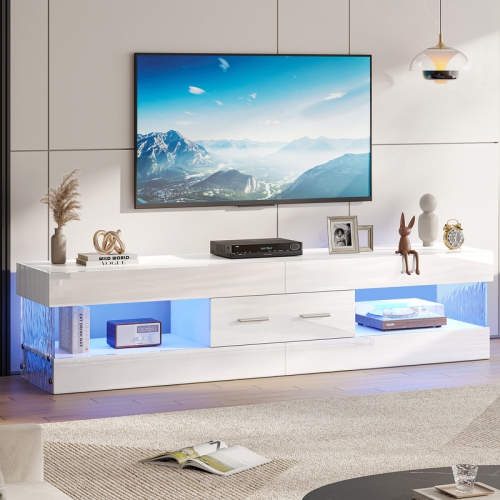
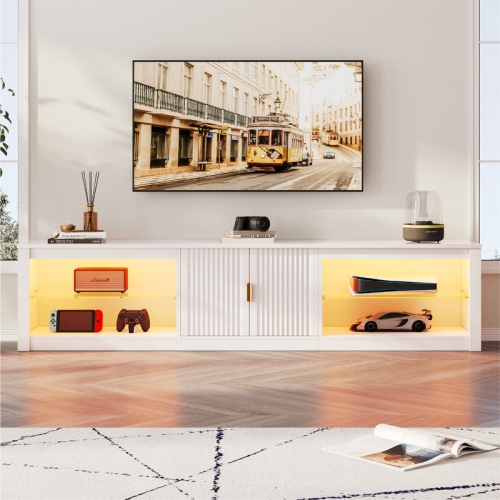
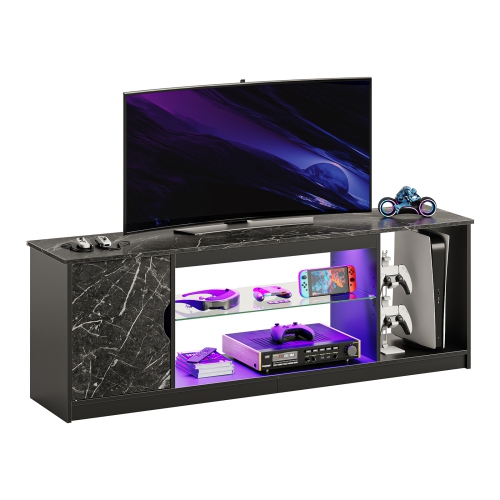
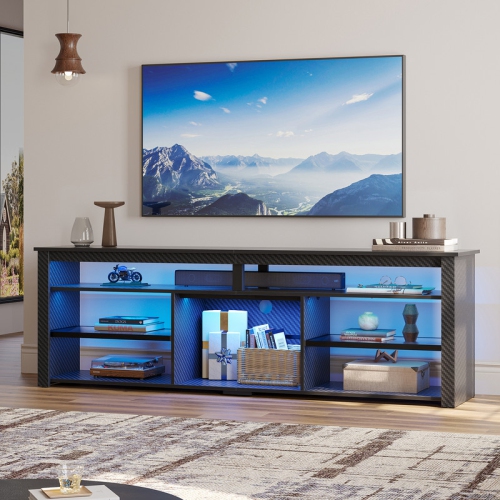
Entertainment cabinets bring the television, media equipment, and everyday living-room storage into one coordinated piece of furniture. They give a screen a stable base where designed to support it, keep cables from spreading across the floor, and make room for the things that accompany a night in: a game controller, a stack of films, or the remote that otherwise disappears between sofa cushions. The category includes compact TV cabinets, wide media storage units, and larger entertainment centres with shelving around the screen. Some designs keep nearly everything behind doors; others combine enclosed cupboards with open compartments for equipment that needs easy access. Low-profile Entertainment Consoles offer a related option for rooms where a long, horizontal shape suits the layout. The right proportions depend on more than the television’s advertised screen size, which is measured diagonally rather than across its width. A cabinet supporting a television needs enough usable surface for the full footprint of its stand or feet, along with a stated weight capacity that accommodates the set. A wider cabinet can also leave space for speakers or a few personal objects without crowding the screen. Depth matters just as much: a shallow design may fit neatly along an apartment wall but leave little space for a receiver and its rear connections. In a larger family room, a substantial cabinet can anchor the seating area while providing storage for several people’s equipment. With a wall-mounted television, the cabinet below can hold components and conceal accessories without carrying the screen itself. Its height still affects how the whole arrangement looks and how comfortably the equipment can be reached. A clear path around the furniture, enough room for cupboard doors to swing, and a viewing position suited to the seating help make the setup feel settled rather than squeezed into place. These practical details are especially noticeable in shared spaces, where the same room may serve as a television area, a place to read, and somewhere to welcome guests.
Storage layout often makes the biggest difference in daily use. Adjustable shelves can accommodate equipment of different heights, while fixed shelves provide predictable compartments for smaller accessories. Drawers are useful for controllers, charging leads, instruction booklets, and other loose objects that tend to collect beside the screen. Cupboards can hide larger belongings, but equipment operating behind a door still needs the ventilation specified by its manufacturer. Receivers, gaming systems, and streaming devices release heat, so a tightly packed compartment is not necessarily a suitable home for them. Open shelving, ventilated panels, and appropriately placed cable openings can help create a workable arrangement, provided the required clearances remain around each device. Rear openings also make it easier to route power and connection cables without sharply bending them or trapping them against a wall. A cabinet with enough space behind the equipment allows connections to be reached when a component is changed, rather than requiring the entire unit to be pulled apart. Door style affects convenience as well as appearance. Solid doors keep accessories out of sight, while glass doors leave equipment visible and may allow infrared remote signals through, depending on the glass and the device. Wireless controls work differently, so compatibility is worth checking rather than assuming every remote will work through a closed cupboard. Soundbars need particular attention to placement: an open shelf or clear top surface should leave the speaker unobstructed and avoid blocking the television’s remote sensor. For gaming households, an accessible compartment makes it easier to connect a controller or swap a disc without moving other equipment. For a living room used mainly for films and television, concealed storage can keep the focus on the screen. Families may appreciate a mix of both, with frequently used components within reach and spare accessories tucked away. Practical storage also leaves room for changes over time, whether that means a different receiver, an additional gaming system, or simply fewer objects on the cabinet’s top.
Materials and construction shape how an entertainment cabinet looks, feels, and stands up to everyday use. Solid wood brings natural grain and variation, while wood veneer provides a real-wood surface over a supporting core. Engineered wood with laminate or other applied finishes can offer a consistent colour and texture; its durability depends on the panel quality, finish, edge treatment, and construction. Metal frames can create a lighter visual outline, and glass panels can soften the appearance of a large storage piece, although they show fingerprints more readily than many opaque surfaces. Tempered glass should still be treated with care, particularly along its edges. Beyond the material name, shelf load ratings, secure joints, properly fitted hardware, and drawers that travel smoothly are useful details to compare. Heavy components belong on shelves rated for their weight, with the load distributed according to the cabinet’s instructions. The room’s style helps narrow the visual choices: simple fronts and slim legs can suit a clean-lined space, while visible wood grain, framed doors, or substantial bases can complement more traditional furnishings. A finish does not need to match every other piece exactly, but a shared undertone or repeated metal detail can make the arrangement feel intentional. Care is usually straightforward when it follows the manufacturer’s directions. Dust can be removed with a soft cloth, spills should be wiped promptly, and cleaning products should be suitable for the particular finish rather than applied indiscriminately across wood, glass, and metal. Excess moisture can damage vulnerable edges or surfaces, while dragging equipment across the top can leave scratches. Felt protection under suitable accessories can help where the furniture’s care instructions allow it. Stable placement and any specified anti-tip anchoring are particularly important in homes with children or pets; wall-mounted cabinets require appropriate wall support and installation hardware. With the dimensions, storage, and construction matched to the household, an entertainment cabinet becomes more than a place to put a television. It helps keep a busy shared room orderly while giving the equipment a practical, durable home.
Top selling and popular products
-
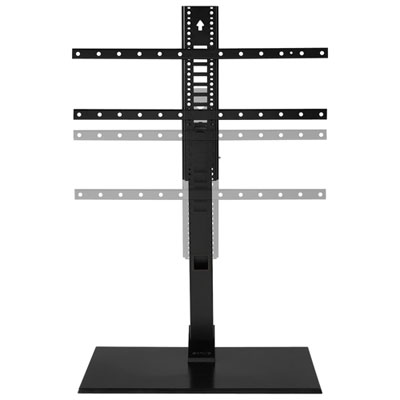 Your price for this item is $249.99
-
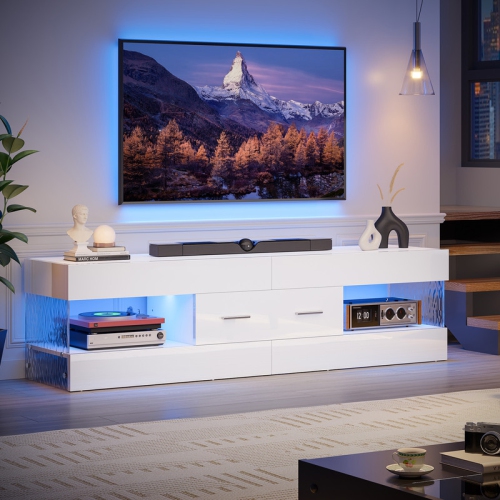 Your price for this item is $159.99
-
 Your price for this item is $199.99
-
 Your price for this item is $269.99
-
 Your price for this item is $139.99
-
 Your price for this item is $189.99
-
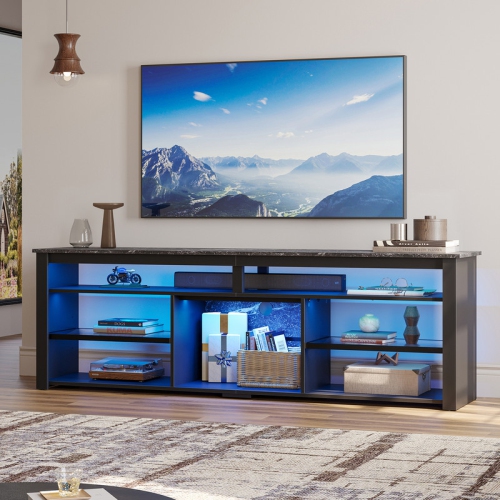 Your price for this item is $189.99
-
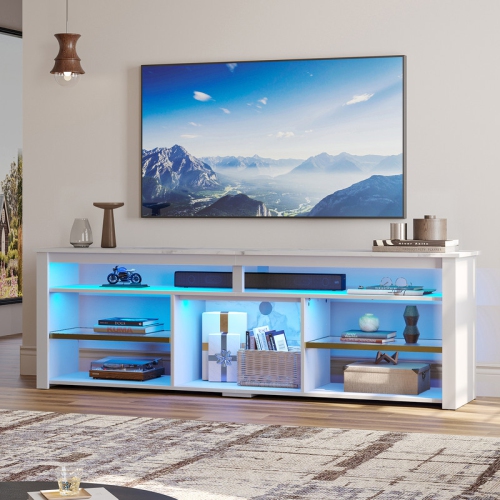 Your price for this item is $169.99
Discover more categories related to Entertainment Cabinets
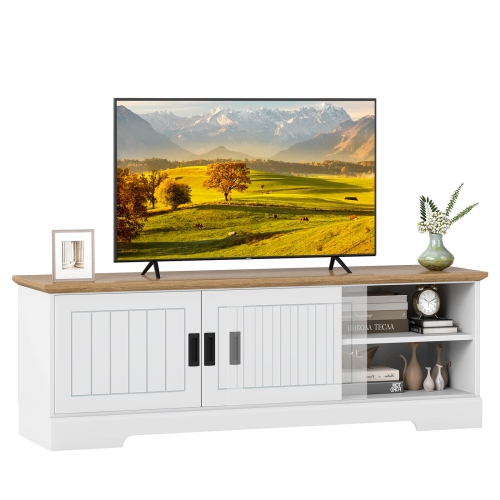
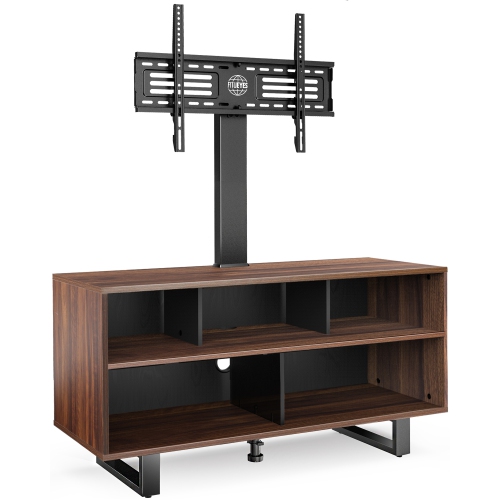
Top Collections:
Best Black Friday Deals This Year, Best Black Friday Deals On Electronics, Kindle Devices, Pokemon Centers, Best Black Friday Deals On Apple Products, Best Cameras for Sports Photography, Dyson Airwrap, Pokémon 30th Celebration Cards, Apple iPhone 17 Pro, Canon G7X Cameras
Some products may be subject to Environmental Handling Fees
(EHF) depending on your province.
Learn more about EHFs.