Medium Firm Mattresses
Looking for a mattress that strikes the perfect balance between comfort and support? Look no further than our selection of medium firm mattresses. Designed to provide just the right amount of cushioning without sacrificing stability, these mattresses are ideal for those who prefer a sleep surface that is not too soft or too firm. Whether you're a back, side, or stomach sleeper, our medium firm mattresses offer the versatility and adaptability you need for a truly restful night's sleep. Explore our range of options and discover the mattress that will have you waking up feeling refreshed and rejuvenated every morning.
Sort
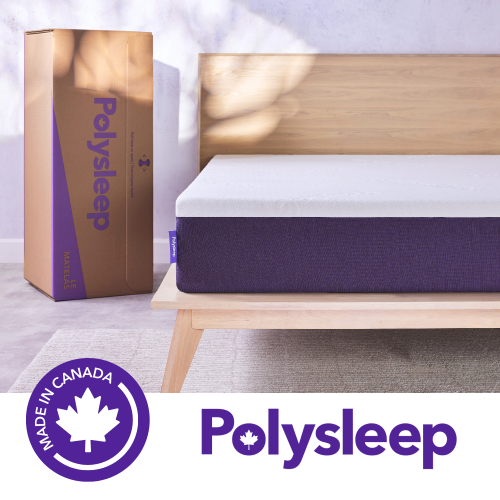
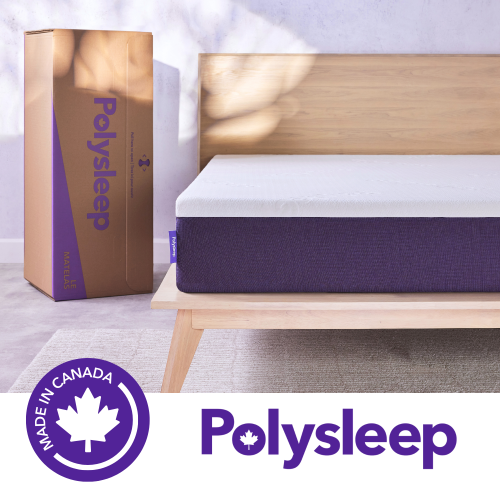
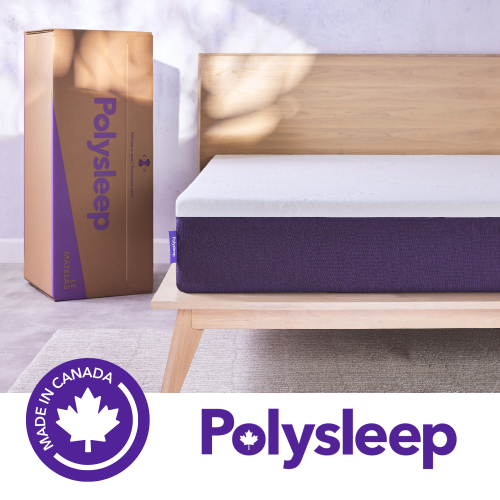
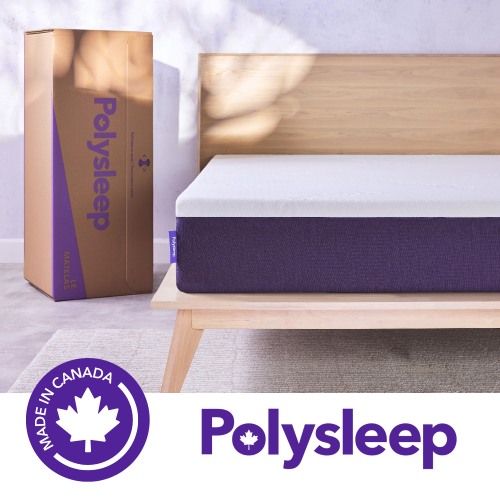
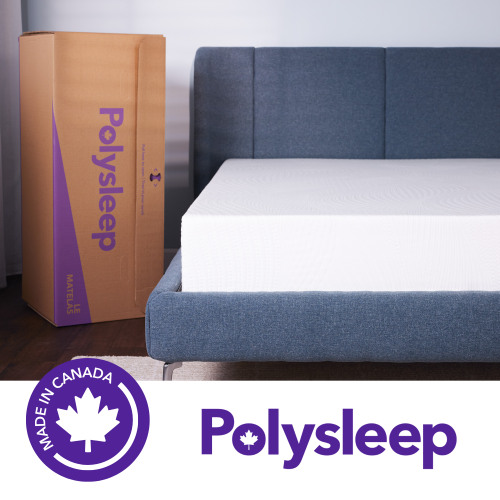
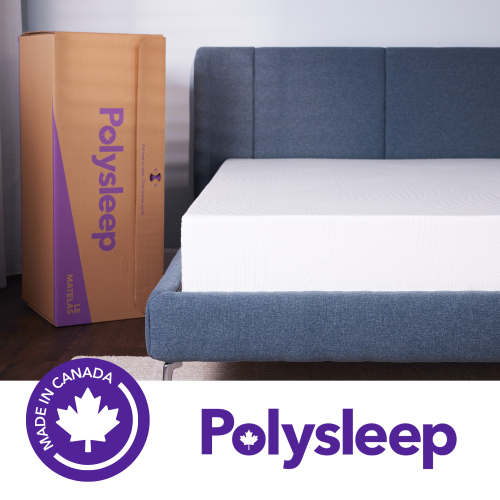
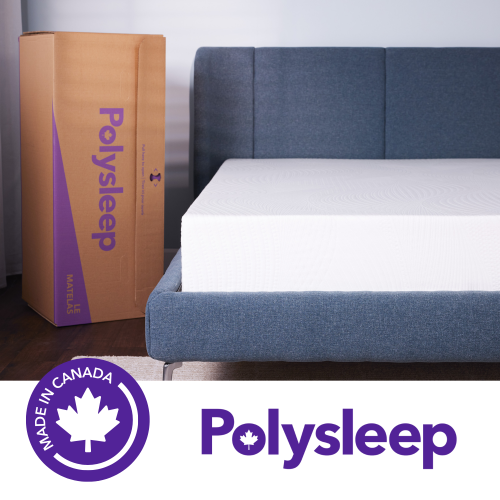
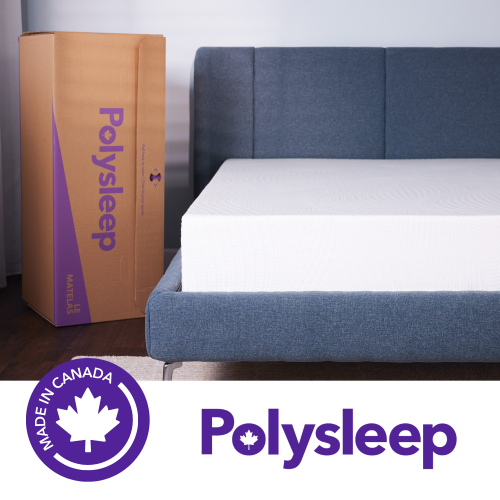
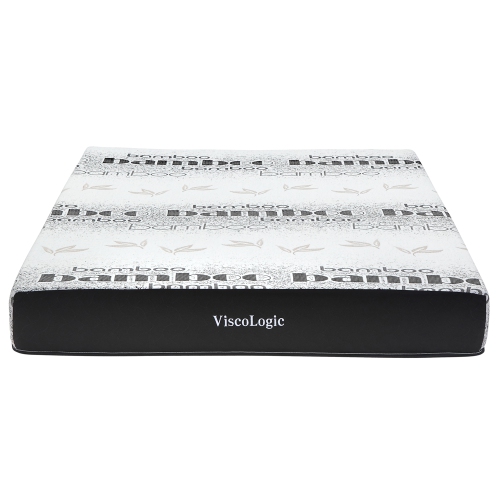
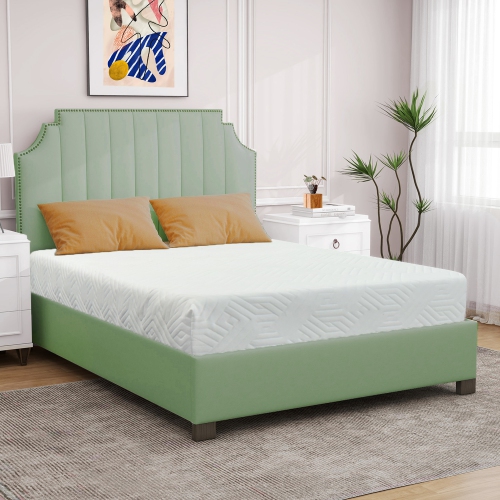
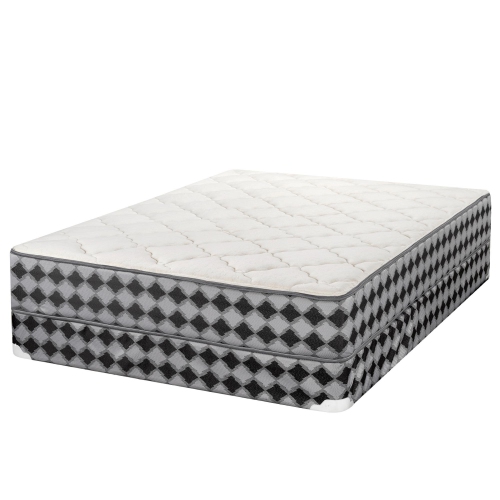
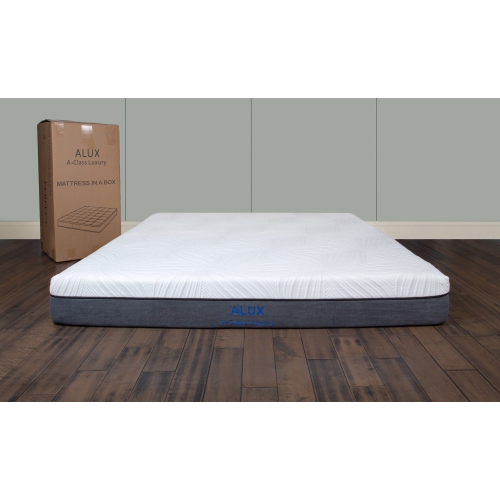
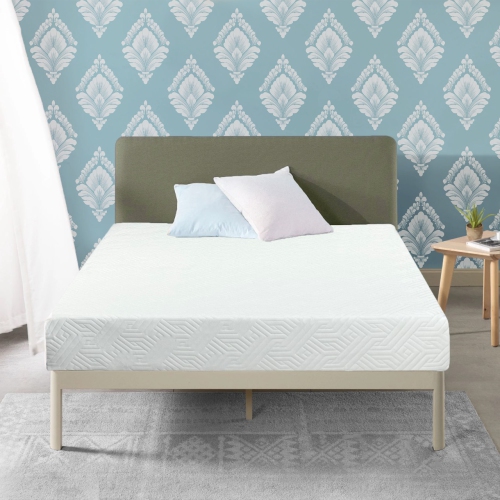
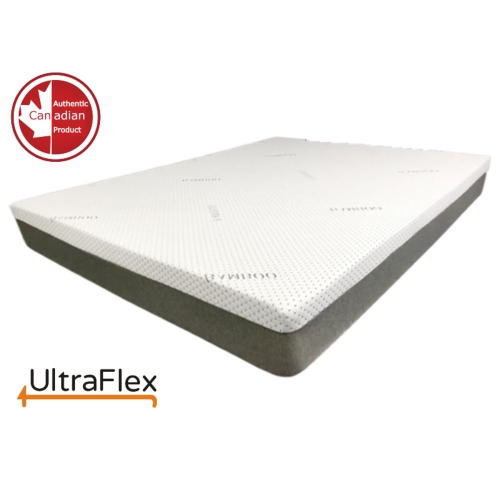
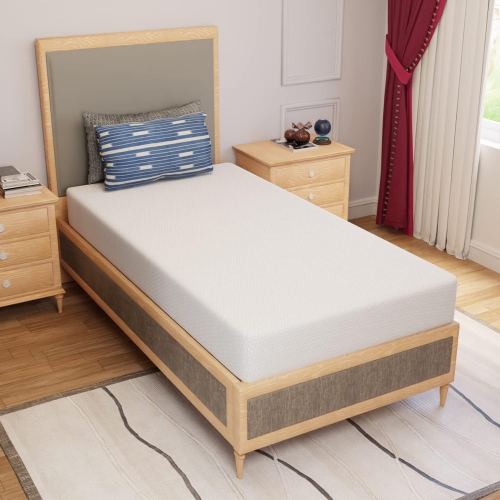
![VISCOLOGIC [] Fusion-Gel 12" Thick Gel-Infused Cool Memory Foam Mattress (Full/double)](https://multimedia.bbycastatic.ca/multimedia/products/500x500/138/13898/13898478.jpeg)
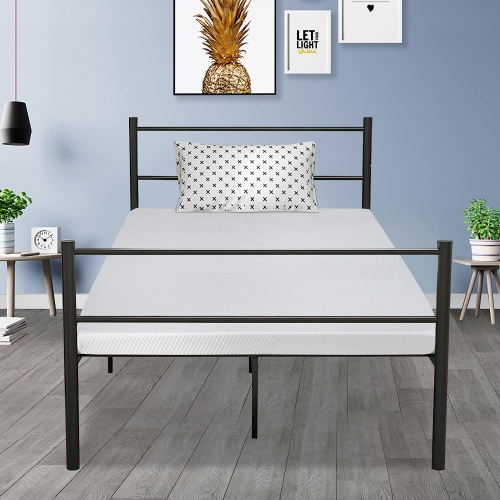
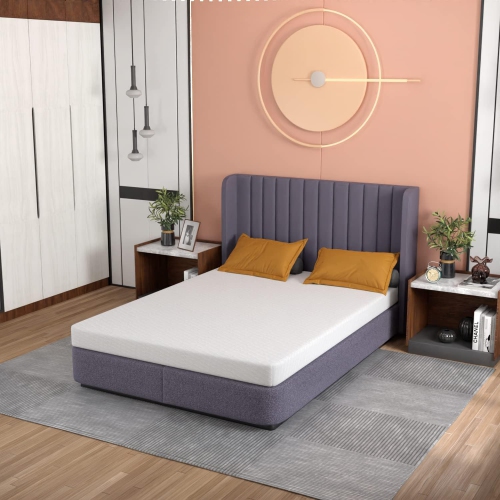
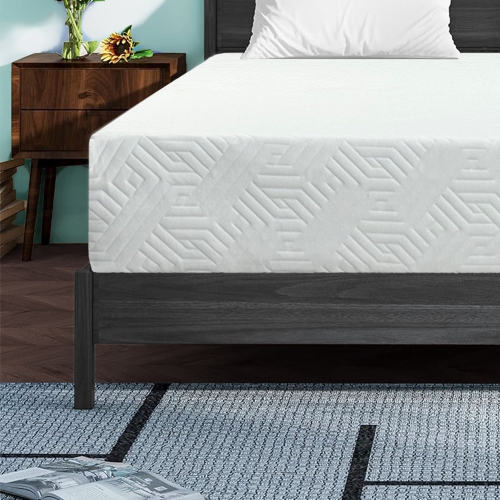
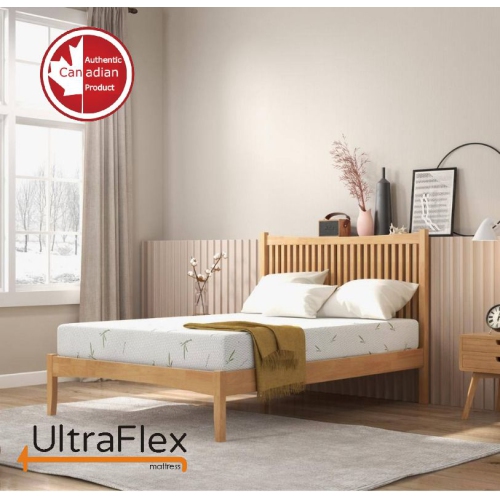

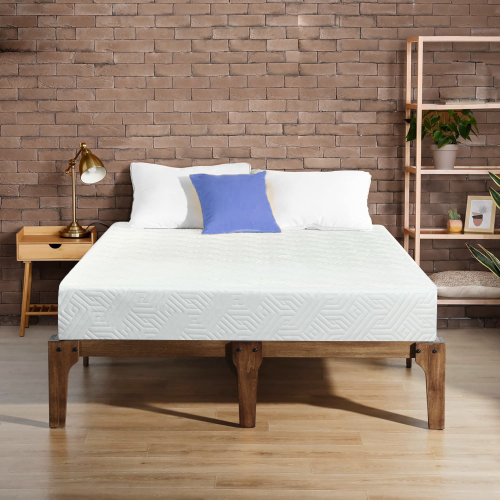
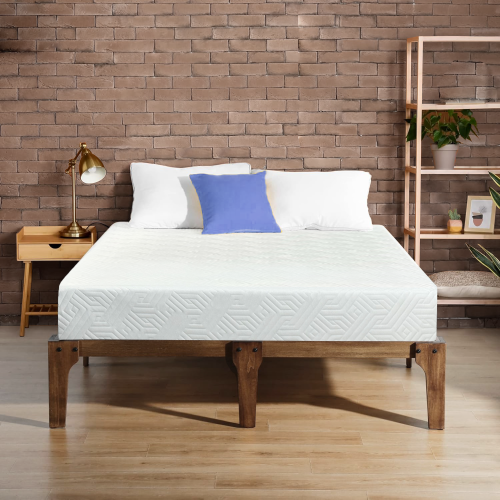
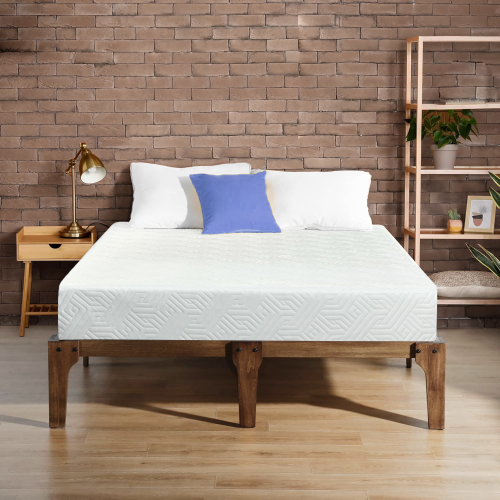
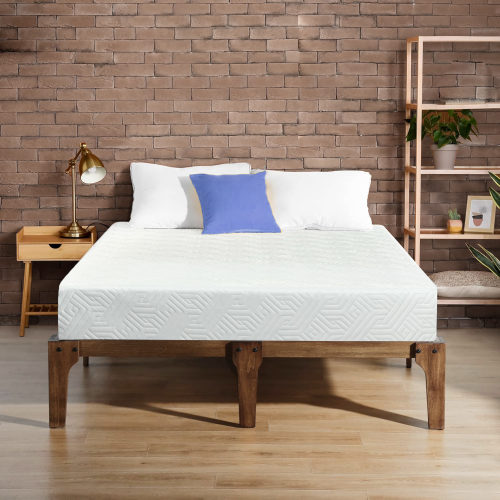
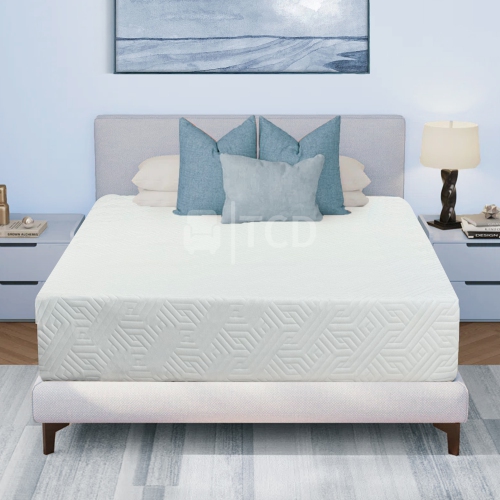

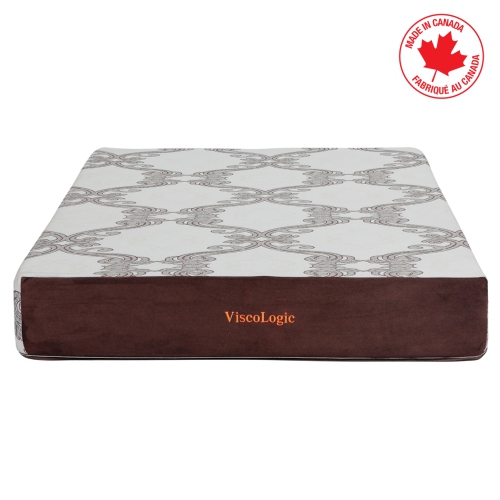
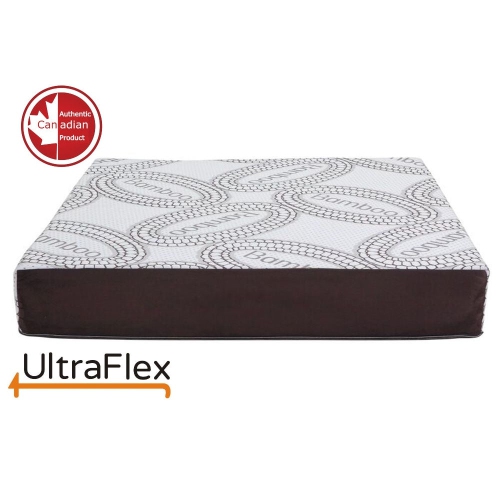
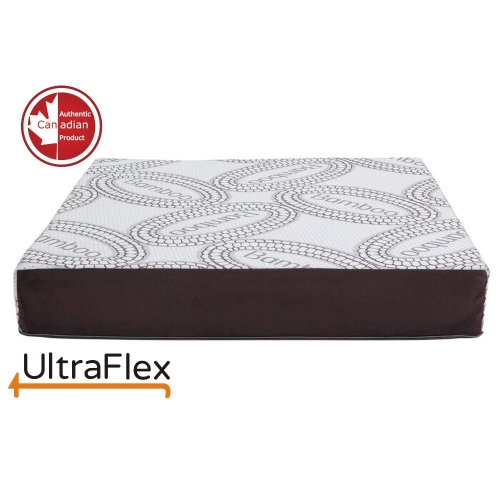
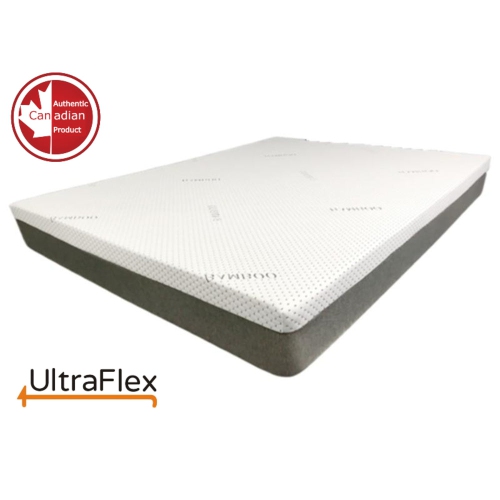

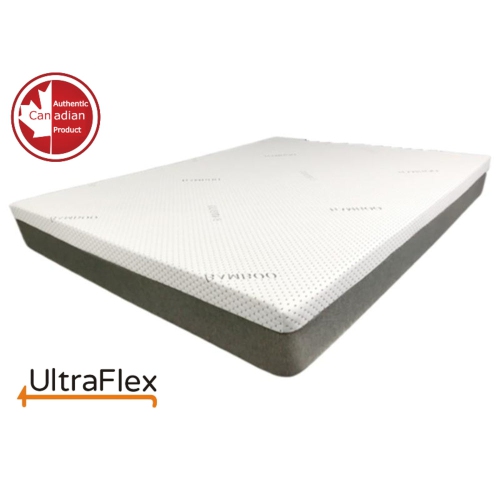
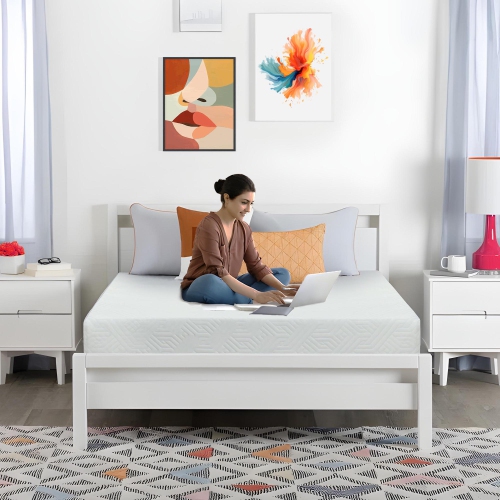

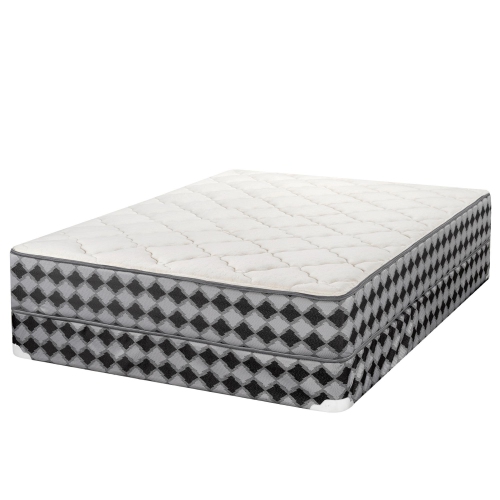
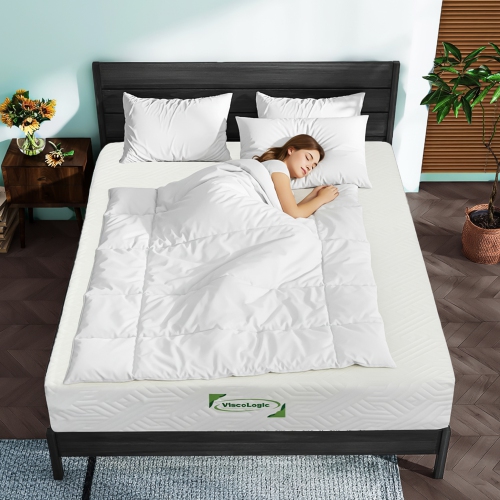
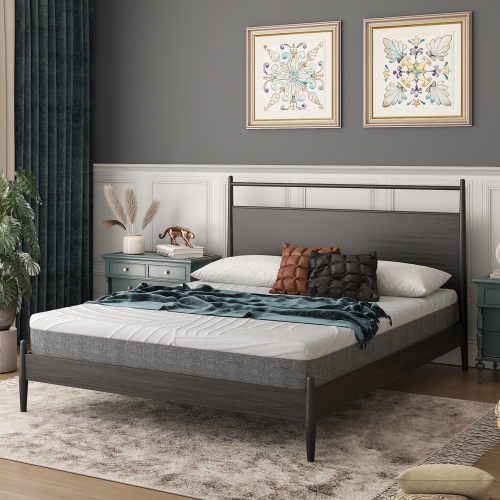
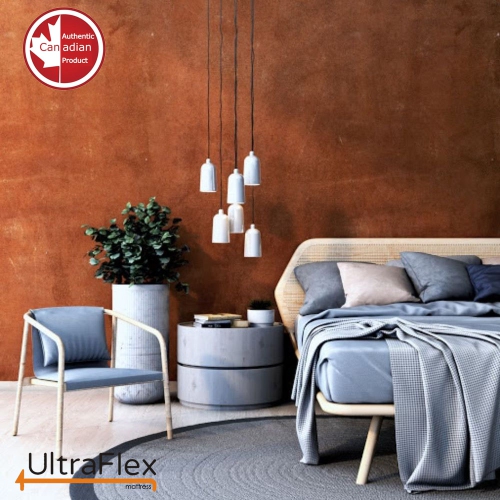
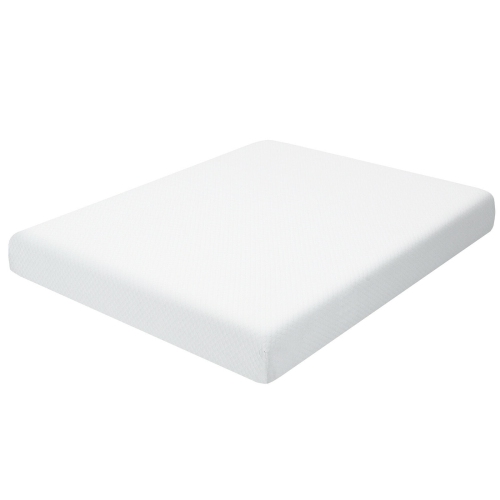
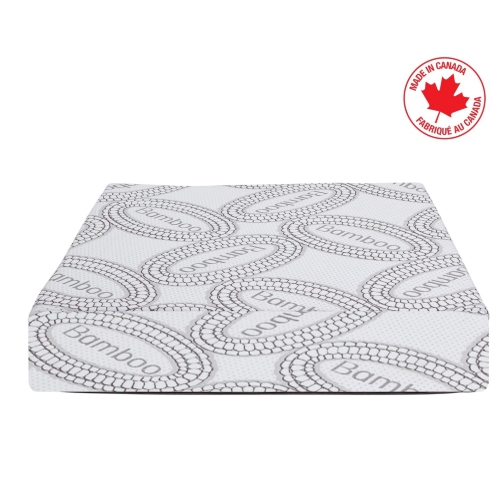
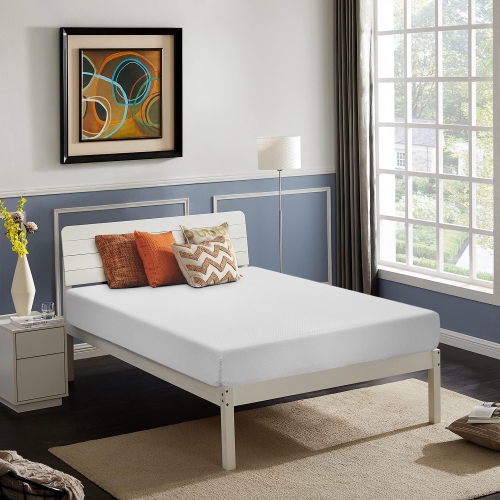
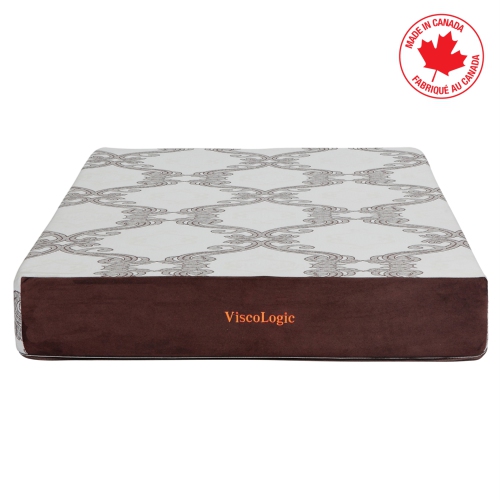
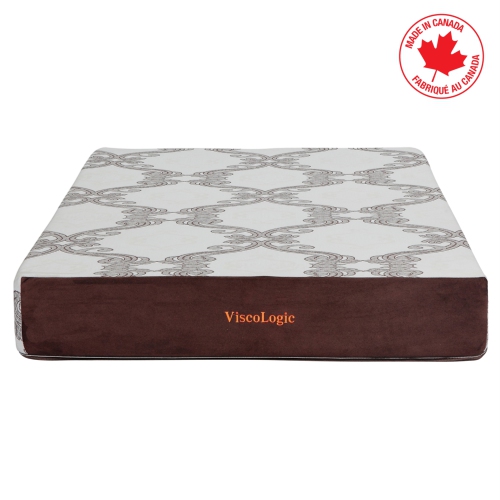
![VISCOLOGIC Astro [Proudly Canadian Made] Medium Firm Cool- Gel Infused-Memory Foam Queen Szie Mattress](https://multimedia.bbycastatic.ca/multimedia/products/500x500/171/17119/17119233.jpeg)
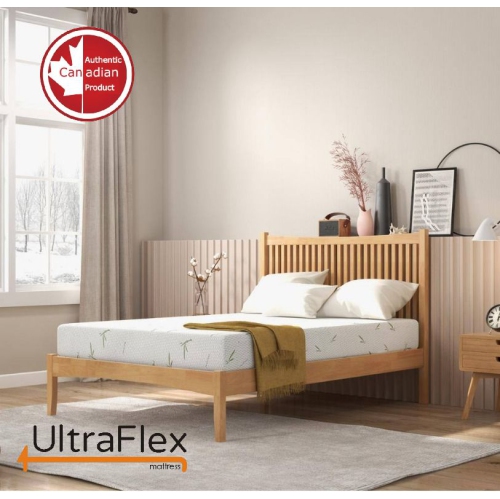
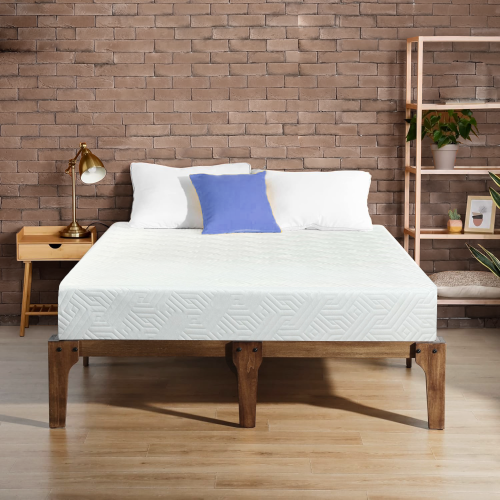
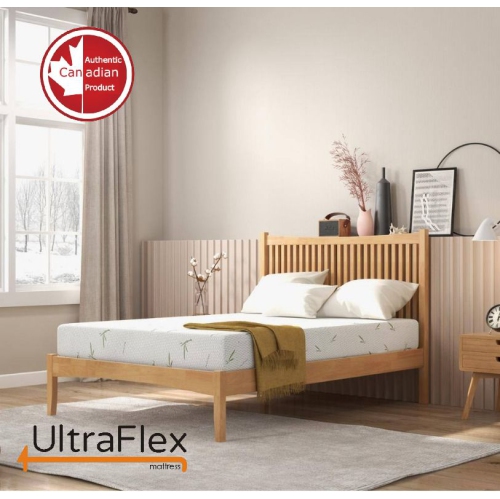
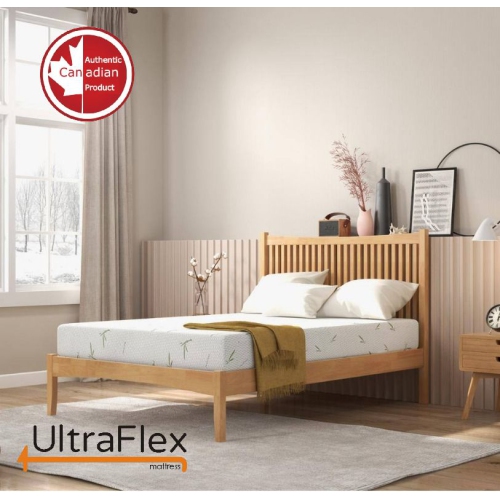
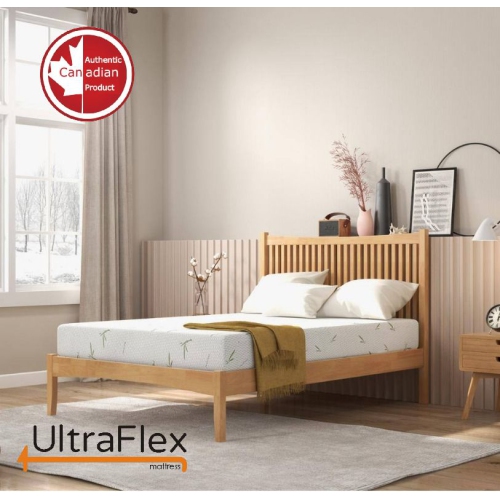
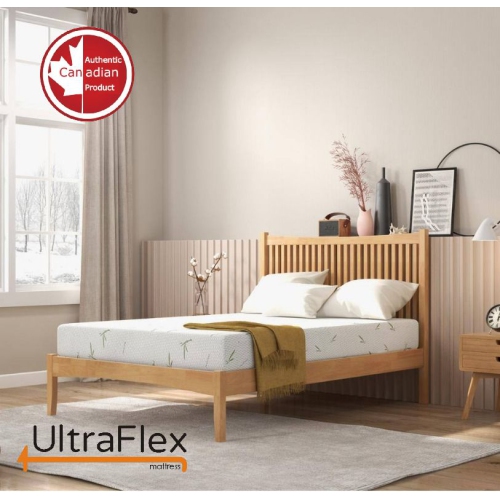
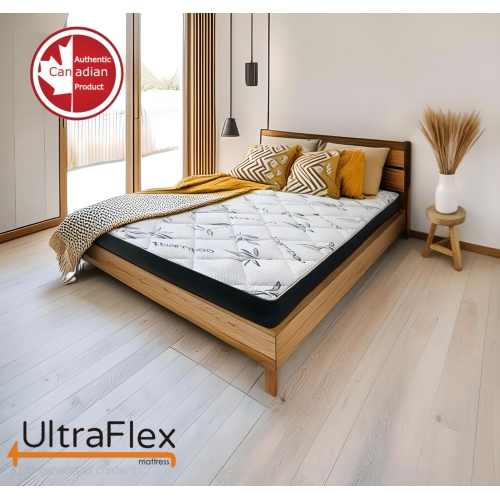
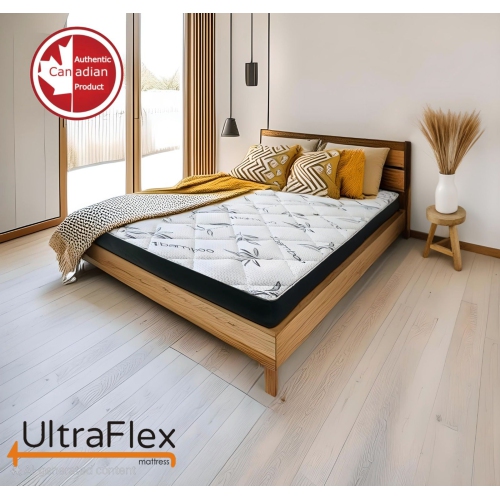
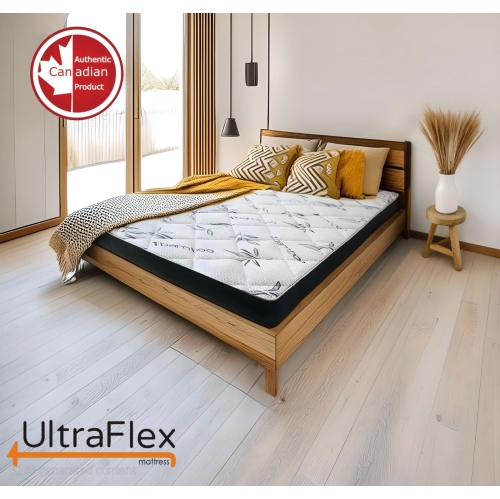


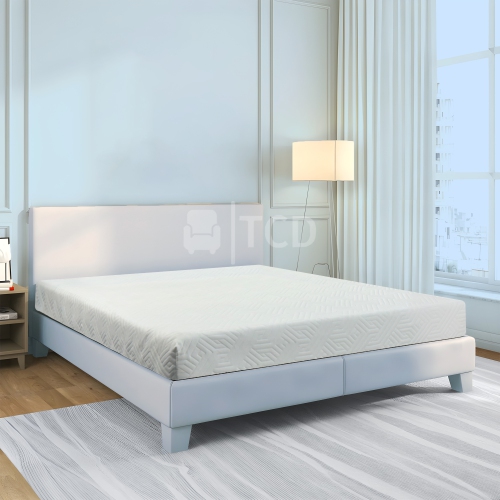
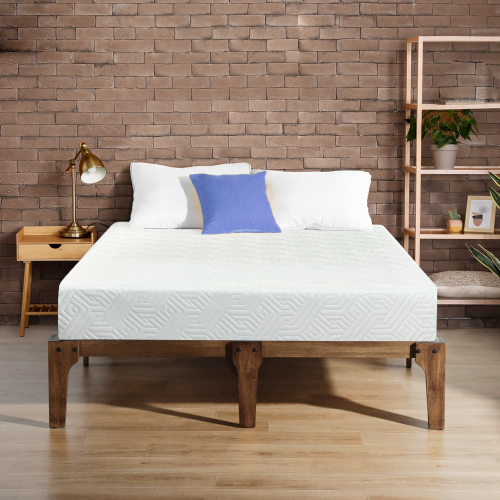
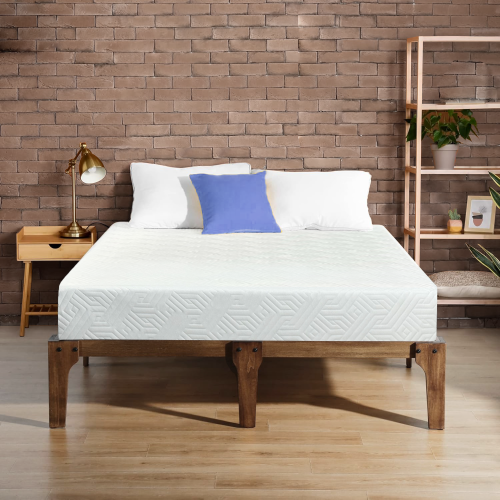
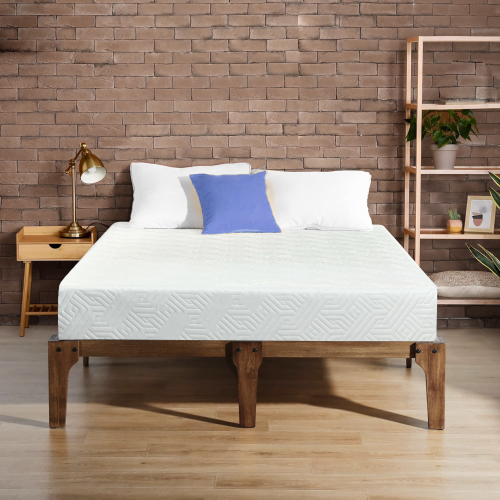
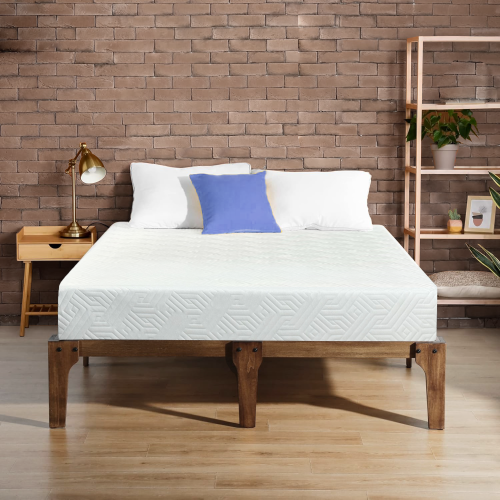
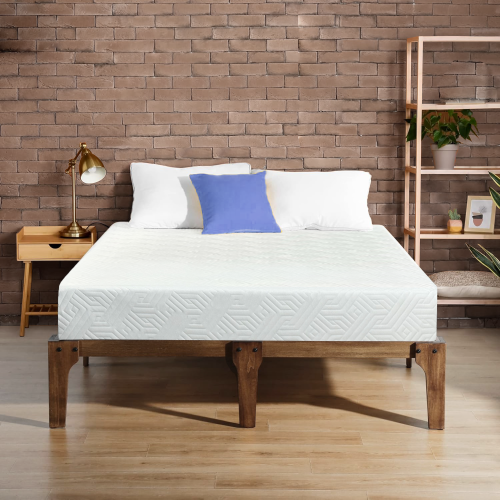
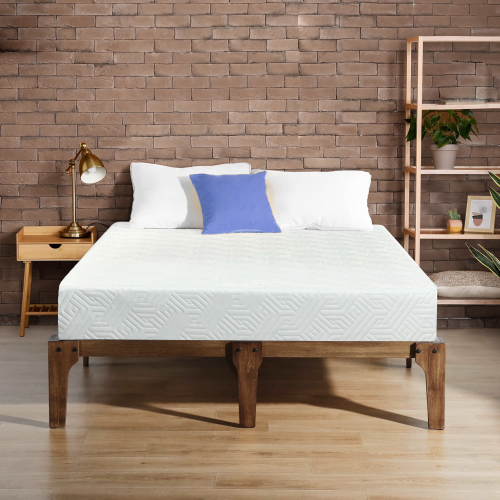
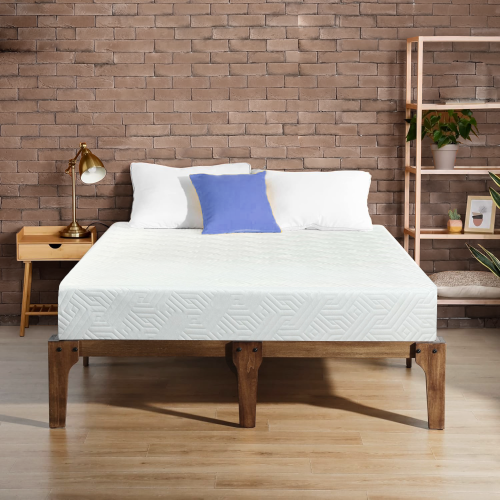
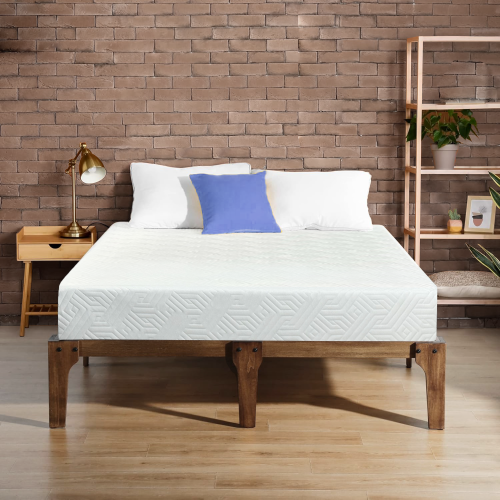
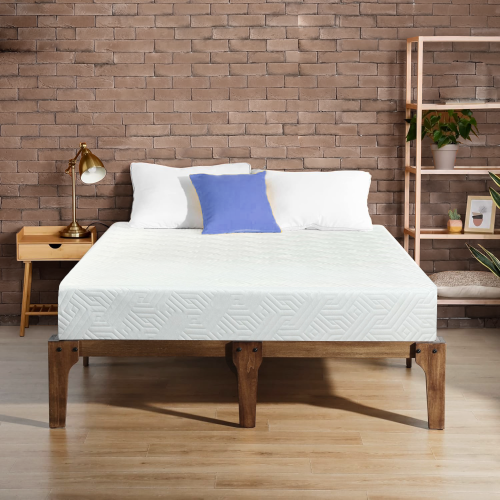
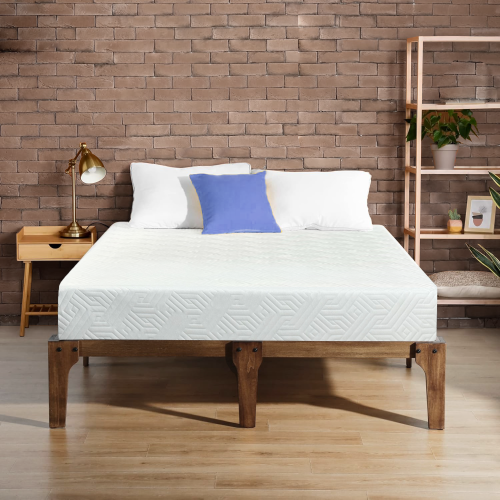
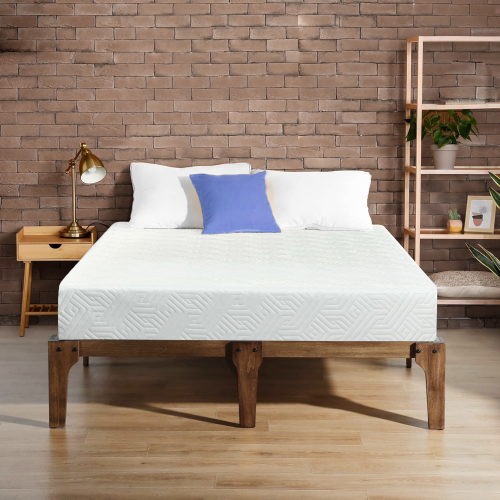
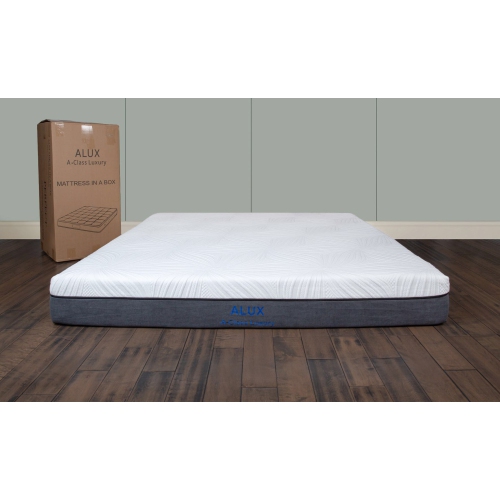
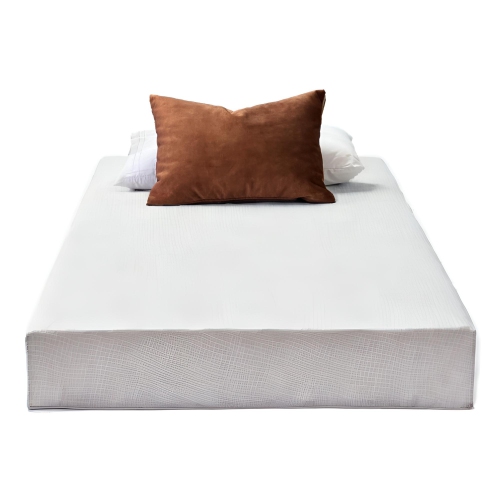
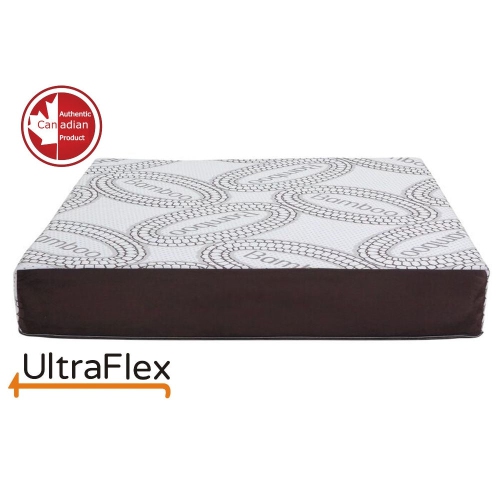
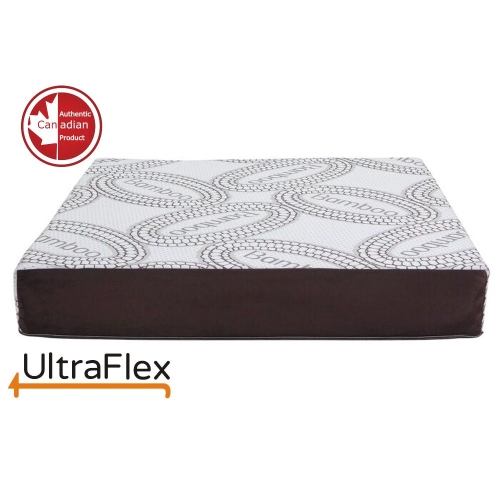
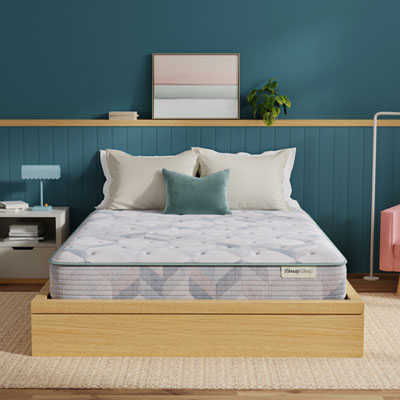
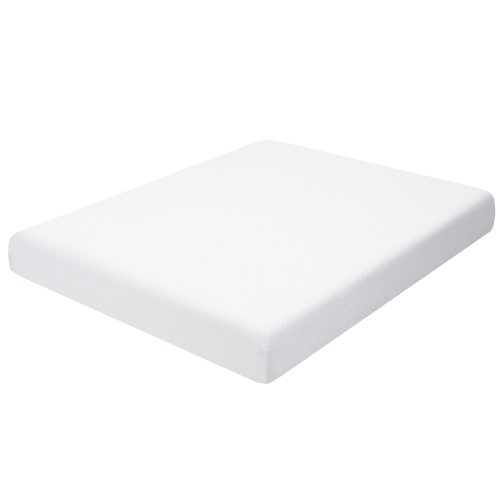
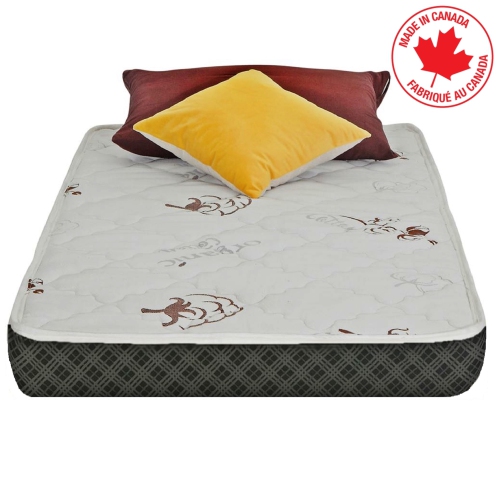
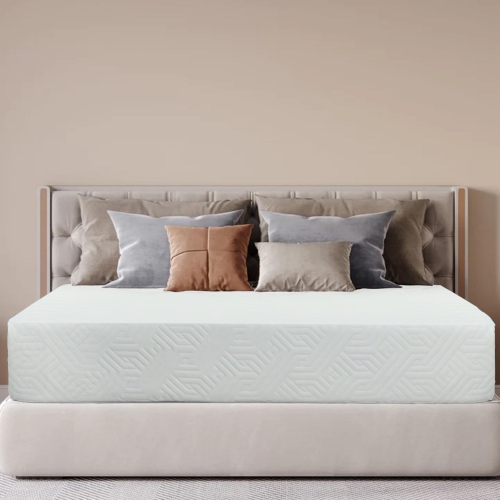
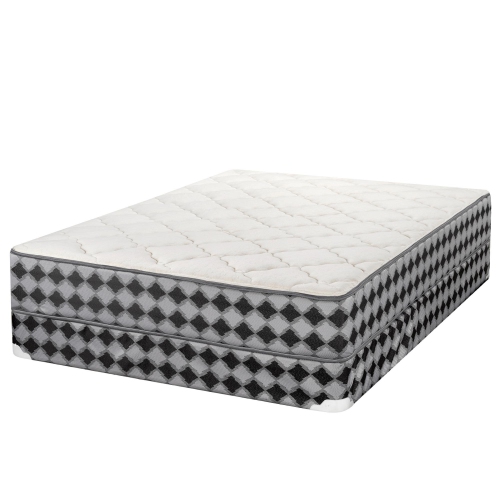
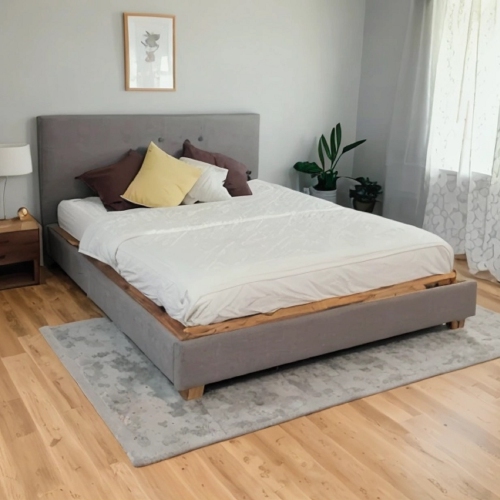
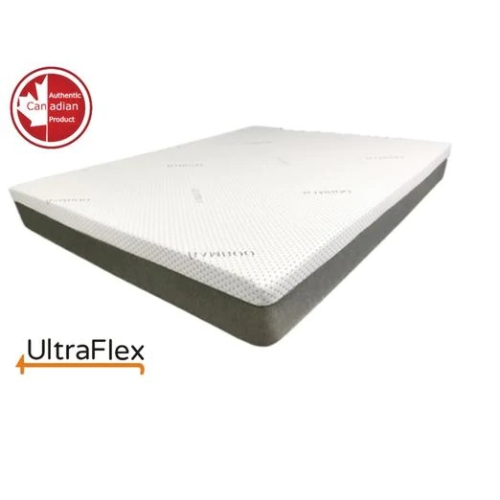
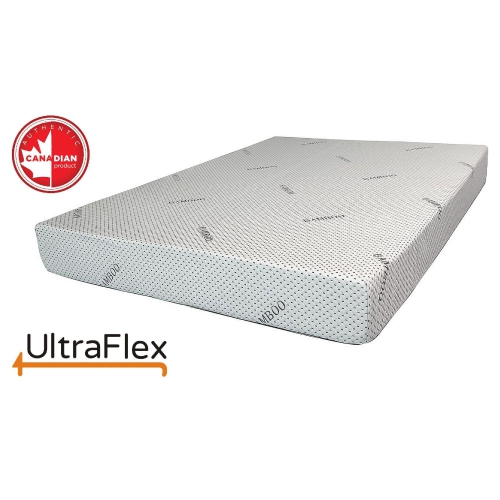
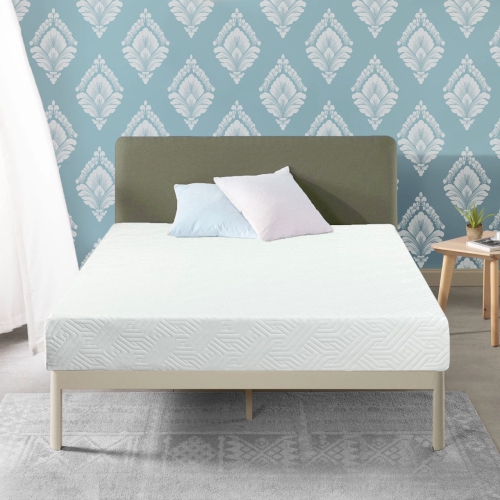
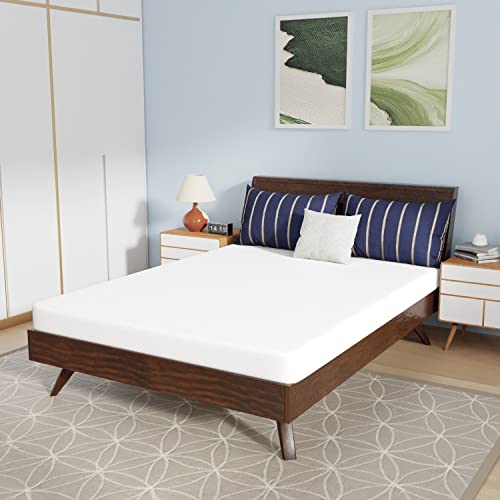
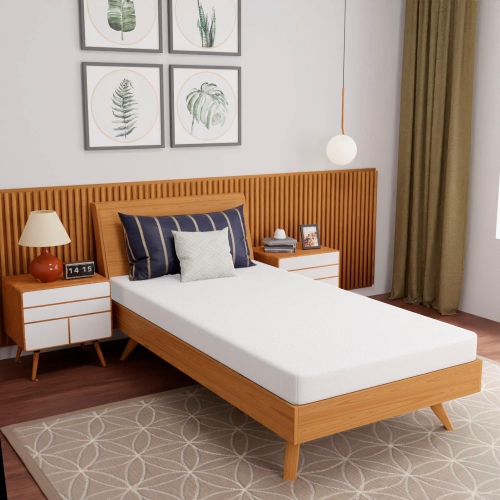
![VISCOLOGIC Astro [Proudly Canadian Made] Medium Firm Cool- Gel Infused-Memory Foam Twin Size Mattress](https://multimedia.bbycastatic.ca/multimedia/products/500x500/171/17119/17119232.jpeg)
![VISCOLOGIC Astro [Proudly Canadian Made] Medium Firm Cool- Gel Infused-Memory Foam Double Size Mattress](https://multimedia.bbycastatic.ca/multimedia/products/500x500/171/17119/17119230.jpeg)
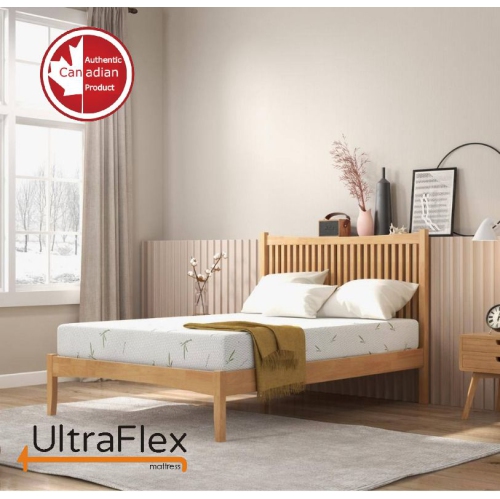
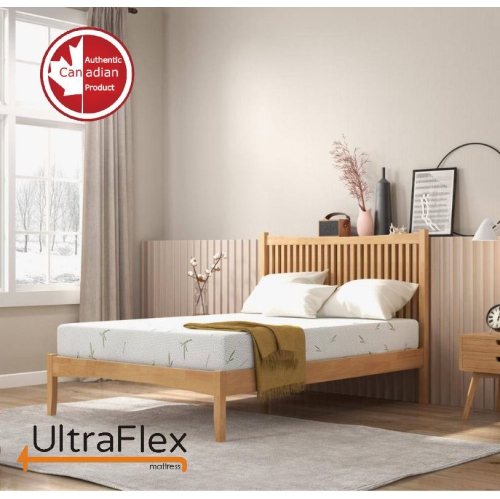

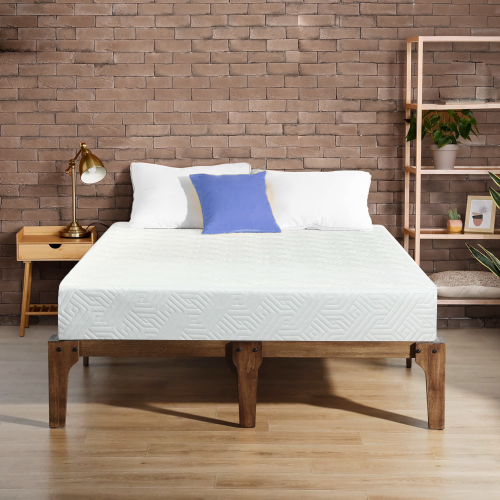
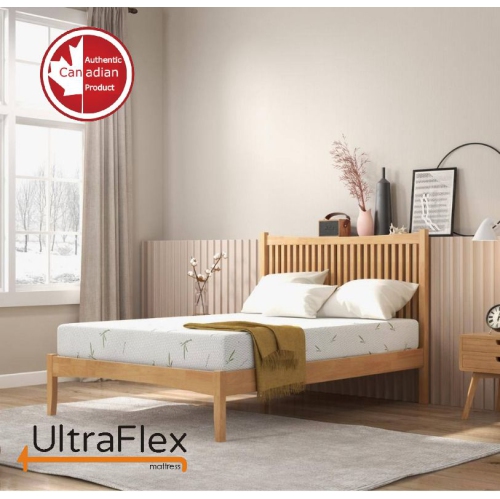
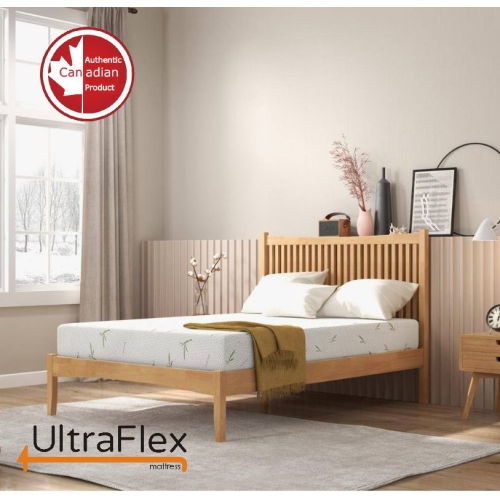
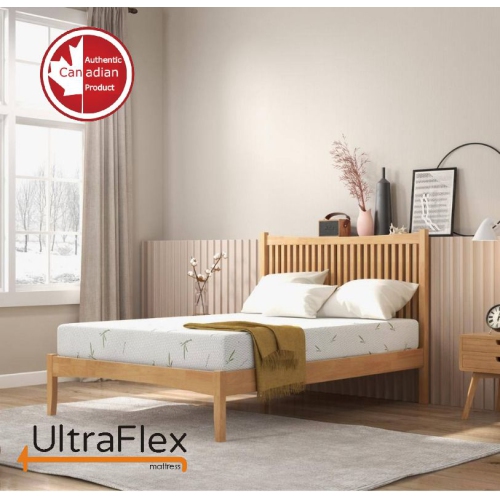
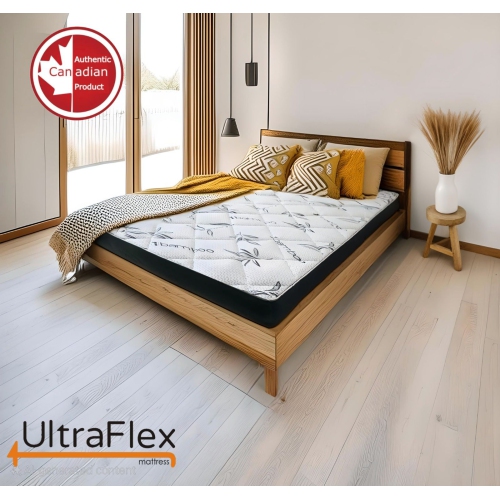
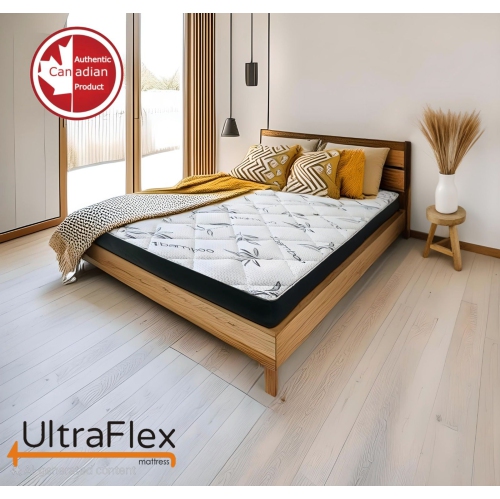
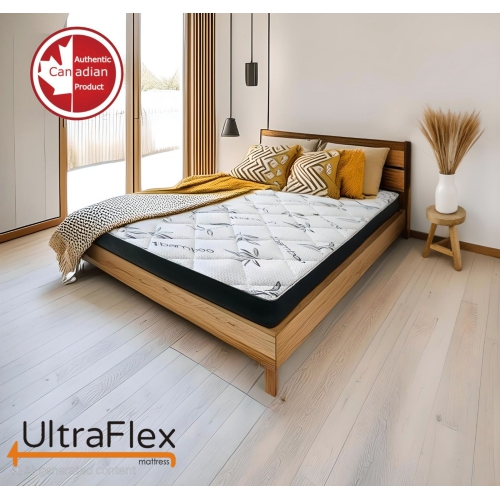
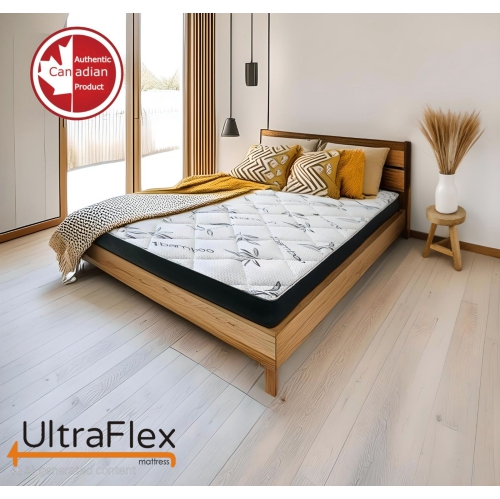
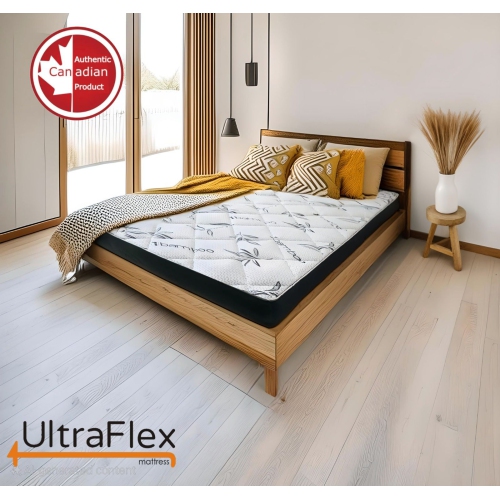
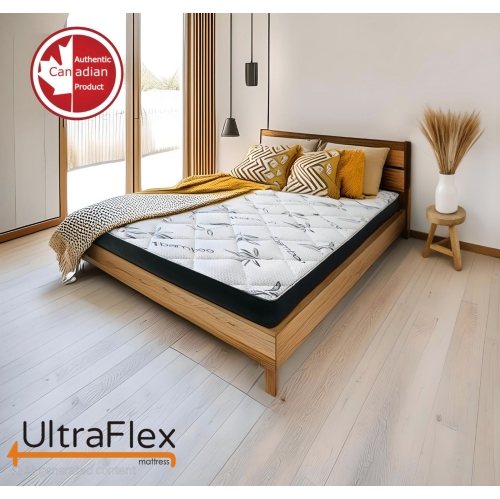
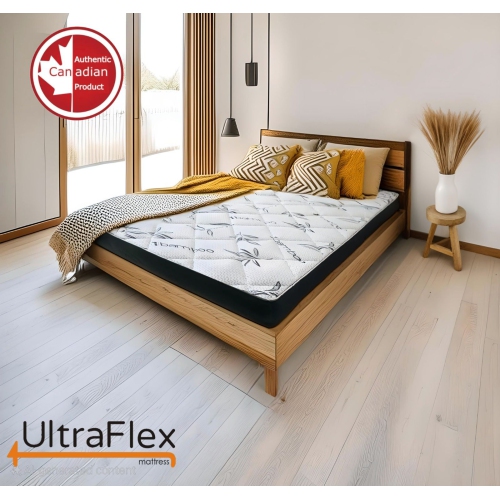
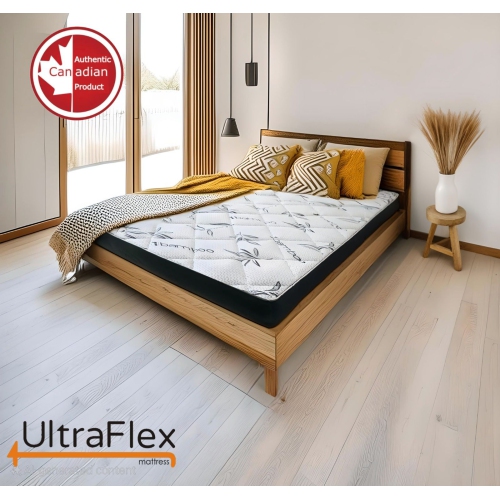
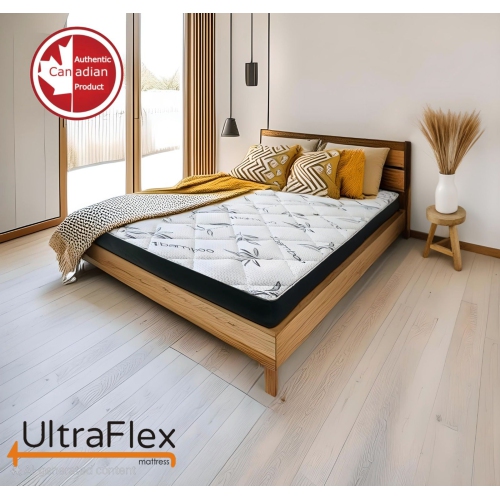
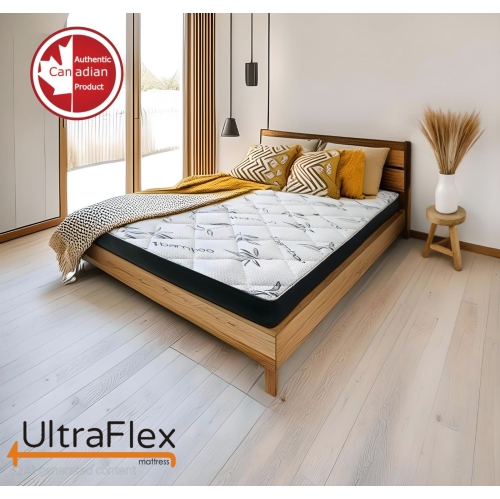
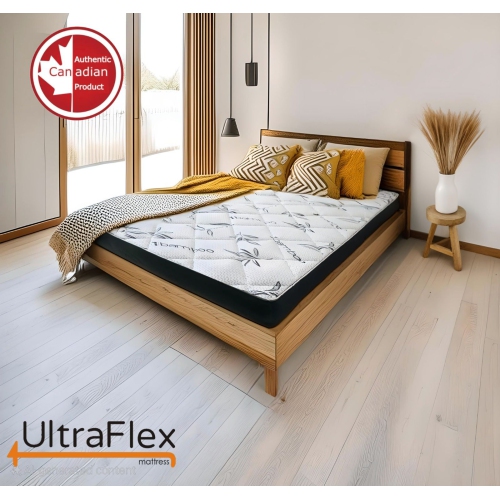
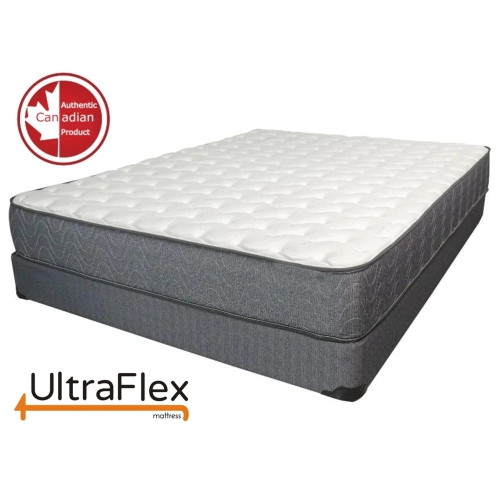
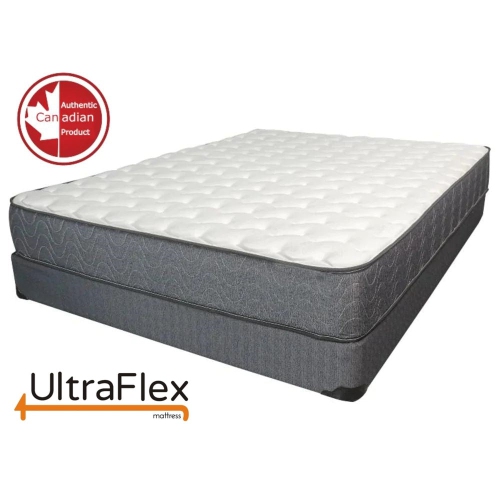
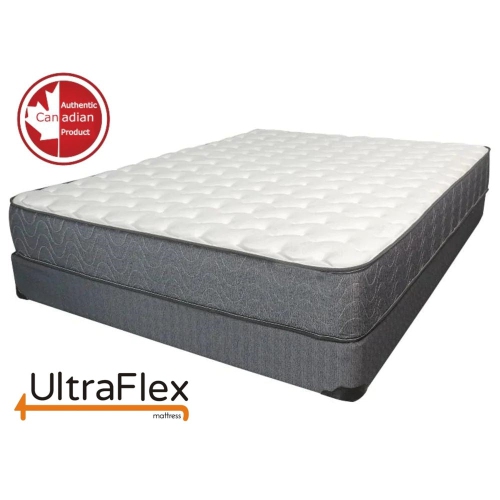
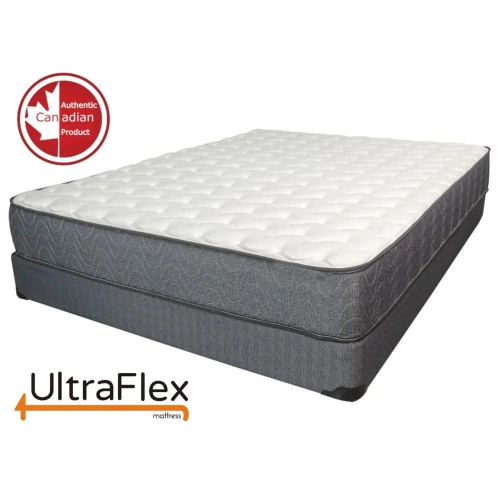
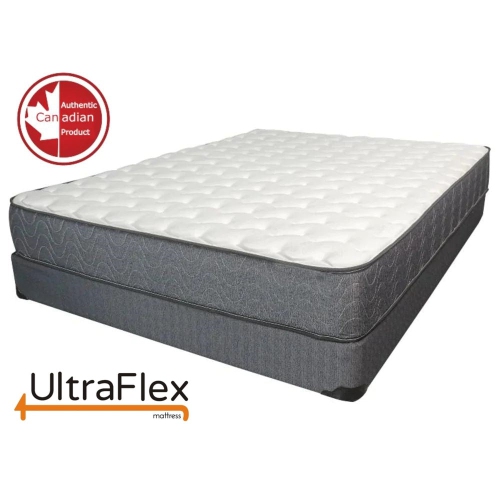
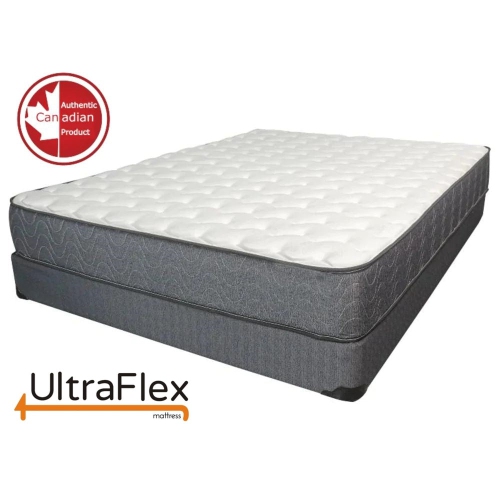
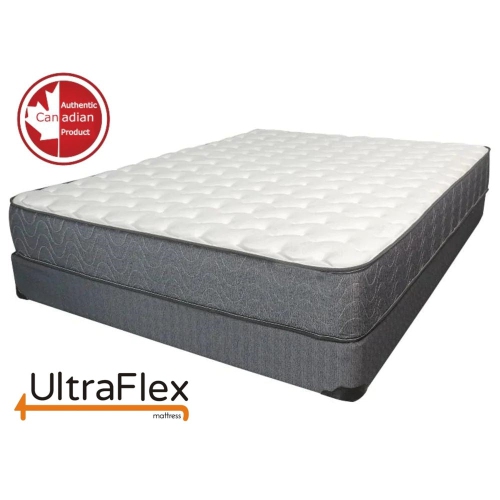
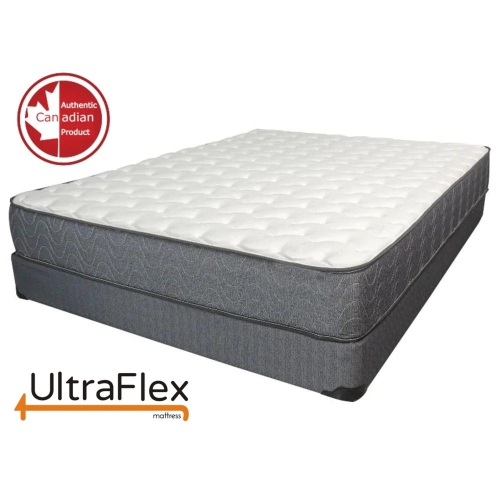
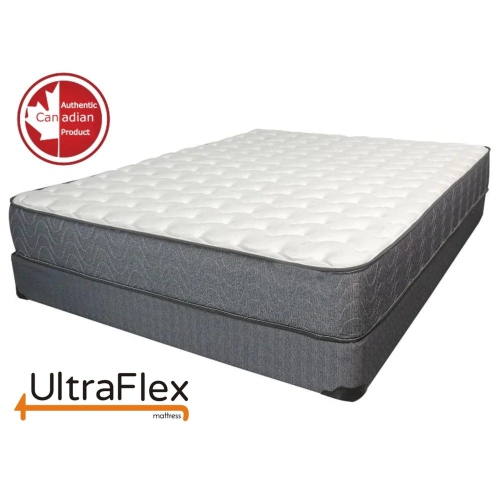
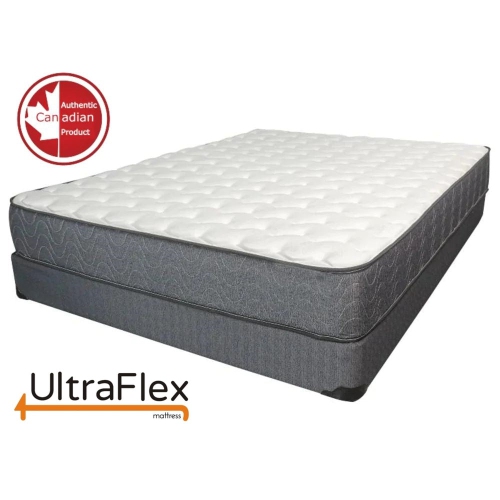
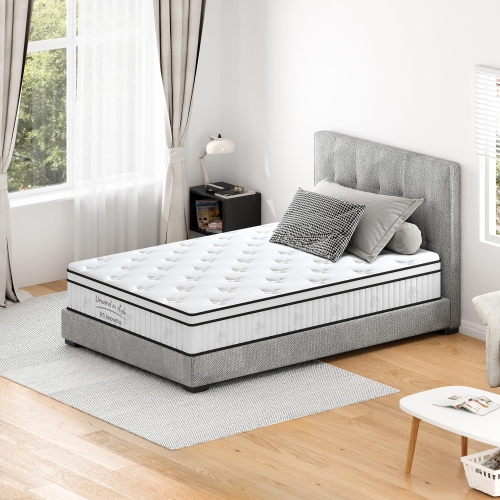
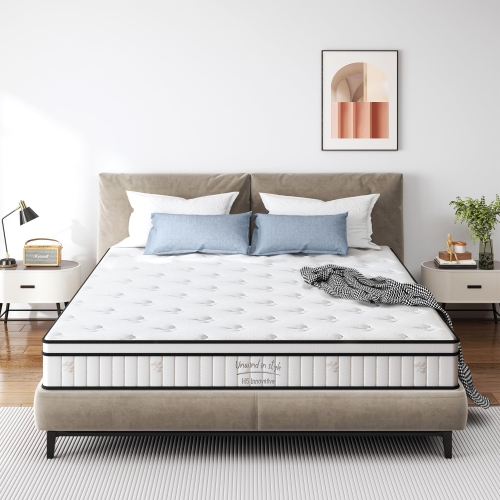
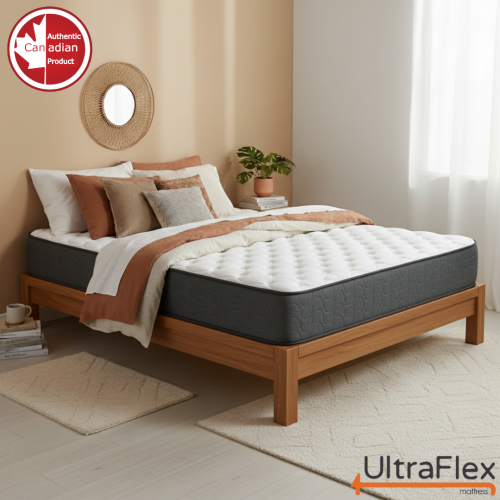
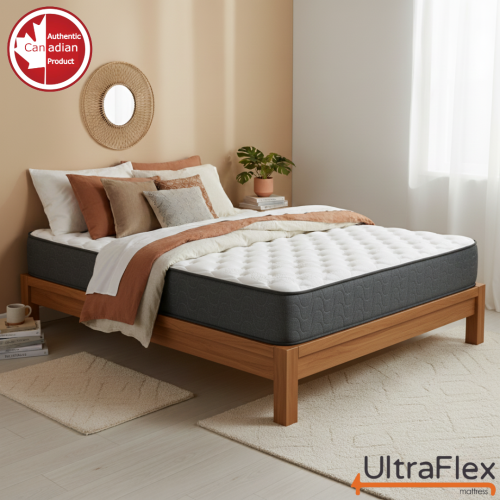
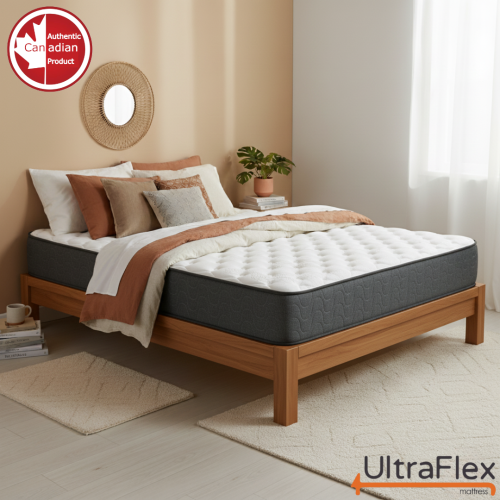
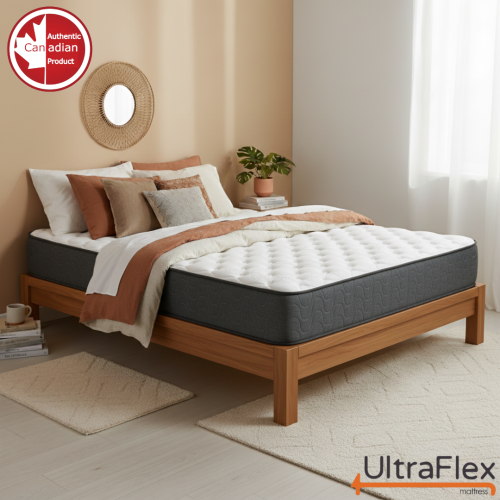
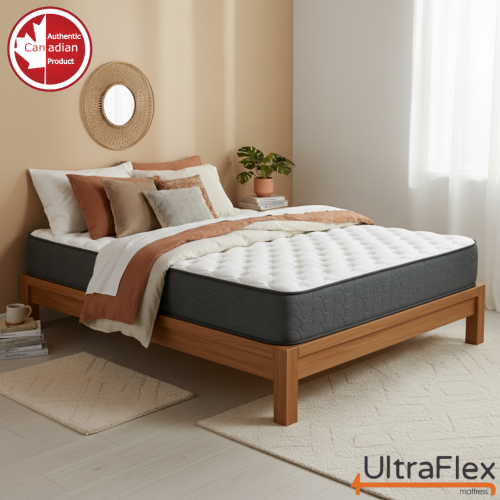
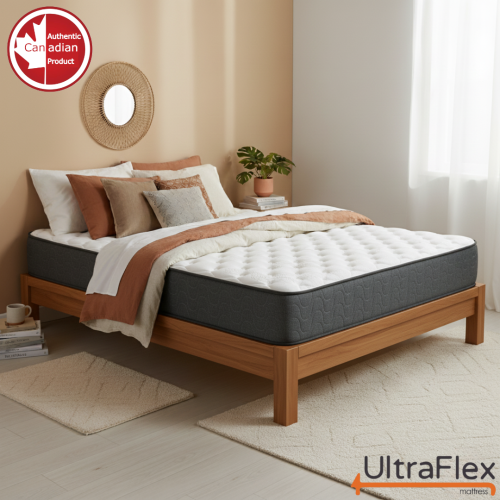
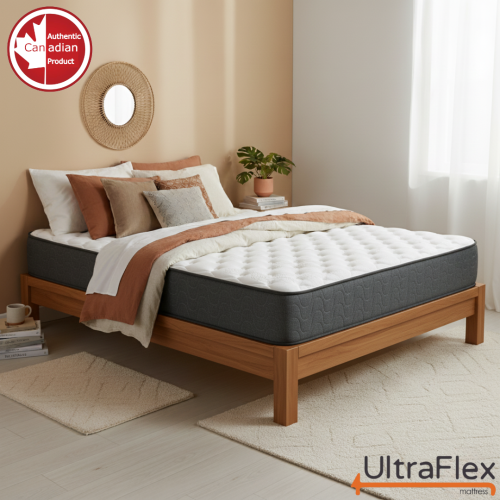
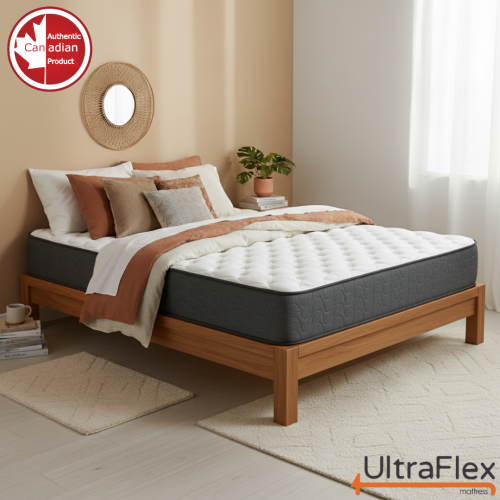
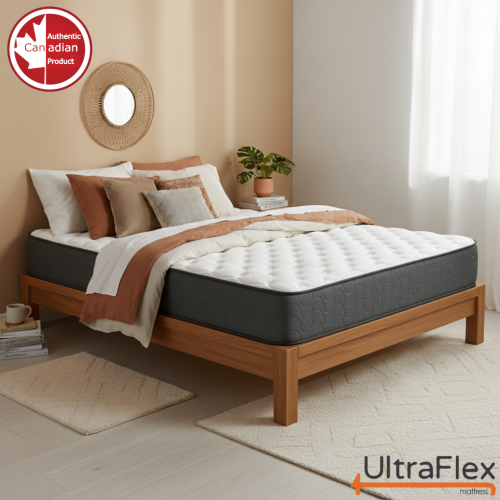
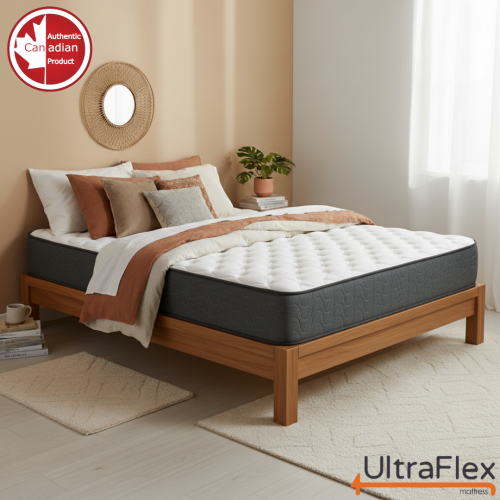
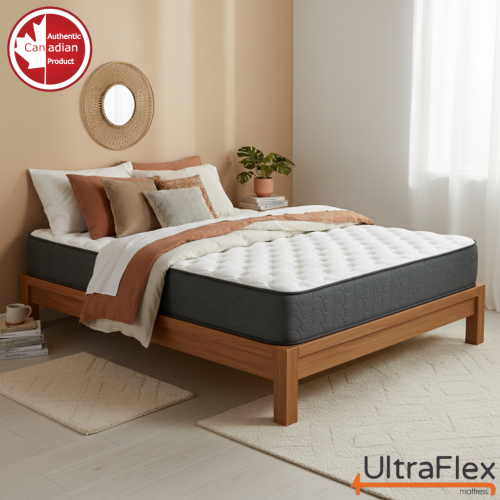
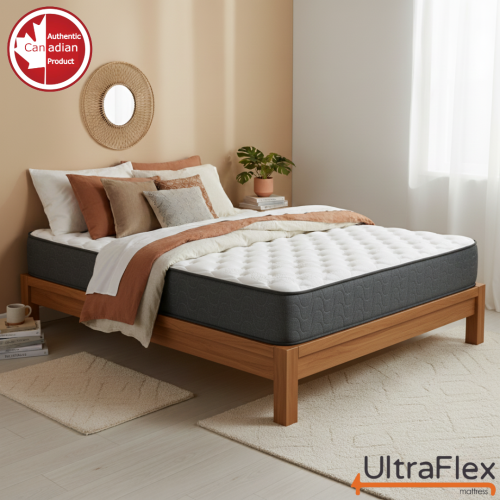
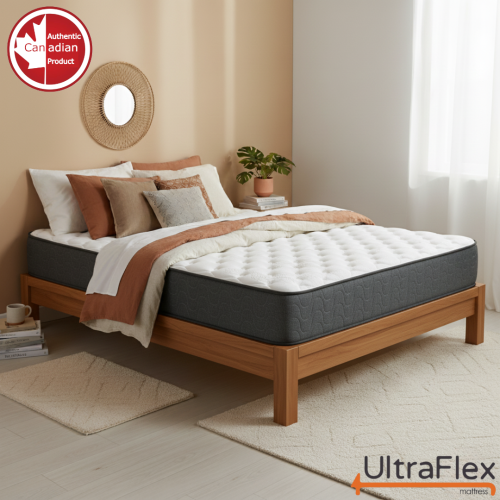
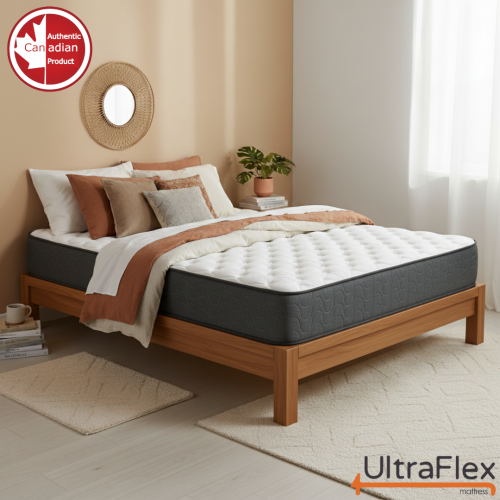
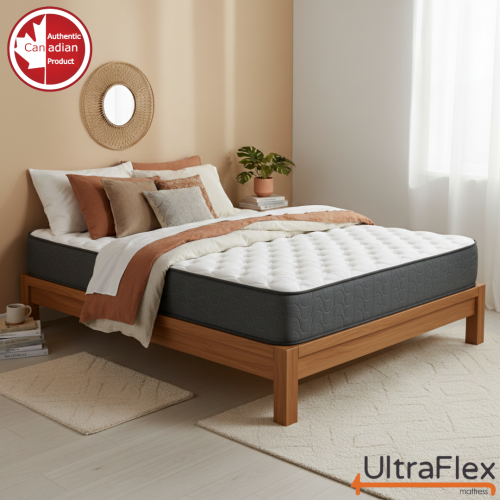
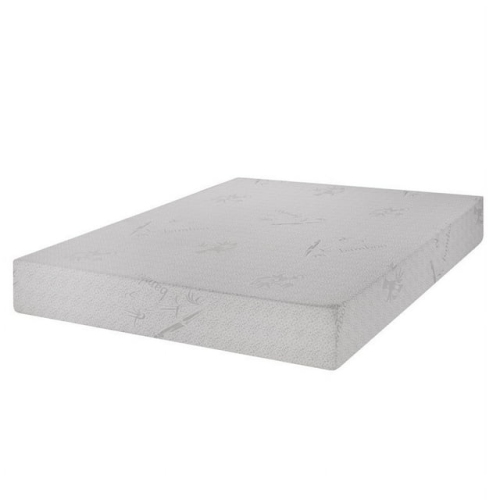
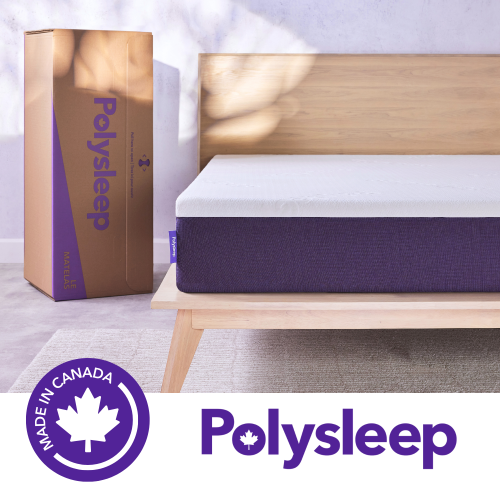
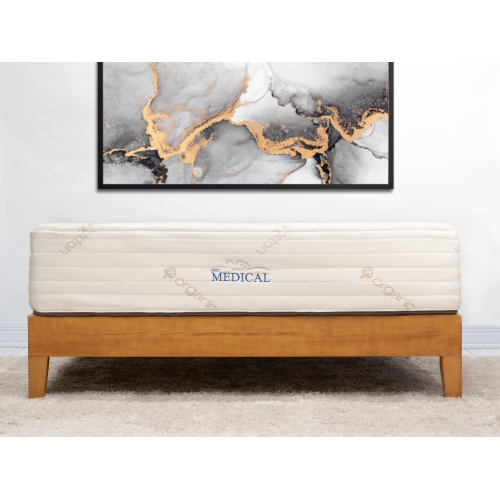
![VISCOLOGIC [] Fusion-Gel 12" Thick Gel-Infused Cool Memory Foam Mattress (King)](https://multimedia.bbycastatic.ca/multimedia/products/500x500/138/13898/13898470.jpeg)
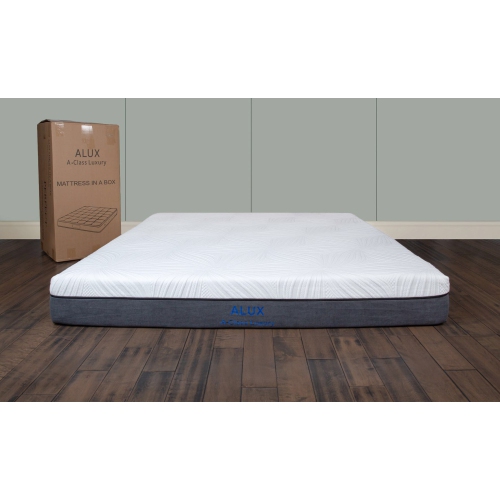
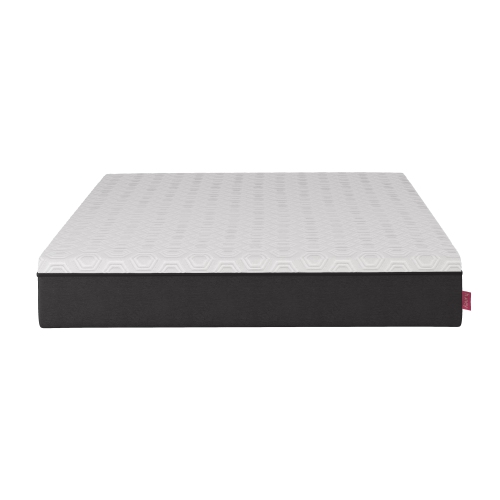
![VISCOLOGIC [] Opal Deep Feel Pillow Top Memory Foam Mattress (Queen Size)](https://multimedia.bbycastatic.ca/multimedia/products/500x500/153/15372/15372459.png)
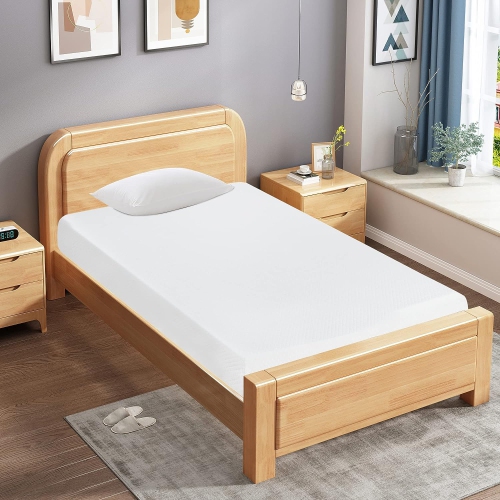
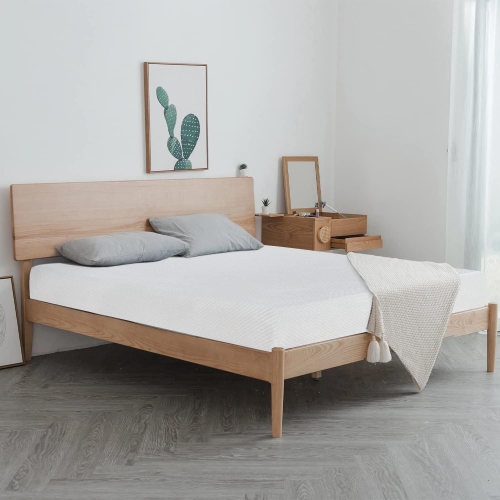
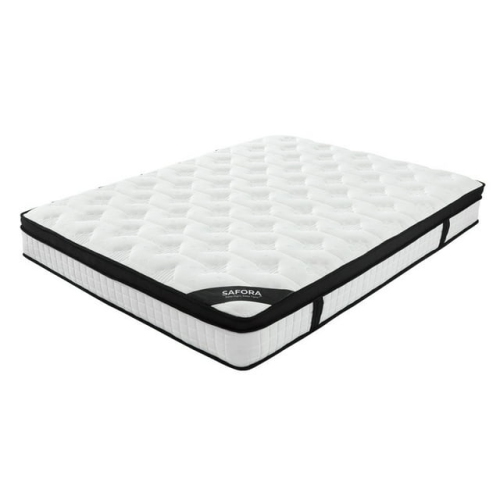
A balanced feel for varied sleep styles and spaces
Medium firm mattresses offer a balanced sleep surface for people who want noticeable support without the rigid feel of an especially firm bed. On a typical firmness scale, medium firm is often described as approximately 6 to 6.5 out of 10, although the exact feel can vary with the materials, construction, sleeper’s body type, and chosen foundation. The surface generally has enough cushioning to let the hips and shoulders settle comfortably while still resisting excessive sinking through the middle of the body. That balance can help encourage a neutral spinal position, particularly for back sleepers who need support beneath the lower back and hips. It can also suit side sleepers who prefer some contouring around the shoulders and hips without feeling enveloped by a very soft mattress. Combination sleepers often appreciate this versatile feel because it makes it easier to change positions during the night. Someone who moves from their back to their side may find that a medium firm mattress provides a stable base for turning while still cushioning pressure-sensitive areas. For couples, the middle-ground comfort may appeal to partners with different preferences, though it is still worth considering motion isolation if one person tends to shift, get up, or wake before the other. Medium firm mattresses can be made with foam, pocket coils, hybrid layers, or other combinations of support and comfort materials. Foam models commonly contour to the body and may help reduce the sensation of movement travelling across the bed, while spring-based and hybrid designs can offer a more buoyant feel with added airflow through the mattress. A quilted cover or comfort layer may change how quickly the surface responds, whether it feels gently cushioned or more responsive, and how easy it is to move around. People who sleep warm may want to look for breathable covers, ventilated foam, coil construction, or other features designed to support airflow. Those who prefer a closer, more cradling feel may lean toward a mattress with thicker contouring layers. Reading the construction details is helpful because two mattresses labelled medium firm can feel noticeably different once you lie on them.
Choosing the right medium firm mattress starts with considering how you sleep most often, as well as how you feel when you wake up. Back sleepers usually benefit from a surface that supports the natural curve of the lower back without allowing the pelvis to drop too deeply. Side sleepers may want enough cushioning at the shoulder and hip to reduce pressure, especially if they have a narrower frame or spend long periods in one position. Stomach sleepers often need a more supportive centre to help prevent the midsection from sinking, although personal comfort and body shape remain important factors. Combination sleepers can look for a responsive surface that allows smooth movement instead of making every turn feel like an effort. For a shared bed, consider the mattress width, edge support, and ability to limit motion transfer. A queen mattress is a popular choice for couples, while a double may fit a smaller bedroom or guest room and a king can provide more personal space where the room allows. Twin and twin XL sizes may suit children, teens, solo adults, bunk arrangements, or rooms where floor space matters. Also check the mattress height against existing sheets, headboards, bed frames, and bedside tables. A taller mattress can make getting in and out of bed easier for some sleepers, but it may require deep-pocket sheets or a lower foundation. Support underneath matters as well: confirm that the frame or platform is compatible with the mattress and provides the required centre support. A mattress in a box can simplify delivery and moving through stairs or narrow hallways, while a traditional mattress may arrive ready to use. Follow the manufacturer’s instructions for unpacking, expansion, rotation, cleaning, and setup. Allowing a compressed mattress to expand for the recommended period can help it reach its intended shape and comfort. A washable or removable cover can make routine care easier, but a mattress protector is still useful for guarding against spills, dust, and everyday wear. Rotating the mattress when recommended may help promote more even use, while flipping should only be done if the design is made for two-sided use.
Medium firm mattresses can be a practical choice for a primary bedroom, a first apartment, a new home, or a guest room that needs to accommodate different sleeping preferences. They can also be a considerate housewarming or wedding gift when the recipient has clearly chosen the size and feel they want, though mattresses are personal purchases and are often best selected together. For a guest room, the adaptable feel may be especially useful because visitors can arrive with different habits and comfort needs; a dependable middle firmness can feel welcoming without being overly plush or unyielding. In a child’s or teenager’s room, the mattress size and support should match the bed frame and the sleeper’s growth, while a spare bedroom may benefit from a profile that leaves enough clearance for drawers or storage beneath the bed. People replacing an older mattress may notice the greatest difference in the first few nights, particularly if the previous surface had developed visible impressions or no longer provided even support. It is sensible to give the body a reasonable adjustment period while paying attention to pressure points, stiffness, and whether the spine feels supported in usual sleeping positions. Bedding can also change the experience: a thick topper can make a medium firm mattress feel softer, while a taut protector and tightly fitted sheets can make the surface feel slightly firmer. If a medium firm bed still feels too yielding, compare it with Full Firm Mattresses for a more solid sleep surface. Before purchasing, review the dimensions, mattress height, material layers, weight, delivery details, setup requirements, and available comfort or return policies. Think about the room as a whole, including doorways, stairwells, bed frames, pillows, and the amount of space needed to move comfortably around the bed. A well-matched mattress should feel supportive when lying on the back, cushioned enough at the shoulders and hips when lying on the side, and stable during ordinary movement. As the weather shifts from warmer days to cooler nights, a comfortable medium firm mattress can provide a dependable foundation for restful sleep, whether it is used every night in the main bedroom or kept ready for visiting family and friends.
Choosing the right medium firm mattress starts with considering how you sleep most often, as well as how you feel when you wake up. Back sleepers usually benefit from a surface that supports the natural curve of the lower back without allowing the pelvis to drop too deeply. Side sleepers may want enough cushioning at the shoulder and hip to reduce pressure, especially if they have a narrower frame or spend long periods in one position. Stomach sleepers often need a more supportive centre to help prevent the midsection from sinking, although personal comfort and body shape remain important factors. Combination sleepers can look for a responsive surface that allows smooth movement instead of making every turn feel like an effort. For a shared bed, consider the mattress width, edge support, and ability to limit motion transfer. A queen mattress is a popular choice for couples, while a double may fit a smaller bedroom or guest room and a king can provide more personal space where the room allows. Twin and twin XL sizes may suit children, teens, solo adults, bunk arrangements, or rooms where floor space matters. Also check the mattress height against existing sheets, headboards, bed frames, and bedside tables. A taller mattress can make getting in and out of bed easier for some sleepers, but it may require deep-pocket sheets or a lower foundation. Support underneath matters as well: confirm that the frame or platform is compatible with the mattress and provides the required centre support. A mattress in a box can simplify delivery and moving through stairs or narrow hallways, while a traditional mattress may arrive ready to use. Follow the manufacturer’s instructions for unpacking, expansion, rotation, cleaning, and setup. Allowing a compressed mattress to expand for the recommended period can help it reach its intended shape and comfort. A washable or removable cover can make routine care easier, but a mattress protector is still useful for guarding against spills, dust, and everyday wear. Rotating the mattress when recommended may help promote more even use, while flipping should only be done if the design is made for two-sided use.
Medium firm mattresses can be a practical choice for a primary bedroom, a first apartment, a new home, or a guest room that needs to accommodate different sleeping preferences. They can also be a considerate housewarming or wedding gift when the recipient has clearly chosen the size and feel they want, though mattresses are personal purchases and are often best selected together. For a guest room, the adaptable feel may be especially useful because visitors can arrive with different habits and comfort needs; a dependable middle firmness can feel welcoming without being overly plush or unyielding. In a child’s or teenager’s room, the mattress size and support should match the bed frame and the sleeper’s growth, while a spare bedroom may benefit from a profile that leaves enough clearance for drawers or storage beneath the bed. People replacing an older mattress may notice the greatest difference in the first few nights, particularly if the previous surface had developed visible impressions or no longer provided even support. It is sensible to give the body a reasonable adjustment period while paying attention to pressure points, stiffness, and whether the spine feels supported in usual sleeping positions. Bedding can also change the experience: a thick topper can make a medium firm mattress feel softer, while a taut protector and tightly fitted sheets can make the surface feel slightly firmer. If a medium firm bed still feels too yielding, compare it with Full Firm Mattresses for a more solid sleep surface. Before purchasing, review the dimensions, mattress height, material layers, weight, delivery details, setup requirements, and available comfort or return policies. Think about the room as a whole, including doorways, stairwells, bed frames, pillows, and the amount of space needed to move comfortably around the bed. A well-matched mattress should feel supportive when lying on the back, cushioned enough at the shoulders and hips when lying on the side, and stable during ordinary movement. As the weather shifts from warmer days to cooler nights, a comfortable medium firm mattress can provide a dependable foundation for restful sleep, whether it is used every night in the main bedroom or kept ready for visiting family and friends.
Top selling and popular products
-
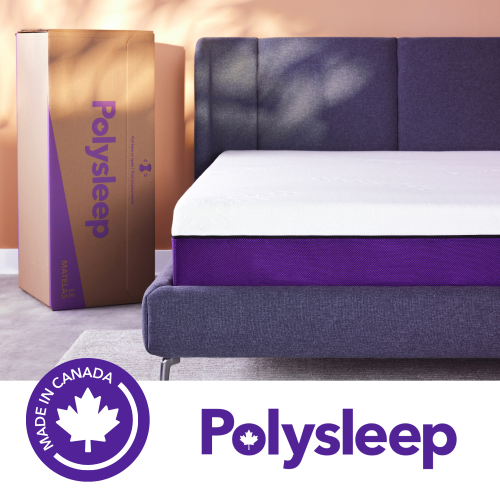 Your price for this item is $1195
 -
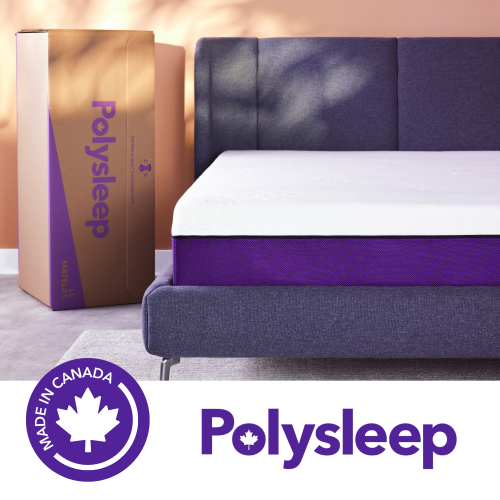 Your price for this item is $1395
 -
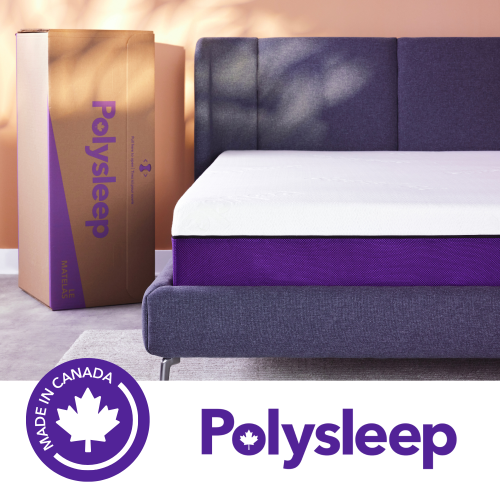 Your price for this item is $1095
 -
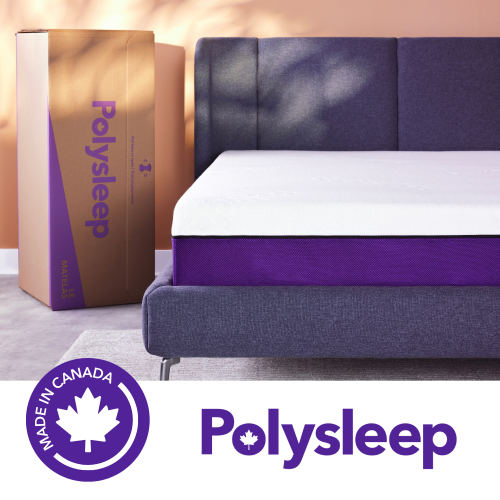 Your price for this item is $945
 -
 Your price for this item is $1199
 -
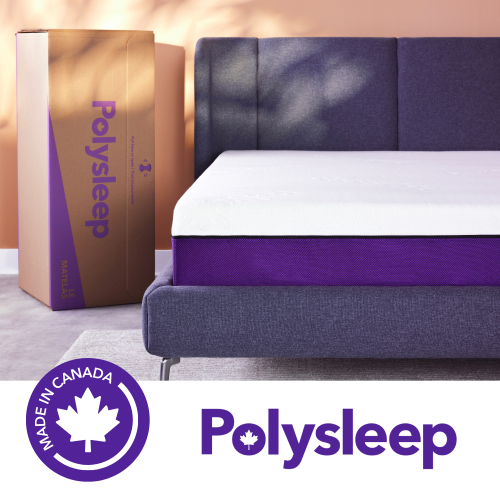 Your price for this item is $1395
 -
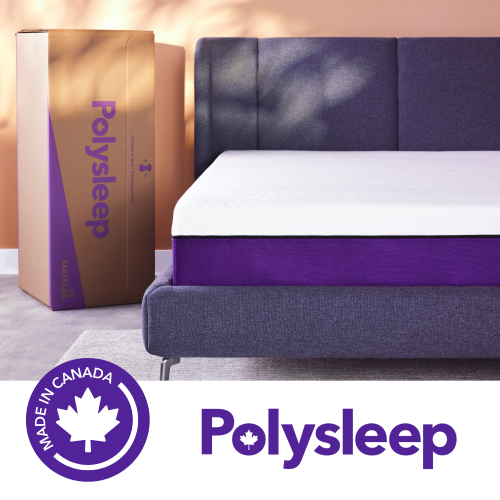 Your price for this item is $895
 -
 Your price for this item is $920
Discover more categories related to Medium Firm Mattresses
Top Collections:
Pokemon Centers, Kindle Devices, Best Budget Office Chairs, Apple iPhones 16, Best Laptops for Writers, iPhone 15 Apple, Canon G7X Cameras, Refurbished Apple Laptops, Alarm Clock, Motorola Razr Phones
Some products may be subject to Environmental Handling Fees
(EHF) depending on your province.
Learn more about EHFs.