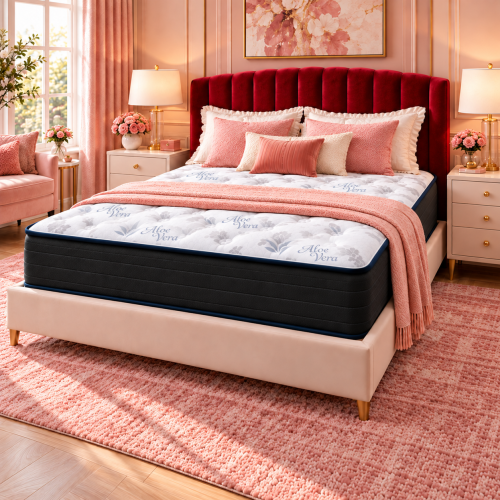
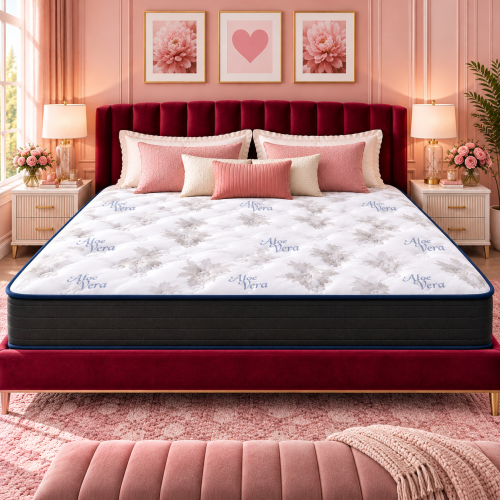
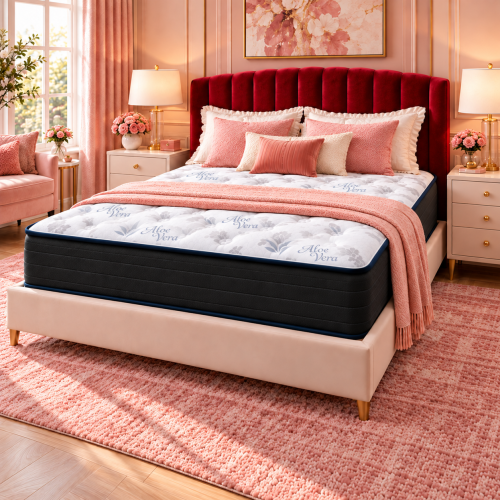
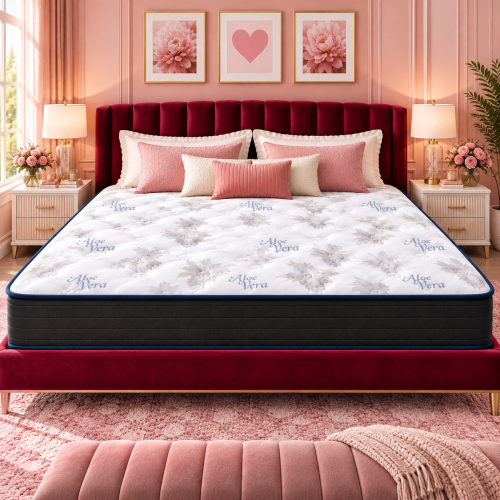
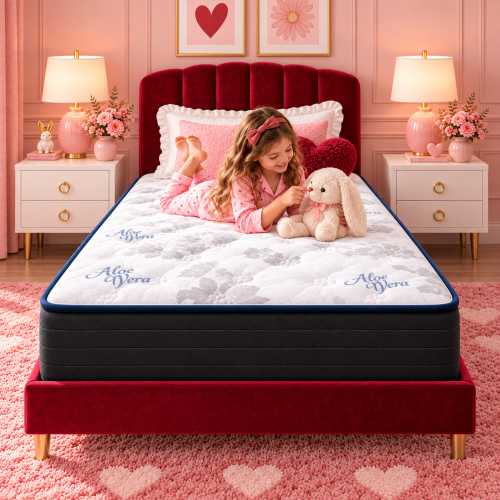
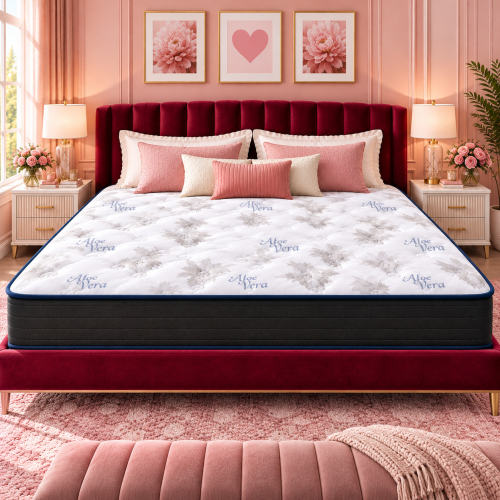
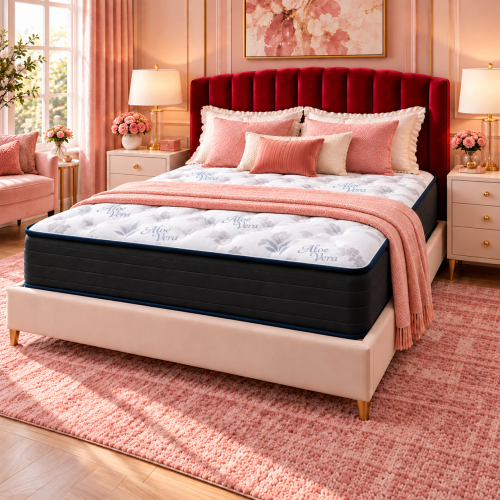
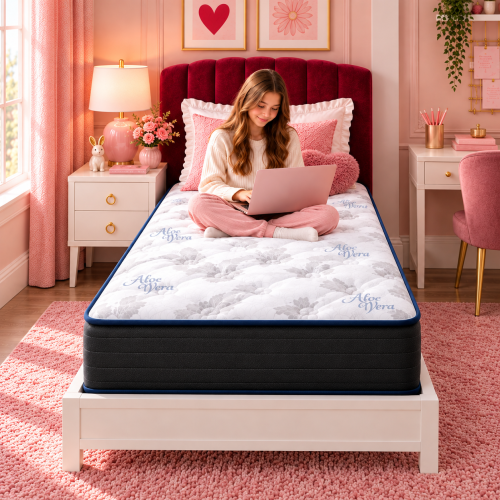
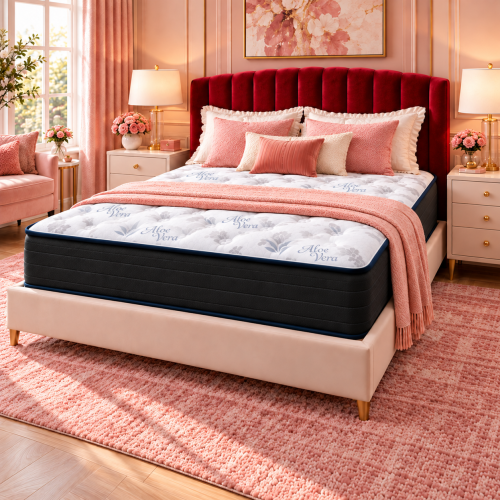
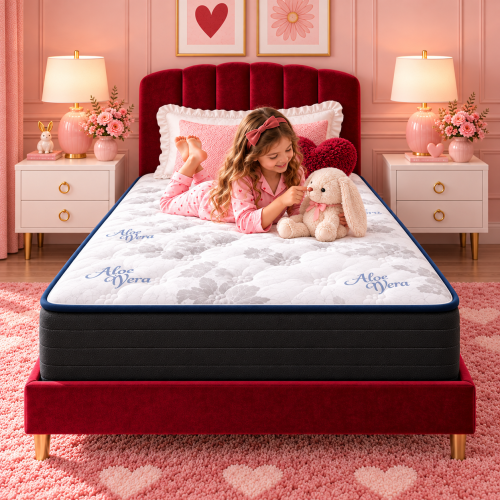
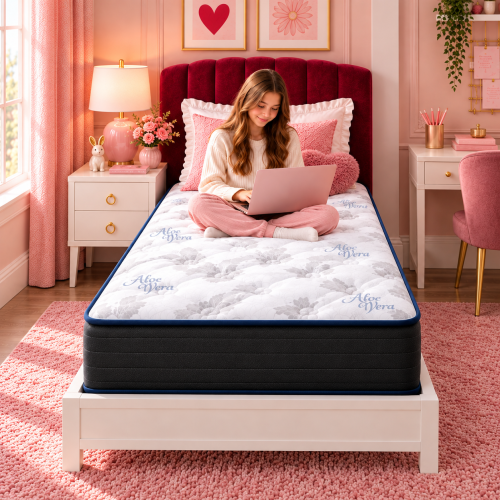
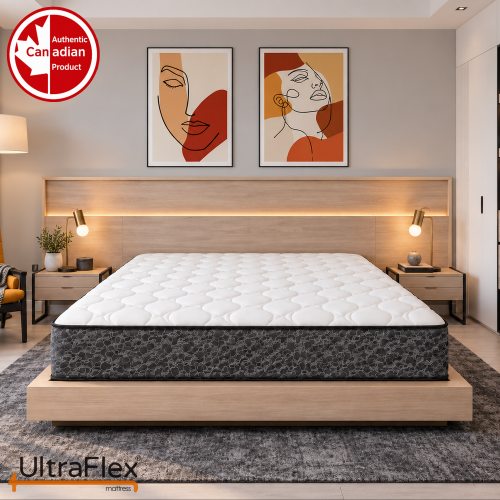
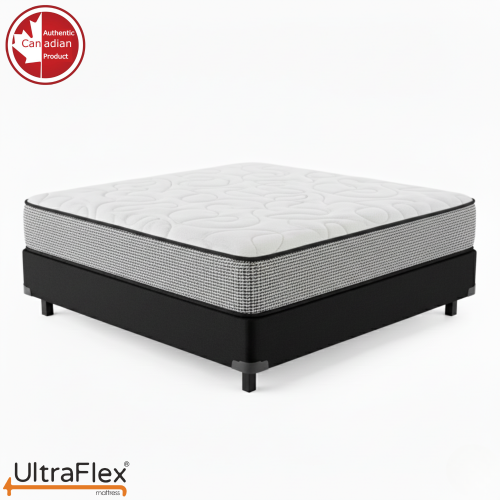
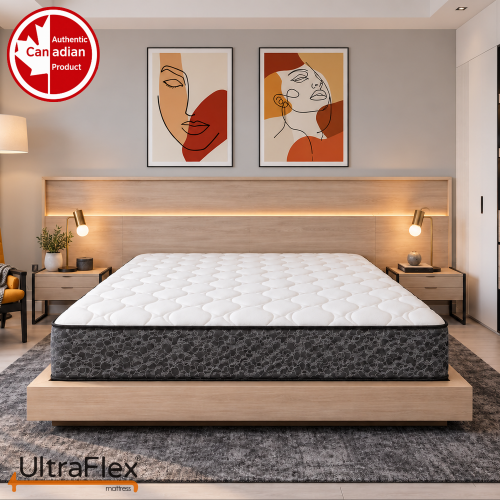
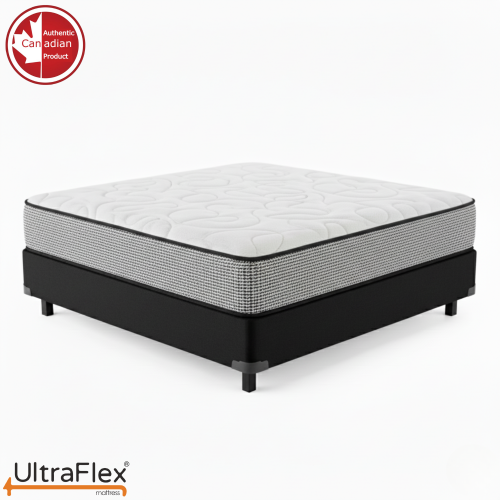
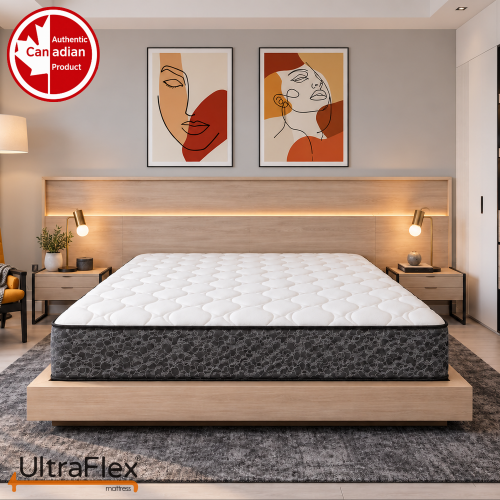
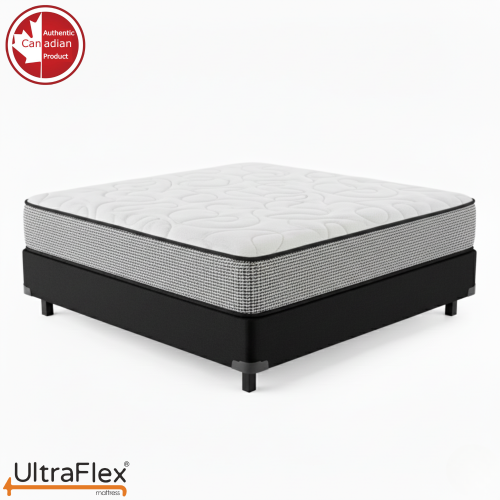
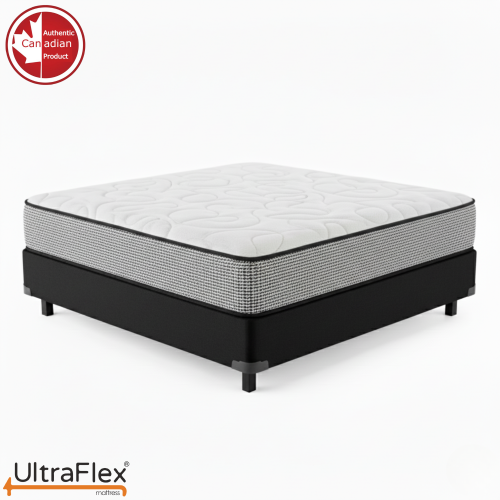
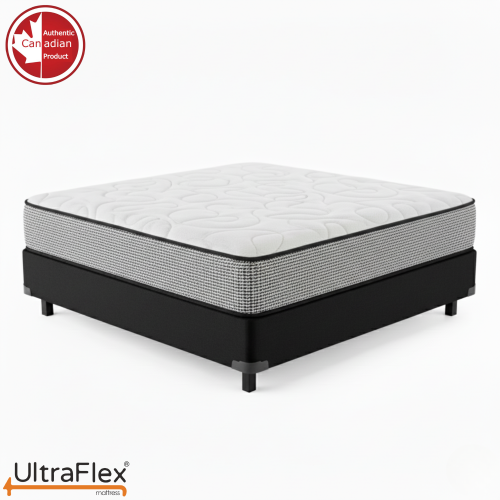
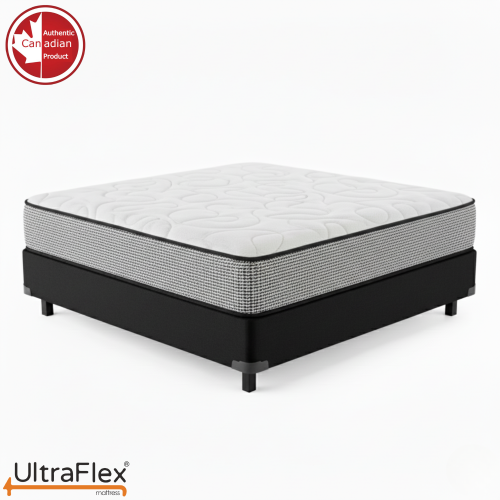
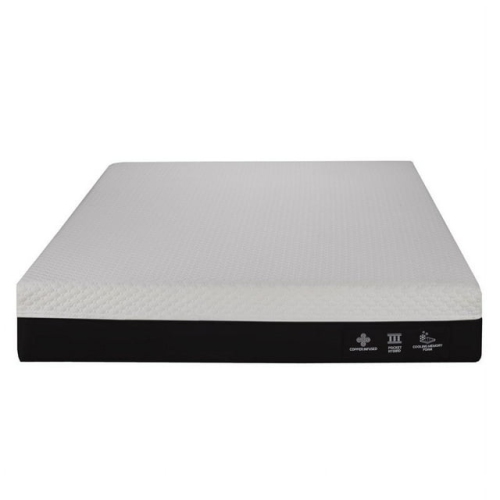
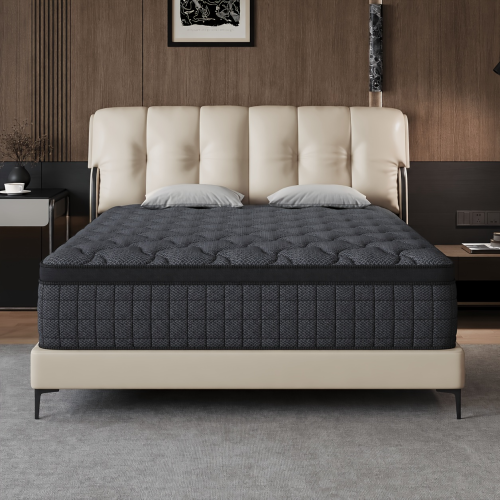
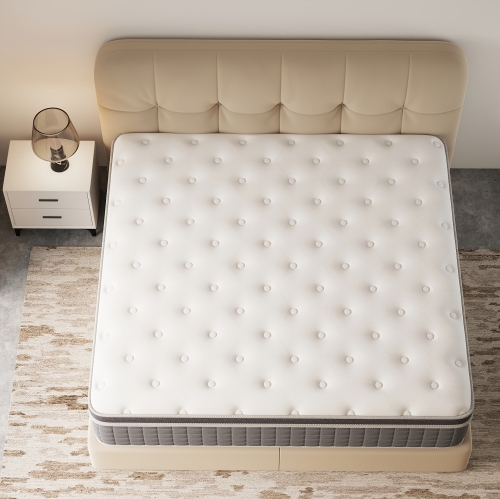
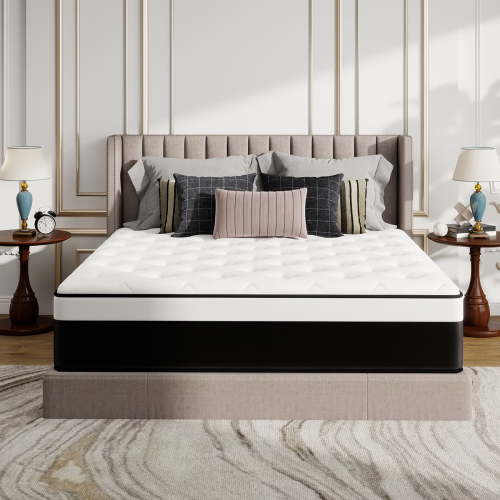
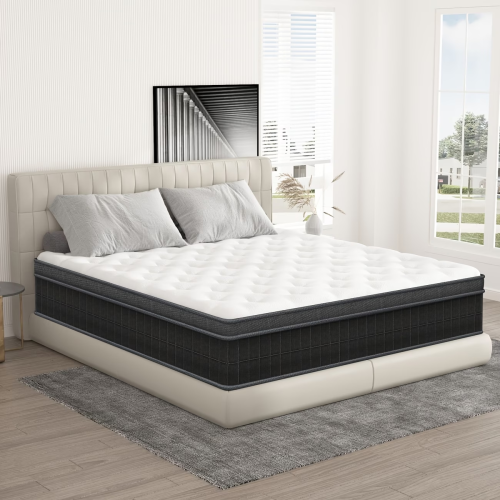
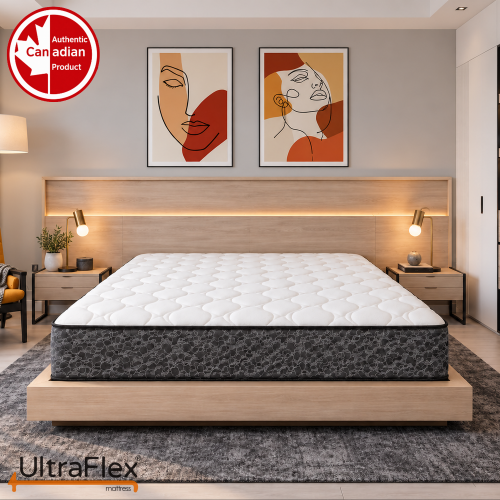
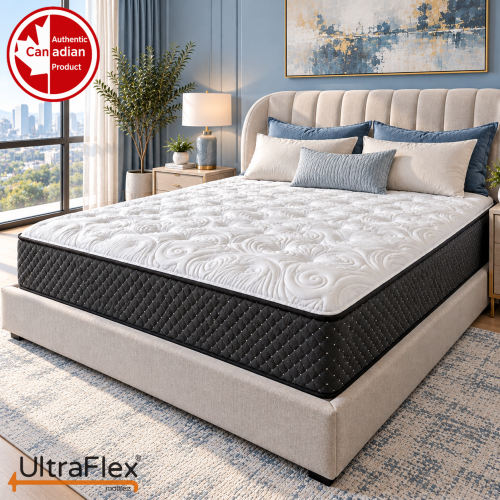
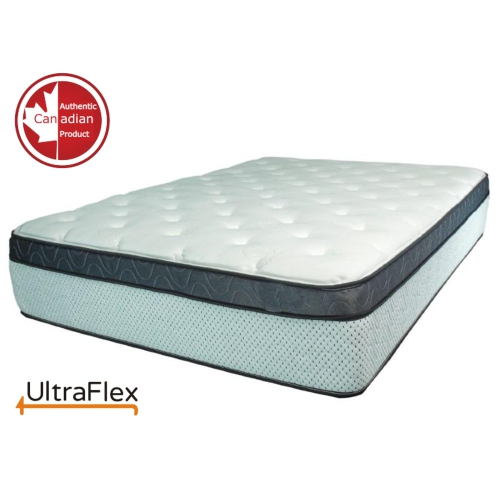
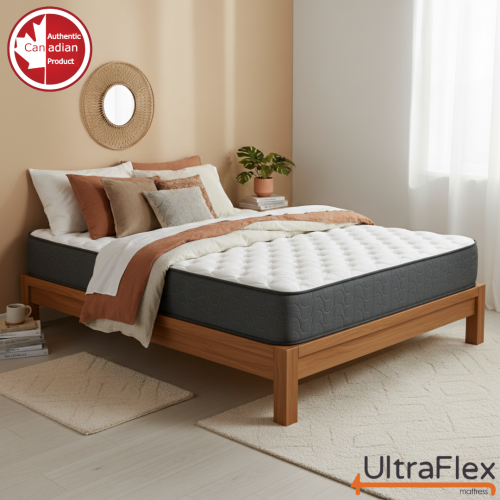
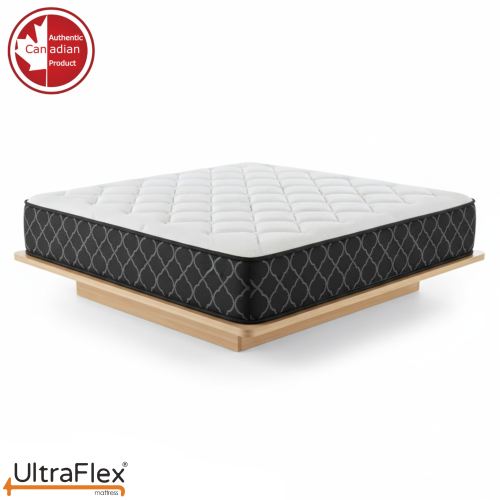
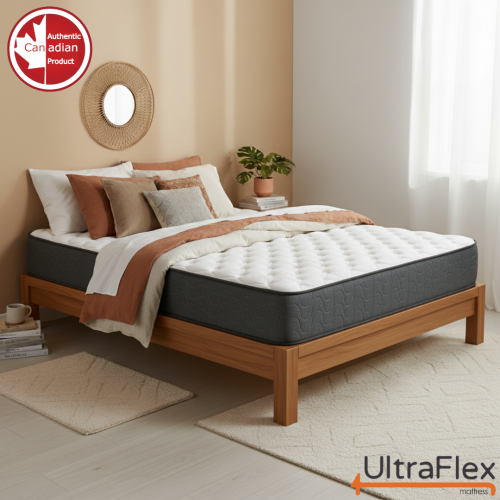
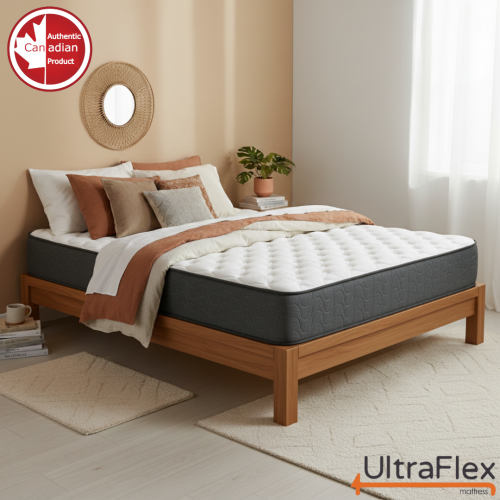
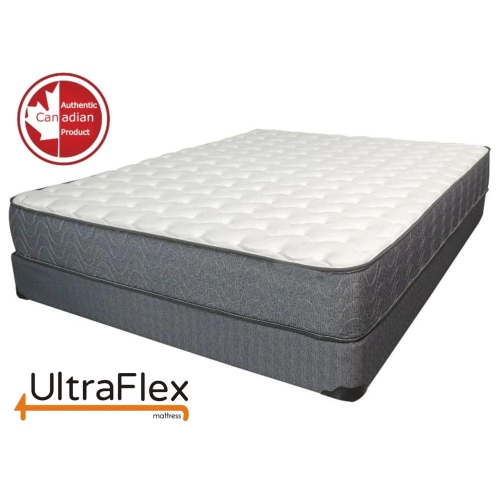
Medium Firm Hybrid Mattresses

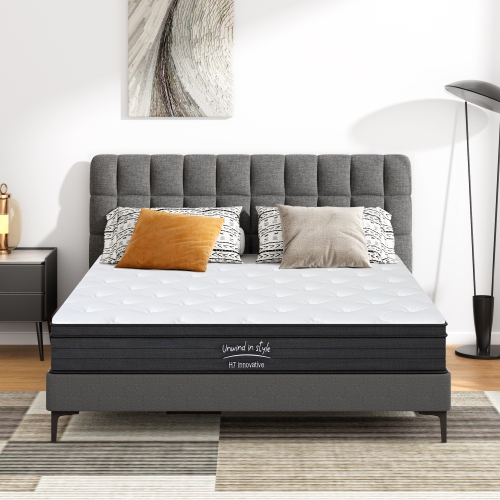
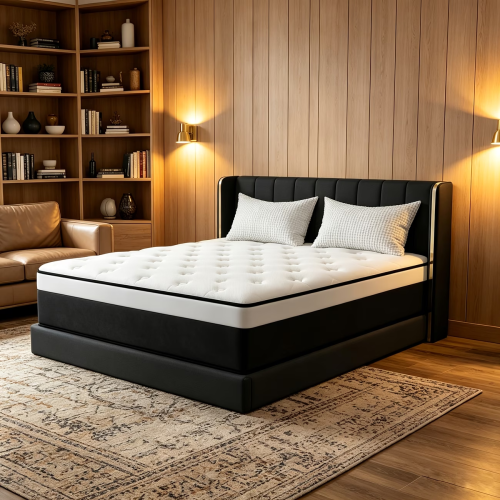
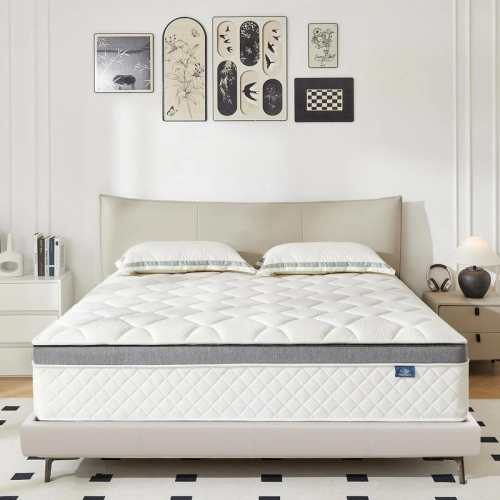
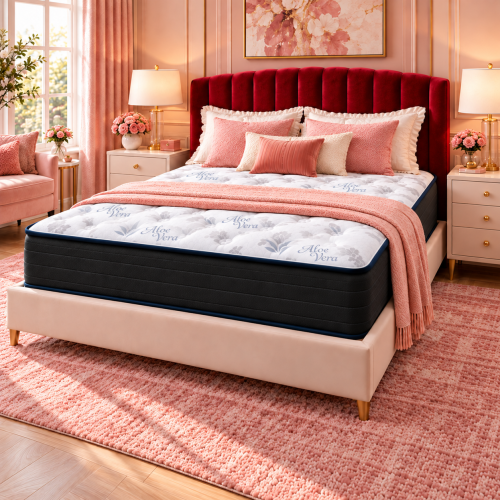
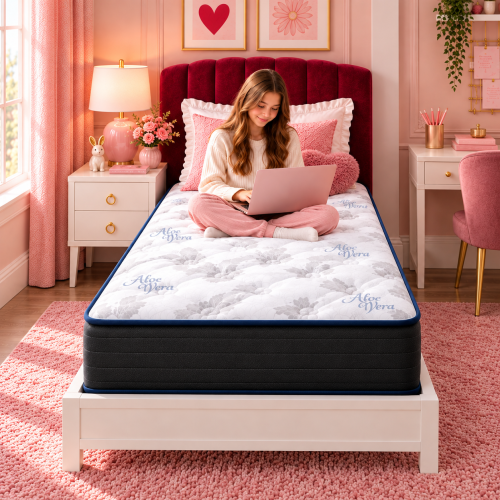
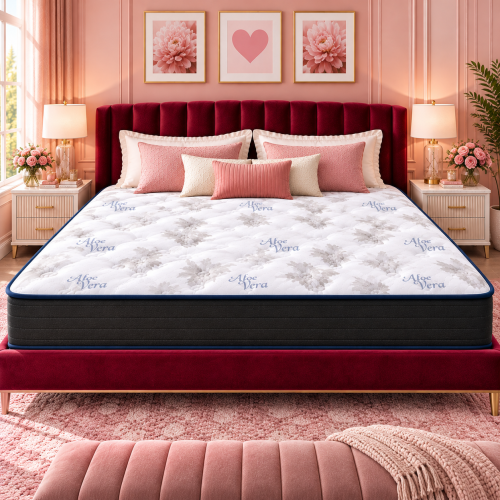
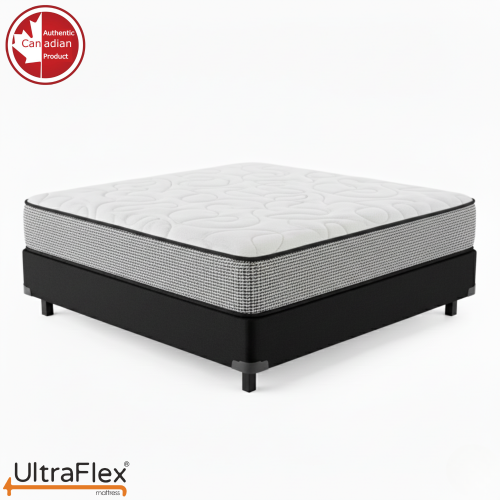
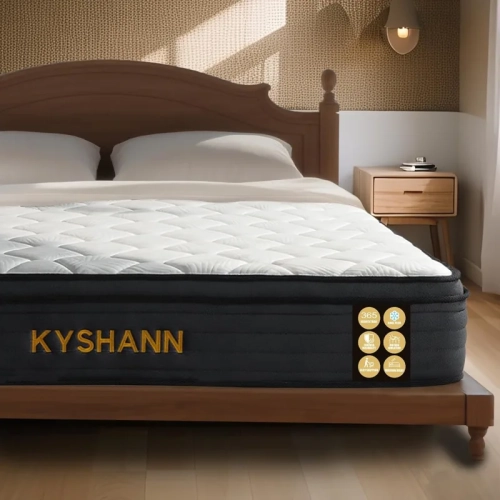
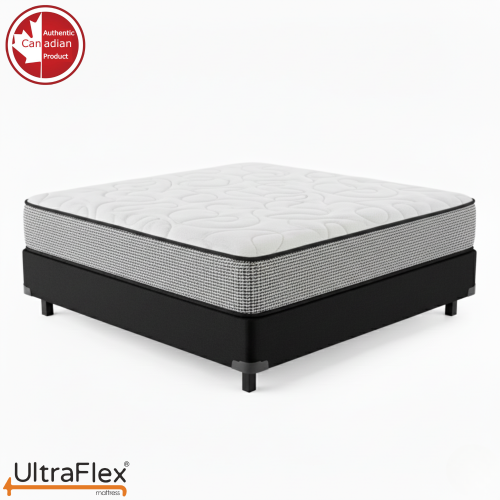
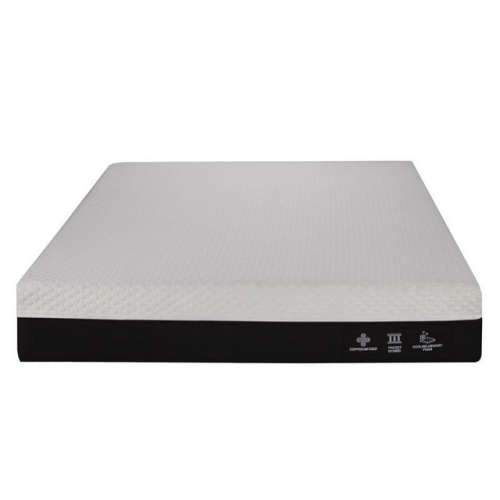
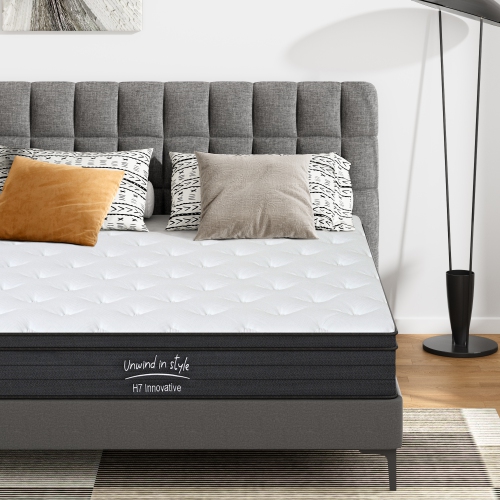
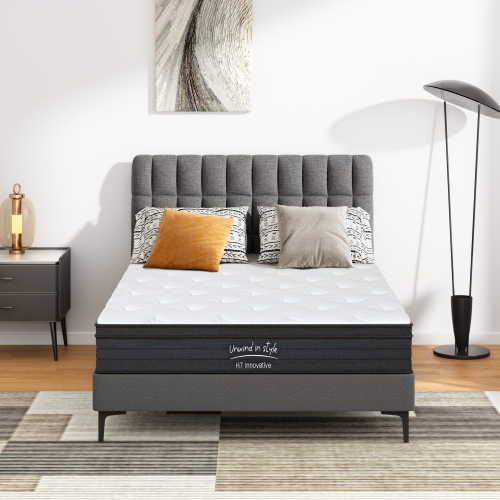
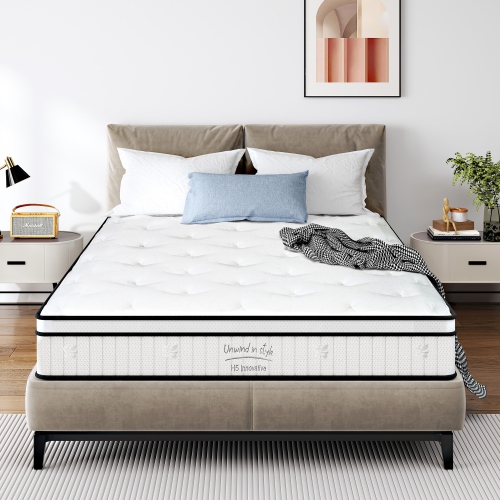
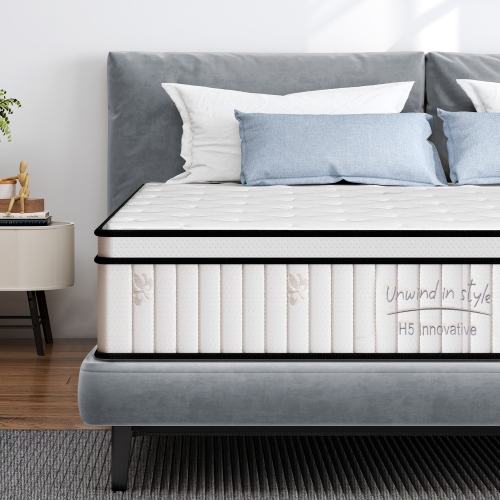
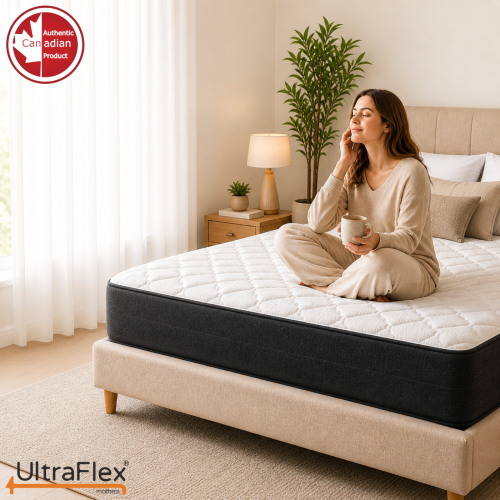
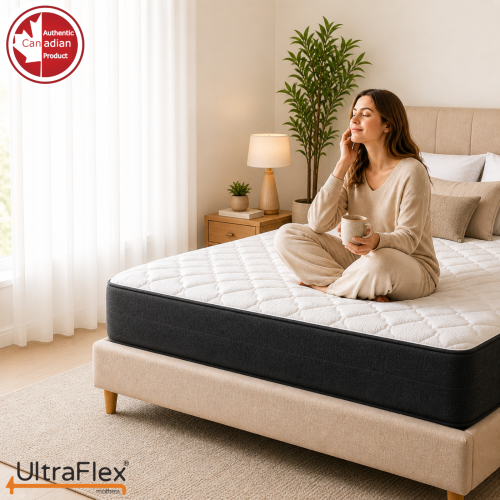
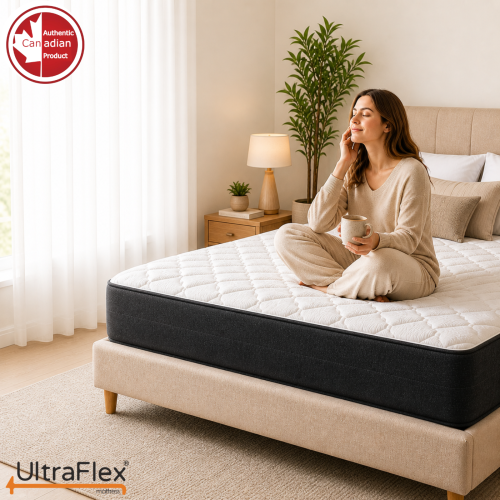
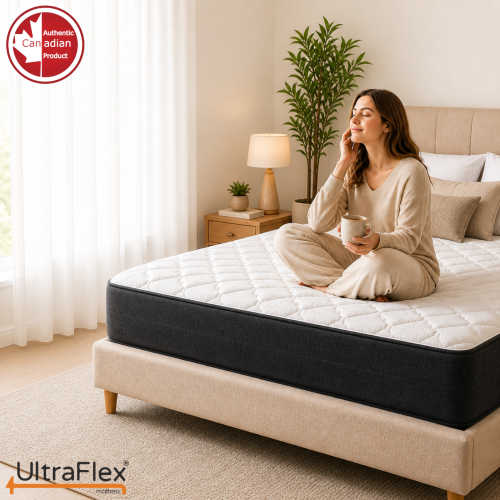
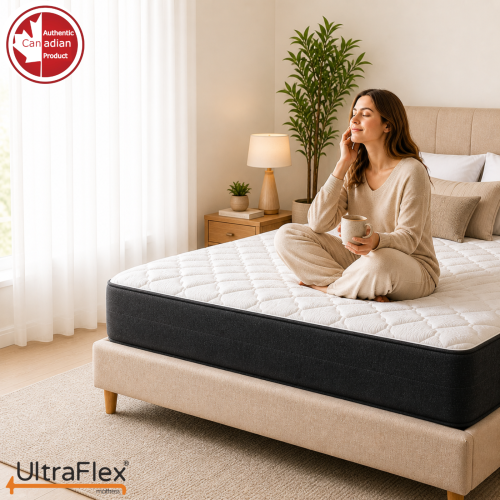
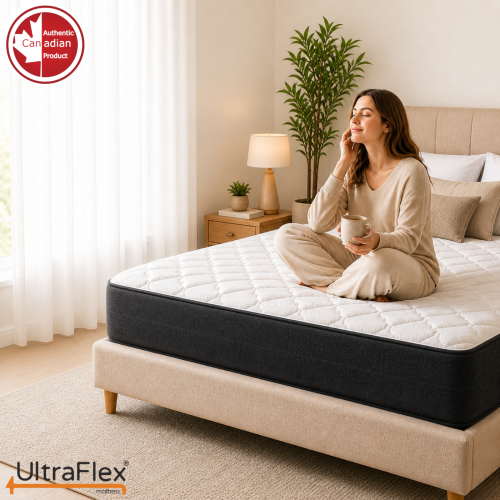
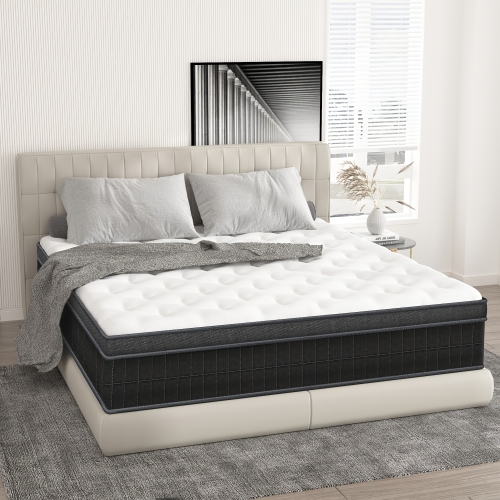
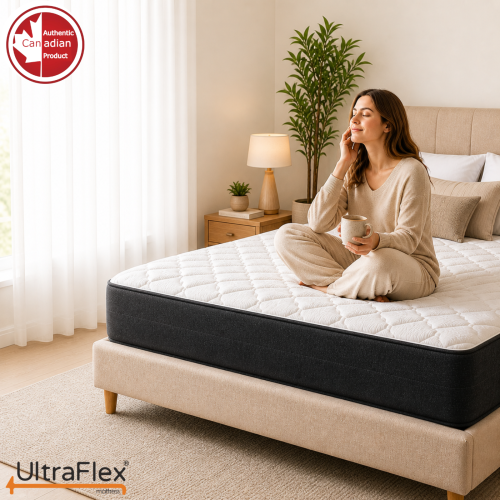
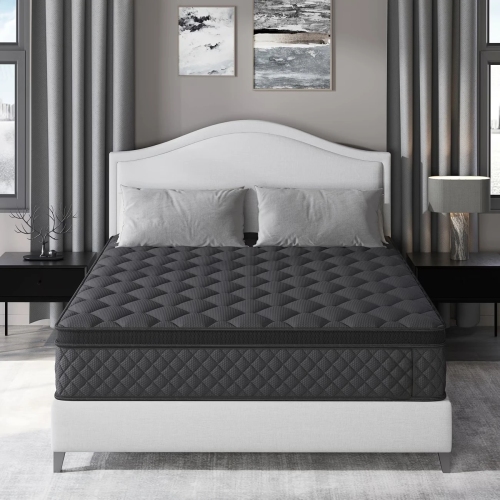
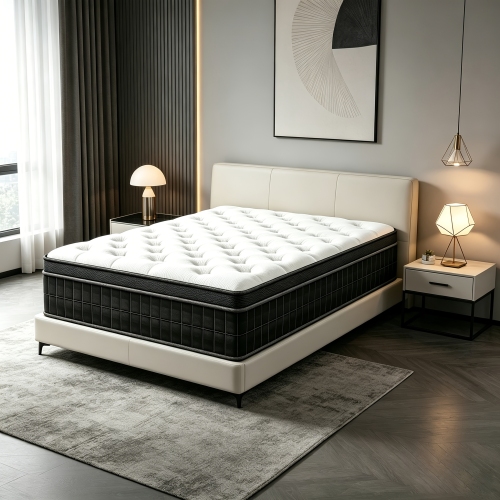
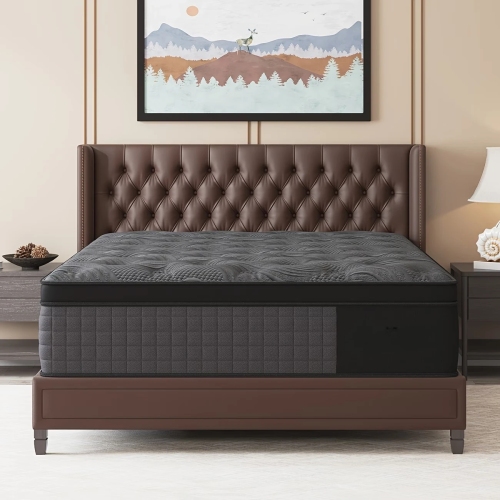
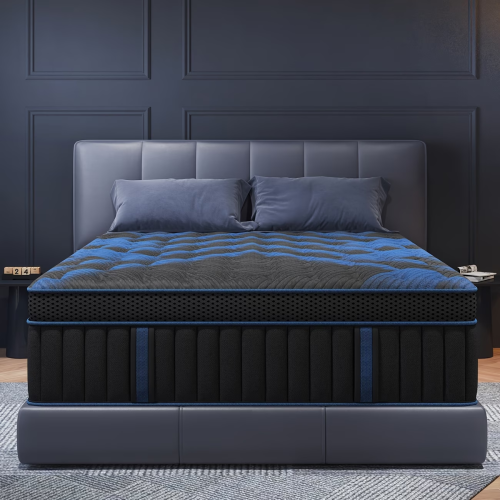
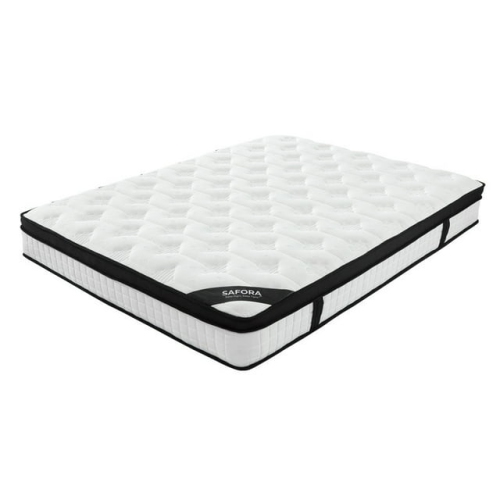
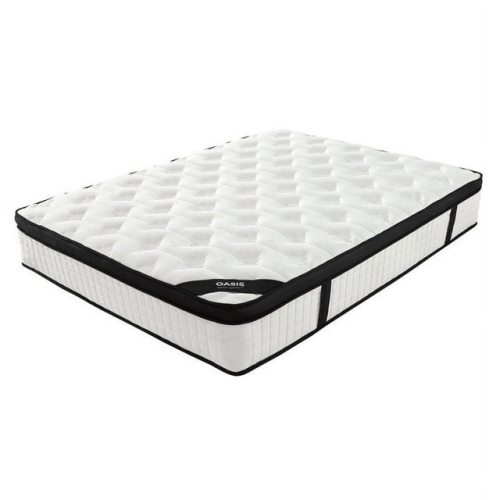
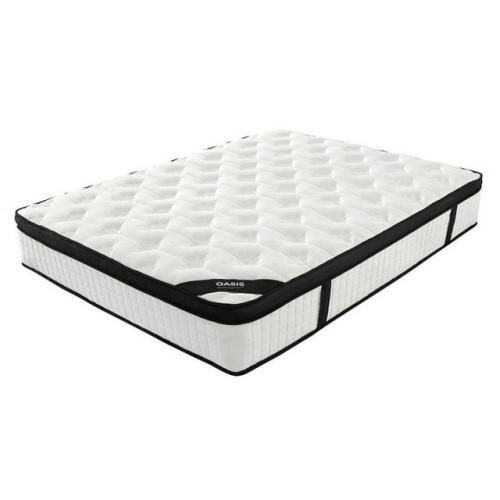
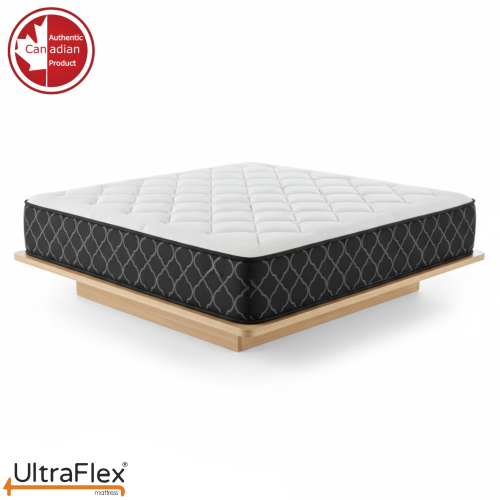
Medium firm hybrid mattresses combine cushioning comfort layers with coil support for a feel between plush and firm. Browse the selection to compare mattress sizes, materials, and construction, and consider how each option suits your preferred sleep position and comfort needs.

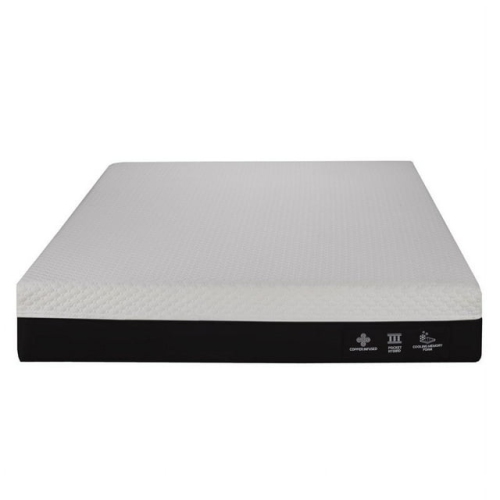
Sort

Why a firmer feel does not guarantee better support

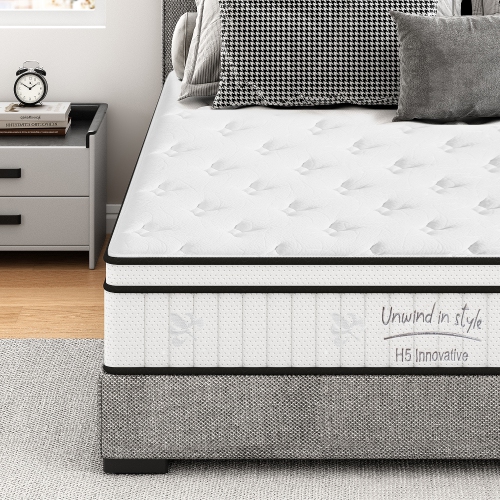
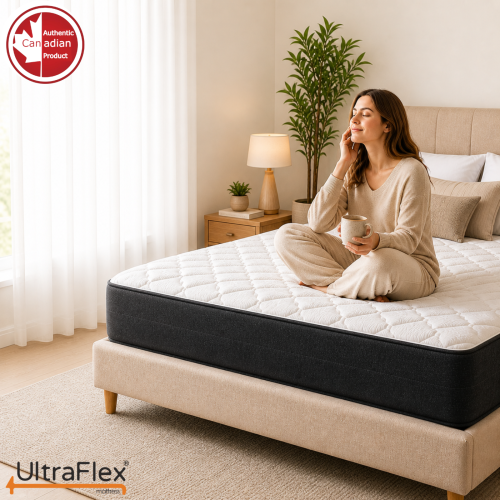
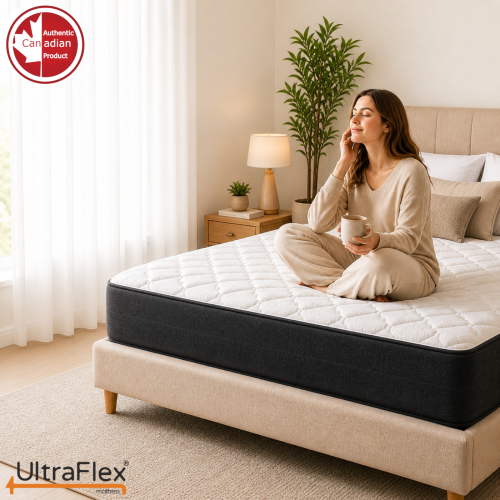
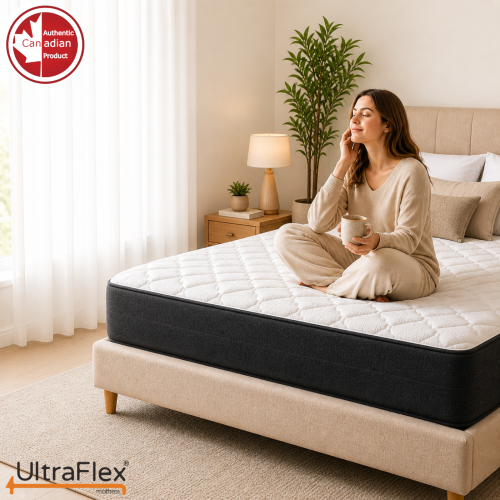
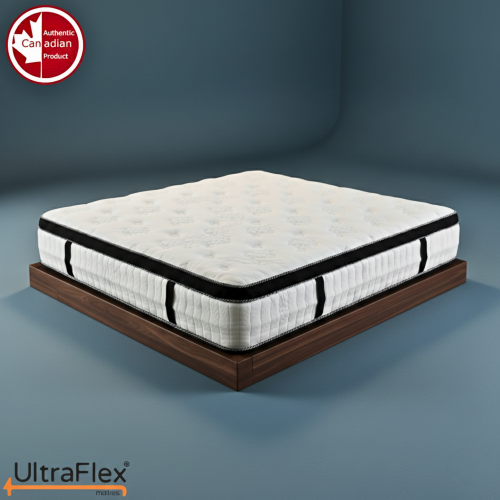
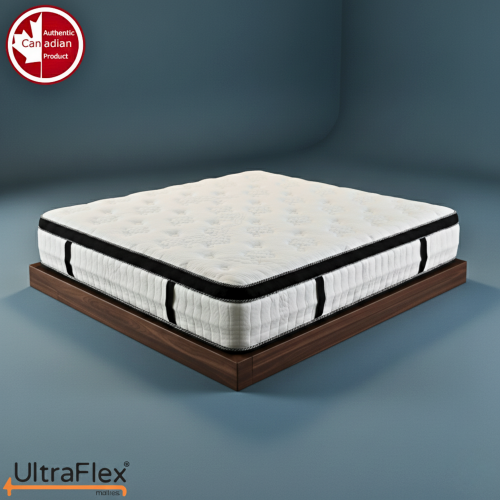
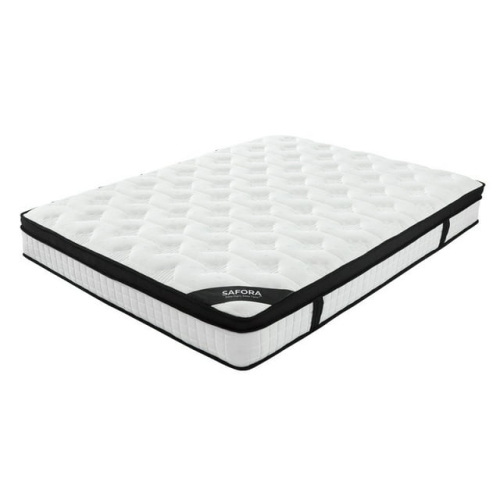
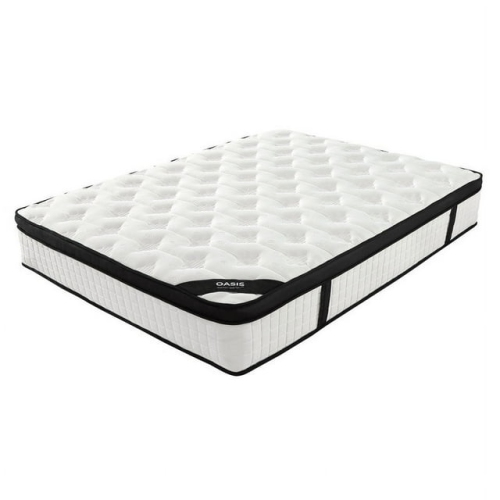
Medium-firm hybrid mattresses combine a coil support system with cushioning layers, typically made from memory foam, other comfort foams, latex, or a combination of these materials. The result is a sleep surface designed to offer some contouring without the deeper sinking sensation associated with softer mattresses. Medium-firm is often described as approximately six or seven on a ten-point firmness scale, where ten is the firmest, but these ratings are not standardized across manufacturers. Body weight, sleeping position, and the thickness of the comfort layers all influence how a mattress actually feels. Firmness describes the surface sensation, while support describes how well the mattress holds the body in a comfortable position; a firmer surface is not automatically more supportive. In many hybrid designs, individually pocketed coils compress separately beneath the sleeper, allowing the mattress to respond to movement while limiting some motion transfer. Memory foam can add close contouring around the shoulders and hips, while latex and more responsive foams tend to provide a springier feel that makes changing position easier. Some constructions also use zoned coils or varying foam densities to provide different levels of resistance beneath different parts of the body. Back sleepers may appreciate a medium-firm balance that lets the hips settle slightly while supporting the lower back. Combination sleepers often value the ability to roll from their back to their side without feeling held in place by the surface. Side sleepers generally need enough cushioning for the shoulder and hip, particularly if they have a lighter build, while stomach sleepers may need greater resistance beneath the pelvis. These are starting points rather than guarantees: two people can experience the same mattress quite differently. For partners with different preferences, a medium-firm hybrid can offer a practical middle ground between plush cushioning and a more rigid feel. A mattress should feel comfortable in the positions used most often, without persistent pressure or a sense that the middle of the body is sinking too far.
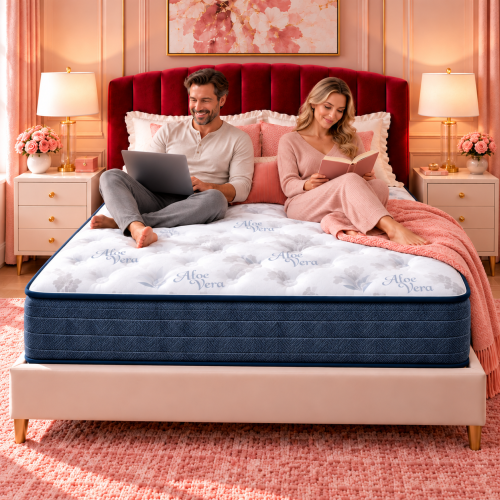
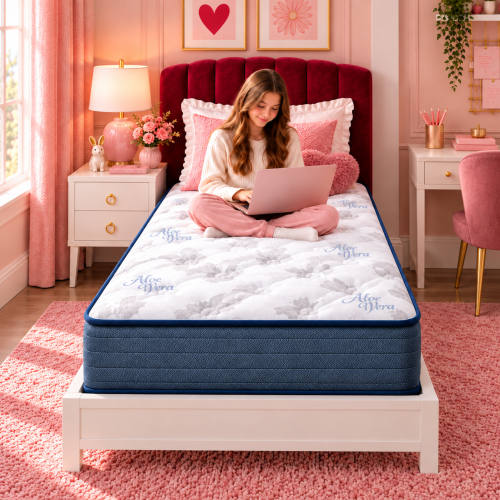
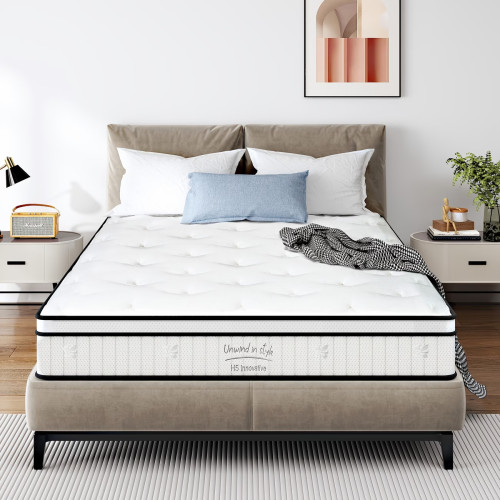
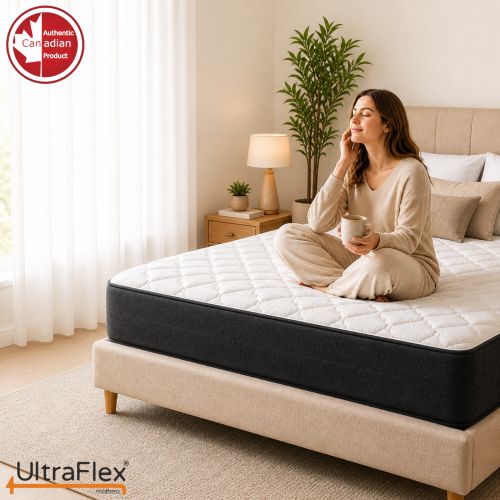
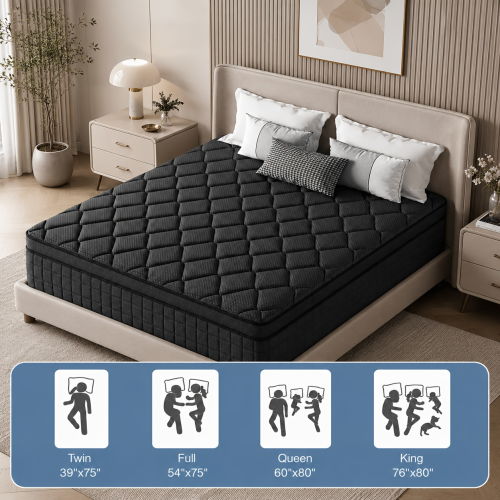
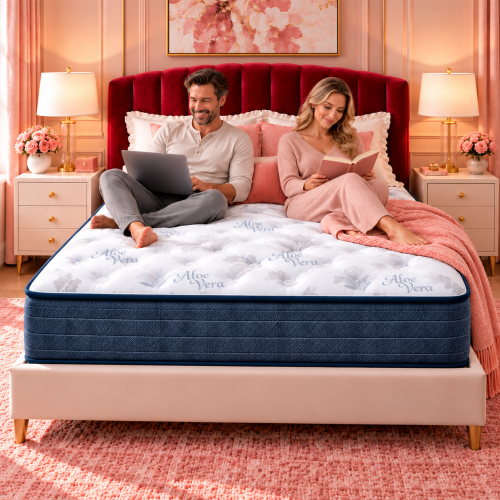
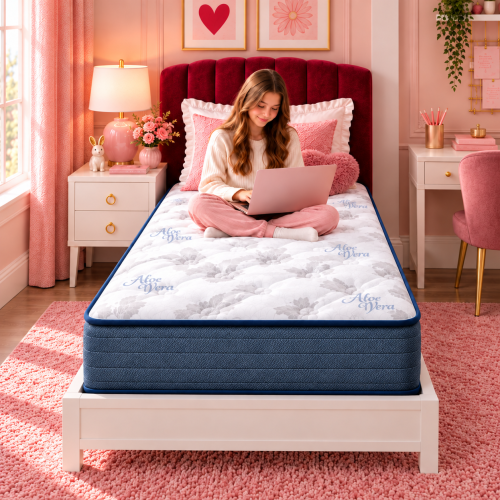
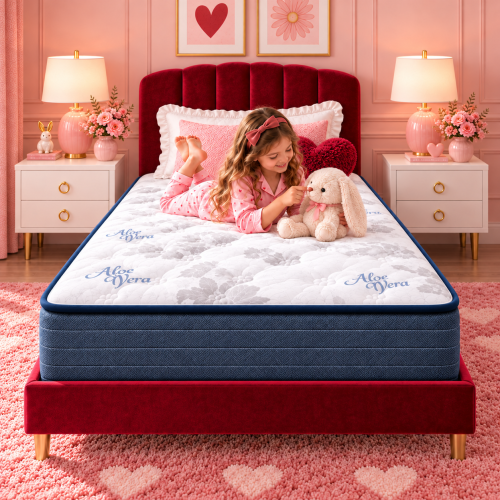
Fit involves more than choosing a familiar mattress size. A medium-firm hybrid mattress needs to suit the sleeper, the bed frame, and the room around it. A twin or twin XL can work well in a smaller bedroom or for a single sleeper, while a double offers more width without taking up as much floor space as a queen. Queen and king sizes give couples more room to change position, although the right choice depends on bedroom dimensions and each person’s sleeping habits. Measuring the frame’s internal dimensions helps confirm that the mattress will sit correctly, especially with older furniture or frames that have a raised border. Mattress thickness also changes the finished bed height and the fit of fitted sheets. A deeper mattress on a tall foundation can make getting into bed awkward, while a low frame with a thinner mattress may be uncomfortable for someone who finds standing from a low seat difficult. For a person who sits on the edge to put on socks or ease into bed, edge support deserves attention. Reinforced perimeter coils or other edge-support features can reduce compression along the sides, though the effect varies by construction and sleeper weight. Couples may also notice whether movement travels across the bed when one person turns over or gets up. Pocketed coils and cushioning layers can help reduce that disturbance, but no mattress should be assumed to eliminate it entirely. Hybrid mattresses are suited to everyday bedrooms and guest rooms where a balance of cushioning and support is preferred. A guest bed used by different people may benefit from a less extreme firmness, although individual comfort still varies. Compatibility with platform beds, slatted frames, foundations, and adjustable bases should be confirmed in the mattress specifications rather than assumed from the hybrid label alone. The broader Medium Firm Mattresses category offers another way to explore this firmness preference when the construction type is still an open choice.

Materials and care play an important role in how a medium-firm hybrid mattress performs over time. The coil unit supplies the underlying structure, but the comfort layers are usually where gradual softening becomes most noticeable. Foam density, foam thickness, coil construction, and the way the layers are assembled all matter; mattress height or coil count alone does not establish quality or predict lifespan. A thicker comfort section can create a more cushioned first impression, while a thinner one may make the response of the coils easier to feel. Cover fabrics also affect the surface texture, and a quilted top can feel different from a smooth stretch-knit cover even when both mattresses carry the same firmness description. A properly fitted mattress protector helps keep spills, perspiration, and everyday marks away from the cover without replacing routine care. Deep-pocket sheets should match the mattress profile so the corners stay secure rather than pulling loose when someone turns over. Cleaning methods should follow the care label, as soaking the surface or using harsh cleaning products can damage fabrics and internal layers. Removable covers are not necessarily machine washable, and a cover should only be unzipped if the manufacturer permits it. Most layered hybrid mattresses are designed with a specific sleeping surface and should not be flipped unless their instructions explicitly allow it. Rotation may help distribute wear, but the appropriate schedule depends on the design. A compatible foundation with the specified slat spacing or centre support helps prevent uneven loading and unnecessary strain. For compressed mattresses, unpacking and expansion instructions should be followed before normal use, with enough room to handle the mattress safely. Moving a larger hybrid may require two people, and handles should only be used as directed. Over time, persistent sagging, damaged edges, or a noticeable loss of comfort can signal that the mattress needs assessment. Warranty terms distinguish normal changes in feel from covered defects, while return or comfort-trial conditions, where offered, may include requirements worth reviewing before choosing a mattress.

FAQ

Some products may be subject to Environmental Handling Fees (EHF) depending on your province. Learn more about EHFs.