Memory Foams
Experience the ultimate in comfort and support with our collection of memory foams. Whether you're looking to upgrade your mattress, add a plush topper, or enhance your pillows, memory foam technology molds to your body, providing a personalized sleeping experience. Say goodbye to tossing and turning as these innovative foams relieve pressure points and promote better spinal alignment for rejuvenating rest night after night. Discover the benefits of memory foams and transform your sleep sanctuary into a haven of relaxation.
Sort


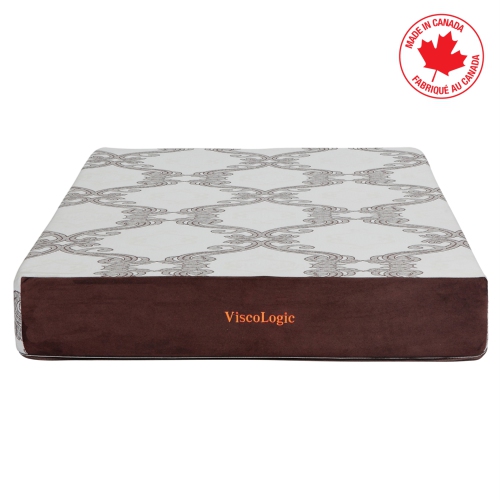
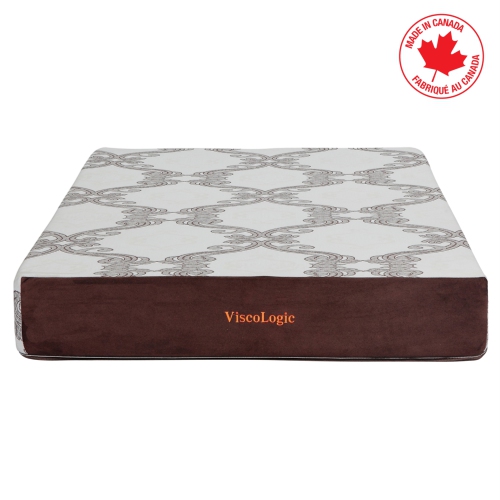






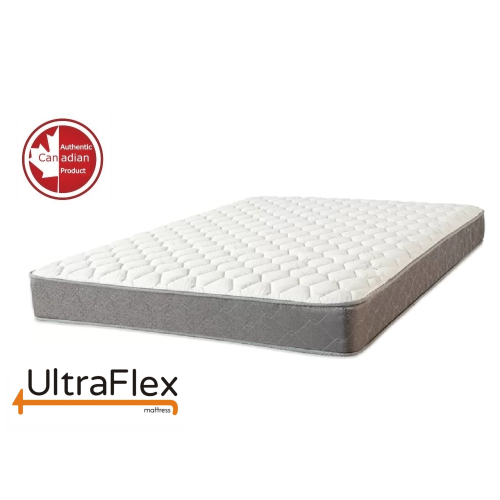
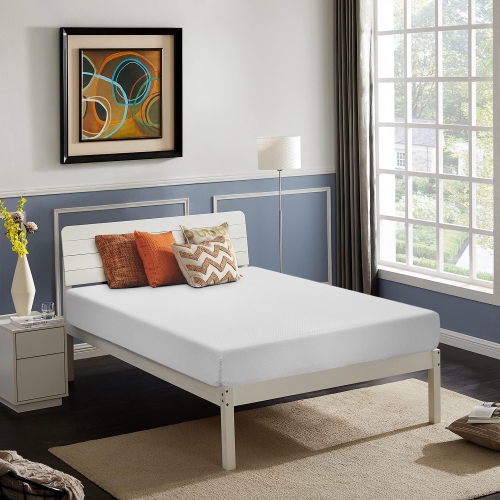
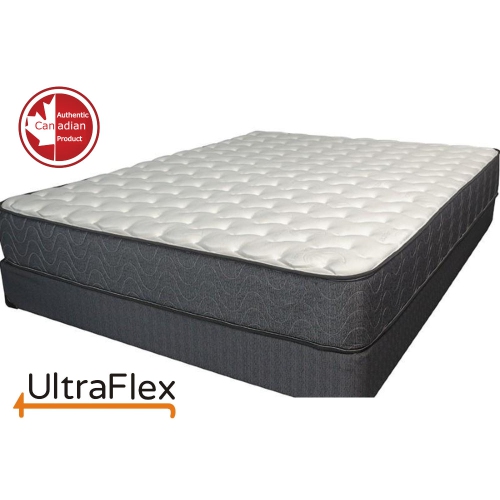
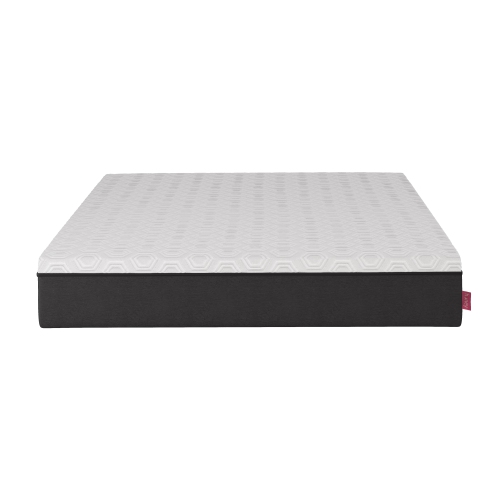
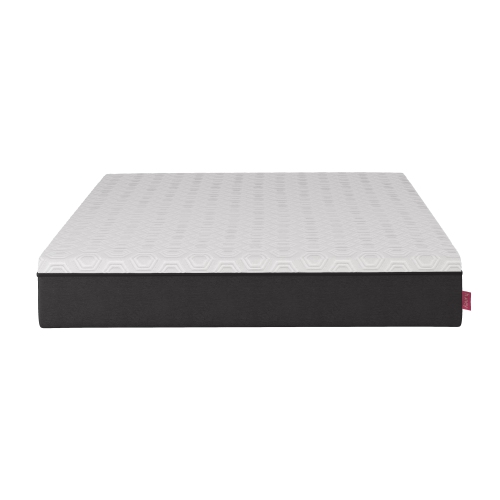
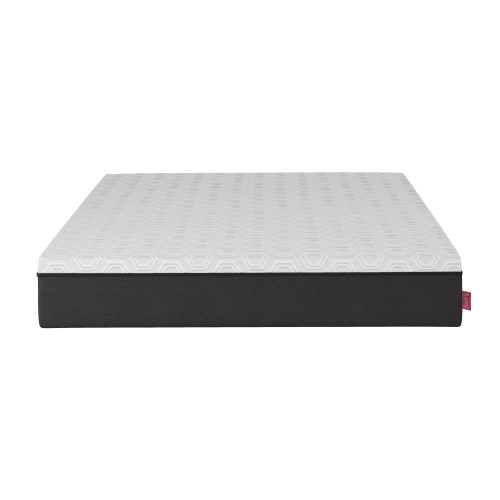
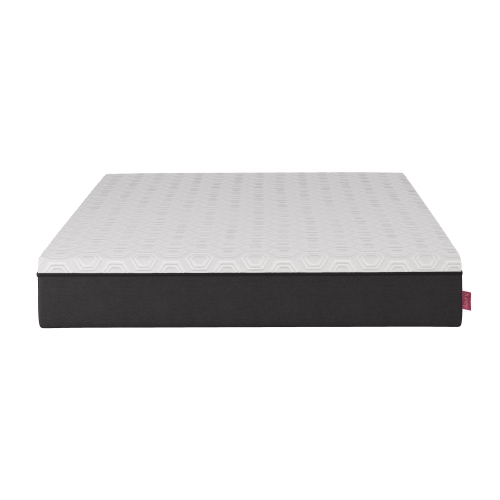
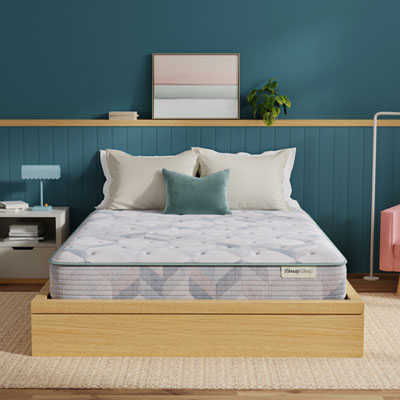
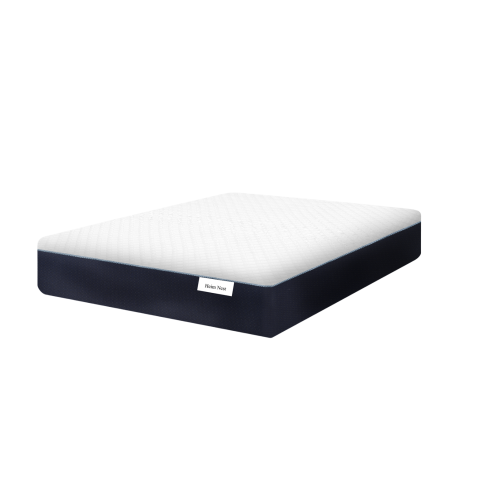
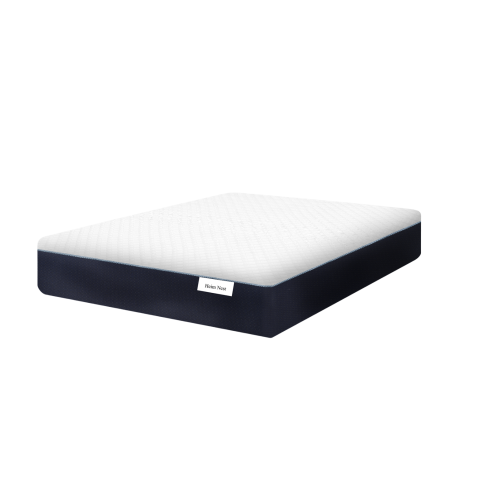
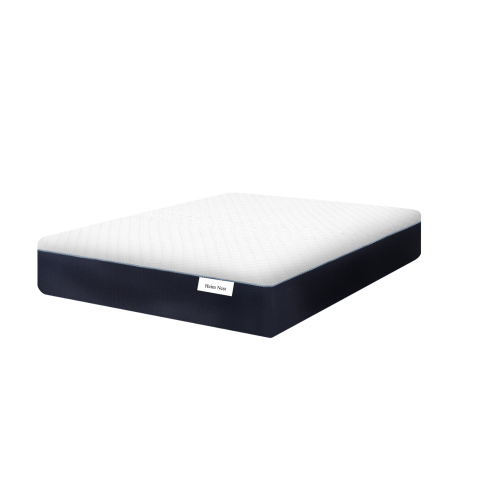
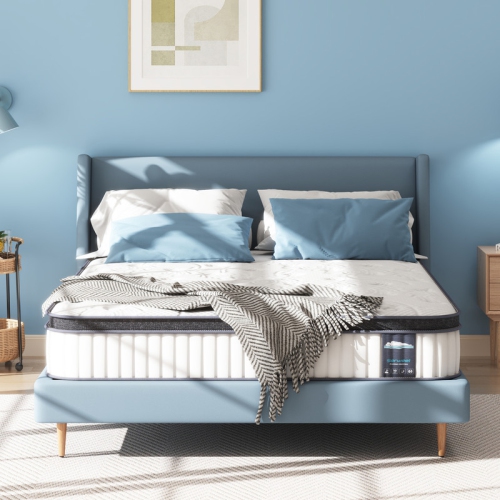
![VISCOLOGIC [] Opal Deep Feel Pillow Top Memory Foam Mattress (Twin Size)](https://multimedia.bbycastatic.ca/multimedia/products/500x500/141/14194/14194089.png)
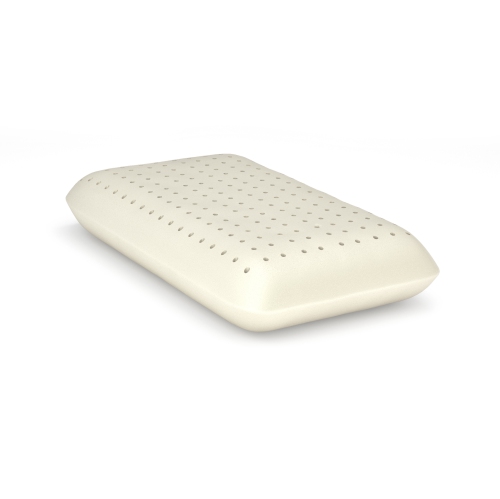





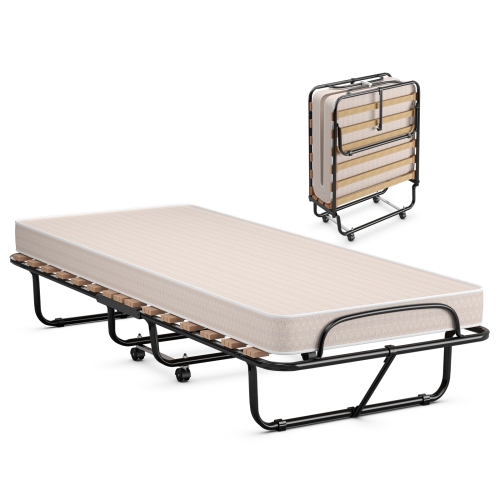
Why contouring comfort depends on more than softness
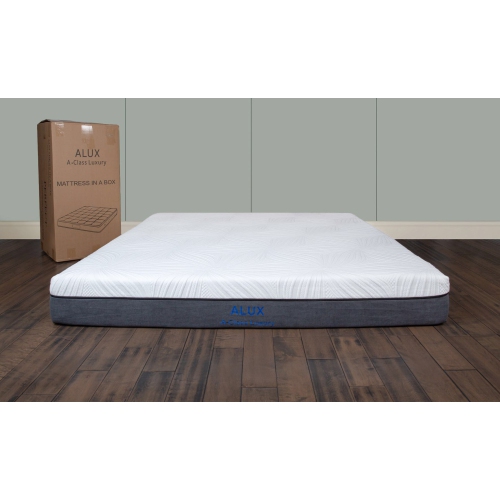
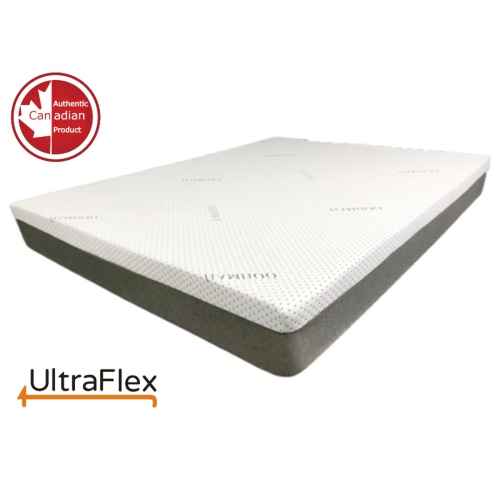
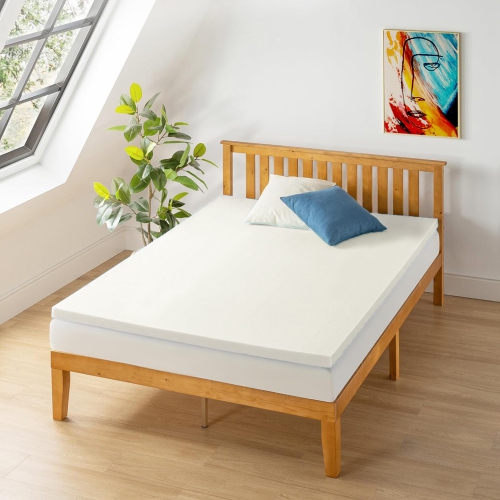
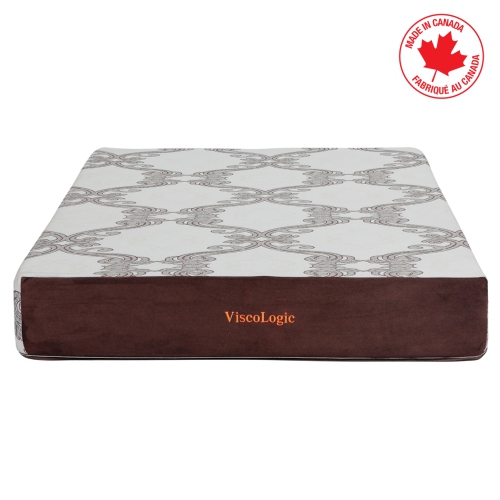
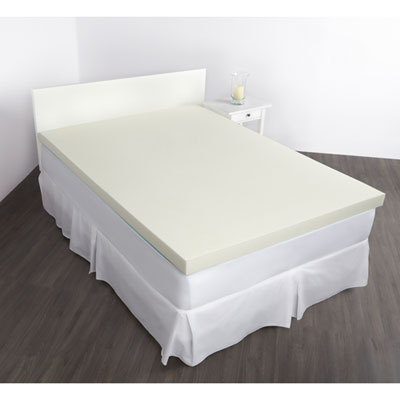
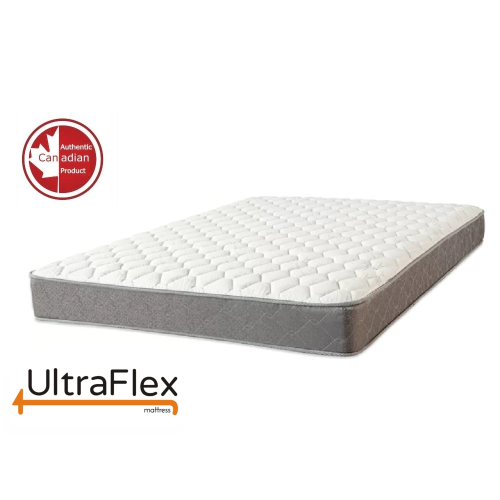
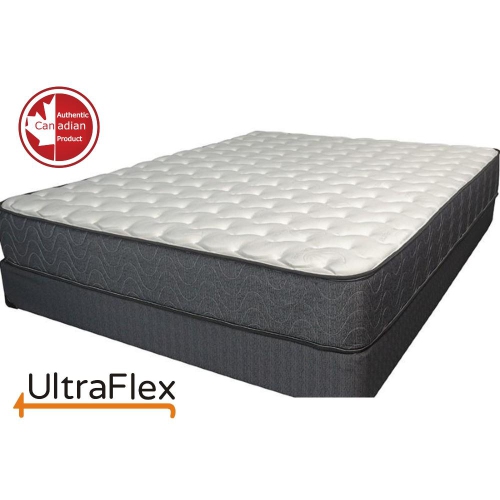
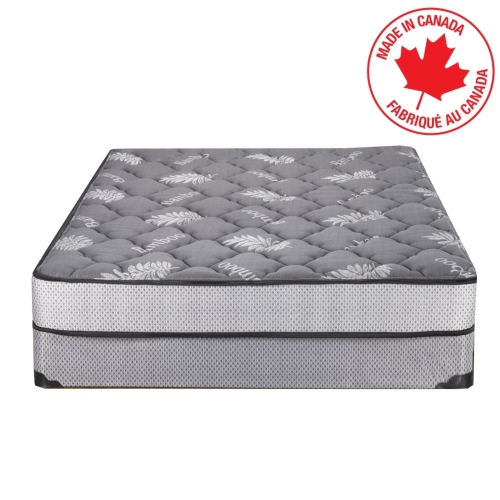
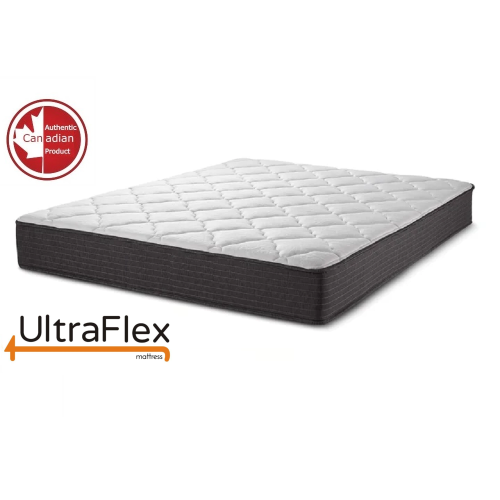
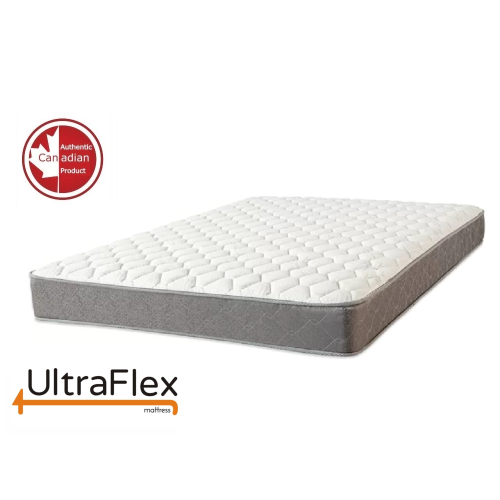
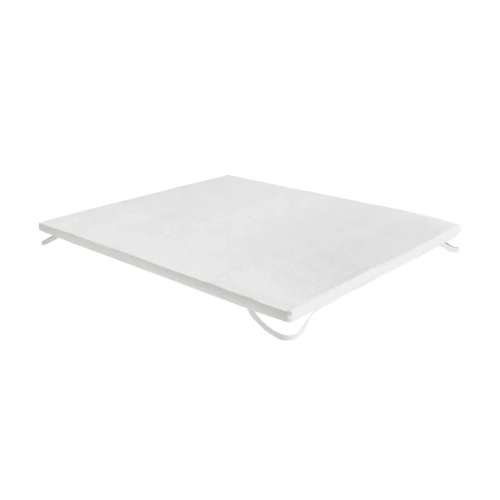
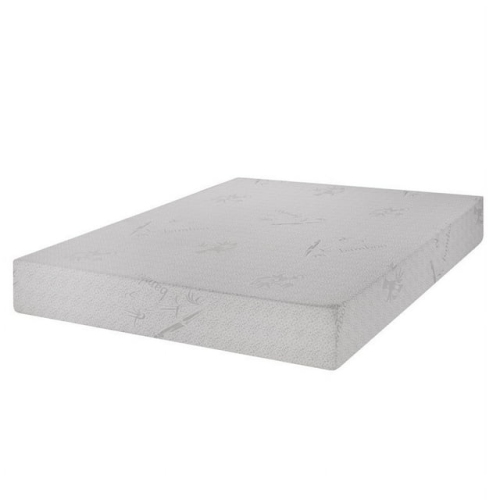
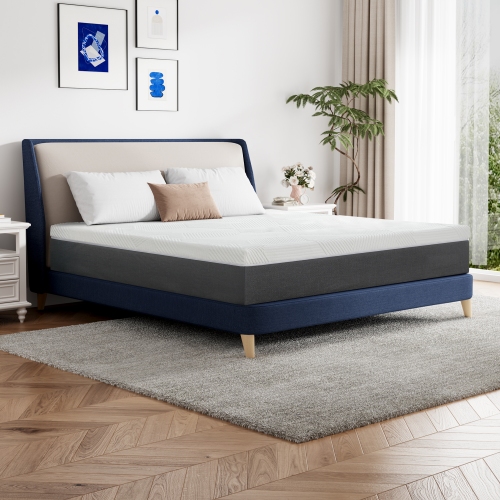
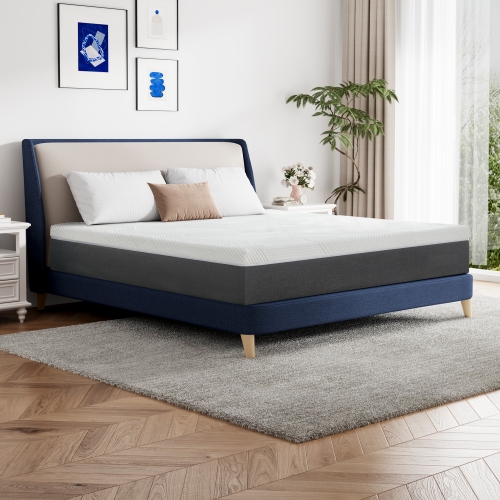
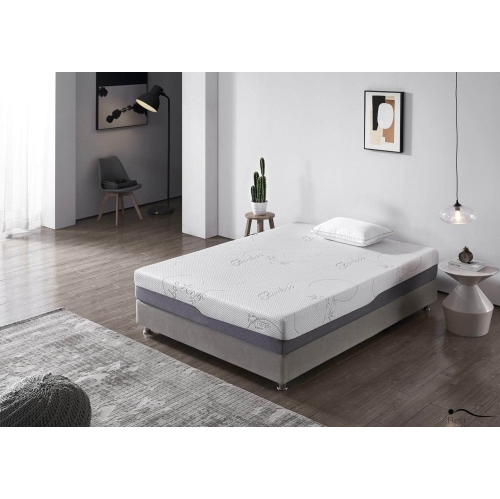
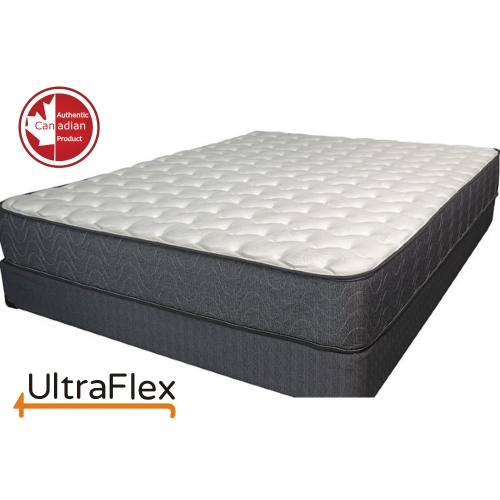
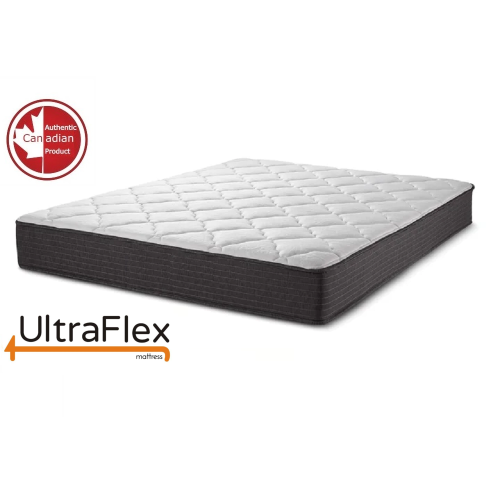
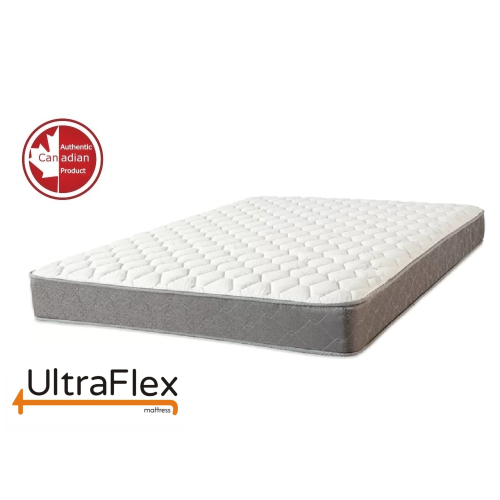
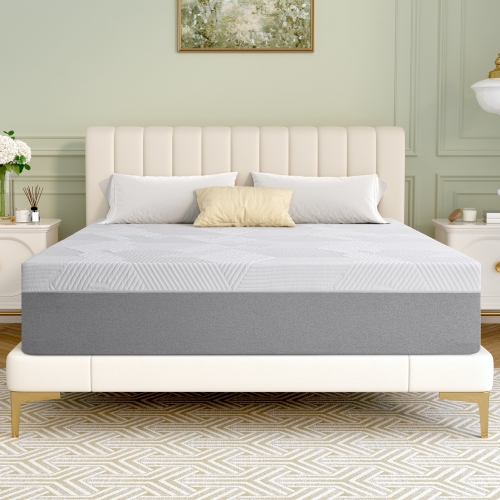
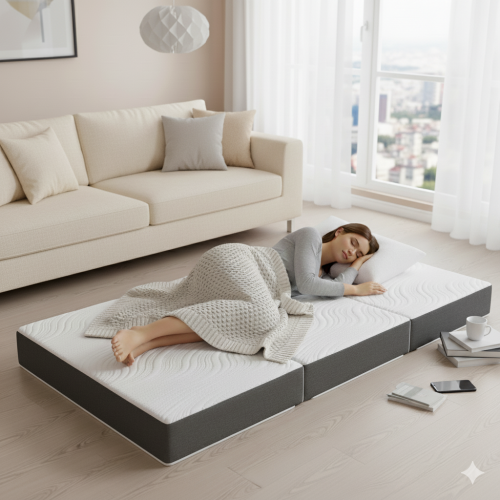
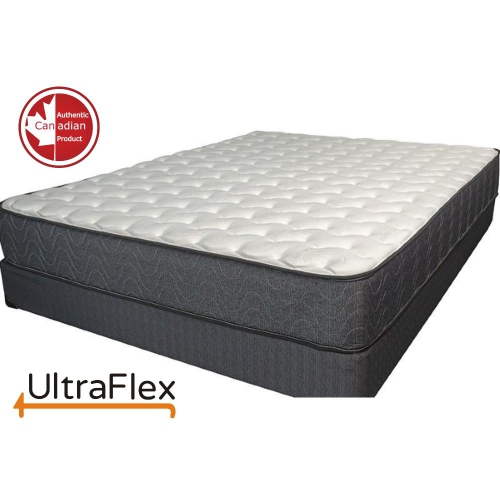
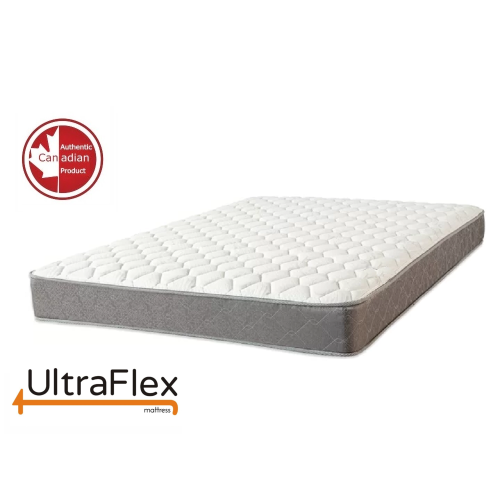
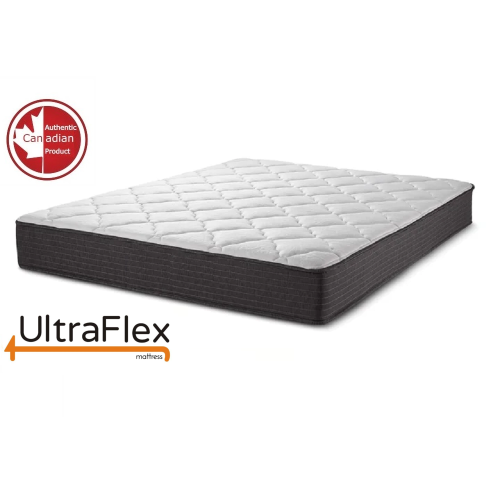
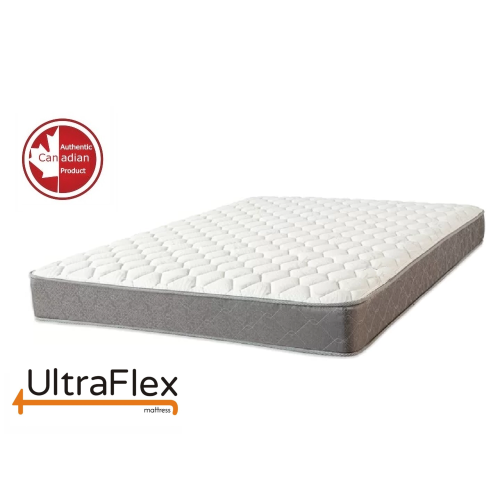
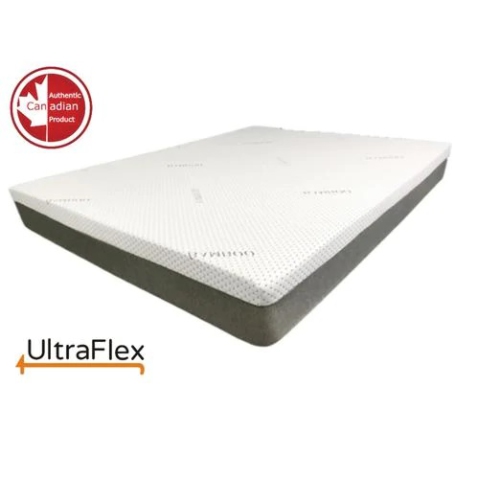
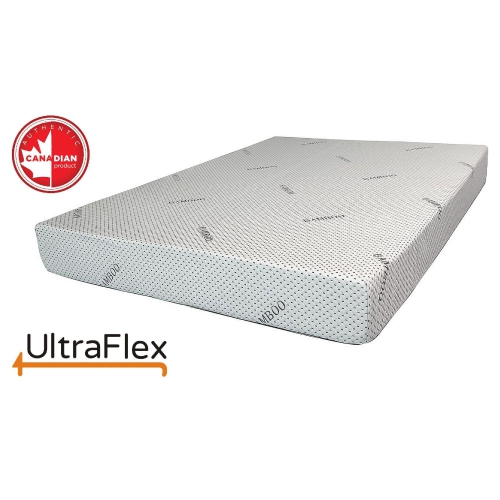
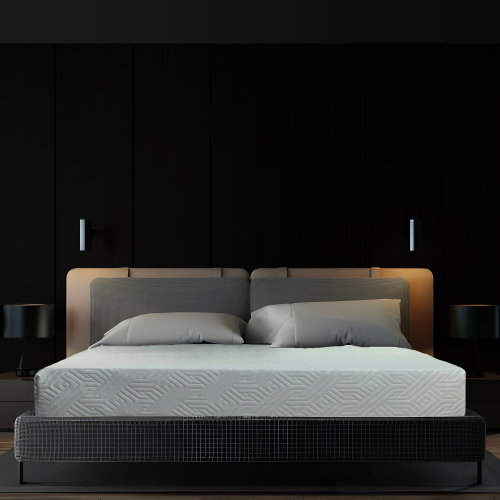
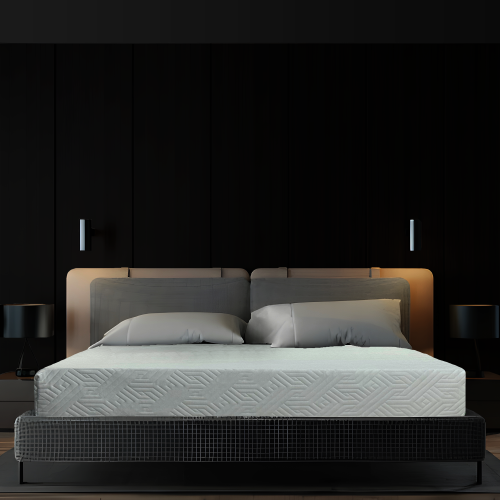
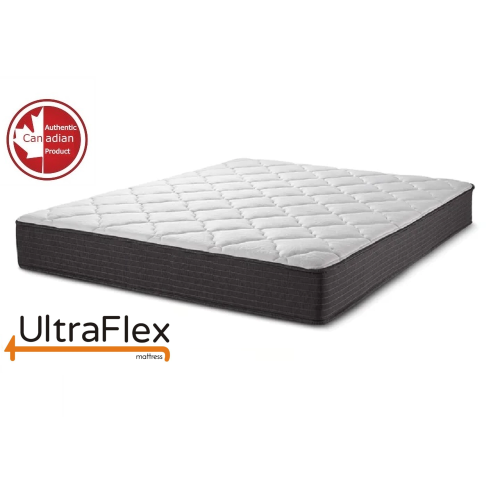
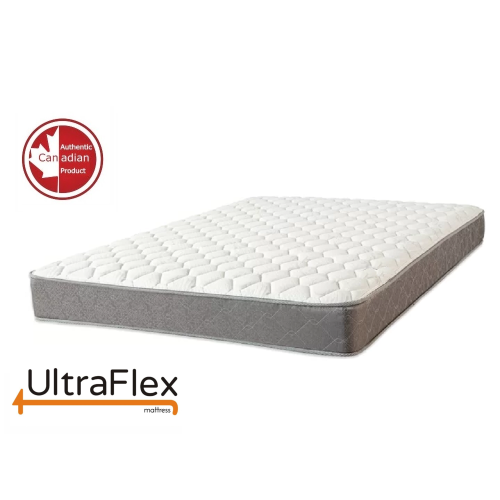
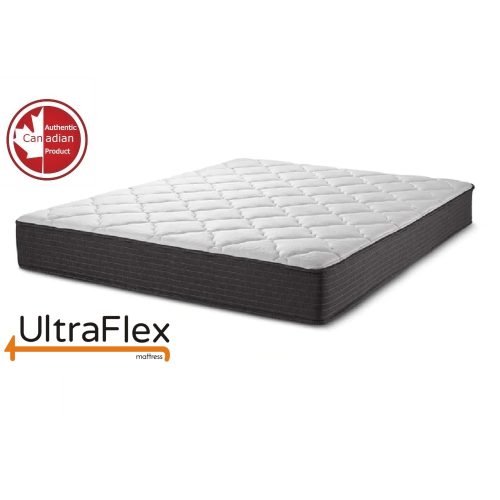
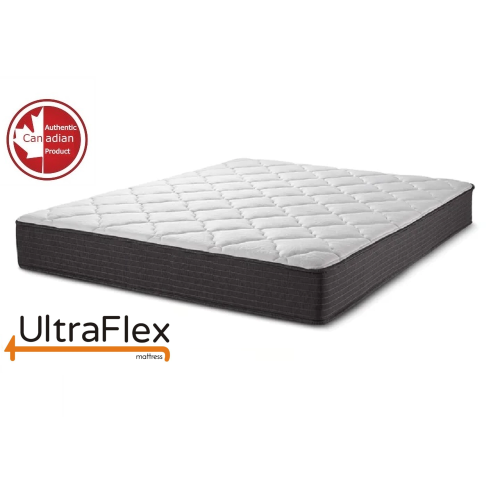
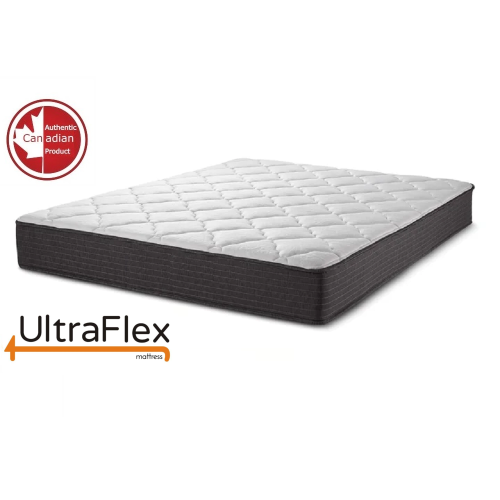
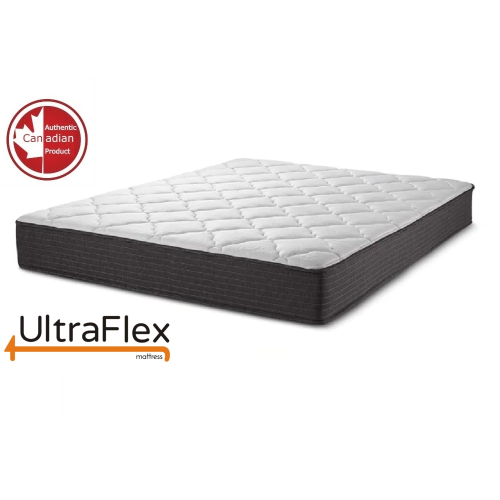
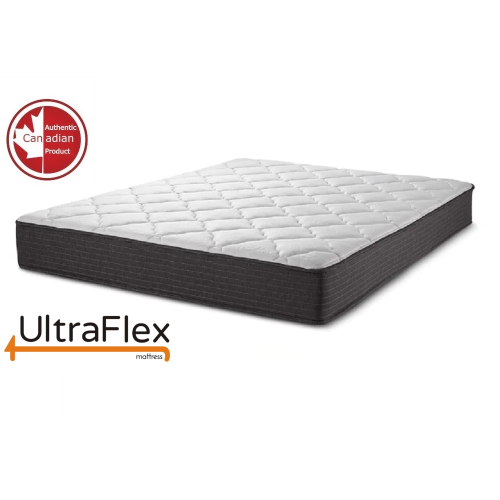
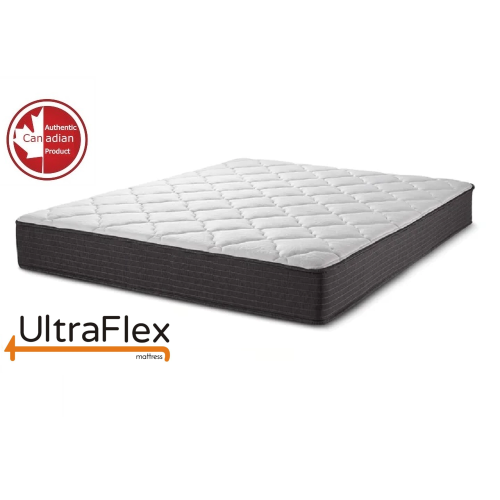
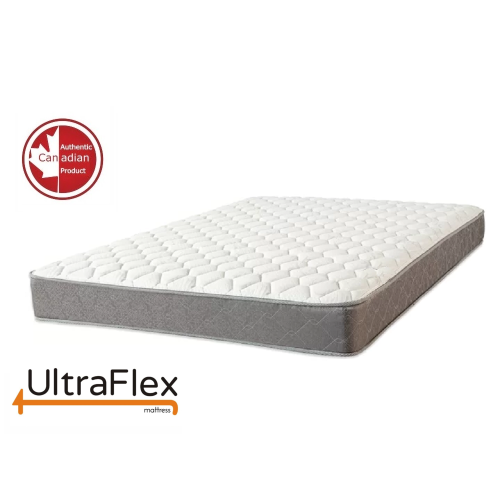
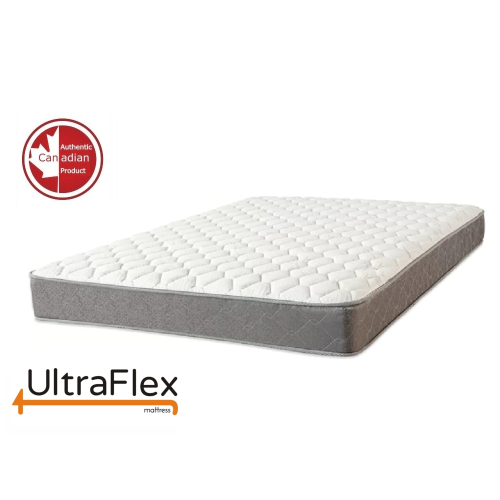
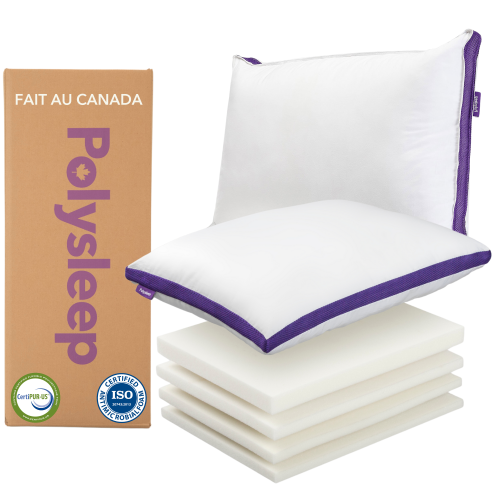
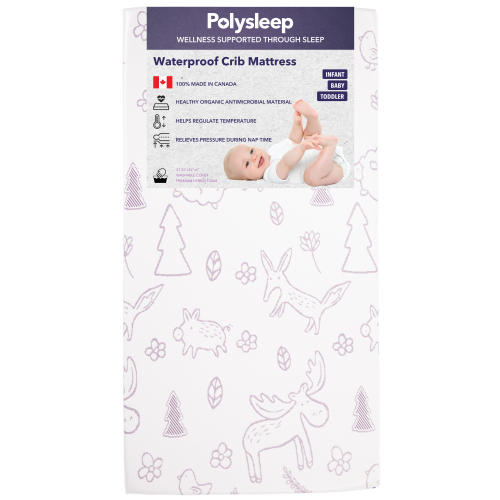
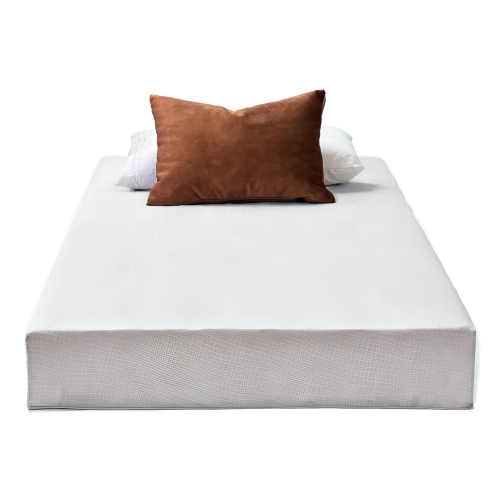
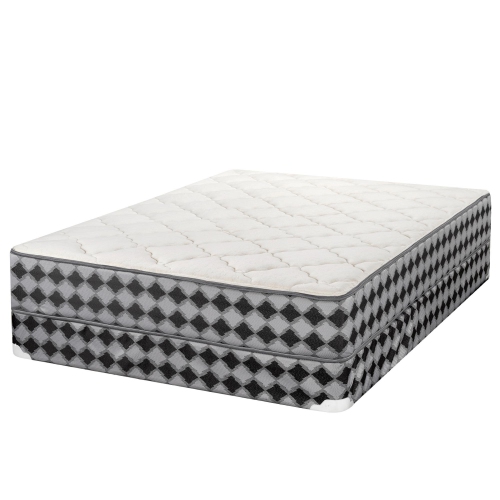
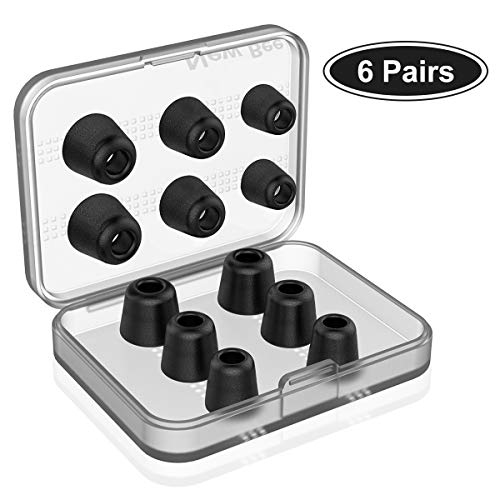
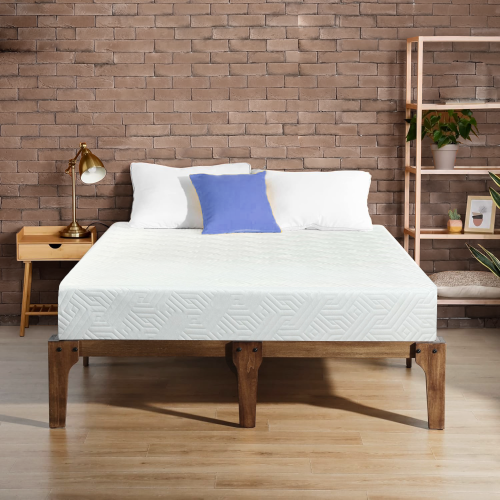
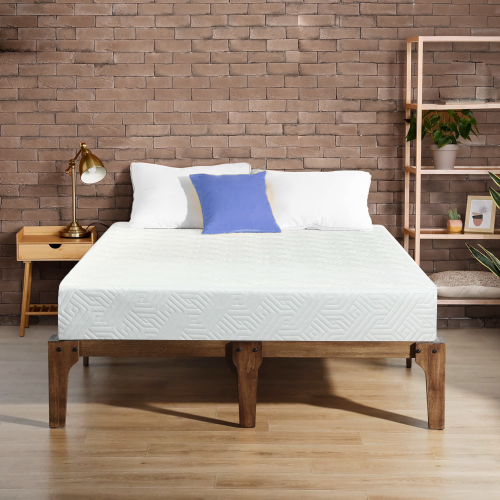
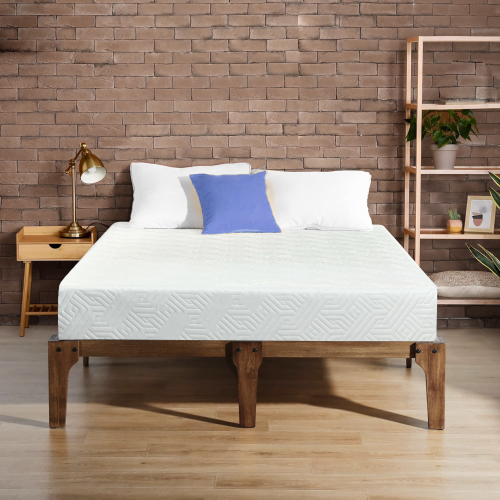
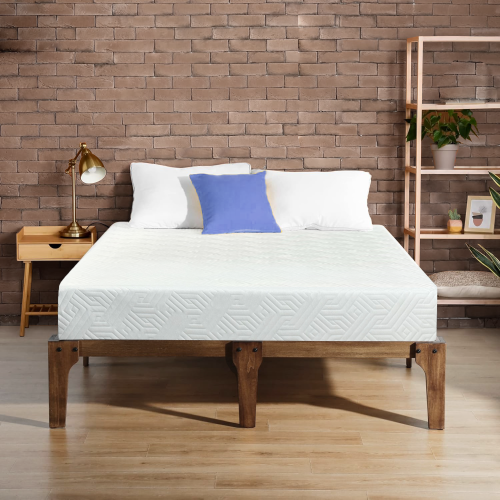
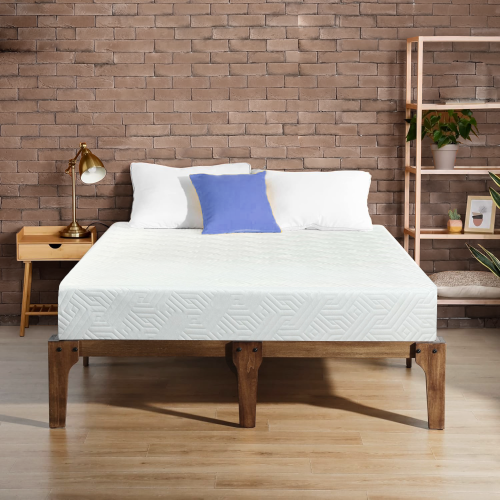
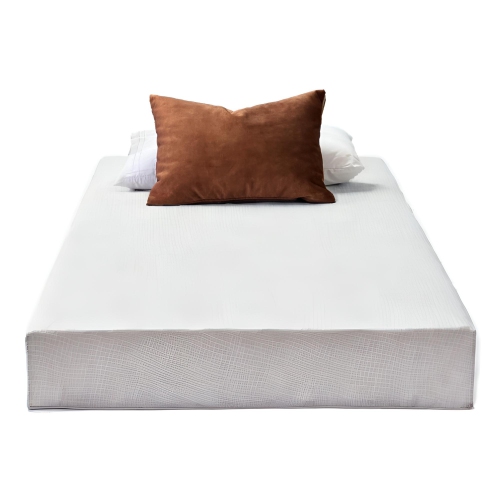
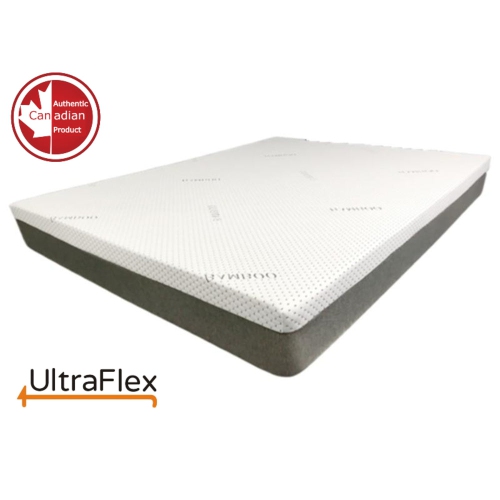
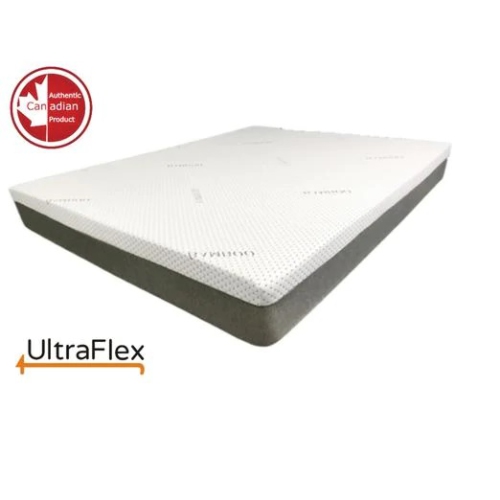
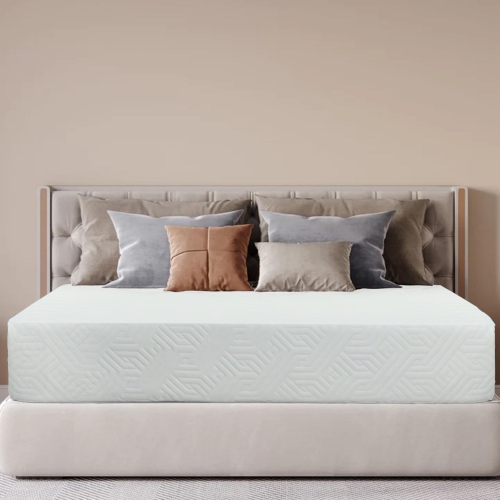
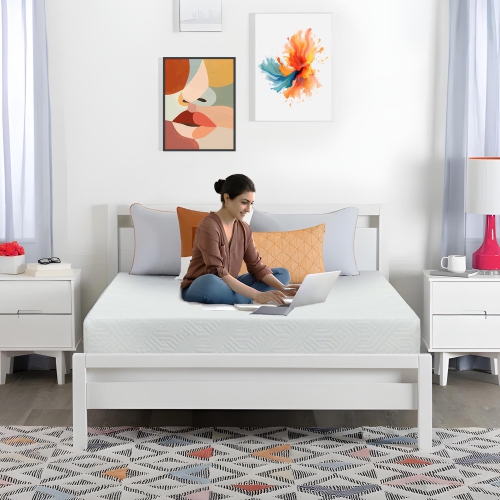
Memory foam is a type of viscoelastic polyurethane foam that softens under warmth and pressure, moulds around the body, and gradually returns to its original shape when that pressure is removed. That slow, contouring response gives memory foam mattresses, pillows, and mattress toppers their distinctive feel: rather than immediately pushing back, the material settles around contact points such as shoulders, hips, and the back of the head. Originally developed for cushioning applications in aerospace research, memory foam is now widely used in bedding and everyday comfort accessories. Different formulations produce different sensations, from a close, enveloping feel to a lighter surface that responds more quickly as someone shifts position. In a mattress, memory foam generally forms a comfort layer above a firmer support core; in a hybrid design, it works alongside springs. The comfort layer cushions the body, while the underlying structure helps maintain support. A thicker layer is not automatically more comfortable for everyone, and a soft surface is not the same thing as a supportive mattress. Body weight, sleeping position, and personal preference all affect how deeply someone settles into the foam. Memory foam can help distribute pressure across a broader surface, which may make the bed feel more comfortable around prominent joints, although it is not a treatment for pain or a guarantee of better sleep. It can also absorb some movement, making a partner’s midnight turn less noticeable across the mattress. People who enjoy a cushioned, relatively still sleep surface may appreciate that quality, while those who prefer a springy feel may favour a more responsive construction. For a closer look at mattress designs that use this material, Memory Foam Beds brings the focus to full sleeping surfaces rather than accessories that modify an existing bed. The distinction matters: a topper changes surface comfort, but a mattress combines comfort layers with the structure beneath them.
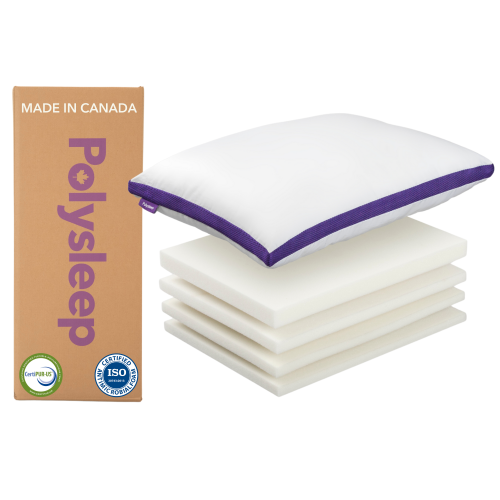
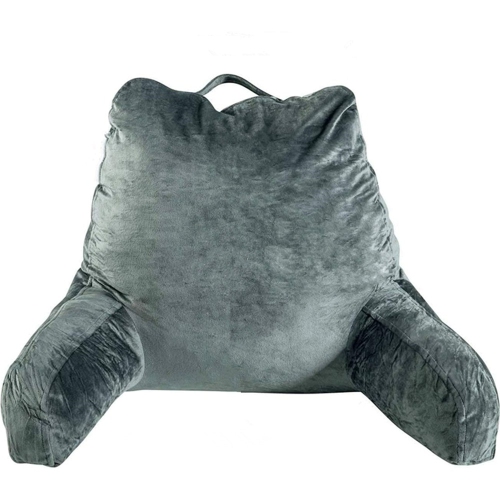
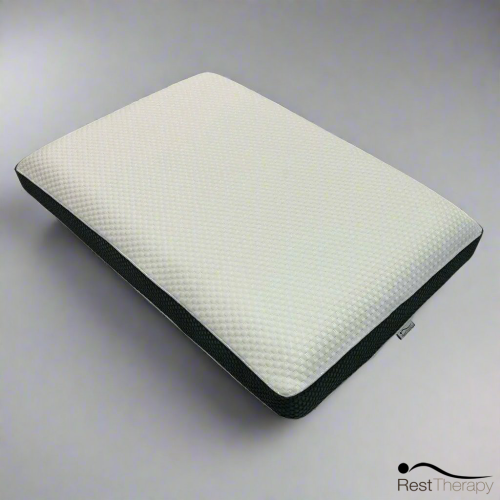
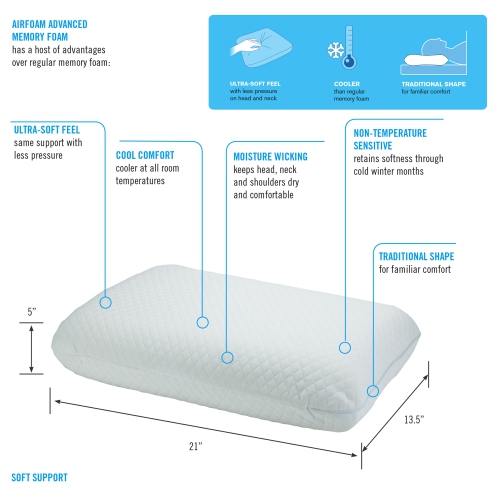
The right fit depends as much on how a memory foam product will be used as on how it feels at first touch. Side sleepers often appreciate cushioning that lets the shoulder and hip settle without leaving the waist unsupported. Back sleepers may prefer gentler contouring with enough underlying firmness to limit sinking at the pelvis, while stomach sleepers generally need a surface that prevents the midsection from dipping too deeply. These are starting points rather than fixed rules, particularly for people who change positions during the night. A slow-response foam can feel snug, but it may also take more effort to roll over on than a springier surface. Temperature matters, too: traditional memory foam can retain warmth, and some formulations feel firmer in a cool room before softening with body heat. Open-cell structures, ventilation channels, and gel-infused layers are intended to influence airflow or heat transfer, but their effect depends on the complete construction, bedding, and room conditions. A breathable cover and suitable sheets also contribute to comfort. For pillows, loft—the height of the pillow under the head—is especially important. A side sleeper may need more height to fill the space between shoulder and head, whereas a back or stomach sleeper may need less. Solid foam offers a consistent shape, including contoured profiles, while shredded foam can provide a more adjustable feel when the design allows filling to be added or removed. Mattress toppers are useful for adding cushioning to a surface that feels too firm, but they cannot repair sagging or a weakened support core. Matching the topper’s dimensions to the mattress helps prevent overhang, and its added depth may call for deeper fitted sheets. Seat and lumbar cushions bring similar contouring to a desk chair or travel seat, provided their shape suits the seating surface and does not crowd the available space. For gifting, a washable cover or adjustable pillow design can be practical, though comfort preferences remain highly individual.
Materials and construction influence how memory foam holds up through regular use. Foam density describes how much material is packed into a given volume; firmness describes how resistant the foam feels to compression. They are related characteristics, but they are not interchangeable, so a higher-density foam is not necessarily a firmer one. Density can be a useful indicator of durability when comparing similar foams, although layer thickness, formulation, usage, and the quality of the supporting structure also matter. A mattress needs the type of foundation specified by its manufacturer, whether that means a compatible platform, slatted base, or another approved support. Poor support underneath can affect the feel and lifespan of the layers above. Covers deserve attention as well: seams, closures, stretch, and washing instructions all influence everyday practicality. A removable cover is convenient only if its care requirements suit the household, and not every zippered mattress cover is intended to be removed. Most memory foam cores should not be machine washed or saturated, because they absorb water and can be difficult to dry thoroughly. Where permitted by the care label, small marks can be spot-cleaned with a lightly damp cloth and a suitable mild cleaner, then left to dry completely before the cover or bedding goes back on. A compatible protector helps limit contact with spills and perspiration without requiring frequent cleaning of the foam itself. Newly unpacked foam may have a noticeable odour and may need time to reach its intended shape; follow the stated expansion and ventilation instructions before use. Routine rotation may help distribute wear on mattresses designed for it, but layered mattresses should not be flipped unless specifically made for two-sided use. Over time, persistent impressions, crumbling foam, or a loss of support can signal that a product is no longer performing as intended. Matching the material to the task—a stable mattress for nightly sleep, an appropriately sized pillow, or a cushion that fits a favourite chair—makes memory foam’s contouring qualities useful in daily life.
The right fit depends as much on how a memory foam product will be used as on how it feels at first touch. Side sleepers often appreciate cushioning that lets the shoulder and hip settle without leaving the waist unsupported. Back sleepers may prefer gentler contouring with enough underlying firmness to limit sinking at the pelvis, while stomach sleepers generally need a surface that prevents the midsection from dipping too deeply. These are starting points rather than fixed rules, particularly for people who change positions during the night. A slow-response foam can feel snug, but it may also take more effort to roll over on than a springier surface. Temperature matters, too: traditional memory foam can retain warmth, and some formulations feel firmer in a cool room before softening with body heat. Open-cell structures, ventilation channels, and gel-infused layers are intended to influence airflow or heat transfer, but their effect depends on the complete construction, bedding, and room conditions. A breathable cover and suitable sheets also contribute to comfort. For pillows, loft—the height of the pillow under the head—is especially important. A side sleeper may need more height to fill the space between shoulder and head, whereas a back or stomach sleeper may need less. Solid foam offers a consistent shape, including contoured profiles, while shredded foam can provide a more adjustable feel when the design allows filling to be added or removed. Mattress toppers are useful for adding cushioning to a surface that feels too firm, but they cannot repair sagging or a weakened support core. Matching the topper’s dimensions to the mattress helps prevent overhang, and its added depth may call for deeper fitted sheets. Seat and lumbar cushions bring similar contouring to a desk chair or travel seat, provided their shape suits the seating surface and does not crowd the available space. For gifting, a washable cover or adjustable pillow design can be practical, though comfort preferences remain highly individual.
Materials and construction influence how memory foam holds up through regular use. Foam density describes how much material is packed into a given volume; firmness describes how resistant the foam feels to compression. They are related characteristics, but they are not interchangeable, so a higher-density foam is not necessarily a firmer one. Density can be a useful indicator of durability when comparing similar foams, although layer thickness, formulation, usage, and the quality of the supporting structure also matter. A mattress needs the type of foundation specified by its manufacturer, whether that means a compatible platform, slatted base, or another approved support. Poor support underneath can affect the feel and lifespan of the layers above. Covers deserve attention as well: seams, closures, stretch, and washing instructions all influence everyday practicality. A removable cover is convenient only if its care requirements suit the household, and not every zippered mattress cover is intended to be removed. Most memory foam cores should not be machine washed or saturated, because they absorb water and can be difficult to dry thoroughly. Where permitted by the care label, small marks can be spot-cleaned with a lightly damp cloth and a suitable mild cleaner, then left to dry completely before the cover or bedding goes back on. A compatible protector helps limit contact with spills and perspiration without requiring frequent cleaning of the foam itself. Newly unpacked foam may have a noticeable odour and may need time to reach its intended shape; follow the stated expansion and ventilation instructions before use. Routine rotation may help distribute wear on mattresses designed for it, but layered mattresses should not be flipped unless specifically made for two-sided use. Over time, persistent impressions, crumbling foam, or a loss of support can signal that a product is no longer performing as intended. Matching the material to the task—a stable mattress for nightly sleep, an appropriately sized pillow, or a cushion that fits a favourite chair—makes memory foam’s contouring qualities useful in daily life.
Top selling and popular products
-
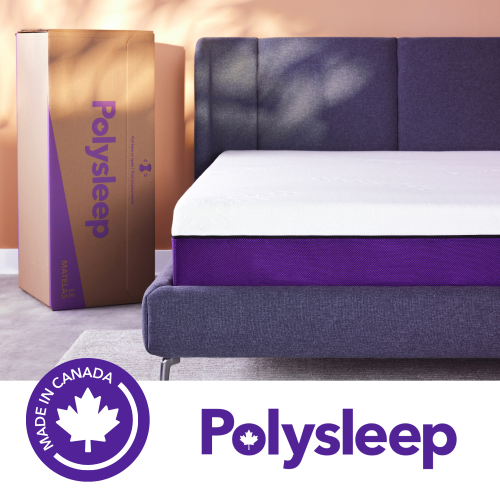 Your price for this item is $1195
 -
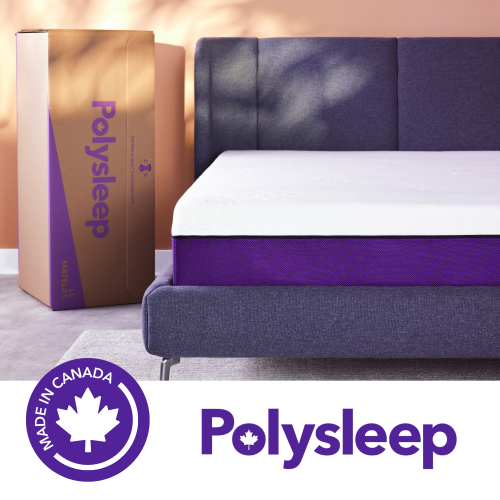 Your price for this item is $1395
 -
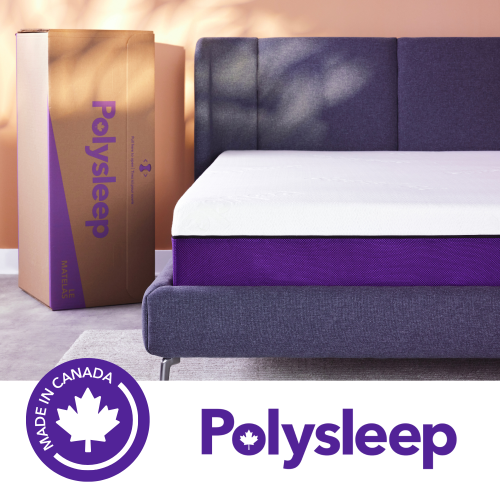 Your price for this item is $1095
 -
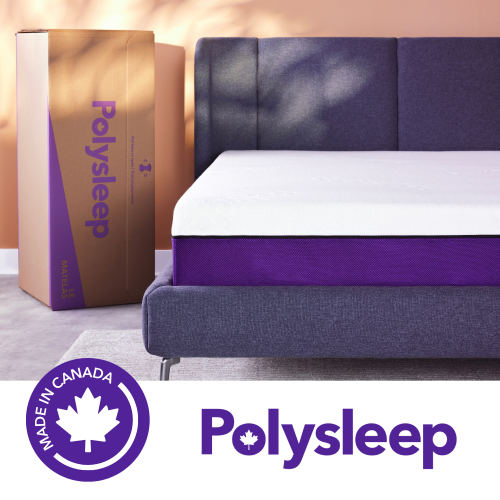 Your price for this item is $945
 -
 Your price for this item is $1199
 -
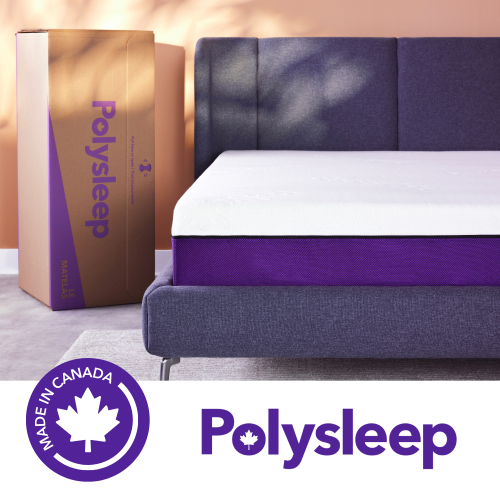 Your price for this item is $1395
 -
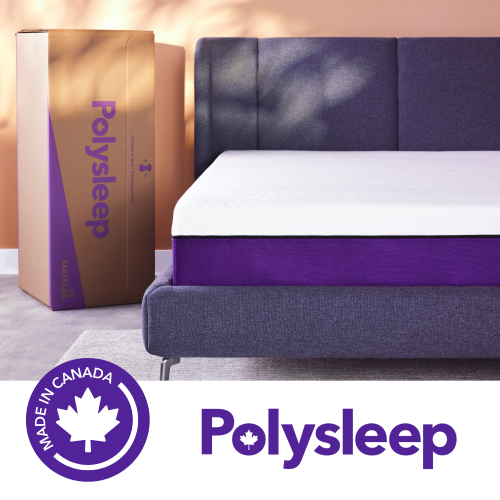 Your price for this item is $895
 -
 Your price for this item is $920
Discover more categories related to Memory Foams
Top Collections:
Pokemon Centers, Kindle Devices, Best Budget Office Chairs, Apple iPhones 16, Best Laptops for Writers, iPhone 15 Apple, Canon G7X Cameras, Refurbished Apple Laptops, Alarm Clock, Motorola Razr Phones
Some products may be subject to Environmental Handling Fees
(EHF) depending on your province.
Learn more about EHFs.