Memory Foam Cushions
Upgrade your seating experience with our collection of memory foam cushions, designed to provide unparalleled comfort and support. Whether you're working from home, enjoying a movie night, or simply relaxing in your favorite chair, these cushions are the perfect addition to any seat. Discover a range of styles and sizes to suit your needs, all crafted with high-quality materials to ensure long-lasting durability. They are specifically engineered to contour to your body shape, relieving pressure points and reducing discomfort during extended periods of sitting.
Sort

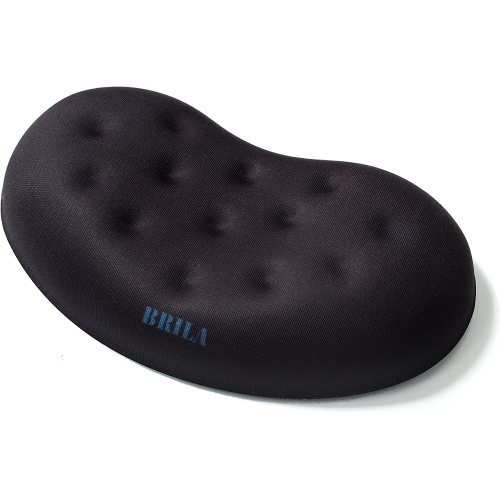
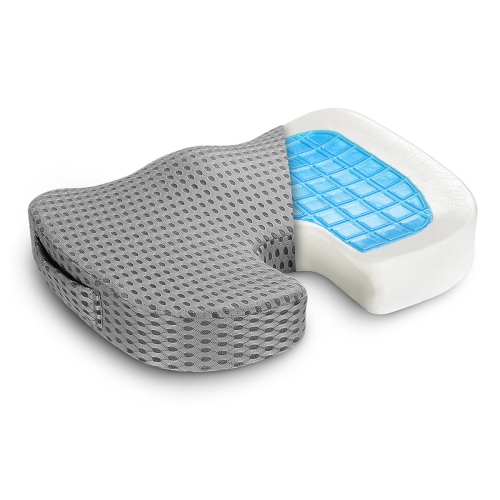
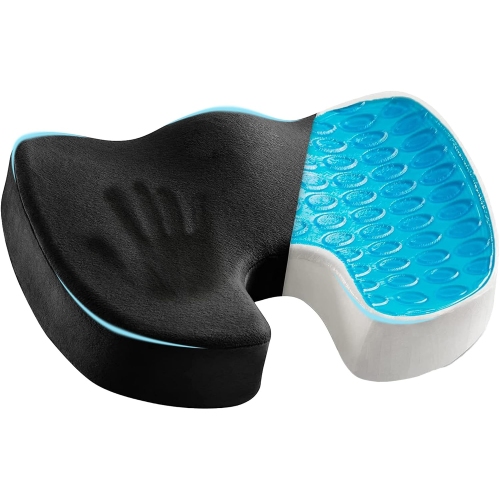
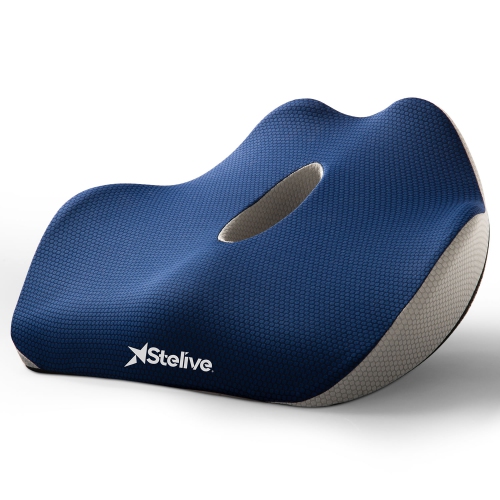
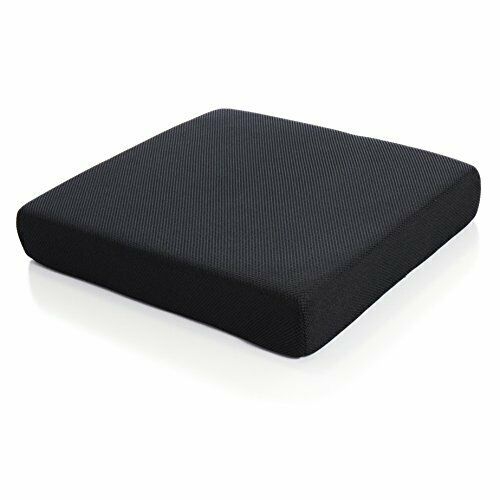
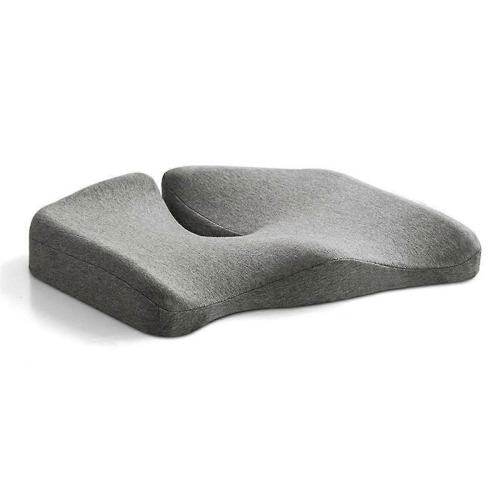
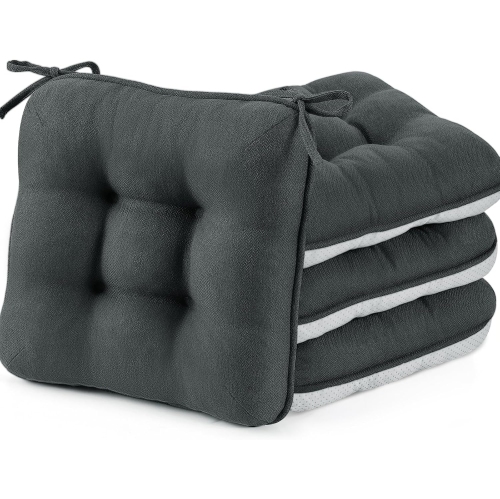
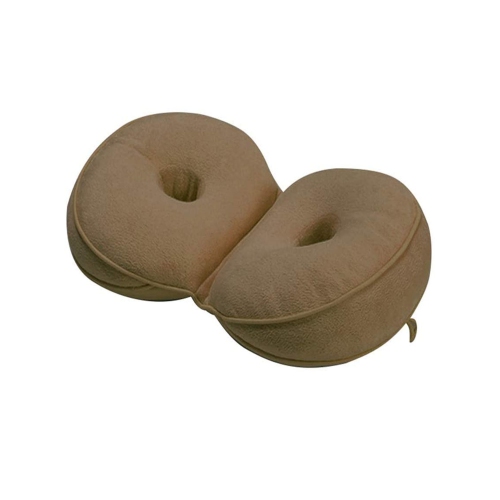
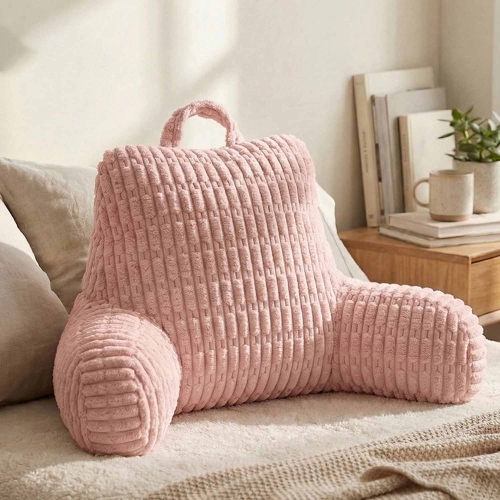
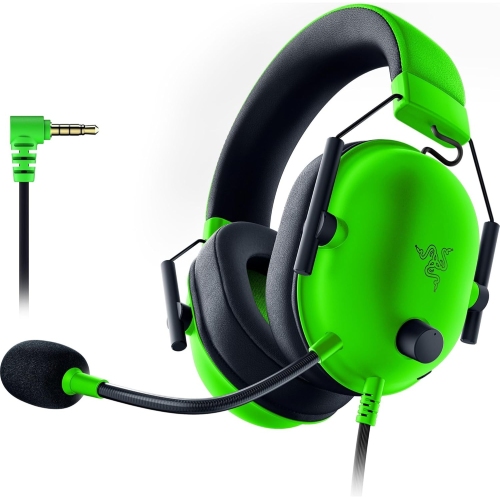
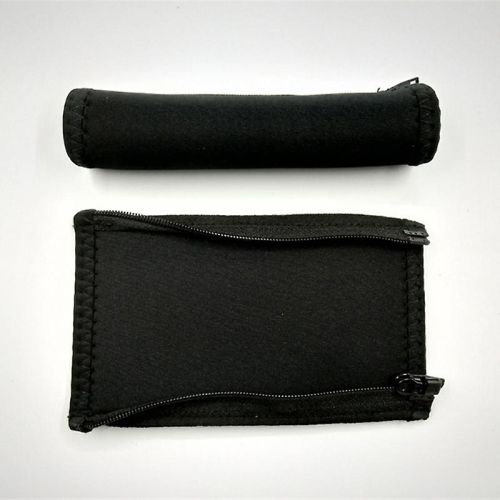
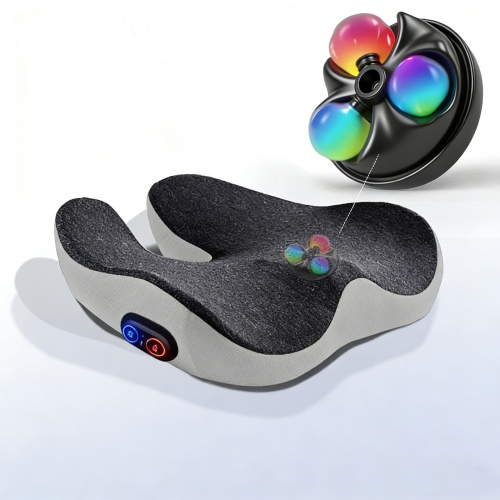
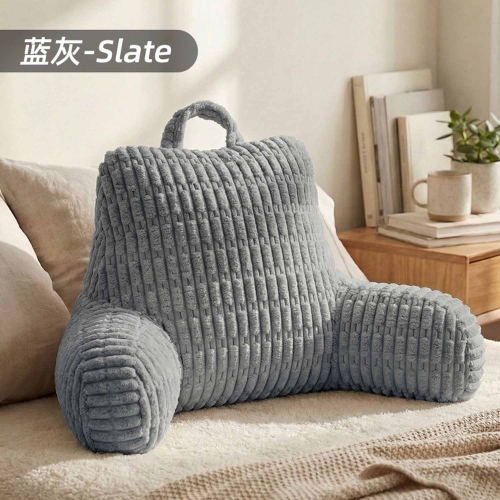
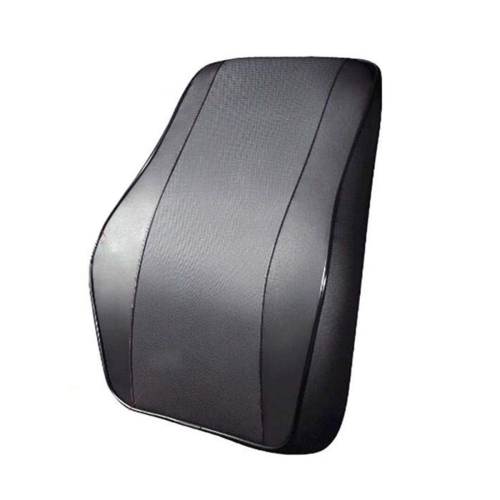
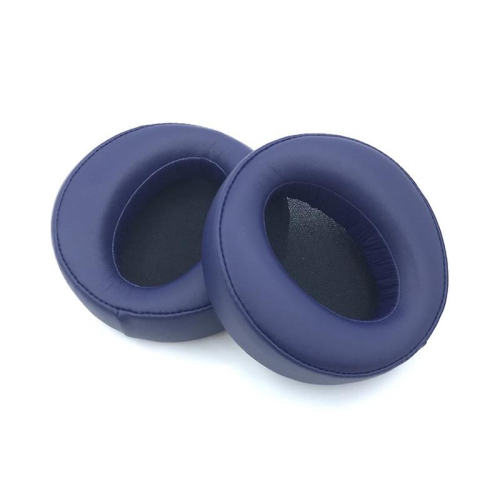
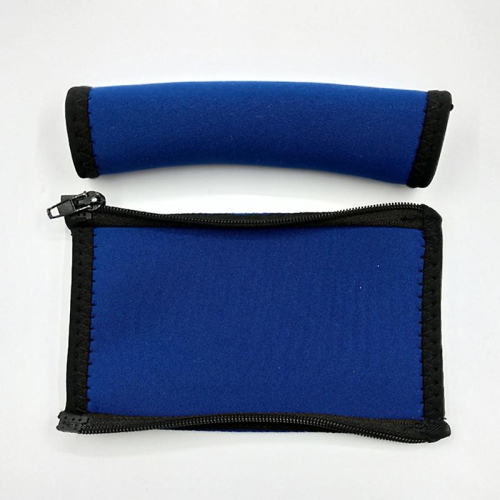
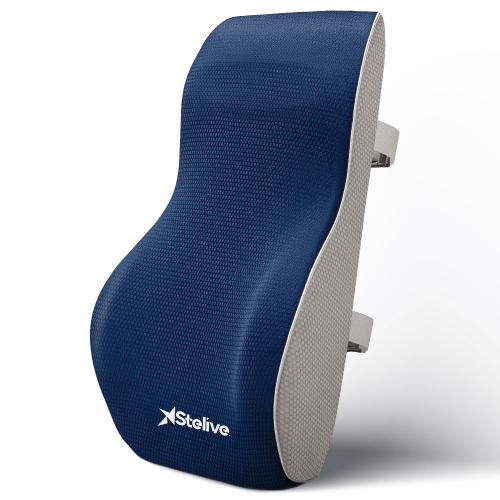
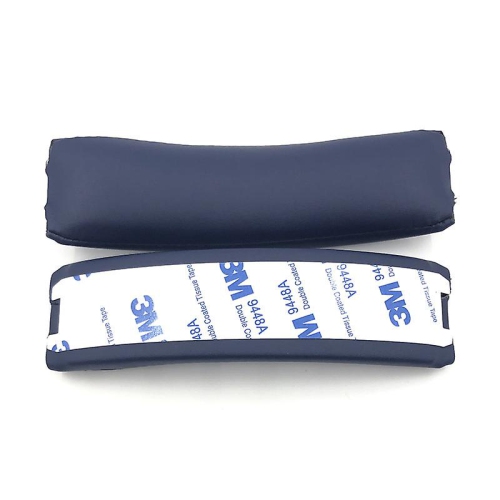
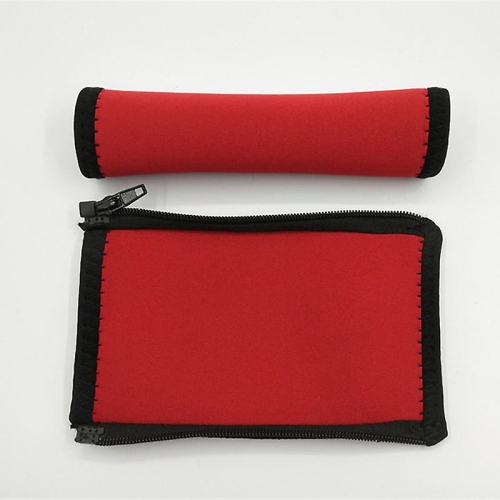
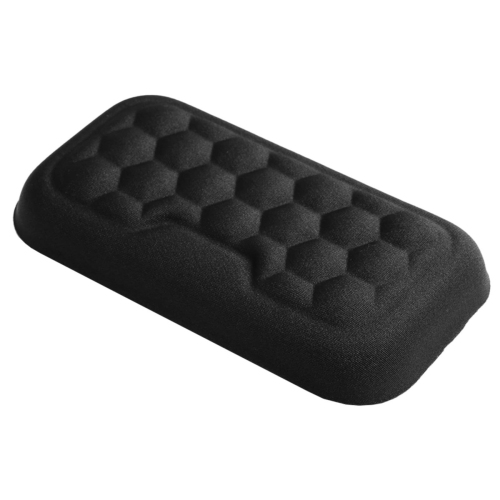
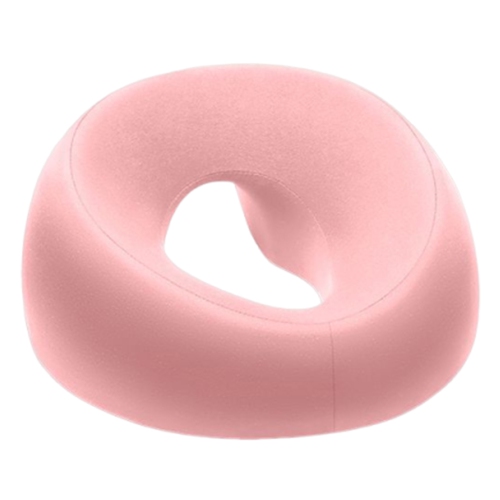
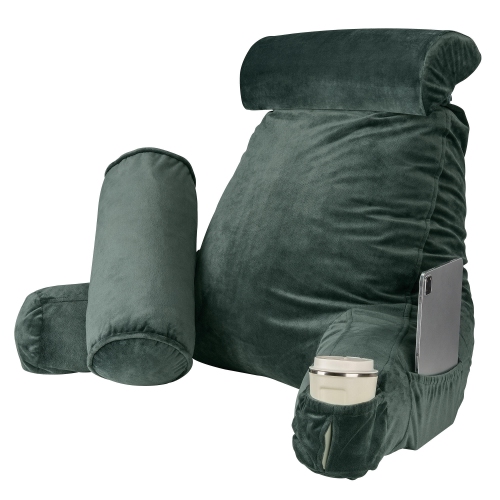
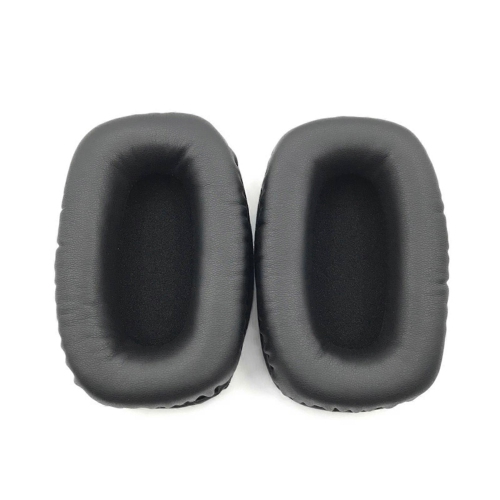
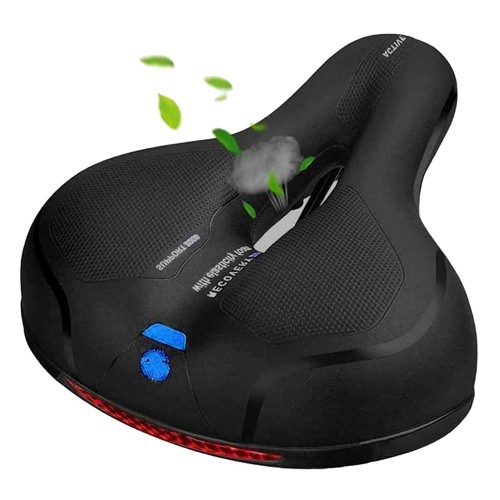
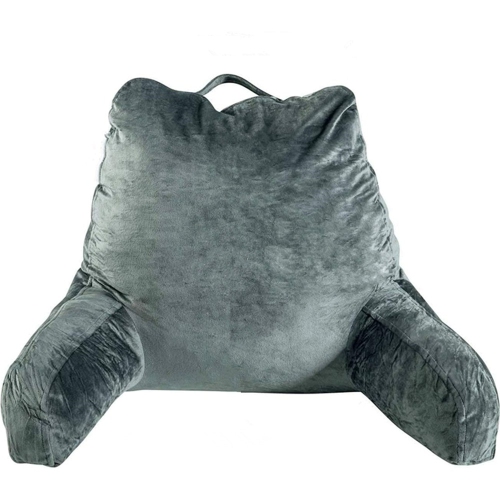
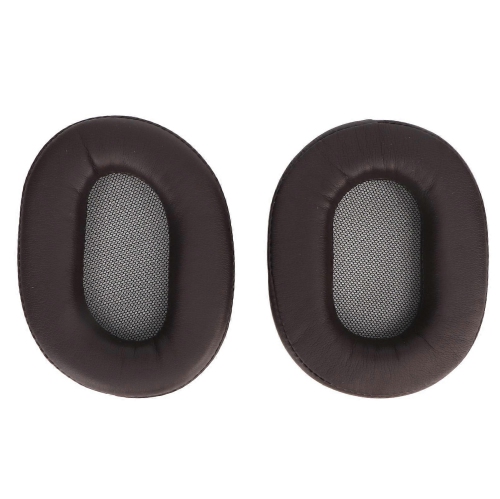
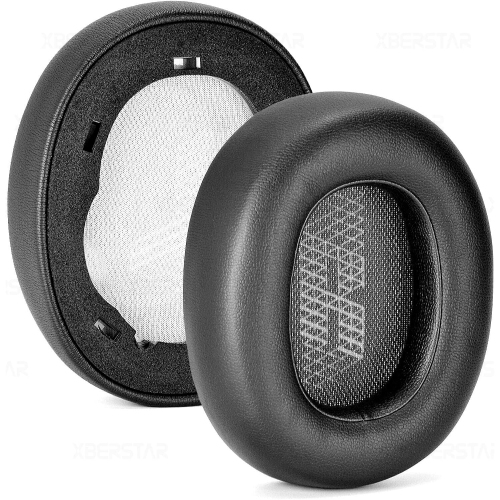
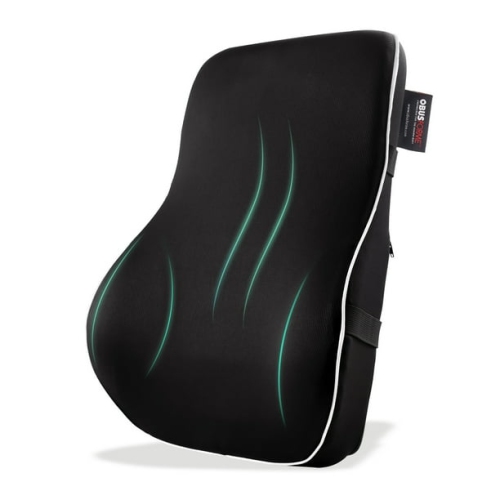
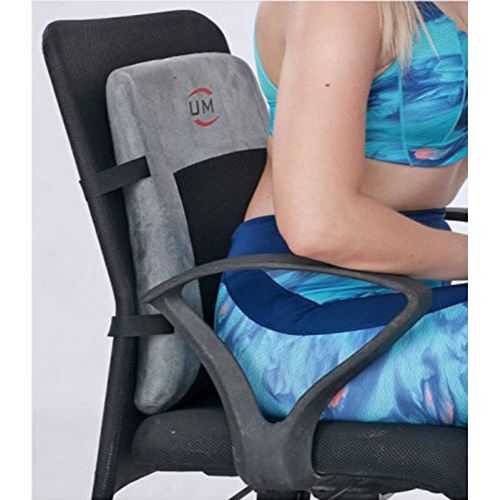
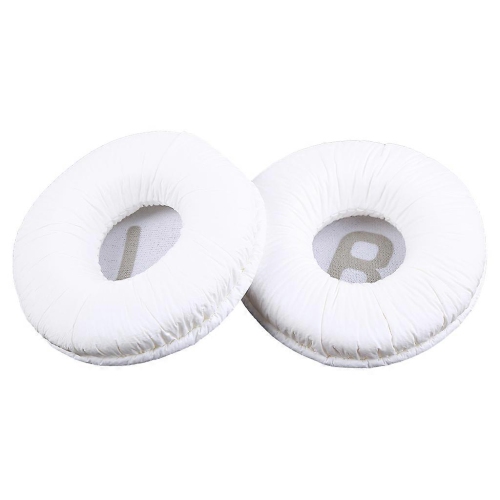
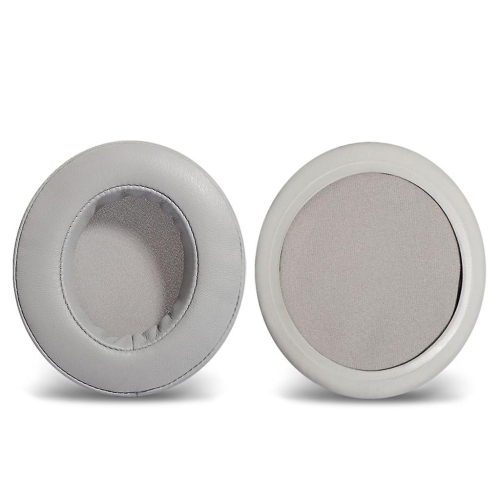
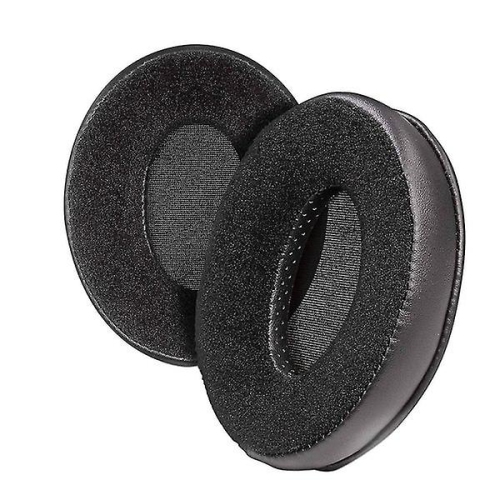
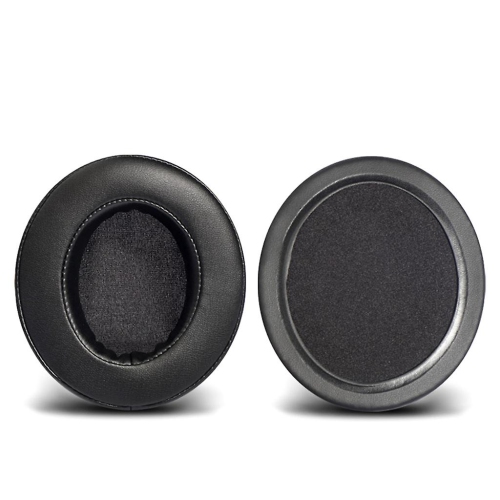
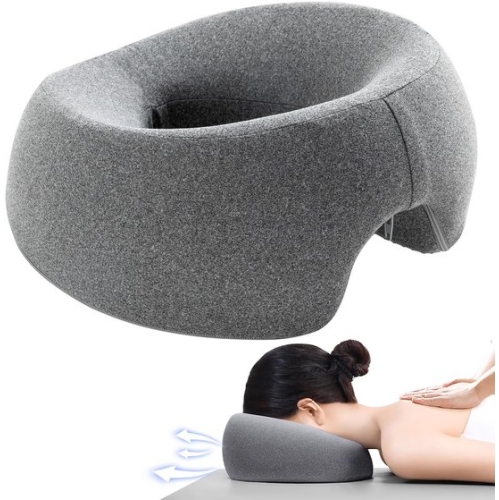
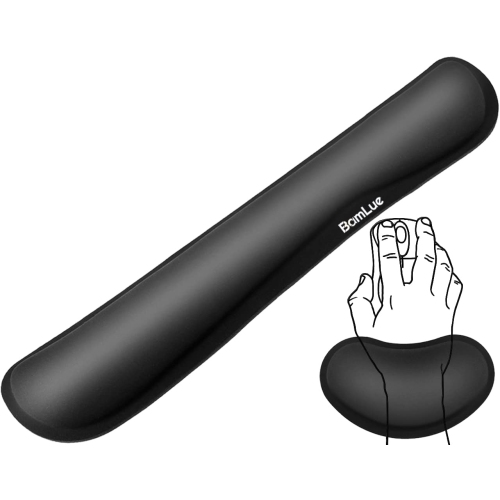
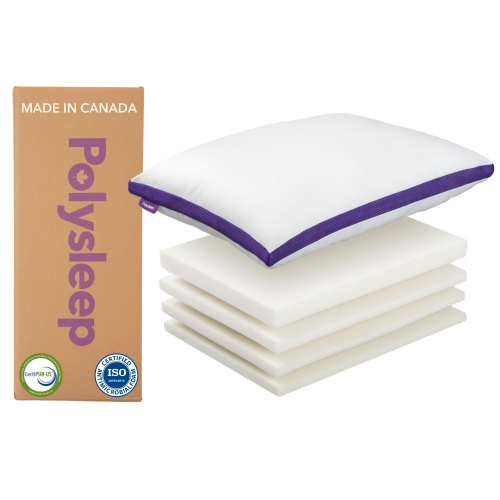
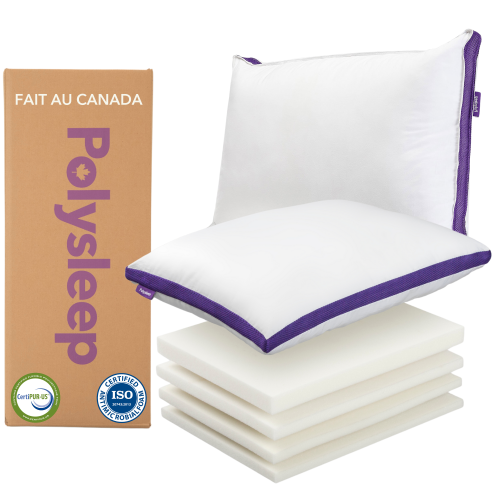
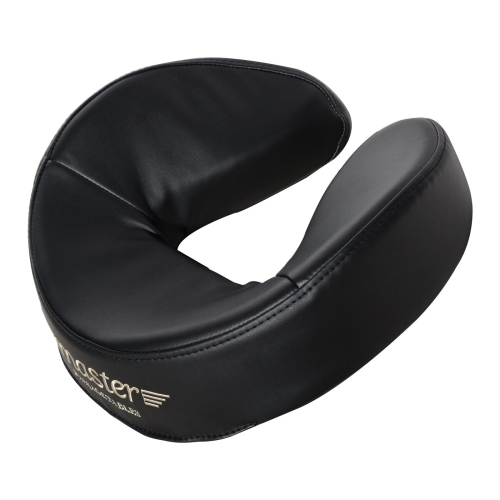
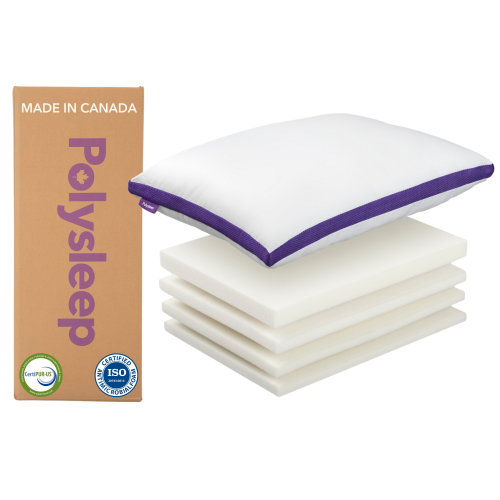

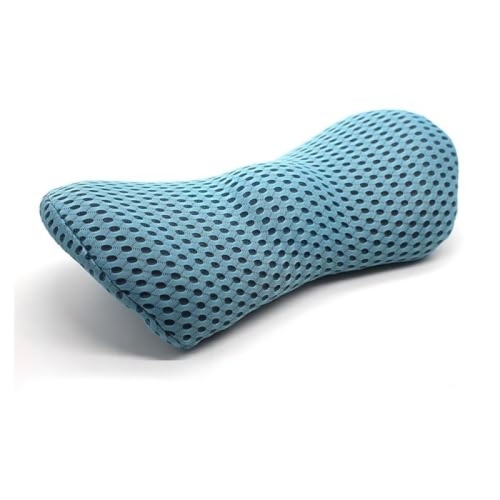
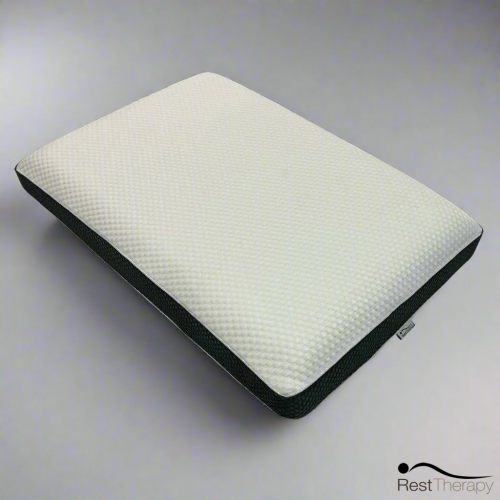
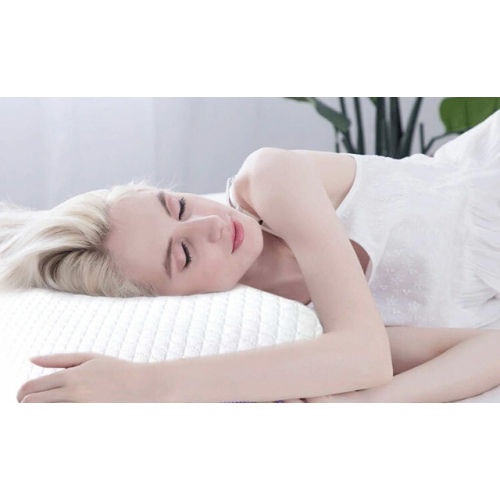
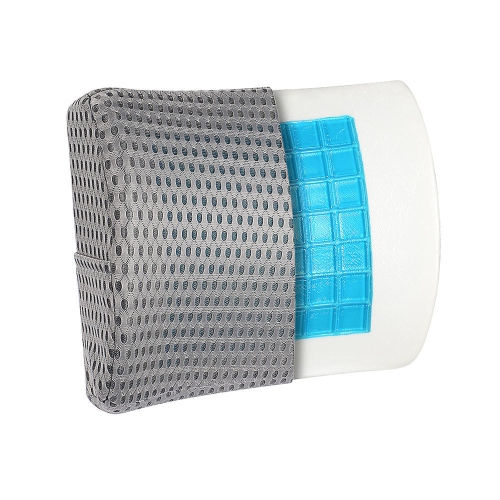
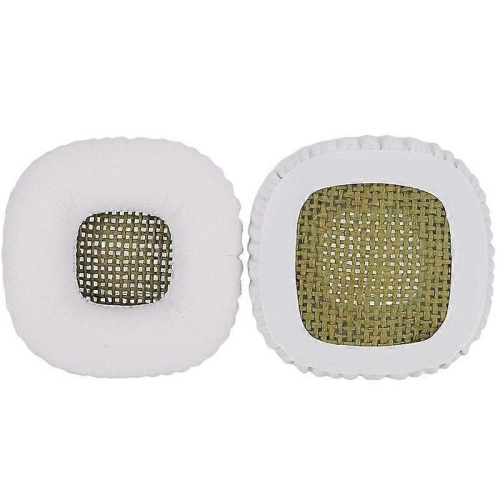
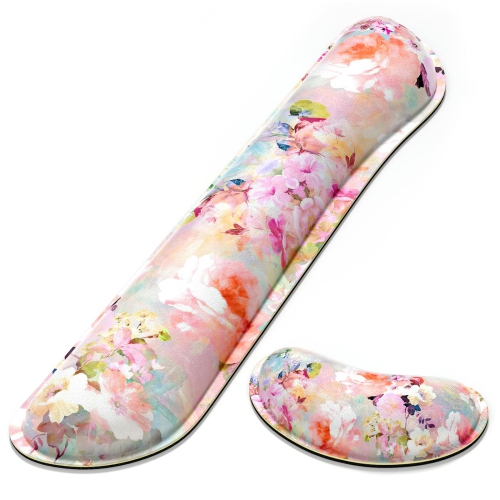
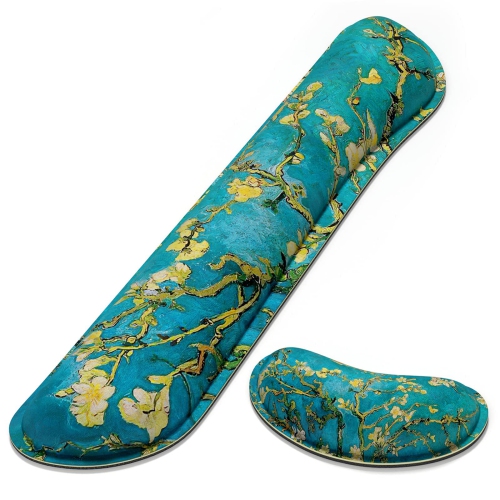
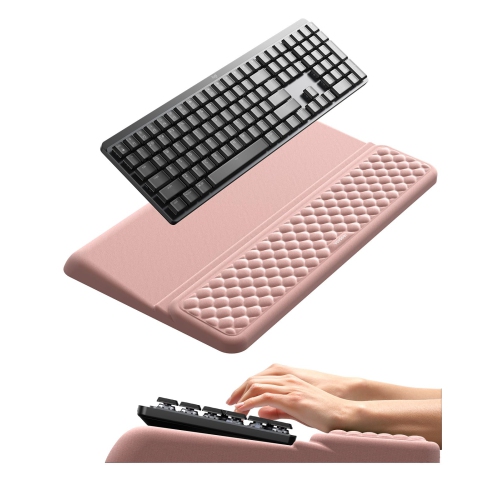
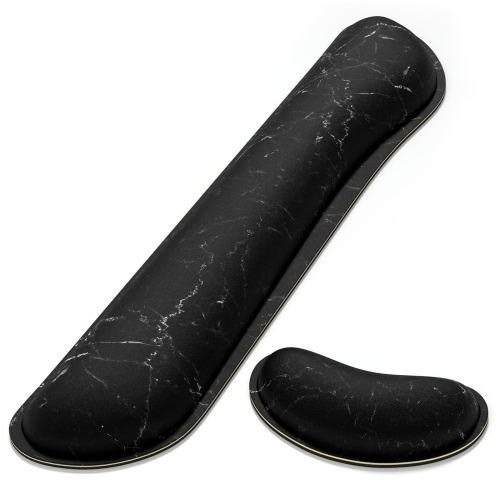
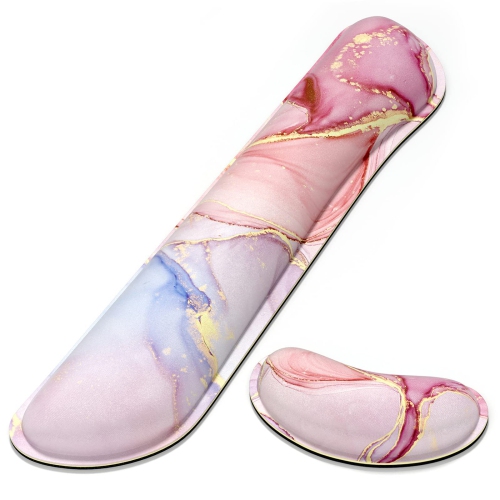

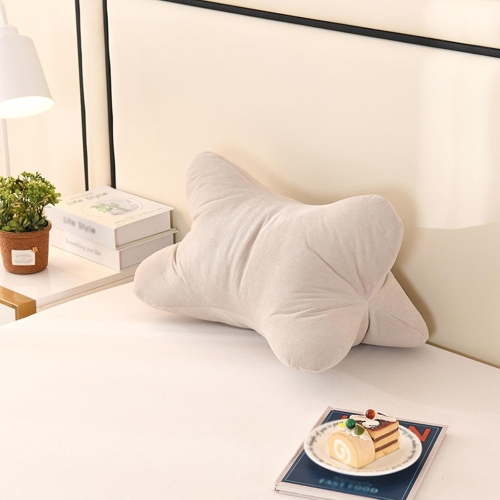
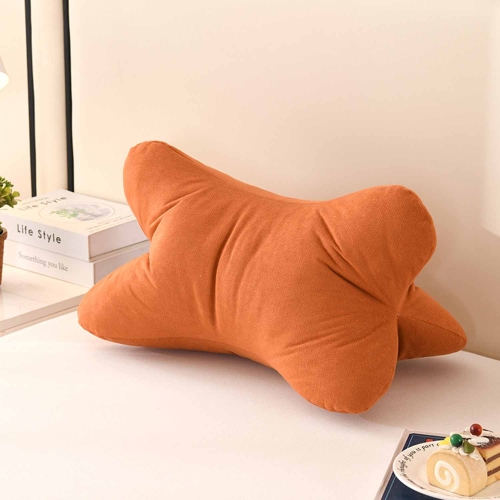
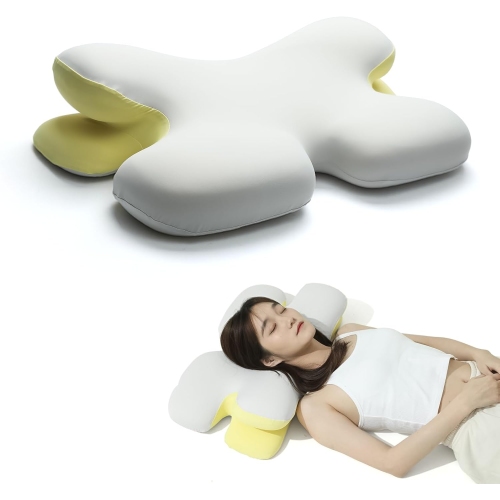
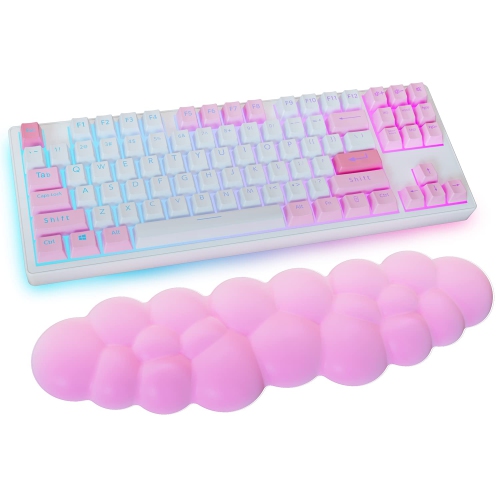
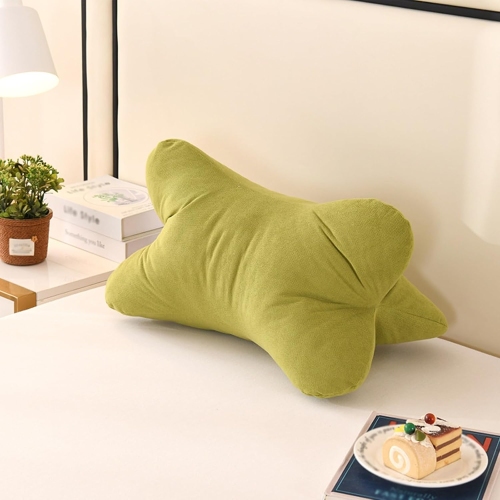
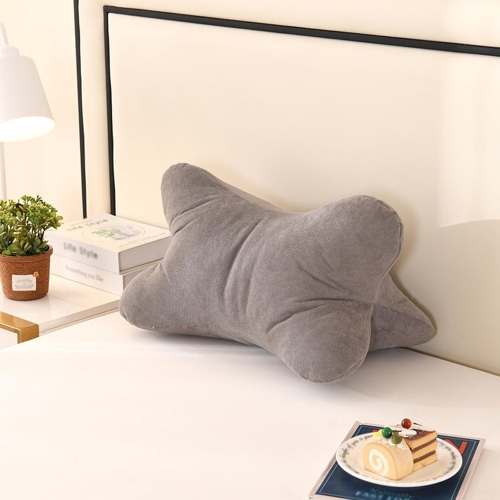
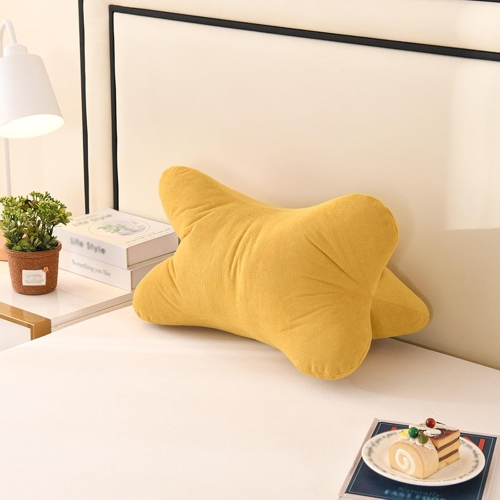
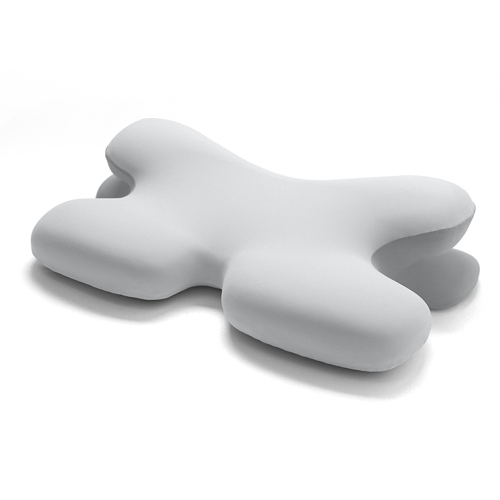
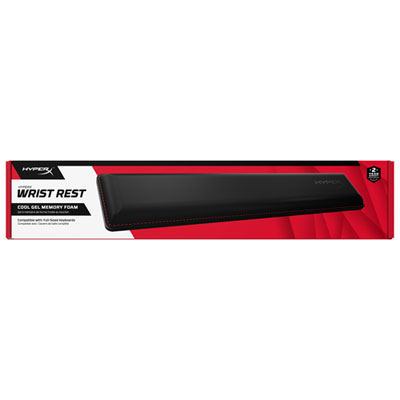
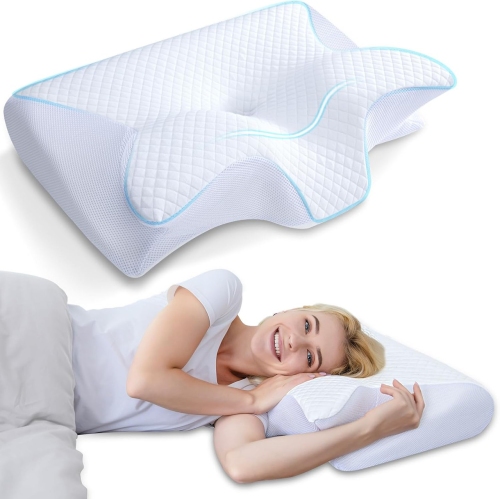
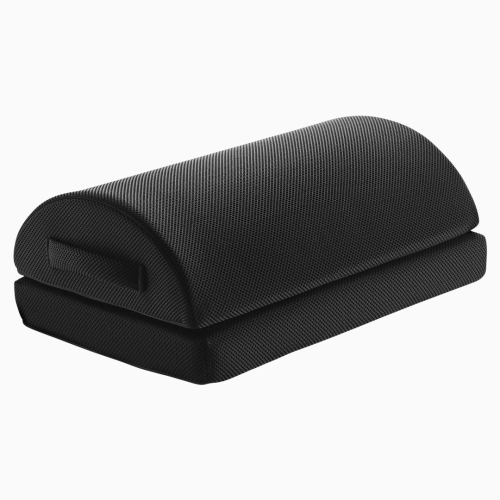
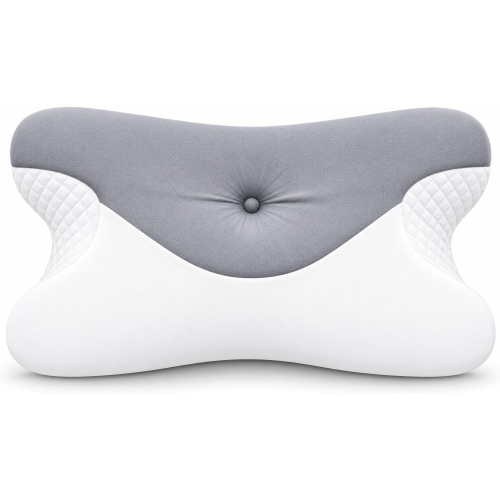
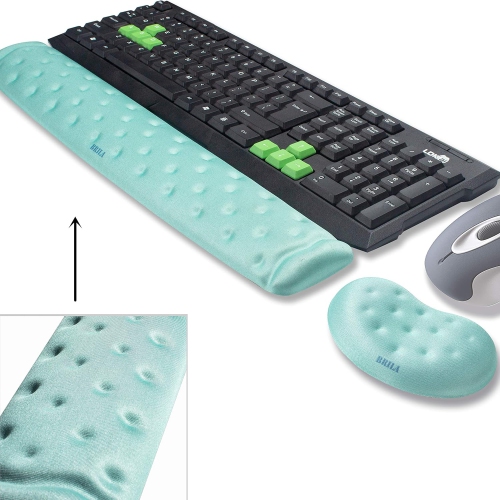
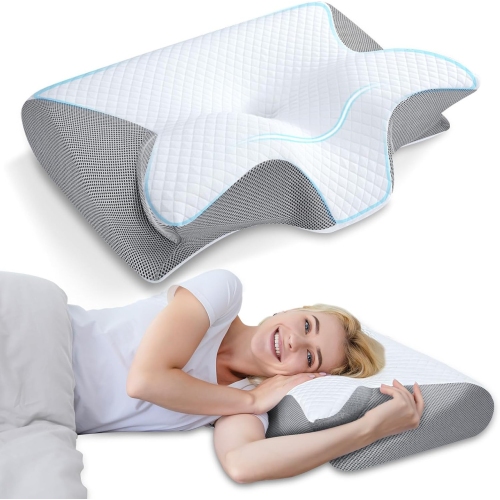
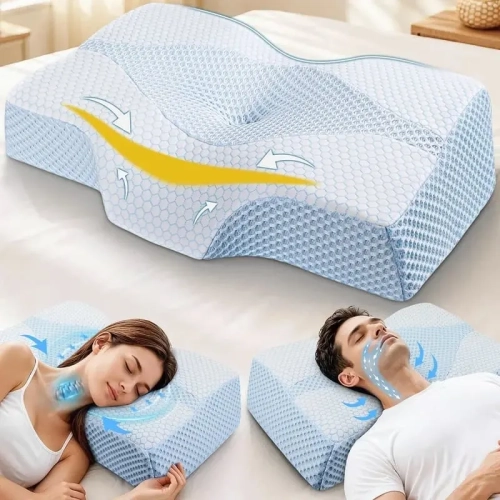

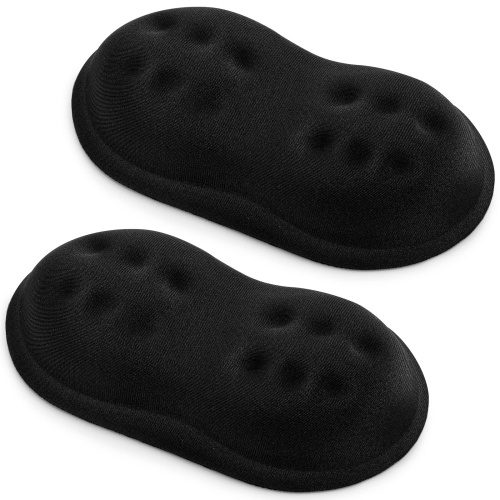
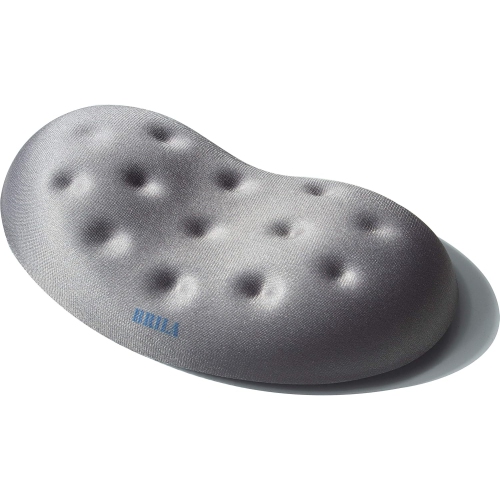
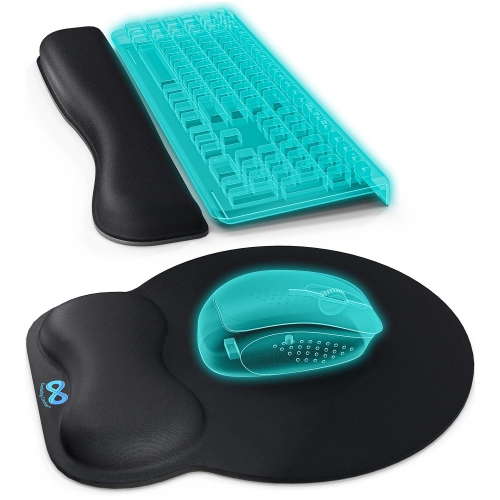
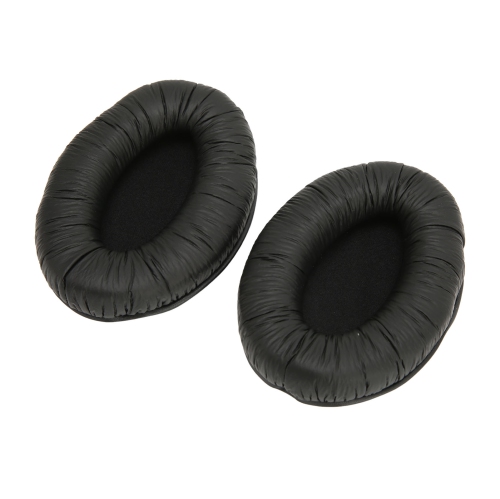
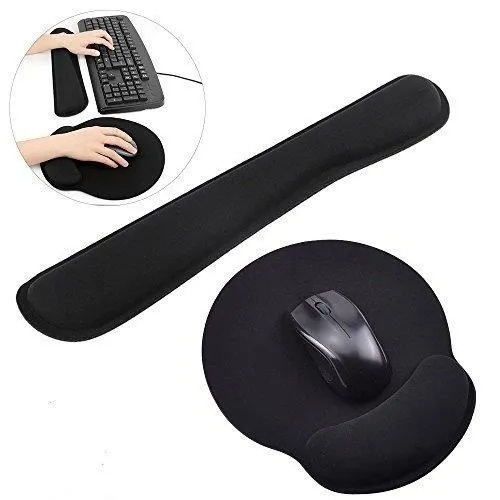
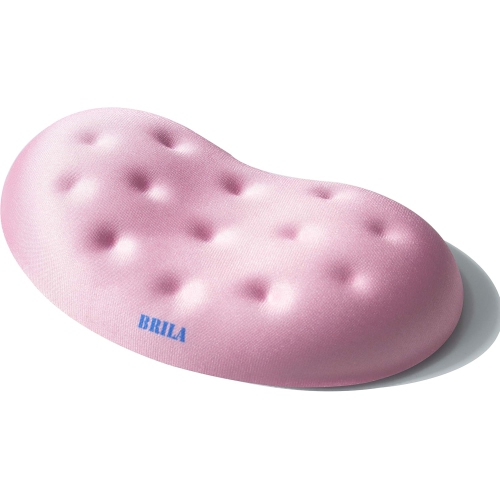
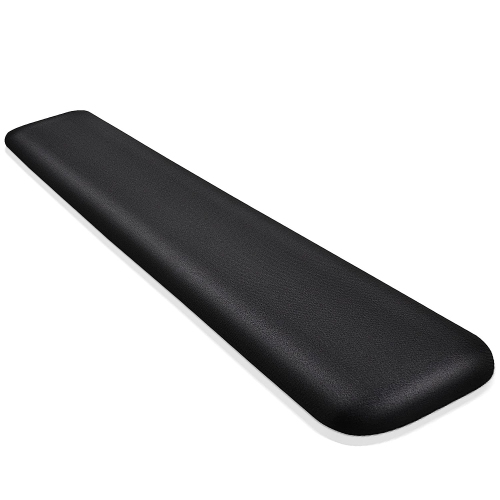
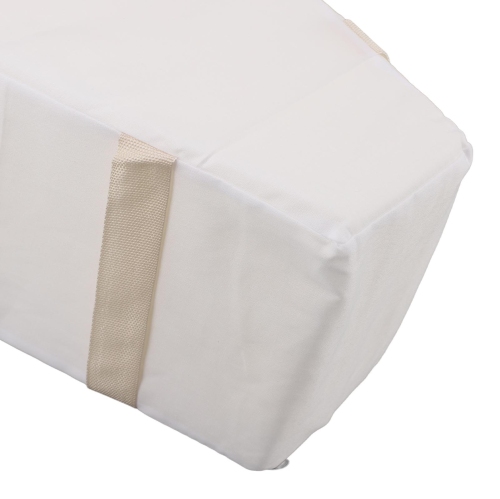

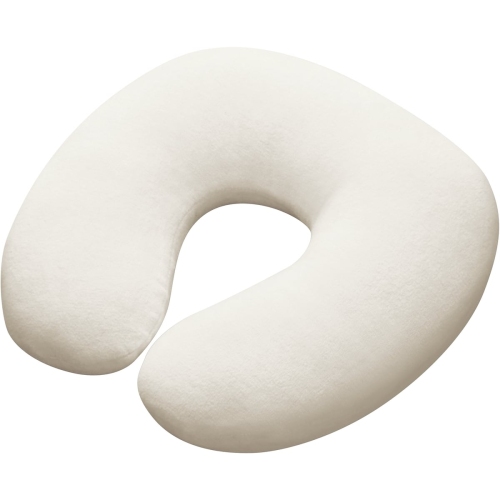
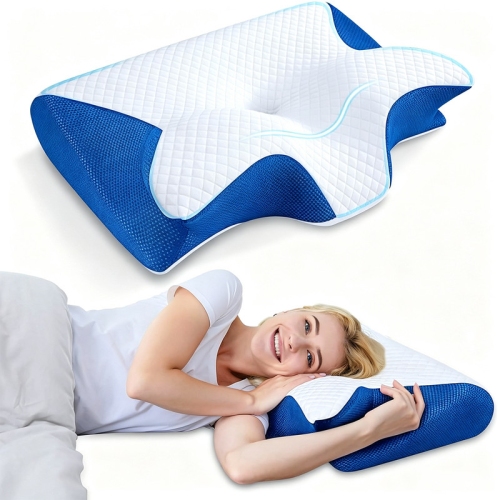
How contouring foam changes the feel of your seat
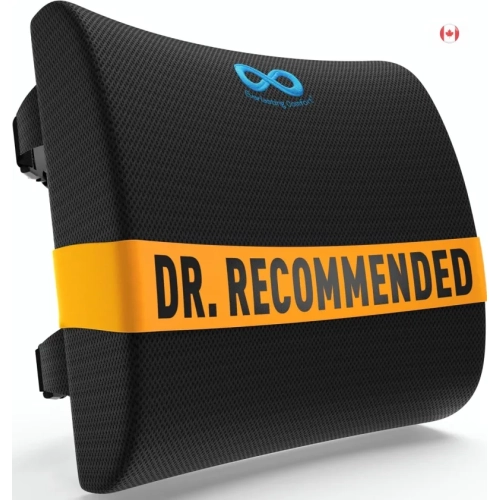
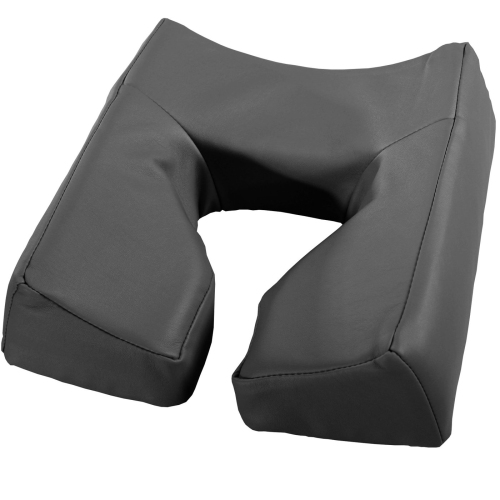
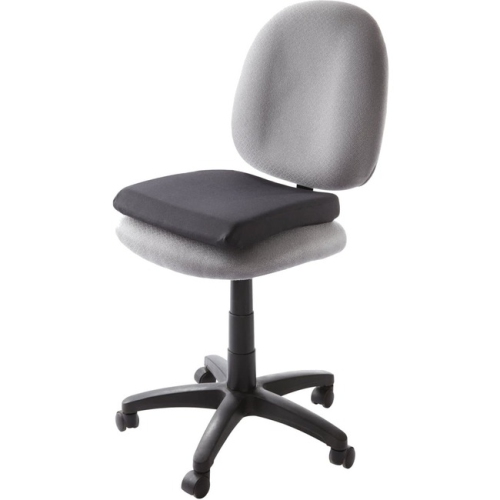
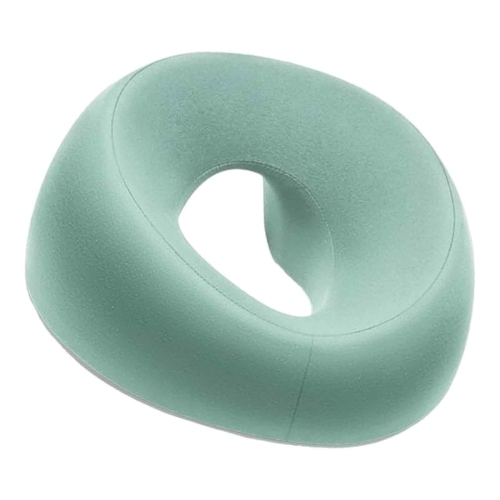
Memory foam cushions are padded seating accessories made with viscoelastic foam, a material that responds to body warmth and weight by gradually contouring around the person sitting on it. As weight is removed, the foam slowly returns towards its original shape. This close-fitting feel can help spread pressure across a broader area rather than concentrating it on a few points, making memory foam a practical addition to a firm dining chair, an office seat, or another compatible seating surface. The feel varies considerably between designs: some cushions offer a soft initial touch, while others have a firmer structure that limits how far the body sinks. Thickness, foam density, shape, and any supporting layers all influence the experience. Density describes how much material is packed into the foam, but it does not, by itself, indicate how firm a cushion will feel. A thicker pad is not automatically more supportive, either; the foam needs to maintain enough structure under the user's weight to avoid compressing completely against the seat beneath it. Contoured seat cushions may have raised sides, a gently sloped surface, or a U-shaped opening at the rear. A tailbone cutout is intended to reduce direct contact around that area, although its usefulness depends on the cushion's shape and the user's sitting position. Lumbar cushions serve a different purpose, filling some of the space between the lower back and a chair's backrest rather than adding padding beneath the hips. Some designs combine memory foam with a firmer base, perforations, or a gel layer to change their support or surface feel. Breathable covers can also affect comfort during extended sitting, though no single material guarantees the same experience for everyone. These cushions are everyday comfort accessories, not a diagnosis or treatment for persistent pain. For someone with an injury, reduced sensation, or specific pressure-management needs, suitability is best discussed with a qualified healthcare professional.
The most useful memory foam cushion is one that fits both the person and the seat where it will be used. Seat width and depth matter as much as the cushion's overall thickness: a pad that overhangs a narrow chair, crowds the backrest, or extends too far beneath the thighs may feel awkward despite having comfortable foam. On a dining chair, a relatively low-profile cushion can soften a hard surface without raising the sitter so much that their knees press against the table. At a desk, added height changes the relationship between the seat, keyboard, armrests, and floor. A suitable setup leaves room for relaxed shoulders, comfortably positioned arms, and supported feet; a cushion alone cannot make an incorrectly sized workstation fit. Non-slip backing, ties, or adjustable straps can help keep a pad in place, but their effectiveness depends on the chair's upholstery and shape. A smooth wooden seat and a deeply upholstered armchair present very different surfaces. For a shared workspace or a cushion carried between rooms, a manageable weight and a built-in handle can make everyday movement easier. Compact designs may also suit travel, provided their dimensions work with the intended seat. Vehicle use needs particular care because extra padding can alter seated height, pedal reach, visibility, and seat-belt positioning. Compatibility with the vehicle manufacturer's guidance and any seat-integrated safety features matters more than simply finding a cushion that fits between the bolsters. Wheelchair seating involves additional considerations, including stability, transfers, skin protection, and the overall seating system; a general-purpose memory foam pad should not be assumed to replace a prescribed pressure-management cushion. Intended use also helps distinguish a flat chair pad from a shaped seat cushion or a lumbar support. A portable cushion for occasional meetings may prioritize easy carrying, while one used throughout a working day may place greater emphasis on stable positioning, cover comfort, and consistent support.
Cover construction and care make a noticeable difference to how a memory foam cushion fits into daily life. A removable, washable cover is especially useful on a frequently used kitchen chair or a seat that moves between home and work. Washing requirements vary, so the care label should determine whether a cover can go into a washing machine and how it should be dried. The foam insert generally needs different treatment from the fabric around it; soaking, machine washing, or vigorous wringing can damage materials that are intended only for gentle spot cleaning. When spot cleaning is permitted, a small amount of suitable cleaner and minimal moisture help avoid saturating the foam, and the cushion should be fully dry before its cover is replaced. A protective cover may help with everyday marks, but water resistance should not be confused with a fully waterproof barrier. Fabric texture deserves attention as well: a softly brushed surface, a smooth knit, and an open mesh cover can feel quite different against clothing. Neutral colours can blend into an office or living space, while a contrasting colour can make a portable cushion easier to identify. Over time, repeated compression may change the foam's shape or support. Visible flattening, uneven areas, damaged seams, or a cushion that no longer regains its shape can signal that it is no longer performing as intended. Keeping it away from prolonged direct sunlight and following storage directions can help protect its materials. Cushions supplied in compressed packaging may also need time to expand before their final shape and feel can be assessed. For comfort beyond seating, Memory Foam Pillows offer the same broad material type in forms intended for head and neck support during rest; their shapes and purposes differ from seat pads. As a practical gift, a memory foam cushion can suit someone setting up a home office or spending time at a hobby table, particularly when their chair dimensions and preferred firmness are known. A washable cover and a secure fit can be more valuable than extra thickness alone.
Top selling and popular products
-
 Your price for this item is $9.95
-
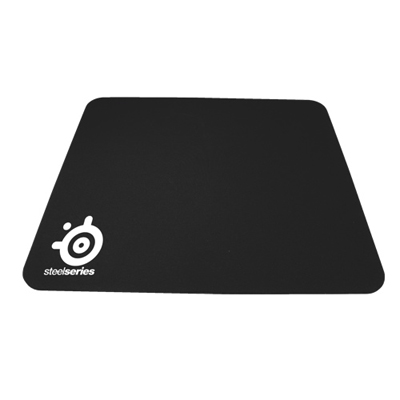 Your price for this item is $14.99
-
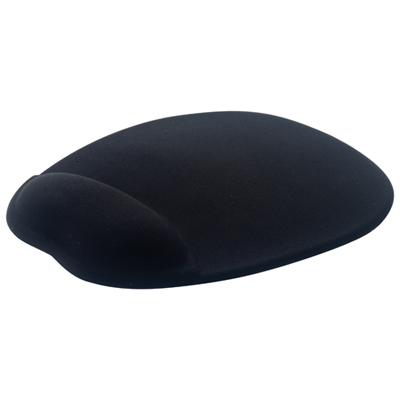 Your price for this item is $19.95
-
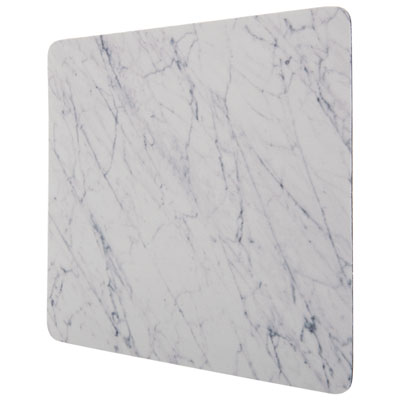 Your price for this item is $9.95
-
 Your price for this item is $7.95
-
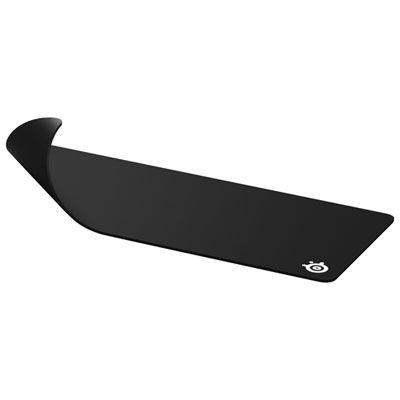 Your price for this item is $49.99
-
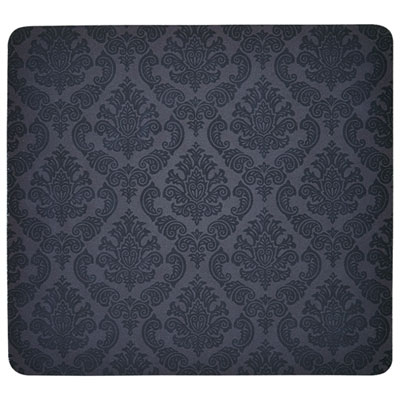 Your price for this item is $7.95
-
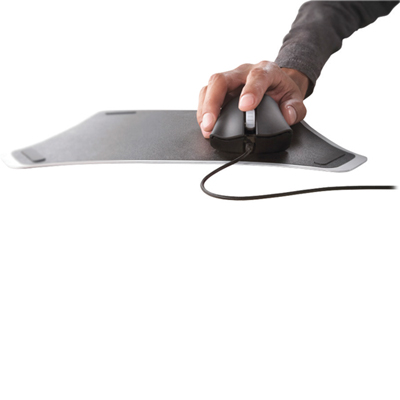 Your price for this item is $19.95
Discover more categories related to Memory Foam Cushions
Top Collections:
Best Black Friday Deals This Year, Best Black Friday Deals On Electronics, Kindle Devices, Pokemon Centers, Best Black Friday Deals On Apple Products, Best Cameras for Sports Photography, Dyson Airwrap, Pokémon 30th Celebration Cards, Apple iPhone 17 Pro, Canon G7X Cameras
Some products may be subject to Environmental Handling Fees
(EHF) depending on your province.
Learn more about EHFs.