Metal Arm Chairs
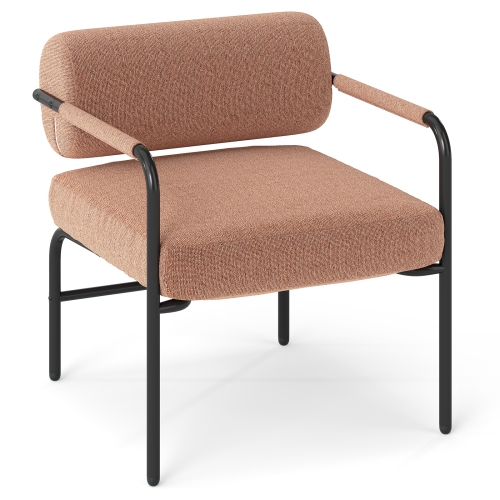
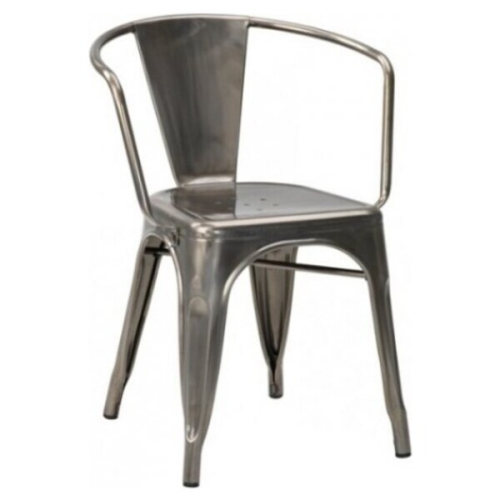
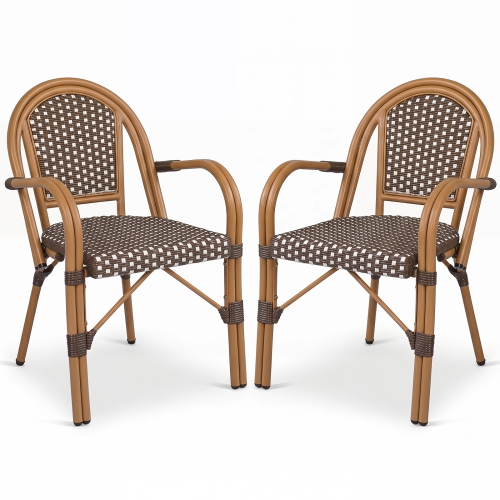
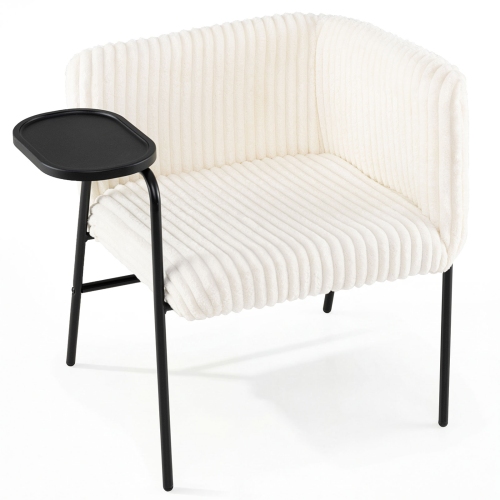
Looking to add a touch of modern sophistication to your living space? Look no further than our collection of metal arm chairs. These sleek and stylish seating options effortlessly blend contemporary design with comfort, making them the perfect addition to almost any room in your home. Whether you're looking for a statement piece to anchor your living room or a cozy reading nook in your bedroom, metal arm chairs offer both style and functionality. Here are some great options available.
Sort












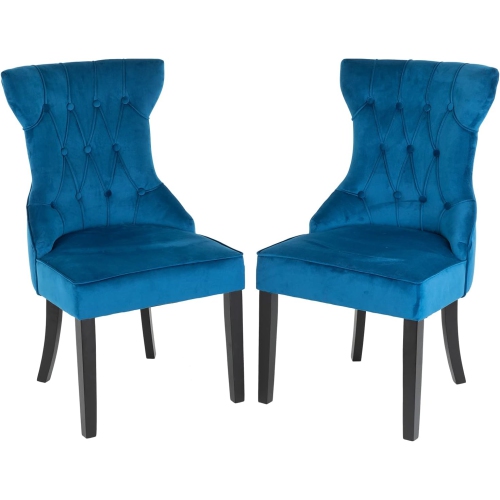

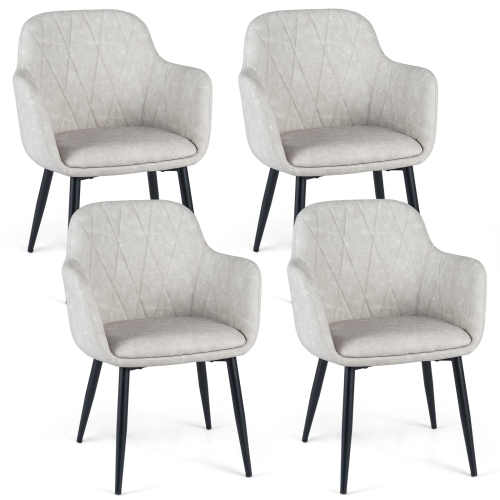
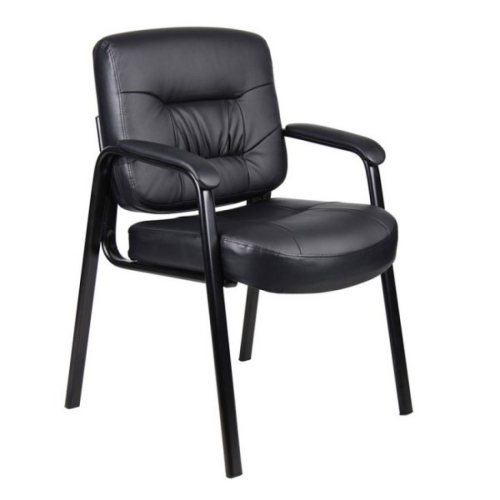
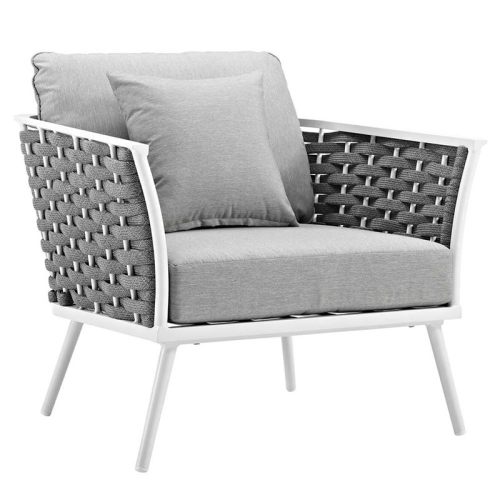
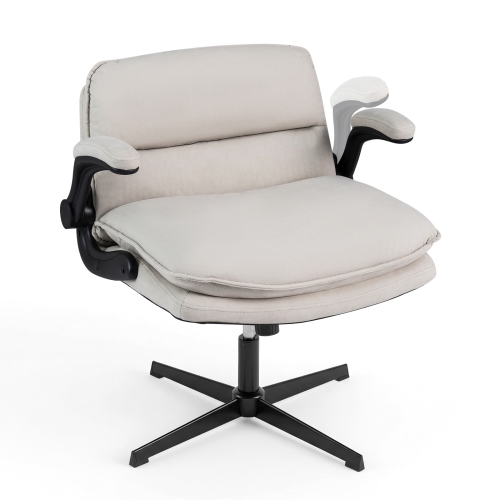

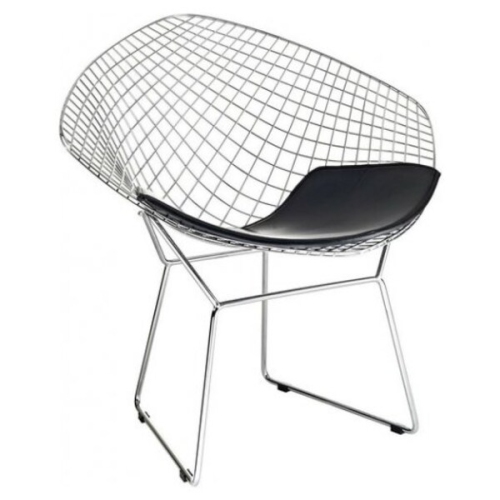


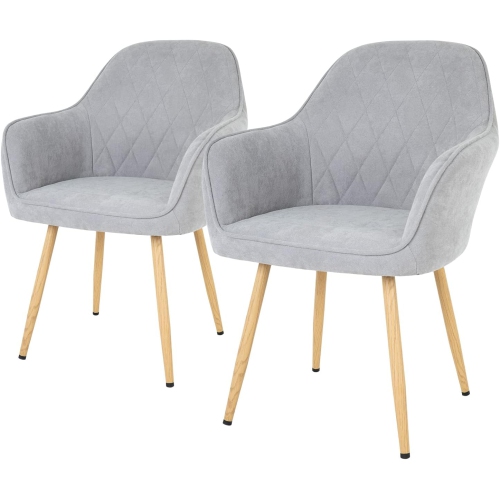


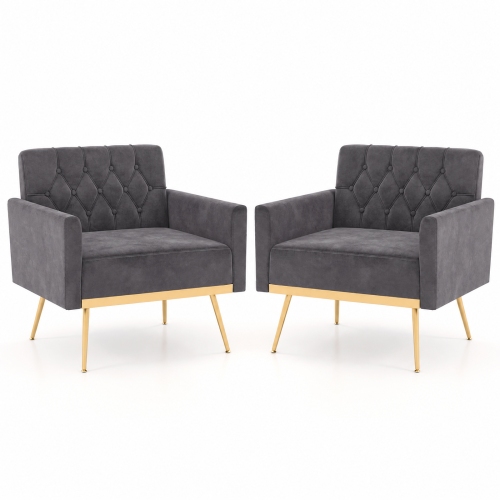








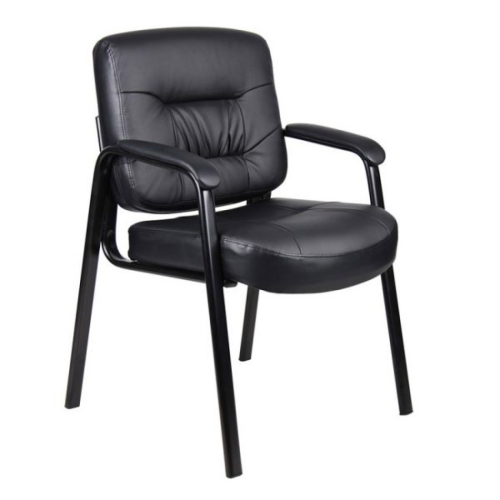

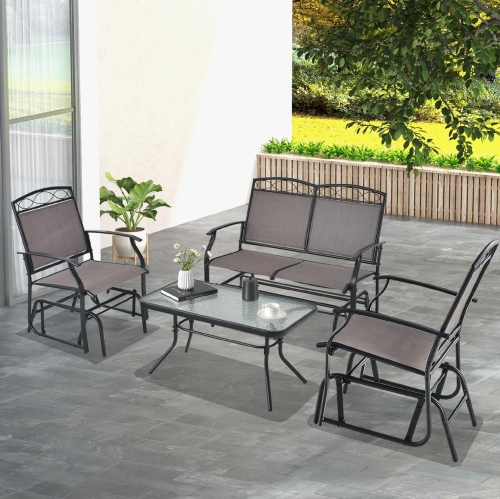
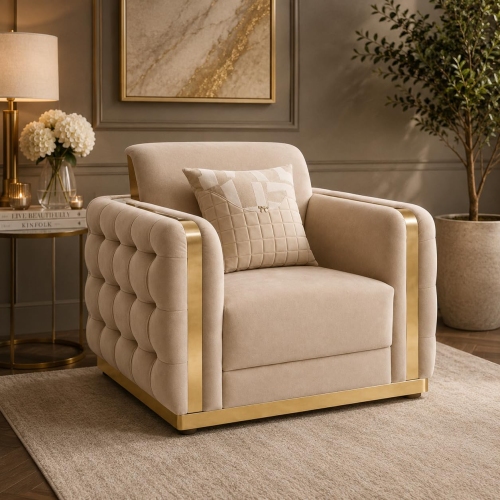
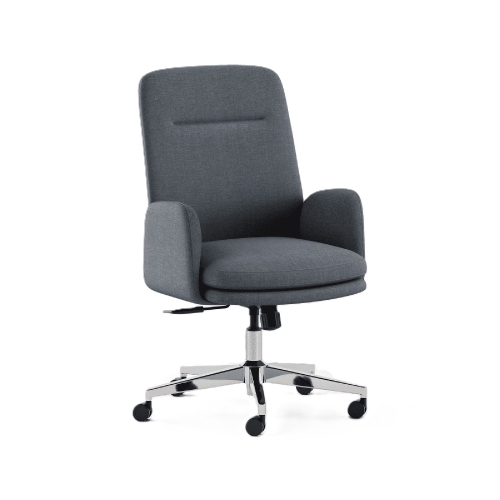


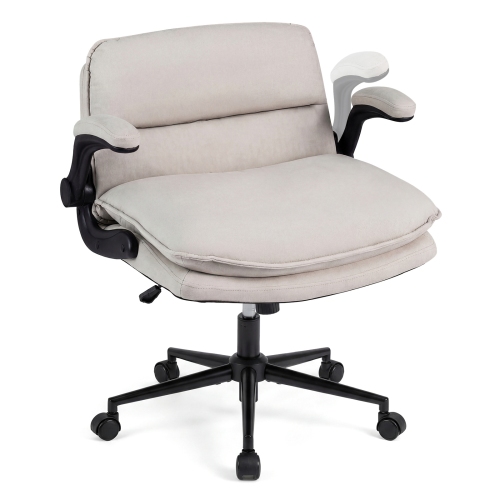
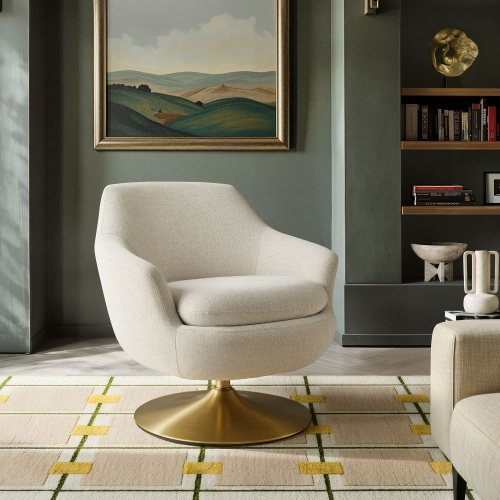
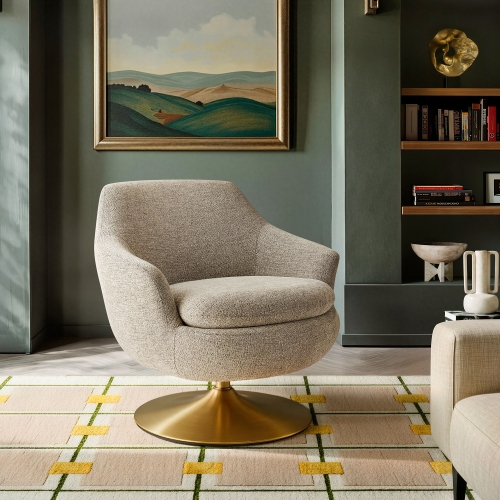
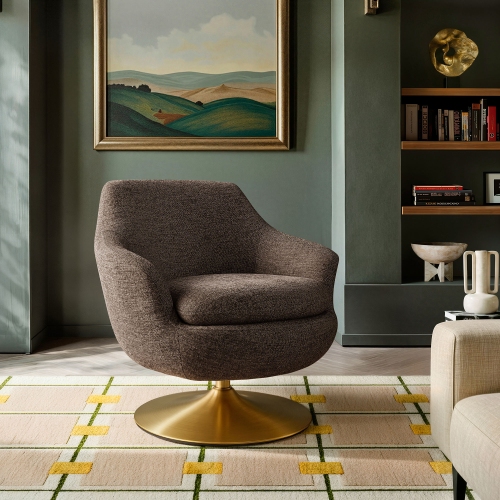
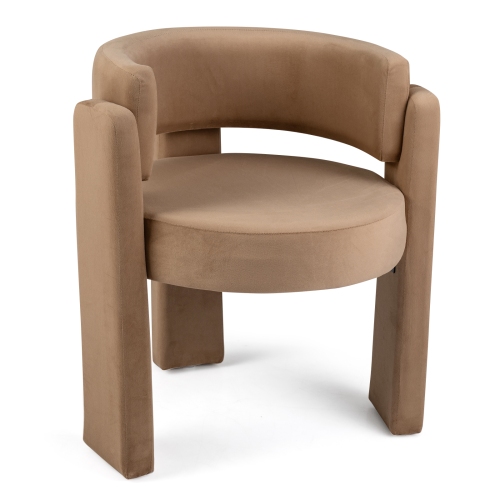


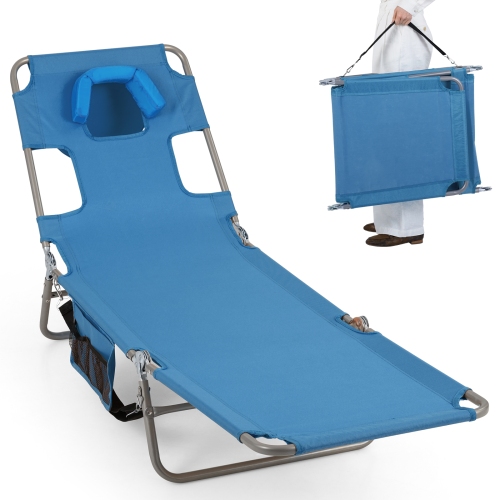
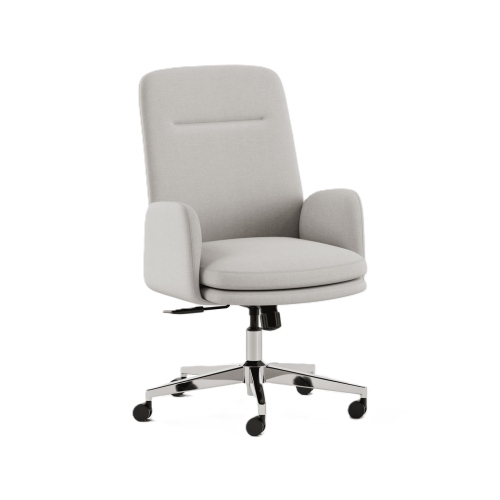


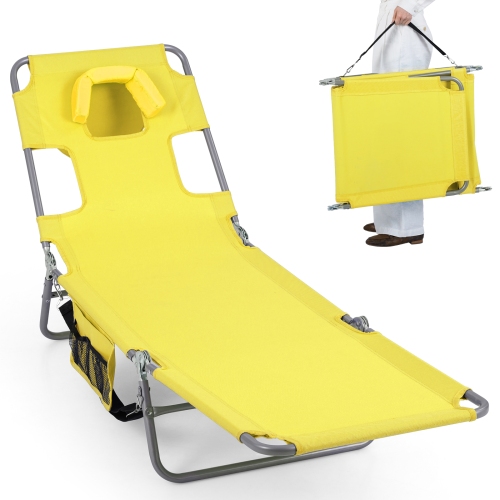


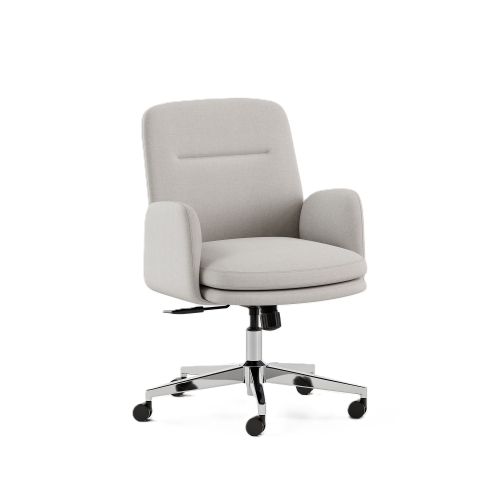


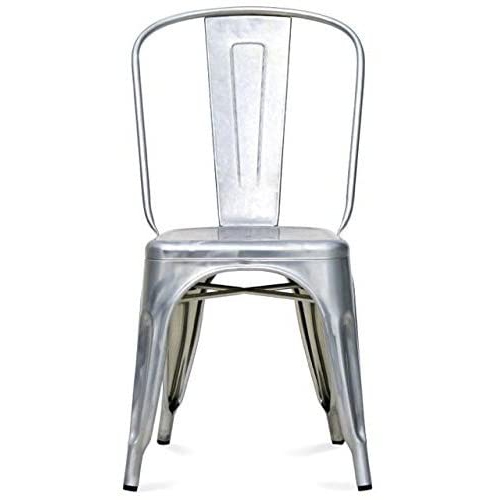
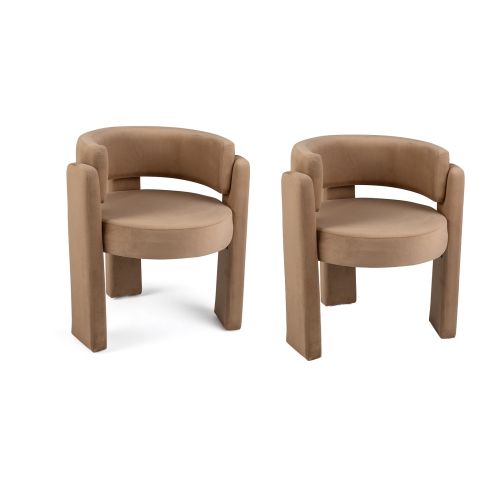


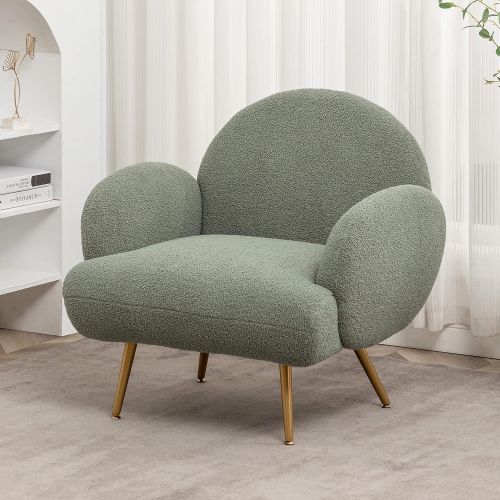

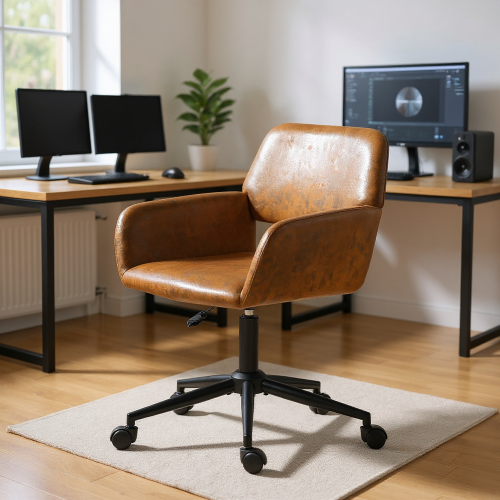
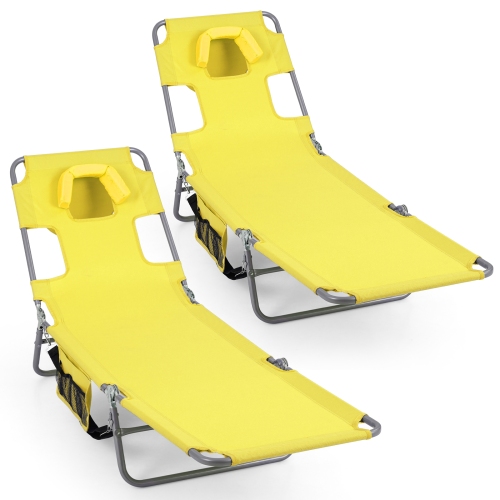
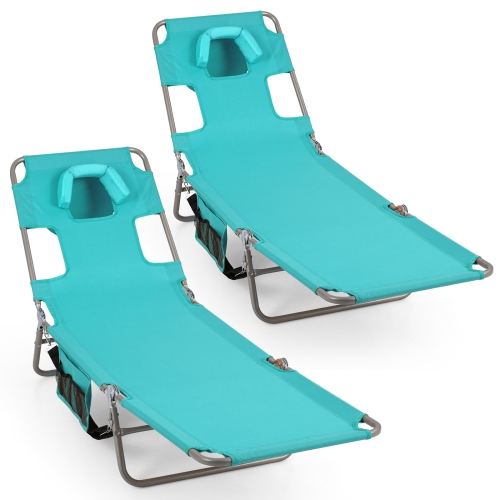


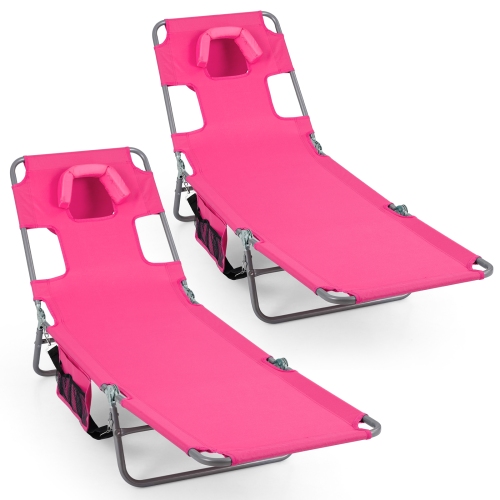
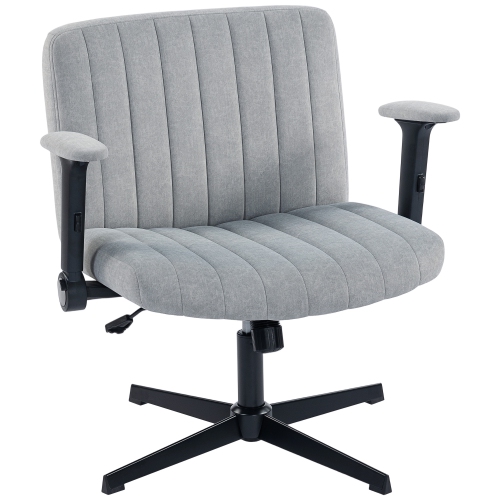

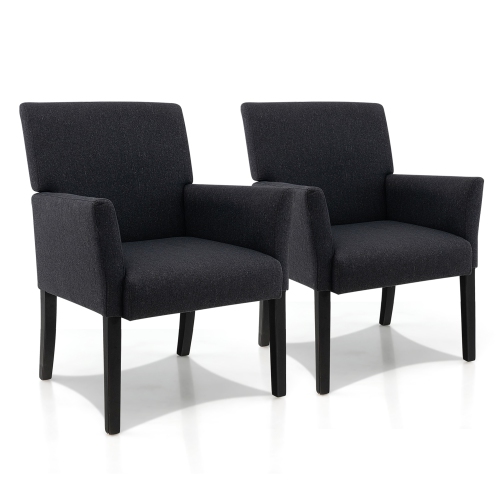
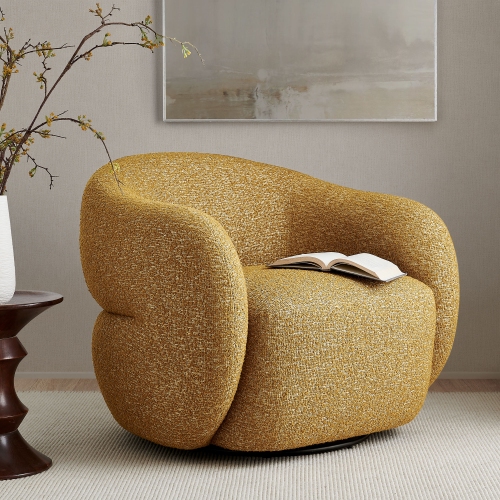


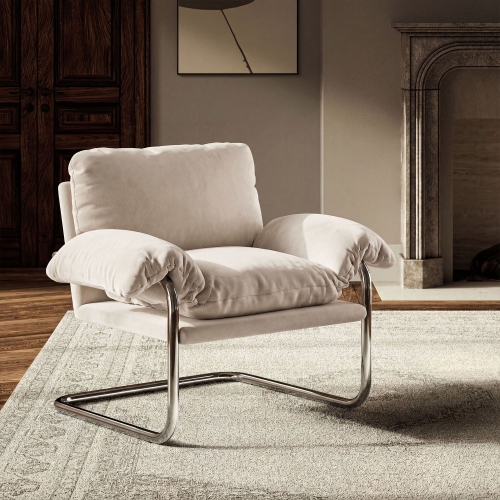
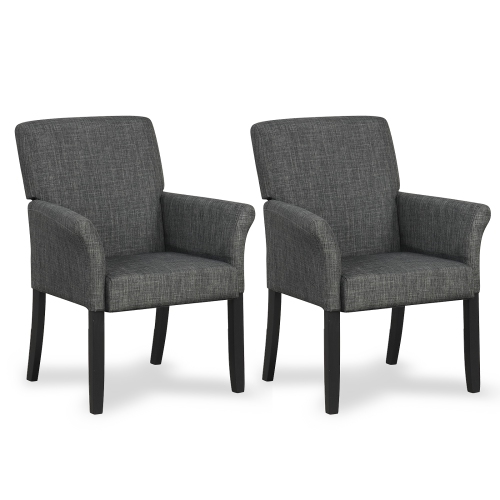

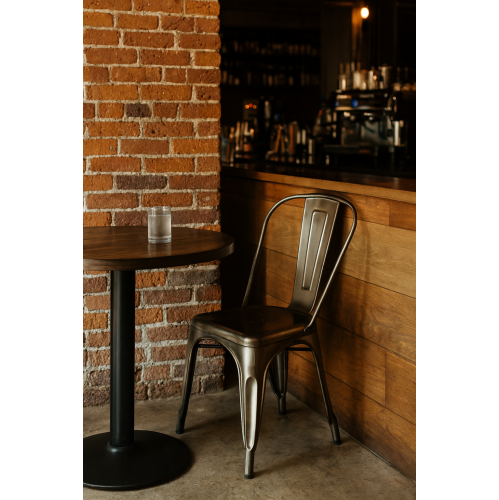


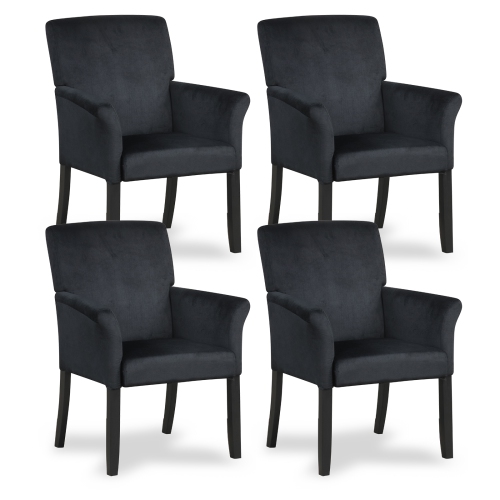

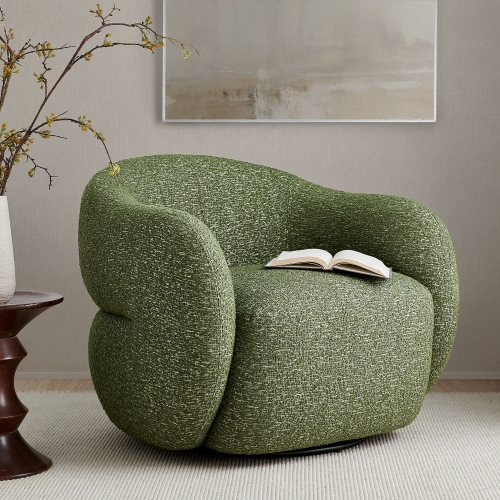
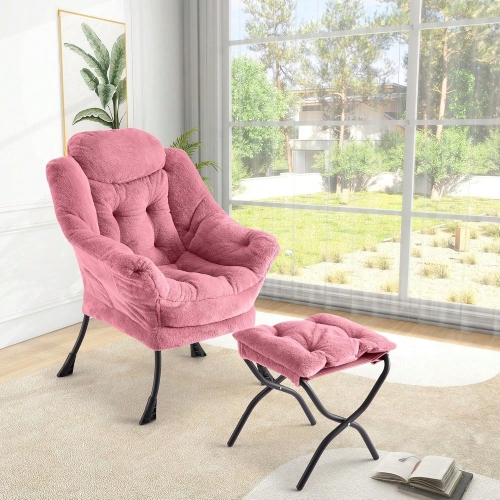


Why chair comfort goes beyond the metal frame
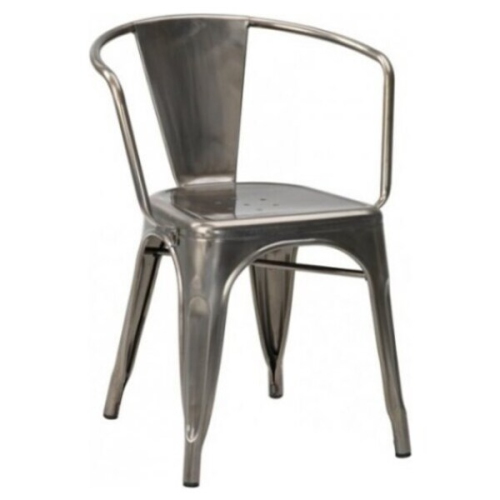
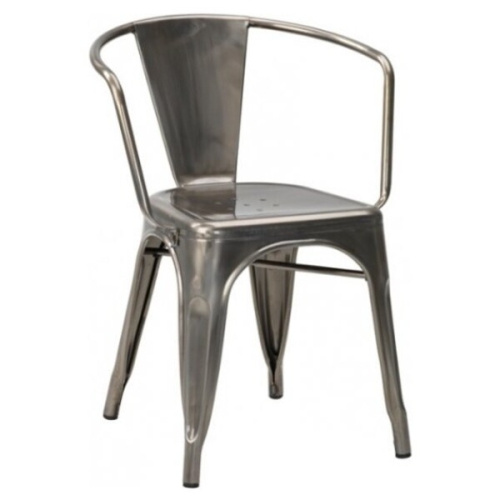
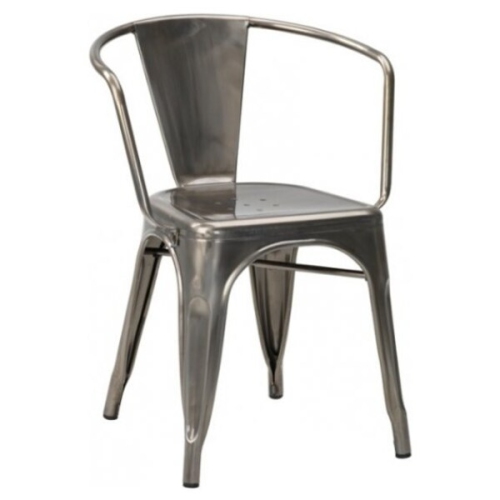
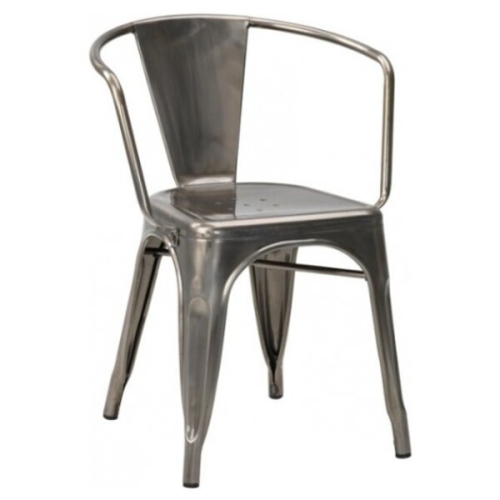
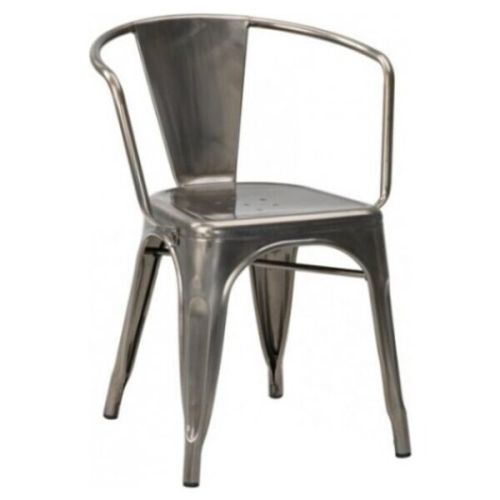
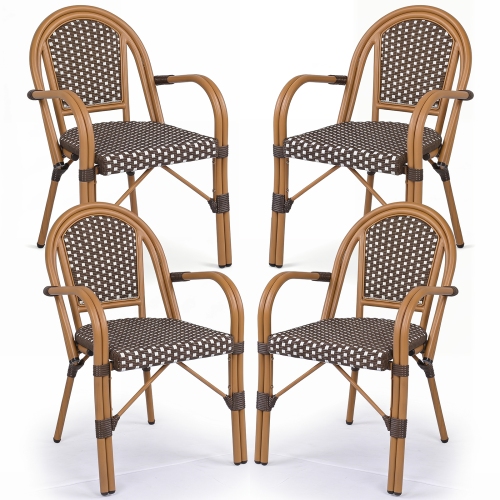
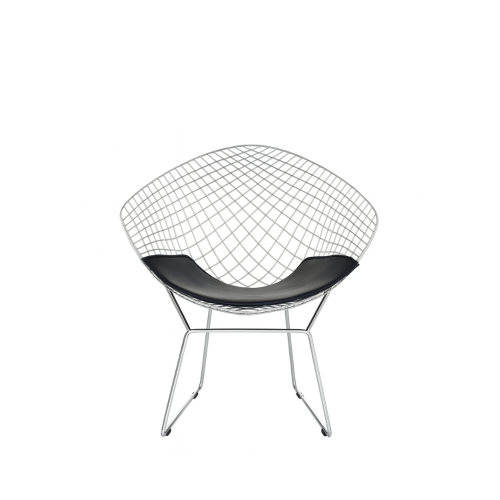
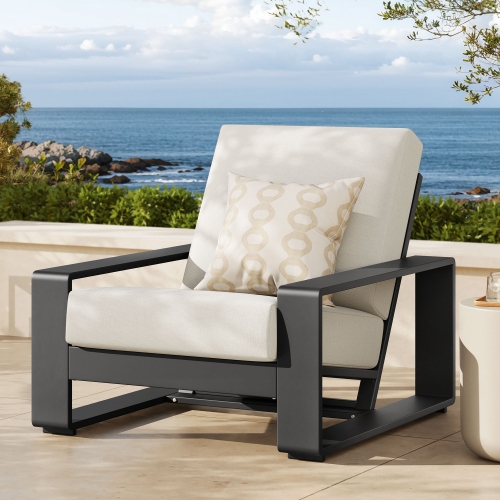
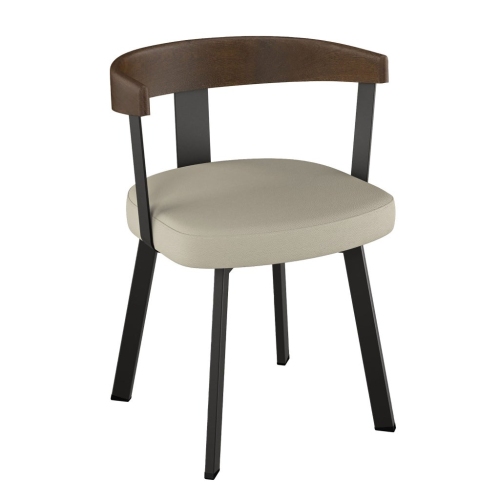
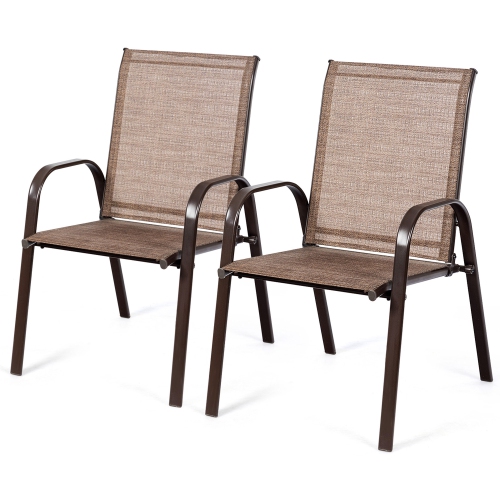
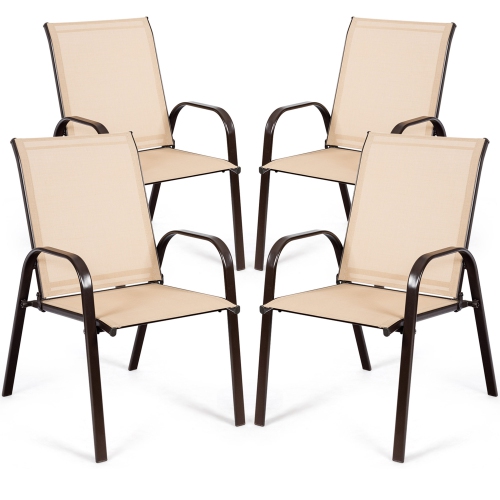
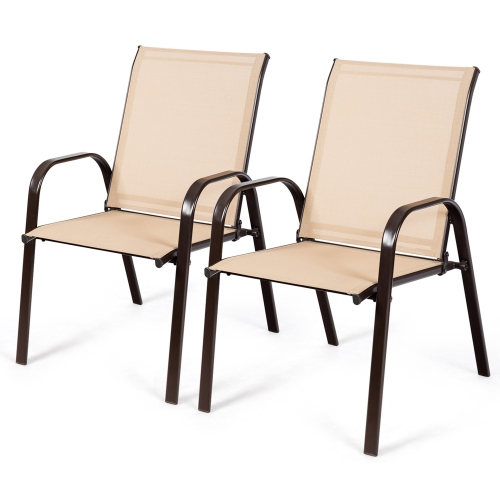
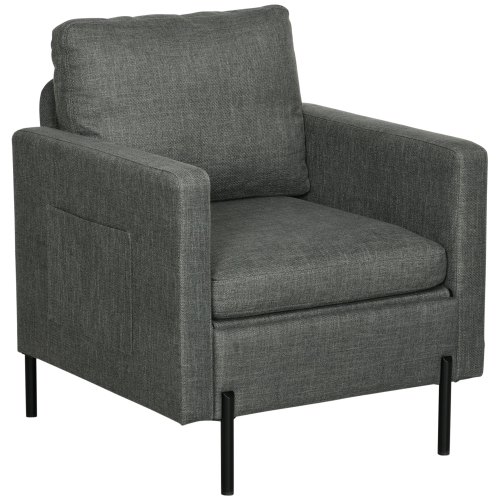
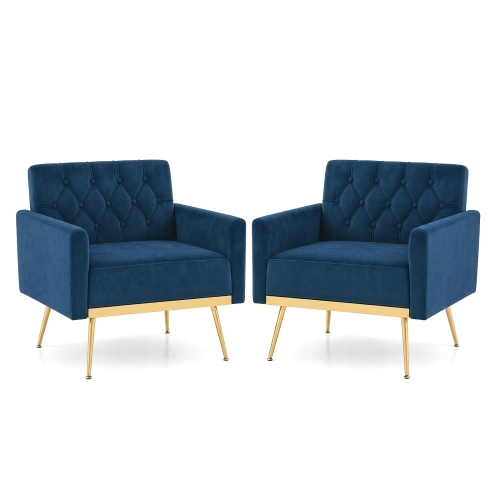
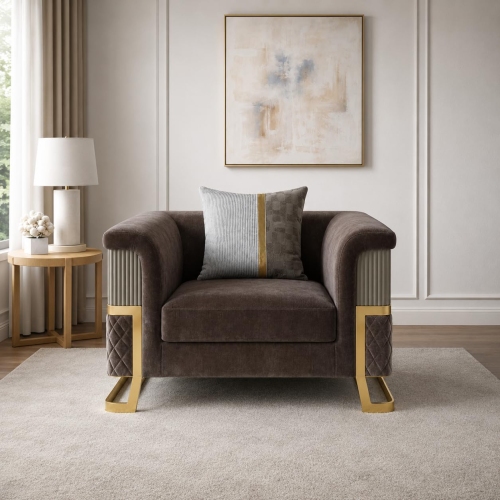
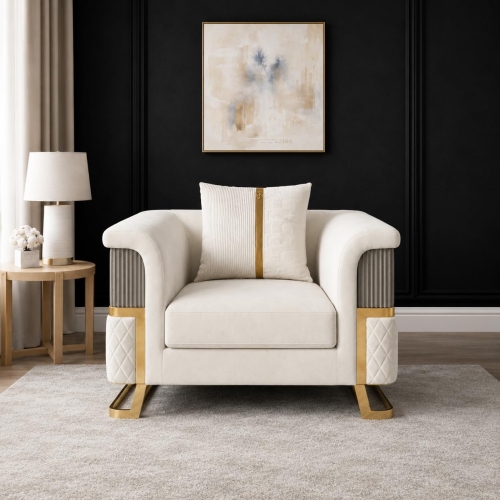
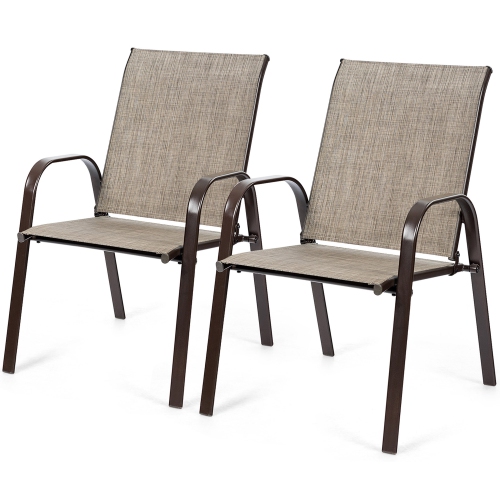
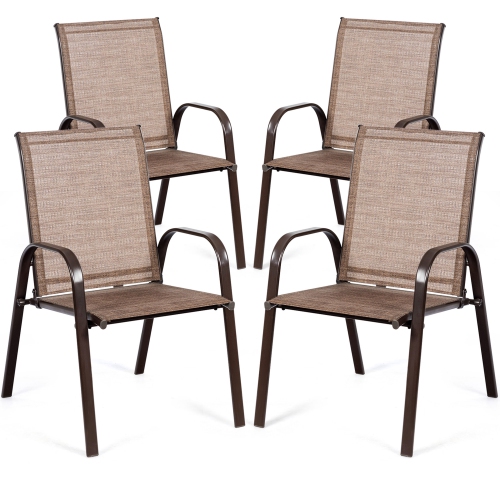
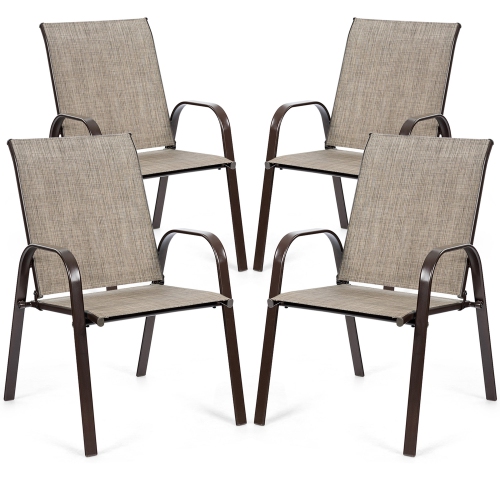
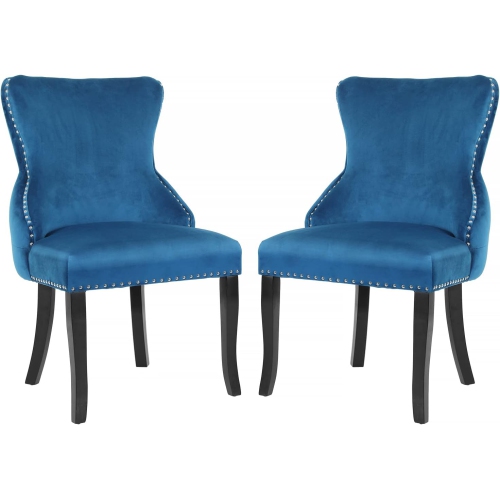
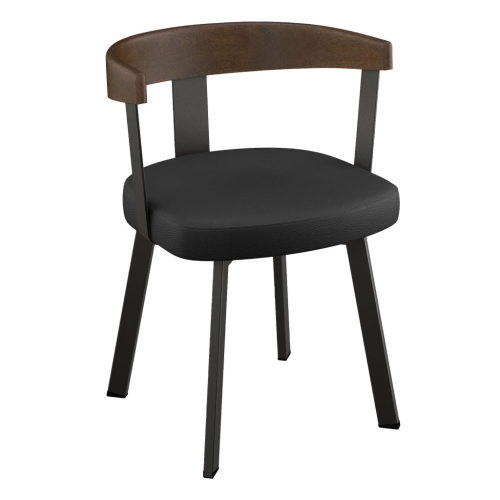
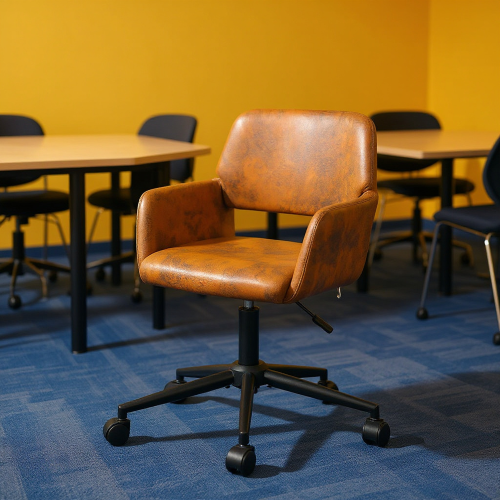
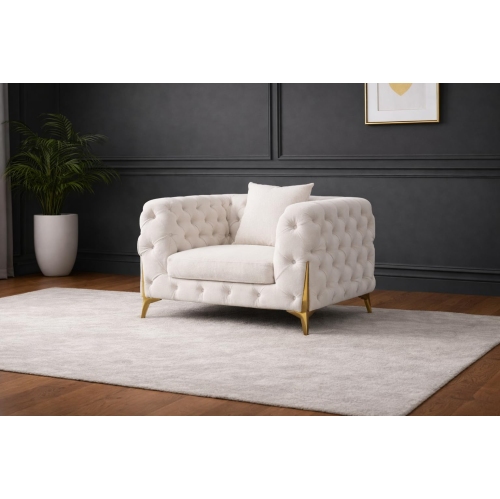
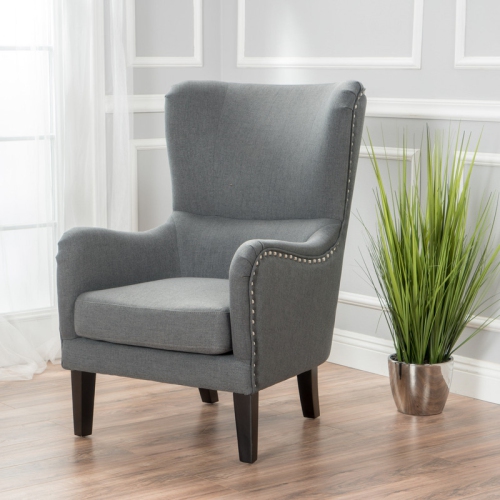
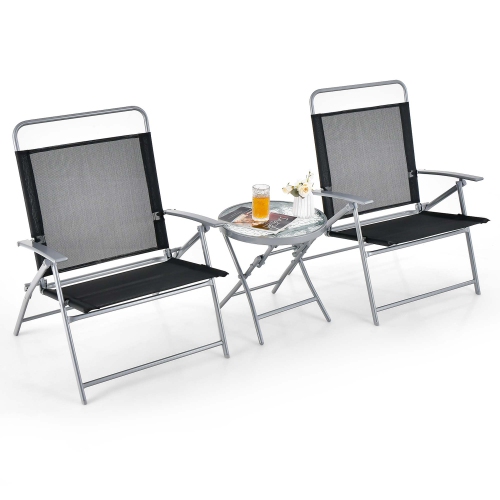
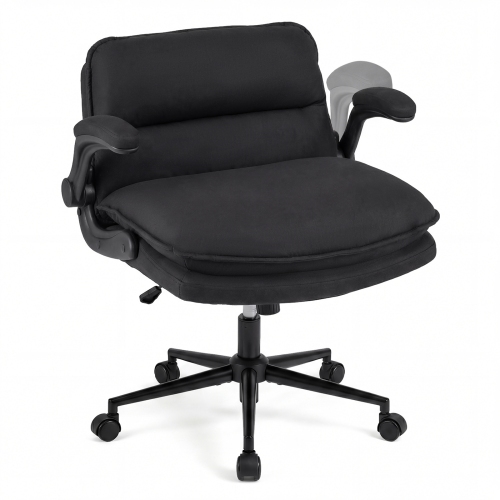
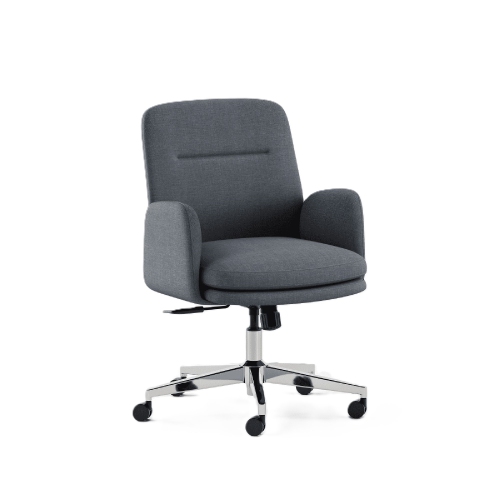
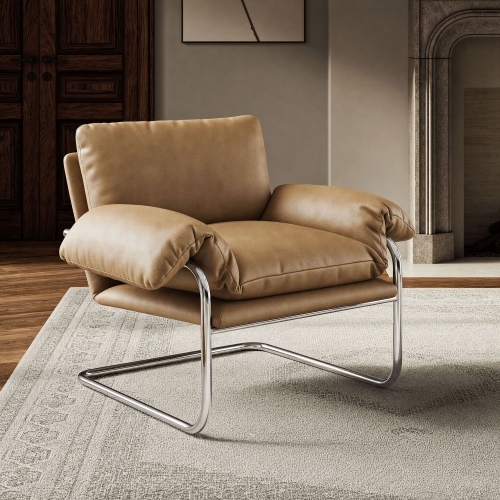
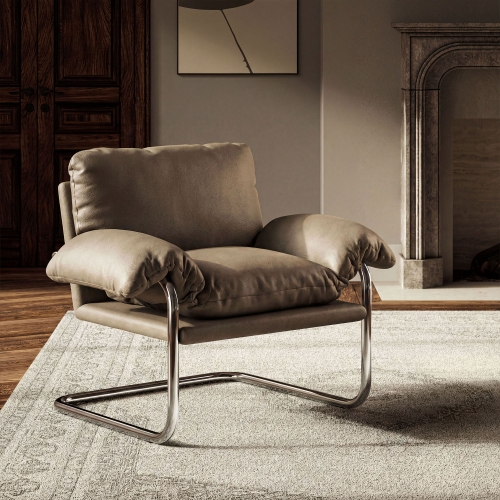
Metal arm chairs are seats with armrests and a metal frame or body, often paired with fabric cushions, wood accents, or a sling-style seat. The category spans upright dining chairs, relaxed accent chairs, and generously cushioned lounge seating, so the visible metalwork is only part of what determines how a chair feels and functions. A slender, open frame can keep a small living room from looking crowded, while a broad, square frame gives a reading corner a more substantial presence. Steel is commonly used for its strength and ability to form slim, supportive structures; aluminum generally offers a lighter alternative that is easier to move. The overall weight and durability still depend on the frame’s construction, joints, finish, and other materials, rather than the metal alone. Powder-coated surfaces provide a coloured protective finish, while polished or brushed metal brings a different level of shine and texture. Black metal tends to emphasize a chair’s outline, whereas lighter finishes can blend more quietly with pale walls and flooring. Wire and mesh designs have an airy appearance, with comfort influenced by the spacing and contour of the metal. Upholstered versions soften that structure with padding across the seat, back, and sometimes the arms. A sling chair takes another approach, using a suspended seating surface that may feel more yielding than a fixed upholstered seat. Wood-topped armrests can add warmth to the look and a different feel under the hands without hiding the frame. These distinctions make metal-frame armchairs suitable for quite different settings: a compact chair beside a bedroom dresser, a pair facing a sofa, or an upright seat at the end of a dining table. For everyday use, the most useful comparison is between the complete seating designs, not simply between metal types. A chair with a striking silhouette still needs the right proportions, support, and surface materials for its intended place in the home.
Fit becomes especially important when an armchair serves a specific activity. For reading, a supportive back and enough seat depth to settle comfortably can matter more than a narrow footprint. For conversation or dining, a more upright position may make it easier to sit forward and reach a nearby table. A deep, low seat can feel inviting for lounging, but it may leave a shorter person’s feet unsupported or require more effort to stand up. Seat height should be considered alongside cushion compression, since a thick, soft cushion may settle noticeably once someone sits down. The usable width between the armrests is another practical measurement; overall chair width does not reveal how much room there is for the person sitting in it. Armrests should support the forearms without forcing the shoulders upward, and their shape affects comfort during longer periods of sitting. Narrow metal rails offer a clean outline, while wider or padded arms provide a larger resting surface. At a dining table or desk, compare arm height with the clearance beneath the tabletop and apron so the chair can tuck in as intended. Leave enough space behind and beside it for people to move through the room without turning sideways around the frame. Measuring doorways and tight hallway corners also helps establish whether an assembled chair can reach its destination. In a shared living room, a moderately firm seat and balanced proportions may accommodate different users more comfortably than an unusually deep lounge design. Anyone who finds low seating difficult may prefer a higher, firmer seat with stable armrests, though a chair should not be treated as a mobility aid unless it is designed for that purpose. Weight capacity is specific to each design and should be checked in the manufacturer’s specifications rather than assumed from a heavy-looking frame. For a gift, such as seating for a first apartment or a newly arranged reading nook, confirming the recipient’s space and preferred sitting position helps make the choice personal as well as practical.
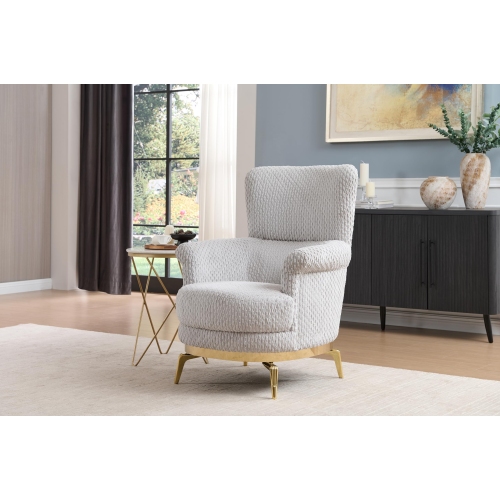
Care and long-term appearance depend on the combination of metal, upholstery, cushioning, and floor contact points. A metal frame may be straightforward to wipe down, but seams, mesh openings, and the undersides of armrests can collect dust and need a little more attention. A soft cloth and a cleaning method approved for the finish help protect its surface; abrasive pads and harsh cleaners can leave marks or damage a coating. Any spill should be dealt with promptly, especially where liquid could collect around joints or contact upholstered panels. Metal construction alone does not make an armchair suitable for outdoor use, so a balcony or patio setting calls for a design specifically rated for that purpose. Indoors, fabric choice affects both the chair’s character and its daily upkeep. A textured weave can give a simple frame visual depth, while a smoother covering creates a cleaner, more tailored look. Bouclé has a distinctive looped texture that may need extra care around claws or snagging objects. Removable cushion covers can make cleaning more convenient, but removable does not necessarily mean machine washable; the care label remains the deciding reference. Cushion filling also changes the experience over time. Softer, loose-filled cushions may need regular reshaping, while firmer foam creates a more structured seat, with lasting support depending on its quality and construction. For chairs that require assembly, correctly fitted hardware contributes to stability, and connections should be checked periodically according to the supplied directions. Suitable floor protectors can help prevent marks on hardwood or laminate, while intact feet keep exposed metal from contacting the floor. Once those practical details are addressed, colour and placement bring the seating into the room. A dark frame with neutral upholstery can sit comfortably alongside wood furniture, patterned rugs, and woven textiles without competing for attention. For a stronger colour accent, Red Arm Chairs offer another direction, particularly in spaces where the surrounding furniture is understated. A nearby lamp, a reachable side table, and clear space around the arms make the arrangement useful rather than merely decorative, giving a metal armchair a purposeful place in everyday life.
Top selling and popular products
-
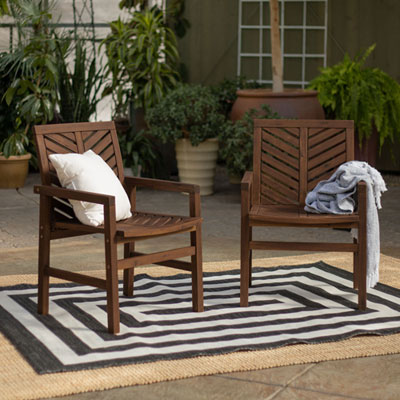 Your price for this item is $604.99
-
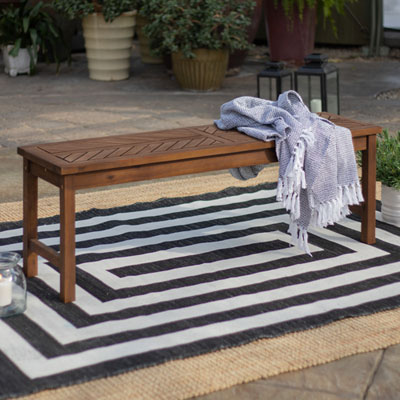 Your price for this item is $371.99
-
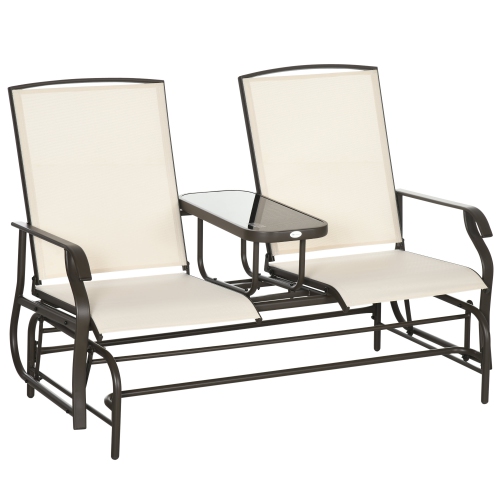 Your price for this item is $209.99
-
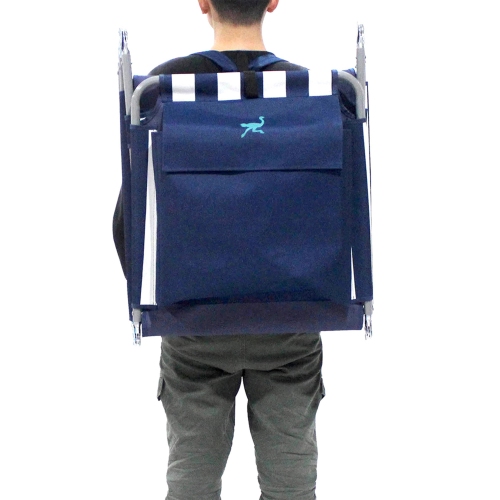 Your price for this item is $174.99
-
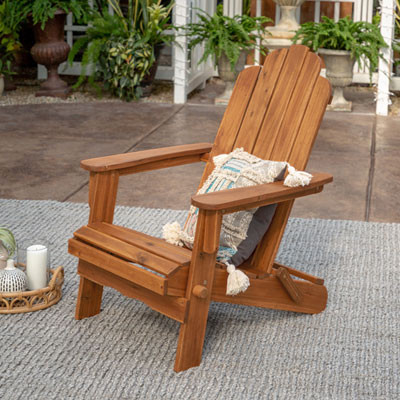 Your price for this item is $461.99
-
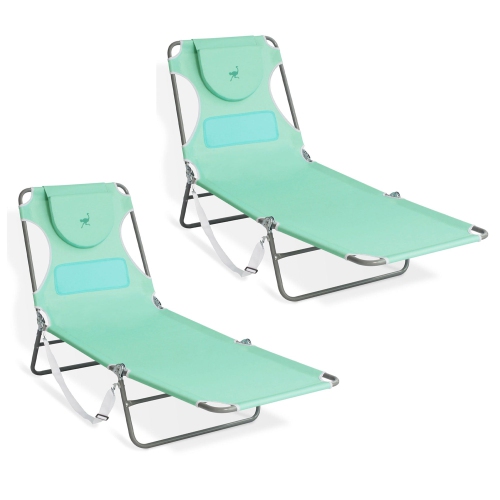 Your price for this item is $335.99
-
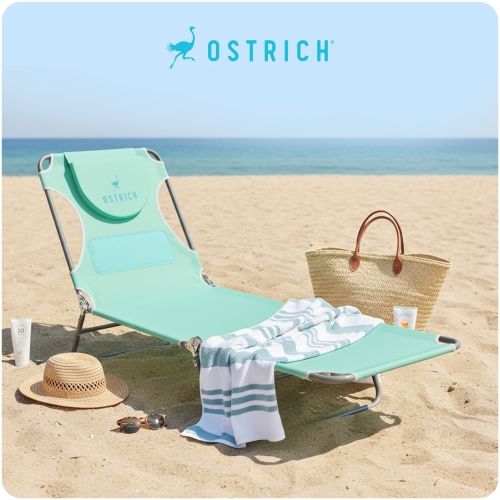 Your price for this item is $170.99
-
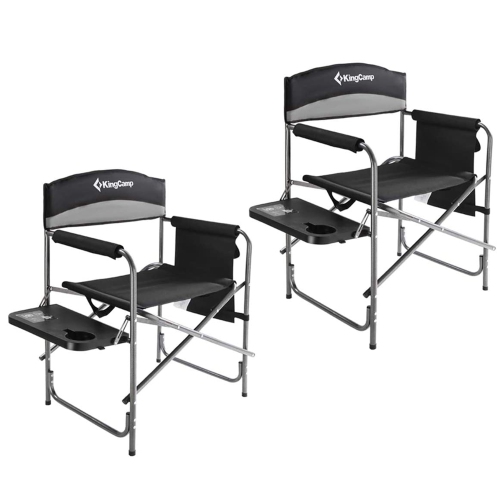 Your price for this item is $205.99
Discover more categories related to Metal Arm Chairs


Top Collections:
Pokemon Centers, Best Budget Office Chairs, Kindle Devices, Best Cameras for Sports Photography, Best Laptops for Writers, Pokémon 30th Celebration Cards, Laptops for Business Work, Samsung Galaxy Phones, Canon G7X Cameras, Best Cell Phones Under $300
Some products may be subject to Environmental Handling Fees
(EHF) depending on your province.
Learn more about EHFs.