Metal Leg Chairs
Upgrade your seating area with our collection of metal leg chairs, designed to add a touch of modern style to any room in your home. Whether you're looking to revamp your dining space, create a cozy reading nook, or enhance your office setup, these sleek and durable chairs are the perfect choice. With a variety of designs and finishes to choose from, you can easily find the ideal metal leg chair to complement your decor and elevate your space with both fashion and function.
Sort








Why sturdy seating takes more than metal legs
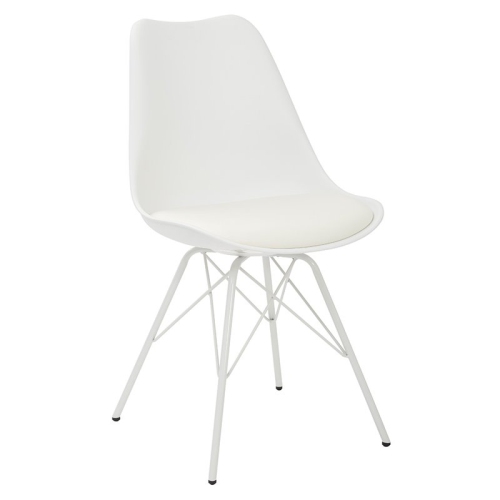
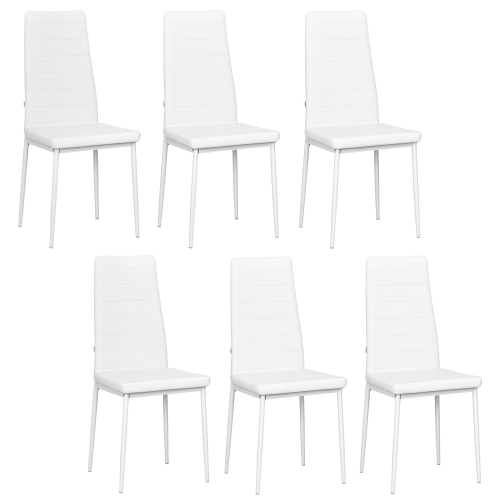
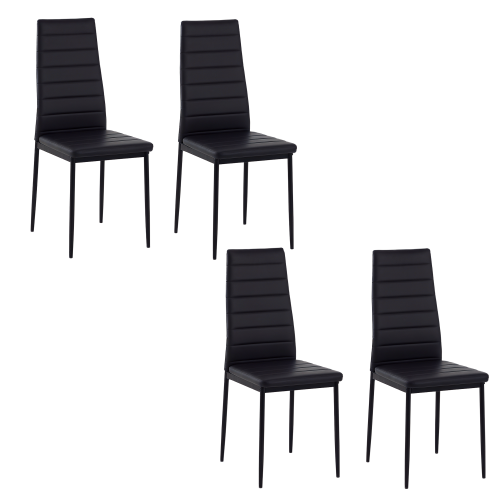
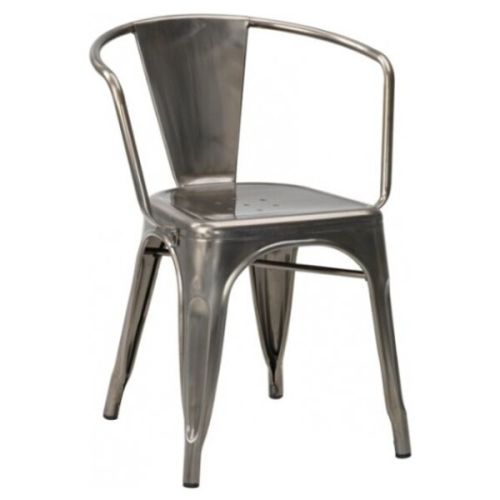
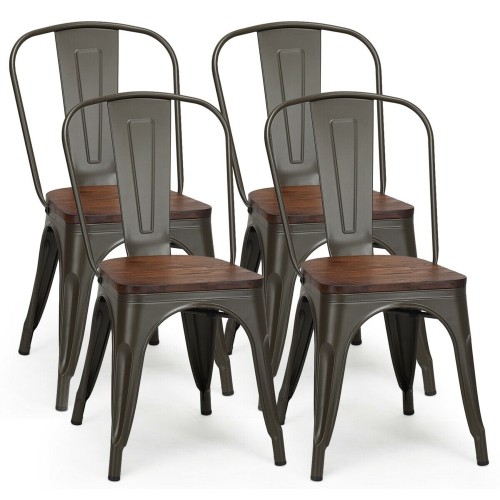
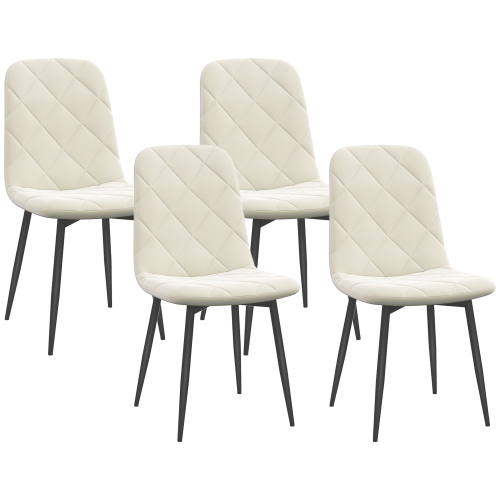
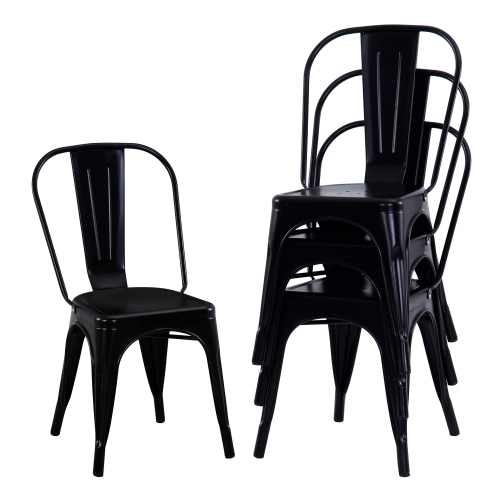
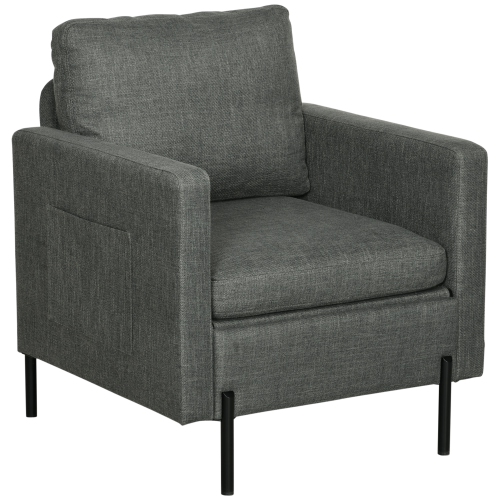
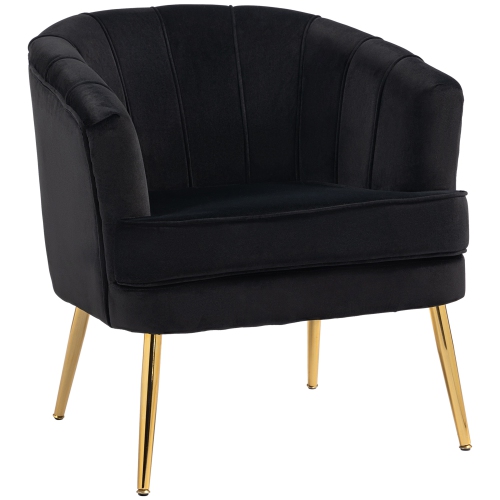
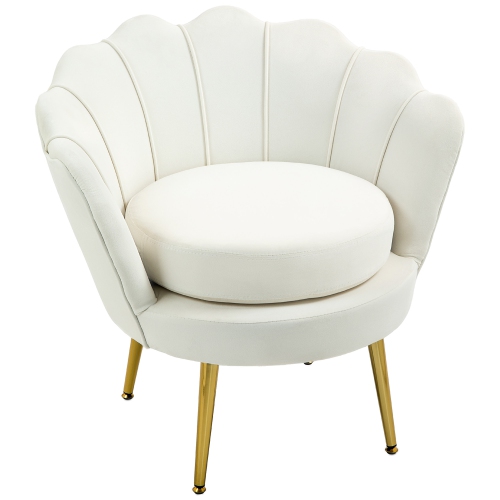
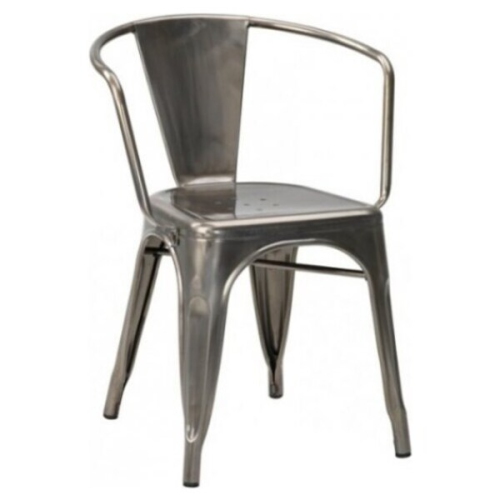
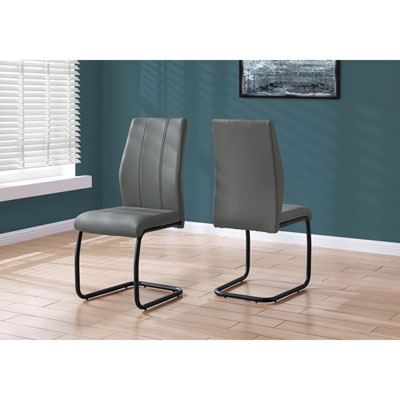
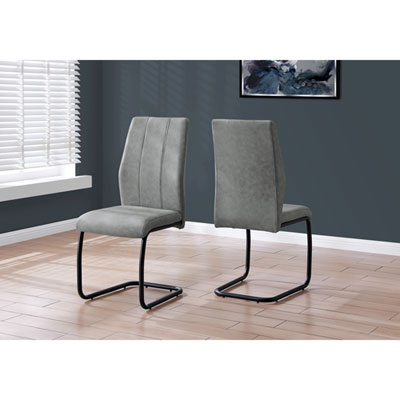
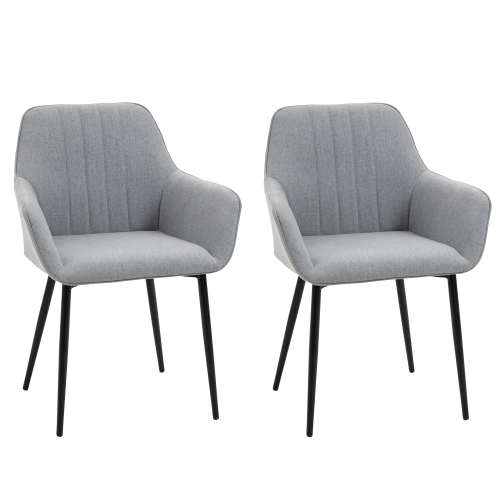
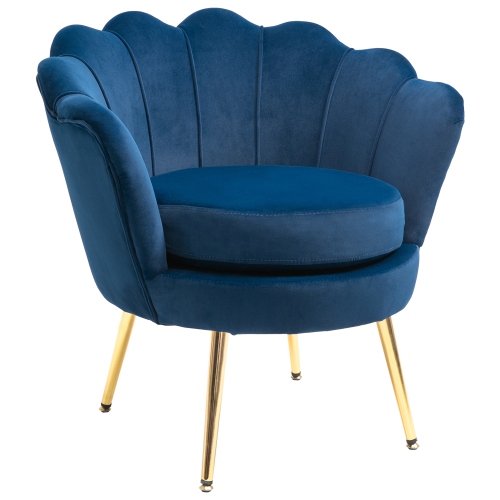
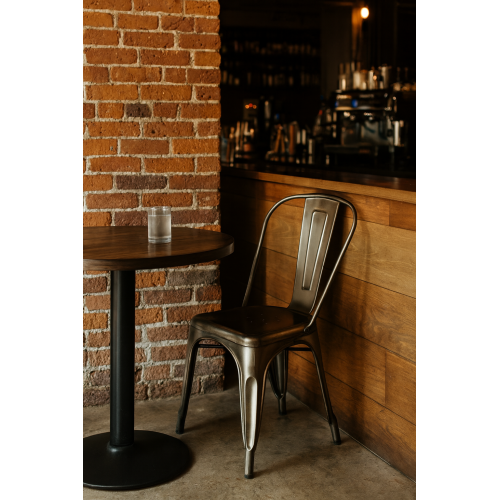
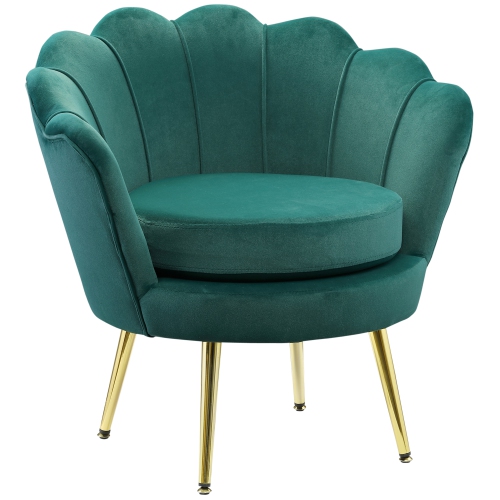
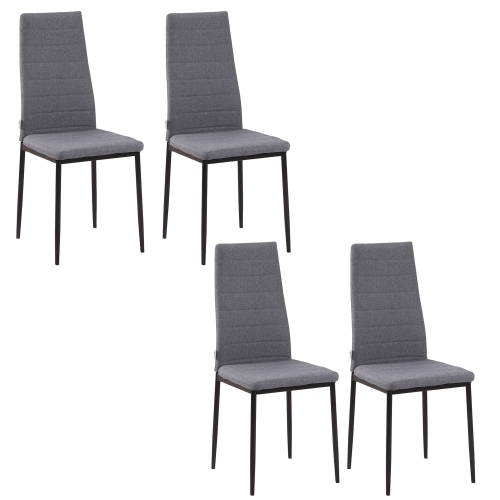
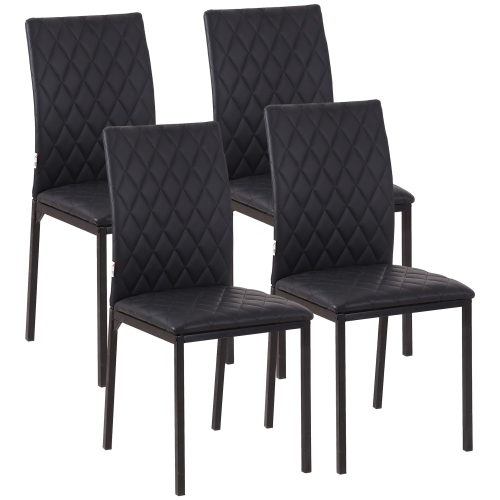
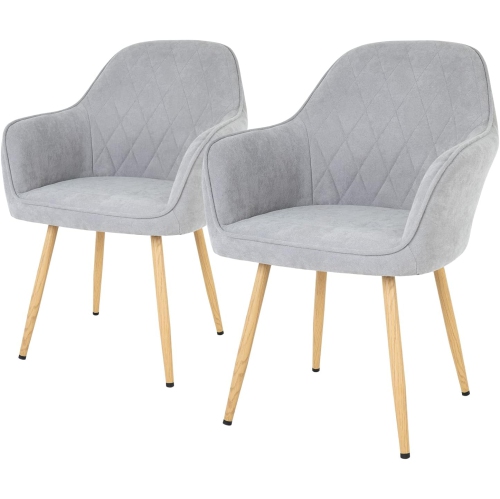
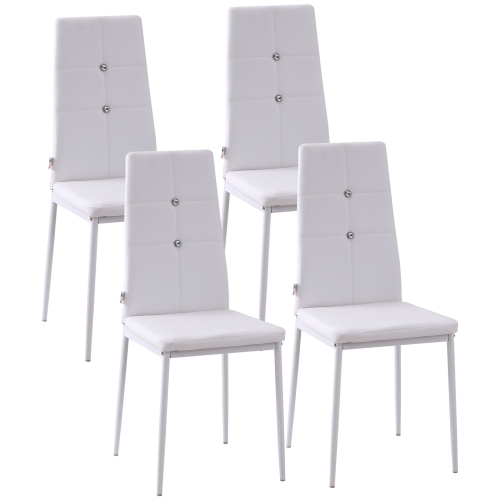
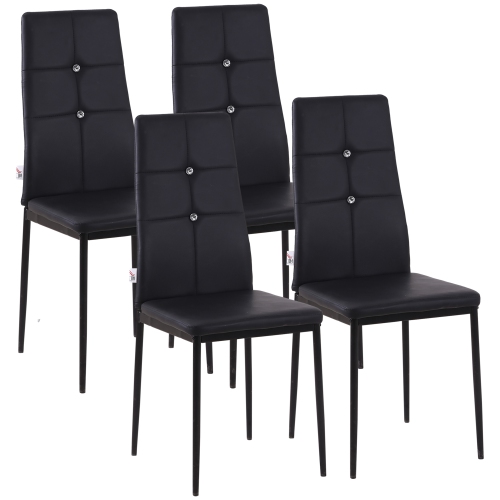
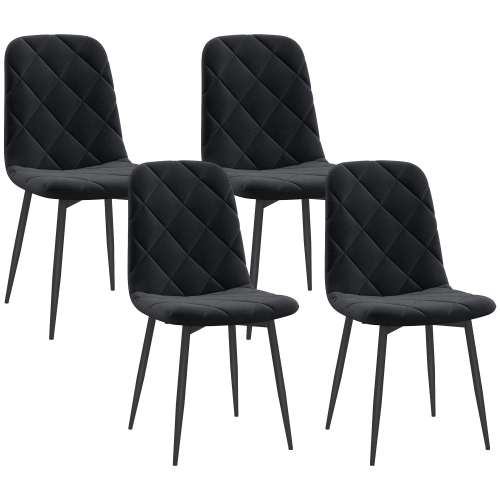
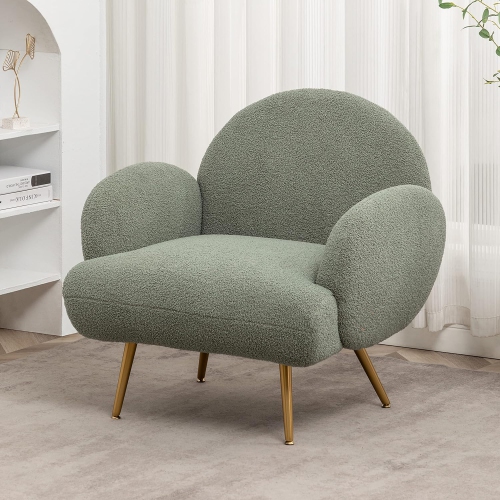
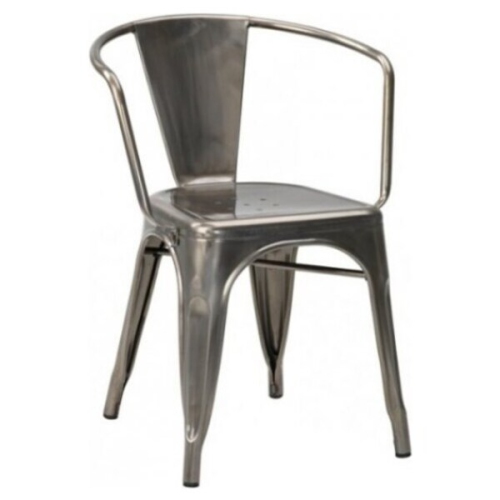
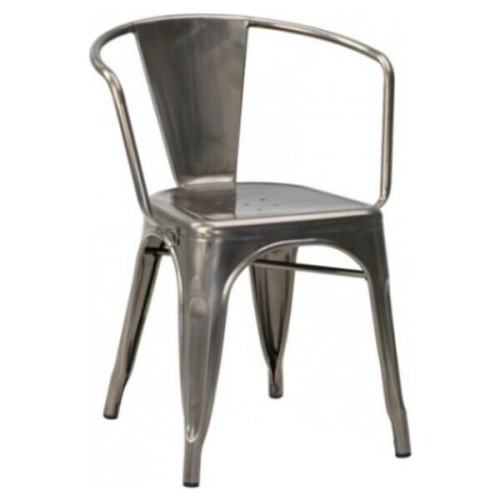
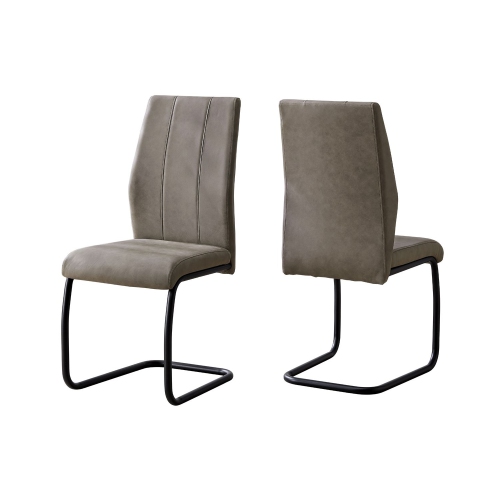
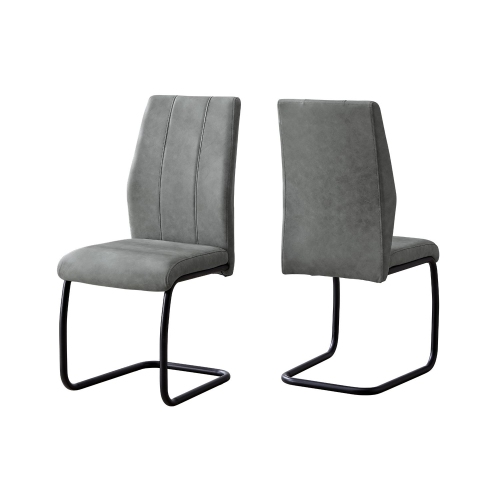
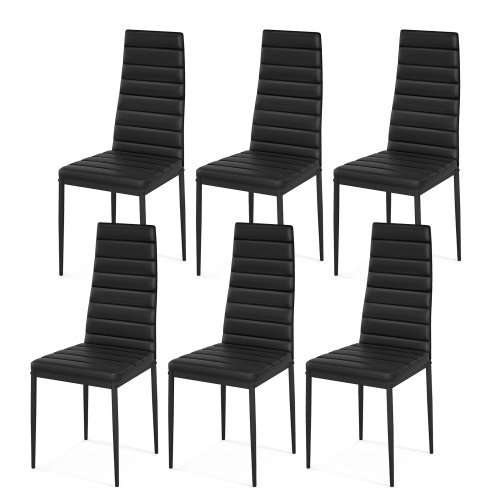
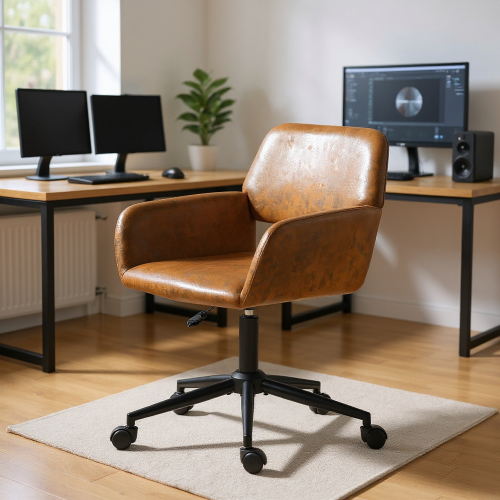
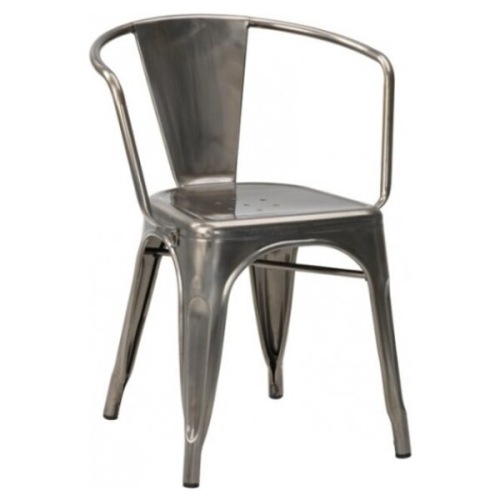
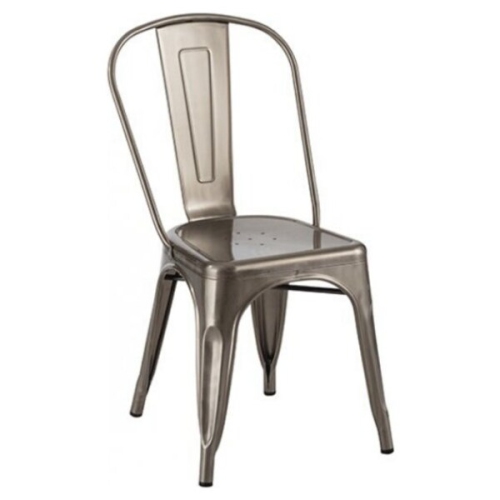
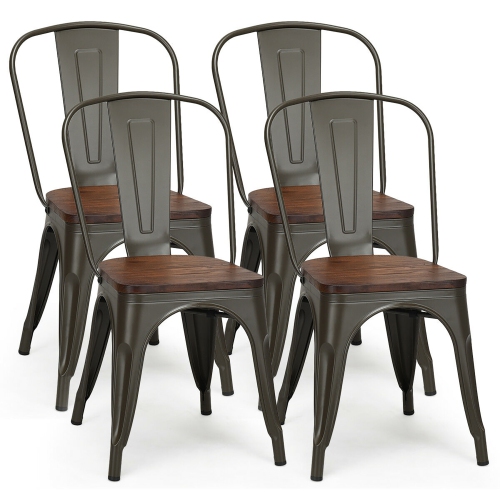
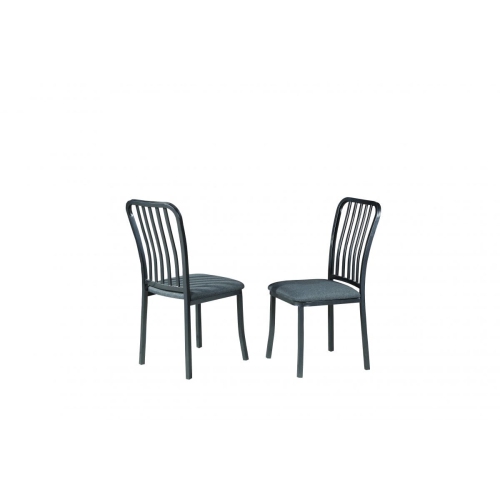
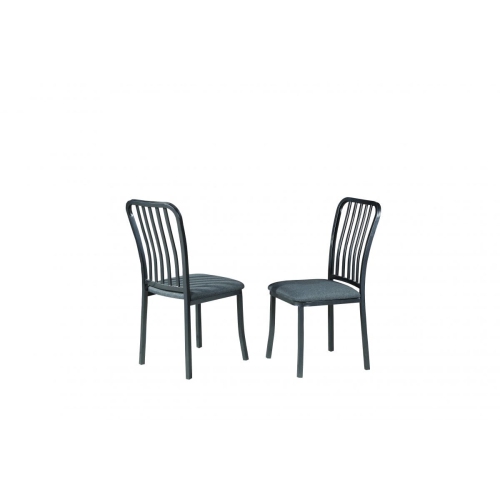
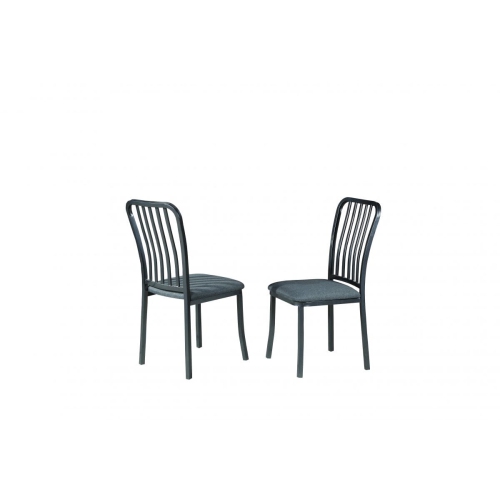
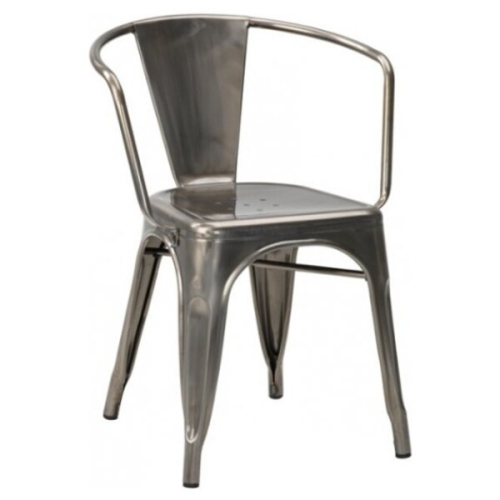
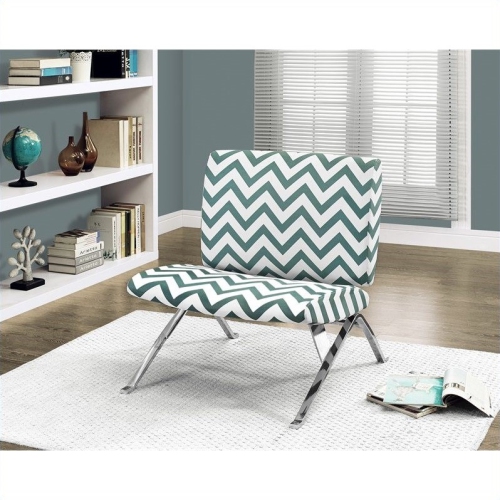
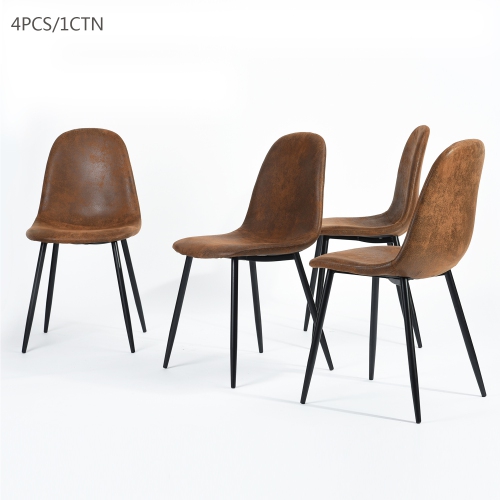
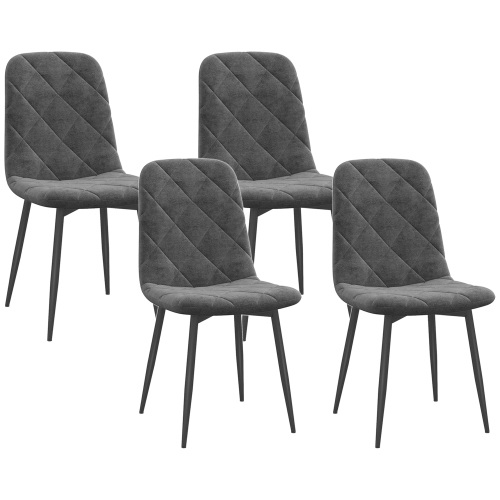
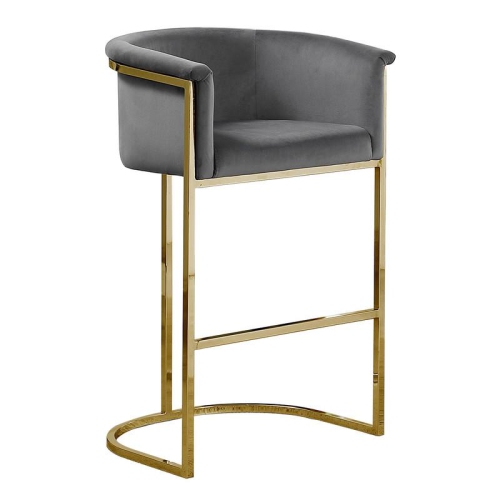
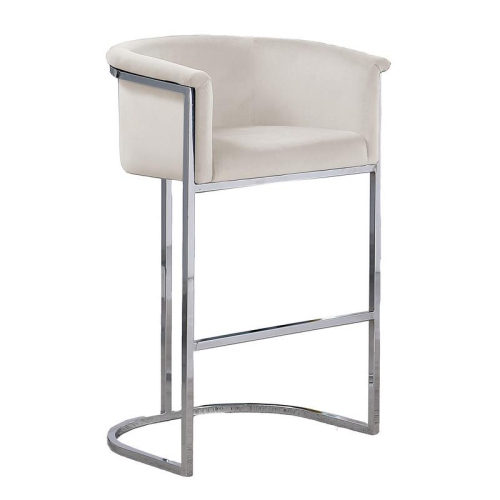
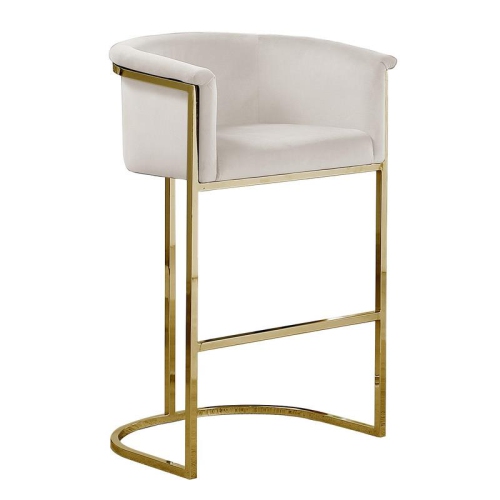
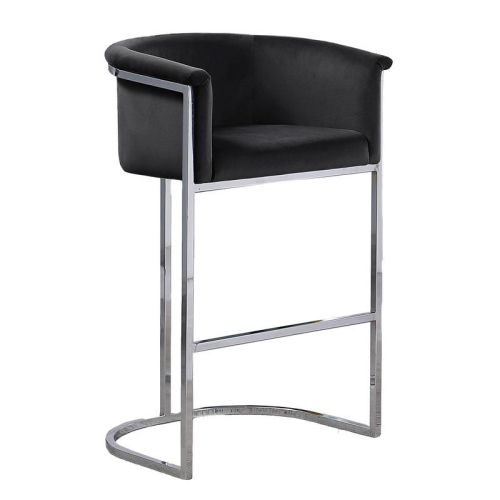
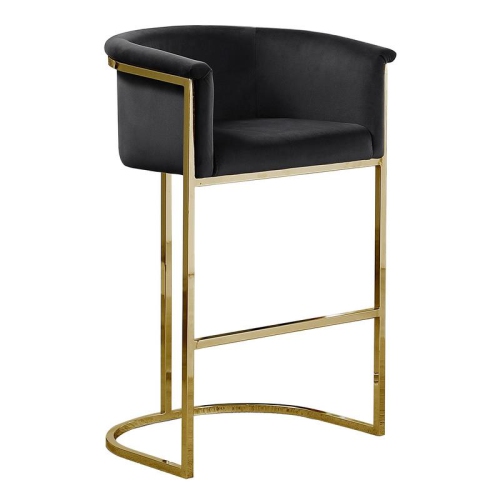
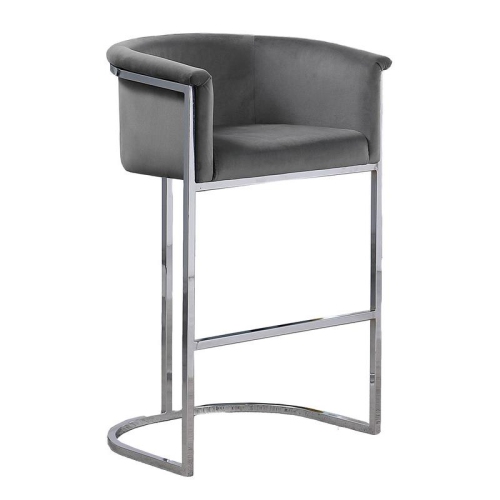
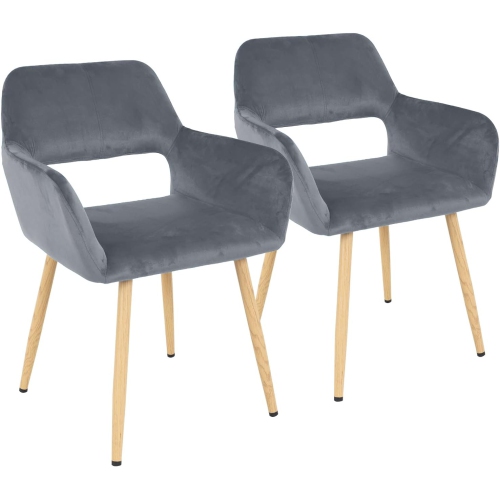
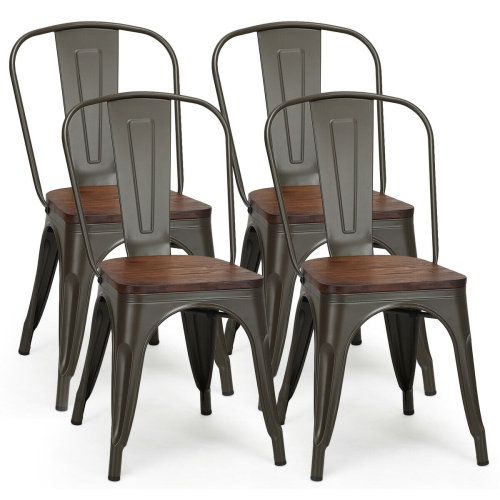
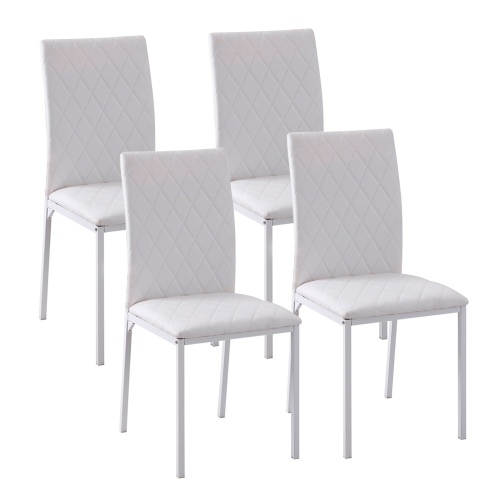
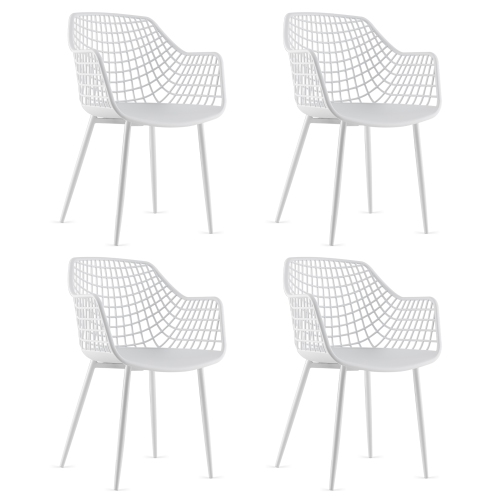
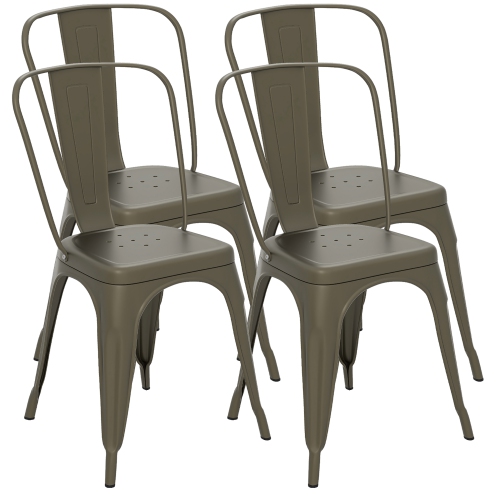
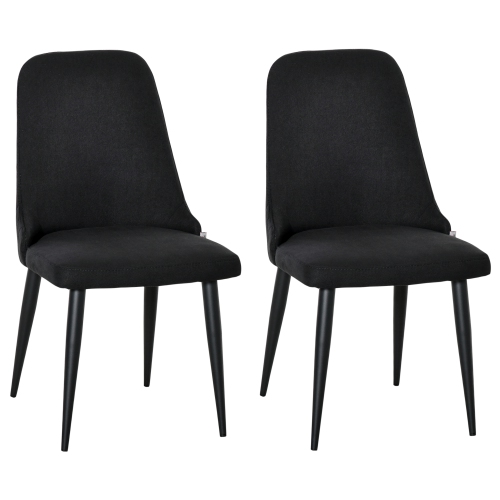
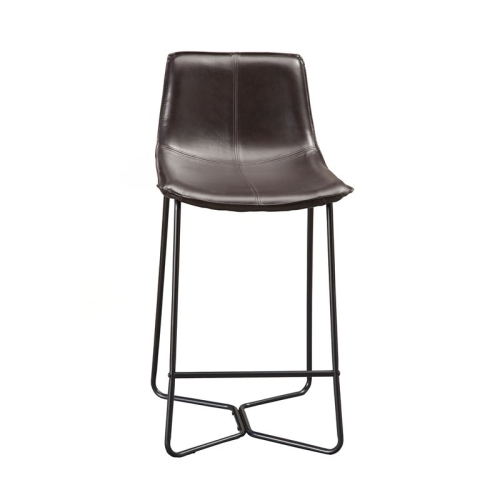
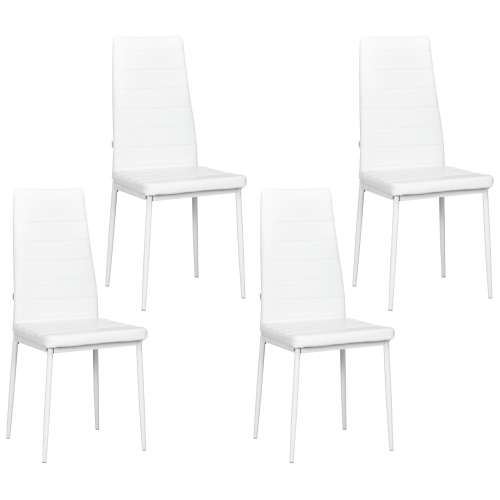
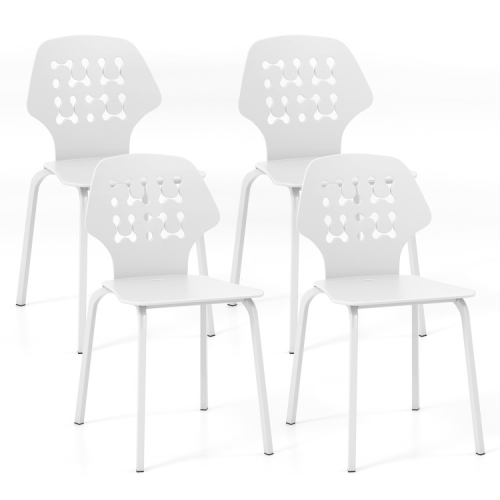
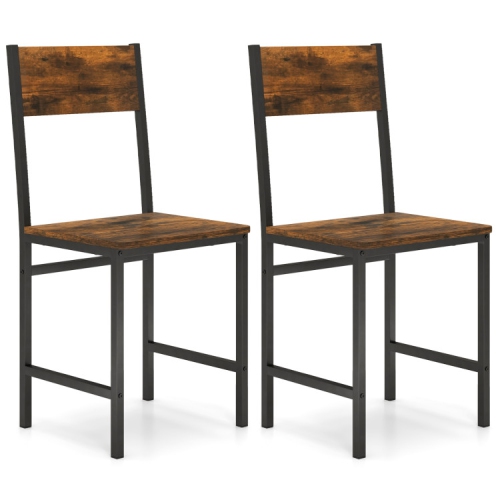
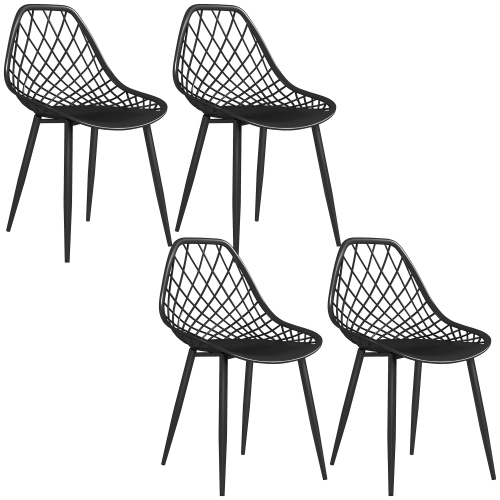
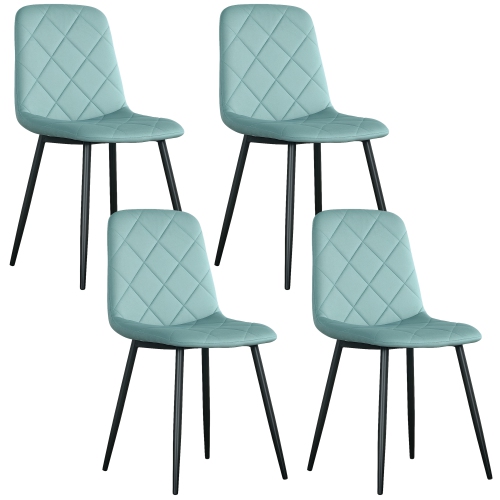
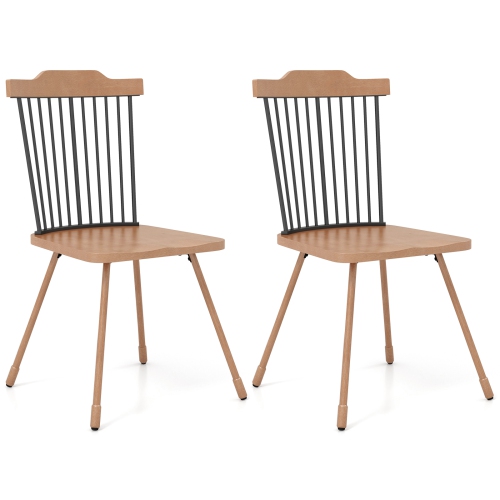
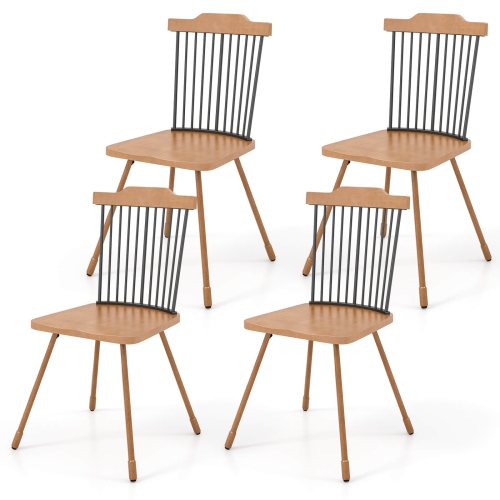
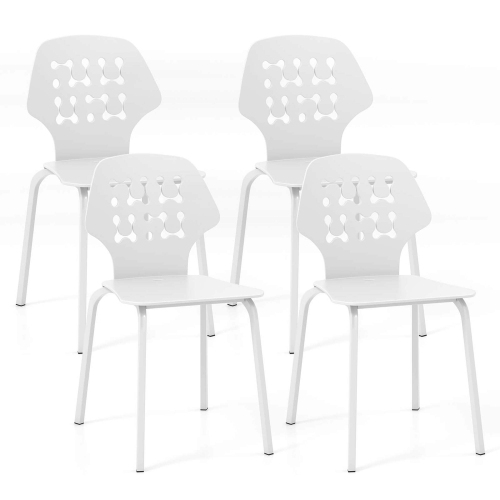
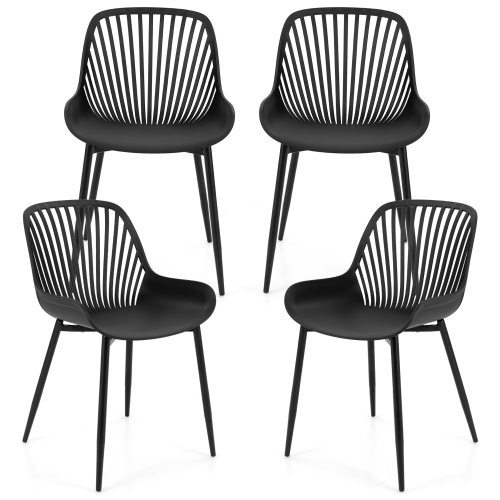
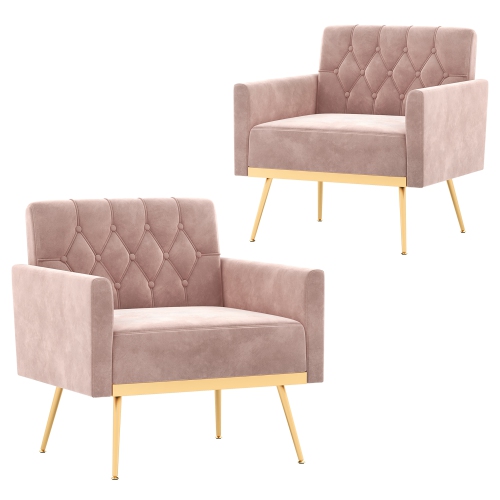
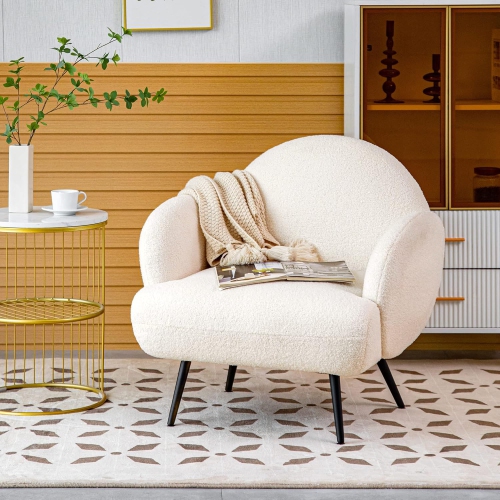
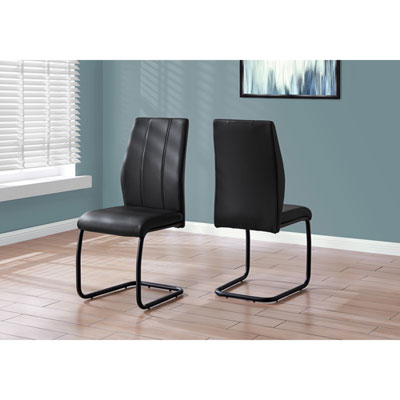
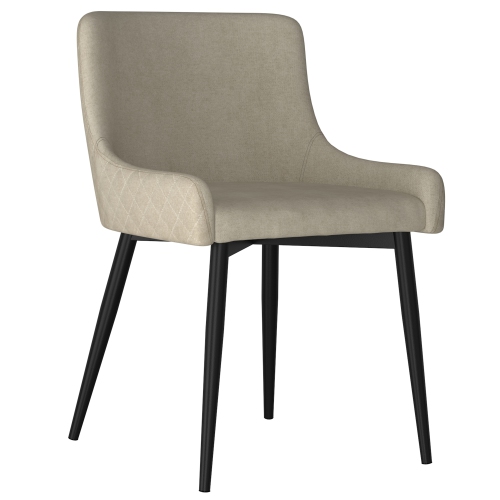
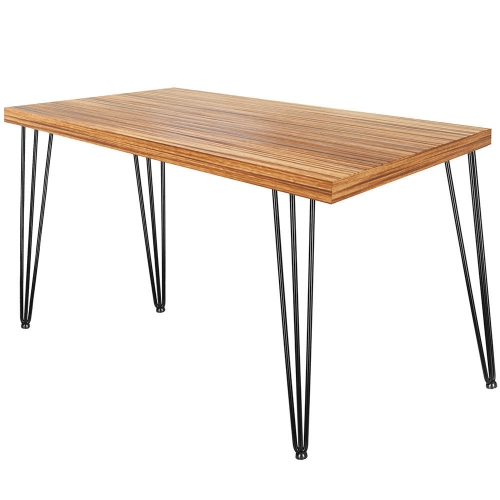
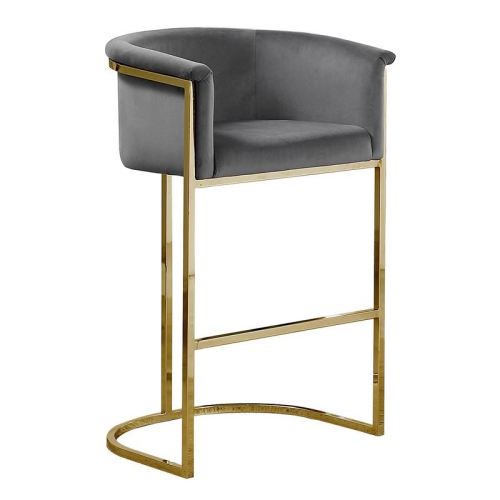
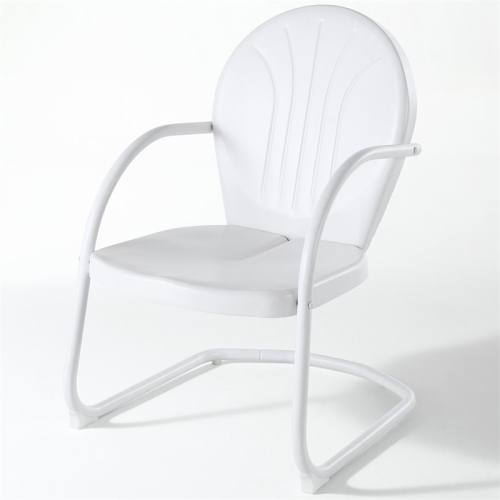
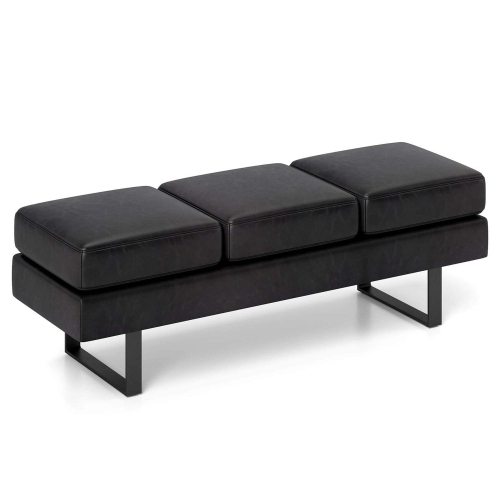
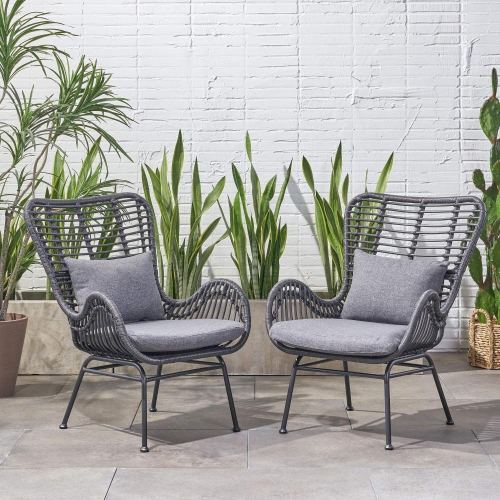
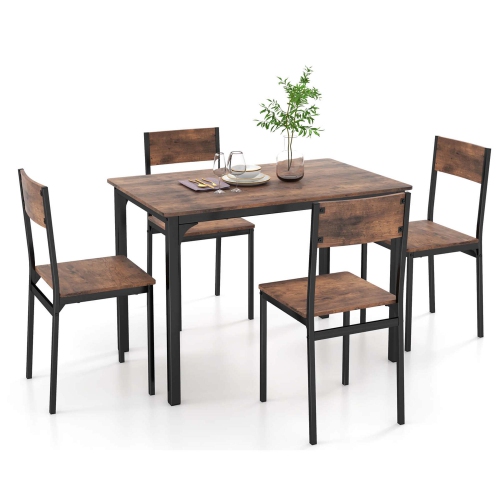
Metal leg chairs combine a metal support structure with seats and backs made from materials such as wood, moulded plastic, woven fabric, velvet, leather, or faux leather. They bring a defined outline to dining rooms, kitchens, desks, and sitting areas, with styles ranging from slim upholstered seating to more substantial industrial designs. Steel legs are common for their strength and rigidity, while aluminium can offer a lighter structure that is easier to move. The legs alone do not determine how sturdy a chair will feel: the frame design, joints, fasteners, and attachment points beneath the seat all contribute to its stability. Powder-coated finishes add colour and a protective surface, while plated or polished finishes give the base a brighter appearance. Matte black legs create a crisp contrast against pale wood floors and light upholstery; brushed metallic finishes offer a quieter accent alongside appliances or cabinet hardware. A metal base can also make a generously padded chair look less bulky, particularly when narrow legs leave an open view of the floor. Tapered legs pair naturally with curved backs and mid-century-inspired shapes, while straight, square-section legs give seating a more architectural feel. For a stronger workshop-inspired look, Metal Industrial Chairs offer a related style direction built around visible metalwork and straightforward forms. Matching every metal finish in a room is not necessary; repeating a dark chair base in a pendant light or table frame can create a sense of continuity without making the space feel overly coordinated. Around a dining table, matching chairs establish a consistent rhythm, while upholstered end chairs and simpler side chairs introduce variation. In a compact apartment, open-backed chairs with slender legs can preserve sightlines between the kitchen and living area. For a reading corner or occasional workspace, a softly upholstered chair with a metal base can bring the same visual lightness while adding a comfortable place to sit.
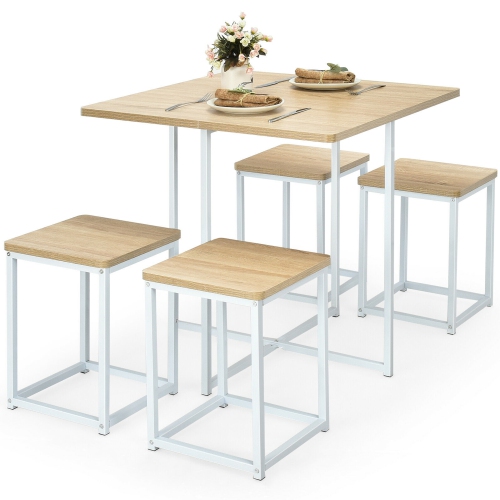
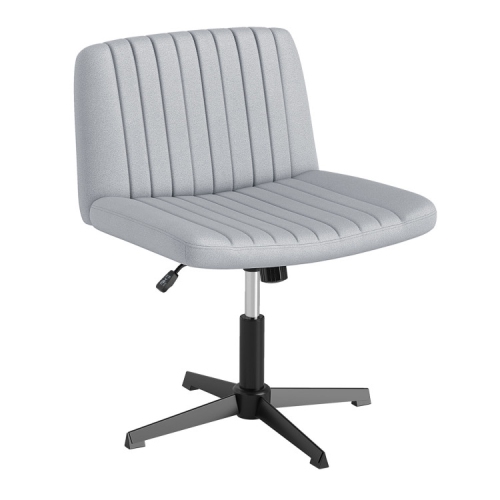
Fit matters as much as appearance, especially when metal leg dining chairs need to tuck under an existing table. Seat height should be considered alongside the height of the tabletop and the clearance beneath its apron, rather than judged from the tabletop alone. Around 10 to 12 inches between the seat and the underside of the tabletop is a common starting point for dining comfort, though a deep apron can reduce usable thigh space. Seat cushions may compress when occupied, so a listed seat height does not always describe the exact sitting position. Armrests need their own clearance if the chair is meant to slide fully beneath the table. Width deserves equal attention: a chair may fit between the table legs yet leave too little room for neighbouring diners to move their elbows comfortably. Widely splayed metal legs can take up more floor space than the seat suggests and may interfere with a pedestal base or catch feet along a narrow walkway. Leaving roughly 36 inches behind dining chairs is a useful starting point for pulling them out, with more room needed where people regularly pass behind someone who is seated. Beyond dimensions, seat shape affects everyday comfort. A gently contoured wooden seat can feel supportive without padding, while a cushioned seat softens contact during longer meals or conversations. A rounded front edge may feel more comfortable behind the knees than a pronounced, angular edge. Back height, back angle, and lumbar shaping influence whether a chair encourages an upright dining posture or a more relaxed position. Armchairs can provide a resting place for forearms, but armless designs generally tuck away more easily and offer greater freedom to turn. For a kitchen table that doubles as a homework station, supportive seating and an easy-clean surface can be particularly useful. A dining or accent chair may also suit brief laptop sessions, although fixed-height seating does not offer the adjustability of a task chair intended for extended desk work.
Materials and construction shape how metal leg chairs handle daily use. Upholstered seats bring softness and texture, with tightly woven fabrics offering a different feel from plush velvet or smooth leather. Velvet's pile can show changes in shading as it is brushed or sat on, which is part of its distinctive appearance. Faux leather often allows straightforward surface wiping, but cleaning requirements and resistance to wear vary by material and finish. Wood seats highlight grain and provide a firm sitting surface, while moulded plastic can offer a curved profile with fewer upholstery seams to collect crumbs. In a busy dining area, the underside of the seat, the joins around the backrest, and any decorative stitching are worth considering alongside the main seating surface, since these details affect cleaning access. Routine care for metal legs often involves a soft cloth, mild cleaning solution where permitted, and prompt drying; abrasive pads and harsh chemicals can damage coatings or dull polished surfaces. Upholstery should be cleaned according to its care instructions rather than treated with the same cleaner used on the frame. Floor protection is another practical detail. Rubber or plastic foot caps help separate metal from flooring, while suitable felt pads can make chairs easier to slide across some hard surfaces. Pads need to remain clean and secure, since trapped grit can still scratch a floor. Adjustable glides, where fitted, can help a chair sit evenly on a slightly uneven surface. Loose fasteners should be tightened according to the assembly instructions, but a damaged joint or bent leg needs proper attention rather than a makeshift adjustment. Stated weight limits and intended-use information are more useful than assuming every metal-legged chair has the same strength. Metal construction also does not automatically make seating suitable for a patio; outdoor use requires appropriate finishes, upholstery, and manufacturer approval. With dimensions, surface care, floor contact, and construction considered together, metal leg chairs can provide practical seating for everyday meals, shared workspaces, and relaxed gatherings without sacrificing the character of the room.
Fit matters as much as appearance, especially when metal leg dining chairs need to tuck under an existing table. Seat height should be considered alongside the height of the tabletop and the clearance beneath its apron, rather than judged from the tabletop alone. Around 10 to 12 inches between the seat and the underside of the tabletop is a common starting point for dining comfort, though a deep apron can reduce usable thigh space. Seat cushions may compress when occupied, so a listed seat height does not always describe the exact sitting position. Armrests need their own clearance if the chair is meant to slide fully beneath the table. Width deserves equal attention: a chair may fit between the table legs yet leave too little room for neighbouring diners to move their elbows comfortably. Widely splayed metal legs can take up more floor space than the seat suggests and may interfere with a pedestal base or catch feet along a narrow walkway. Leaving roughly 36 inches behind dining chairs is a useful starting point for pulling them out, with more room needed where people regularly pass behind someone who is seated. Beyond dimensions, seat shape affects everyday comfort. A gently contoured wooden seat can feel supportive without padding, while a cushioned seat softens contact during longer meals or conversations. A rounded front edge may feel more comfortable behind the knees than a pronounced, angular edge. Back height, back angle, and lumbar shaping influence whether a chair encourages an upright dining posture or a more relaxed position. Armchairs can provide a resting place for forearms, but armless designs generally tuck away more easily and offer greater freedom to turn. For a kitchen table that doubles as a homework station, supportive seating and an easy-clean surface can be particularly useful. A dining or accent chair may also suit brief laptop sessions, although fixed-height seating does not offer the adjustability of a task chair intended for extended desk work.
Materials and construction shape how metal leg chairs handle daily use. Upholstered seats bring softness and texture, with tightly woven fabrics offering a different feel from plush velvet or smooth leather. Velvet's pile can show changes in shading as it is brushed or sat on, which is part of its distinctive appearance. Faux leather often allows straightforward surface wiping, but cleaning requirements and resistance to wear vary by material and finish. Wood seats highlight grain and provide a firm sitting surface, while moulded plastic can offer a curved profile with fewer upholstery seams to collect crumbs. In a busy dining area, the underside of the seat, the joins around the backrest, and any decorative stitching are worth considering alongside the main seating surface, since these details affect cleaning access. Routine care for metal legs often involves a soft cloth, mild cleaning solution where permitted, and prompt drying; abrasive pads and harsh chemicals can damage coatings or dull polished surfaces. Upholstery should be cleaned according to its care instructions rather than treated with the same cleaner used on the frame. Floor protection is another practical detail. Rubber or plastic foot caps help separate metal from flooring, while suitable felt pads can make chairs easier to slide across some hard surfaces. Pads need to remain clean and secure, since trapped grit can still scratch a floor. Adjustable glides, where fitted, can help a chair sit evenly on a slightly uneven surface. Loose fasteners should be tightened according to the assembly instructions, but a damaged joint or bent leg needs proper attention rather than a makeshift adjustment. Stated weight limits and intended-use information are more useful than assuming every metal-legged chair has the same strength. Metal construction also does not automatically make seating suitable for a patio; outdoor use requires appropriate finishes, upholstery, and manufacturer approval. With dimensions, surface care, floor contact, and construction considered together, metal leg chairs can provide practical seating for everyday meals, shared workspaces, and relaxed gatherings without sacrificing the character of the room.
Top selling and popular products
-
 Your price for this item is $233.99
 -
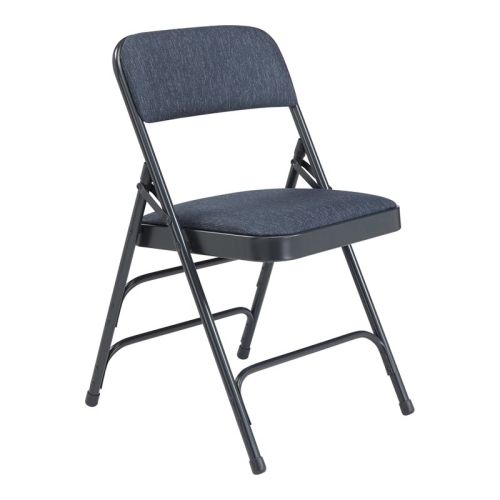 Your price for this item is $413.92
 -
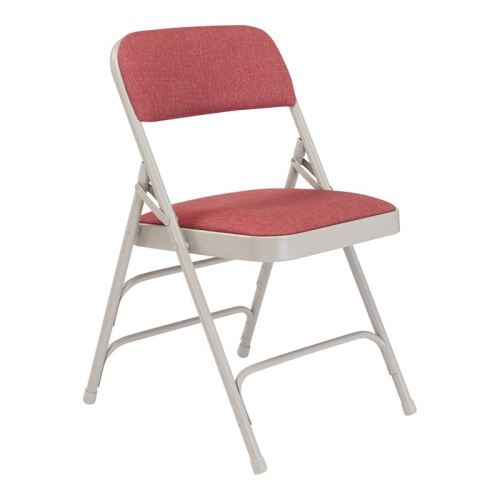 Your price for this item is $399.16
 -
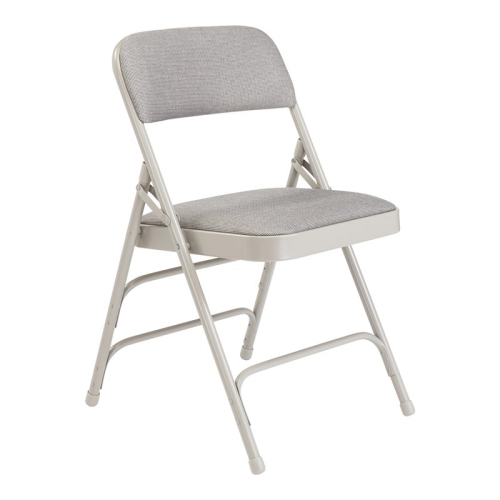 Your price for this item is $395.27
 -
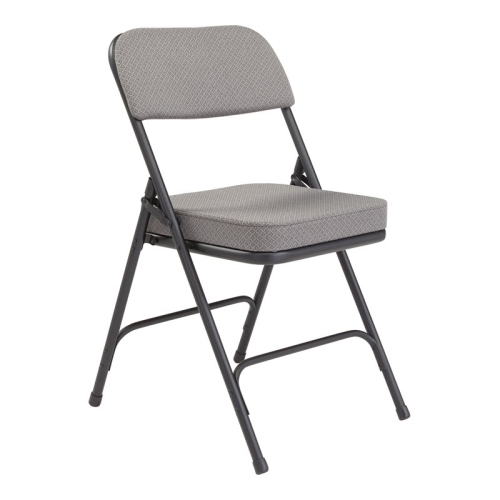 Your price for this item is $282.44
 -
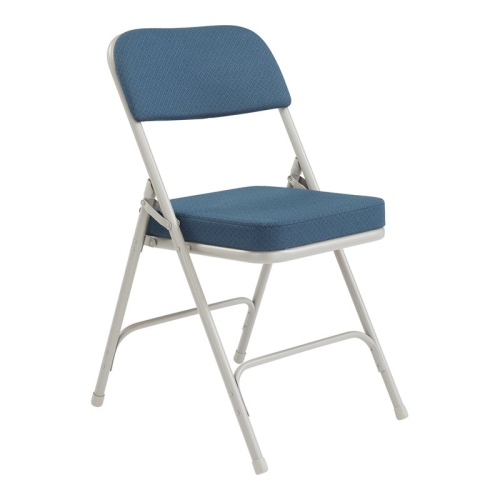 Your price for this item is $279.98
 -
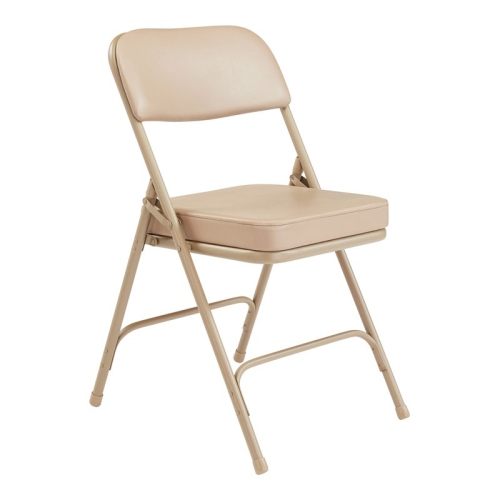 Your price for this item is $278.44
 -
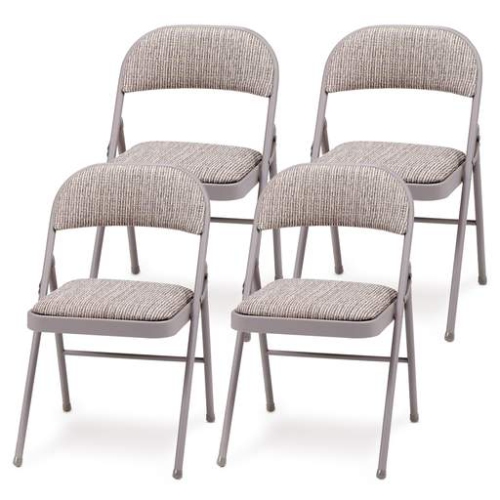 Your price for this item is $354.99
Discover more categories related to Metal Leg Chairs
Top Collections:
Pokemon Centers, Budget 4K TVs, Kindle Devices, Canon G7X Cameras, Apple iPhones 16, iPhone 15 Apple, Laptops for Business Work, Flip Phones, Xiaomi Phones, Refurbished Apple Laptops
Some products may be subject to Environmental Handling Fees
(EHF) depending on your province.
Learn more about EHFs.