Metal Canopy Beds
Transform your bedroom into a luxurious retreat with the timeless elegance of metal canopy beds. These stunning pieces of furniture offer a perfect blend of classic design and modern sophistication, creating a focal point that elevates any décor. Whether you're aiming for a minimalist aesthetic or a more ornate style, metal canopy beds provide versatile options that cater to diverse tastes. The sturdy construction ensures durability, while the sleek lines and intricate details add a touch of grandeur to your sleeping space. Explore our collection to find the ideal metal canopy bed that complements your personal style and enhances your home’s ambiance.
Sort
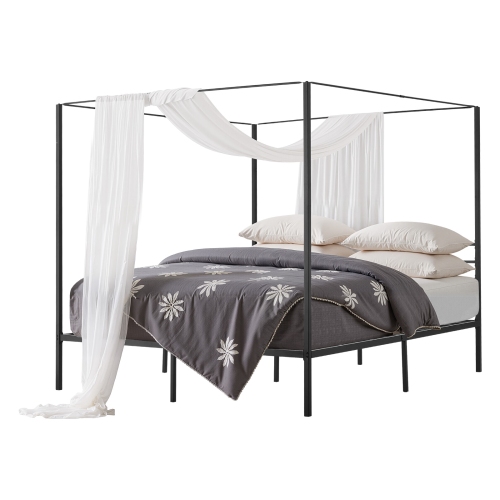


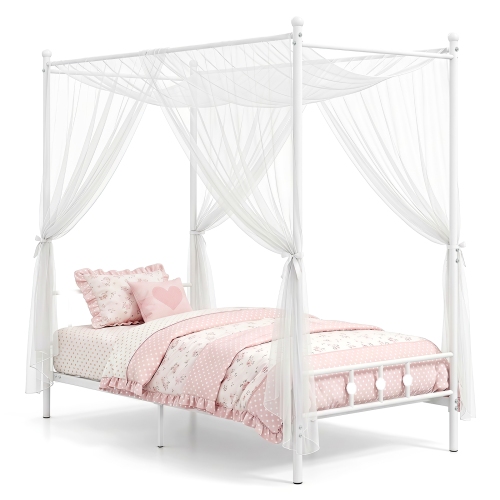

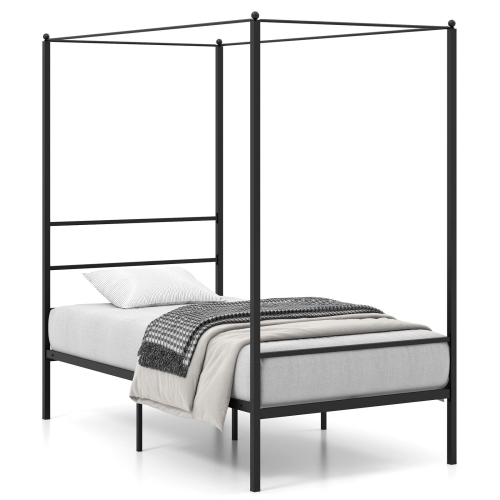


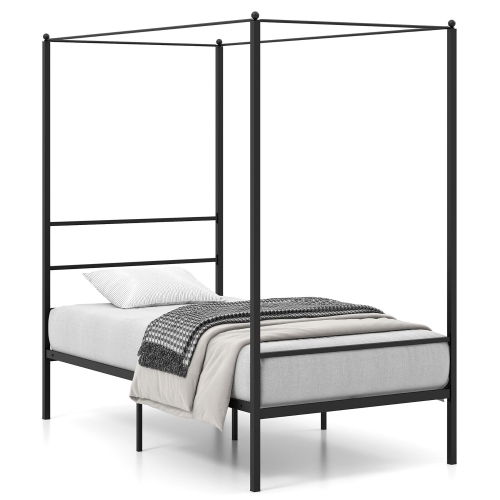
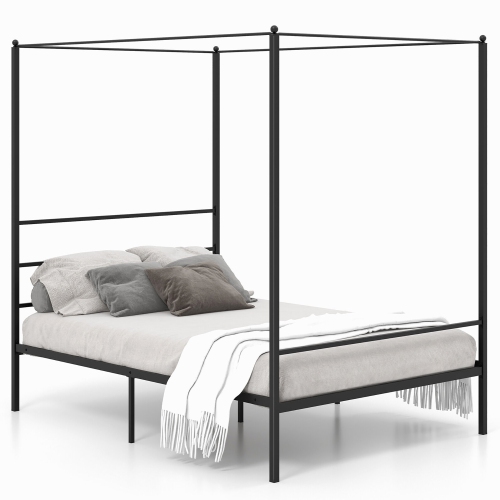


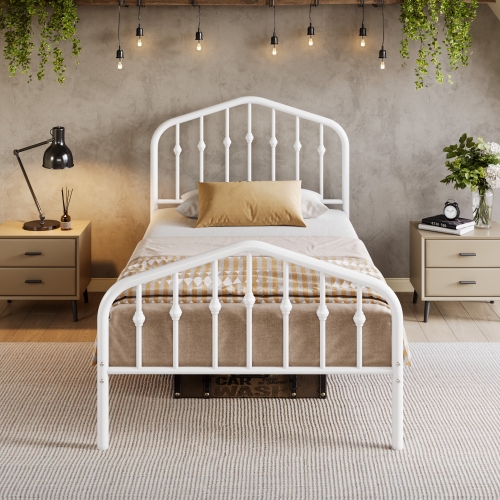
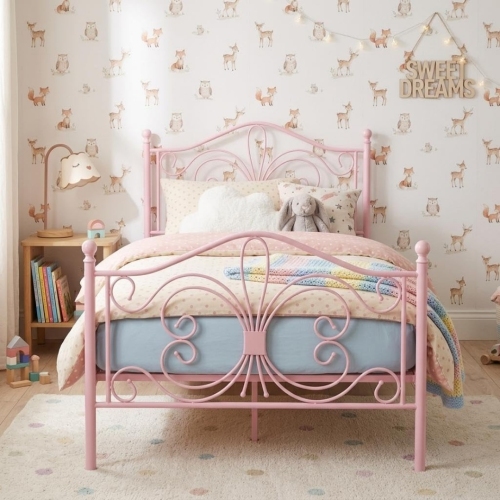
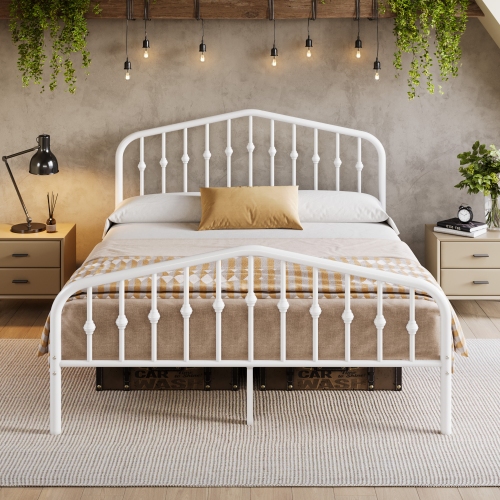
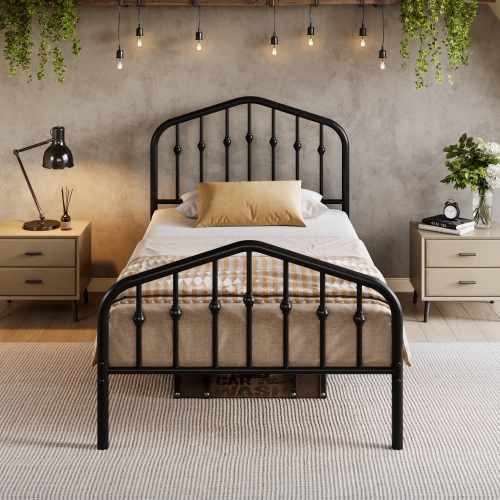
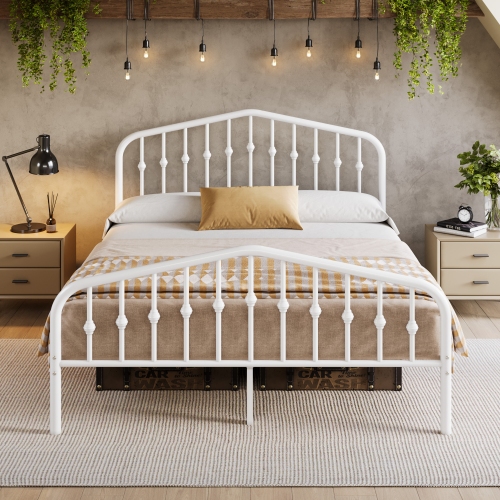

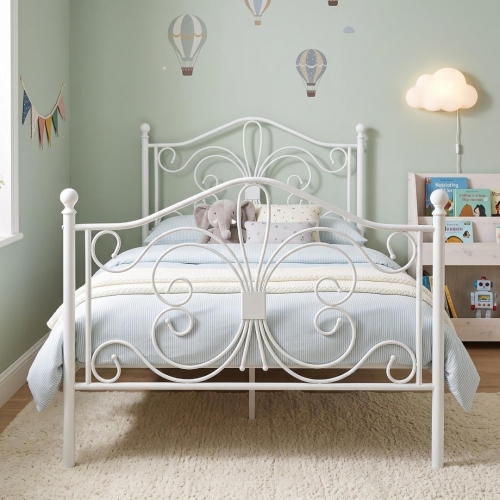
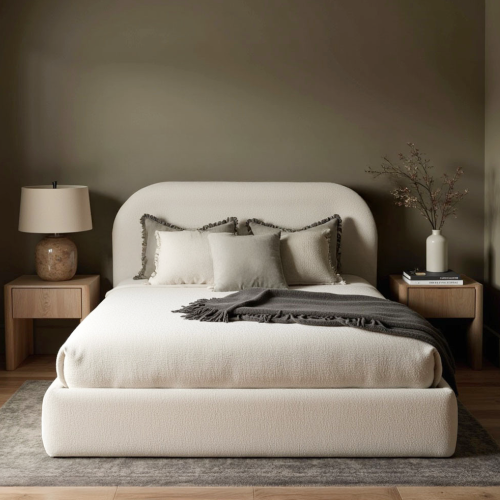
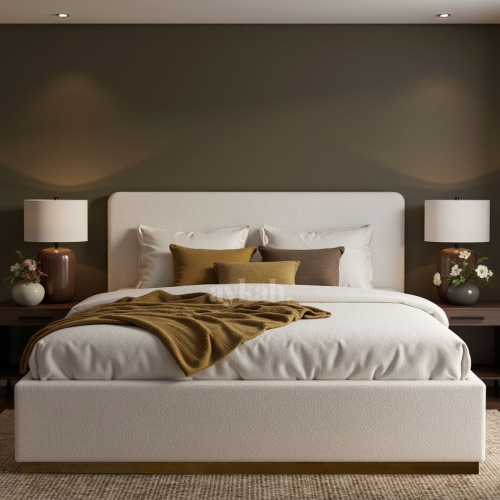

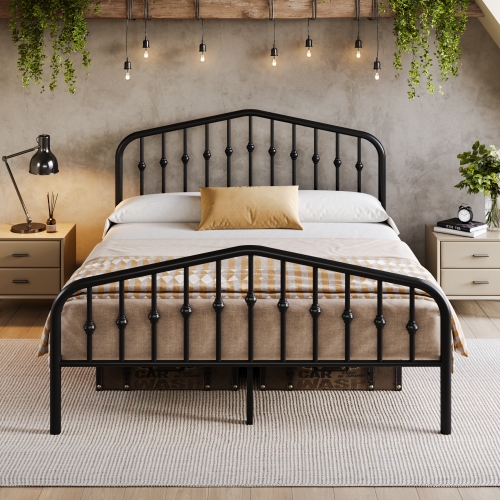
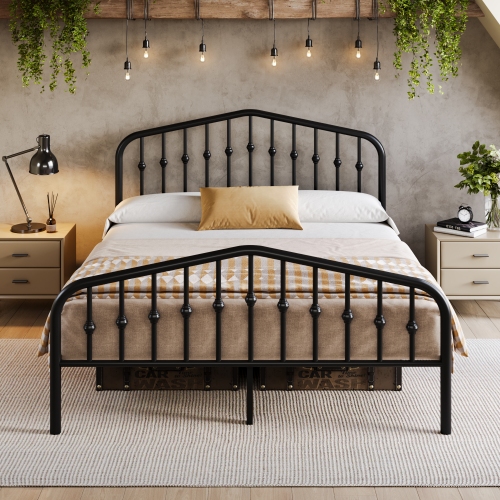

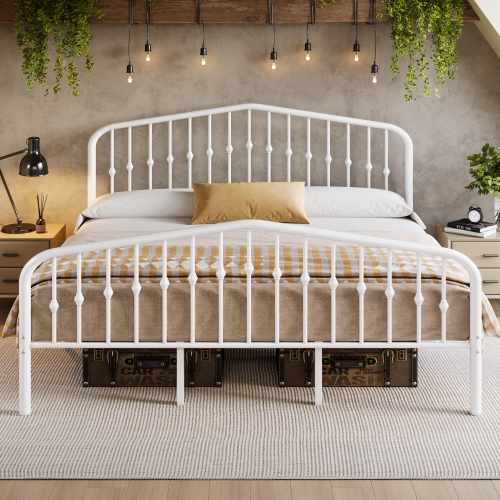

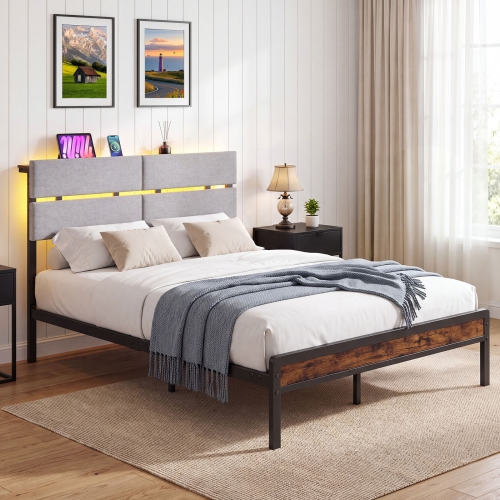


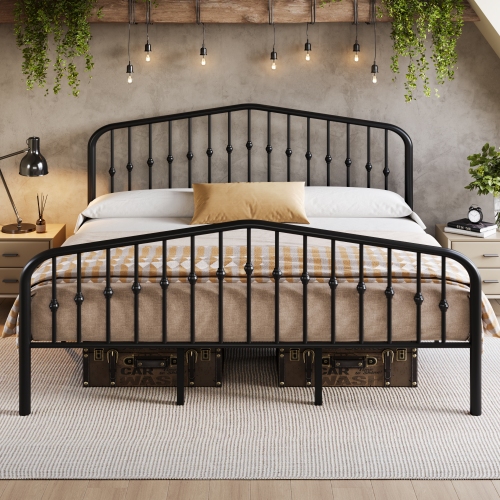
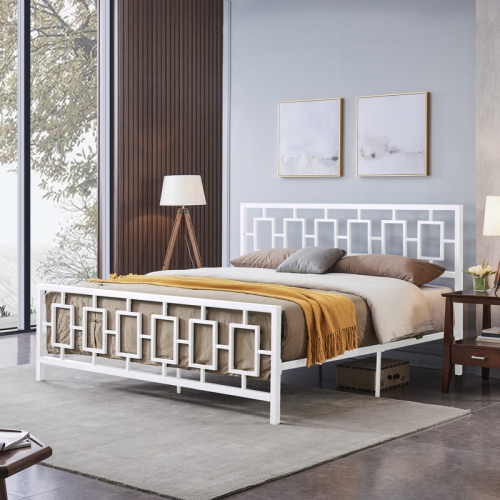

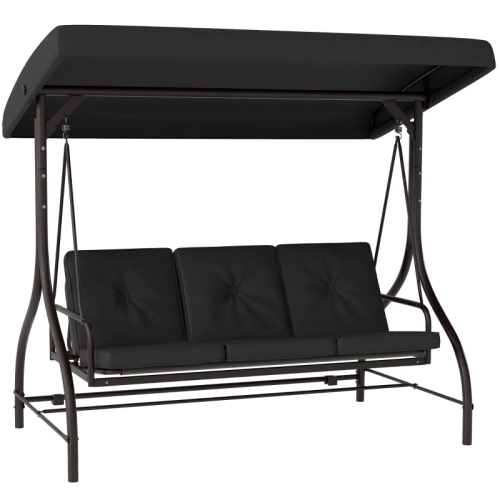
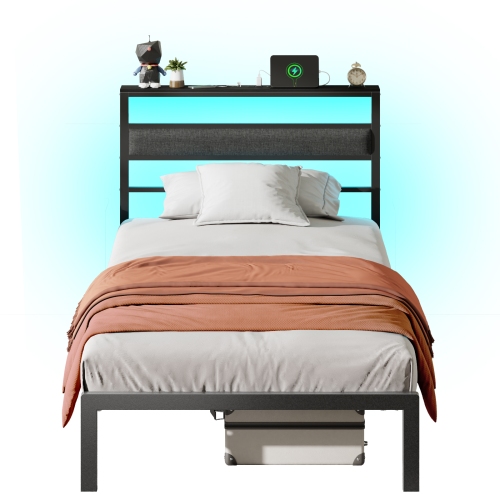

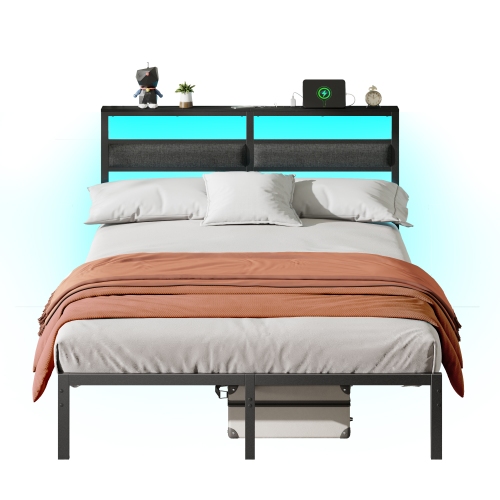
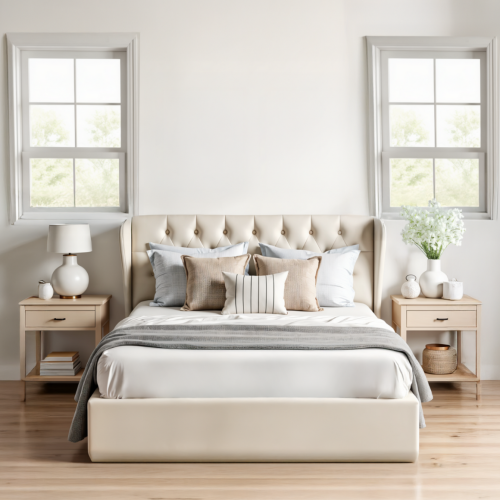
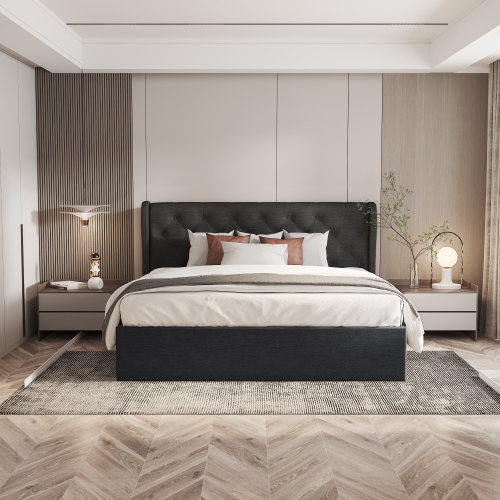
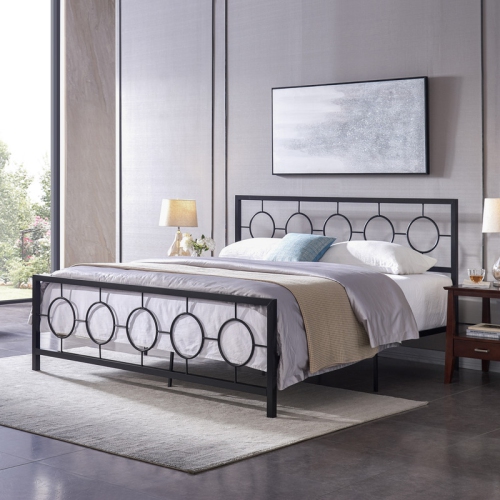


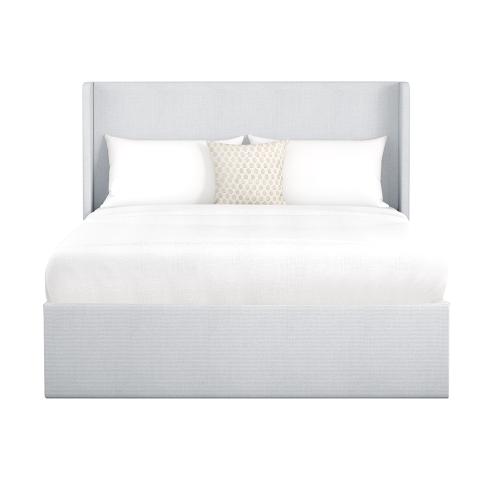

An airy frame with a strong architectural presence
Metal canopy beds pair a mattress-supporting frame with four tall posts connected by overhead rails, creating a defined outline around the sleeping area. Their appeal is architectural: slender metal lines can give a bedroom a strong focal point without the visual weight of a fully enclosed bed. Left uncovered, the canopy keeps sightlines open and lets wall colours, artwork, and bedding remain part of the composition. With compatible fabric panels, the same shape can feel softer and more enclosed, although not every frame is designed to carry curtains or other accessories. The distinction between a canopy bed and a four-poster bed is the overhead structure; a four-poster design may have tall uprights without connecting rails. Within the metal canopy category, straight posts and squared corners suit pared-back rooms, while curved headboards, rounded finials, and scrollwork bring a more traditional character. Matte black creates a crisp outline against pale walls, white finishes blend more gently into light interiors, and brass-toned finishes add warmth alongside wood furniture. Steel is a common frame material, but the metal type, tube dimensions, joint construction, and finish all contribute to how a bed looks and performs. Some designs combine metal posts with an upholstered headboard, giving people who read or watch television in bed a padded surface to lean against. Others keep the headboard open, making its height and spacing worth considering in relation to pillows and the mattress. A canopy bed does not need elaborate styling to look complete: a textured coverlet, two bedside lamps, and a clear view through the upper frame can be enough. These beds can suit a main bedroom, a guest room, or an adult’s first furnished apartment, provided the frame fits both the space and the intended use. The best match is not necessarily the most ornate design, but one whose proportions and details work comfortably with the furniture already in the room.
Fit involves more than choosing between twin, double, queen, and king mattress sizes. A metal canopy bed’s outside dimensions include the posts, headboard, footboard, and any projecting details, so its footprint can be larger than the mattress itself. Measuring the room at floor level helps establish space for walking, opening dresser drawers, and reaching both sides of the bed. Measuring upward is just as important. The canopy’s total height needs to work with the ceiling, hanging light fixtures, and ceiling fans, with adequate clearance for safe use. A sloped ceiling or a low bulkhead can interfere with a tall corner post even when the mattress area fits neatly below it. In a compact room, an open frame with slim posts may feel less imposing than a design with broad panels, but it still needs the same practical attention to access and clearance. For a room intended to accommodate two sleepers, queen canopy beds offer a familiar mattress format while leaving the overall frame dimensions as an important comparison point. Mattress support also varies by construction. Platform designs may use metal slats and a centre support system, while other frames require a separate foundation or box spring. The bed’s specifications and the mattress manufacturer’s support requirements should agree, particularly on slat spacing and whether an additional support surface is needed. Mattress thickness changes the finished sleeping height and how much of the headboard remains visible. A deep mattress on a raised base can make getting in and out less comfortable for someone who prefers a lower seat height, while a thinner mattress may sit below the intended headboard position. Underbed clearance is a separate measurement: it determines whether storage bins, a suitcase, or a vacuum head can pass beneath the rails. Centre legs may divide that space, so useful storage capacity depends on more than the height alone. Delivery access matters too, especially where long frame sections must pass through narrow stairwells or tight hallway turns.
Durability in a metal canopy bed depends on the entire support structure rather than the appearance of the posts alone. Secure rail connections, properly seated slats, sound welds, and centre legs that contact the floor all contribute to a stable sleeping surface. A stated weight capacity should be checked for what it includes, since the mattress, foundation where required, and sleepers all add to the load. Overhead canopy rails are generally not intended to support body weight, hanging chairs, or exercise equipment; they should only carry accessories expressly permitted by the manufacturer. Where fabric panels are allowed, their attachment method and weight need to match the frame’s instructions, and the material should stay clear of lights, fans, and heat sources. For everyday comfort, joint design can matter as much as visual style. Some frames incorporate pads or washers to reduce metal-on-metal contact, but no bed should be assumed to remain silent regardless of assembly or floor conditions. Careful assembly on a level surface, with fasteners tightened in the specified sequence, helps prevent unnecessary movement. Tall posts and long upper rails can be awkward to align, making a second adult useful during setup. If a rattle develops later, checking the connections and support feet according to the care instructions is more appropriate than adding improvised fittings. Routine cleaning is usually straightforward: a soft cloth removes dust from posts and rails, while a lightly dampened cloth may be suitable for marks if the finish permits it. Abrasive pads and harsh cleaners can scratch or dull coated surfaces, and moisture should be wiped away rather than left around joints. Upholstered sections require separate care suited to their fabric. Protective pads compatible with the flooring can help limit scuffs beneath the feet without compromising stability. Moving the bed is another occasion to protect its structure: lifting or dismantling it as directed is preferable to dragging it by a post or pulling on the canopy. With suitable mattress support, thoughtful placement, and routine attention to its connections and finish, a metal canopy bed can provide both a practical place to sleep and a distinctive centrepiece for a bedroom.
Top selling and popular products
-
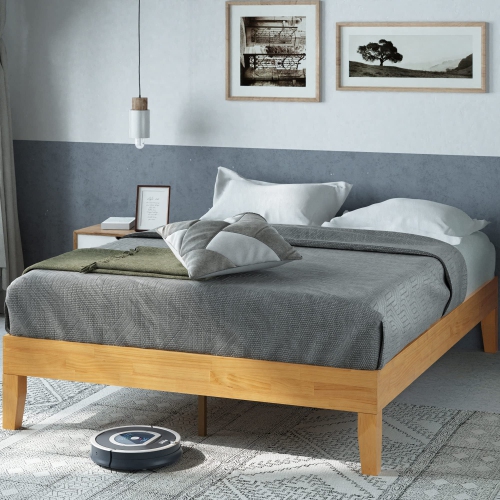 Your price for this item is $493.52
-
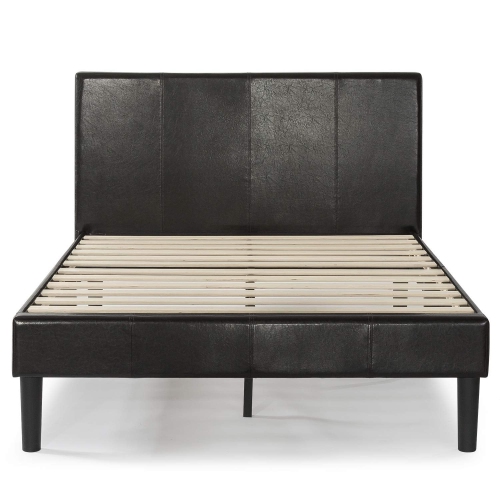 Your price for this item is $611.85
-
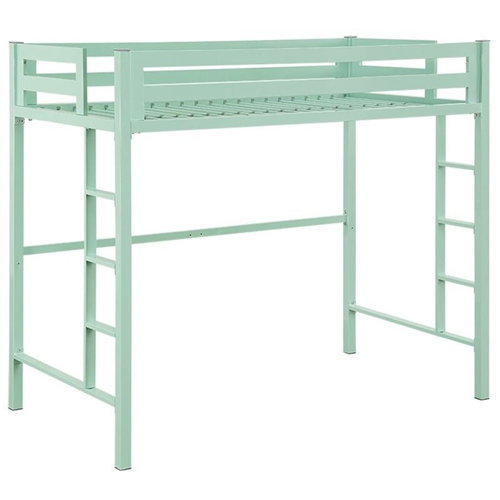 Your price for this item is $824.18
-
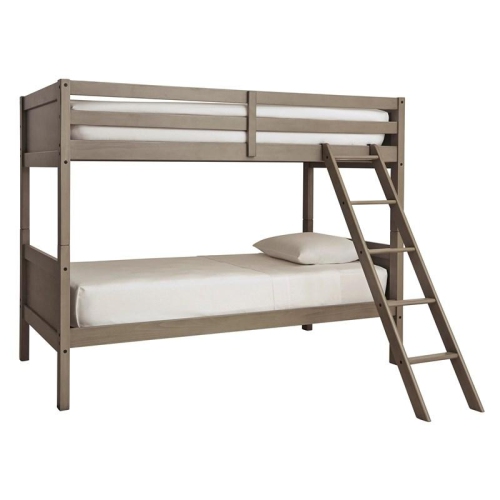 Your price for this item is $799.99
-
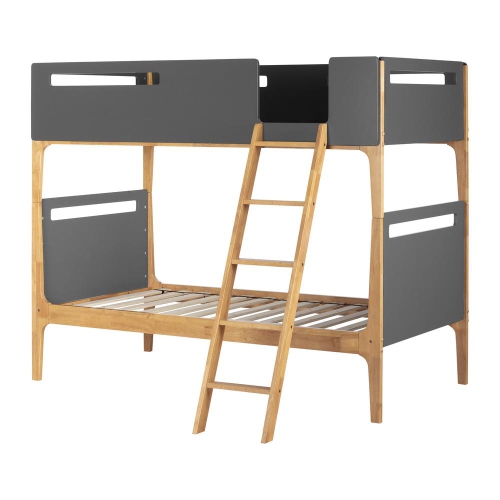 Your price for this item is $985.42
-
 Your price for this item is $157.99
-
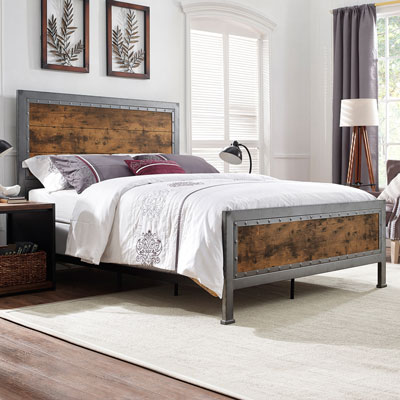 Your price for this item is $862.99
-
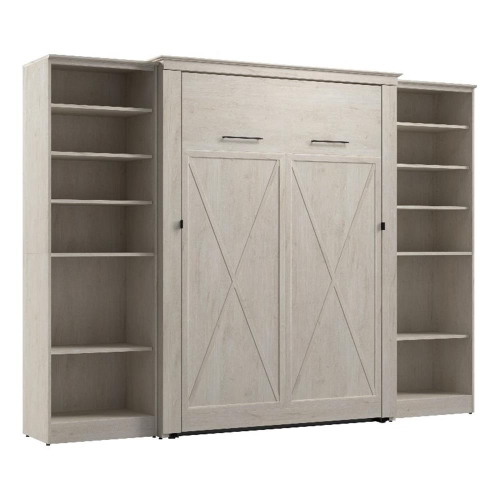 Your price for this item is $3099.99
Discover more categories related to Metal Canopy Beds

Top Collections:
Pokemon Centers, Best Cameras for Sports Photography, Kindle Devices, Samsung Galaxy Phones, Canon G7X Cameras, Pokémon 30th Celebration Cards, Refurbished Apple Laptops, iPhone 15 Apple, Laptops for Students, Budget Smartphones
Some products may be subject to Environmental Handling Fees
(EHF) depending on your province.
Learn more about EHFs.